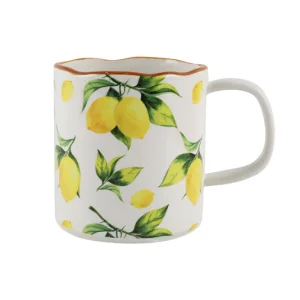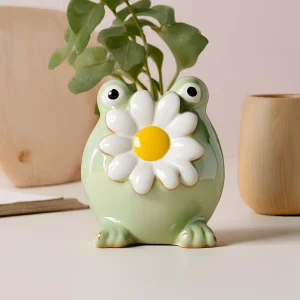
Premium, food-safe, and weather-resistant stoneware tailored for San José boutique dining and Guanacaste luxury hospitality environments.
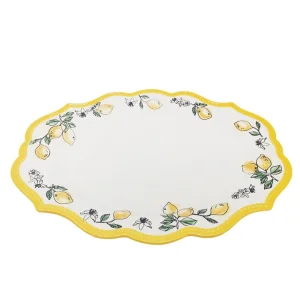
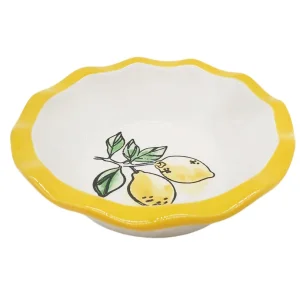
As a global hotspot for high-end eco-tourism and sustainable real estate development, Costa Rica's commercial demand for specialized ceramics—ranging from high-temperature dinnerware to weather-resistant outdoor planters—has scaled exponentially. Importers, hotel chains, and retail distributors in major hubs like San José, Guanacaste, and Alajuela face distinct geographic and environmental conditions that dictate product standards.
Costa Rica’s tropical climate, characterized by high humidity levels and coastal salt-spray, is notoriously harsh on low-fired ceramics. Low-quality clay and improperly formulated glazes absorb moisture, causing internal expansion, surface crazing, and structural failure over time. For garden planters, resort pots, and outdoor dinnerware, local businesses require high-temperature vitrified clay bodies. When fired at 1250°C and above, the silica and clay fuse into a non-porous structure with water absorption rates of less than 0.5%, providing superior frost and thermal shock resistance.
Furthermore, Costa Rica's strict adherence to "Esencial Costa Rica" brand guidelines elevates consumer expectations for non-toxic, eco-friendly homeware. Traditional Lead-based glazes are strictly banned for food contact materials. Importers must secure FDA, LFGB, or equivalent health registration certificates to pass customs at Puerto Caldera or Puerto Limón without costly quarantine delays.
China remains the undisputed epicentre of ceramic production, specifically in regions such as Chaozhou and Dehua. For Costa Rican importers, sourcing directly from Value Deco Limited’s network of state-of-the-art Chinese factories yields key structural advantages:
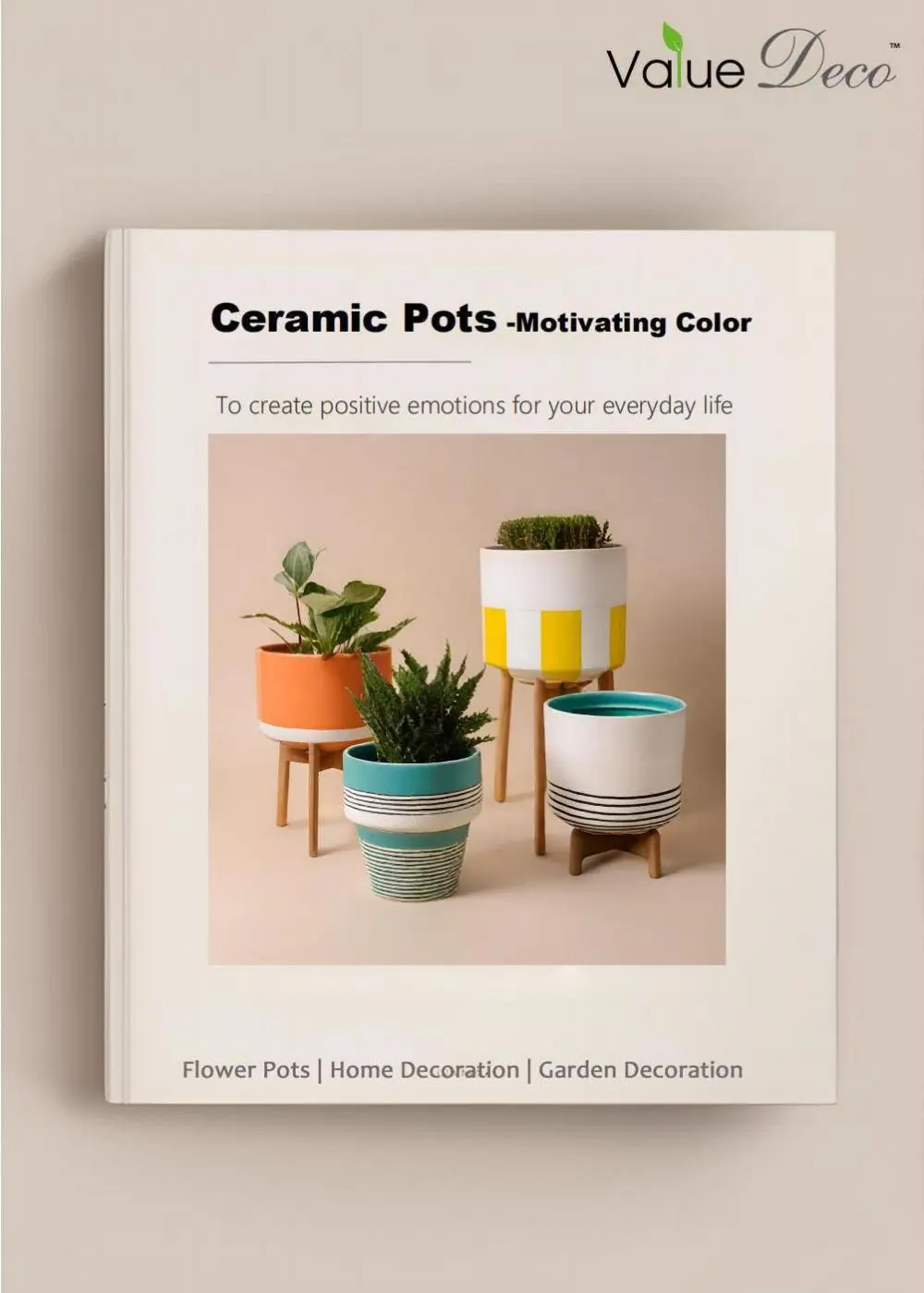
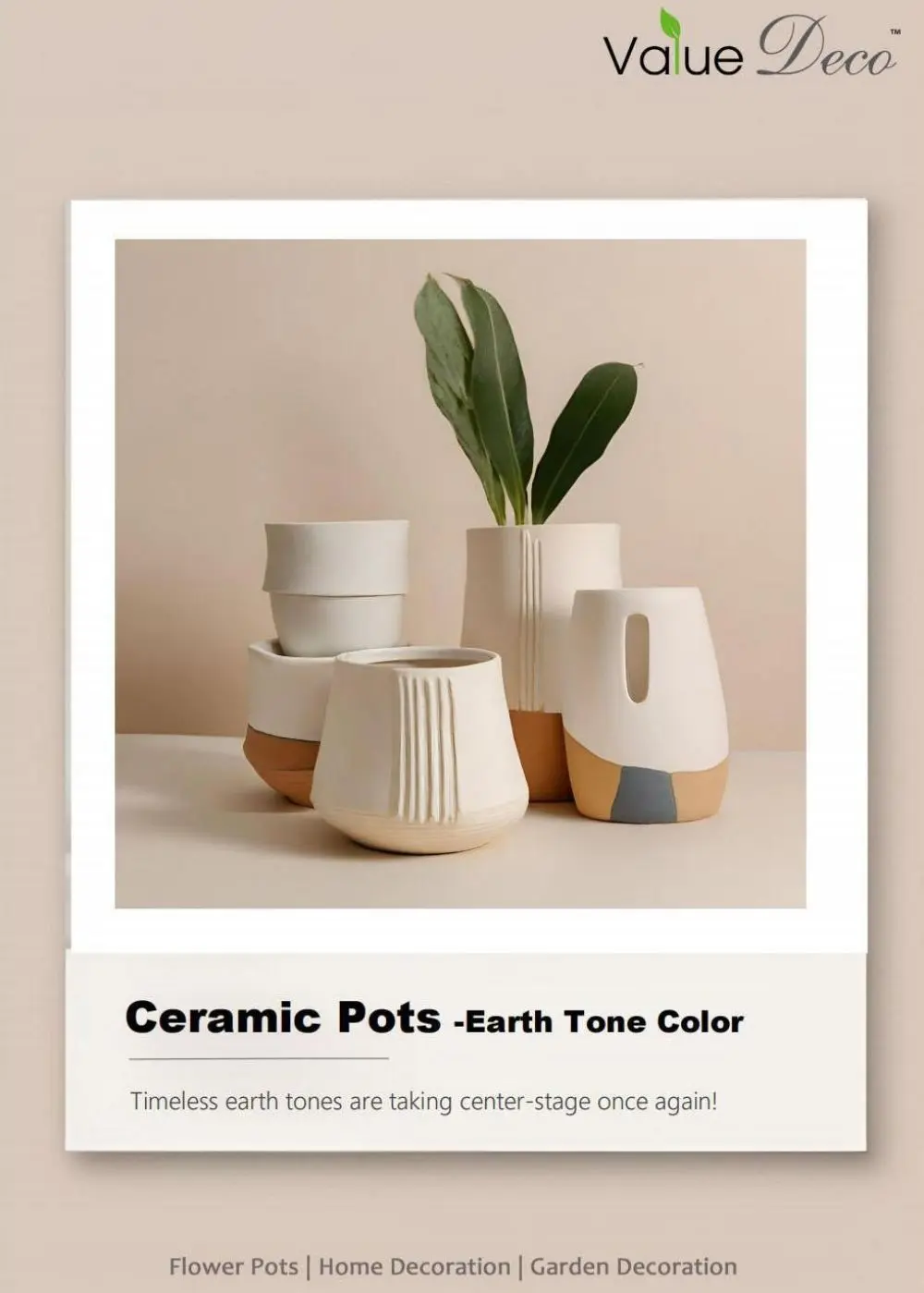
Explore our diverse manufacturing capabilities across major home and garden ceramic segments.
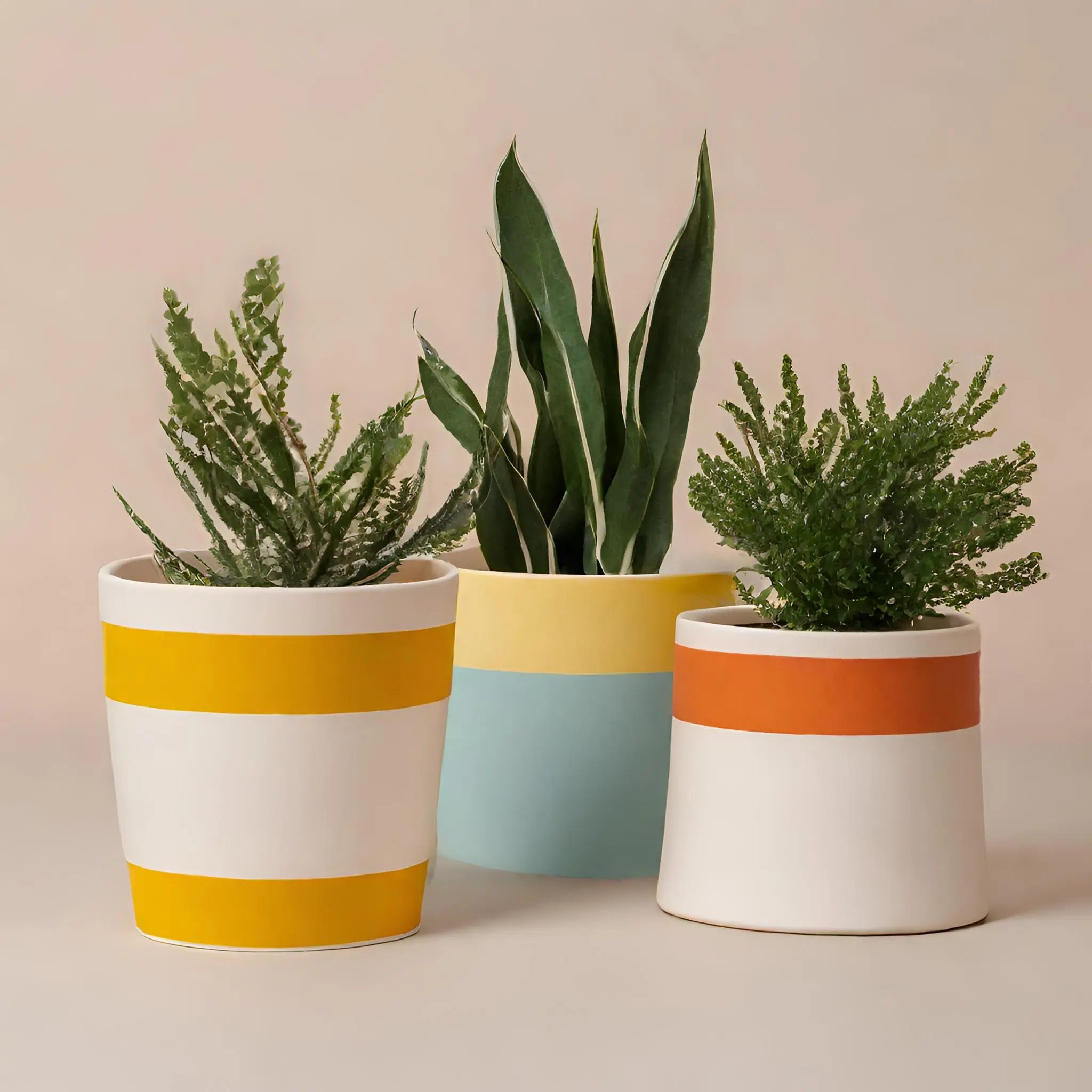
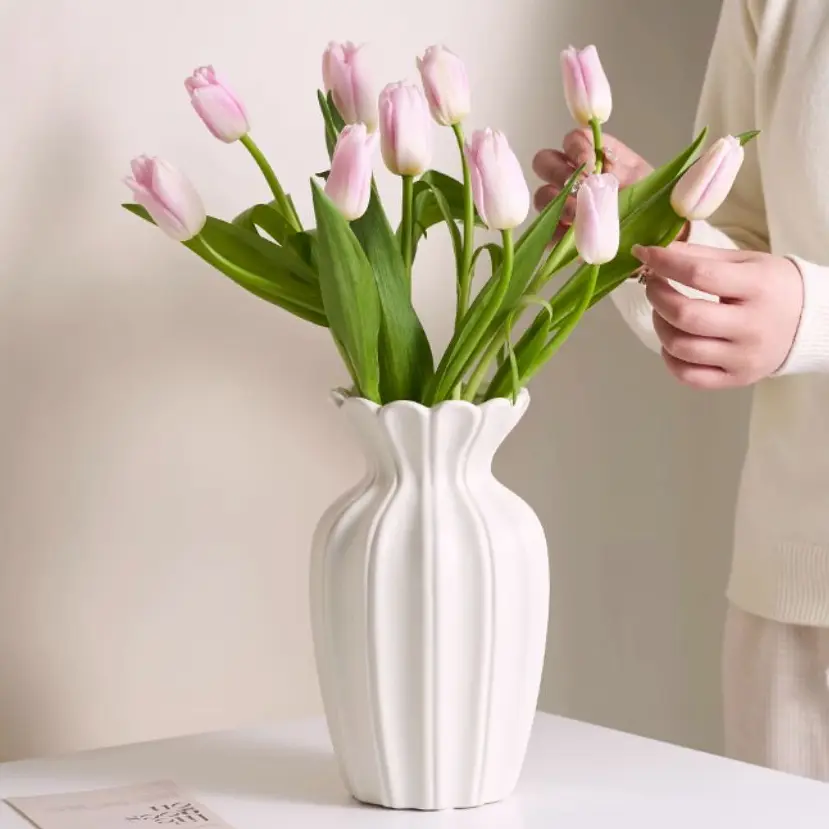
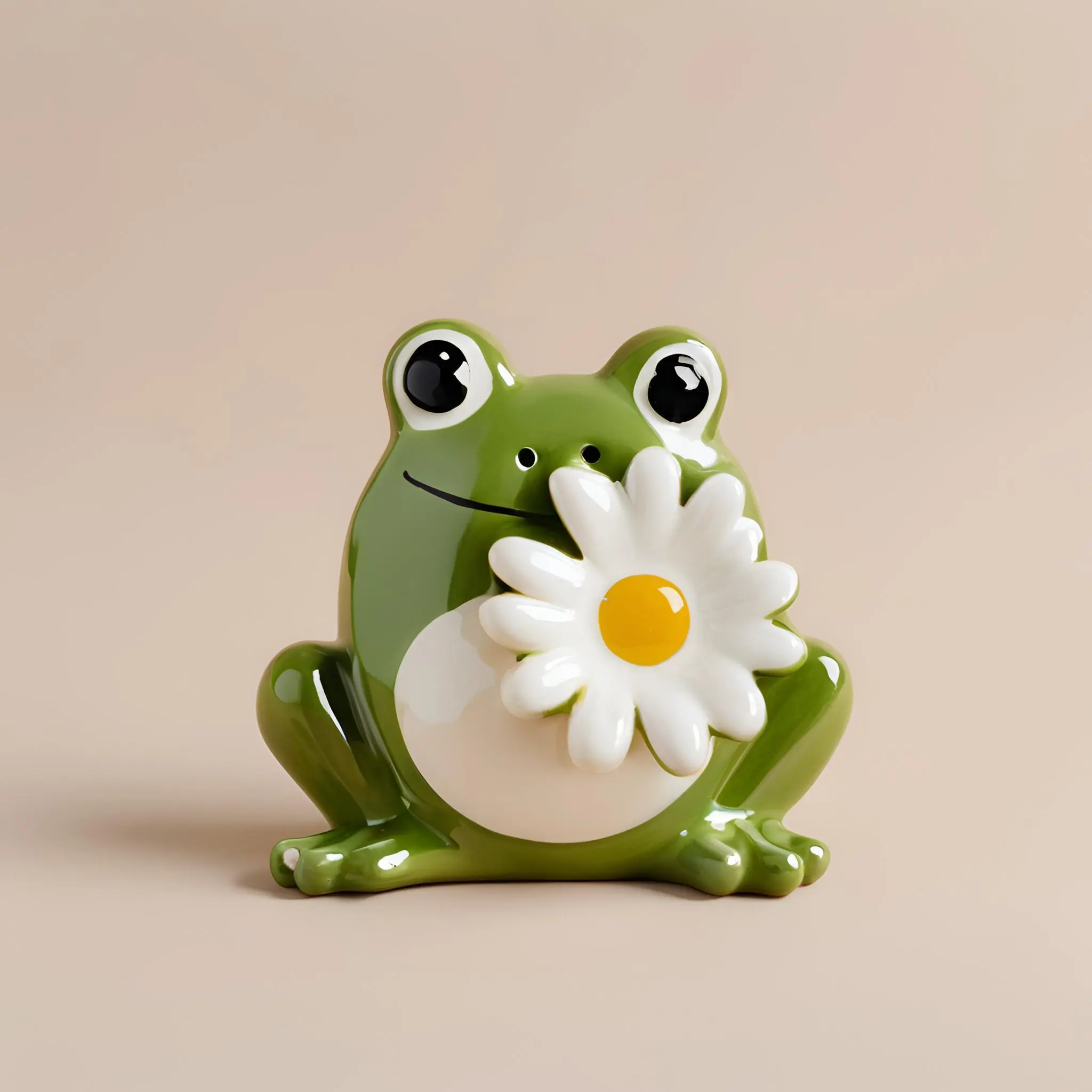

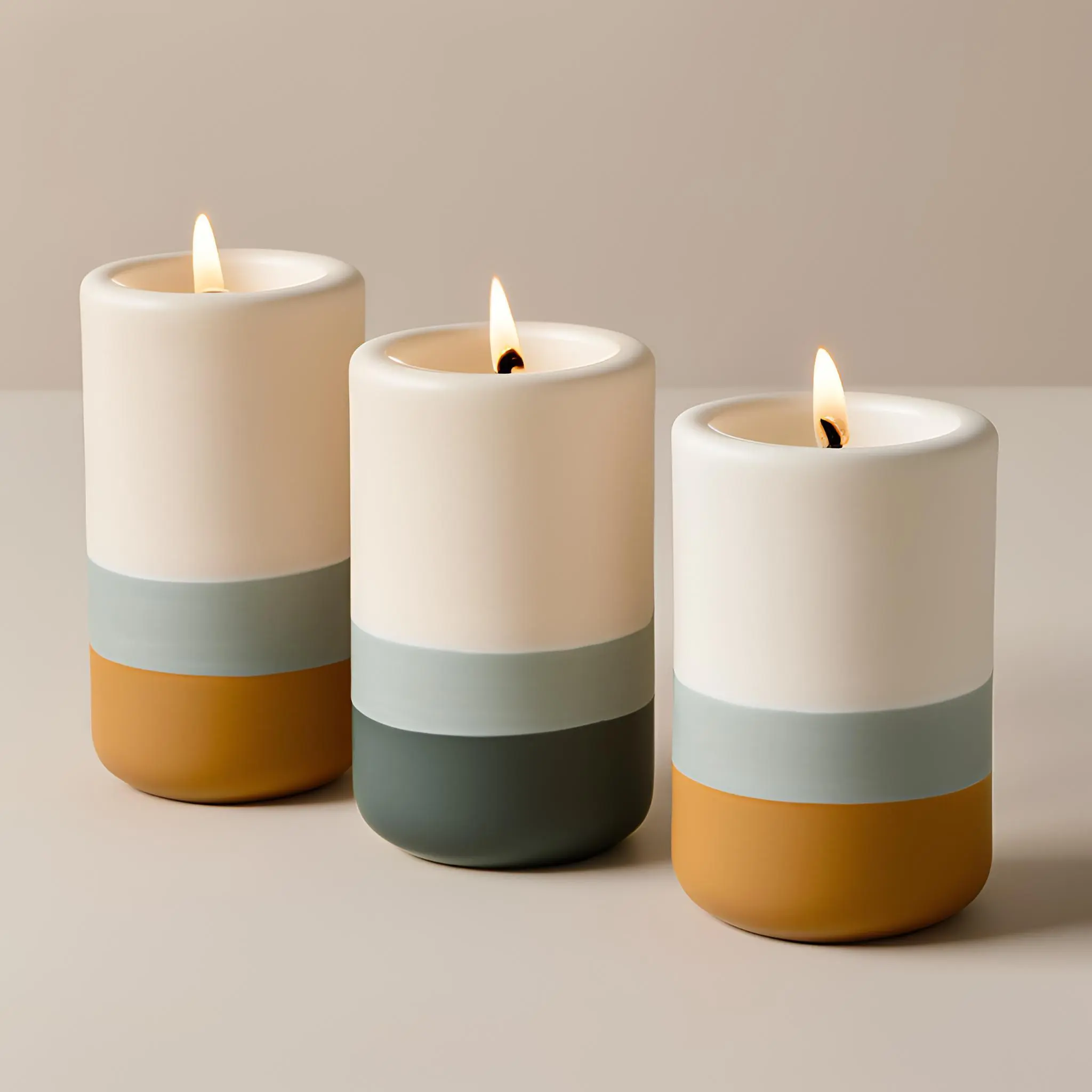

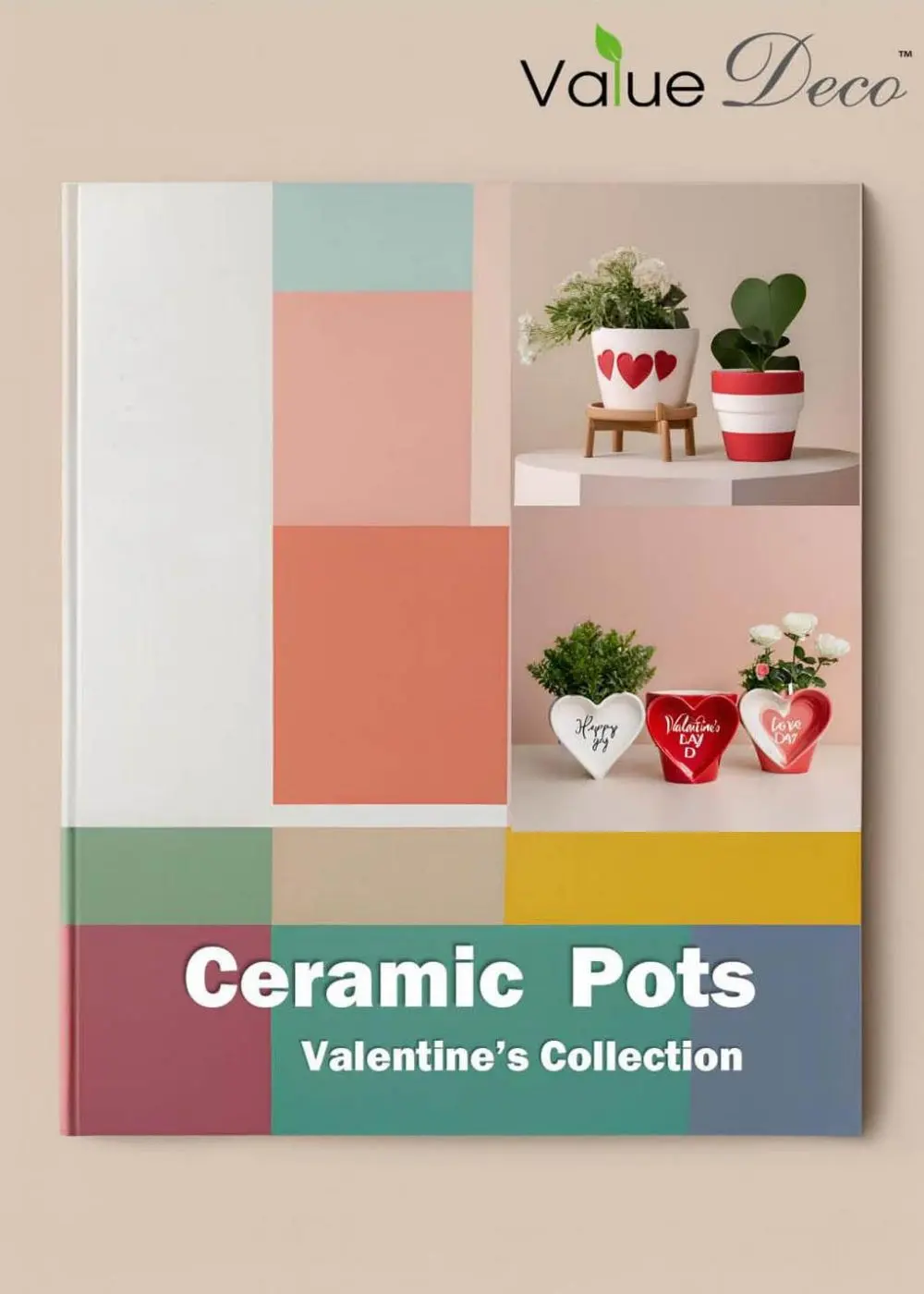
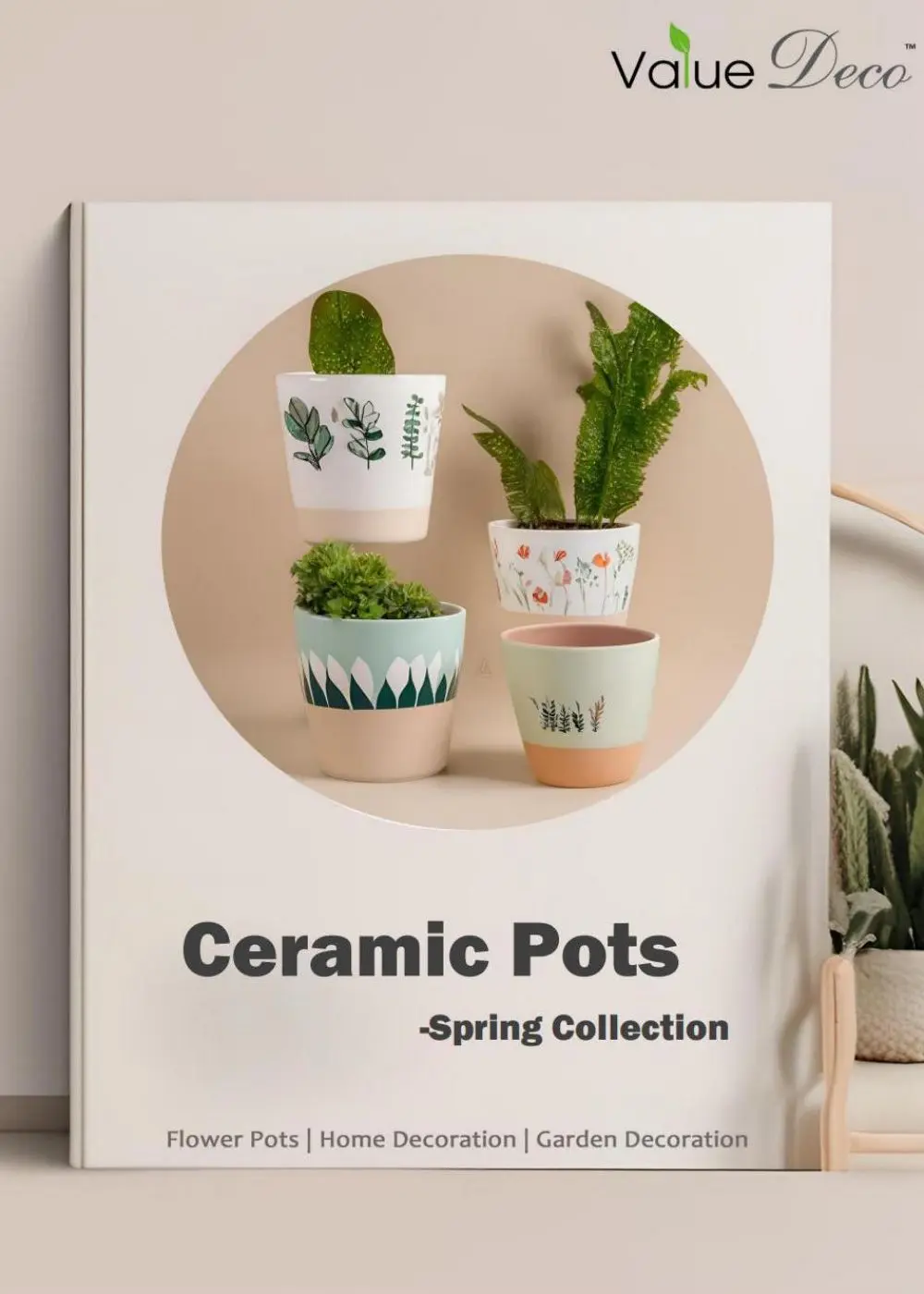
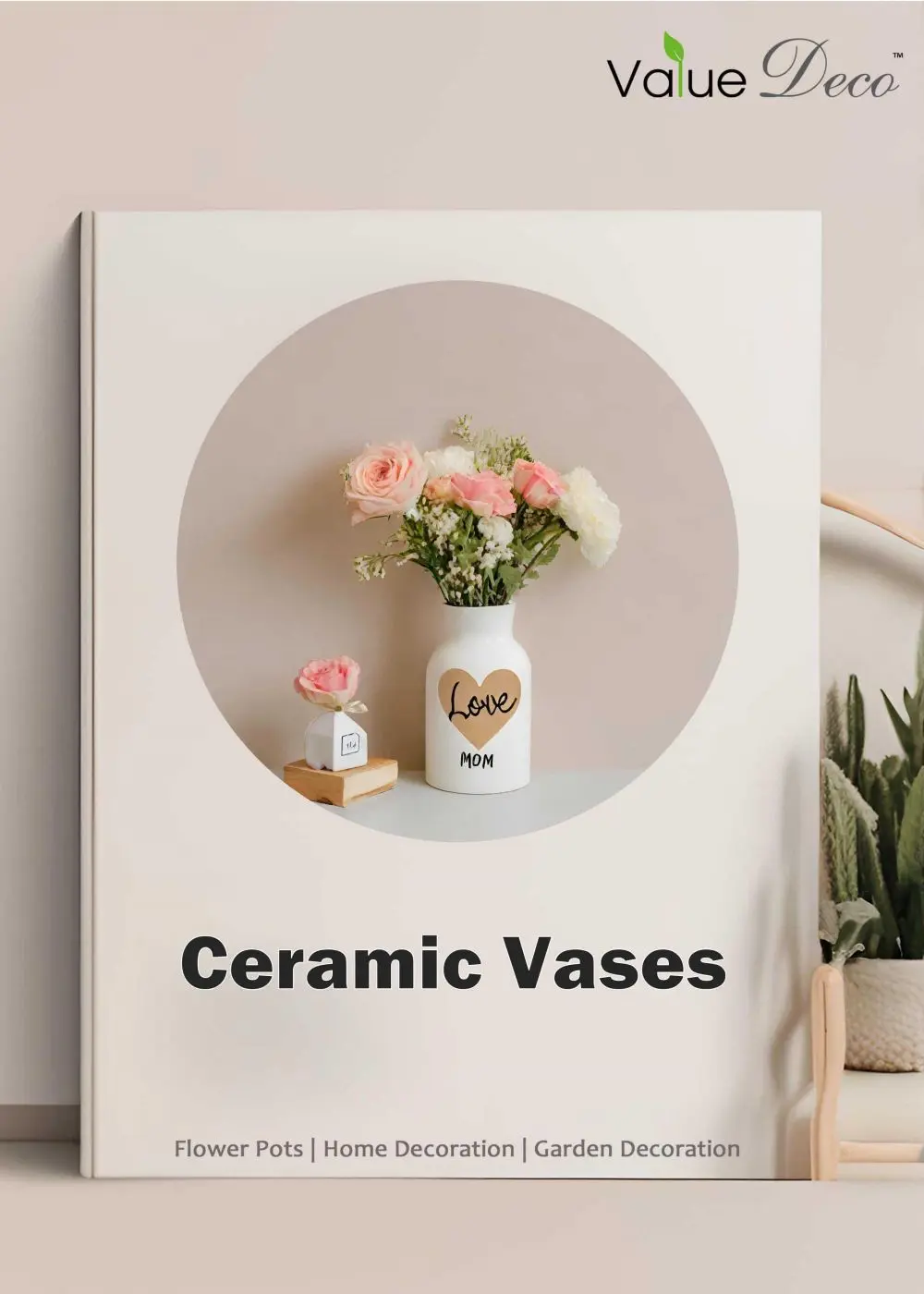
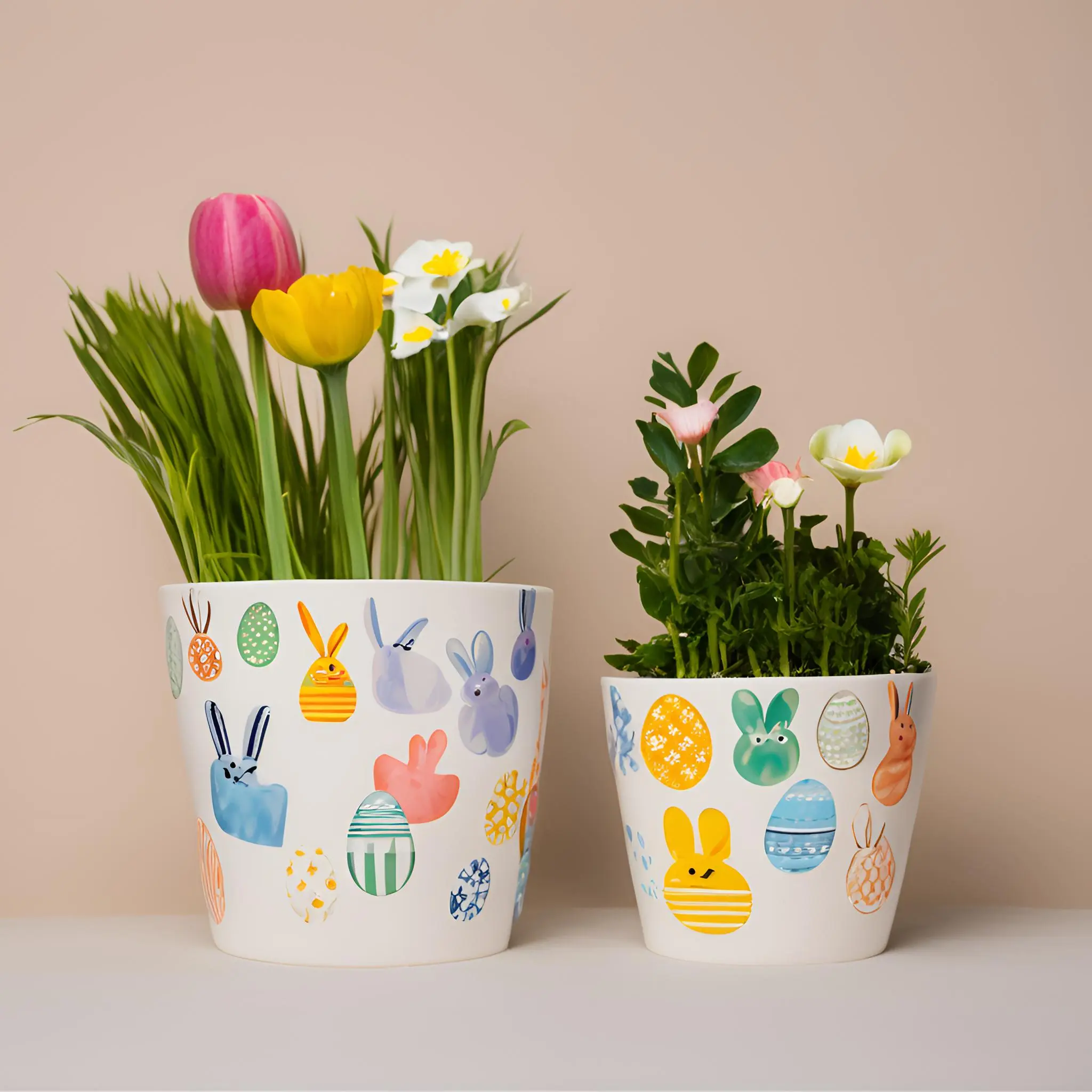
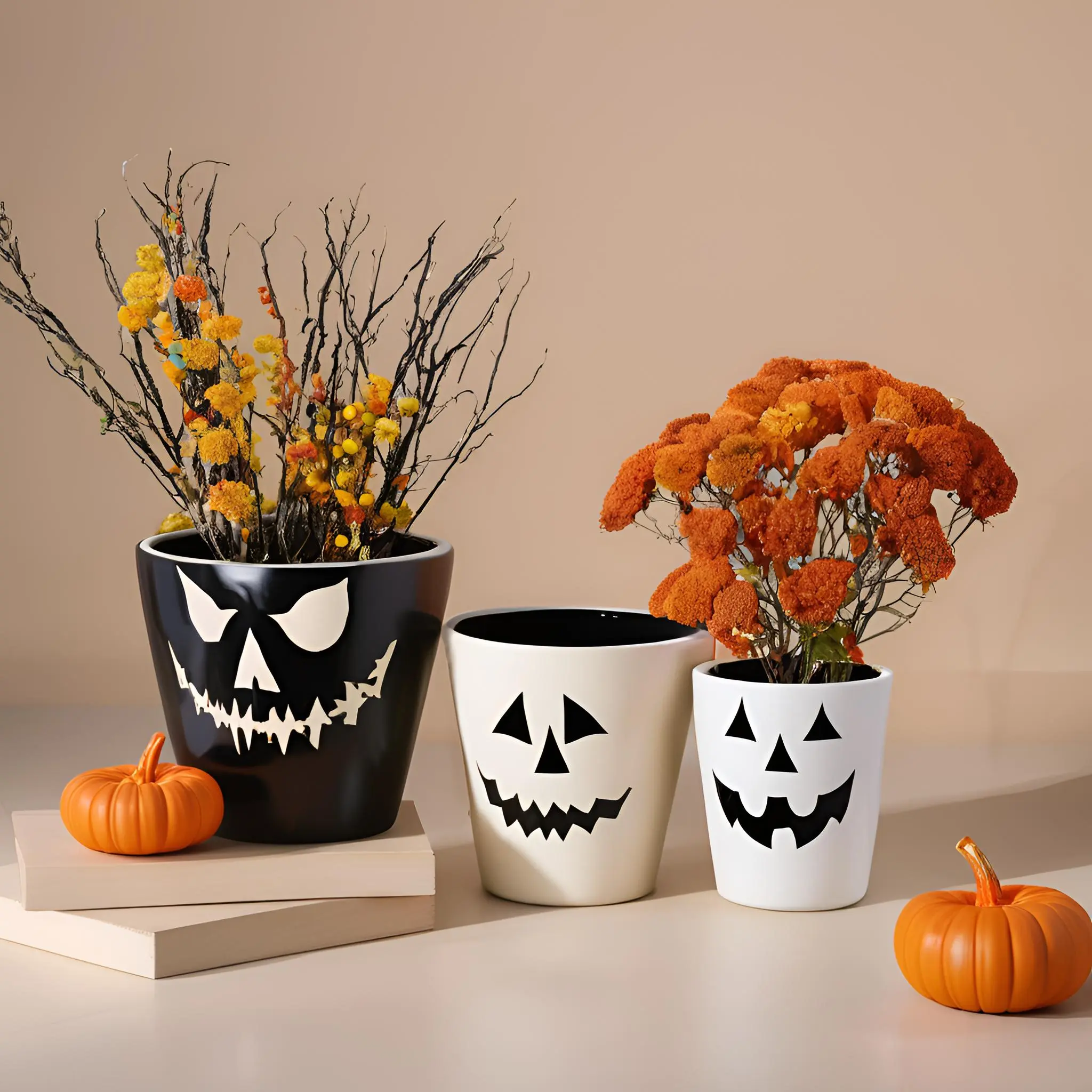
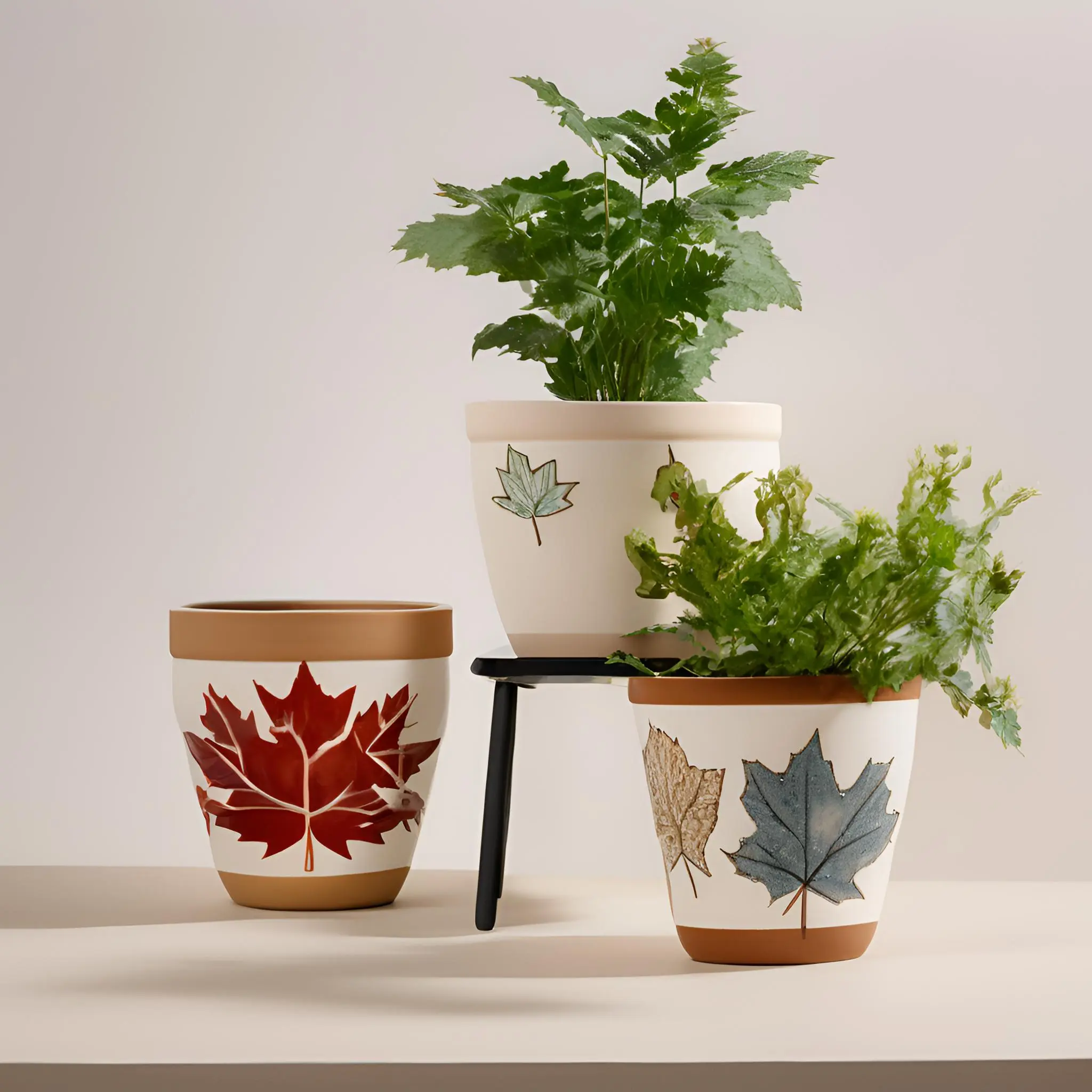
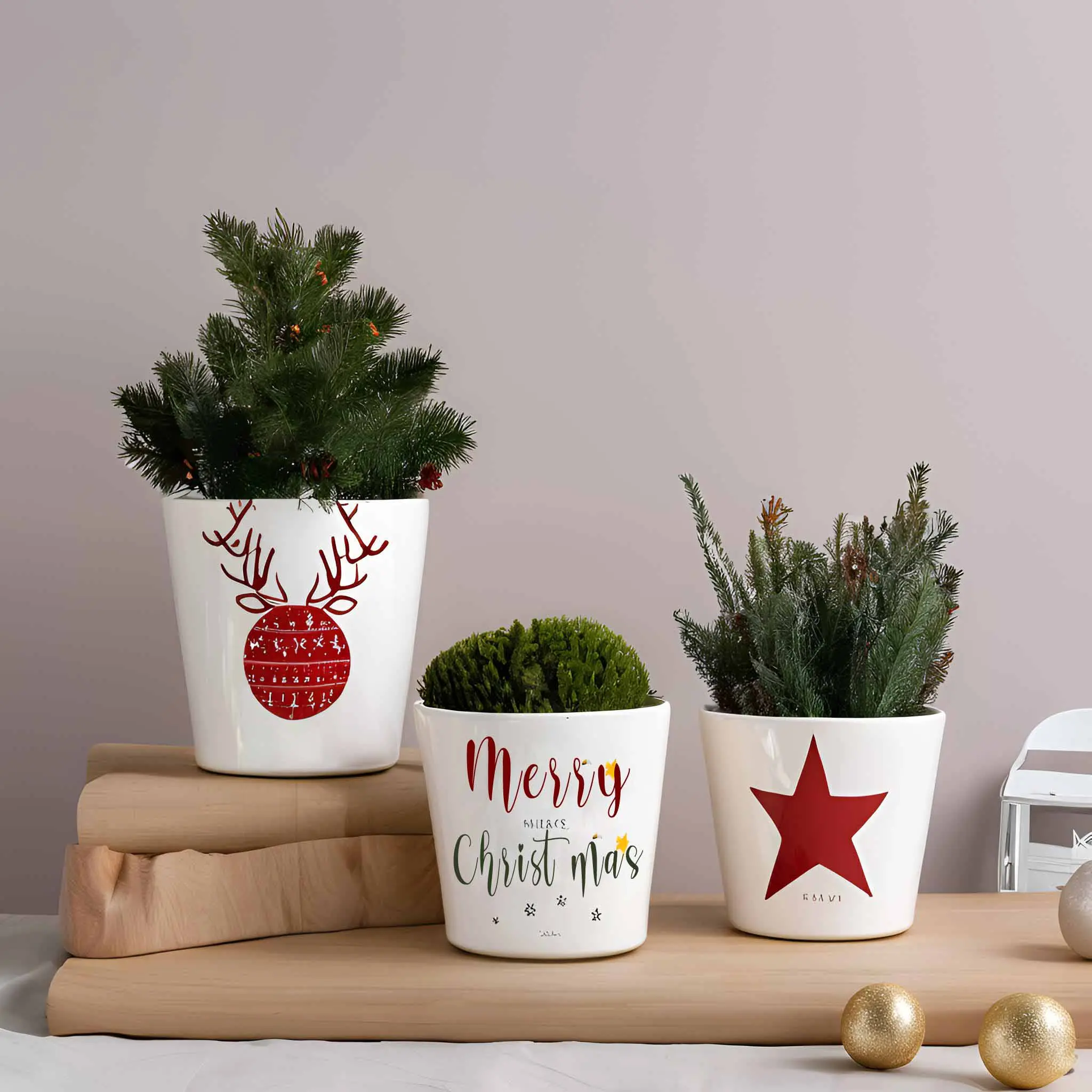
Boost retail performance during key seasonal peak sales windows with custom-manufactured seasonal collections.
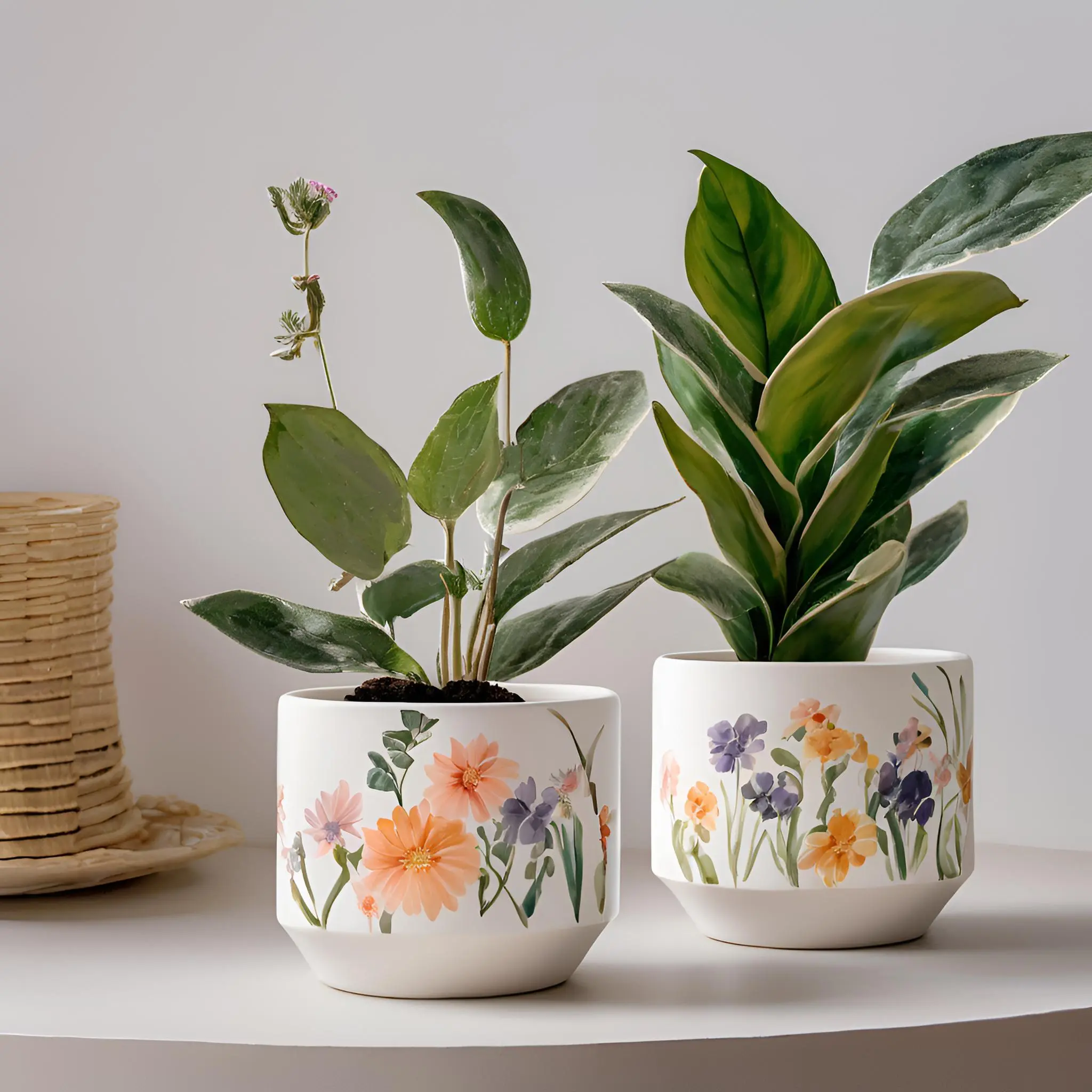
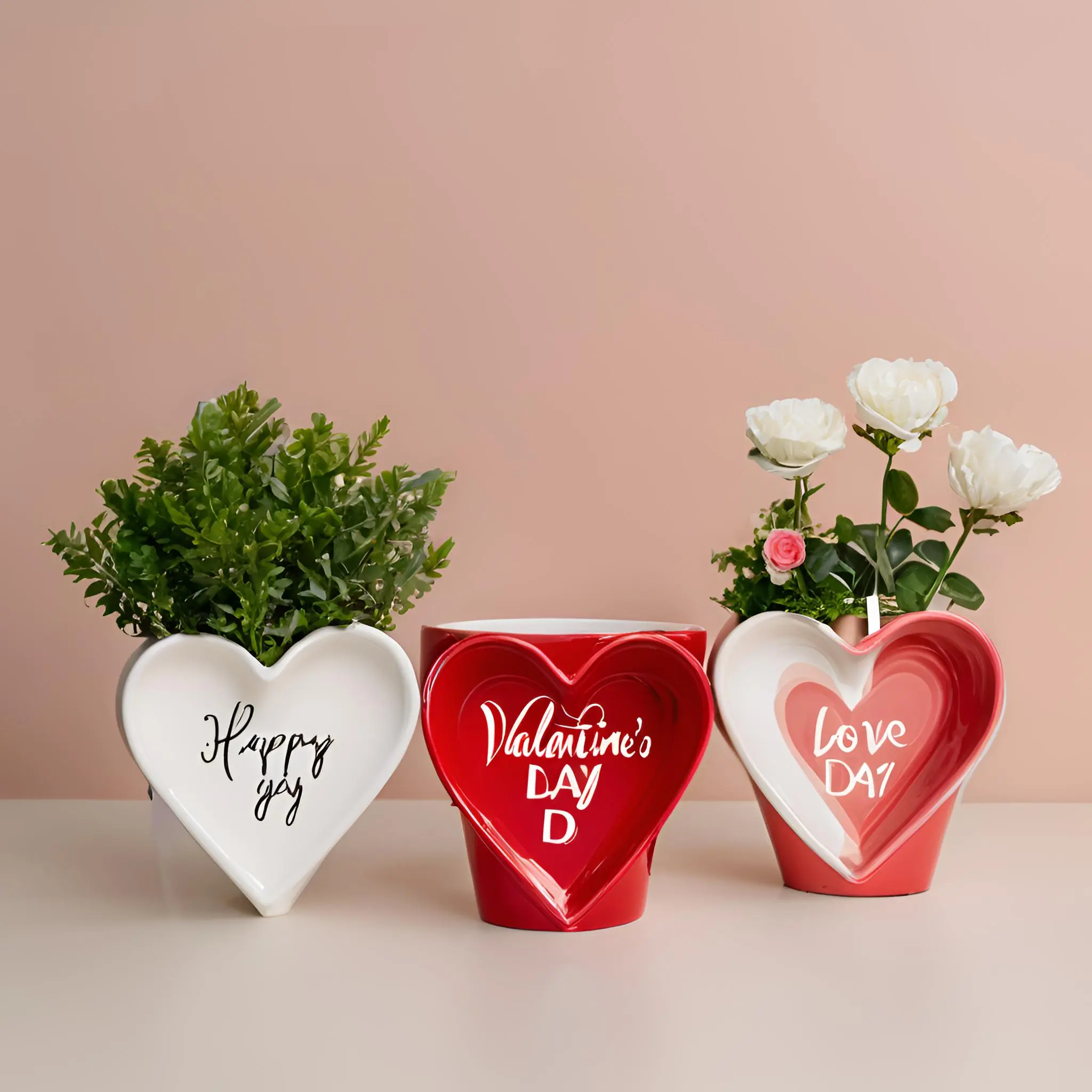
Value Deco Limited is a premier designer, manufacturer, and supply-chain partner of high-quality ceramic products. With over 12 years of specialized export experience in the home decoration, gardening, and dinnerware industries, we bridge the gap between design concepts and large-scale factory outputs. Our specialized divisions deliver end-to-end purchasing control, quality assurance, and streamlined logistics for importers globally.
By splitting our operations into focused divisions, we ensure targeted R&D and production capabilities for every client type:
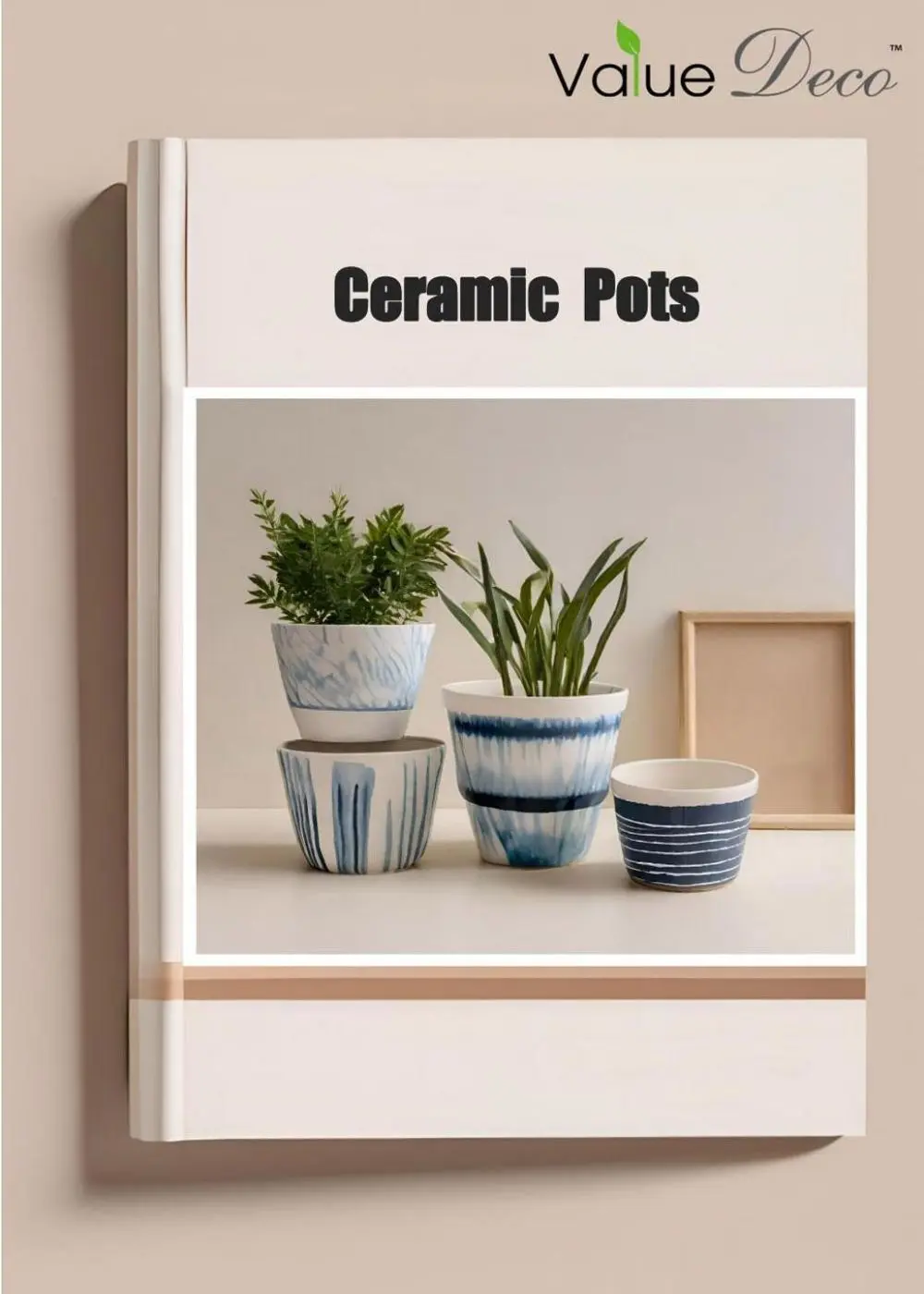
Review our detailed product catalogs highlighting clay composition specifications, sizing charts, and packing ratios.
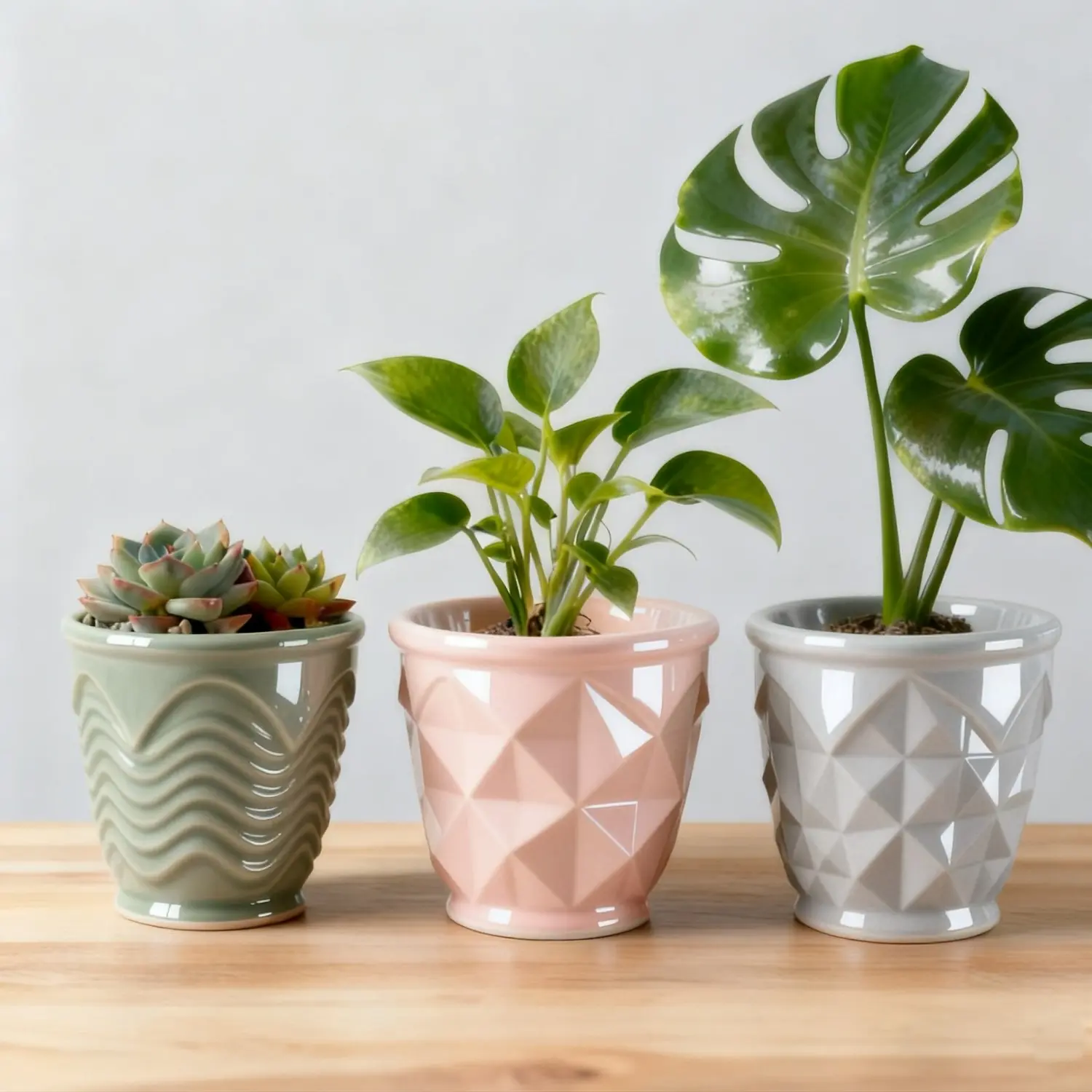
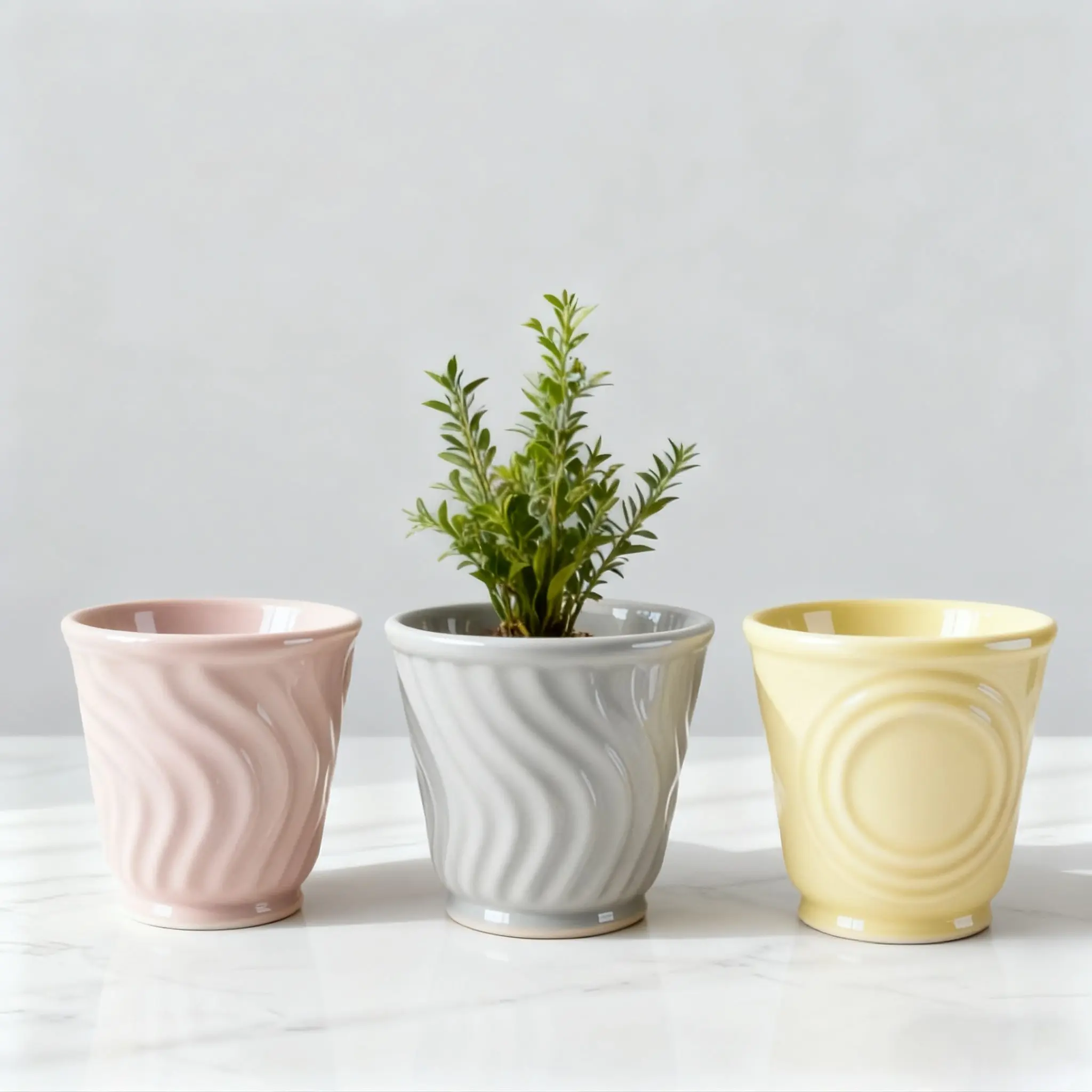
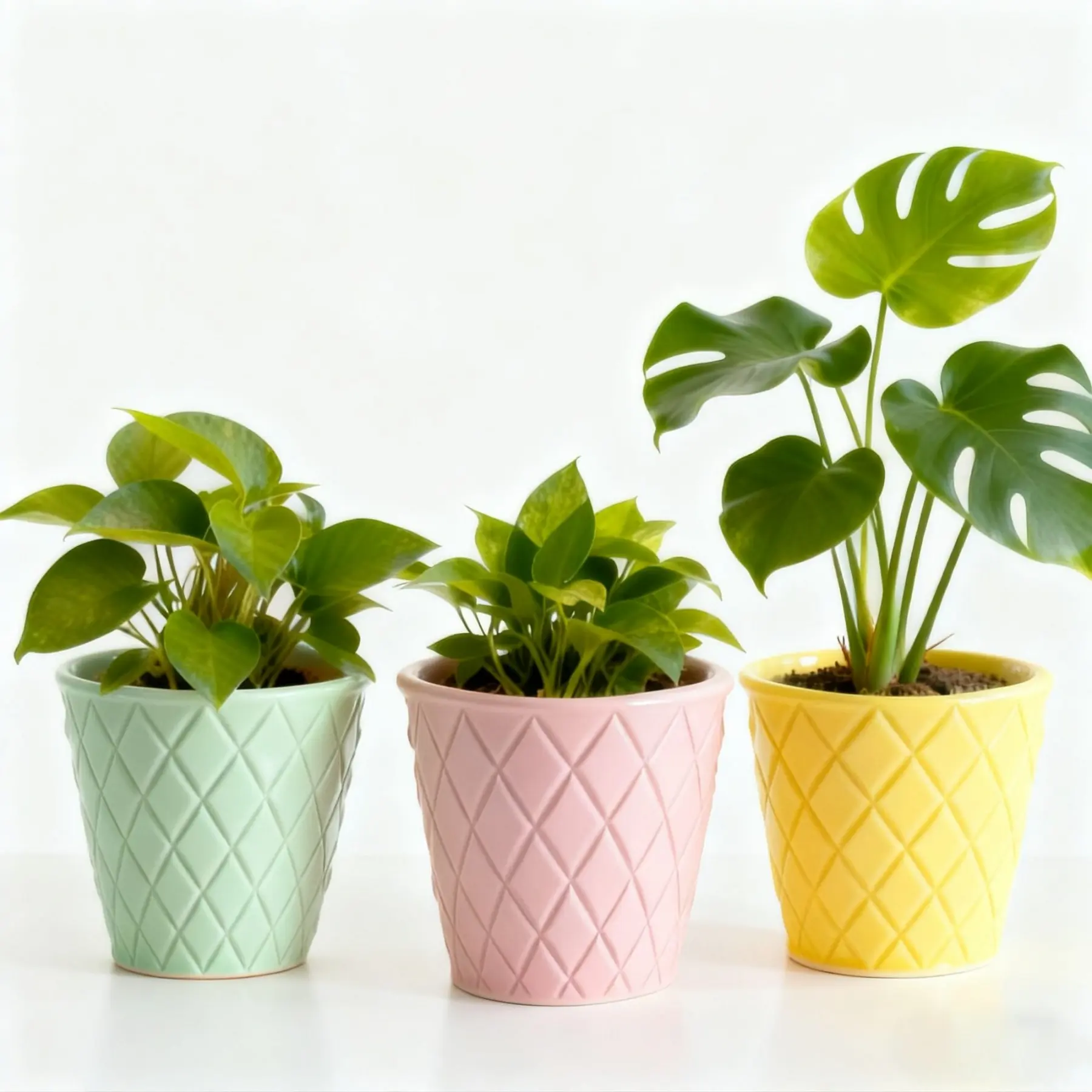
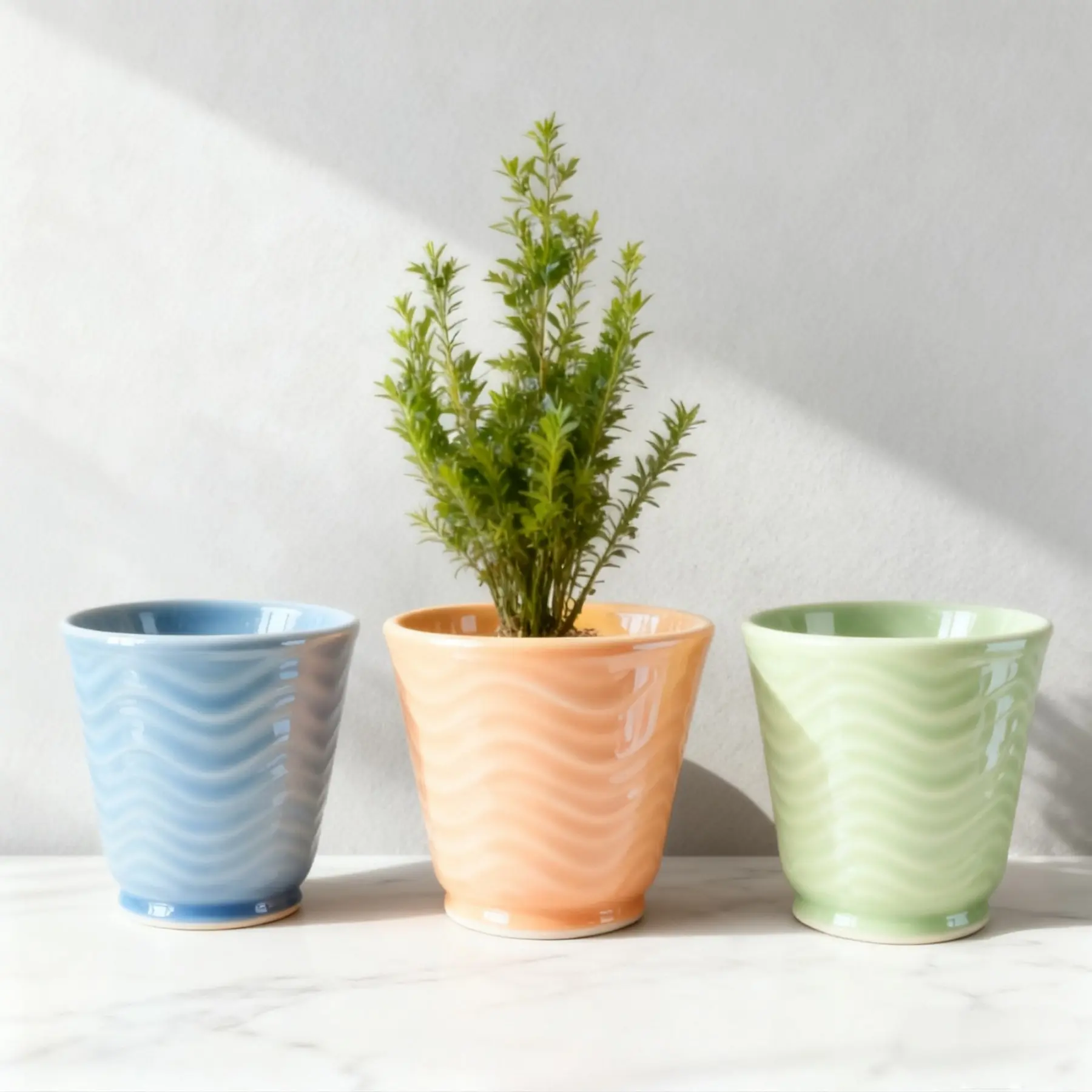
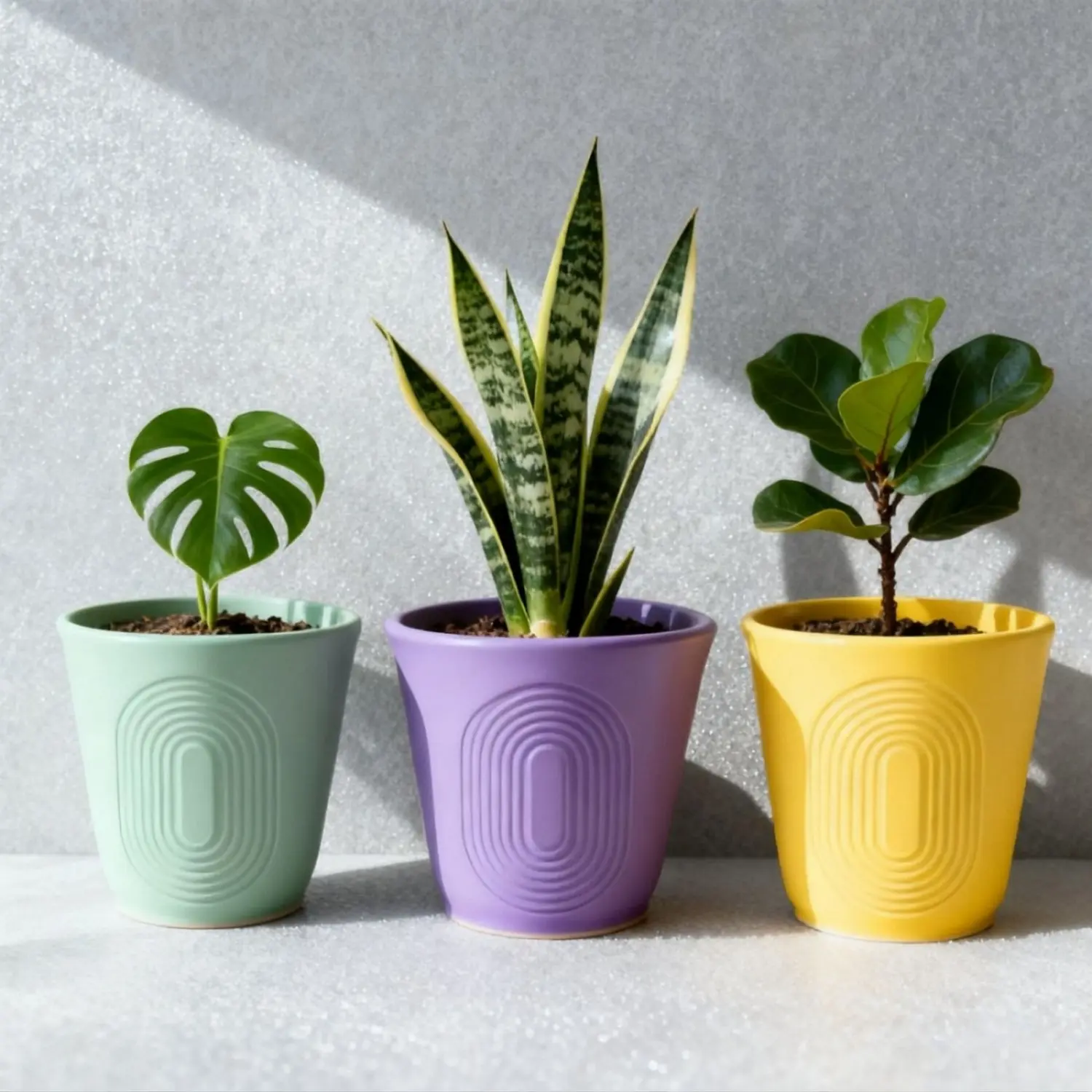
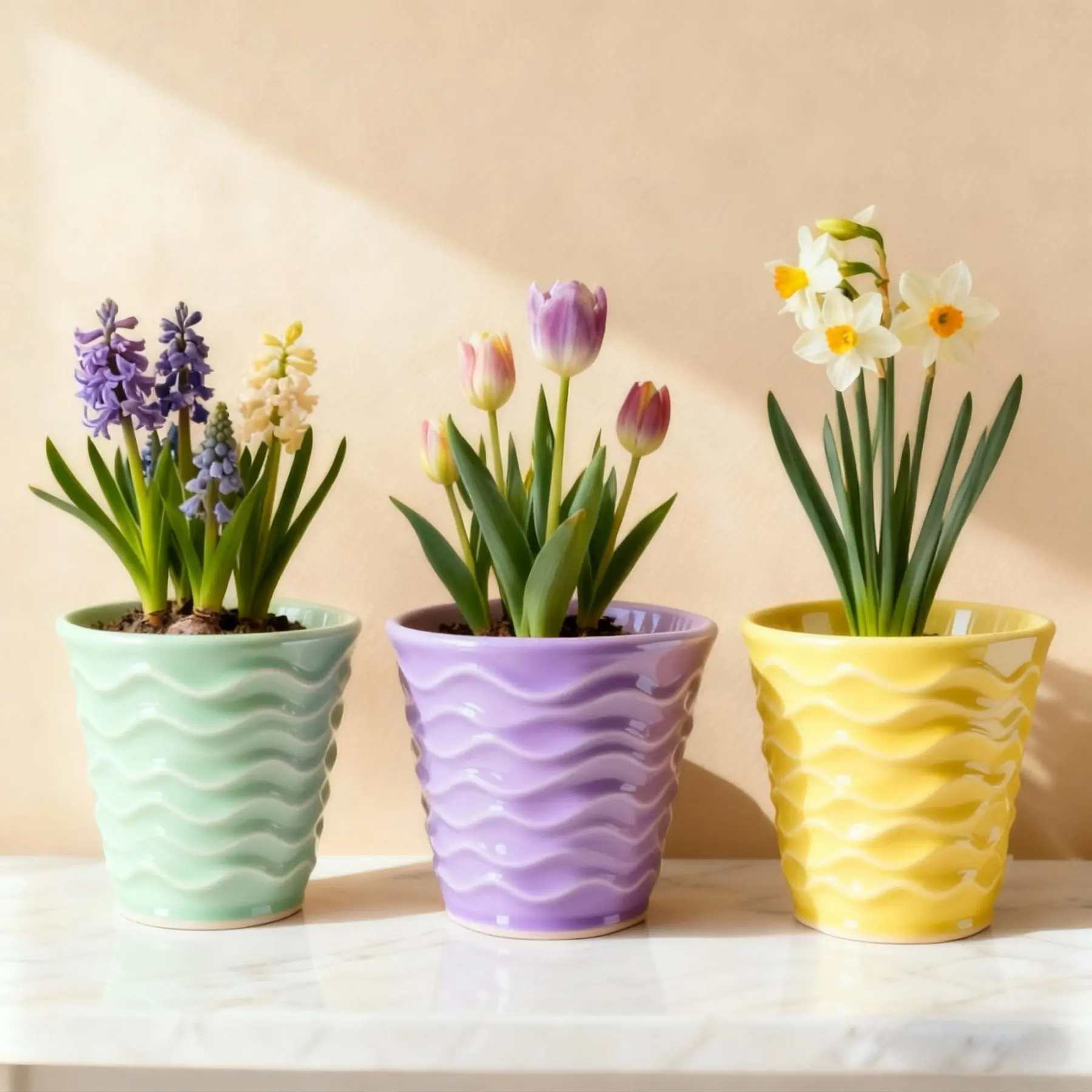
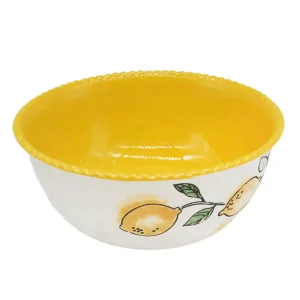
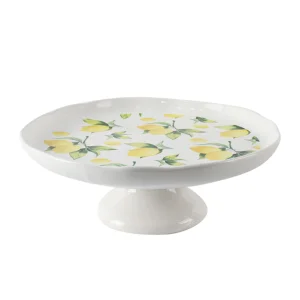
Sophisticated geometric textures and pastel glazes optimized for commercial spaces and upscale apartment rentals in San José.
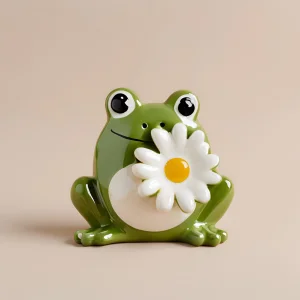
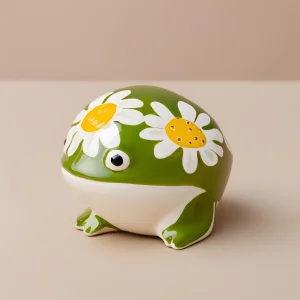
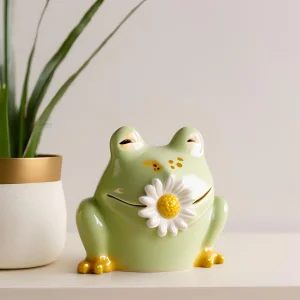
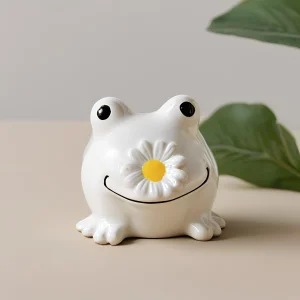
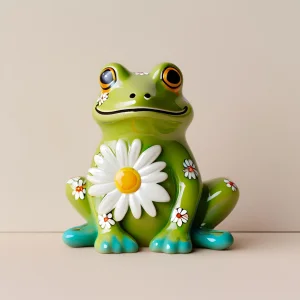
Highly profitable souvenir line for tourist hubs in Monteverde, Jaco, and Manuel Antonio, capturing local wildlife motifs.
Shipping fragile ceramics over international oceanic shipping routes requires rigorous protective measures and deep supply chain expertise. When dispatching containers to Puerto Caldera (facilitating western access to Central Valley hubs) or Puerto Limón (accessing eastern routes), raw material packing and weight limits must be strictly balanced. Standard ceramic products are dense and heavy, meaning shipping containers typically hit weight limits before they are physically full. Safe payloads must be calculated to prevent structural crushing within the maritime container stack.
Maritime transport through humid tropical zones introduces significant condensation risks. Air temperature drops overnight force humidity to condense inside container ceilings—a phenomenon known as "container rain." Prolonged exposure to moisture compromises brown outer corrugated boxes, causing them to collapse and fracture the ceramic wares inside. Value Deco Limited prevents this through specialized packaging techniques:
For Costa Rican customs clearance, documents must be processed with meticulous precision. Commercial invoices must explicitly define material compositions, custom HS codes, and detailed packaging manifests. Furthermore, dinnerware shipments require active laboratory testing profiles confirming the absence of heavy metal leaching, particularly Lead (Pb) and Cadmium (Cd). Failure to match paperwork with physical carton markings can lead to custom warehouse holds, resulting in expensive demurrage and port storage fees.
Get professional guidance on import regulations, logistics, customization, and factory production cycles.
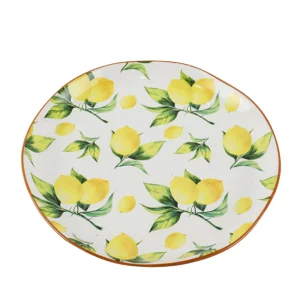
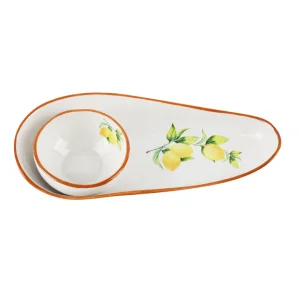
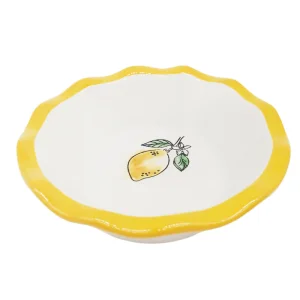
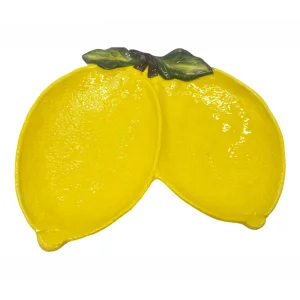
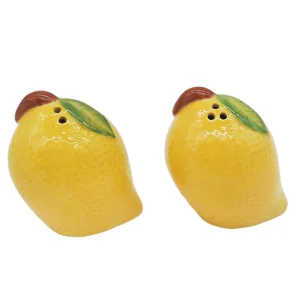
Durable, high-performance ceramic tableware and eco-resort garden decorations engineered for commercial projects.
Get in touch with our design and production engineering team today for personalized quotes, material samples, and custom design evaluations.