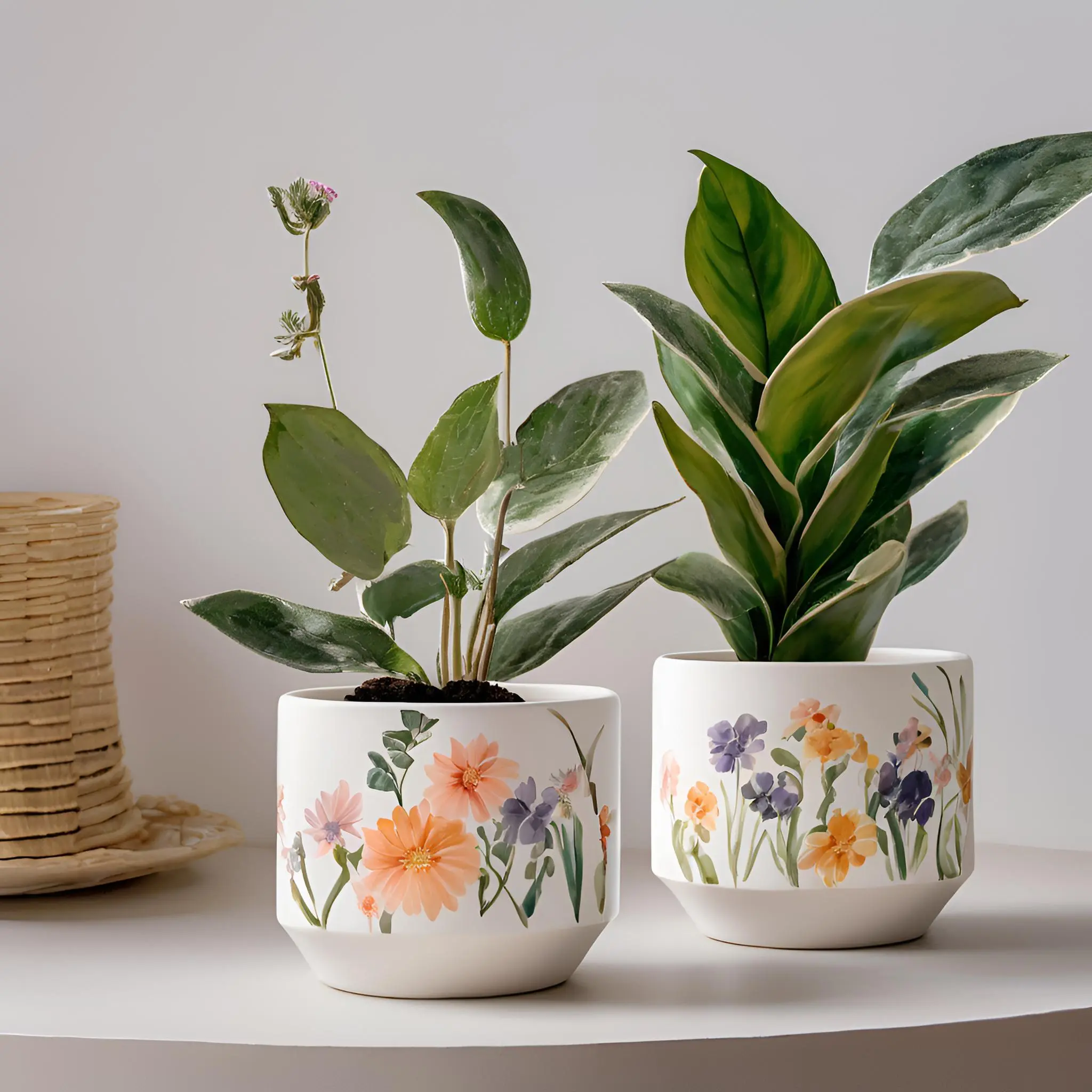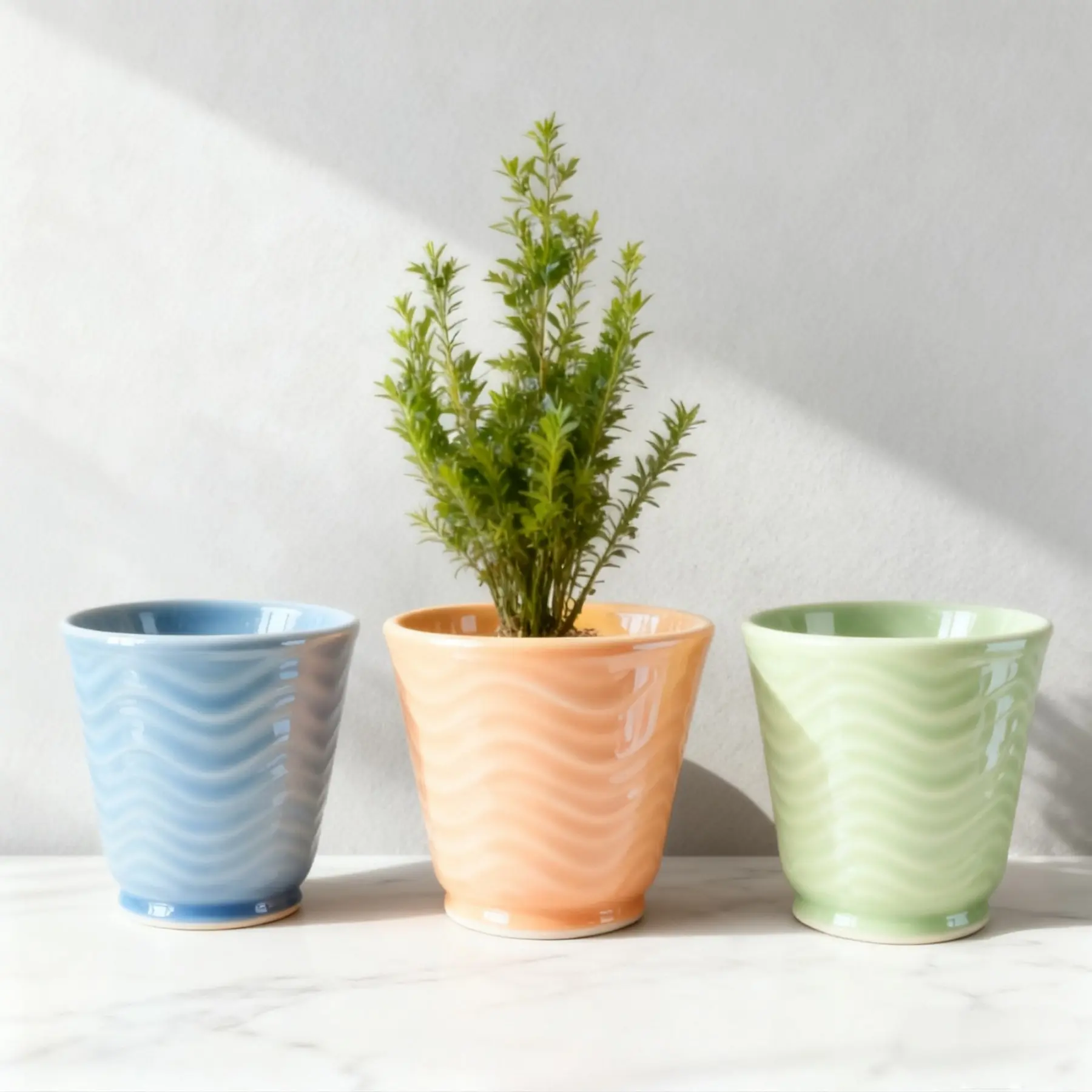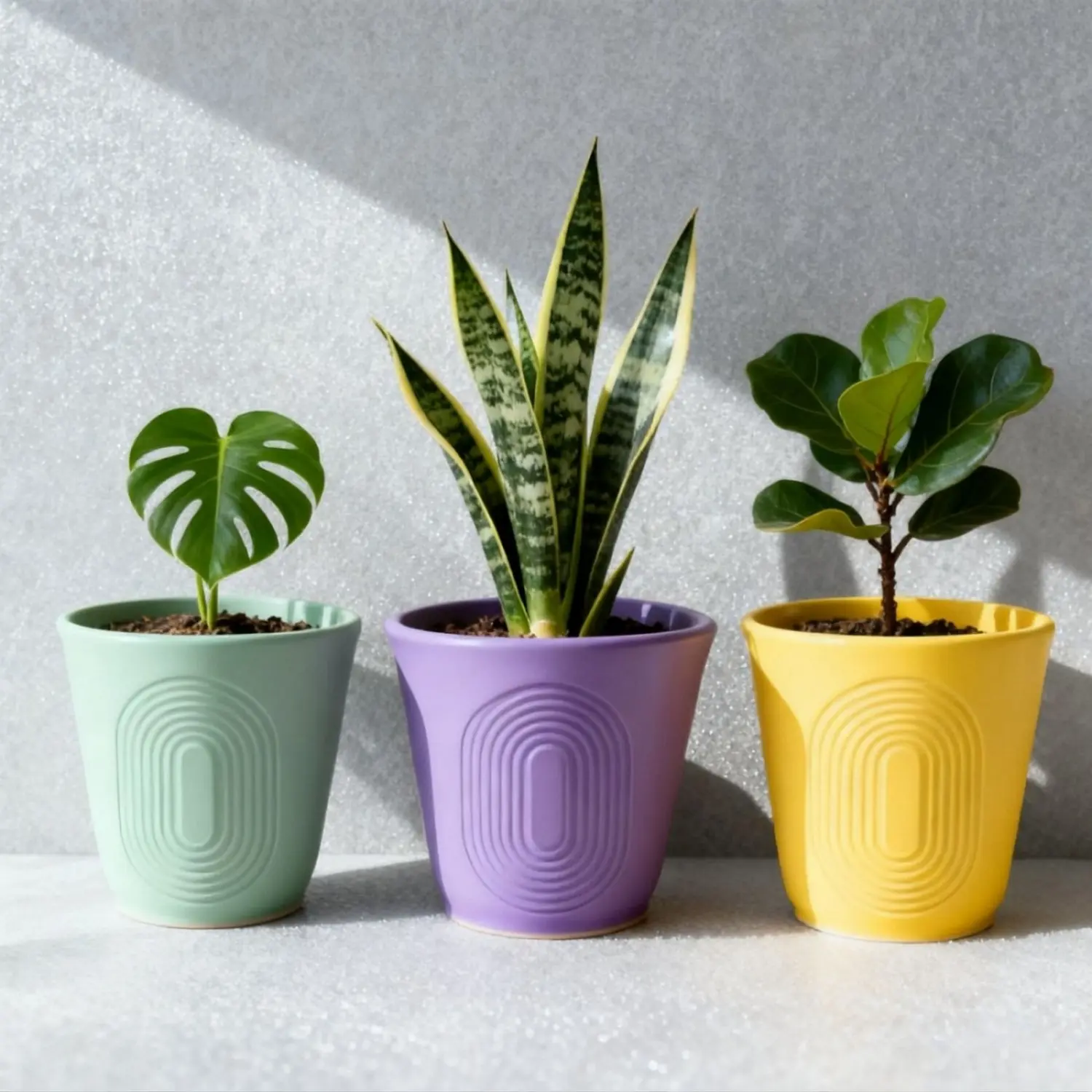
Innovative cementitious and ceramic planter installations designed for structural durability and modern aesthetics across Sofia, Varna, and Plovdiv development projects.
Bulgaria’s strategic geographic position in Southeastern Europe makes it a critical logistical gateway connecting Central Europe with the Middle East and the Black Sea region. The expansion of transportation infrastructure, municipal urban greening projects, and massive commercial logistics hubs has catalyzed an unprecedented demand for high-strength cementitious products, advanced concrete admixtures, and high-density fiber-reinforced cement assemblies. Local cement production in Bulgaria, though backed by multinational leaders, faces continuous supply gaps due to escalating energy tariffs, stringent EU carbon limits, and raw material volatility.
This industry report acts as a B2B handbook for civil engineers, procurement directors, and municipal contractors in Bulgaria. By understanding the integration of China’s Factory 4.0 production capabilities, importers can build supply-chain resilience while ensuring structural durability, aesthetic excellence, and environmental compliance under the EN 197-1 standards framework.
The industrial cement market in Bulgaria is dominated by major multinational players, including Devnya Cement (part of Heidelberg Materials), Zlatna Panega Cement (Titan Cement), and Holcim Bulgaria. While these domestic facilities process millions of tons of clinker annually, they face deep challenges that affect local availability and pricing:
To bypass these bottlenecks, top-tier Bulgarian engineering firms are diversifying their supply chains, sourcing finished architectural cement elements and specialty mixes from advanced global manufacturing centers that balance high-tech quality with cost efficiency.
The global cement sector is undergoing an ecological and technological transformation. The alignment of international factories with the EU Green Deal requirements requires the reduction of the clinker-to-cement ratio through the use of supplementary cementitious materials (SCMs), such as calcined clay, granulated blast-furnace slag (GGBS), and high-activity fly ash. This evolution is detailed in the table below:
| Cement Type (EN 197-1) | Clinker % | SCM Additives | Compressive Strength (28d) | Best Application in Bulgaria |
|---|---|---|---|---|
| CEM I (Ordinary Portland) | 95% - 100% | None (Pure) | 52.5 MPa | Precast structural concrete, bridges, Sofia Metro |
| CEM II (Portland Composite) | 65% - 94% | Silica Fume, Limestone, Fly Ash | 42.5 MPa | High-rise commercial builds, urban structural planters |
| CEM III (Blast Furnace) | 35% - 64% | Granulated Blast Slag (GGBS) | 32.5 / 42.5 MPa | Marine structures, Burgas and Varna port extensions |
| CEM IV (Pozzolanic Cement) | 45% - 89% | Natural Pozzolana (Volcanic ash) | 32.5 MPa | Hydraulic works, dam reinforcements, retaining walls |
LC3 technology is revolutionizing the construction landscape by replacing up to 50% of clinker with a blend of calcined clay and limestone. This reduces CO2 emissions by up to 40% while delivering exceptional chloride resistance. This is ideal for seaside infrastructure developments along the Bulgarian Black Sea coast.
Chinese cement and concrete-products manufacturing has transitioned into the "Factory 4.0" era. This integrates automation, artificial intelligence, and smart logistics to optimize every step of production. For Bulgarian importers, sourcing from China Factory 4.0 brings significant advantages:
Advanced factories utilize online X-ray fluorescence (XRF) and automated laser granulometry to check raw meal composition in real-time. This guarantees that the hydration properties, setting time, and compressive strength of every batch of cement, mortar, and precast concrete meet or exceed EN 197-1 standards.
With massive supply partnerships, Chinese factories remain unaffected by local raw material shortages. Advanced dust-control and zero-emission closed-loop manufacturing systems shield factories from production shutdowns, ensuring reliable delivery schedules.
For custom architectural concrete elements—such as the structural planters and decorative columns used in Plovdiv and Sofia commercial centers—3D printing of molds and CNC-machined templates allow for rapid prototyping and mass production with millimeter-level accuracy.
Understanding the unique geographical and cultural realities of Bulgaria allows for targeted cementitious applications:
Your One-Stop Purchasing Partner for Global Decorative & Structural Solutions
With over 12 years of experience in the decoration and building materials industry, Value Deco Limited provides top-tier ceramic pots, flower vases, home and garden decors, and architectural cement installations. Our specialized divisions are engineered to serve commercial, municipal, and wholesale requirements in Bulgaria and globally, offering exceptional supply chain security and compliance.
Browse our extensive collections designed for architectural integration, commercial landscaping, and modern interior styling.
Download our technical catalogs and collections brochures to select the perfect specifications for your development projects.
Explore our engineering department’s latest releases, featuring texture surfaces and geometric structures.
Everything you need to know about sourcing structural cement elements and design planters for the Bulgarian market.
Explore our full range of structural cement containers, ceramic vases, and seasonal decorative elements, retaining full product mapping and links.