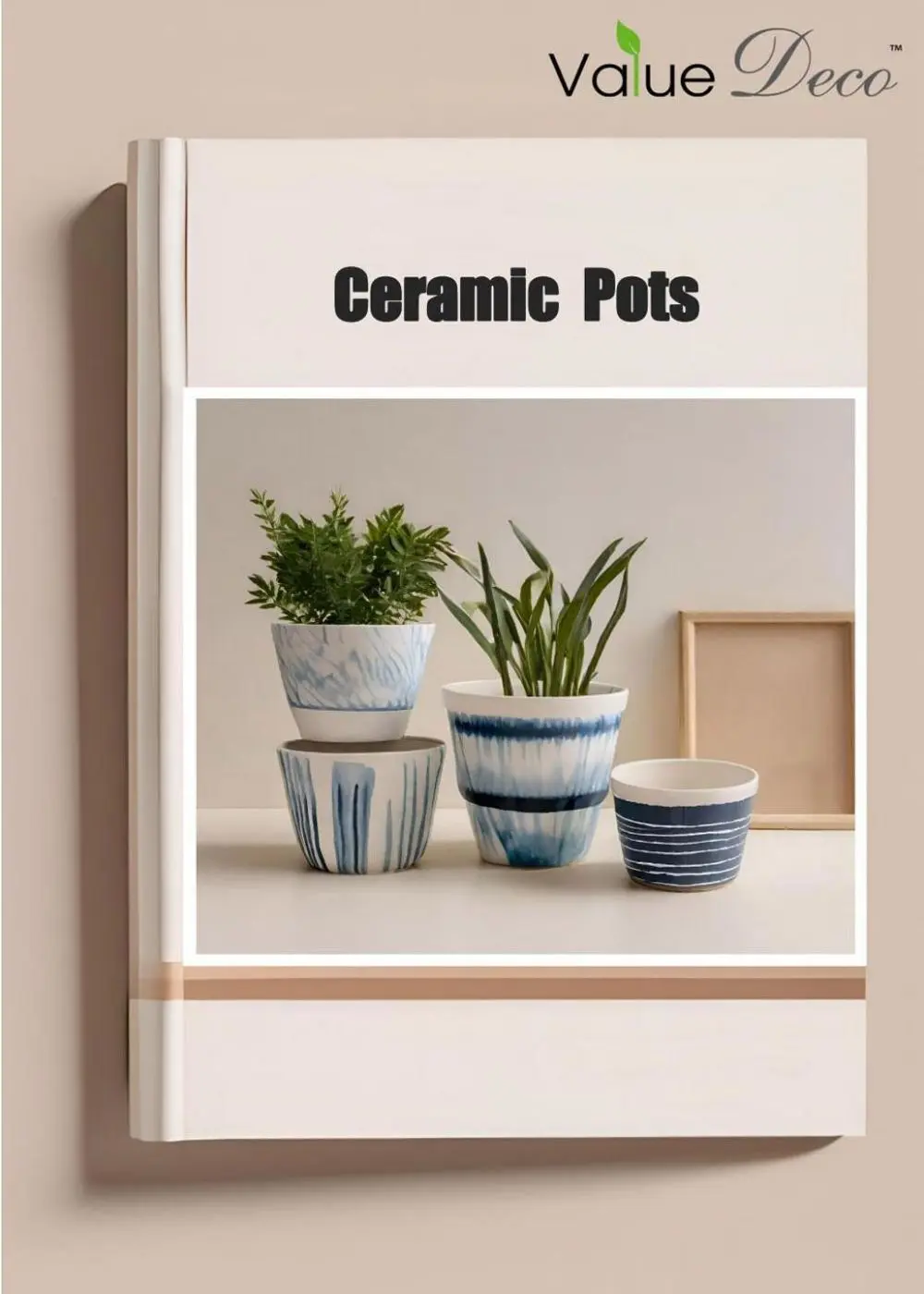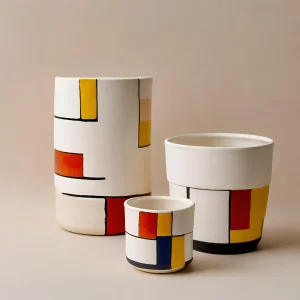
Engineered high-density structural clay and premium atmospheric cement works optimized for Japan's rigorous architectural and indoor landscaping standards.
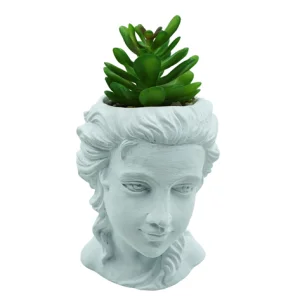
Nagoya, the capital of Aichi Prefecture, stands as the central engine of Japan’s manufacturing and industrial heartland. Renowned globally for automotive and high-tech aerospace manufacturing, the Chubu region has simultaneously cultivated a sophisticated construction and civil engineering sector. In recent years, the Nagoya cement and concrete market has transitioned rapidly from basic infrastructure support to a matrix of eco-friendly, ultra-high-performance concrete (UHPC) and decorative architectural precast concrete components.
Under Japanese Ministry of Land, Infrastructure, Transport and Tourism (MLIT) guidelines, cement factories servicing Nagoya must navigate intensive environmental constraints, driving innovations in carbon-neutral cement formulations. High-density cement products, especially structural pots and decorative installations, undergo testing protocols designed to withstand seismic activities, freeze-thaw cycles characteristic of the Central Japan Alps, and marine-air corrosiveness along the Nagoya Port area. As a consequence, procurement officers in Nagoya require suppliers to deliver precise physical-chemical parameters: low porosity, high mechanical strength, and minimized carbon output during curing.
From a logistics perspective, Nagoya Port is a key hub for bulk materials and pre-fabricated products. Chinese manufacturers, using highly optimized maritime shipping routes directly linking Ningbo and Shanghai ports to Nagoya, are uniquely positioned to offer competitive raw cement derivatives, custom architectural concrete products, and specialized ceramic planters that align with Japanese aesthetic and technical demands.
Exposure to high relative humidity and salt-laden sea air at Nagoya Port subjects porous concrete to rapid carbonation. Our cement formulations use silica fume and slag adjustments to lower calcium hydroxide levels, inhibiting efflorescence and ensuring structural integrity over long-term outdoor exposure.
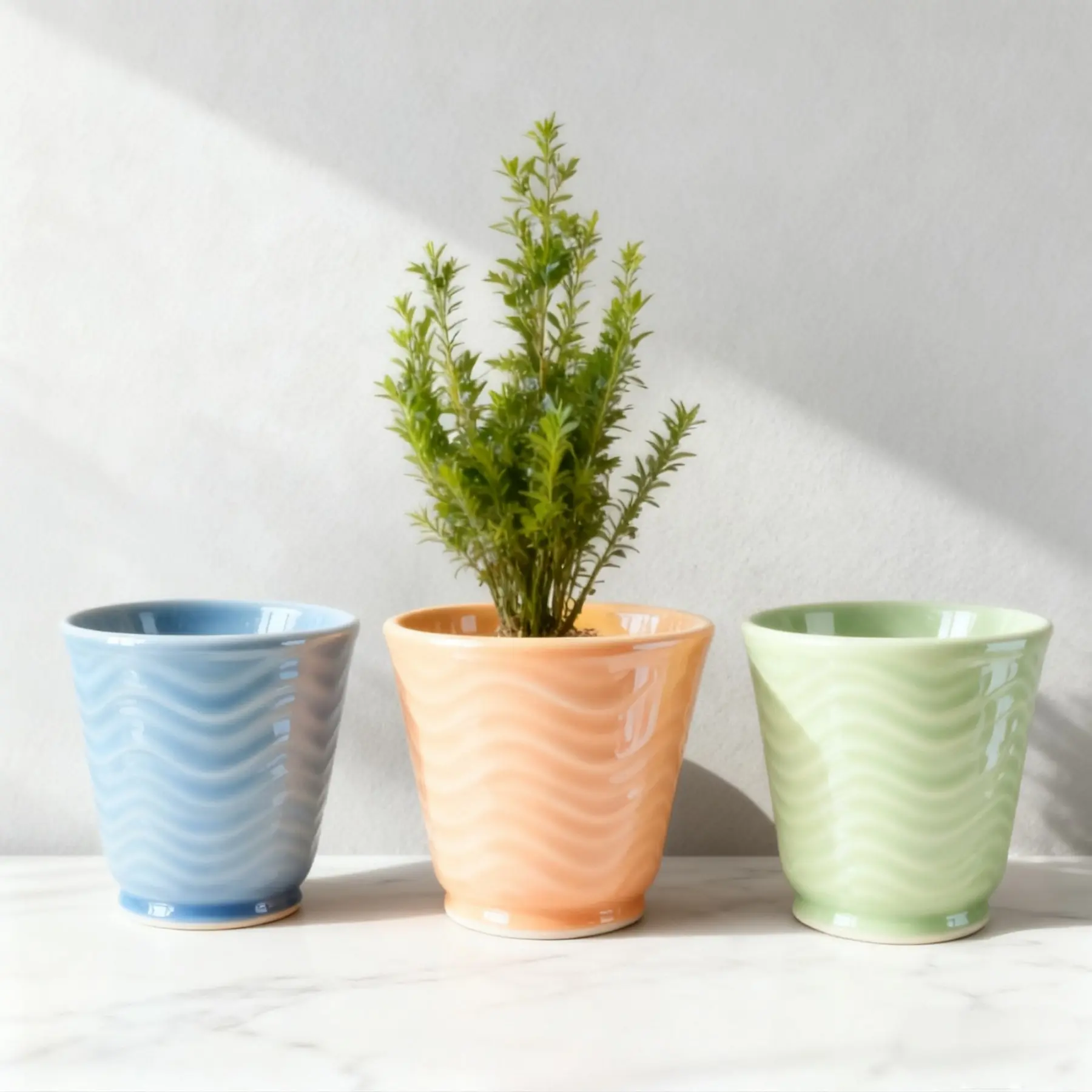
Explore our diverse ranges of indoor and outdoor decoration items.
Global architectural procurement teams purchasing cement containers and decorative structural fixtures face deep systemic challenges. The primary obstacle is material transit stress. Typical heavy cement formulations are highly prone to hairline fracturing when subjected to temperature differentials inside shipping containers. Furthermore, high weight profiles exponentially increase inland drayage costs, especially under Japan's strict freight weight limitations (e.g., maximum payload limits on 20ft and 40ft containers).
To mitigate these factors, modern manufacturers have developed lightened cement solutions incorporating micro-glass fibers, high-density polyethylene reinforcements, or porous expanded volcanic ash aggregates. These composites reduce density from standard concrete (approx. 2400 kg/m³) down to lightweight structures (around 1400–1600 kg/m³) without sacrificing structural load capability or tensile stress limits.
Moreover, surface treatment plays a massive role in Nagoya's landscaping market. The local culture respects natural, textured surfaces that age gracefully (the concept of Wabi-Sabi). However, structural deterioration must be prevented. Advanced sealants, matte-glazed clay coatings, and multi-layered hydrophobic sealers are applied in-factory to ensure the concrete surfaces repel excess water while preserving their raw, tactile cement appearance.
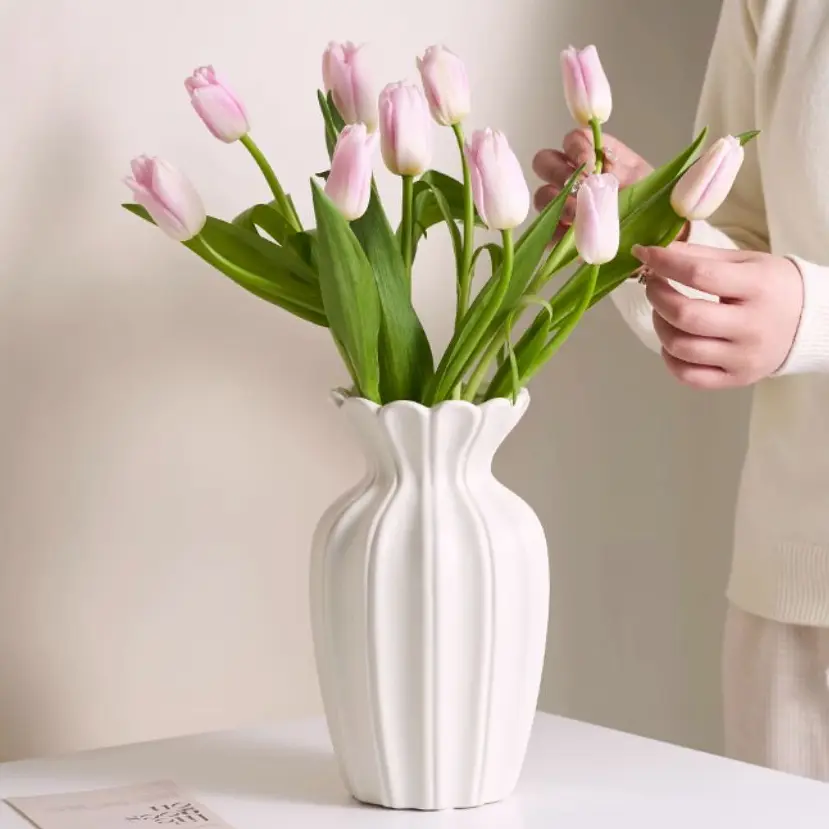
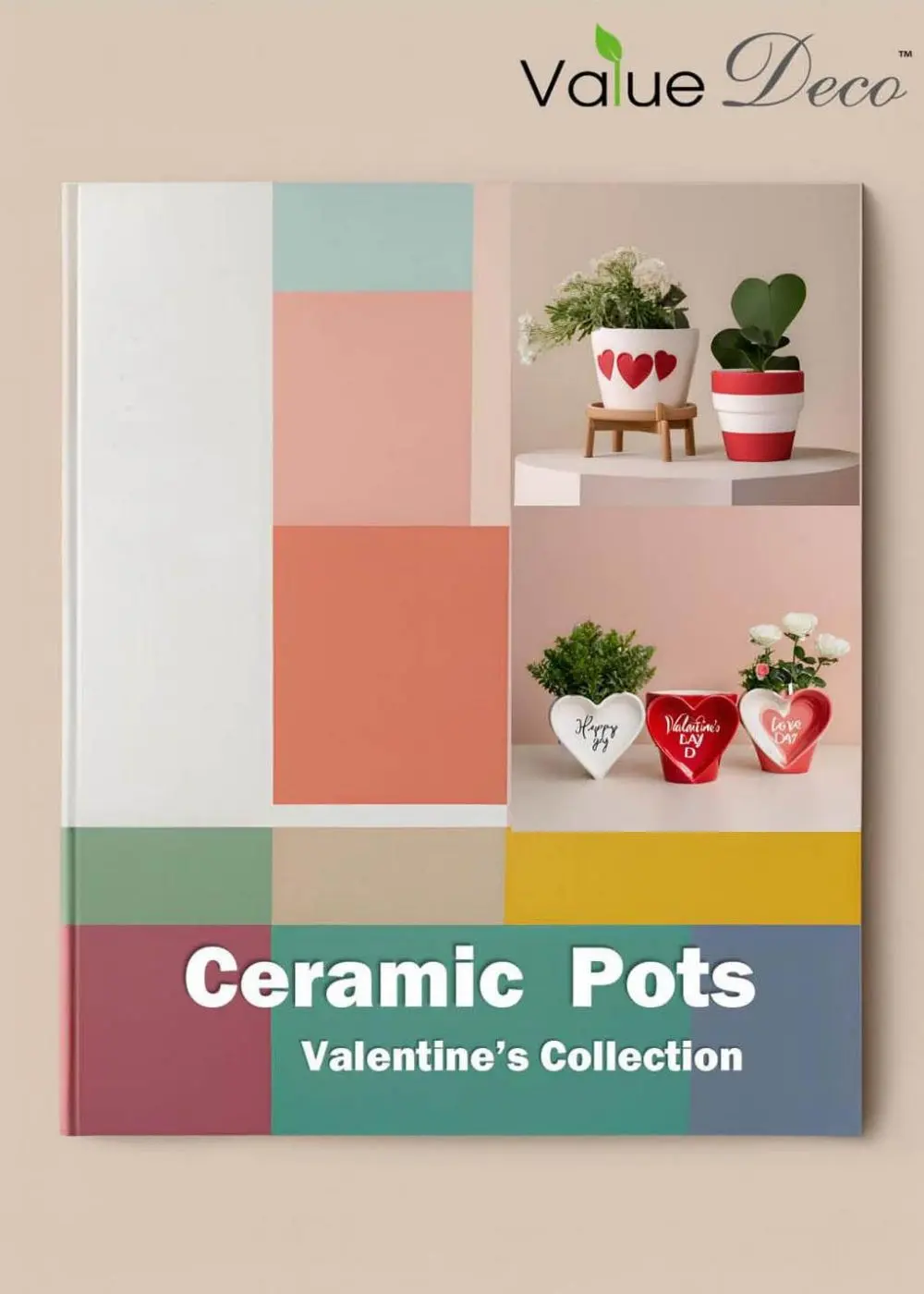
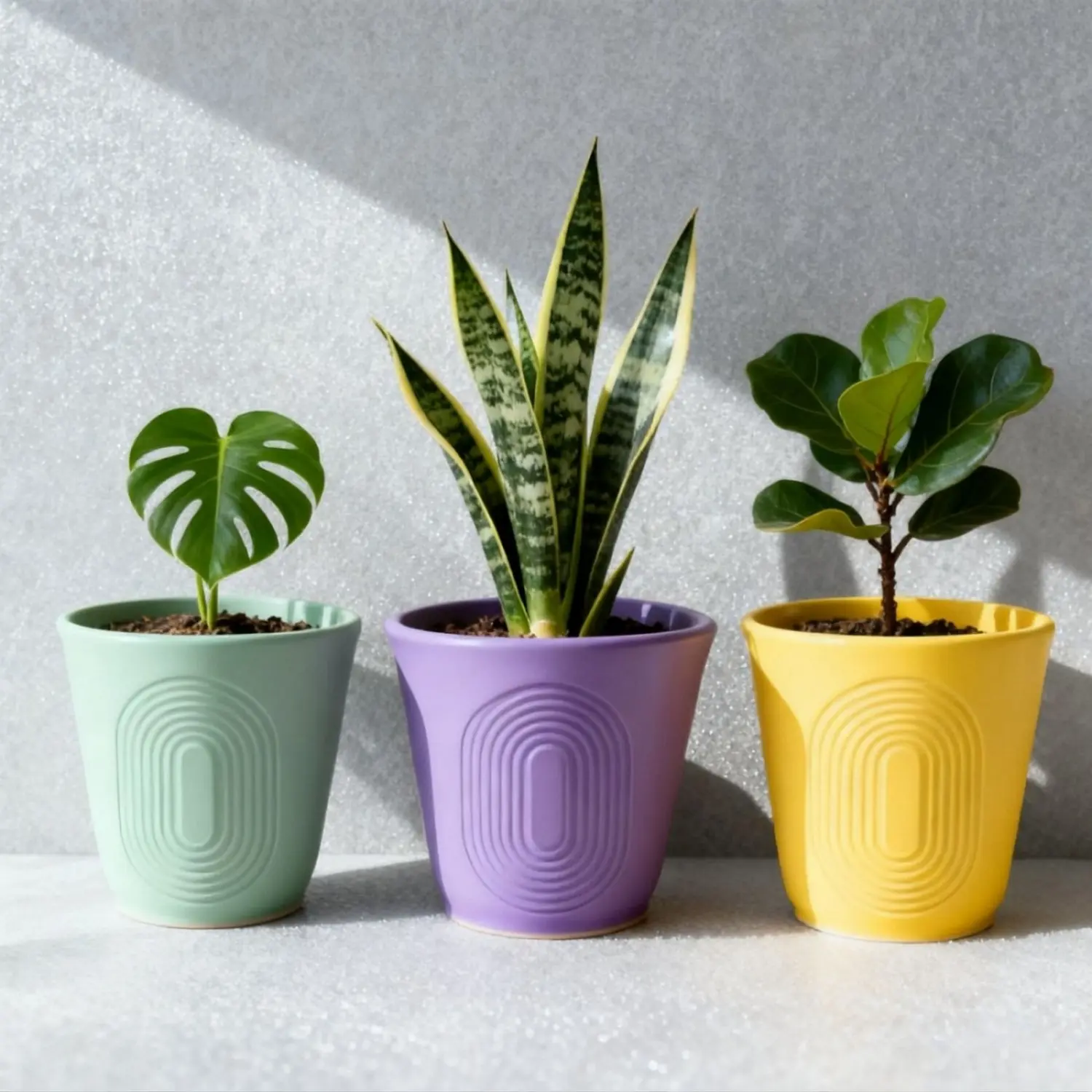
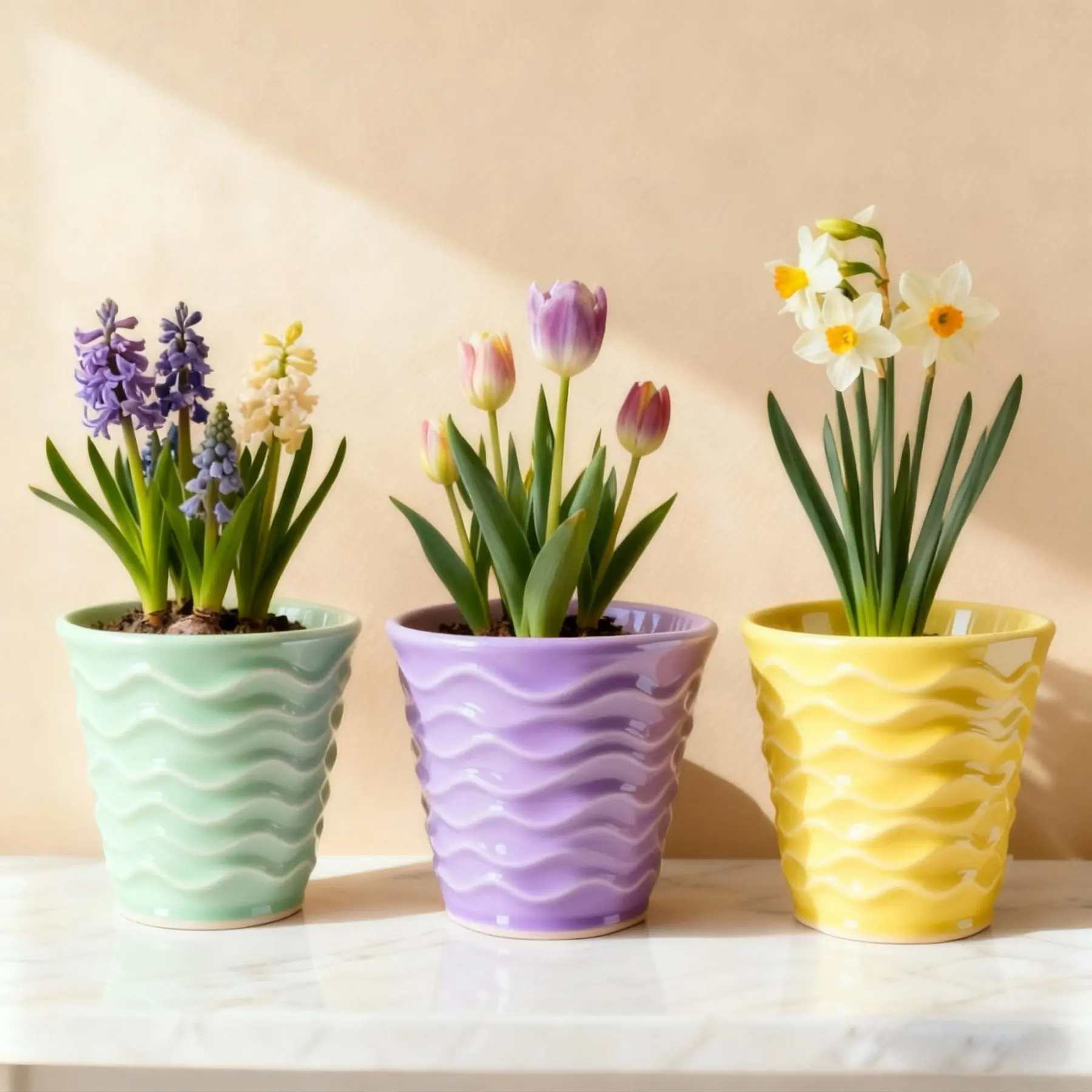
Engineered options custom-tailored to global festivals and changing interior themes.
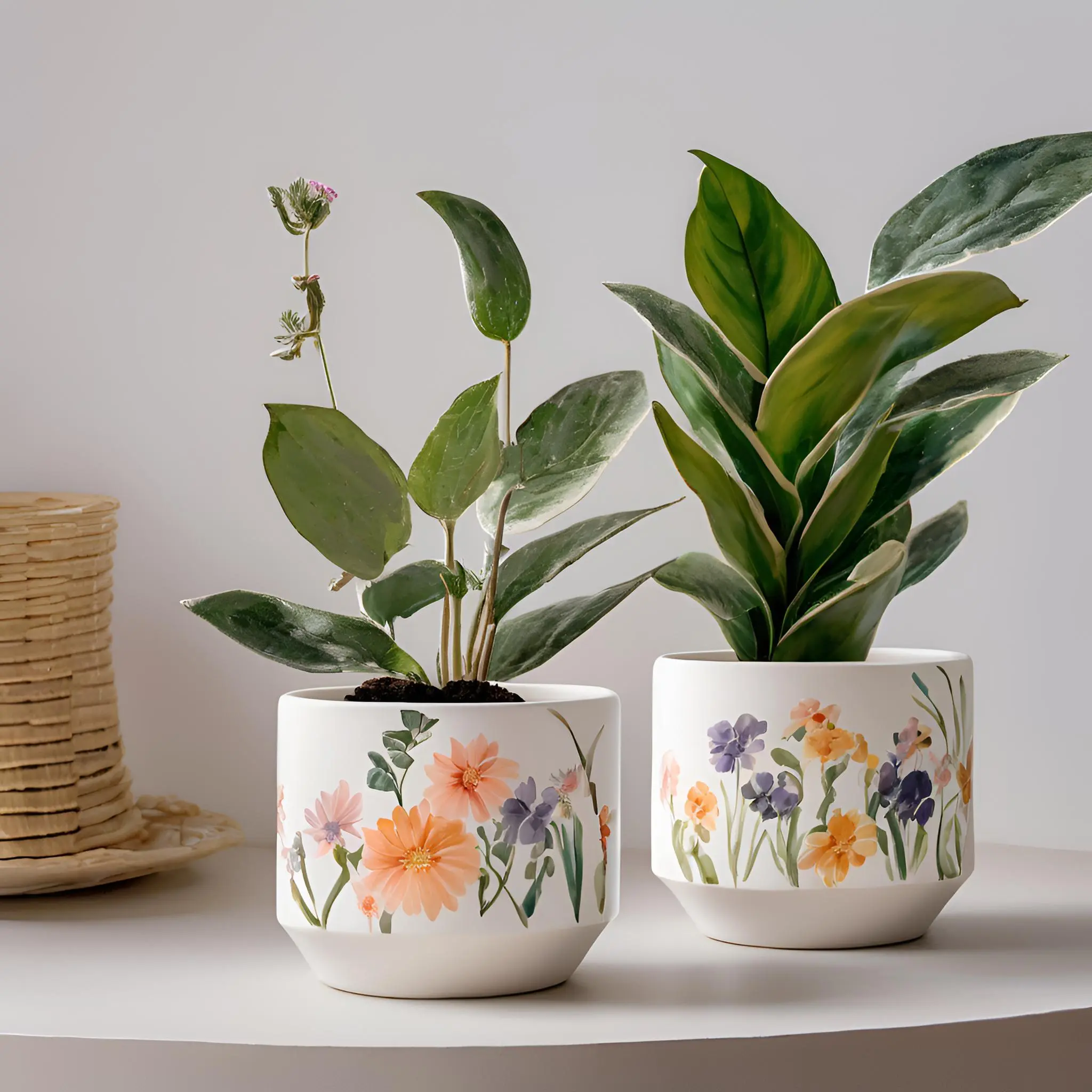

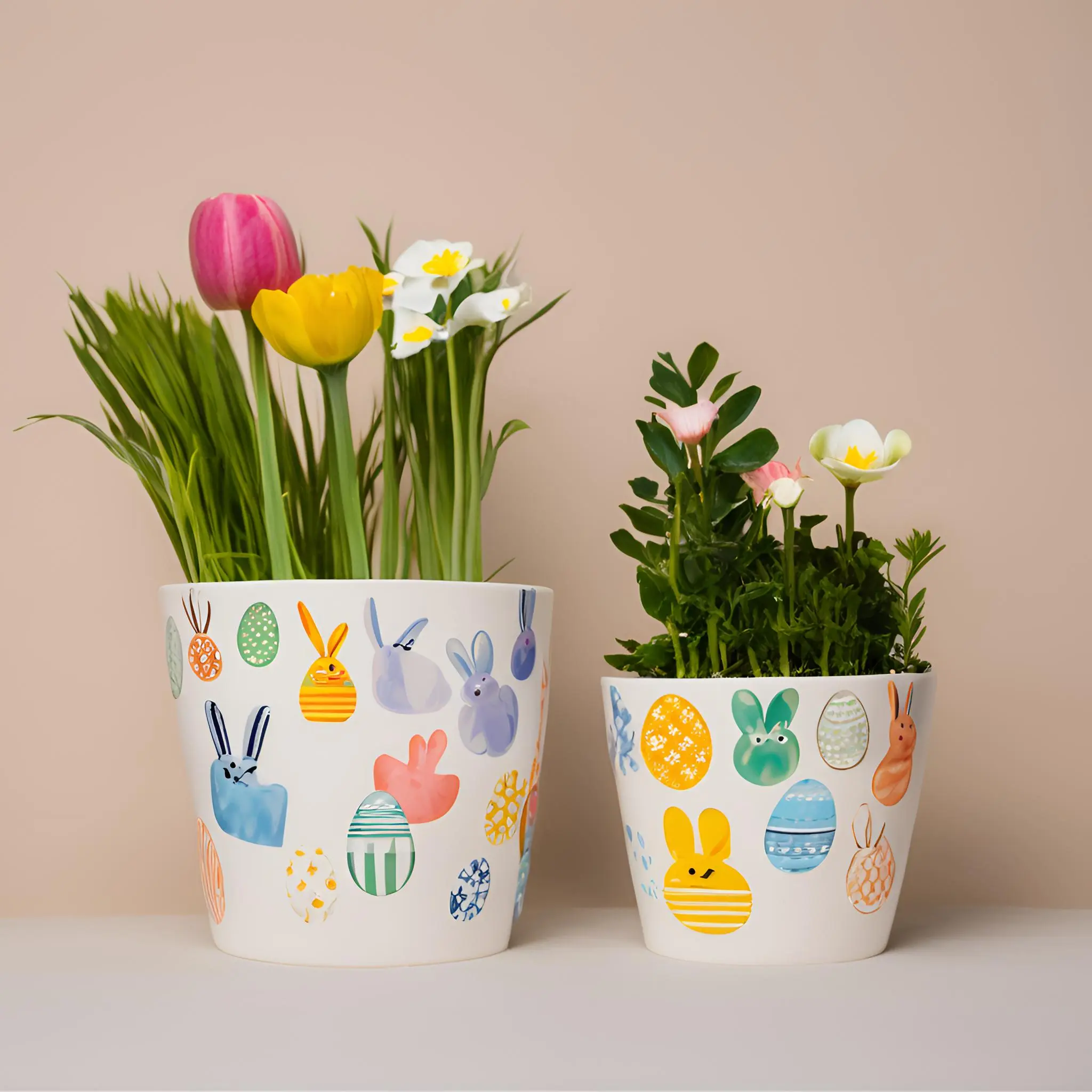

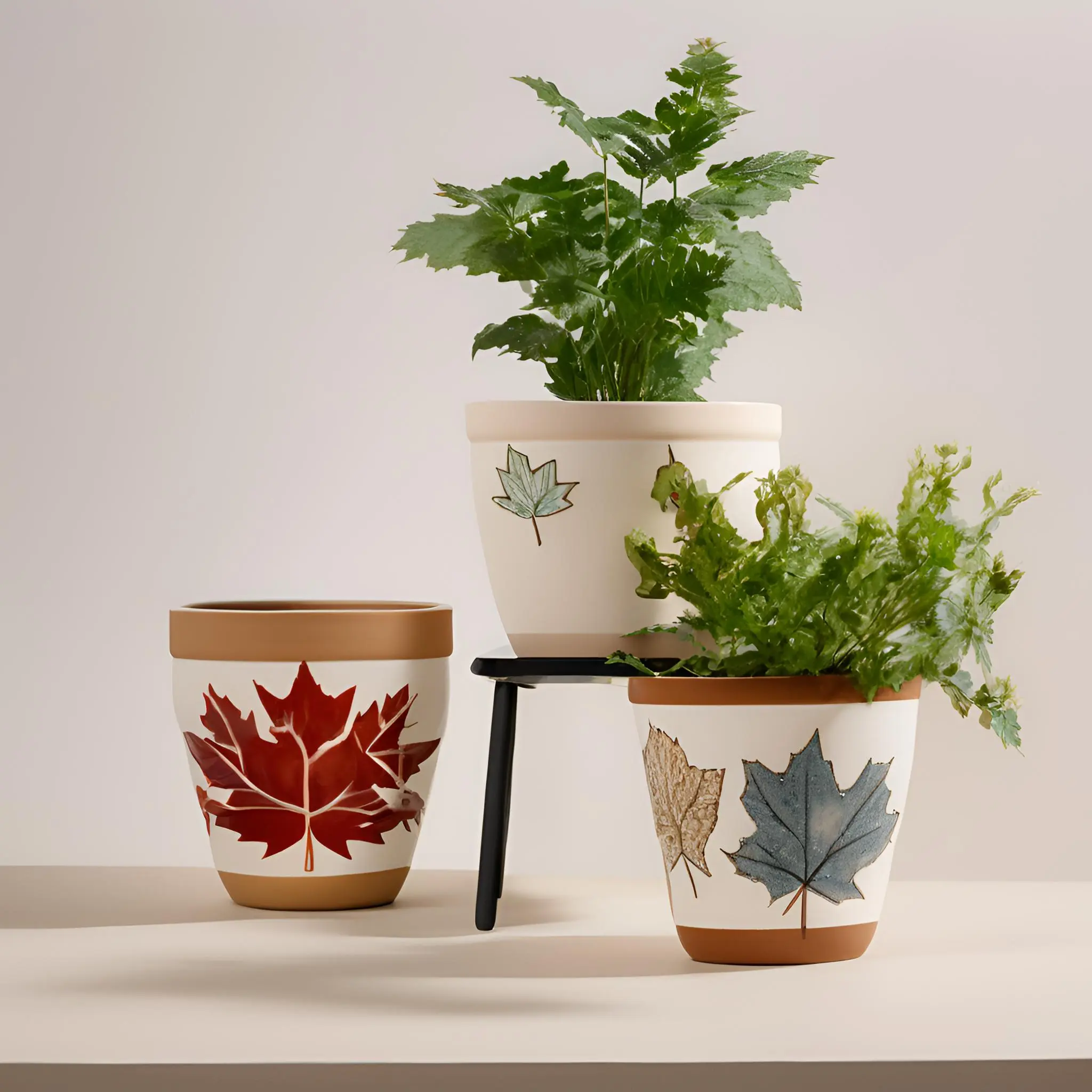
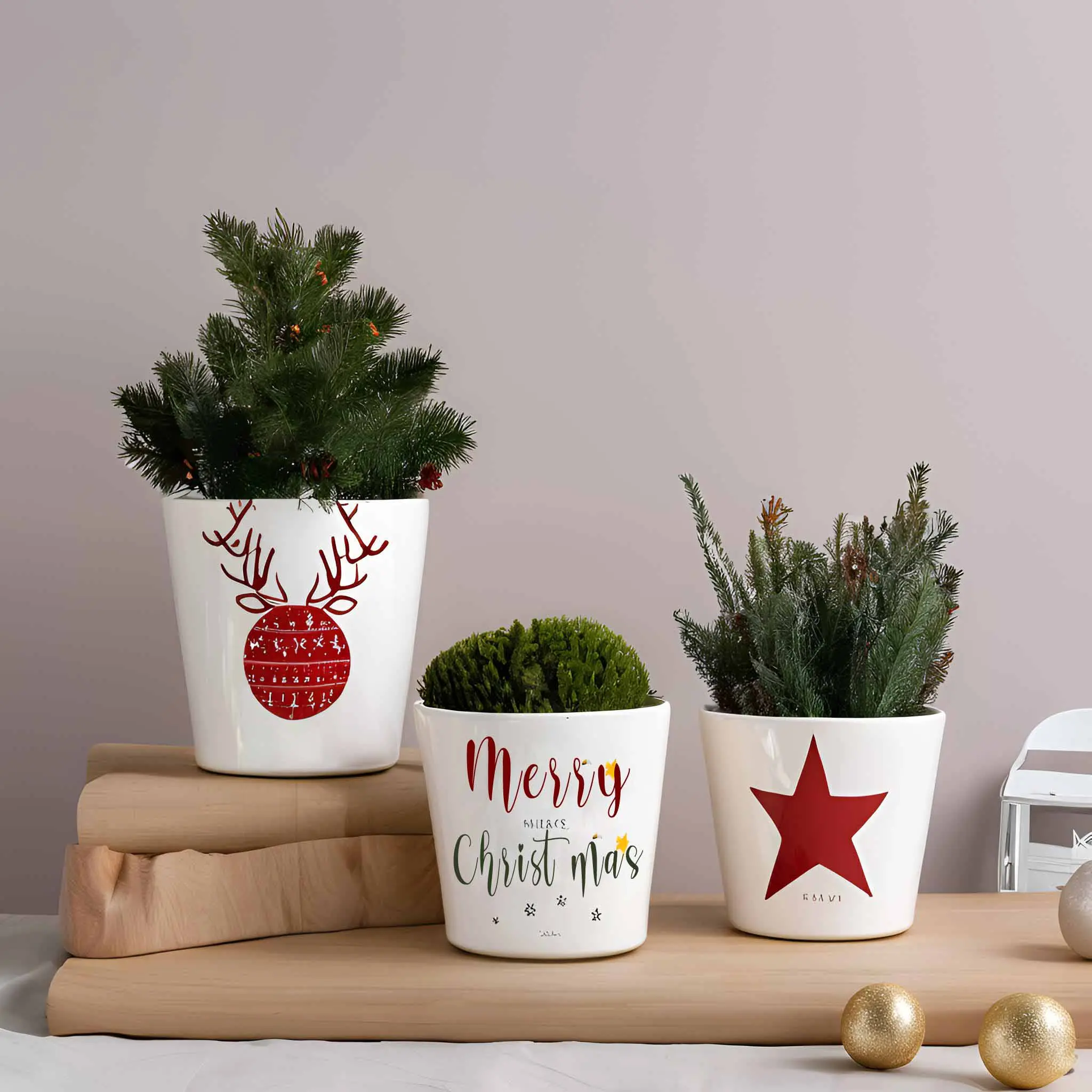
Value Deco Limited is a leading supplier of high-quality ceramic pots based in China. With over 12 years of experience in the decoration industry, we have built a strong reputation for offering a diverse range of Flower Pots, Flower Vases, Candle Holders, Home Decoration, Garden Decoration, and Dinnerware, suitable for various seasons and architectural designs.
Our products are engineered to align with global design movements, ensuring that they not only serve a functional purpose but also significantly enhance the aesthetic appeal of commercial, hospitality, and residential spaces.
Value Deco - Flower Pots Division:
Sub-Website for Flower Pots: www.valuedeco.com
Pride Deco - Home & Garden Décor Division:
Sub-Website for Home Decor, Candle Holders, Dinnerware, Garden Decor: www.pridedeco.com
Every manufacturing lot dispatched to Japan, North America, and Europe undergoes rigorous load-testing, chemical safety analysis, and environmental wear testing.
Our strategic manufacturing partnership allows for custom fiber-cement molding, precise structural glaze application, and rapid prototyping capabilities suited for large-scale engineering builds.
Download our design sheets and physical-mechanical specification catalogs.
Understanding raw materials is critical for landscape architects and builders procuring for Japan's high-traffic urban areas. The table below lists the physical-mechanical specifications typical of our export-ready structures:
In addition to raw mechanical strength, environmental concerns dominate the commercial and municipal purchasing frameworks in the modern Japanese economy. The Chubu region is committed to carbon-emission reductions. Reflecting this, our factory partners utilize high percentages of recycled aggregates and low-carbon geo-polymeric cementitious binders where applicable. Our goal is to minimize clinker ratios while keeping high initial compressive strength.
Furthermore, the glazes applied to our ceramic arrays undergo testing to prevent lead, cadmium, and other toxic heavy metal migration. This meets both European REACH requirements and Japan's Food Sanitation Act parameters (essential for planter items utilized in proximity to urban agricultural installations).
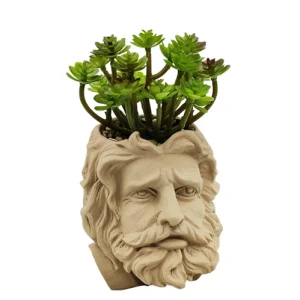
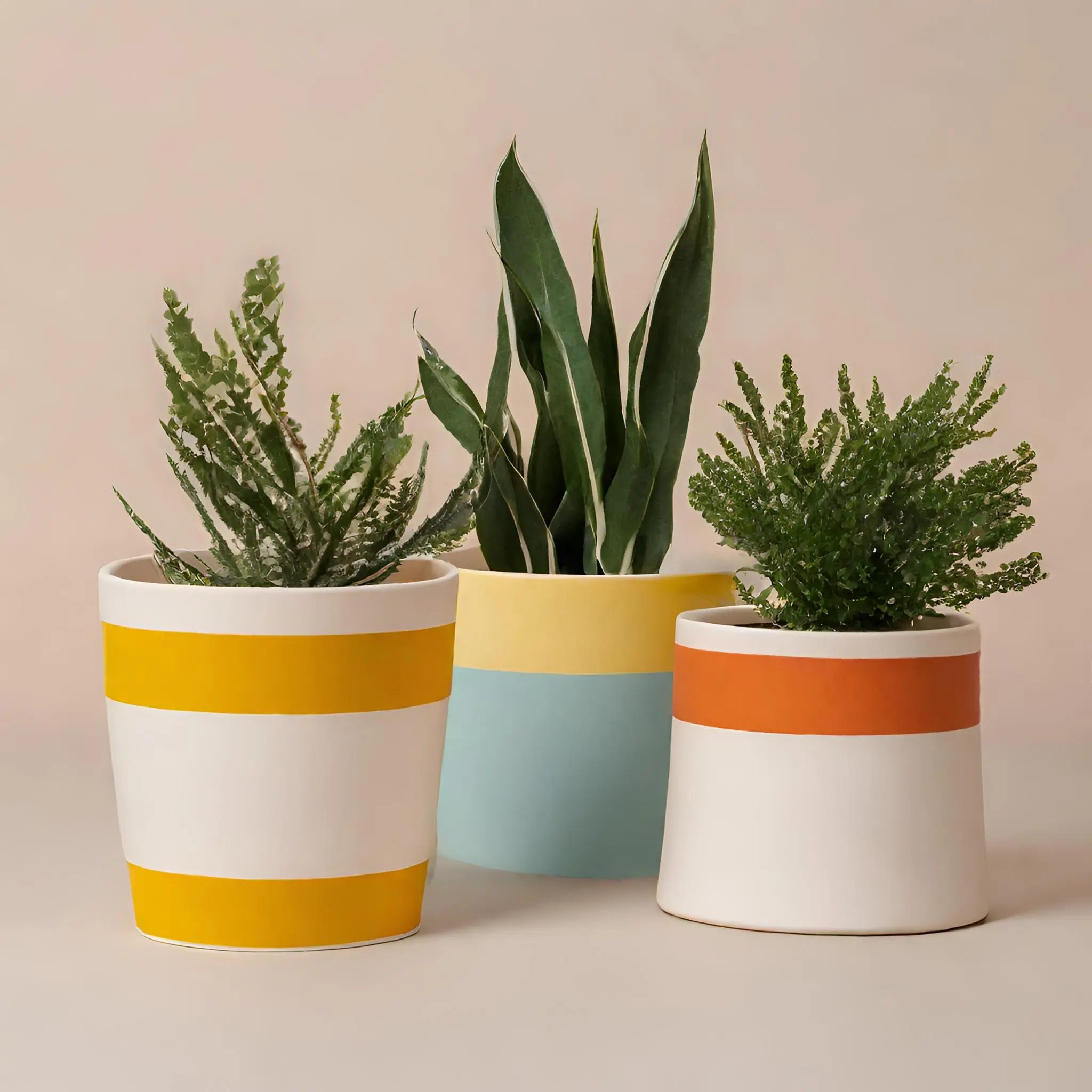
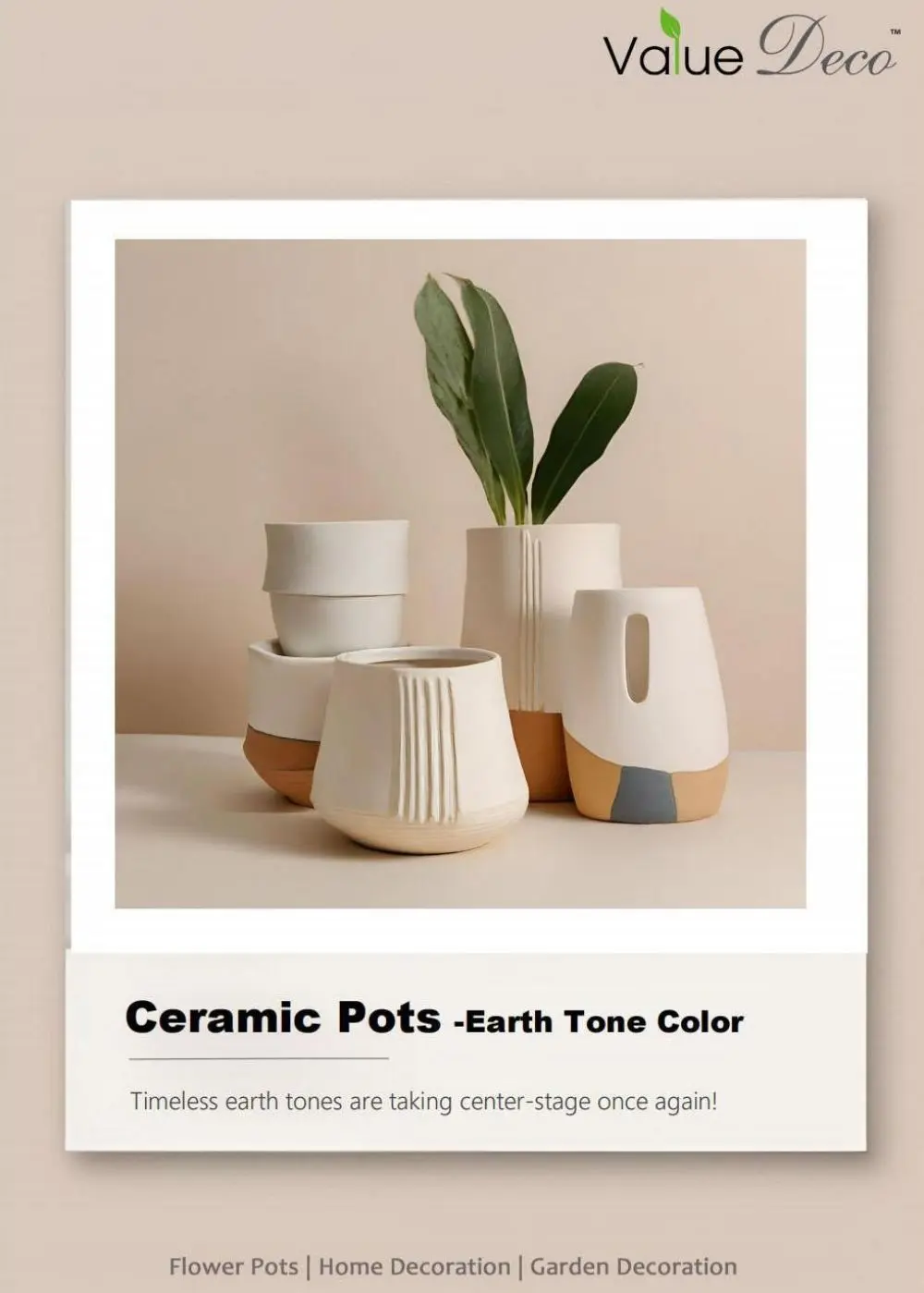
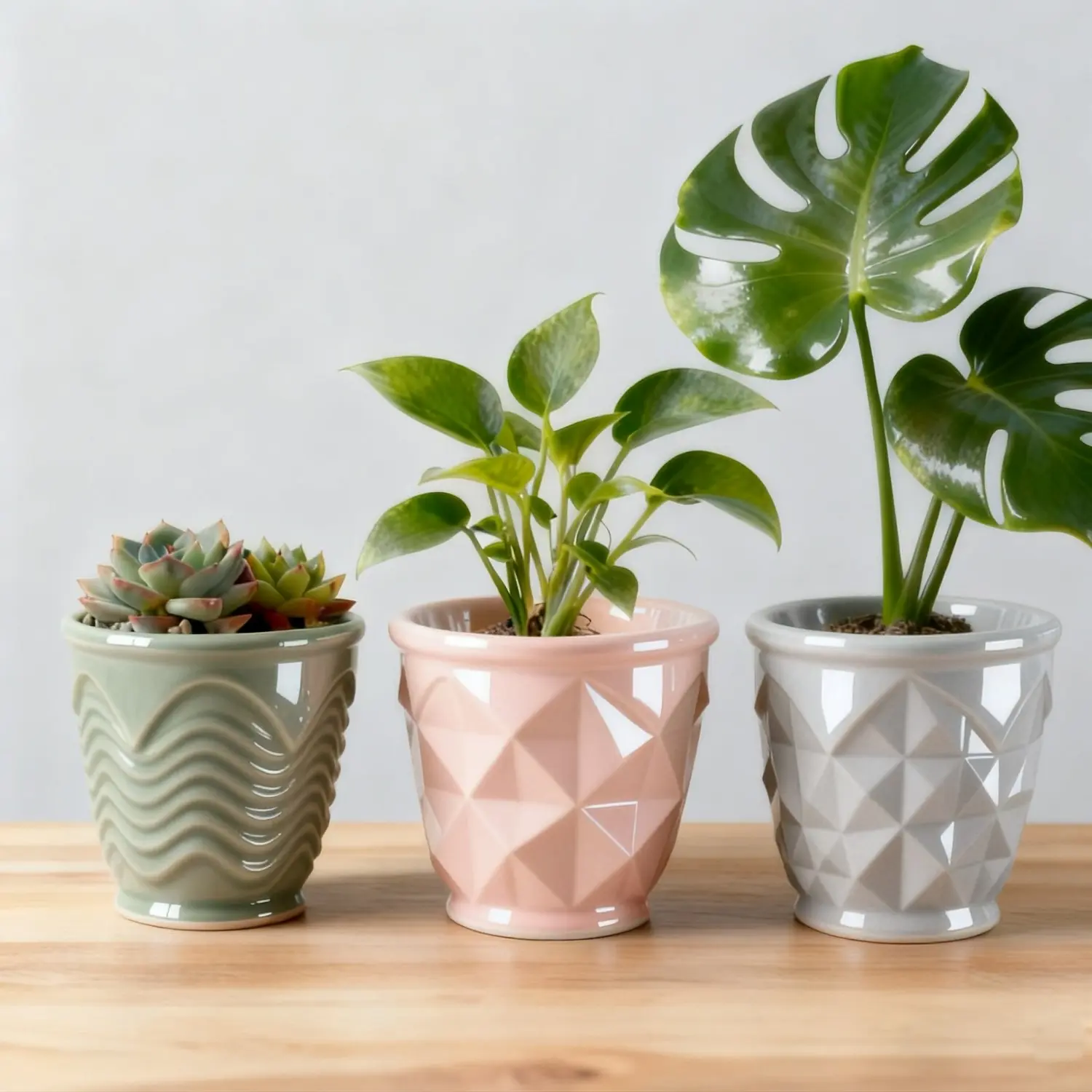
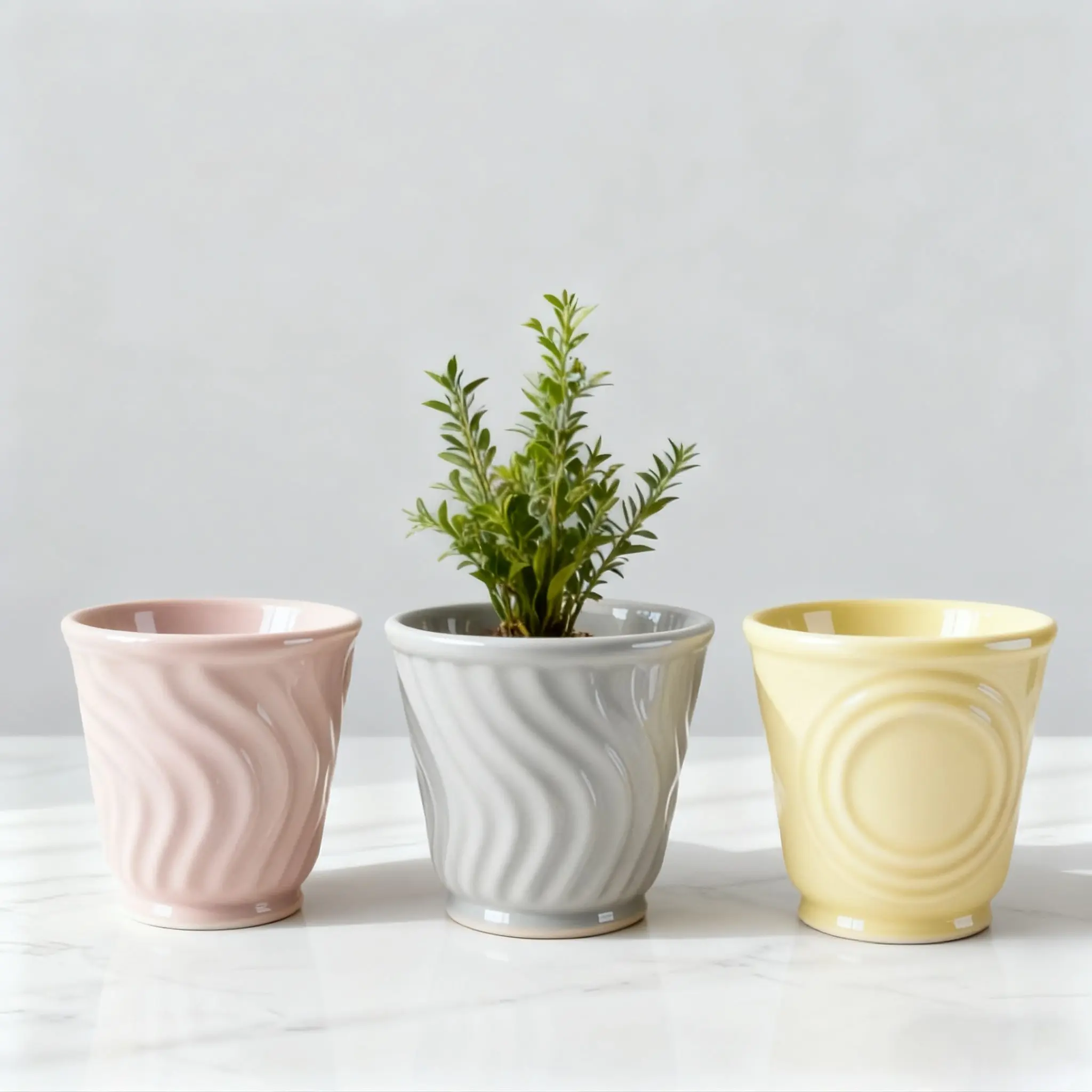
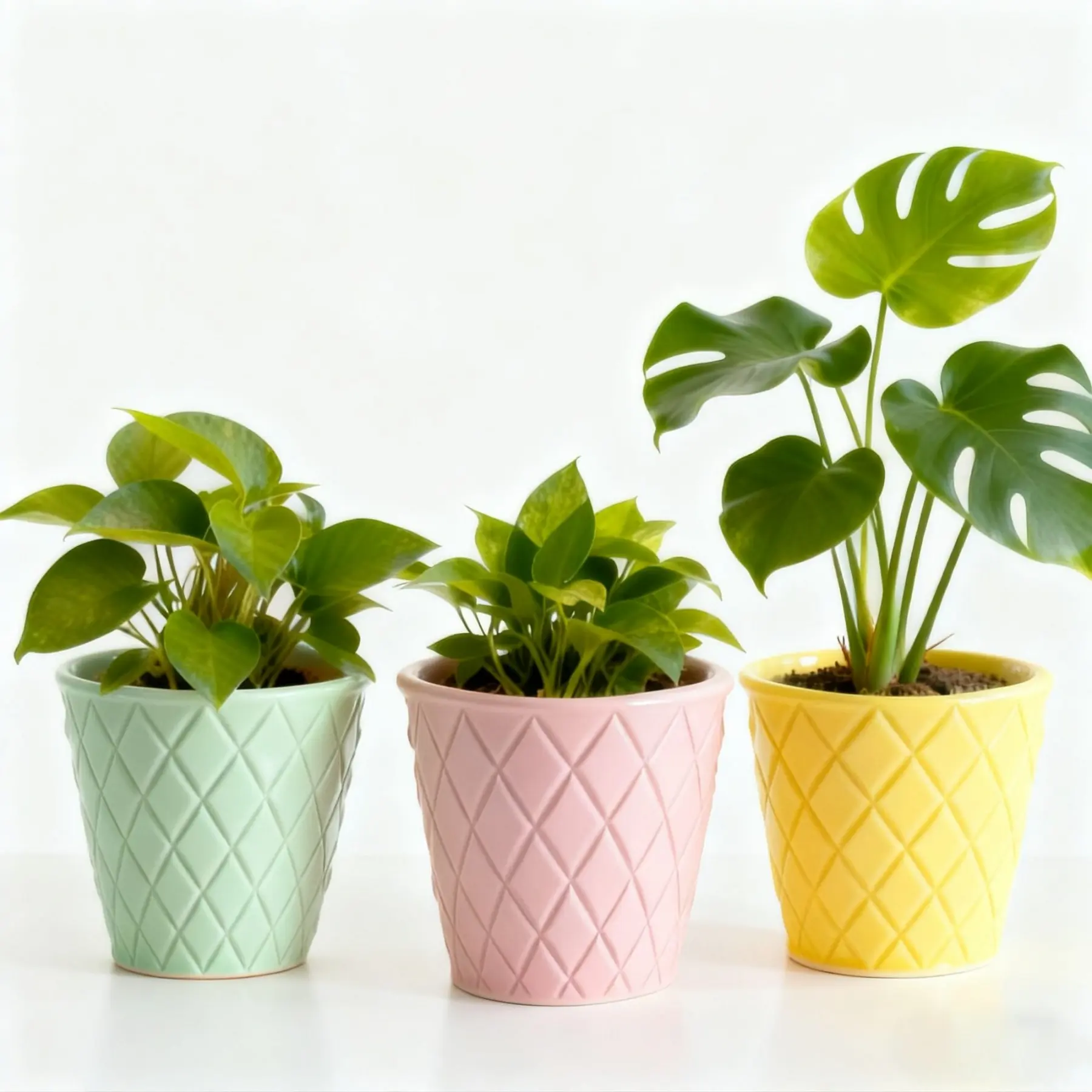
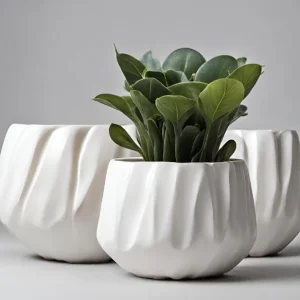
The forefront of textured geometry and natural glaze formulations.
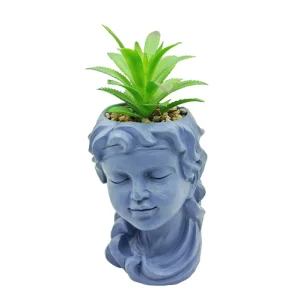
Engineered high-performance architectural vessels and thematic landscaping figures designed for global distribution and Japanese compliance frameworks.



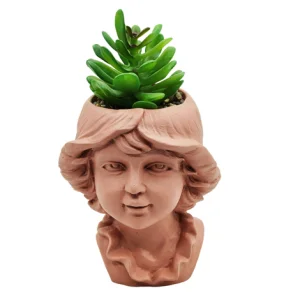



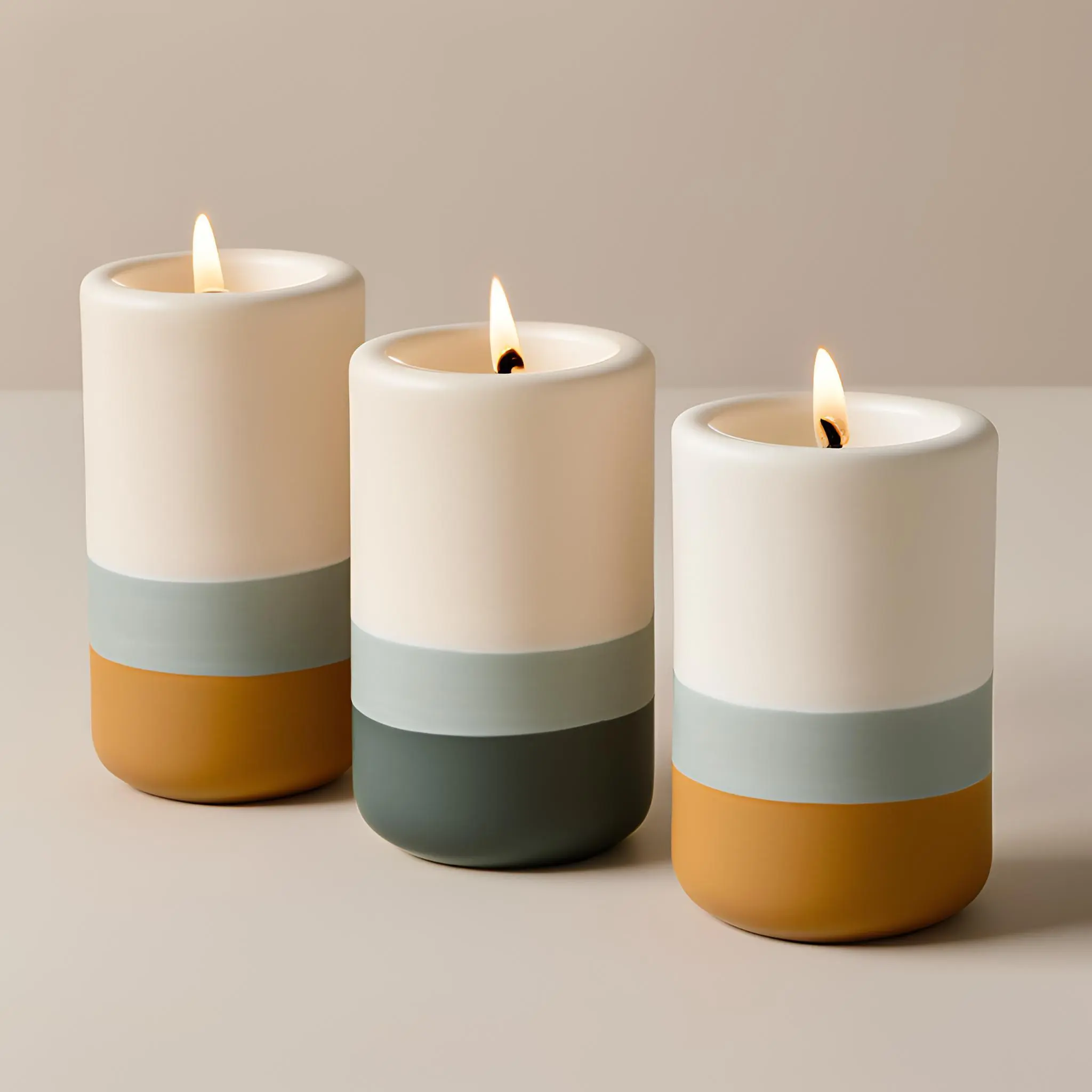
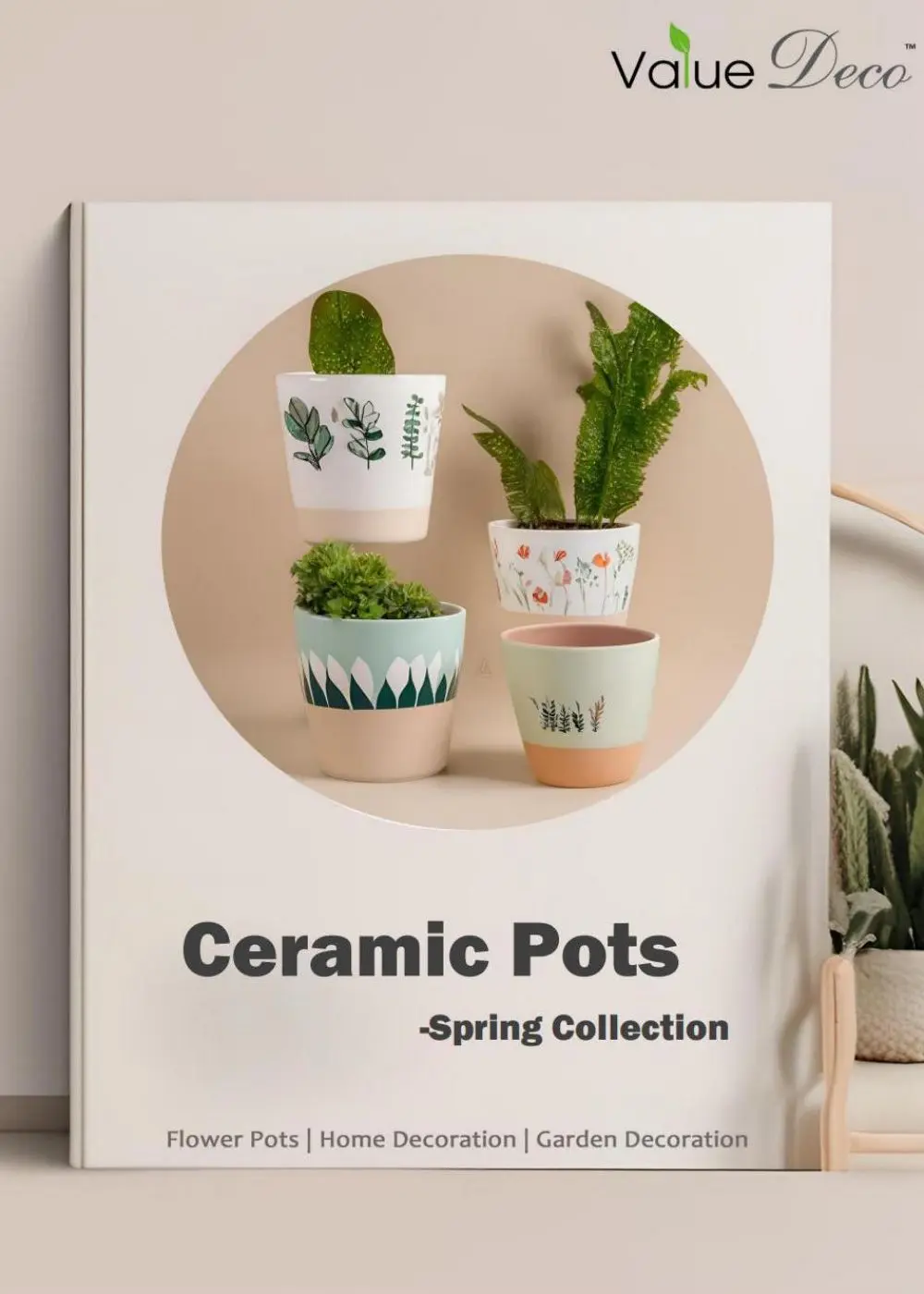
Expanding design paradigms for interior decor, themed gardens, and hospitality projects globally.
Nagoya Port handles a massive share of Japan's automotive imports and exports. The container shipping infrastructure here is highly developed, featuring advanced digital custom clearings and automated container freight stations (CFS). For procurement managers sourcing architectural planters or decorative cement bases from China, selecting the correct ocean cargo configuration determines profit margins.
Direct maritime lines from major East China ports (such as Ningbo-Zhoushan and Shanghai) to Nagoya Port take an average of 4 to 6 days. Due to the high density and bulk nature of cementitious goods, optimizing weight distribution within containers is necessary. Using custom-designed wooden pallets treated under ISPM-15 standards ensures that mechanical forklifts can unload containers at Nagoya warehouses efficiently, minimizing labor costs at destination ports.
To eliminate moisture damage (mold/staining) inside shipping containers during transit through different climate zones, we enforce a mandatory 14-day dry-curing phase prior to packing. We also place silica gel desiccant packs in every carton to prevent sweating inside shrink-wrapped pallets.
Answers to engineering, shipping, and customization questions about cement and ceramic structures.
By integrating alkali-resistant glass fibers (AR-glass) and organic lightweight matrix components, FRC structures can have wall thicknesses as low as 8-12mm (compared to 30-50mm for standard poured concrete). This reduces structural weight by up to 35-45%, decreasing transportation costs and installation workloads.
Yes. Our products are manufactured to meet specifications outlined in JIS A 5372 (Precast concrete products) and JIS A 1509 (Test methods for ceramic tiles/ware). Testing includes water absorption indexes, frost resistance capability, and heavy-metal migration compliance under Japanese health laws.
For custom geometric molds, design modeling and physical sample testing typically require 15 to 20 days. Mass production averages 30 to 45 days depending on the structural volume. Port-to-port ocean transit from Ningbo/Shanghai to Nagoya Port takes approximately 5 days.
Efflorescence occurs when free calcium hydroxide migrates to the surface and reacts with CO2. We limit this chemical reaction by using fly ash or slag to react with calcium hydroxide in-matrix, and applying professional, deep-penetrating silane-siloxane sealers to block water transport paths.
Access our engineering support, get comprehensive design catalogs, and request physical material samples for structural testing.
Send Inquiry Now