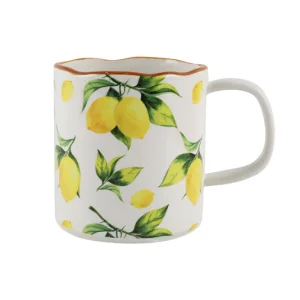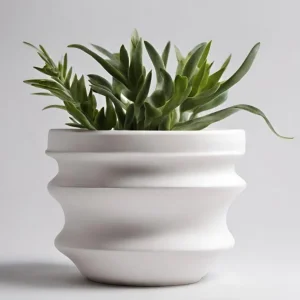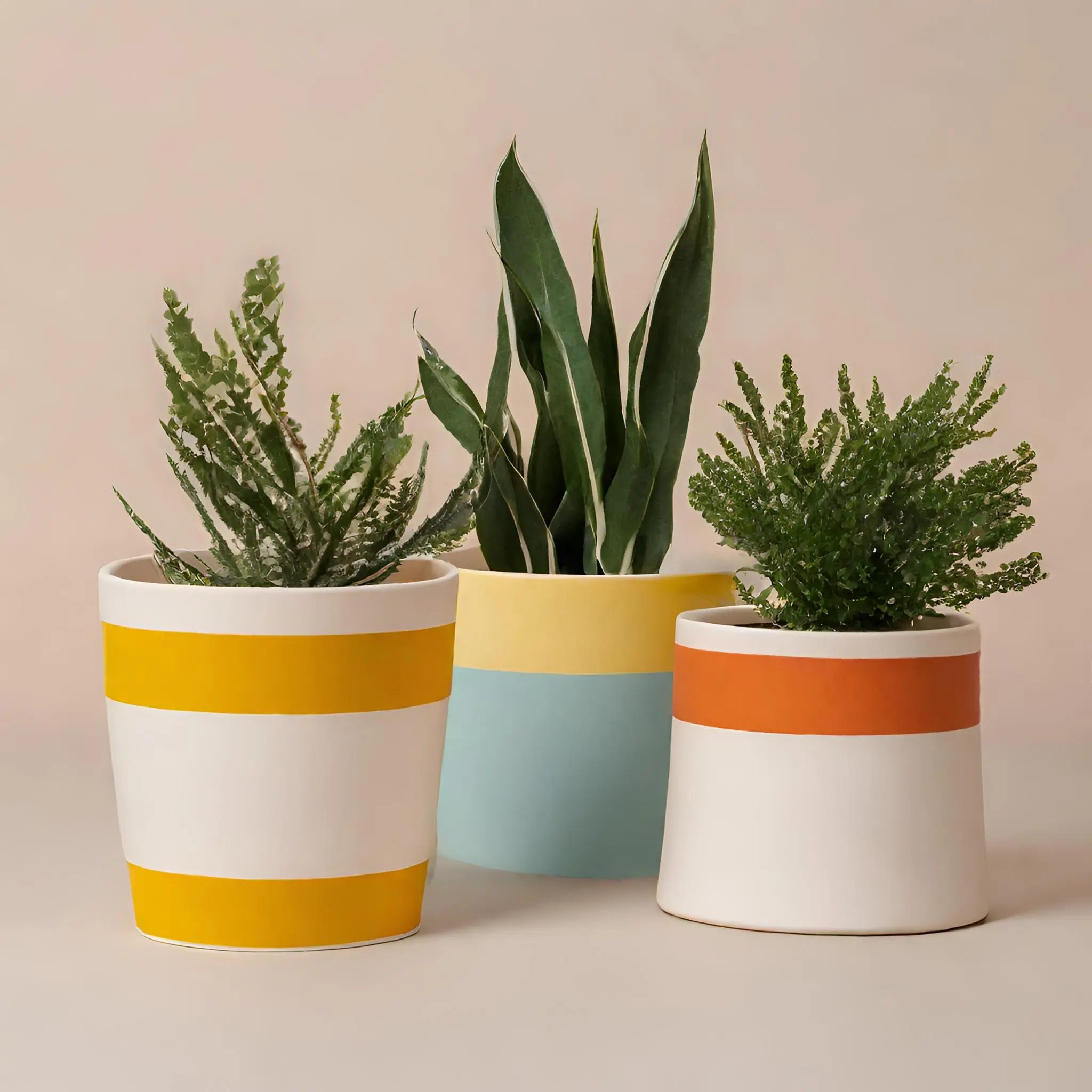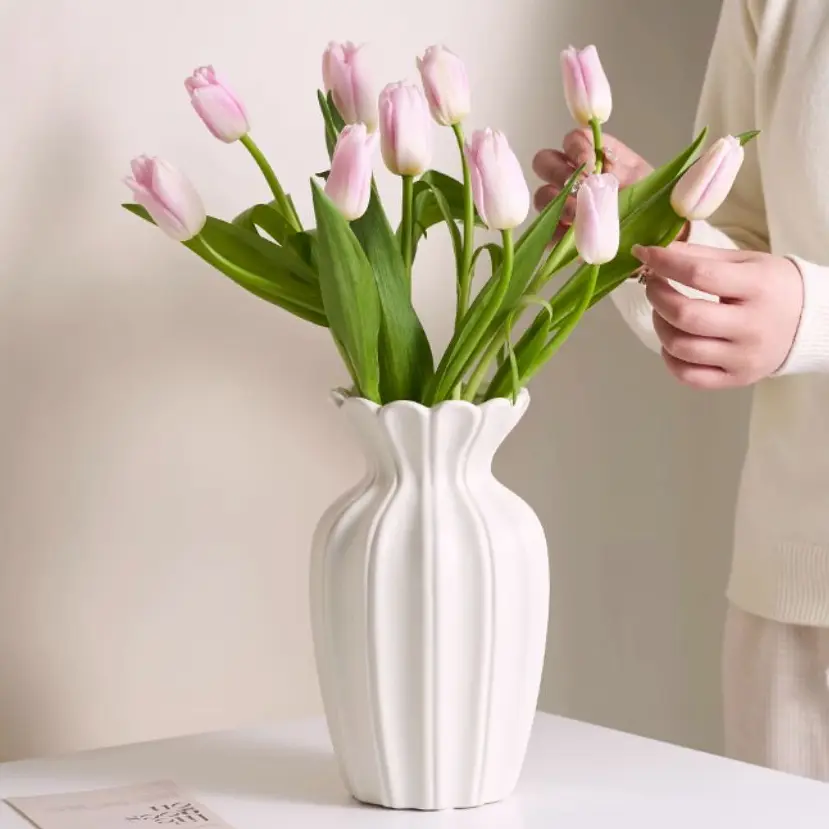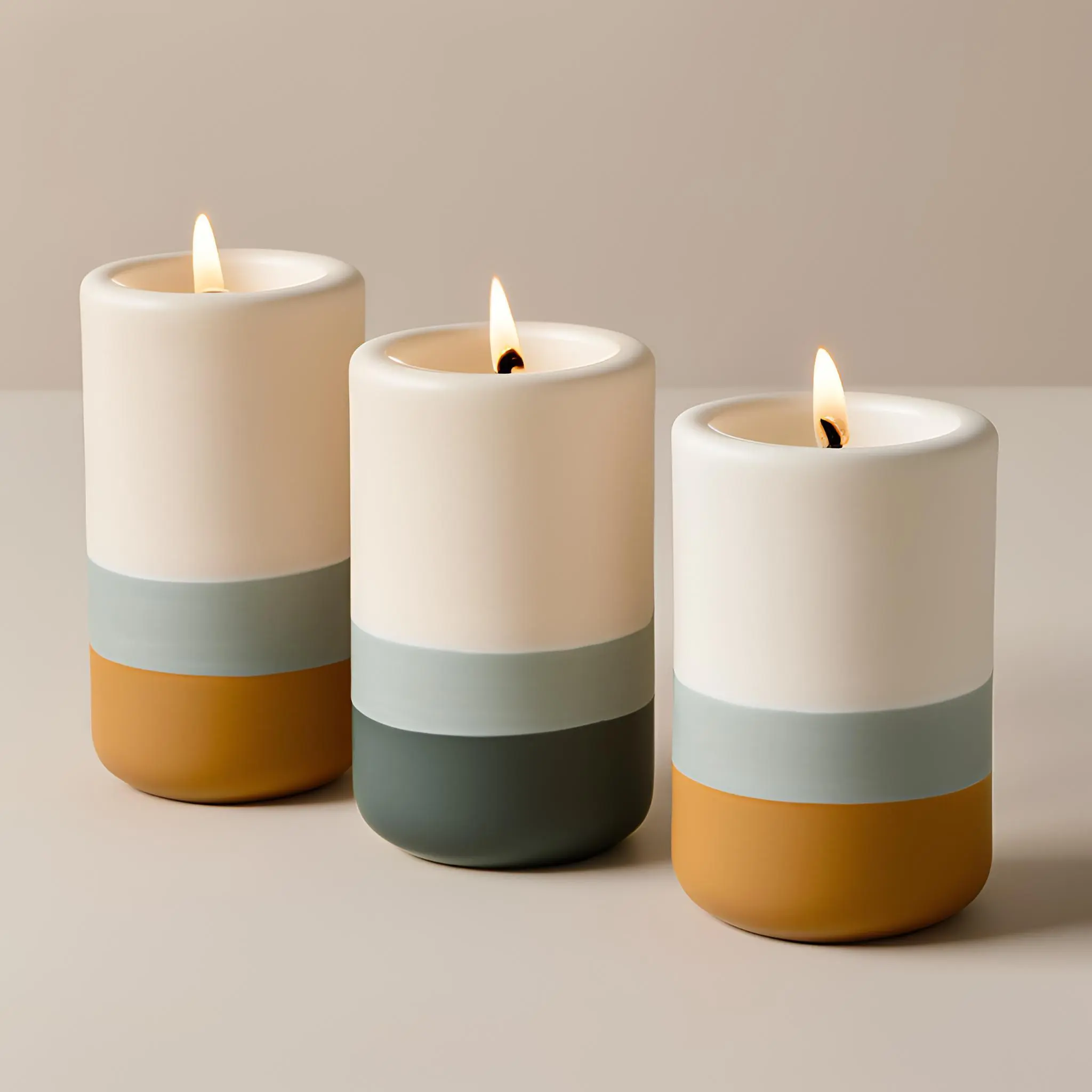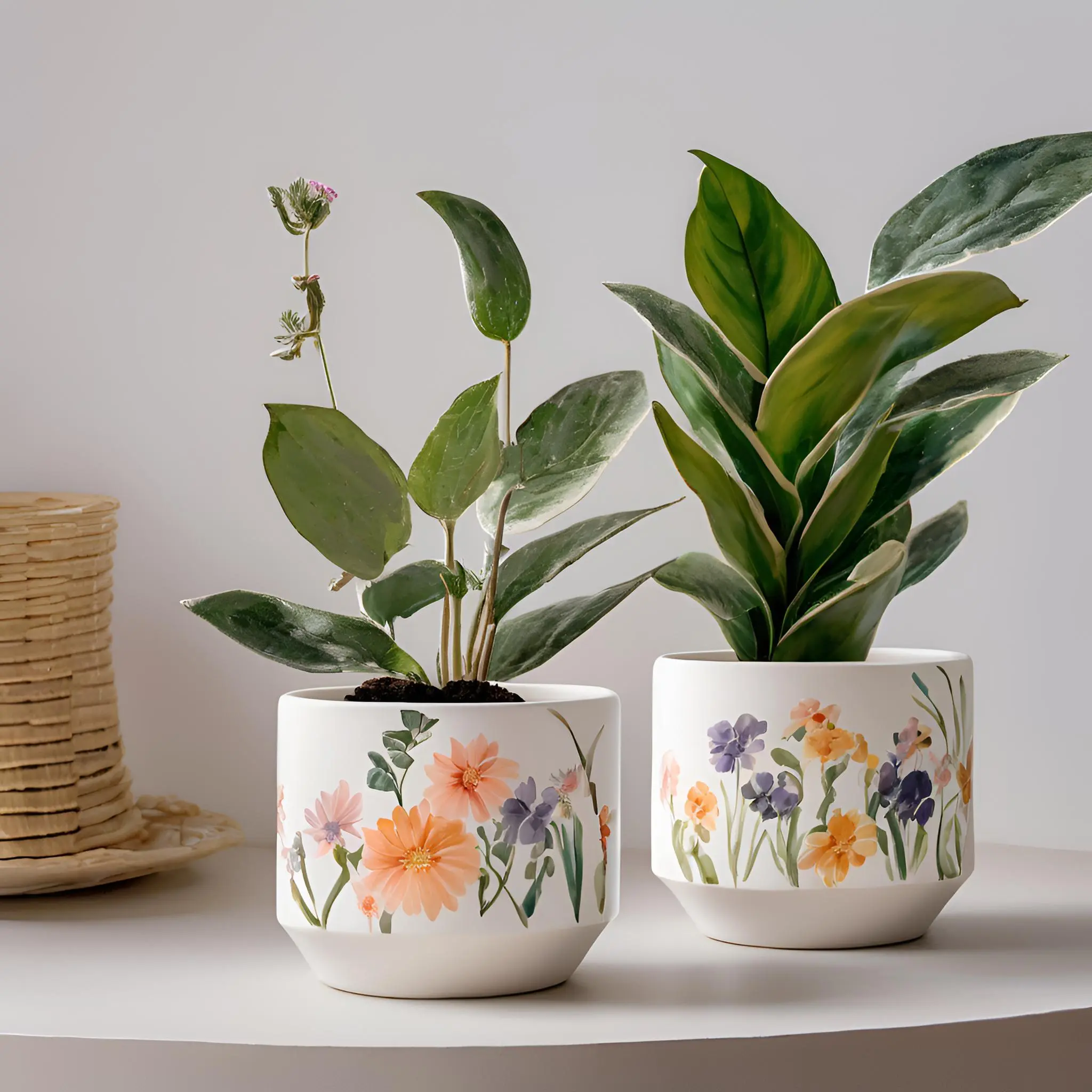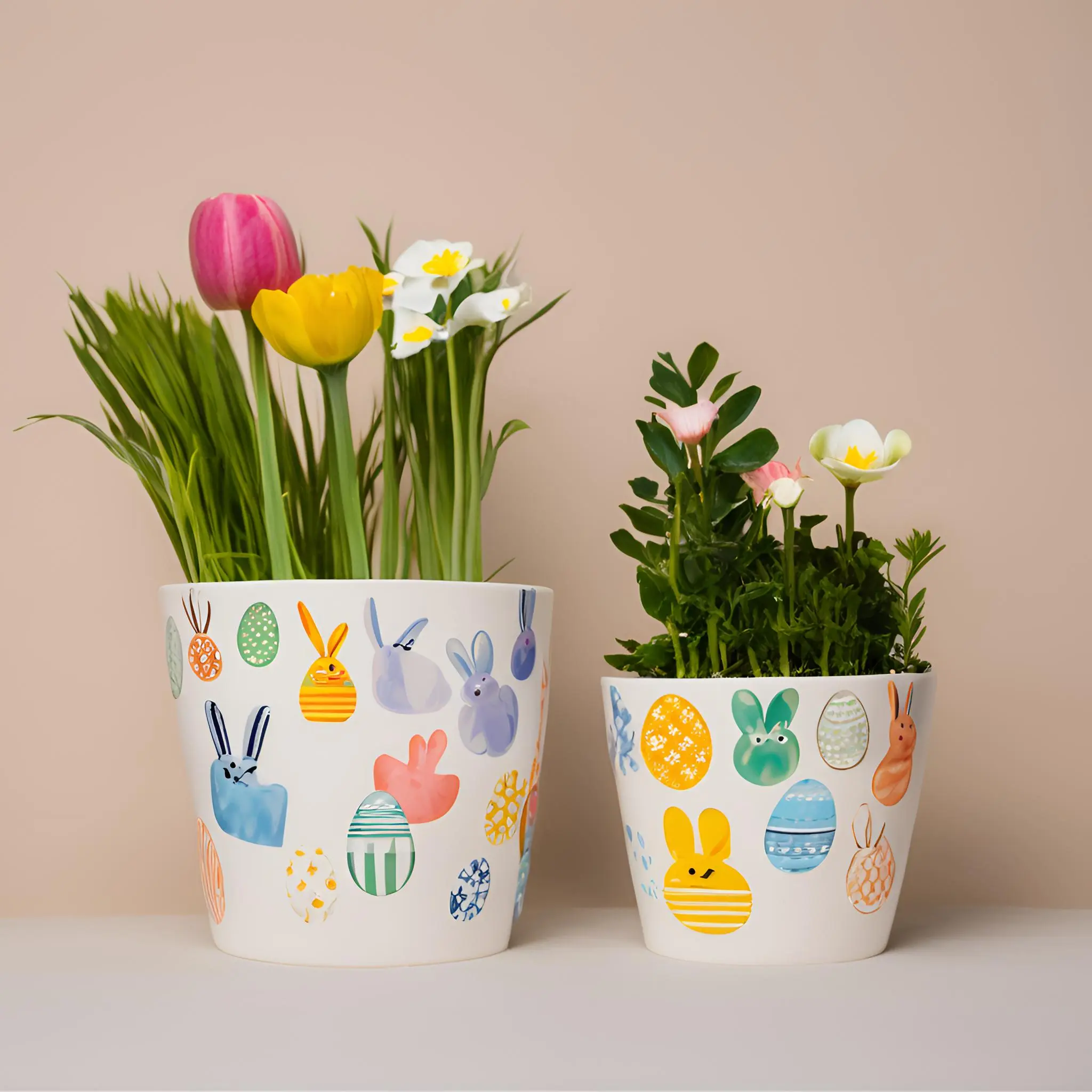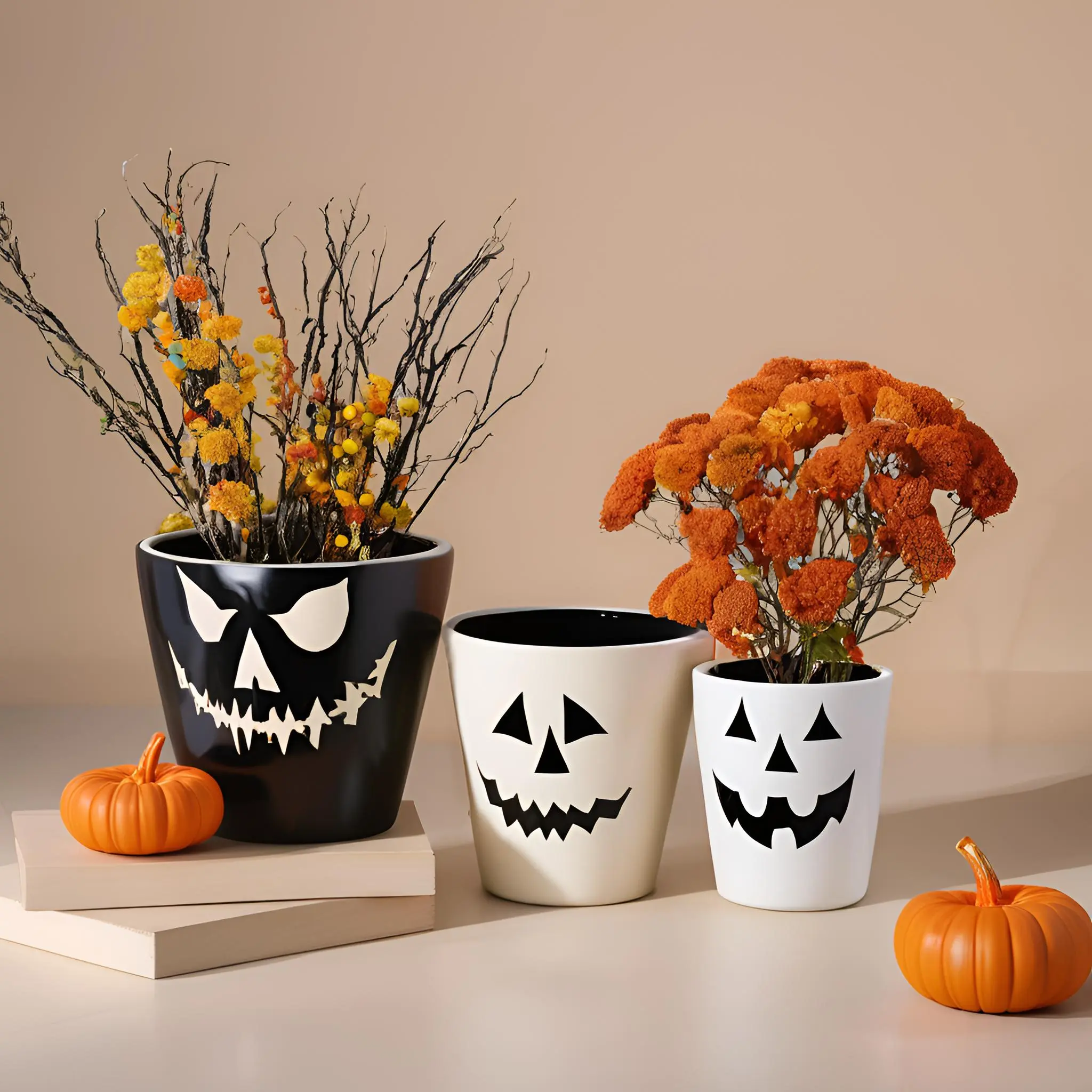
Explore engineered ceramic and resin structural components curated for global commercial environments, cafe ecosystems, and seasonal portfolios.

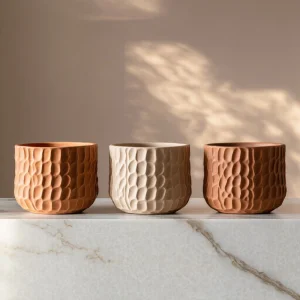

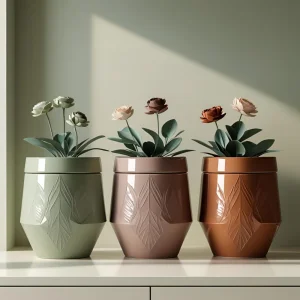

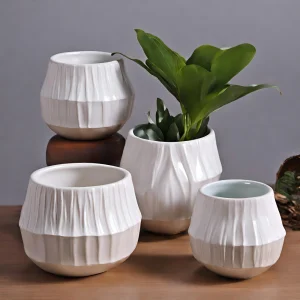

In the global hospitality sector, the term "Wholesale Mug Cafe Factory & Factories" represents far more than a basic manufacturing hub. It refers to an intricate network of raw material suppliers, technical design engineers, chemical glaze formulation specialists, and precision logistics managers. B2B procurement agents, hospitality conglomerates, and specialized brand distributors require a profound understanding of ceramic compositions and manufacturing tolerances to optimize their sourcing strategy and minimize total cost of ownership (TCO).
Historically, commercial cafe operators selected mugs based solely on aesthetic appeal. Today, the integration of advanced thermodynamic engineering and surface chemistry has changed the procurement landscape. Modern B2B sourcing agents analyze factors such as vitrification temperature, mechanical shock resistance, and water absorption rates. This change in purchasing behavior is reflected in search intent. Generic queries have shifted toward highly technical searches focused on food safety certifications, manufacturing compliance, and industrial-scale custom capabilities.
From a manufacturing standpoint, the durability and thermodynamic profiles of cafe mugs depend on their core materials. Cafes demand ceramics that can withstand hundreds of wash cycles in high-temperature commercial dishwashers. This requires either high-fired stoneware or vitrified porcelain:
Commercial cafe mugs must withstand rapid temperature changes, such as moving from a 4°C refrigerator storage area directly under a 95°C espresso extraction head. Top-tier factories incorporate specific concentrations of cordierite or spodumene into the clay body. This reduces the coefficient of thermal expansion, preventing microscopic fractures in the glaze.
Optimized categories designed to streamline enterprise procurement and simplify global container consolidation.
China's ceramic manufacturing sector continues to lead the global supply chain, driven by decades of specialized industrial clustering. Cities like Dehua (Fujian province) and Chaozhou (Guangdong province) have developed integrated raw material networks and advanced manufacturing infrastructure. This consolidation allows local factories to achieve economies of scale and maintain high quality control standards that are difficult to replicate elsewhere.
These industrial clusters benefit from a concentrated supply chain. Everything from raw kaolin clay mining and preparation to computerized slip preparation, automated casting, advanced kiln firing, custom decal printing, and structural packaging is located within a 50-kilometer radius. This proximity shortens production cycles and allows factories to adapt quickly to changing global design trends.
Leading Chinese ceramic manufacturers are investing heavily in automation and digitalization. By upgrading traditional batch kilns to computerized shuttle kilns and continuous tunnel kilns, factories have improved thermal efficiency and significantly reduced structural defect rates. Modern kilns use AI-powered oxygen-to-gas ratio monitoring to ensure consistent firing temperatures throughout the chamber, minimizing color variations across production batches.
In addition, advanced automated robotic glazing systems apply liquid glazes with micrometer-level precision. This ensures uniform coat thickness, eliminating thin spots that are susceptible to chipping and chemical wear. These process controls help factories meet stringent global quality standards, ensuring that high-volume orders remain within strict design tolerances.
For large-scale B2B ceramic procurement, top-tier manufacturers work with AQL 1.5 or 2.5 quality parameters. This involves structural inspection protocols for pinholes in the glaze, iron spots in the clay body, rim deformation, and bottom flatness to ensure compatibility with commercial espresso machines and automated serving trays.
As international consumer safety regulations tighten, ceramic exporters must maintain comprehensive compliance certifications. High-quality manufacturers prioritize chemical analysis of their glazes to prevent heavy metal leaching. Sourcing agents should look for factories that guarantee lead-free and cadmium-free formulations, ensuring compliance with FDA, LFGB, and California Proposition 65 regulations.
To verify food contact safety, factories conduct regular testing for lead and cadmium release. These tests are performed in accredited laboratories using atomic absorption spectroscopy. Under California Proposition 65, the leaching limits are extremely low (under 0.1 ppm). Firing at temperatures above 1,200°C ensures that these elements are locked into the crystalline structure of the glaze, preventing leaching even after contact with highly acidic beverages like lemon-infused teas or double espresso shots.
The next generation of cafe tableware focuses on material science and sustainability. R&D departments are exploring natural mineral additives to improve heat retention without increasing mug weight. This keeps beverages at optimal serving temperatures longer, enhancing the consumer experience.
On the environmental front, factories are adopting waste heat recovery systems. These systems capture exhaust heat from kilns and redirect it to dry greenware bodies prior to firing. This reduces energy consumption by up to 25%. Additionally, water purification and recycling systems allow factories to reuse up to 90% of the water used during slip preparation and clay body washing, meeting global sustainability requirements.
Commercial cafe environments require glazes with a high rating on the Mohs hardness scale (typically 6 or higher). This prevents scratch marks caused by metal spoons and minimizes glaze wear from contact with neighboring mugs during transport and storage.
Access structured digital catalogs with technical specifications, packaging sizes, and customizable design templates.
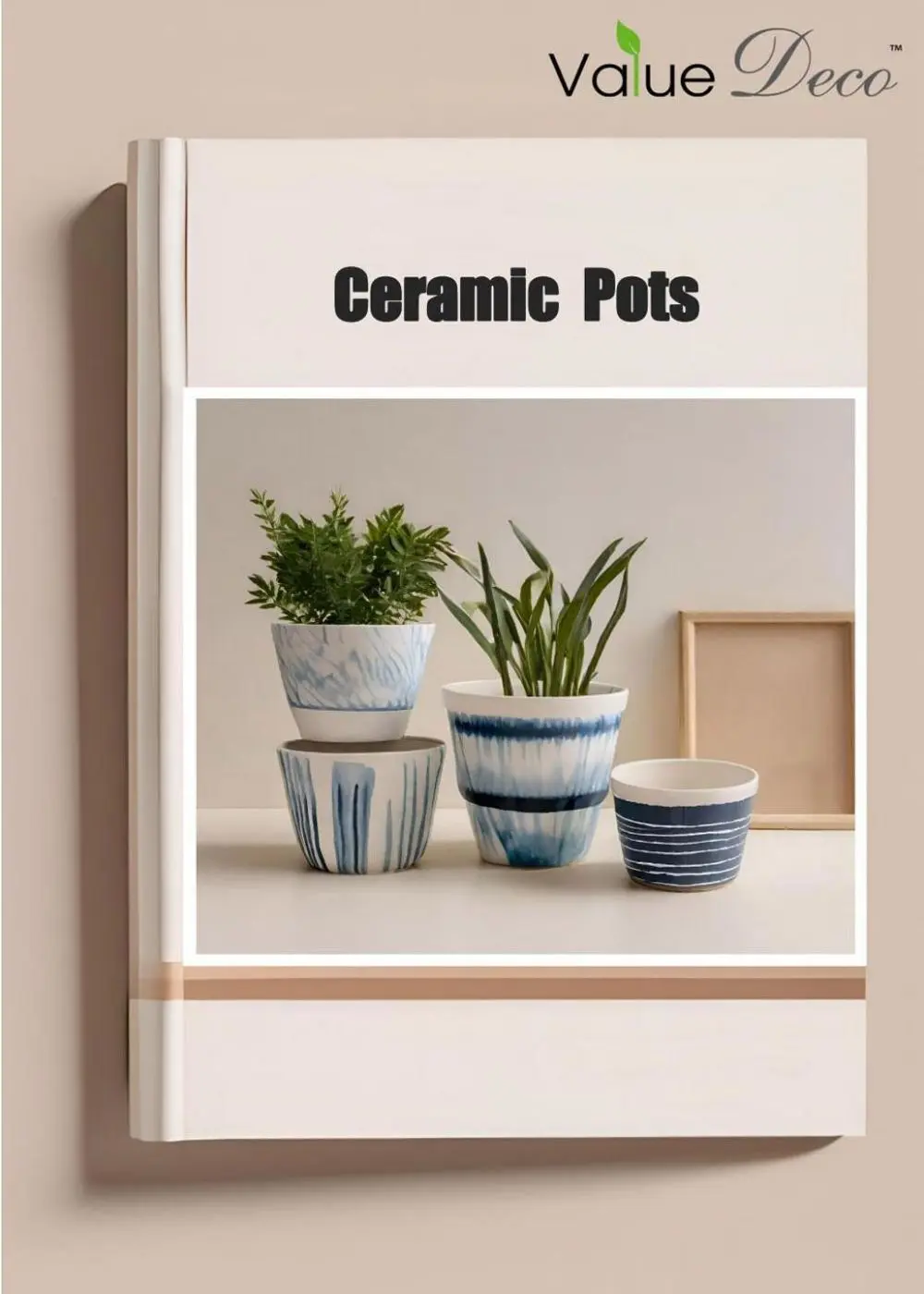
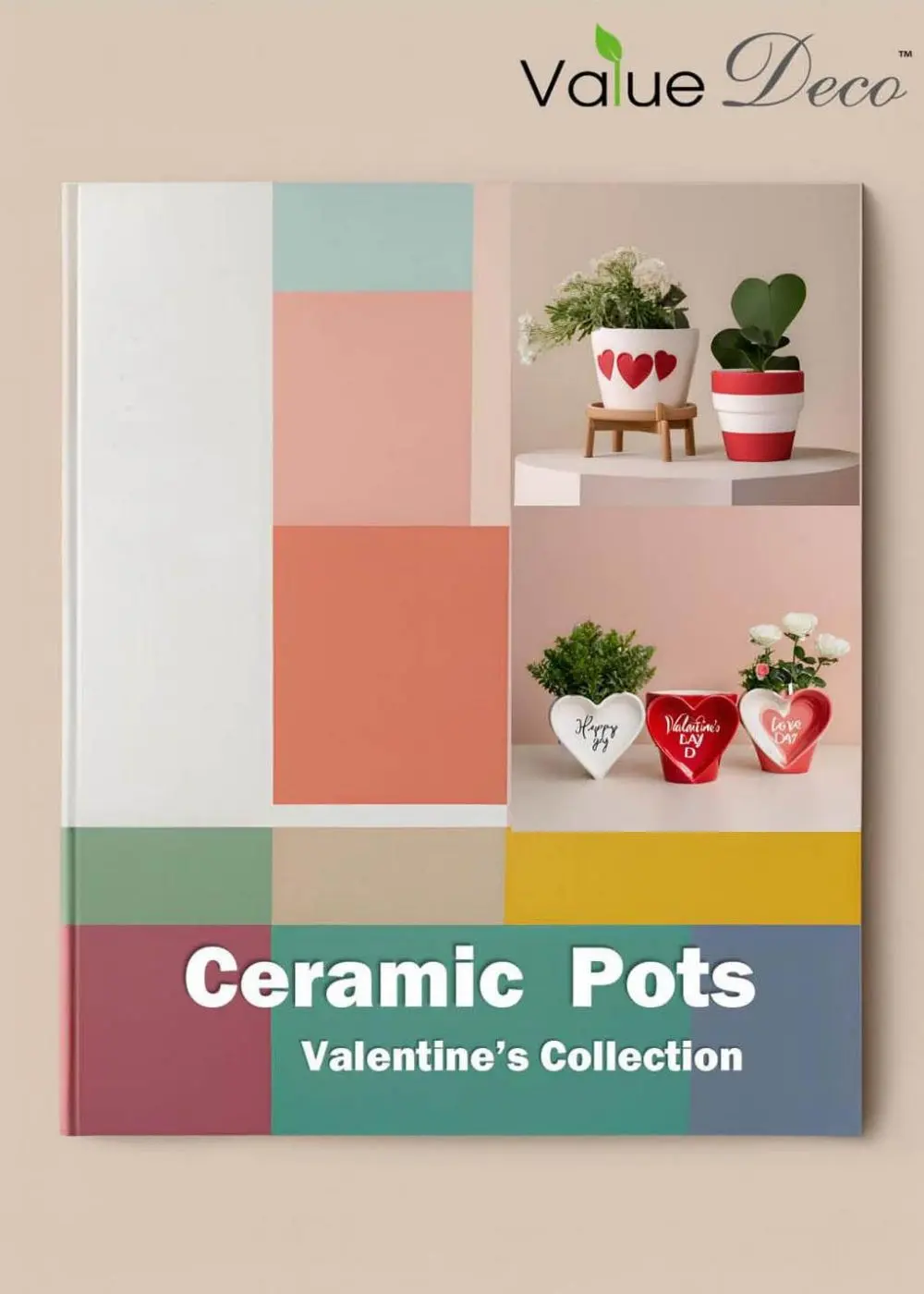
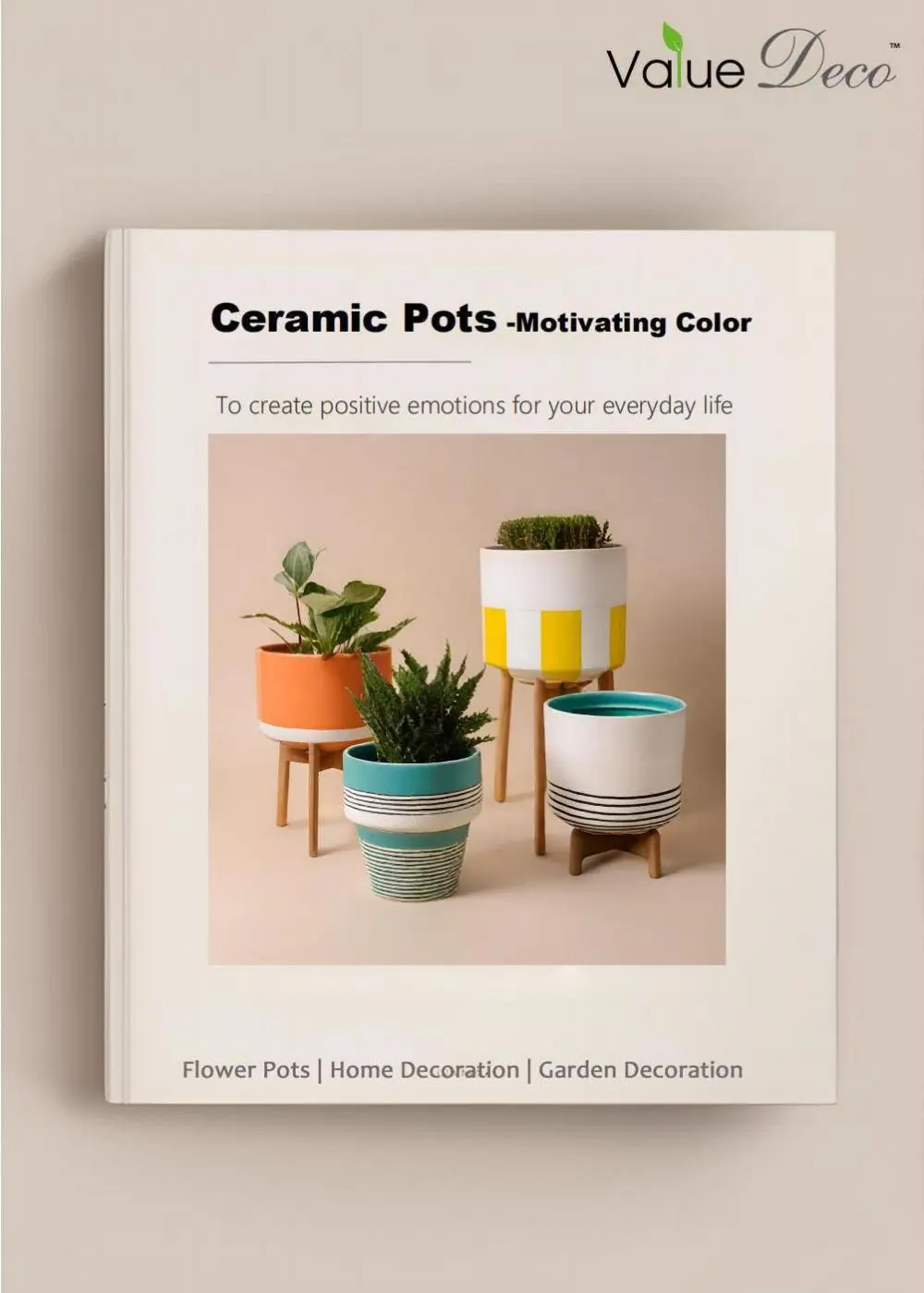
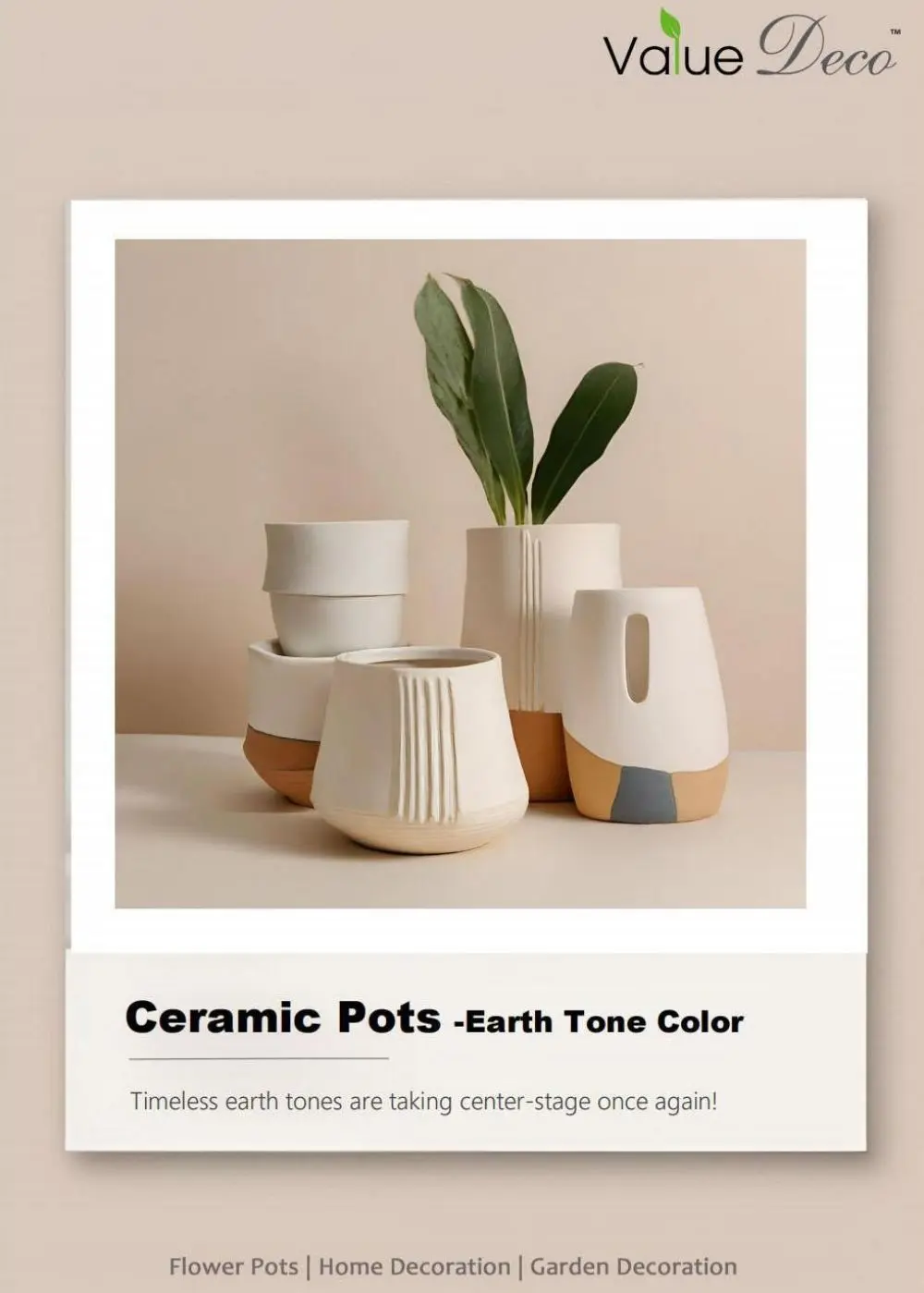
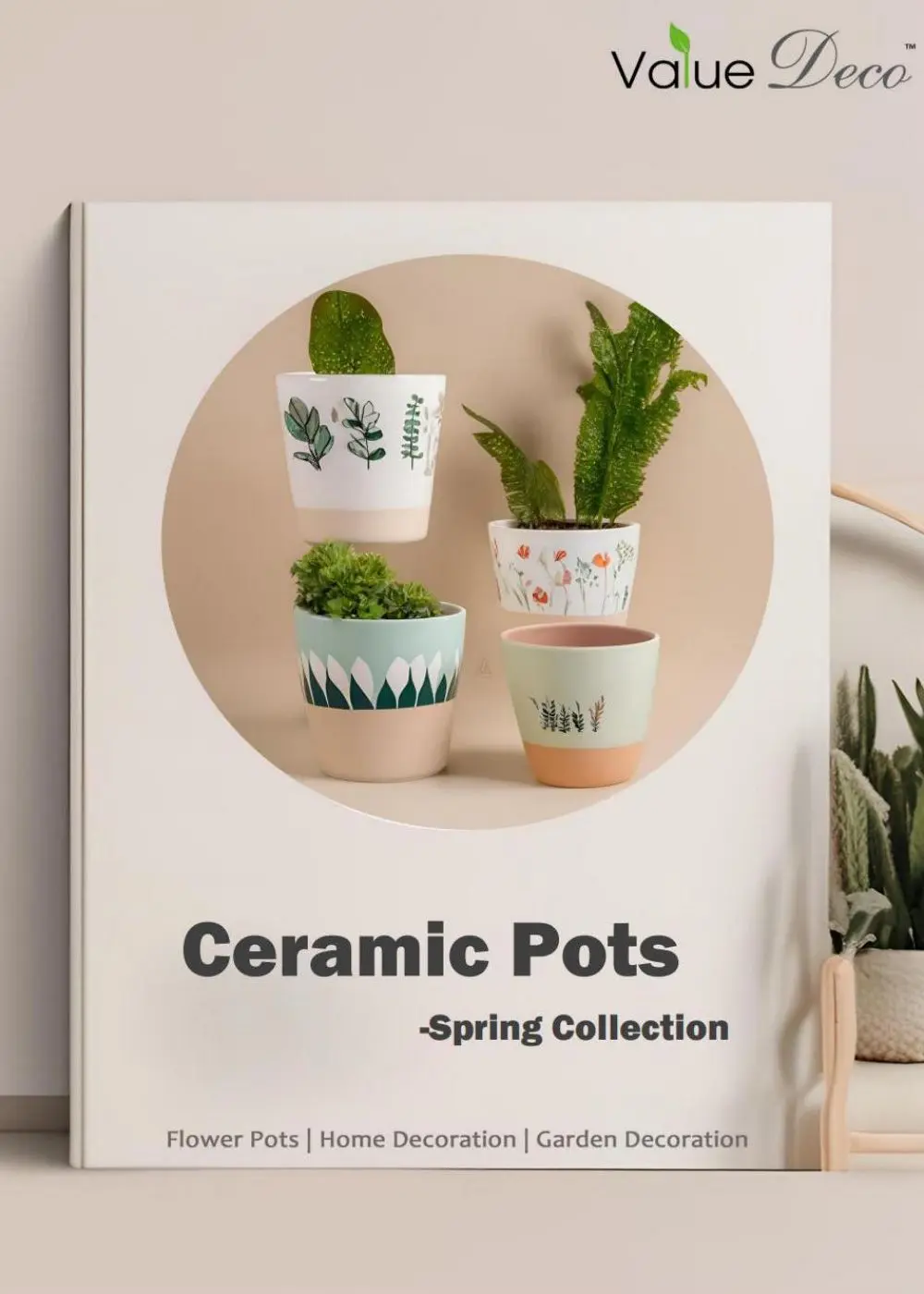
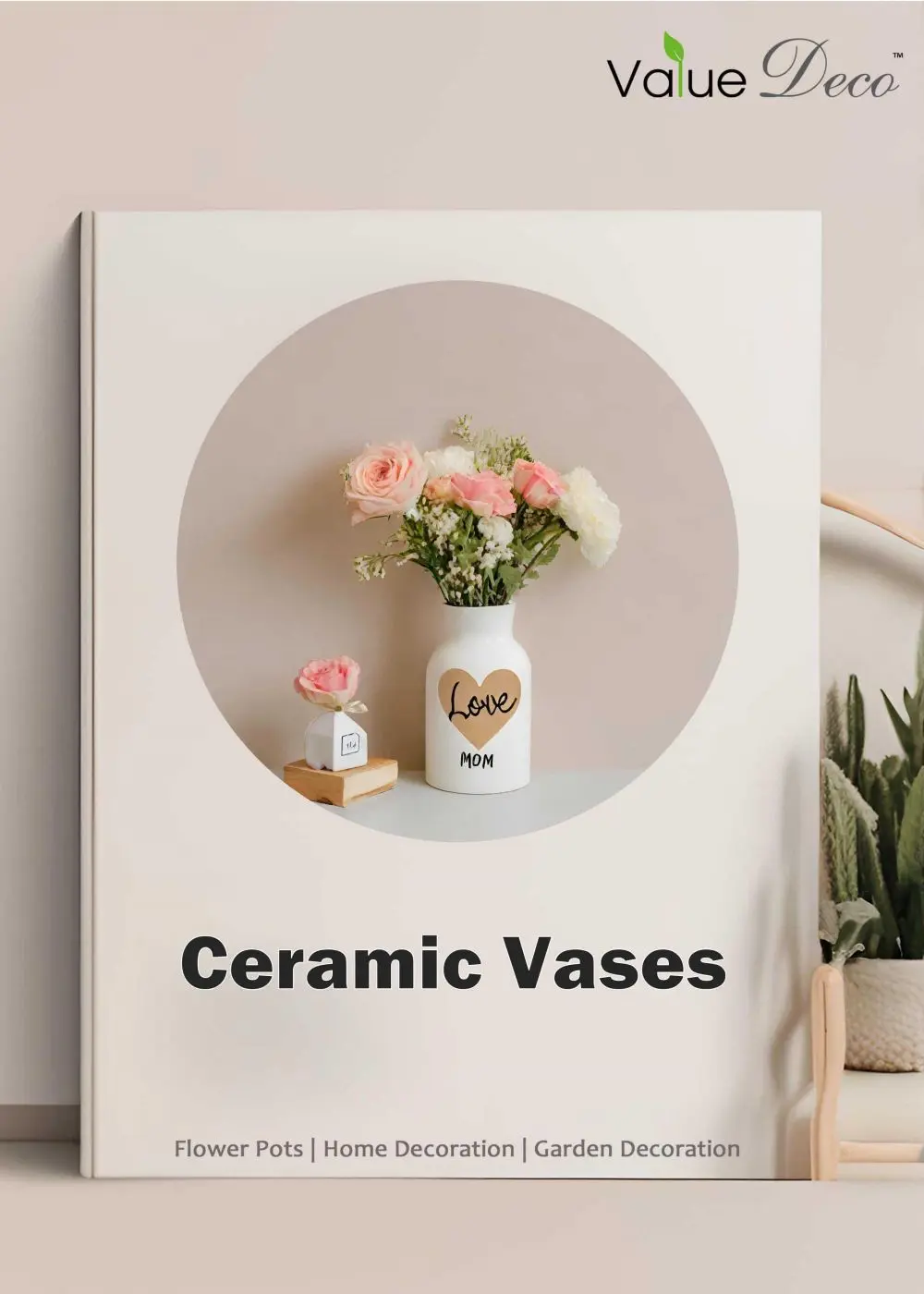
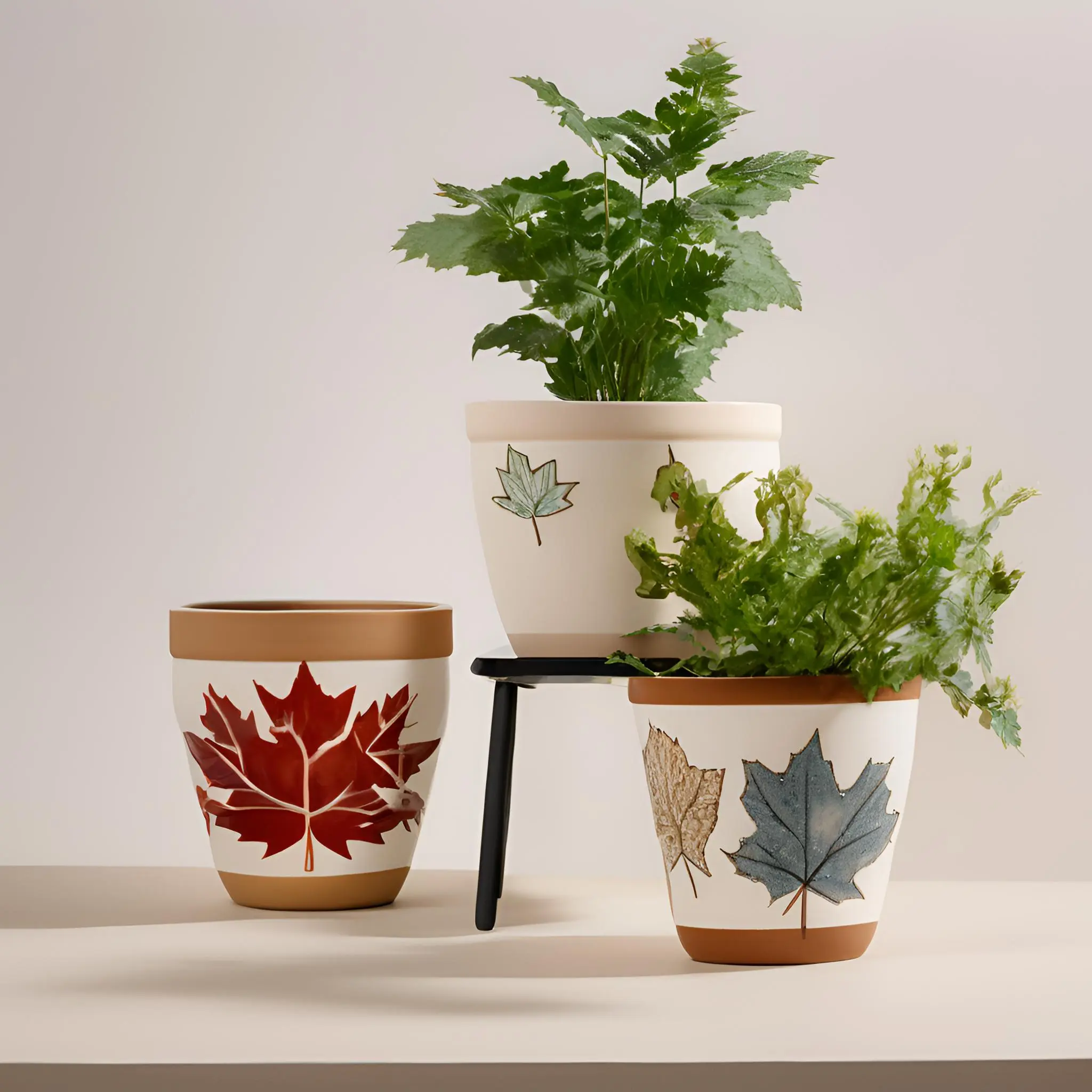
Explore our newly engineered surface designs and geometric patterns, optimized for modern interior layouts.
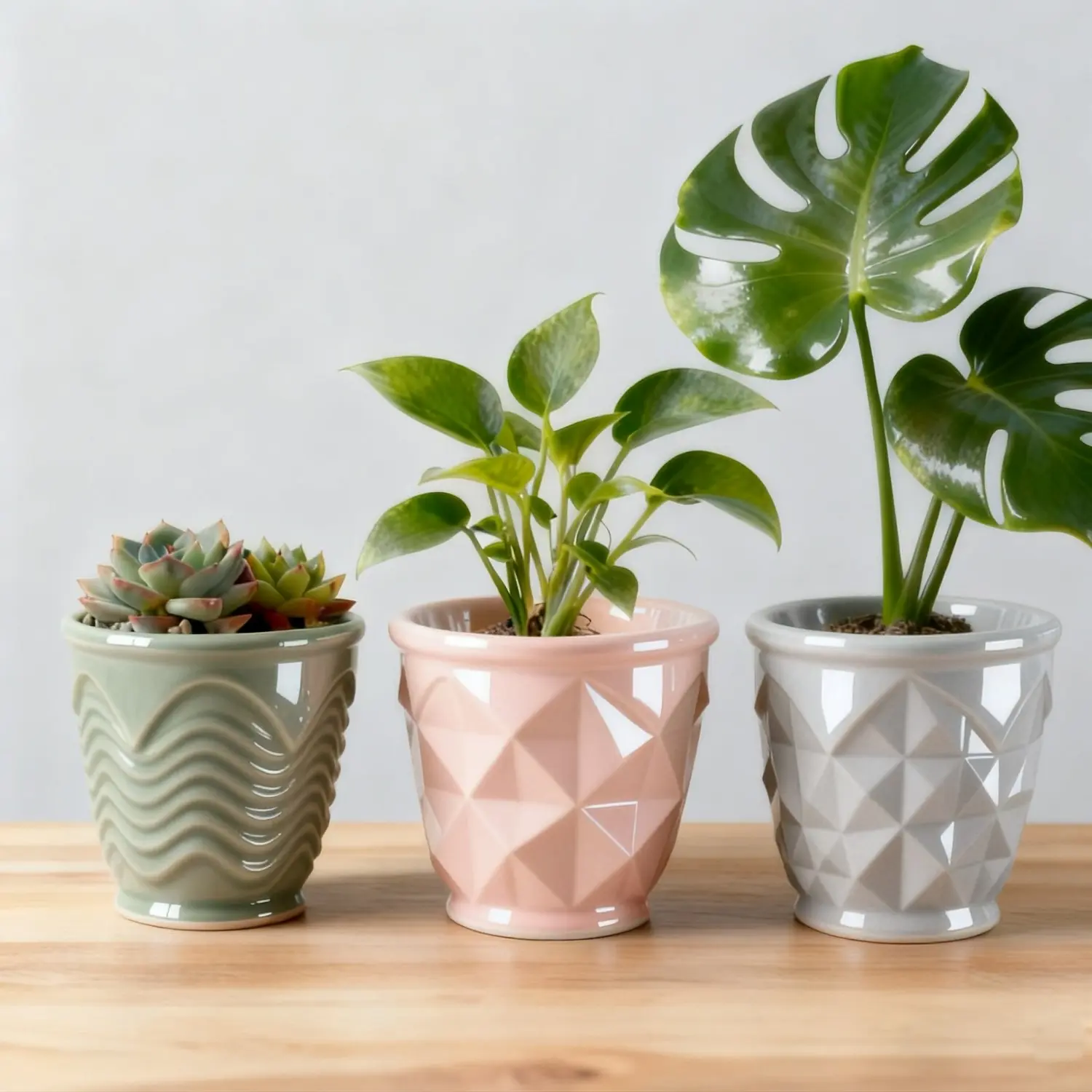
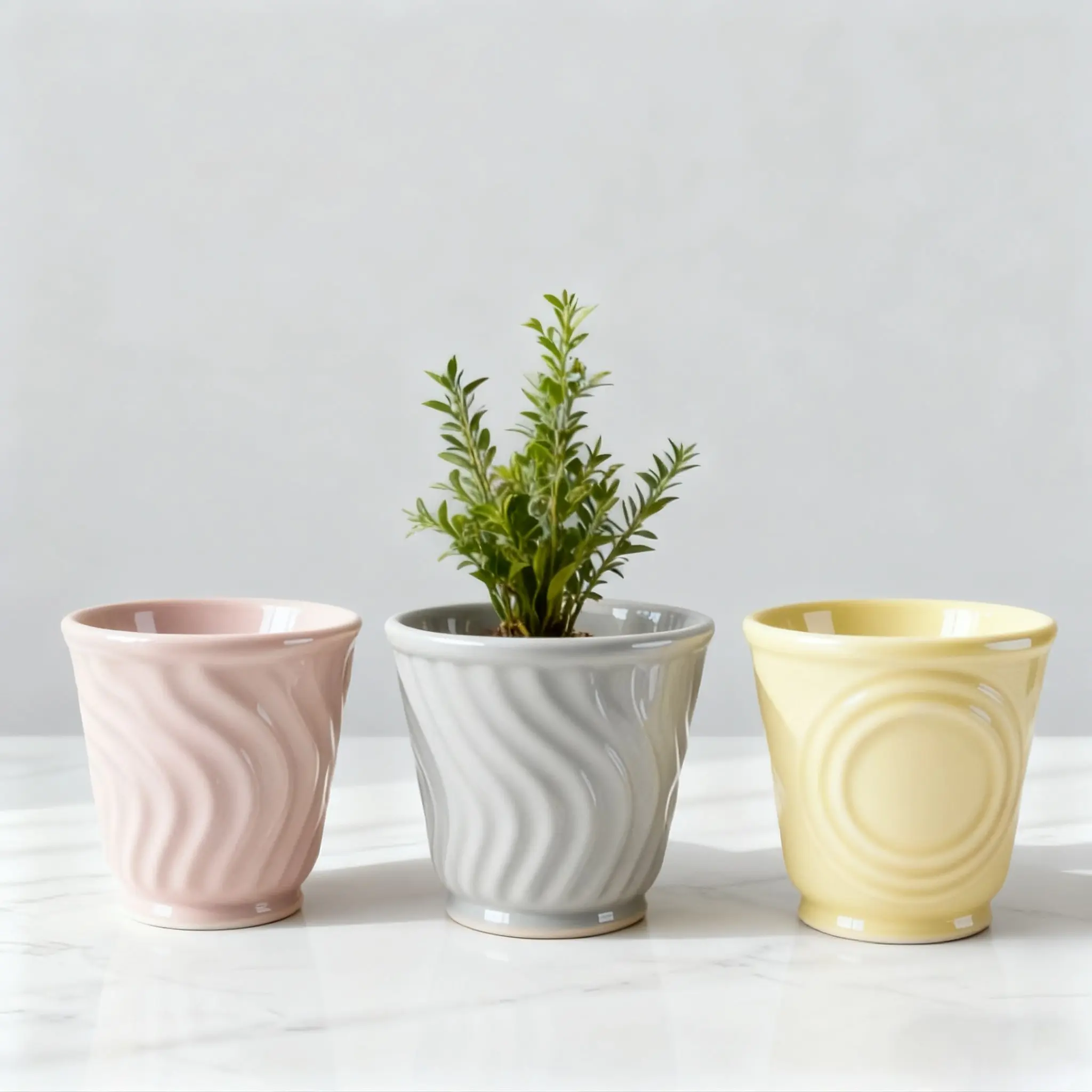
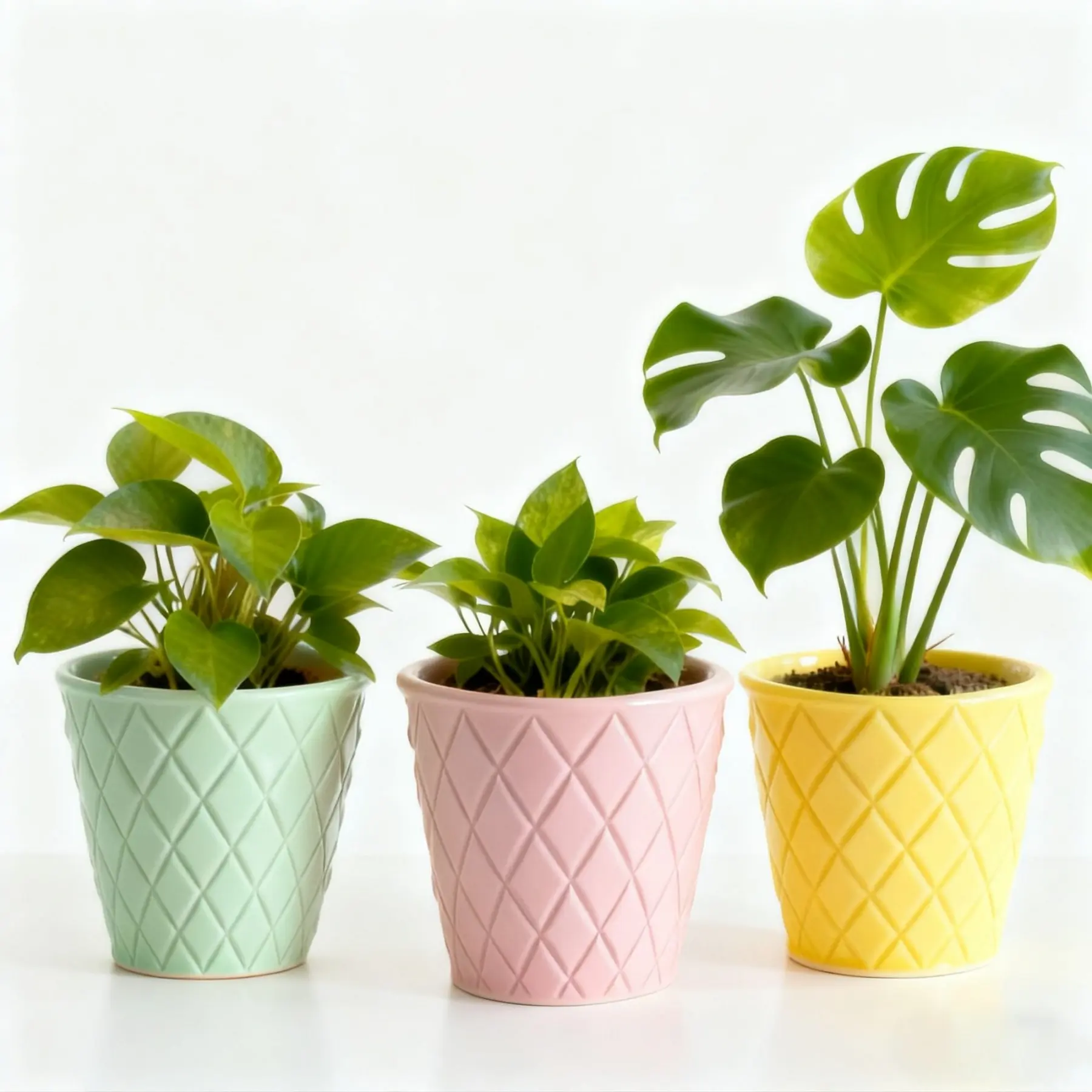
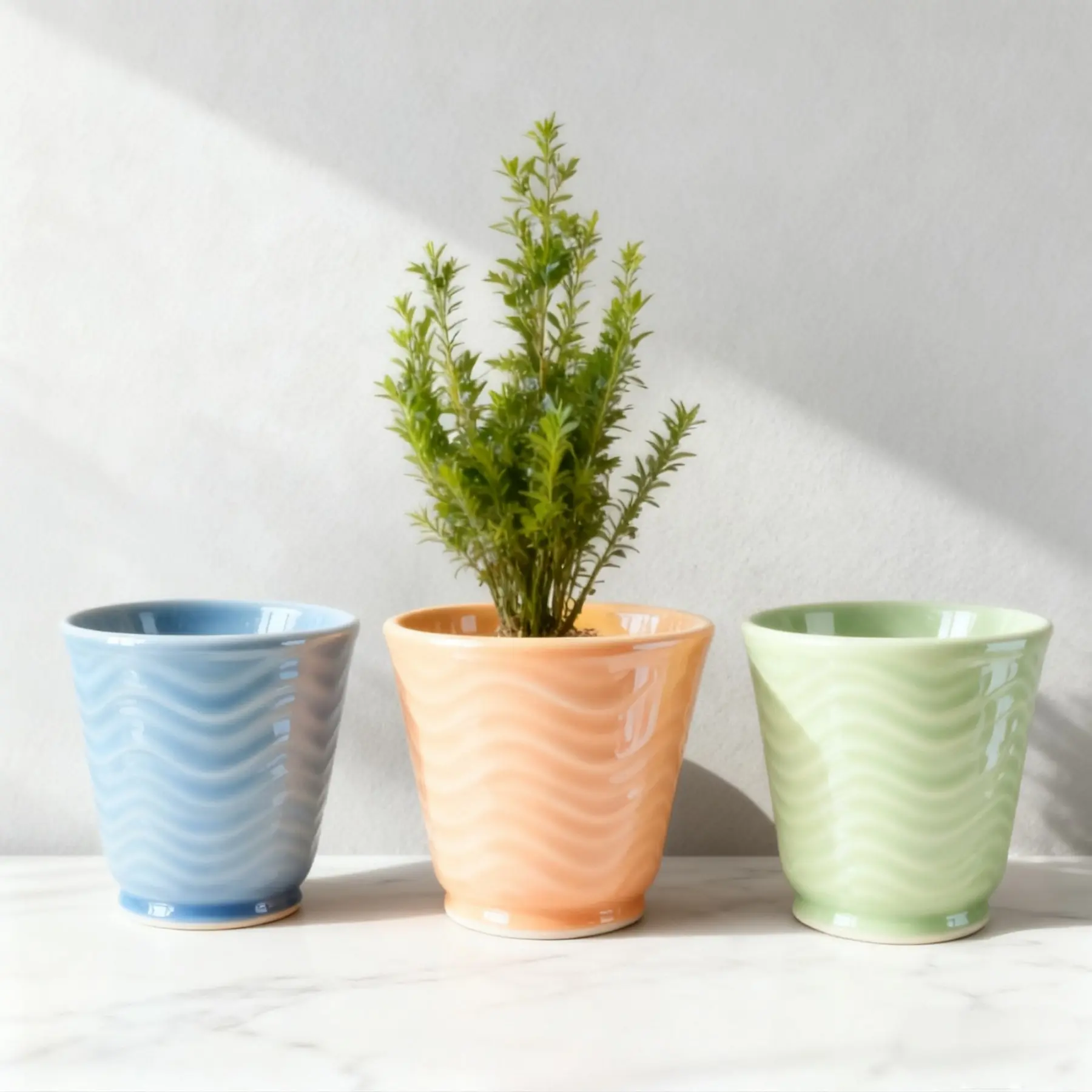
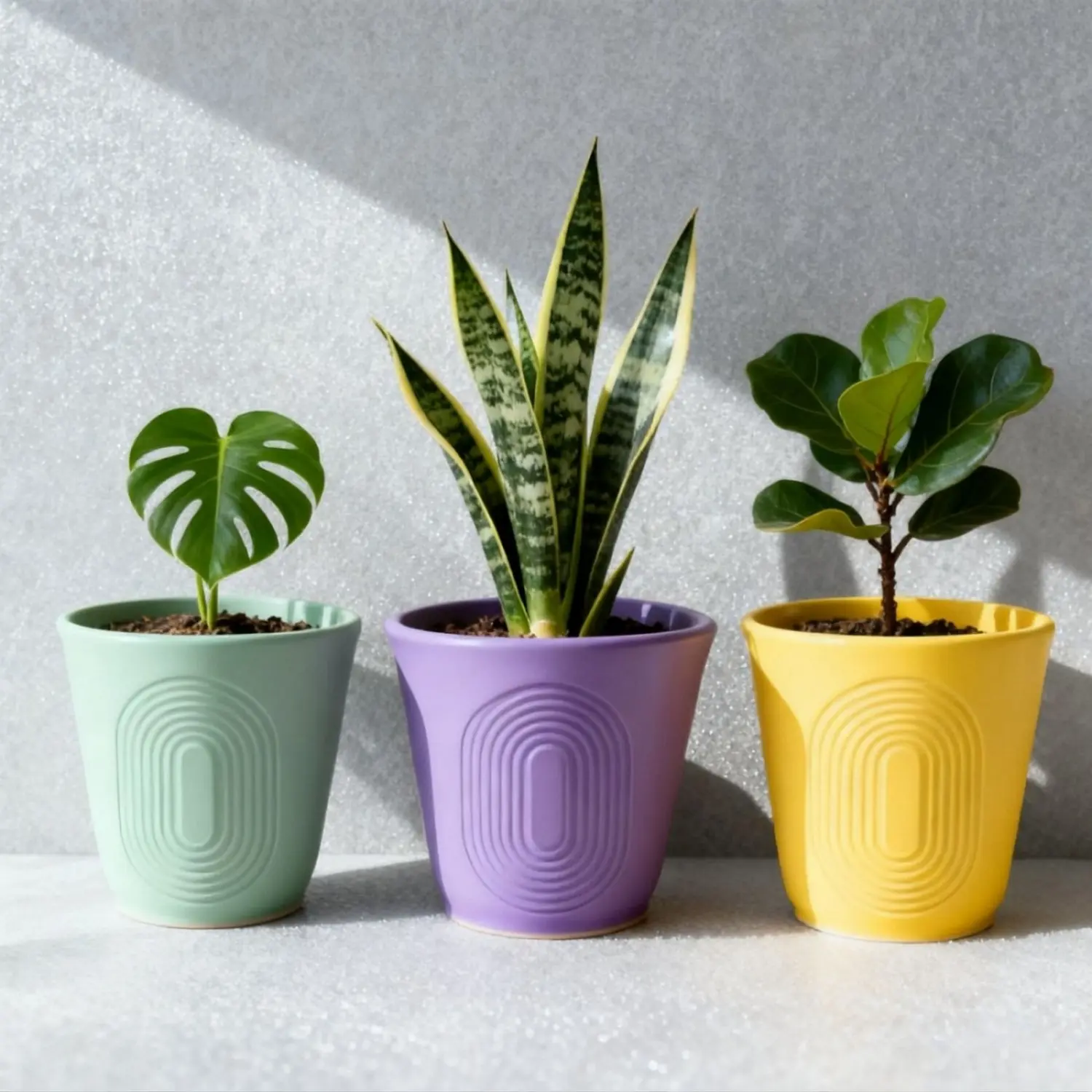
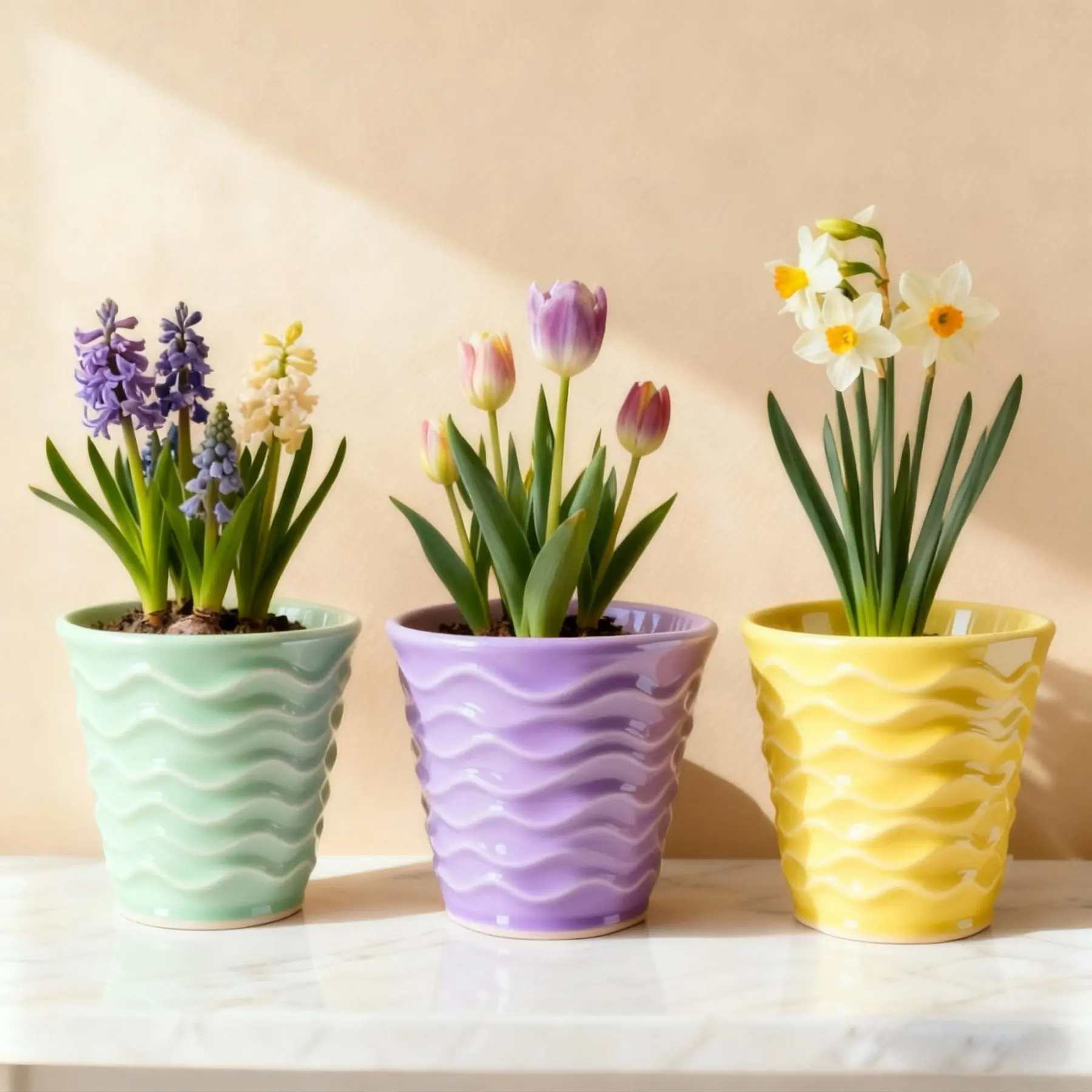
Value Deco Limited is an established supplier of high-quality ceramic pots and decorative homeware based in China. With over 12 years of specialized experience in the home and garden decor industry, we have built a reputation for delivering reliable manufacturing, innovative design, and robust supply chain solutions. Our comprehensive portfolio includes flower pots, vases, candle holders, home decor, garden ornaments, and commercial-grade dinnerware, designed to meet the quality and regulatory requirements of international buyers.
To better serve our target markets, we operate two specialized product divisions:
Dedicated to high-performance horticultural containers, outdoor glazed pots, and indoor plant vessels.
Visit Sub-Website: www.valuedeco.comSpecializing in holiday ceramics, tabletop dinnerware, custom cafe mugs, candle holders, and seasonal statues.
Visit Sub-Website: www.pridedeco.comTechnical details regarding order minimums, custom molding, food-grade compliance, and lead times.
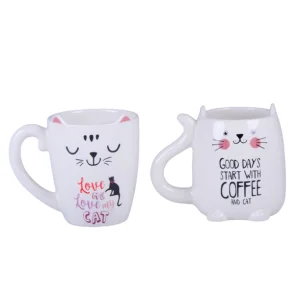
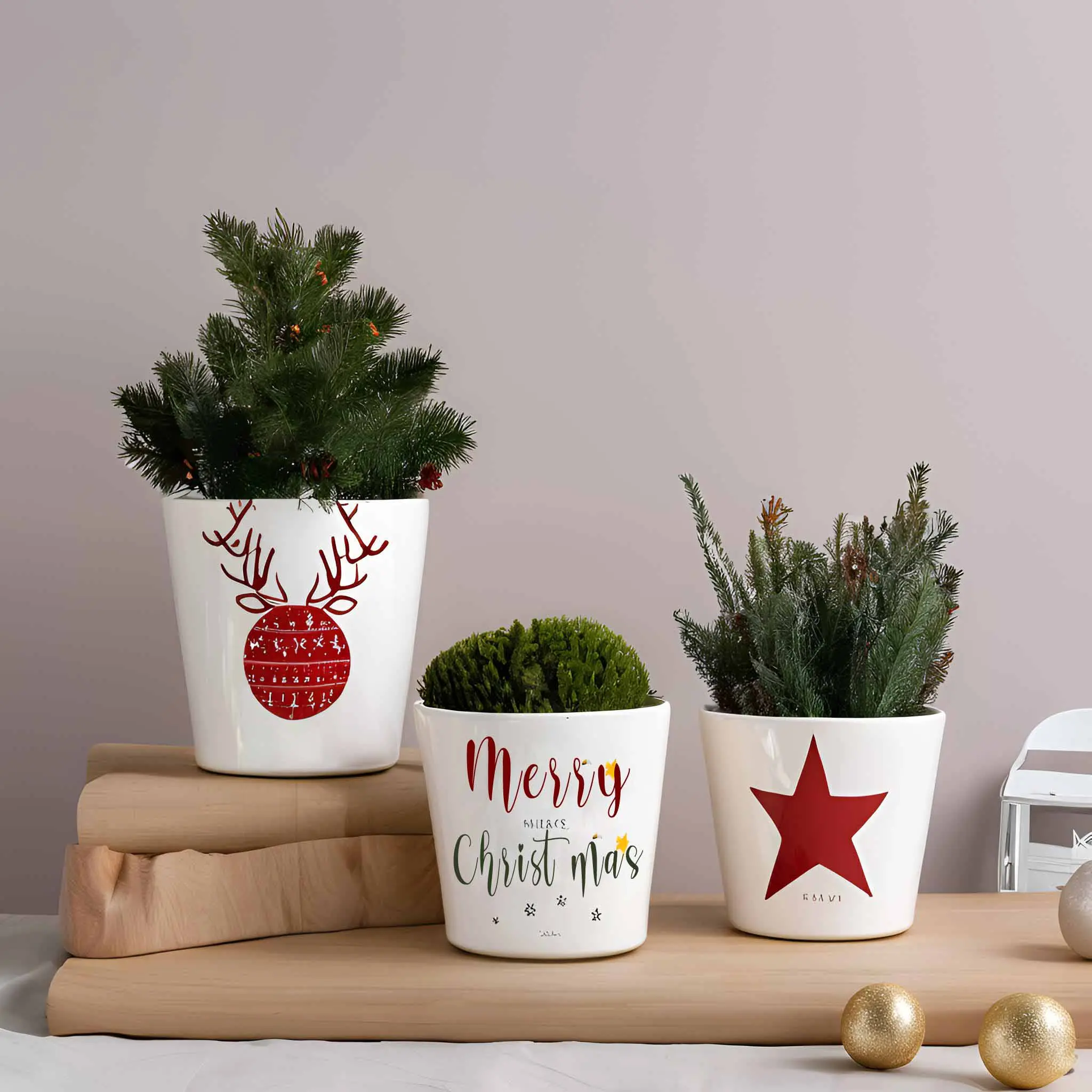
Explore our functional commercial cups, custom novelty designs, and decorative seasonal components.