Engineered Indoor Glazed Ceramics & Multi-Functional Containers
Scientific Horticulture Engineering, Material Optimization, and Global B2B Supply Chain Paradigms
Lucky Bamboo (Dracaena sanderiana) serves as a cornerstone of the global biophilic design and interior landscaping industries. Cultivated and shipped to over 120 countries, this plant has transcended its traditional origins in Feng Shui and Asian cultural aesthetics to become a staple of corporate offices, luxury hospitality venues, and residential living environments worldwide. To support the massive international logistics chain of Lucky Bamboo, the demands placed upon planter manufacturers and factories have escalated from simple decorative pottery to highly engineered horticultural containment systems.
From an industrial standpoint, B2B importers, nursery operators, and corporate decorators require containers that can withstand long transport phases, optimize shelf space, and support the unique water-reliant root system of Dracaena sanderiana. Traditional terracotta or standard flower pots often fall short because they fail to address the specific oxygenation and moisture-retention parameters required by Lucky Bamboo. Modern factories must design with these constraints in mind, producing planters that offer robust resistance to root rot while preserving high aesthetics suitable for modern minimalist architecture.
Lucky Bamboo is frequently cultivated in standing water or soil-less substrates (such as clay pebbles, volcanic rocks, or hydrogels). Consequently, planters must feature an impermeable interior glazed barrier to prevent water seepage, combined with structural support structures that secure the vertical stalks without causing compression damage. Micro-crack susceptibility in lower-grade ceramic bodies causes catastrophic water damage in luxury office spaces and residential projects—making high-density vitrified porcelain or stoneware the mandatory standard.
At Value Deco Limited, our material science division approaches planter manufacturing as a blend of structural engineering and surface chemistry. The quality of a commercial-grade ceramic planter depends on the composition of the raw clay body. Our factories utilize a refined blend of high-grade kaolin clay, quartz, and feldspar. This composition is milled to sub-micron particle sizes, allowing for an incredibly uniform molecular distribution before molding.
For B2B buyers—specifically horticulture distributors, retail store chains, and landscape contractors—procurement decisions are dictated by cost-efficiency, volumetric optimization for sea shipping, and structural durability during transit. Planters designed for Lucky Bamboo must be optimized for nesting. In close cooperation with major global cargo carriers, Value Deco designs packaging systems that allow nested stacks to absorb high G-force impacts, lowering transit damage rates to less than 0.2%.
Furthermore, custom ODM/OEM solutions have become the standard. Large corporate buyers do not simply purchase off-the-shelf catalog items; they demand custom color matching (Pantone matching system), embossed brand marks, and modular shapes that fit neatly into standard office cubicle dividers and commercial reception areas. Manufacturers must maintain high agility in prototyping, utilizing 3D printing for structural modeling before tooling up for mass production.
As urban environments transition to "Smart Cities" and office spaces embrace green buildings, planters are no longer passive clay pots. The integration of technology into the horticultural industry is growing rapidly. Our R&D team highlights three key movements shaping the future of Lucky Bamboo and general indoor planter manufacturing:
Future planter models feature dual-chambered containment vessels with built-in sub-irrigation grids and passive capillary water paths. These containers integrate electronic sensors that monitor water levels, water salinity, and root temperature, notifying facility managers when refilling is required. Additionally, dynamic planters are being tested with structural vent systems that channel ambient air through the root system, accelerating the removal of indoor airborne toxins like formaldehyde and benzene.
With ESG (Environmental, Social, and Governance) targets governing modern corporate purchasing, our production lines are exploring bio-composites and recycled minerals. In addition to clay-based stoneware, our research includes firing structural elements with recycled ceramic slag and kiln-combustion heat recovery systems, significantly reducing the carbon footprint per manufactured unit.
Diverse Portfolio For Home Decoration, Garden Design, and Commercial Displays
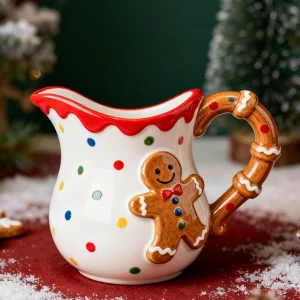
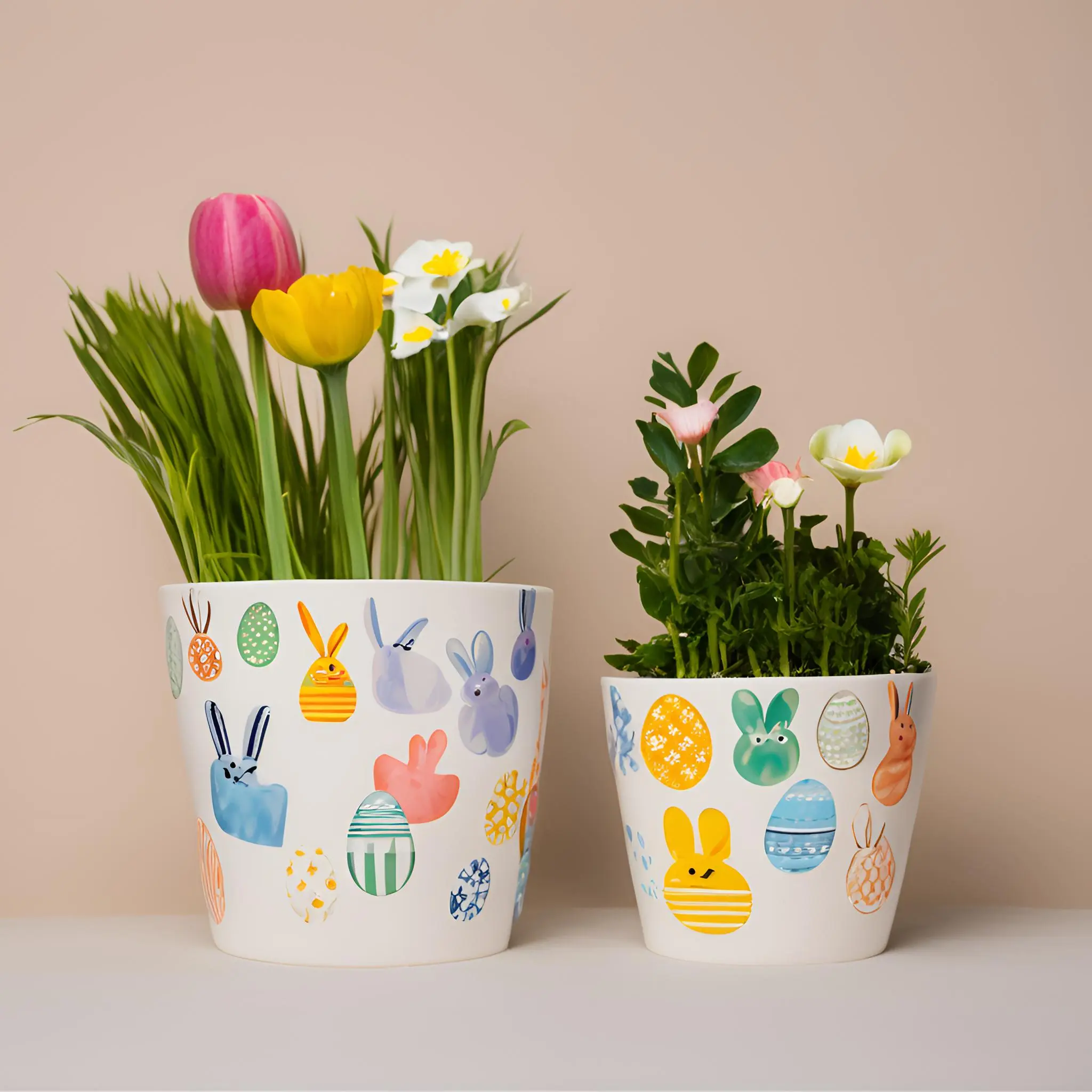
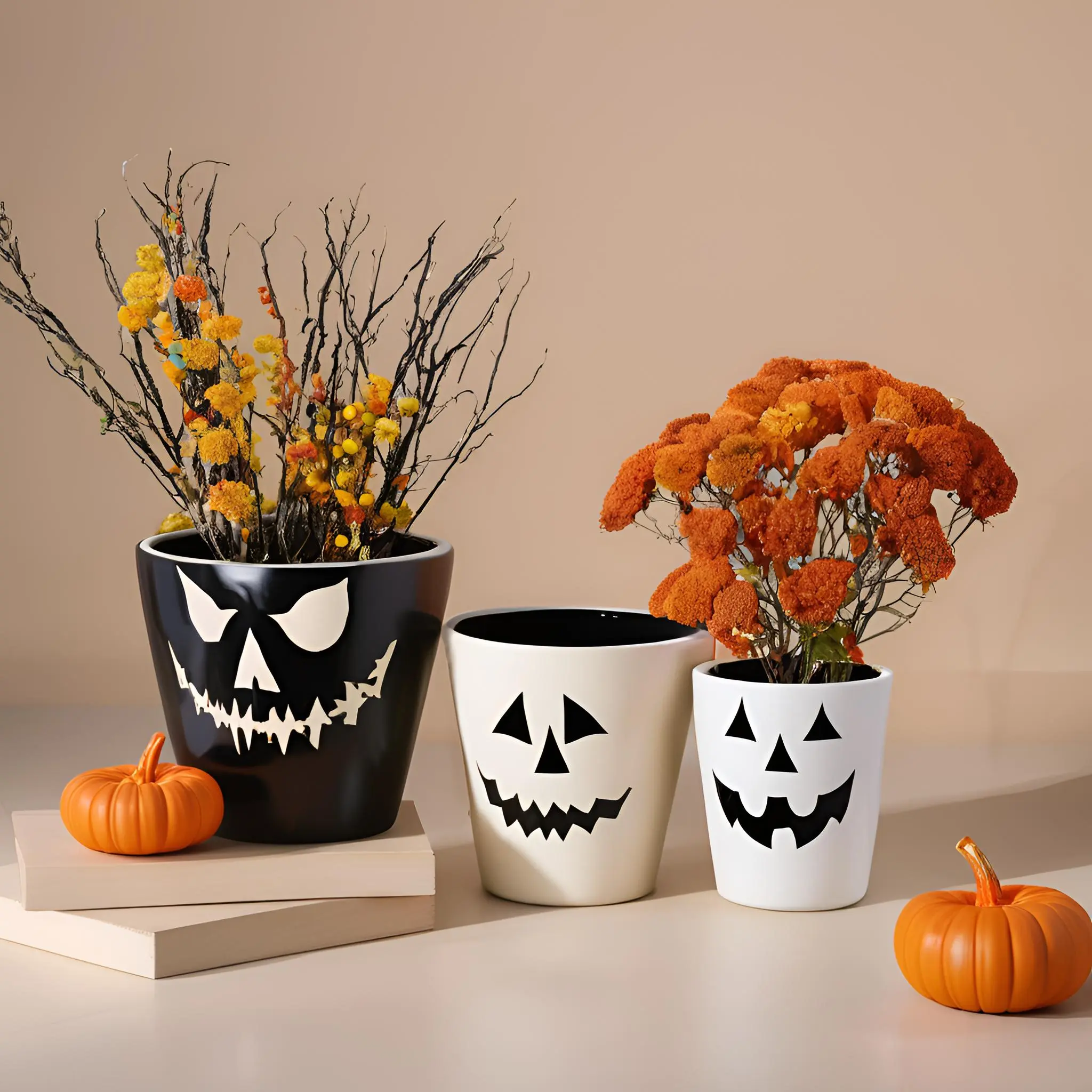
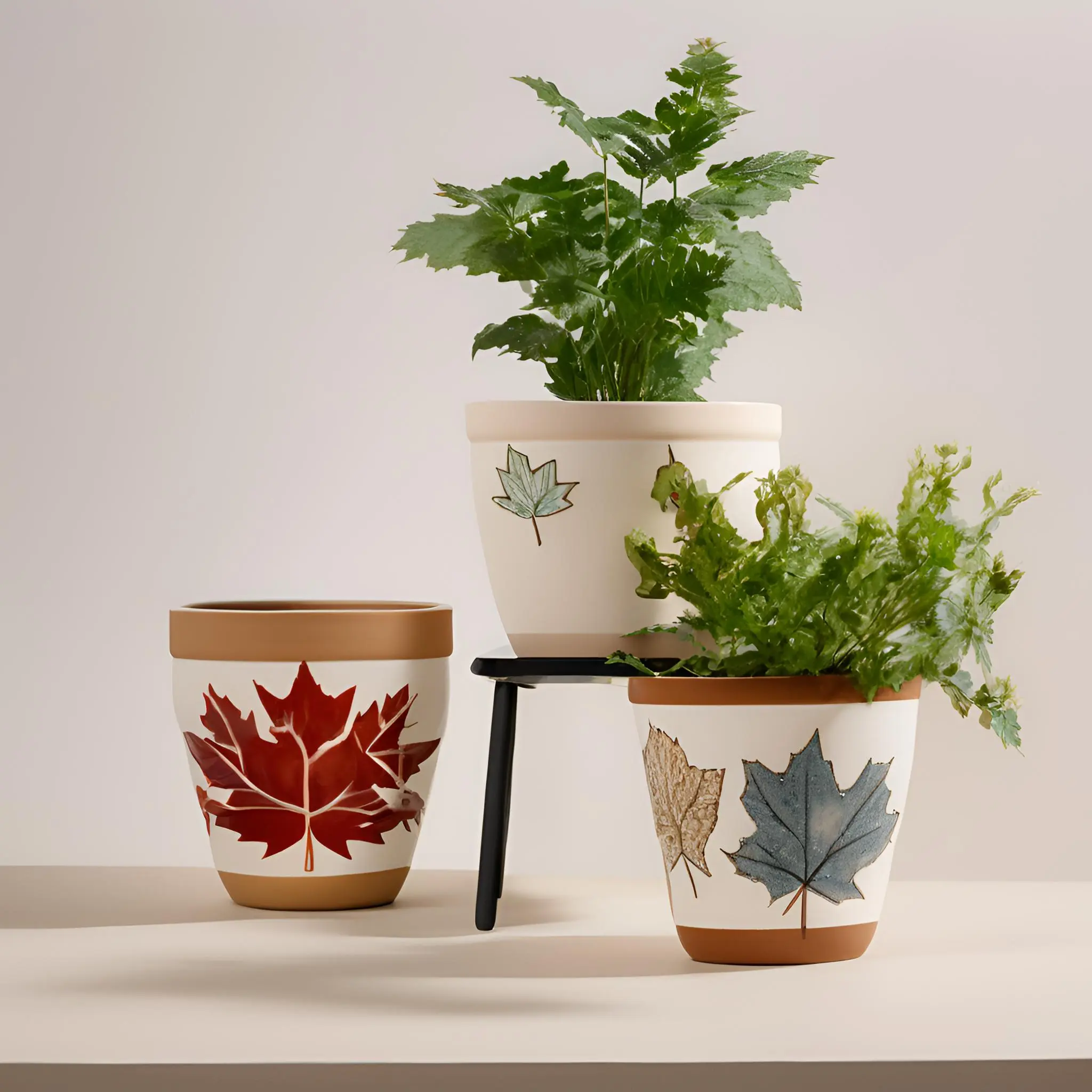
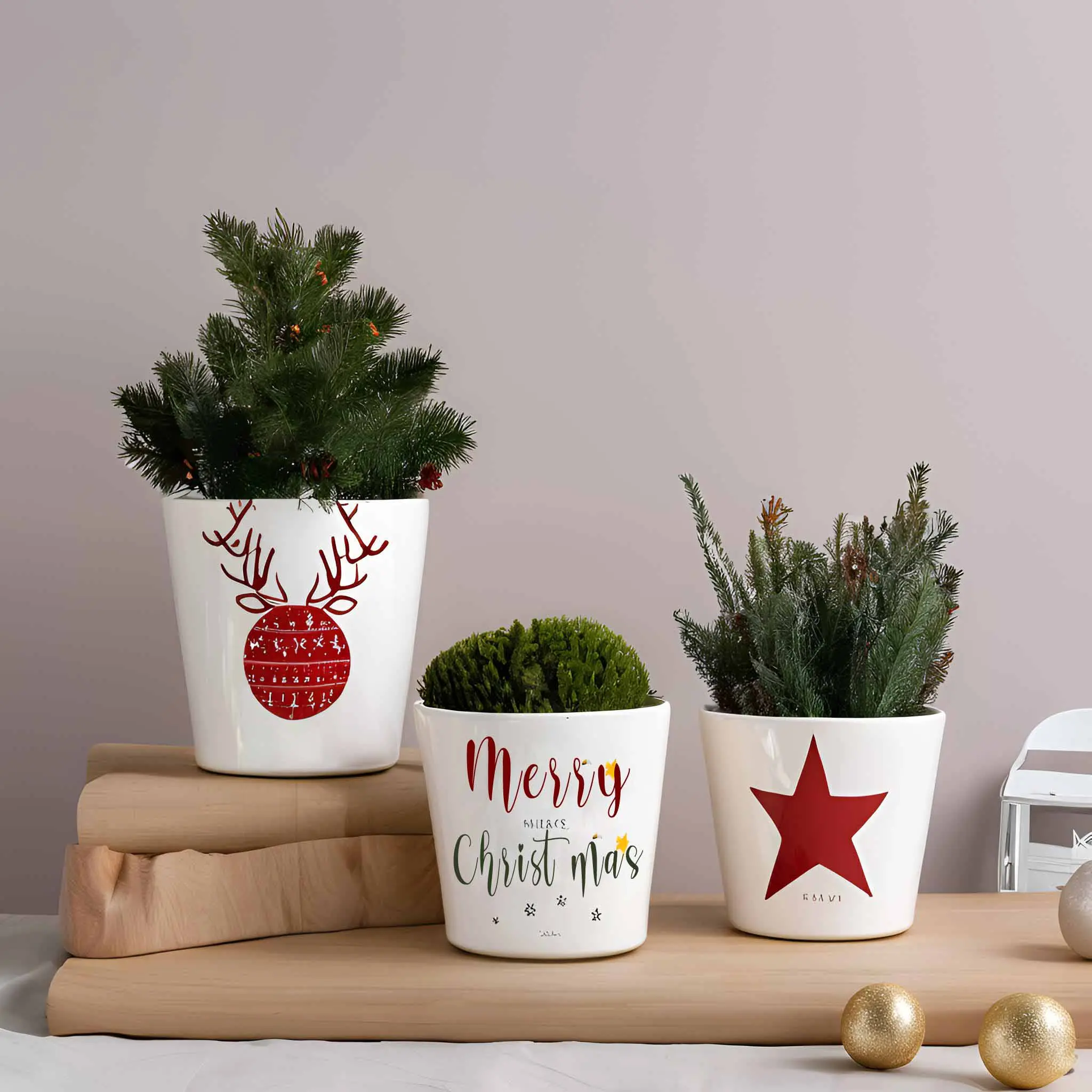
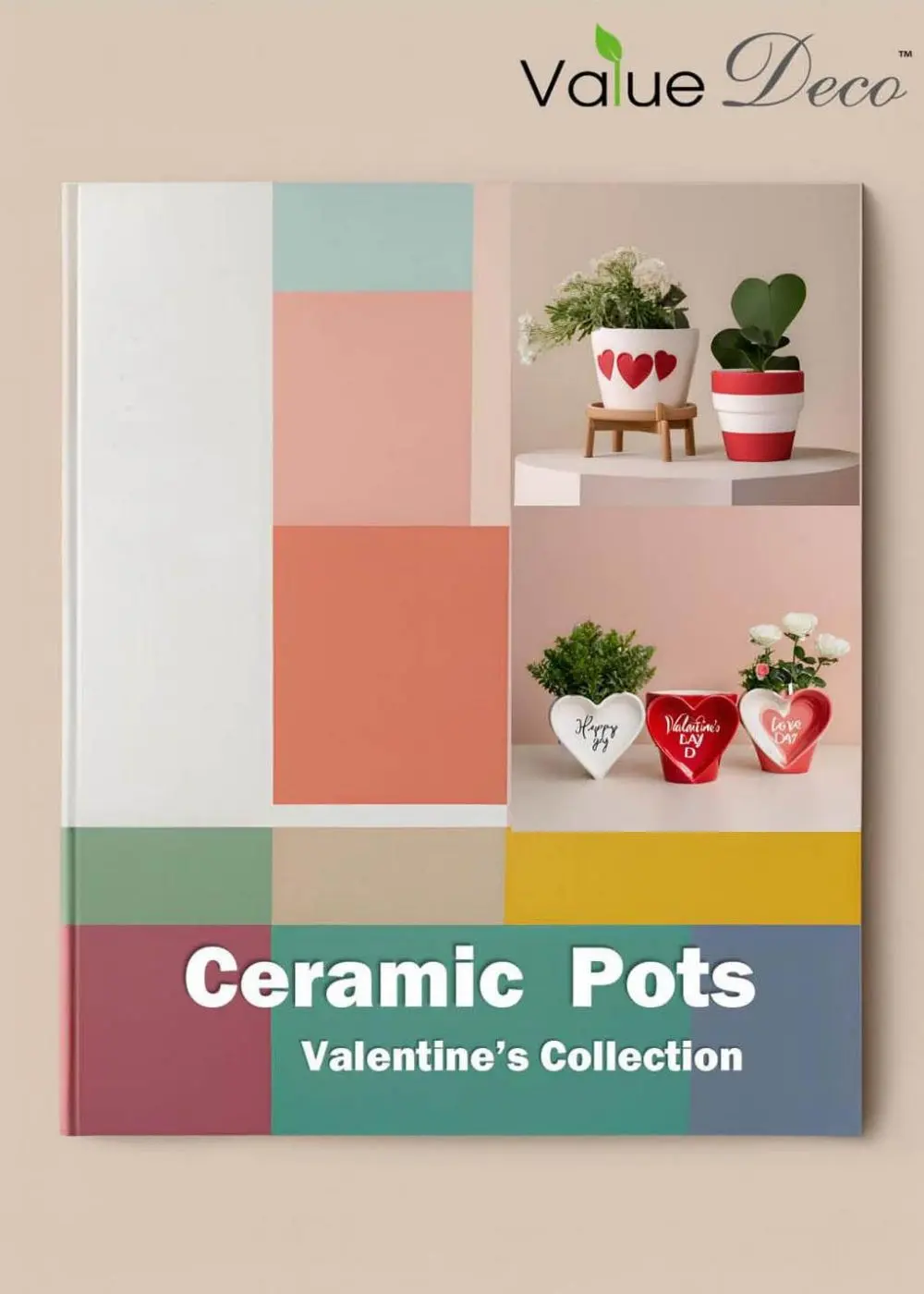
Tailored Collections Designed to Align with High-Value Festive Retail Cycles
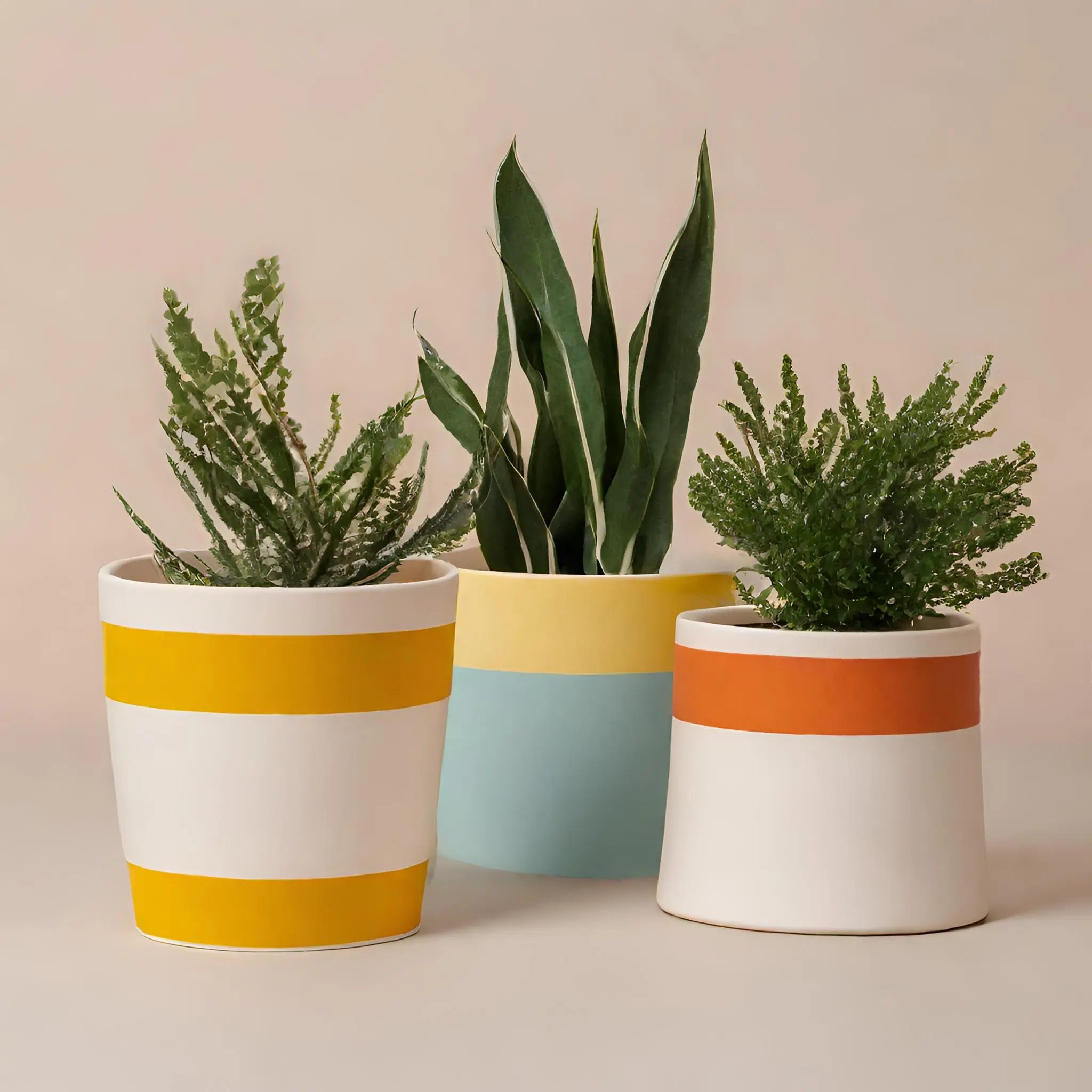
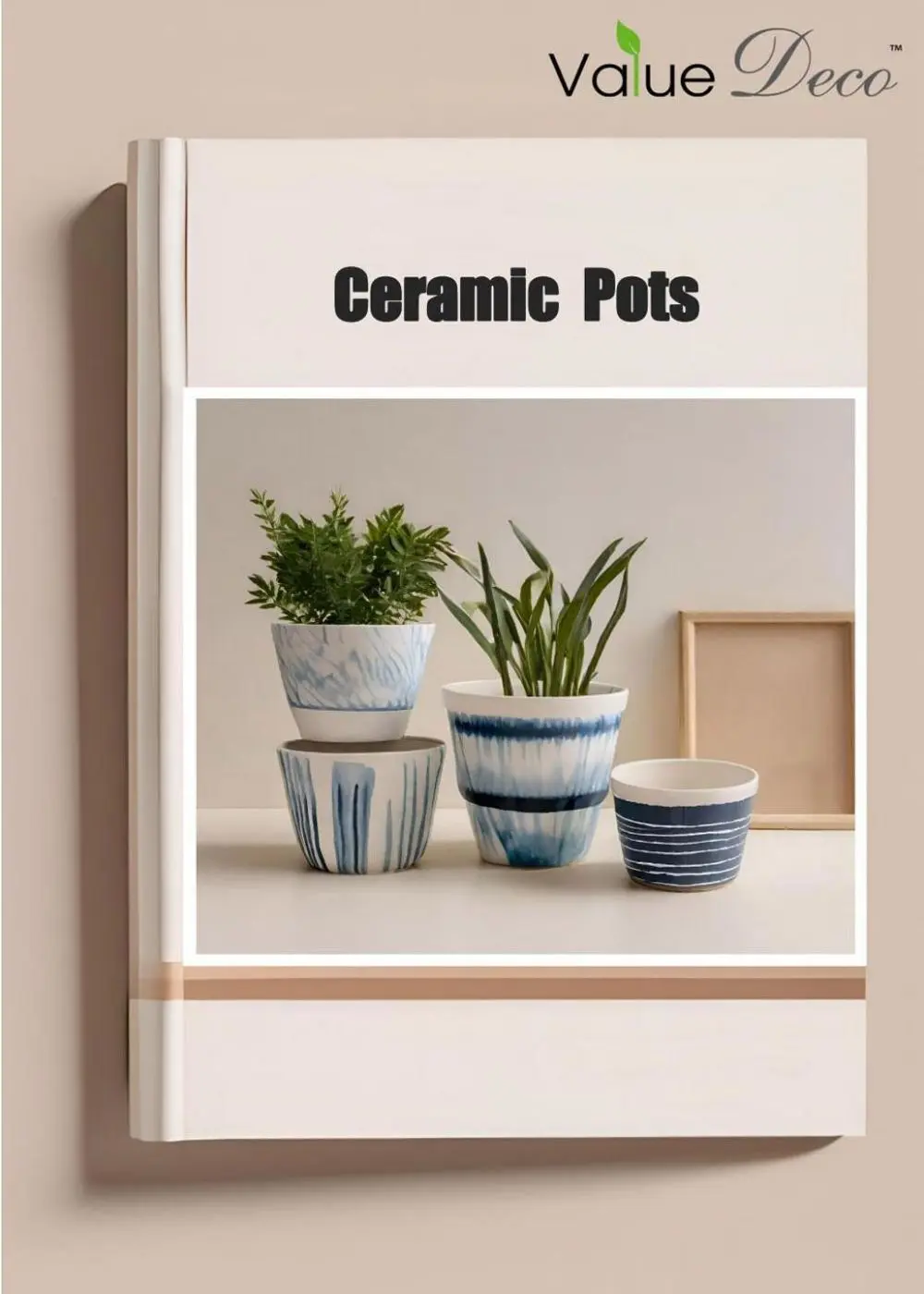
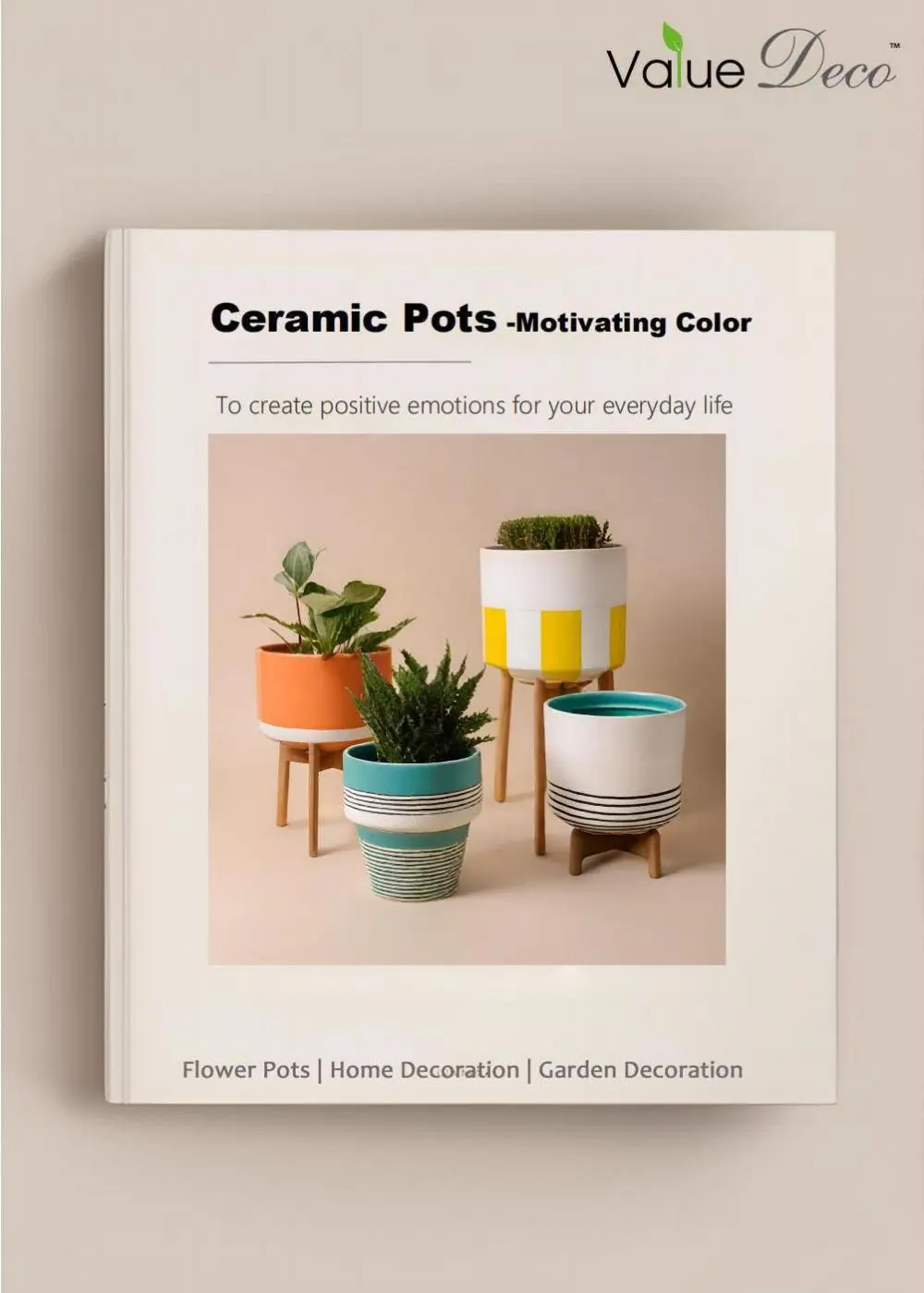
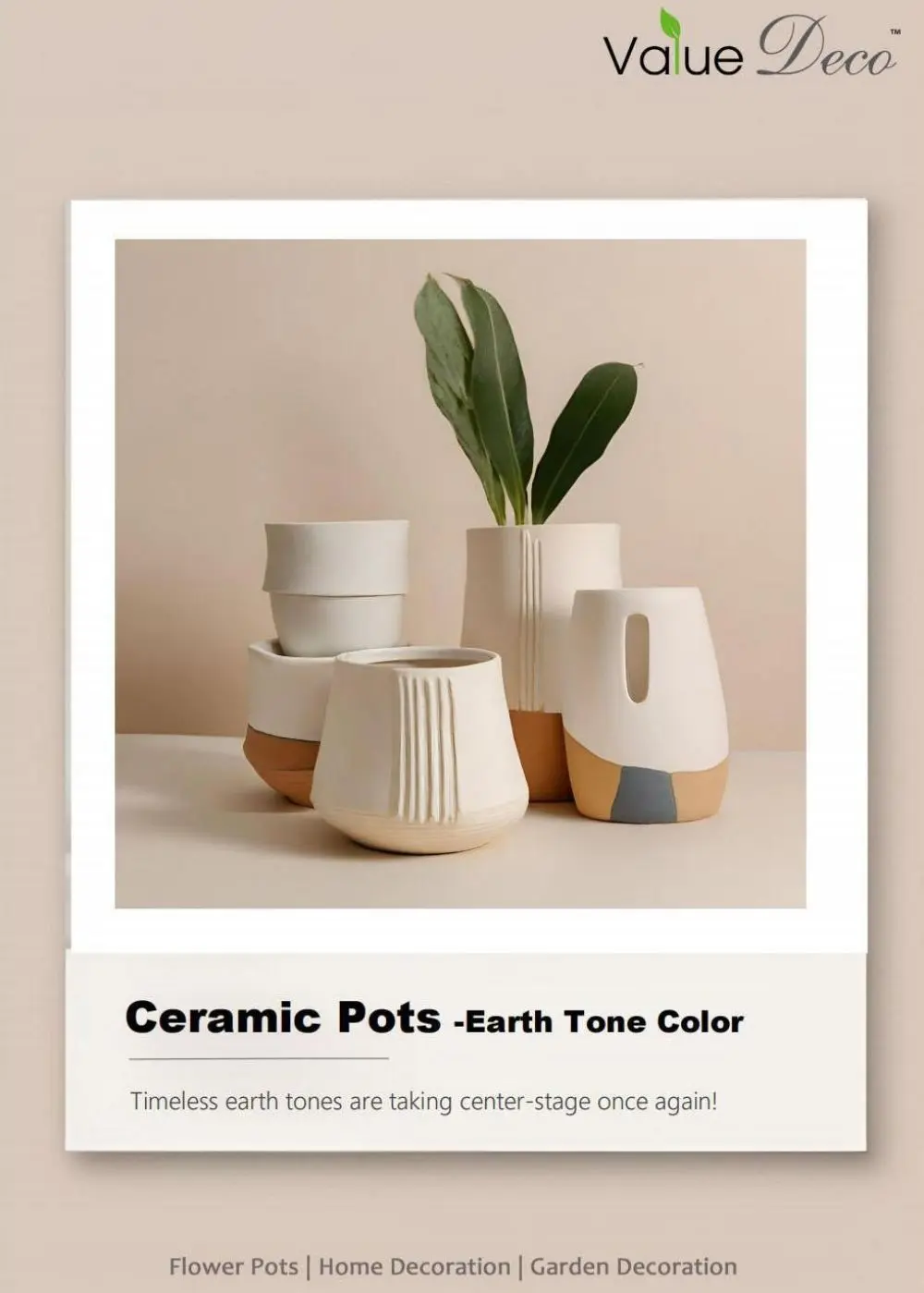
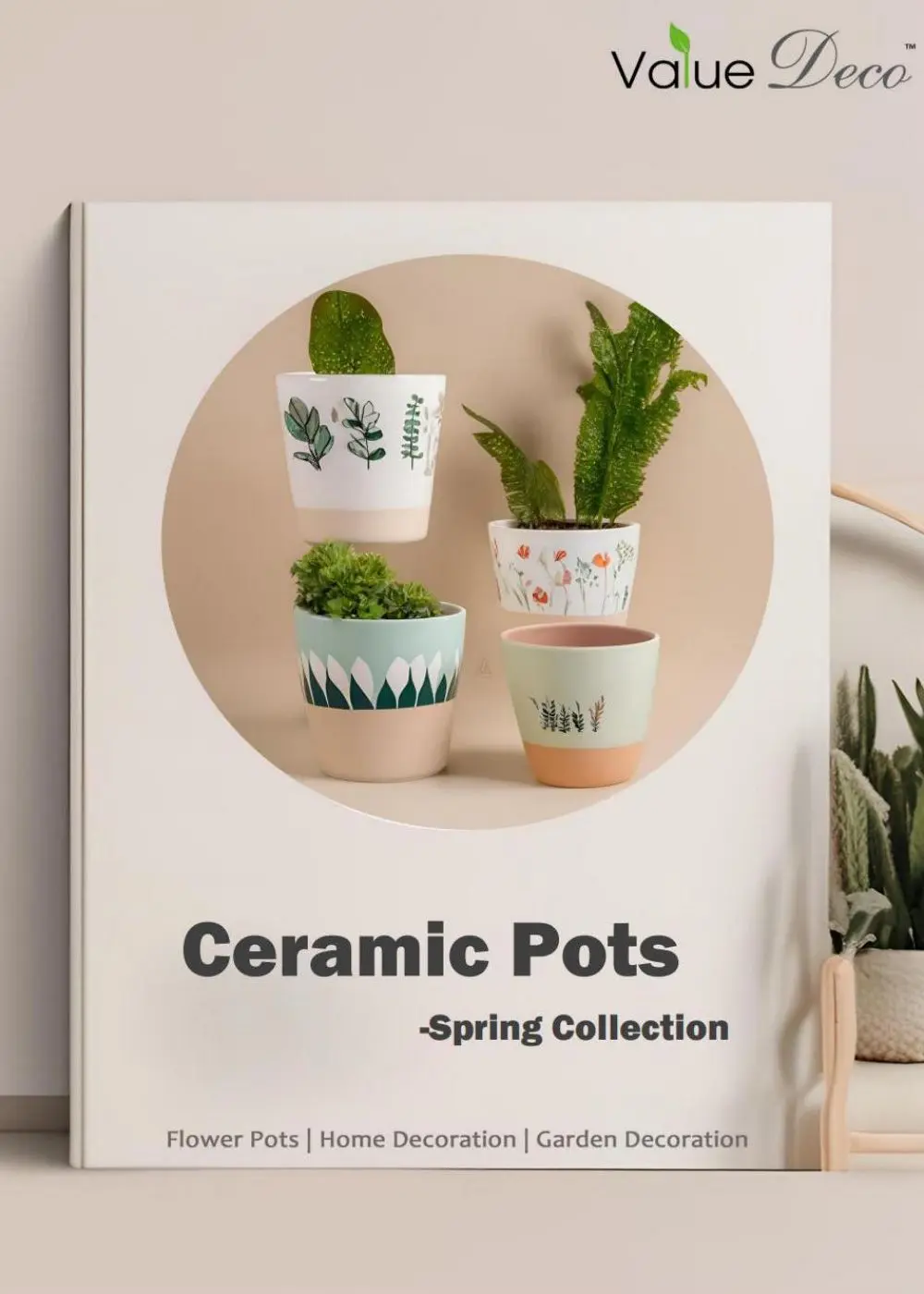
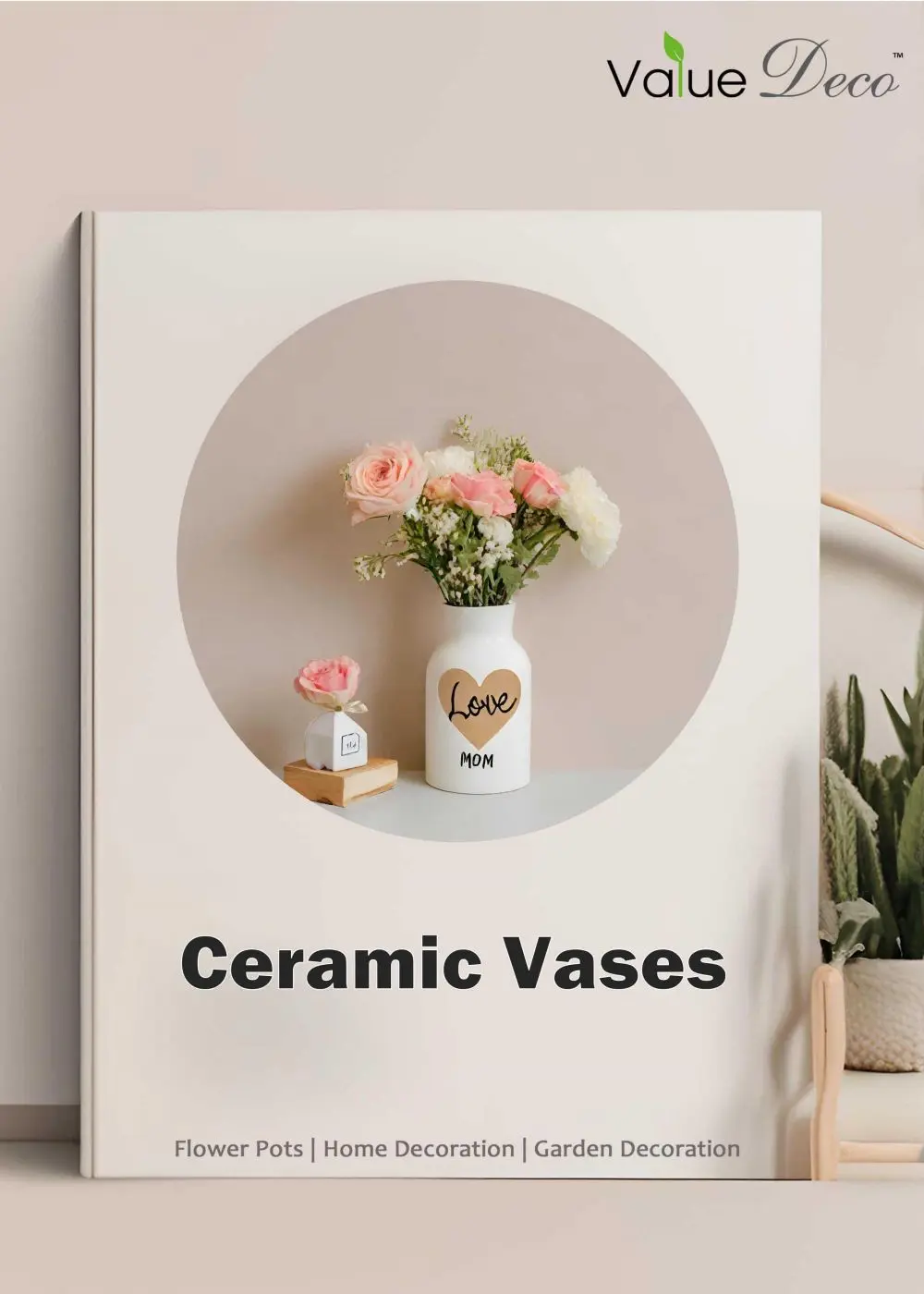
Value Deco Limited is a leading designer and supplier of high-quality industrial and commercial ceramic pots based in China. With over 12 years of specialized experience in the decoration and horticultural design industry, we have built a solid reputation for offering a highly diverse portfolio.
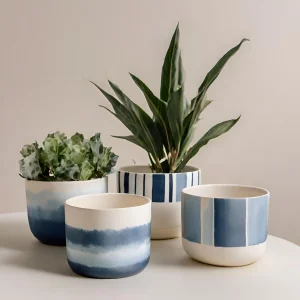
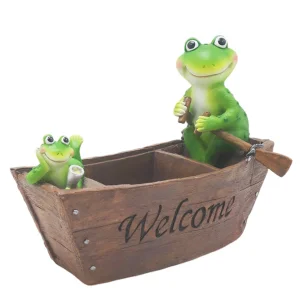
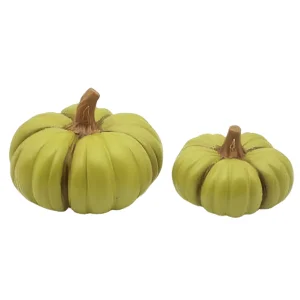
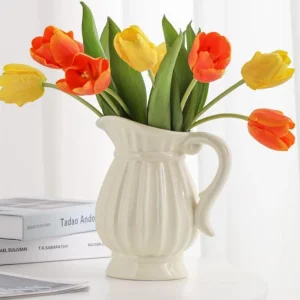
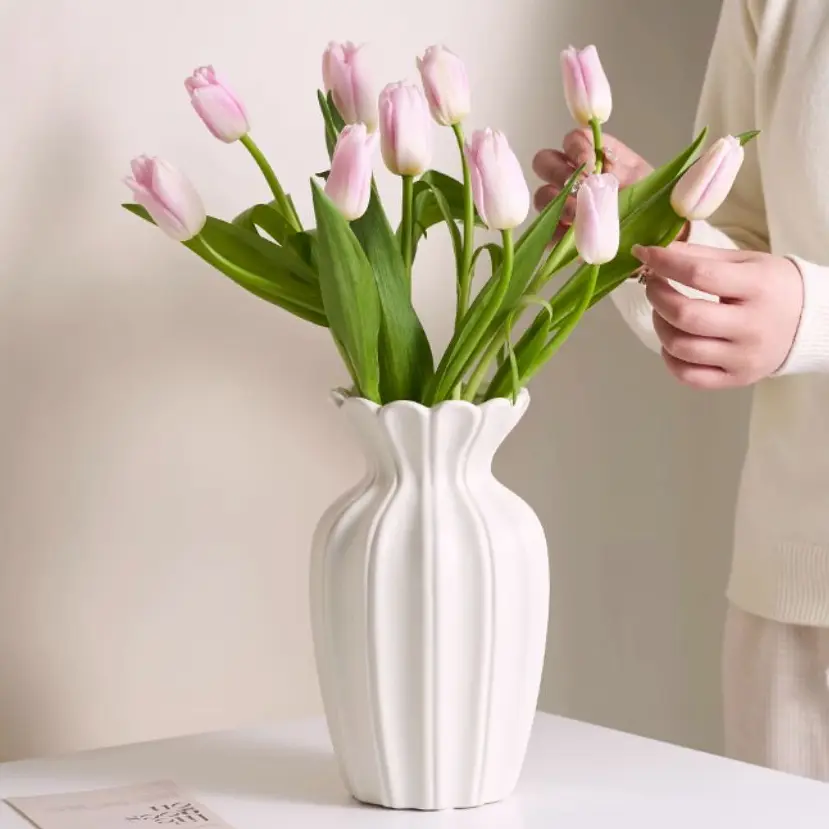
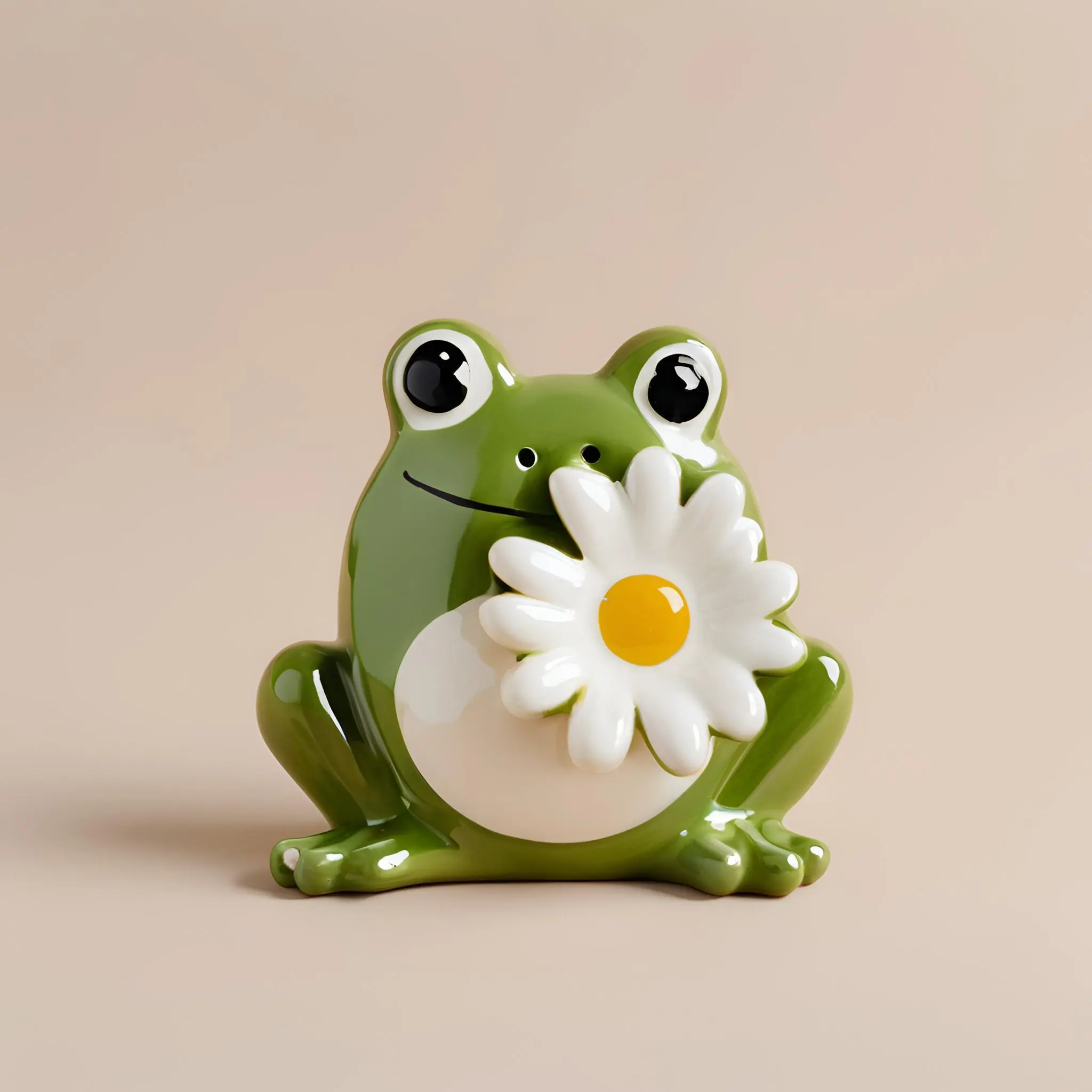
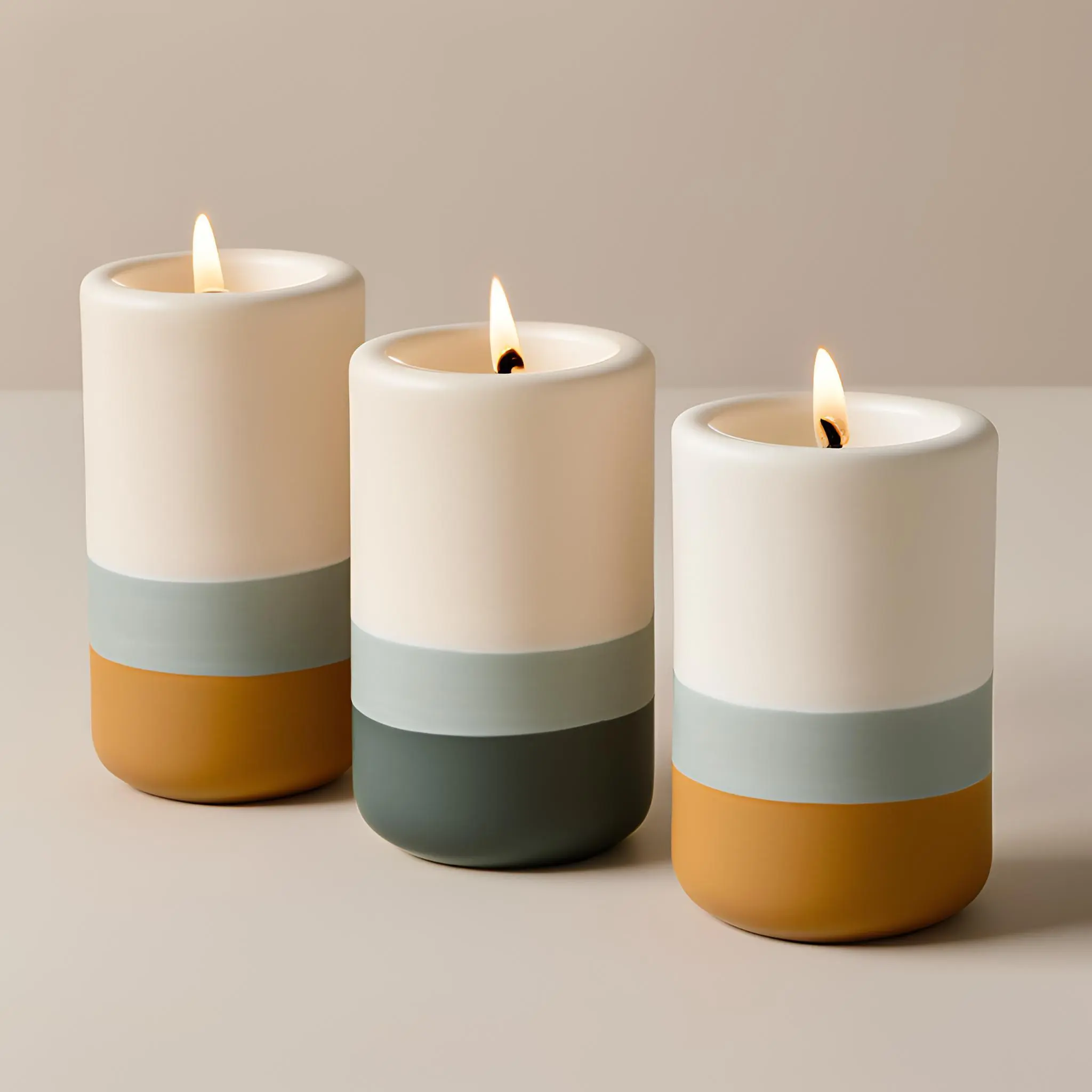
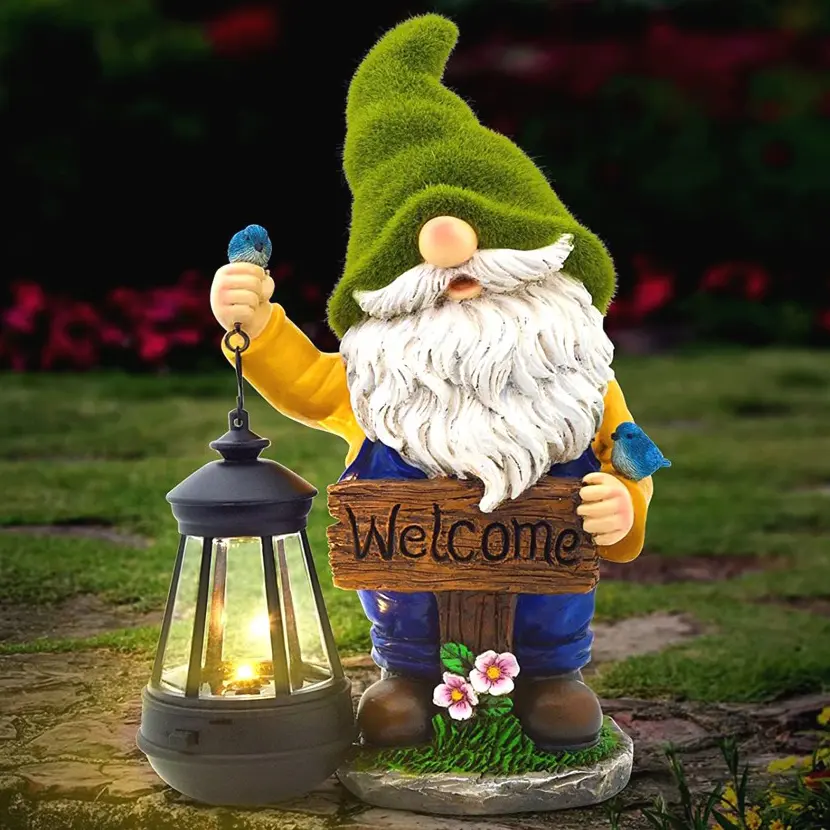
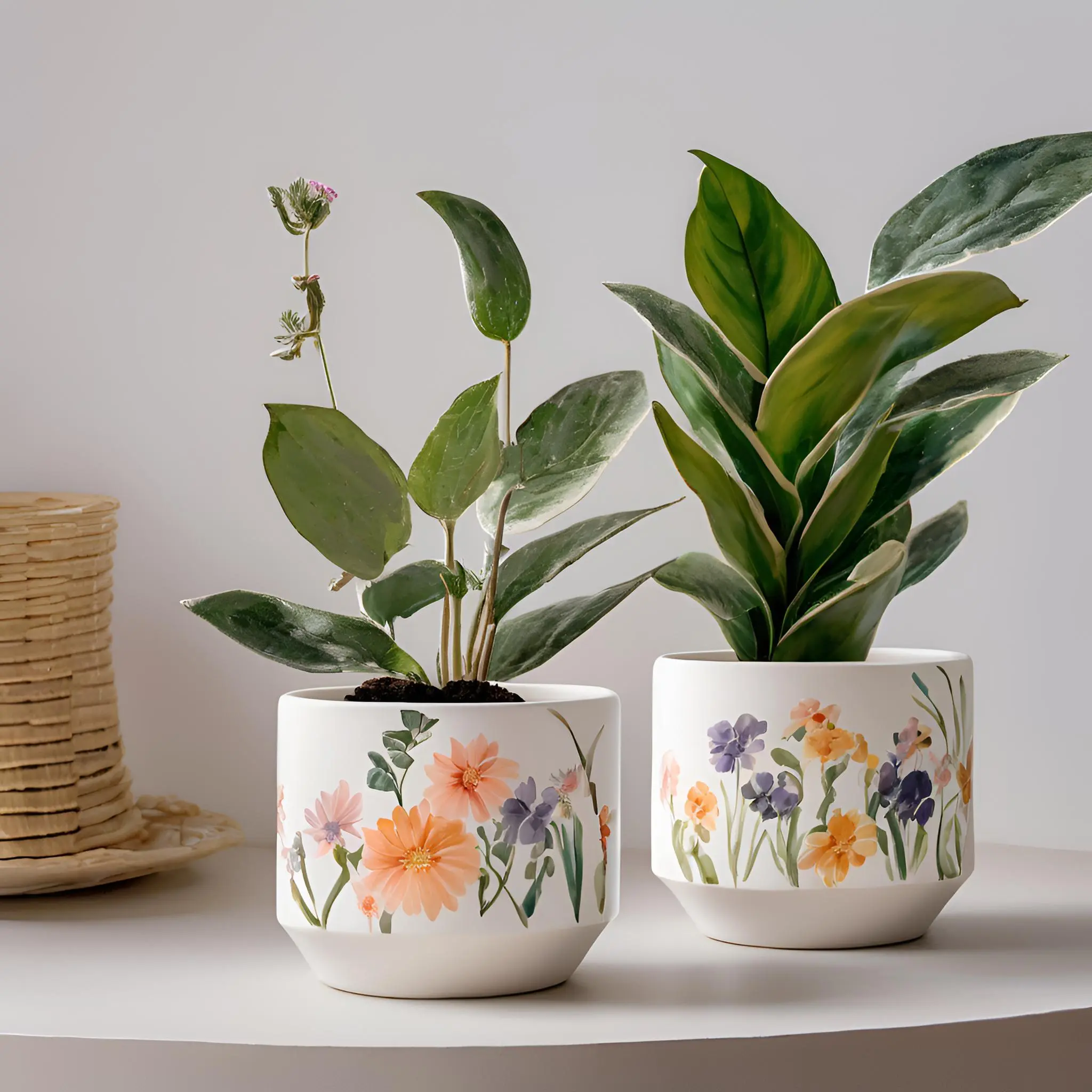
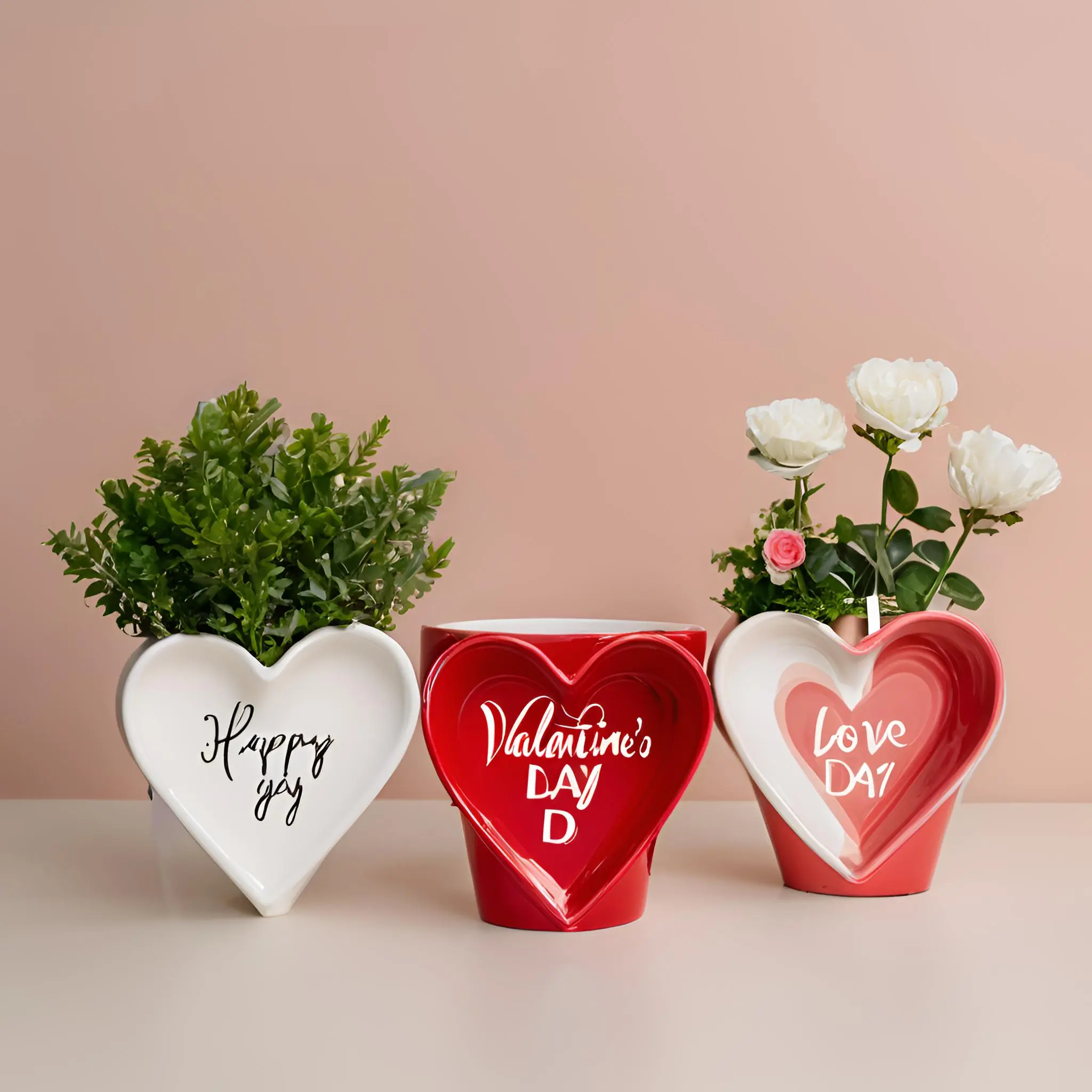
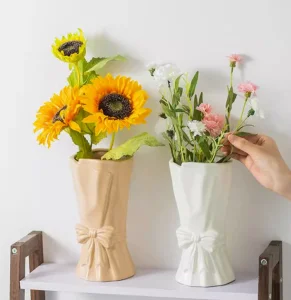
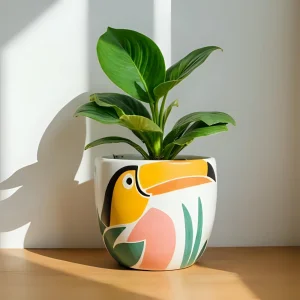
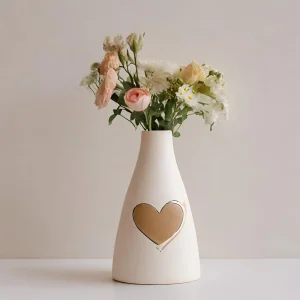
Our product ranges are carefully curated to match fast-moving consumer design trends while maintaining high engineering parameters. Our pots, vases, candle holders, and dinnerware products are designed to serve both functional botanical requirements and enhance the aesthetic value of contemporary spaces.
Learn MoreCommercial Catalogs Specifying Materials, Dimensions, and Glaze Options
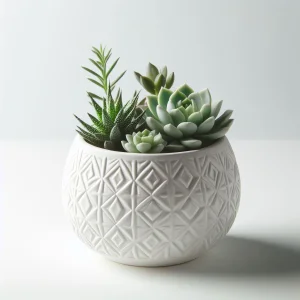
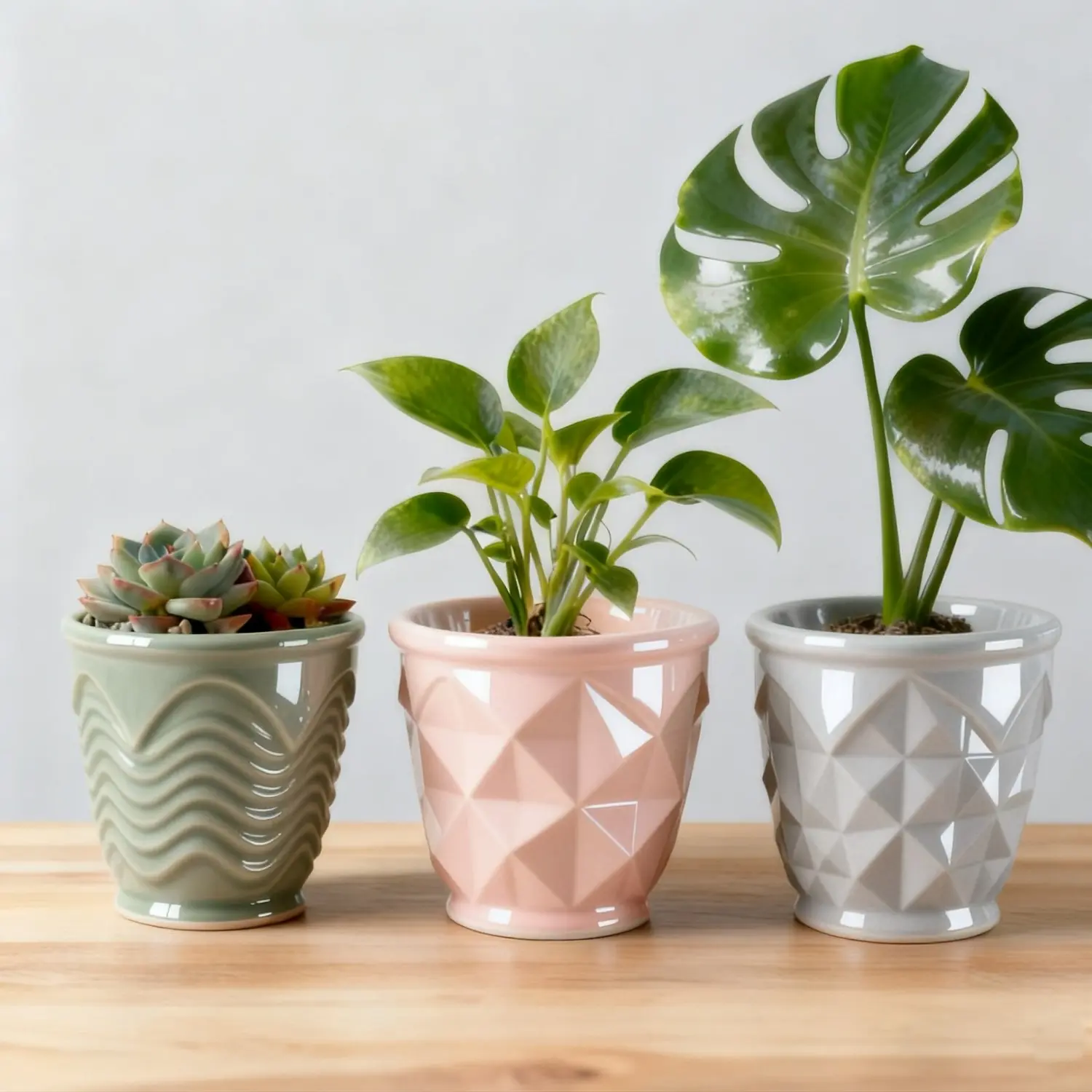
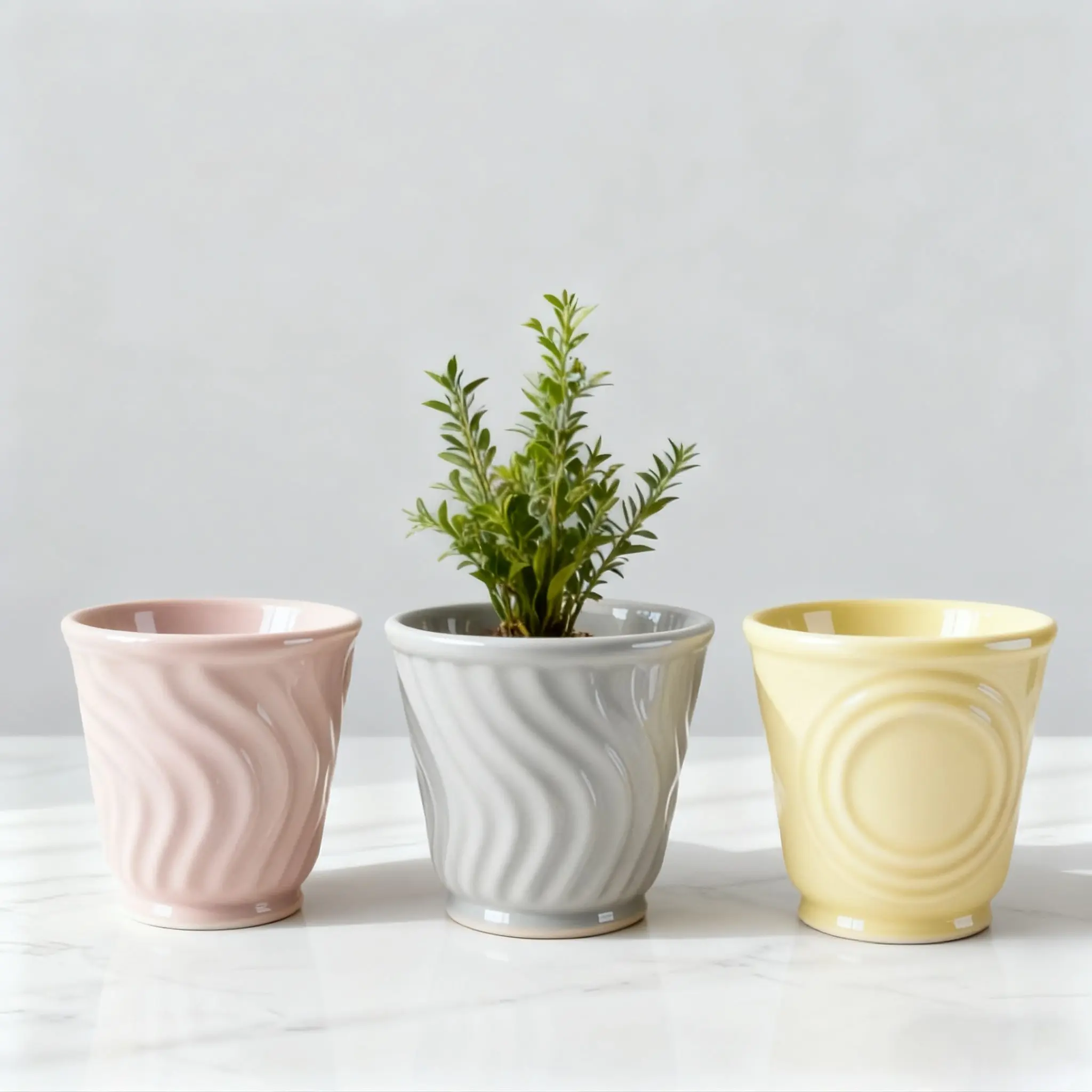
New Geometric Surfaces and Soft Textured Finishes for Sophisticated Office Displays
Resolving Horticultural Specifications, Quality Concerns, and Logistics Issues
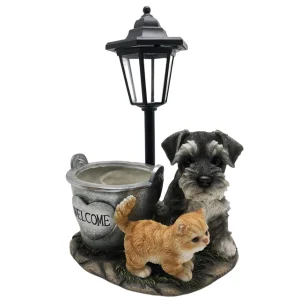
Architectural Statement Pots, Decorative Statues, and Modern Cylindrical Vessels