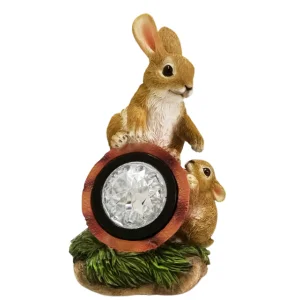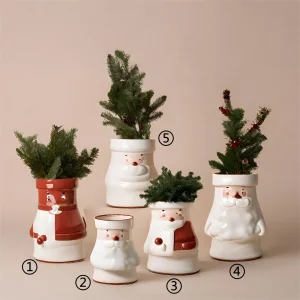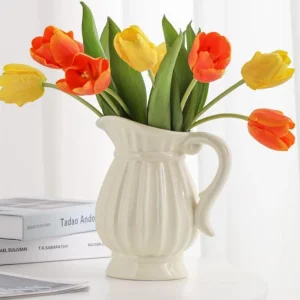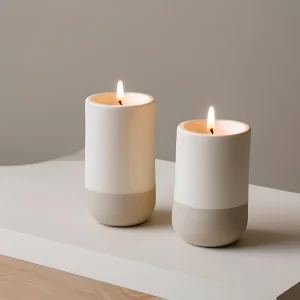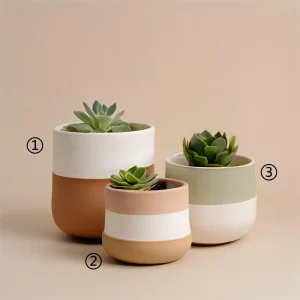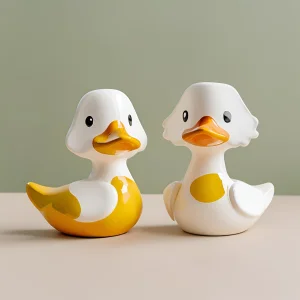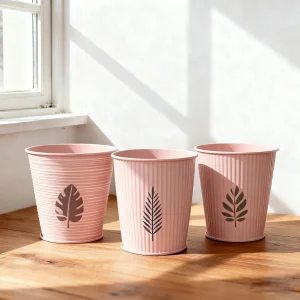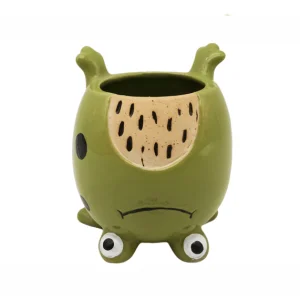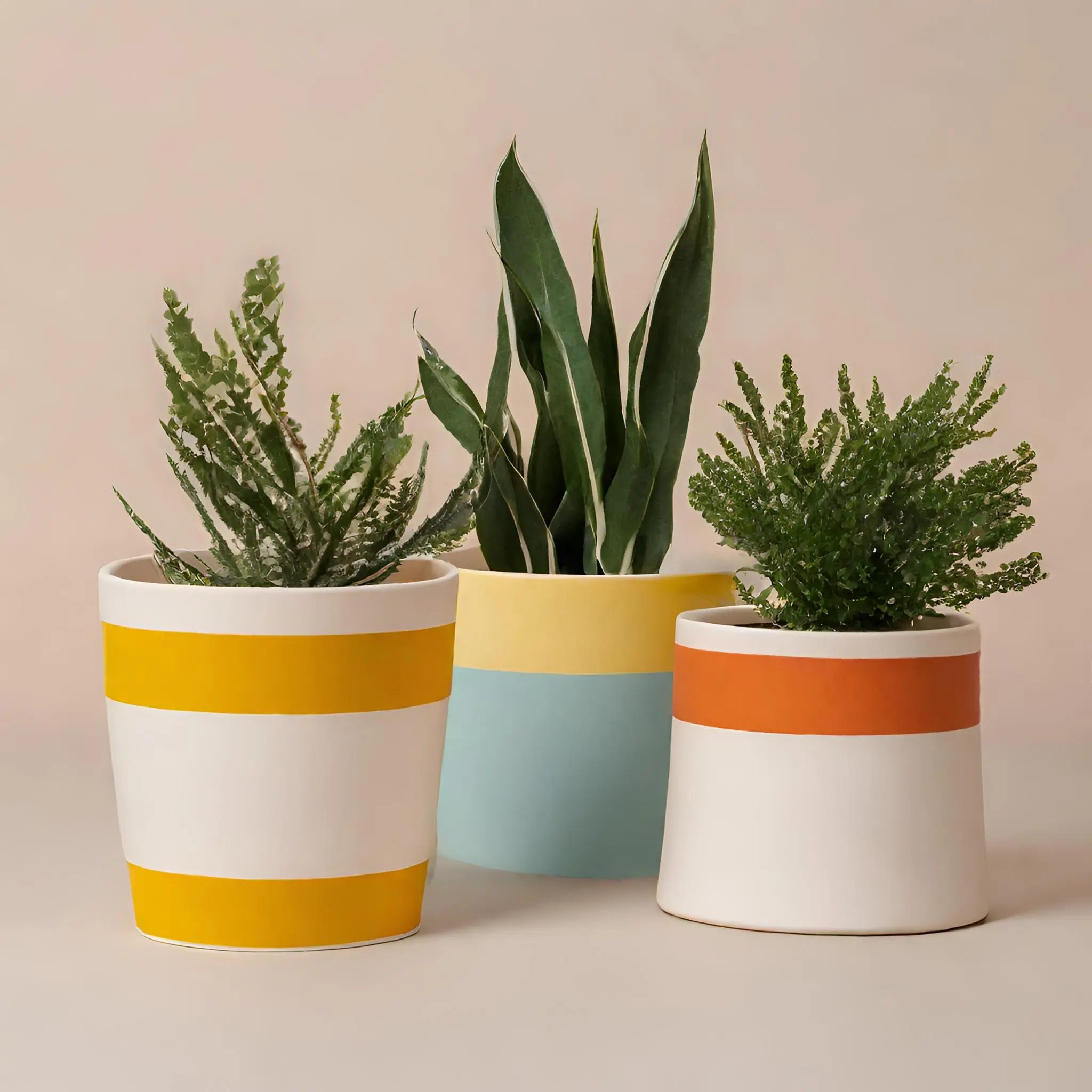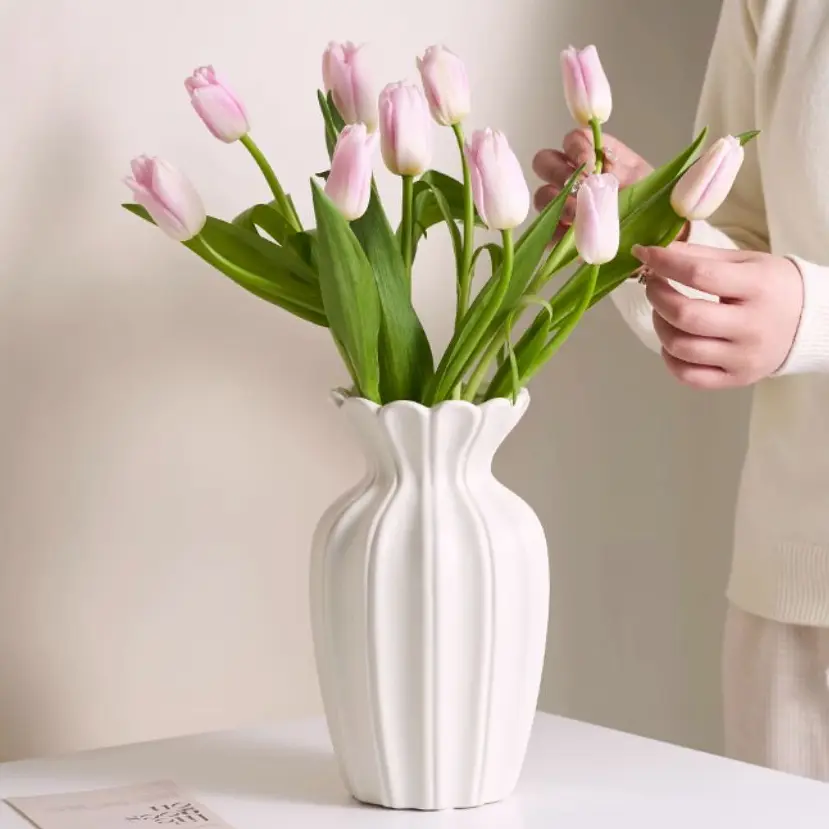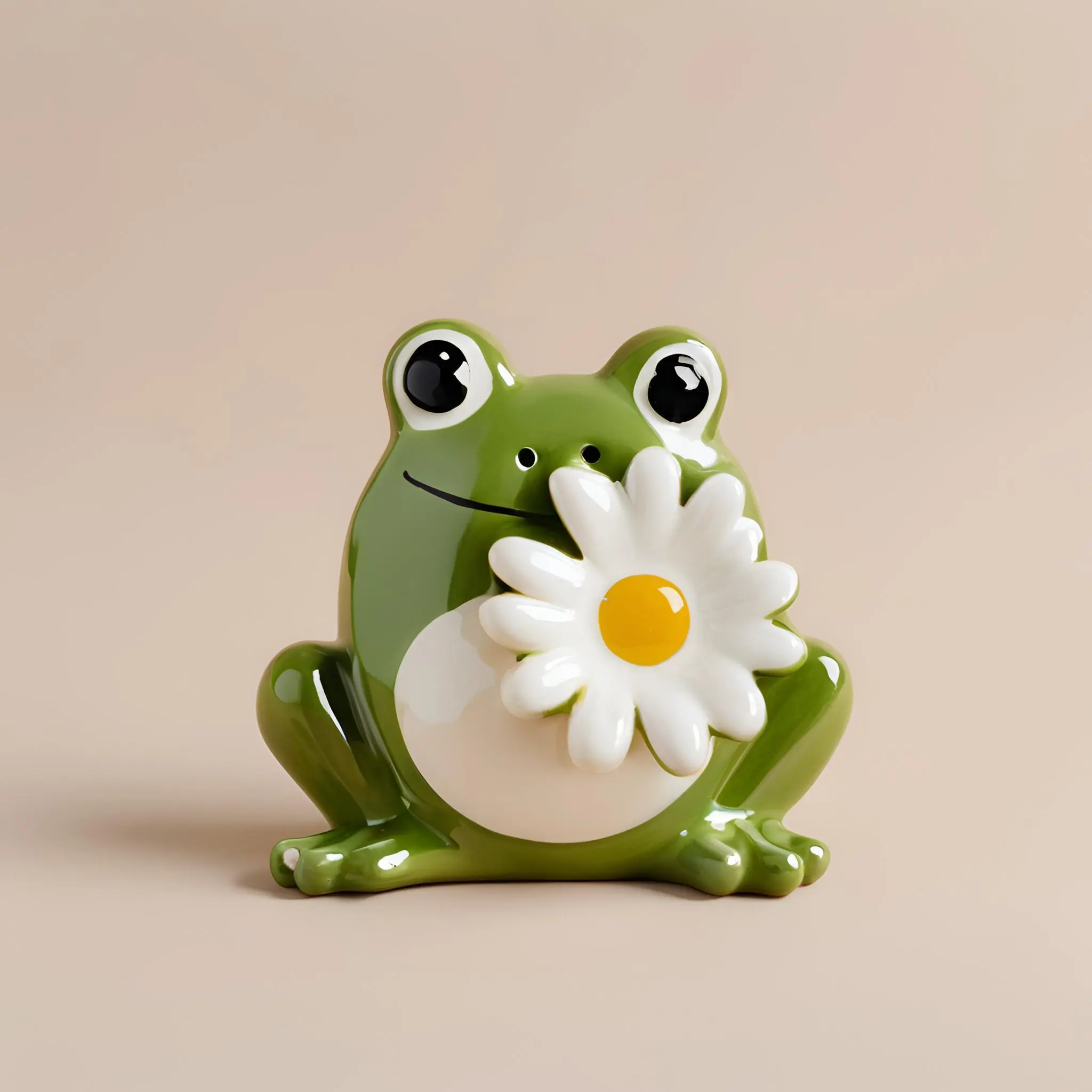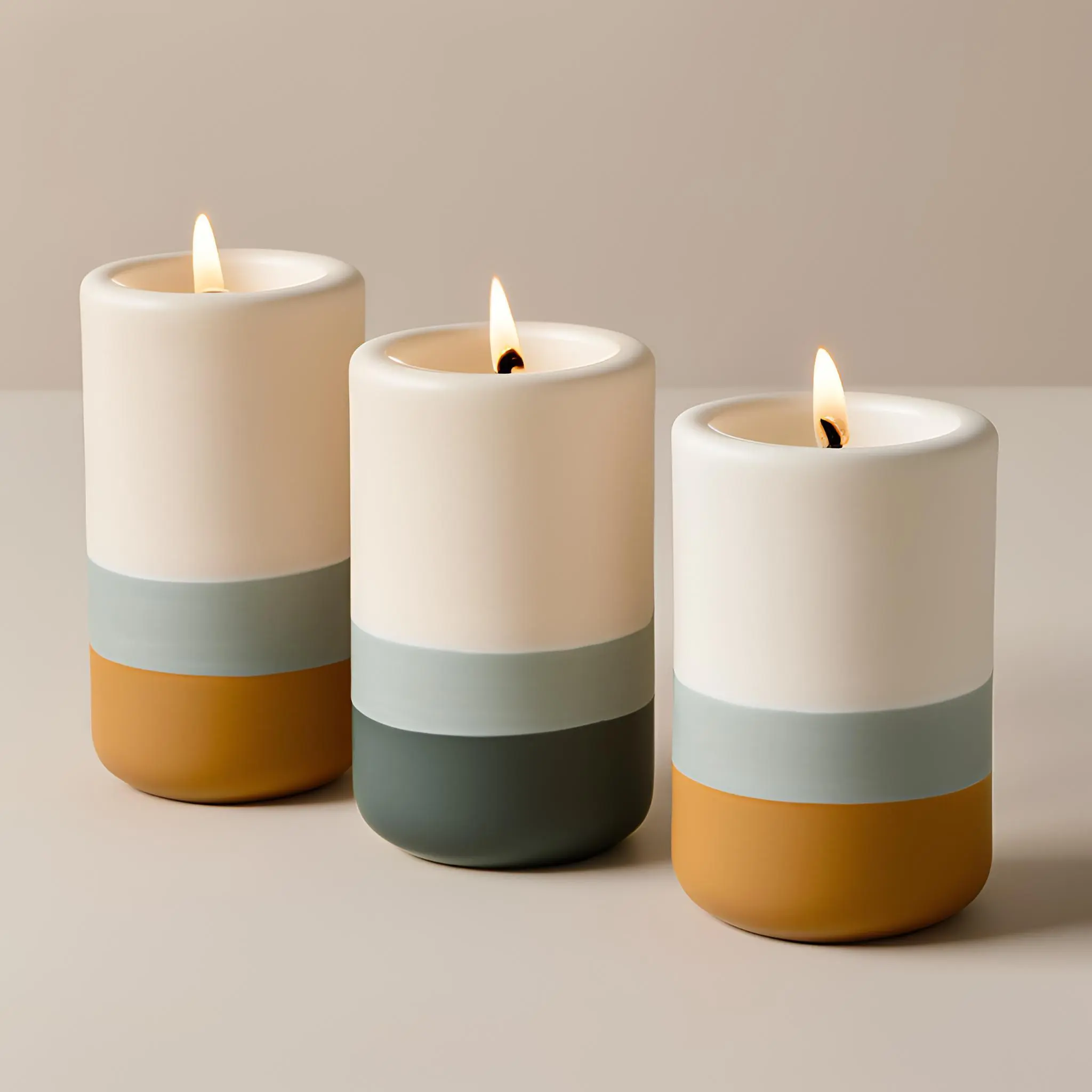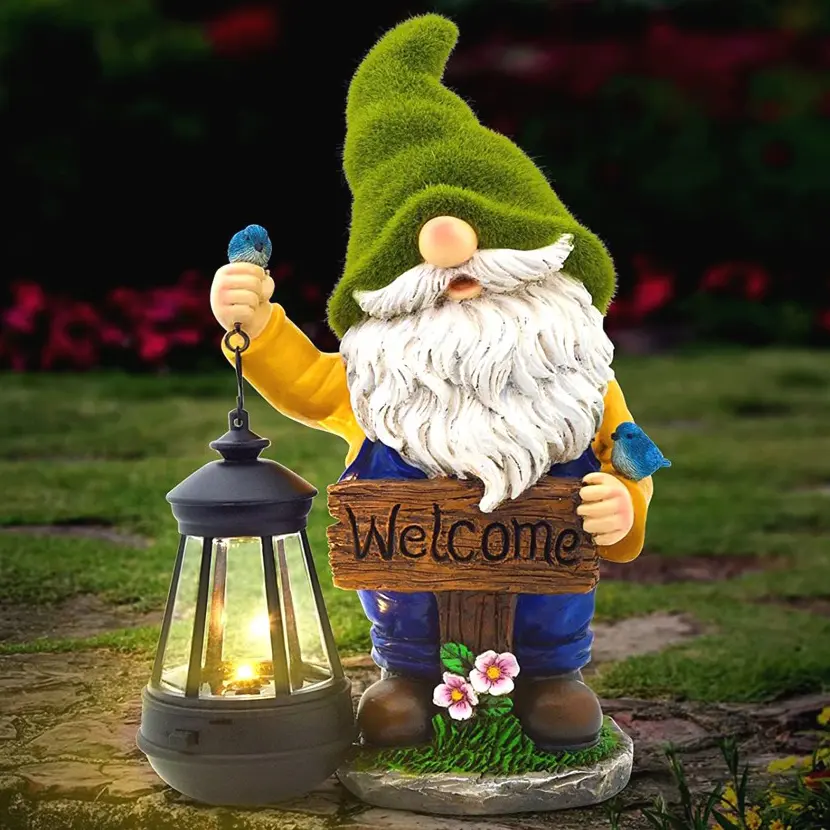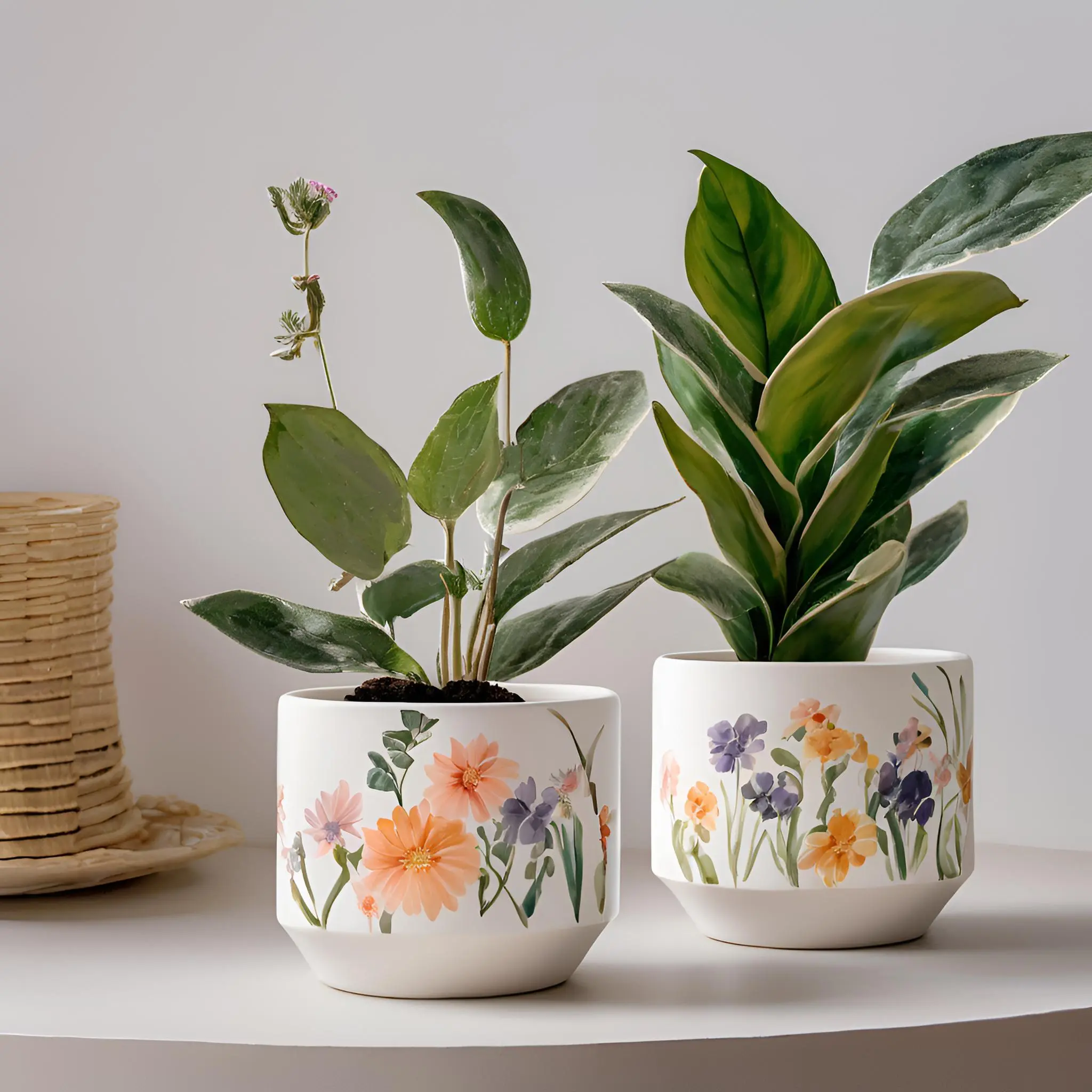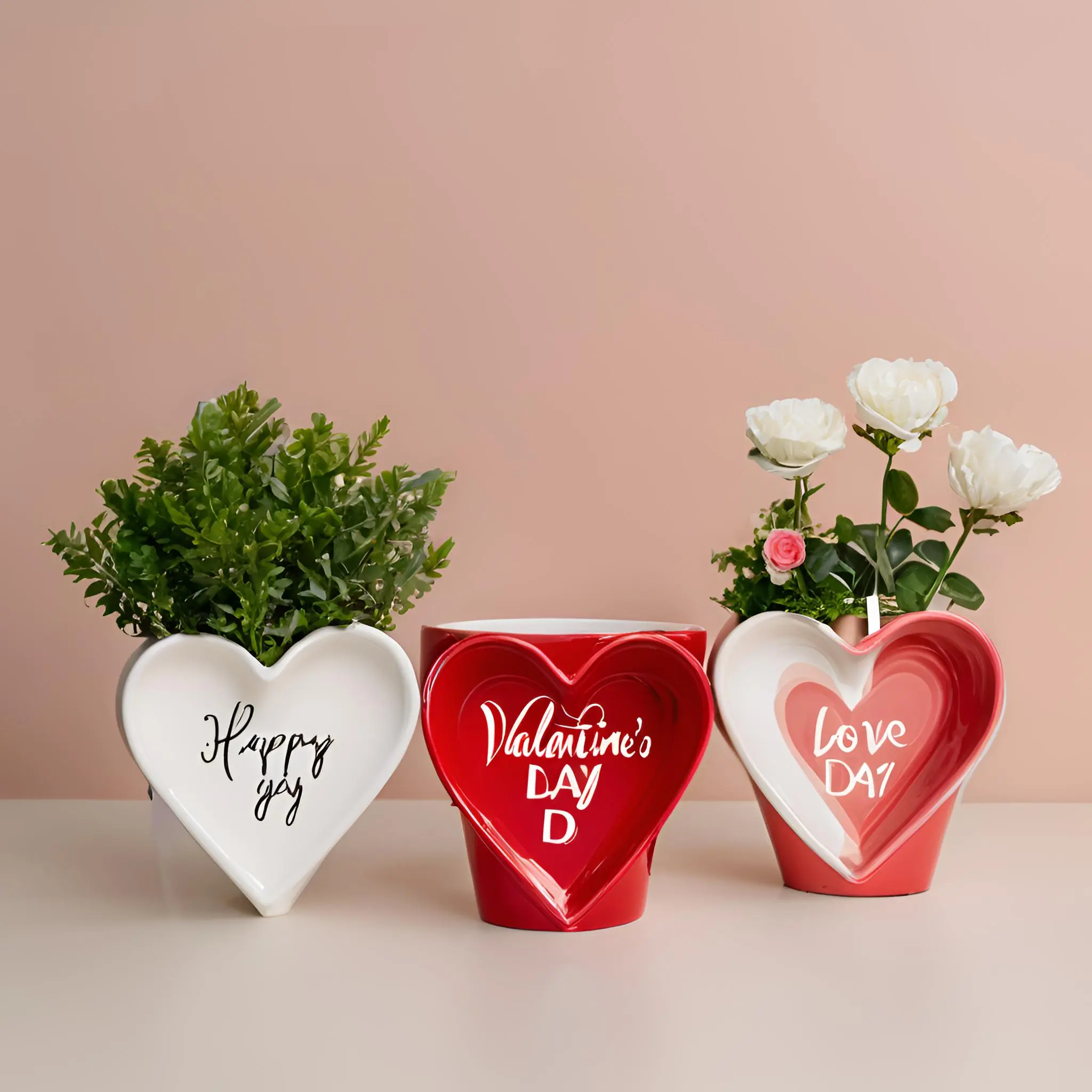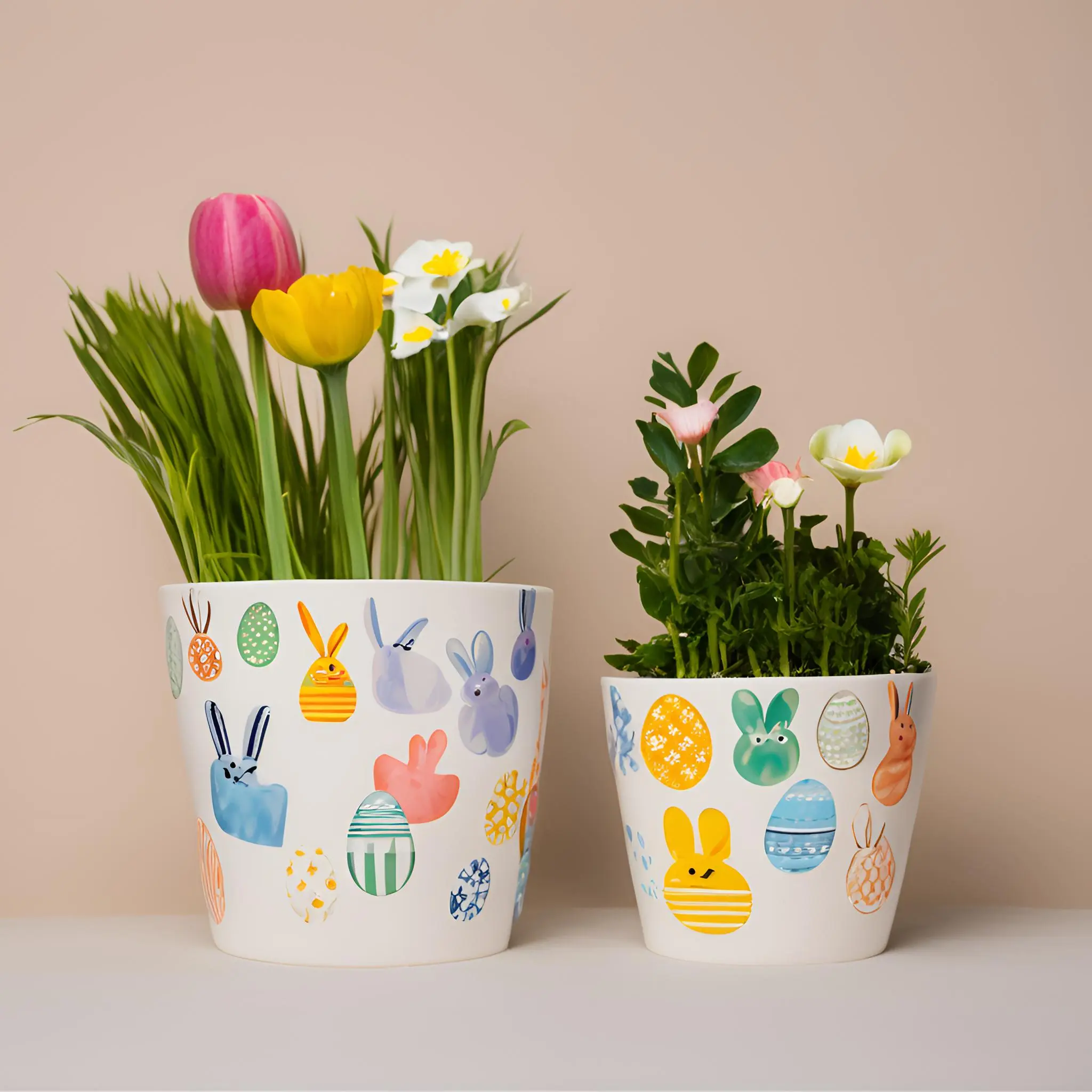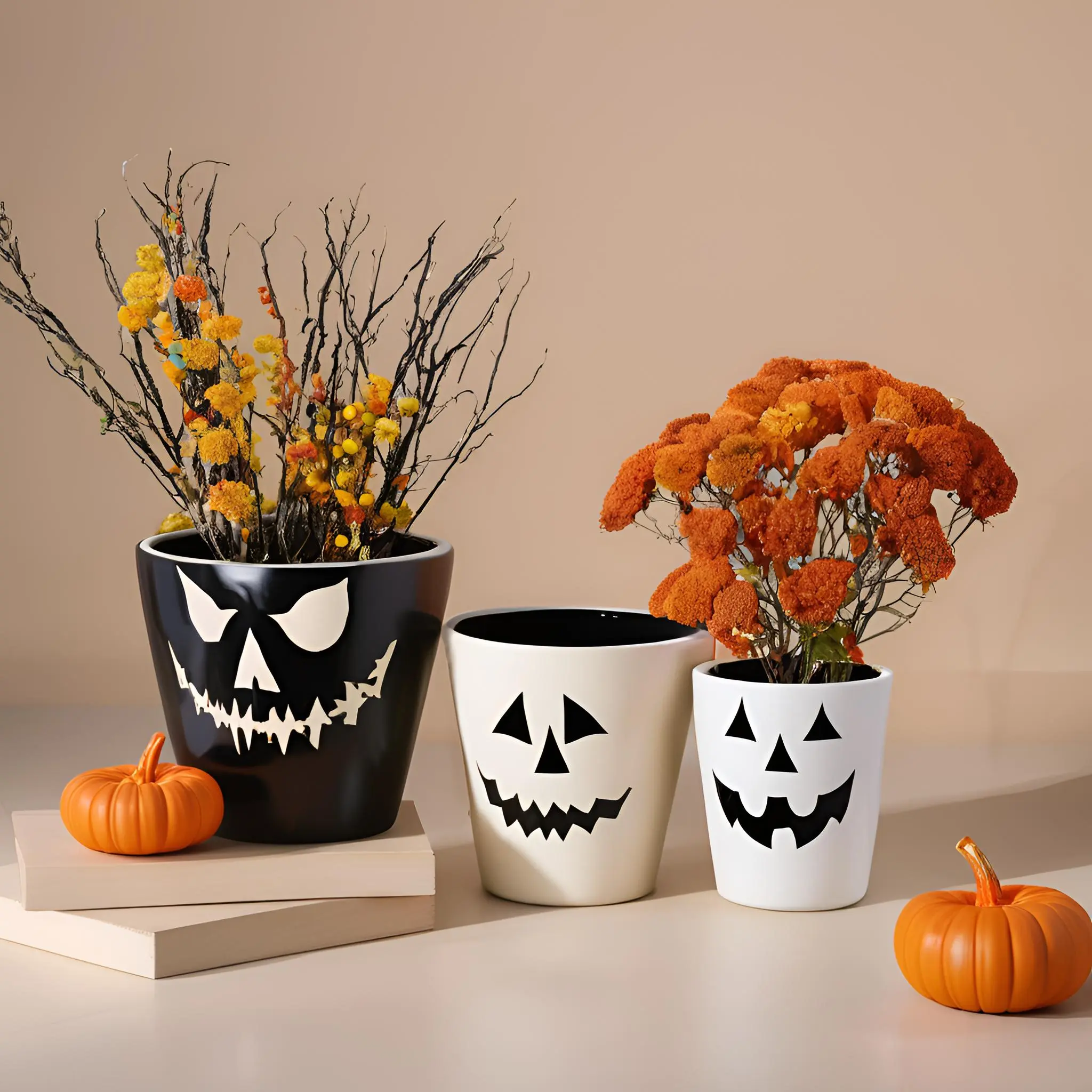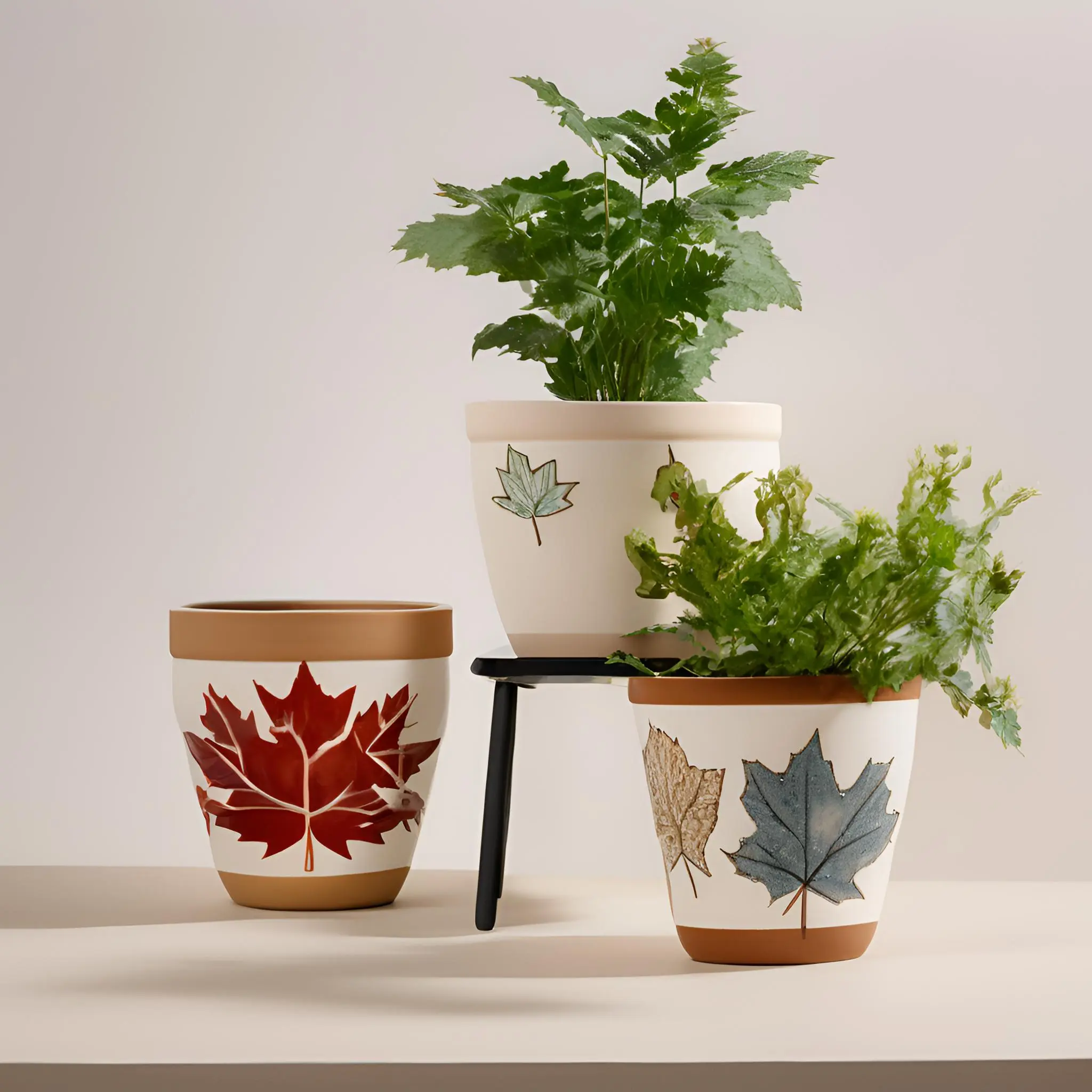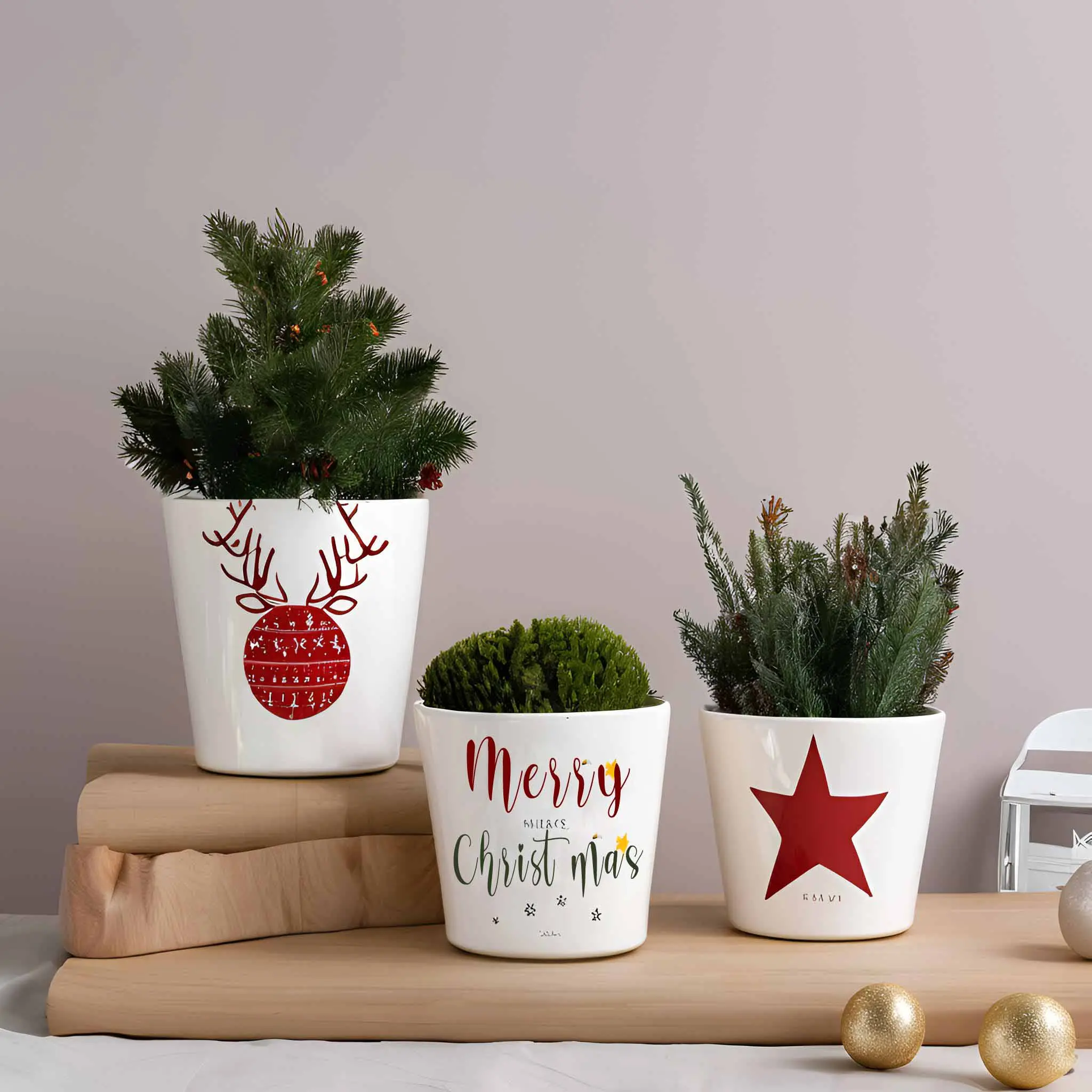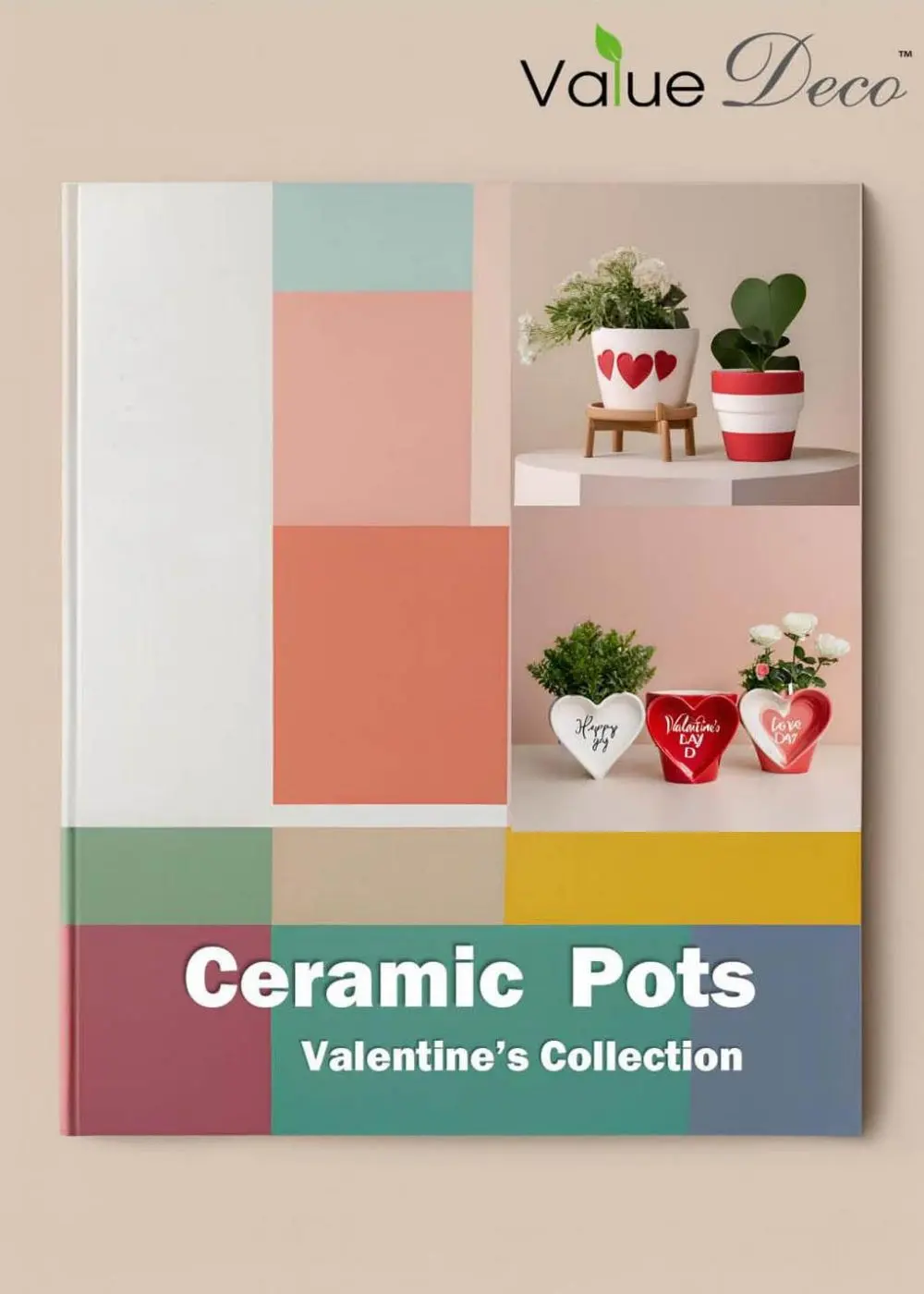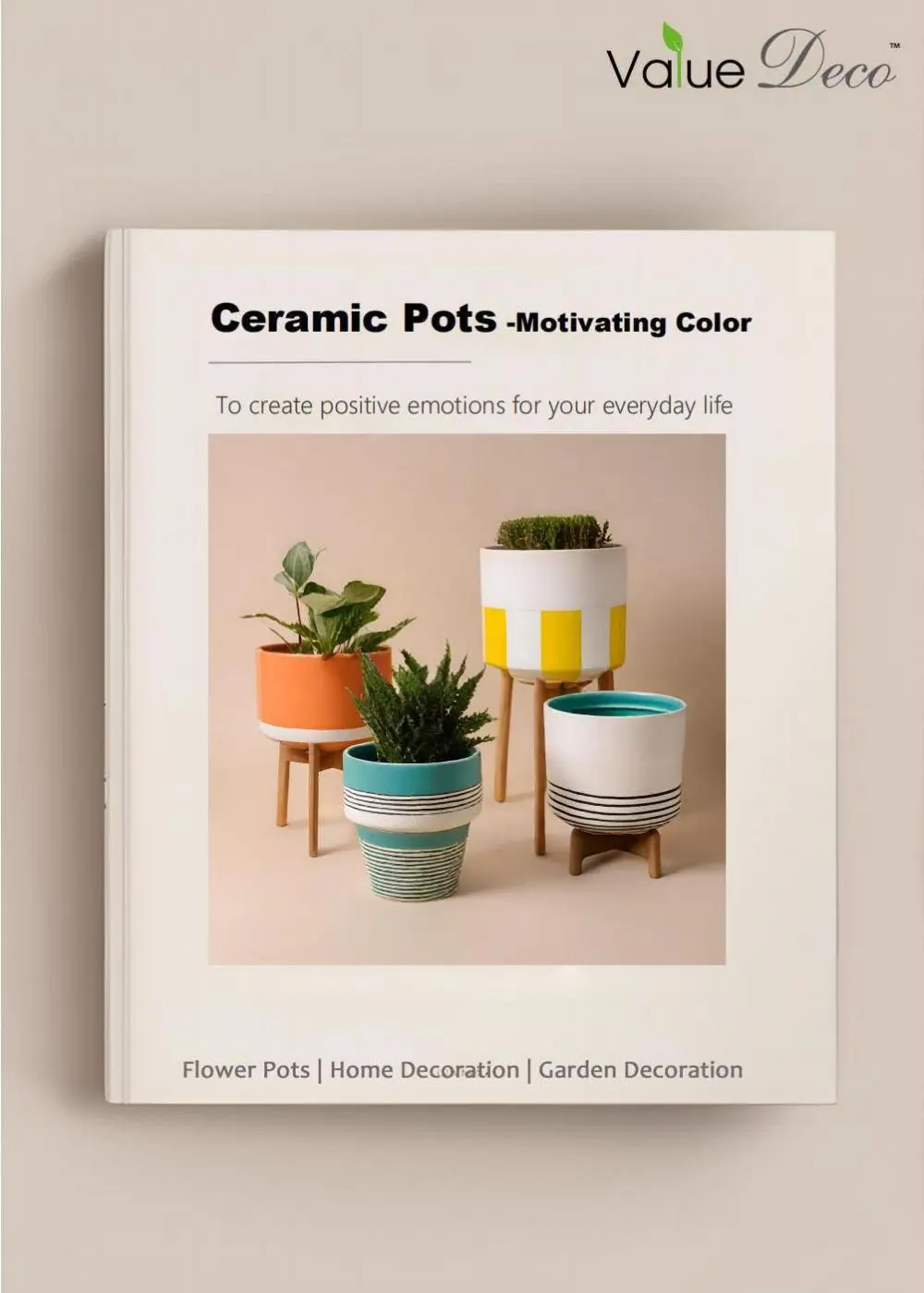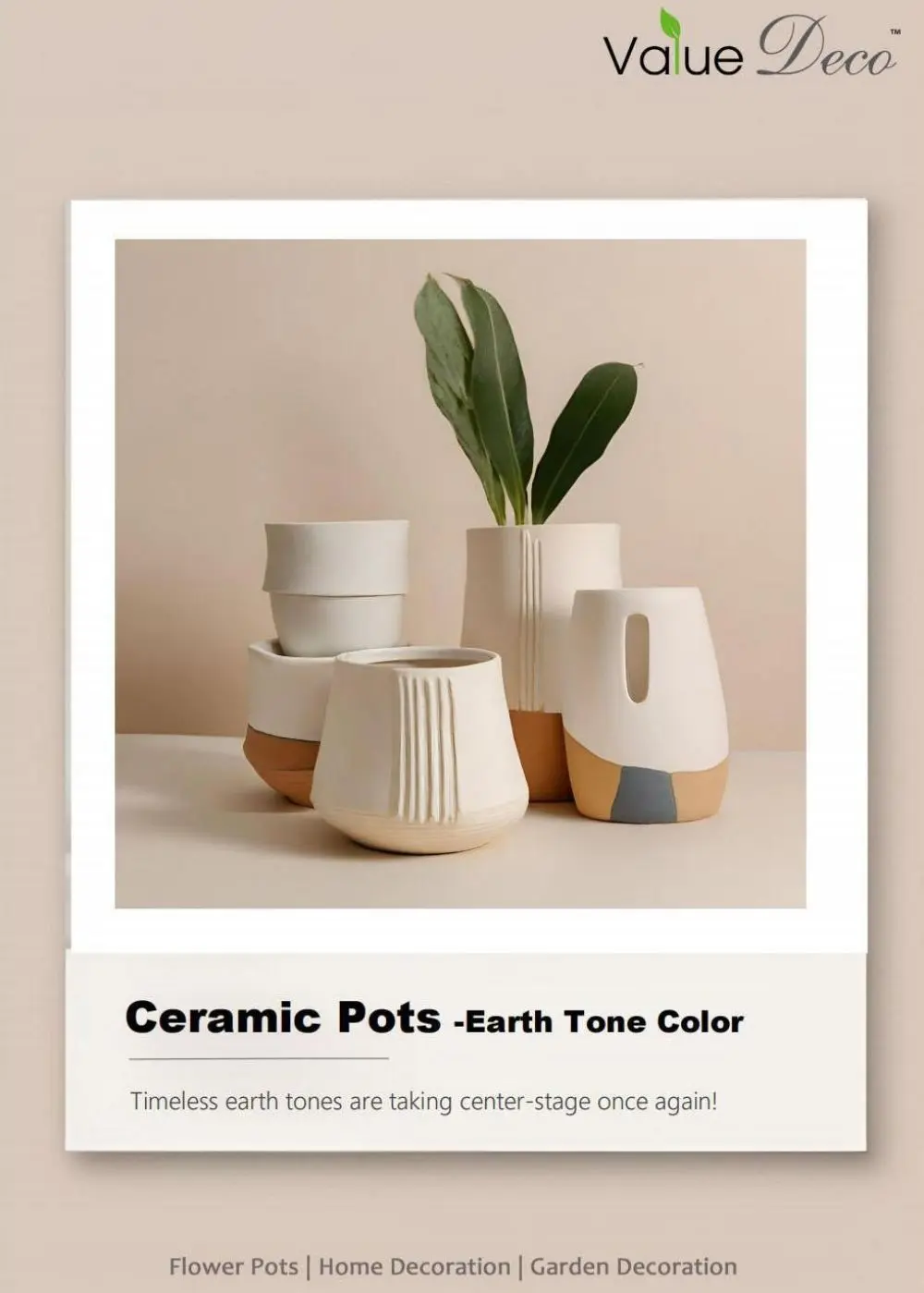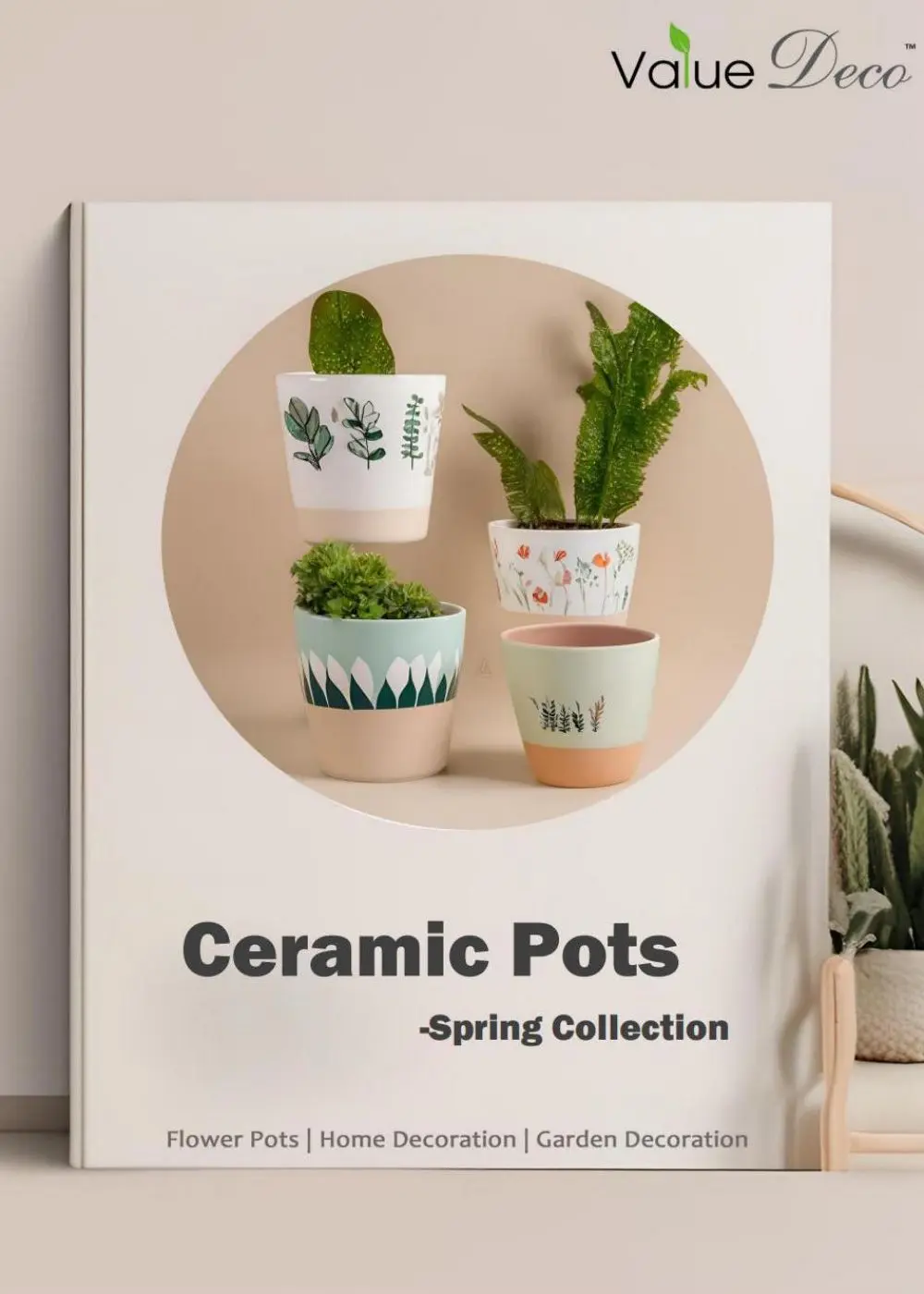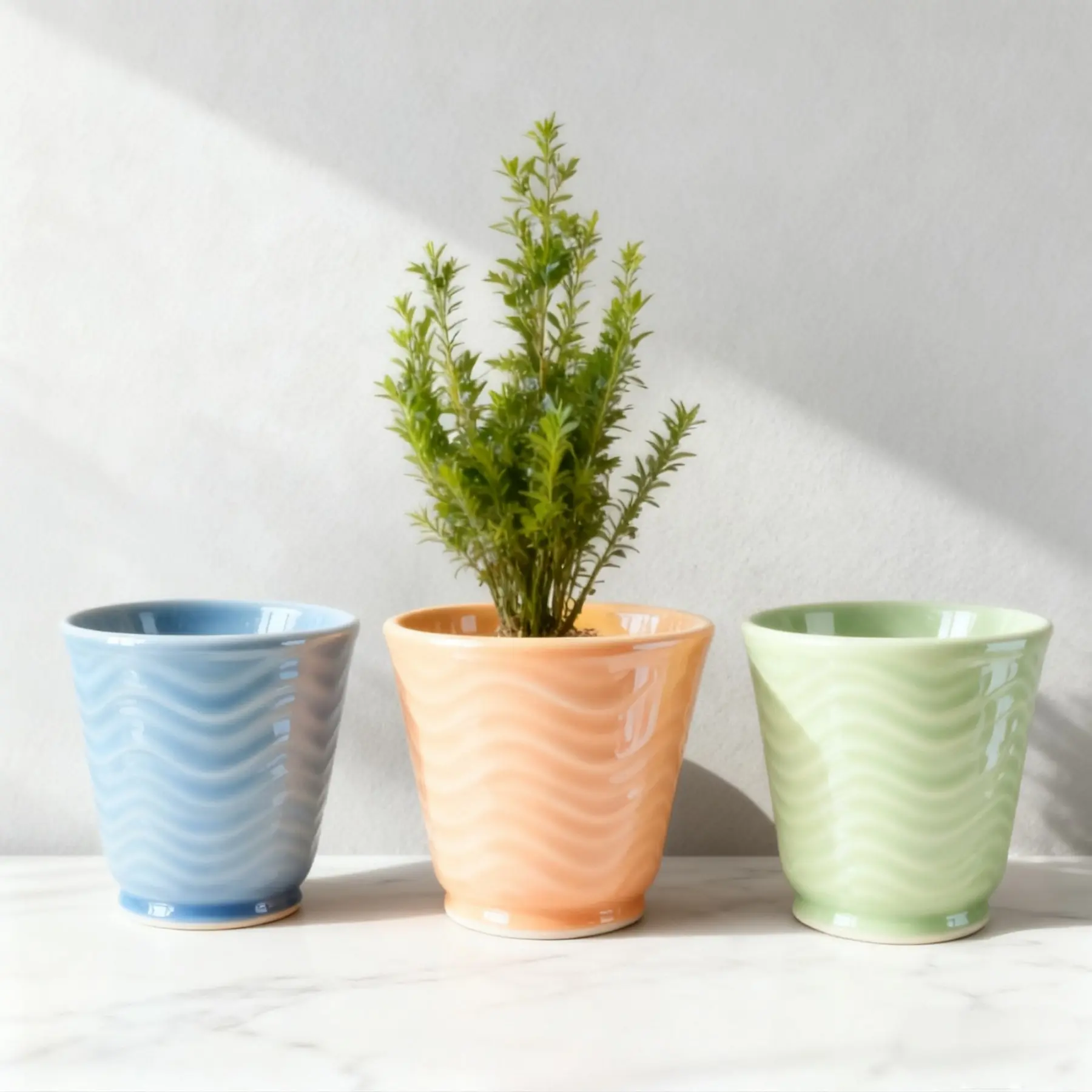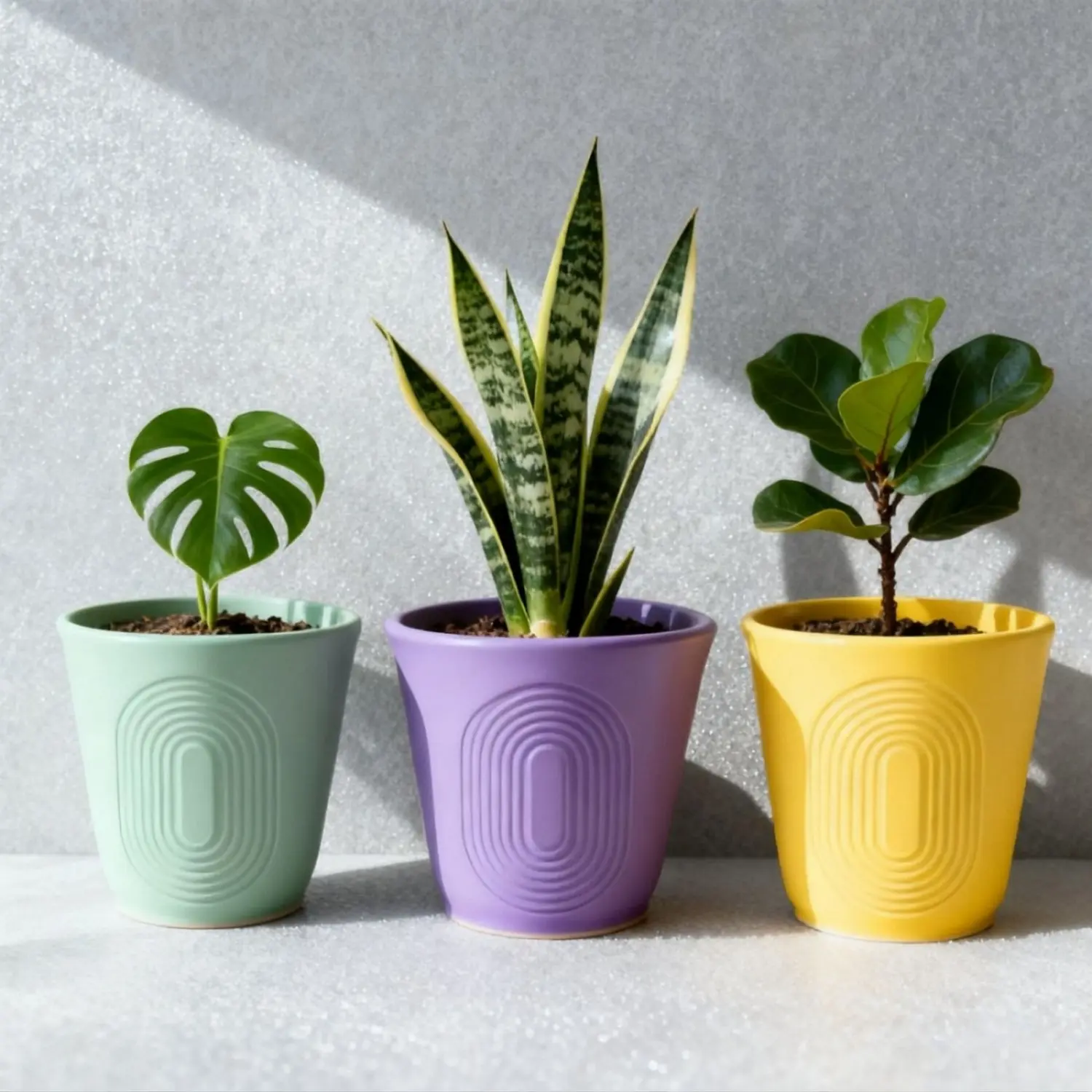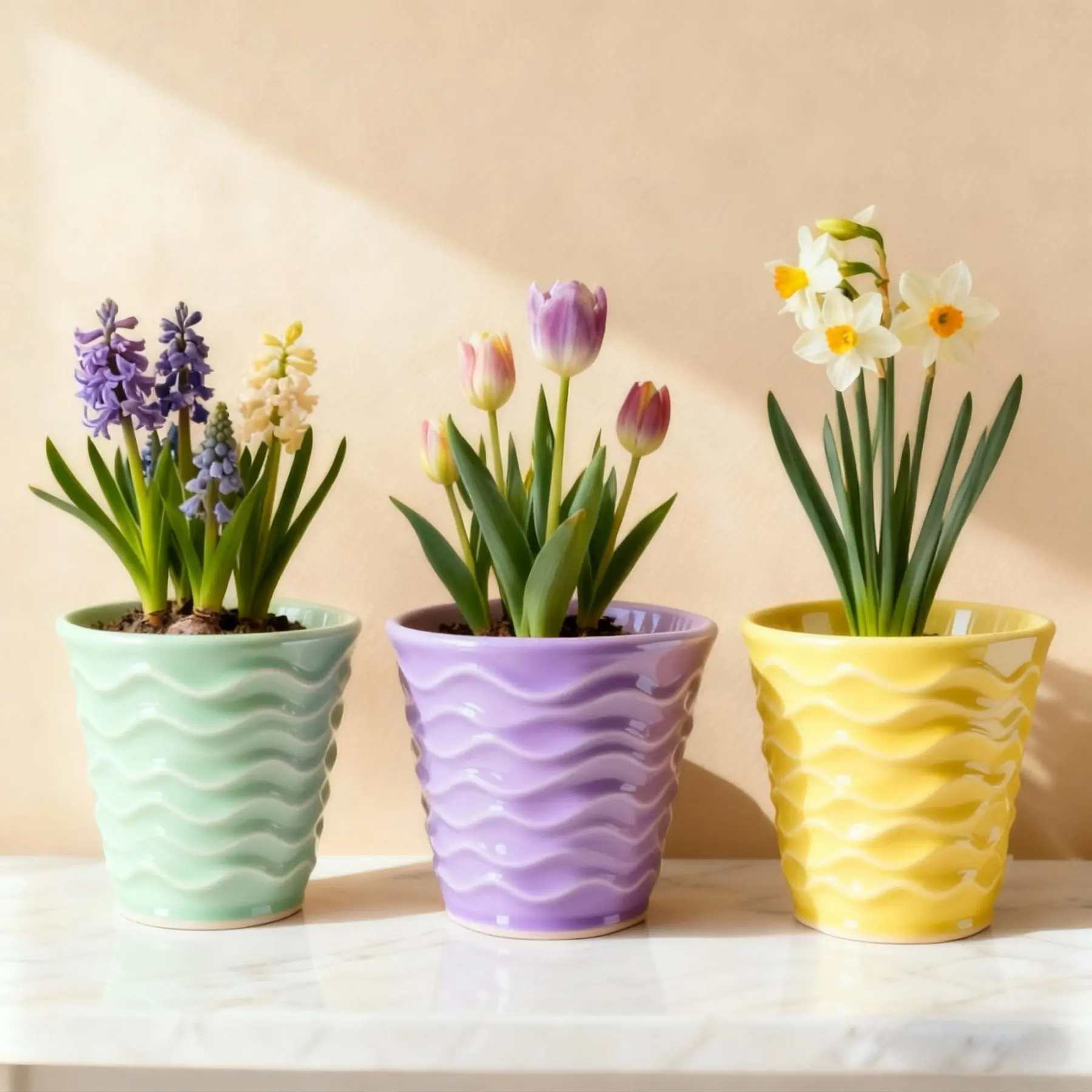
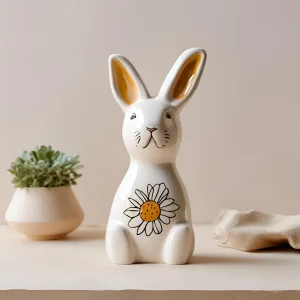
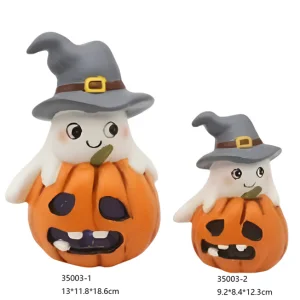
Explore our top-tier manufacturing runs featuring resilient stoneware, seasonal motifs, and hand-decorated accents engineered for global import.
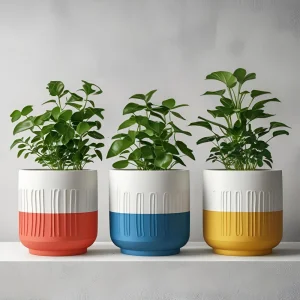
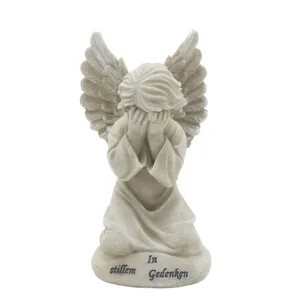
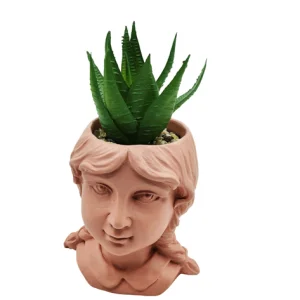
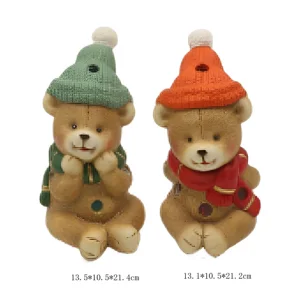
In the modern architectural, hospitality, and residential development sectors, large ceramic pots have transitioned from simple gardening containers to pivotal design elements. These monumental vessels anchor space layouts, act as organic spatial dividers, and host sophisticated biophilic installations that directly affect occupant well-being.
The production of large-format ceramic planters demands specialized engineering. Raw clay composition must support significant weight and retain form during drying and firing without cracking. Utilizing specialized kaolin blends and rich silicate materials sourced from mineral-dense regions in China, manufacturers can formulate pottery clays that offer balanced plasticity and thermal resistance.
The global wholesale market is dominated by facilities equipped with advanced tunnel and shuttle kilns capable of maintaining uniform high temperatures. The firing phase—typically between 1150°C and 1280°C—vitrifies the ceramic structure. Vitrification converts crystalline clay mineral matrices into dense, glass-like structures, minimizing porosity. Low porosity ensures the finished pots are weather-proof, frost-resistant, and capable of withstanding the expansion pressure of freezing moisture.
Commercial real estate, landscape architecture, and large-scale retail distributors drive structural changes in sourcing behavior. Current industry vectors include:
In high-end commercial spaces, the surface texture of a planter is just as critical as its structural integrity. Advanced suppliers leverage reactive glazes, matte slips, and hand-embossed surface patterns. The chemical makeup of these glazes—combining metallic oxides with specialized silica flux—undergoes complex oxidation or reduction reactions during the high-fire cycle.
This process generates unique variations, color depths, and crystalline patterns that cannot be replicated by synthetic alternative materials. For wholesale buyers, this artistic variation provides a key information gain, allowing them to offer premium, differentiated items to their target markets.
Browse our comprehensive selection of high-fired earthenware, stoneware, and home decor items engineered for commercial use.
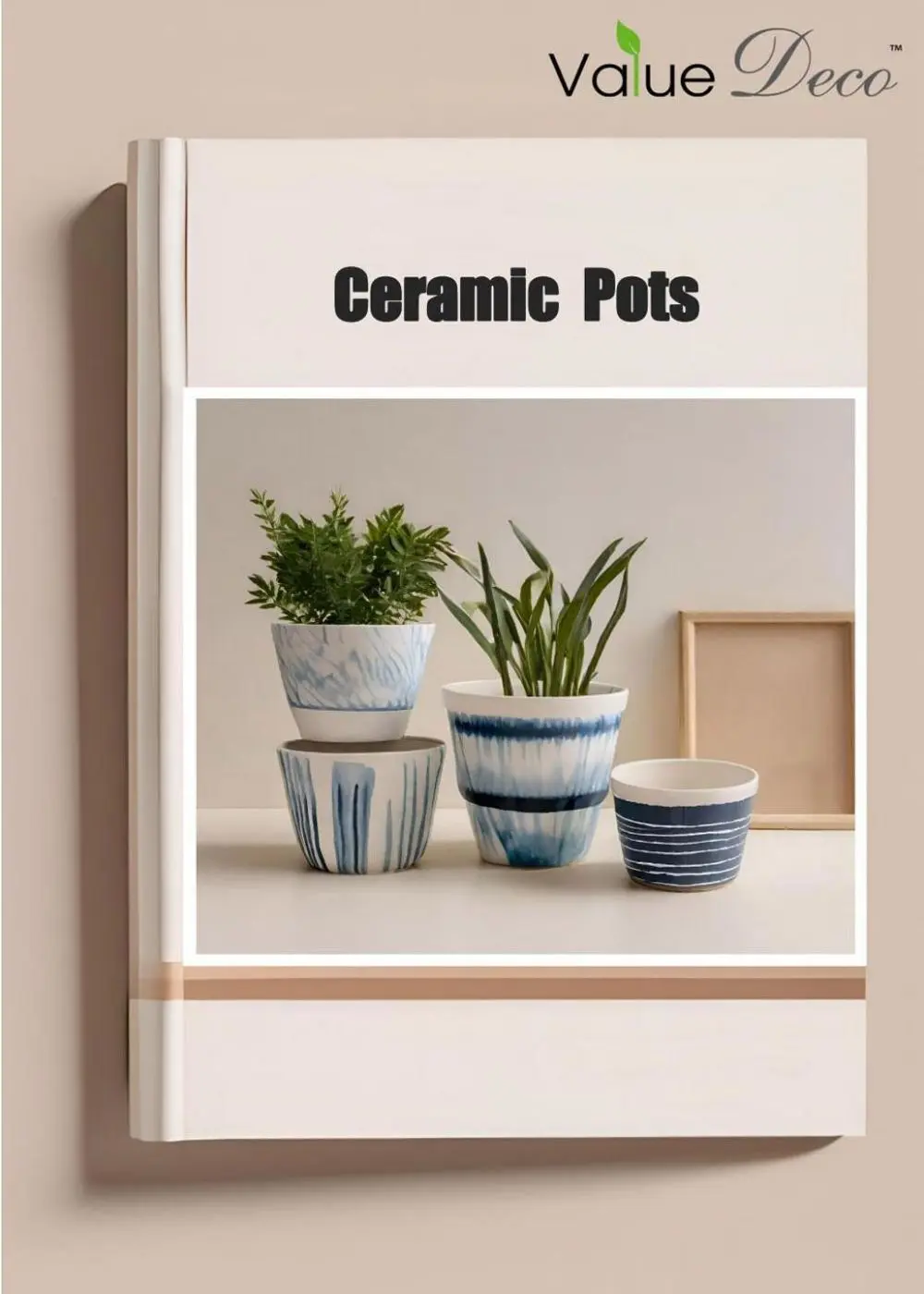
Download our current digital design books, compiled by styling preference, color profile, and seasonal themes.
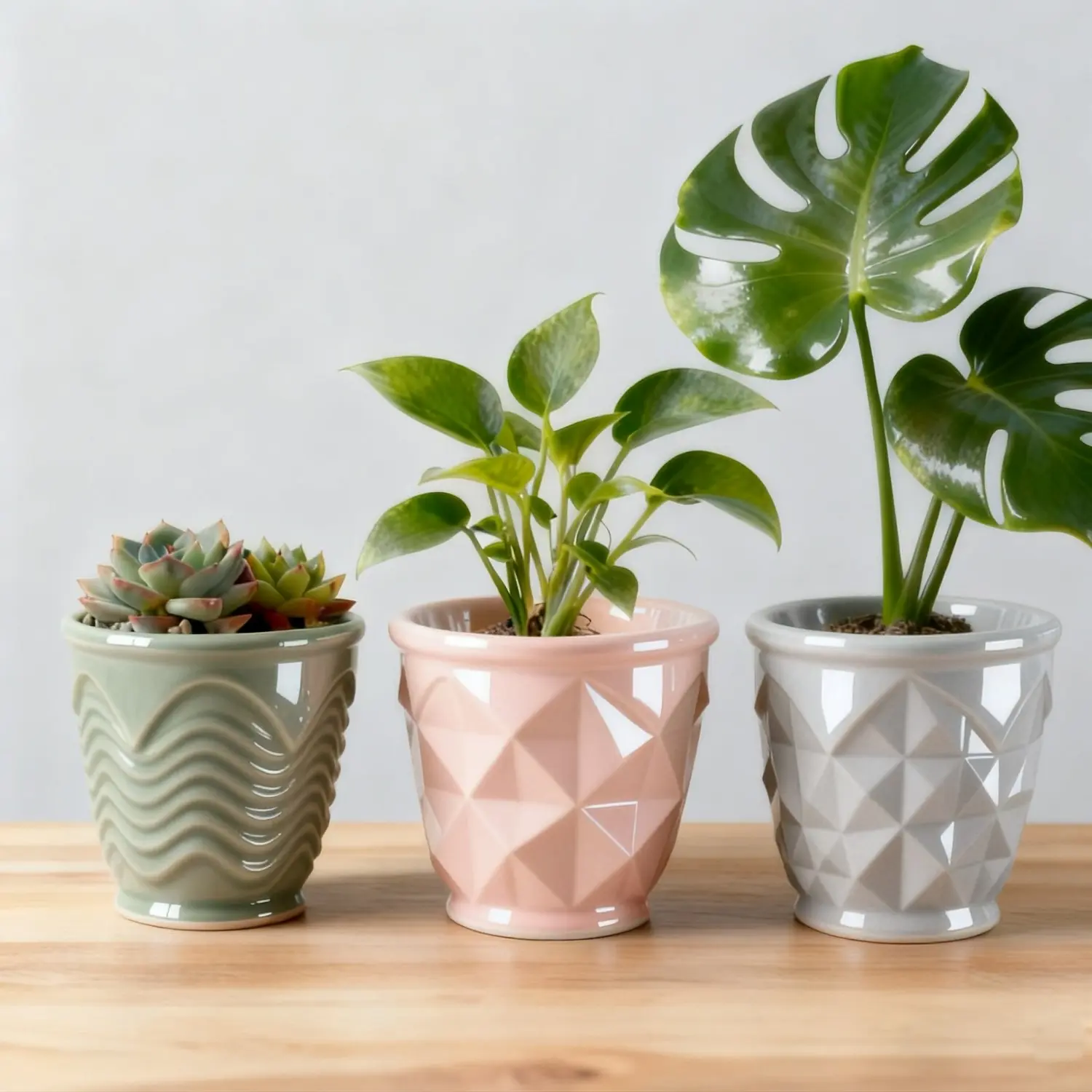
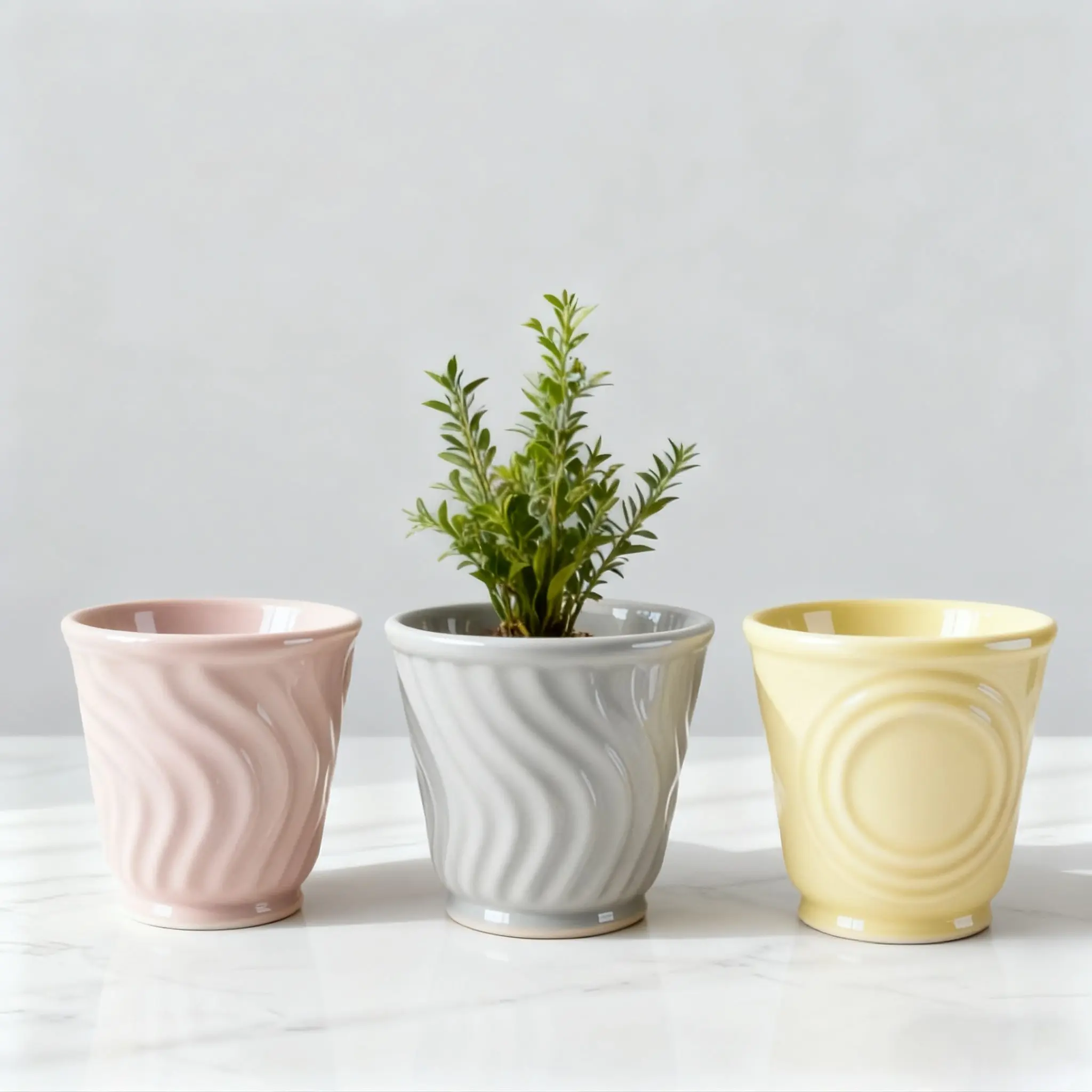
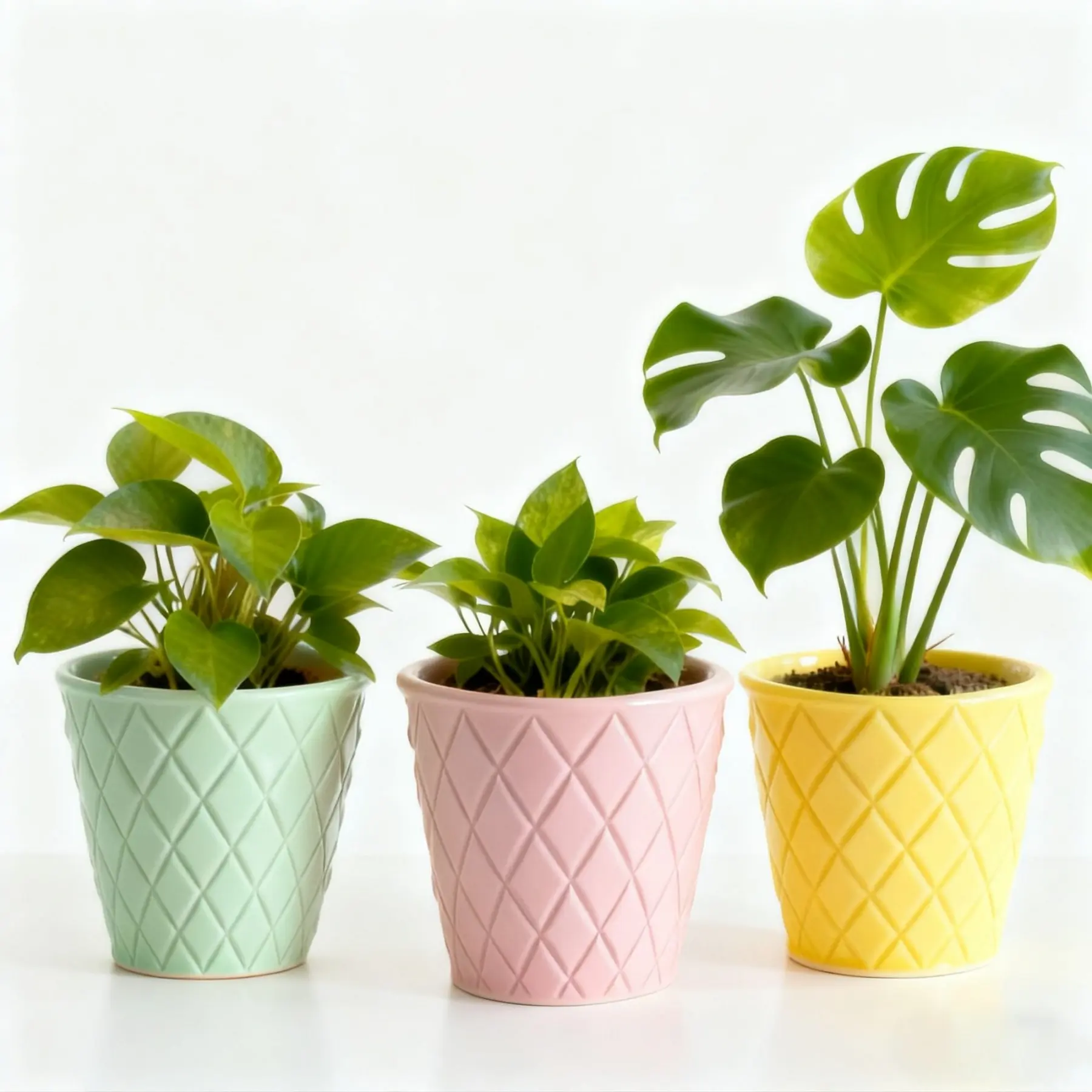
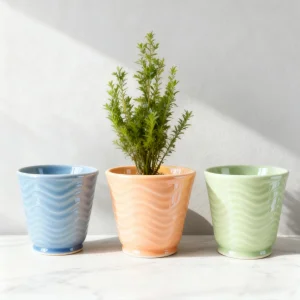
Our newest product releases feature embossed geometries, wave textures, and soft pastel finishes designed to complement modern interiors.
Producing large-format pottery requires precise management of clay shrinkage rates, drying cycles, and firing temperature profiles. When manufacturing planters with diameters exceeding 40cm, structural wall thickness must scale accordingly to support the vertical load of soil, root systems, and water.
Standard clays can deform under the weight of large pots during drying. Our engineering team adds high-purity grog (refractory pre-fired clay particles) to the raw slip. This structural reinforcement controls shrinkage, enhances green strength (pre-fired structural state), and allows water to escape cleanly during drying. This step prevents internal stress fractures that could weaken the pot.
Moisture removal is a critical stage in large-pot production. Rapid surface drying while the interior remains damp can cause warping or cracking. Our production partners utilize climate-controlled drying tunnels. These systems monitor humidity and airflow to ensure uniform drying from the inside out, preparing the greenware for the kiln.
Vitrification is achieved through structured firing cycles. We monitor heat distribution using industrial sensors inside our natural gas kilns. Firing ranges from 1200°C to 1250°C, maintaining the peak temperature for up to 6 hours to ensure complete mineral fusion. This renders the finished large ceramic pots highly durable and suitable for harsh outdoor conditions.
How we manage cargo protection, packing density, and custom production runs for bulk distribution networks.
We utilize heavy-duty corrugated cardboard, custom molded pulp inserts, and edge guards. Our packaging methods meet ISTA (International Safe Transit Association) standards, minimizing breakage rates during container transport and final delivery.
By nesting smaller pots within larger planters, we optimize container volume and minimize shipping costs. Our logistics software plans each load layout to maximize stability and utilize available space efficiently.
Our OEM/ODM services allow clients to request custom color glazes, brand markings, and tailored dimensions. Our chemists can match color codes (Pantone/RAL) to align with corporate branding and interior palettes.
Key information for procurement managers, distributors, and logistics teams sourcing ceramic planters.
High-demand homewares, functional pottery, and hand-decorated accents ready for container shipping.