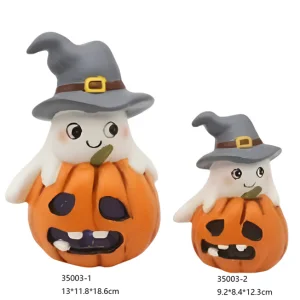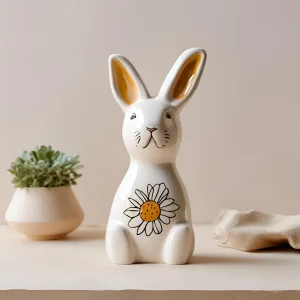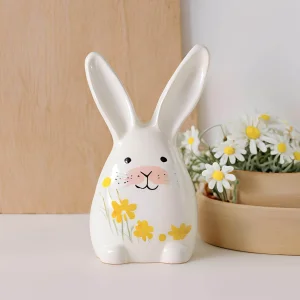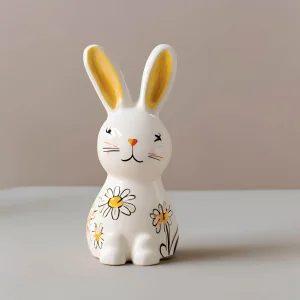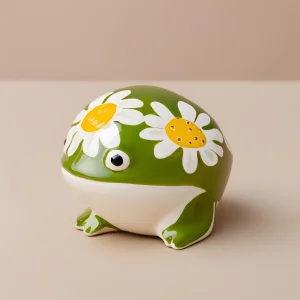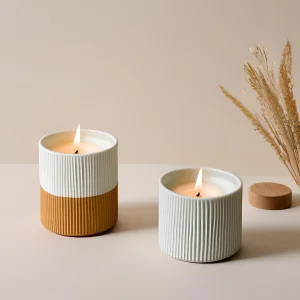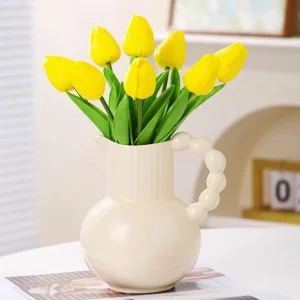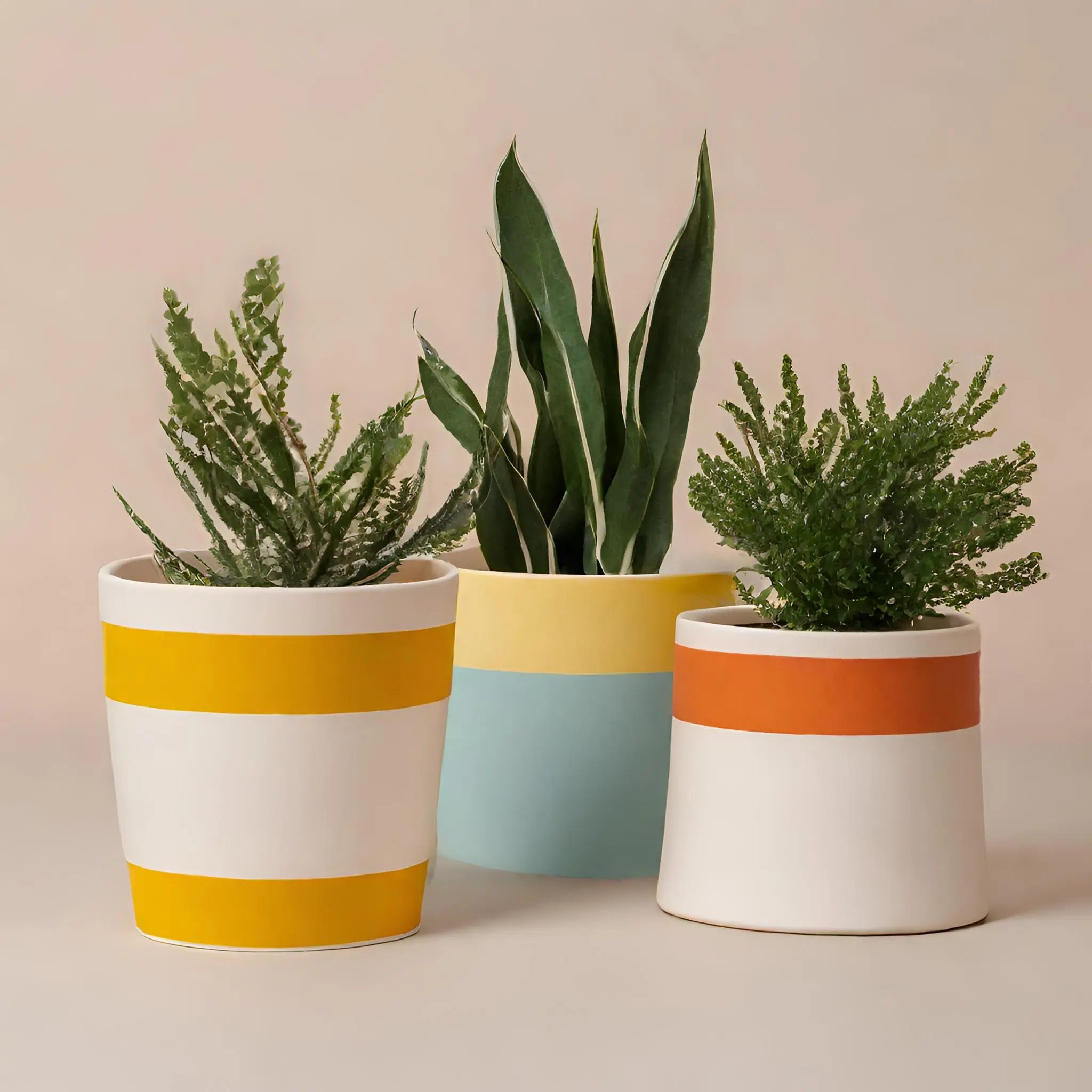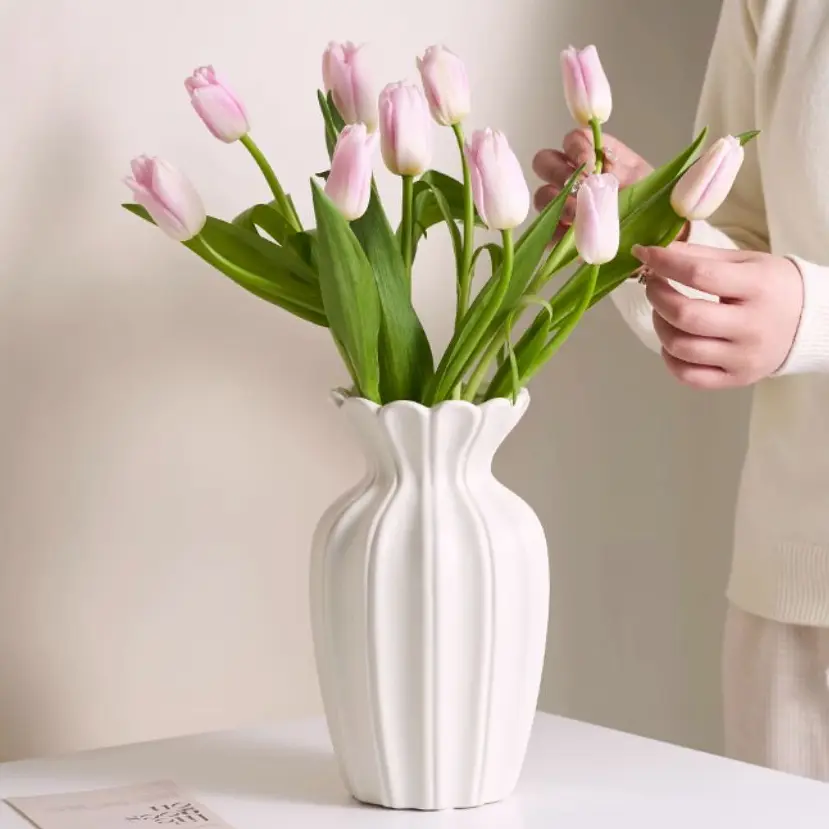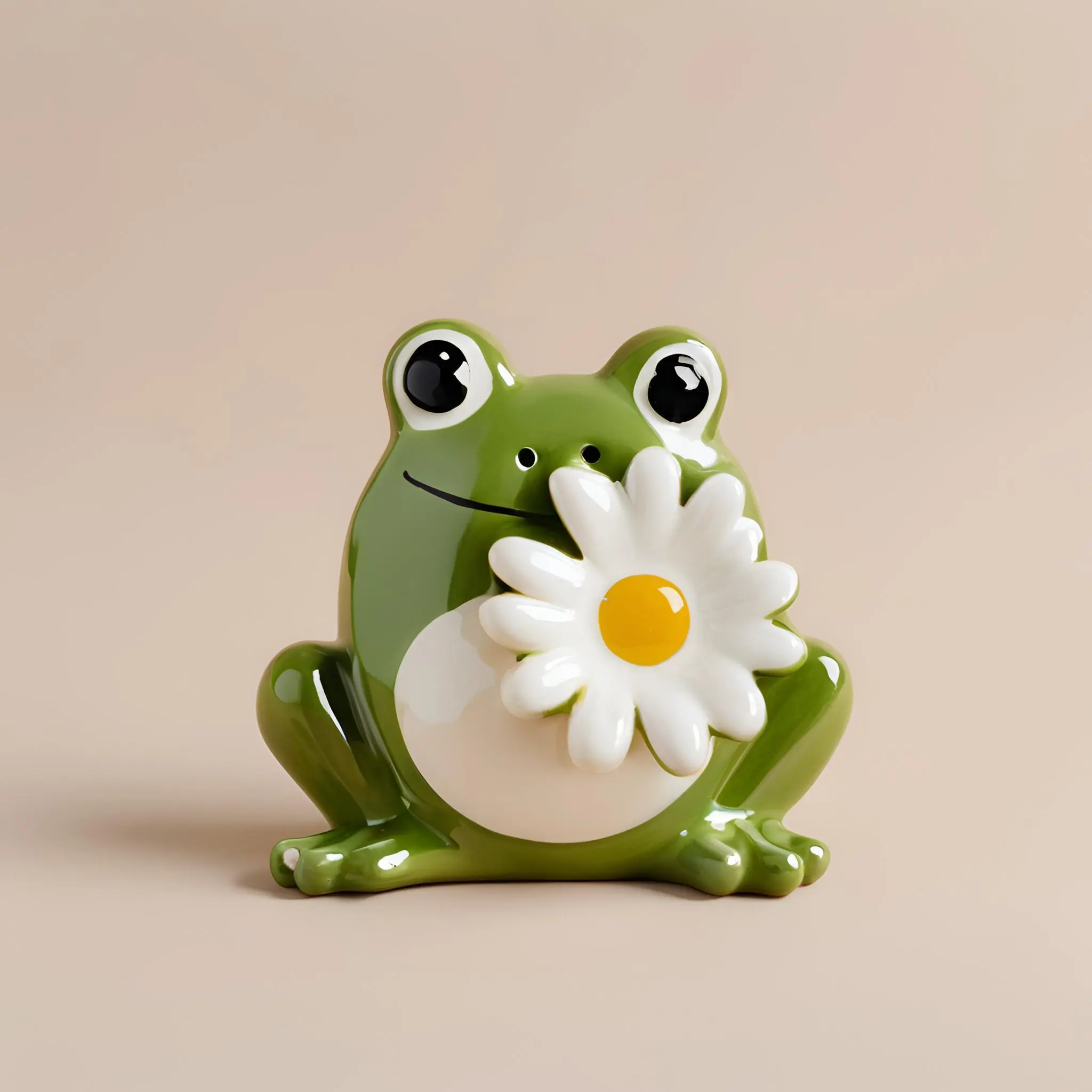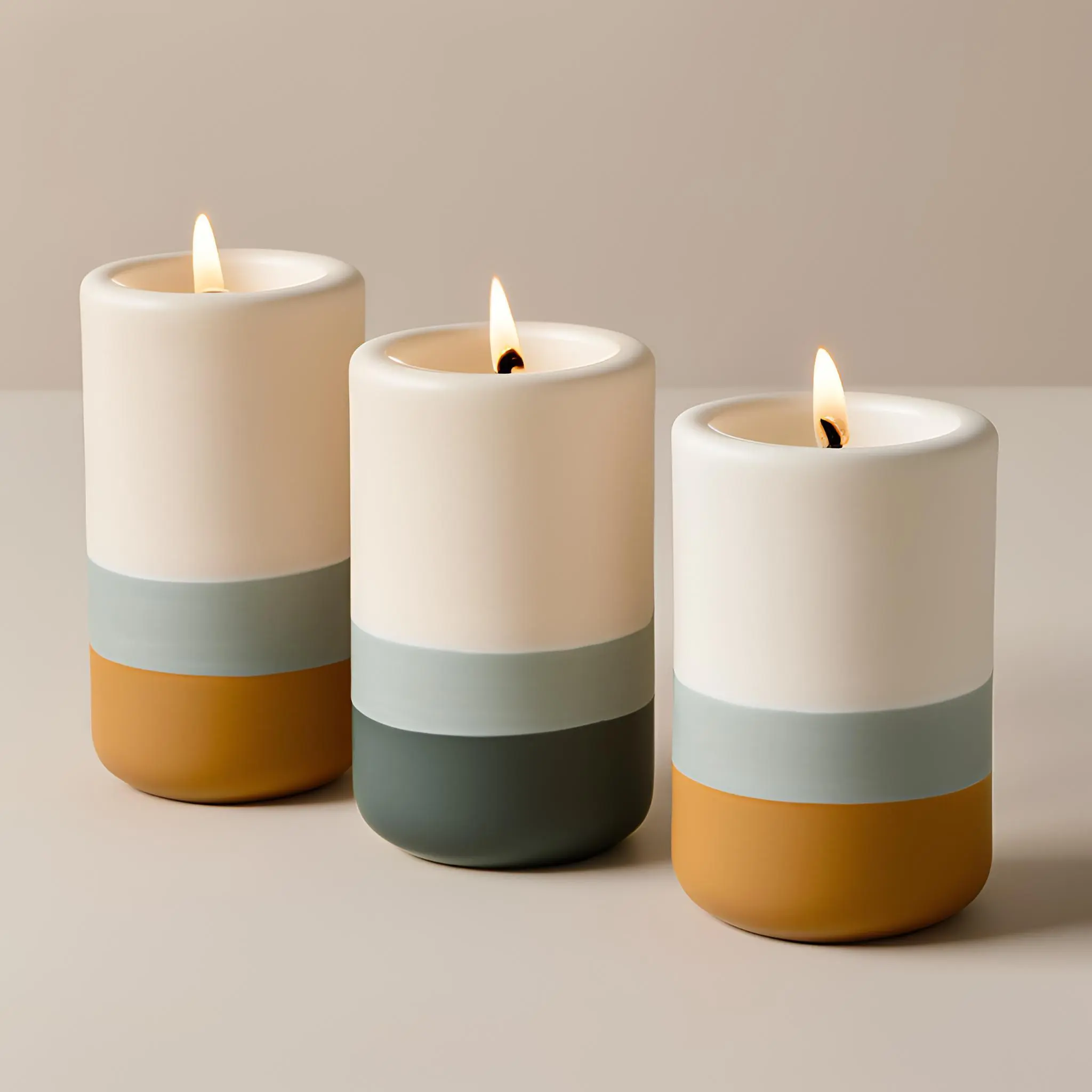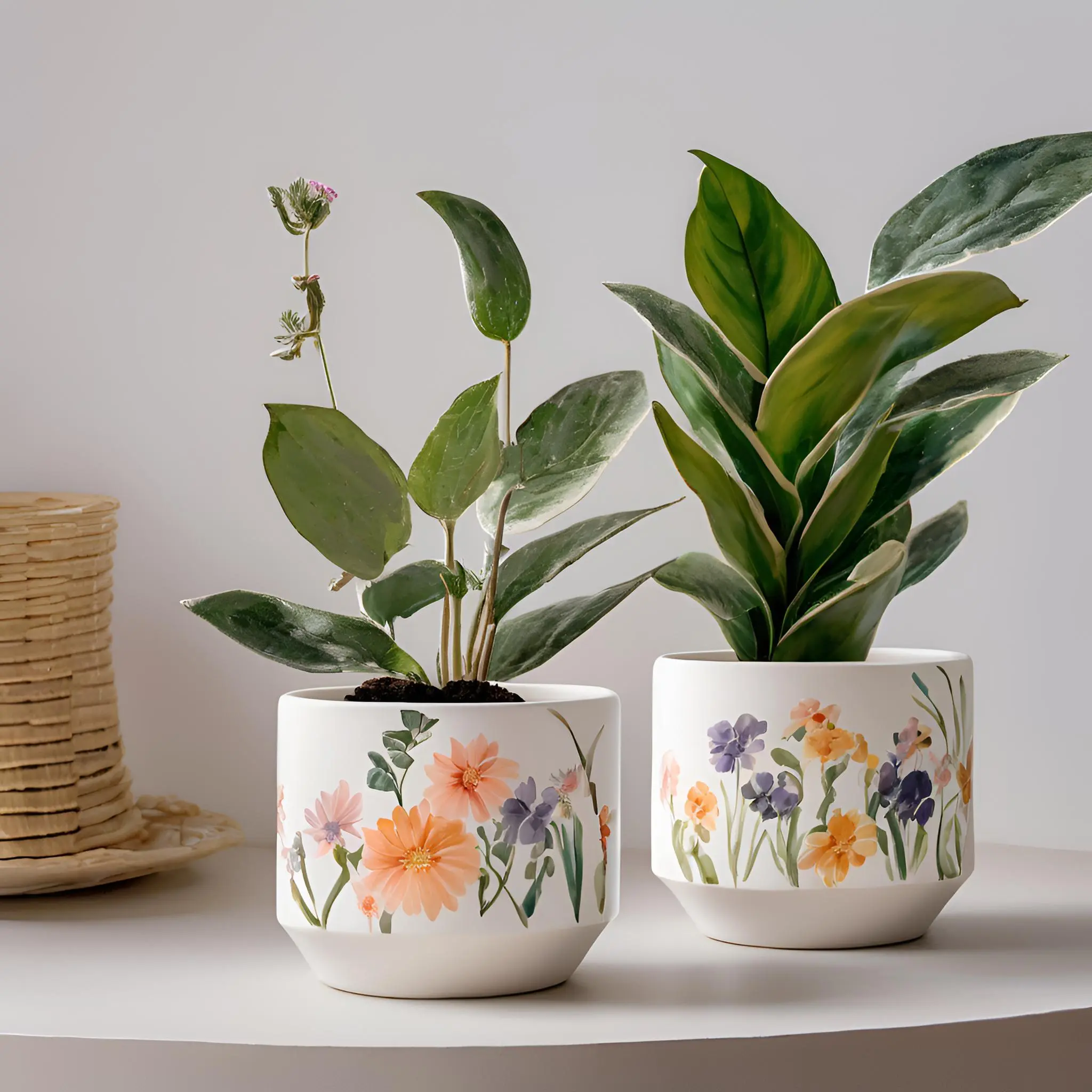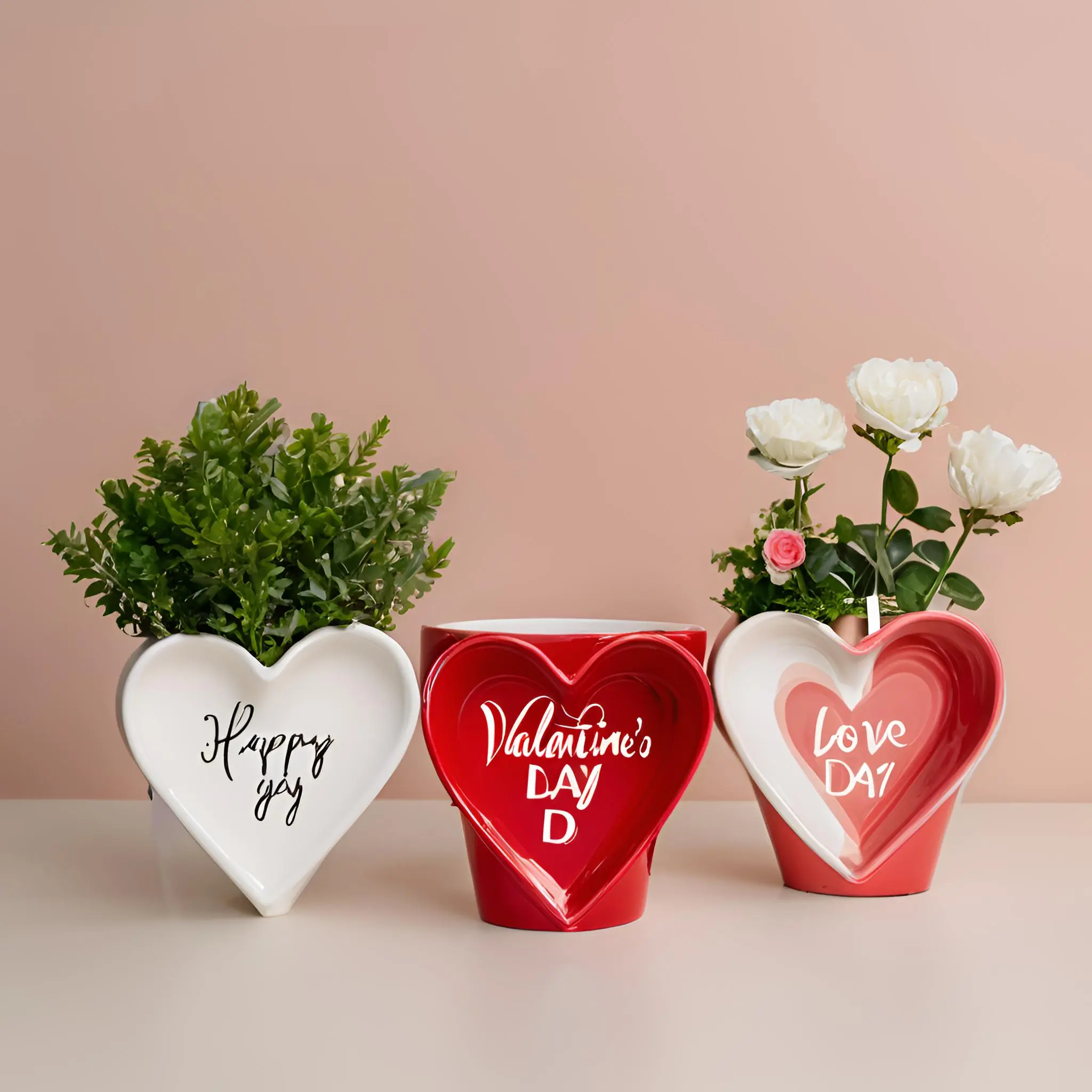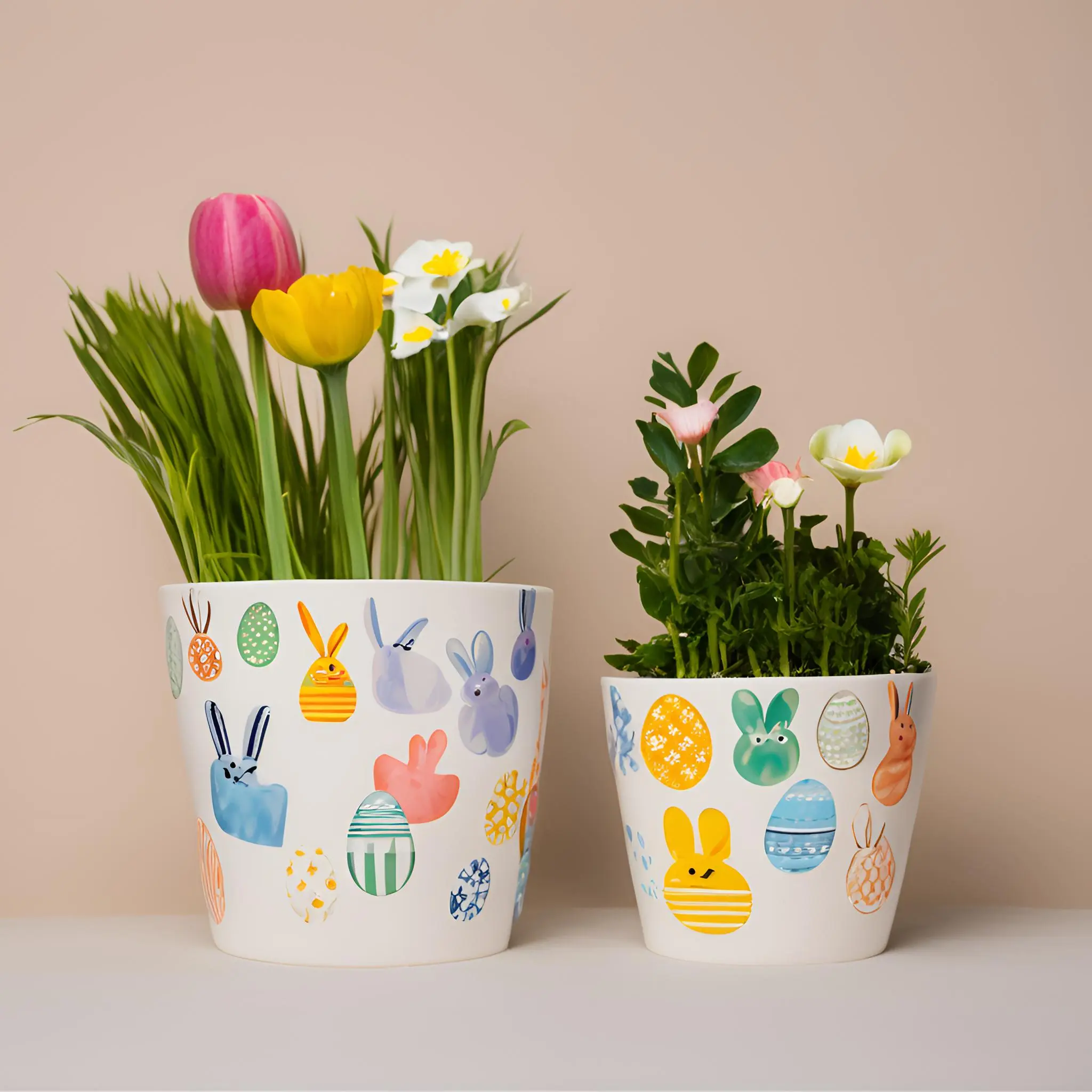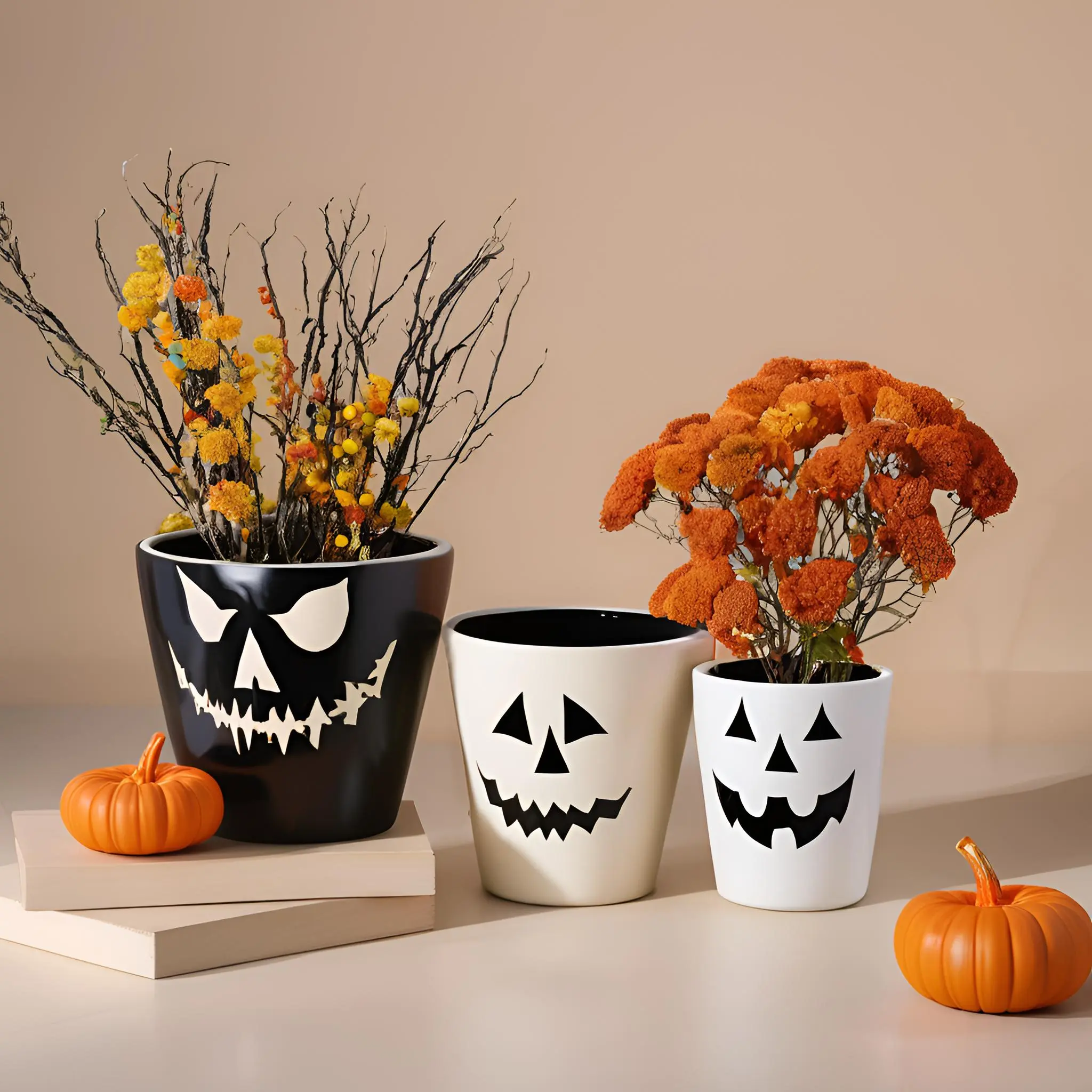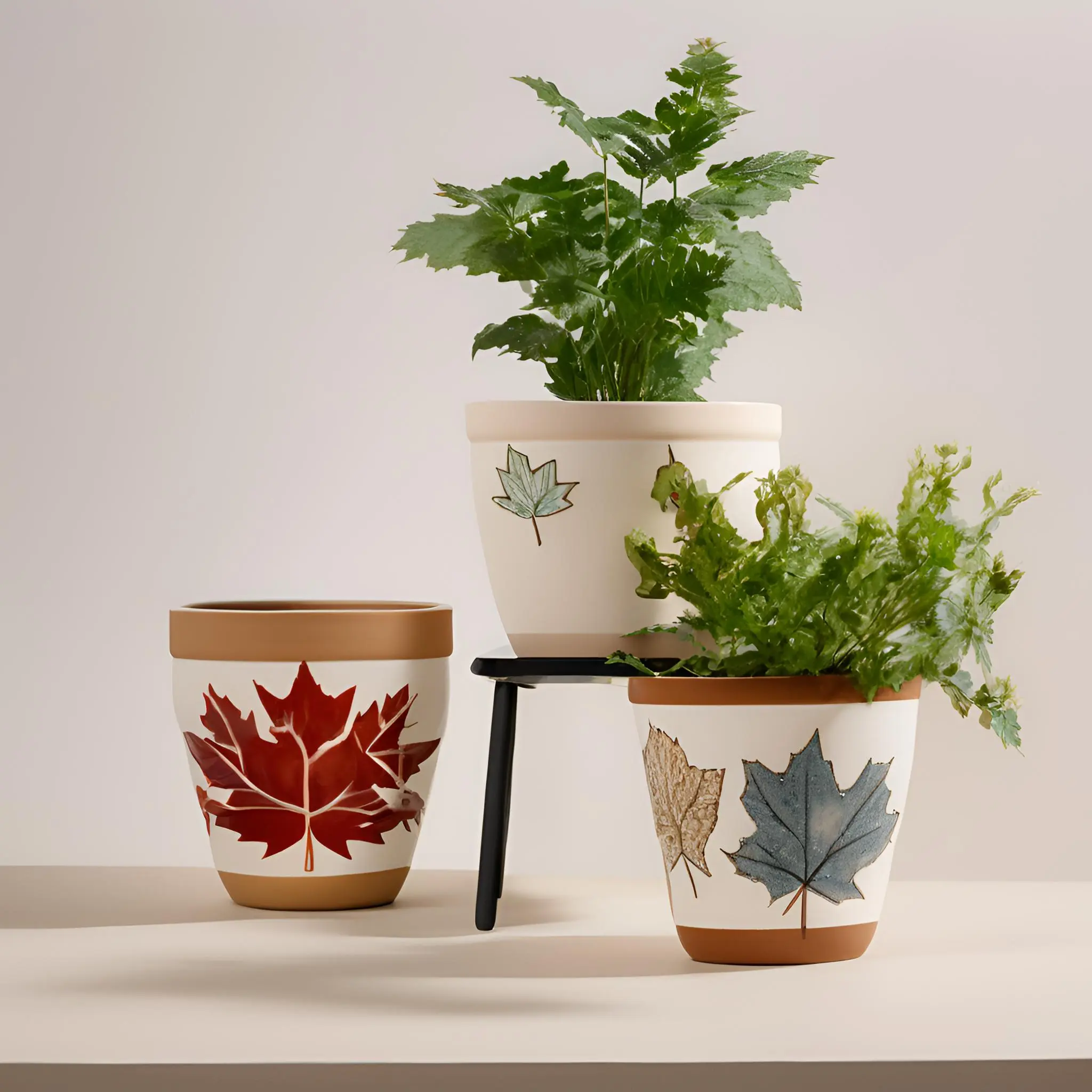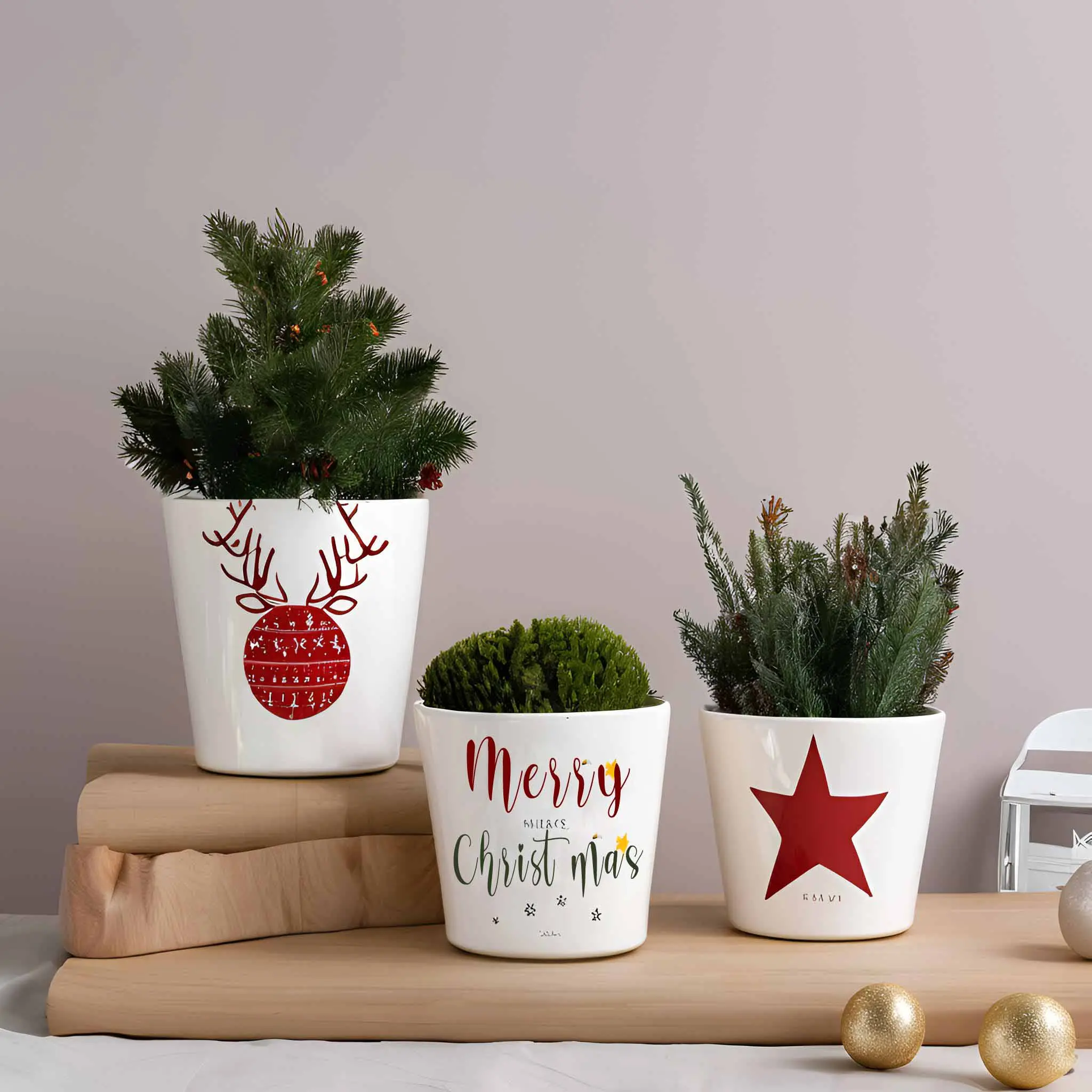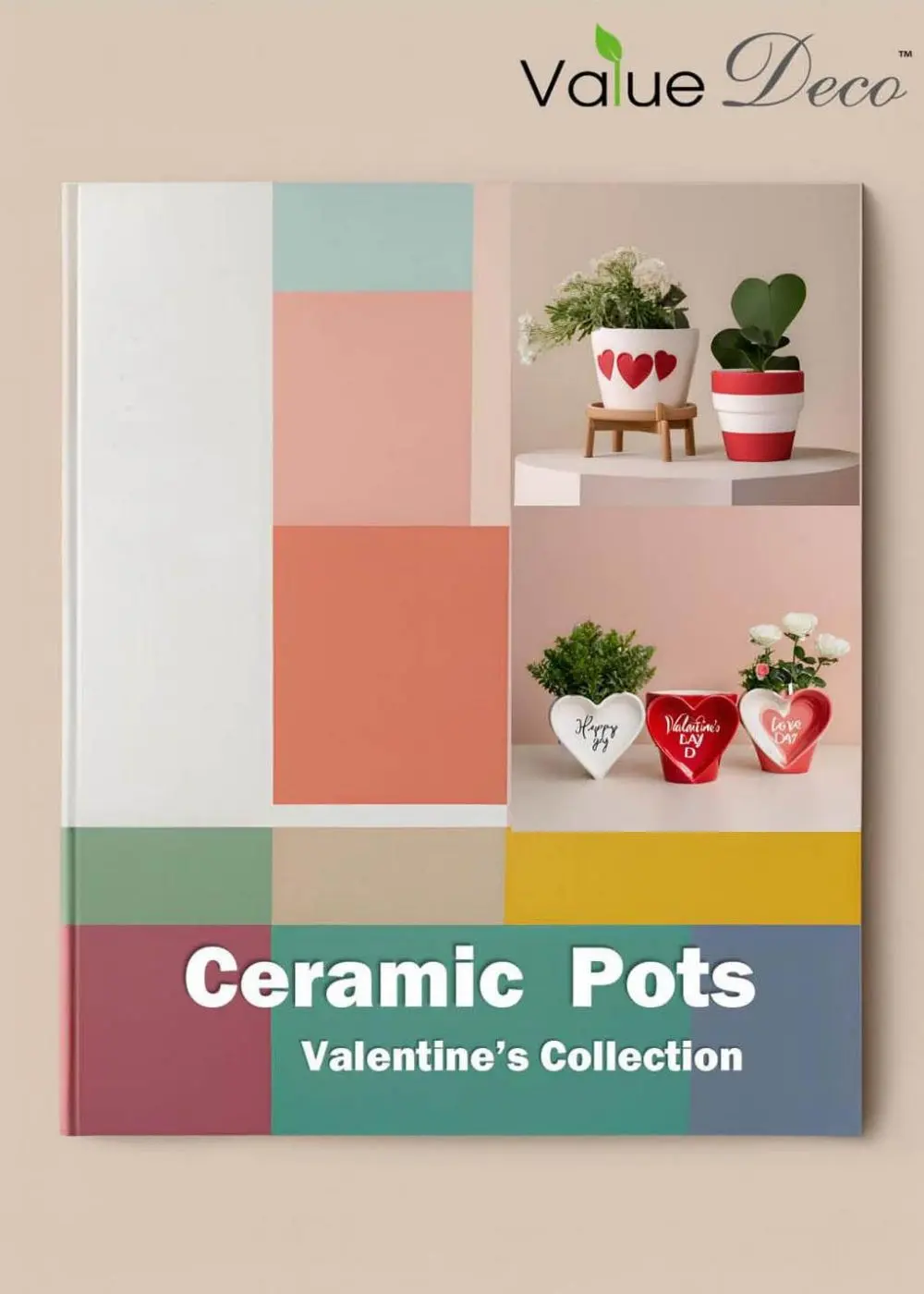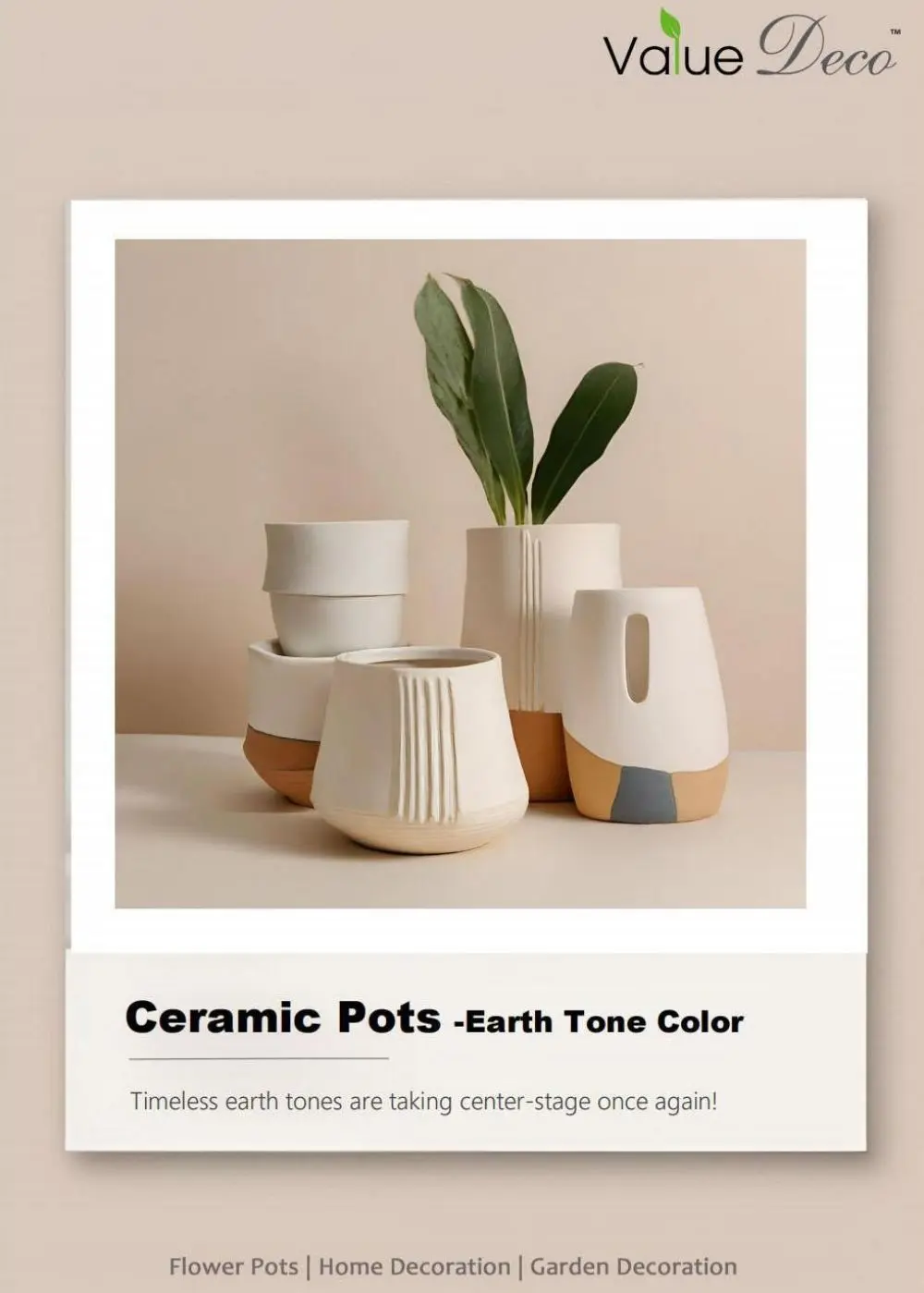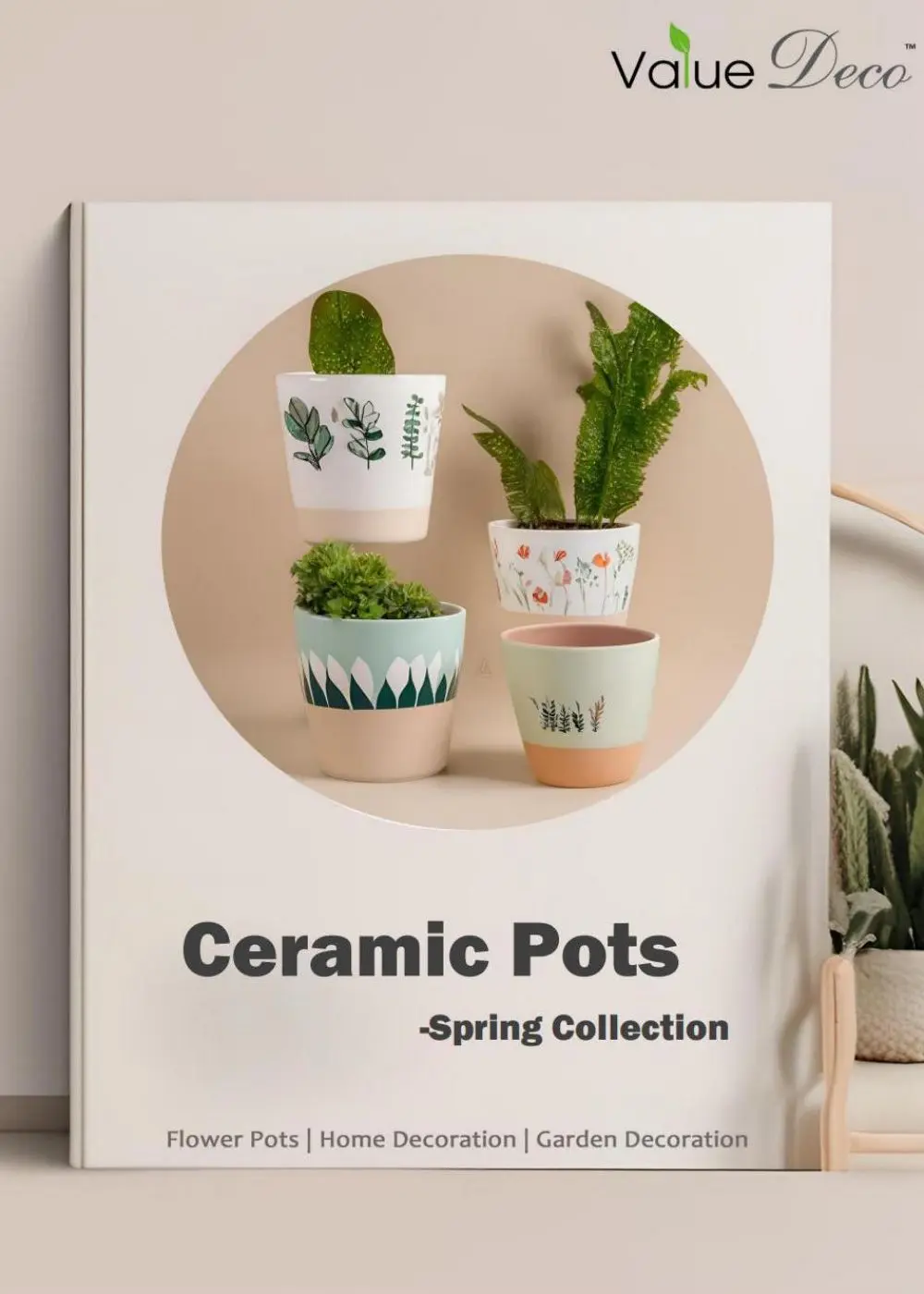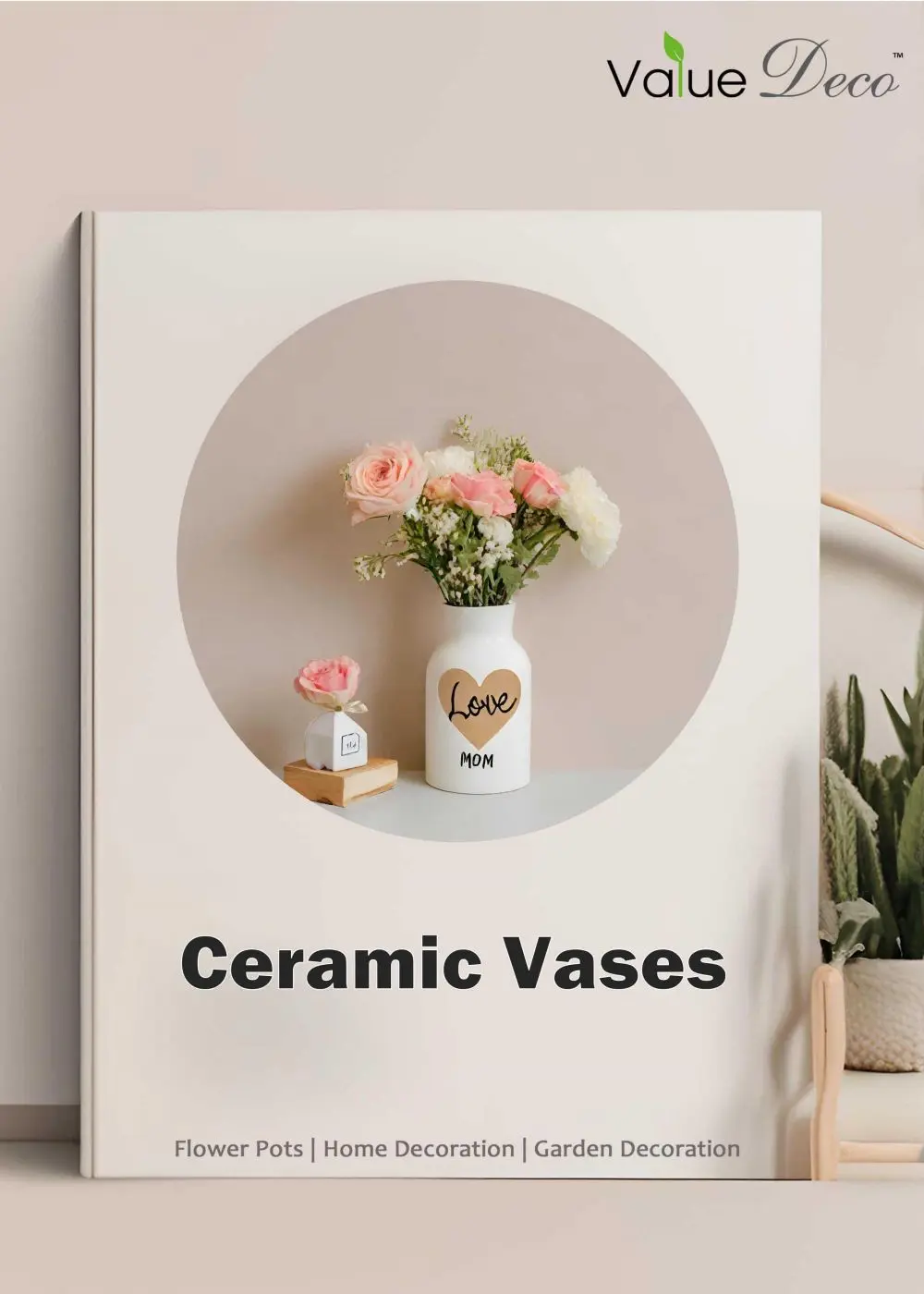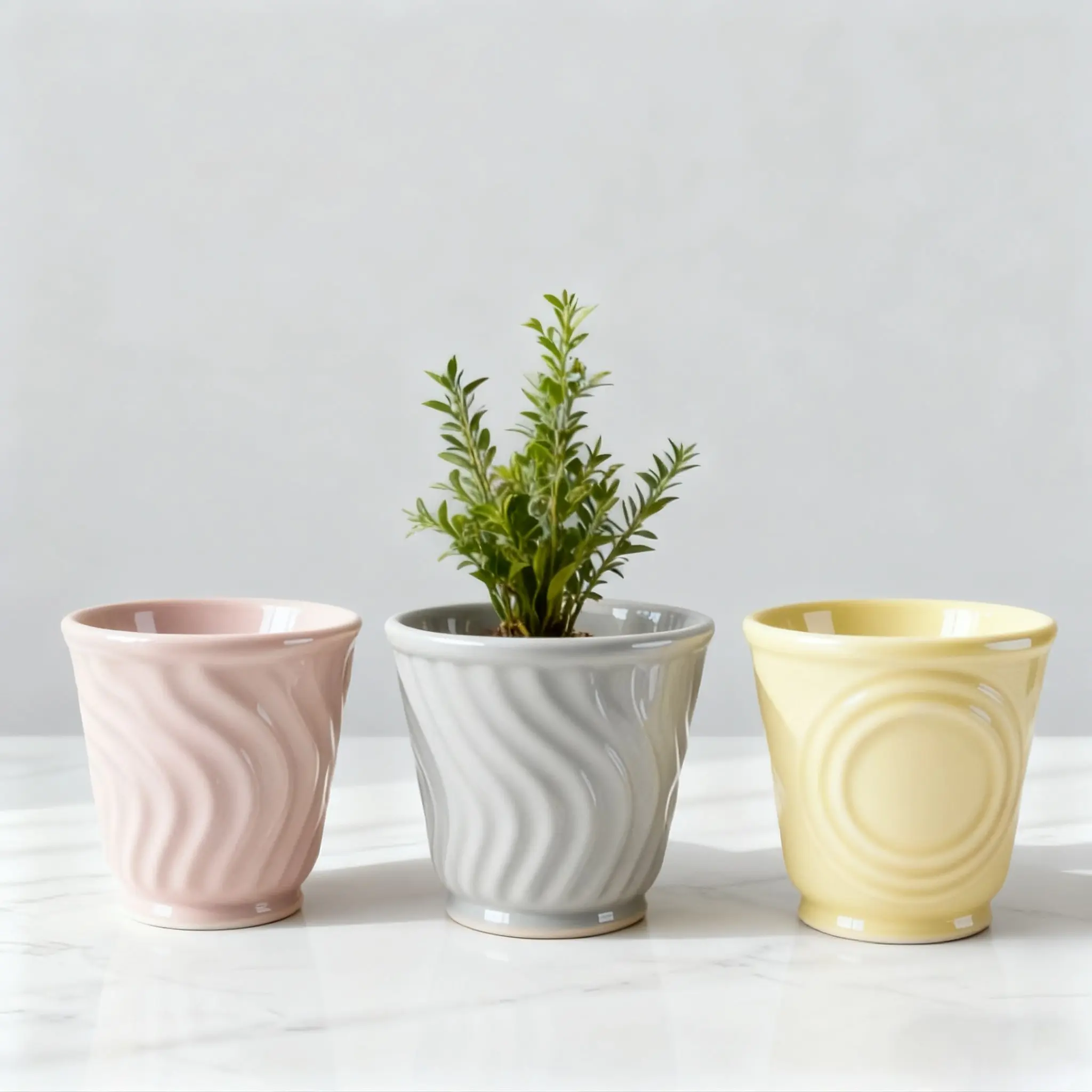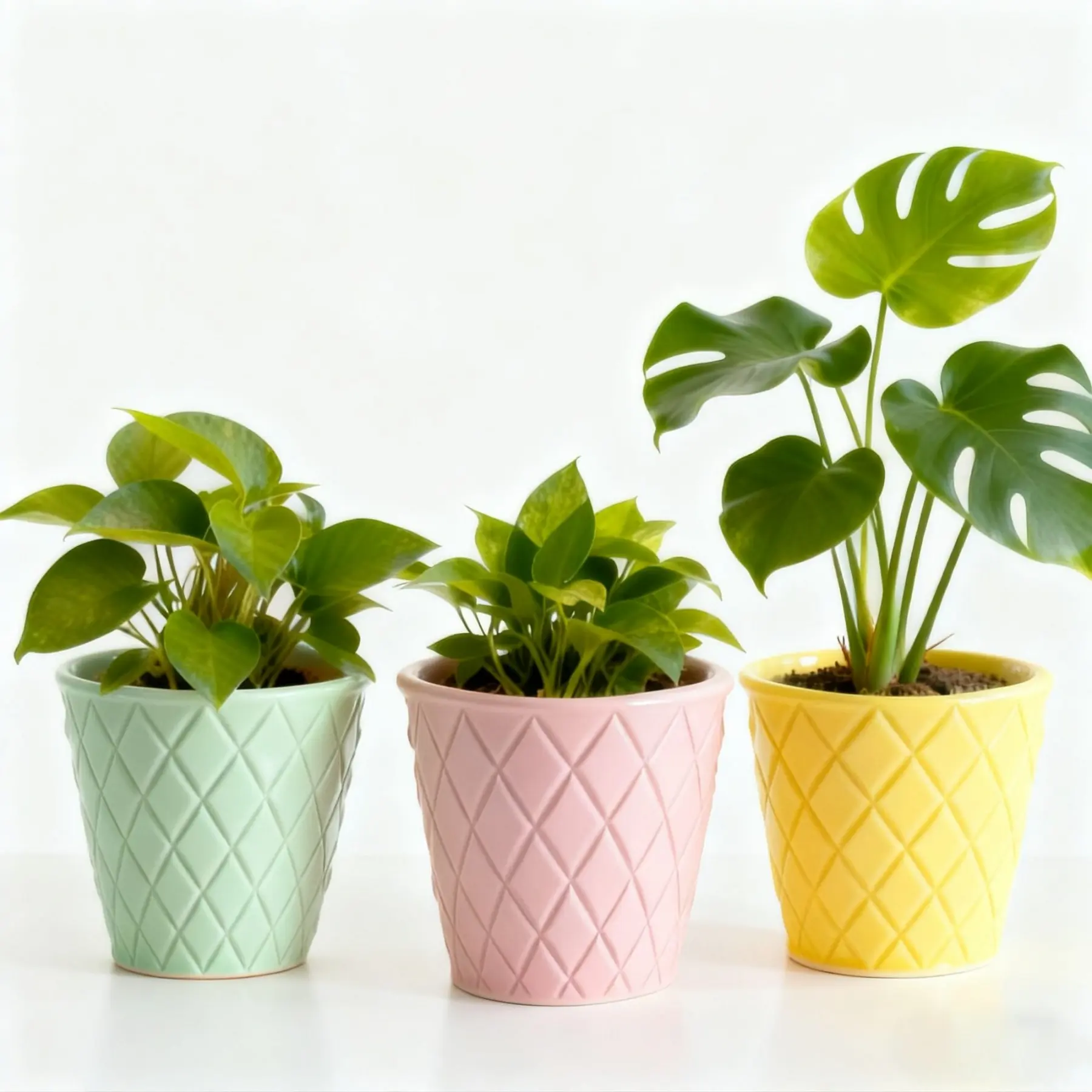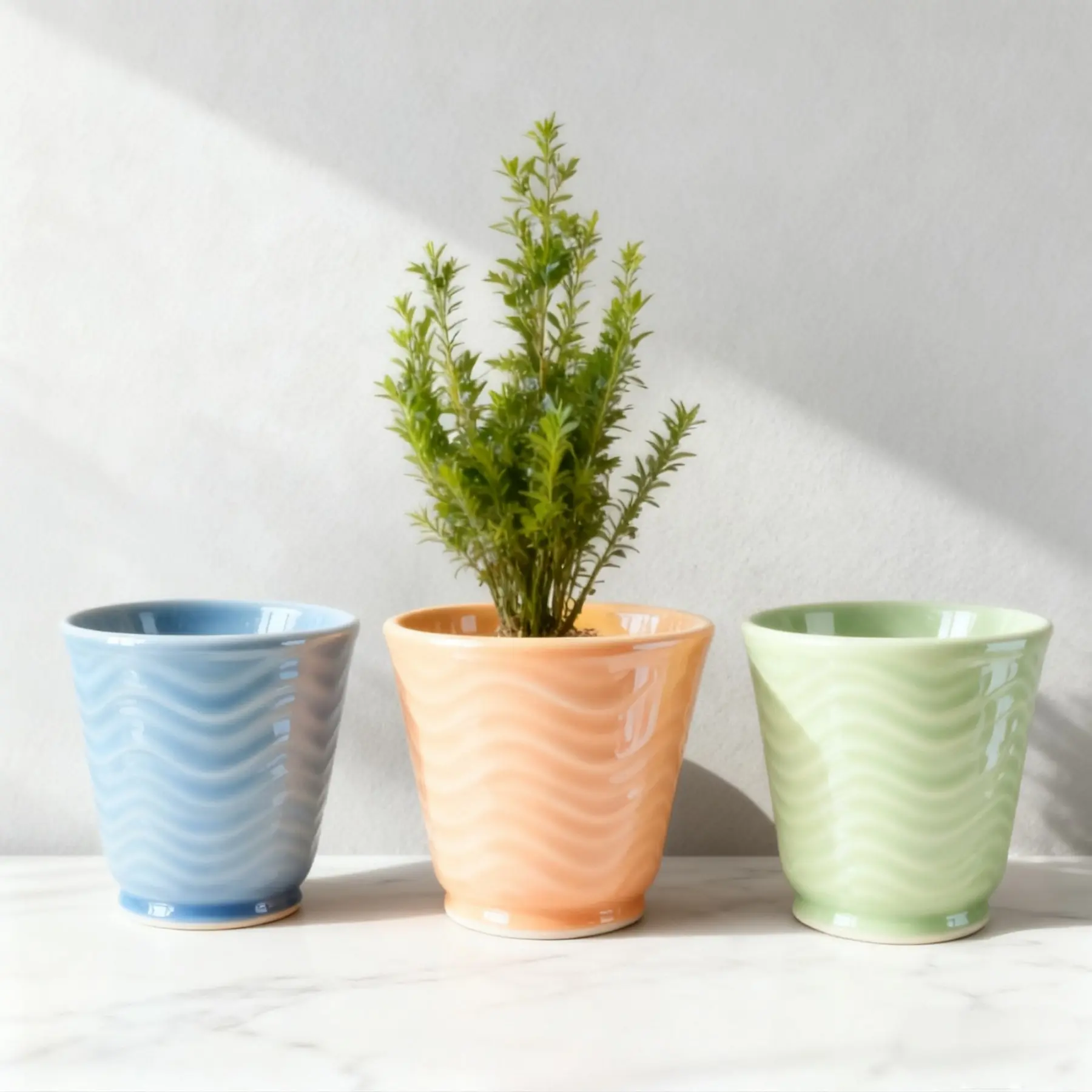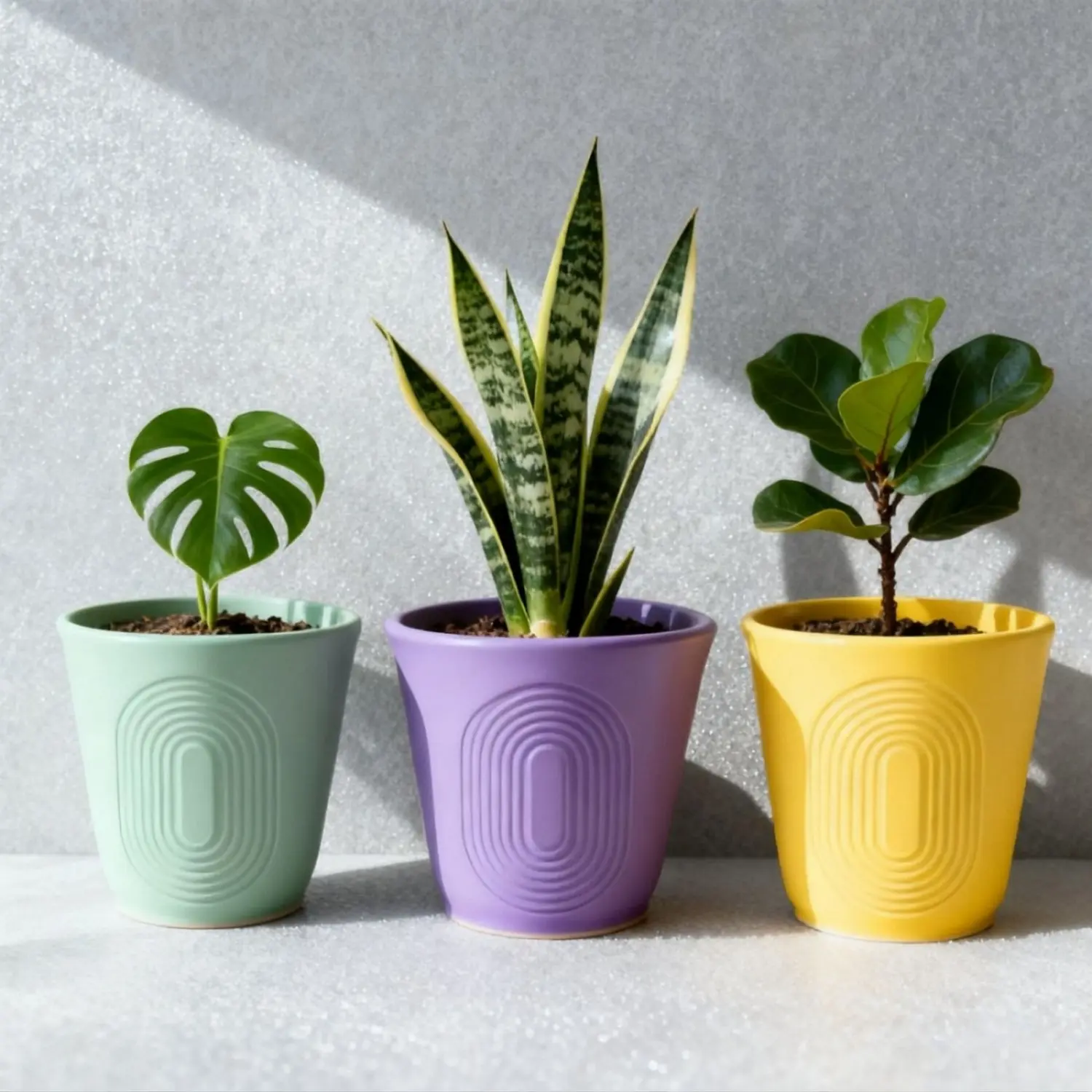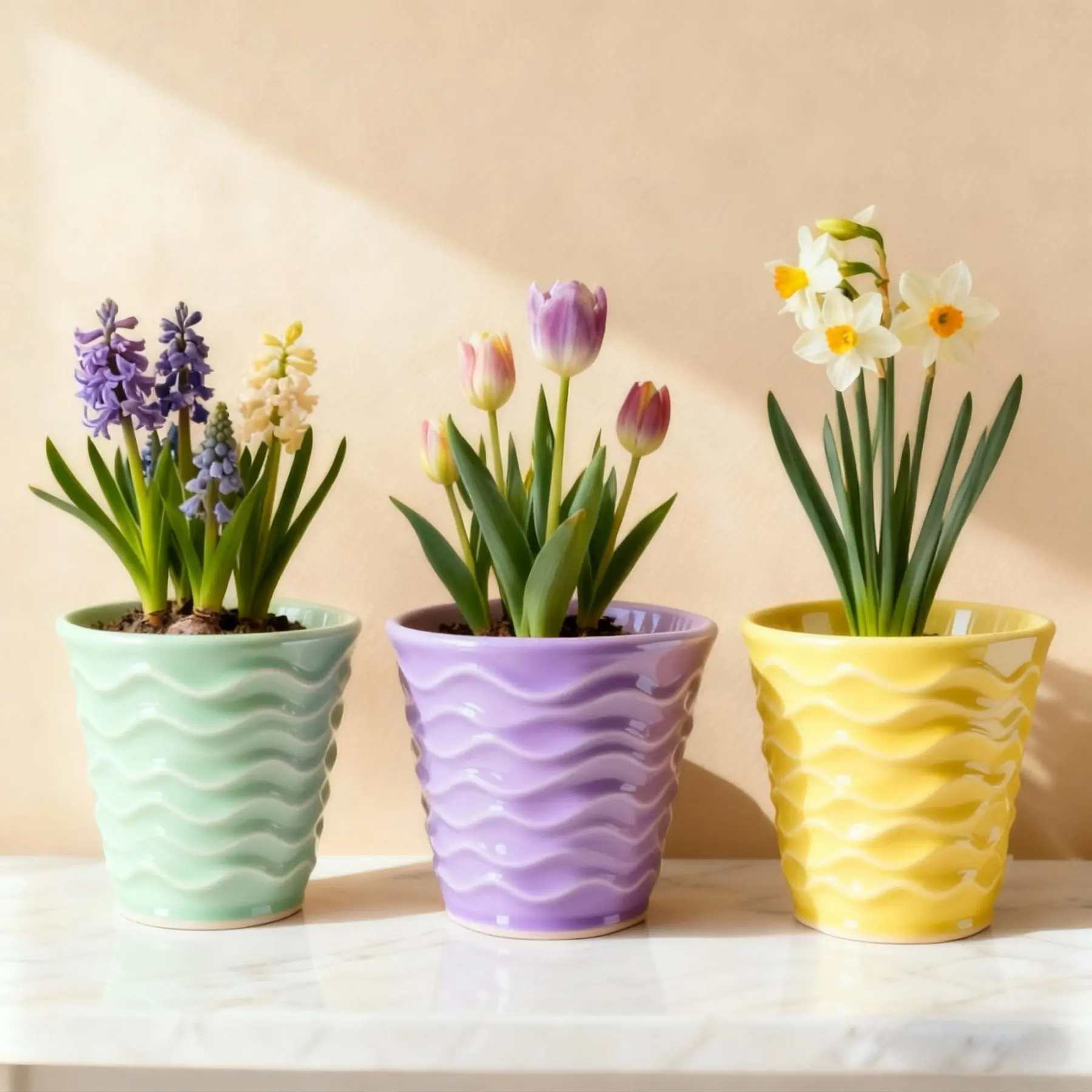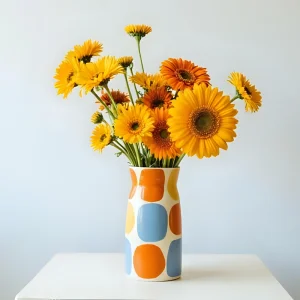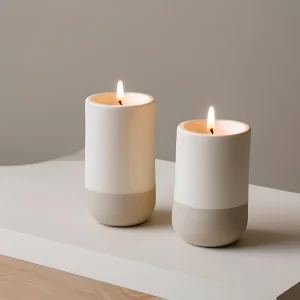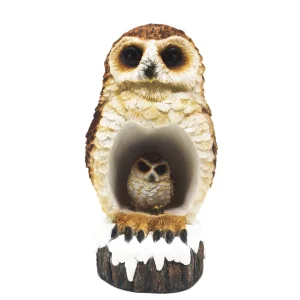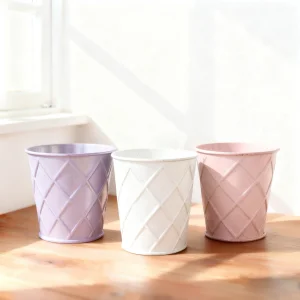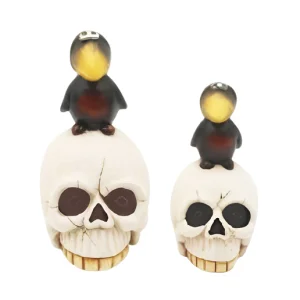
Curated wholesale catalog featuring contemporary styles, seasonal novelty ware, and artisan decorations.
In the highly competitive landscape of global home decor retail and commercial design, sourcing premium ceramic products directly from verified manufacturers is paramount. This whitepaper analyzes the structural dynamics of China's ceramic manufacturing hubs, discusses current material science and design trends, and outlines optimal supply-chain methodologies for wholesale procurement. As corporate buyers, interior designers, and distributors evaluate supply-chain reliability, understanding the technological and logistical advantages of professional ceramic factories is key to driving category growth and achieving significant information gain.
China is home to the world's most integrated ceramic clusters, offering deep supply chain synergies that are unmatched globally. Major manufacturing centers like Chaozhou (recognized for modern daily-use ceramics), Dehua (world-renowned for white porcelain and intricate figurines), and Jingdezhen (the historical capital of high-end artistic porcelain) operate on highly optimized industrial ecosystems. These regions leverage:
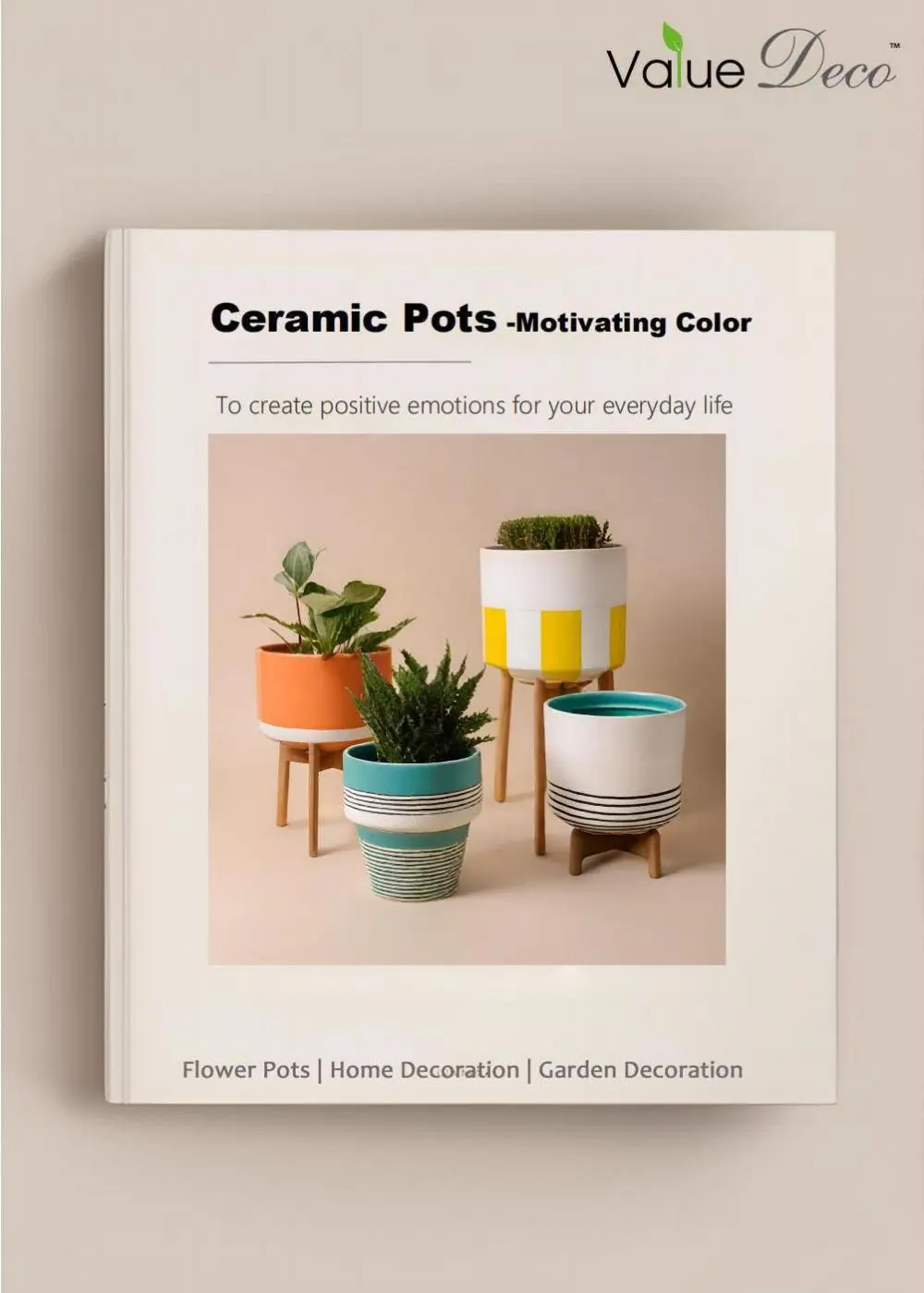
Comprehensive design solutions optimized for diverse aesthetic sensibilities and commercial demands.
Value Deco Limited is a leading supplier of high-quality ceramic pots and interior decor accessories based in China. With over 12 years of industry experience, we have built a reputation for offering a diverse range of Flower Pots, Vases, Candle Holders, and dinnerware optimized for both seasonal collections and year-round applications. Our engineering and design teams collaborate with global buyers to bring trend-driven, functional, and aesthetically superior products to market.
We operate via dedicated divisions to optimize custom supply chain processes: Our Flower Pots Division handles volume agricultural and outdoor projects, while the Pride Deco Home & Garden Division focuses on high-end interior ornaments, boutique dinnerware, and seasonal gifts.
Learn More About UsDirect portal links to specialized factories:
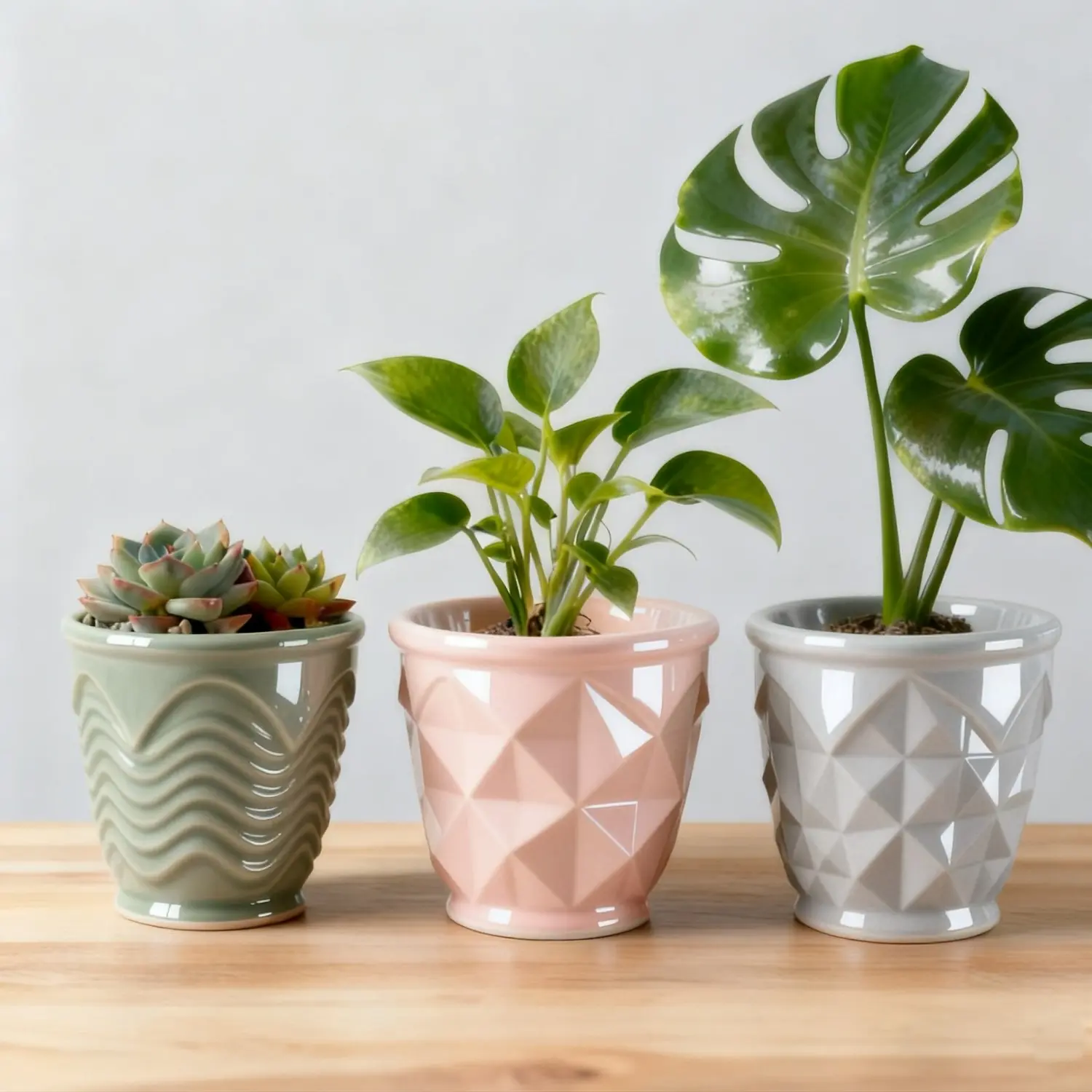
Understanding surface chemistry and body composition is essential for B2B buyers seeking to differentiate their offerings. In today's market, modern minimalist designs have shifted the consumer demand from high-gloss paint to complex tactile finishes:
Utilizing multi-oxide chemical reactions in the kiln to create organic color shifts, visual depth, and unique patterns on every individual piece.
Porous-feel slip finishes, rough stone coatings, and unglazed biscuit designs that highlight raw, natural earthen clay textures.
Applying thin metallic layers (gold, rose gold, silver) via secondary low-temp firing to elevate minimalist designs into luxury segments.
A major quality challenge in bulk sourcing is crazing (fine cracking in the glaze). Professional factories prevent this by meticulously matching the thermal expansion coefficient of the clay body with the glaze formula. Furthermore, structural integrity is enhanced by high vitrification temperatures (above 1200°C), ensuring the ceramic vase remains completely waterproof and frost-resistant for decades.
For large-scale retail chains, importers, and e-commerce aggregators, stock items rarely suffice. Brand uniqueness demands dedicated customization capabilities:
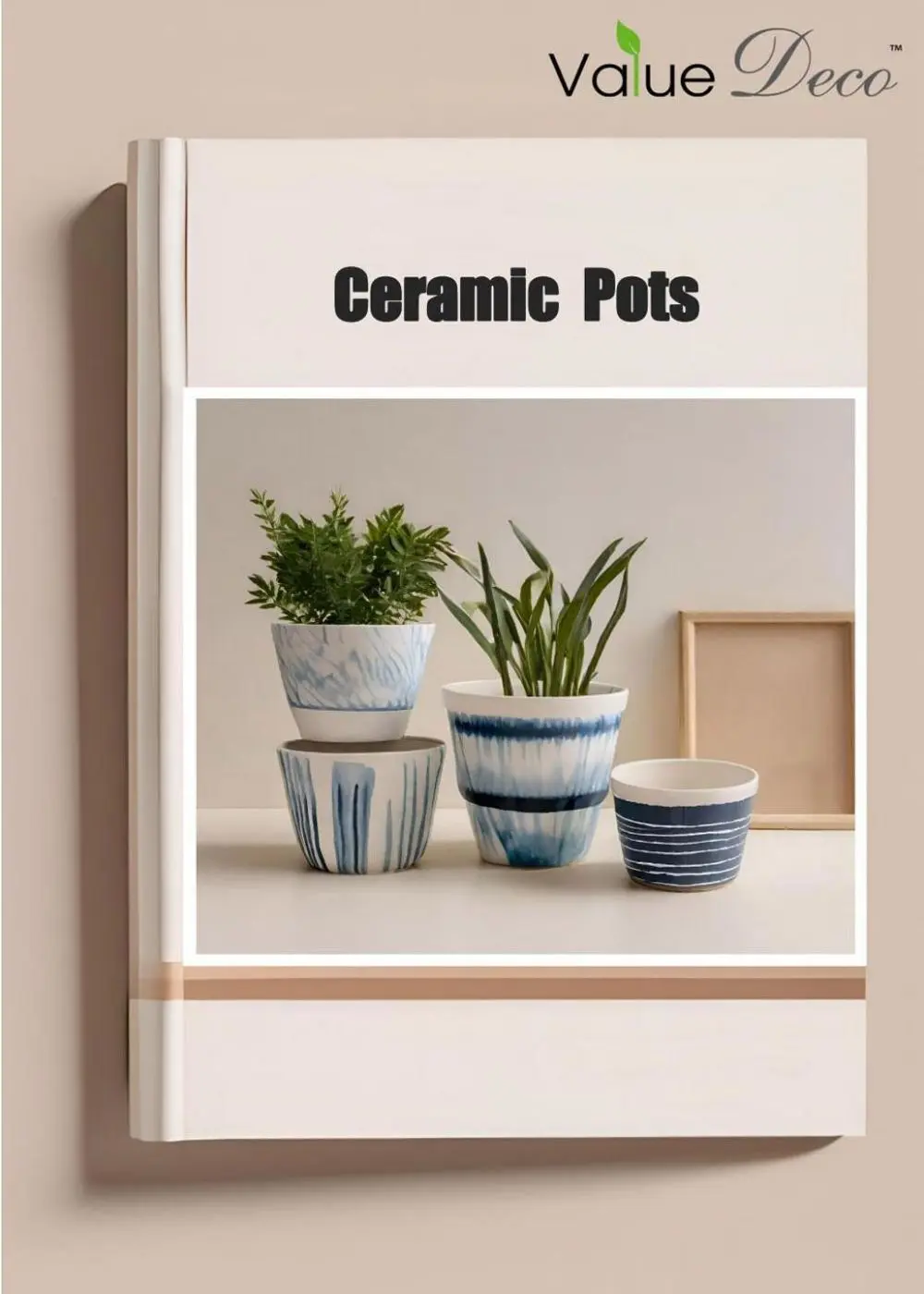
Browse through specialized brochures covering our complete ceramic pots and vases inventory.
Innovative shapes and intricate embossed profiles created by our internal design house.
The global ceramic decor market is undergoing structural shifts influenced by digital marketing, lifestyle changes, and macroeconomic factors. E-commerce platforms, interior design influencers, and home staging professionals have compressed design lifecycles. Traditional 12-month production schedules are giving way to agile supply chains. Leading factories now offer short run setups alongside massive volume runs.
Sustainability is another major trend driving industrial modification. Traditional coal-fired kilns have been replaced by modern high-pressure natural gas systems that lower carbon output. Furthermore, research in circular economy has led to recycling clay scrap and integrating post-industrial waste materials back into body slips, providing an essential "green credential" for Western brands navigating ESG regulations.
Vases are no longer simple vessels for holding cut flowers; they function as primary aesthetic focal points across diverse localization and layout scenarios:
Sourcing ceramics involves managing fragile glass-like cargo across transoceanic shipping routes. Professional factories address physical risks using strict packaging protocols. Packaging designs are subjected to ISTA (International Safe Transit Association) 3A drop testing to simulate real-world logistics stress. Items are nested in custom-fit expanded polystyrene (EPS) or high-density polyethylene (EPE) foam, enclosed in double-wall corrugated cartons, and stabilized on heat-treated, fumigated ISPM-15 wooden pallets. Maximizing volumetric efficiency inside shipping containers is critical to minimizing per-unit sea freight costs.
Expert answers to critical technical and logistical questions for global procurement managers.
Discover our range of niche home decor, seasonal statues, and textured tableware.