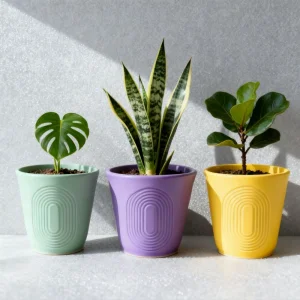
Value Deco Limited operates at the intersection of traditional ceramic craft and modern supply chain technology. Over the past 12 years, we have solidified our reputation as a trusted manufacturing partner for global garden centers, homeware brands, and large-scale retailers. Our manufacturing infrastructure spans multiple specialized production zones, ensuring optimized workflows for diverse clay types and glazing methodologies.
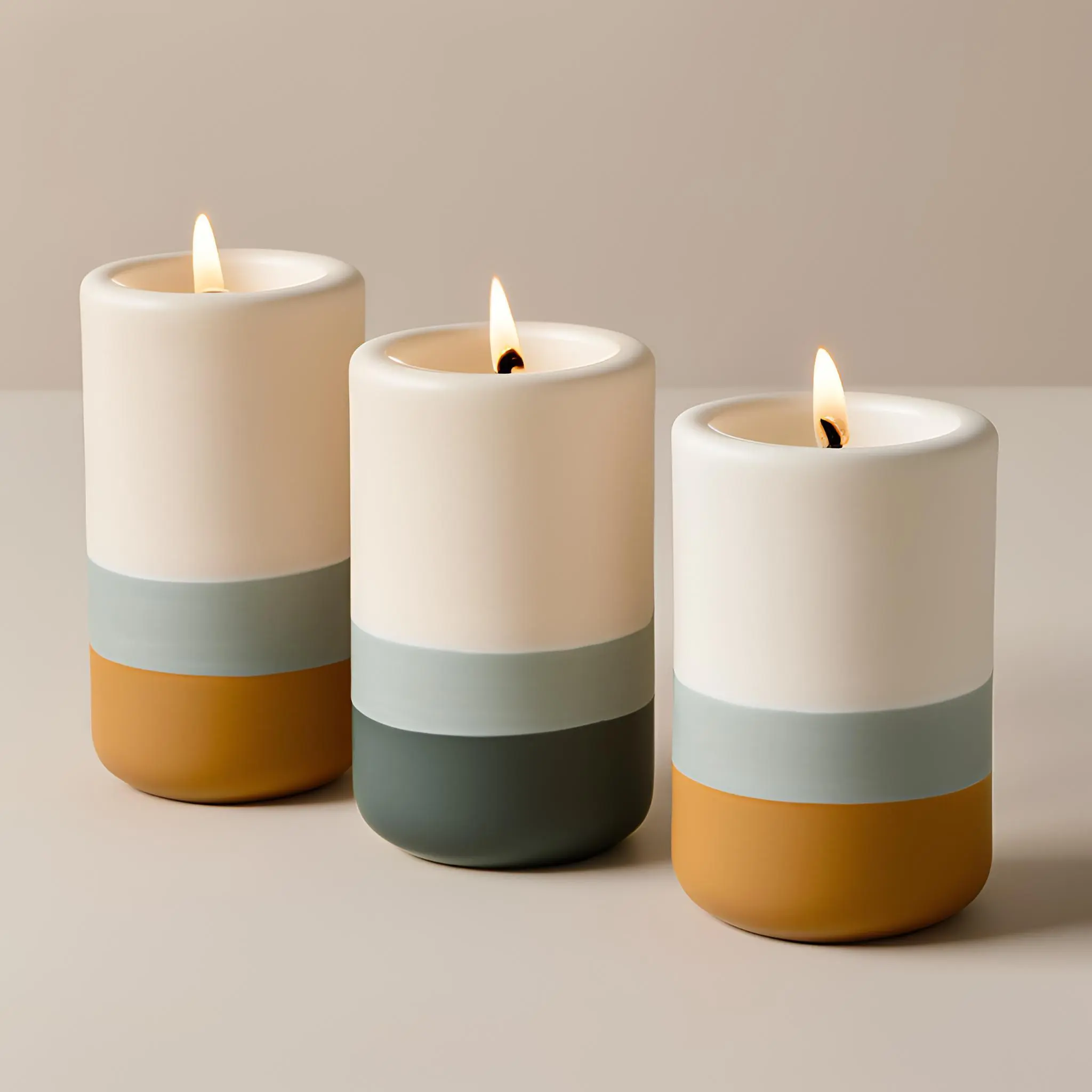
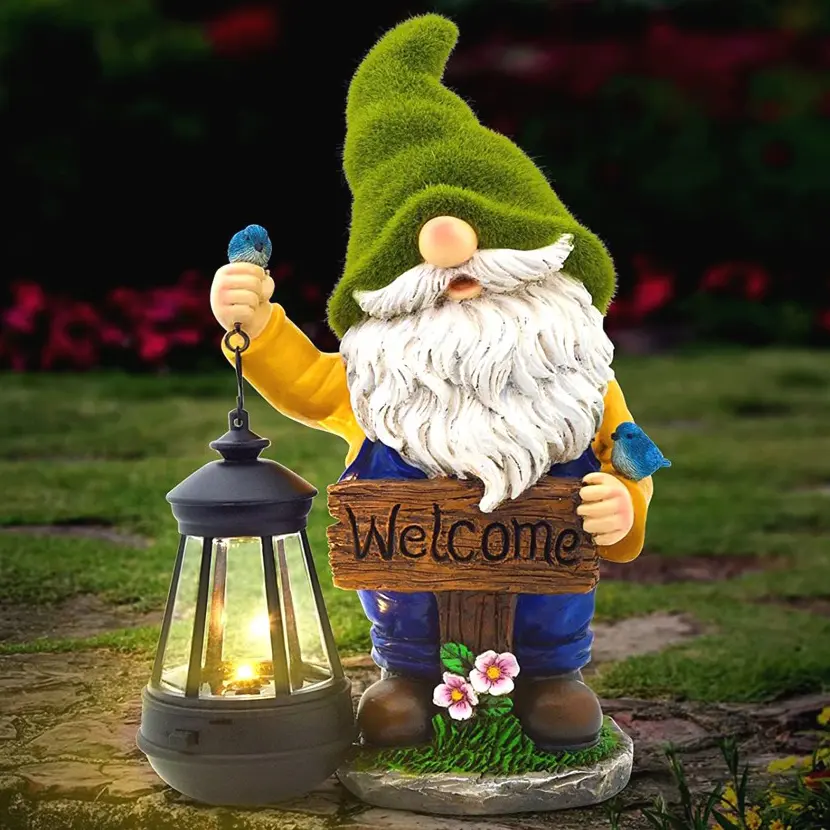
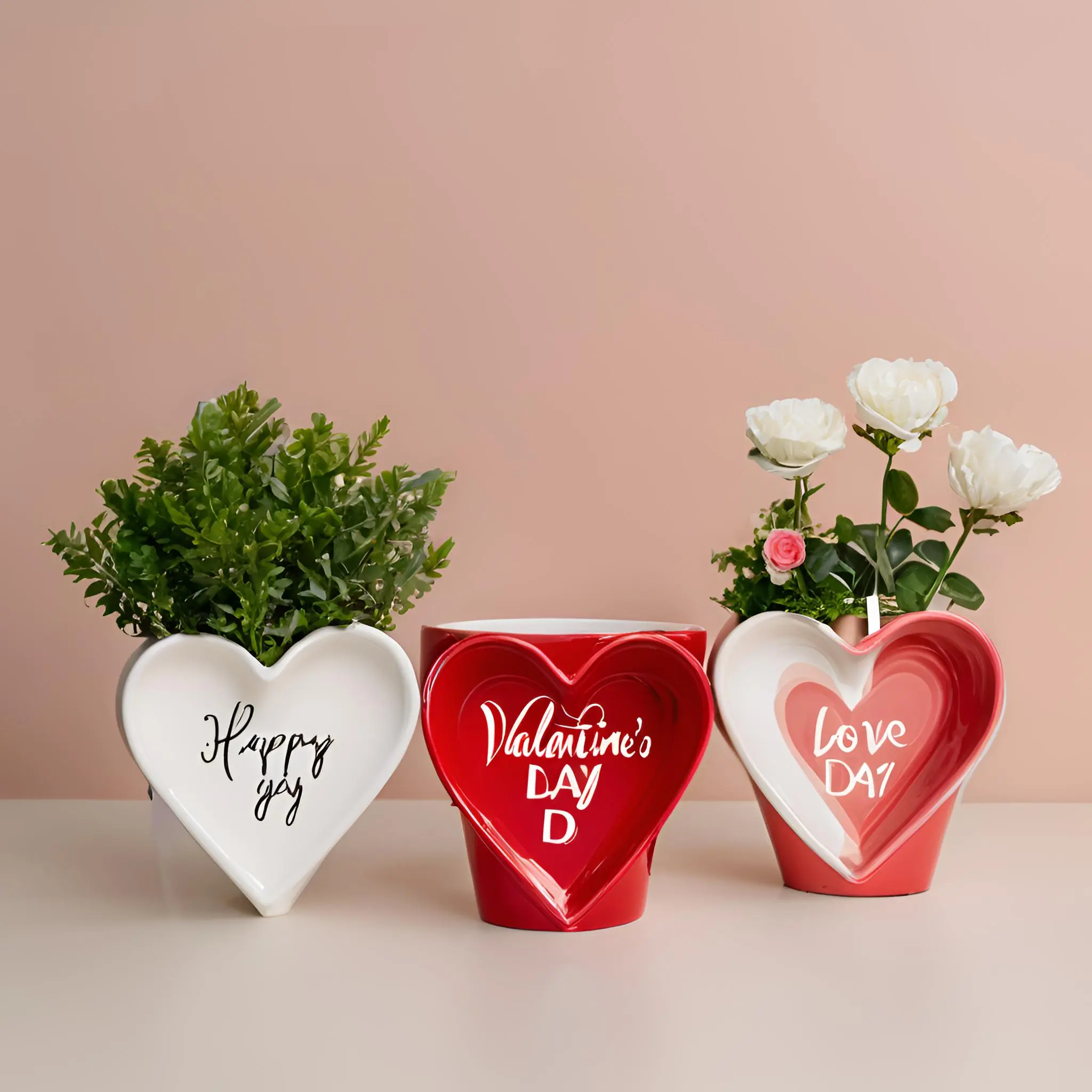
Our operational model is divided into highly focused divisions to maximize specialization and quality assurance: Value Deco - Flower Pots Division operates via our sub-website at www.valuedeco.com, focusing primarily on high-durability clay formulations, large-scale molding, and weather-resistant glaze application. Meanwhile, our Pride Deco - Home & Garden Décor Division manages artistic home ornaments, tableware, dinnerware, candle holders, and seasonal lifestyle ranges via www.pridedeco.com.
Through this strategic division of labor, we achieve massive economies of scale while retaining artisan-level inspection across every single batch. Whether you require dense, frost-proof stoneware for Scandinavian winters or lightweight terra-white earthenware for North American interior trends, our factories execute your requirements with scientific precision.
China's ceramic industrial clusters—particularly in areas like Dehua and Jingdezhen—offer unparalleled supply chain integration. Raw material sourcing is highly localized, providing our factories with immediate access to premium kaolin clay, feldspar, and silica. This local abundance translates directly to price stability and chemical consistency in the clay bodies, ensuring that structural failure rates during firing remain below 0.5%.
Our facilities leverage computerized tunnel and shuttle kilns running on natural gas. This allows for automated temperature profiling, maintaining precise tolerances during the critical vitrification phases (up to 1250°C). By controlling thermal gradients, we eliminate internal stresses, micro-fractures, and glaze pinholing. The result is a frost-resistant ceramic pot suitable for harsh outdoor environments.
By combining century-old molding expertise with semi-automated slip casting and hydraulic pressing machinery, our China-based factories effortlessly balance rapid mass production with bespoke artisanal finishing. This dual manufacturing capacity allows us to process high-volume OEM orders while remaining flexible enough to handle complex ODM projects with specialized textures and gradient finishes.
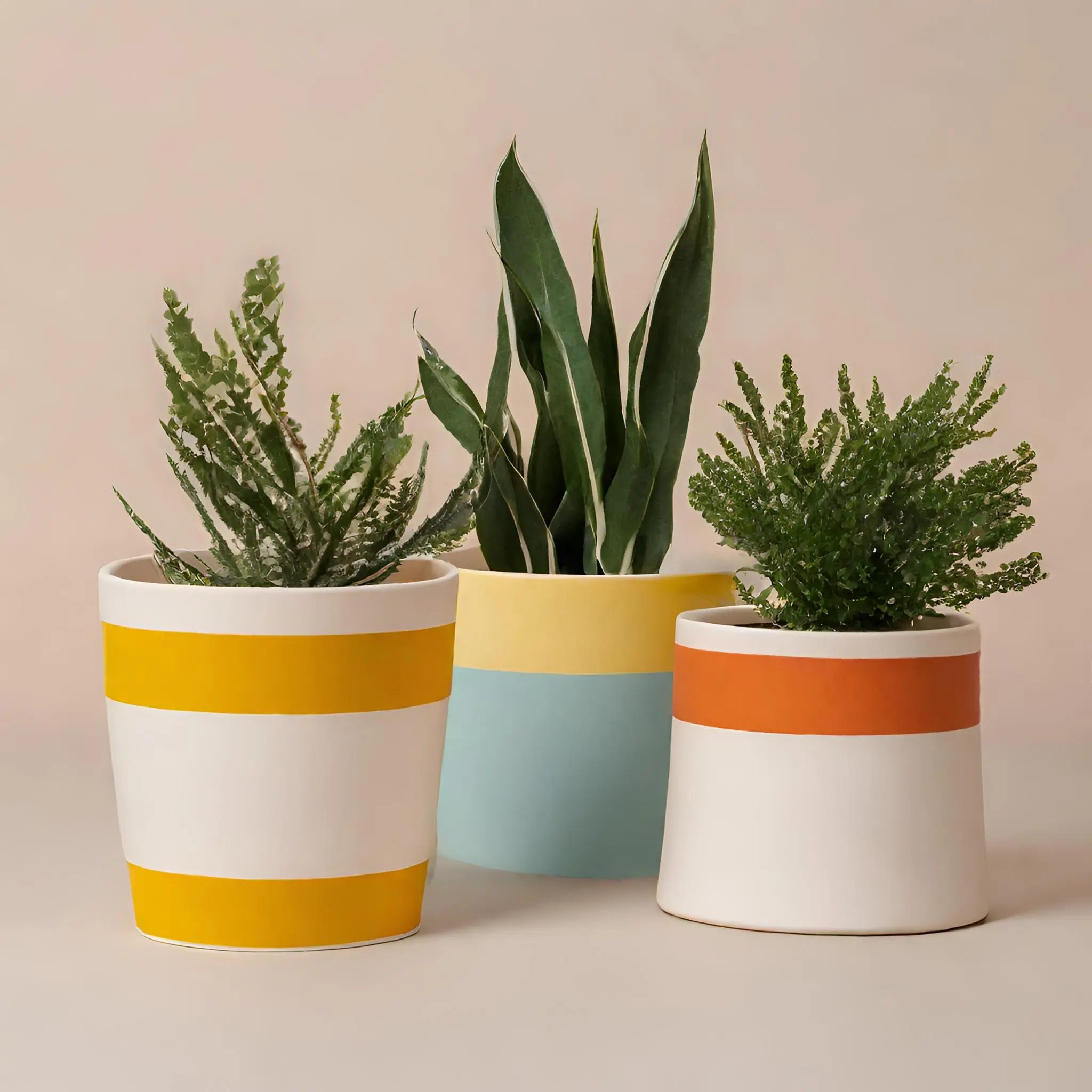
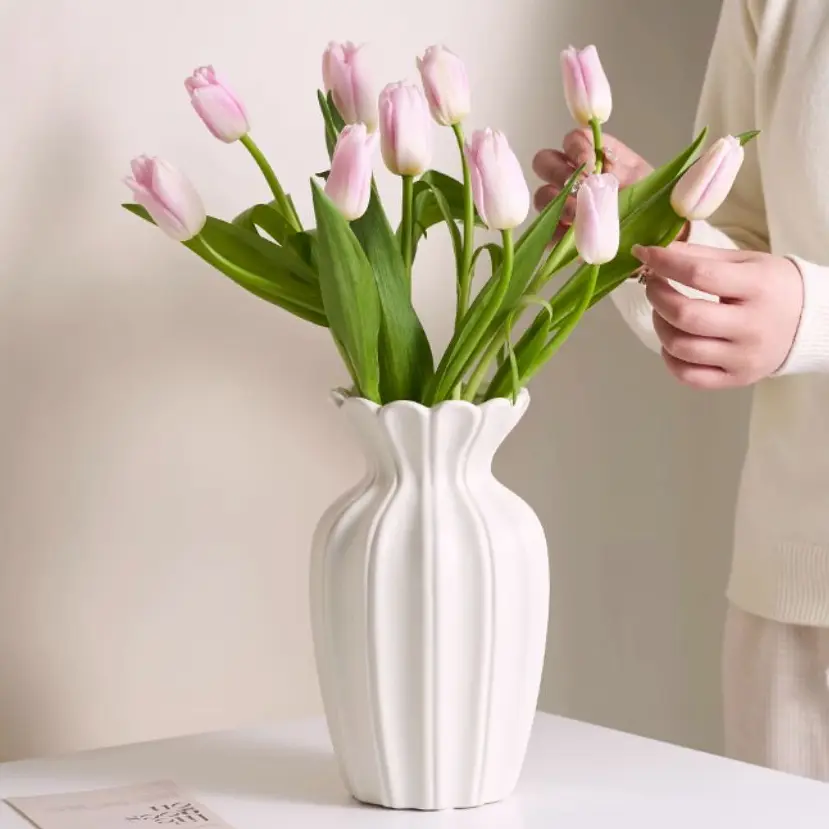
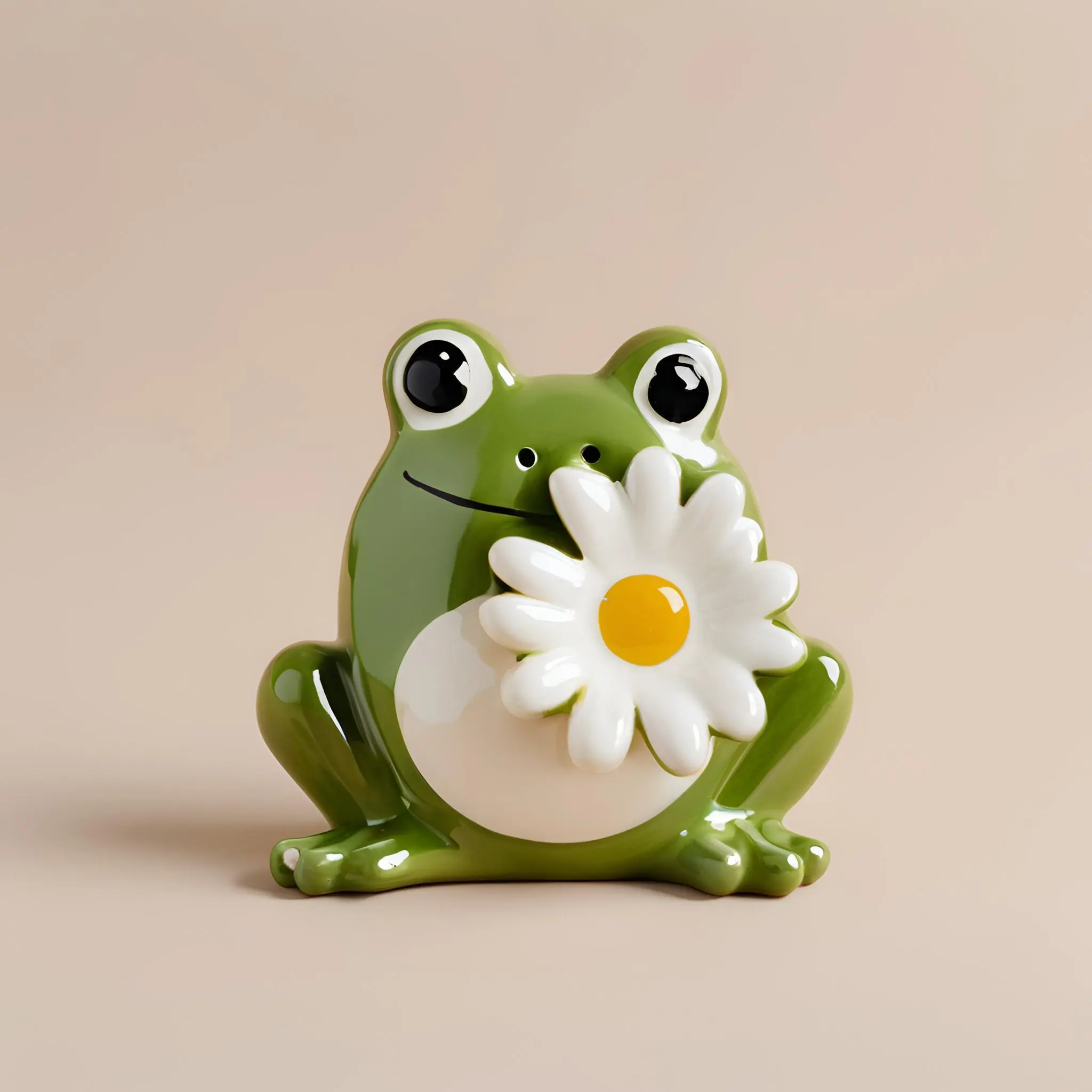

For global enterprise buyers, compliance is non-negotiable. Our manufacturing processes strictly adhere to California Proposition 65 guidelines and the European Union's REACH Regulation. We utilize lead-free and cadmium-free glazes exclusively. Every batch undergoes leachate testing to ensure that no toxic heavy metals transfer to the soil or surrounding ecosystems, making our planters completely safe for agricultural and domestic indoor use.
To satisfy the environmental, social, and corporate governance (ESG) mandates of large retail chains, our factories undergo routine third-party social audits. We are compliant with BSCI (Business Social Compliance Initiative) and SMETA (Sedex Members Ethical Trade Audit) frameworks. This ensures fair labor practices, safe working conditions, and minimal carbon impact across all stages of production.
Our product development cycle does not operate in a vacuum. We actively analyze horticultural consumer behavior in different continents to customize functional features. In the European and North American markets, urban apartment gardening has triggered a surge in demand for small to mid-sized nesting sets (sets of 3 or 5) that maximize vertical shelving space. Conversely, in the Australian and South African markets, high UV index values demand specialized UV-stabilized glazing techniques to prevent fading and cracking over time.
Additionally, we localize drainage system designs based on region: while EU importers frequently demand integrated saucers and inner pot ridges to support sub-irrigation liners, US garden centers prefer simple central drainage holes with removable silicone plugs to facilitate varied watering regimes. By customizing these minute physical details at the factory level, we help our partners minimize consumer return rates and elevate brand satisfaction.
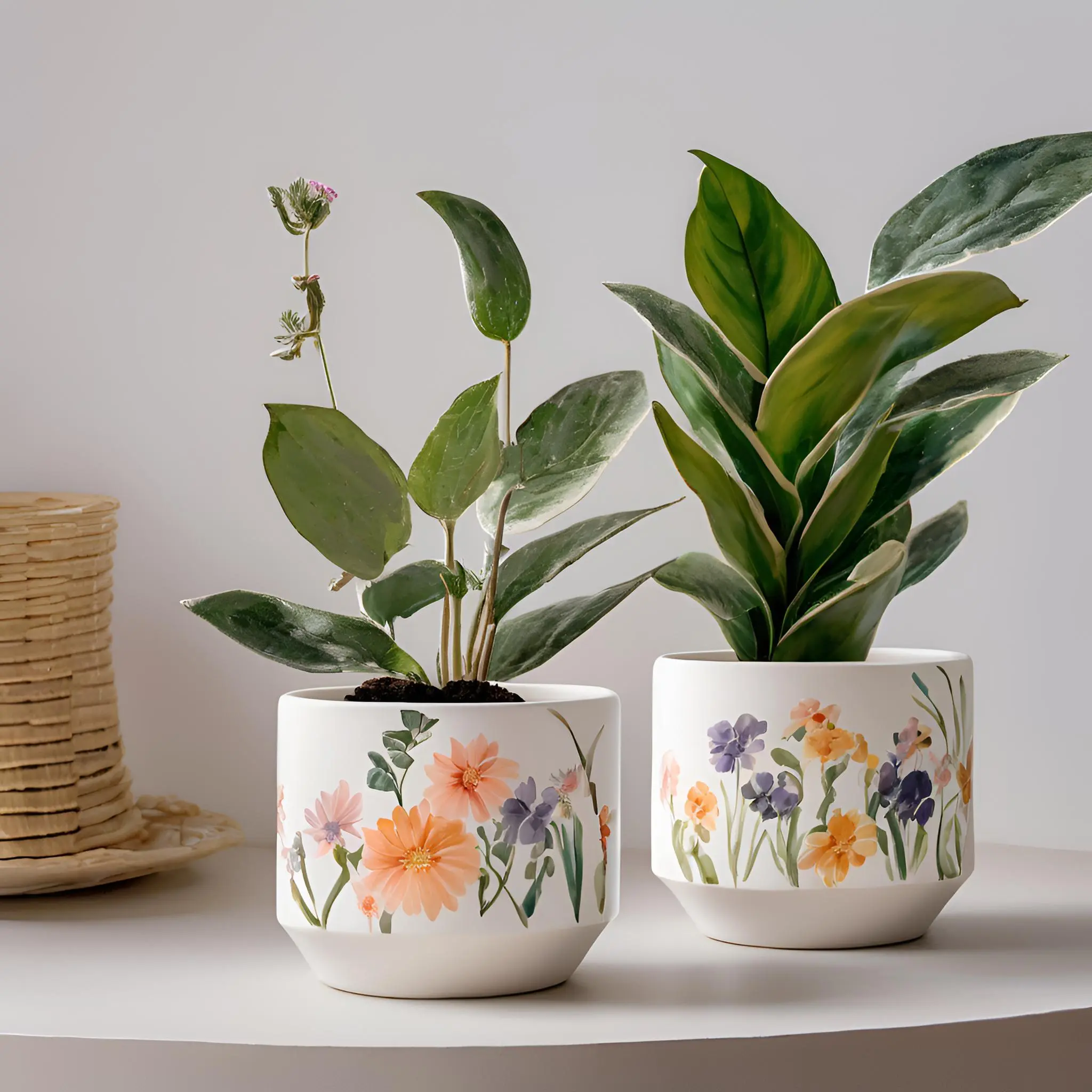
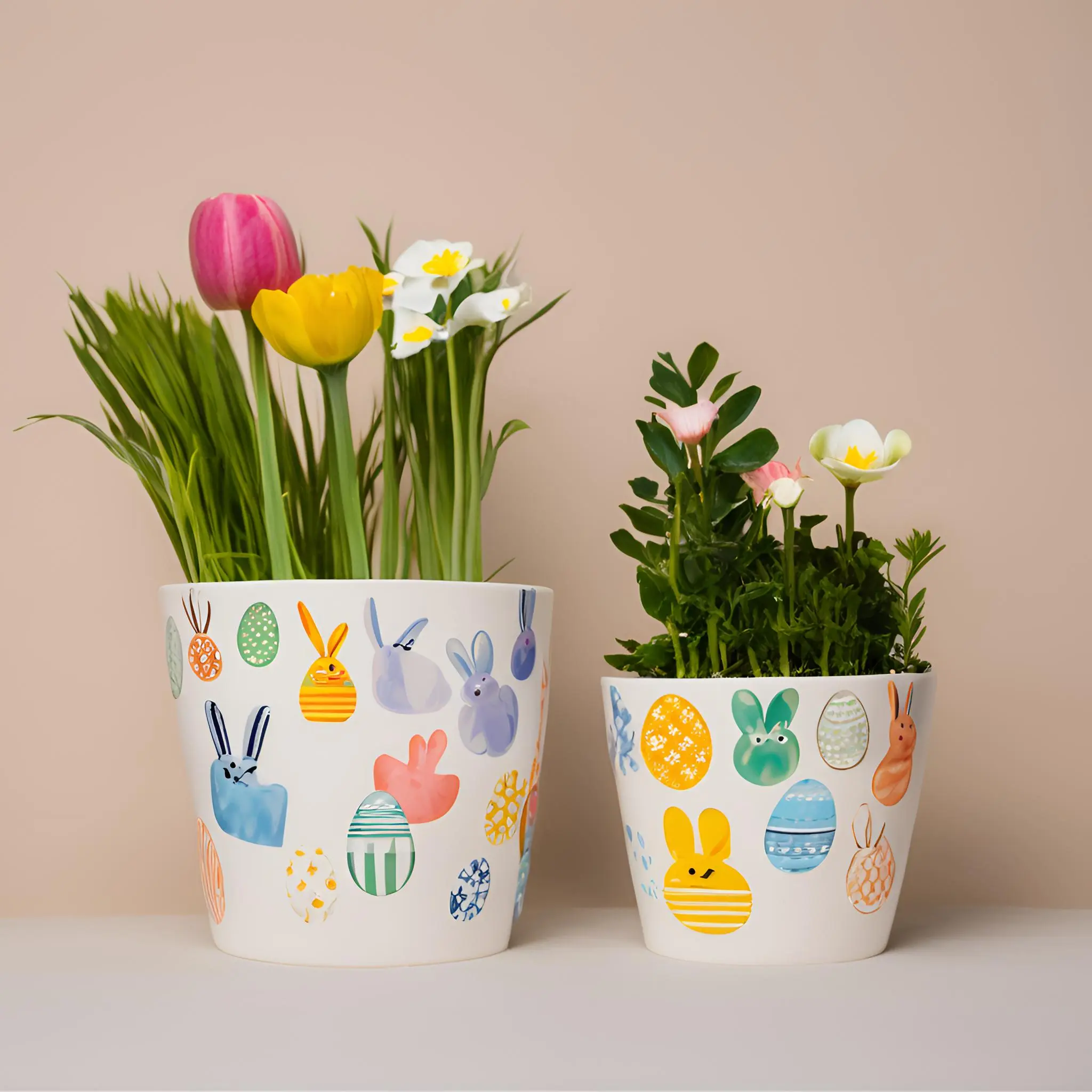
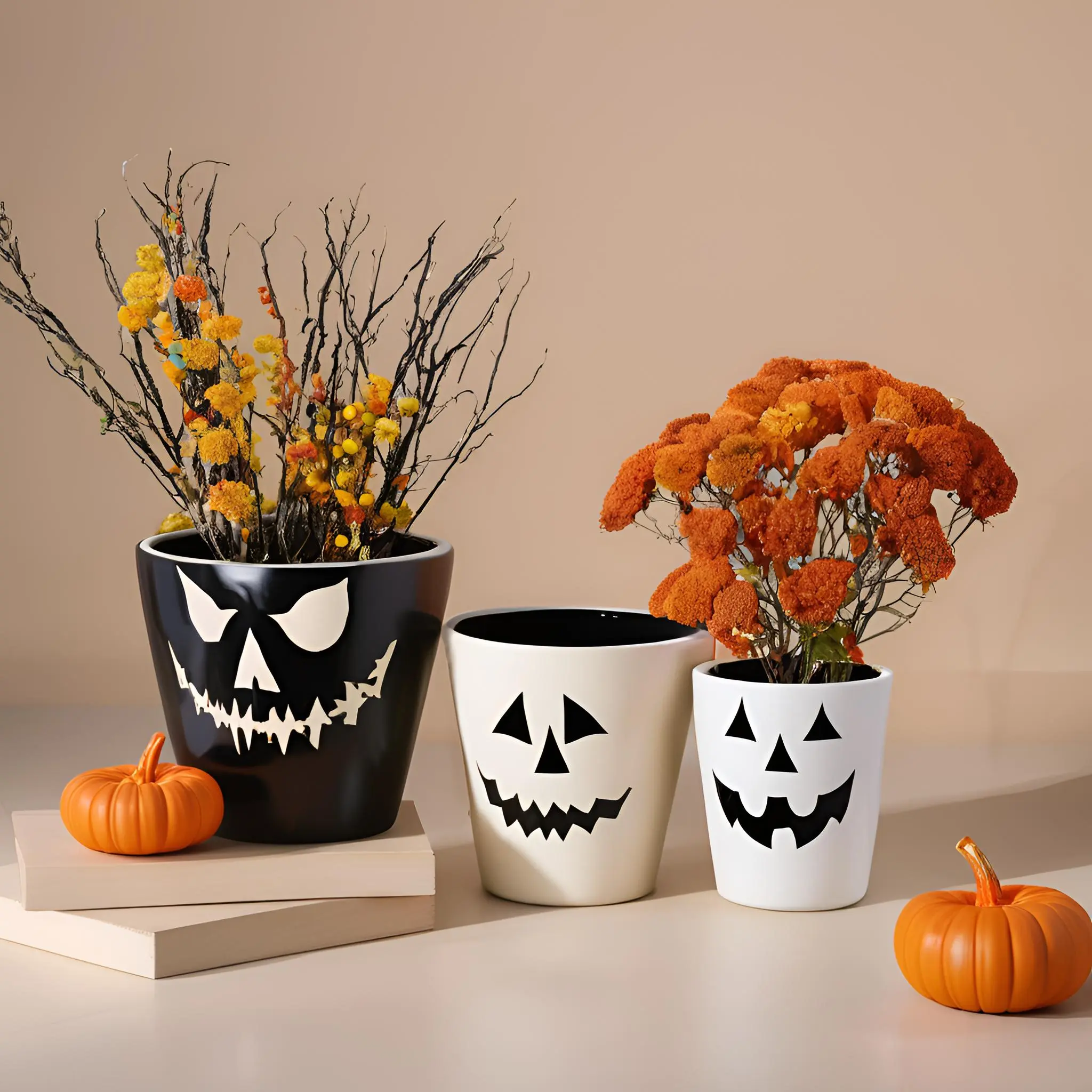
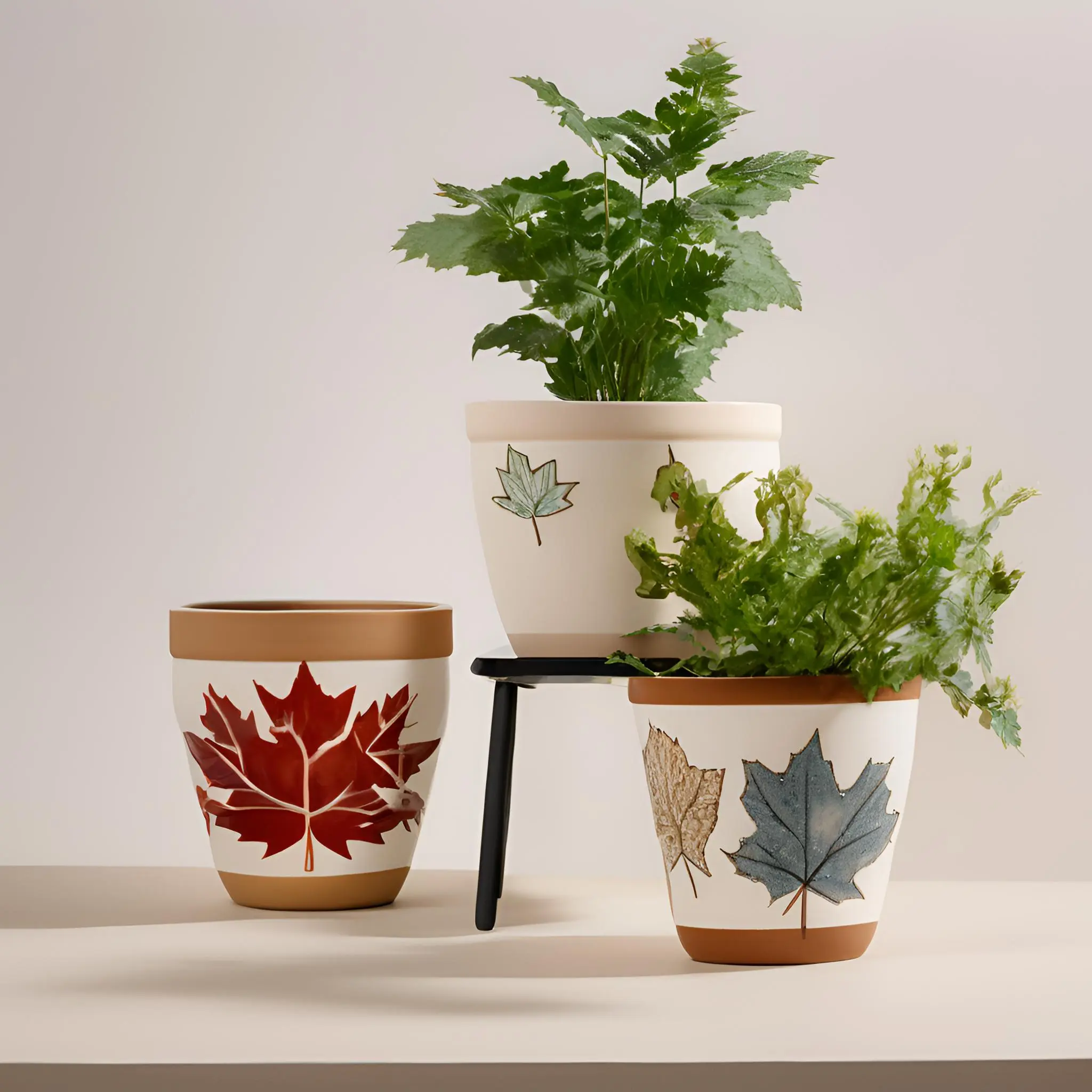
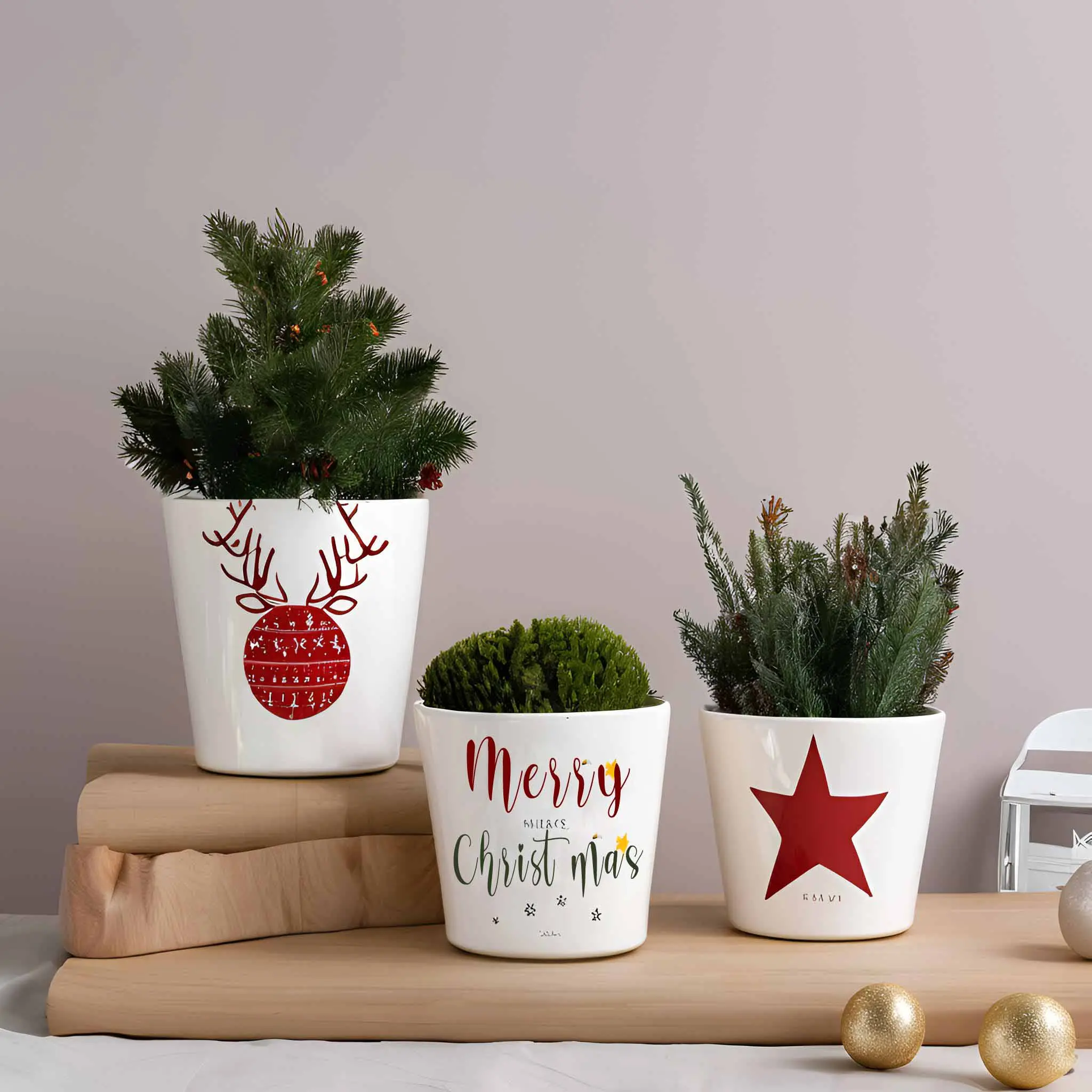
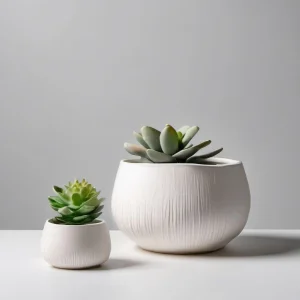
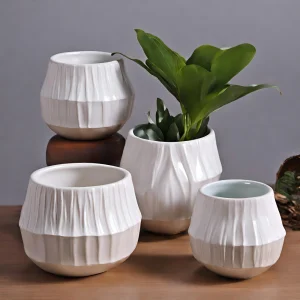
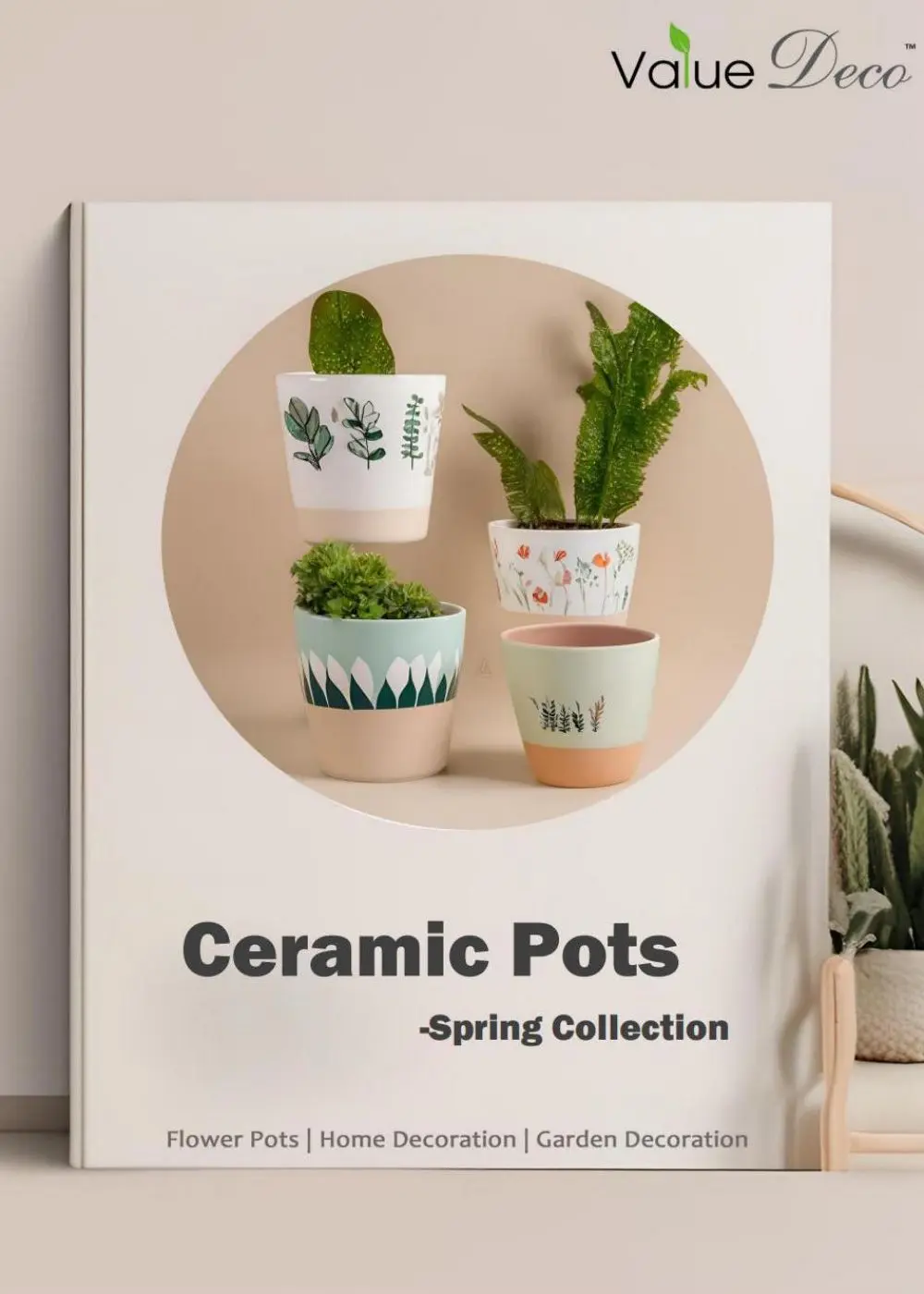
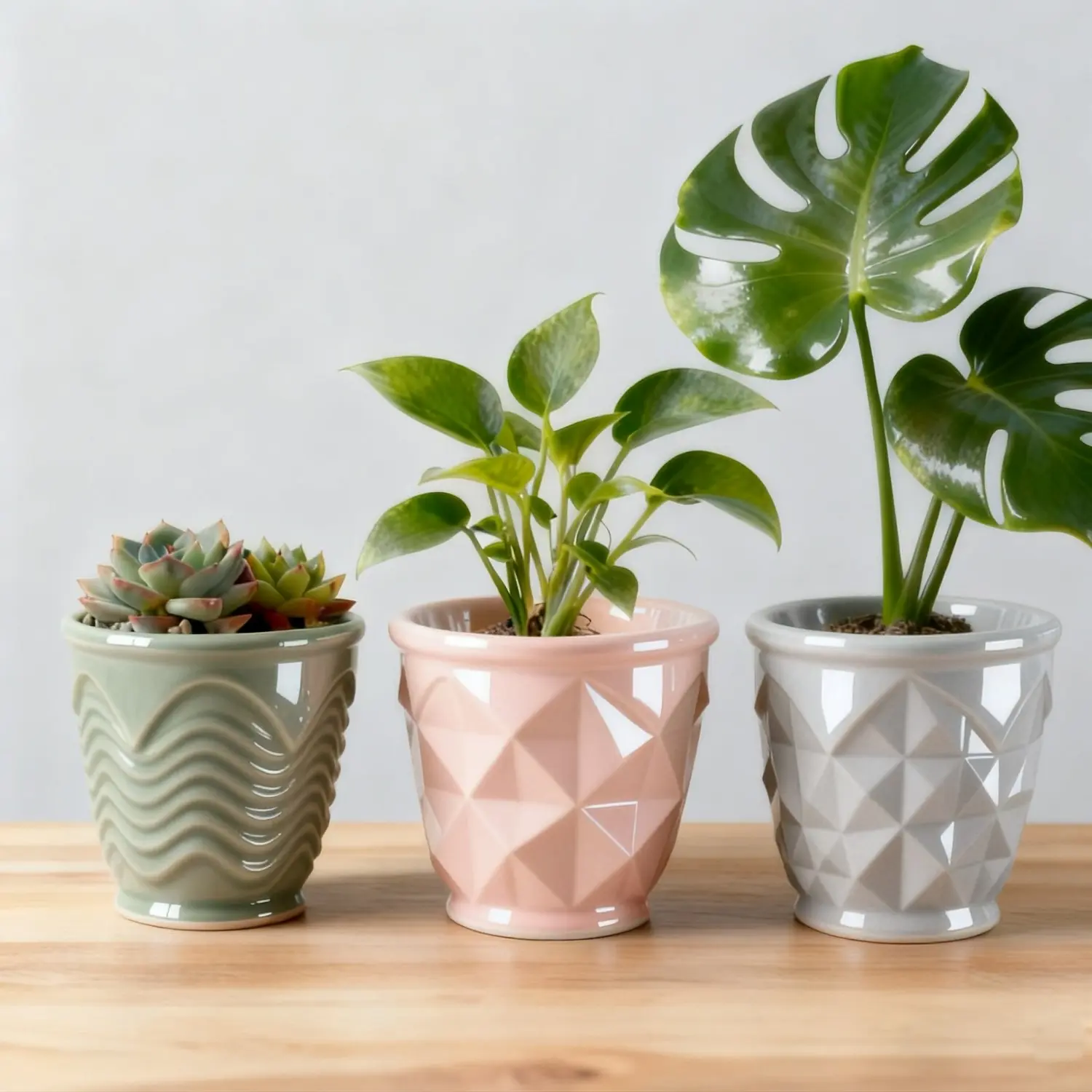
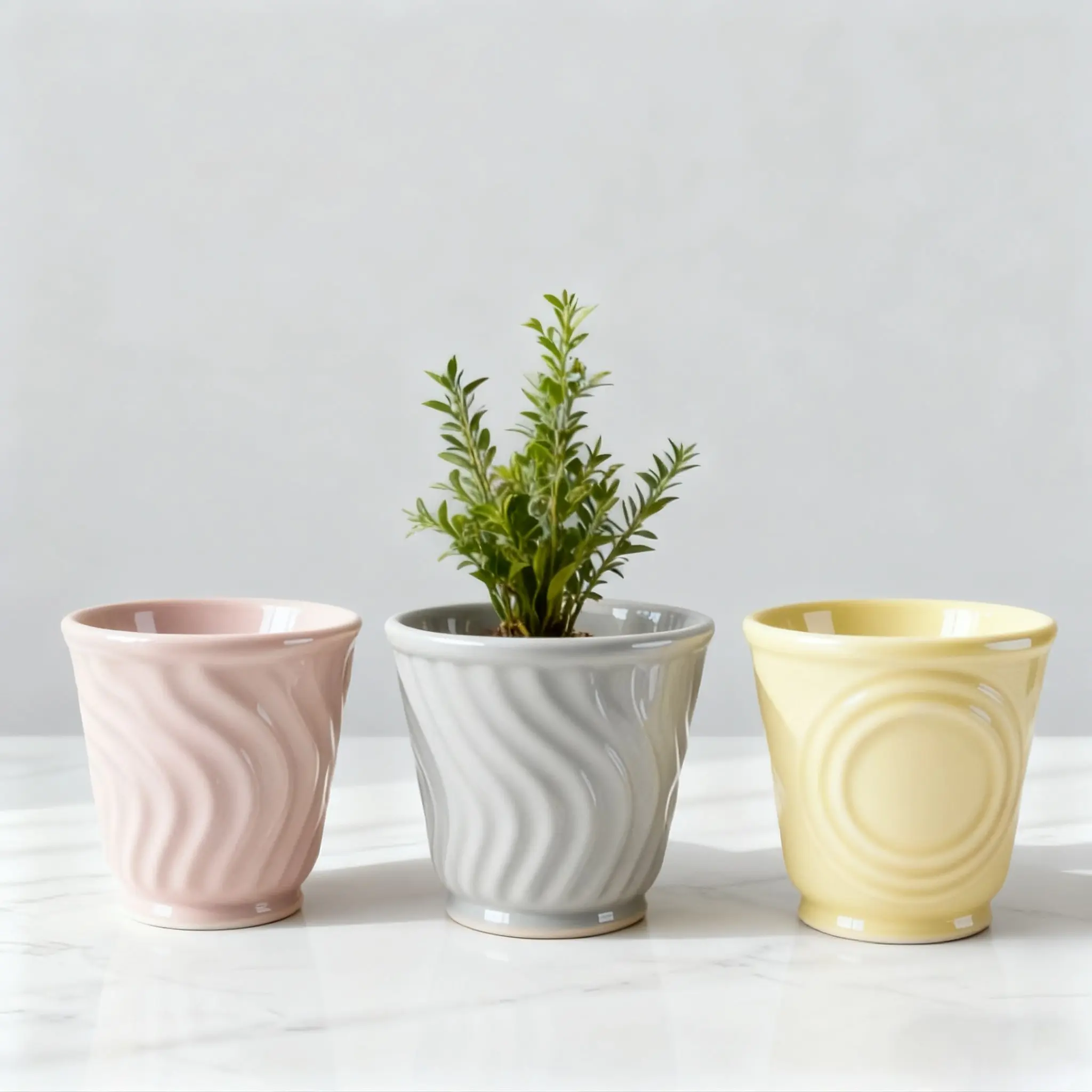
The contemporary homeware landscape is shifting rapidly away from high-gloss plastics toward natural, tactile surfaces. Consumers show a marked preference for matte, raw-clay interfaces and overlap glazes that showcase artisanal variation. Designs featuring vertical ribbing, arch carvings, and rough sand-blasted stone textures (such as our VDMK and VDLK series) create a sensory connection between the botanical element and the vessel itself. Buyers seek collections that emulate natural geologic formations, pushing earth-tone palettes to the forefront of sourcing lists.
For global importers, freight volume efficiency directly dictates bottom-line profitability. Modern shipping costs make stackability a primary design constraint. Our engineers focus intensely on "nesting design optimization"—engineering sets of three or five pots to nest perfectly within one another, separated by custom-cut EPE foam protectors. This reduces dead space inside sea containers by up to 35%, ensuring maximum volumetric load and mitigating the risk of in-transit breakage.
In mid-to-high latitude regions, winter frosts pose a massive challenge to ceramic planters. When moisture trapped inside the ceramic body freezes, it expands, causing flaking or catastrophic cracking. Our R&D division has developed clay blends enriched with premium chamotte (fired refractory clay). This composition yields a lower thermal expansion coefficient and higher structural resilience, allowing our stoneware range to survive sudden freeze-thaw cycles without degradation.
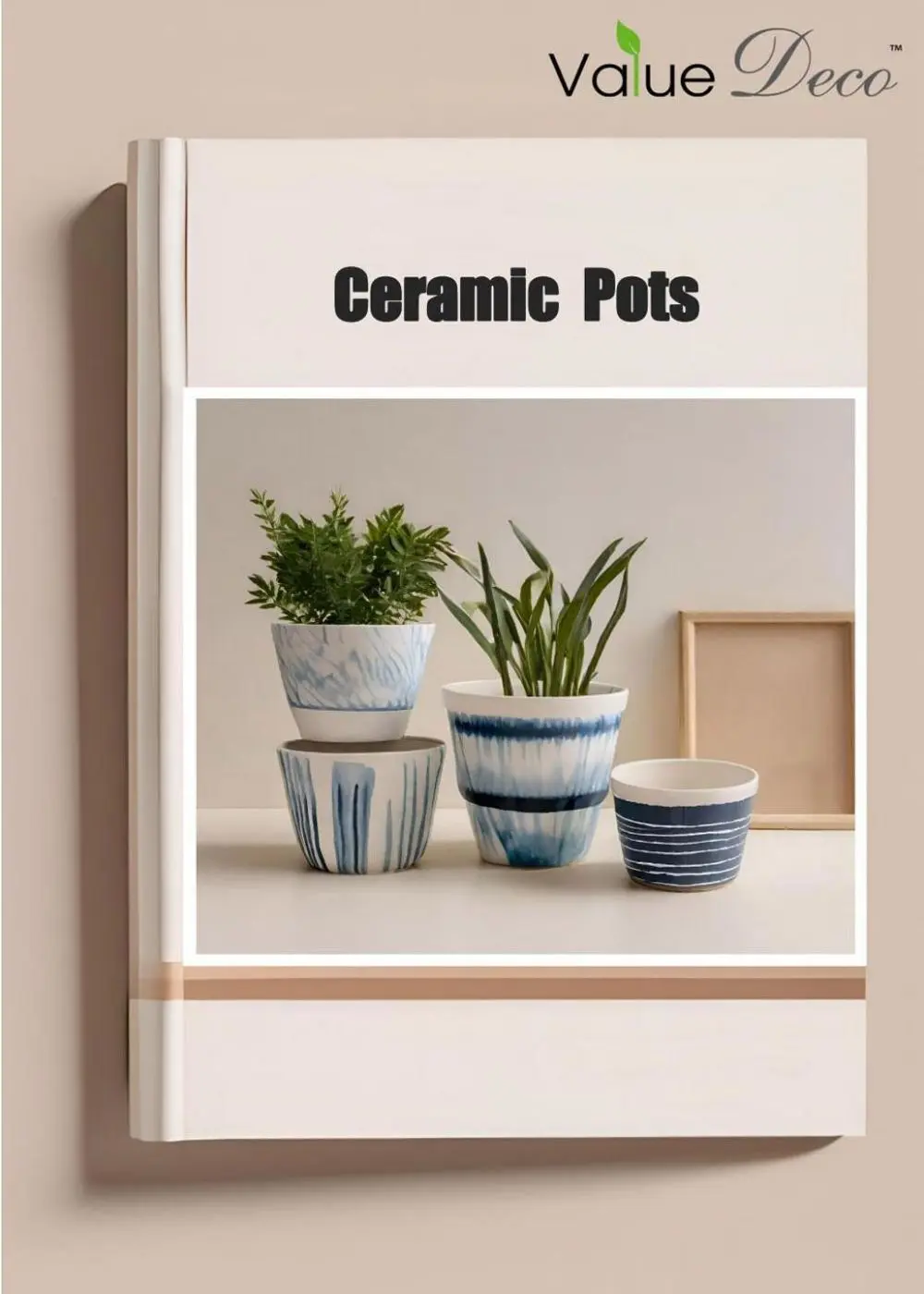
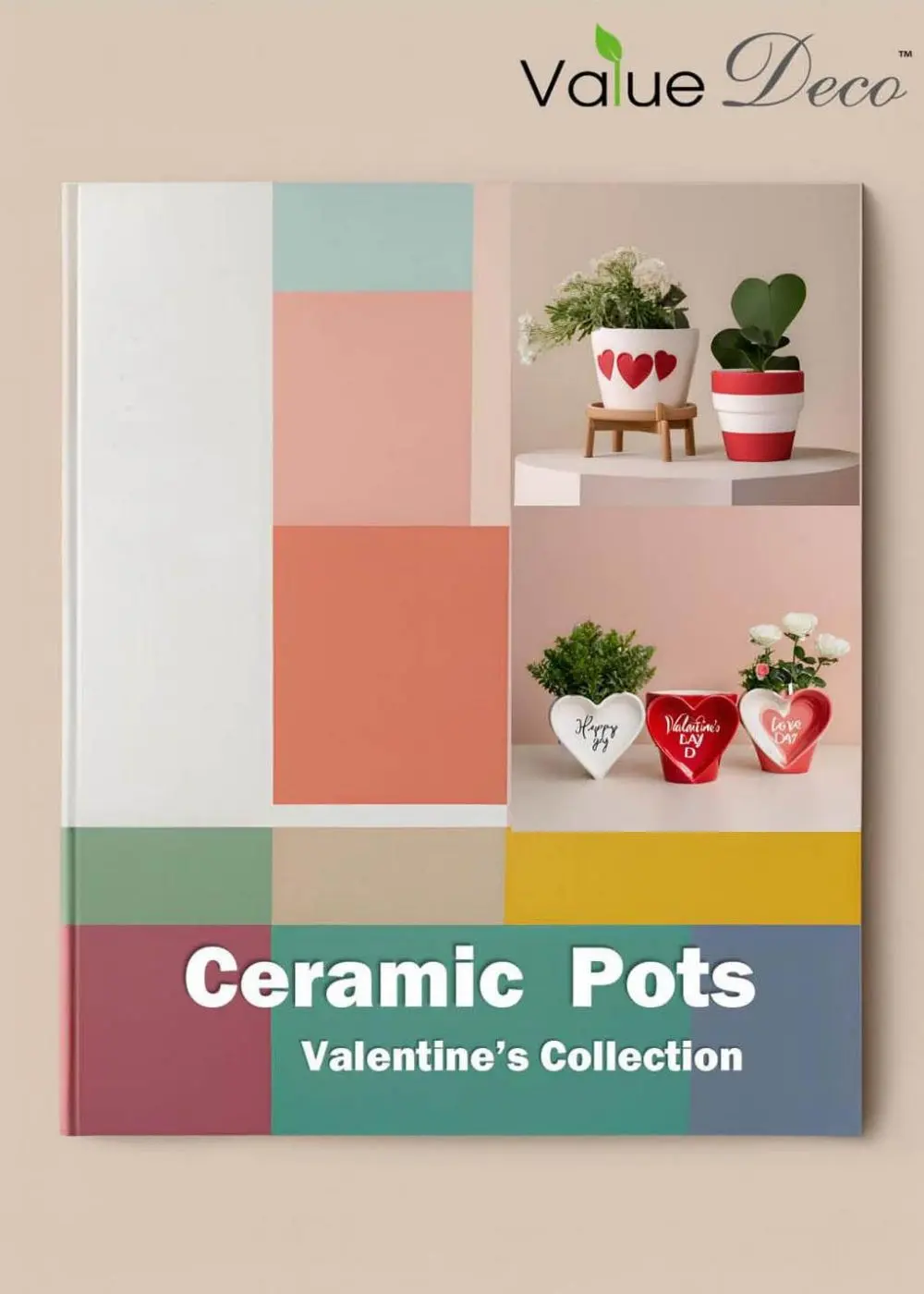
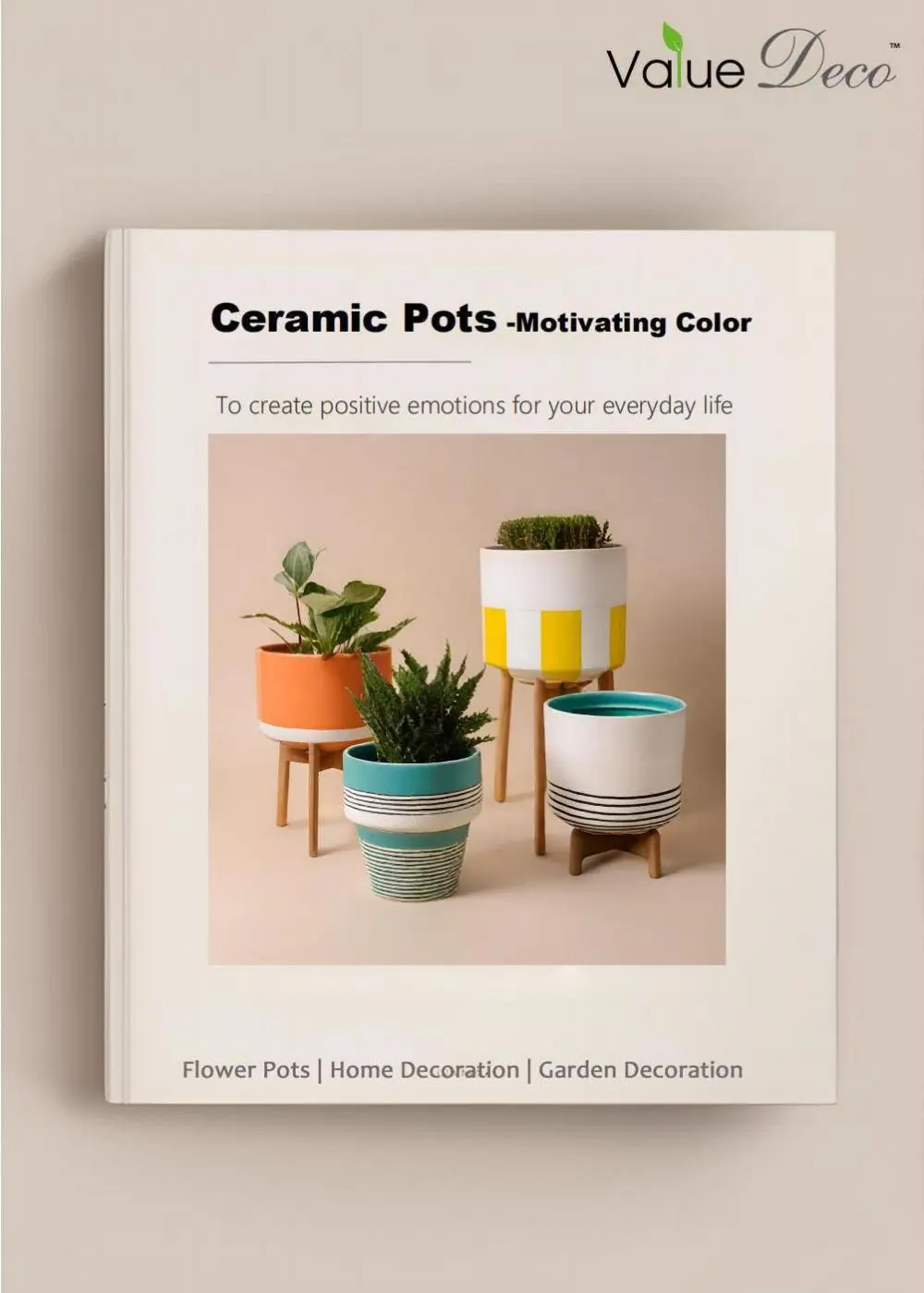
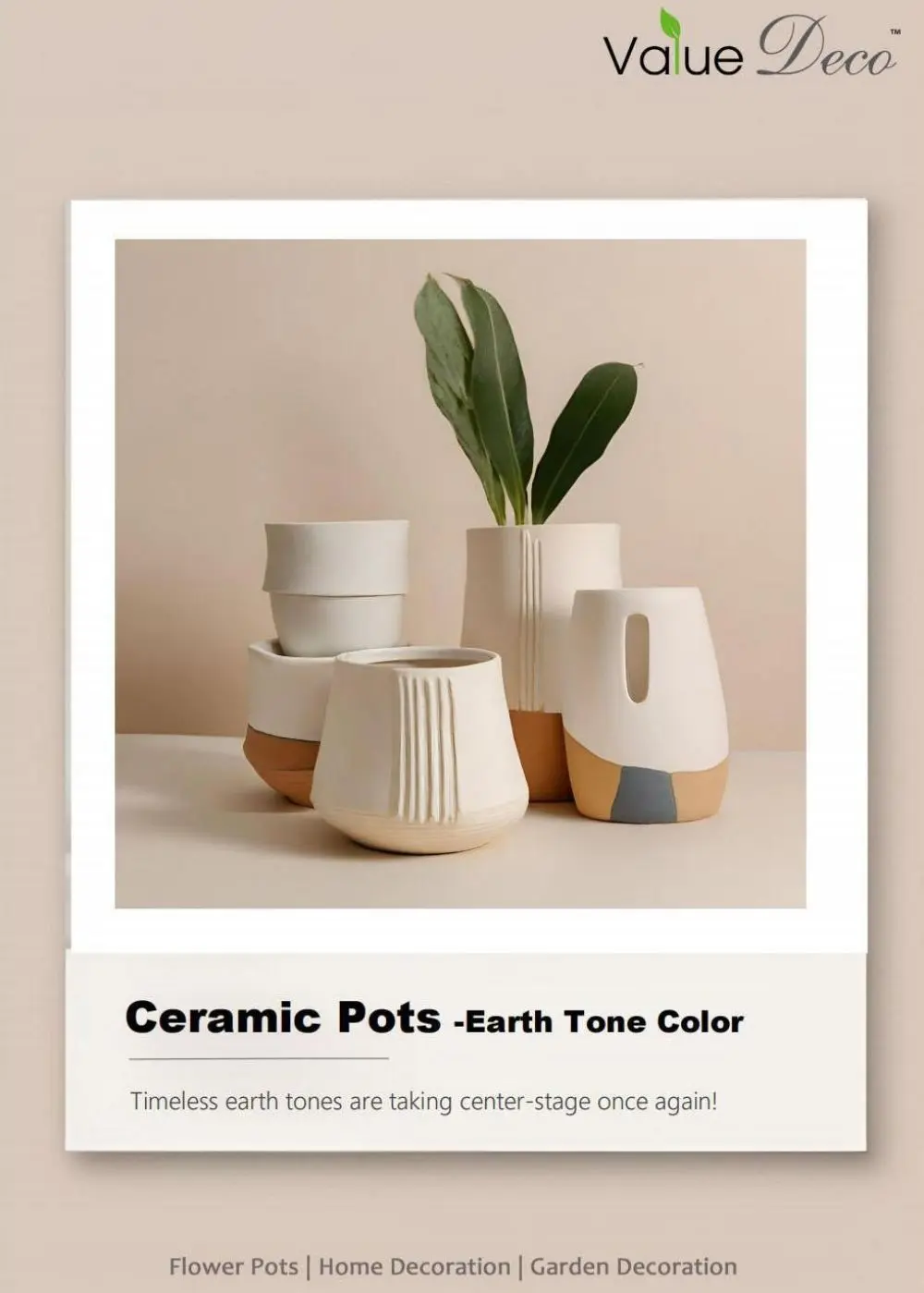
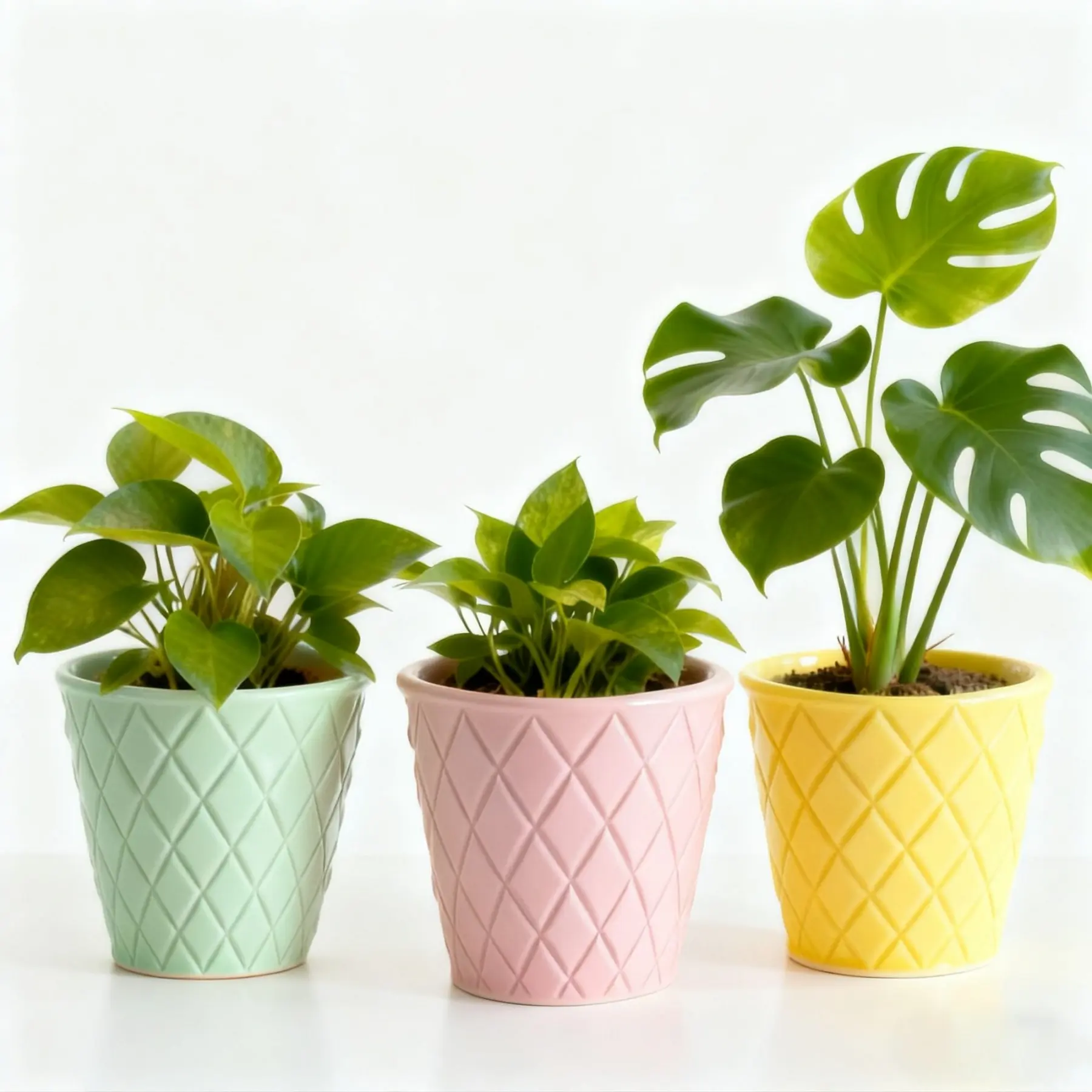
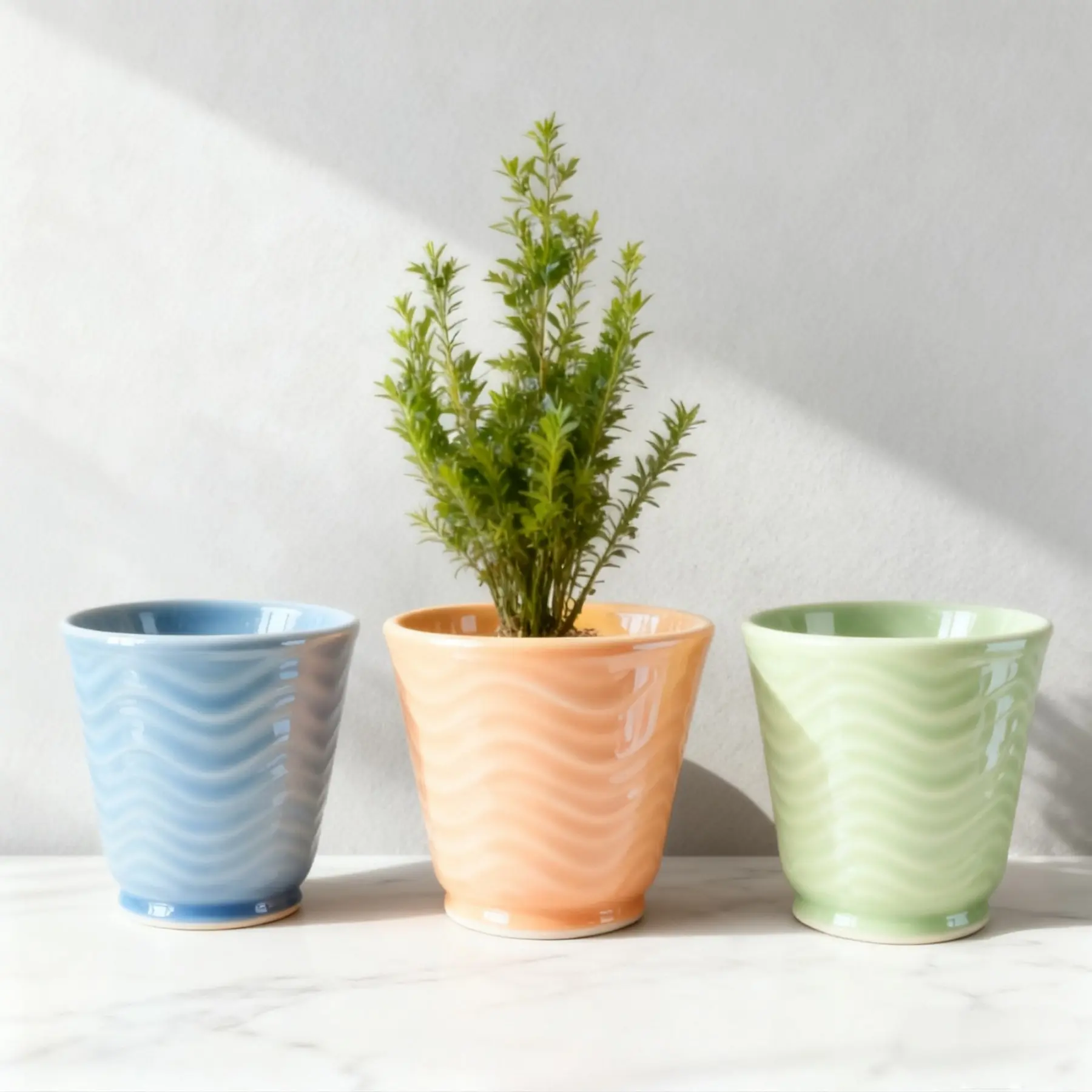
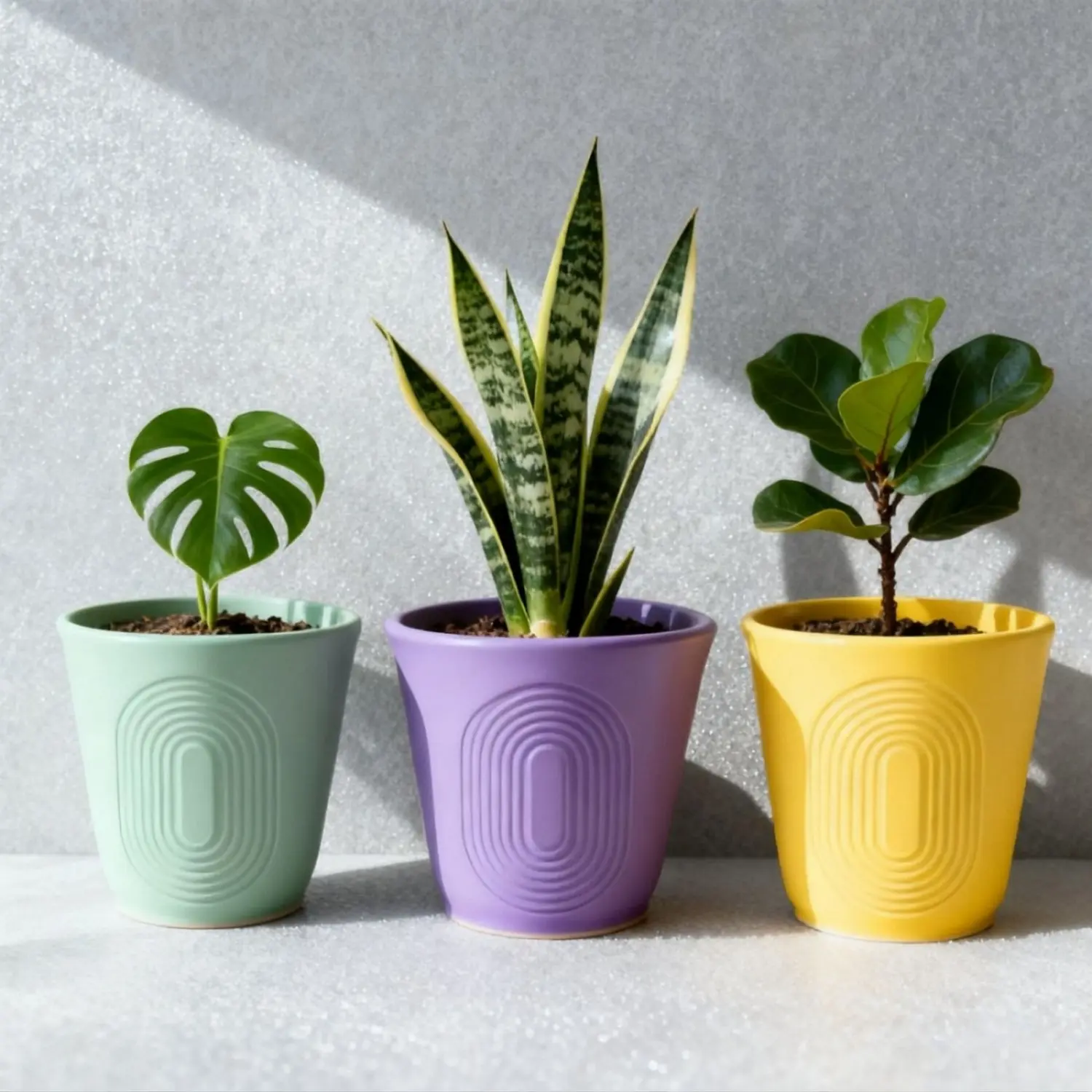
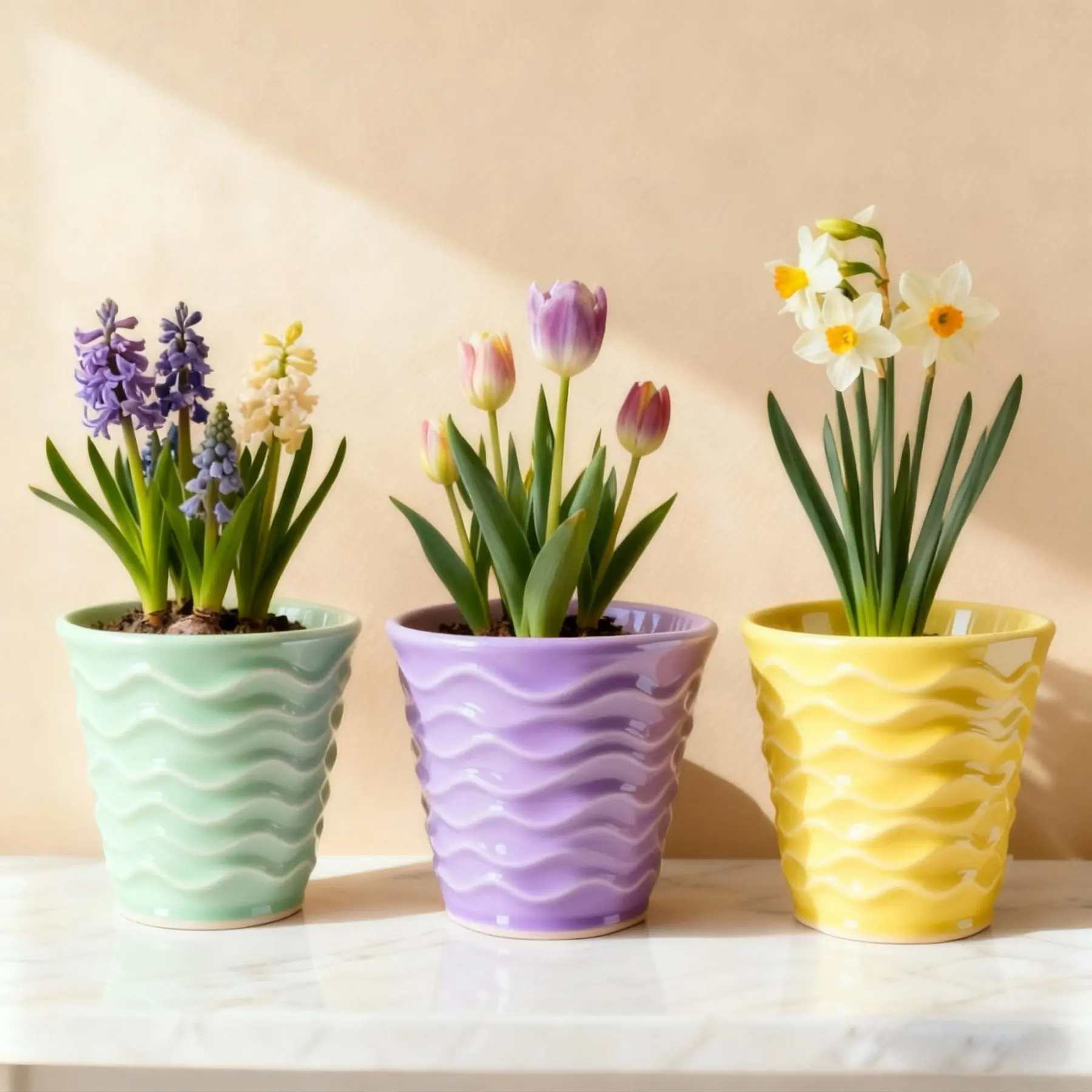
For standard production runs using our existing molds and glazing catalogs, our base MOQ typically starts at 500 units per design/colorway. For custom OEM designs requiring unique physical shapes or specialized slip casting molds, our typical baseline is 1,000 units. However, volume scaling allows us to amortize initial mold-making expenses, providing significantly lower per-unit pricing on volumes exceeding 5,000 units.
We employ multi-tiered protective packaging solutions. Individual products are wrapped in bubble wrapping or custom-molded Expanded Polyethylene (EPE) inserts. These are placed into high-grade five-layer double-corrugated master cartons. Cartons are subsequently secured onto fumigated wooden pallets, wrapped in heavy-duty stretch film, and bound with high-tension strapping. Our overall B2B transport damage rate remains consistently under 0.8% worldwide.
Yes. Our outdoor collections utilize low-porosity, high-density stoneware fired in natural gas tunnel kilns at temperatures between 1200°C and 1250°C. This promotes full vitrification, reducing water absorption to less than 1.5%. By minimizing water absorption inside the clay walls, we prevent internal expansions during winter freeze-thaw cycles, securing the planter against peeling, cracking, and scaling.
Absolutely. Every chemical compound utilized in our glazes is strictly formulated to remain heavy-metal-free. Our products routinely clear independent laboratory validation for California Proposition 65 (Lead/Cadmium limits) and the EU REACH regulatory directives. Documentation can be furnished upon request during the sample validation phase.
For standard repeat production volumes, our lead times typically range from 45 to 60 days following deposit verification. For custom OEM/ODM designs, the product initiation process requires an additional 15 to 20 days. This buffer covers technical blueprint generation, physical mold building, test kiln firings, and chemical formulation approvals before full-scale manufacturing commences.