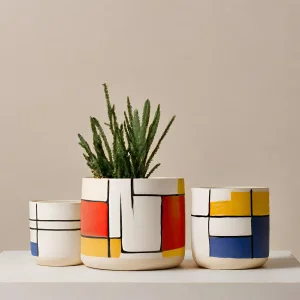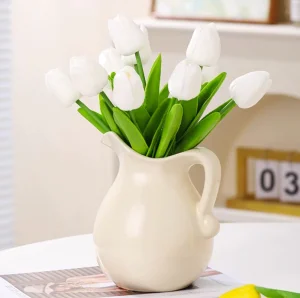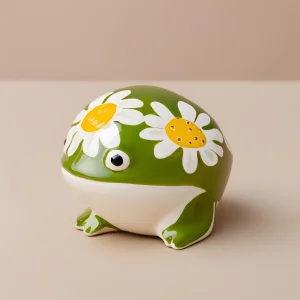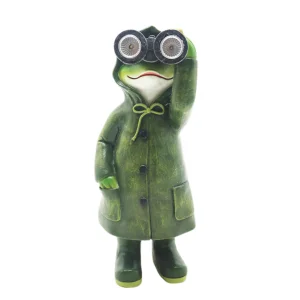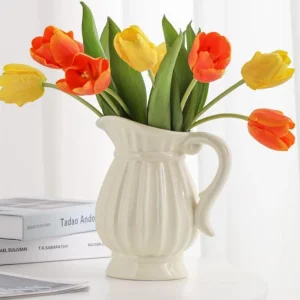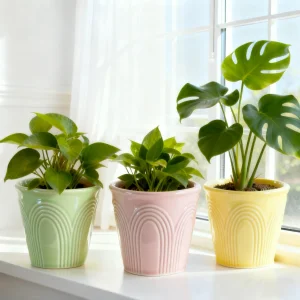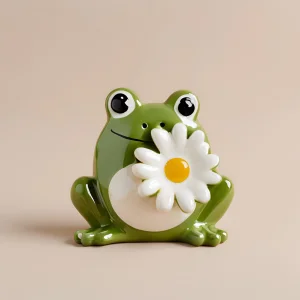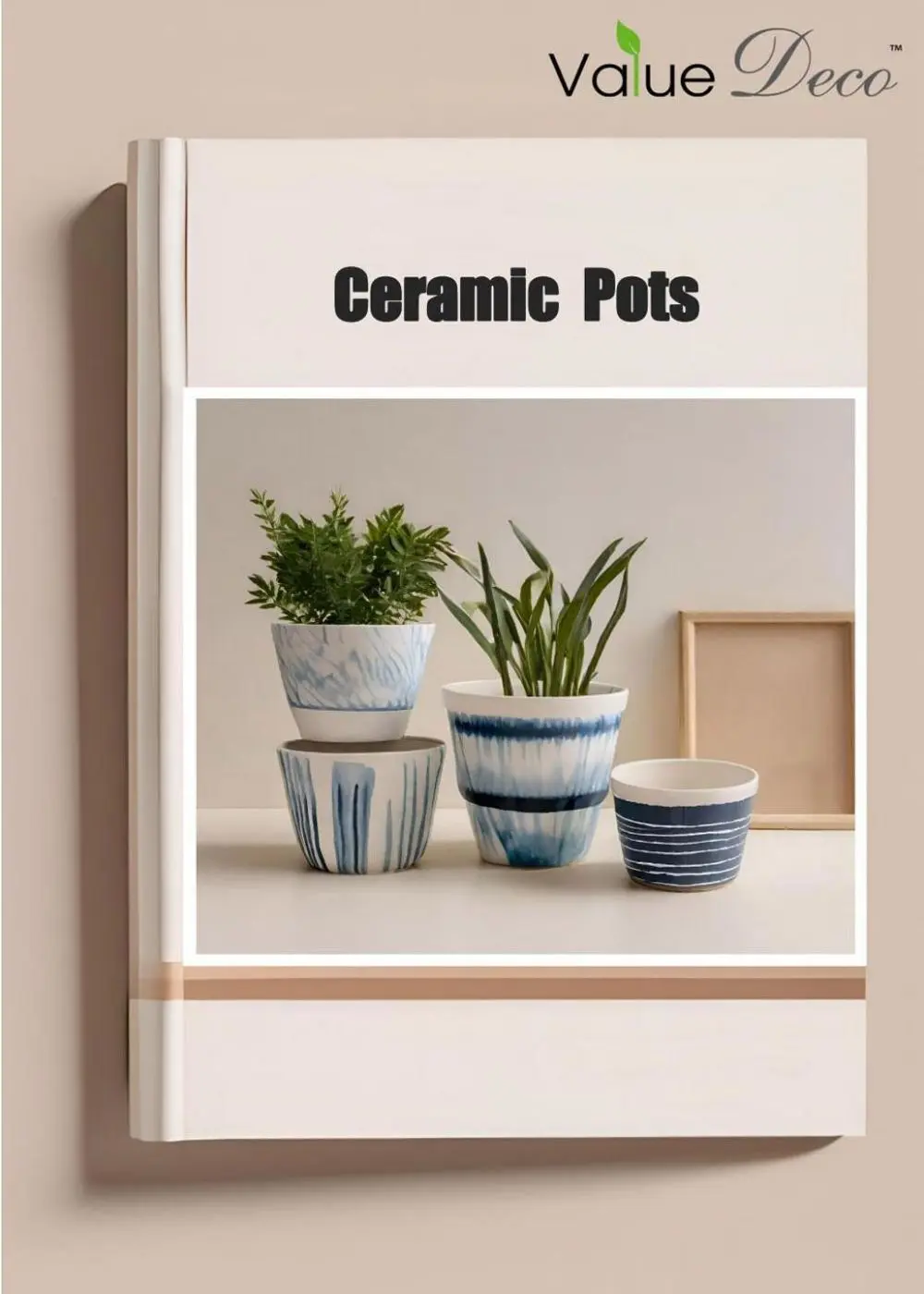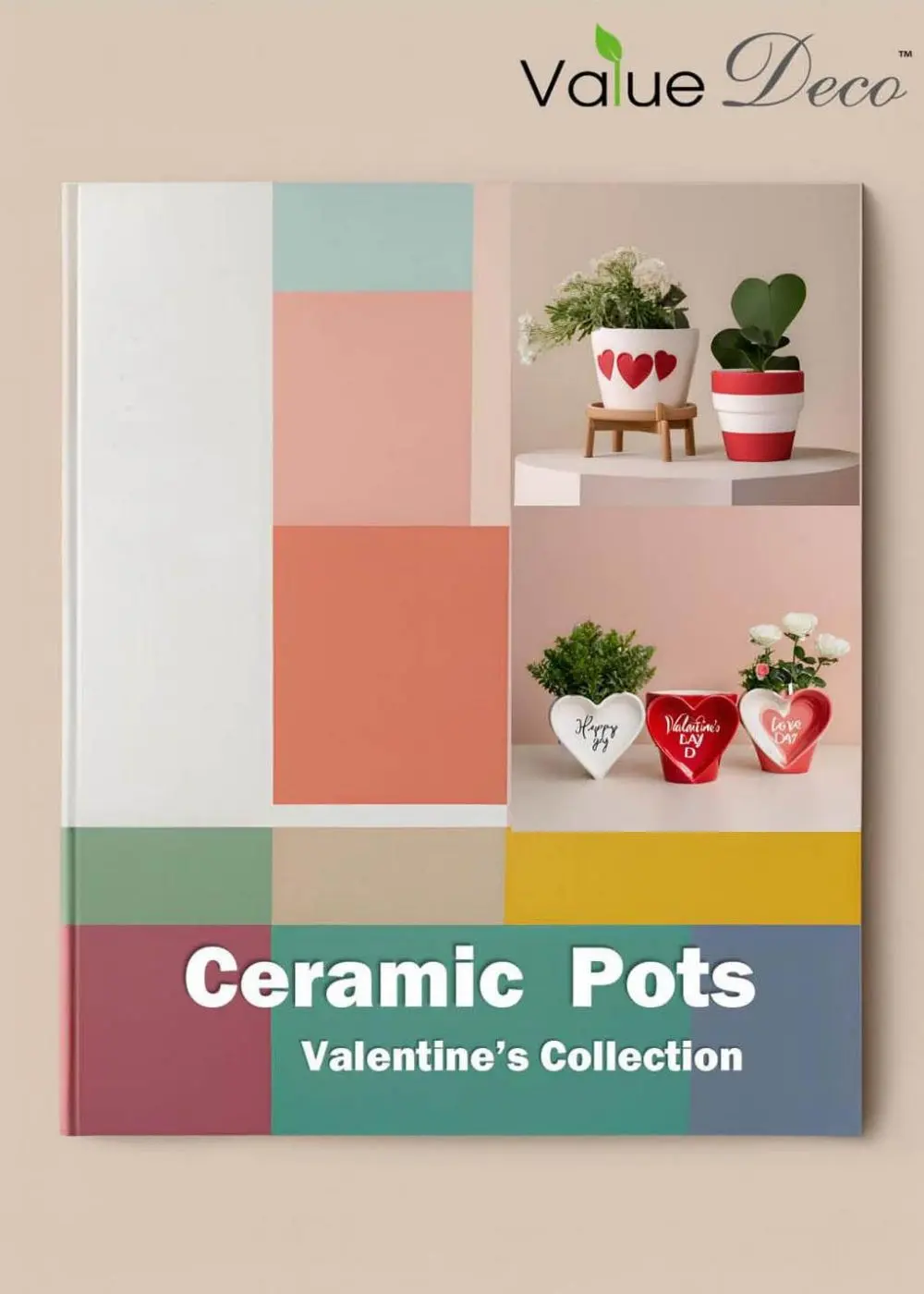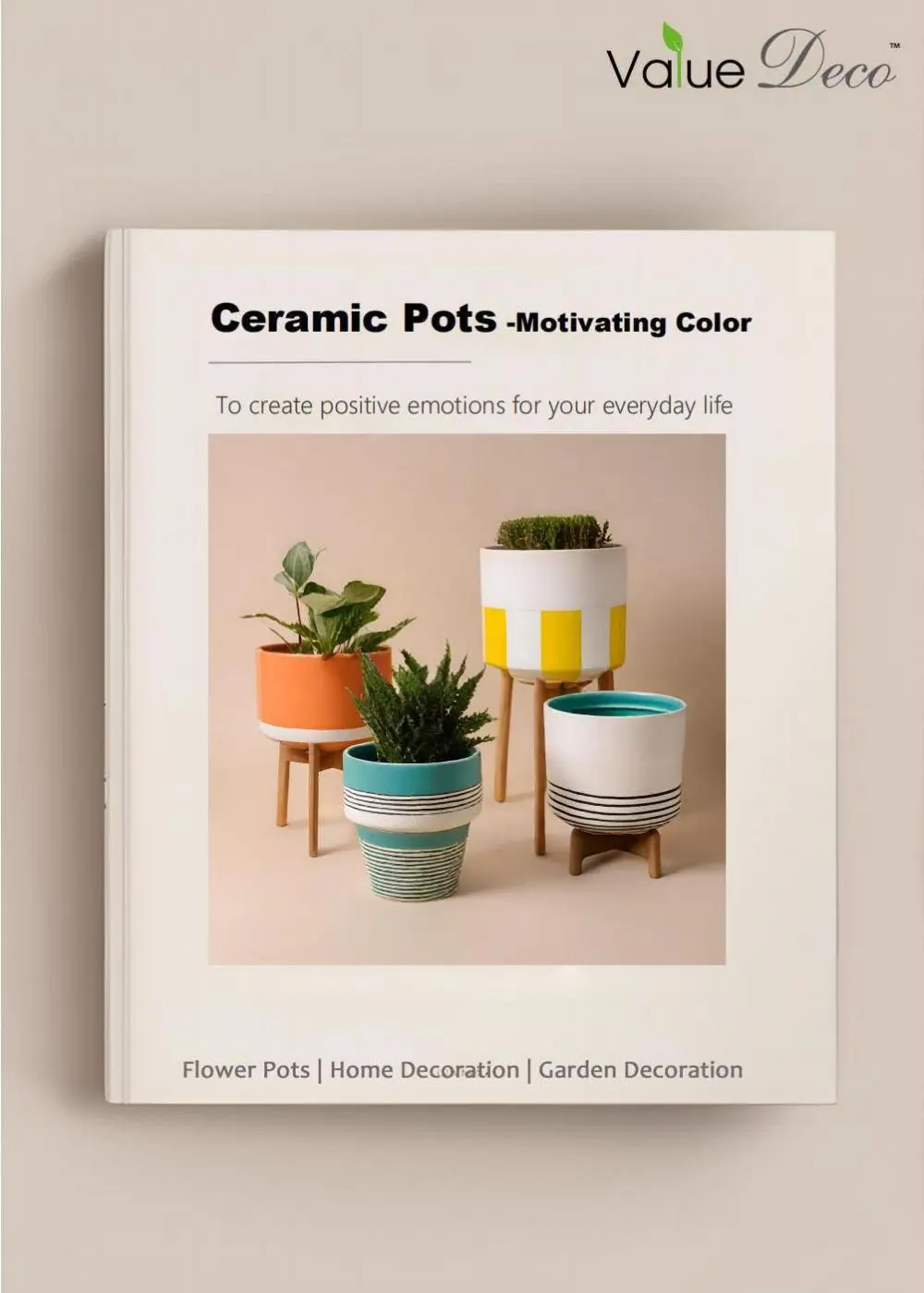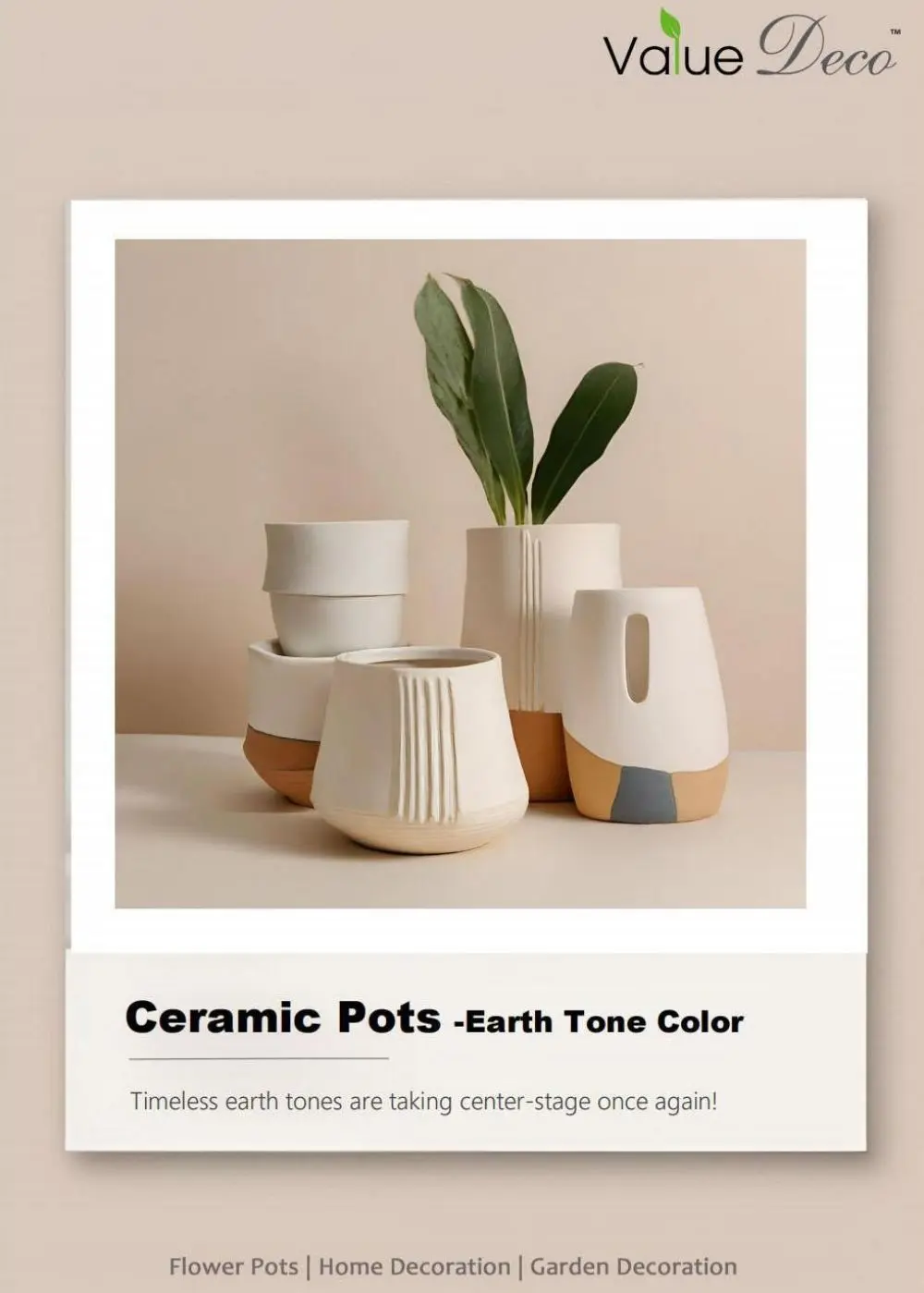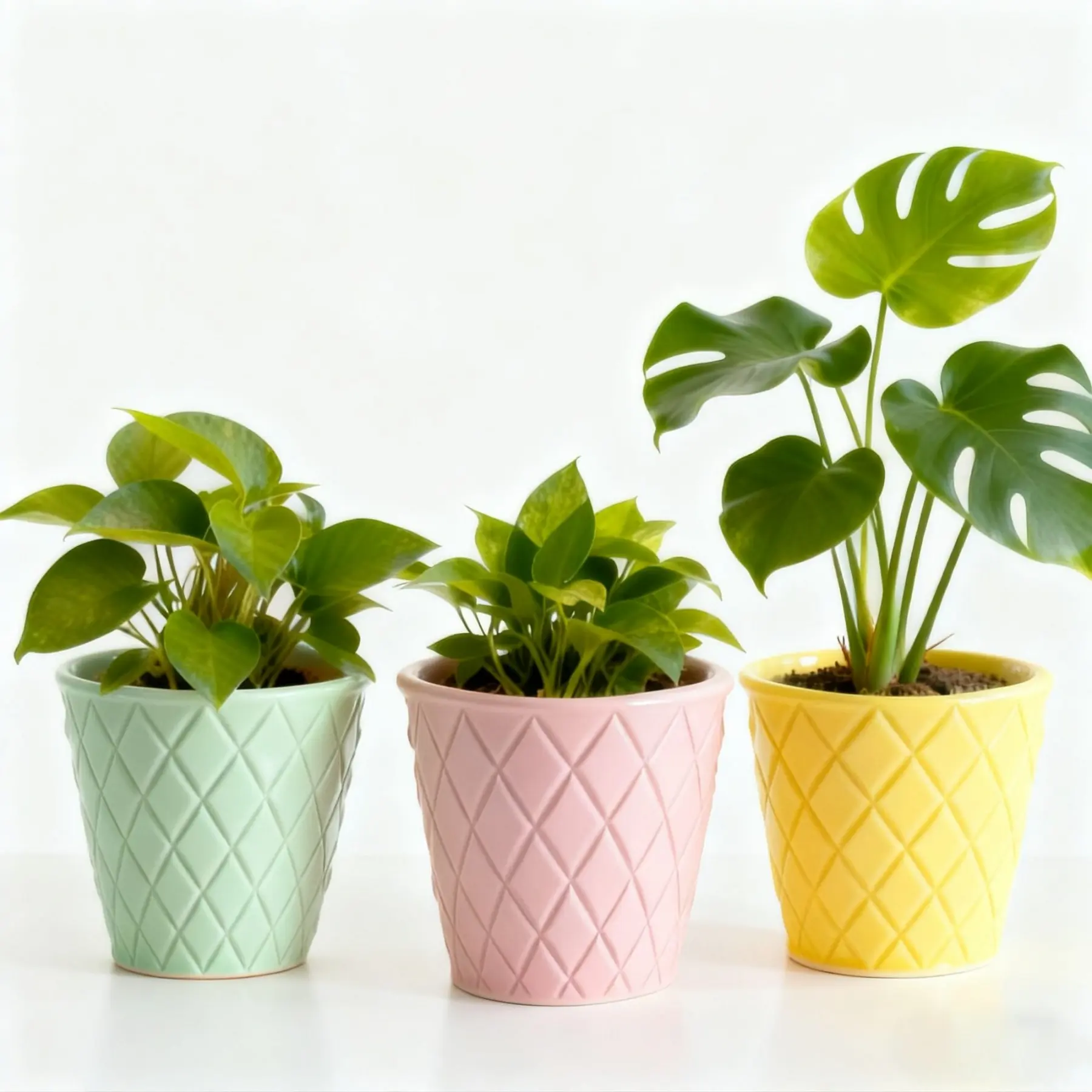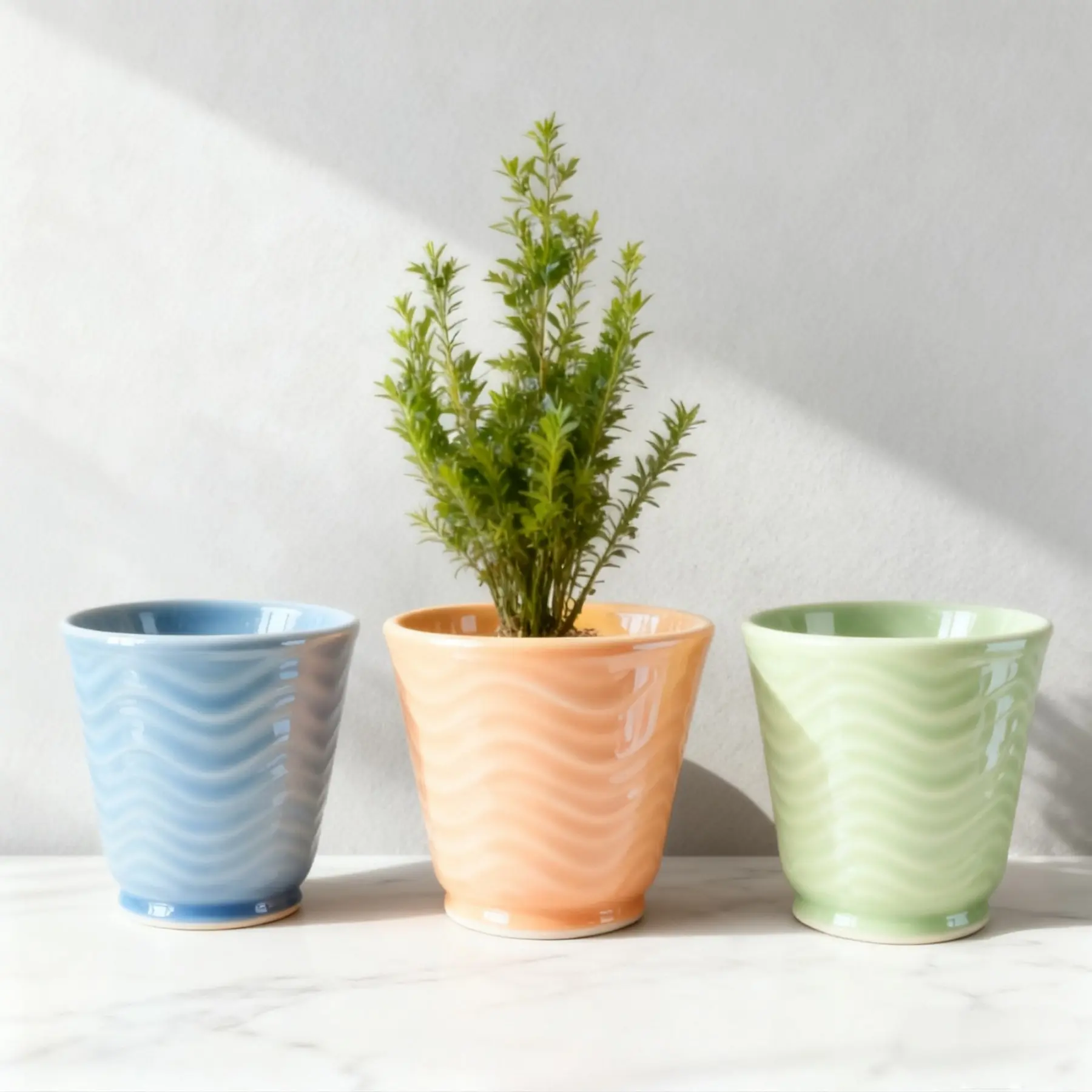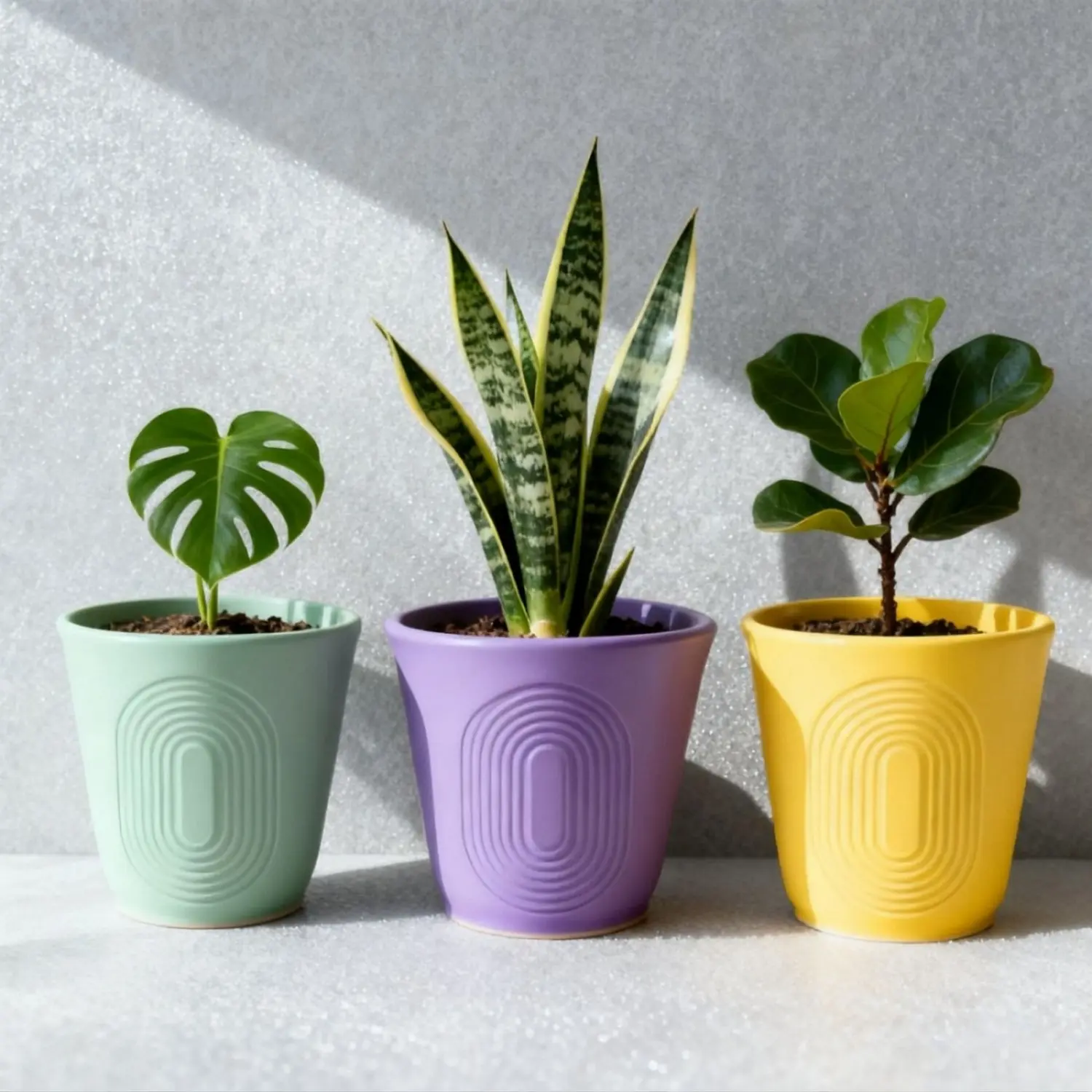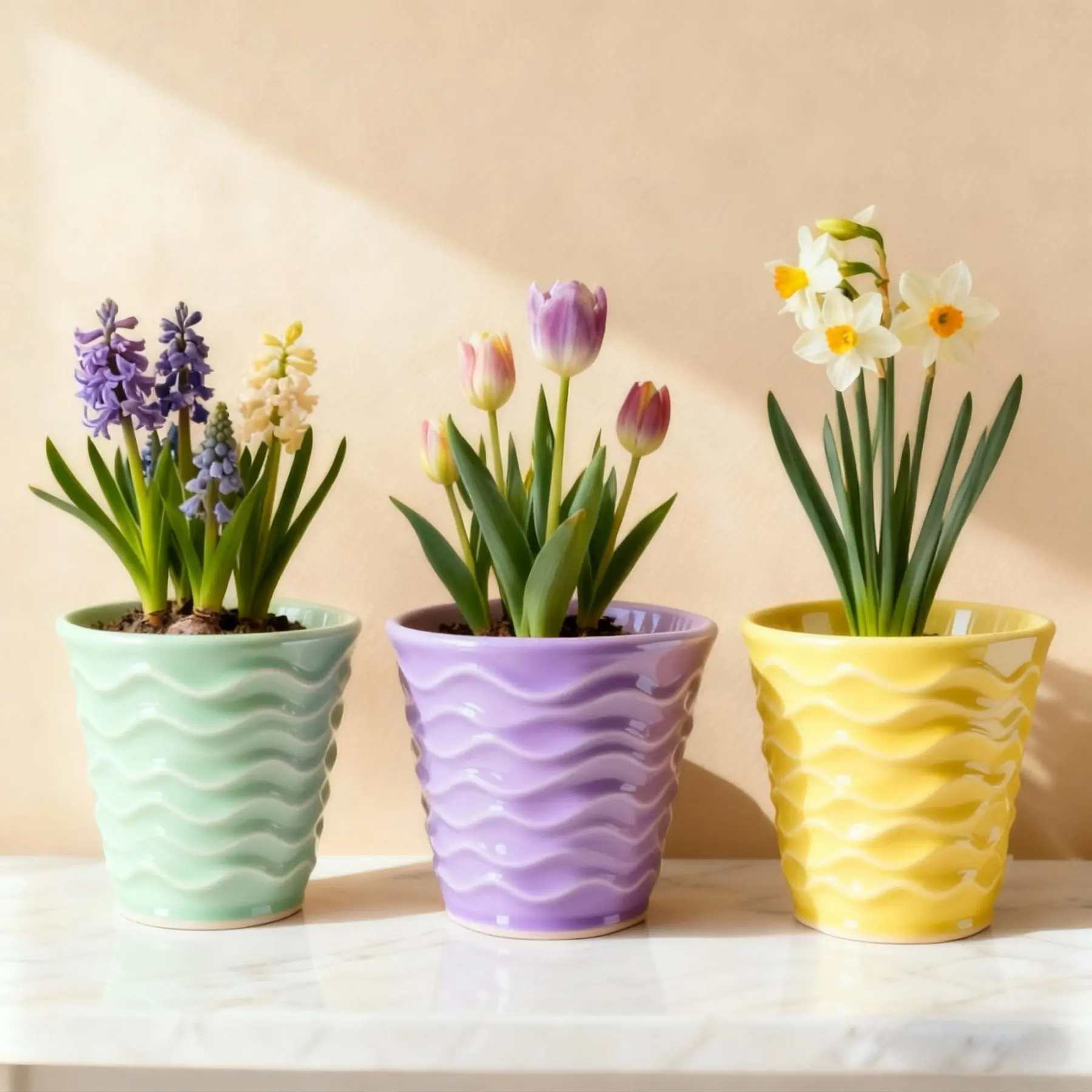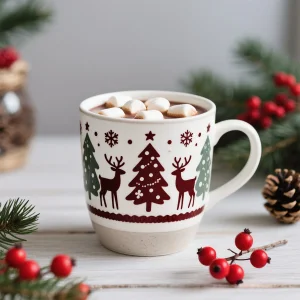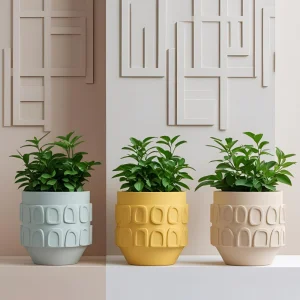
Explore our curated collection of industrial-grade ceramic pots, designer vases, and holiday planters manufactured using automated kiln technologies.
In the global B2B horticultural and home decor sectors, the procurement of wholesale ceramic plant containers has shifted from basic aesthetic selection to strategic material sourcing. Enterprise buyers—ranging from large-scale landscape architects, multi-national home improvement retailers, to design agencies—now demand functional excellence. Quality, chemical compliance, and supply chain continuity are critical requirements.
The commercial utility of ceramic plant containers is driven by their physical properties. Unlike plastic containers, which degrade under UV radiation and release microplastics, high-fired ceramic containers offer structural integrity and stability. They protect plant roots from extreme temperature fluctuations through thermal mass.
For buyers in North America and Europe, purchasing decisions are guided by strict quality metrics. Imports must comply with international standards including heavy metal leaching limits (e.g., FDA requirements and California Proposition 65) and frost-resistance certifications for outdoor use. Sourcing professionals must analyze the raw materials used, including earthenware, stoneware, and porcelain, to select the correct product line for their climate and commercial application.
“Strategic sourcing managers do not just purchase pots; they acquire architectural assets that must withstand physical degradation, resist freeze-thaw cracking, and guarantee toxicological safety for end-consumers.”
Understanding the material science of plant containers is essential to evaluate suppliers and ensure long-term durability. The performance of a ceramic pot depends on the firing temperature, the purity of the clay body, and the glaze formulation.
Earthenware: Typically fired between 1000°C and 1150°C. Earthenware remains relatively porous (water absorption rate >10%). This porosity supports soil aeration and healthy root growth, making it ideal for indoor plants. However, unfrozen water within the clay body can expand in cold weather, risking structural failure.
Stoneware: Fired at higher temperatures (1200°C to 1300°C), stoneware undergoes vitrification, reducing water absorption to less than 2%. This provides excellent frost resistance and mechanical strength, making stoneware suitable for commercial outdoor installations and high-traffic public spaces.
Porcelain: Fired above 1300°C, porcelain features a highly vitrified body with water absorption below 0.5%. While offering maximum durability and density, its higher production cost makes it best suited for premium decorative collections and high-end retail markets.
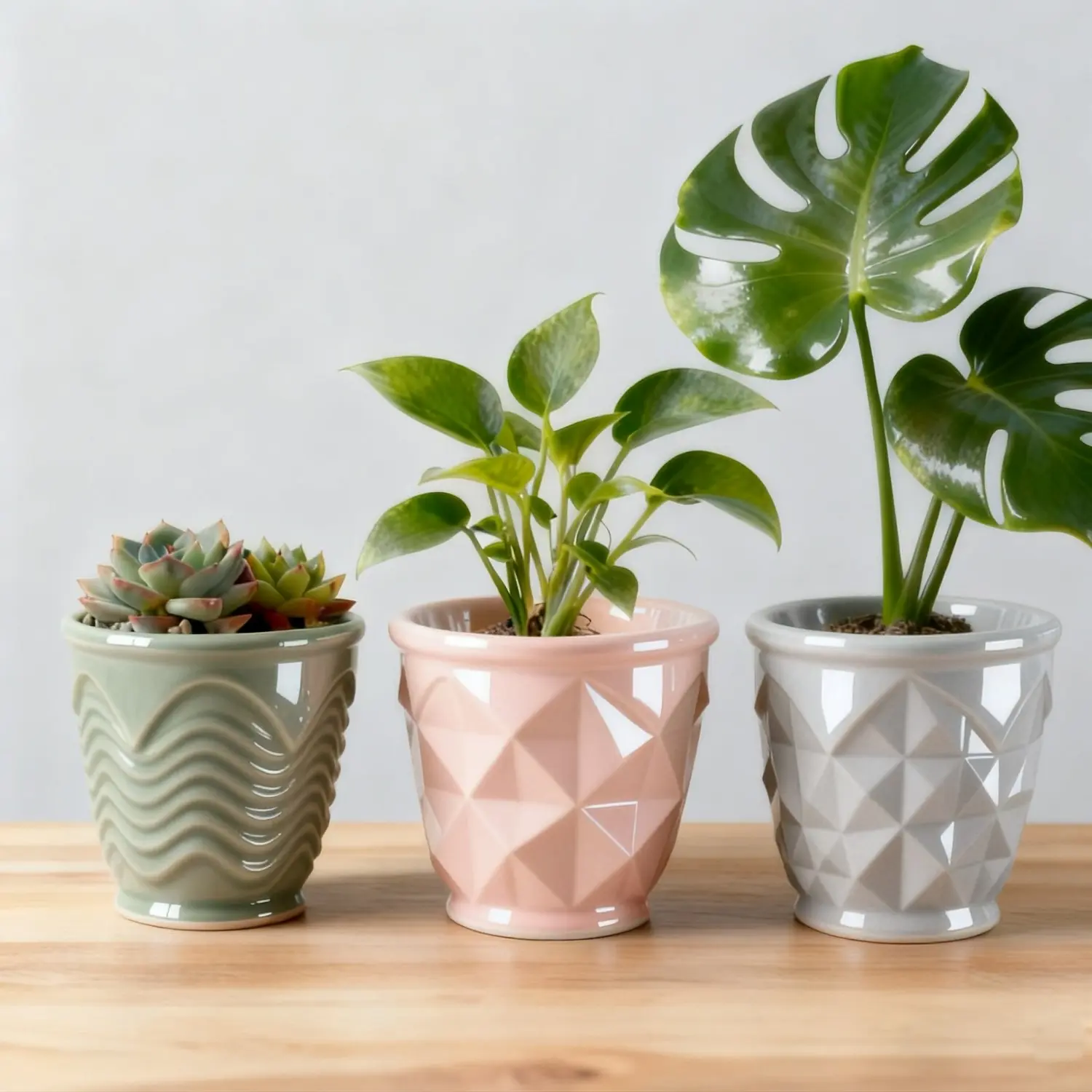
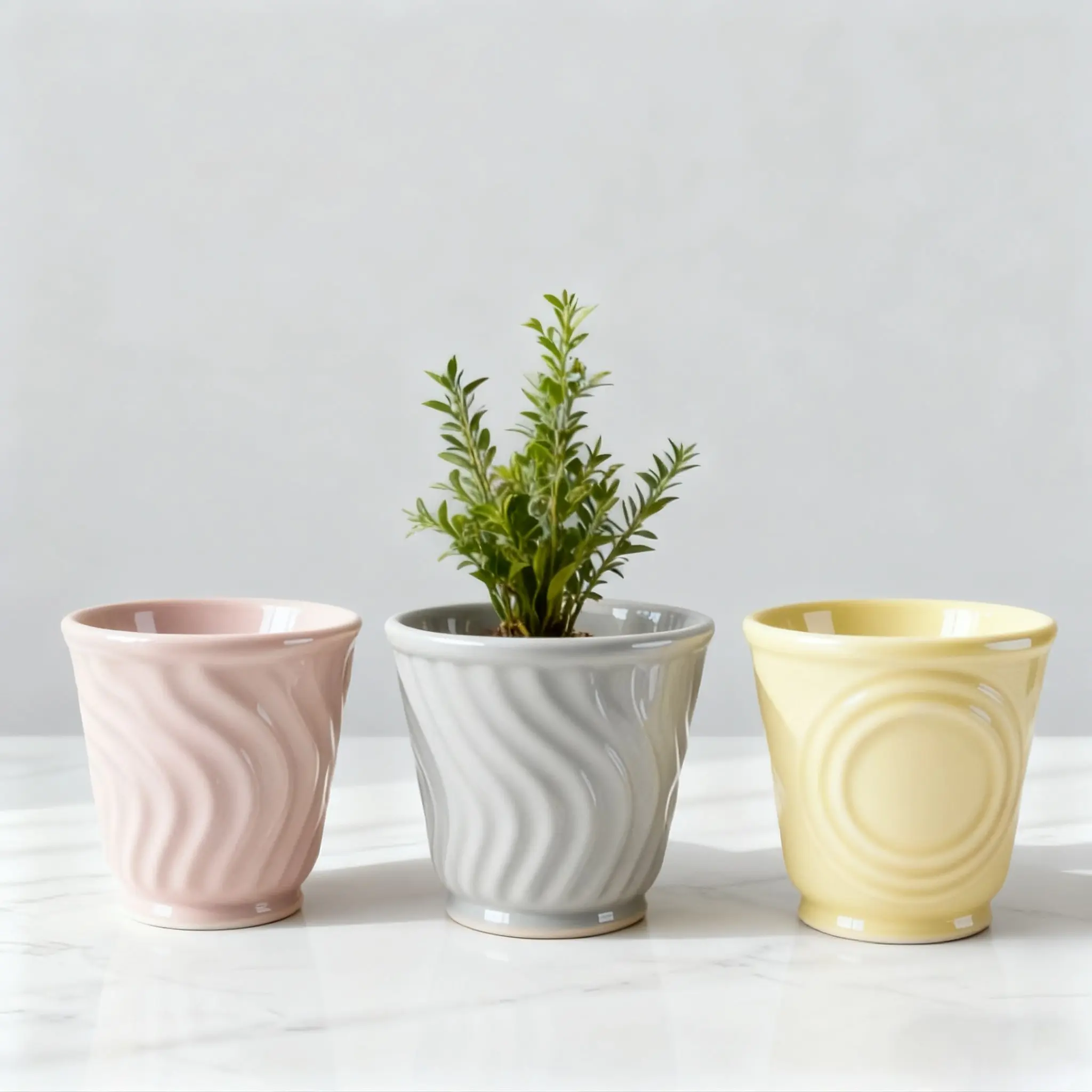
The surface treatment of a plant container affects both its visual appeal and its resistance to environmental wear. Glossy glazes, matte glazes, reactive drips, and textured reliefs are created through precise mineral glaze formulations applied before the final firing stage. Under high heat, these minerals fuse with the clay body, creating an impermeable barrier against acid rain, UV degradation, and staining from soil minerals.
Modern B2B buyers must prioritize environmental responsibility and regulatory compliance when selecting manufacturing partners. Retail chains and developers require complete transparency regarding raw materials and labor practices.
Key compliance focus areas include:
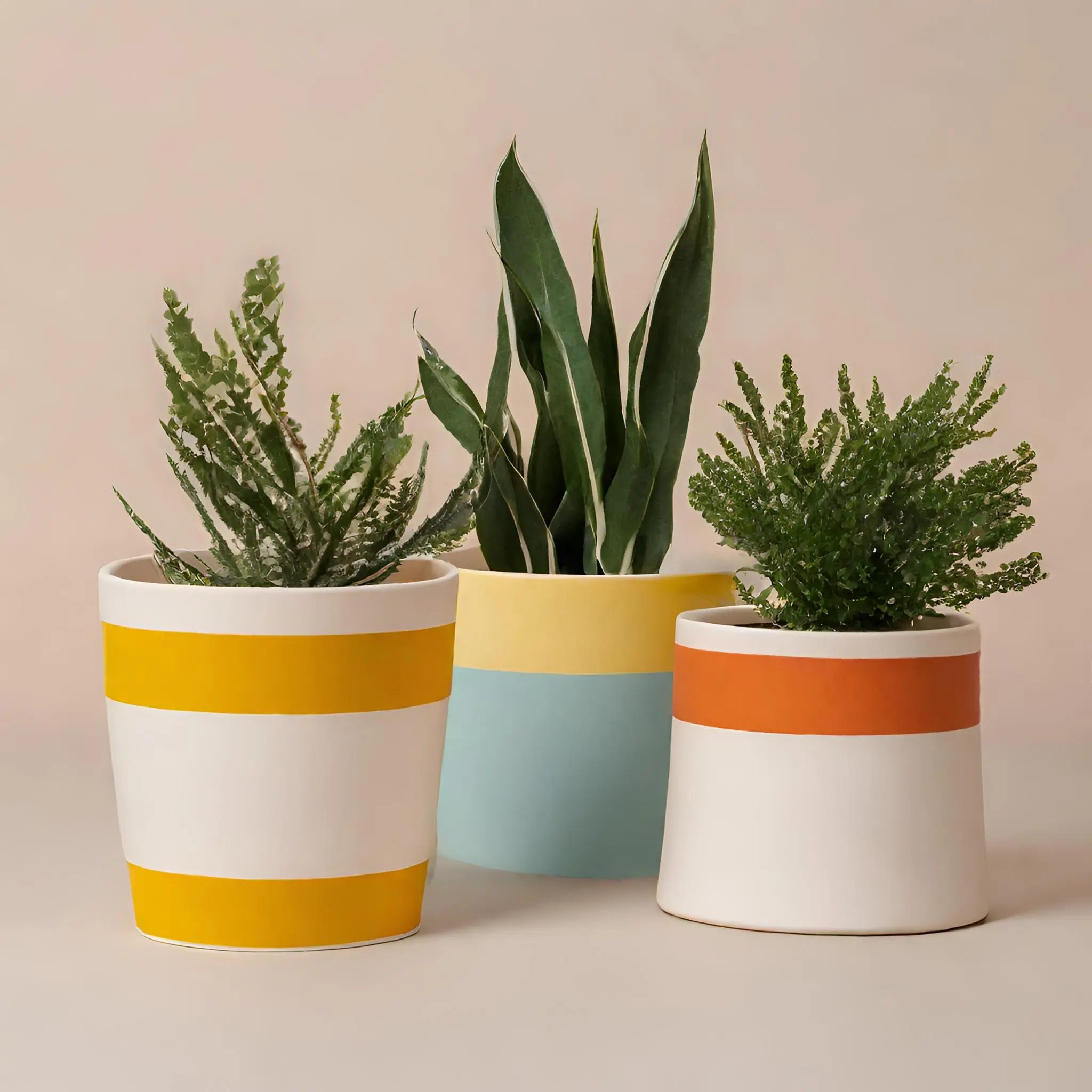
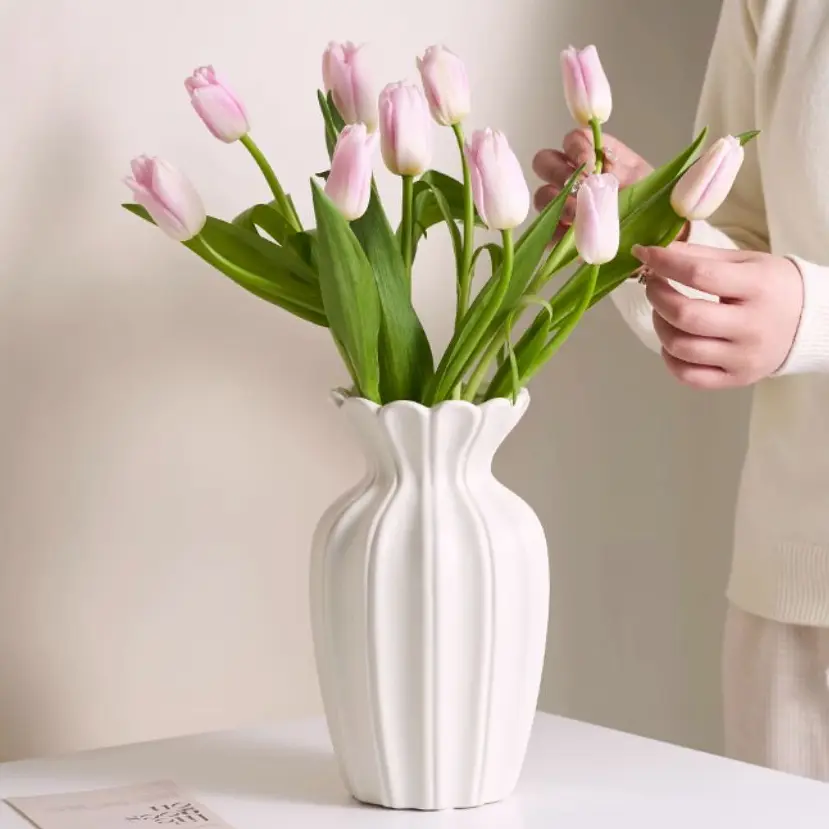
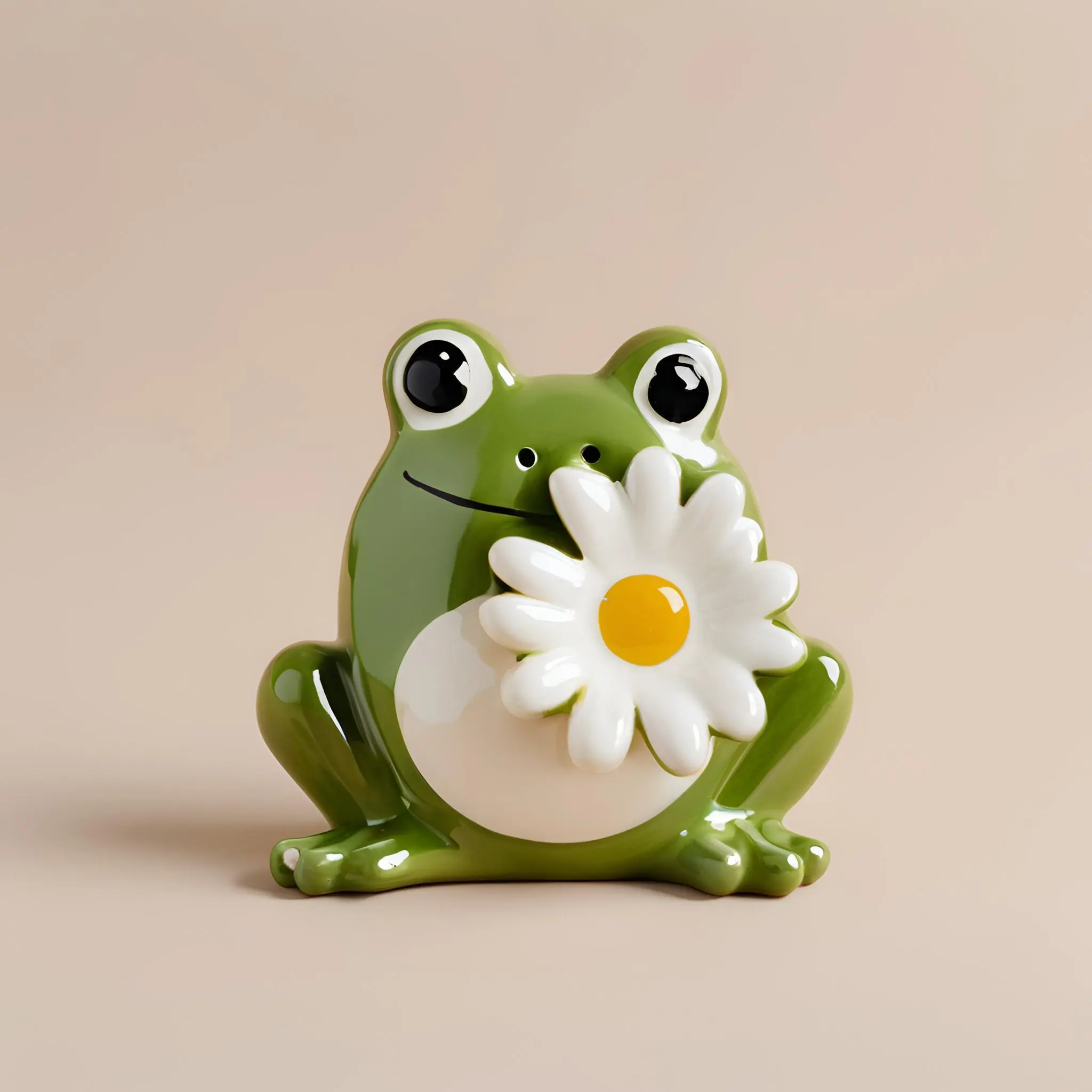

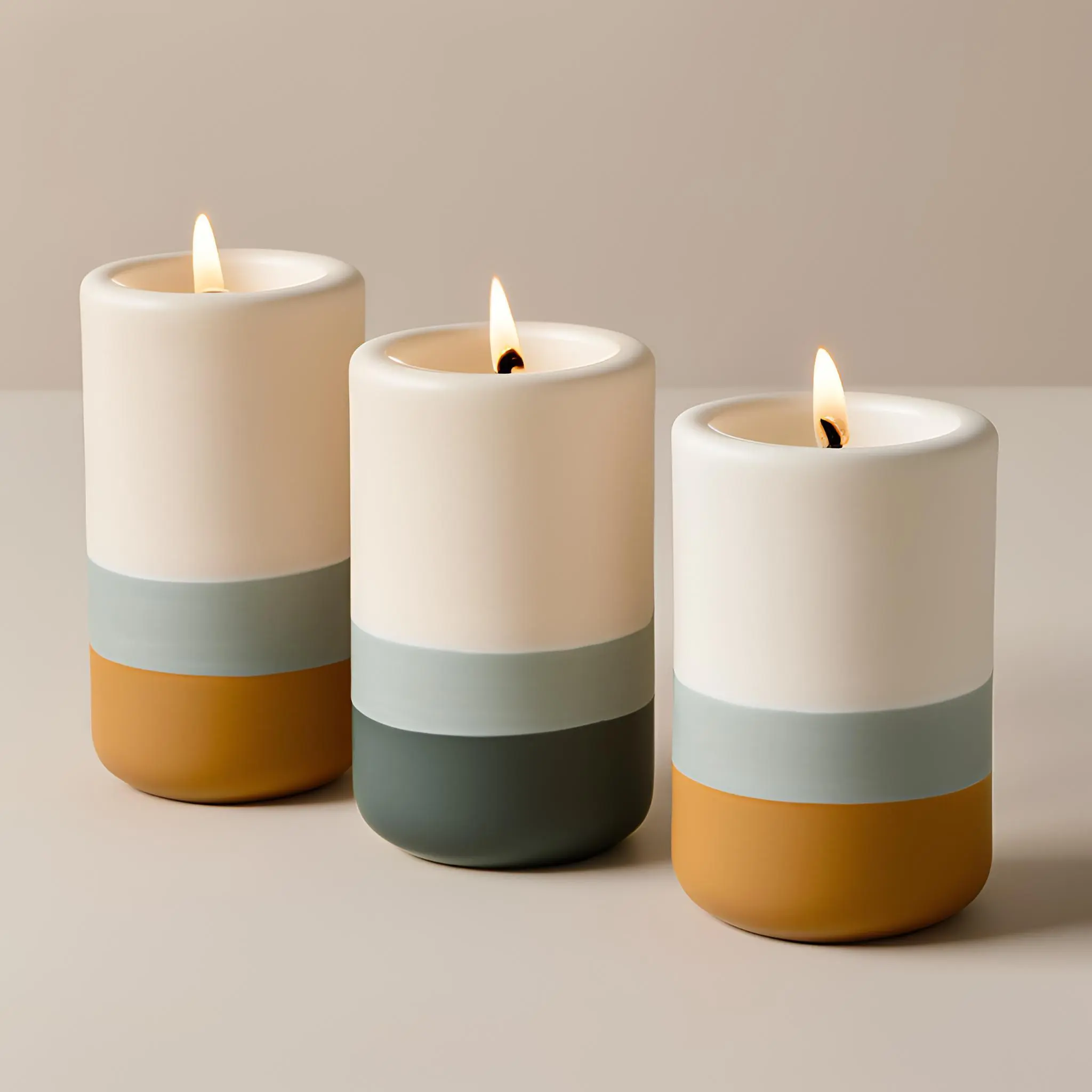
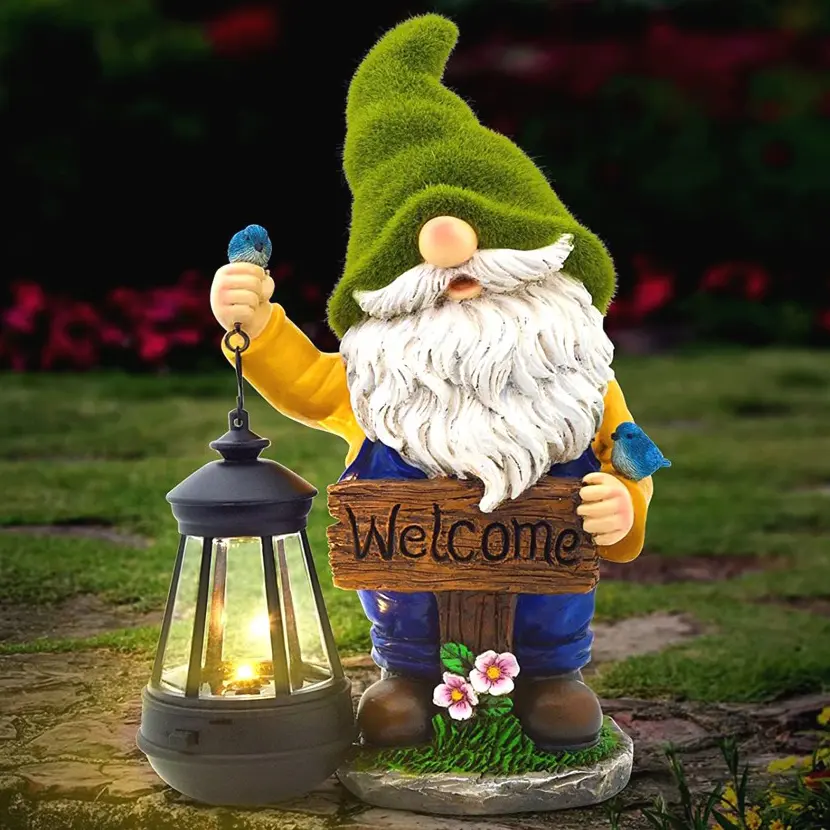
China remains the global leader in ceramic container manufacturing. Historical ceramic hubs, such as Dehua and Jingdezhen, combine specialized craftsmanship with modern industrial automation.
The implementation of Factory 4.0 principles has transformed ceramic production. Value Deco Limited has integrated technology across all stages of the manufacturing lifecycle:
These advancements allow factories to offer customizable OEM/ODM services with high efficiency, accommodating custom designs and brand colors while maintaining reliable production schedules.
Value Deco Limited is a leading supplier of high-quality ceramic pots based in China. With over 12 years of experience in the decoration industry, we have built a strong reputation for offering a diverse range of Flower Pots, Flower Vases, Candle Holders, Home Decoration, Garden Decoration, and Dinnerware, suitable for various seasons and applications. Our products are designed to meet current design trends, ensuring that they serve a functional purpose while enhancing the aesthetic appeal of any space.
Value Deco - Flower Pots Division:
Sub-Website for Flower Pots: www.valuedeco.com
Pride Deco - Home & Garden Decor Division:
Sub-Website for Home Decor, Candle Holders, Dinnerware, Garden Decor: www.pridedeco.com
Coordinate your seasonal retail displays with specialized collections designed for key commercial events.
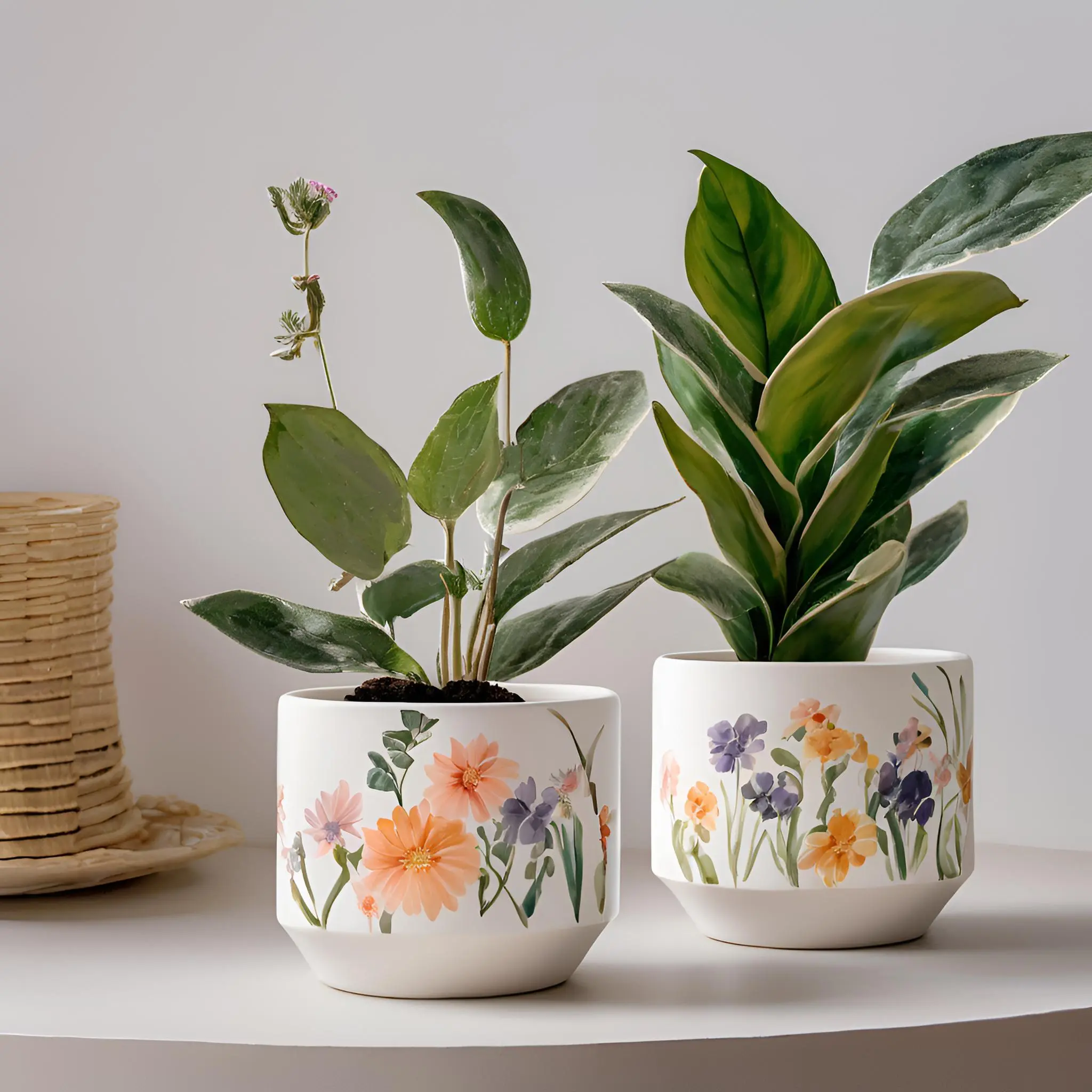
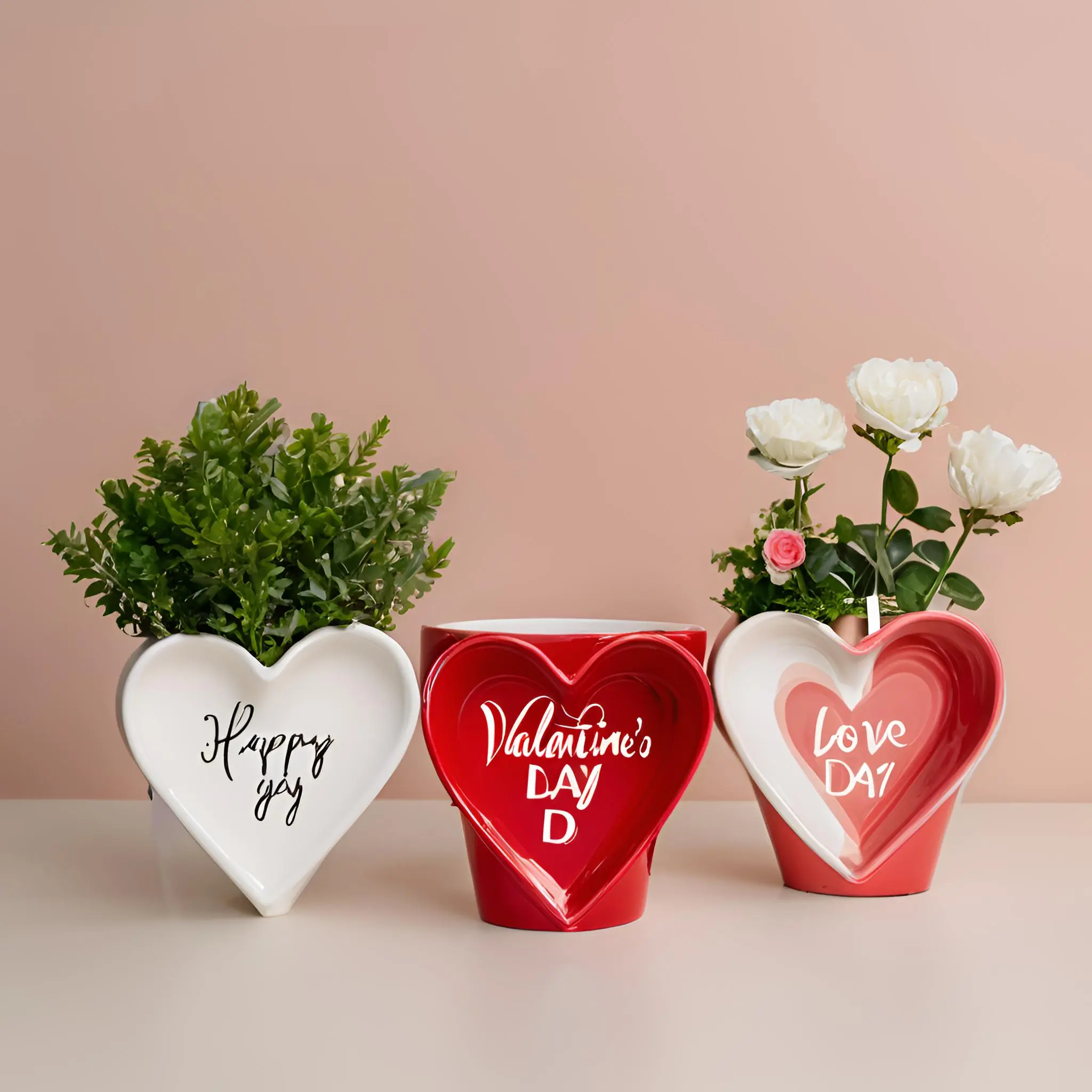
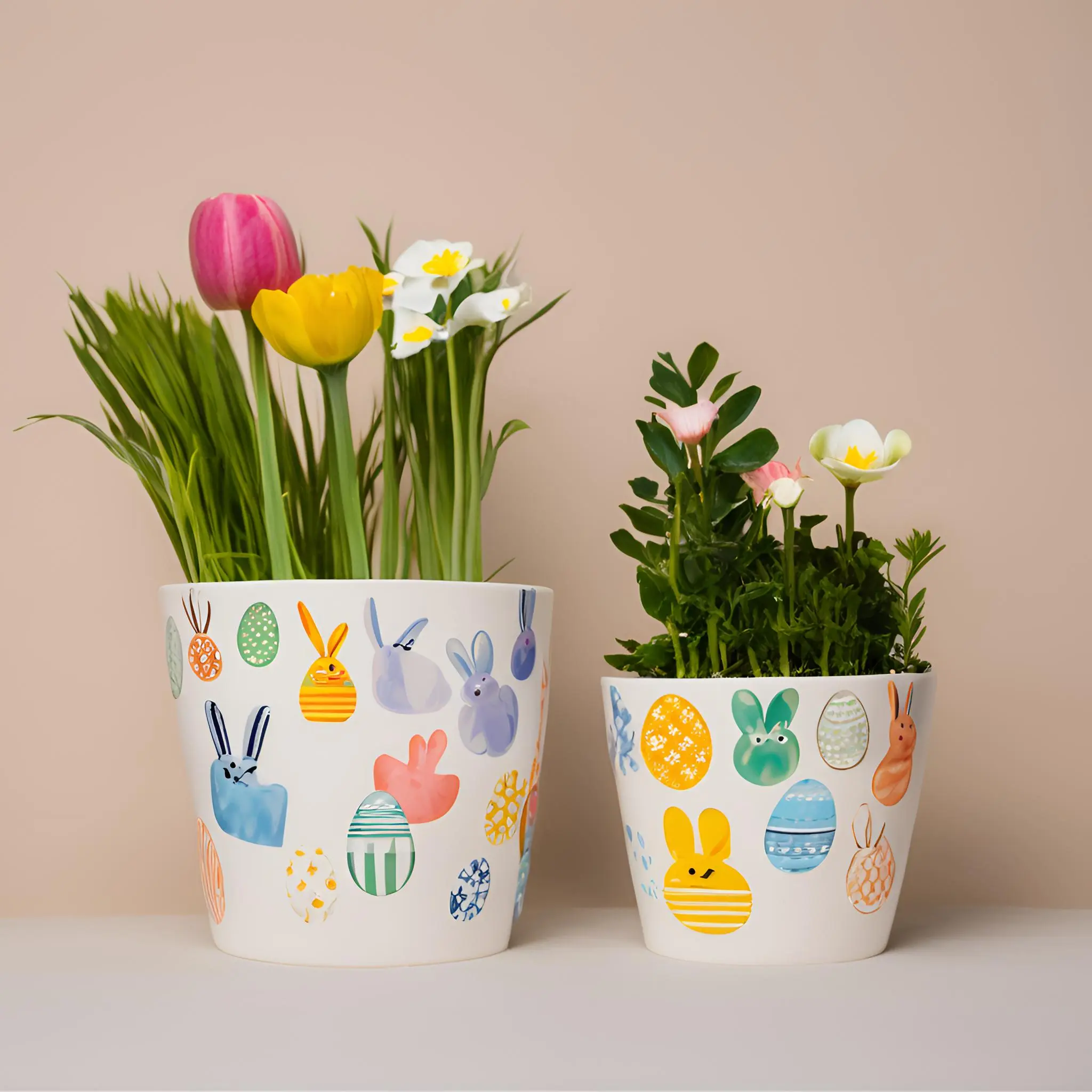
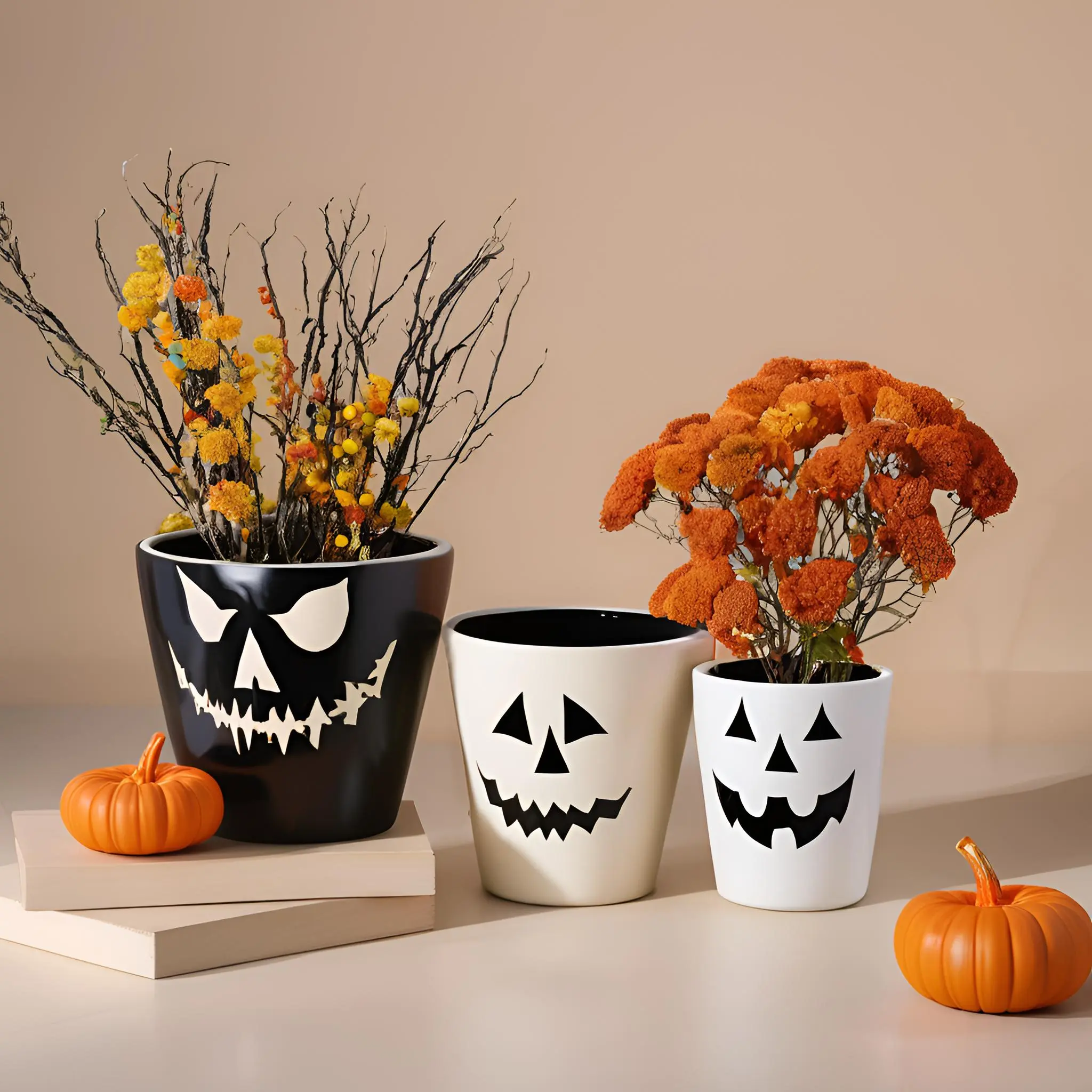
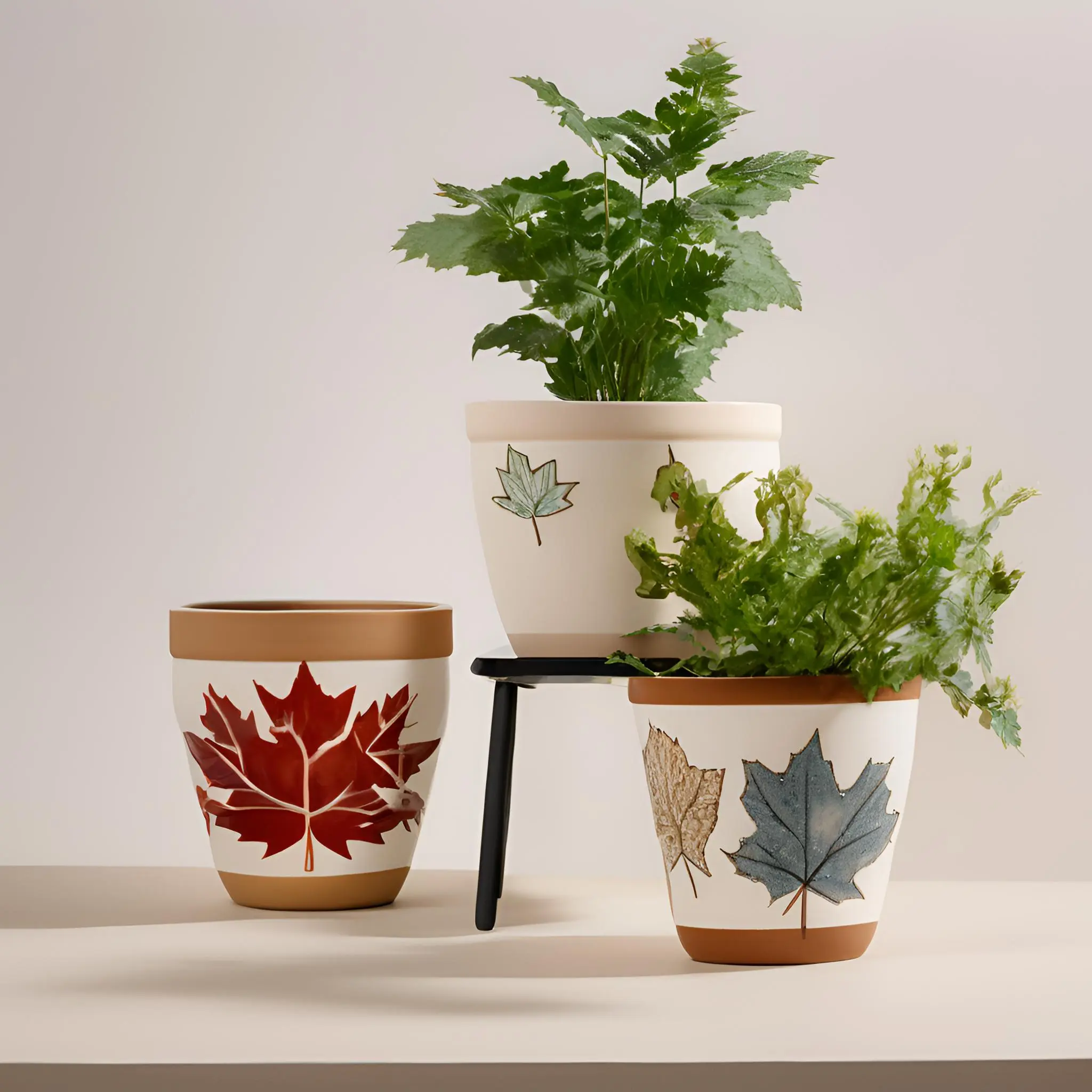
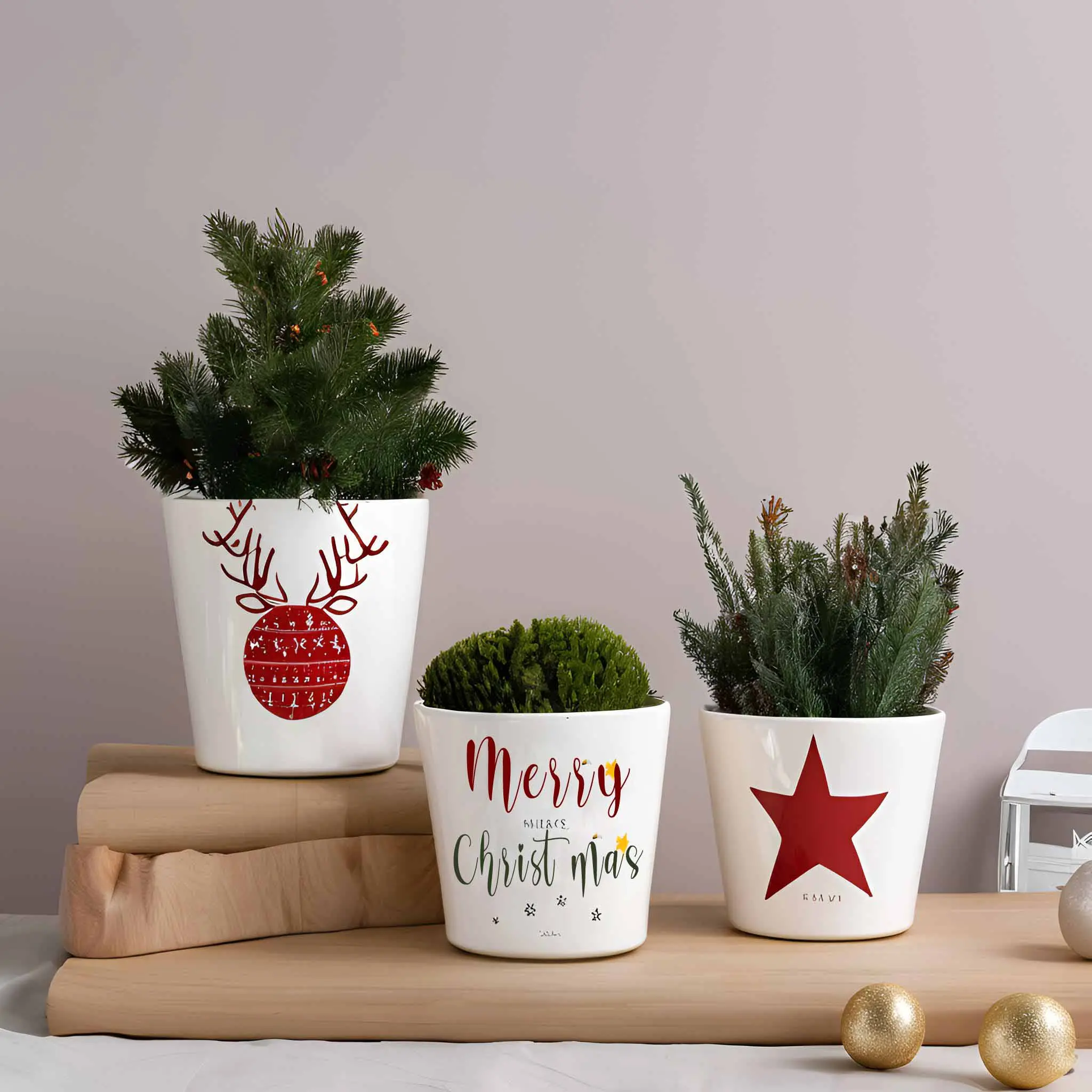
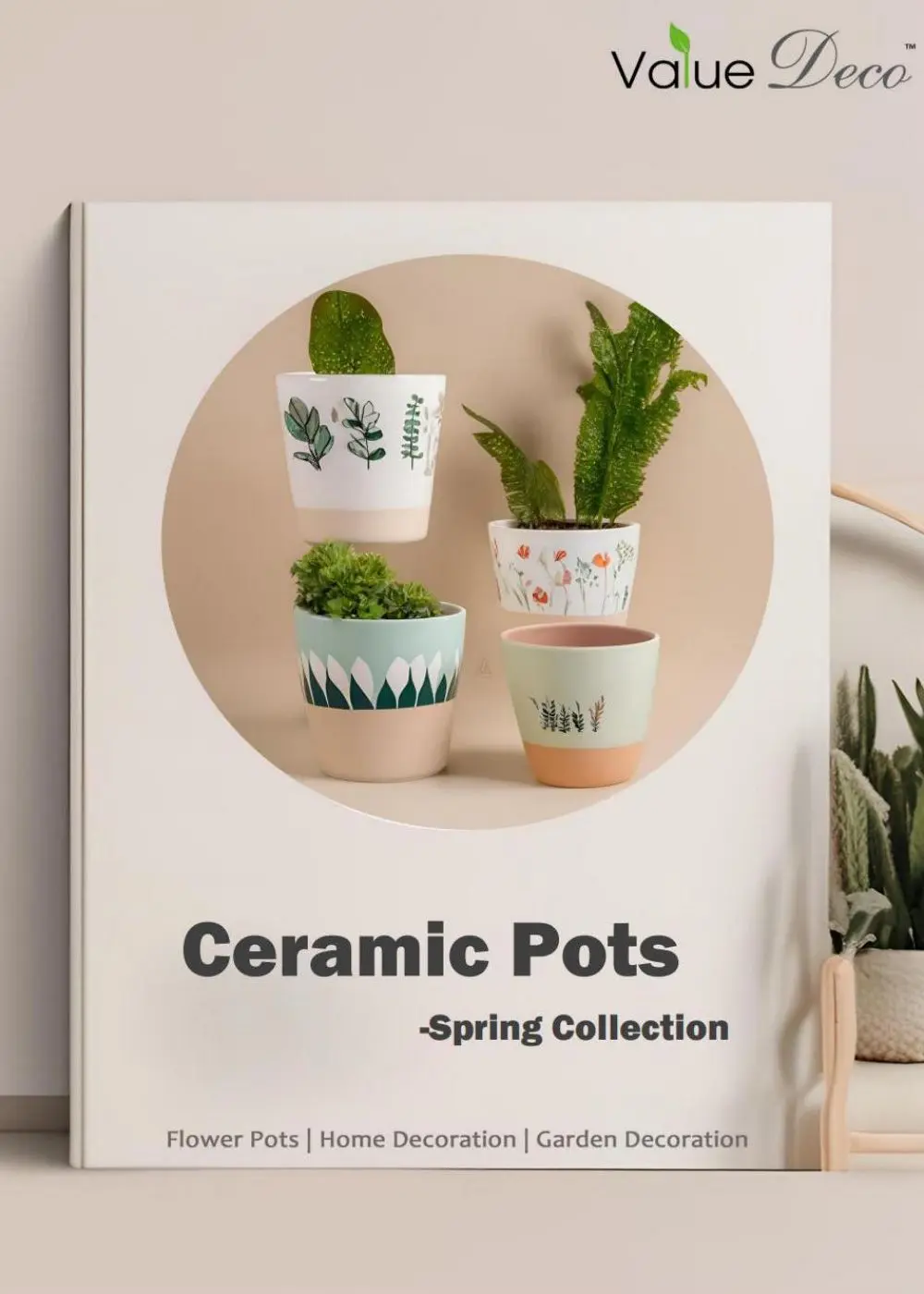
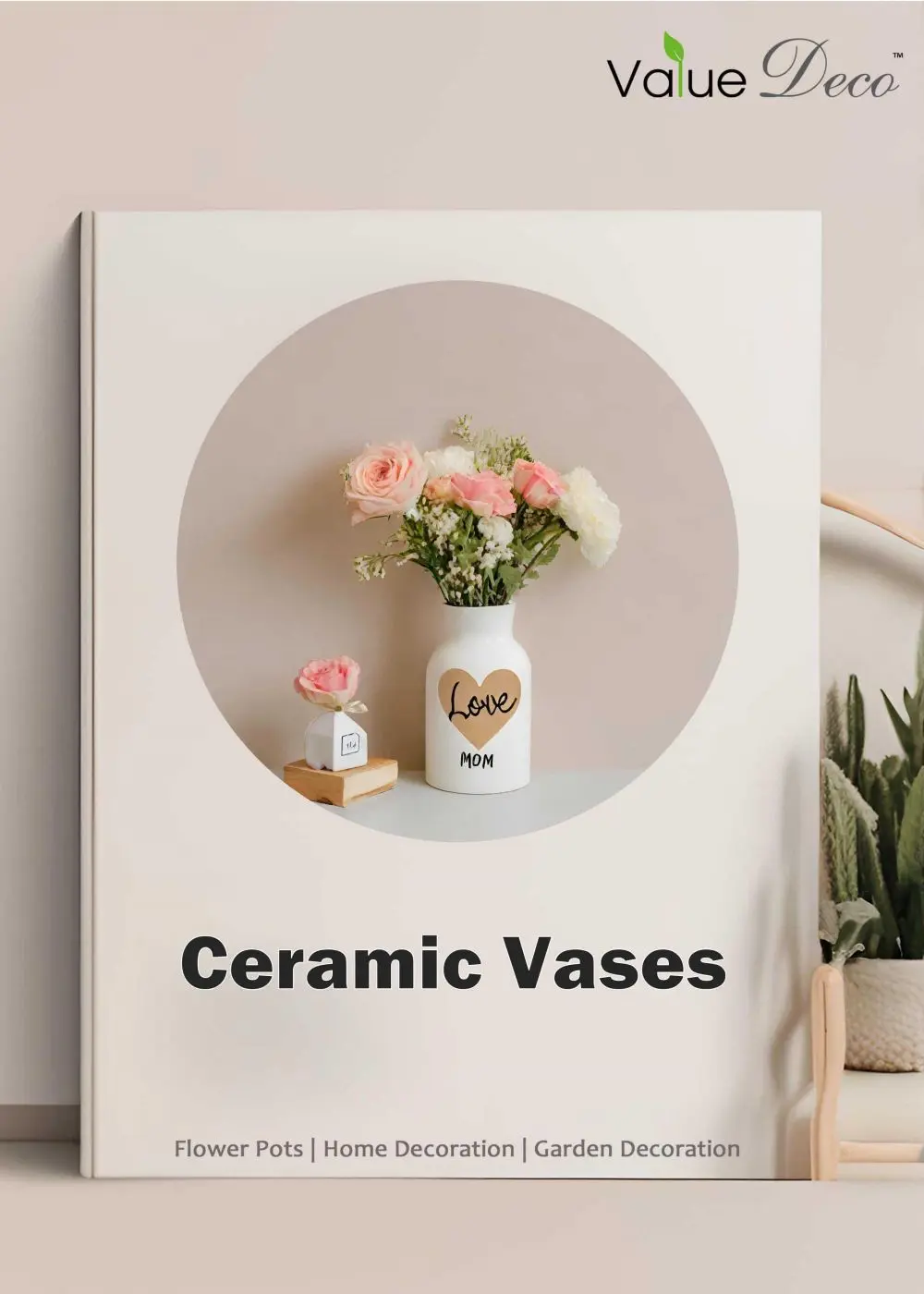
Download our specialized product catalogs to view our complete range of ceramic designs, structural configurations, and color palettes.
A comprehensive collection of hand-painted, glazed, and themed ceramic items suitable for key retail seasons.