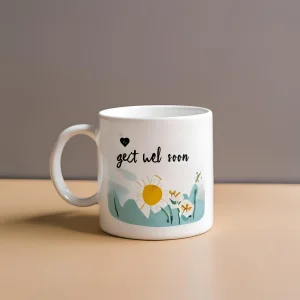

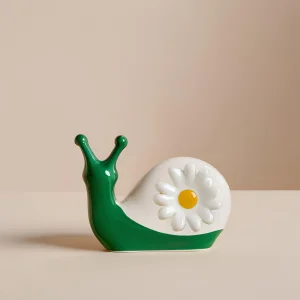

In the global market for structural ceramics and artistic earthenware, China stands as an unrivaled leader, commanding over 70% of the world's production capacity. Terracotta painting (traditionally known as glazed, painted earthenware) has evolved from ancient tomb pottery and architectural relief styles into a major segment of modern home decor, outdoor landscaping, and seasonal retail commodities. The competitiveness of Chinese manufacturers relies on massive raw material integration, high-temperature gas tunnel kiln efficiencies, and specialized regional clusters (such as Dehua, Chaozhou, and Yixing) that drive cost structures down while pushing design boundaries forward.
For modern global brands, locating the right China Terracotta Painting Manufacturers & Supplier is not just a matter of price. It requires a detailed evaluation of raw clay chemical consistency, paint adhesion parameters, firing durability, and compliance certifications. As a senior SEO growth director and industry analyst, I focus on presenting clear metrics and hard facts to help global sourcing managers make informed decisions.
Southern Chinese factories utilize regional clay reserves containing rich natural kaolinite, silica, and iron oxides. This distinct mineral configuration enables optimal plasticity for molded slip casting. The clay is refined through multiple filtration cycles to eliminate structural micro-impurities. This reduces firing defects, such as pinholes, bloating, and cooling cracks, ensuring a smooth surface ideal for detailed hand-painting and decals.
Modern Chinese factories have transitioned from traditional coal-fired wood kilns to computerized, clean-energy natural gas tunnel and roller kilns. These automated kilns maintain uniform thermal profiles between 900°C and 1150°C. Precise temperature control is essential to prevent thermal shock in terracotta bodies, ensuring uniform shrink rates and consistent dimensions across large production runs.
Terracotta paint flaking is a common quality issue in wet climates. Modern Chinese manufacturers use high-adhesion organic and inorganic pigments applied via precision spraying or hand-painting. After painting, the items undergo low-temperature baking (between 150°C and 250°C) to cure the surface coating. This creates a chemical bond that resists UV fading and moisture absorption, keeping the finish clean and stable in outdoor settings.
B2B importers serving North America and Europe face strict chemical safety standards. Quality manufacturers use lead-free, cadmium-free raw glazes and paints. They partner with international testing labs like SGS, Intertek, and BV to issue compliance reports for FDA, California Prop 65, and REACH, allowing products to pass customs and enter major retail chains smoothly.
Transitioning from a 2D design sketch to a 3D ceramic prototype requires precision. Manufacturers use CAD/CAM modeling and 3D printing to create test plaster molds. This speeds up the sampling cycle to just 5-7 days. During slip casting, they maintain wall thickness tolerances within ±2mm, ensuring consistent structural integrity and weight across the production run.
Large terracotta items are fragile and vulnerable during sea transit and parcel delivery. Top suppliers use custom packaging solutions, including drop-tested ISTA-3A/6A mail-order boxes with high-density EPS, EPE foam, and double-wall corrugated outer cartons. This keeps transit damage rates below 0.5%, protecting profit margins for ecommerce retailers and distributors.
Value Deco Limited is a prominent manufacturer and supplier of premium ceramic flower pots, vases, candle holders, and seasonal home decor items. Backed by over 12 years of industry experience, we offer tailored OEM/ODM solutions to buyers around the globe. Our product range blends decorative appeal with reliable durability, helping our partners capture market share in competitive retail sectors.
Our dedicated divisions offer specialized support: the Value Deco Pots Division focuses on indoor and outdoor planters, while the Pride Deco Division handles home accessories, tableware, and seasonal accent pieces.
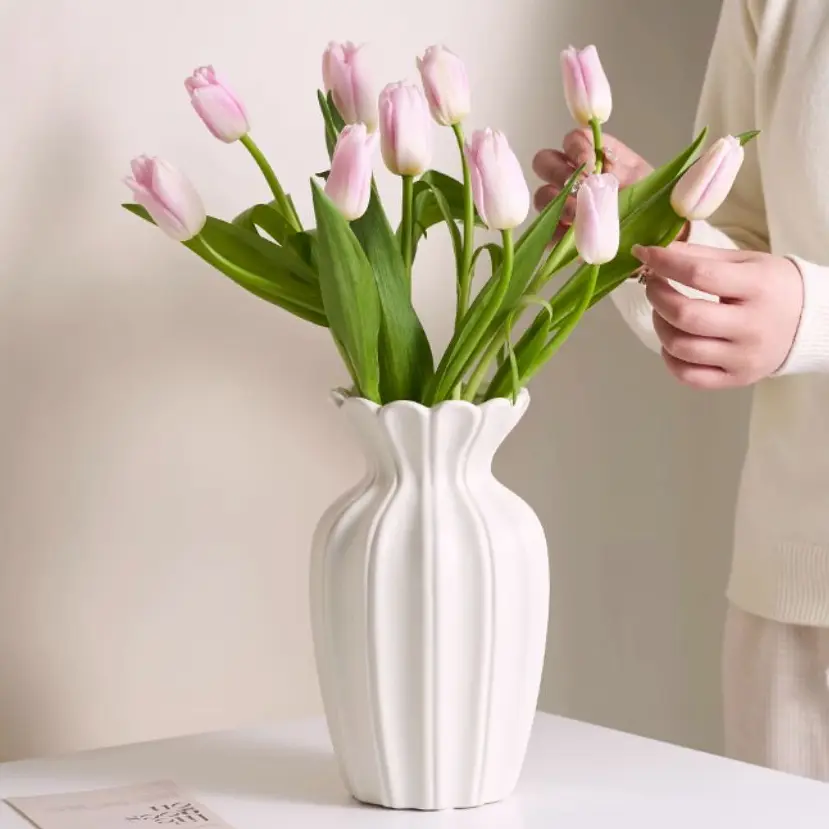
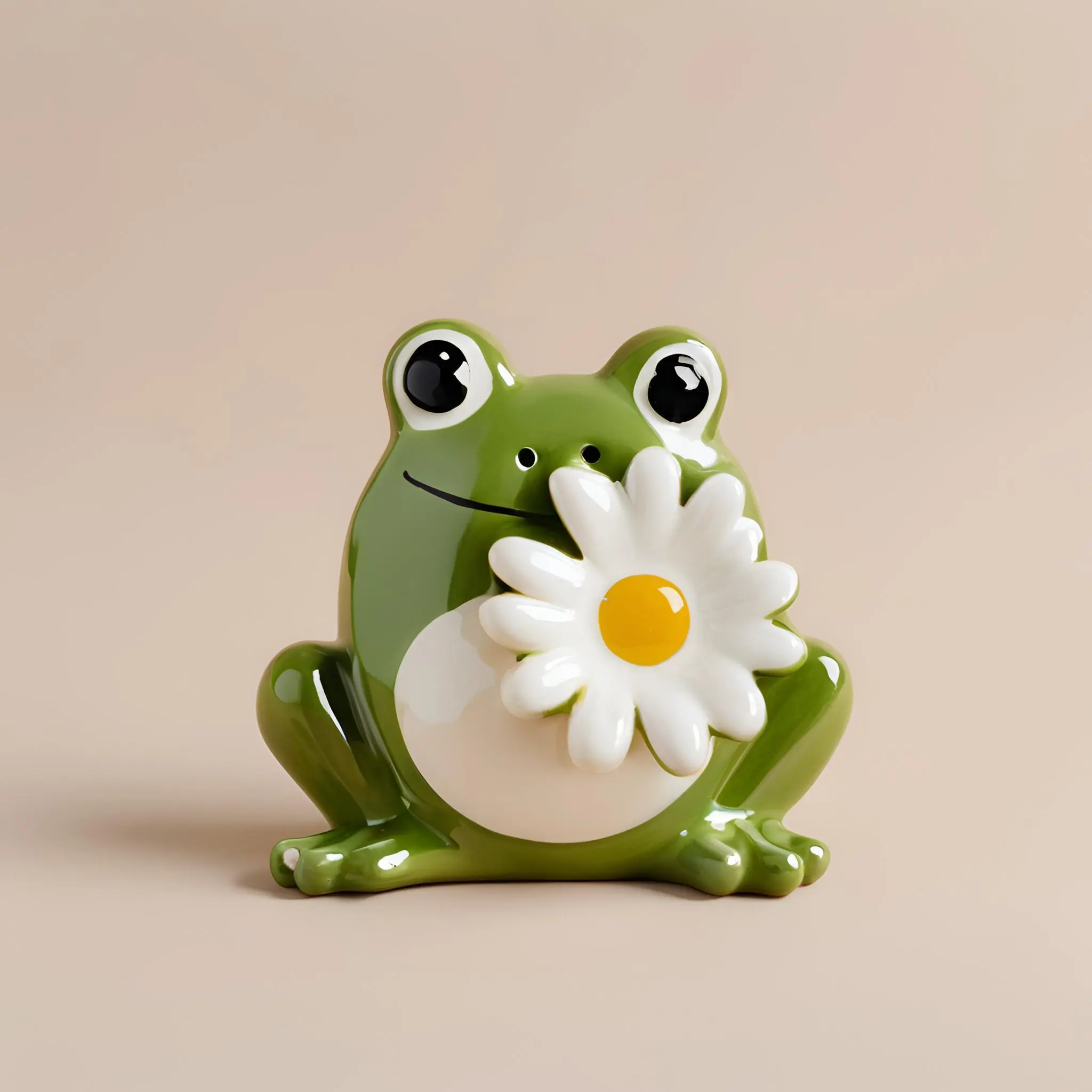

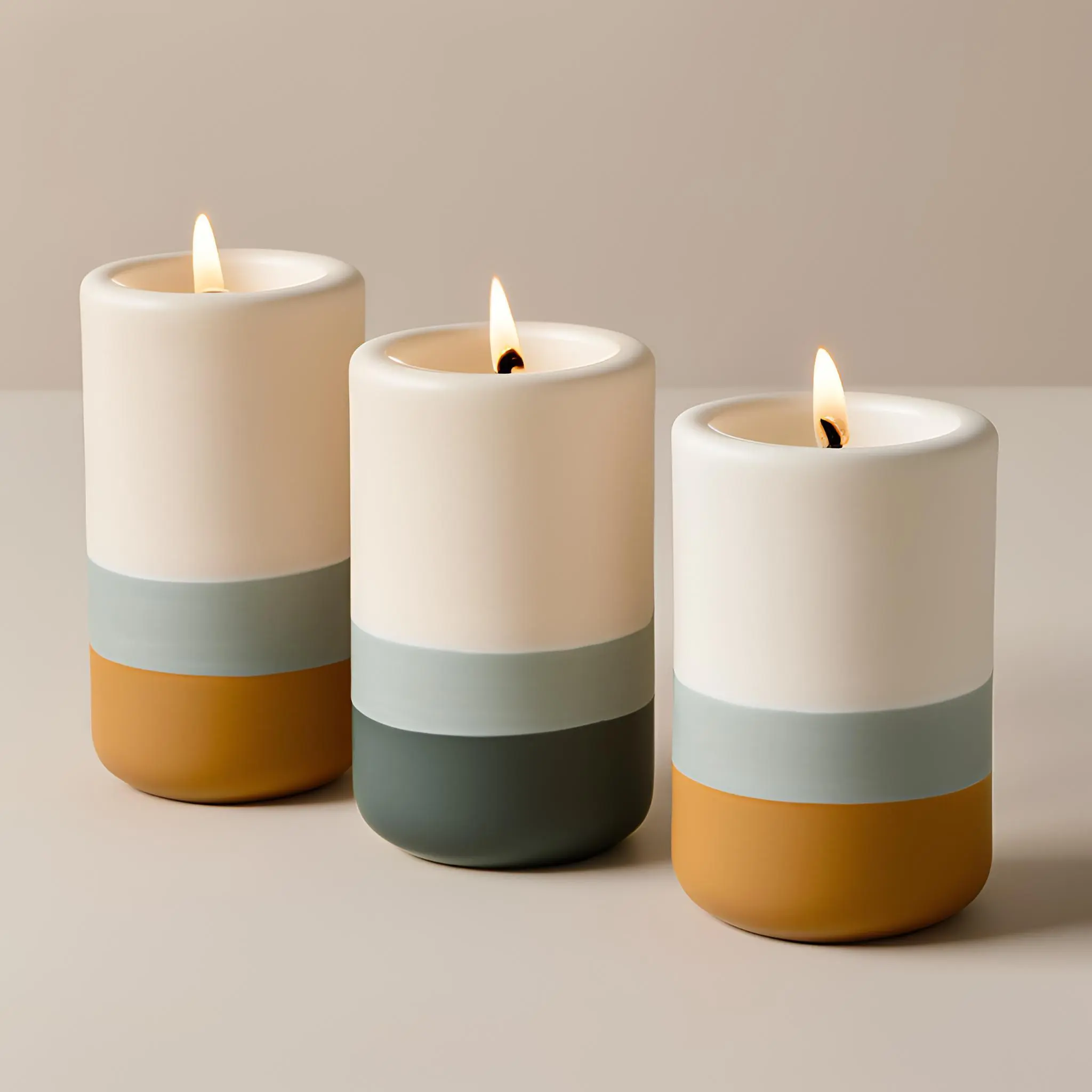

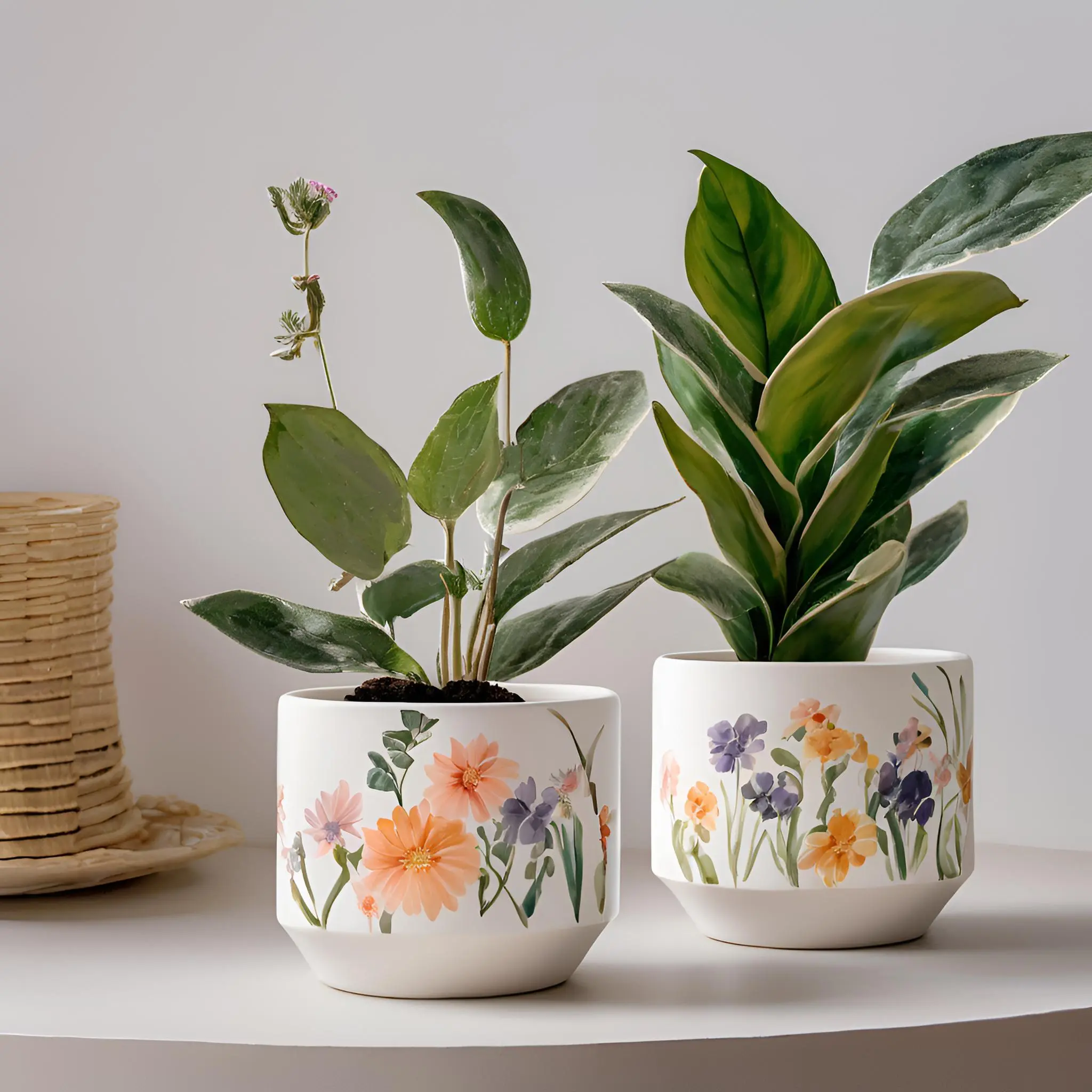
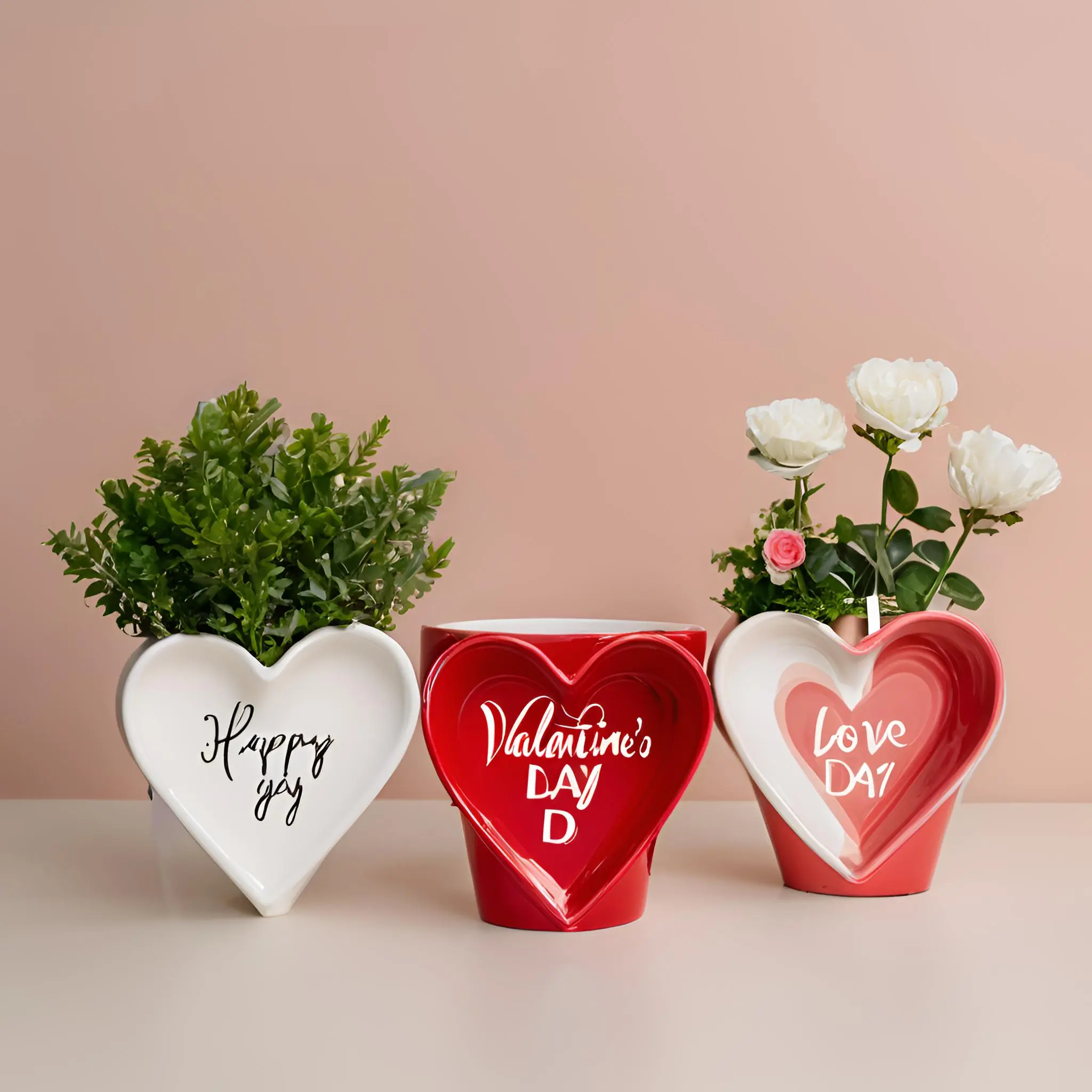
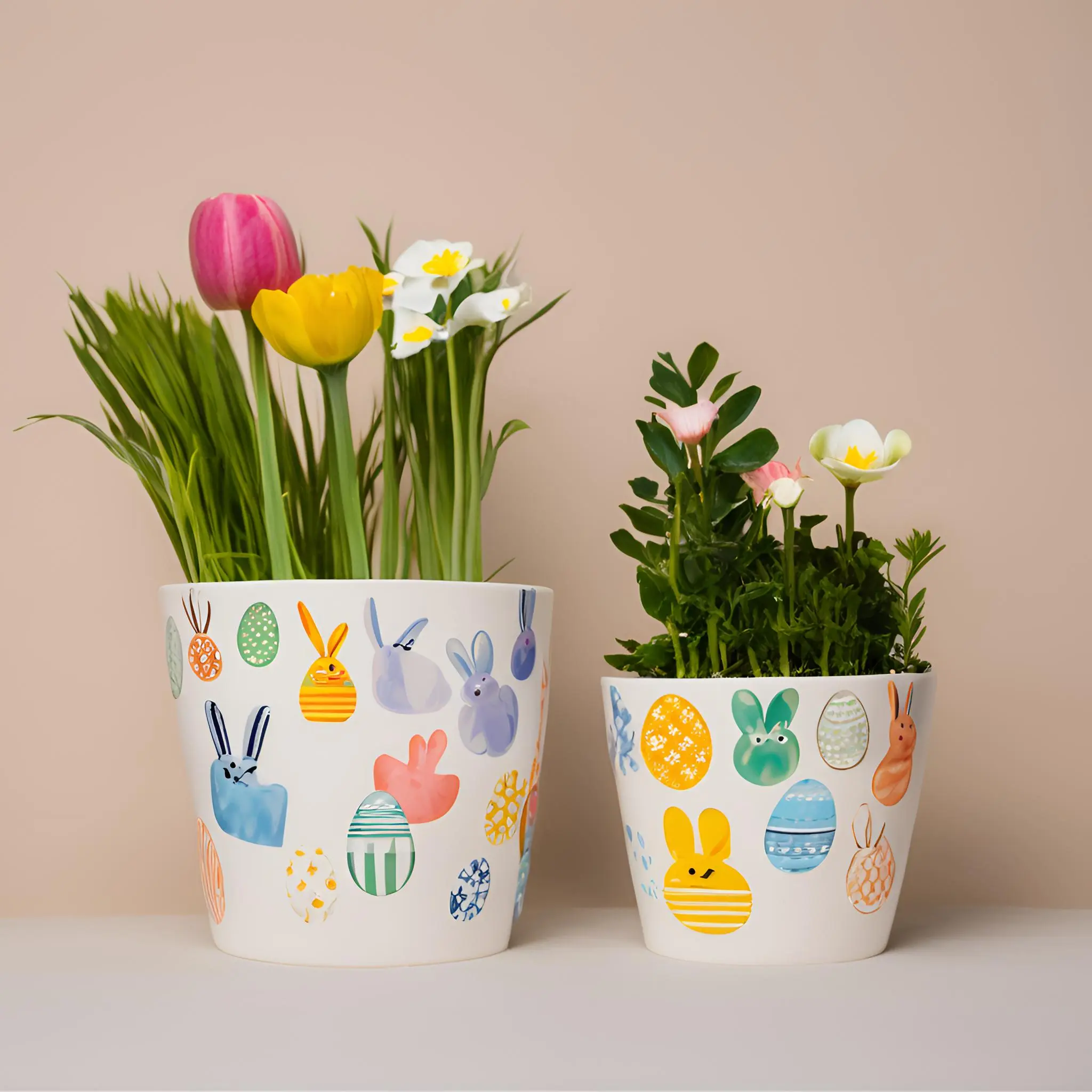
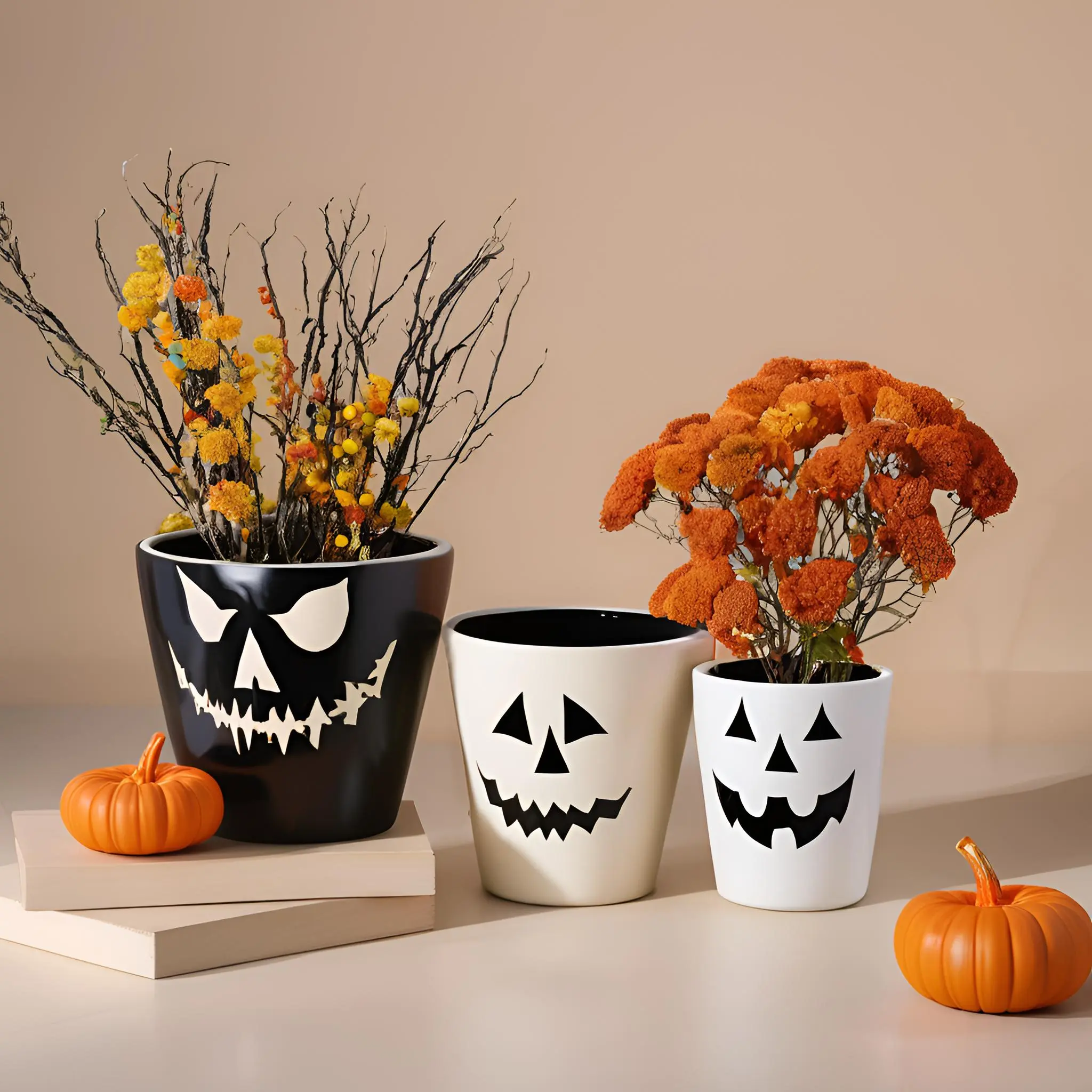
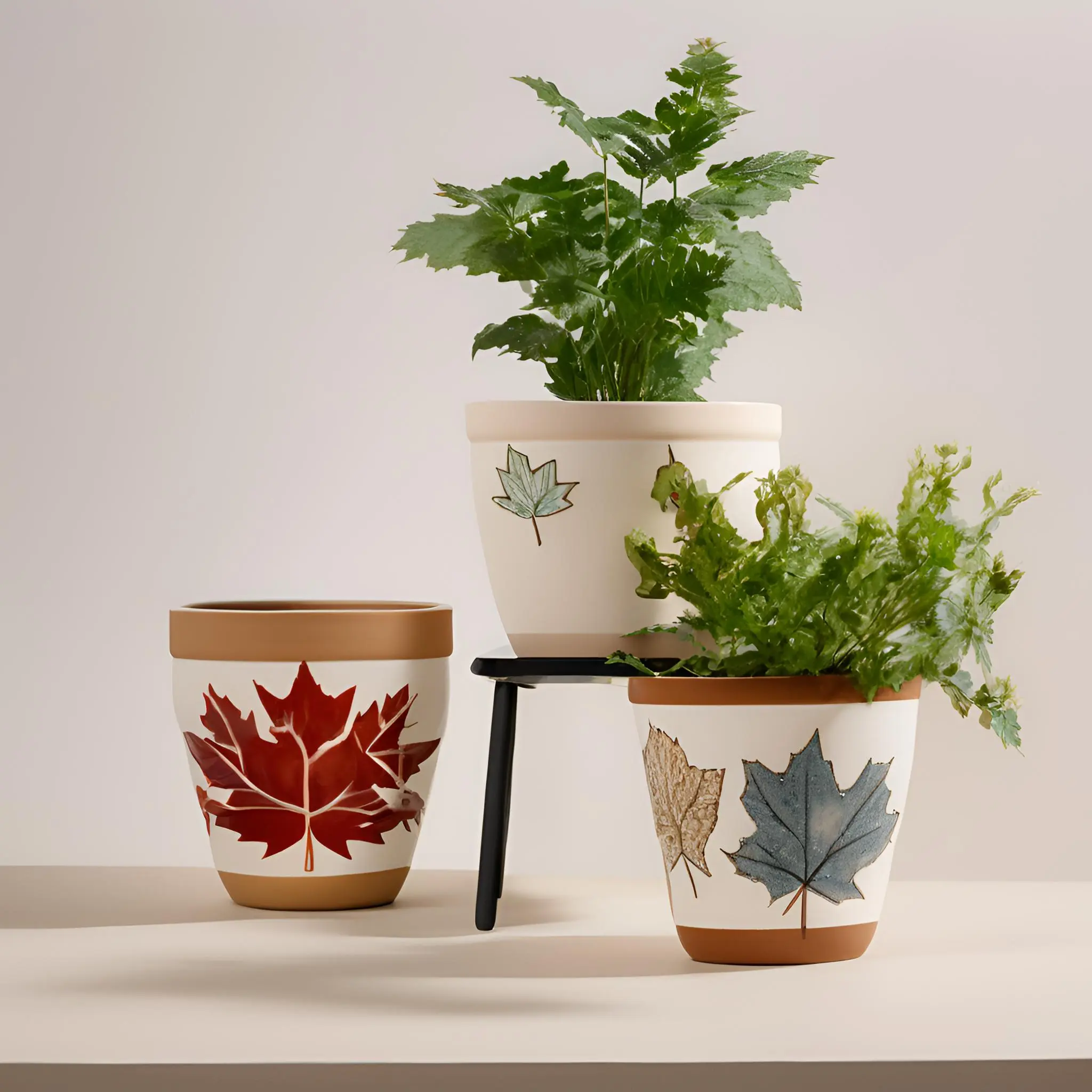
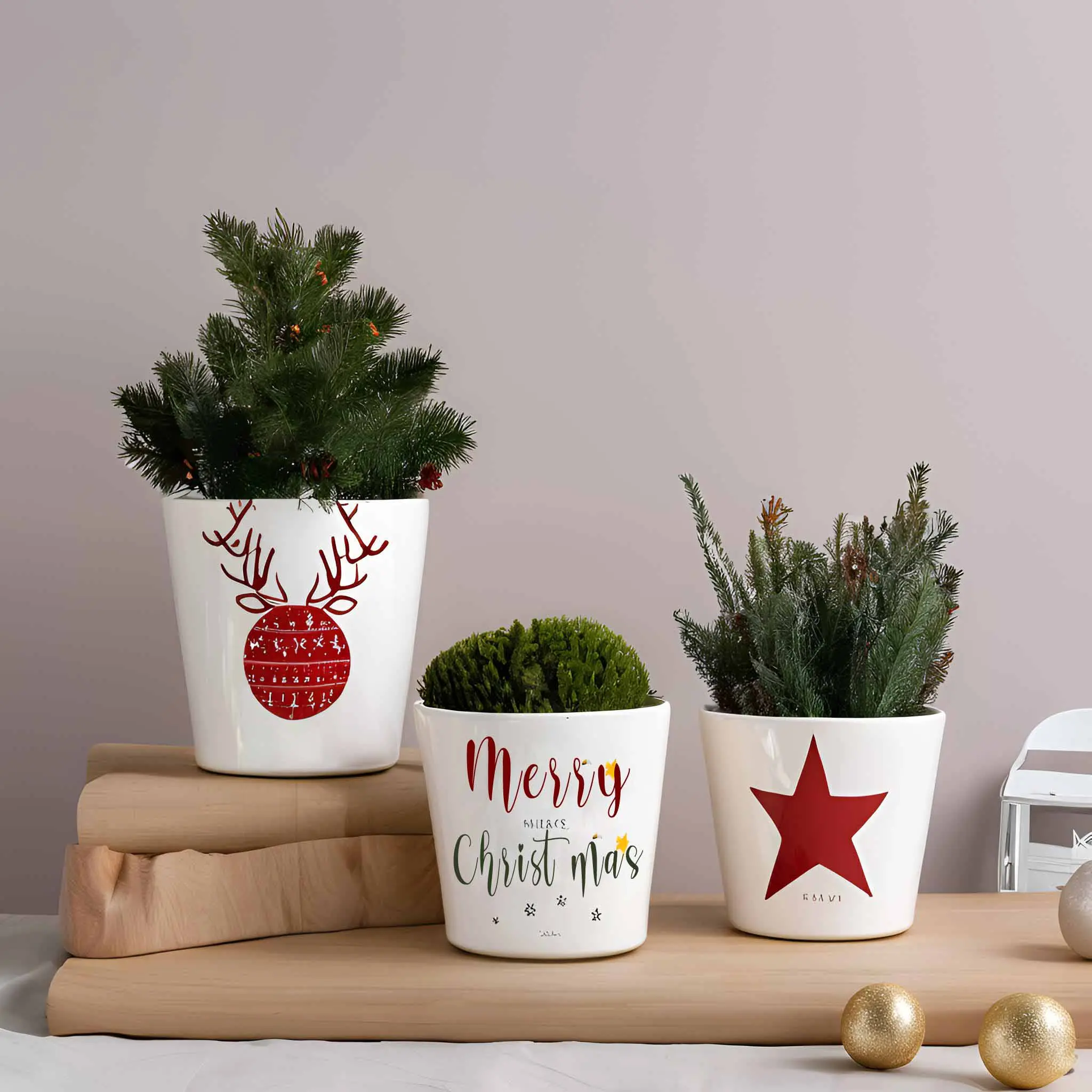
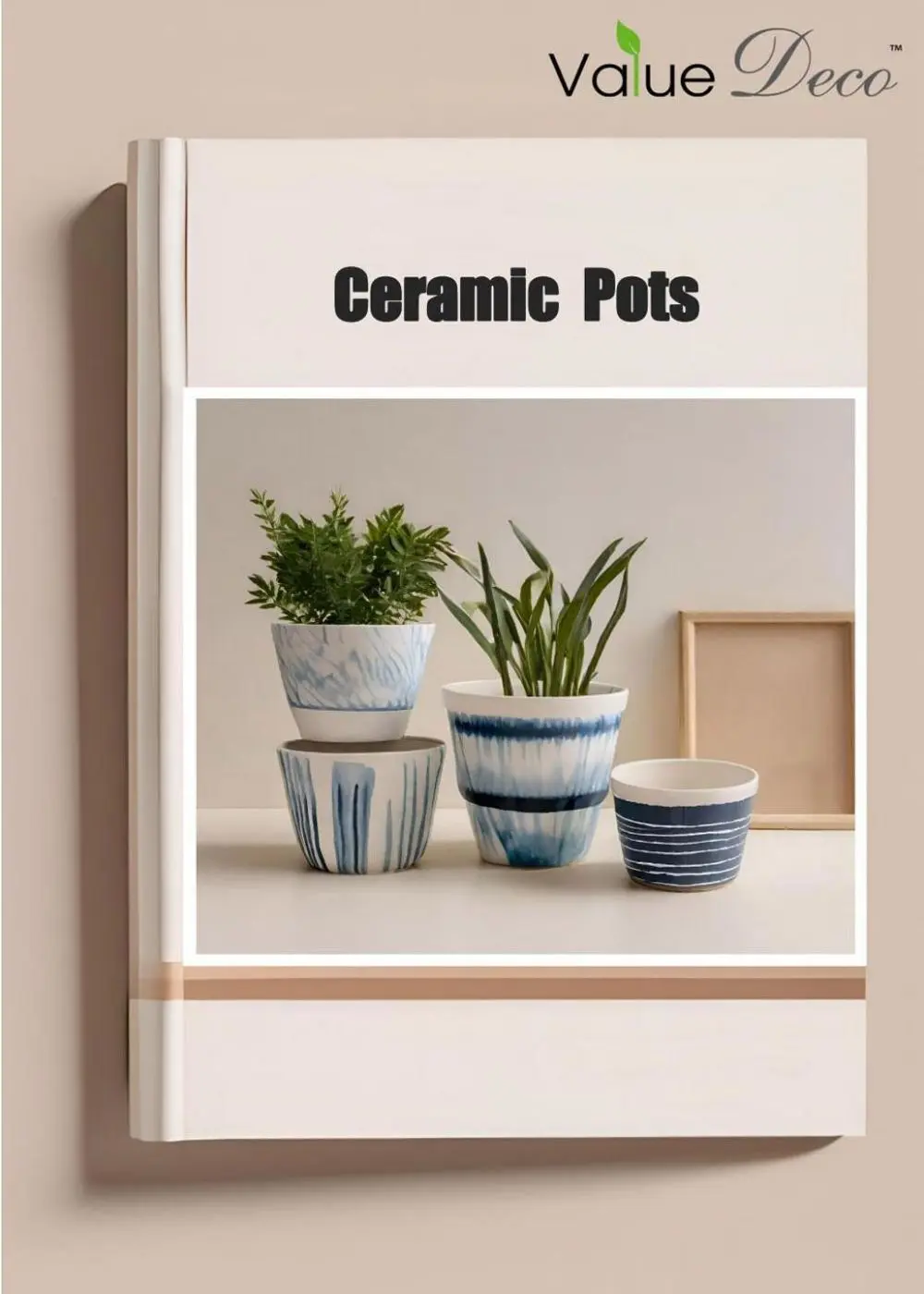
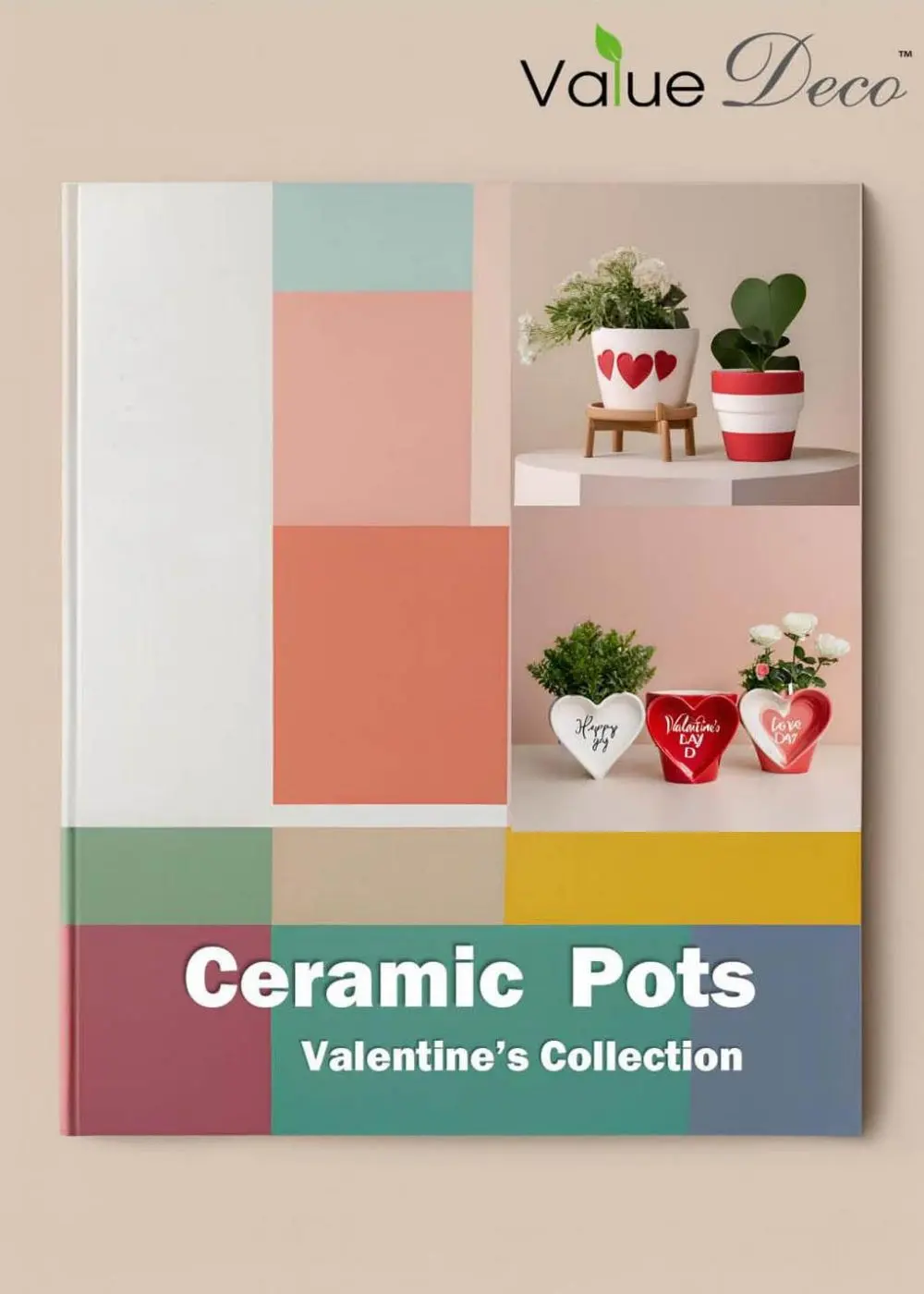
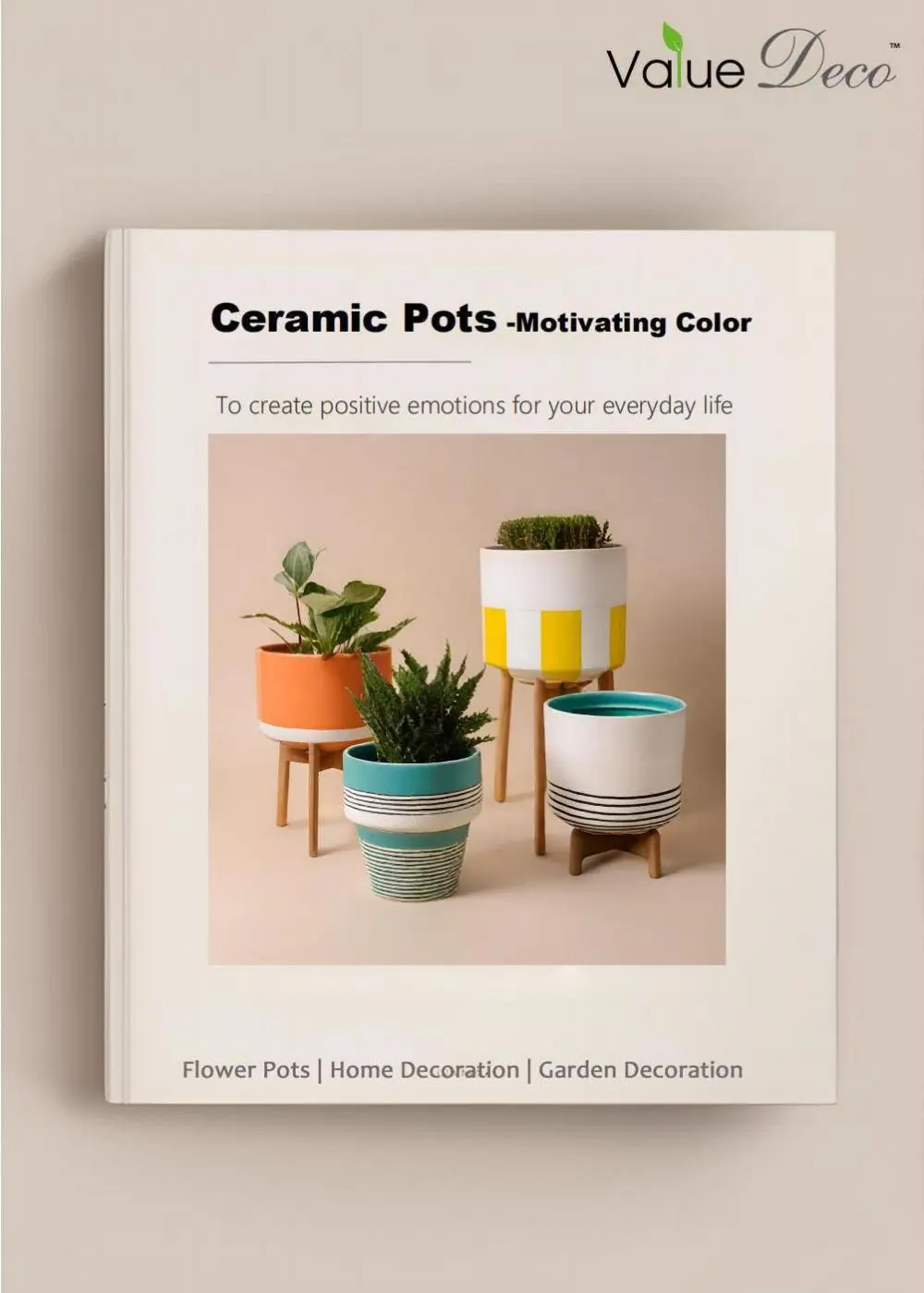
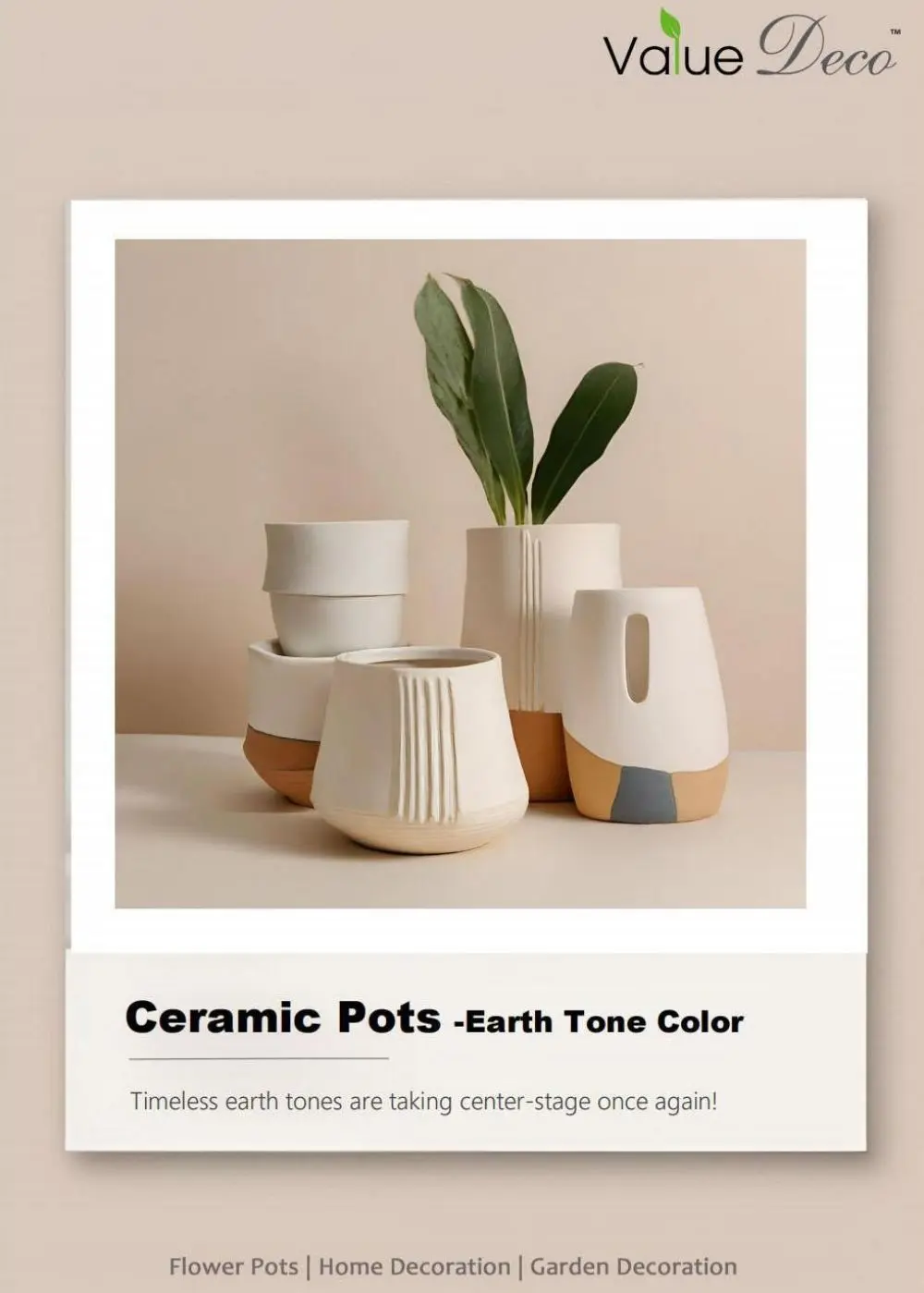
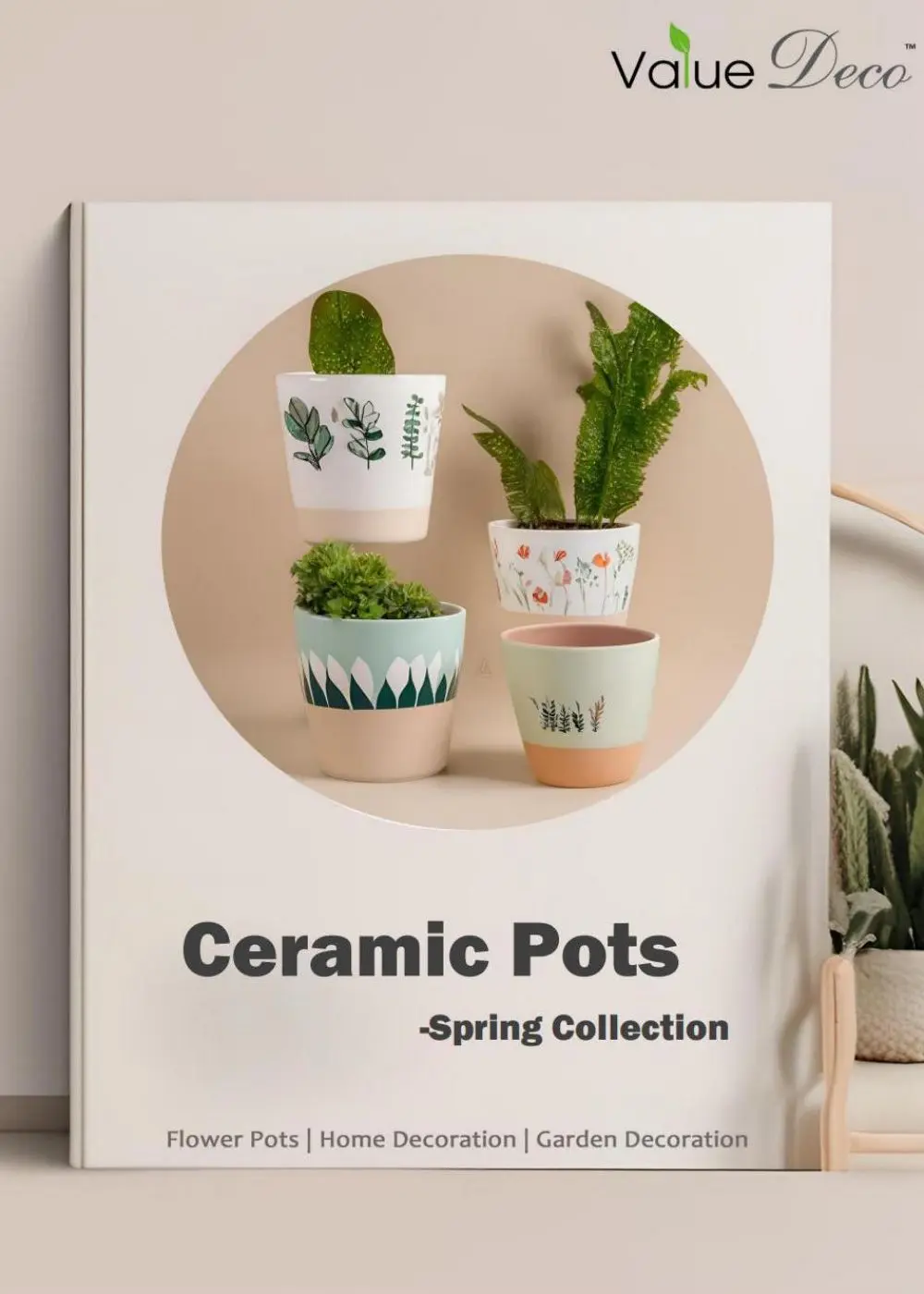
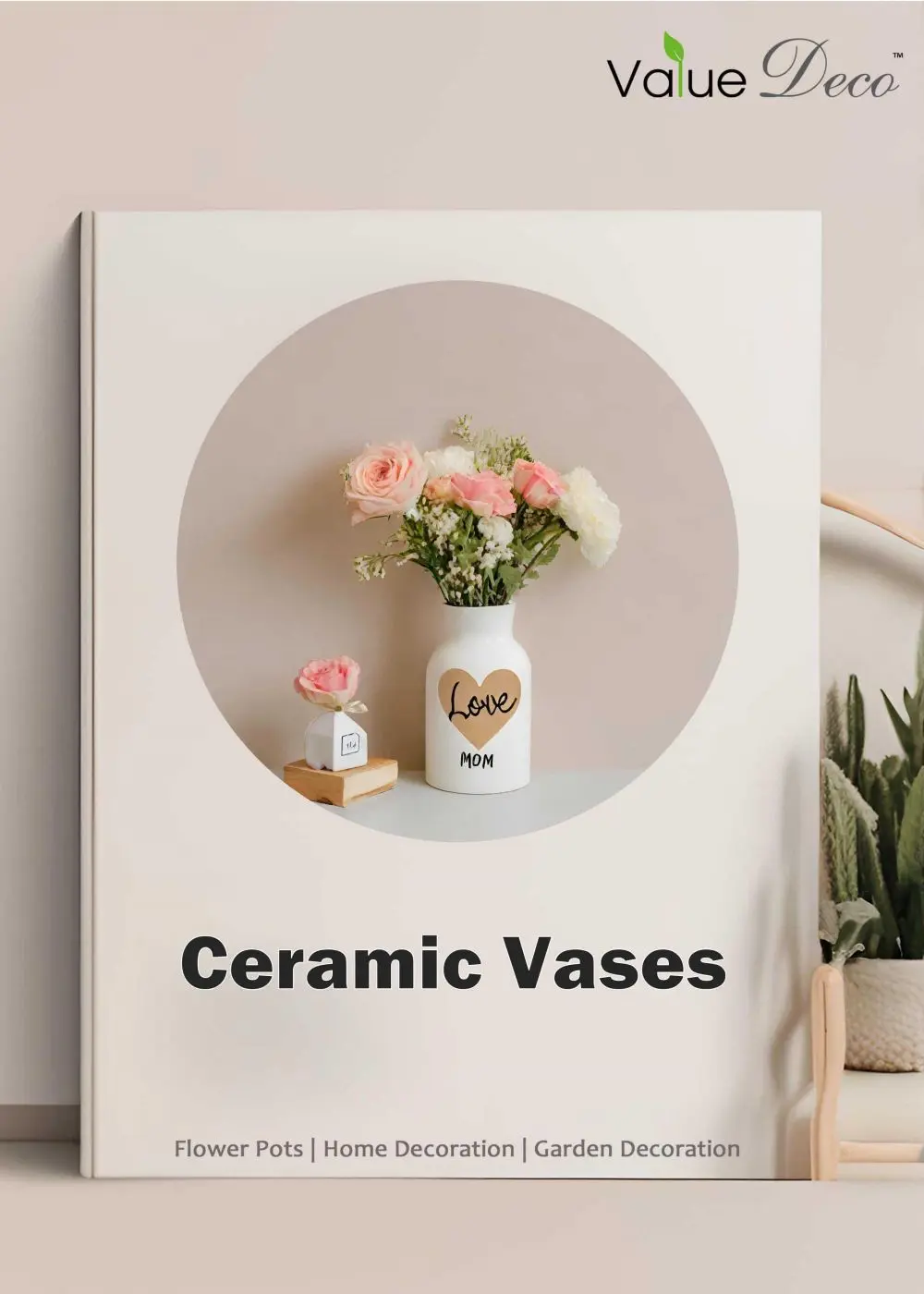
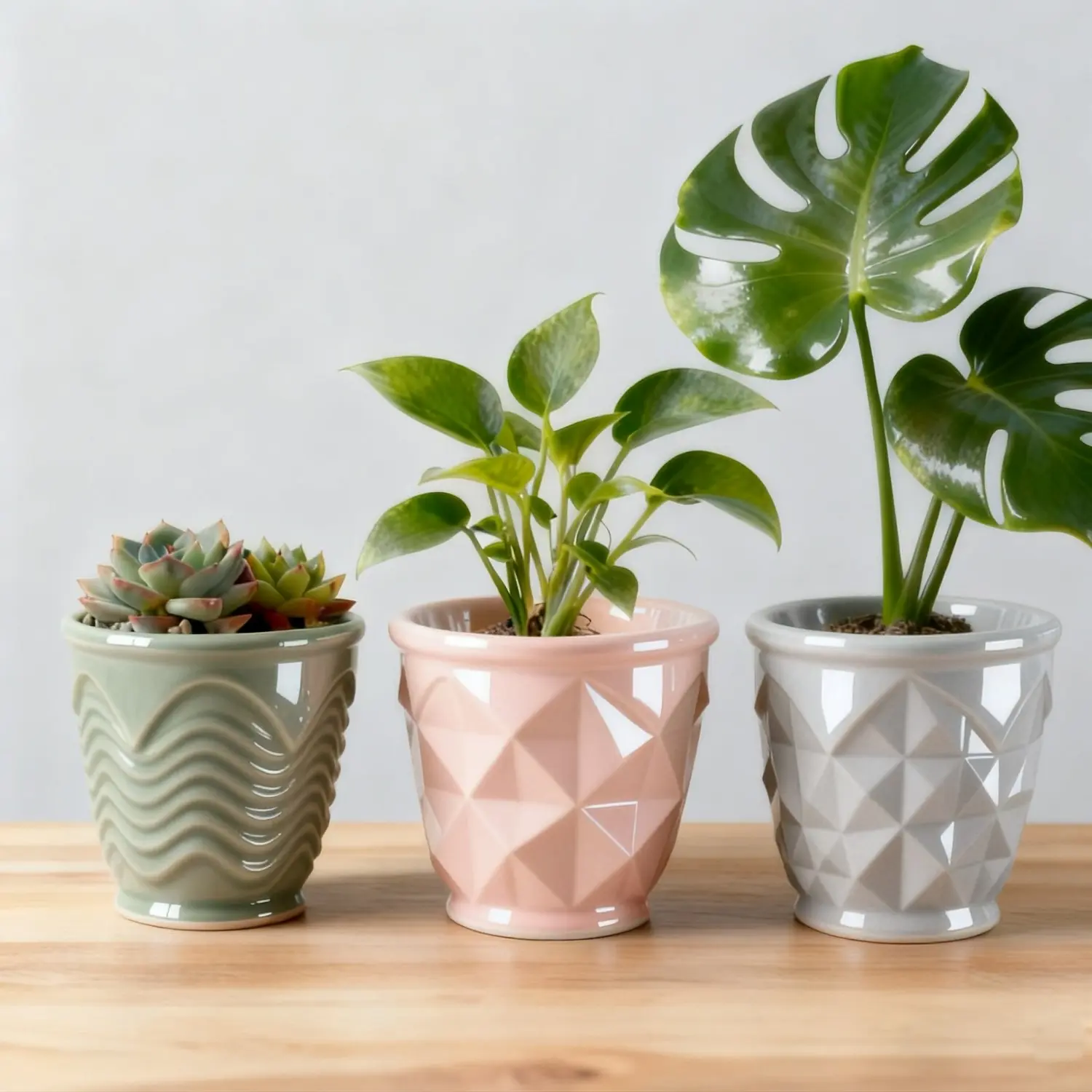
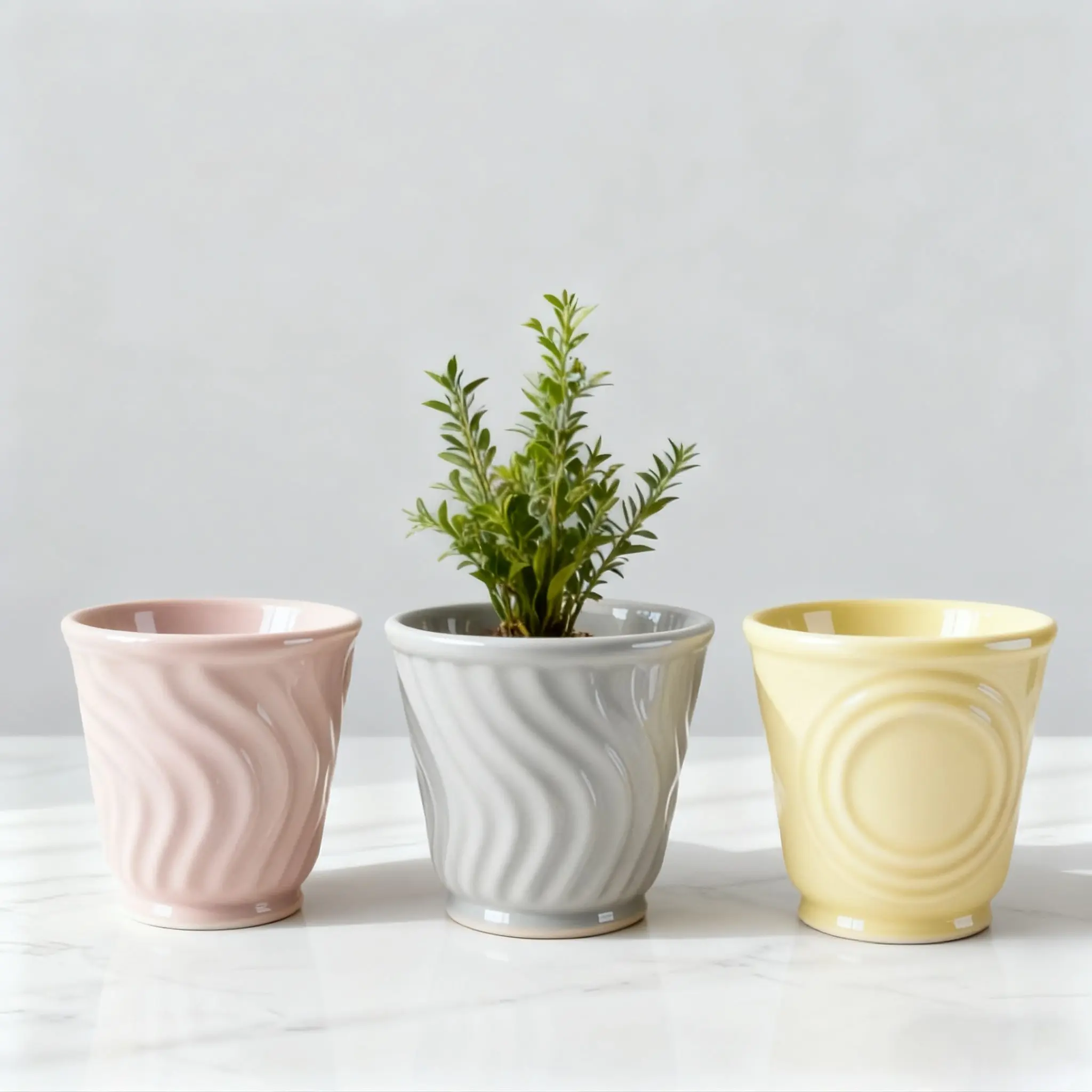
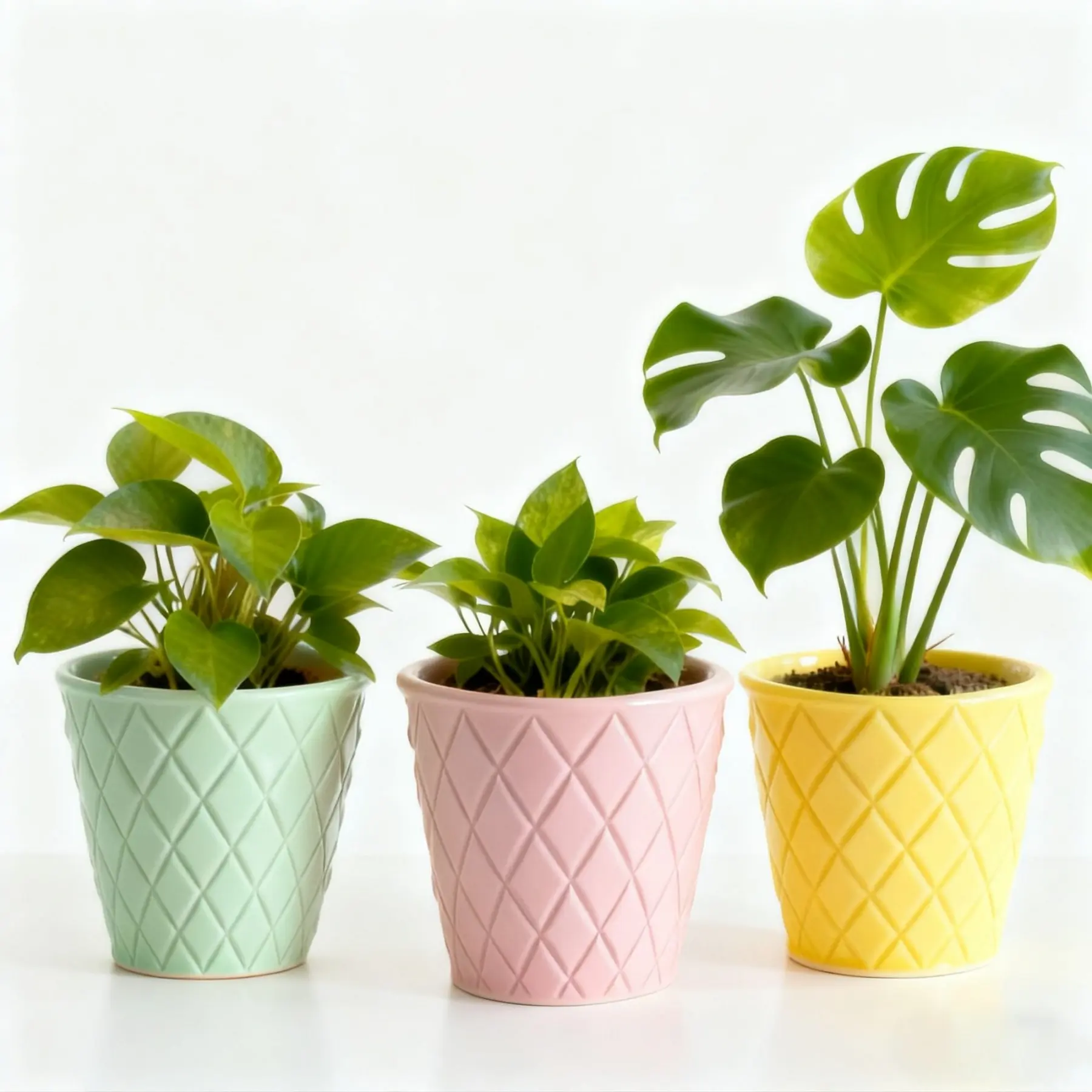
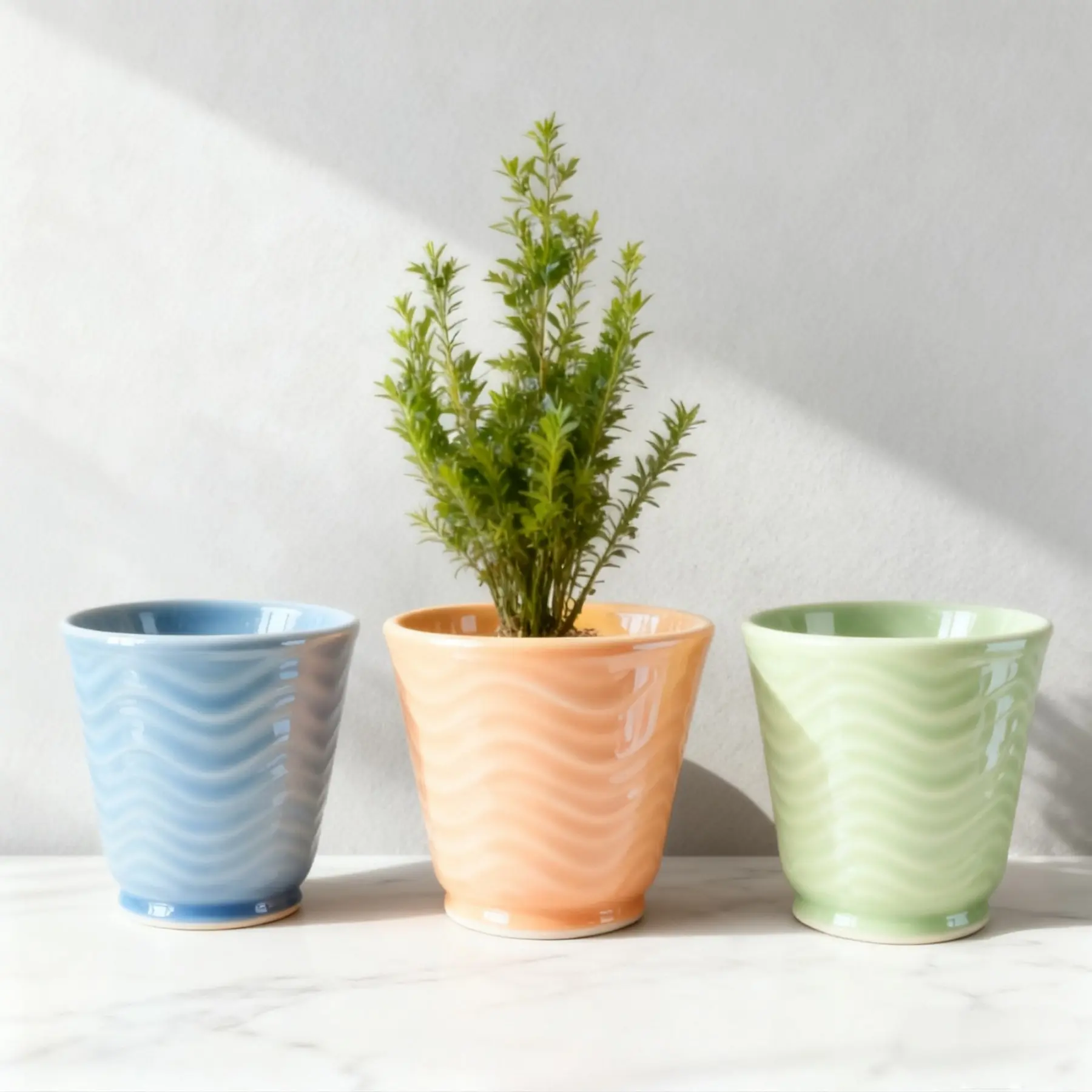
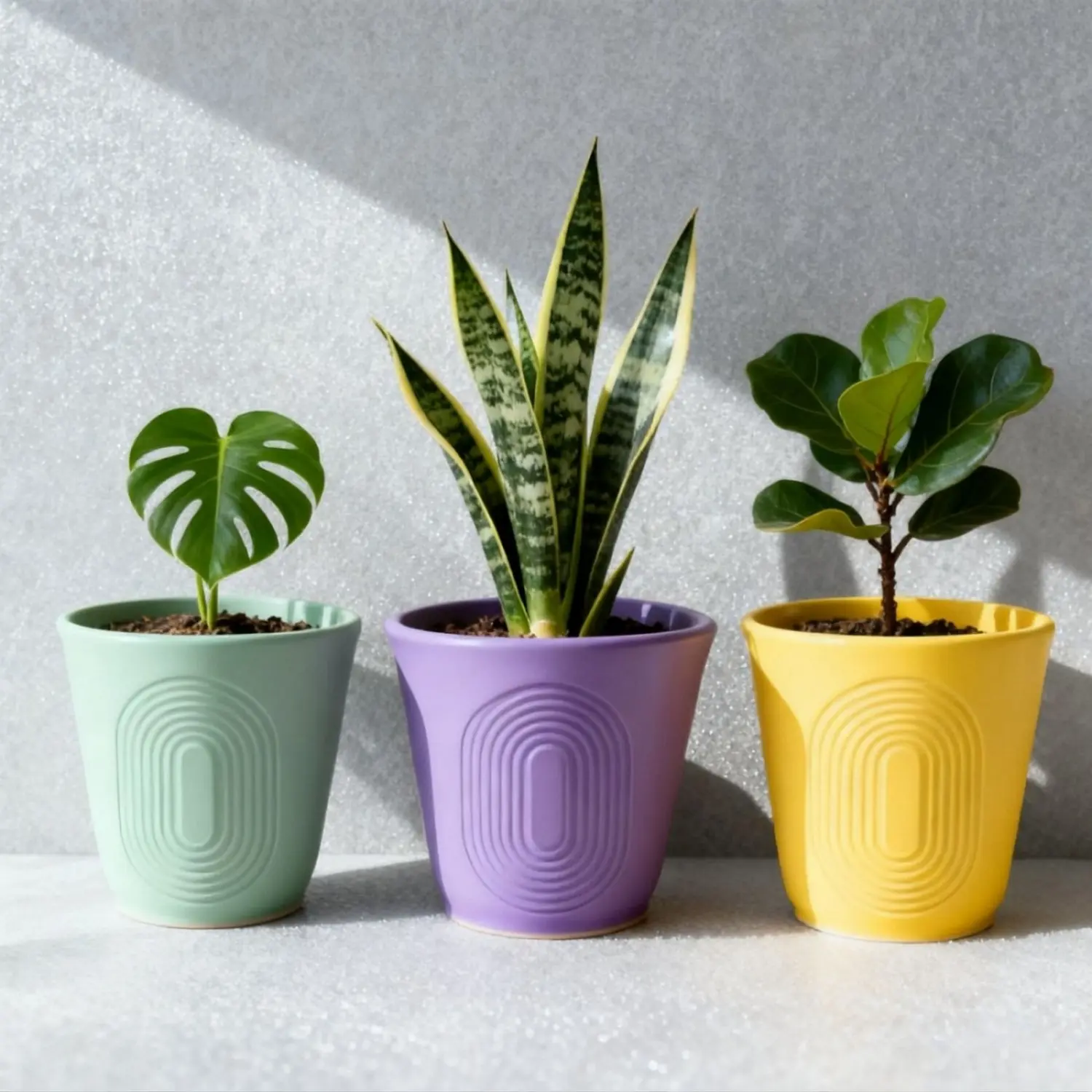
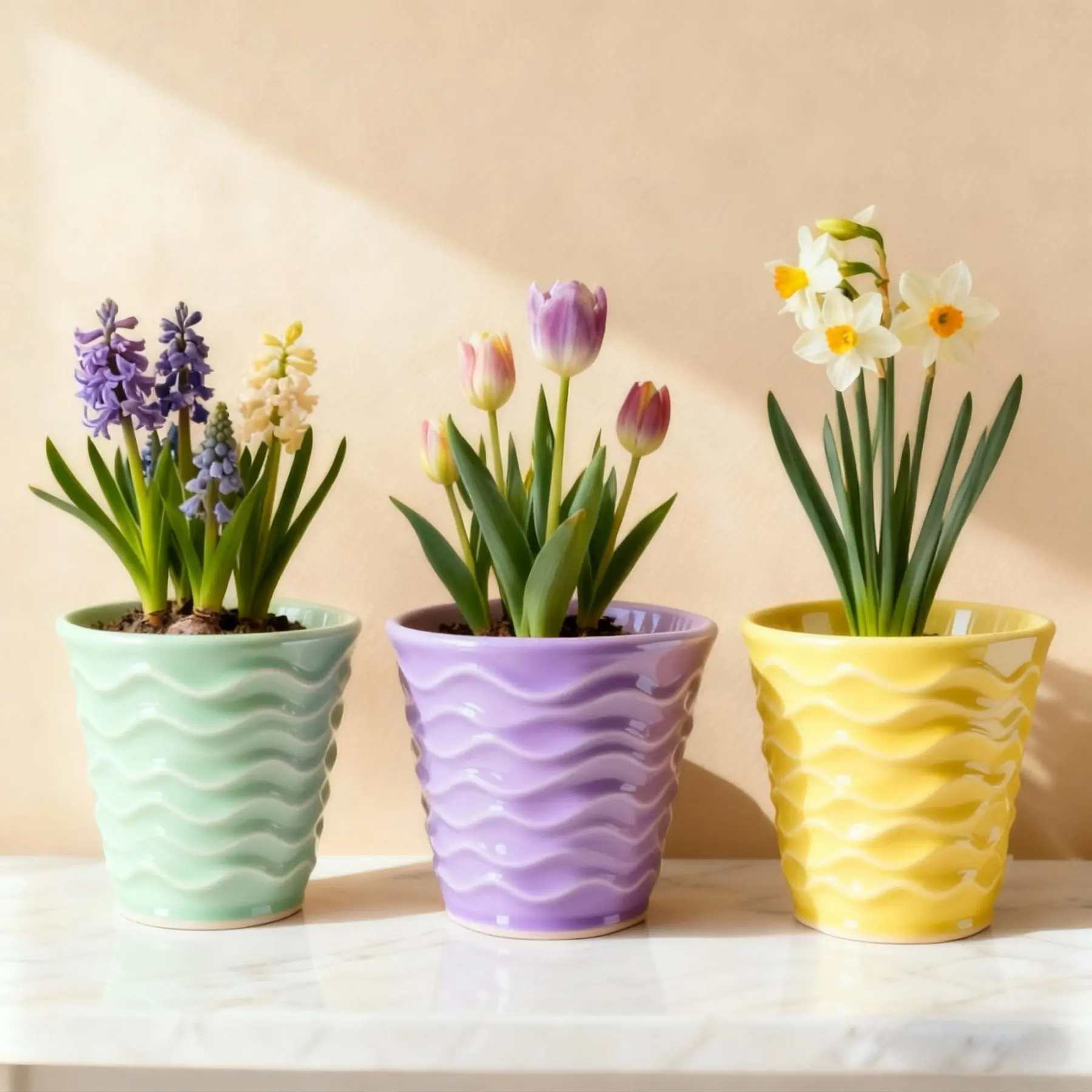
The global demand for terracotta and painted ceramics is driven by key consumer shifts. Today's buyers prioritize sustainability, unique textures, and design adaptability. Recognizing how regional markets apply these products helps B2B importers structure their seasonal purchasing portfolios and maximize sell-through rates.
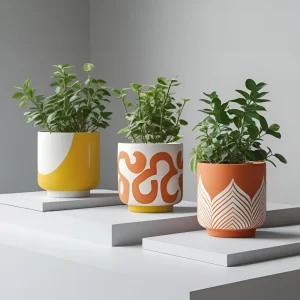
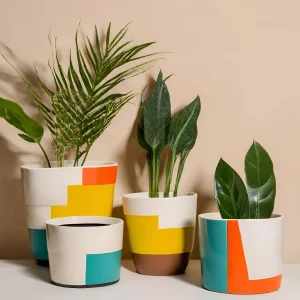
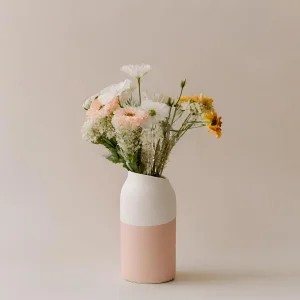
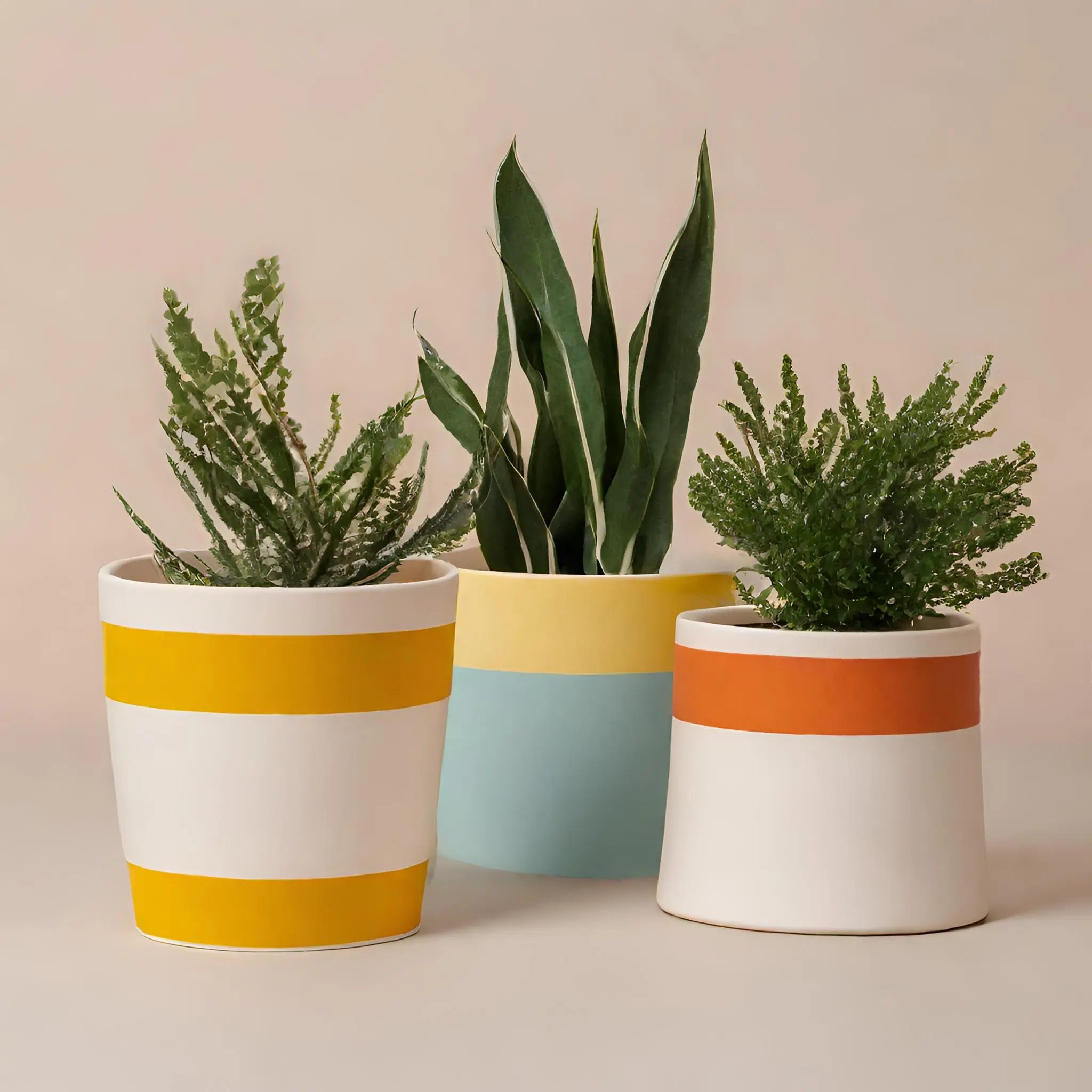
Modern commercial and residential interiors are increasingly integrating natural elements. Earth-toned terracotta pots, featuring matte and textured overlaps (like the VDMK2403195), provide the tactile, grounding accents sought by interior designers. These pots bridge the gap between outdoor nature and indoor living spaces.
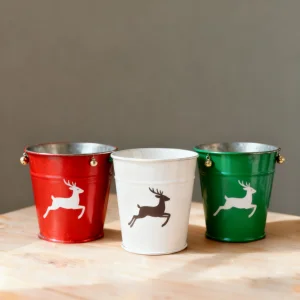
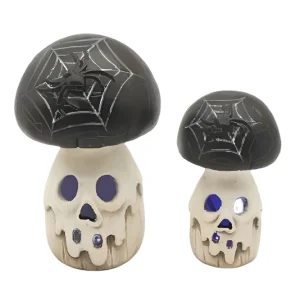
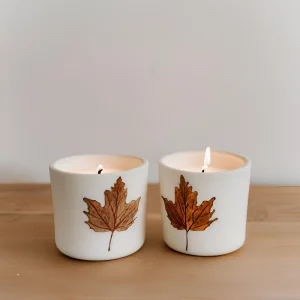
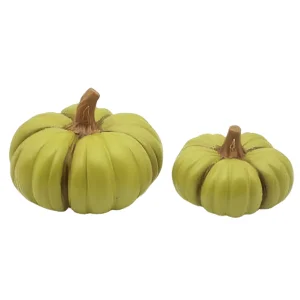
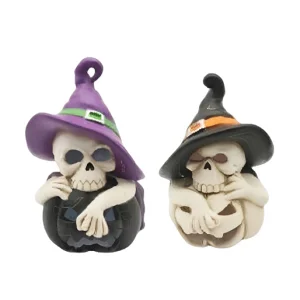
Global mass retailers rely heavily on seasonal product launches. Integrating Halloween themes (such as the HDFS8122 Hand-Painted Skull) with Harvest/Fall candle holders (like the VDLK1930) and Christmas designs allows distributors to build a cohesive, year-round catalog that matches consumer purchasing timelines.
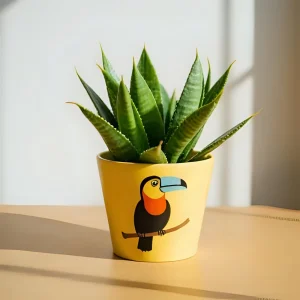
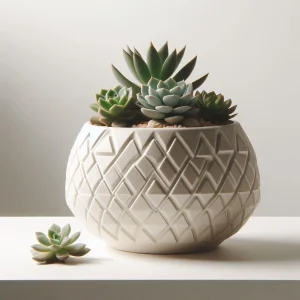
As urban living spaces shrink, demand has surged for smaller succulent pots (such as the VDLK4655 set) and motivational mini-planters (like the VDLK2403397). These compact, lightweight designs are highly popular in dense metropolitan regions across Europe, Japan, and North America.
B2B commercial buyers, including hotels, resorts, and premium offices, require durable, weather-resistant planters. Heavy-duty, high-fire glazed terracotta and resin options offer the necessary structural strength and frost resistance to withstand high-traffic, outdoor conditions.