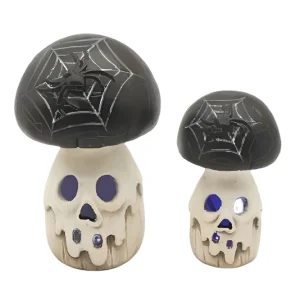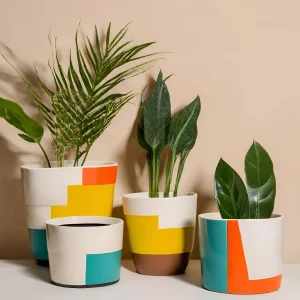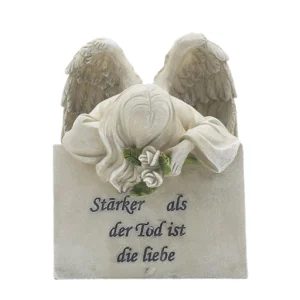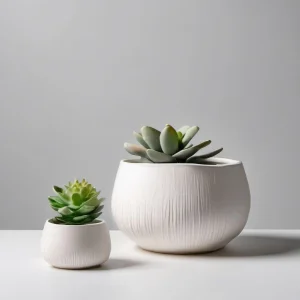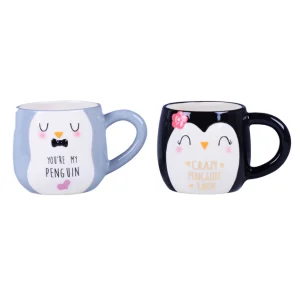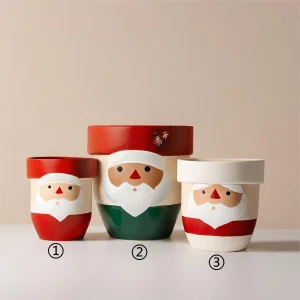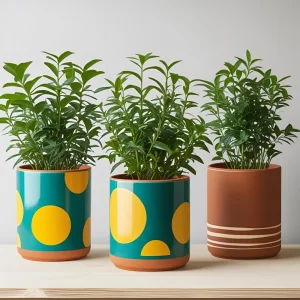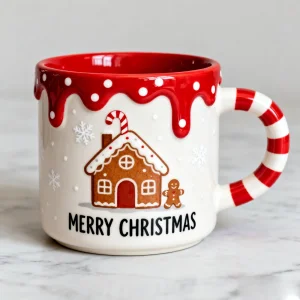
Industrial grade decorative ceramics engineered for high-durability and custom brand aesthetics
Raku pottery, historically originating in 16th-century Japan, is defined by its dramatic and rapid thermal transformations. Traditionally, wares are extracted from kilns at peak temperatures—approximately 1,000°C (1,832°F)—and subjected to post-firing reduction atmospheres. This exposure to ambient air, followed by combustion in containers filled with sawdust, straw, or paper, yields the iconic crackled glazes, rich iridescent copper flashes, and carbon-infused black clay bodies.
For global distributors and high-volume procurement agencies, importing Raku at scale has historically posed extreme logistical and quality control hurdles. The high thermal shock inherent to the Raku process typically yields structural micro-cracks, high scrap rates, and brittle clay bodies that fail standard transit drop-testing metrics.
Information Gain: China's leading ceramic factories have industrialized Raku by developing proprietary earthenware clay bodies containing up to 35% calcined grog (milled refractory clay). This structural enhancement acts as a thermal stress relief network, dropping the internal thermal expansion coefficient of the clay to match the rapid glass transition phase of customized borosilicate glazes.
Value Deco Limited is a leading supplier of high-quality ceramic pots based in China. With over 12 years of experience in the decoration industry, we have built a strong reputation for offering a diverse range of Flower Pots, Flower Vases, Candle Holders, Home Decoration, Garden Decoration, and Dinnerware, suitable for various seasons and applications. Our products are designed to meet trending designs, ensuring that they not only serve a functional purpose but also enhance the aesthetic appeal of any space.
Value Deco-Flower Pots Division:
Sub-Website for Flower Pots: www.valuedeco.com
Pride Deco-Home & Garden Décor Division:
Sub-Website for Home Decor, Candle holder, Dinnerware, Garden Decor: www.pridedeco.com
Value Deco Limited bridges the divide between the unpredictable charm of Raku aesthetics and the rigorous reliability required by modern retail supply chains. By establishing two specialized divisions—one focused on horticulture vessels and the other on home design and utility dinnerware—we deploy distinct manufacturing workflows tailored to each product category's safety and durability needs.
Our factories leverage localized materials science expertise, incorporating automated electric kiln control systems alongside hand-reduced reduction chambers. This hybrid production methodology guarantees that while every pot, vase, or dinnerware piece displays the distinct individual variation characterising traditional Raku glazes, they maintain uniform structural dimensions, ensuring seamless compatibility with global warehousing and retail distribution networks.
Comprehensive design solutions ranging from premium planters to specialized tabletop dinnerware
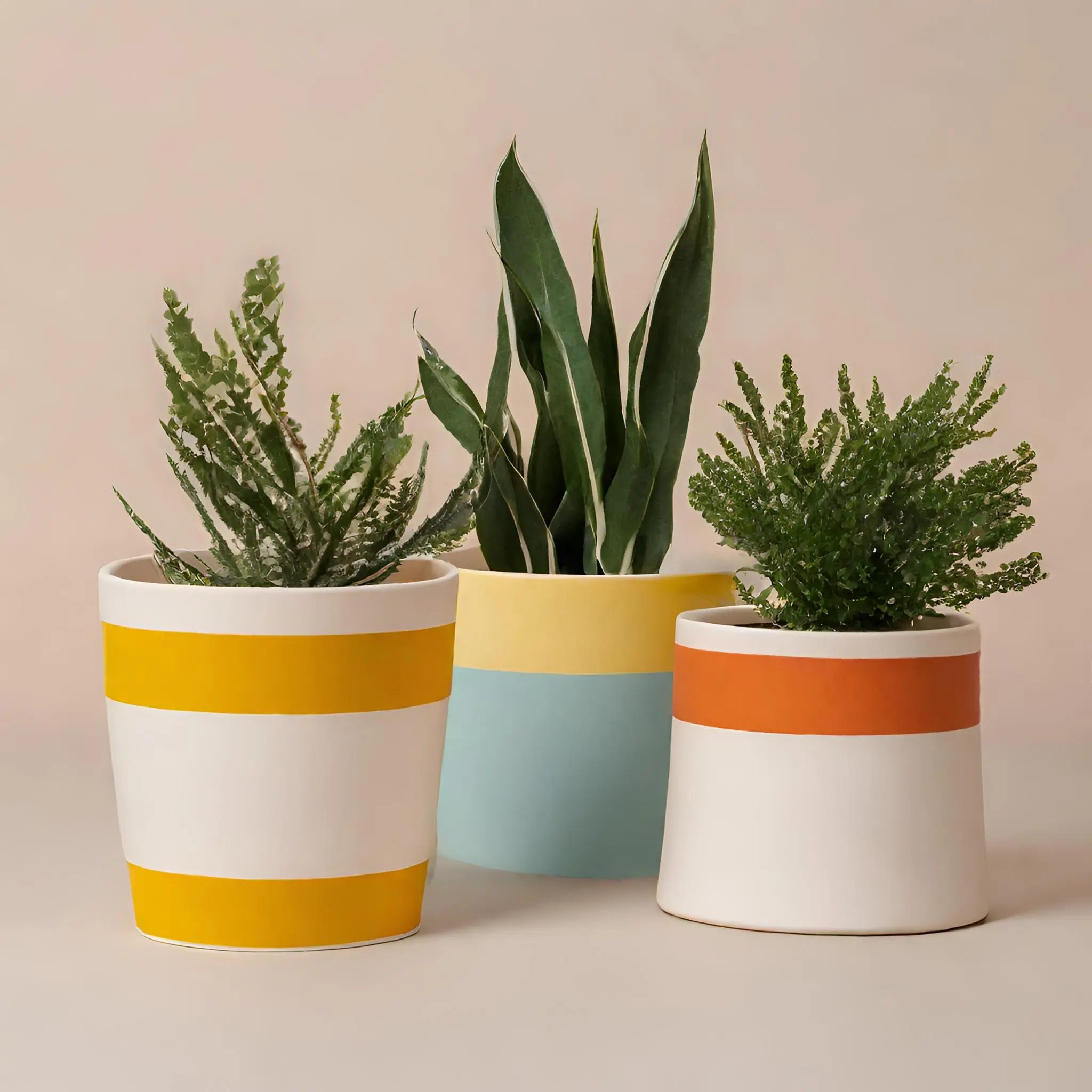
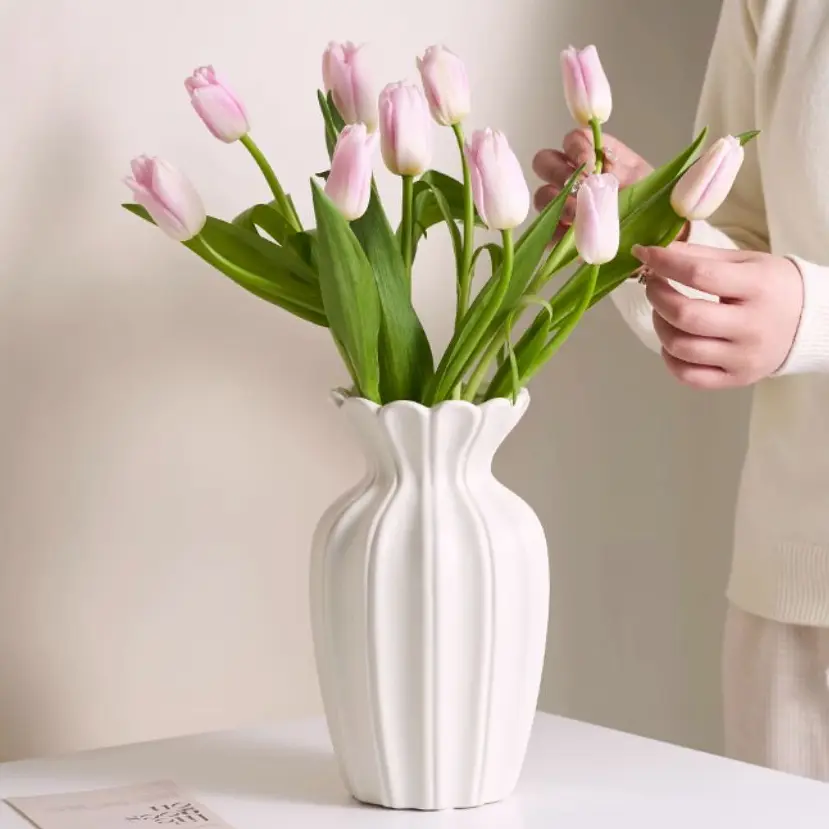
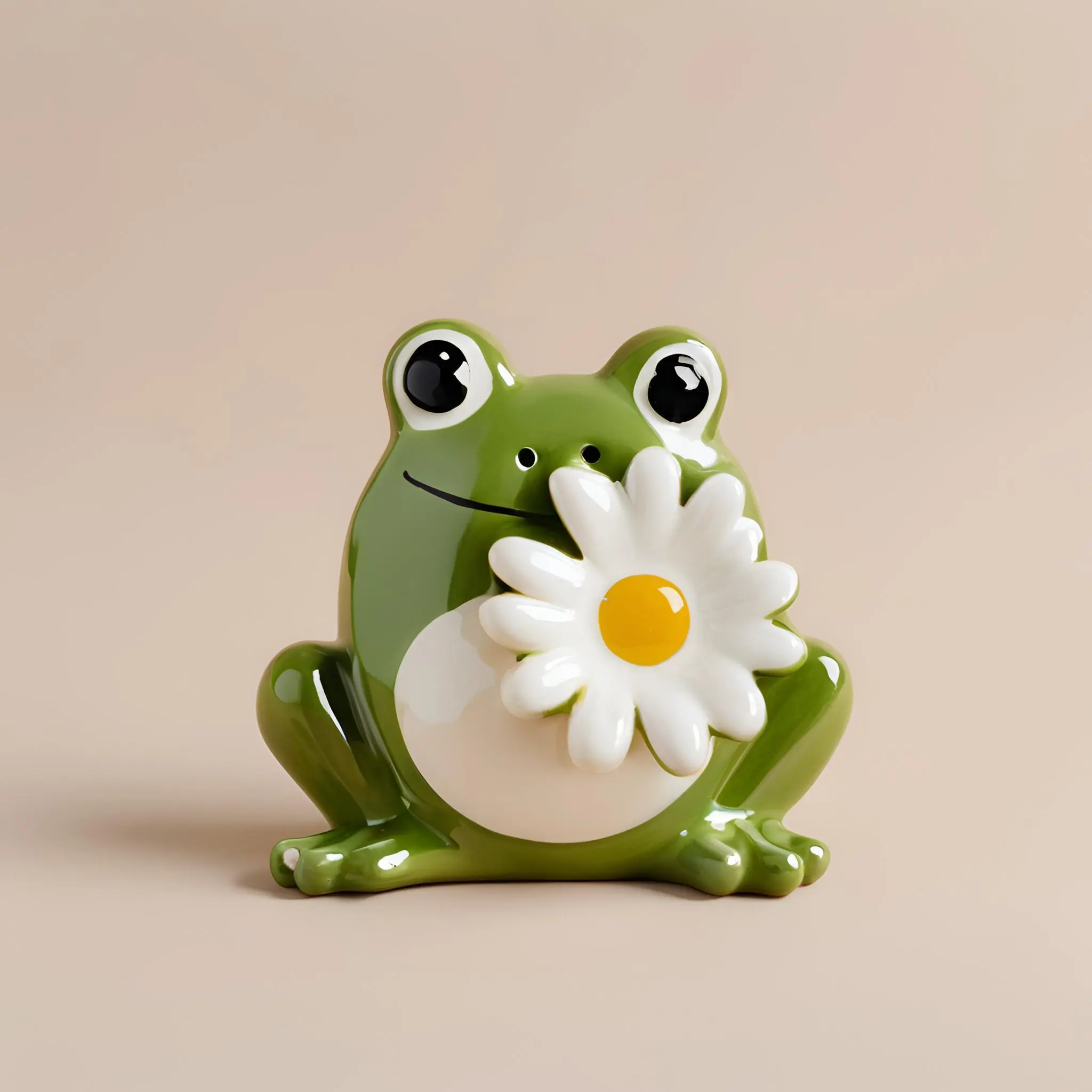

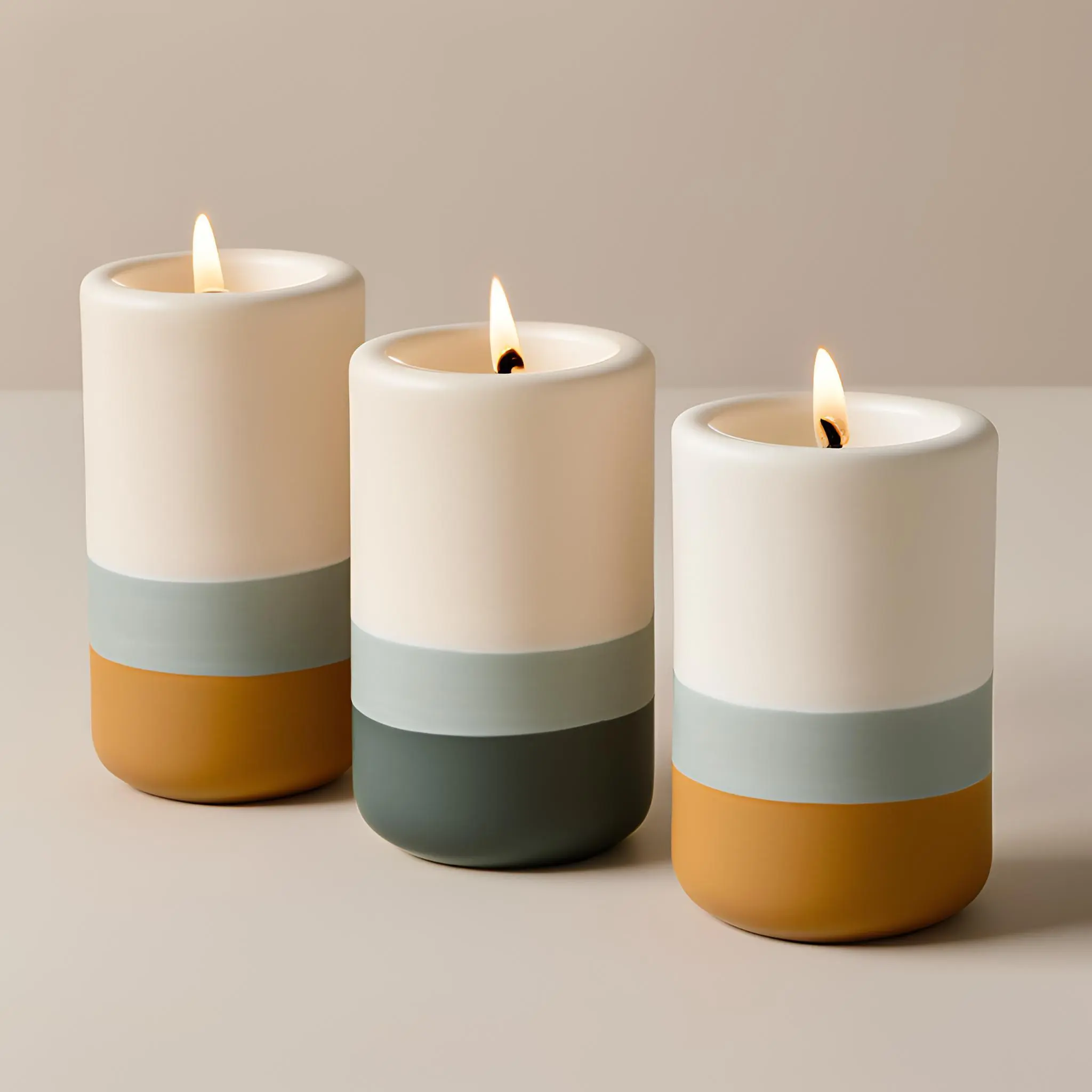
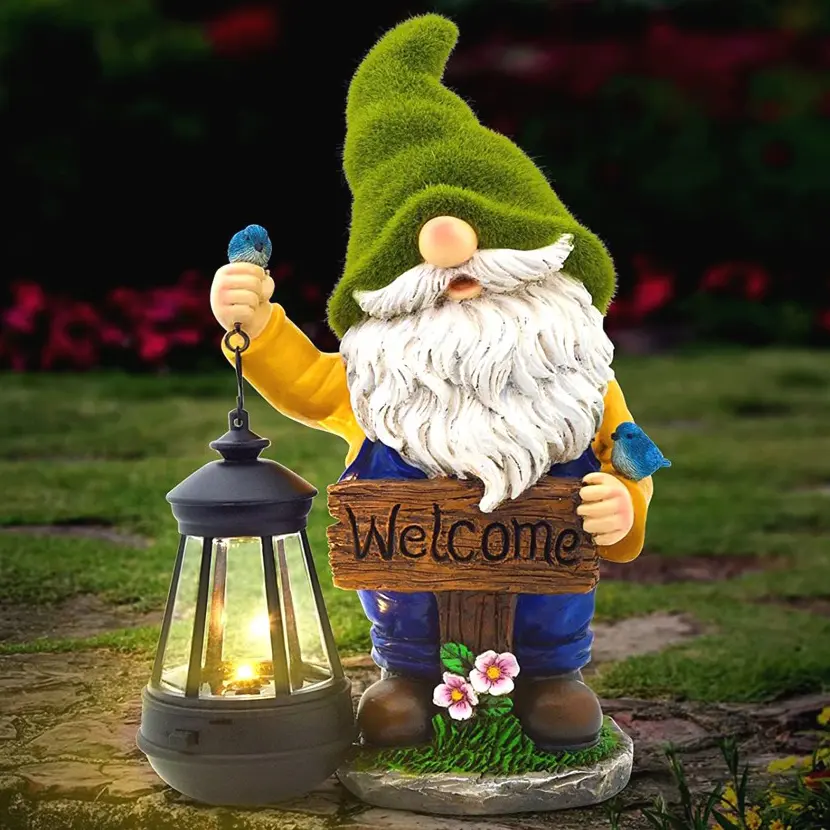
Timely production cycles aligned with major global seasonal shifts and retail calendars
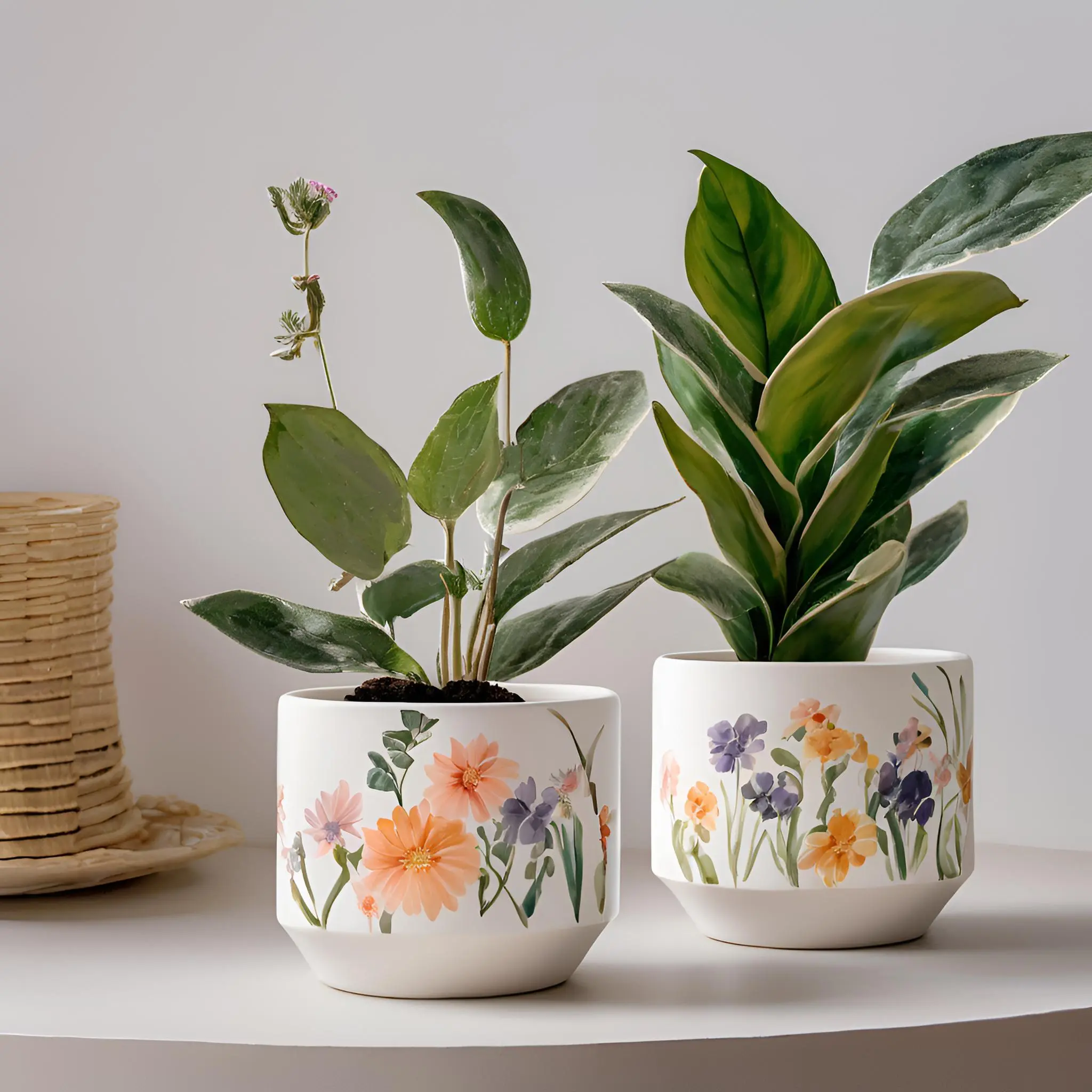
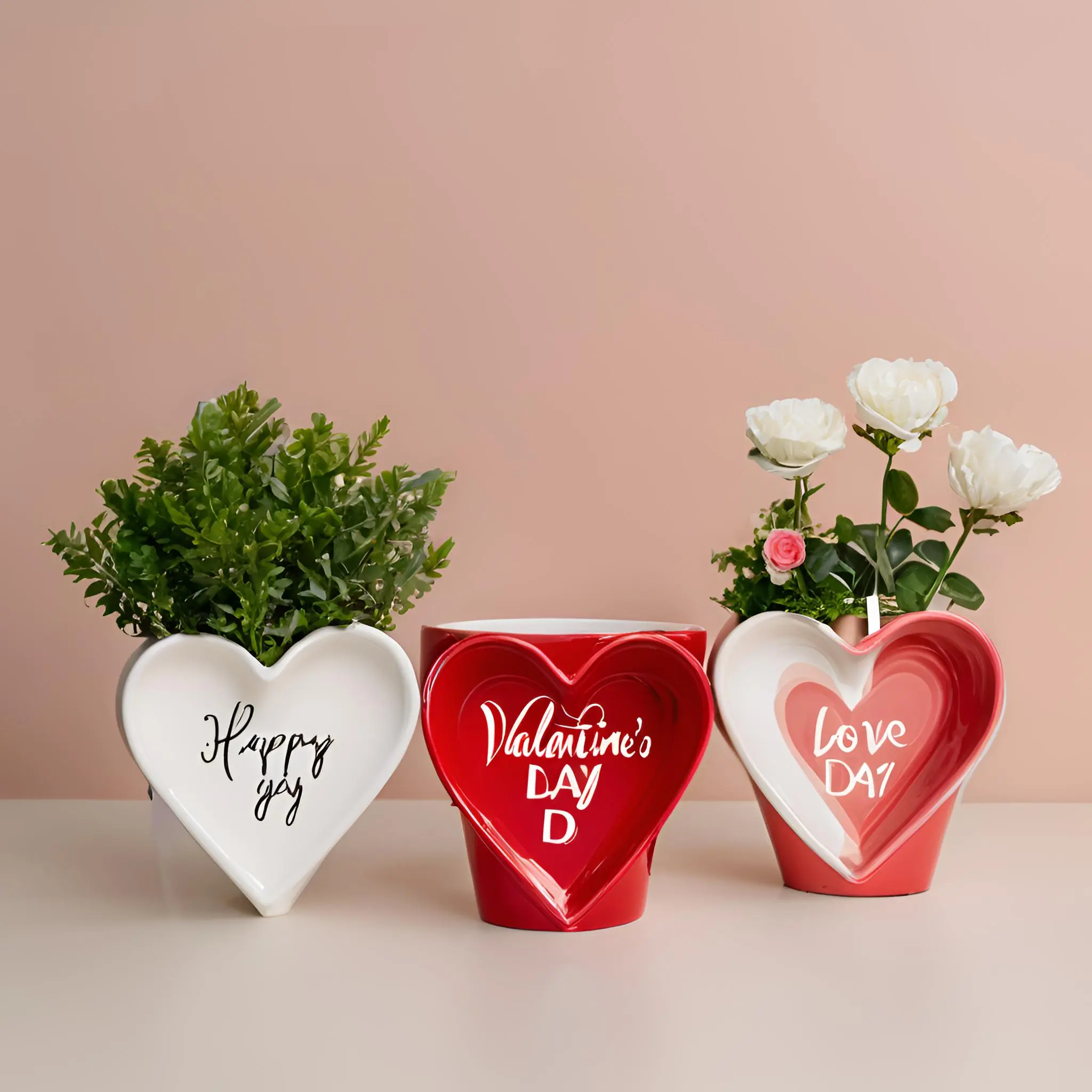
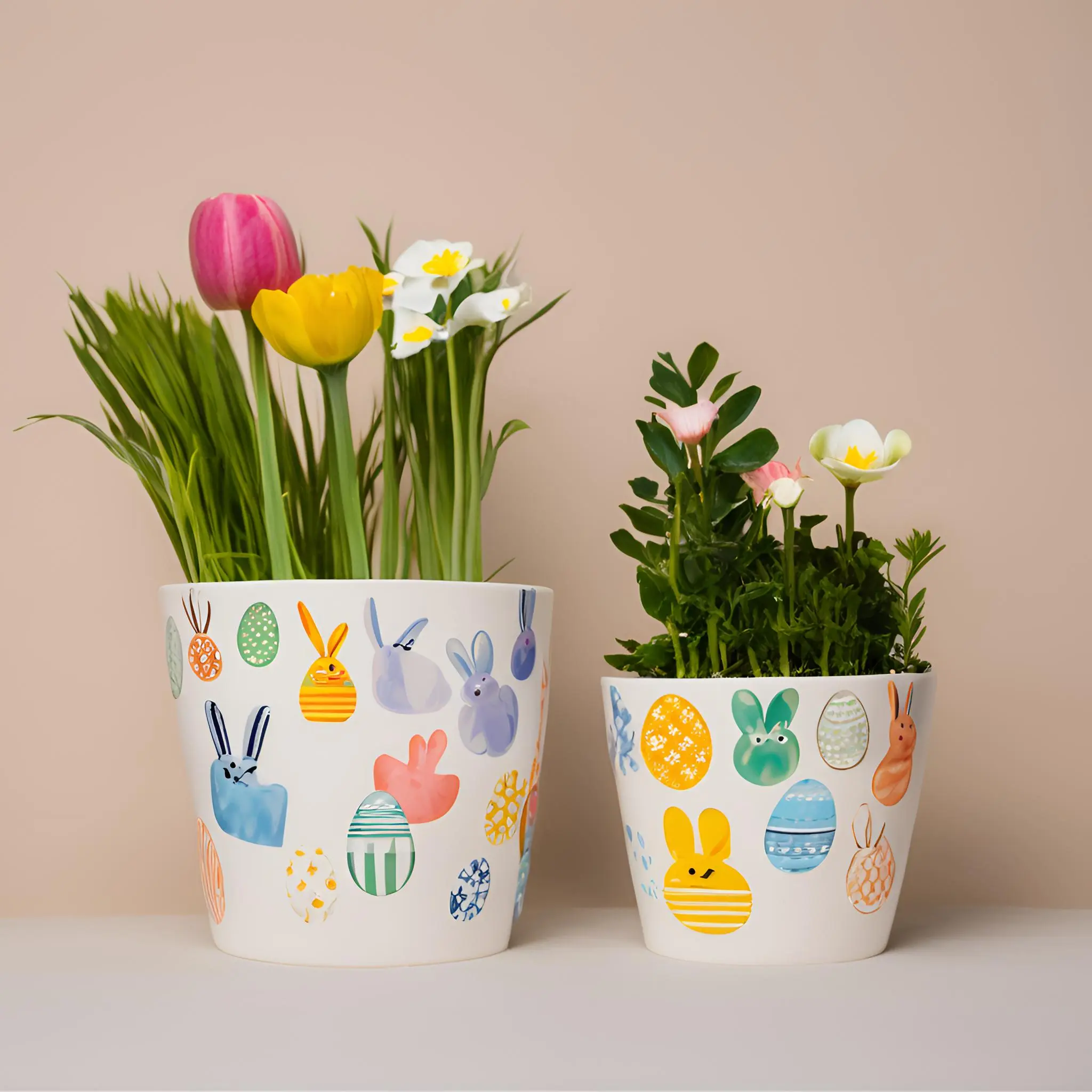
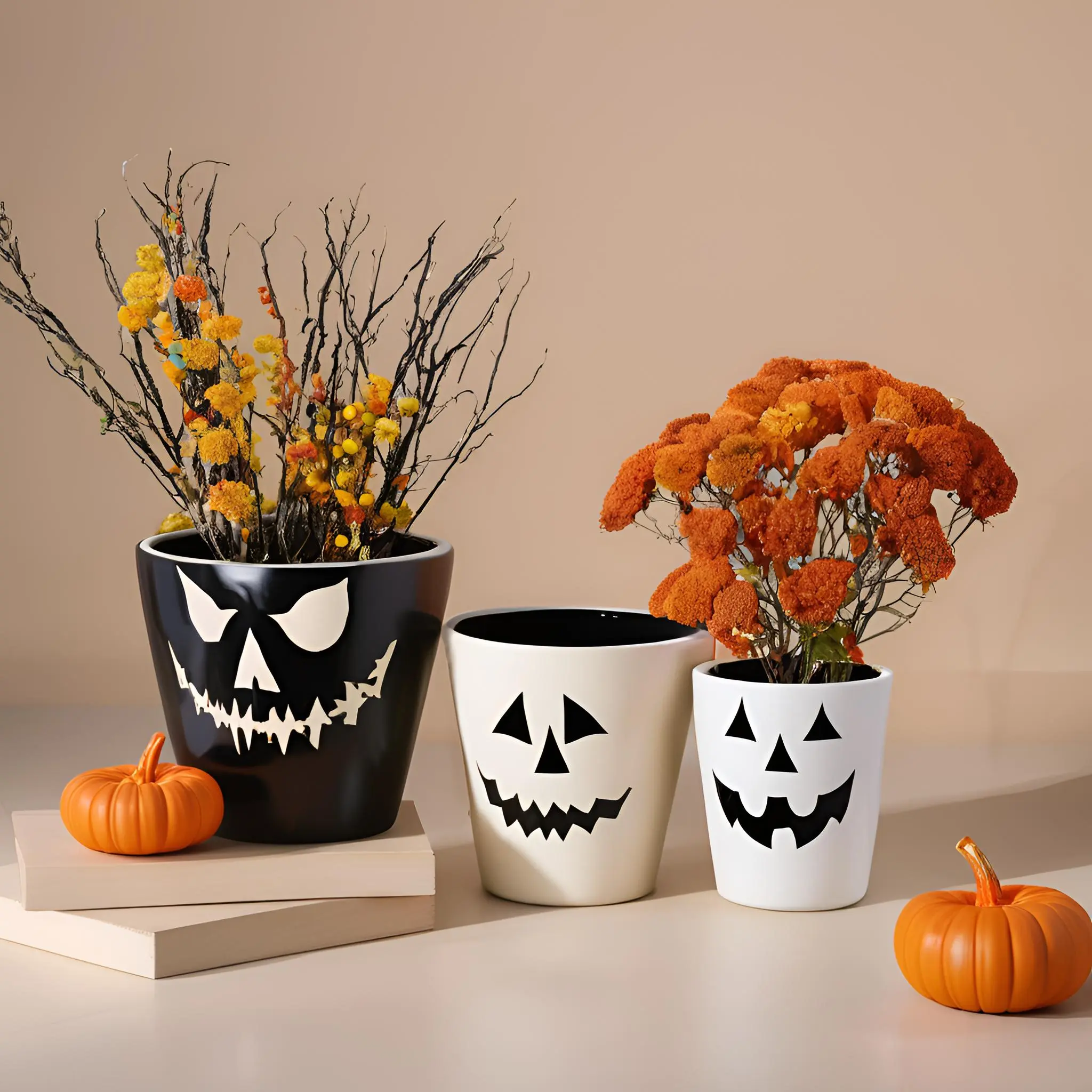
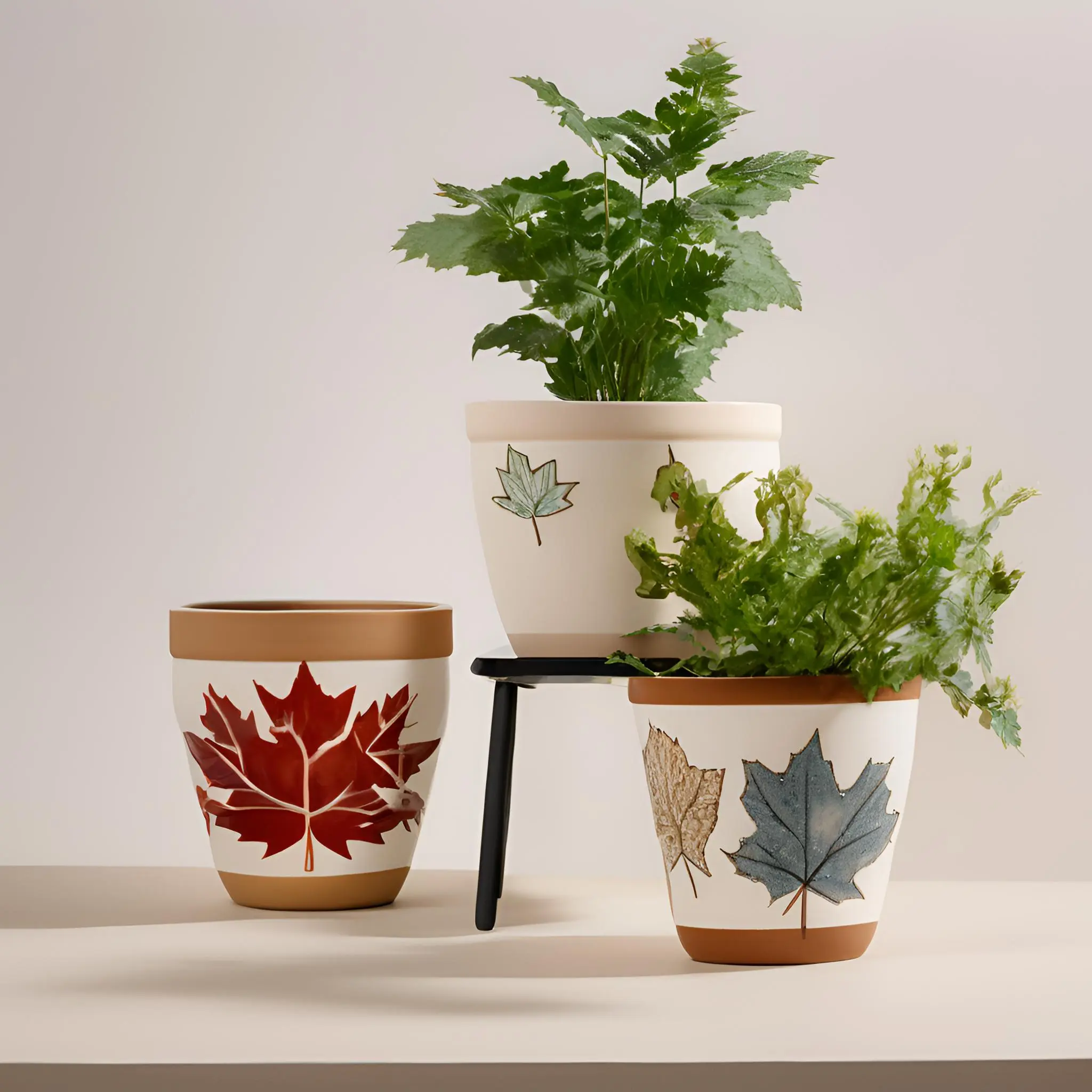
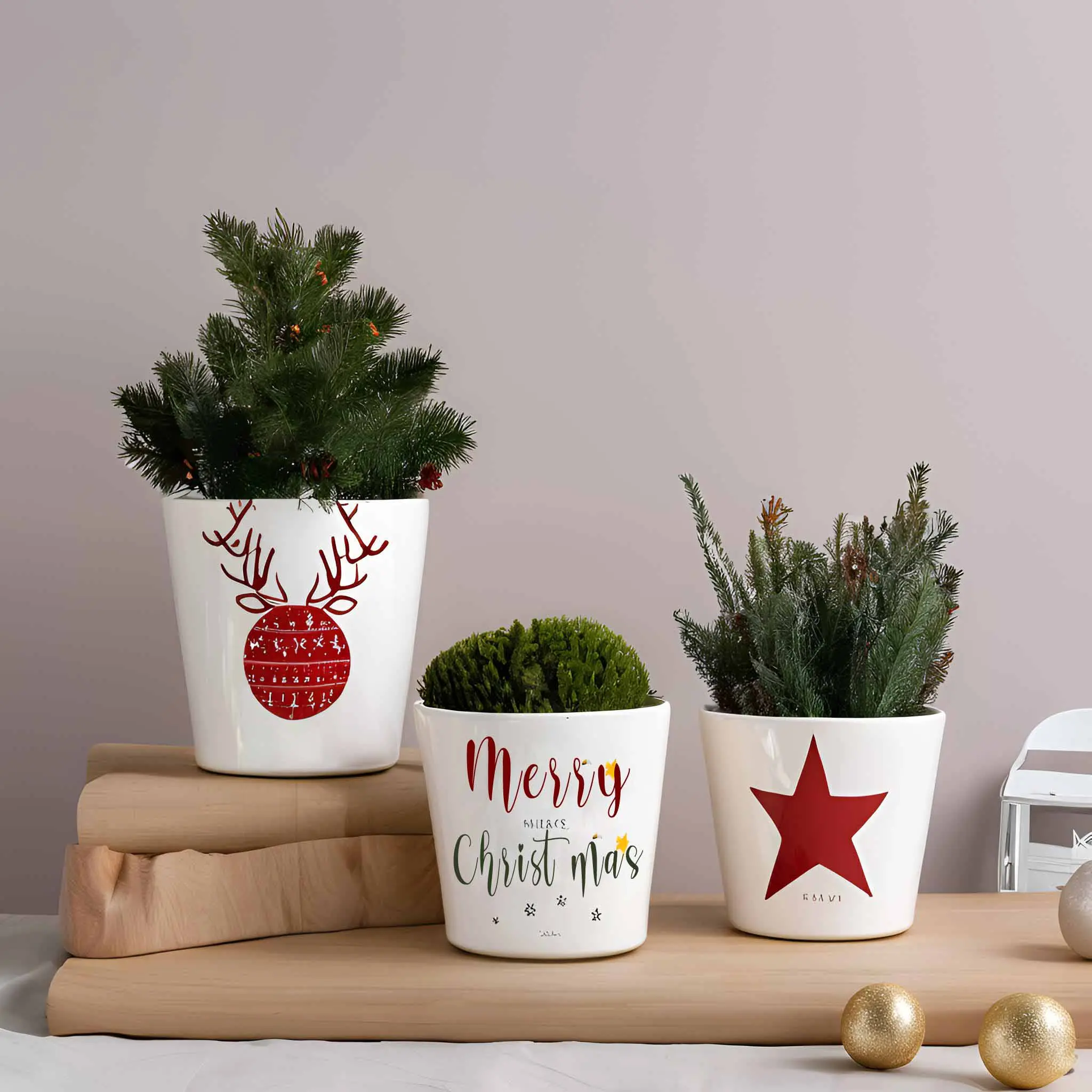
The demand for "organic imperfection" in luxury real estate, premium hospitality design, and boutique retail has surged. High-end designers are transitioning away from cold, mass-produced minimalist aesthetics to the warm, tactile variations of Raku-style crackle pottery. According to industry intelligence, the global market for handmade-style art ceramics has registered a compound annual growth rate (CAGR) of 6.2% over the last five years, driven heavily by commercial landscape projects, luxury hotel lobbies, and upscale residential decor.
Historically, the procurement of authentic Raku was limited to local craft studios, leading to fragmented supply chains, extreme lead times (often 3-6 months), and volatile pricing structures. Chinese manufacturers have disrupted this landscape by introducing modern, systematic thermal processes. High-firing kilns utilize computer-controlled, multi-phase firing schedules to pre-stress clay bodies. Once vitrified, specialized glaze compositions containing low-expansion frit formulations are applied to replicate the traditional crackle effect without introducing micro-fractures in the underlying clay container.
This industrial innovation enables global B2B buyers to procure hundreds of thousands of crackled, metallic-lustred planters, cups, and vases with predictable delivery cycles, uniform structural reliability, and standardized container packing parameters. The commercial viability of "Industrial Raku" lies in this ability to replicate the aesthetic signatures of wabi-sabi art while adhering to ISO 9001 quality management guidelines.
Download our technical catalogs and collections to plan your next seasonal inventory drop
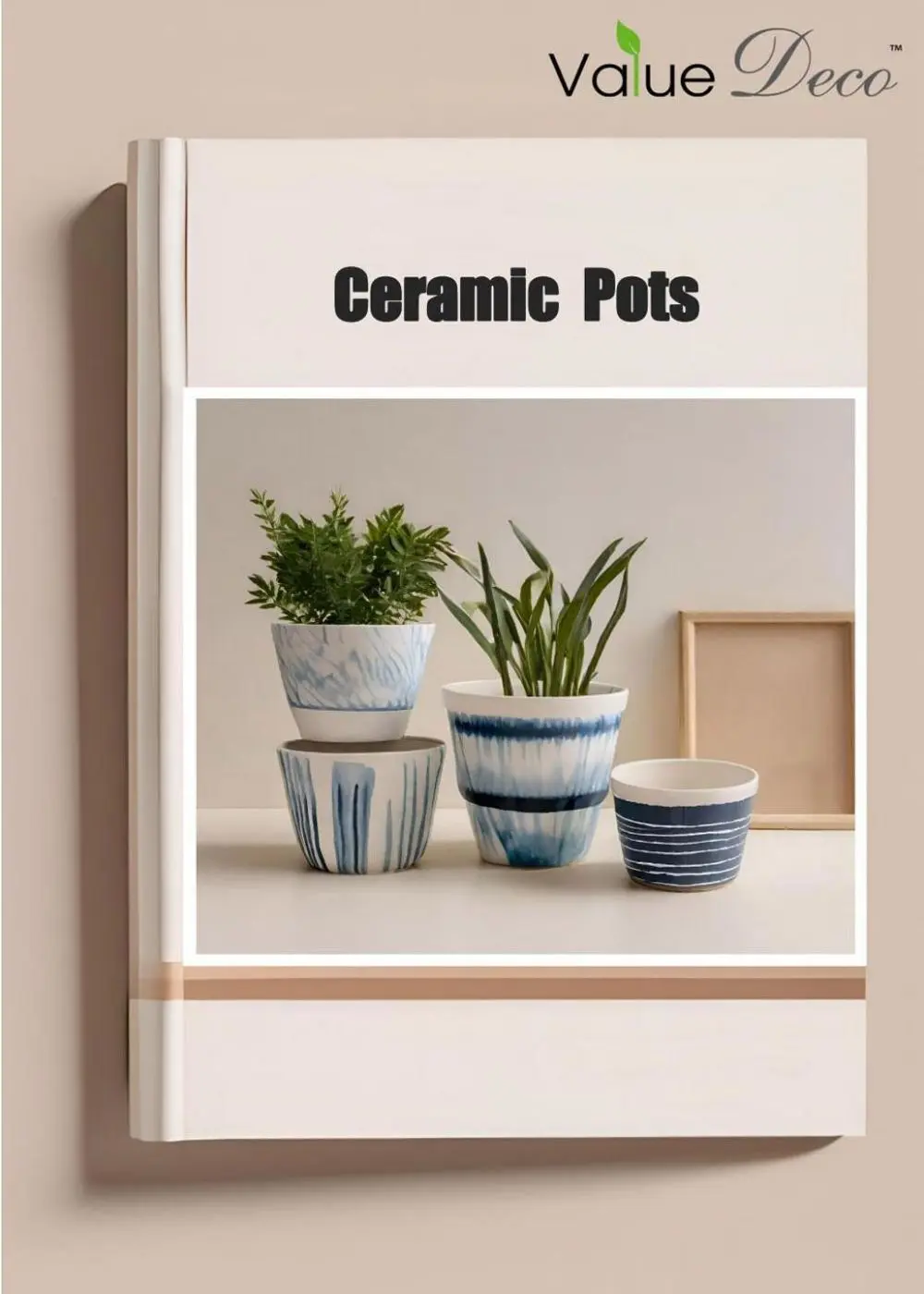
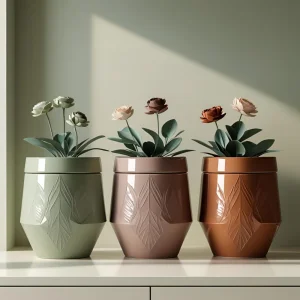
Detailed breakdown of indoor and outdoor planters including drainage configuration and clay material certifications.
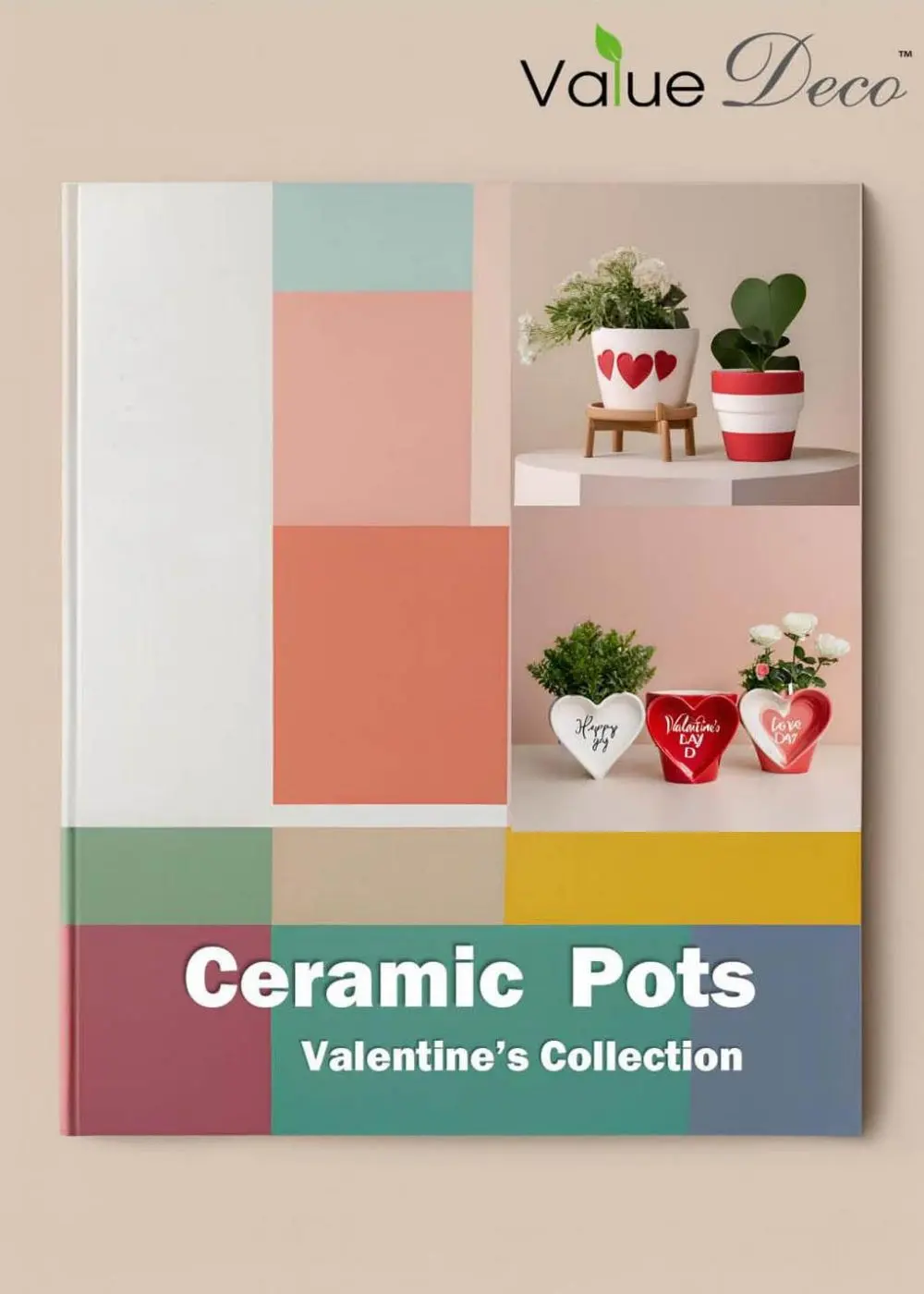
Specialty glaze applications featuring deep red copper-reduction tones and romantic sculptural planters.
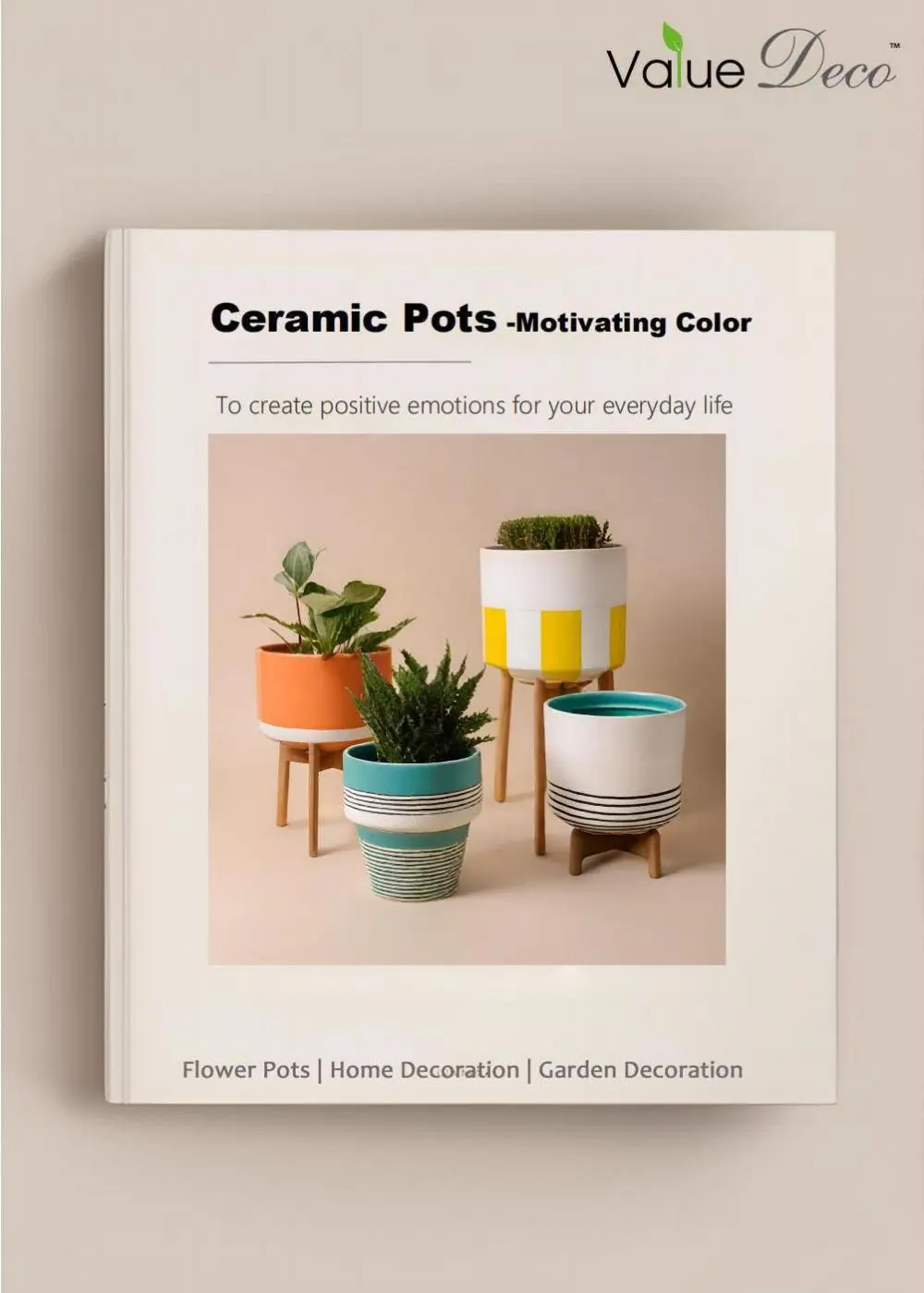
Exploring high-vibrancy underglazes, custom decals, and playful contemporary planter palettes.
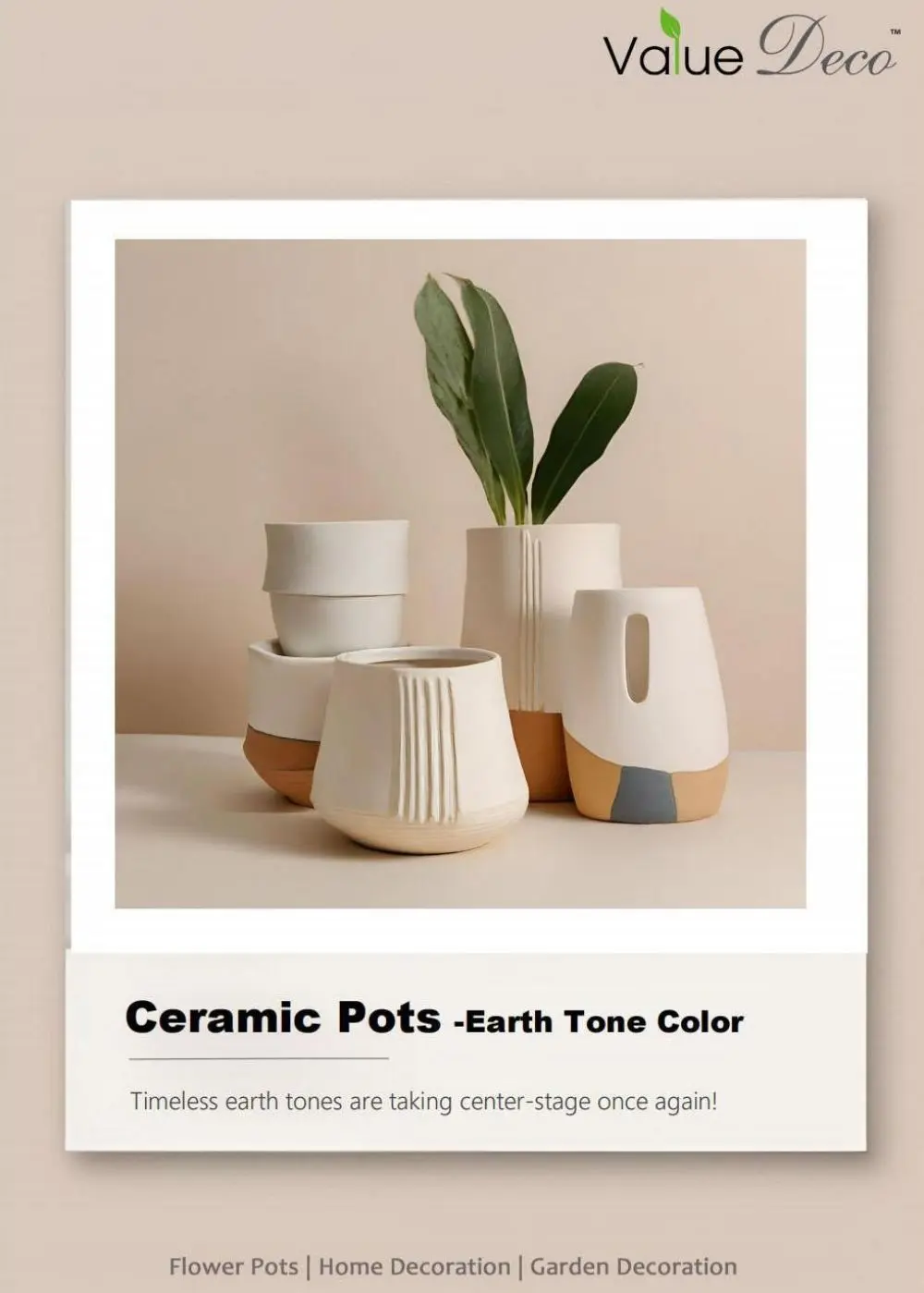
Matte clay textures, textured sand glazes, and minimalist forms optimized for botanical applications.
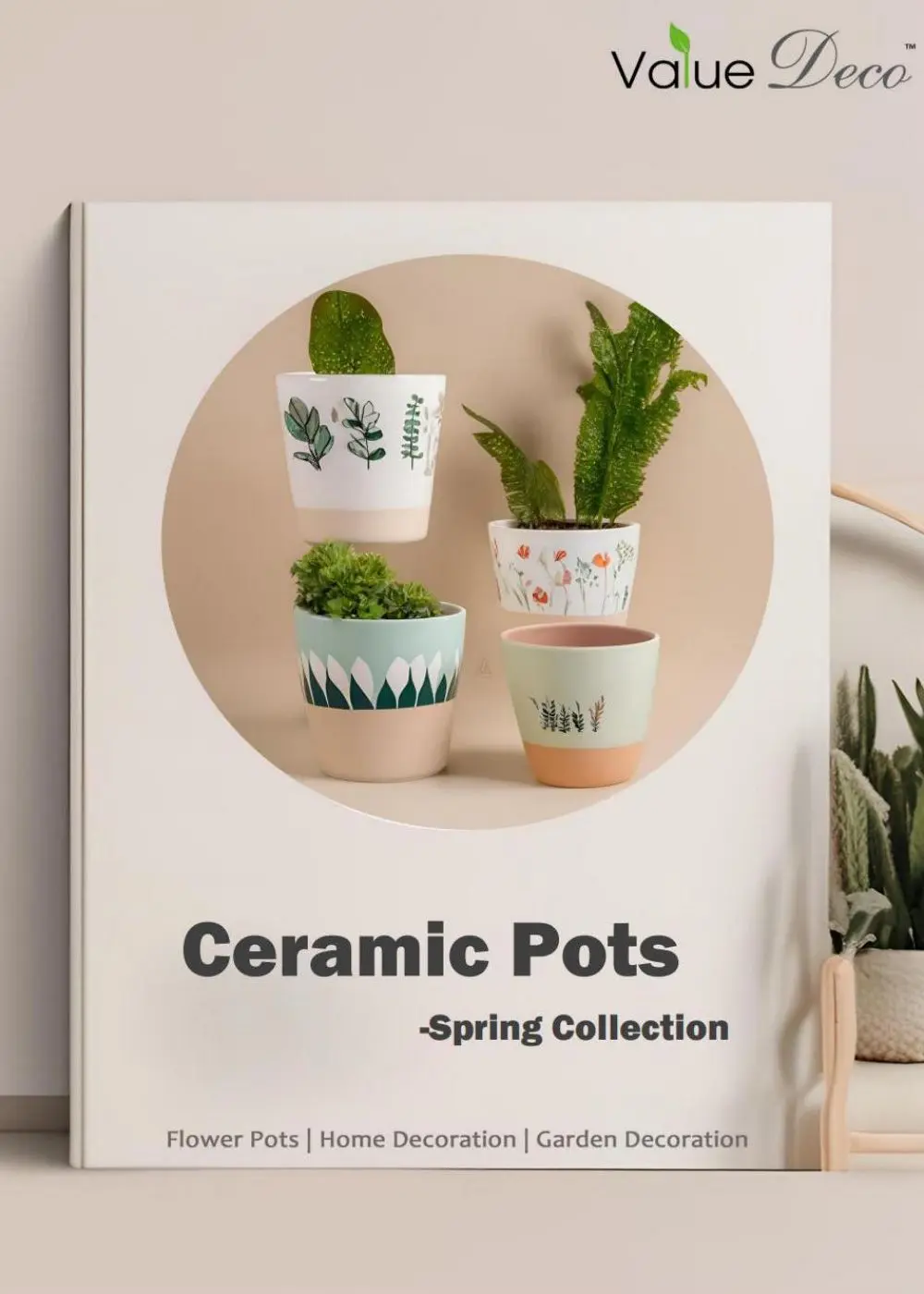
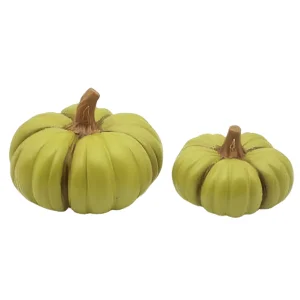
Pastels, floral reliefs, and whimsical garden accents optimized for garden-center seasonal sales.
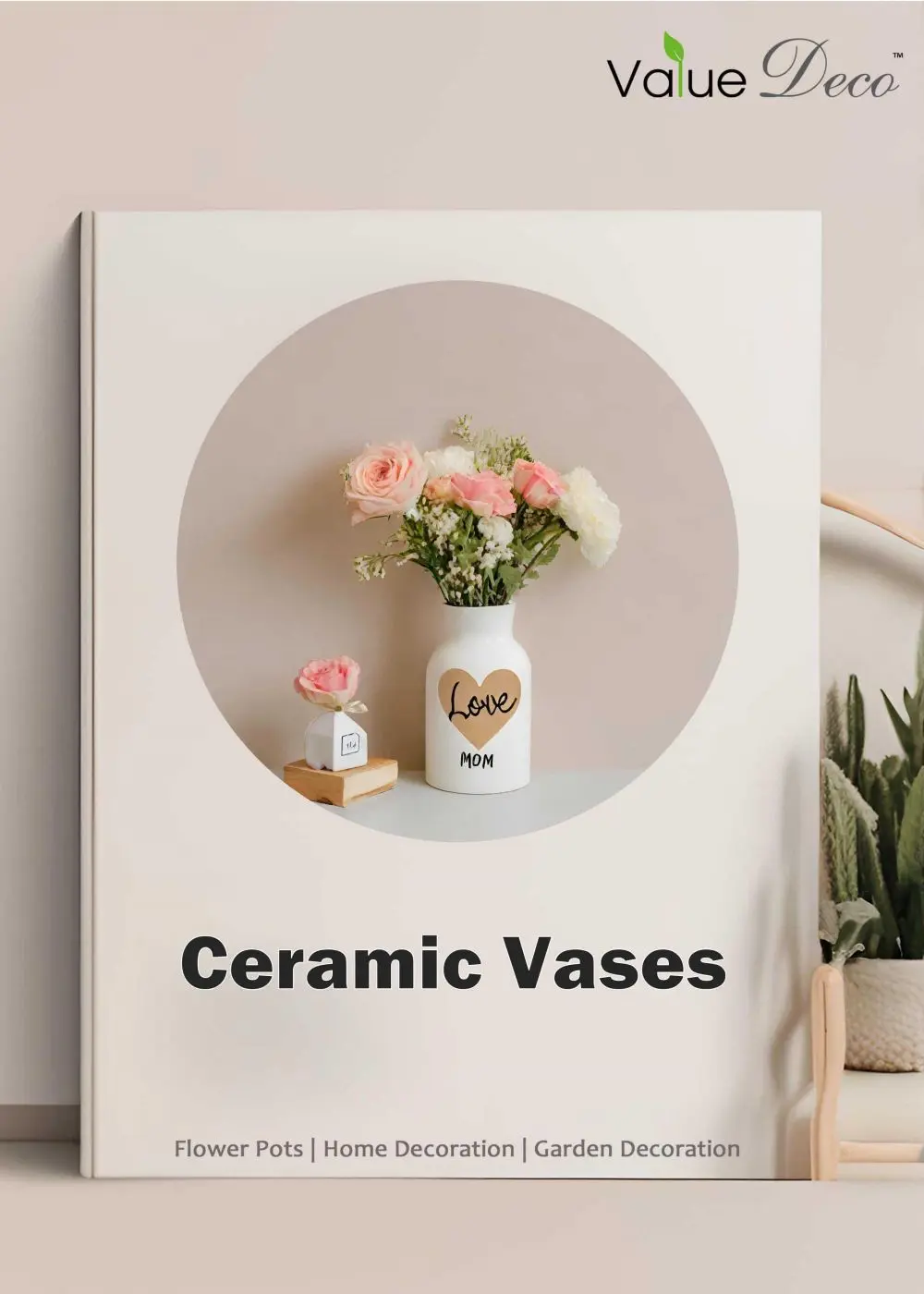
Fine-art vase collection featuring classic crackle finishes, crystalline glazes, and modern geometric silhouettes.
To maintain competitiveness in the face of shifting environmental regulations and rising energy costs, leading Chinese ceramic factories have implemented a five-stage technical roadmap targeting zero-waste, energy-efficient production methods:
Supply Chain Security Note: B2B importers must prioritize manufacturers who provide comprehensive testing documentation detailing thermal shock resistance (at least 3 cycles from 150°C to 15°C water bath without fracturing) and zero toxic heavy metal migration.
Contemporary geometry meeting classical artisan surface textures for high-end interior projects
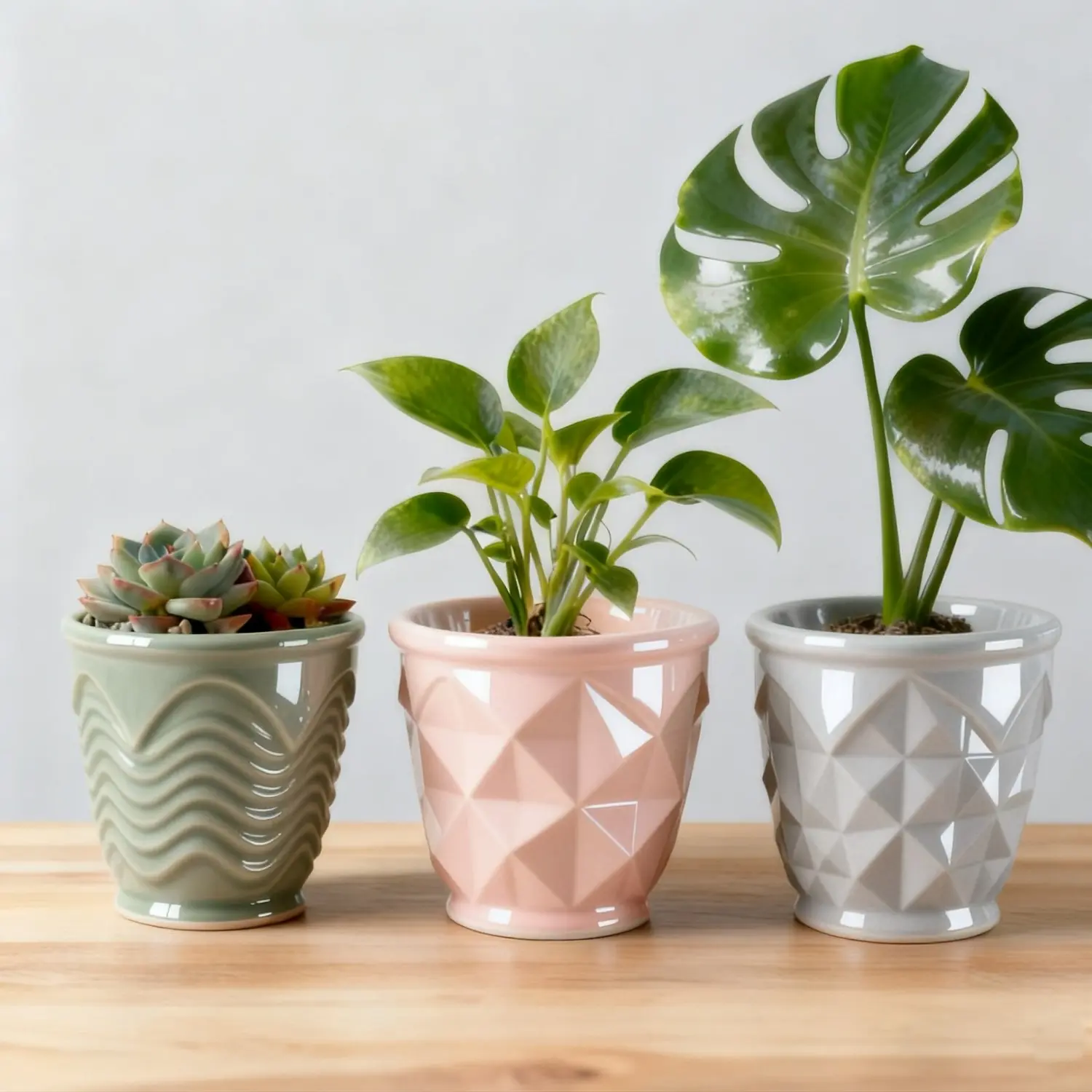
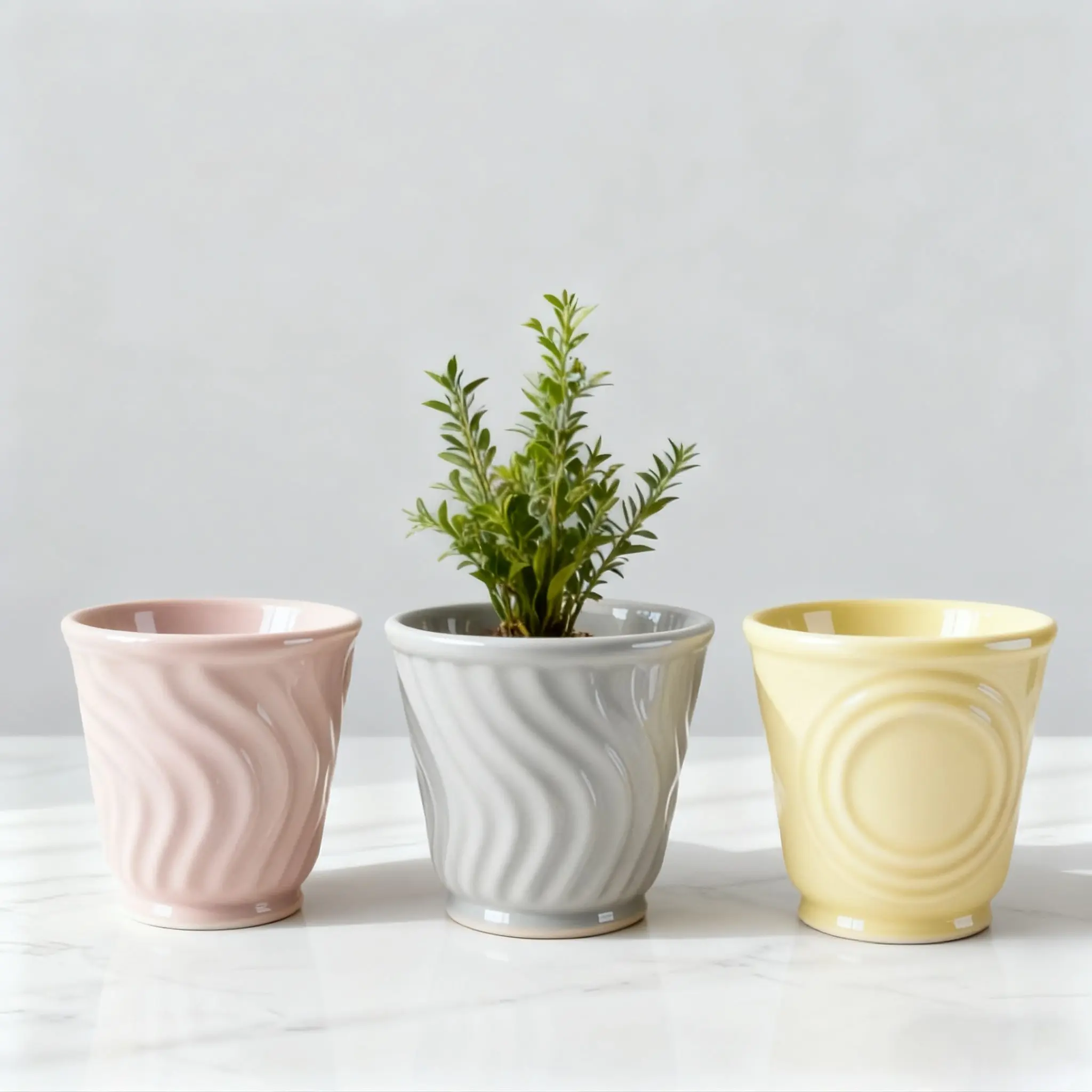
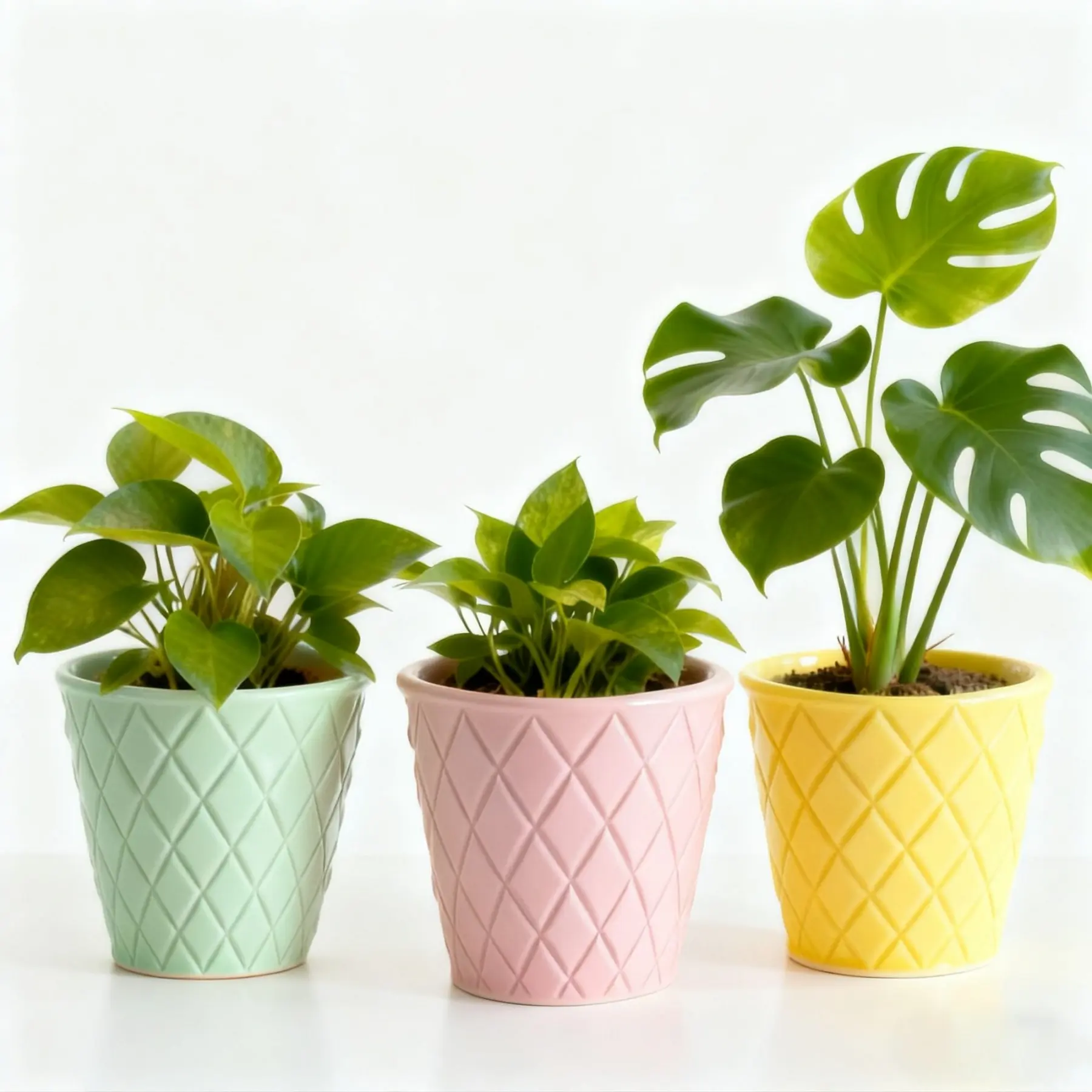
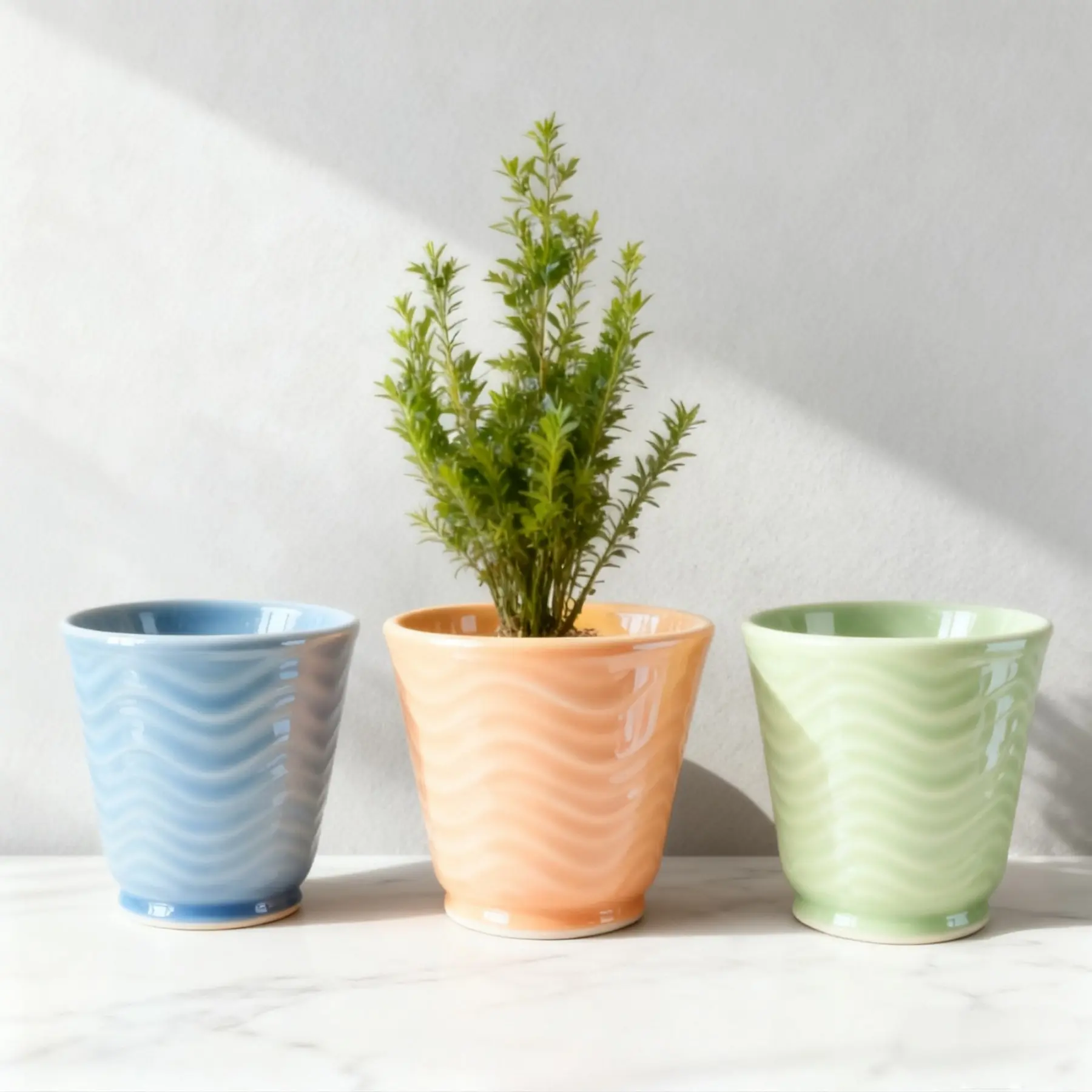
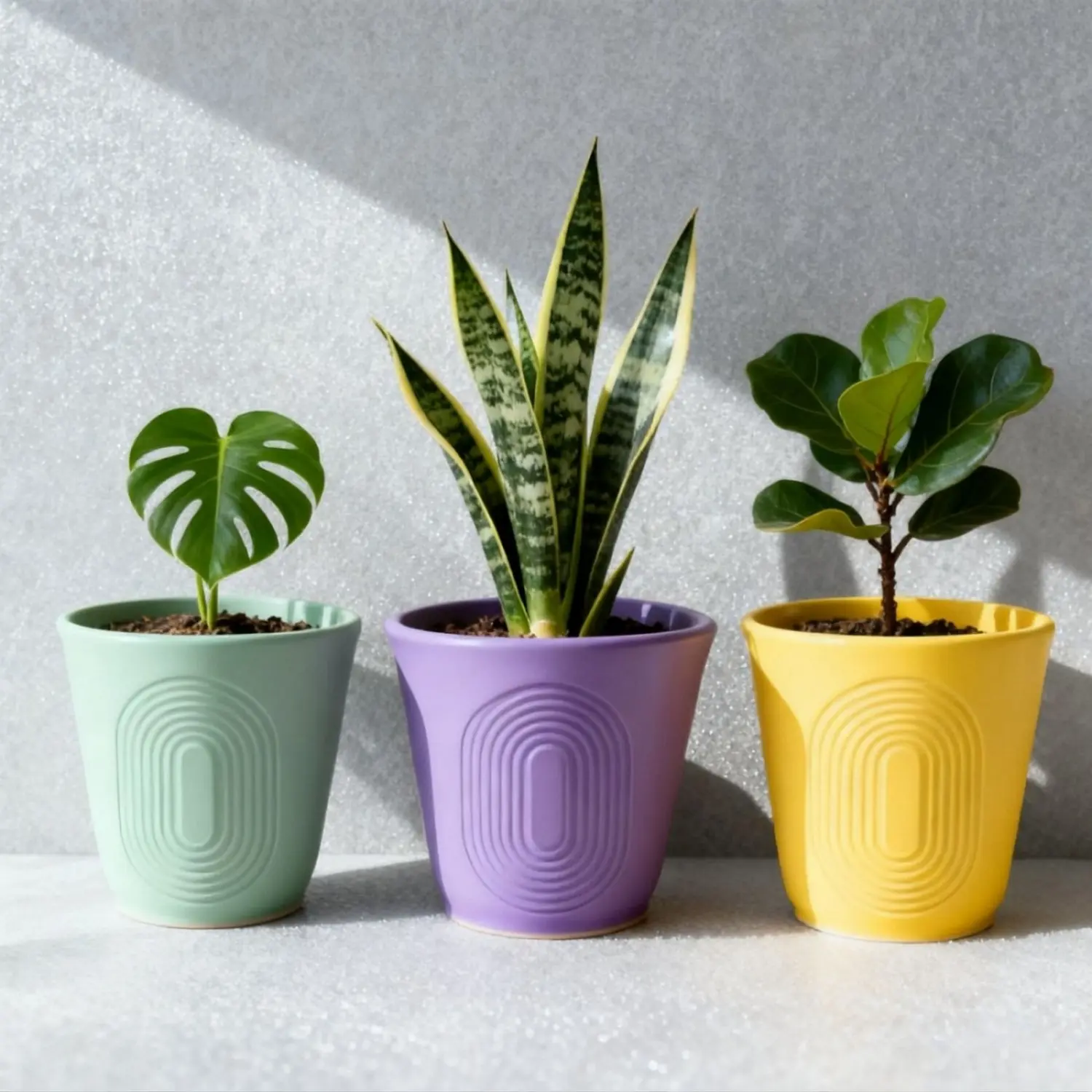
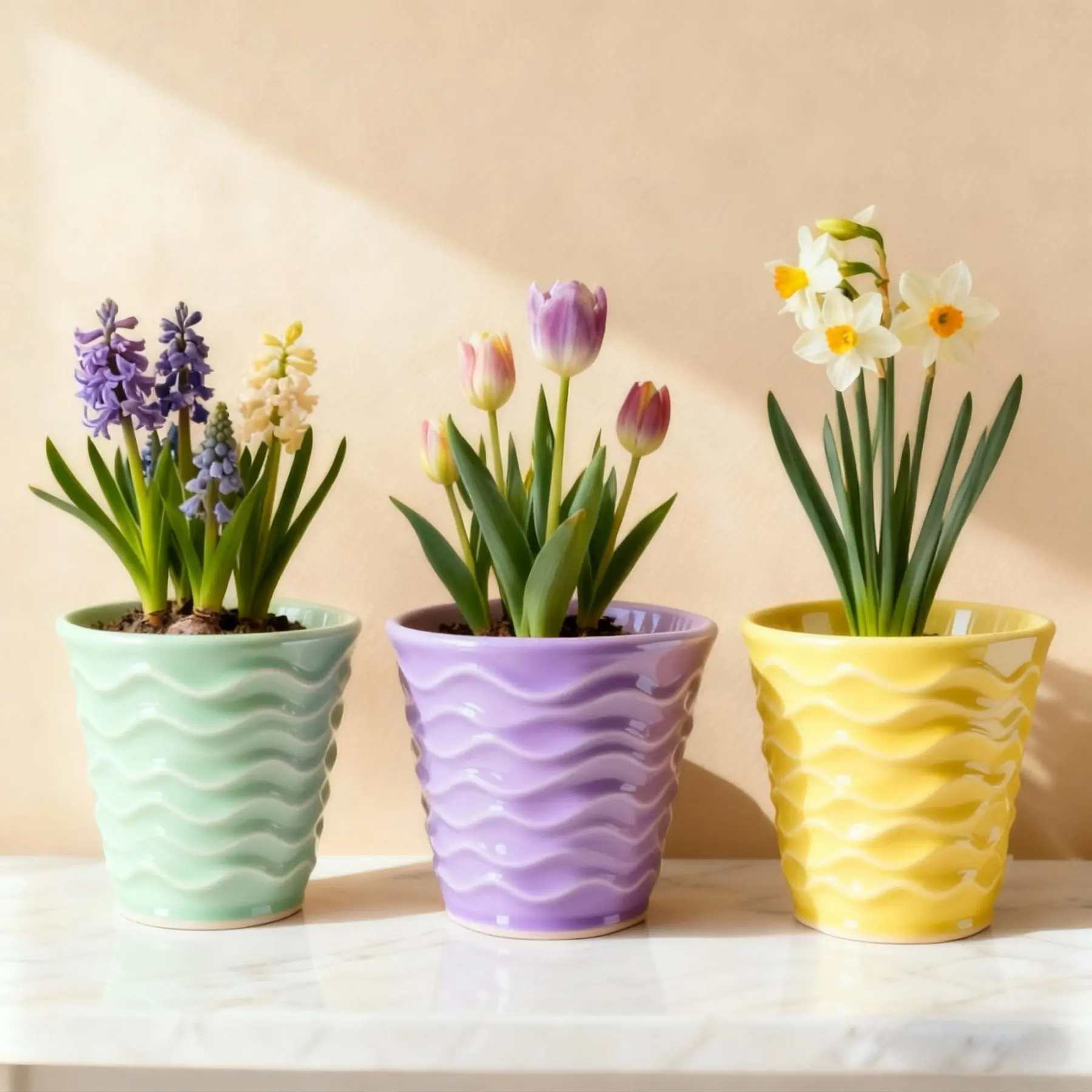
Transporting complex, textured pottery across continents requires strict adherence to international industrial packaging standards. Fragile ceramic items suffer under the vibrational and impact forces of oceanic shipping. To mitigate transit losses, premier factories enforce an engineered packaging framework:
First, every vessel is wrapped in high-density polyethylene (HDPE) film to prevent surface abrasion. Inner cartons utilize custom-molded, expanded polystyrene (EPS) or starch-based biodegradable foam blocks designed to cradle the specific geometry of the ceramic piece. For commercial pallet shipments, the boxes are secured on heat-treated wood pallets, reinforced with heavy-duty paper corner protectors, and wrapped in multiple layers of stretch-wrap with integrated strapping bands.
Prior to dispatch, batch samples are subjected to the International Safe Transit Association (ISTA) 3A or 1A testing protocols, verifying drop-resistance up to 10 drop sequences from heights determined by the package's total weight. Through this systematic approach, leading manufacturers have pushed transit damage rates down to below 1.5%, a substantial reduction compared to traditional pottery shippers.
Addressing the critical engineering, regulatory, and logistics questions of professional purchasing directors
To scale this traditionally volatile process, factories utilize a hybrid technique. High-strength clay bodies mixed with up to 35% calcined grog are first bisqued at high temperatures (approx. 1050°C) to lock in structural integrity. We then use specialized, fast-firing electric kilns for the glaze fire, transferring the pieces rapidly into mechanized, sealed reduction chambers with calculated combustible loads (wood chips, pine needles, or paper). This ensures uniform physical sizing while capturing the random metallic flashes and crackle finishes of authentic Raku.
Traditionally, Raku glazes utilized lead oxide to achieve a low melting point. However, contemporary export-grade factories in China, like Value Deco, utilize advanced lead-free borosilicate glazes. For dinnerware lines, we conduct strict laboratory migrations tests (e.g., FDA, SGS, LFGB) to guarantee that any heavy metals like lead or cadmium remain undetectable. We separate our home decoration lines from functional food-contact lines to ensure perfect regulatory compliance.
Because of the custom setup involved in designing and firing tailored glaze finishes, the typical factory MOQ for custom ceramic shapes ranges between 500 to 1,000 pieces per design, depending on the product's overall dimensions. We support multi-item mixed container loading, allowing wholesale importers to test different shapes, textures, and glazes in a single shipment.
For planters intended for outdoor or cold climate environments, we control the water absorption rate. By increasing the firing temperature and adding specific fluxes, we achieve a vitrified clay body with less than 3% water absorption. This low porosity prevents moisture infiltration, thereby eliminating the expansion forces that lead to frost-cracking during freeze-thaw cycles.
Our standard manufacturing lead time is approximately 45 to 60 days following sample approval and deposit confirmation. This period accounts for slip-casting/jiggering, slow-drying phases (to avoid cracking in thick-walled designs), glaze preparation, firing, quality checks, packaging, and container consolidation. Transit time from ports like Xiamen or Shenzhen adds an additional 15 to 30 days depending on the global destination.
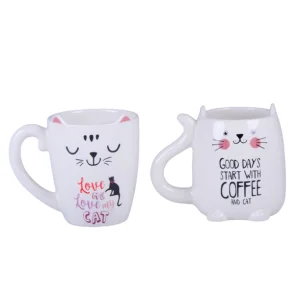
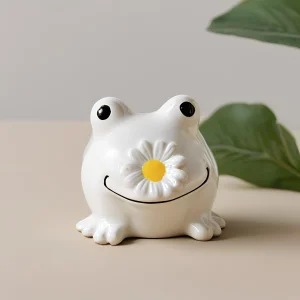
Premium decor and ceramic novelties crafted with refined glazing and durable stoneware