




Orchids, primarily belonging to the family Orchidaceae, represent one of the most sophisticated and economically significant plant groups in global floriculture. Unlike typical terrestrial flora, the vast majority of commercialized orchids (such as Phalaenopsis, Cattleya, and Dendrobium) are epiphytic in nature. In their natural ecosystems, their roots do not grow in dense soil but cling to bark, rock faces, and branches where they are exposed to constant airflow, intermittent rainfall, and rapid drying cycles. Consequently, successful cultivation requires a highly specialized micro-environment that replicates these atmospheric dynamics.
As a leading China Orchid Pot Mix Manufacturer & Factory, Value Deco Limited has spearheaded research into combining high-aeration horticultural pots with advanced, structural potting media. Our research proves that the effectiveness of any orchid pot mix is intrinsically linked to the physical container housing it. A premium mix containing Douglas fir bark, Chilean sphagnum moss, and porous perlite will fail if placed in a container that lacks proper drainage and aeration channels. Conversely, a highly engineered ceramic pot requires a matched media substrate to prevent root dehydration or anaerobic moisture pockets. This whitepaper details our comprehensive, scientific approach to manufacturing integrated pot and potting media solutions designed for commercial growers, bulk distributors, and global retail chains.
The Air-to-Water Balance Concept: Optimal orchid root growth requires a minimum substrate air porosity of 30-40% and a water retention rate of 40-50% post-drainage. Our factories design pots with custom side-slits and optimized bottom drainage apertures that work in tandem with coarse-grade substrates, ensuring the root zone (velamen radicum) never stays saturated for more than 48 hours, thereby virtually eliminating root rot (Phytophthora and Pythium spp.).
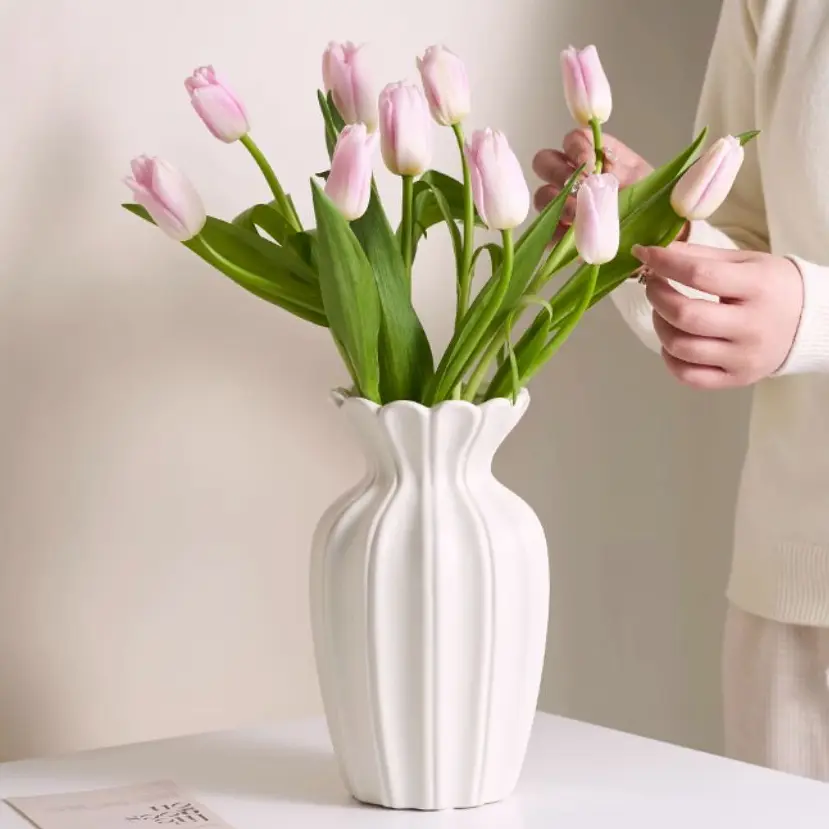
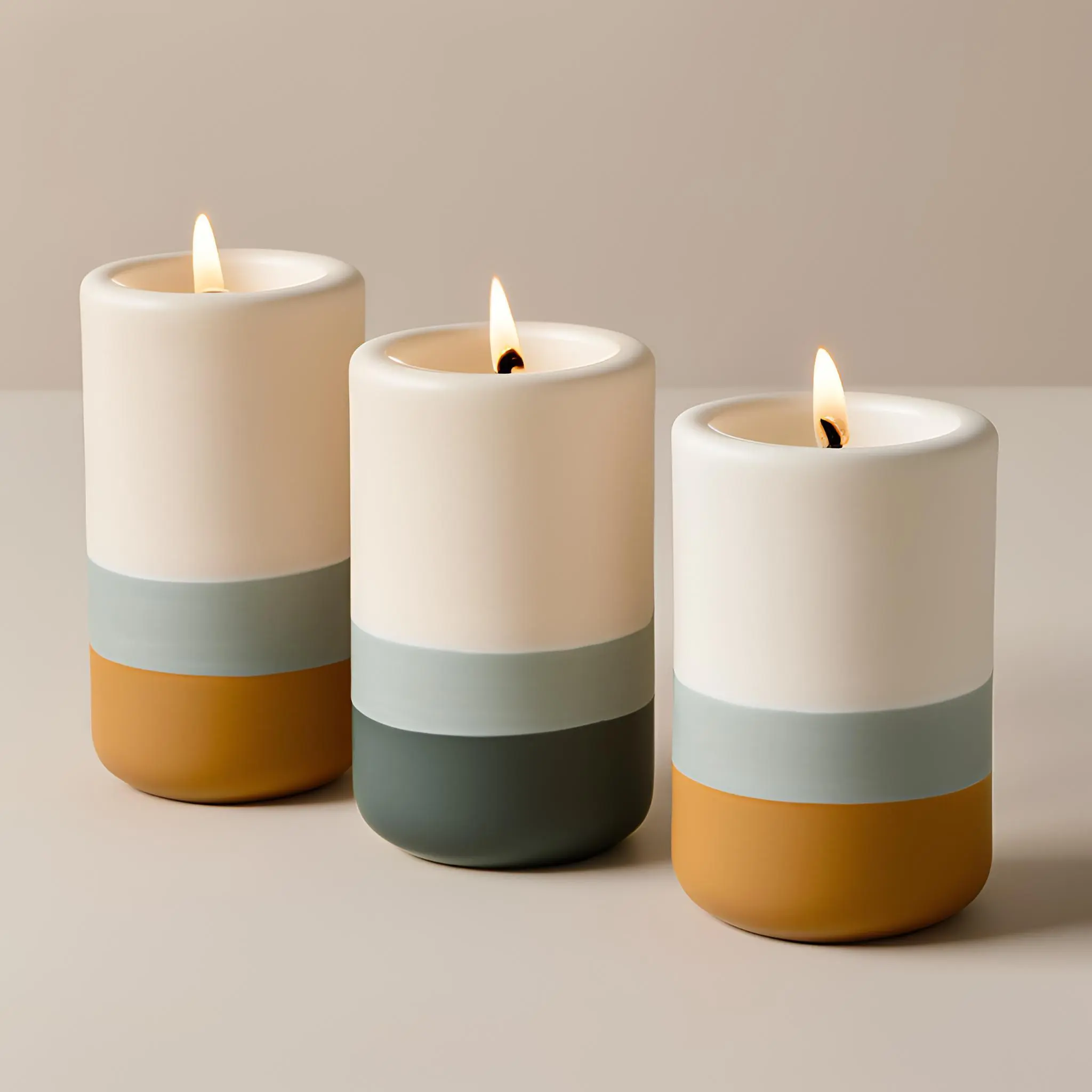
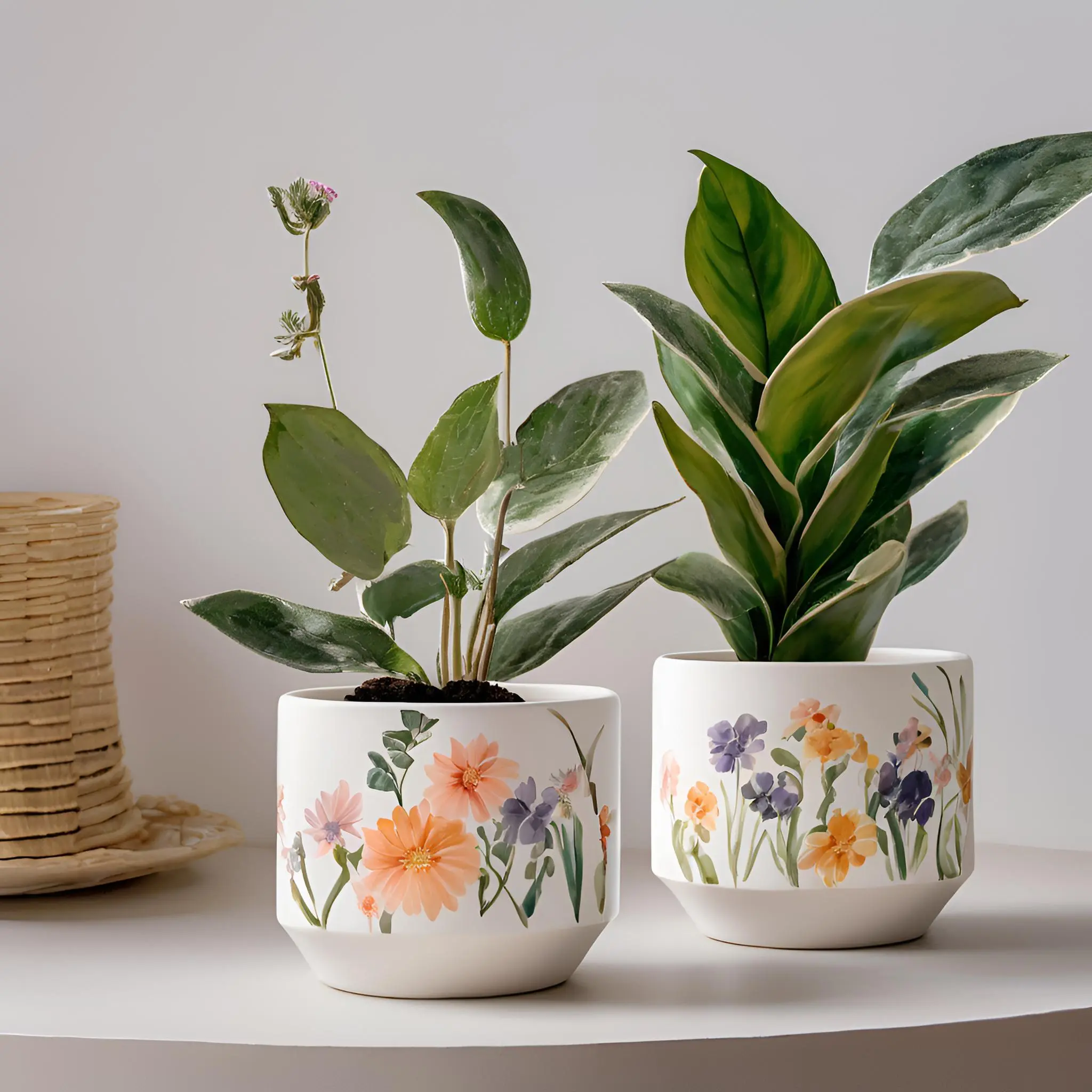
Value Deco Limited is a globally recognized pioneer and premier manufacturer of high-quality ceramic, resin, and metal planters based in China. With over 12 years of specialized experience in the decorative and horticultural manufacturing industries, we have built an unshakeable reputation as a one-stop sourcing destination for premium Flower Pots, Vases, Candle Holders, Dinnerware, and Garden Accessories. Our design philosophy bridges the gap between artistic elegance and biological functionality, ensuring that our products serve as optimal environments for sensitive plant species like orchids while elevating modern interior aesthetics.
To better serve our diverse B2B clients, our organizational structure is divided into highly specialized divisions:


The global orchid horticultural industry is undergoing a monumental paradigm shift. Driven by environmental sustainability initiatives, supply chain volatile pricing, and advanced botanical research, the components comprising the standard "orchid pot mix" are evolving rapidly. Historically, raw fir bark and peat moss were the gold standards. Today, several trends dominate the commercial landscape:
Peatlands are massive carbon sinks, and their exploitation is facing stringent regulatory restrictions in the European Union and North America. Consequently, commercial growers are shifting toward coconut coir chips, sustainable pine bark (sourced from certified plantations), and engineered biochar. Biochar, in particular, offers carbon sequestration benefits while maintaining an exceptionally stable pore structure that does not degrade over multiple growing seasons.
To prevent the media compaction that naturally occurs as organic materials rot, modern orchid mix formulas integrate high percentages of inorganic aggregates. Lightweight expanded clay aggregate (LECA), volcanic pumice, and specialized calcined clay chips are widely used. These materials maintain their structural integrity indefinitely, ensuring that capillary water movement and air channels remain open, even in deep pot bases.
Orchids are highly sensitive to salt accumulation and pH swings. Standard bark-based media can degrade, leading to an drop in pH (acidification) that burns delicate root tips. Modern factories are now pre-treating bark with calcium and magnesium buffers, or incorporating slow-release silicate minerals that naturally stabilize the root zone pH within the ideal 5.5 to 6.5 range.
A potting mix's moisture evaporation rate is directly affected by the container's thermodynamic properties. Ceramic pots manufactured by Value Deco Limited feature controlled clay porosity. Unlike plastic containers that trap heat and create a sauna-like effect in hot climates, our high-grade clay allows micro-evaporation through the pot walls. This keeps the orchid root system up to 3°C cooler in summer, preventing heat stress and subsequent bud drop.


Enterprise-level procurement of orchid growing containers and substrates involves intricate quality thresholds and regulatory standards. Whether supplying multi-acre commercial greenhouse operations or large-scale retail chains like Home Depot, IKEA, or specialized nurseries, buyers must navigate multiple logistics and quality vectors:
Value Deco Limited maintains raw material stockpiles of premium clays, high-grade organic fibers, and inorganic minerals to buffer against market volatility. By integrating pot manufacturing and packaging under one factory network in China, we offer wholesale distributors a streamlined procurement path, slashing lead times by up to 20% compared to fragmented sourcing structures.
As an industry-leading China Orchid Pot Mix Manufacturer & Factory, Value Deco Limited does not merely produce generic pottery; we engineer micro-climates. Our plant-centric design approach addresses three fundamental macro challenges faced by industrial cultivators:
Traditional solid-sided plastic pots seal off air movement, creating a water-saturated zone at the bottom of the container. As the organic media decays, it compacts and consumes the remaining oxygen, causing root suffocation within a short timeframe.
Value Deco Solution: We have developed a line of multi-aperture ceramic pots featuring lateral ventilation slits. These slits, precision-machined prior to firing, run vertically along the pot wall. When filled with coarse-grade orchid pot mix (bark, charcoal, perlite), these side slits establish a convective airflow loop. Ambient dry air enters the sides, gets cooled by transpiration, and exits the top or bottom drainage holes. This dynamic airflow stimulates healthy lateral branching in orchid roots and accelerates the wet-dry cycling essential for continuous flower spike development.
Mature orchids (specifically Cymbidiums and large Phalaenopsis cultivars) have large, heavy leaves and massive flower spikes. When potted in lightweight plastic, they are easily knocked over, damaging the plants and increasing labor costs in commercial environments.
Value Deco Solution: Our factory utilizes high-density stoneware and terracotta clay compounds. The resulting ceramic pots possess a lower center of gravity. Furthermore, our designs incorporate flared rims and wider base footprints that distribute weight evenly, making them highly resistant to tipping, even under the load of multiple, fully-bloomed flower spikes.
Low-grade glaze formulations used in cheap ceramic containers can leach heavy metals (such as lead and cadmium) into the acidic moisture of the potting mix, causing chemical burns on sensitive orchid root systems.
Value Deco Solution: Value Deco Limited enforces strict quality control on glaze minerals. We use 100% lead-free, non-toxic glazes that are vitrified at high temperatures (exceeding 1200°C). This ensures that the glazes are chemically inert and will not leach toxic elements into the root zone, satisfying European REACH and US California Proposition 65 consumer safety compliance standards.
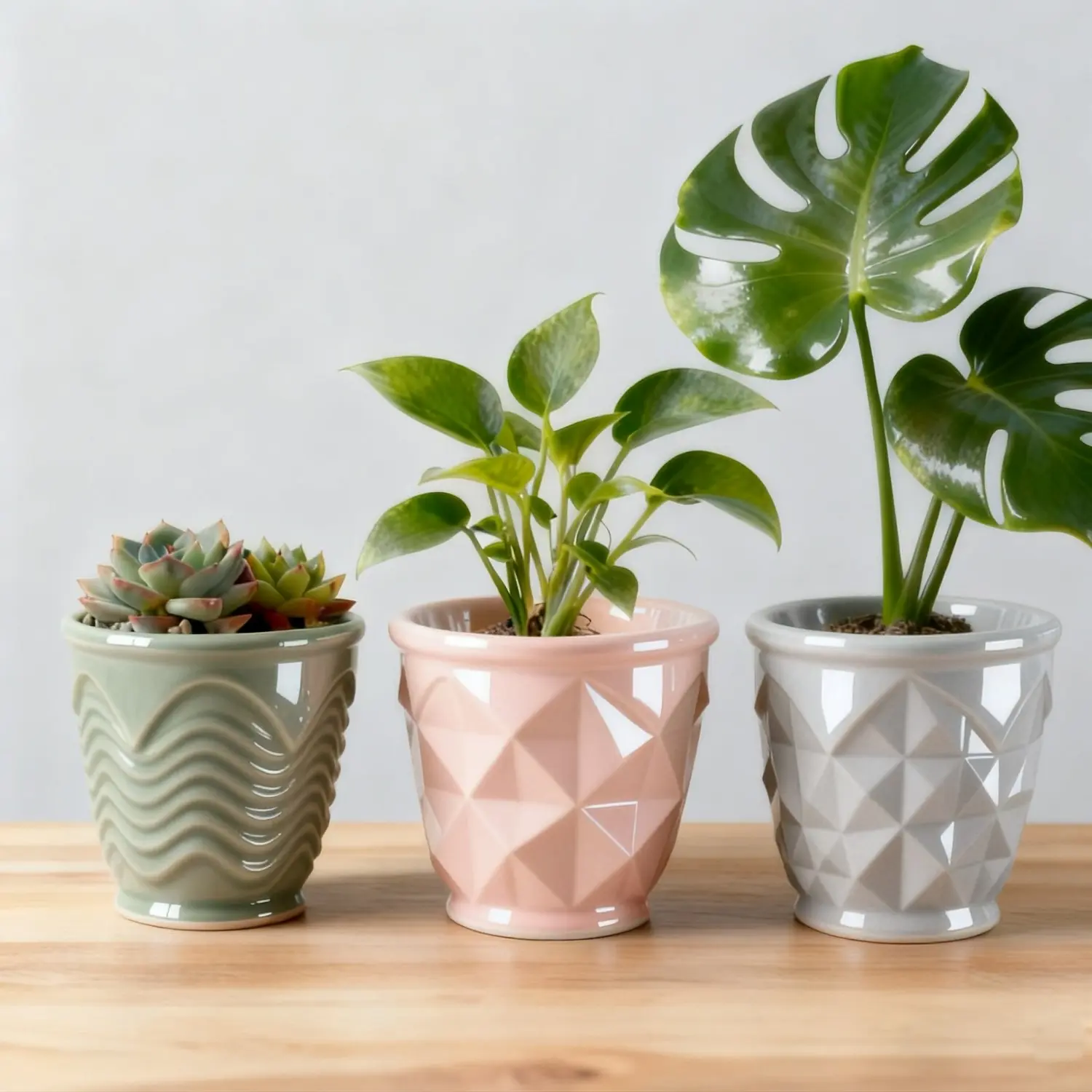
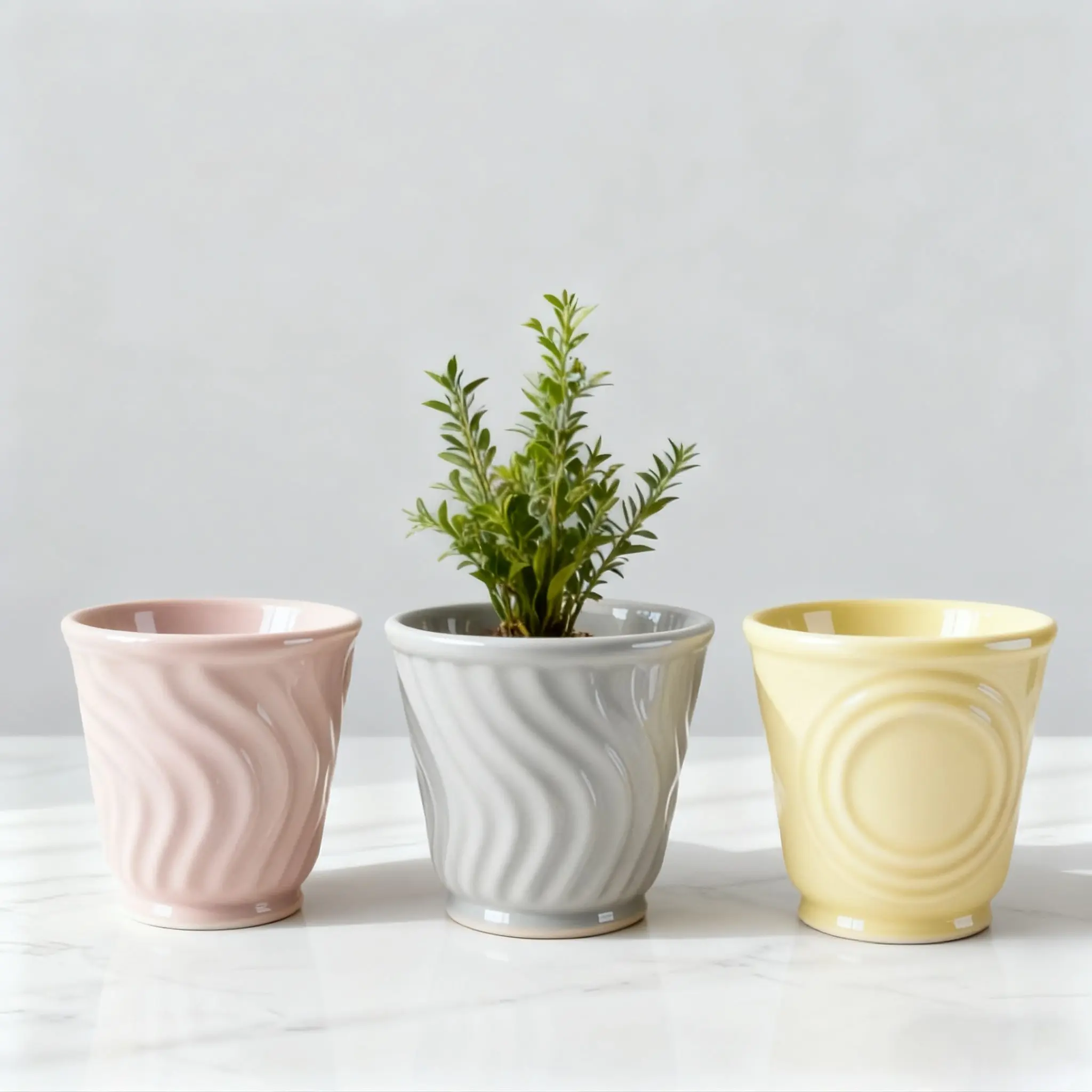
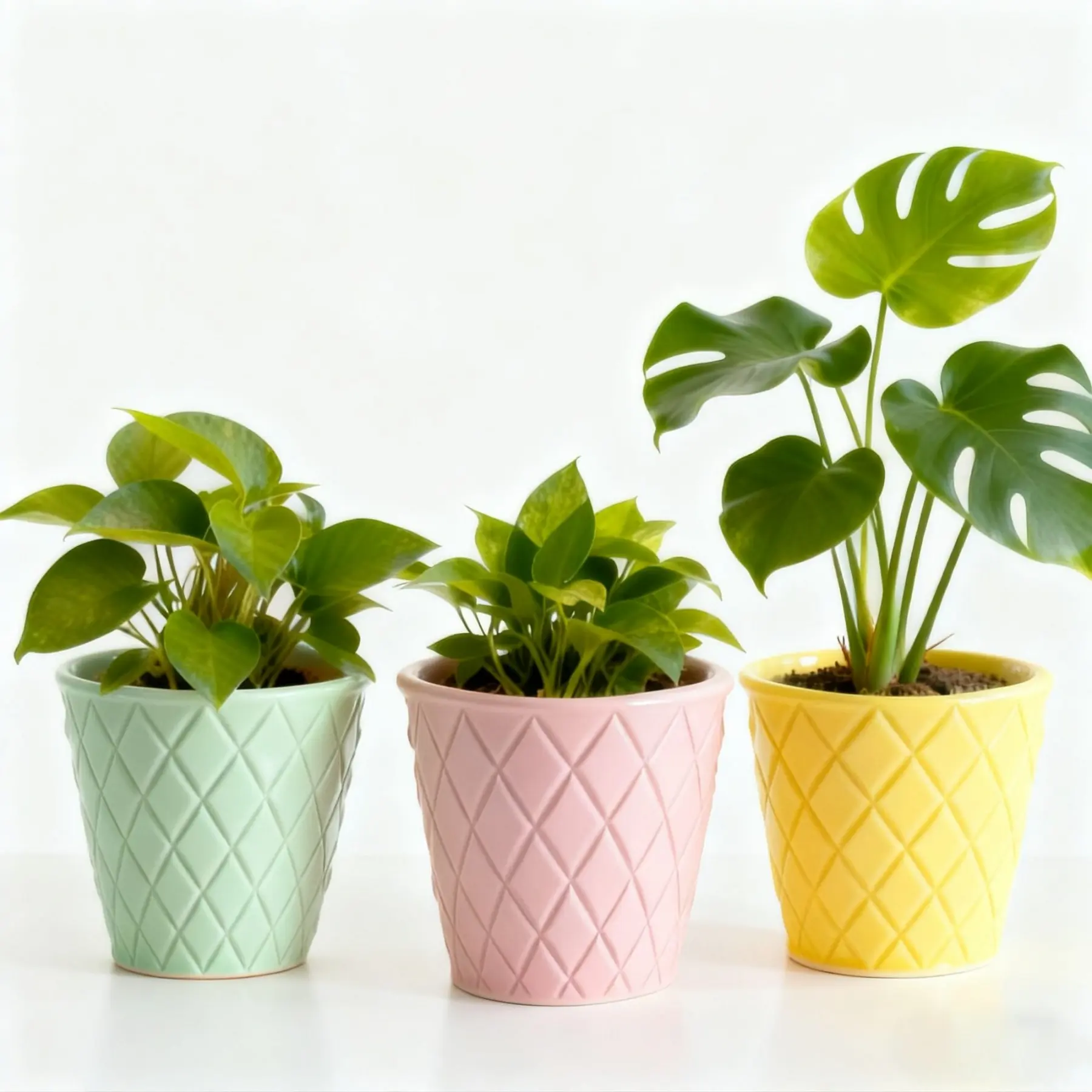
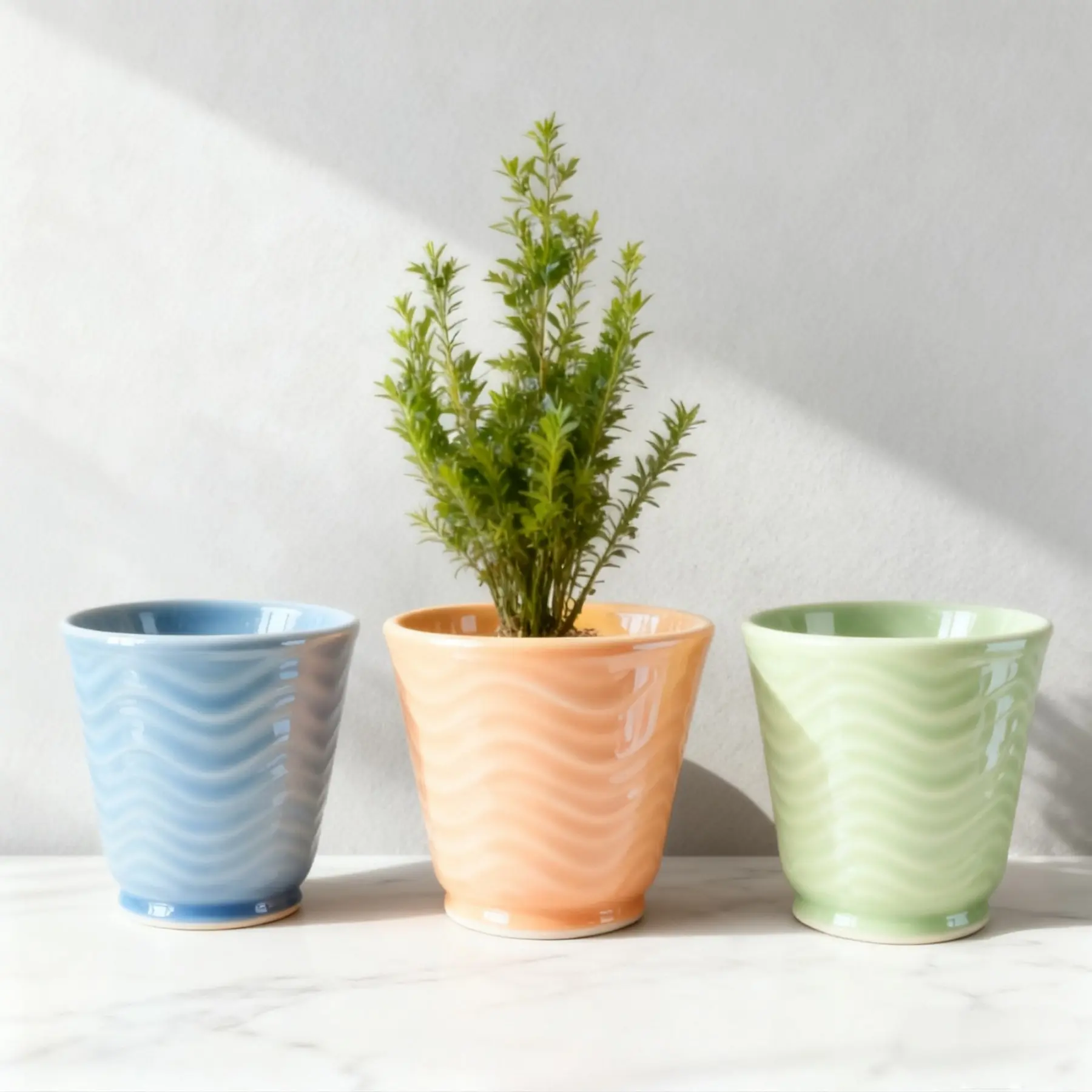
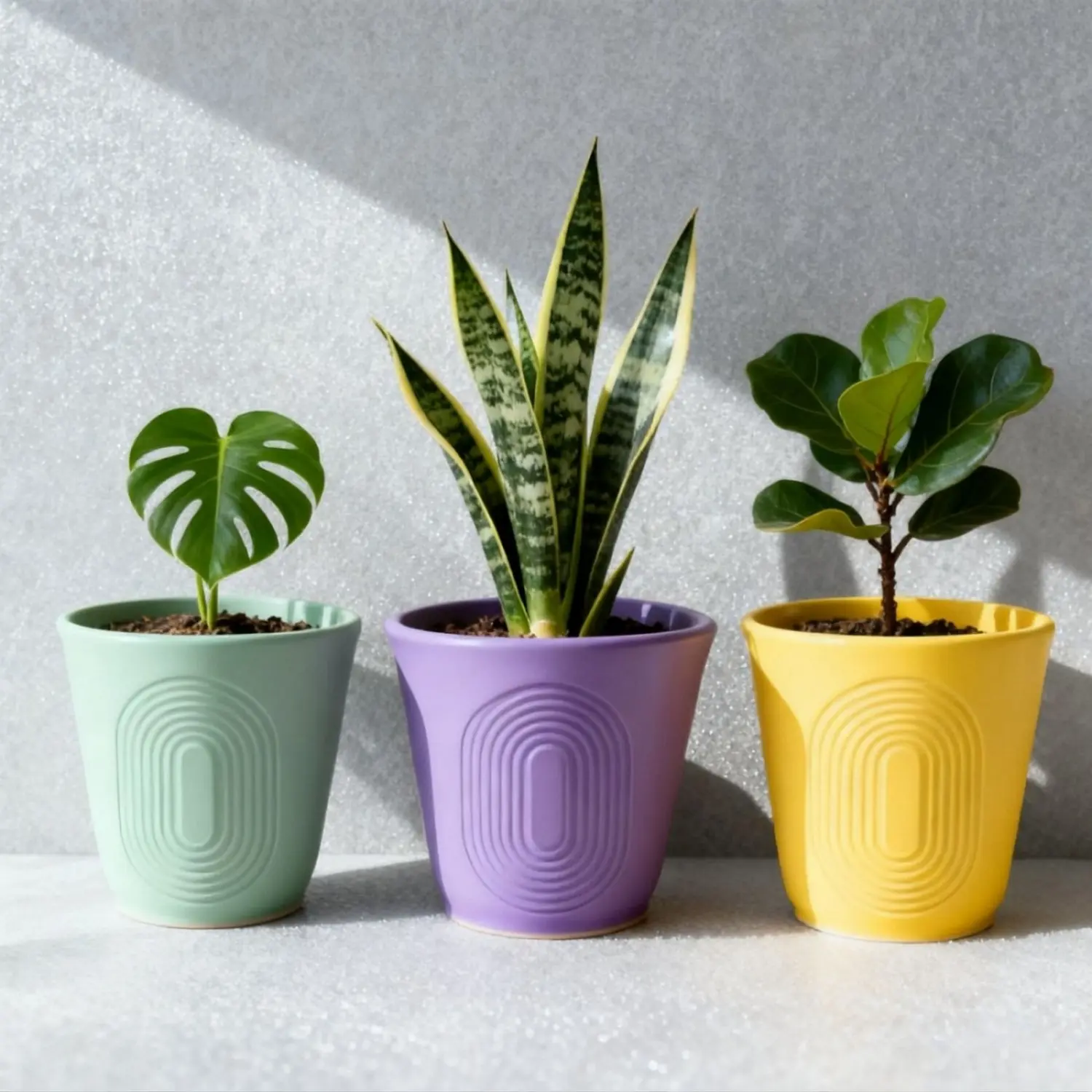
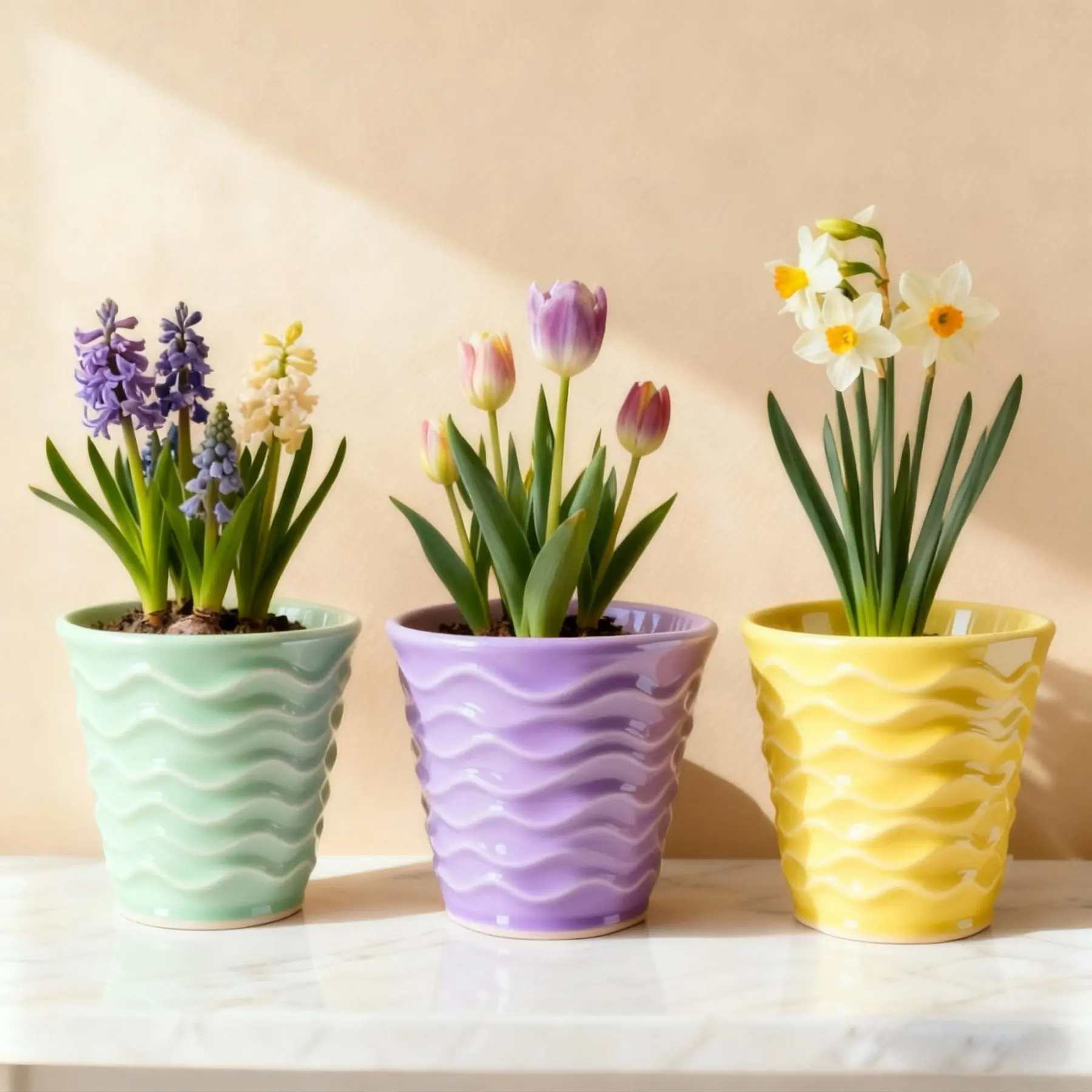
As global horticultural practices move toward precision agriculture, Value Deco Limited is investing heavily in R&D to align with smart farming initiatives. Our roadmap focuses on three main developments:
While plastic pots create micro-plastic pollution and high recycling costs, traditional high-fired ceramics last for centuries. To bridge the gap, we are testing low-temperature fired clay compositions infused with natural, plant-based starches. These pots maintain structural integrity for up to 3 years in greenhouse environments, after which they can be crushed and directly mixed into agricultural fields as soil conditioners.
We are collaborating with smart sensor developers to create ceramic orchid pots with integrated, hidden channels designed for moisture and EC (electrical conductivity) probe insertion. Commercial growers can monitor water levels and nutrient concentration within the orchid pot mix in real-time, feeding this data back to automated drip-irrigation systems.
Using advanced 3D clay printing technology in our R&D center, we are modeling airflow patterns within the root zone under varying potting mix densities. By modifying the angle and pattern of the ventilation holes, we can design custom pots tailored to the specific airflow requirements of dry-growing orchids versus high-moisture species like Miltoniopsis or Paphiopedilum.
Every batch of raw clay utilized in our factory undergoes thermal expansion testing and structural strength analysis. Our certifications (including ISO 9001:2015, BSCI, and SMETA) ensure that our production processes adhere to international standards, providing our distributors with reliable product quality and robust supply chain security.