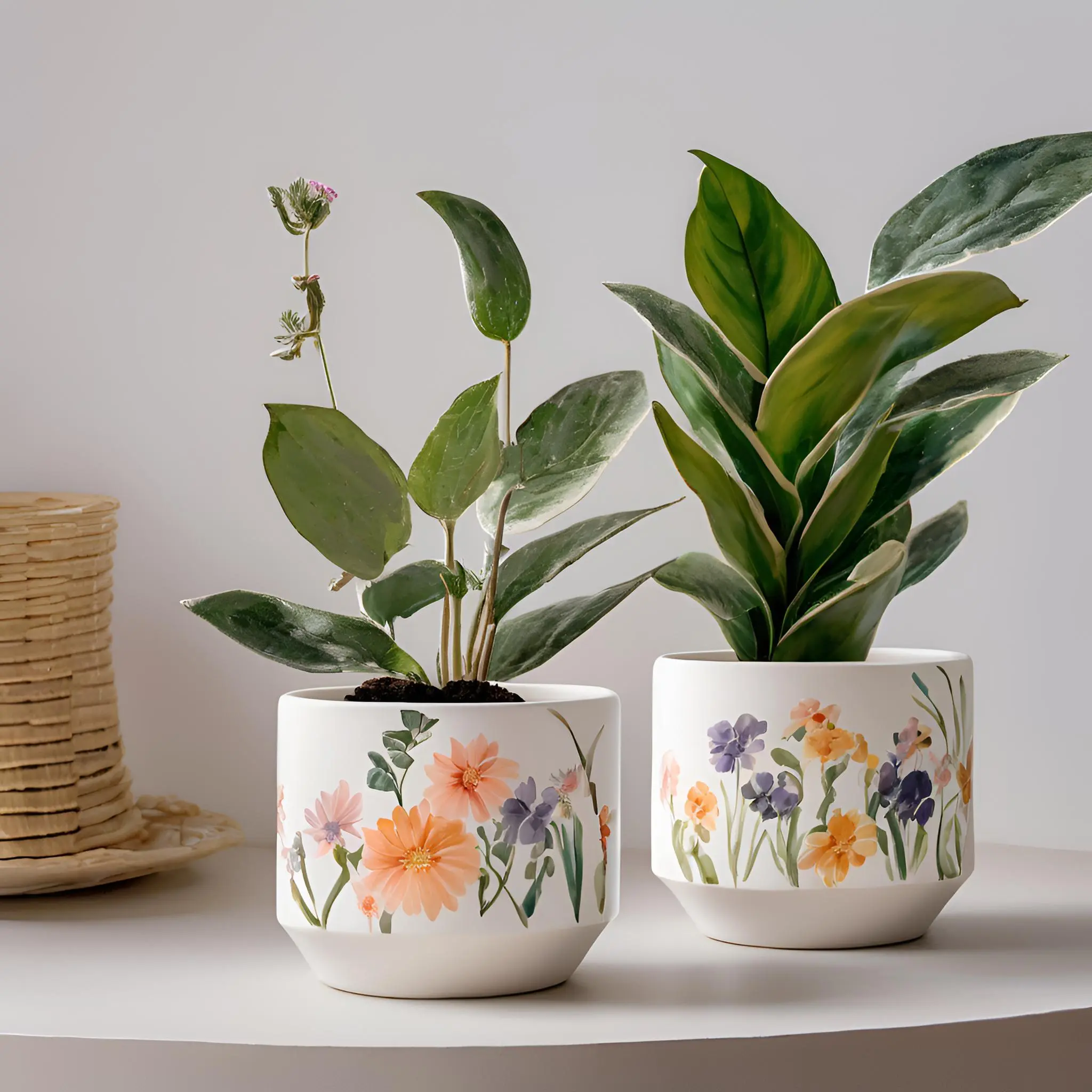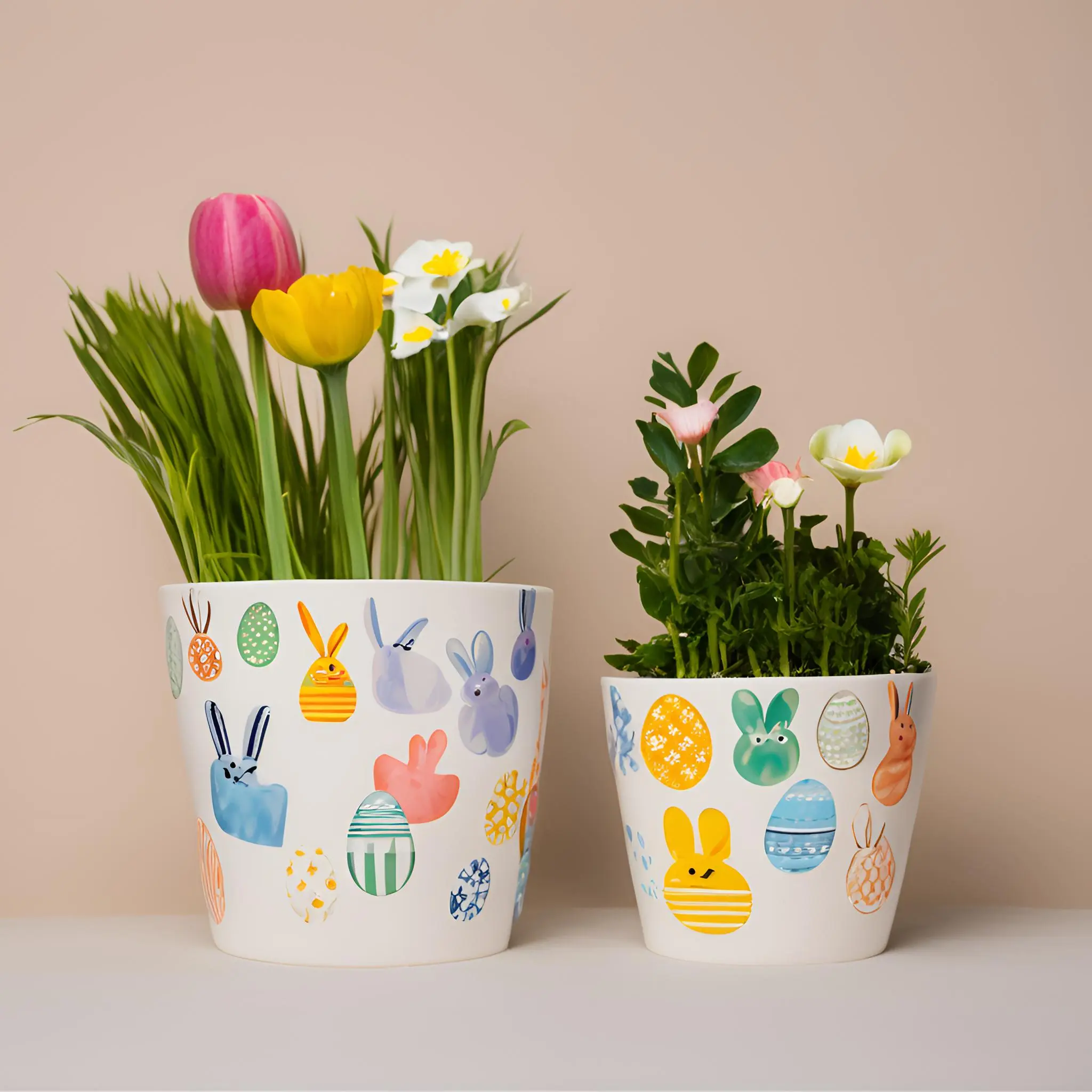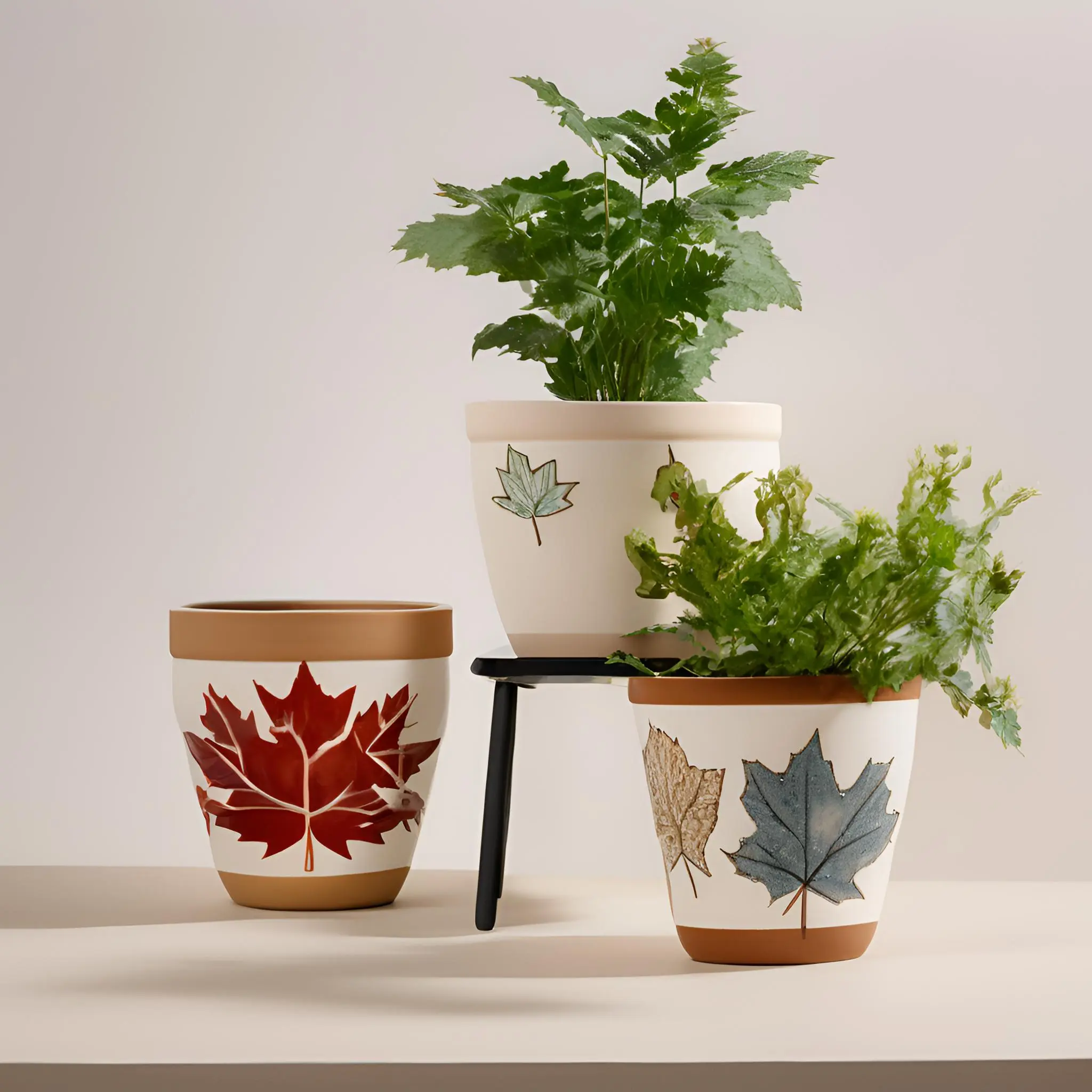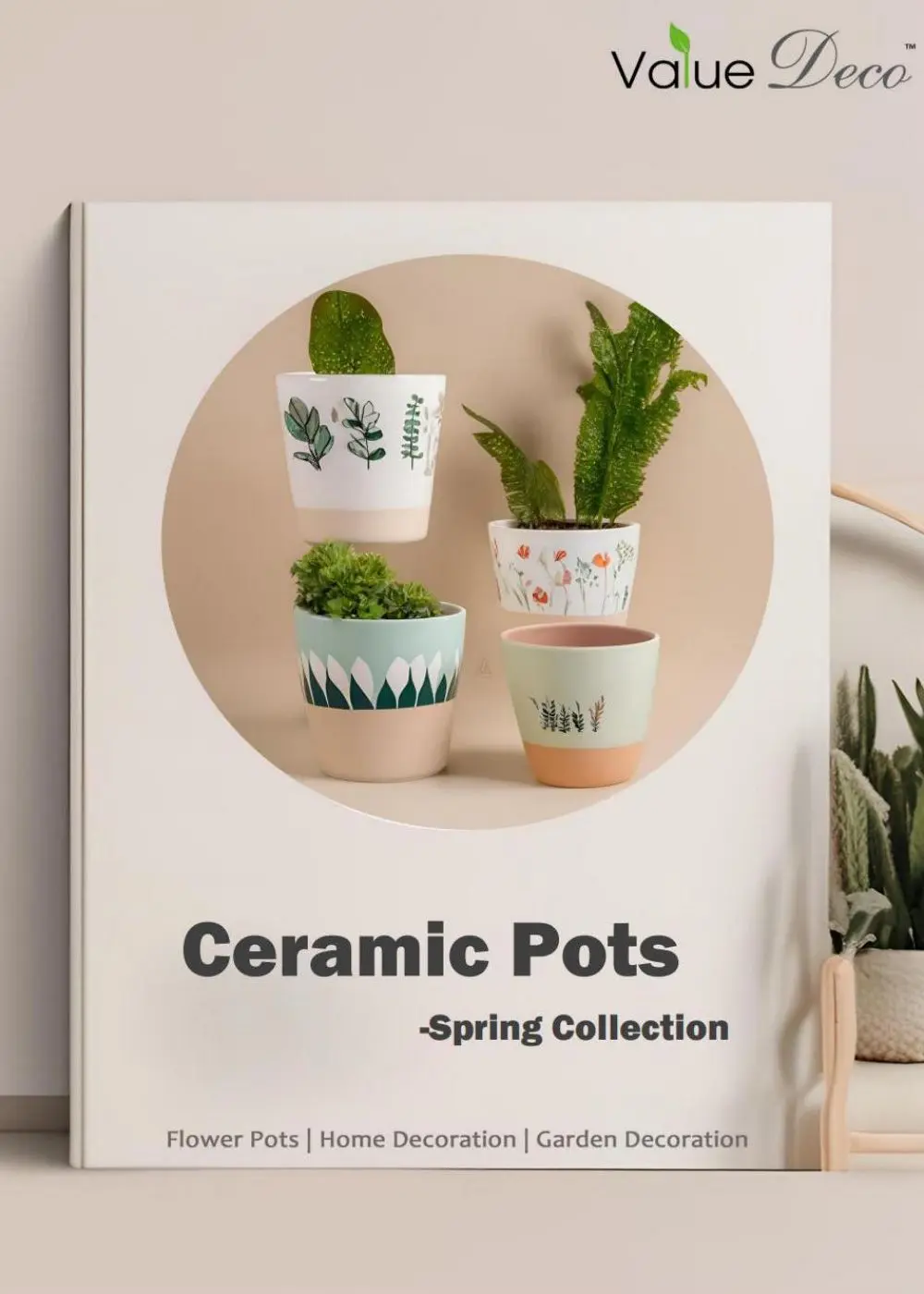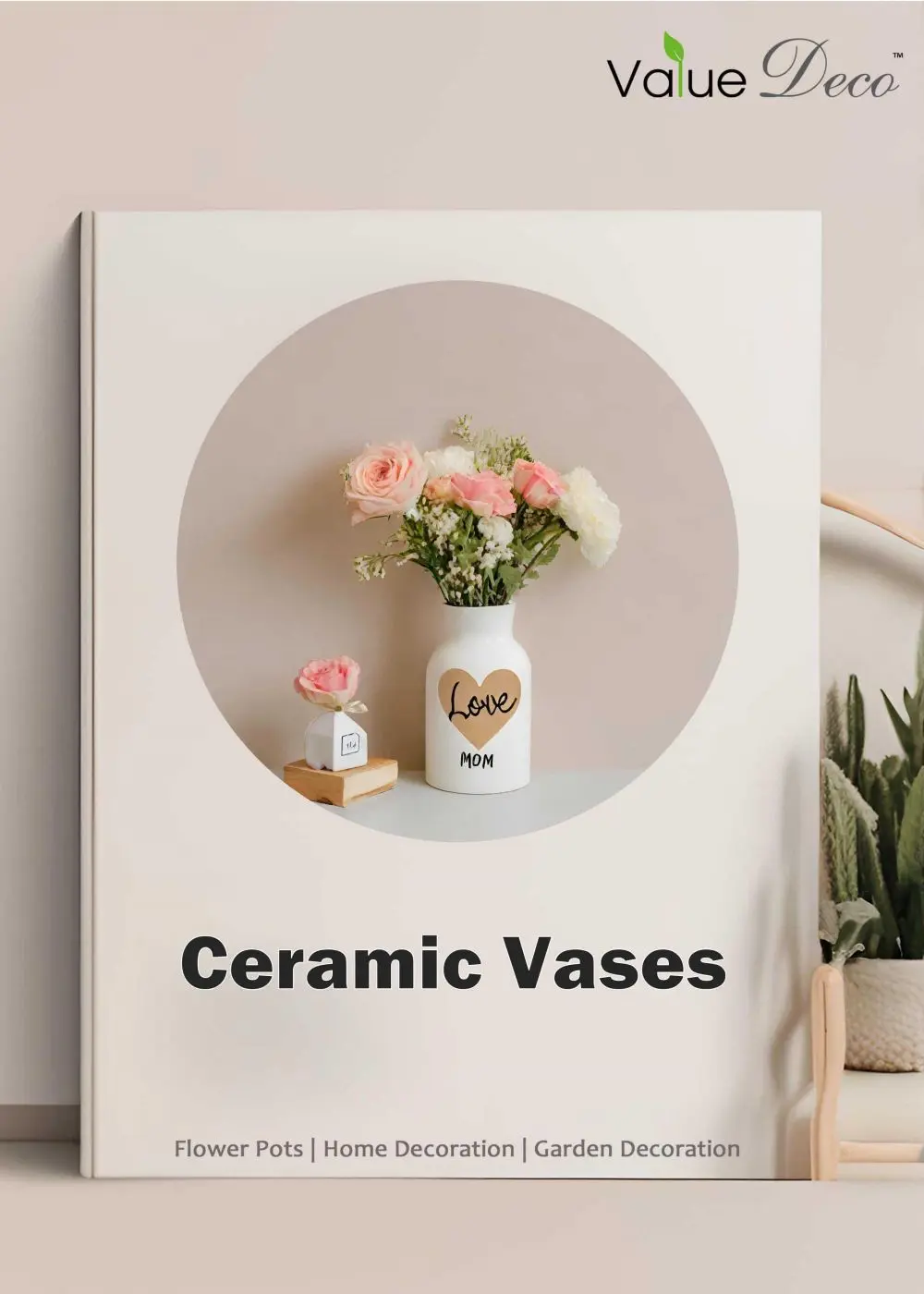
Premium wholesale containers engineered to complement high-drainage substrates like orchid bark.







In modern industrial horticulture, the selection of substrates directly determines crop yield, plant health, and final market valuation. Orchid cultivation, once a niche artisanal pursuit, has scaled globally into a highly systematized multi-billion dollar agricultural industry. Phalaenopsis, Dendrobium, Cattleya, and Cymbidium varieties demand highly specific physical and chemical properties in their growing media. This has placed orchid bark at the absolute center of global professional horticulture.
Chemically, commercial orchid bark is primarily derived from pine species, most notably Pinus radiata (Radiata Pine) and premium domestic Chinese Pine species. These organic barks possess unique mechanical properties: high lignification, robust structure, and natural resistance to rapid decomposition. Unlike agricultural peat, which can compact over time and limit root respiration, aged pine bark retains its physical shape for years. This structure supports a balanced water-retention curve (WRC) while maintaining an optimal Air-Filled Porosity (AFP) between 40% and 60%.
Global professional growers analyze substrates using precise scientific parameters. Industrial orchid bark must adhere to the following strict ranges:
Furthermore, global commercial nurseries have increasingly turned to integrated Chinese manufacturing facilities to supply both bulk organic substrates and the design-oriented containers needed for global retail distribution. The symbiosis between China's bulk raw material processing and its highly efficient ceramic container manufacturing allows enterprise buyers to achieve unparalleled cost efficiency and logistical optimization.
The global horticultural industry is undergoing a structural transition toward sustainability. Peat bogs, which act as critical planetary carbon sinks, are increasingly protected by environmental legislation across the European Union and North America. As a result, the commercial industry is accelerating its transition to renewable, carbon-neutral, or carbon-negative organic substrates. Aged and composted pine bark represents the most viable ecological alternative for premium epiphytic and semi-terrestrial plants.
Moreover, the modern consumer's focus on indoor houseplants and "urban jungles" has shifted demand dynamics. Aroids (such as Monstera, Philodendron, and Anthurium) have become high-margin retail products. These plants thrive in coarse, bark-based potting mixes that mimic the forest floor. This shift has expanded the market for premium graded orchid bark from specialist commercial growers to mass-market retail packagers.
On the production side, the shift involves advanced aging techniques. Raw bark contains phytotoxic compounds, such as natural tannins and volatile organic compounds (VOCs), which can inhibit root elongation. Modern factories utilize thermal composting processes to break down these phytotoxins. The result is a stabilized, aged substrate that promotes rapid root colonization and beneficial mycorrhizal symbiotic relationships, which are essential for commercial cultivation.
Enterprise procurement teams from commercial glasshouses and national retail chains require absolute consistency. In horticultural manufacturing, a minor variation in substrate grading or pH can result in crop losses across millions of individual plants. Therefore, professional sourcing agents prioritize factories that can guarantee precise sorting, sterilization, and chemical stability.
Professional import programs assess factory capabilities based on four rigorous standards:
Additionally, import logistics require advanced container optimization. Bulk bark is typically packaged in durable woven polypropylene bulk bags (1m³ to 2.5m³ capacity) or specialized compression bales to maximize container space. Leading Chinese manufacturers cooperate closely with shipping lines to ensure optimal humidity control inside ocean freight containers, preventing premature degradation or mold development during long-distance transit.
Integrating automated raw material processing with precision ceramic container manufacturing.
The modern Chinese supply chain has evolved beyond basic manufacturing into a digitized ecosystem. In the processing of organic substrates, factories utilize advanced optical sorters and computerized moisture sensors. These systems monitor raw bark from the initial peeling stage through composting, curing, and final packaging. This level of control ensures that each shipment of orchid bark behaves predictably in automated commercial potting machines.
Furthermore, China’s manufacturing networks offer unique integration advantages. In decorative horticulture, a commercial grower does not purchase substrate in isolation. The plant must be potted, displayed, and sold. Chinese industrial clusters (combining forestry processing in proximity to advanced ceramic centers like Fujian and Guangdong) allow buyers to source high-quality orchid bark alongside design-forward pots, hangers, and seasonal decorations. This integration significantly lowers ocean freight costs, simplifies custom clearances, and reduces supply chain risks.
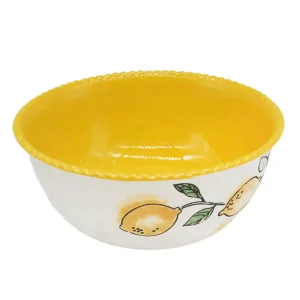
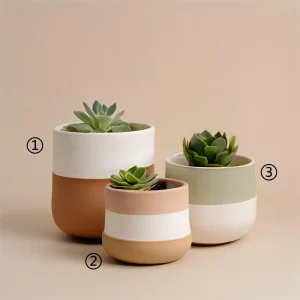
Explore our integrated decoration and horticultural containers designed for global markets.

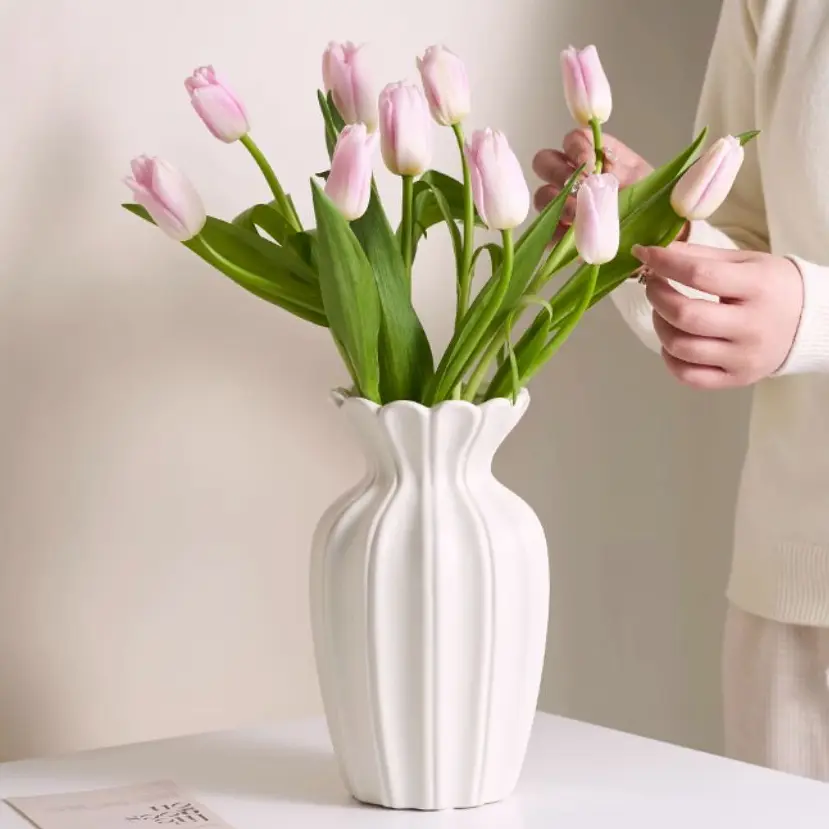


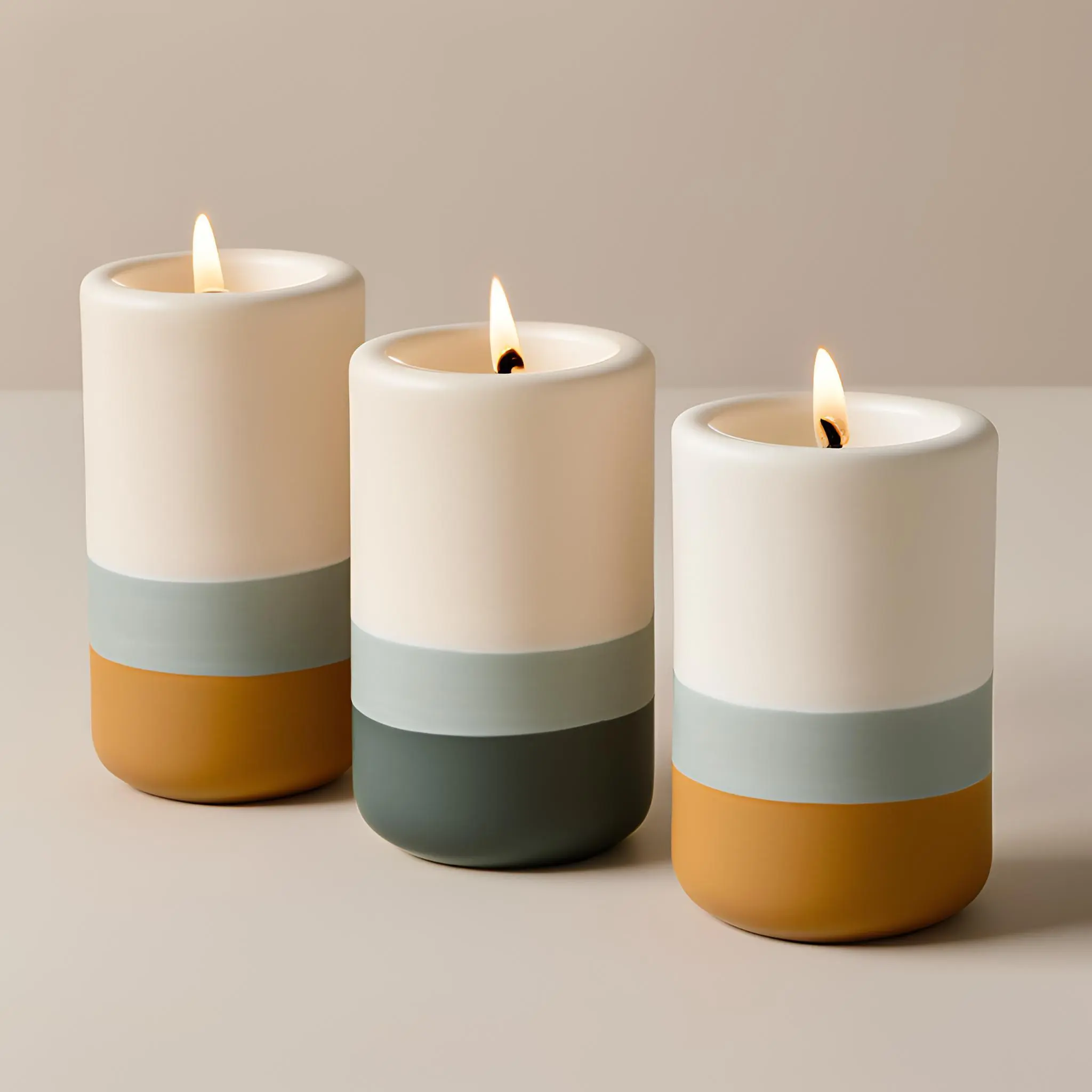

Your One-Stop Sourcing Hub for Premium Decorative Containers & Garden Supplies
Value Deco Limited is an established, leading supplier of high-quality ceramic pots based in China. With over 12 years of experience in the decoration and horticultural container industry, we have built a reputation for offering a diverse range of Flower Pots, Vases, Candle Holders, Home Decoration, Garden Decoration, and Dinnerware, designed to suit various seasons and commercial projects. Our products are created in line with global design trends, ensuring they serve their functional purpose while enhancing the aesthetic appeal of any display space.
To streamline international supply chains, we operate through specialized product divisions:
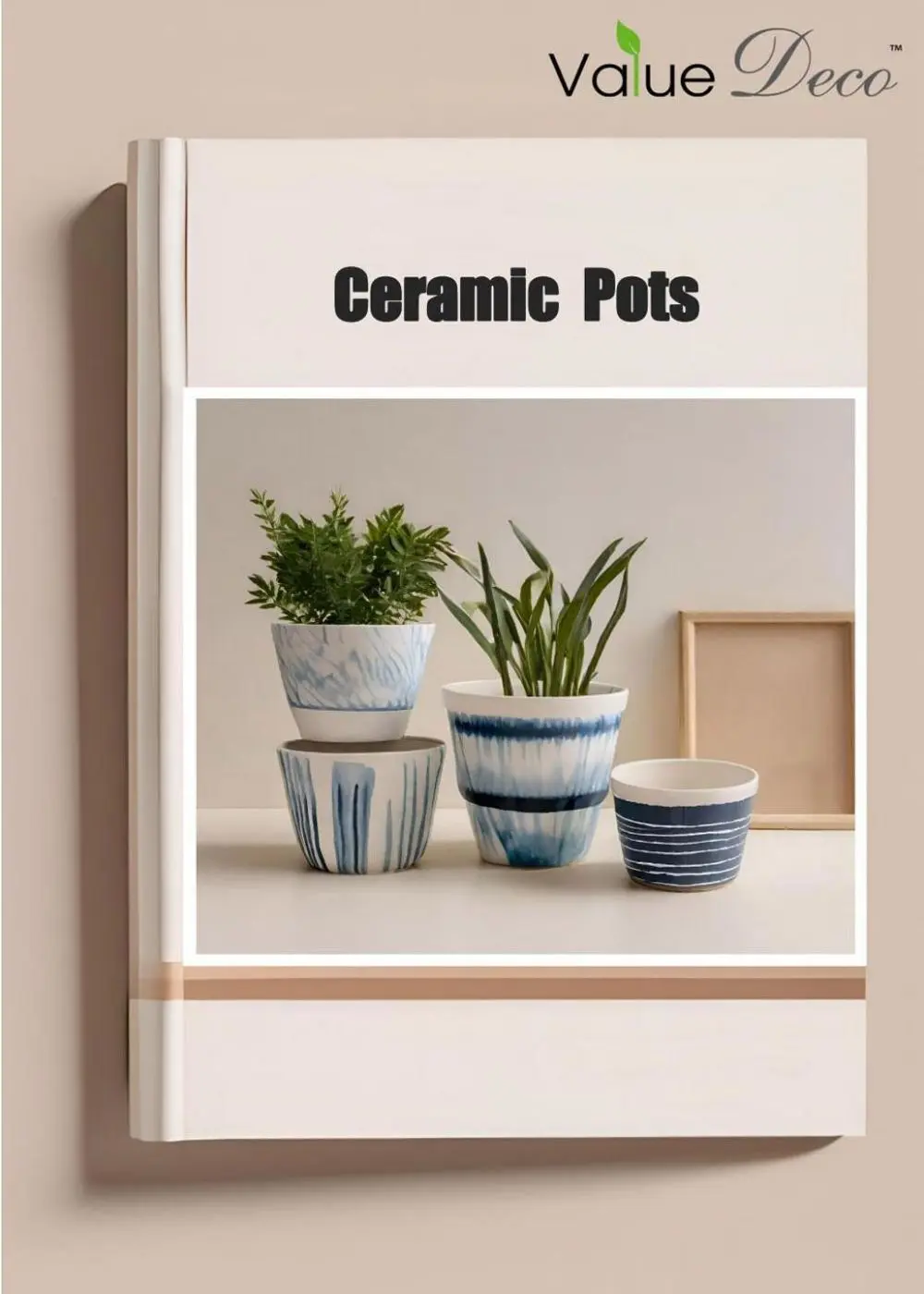
Download our curated seasonal catalogs to source trending products for your target market.
Understanding localized application scenarios is key to optimizing commercial growing results. A substrate does not function in isolation; it operates as part of a system alongside the container, the local climate, and the irrigation cycle.
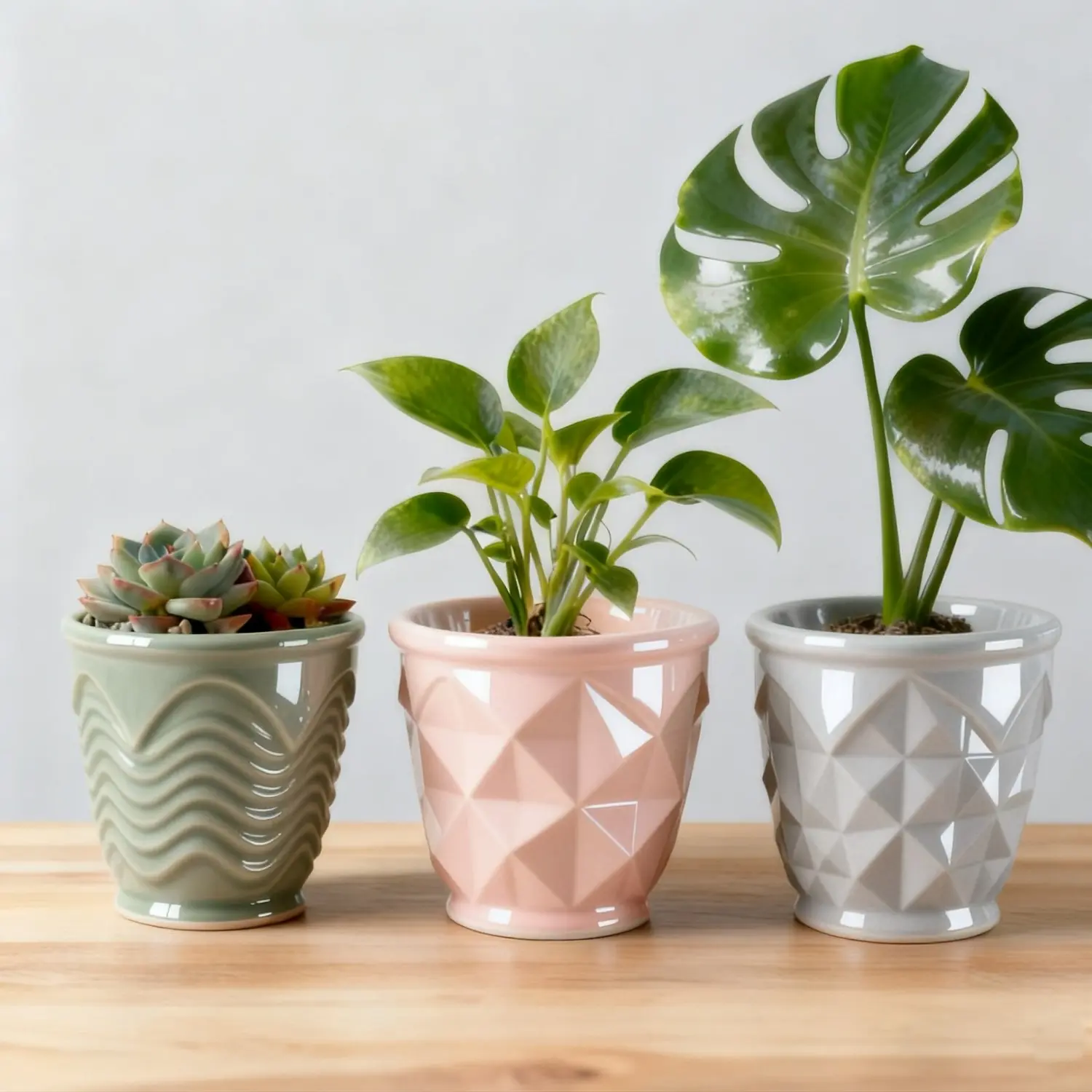
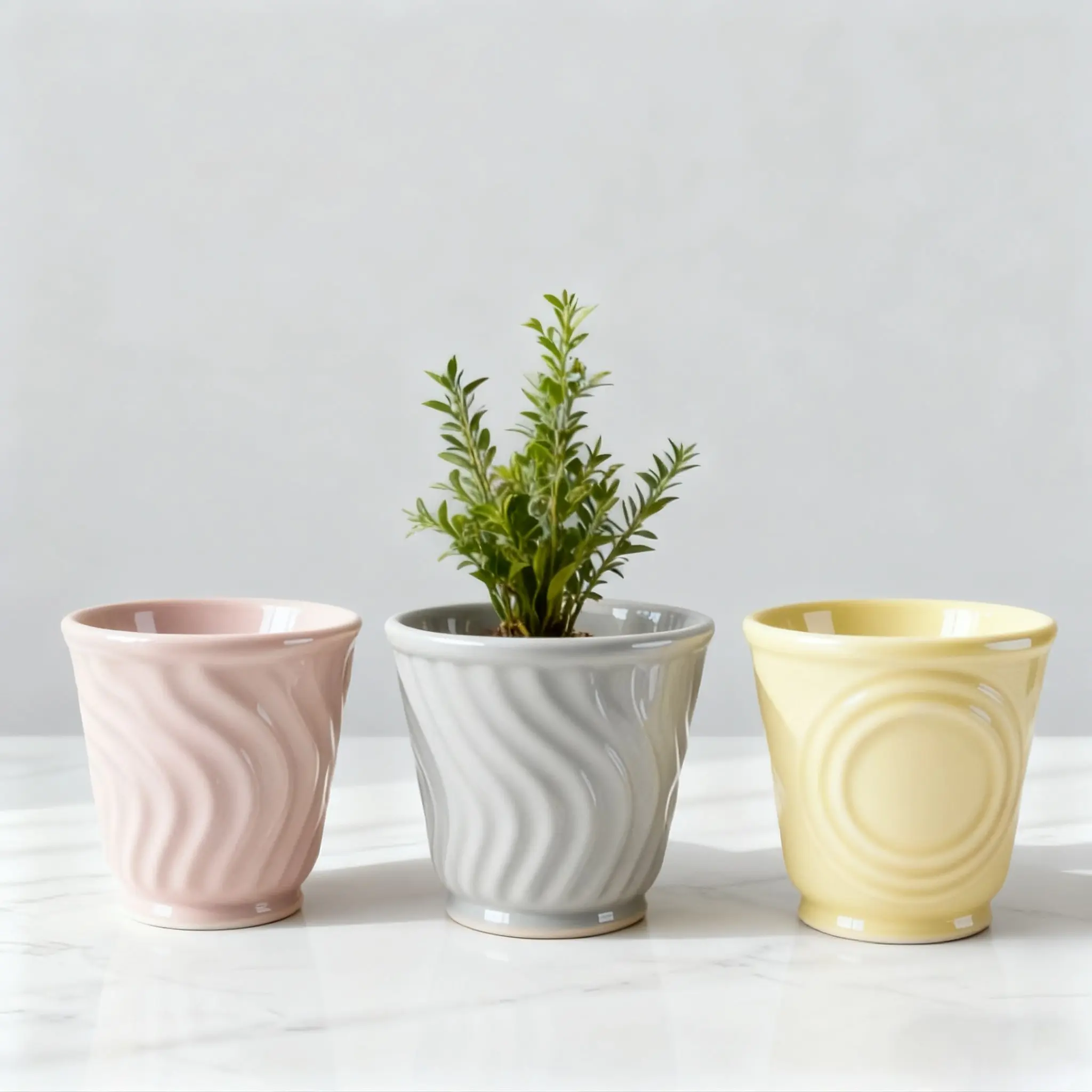
In highly humid regions (such as coastal Florida, Southeast Asia, or standard industrial commercial greenhouses), roots are susceptible to bacterial and fungal rot caused by excess water pooling. For these environments, growers require a coarse orchid bark size (12-18mm) combined with glazed or matte ceramic pots that feature dedicated drainage structures. This combination allows gravity to drain excess moisture quickly, while the high capillary action of the pine bark structure retains a thin film of water inside its micro-pores, feeding the root system without suffocating it.
Conversely, in drier interior climates or air-conditioned retail spaces, fine to medium-grade bark (3-9mm) is preferred. This size range can be mixed with small portions of sphagnum moss to maintain constant humidity within the root zone. Matching the porosity of the container (such as debossed clay pots or structured terracotta) with the sizing grade of the pine bark substrate allows growers to tailor the drying cycle to match their nursery schedule.
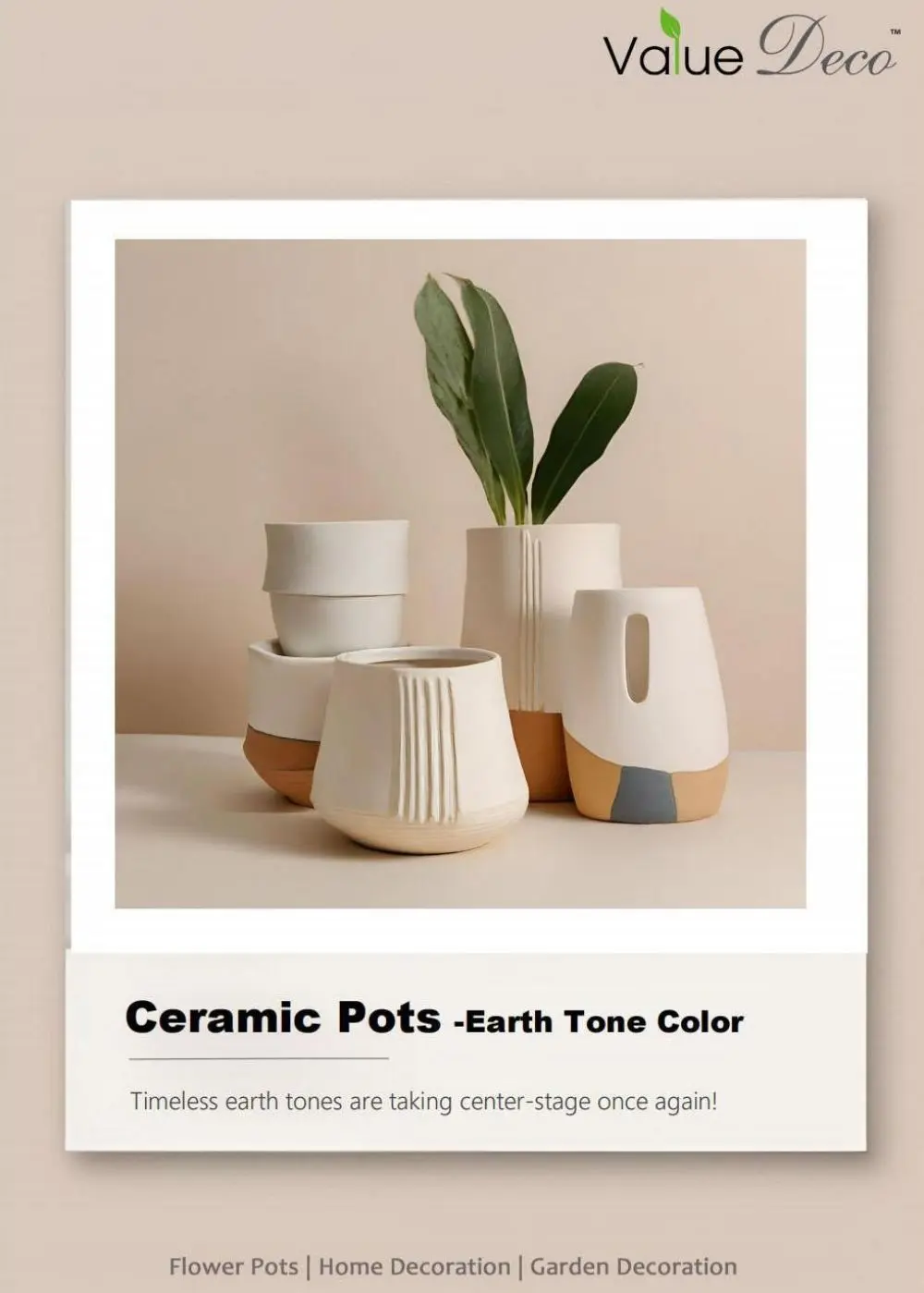
Explore our trending container styles, engineered for modern interiors and commercial spaces.


Expert answers to high-intent commercial sourcing and application questions.
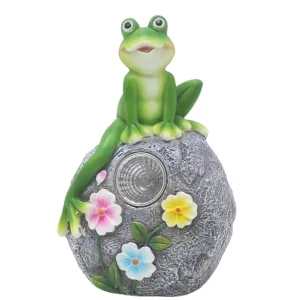
Expand your product lines with these handcrafted home accents and functional planters.