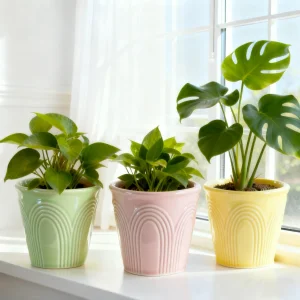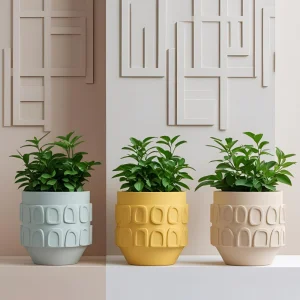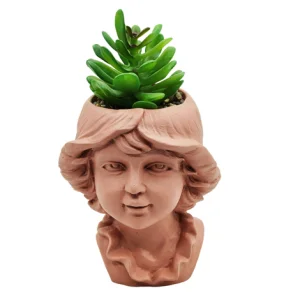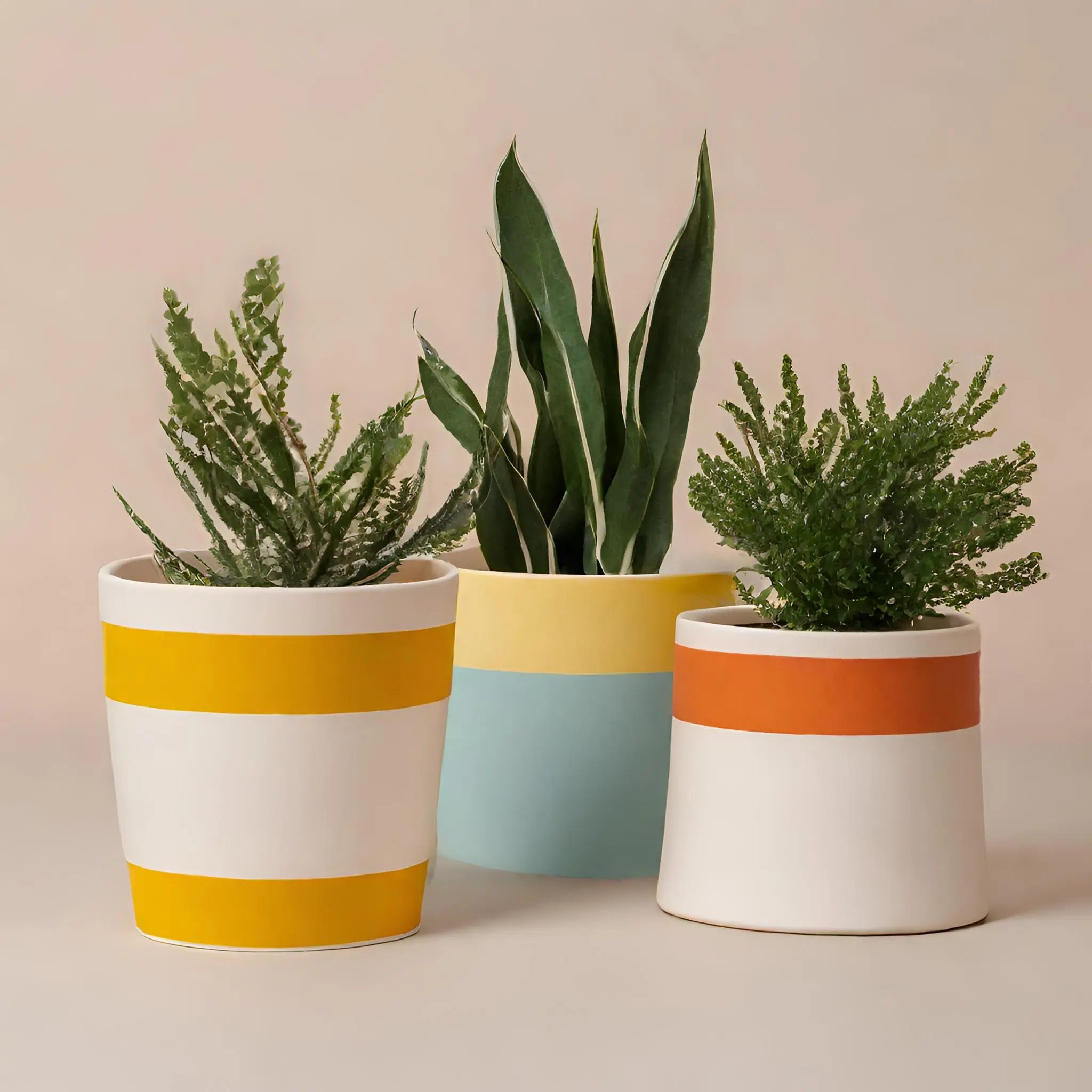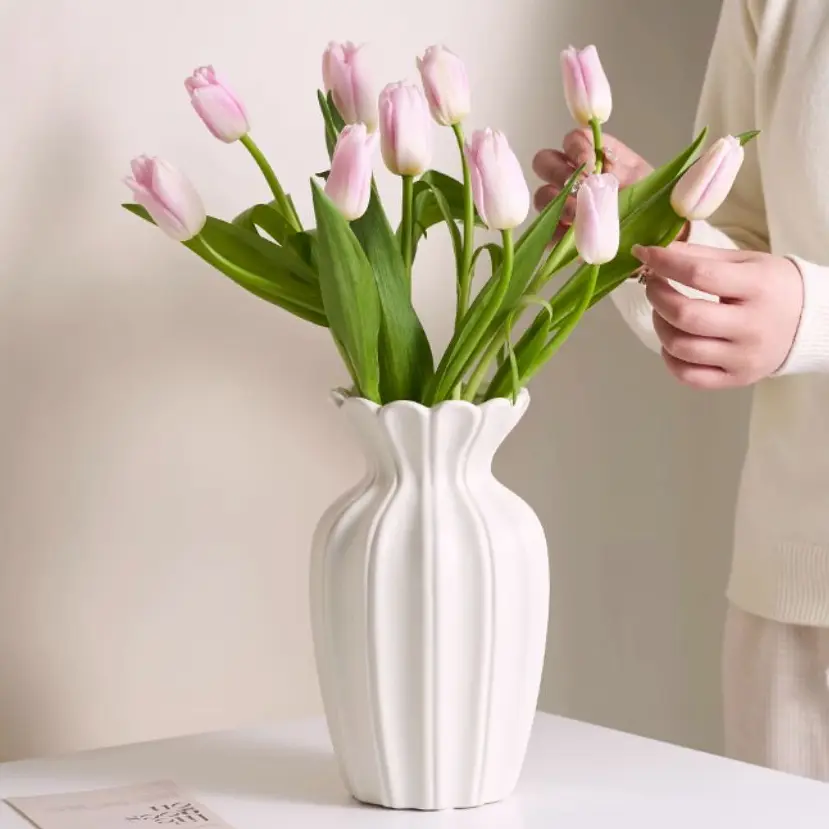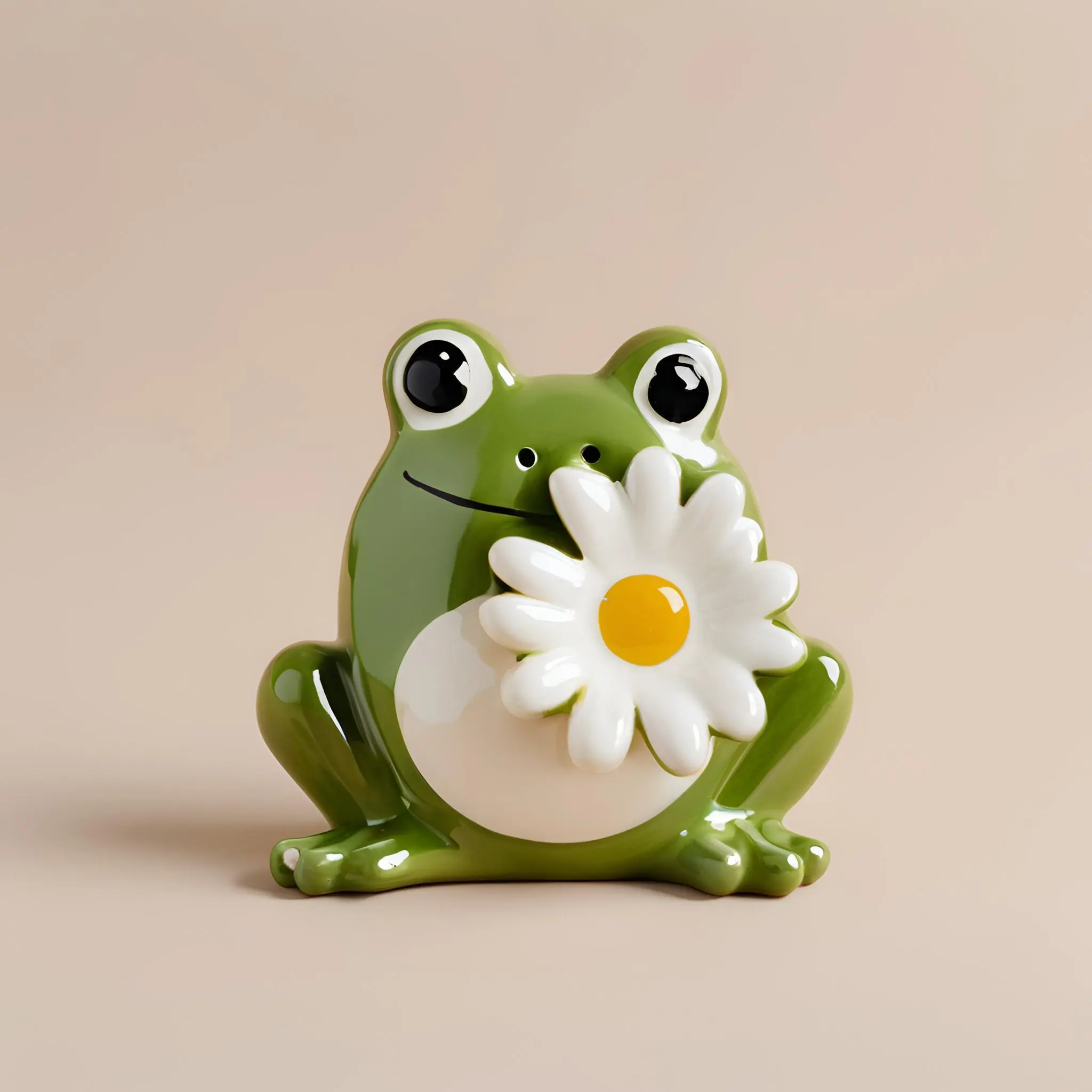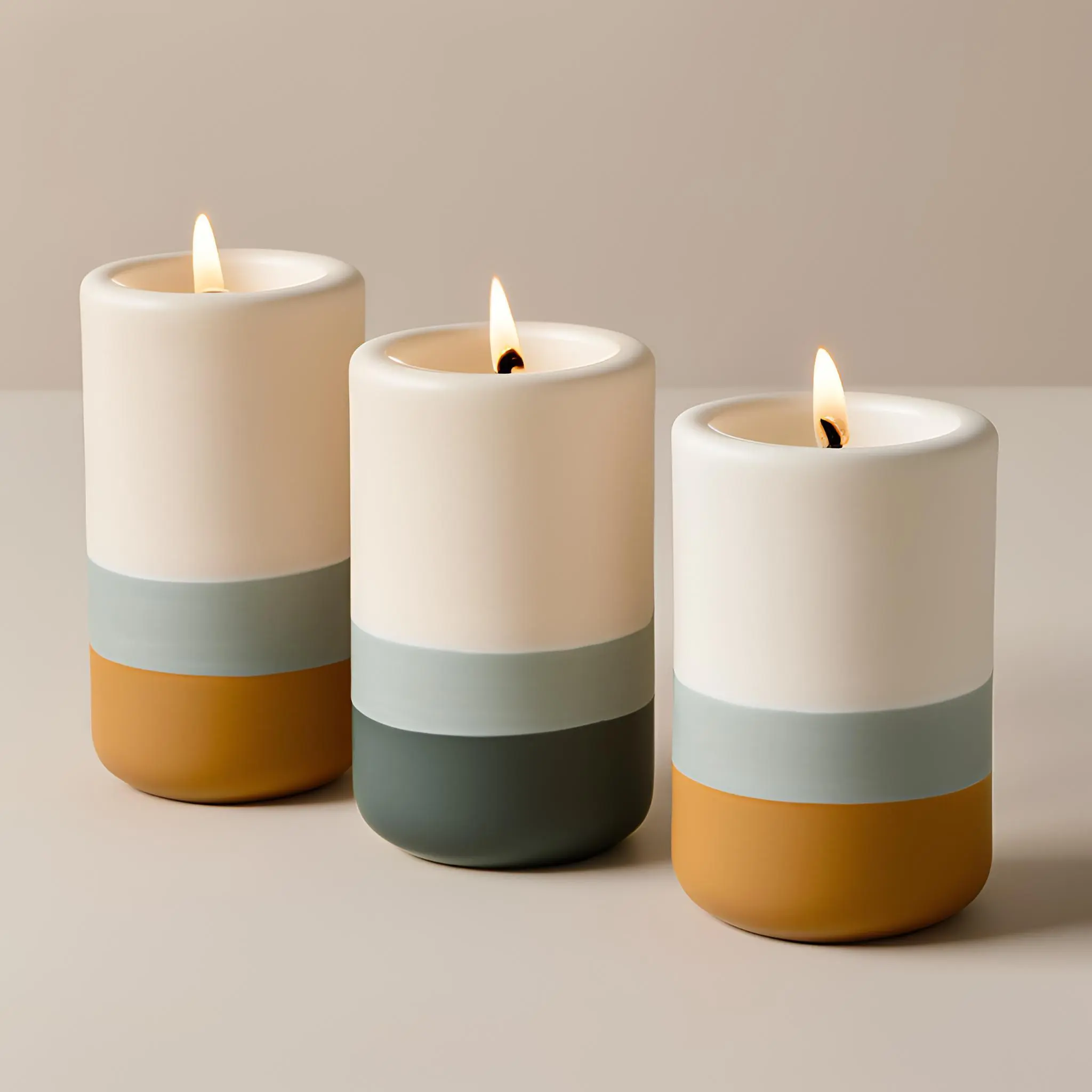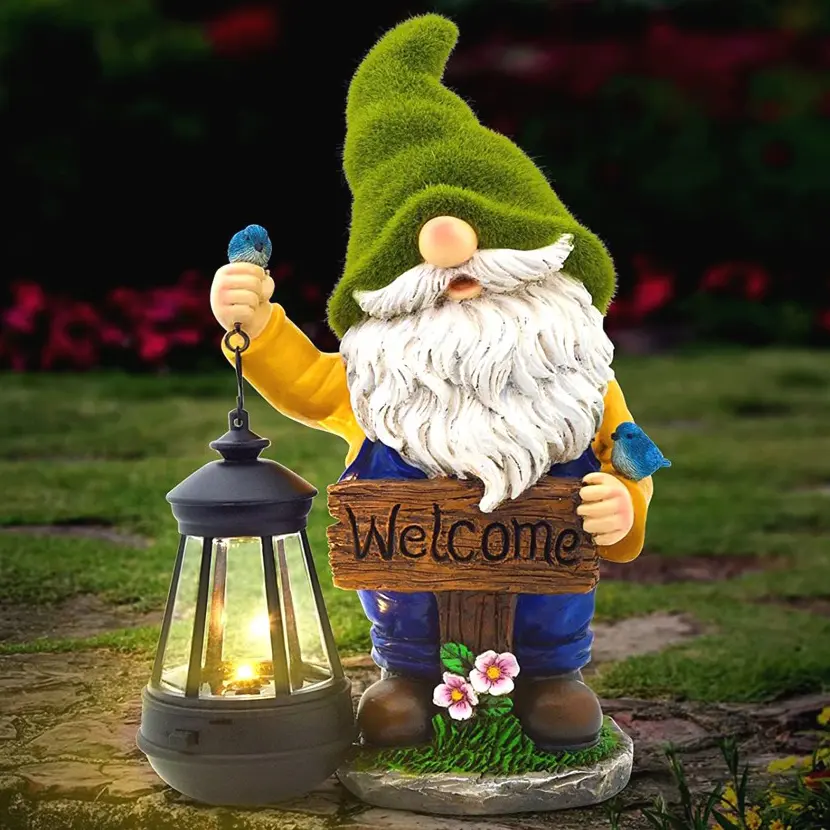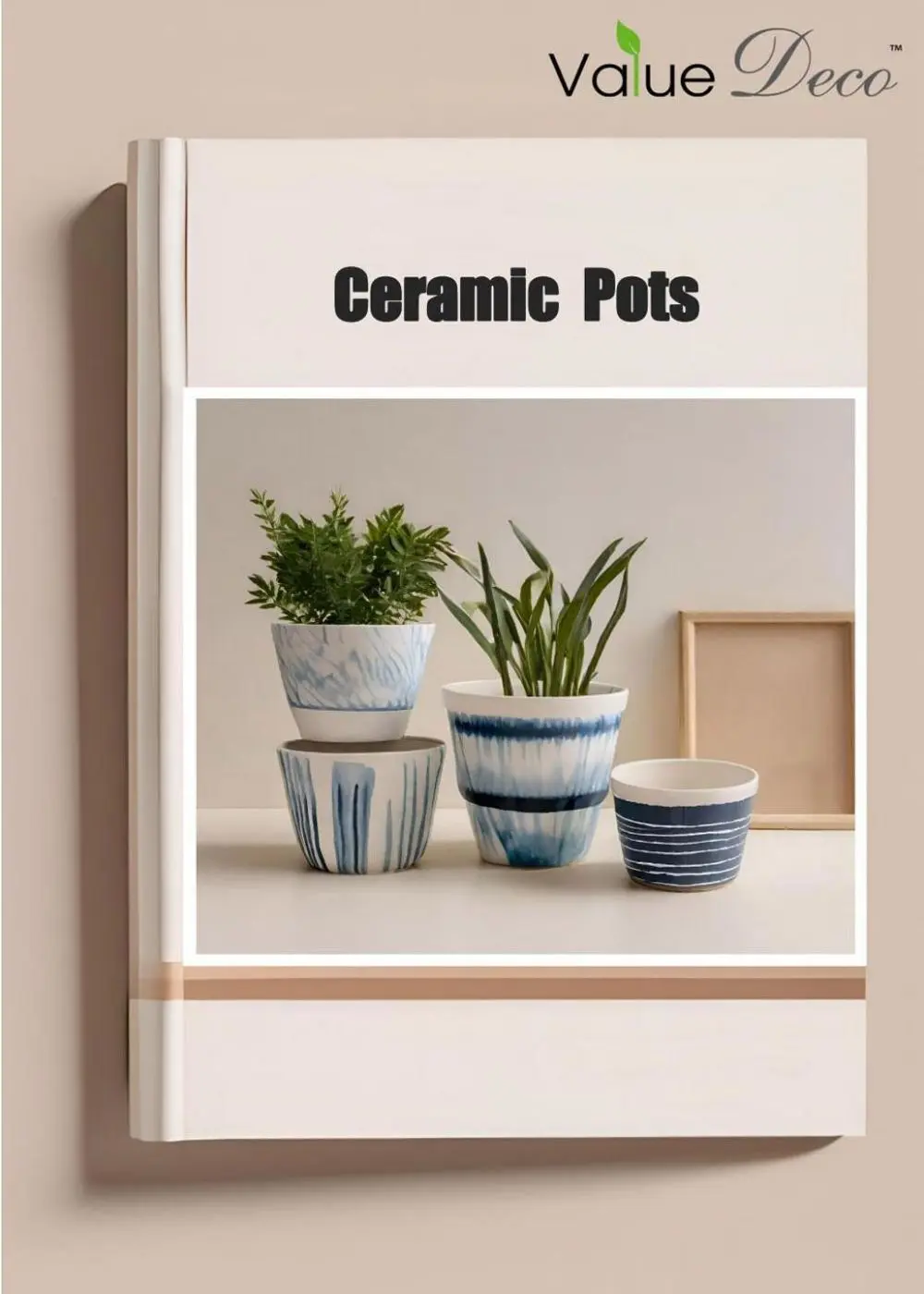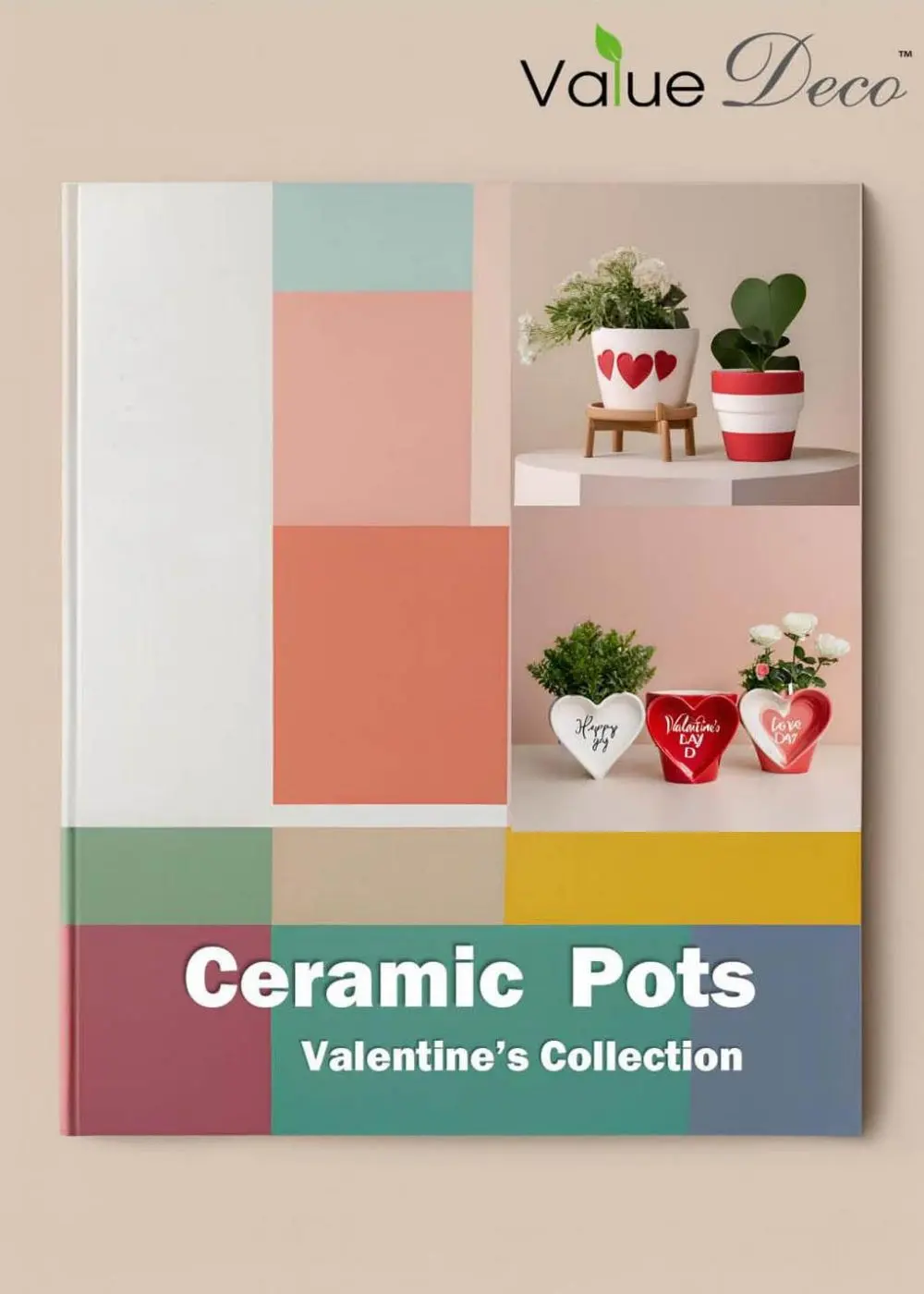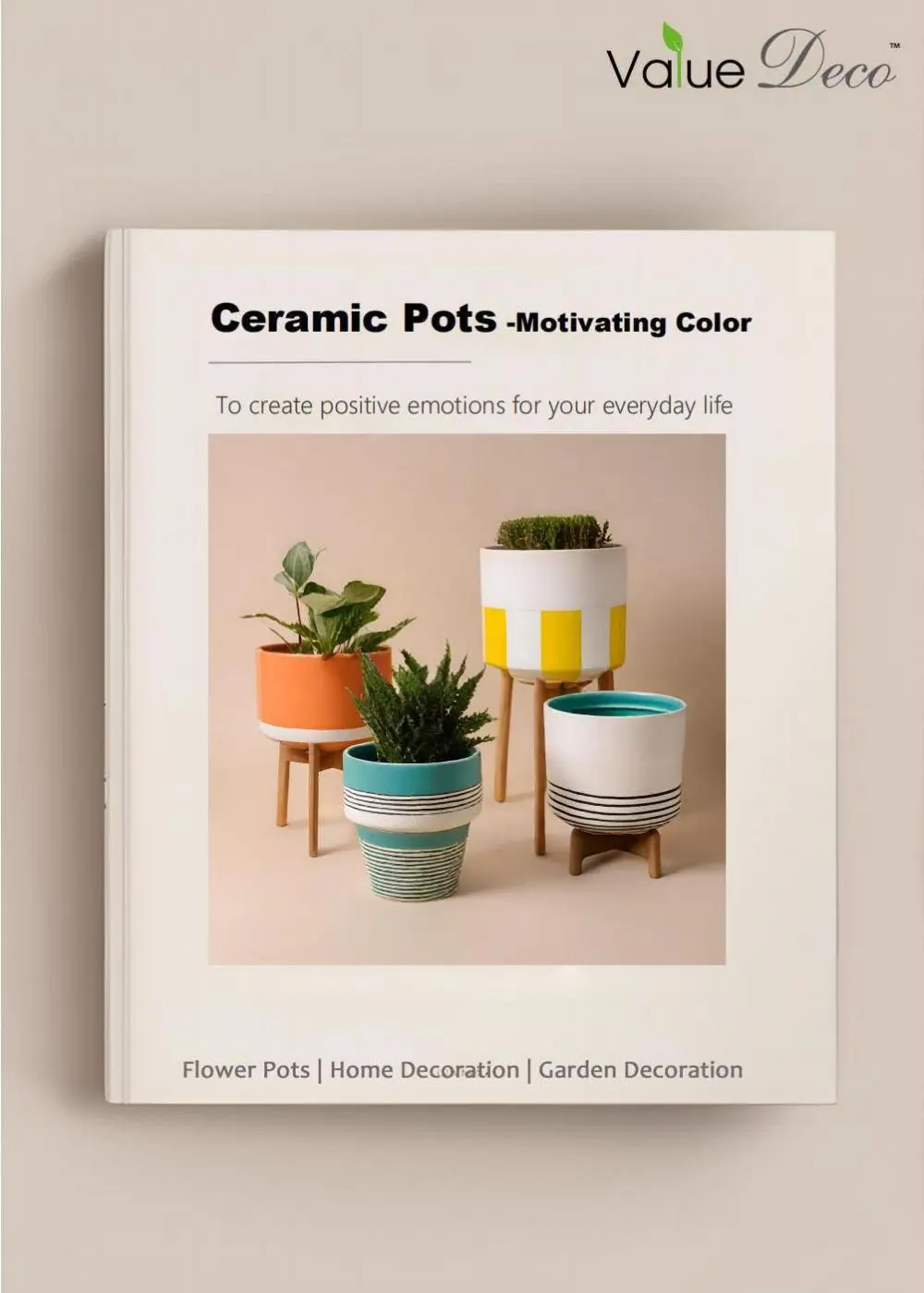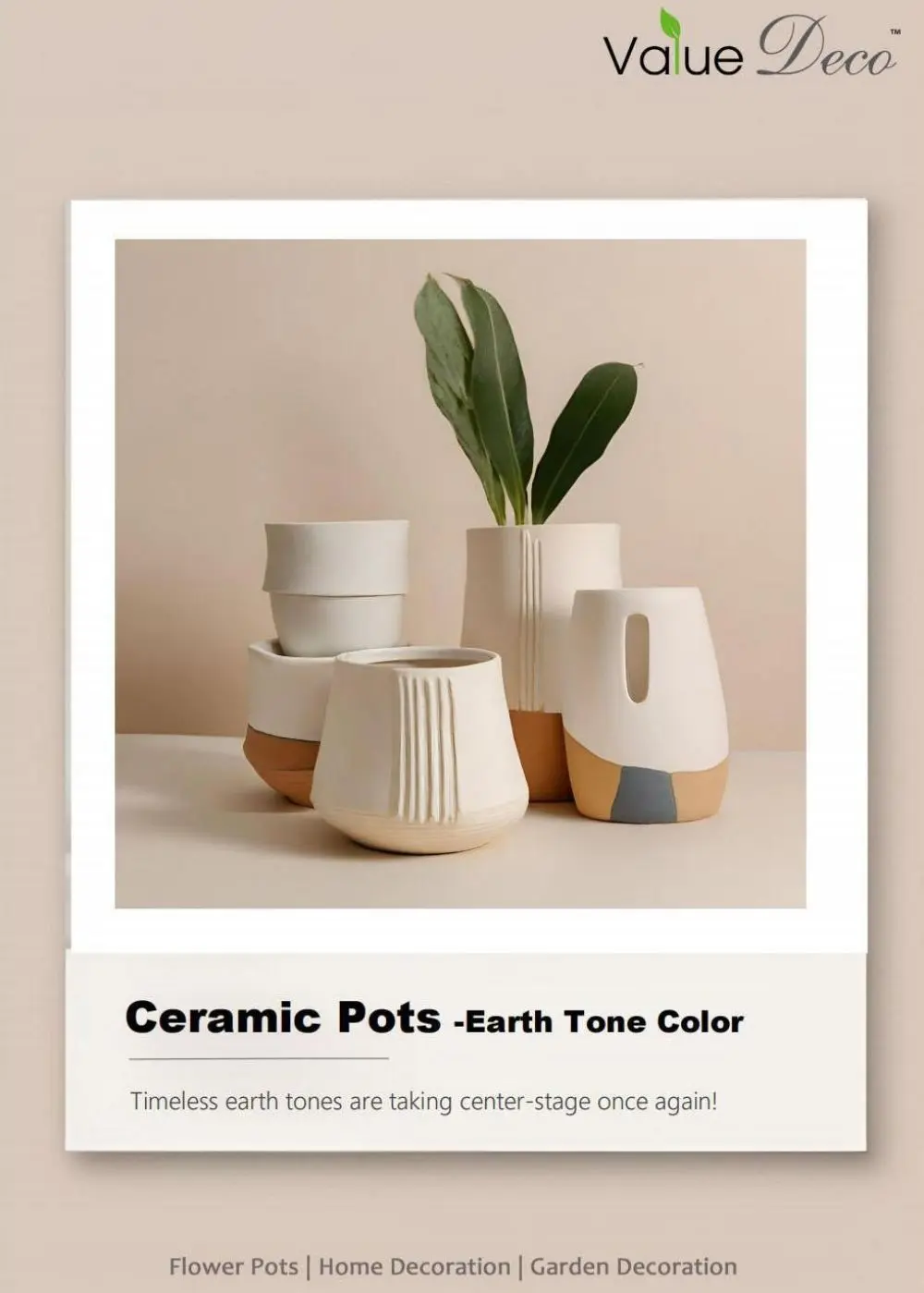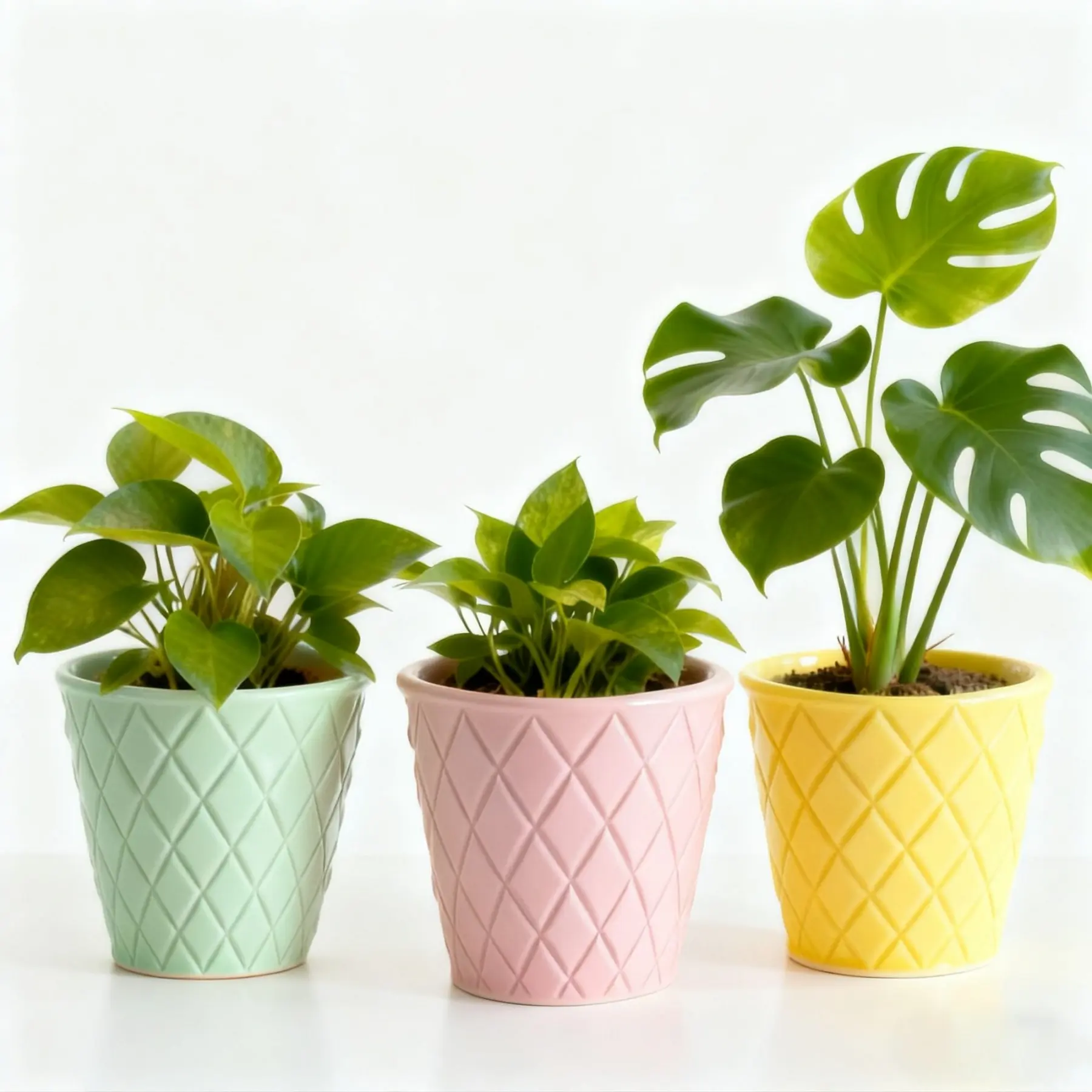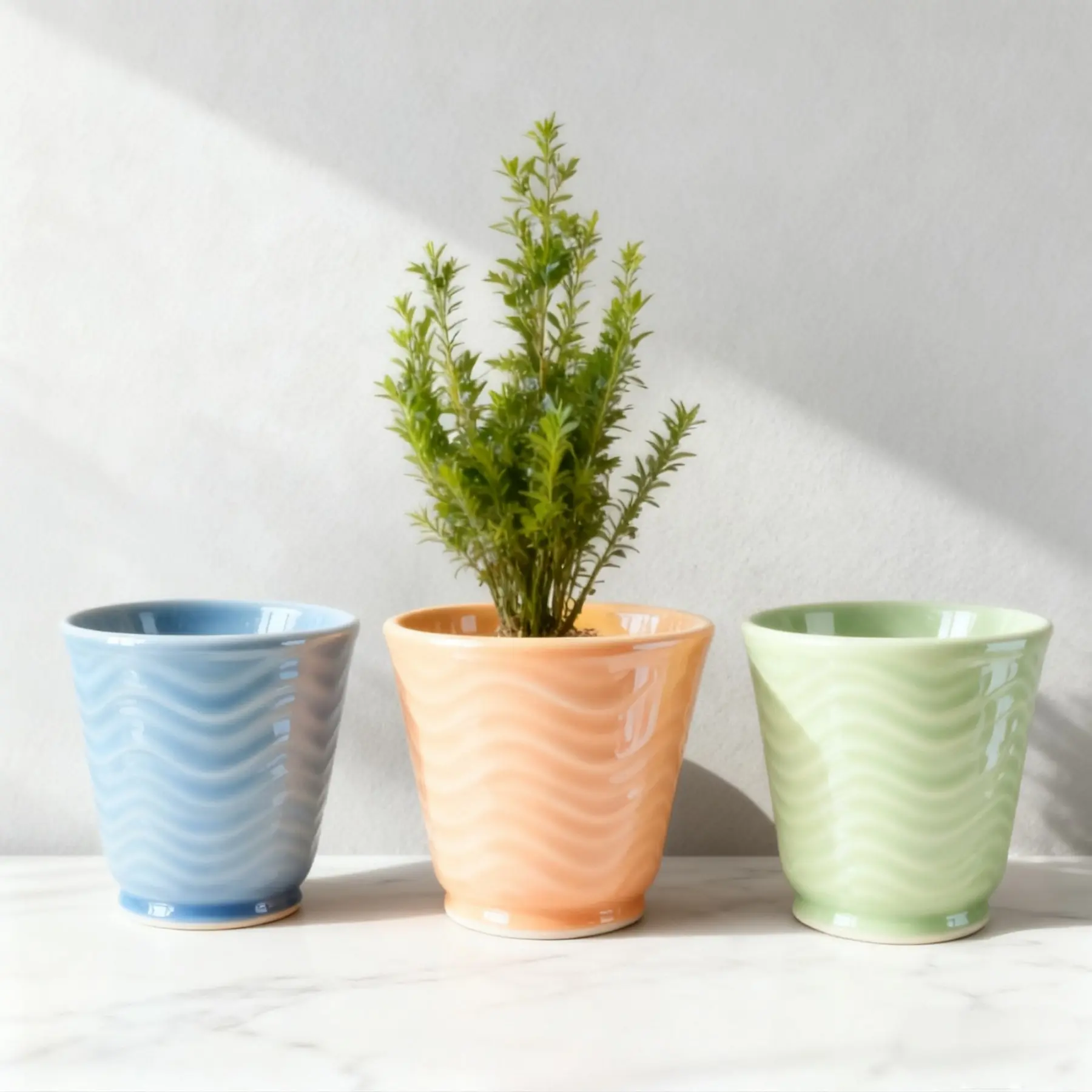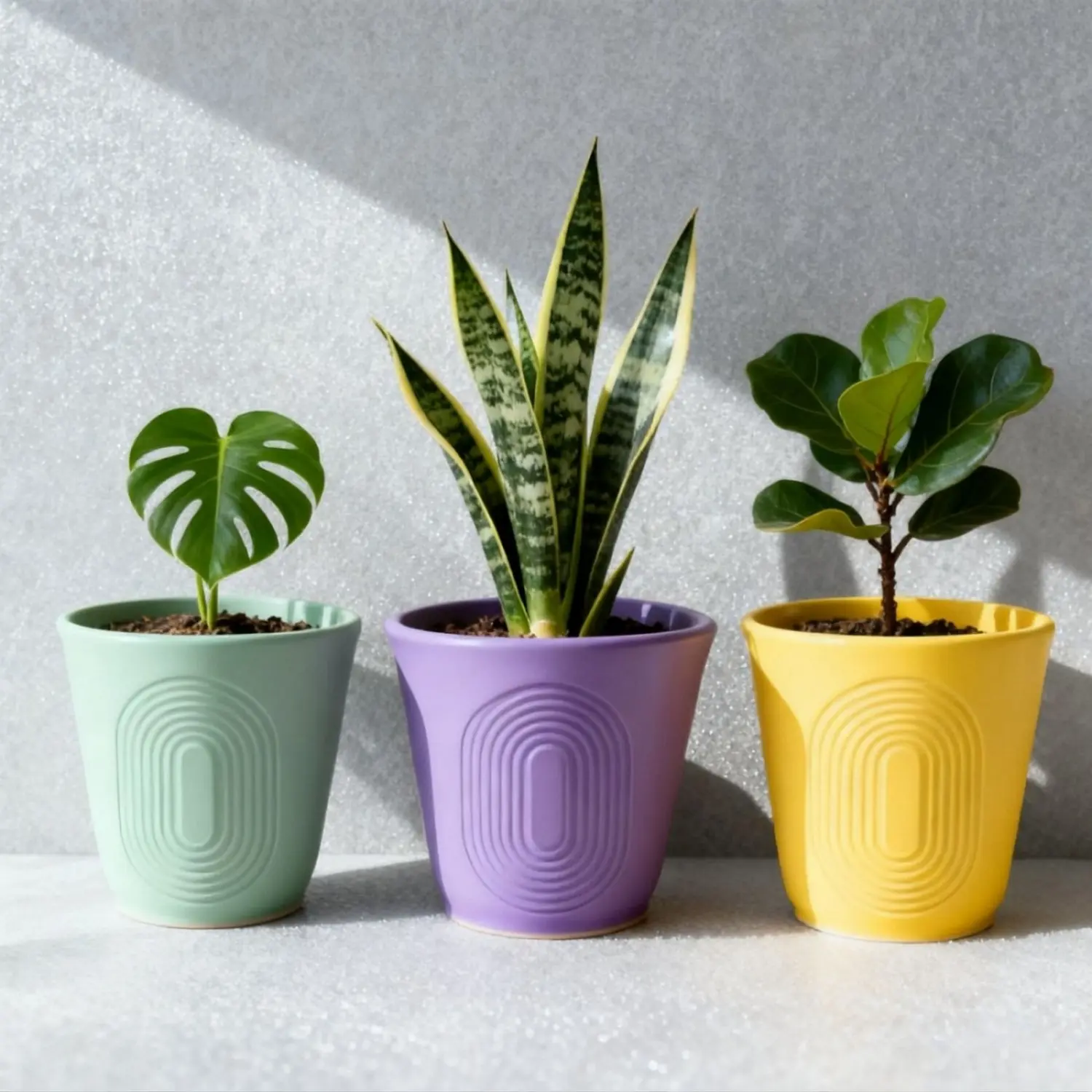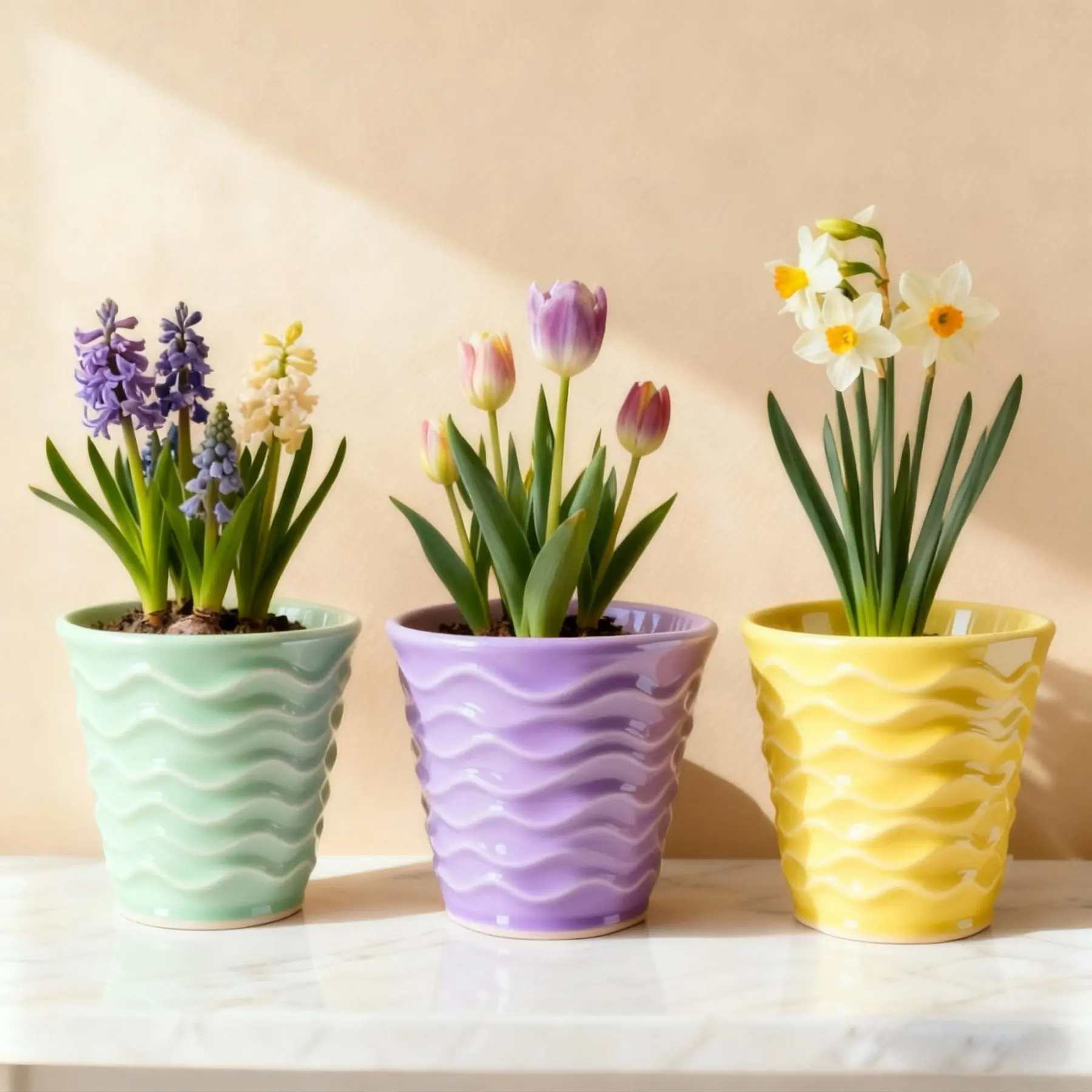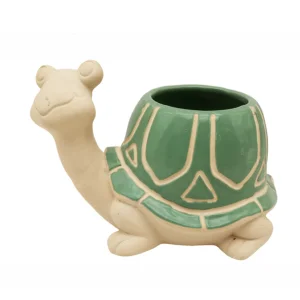
Explore our foundational selection of artisan and industrial pots. Engineered for long-term outdoor structural resilience and premium interior spatial aesthetics, these models form the core of global botanical configurations.
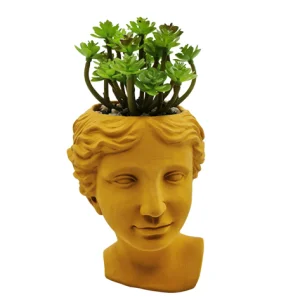
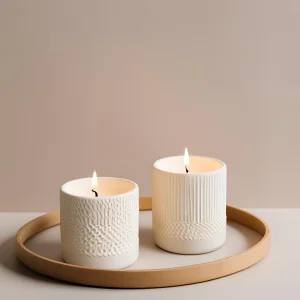
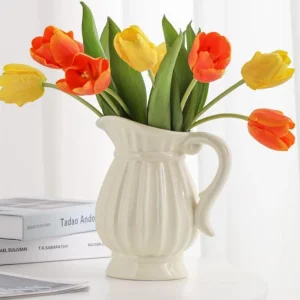
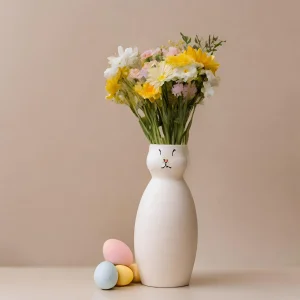
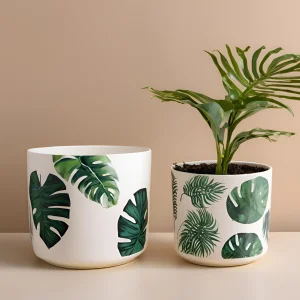
The global demand for China Large Ceramic Planters has transitioned from simple home garden retail products into a highly sophisticated segment of architectural landscaping and urban planning. Today, commercial spaces—including multi-level office complexes, shopping districts, corporate headquarters, and high-end hotels—rely heavily on structural planters. This integration forms a cornerstone of modern *biophilic design*, a framework proven to reduce workplace stress, purify indoor atmospheres, and elevate customer retention rates in retail zones.
As commercial projects require larger dimensions, sourcing shifts toward partners capable of manufacturing high-durability clay structures. Large ceramic planters must withstand wind loading on building rooftops, thermal expansion in tropical climates, and structural compression caused by mature plant root networks. B2B buyers and landscape architects are moving away from cheap plastics and short-lived materials. Instead, they specify heavy-fired earthenware, stoneware, and performance cement hybrids capable of delivering structural lifespans exceeding twenty years.
The manufacturing of oversized ceramic planters presents substantial physical and thermodynamic challenges. Unlike small table vases, a planter exceeding 50cm in height experiences extreme stress during the drying and kiln-firing stages. The choice of clay bodies, mineral aggregates, and firing profiles determines the final structural integrity of the planter.
Our manufacturing facilities combine refined local kaolin clay with precise proportions of grog (fired, crushed refractory clay) and silica. Grog reduces the overall shrinkage rate during drying, preventing cracking, warping, and uneven settlement. Kilns are operated with gradual thermal ramps over several days, peaking at temperatures between 1200°C and 1280°C. This process initiates complete *vitrification*, converting the silica into glass matrices, securing low water absorption rates, and establishing immense structural load-bearing limits.
| Planter Material Type | Average Water Absorption | Frost Resistance Level | Ideal Application Environment | B2B Supply Strength |
|---|---|---|---|---|
| High-Fired Stoneware | < 2.0% | Excellent (Sub-zero Tolerant) | Exterior commercial plazas, municipal parks | High durability, premium glazing finishes |
| Reinforced Structural Cement | < 5.0% | Good (Sealant Recommended) | Industrial zoning, minimalist lobbies | Exceptional structural load limits |
| Terracotta & Earthenware | > 8.0% | Moderate (Mild Winters Only) | Residential patios, greenhouse nurseries | High breathability, classic aesthetics |
| Artisanal Glazed Porcelain | < 0.5% | Superior | Luxury hotel receptions, executive boardrooms | High-end decorative detailing |
Glaze formulation represents another technical layer. Value Deco Limited applies eco-friendly, lead-free metal oxides to produce textured matte, reactive volcanic, and crystalline gloss finishes. These glazes protect the planter from UV fading, chemical corrosion from soil fertilizers, and mechanical abrasions during maintenance operations.
Our industrial production lines are catalogued into six primary divisions. Each line operates dedicated quality control systems to ensure consistent sizing, wall thickness, and finish fidelity.
Sourcing large ceramic planters globally is highly dependent on geographical cluster efficiencies. The Chinese ceramic industry is concentrated in historical regional clusters, each offering specific strategic advantages:
By consolidating these regional strengths, Value Deco Limited eliminates the fragmentation B2B buyers typically face. Sourcing managers can combine orders of high-temperature outdoor stoneware, decorative indoor planters, and modern structural concrete under a single Quality Assurance check, container packing list, and shipping protocol.
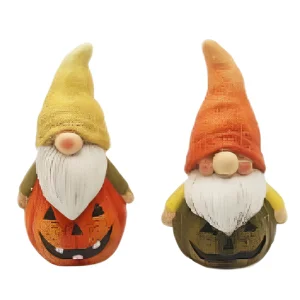
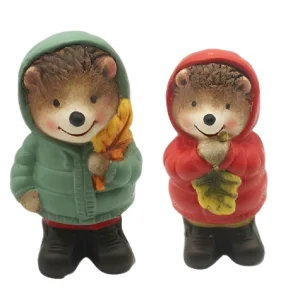
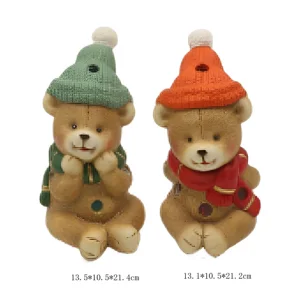
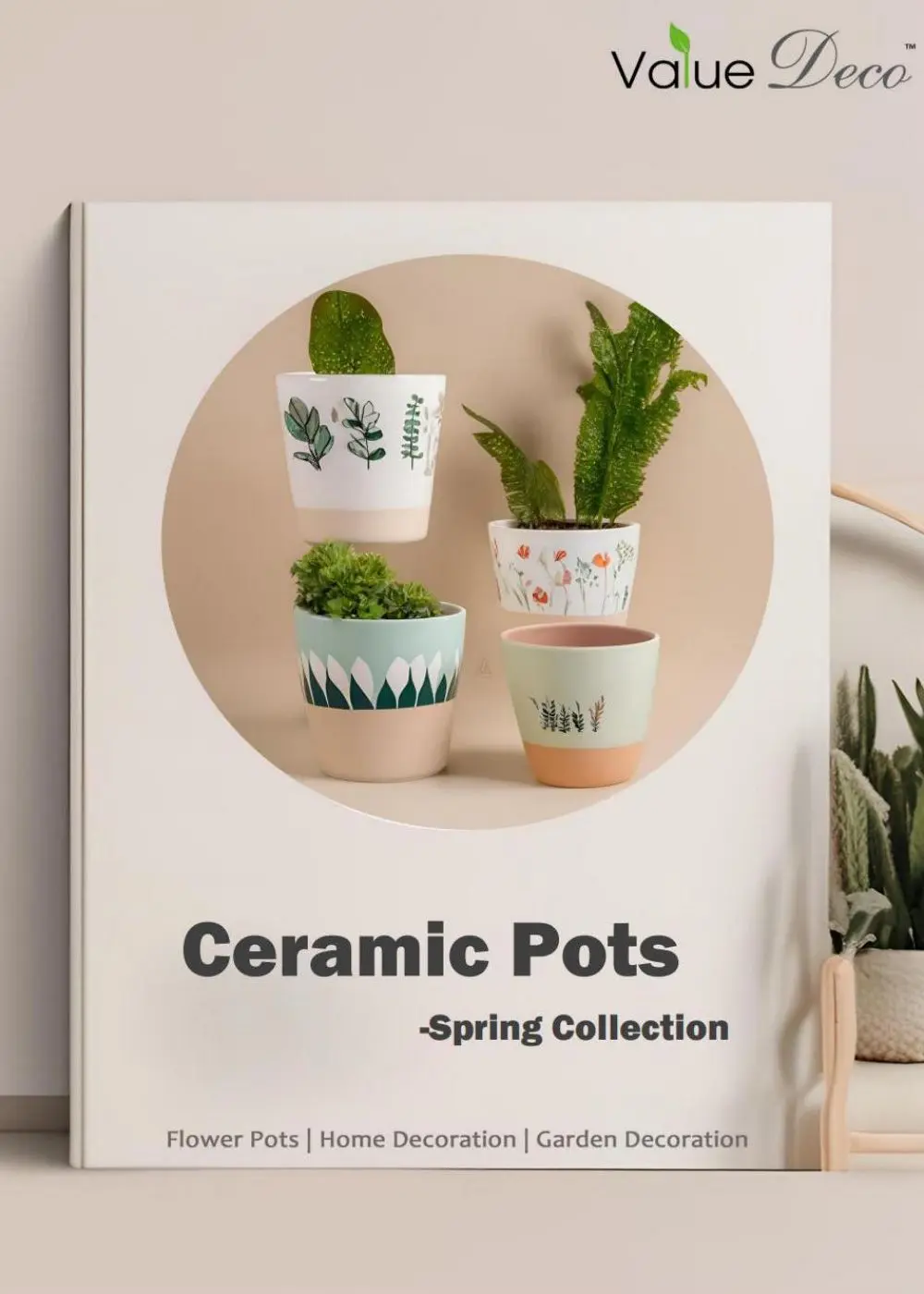
We maintain active production pipelines tuned to global retail seasons. From Spring nursery expansions to festive winter gift collections, our designs keep retail partners ahead of consumer trends.
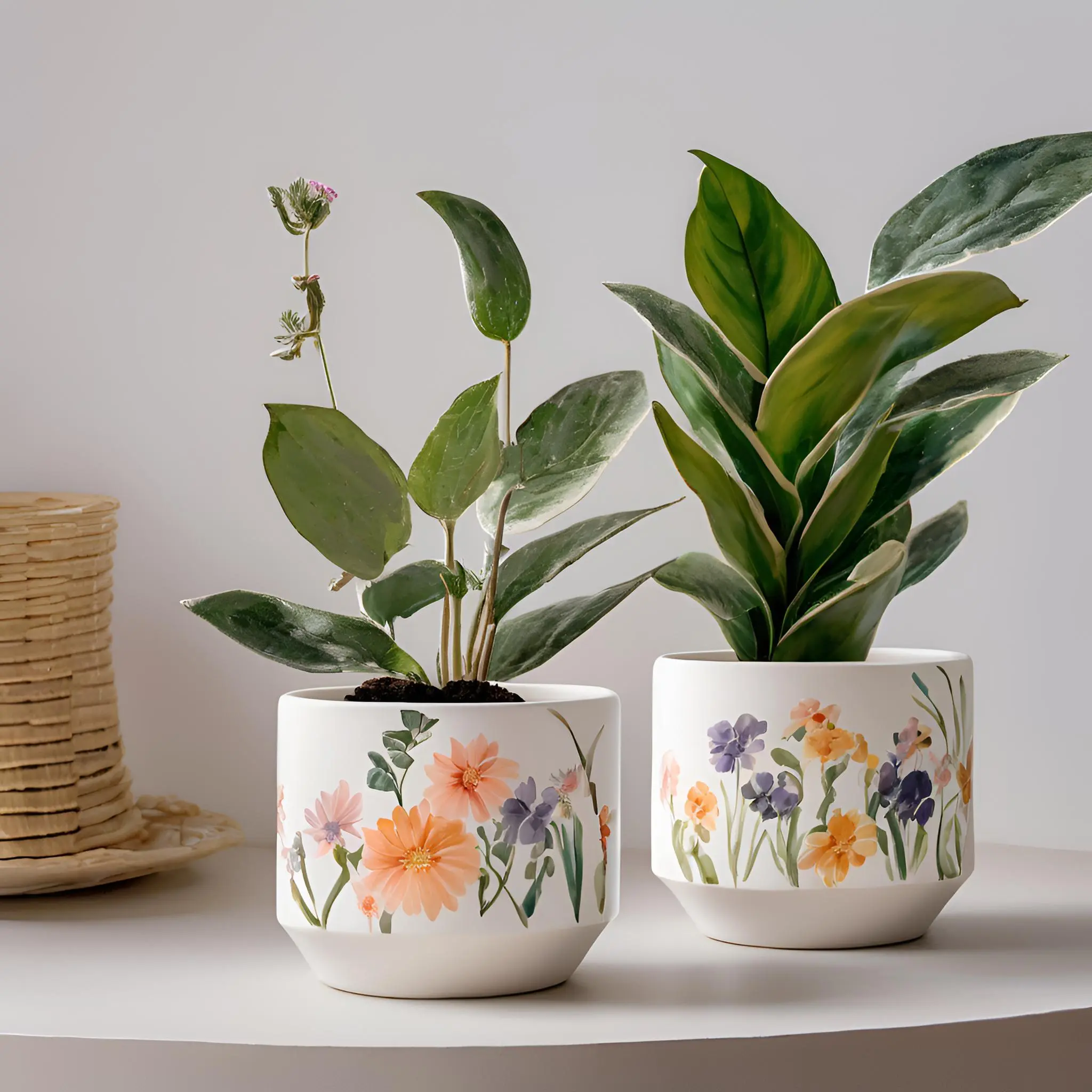
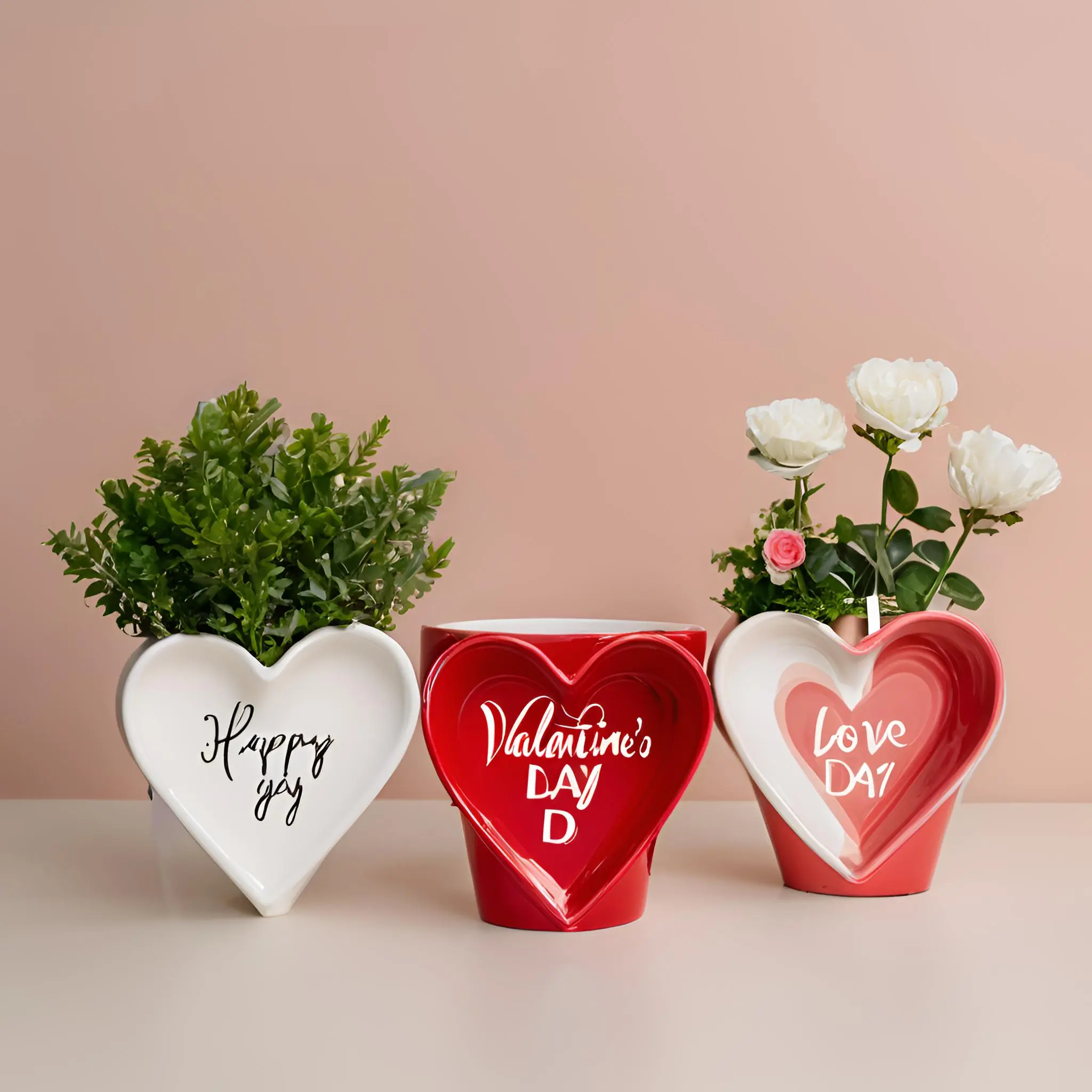
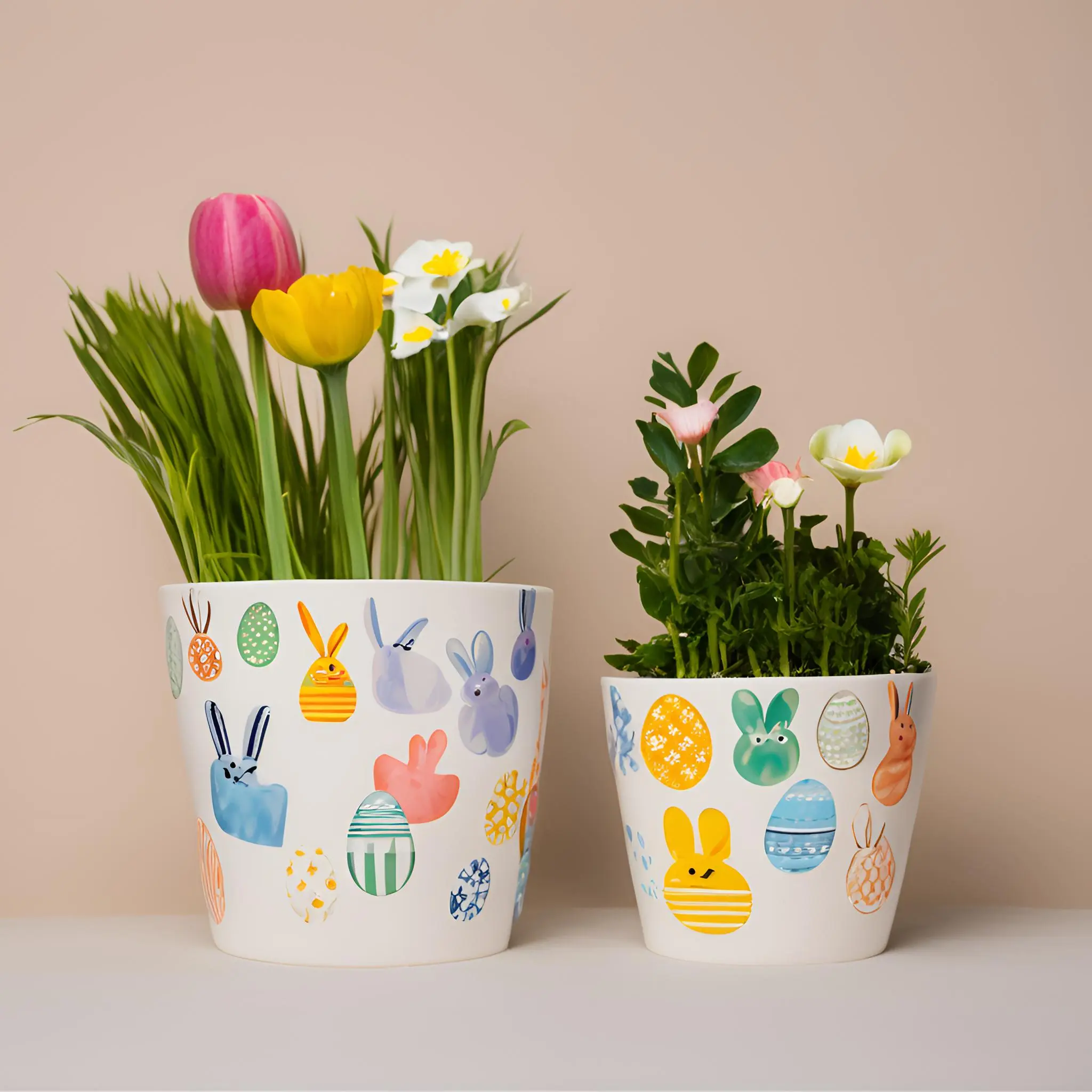
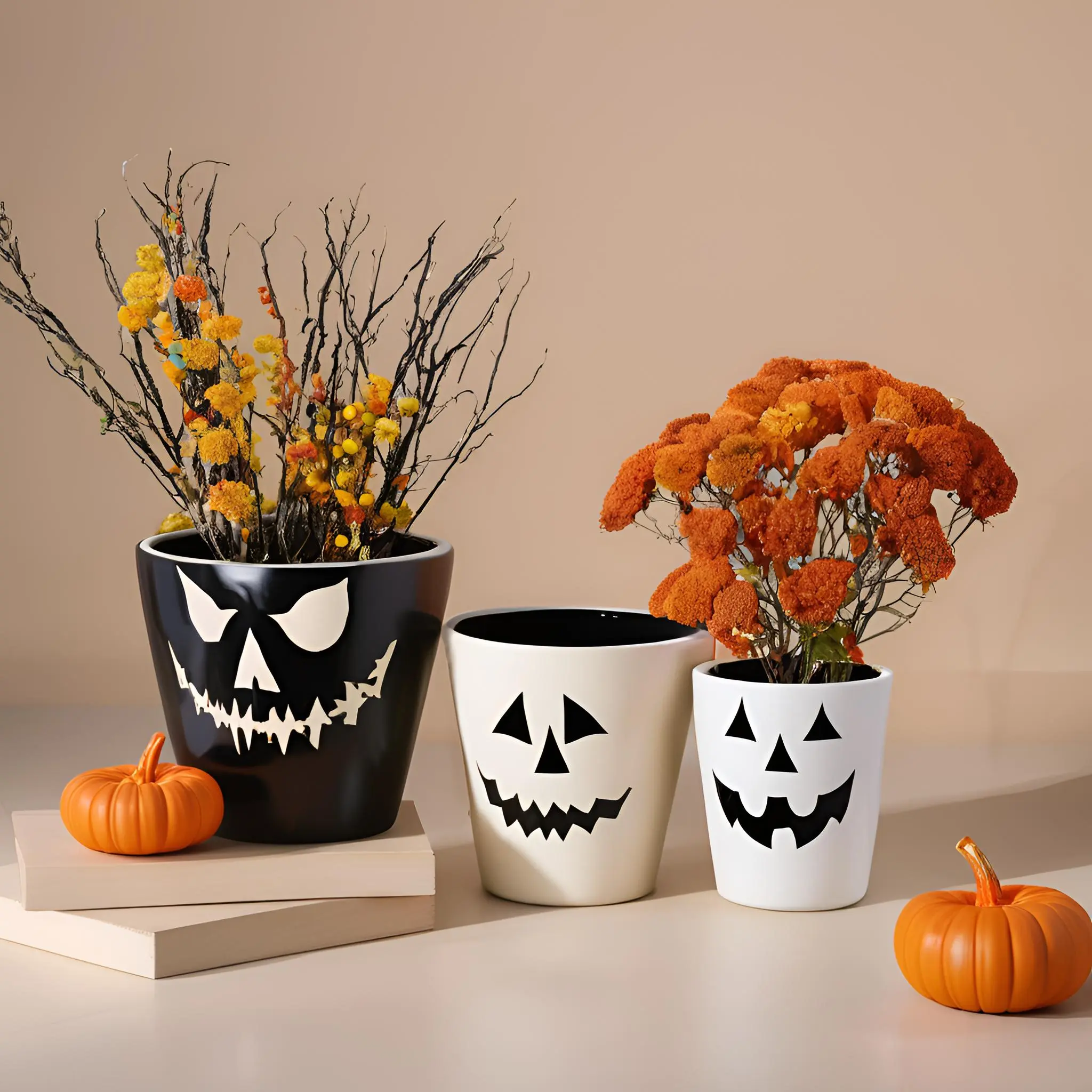
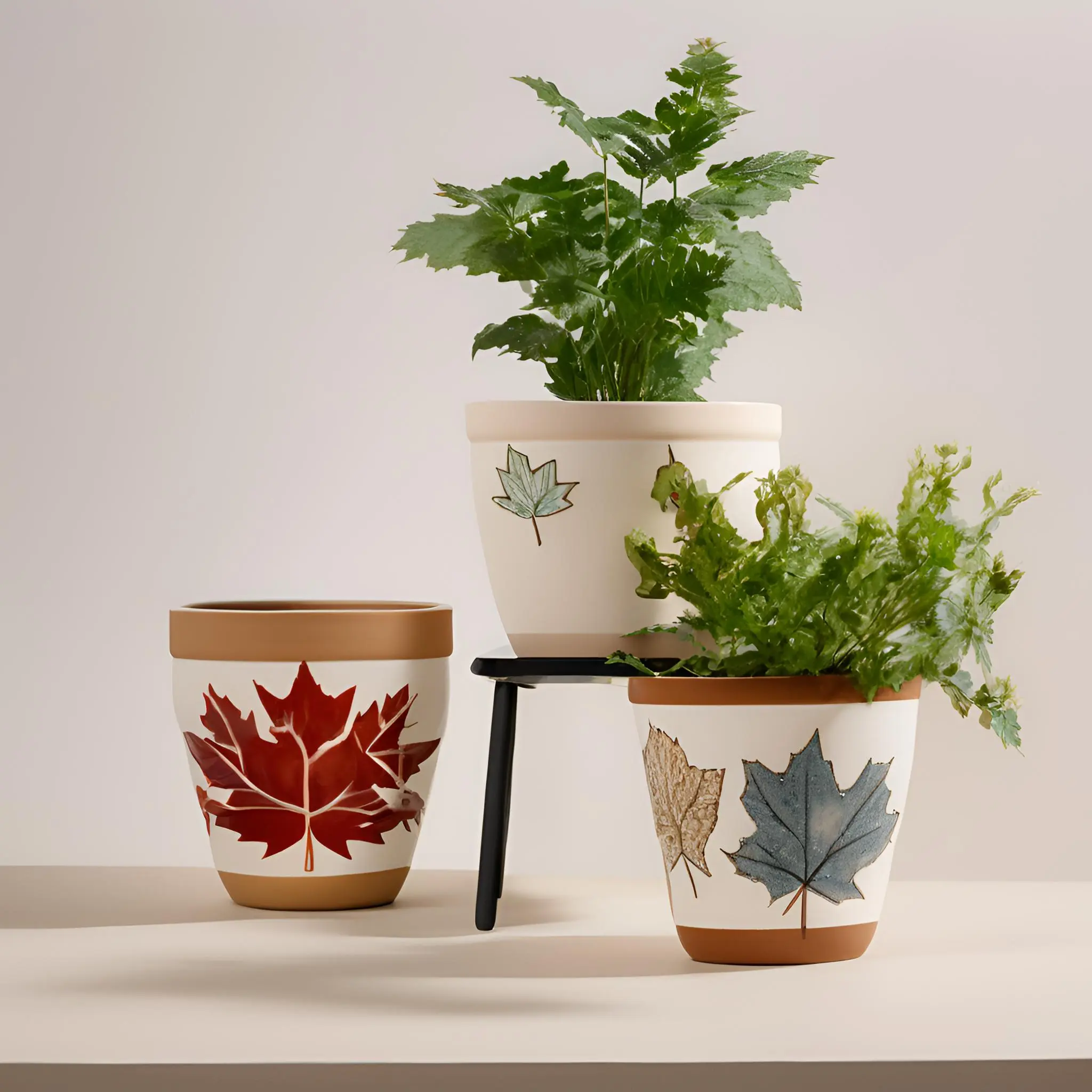
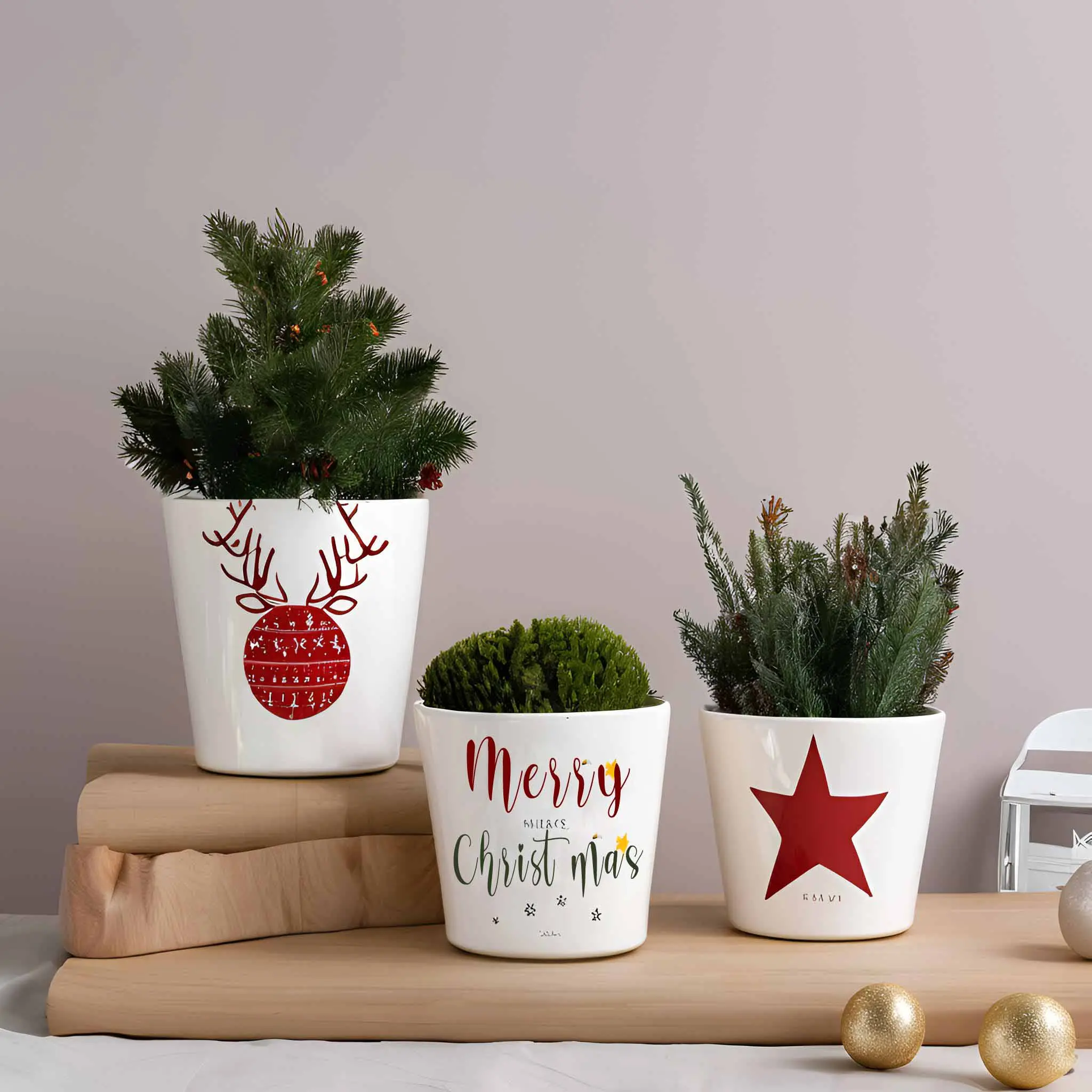
The ceramics industry is undergoing a digital and ecological transition. Value Deco Limited actively upgrades its manufacturing capabilities, focusing on energy footprint reduction, material circularity, and precision engineering.
Adopting 3D printing of clay prototypes. This compresses the custom sample phase from 45 days down to 48 hours for architectural clients.
Converting our shuttle kilns to natural gas and integrating waste heat recovery pipes, utilizing kiln exhaust to dry raw greenware.
Eliminating heavy-metal oxides. Formulating and standardizing natural mineral glazes that meet European REACH and US Proposition 65 certifications.
Transitioning to automated slip-casting machinery and automated visual inspection systems to maintain 99.8% structural consistency.
Value Deco Limited is a leading supplier of high-quality ceramic pots based in China. With over 12 years of experience in the decoration industry, we have built a strong reputation for offering a diverse range of Flower Pots, Flower Vases, Candle Holders, Home Decoration, Garden Decoration, and Dinnerware, suitable for various seasons and applications. Our products are designed to meet trending aesthetic designs, ensuring that they not only serve a functional purpose but also enhance the aesthetic appeal of any space.
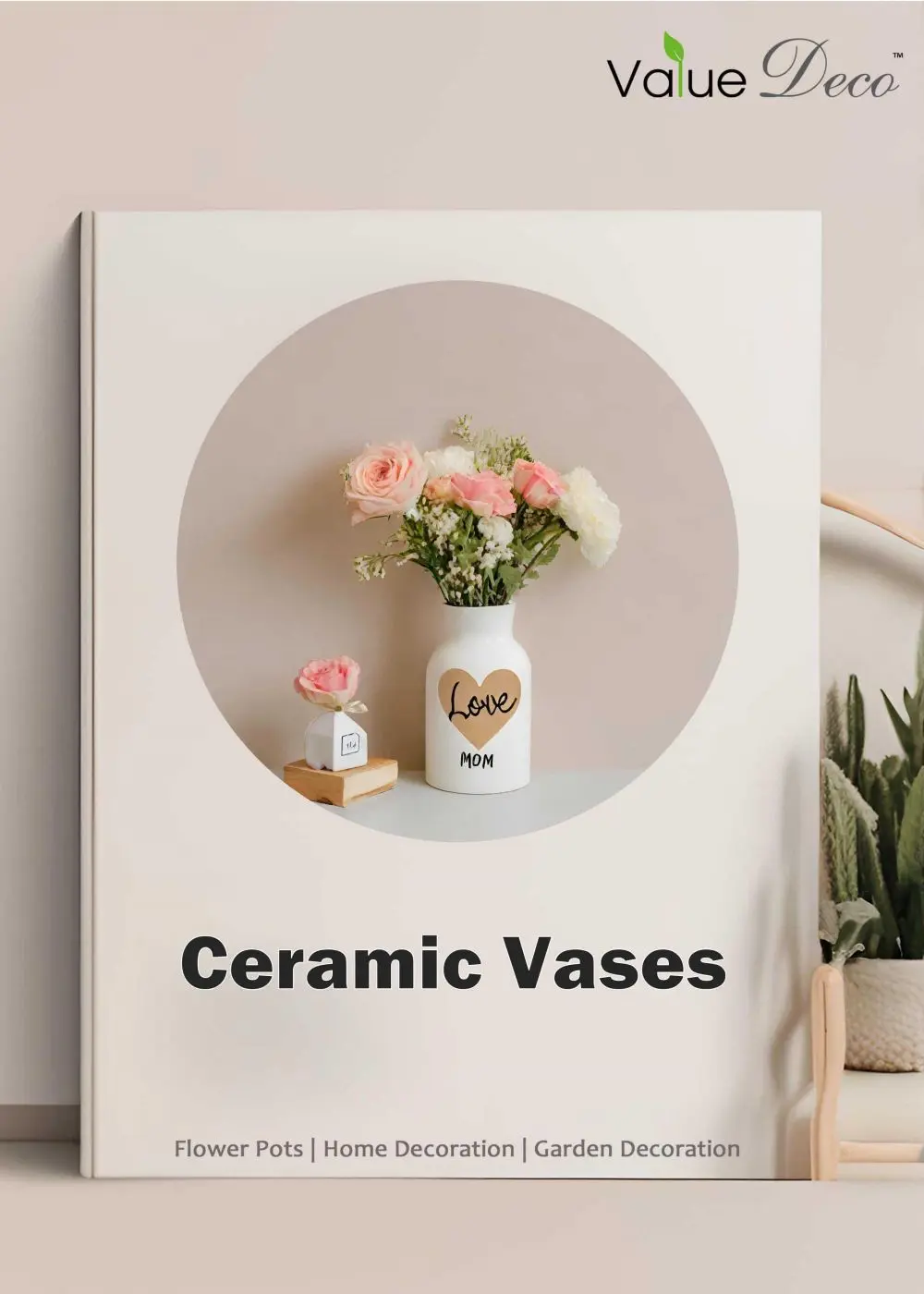
Access our detailed B2B product catalogs. These digital and physical resources provide technical dimensions, material breakdowns, structural configurations, and packaging volumes for container planning.
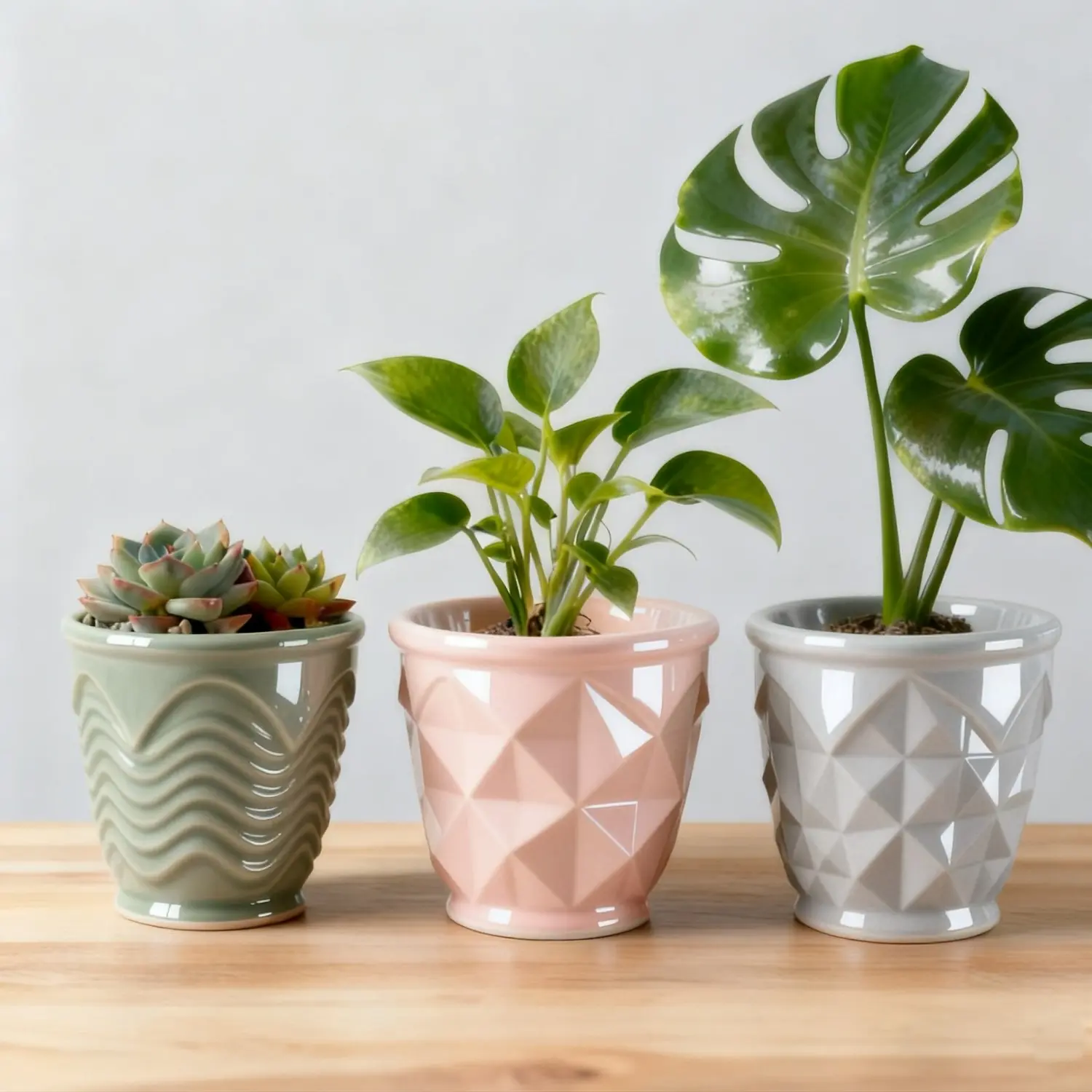
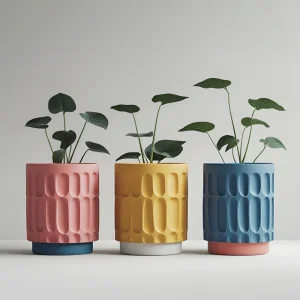
Discover our latest designs featuring geometric surface reliefs, pastel glazes, and modern architectural shapes, developed in cooperation with global landscape planners.
The risks associated with importing heavy, fragile, large-scale ceramic items across oceans are substantial. To protect against shipping damages and loss, Value Deco Limited utilizes structured logistics protocols:
Each production run undergoes rigorous QA checks. These include tests for dimensional accuracy (ensuring outer and inner diameters match specifications), wall-thickness consistency, and water retention. Planters intended for sub-zero climates undergo temperature-cycling tests to confirm vitrification. To prevent damage in transit, we employ drop-tested structural inner packaging, heavy-duty double-wall corrugated cartons, and custom-designed heat-treated wooden pallets fitted with protective corner protectors and secure strapping.
Our logistical systems optimize *Cubic Meter (CBM)* calculations. By offering nested planter sets (placing progressively smaller sizes inside the largest vessel), we reduce dead volume in shipping containers, helping clients minimize per-unit ocean freight costs.
Review this technical reference to address common B2B procurement queries, covering customization, thermal tolerances, and logistics planning.
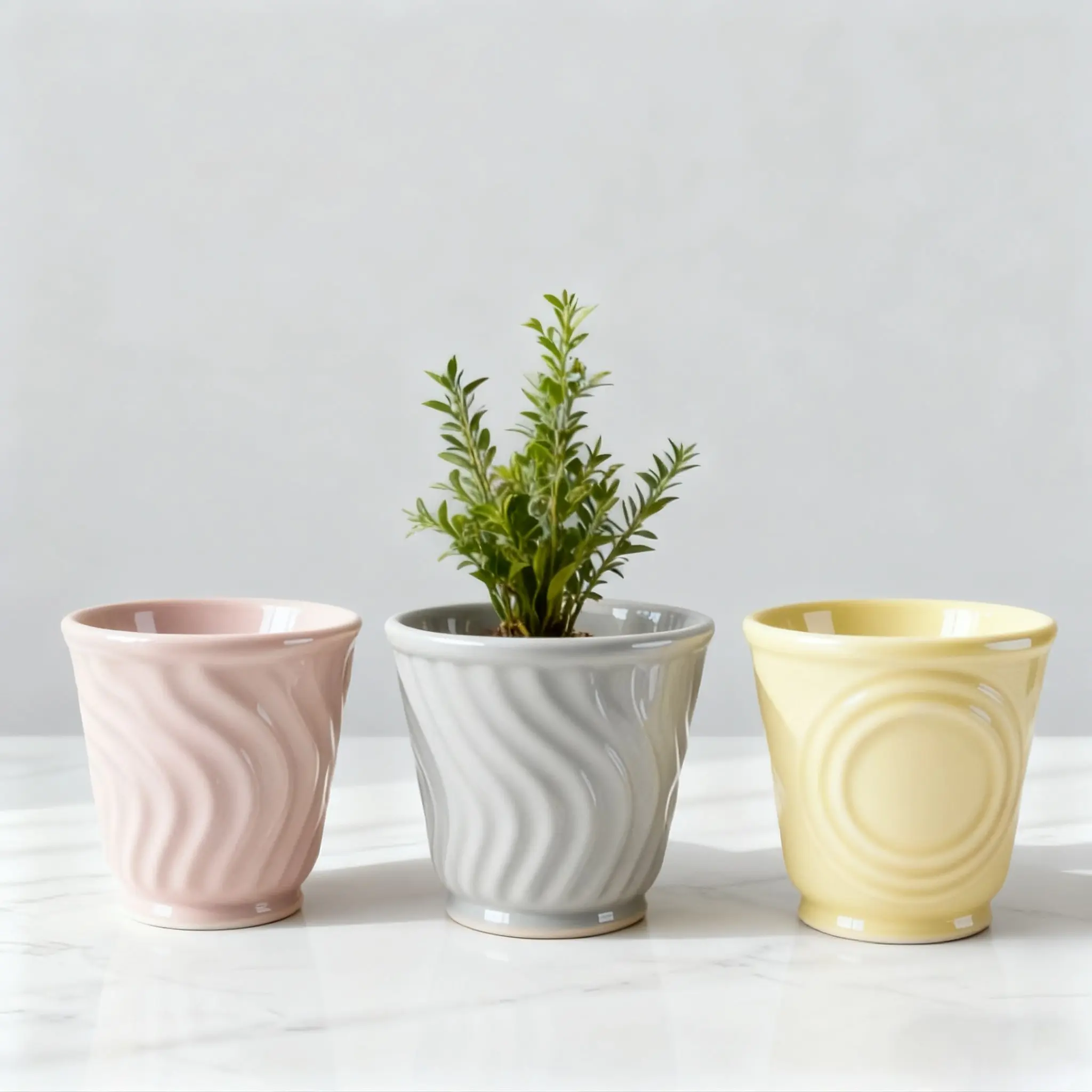
Review our extended line of themed, glazed, and decorated planters, created to support seasonal retail updates and custom interior concepts.