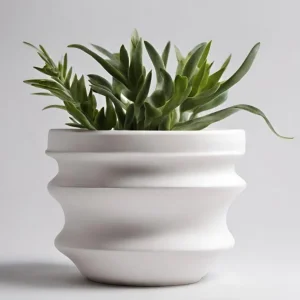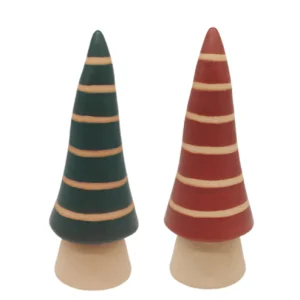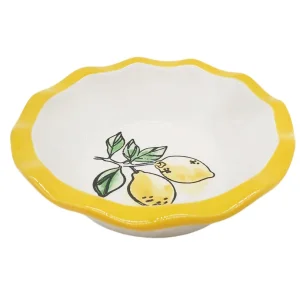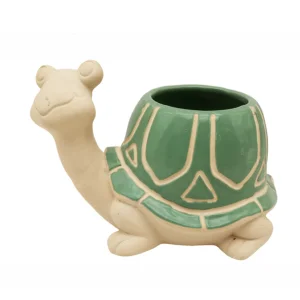
Premium horticultural and hardscape coordinate design elements to elevate modern corporate, municipal, and residential installations.
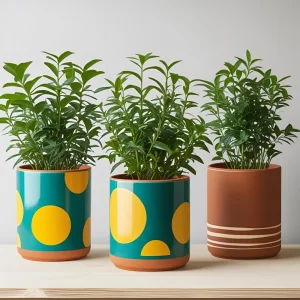

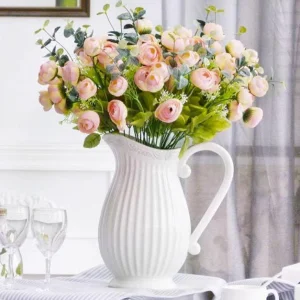



As global urban planning shifts towards resilient infrastructure and low-impact developments (LID), the commercial demand for durable natural stone products has grown exponentially. Among these raw building materials, China Landscaping River Rocks stand out as the industry-standard choice for engineering sustainable drainage configurations, sophisticated hardscaping designs, and dynamic outdoor xeriscaping. Because these river-worn pebbles and large cobbles offer unmatched thermal regulation, durability, and biological stability, procurement officers are increasingly looking directly to experienced Chinese quarries and factory partners to secure stable, high-volume container shipments.
Top-grade river rocks are harvested from ancient alluvial floodplains across China's major river basins. The unique mechanical resilience of these natural pebbles is determined by their mineral composition, which is rich in silica (SiO2), basalt, granite, and metamorphic quartzite. Unlike artificially crushed aggregates, natural river rocks undergo millions of years of natural water erosion, resulting in smooth, rounded edges that do not shear under high vehicular pressure or water currents.
When selecting a Chinese factory partner, global landscape architects look for specific mineral benchmarks: a Mohs hardness index between 7 and 8, a density exceeding 2.6g/cm³, and a water absorption rate under 1.5%. These physical properties ensure that the selected stones will resist cracking, spalling, and deterioration during severe freeze-thaw cycles. This makes them ideal for municipal installations in cold climates like Northern Europe and Canada.
Procuring raw landscaping stones internationally requires navigating complex regional trade and environmental compliance landscapes. Landscape supply chains must meet strict standards depending on their destination:
How high-quality river rocks provide critical engineering functions and aesthetic value across diverse industrial and municipal sectors.
Ideal for rain gardens, bioswales, and bio-retention ponds. Smooth river rocks slow high-velocity runoff, filter out suspended sediment, and allow clean water to naturally recharge local aquifers.
Natural stones act as a protective barrier. They minimize soil moisture loss from evaporation, regulate soil temperature extremes, and block sunlight to prevent invasive weed growth.
Engineered for high-flow drainage channels and shorelines. River pebbles distribute kinetic energy from moving water, preventing channel erosion and keeping adjacent soil intact.
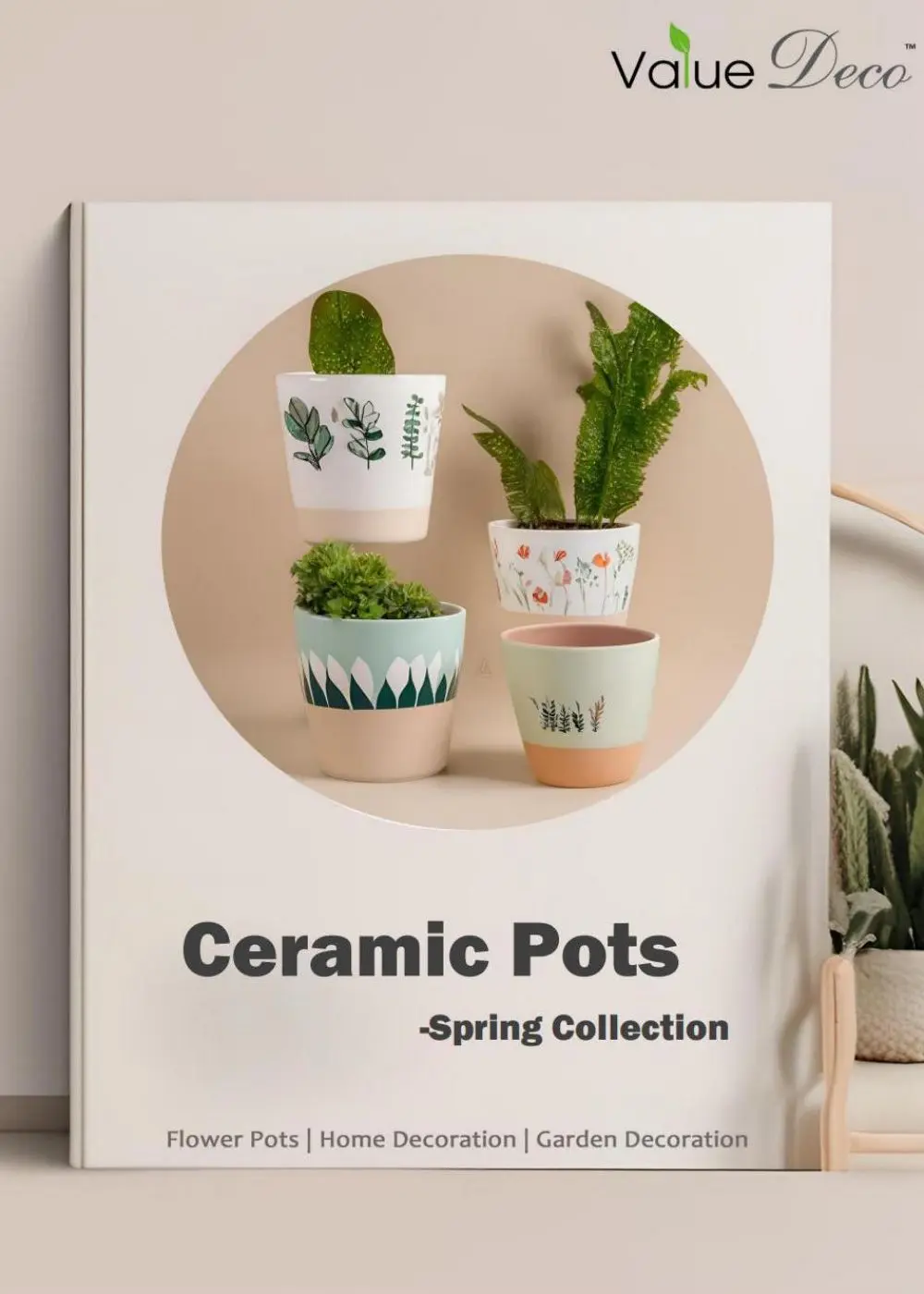
Pairing raw landscape rock installations with high-end designer containers, pots, and architectural accents for complete design packages.
Modern landscape engineering is no longer just about aesthetics. Integrating natural stones into development projects plays a key role in managing storm runoff, mitigating urban heat islands, and creating micro-climates within dense cities. Incorporating river rocks within these projects requires structured planning and testing:
In highly developed urban zones, large expanses of concrete generate high runoff volumes during heavy rain. Traditional storm sewers often overflow, spilling untreated water into local water systems. High-density river rocks offer a natural, low-cost solution: using multi-layered gravel and cobble beds slows peak flow and helps capture surface contaminants before they pollute local ecosystems.
In regions facing water scarcity, municipalities are replacing traditional lawns with low-water landscaping. Spreading natural river rock across soil beds retains essential ground moisture and blocks sun exposure to limit weed growth. This approach cuts irrigation water use by up to 70%, helping projects meet green building standards like LEED and BREEAM.
The manufacturing process for high-end river stones has advanced significantly. Leading factories in China now use optoelectronic and optical sorting machines. These systems scan every rock on high-speed conveyor belts, grouping them by color, size, and shape with millimeter accuracy. In addition, eco-friendly water recycling loops wash and polish stones to remove residual dust and clay without wasting water.
To reduce global transport emissions, leading exporters are partnering with local railways and clean-energy fleets. Optimizing bulk loading inside sea containers minimizes empty space, lowering shipping costs per ton and reducing the carbon footprint of each delivery.
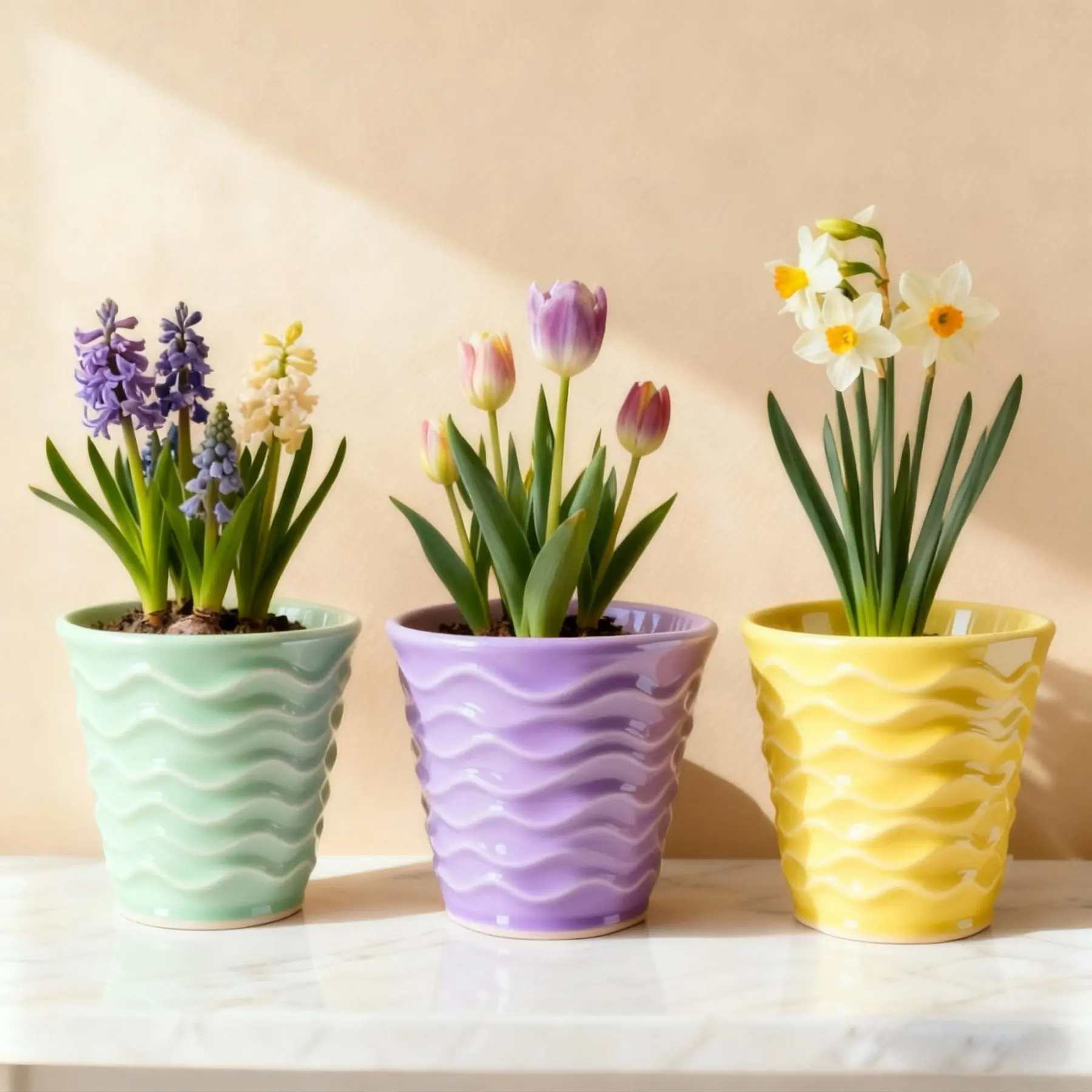
Adaptable seasonal accents and decorative coordinates designed to complement hardscapes and outdoor retail setups year-round.
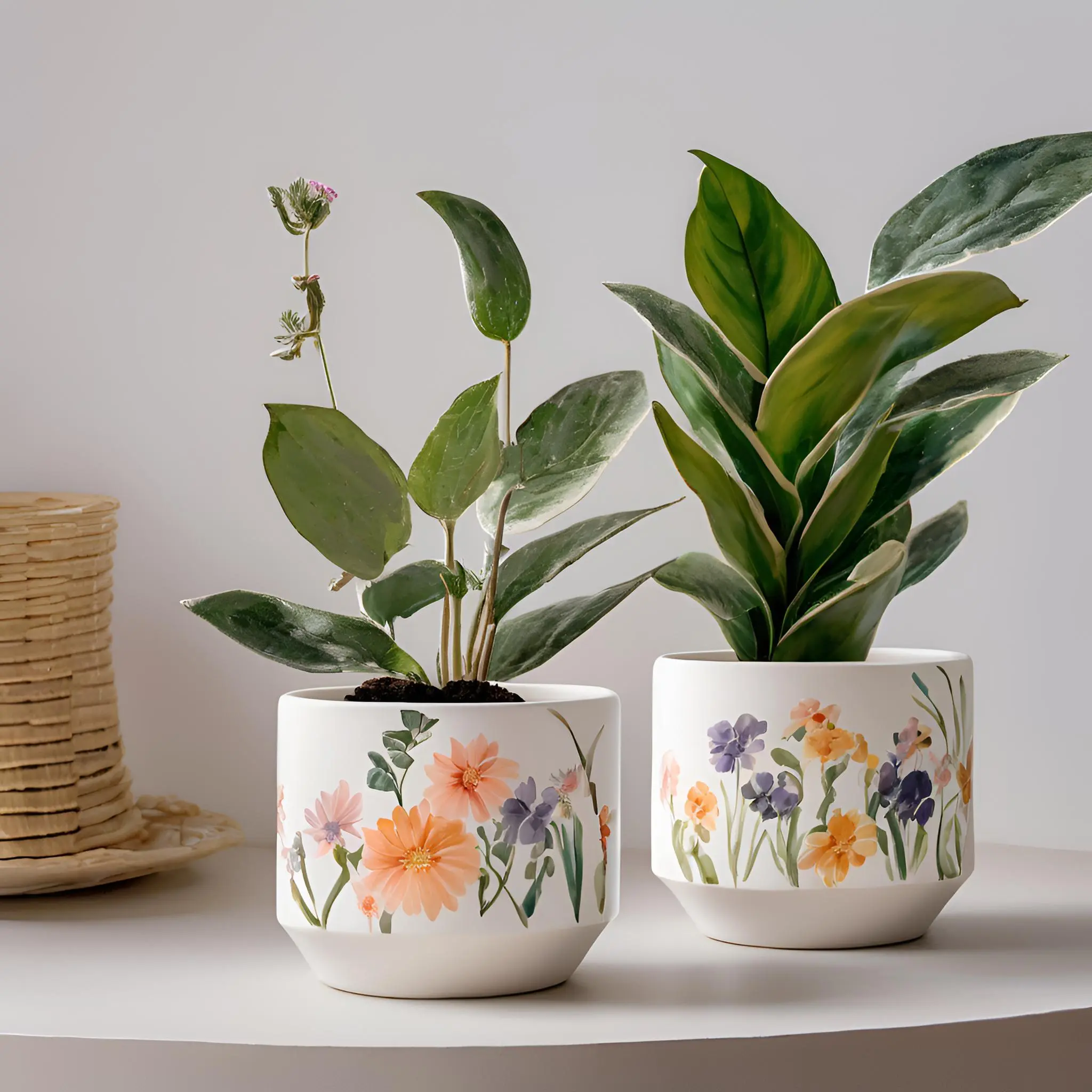



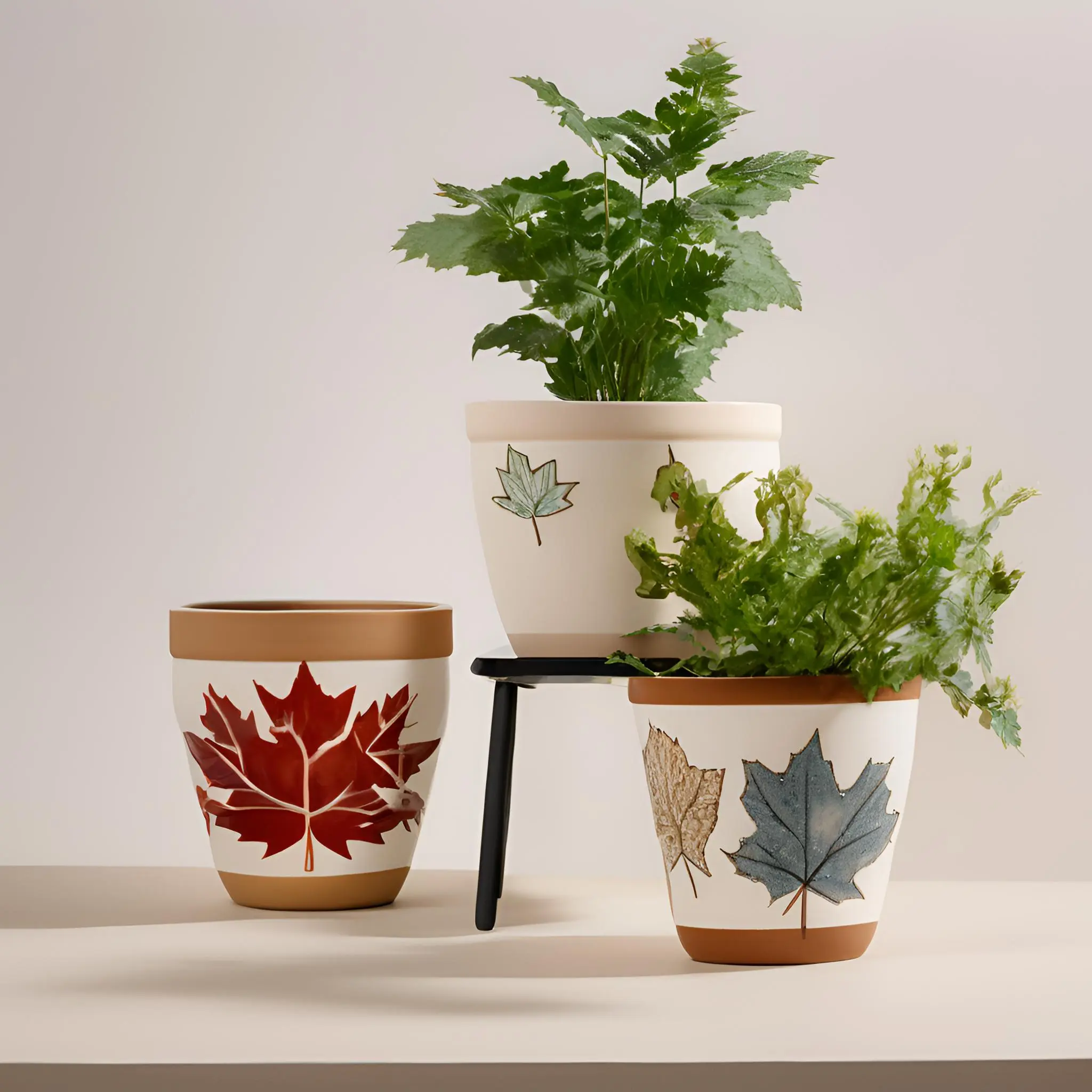

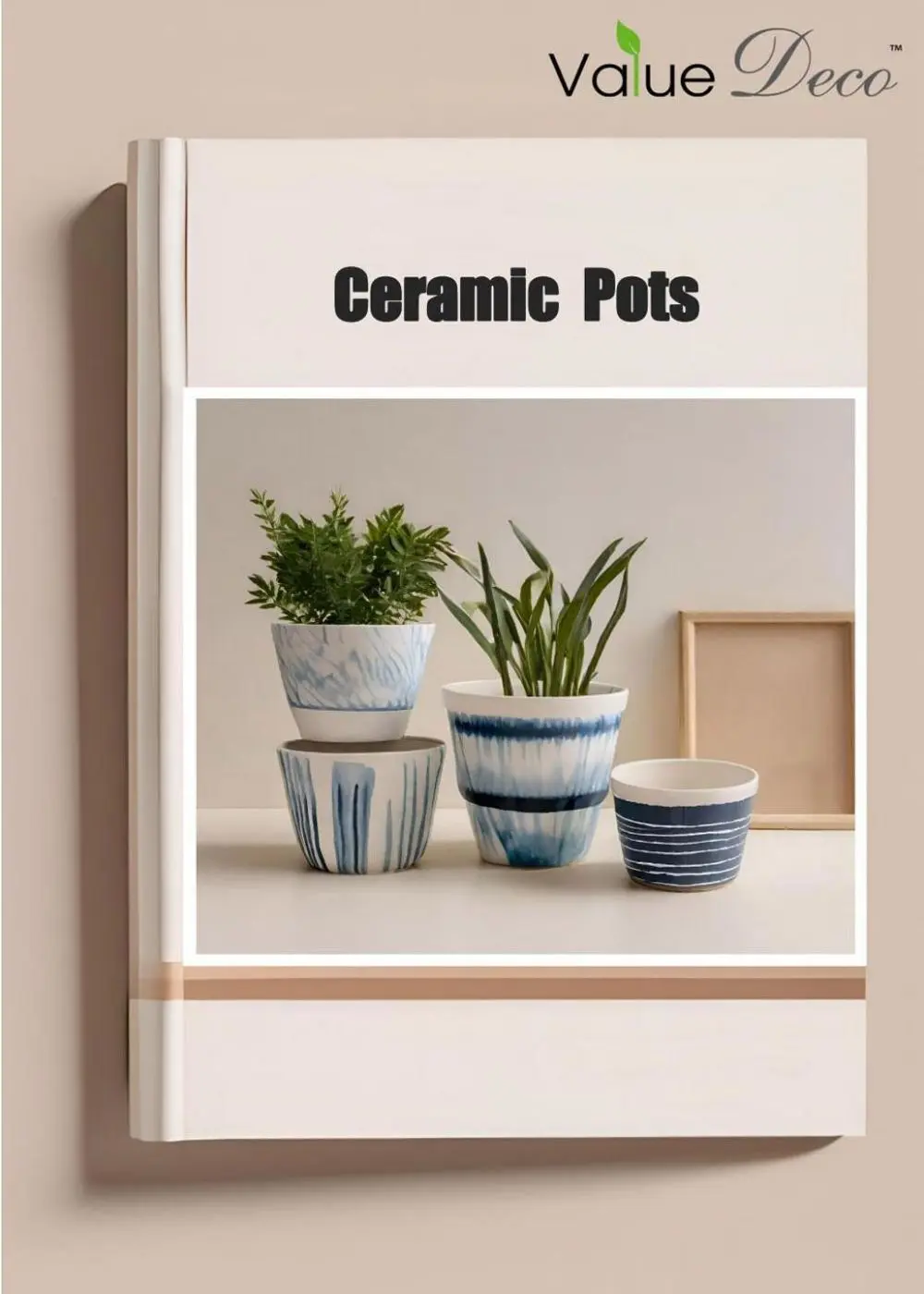
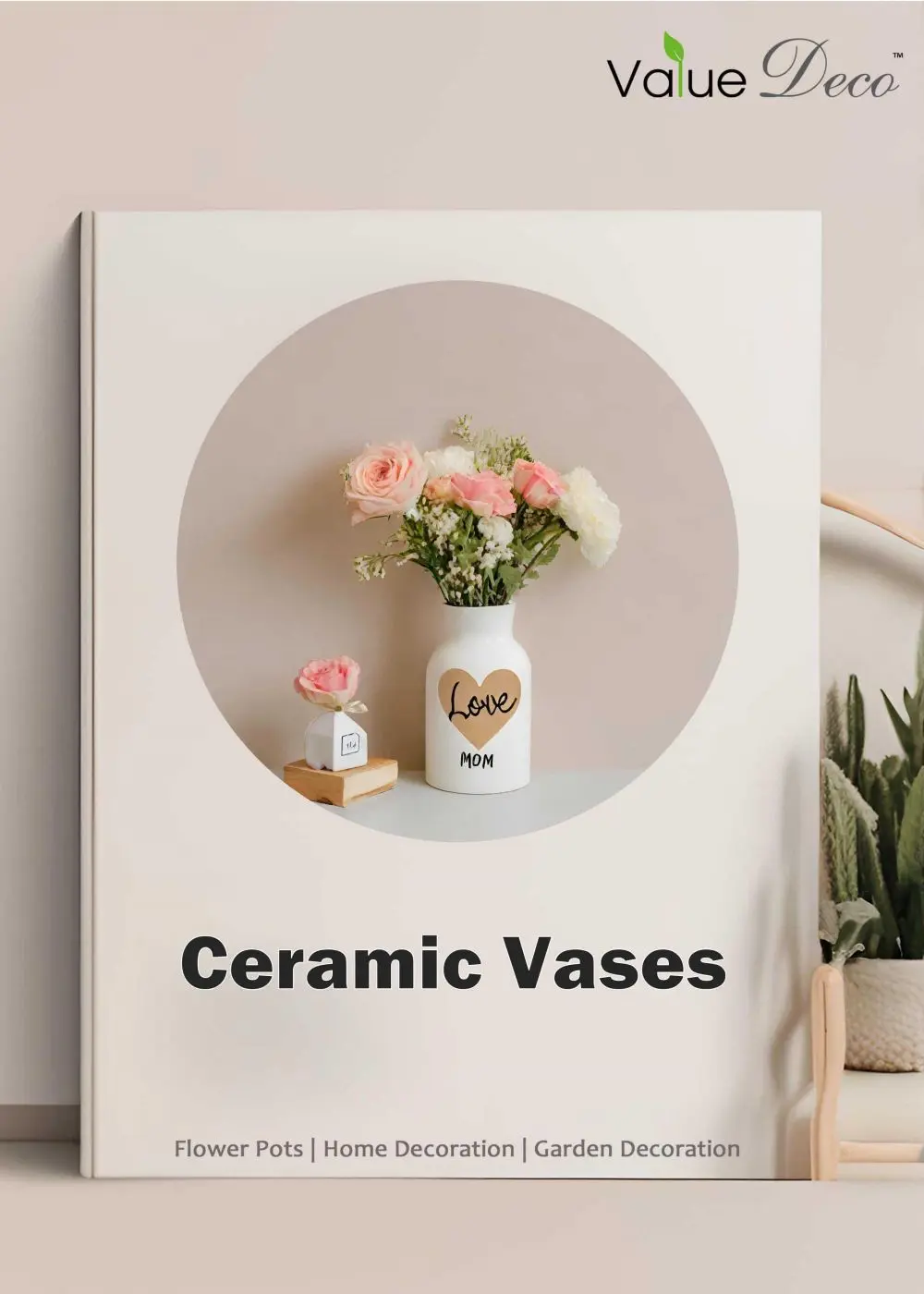
Value Deco Limited is a leading supplier of high-quality ceramic pots and coordinated landscape decorative components based in China. With over 12 years of experience in the decoration and horticultural exports industry, we have built a strong global reputation for offering a diverse range of Flower Pots, Vases, Candle Holders, and Home/Garden Decorations. Our products are designed to meet modern design trends, ensuring they serve both functional needs and elevate the look of any space.
Learn More About UsDownload our catalogs to explore our selection of ceramic finishes, natural textures, and seasonal color collections.
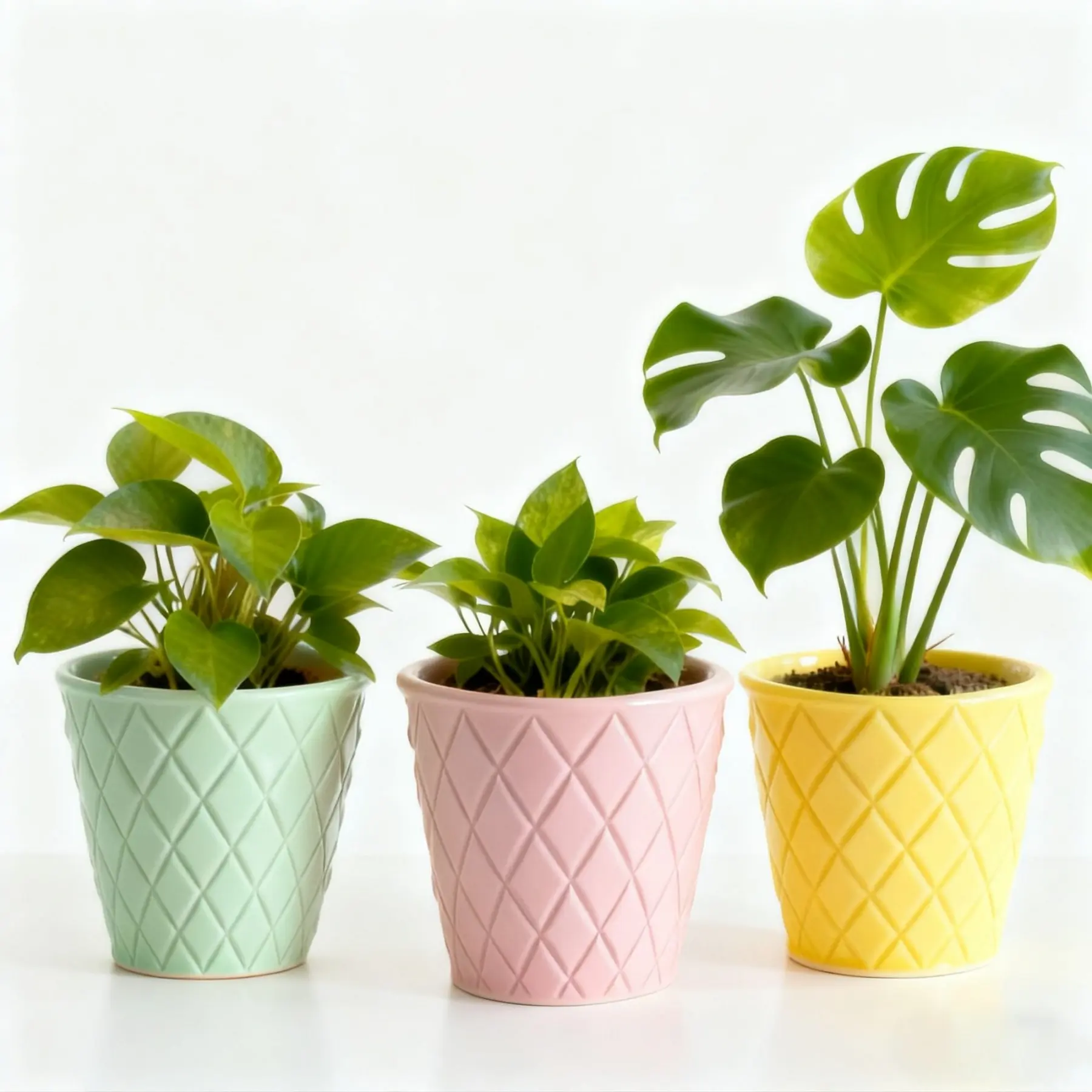
Our newest styles feature textured surfaces and natural glaze gradients that pair beautifully with modern landscape layouts.

Securing high-quality raw materials is only part of the equation. To build a reliable supply chain, businesses must also ensure they can transport these heavy, high-volume products efficiently without damage or customs delays.
Industrial landscaping projects typically require transport in heavy-duty ton bags (flexible intermediate bulk containers, or FIBCs) made from strong, UV-resistant woven polypropylene. These bags feature heavy reinforced lifting loops, allowing cranes to unload them quickly at job sites. For retail-ready stone programs, factories pack river pebbles in durable, high-clarity polythene bags (ranging from 10kg to 25kg) stacked on heat-treated, ISPM-15 compliant wooden pallets.
Exporting large volumes of natural stone requires complete documentation to clear international customs without delays. A professional supplier provides all essential paperwork, including certified bills of lading, commercial invoices, packing lists, clean-wash certificates for biosecurity checks, and country of origin certificates (such as Form A or CO) to help buyers navigate international trade agreements.
Answers to common technical, logistics, and quality questions from global procurement managers and landscape architects.
High-durability garden accents and planters designed to withstand outdoor weathering and complement commercial installations.