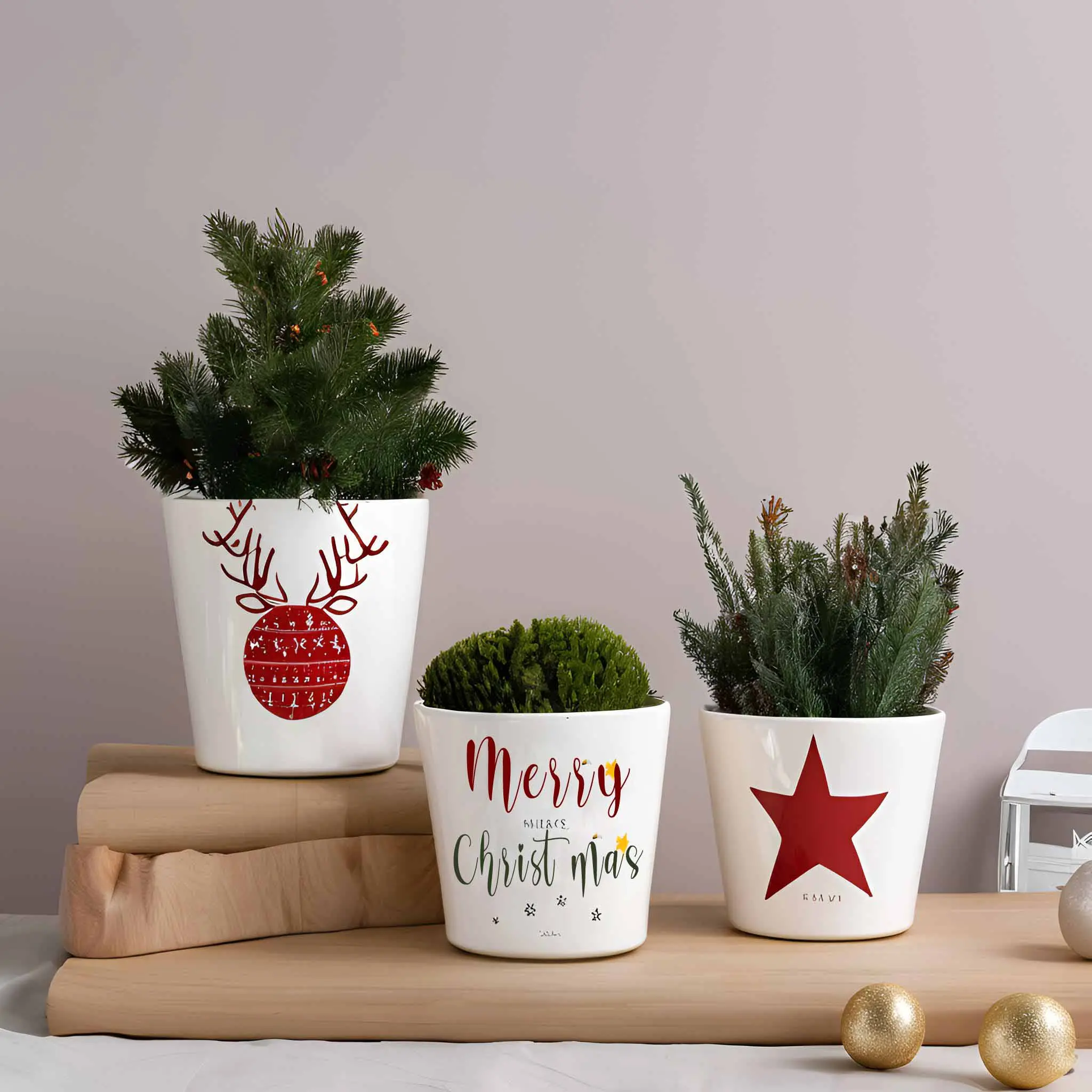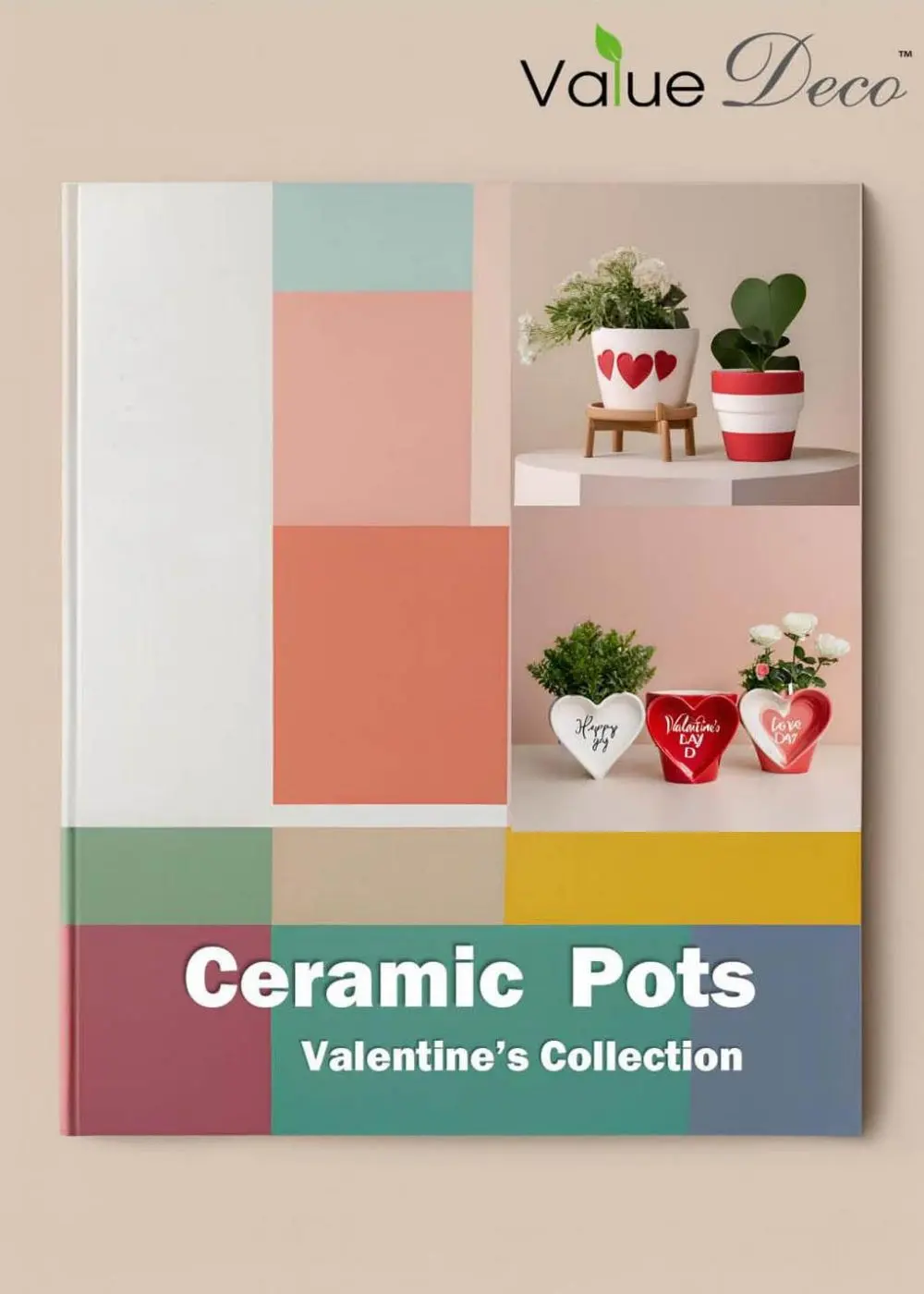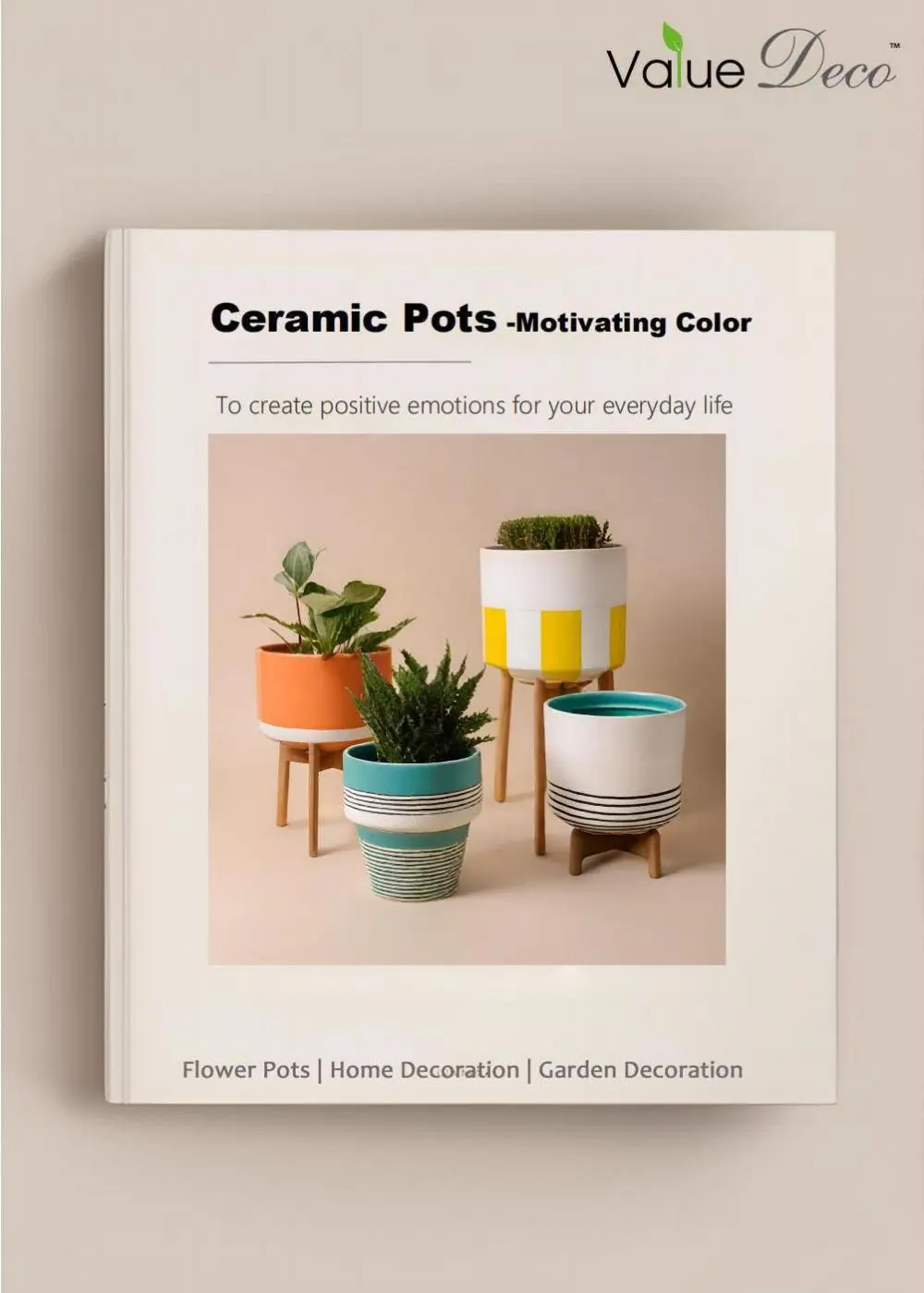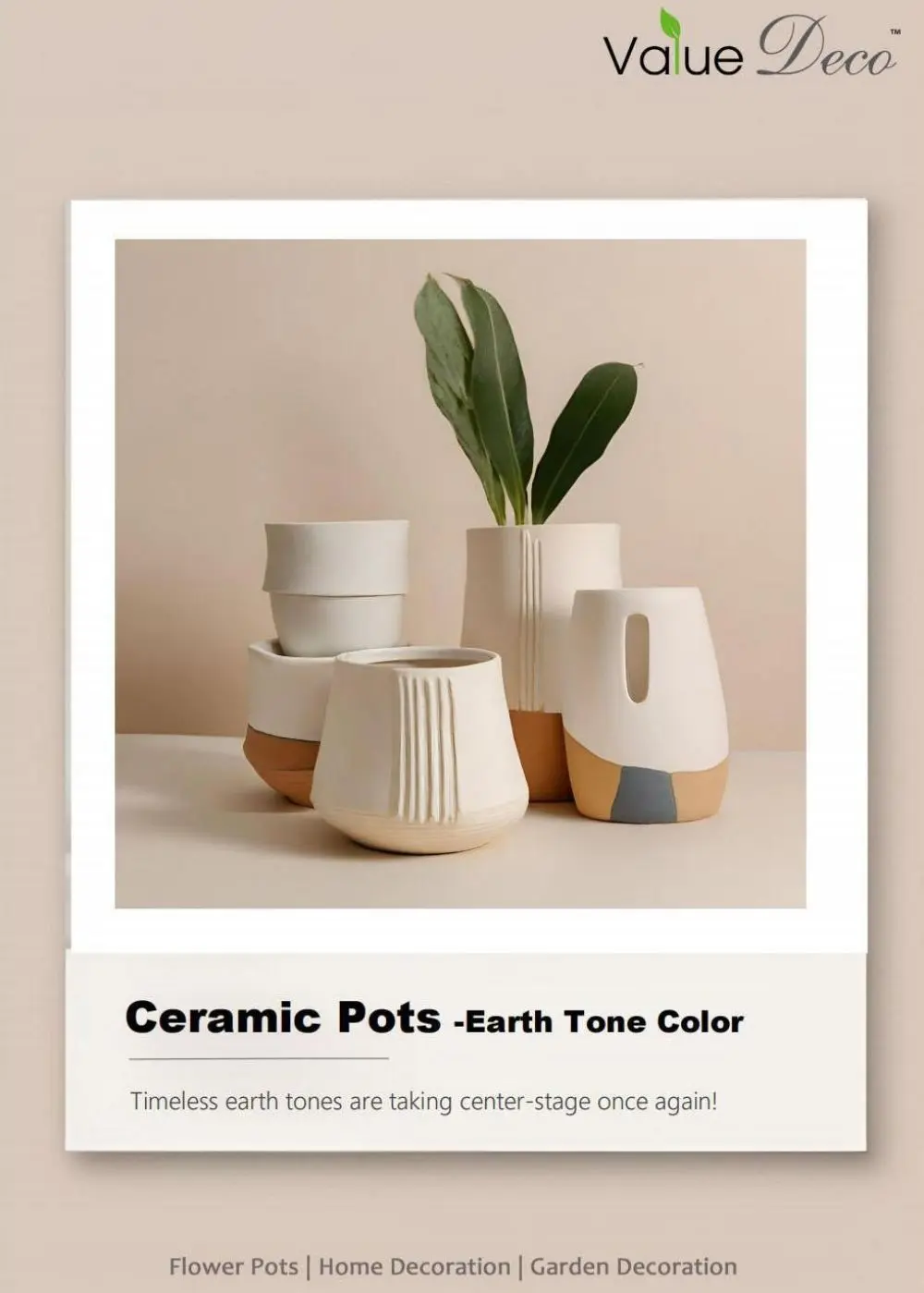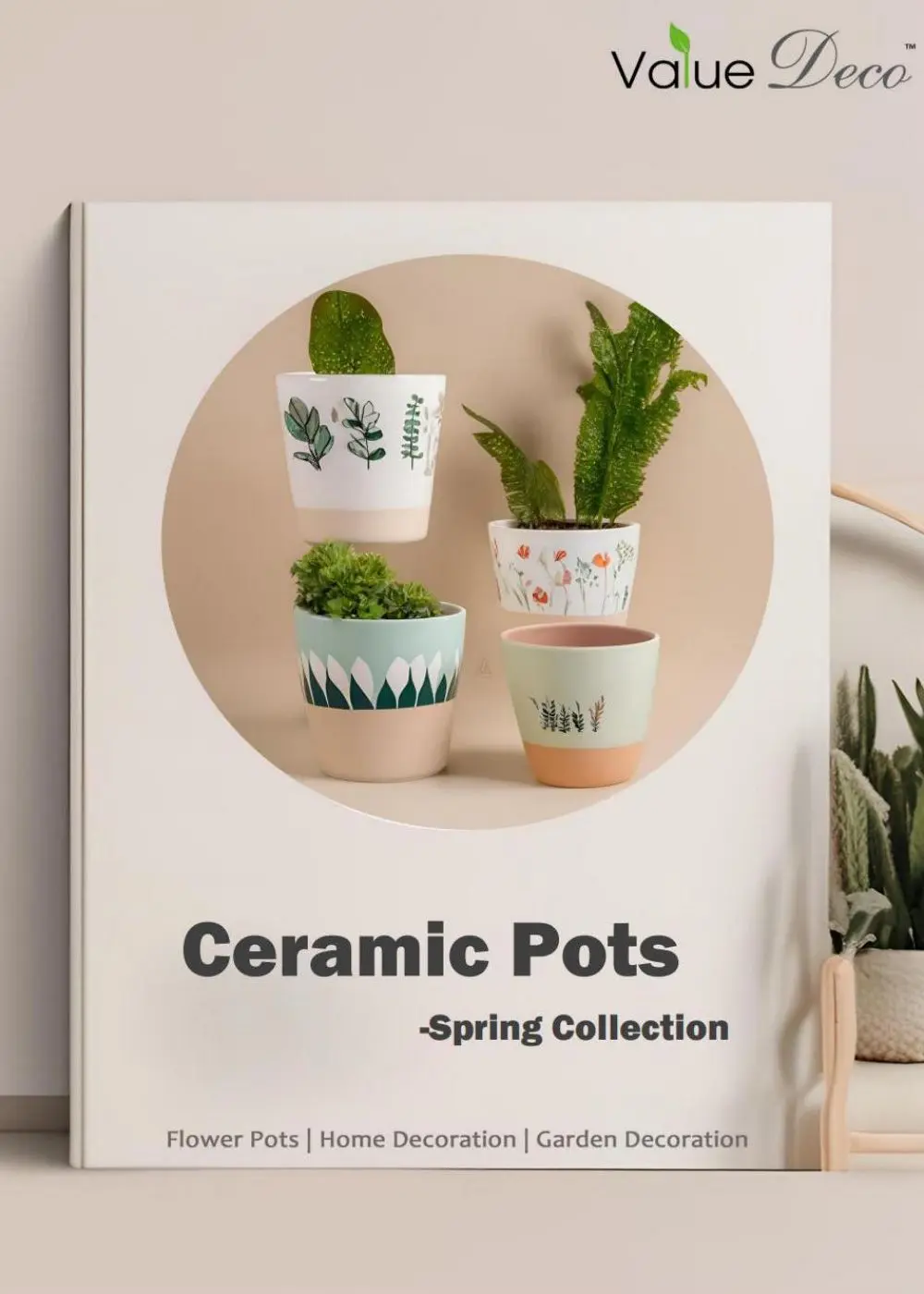
Explore our premium architectural, commercial-grade clay pots, planters, and bespoke ceramic solutions designed for global export.
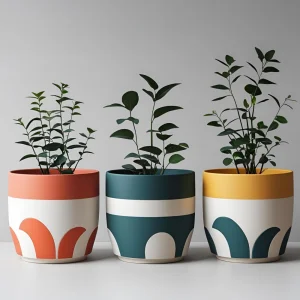
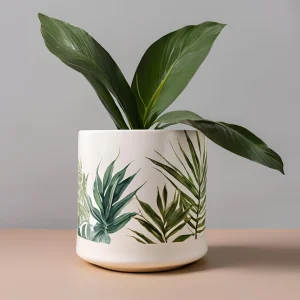
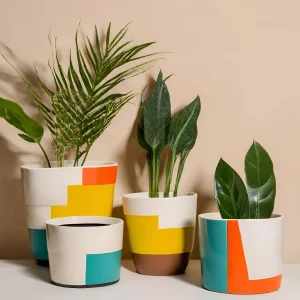

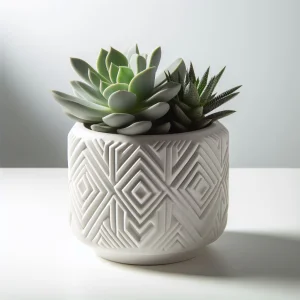
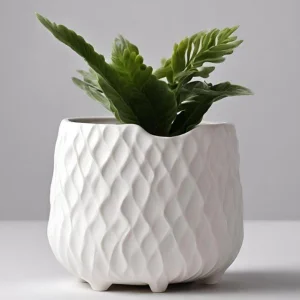
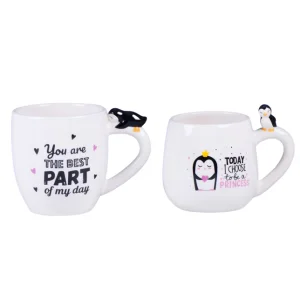
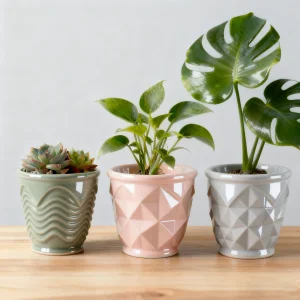
The global ceramics industry is heavily anchored by Chinese industrial manufacturing clusters. Modern China clay pot factories have transitioned from traditional artisanal setups into advanced, digitally-integrated fabrication facilities. This transformation is driven by high-tech advancements in material science, automated kiln technologies, and supply chain rationalization. By positioning factories in specialized economic hubs, such as Chaozhou, Dehua, and Yixing, these enterprises enjoy access to premium raw materials, continuous logistics channels, and a concentrated pool of technical talent.
For international commercial buyers, landscape architects, and homeware brands, sourcing from a dedicated China clay pot factory is no longer just about seeking cost reductions. Instead, the strategic objective centers on leveraging high-volume quality consistency, rapid prototyping capabilities (utilizing CAD modeling and 3D-printed ceramic molds), and robust regulatory compliance infrastructure. Understanding this complex framework is essential for businesses hoping to optimize their import portfolios and ensure year-round supply chain continuity.
Key indicators demonstrating the operational capabilities, sustainability benchmarks, and engineering thresholds of Chinese production clusters.
To understand the resilience of modern ceramic factories, one must examine the production line technology roadmap. Traditional hand-thrown pottery has evolved into highly accurate, mechanized setups that utilize computerized dust-extraction systems, automated hydraulic press machinery, and automated glazing booths. High-efficiency tunnel kilns operate continuously, using natural gas or clean electricity, with heat recovery loops that pre-heat inbound air. This reduces fuel consumption and minimizes carbon emissions.
Modern glaze chemistry research laboratories located directly within China clay pot factories have pioneered non-leaching, cadmium-free, and lead-free glazes. These developments ensure compliance with international food-grade standards (e.g., FDA, LFGB) and environmental regulations. These material engineering advances allow factories to produce outdoor-rated planters with high frost resistance, UV stability, and exceptional thermal shock protection, ensuring their durability in extreme climates.
| Manufacturing Stage | Legacy Production Methodology | Modern Automated Factory Protocol | Impact on Product Quality |
|---|---|---|---|
| Clay Processing | Manual sorting & open-air sun drying | Computer-controlled filter presses & de-airing pug mills | Elimination of air pockets; uniform clay density |
| Shaping & Molding | Manual hand-spinning or simple plaster mold slip-casting | High-pressure hydraulic casting & CNC roller machines | Perfect dimensional consistency across bulk orders |
| Glaze Application | Manual dipping or standard brush paint | Robotic electrostatic glaze spray booths | Flawless, uniform thickness; reduction in glaze defects |
| Firing Cycle | Traditional wood/coal downdraft kilns | Continuous automated gas-tunnel kilns with heat recovery | Elimination of structural warping; lower energy footprint |
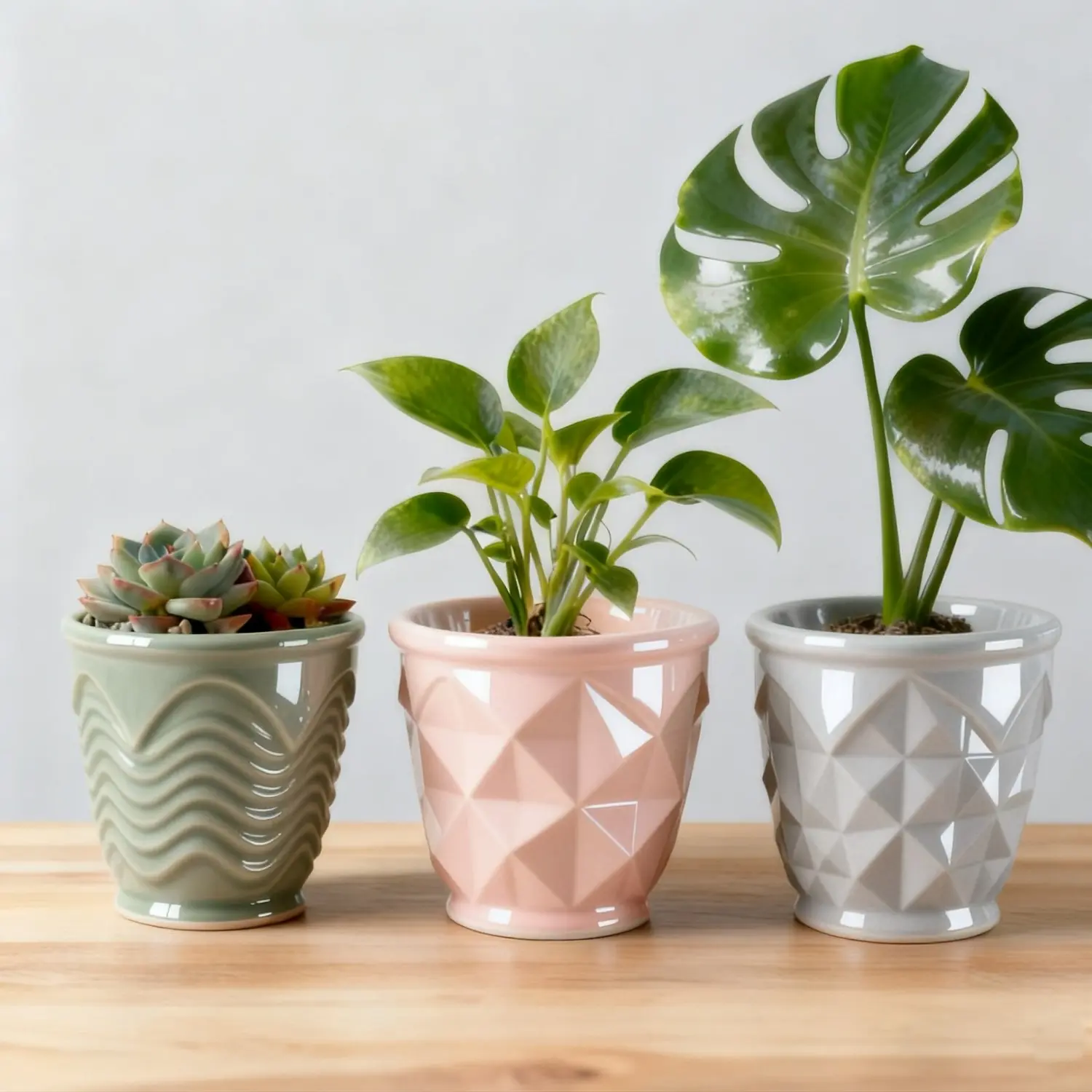
Explore our core production lines, manufactured to international engineering standards and optimized for high-volume supply.
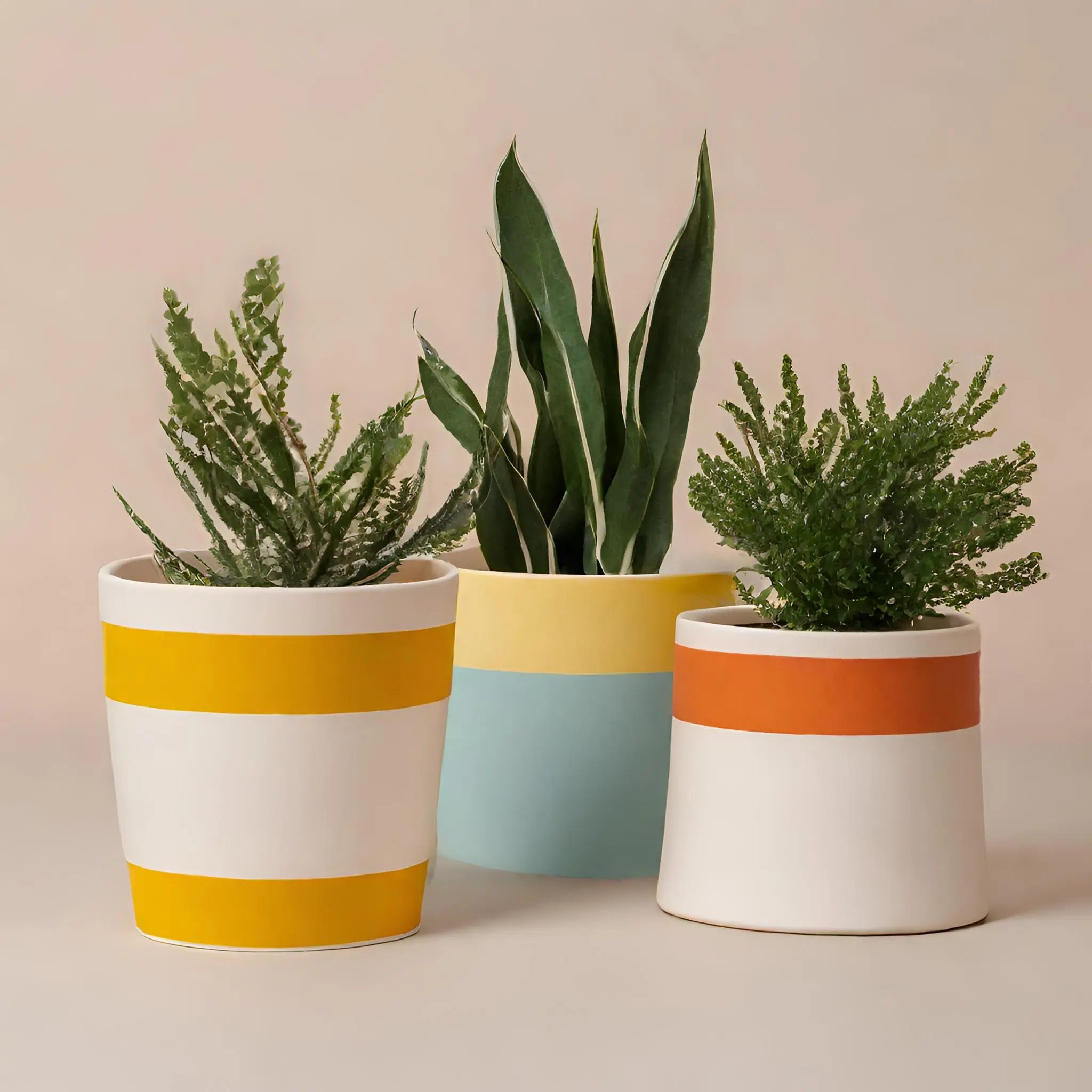
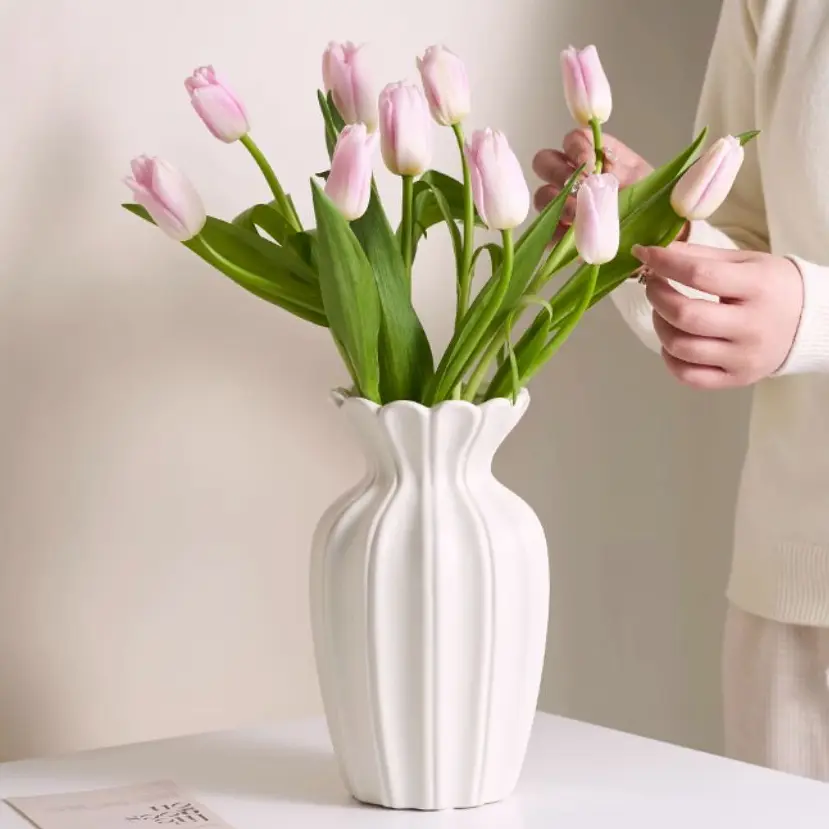
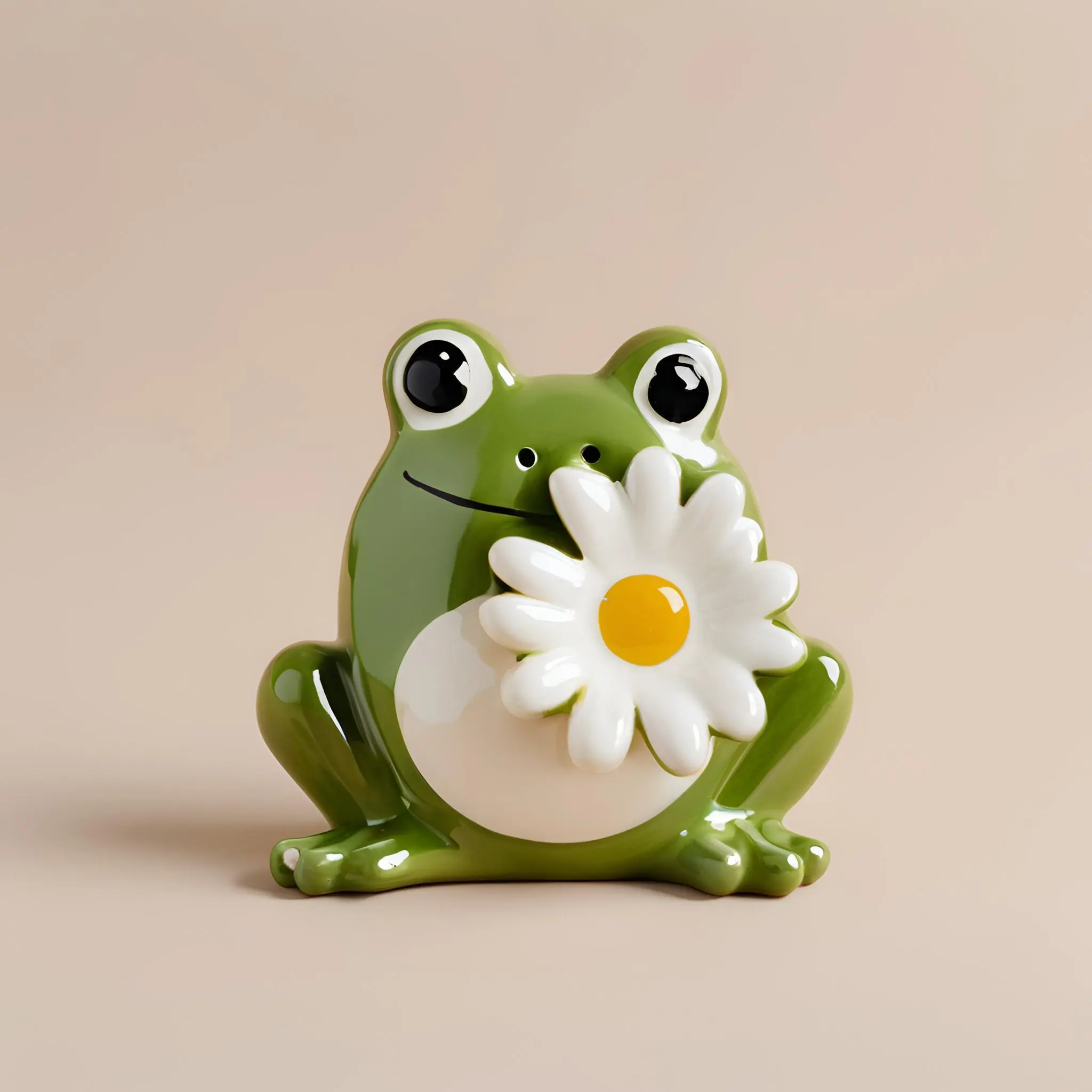

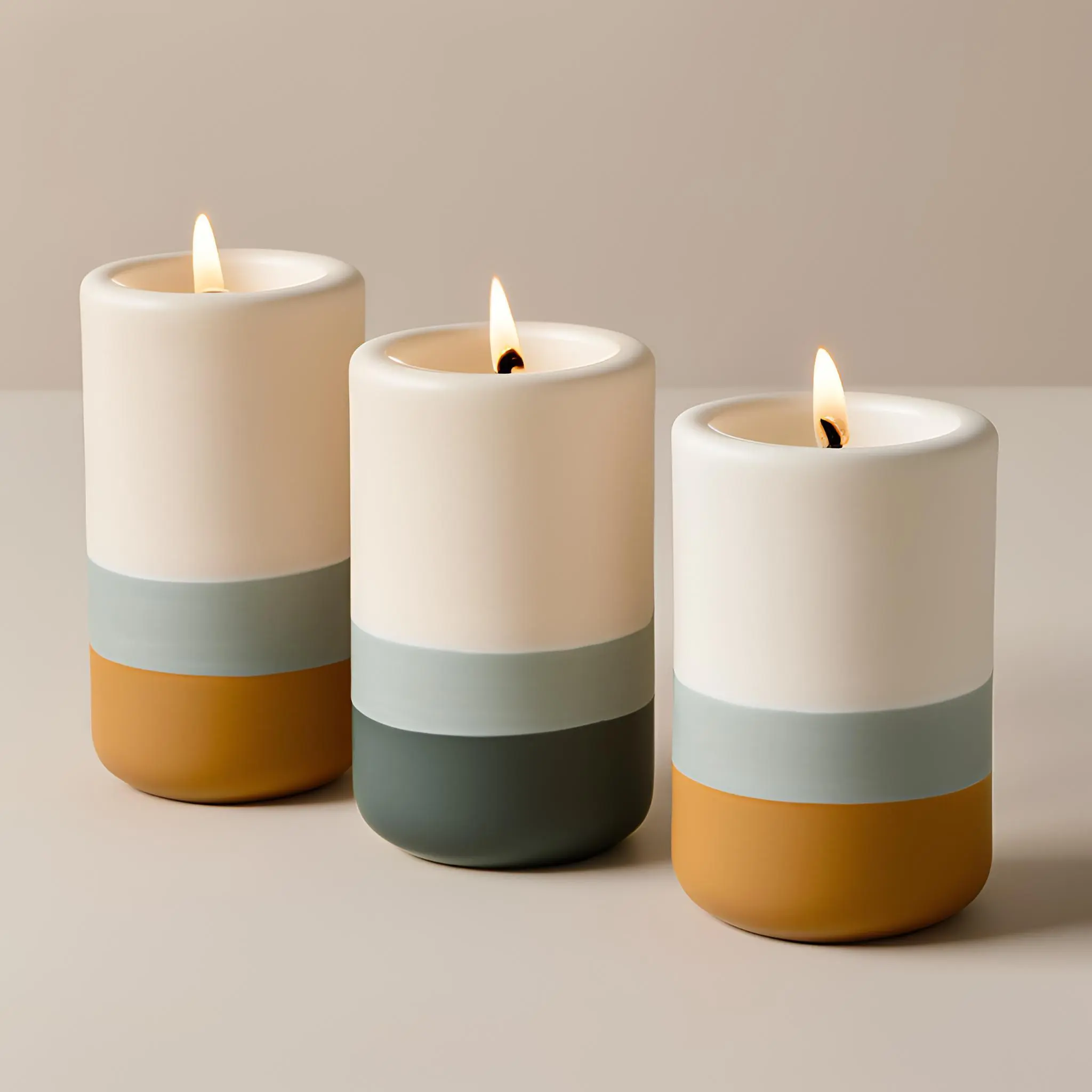

In modern commercial environments, clay pots serve a variety of purposes. They are no longer limited to basic agriculture. Instead, they play an important role in biophilic workplace designs, hotel architectural plans, high-end residential projects, and urban greening initiatives. Each localized market imposes specific performance standards. For instance, northern European and North American buyers prioritize frost-resistant outdoor planters that can withstand freeze-thaw cycles without cracking. In contrast, commercial buyers in arid climates, such as the Middle East, seek high-density, low-porosity glazed containers that prevent water loss and withstand prolonged UV exposure.
Working with an established China clay pot factory allows buyers to adapt to these regional needs through custom raw material formulations. By adding precise amounts of grog (fired clay particles) and mineral fluxes, factories can modify the thermal expansion coefficient of the clay body. This level of customization ensures that the resulting planters can withstand the environmental demands of their final destination, reducing replacement costs and enhancing project viability.
Additionally, the rise of e-commerce has changed the way pottery is packaged. Shipping large, heavy ceramic items via direct-to-consumer routes requires robust drop-test certified packaging (ISTA 3A or ISTA 6 standard). Leading factories have responded by installing automated foam-in-place packaging systems, reinforced honeycomb cardboard boxing, and transit-simulating shake tables. These measures help minimize transit damage rates to less than 1.5% across global shipping networks.
Your institutional partner for decorative pottery, structural garden pots, and custom ceramic homeware development.
Value Deco Limited is an established manufacturer and supplier of high-quality ceramic and clay pots based in China. Armed with over 12 years of specialized export experience, the company has built a reputation for delivering reliable, design-led decorative items. The product portfolio includes flower pots, functional vases, candle holders, home decor, garden accents, and durable dinnerware, all built to satisfy changing consumer tastes.
Operating through dedicated divisions, Value Deco Limited ensures that bulk orders, custom designs, and logistics processes are handled with high efficiency. Their quality assurance teams inspect every production batch, ensuring that clay firing times, structural integrity, and glaze finishes meet the requirements of international buyers.
The efficiency of a China clay pot factory lies in its supply chain integration. The primary cost component of ceramic products is energy, closely followed by raw clay preparation and transport logistics. Chinese ceramic manufacturing parks are often located near natural gas distribution hubs and raw clay reserves. This setup minimizes long-distance trucking of heavy raw materials, keeping production costs competitive.
Additionally, the proximity to major deep-water ports like Shenzhen, Xiamen, and Ningbo ensures containerized freight can be loaded and shipped quickly. This integration helps reduce lead times for custom orders down to 35-45 days, compared to the 75-90 days typically required by factories located in less integrated regions.
Furthermore, raw material processing within these industrial zones is highly structured. Modern factories use standardized slip recipes that undergo wet magnetic separation to extract iron contaminants. This process helps prevent cosmetic blemishes and structural weaknesses during the firing cycle. The result is a highly reliable clay body that offers consistent physical properties, which is crucial for architectural applications where load bearing and structural durability are required.
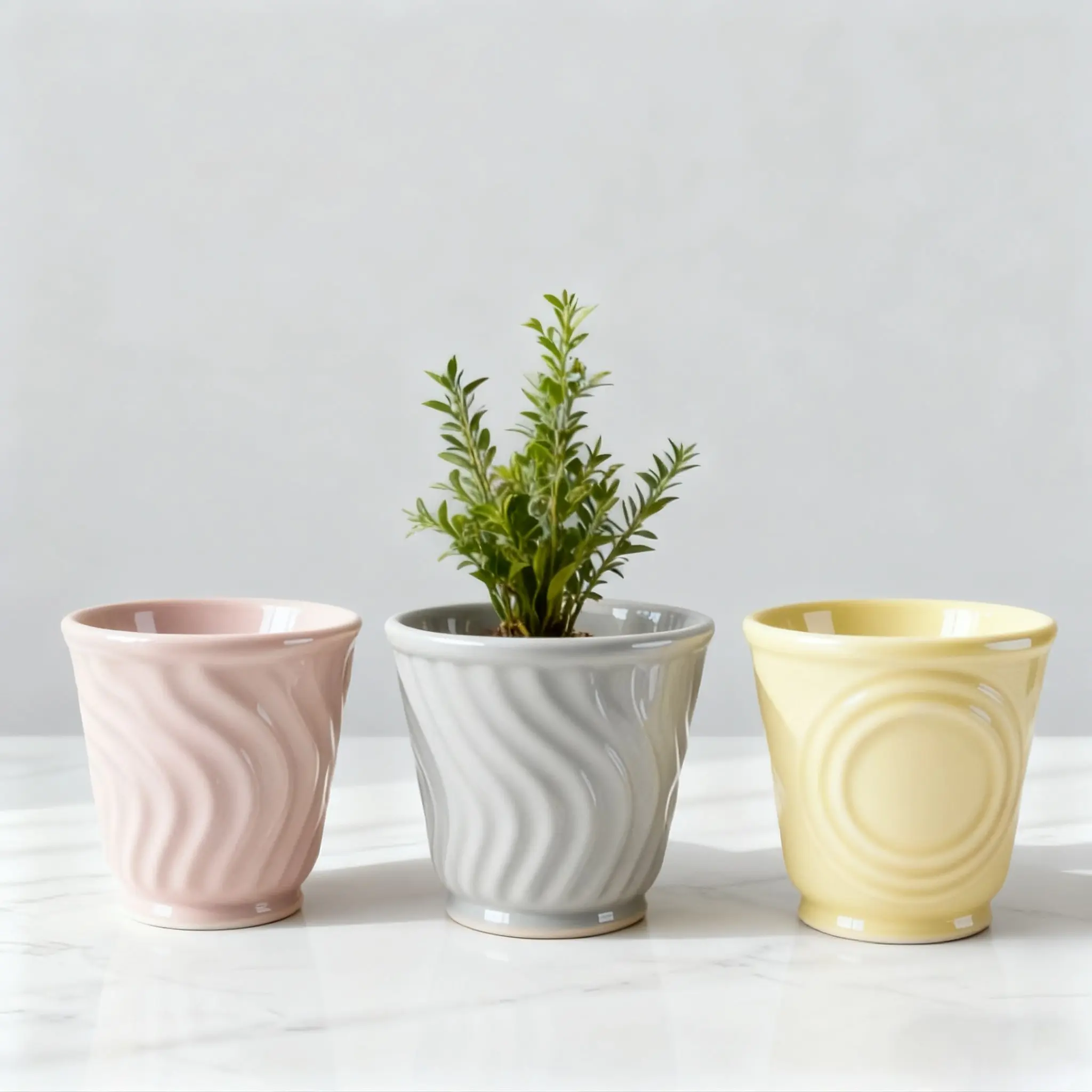
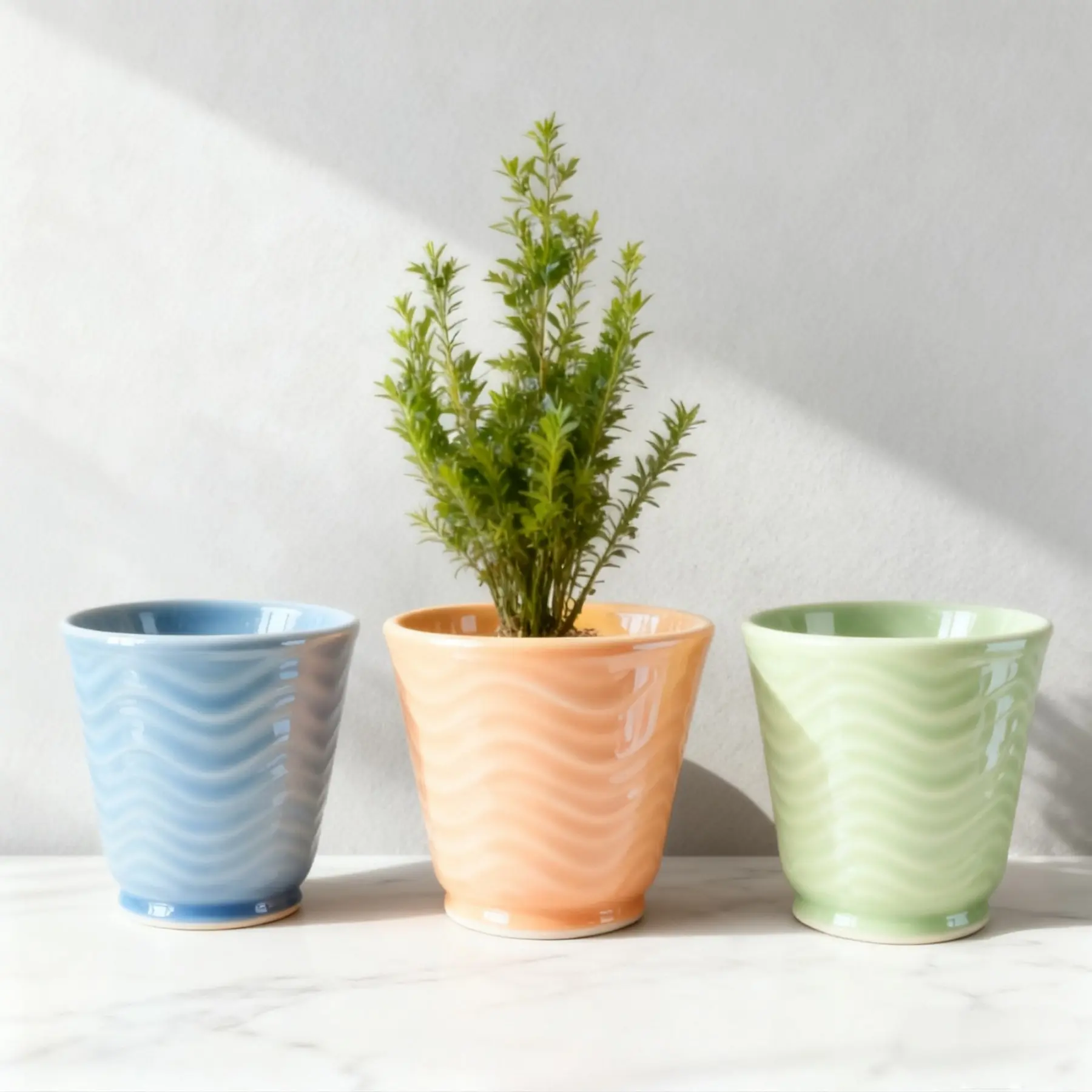
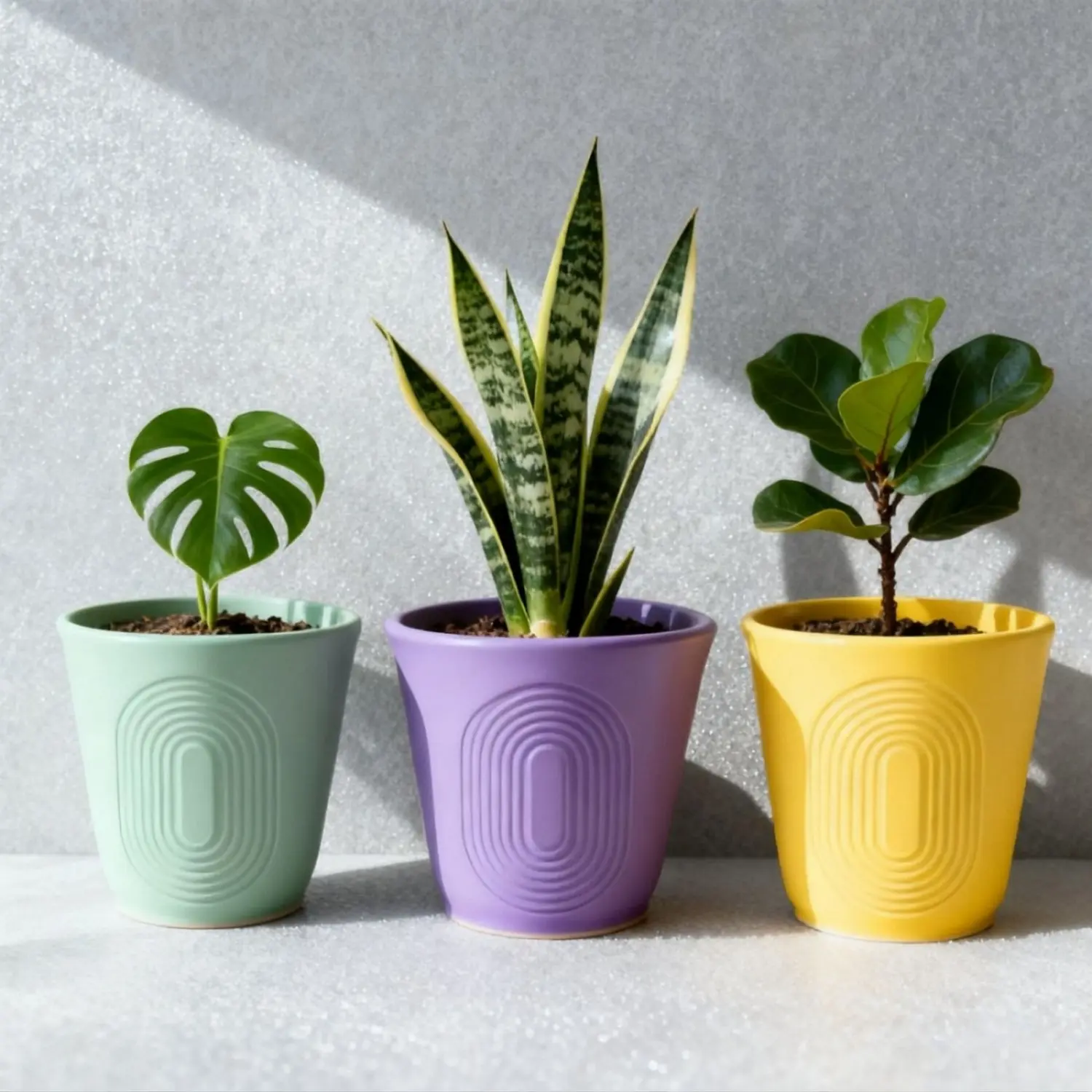
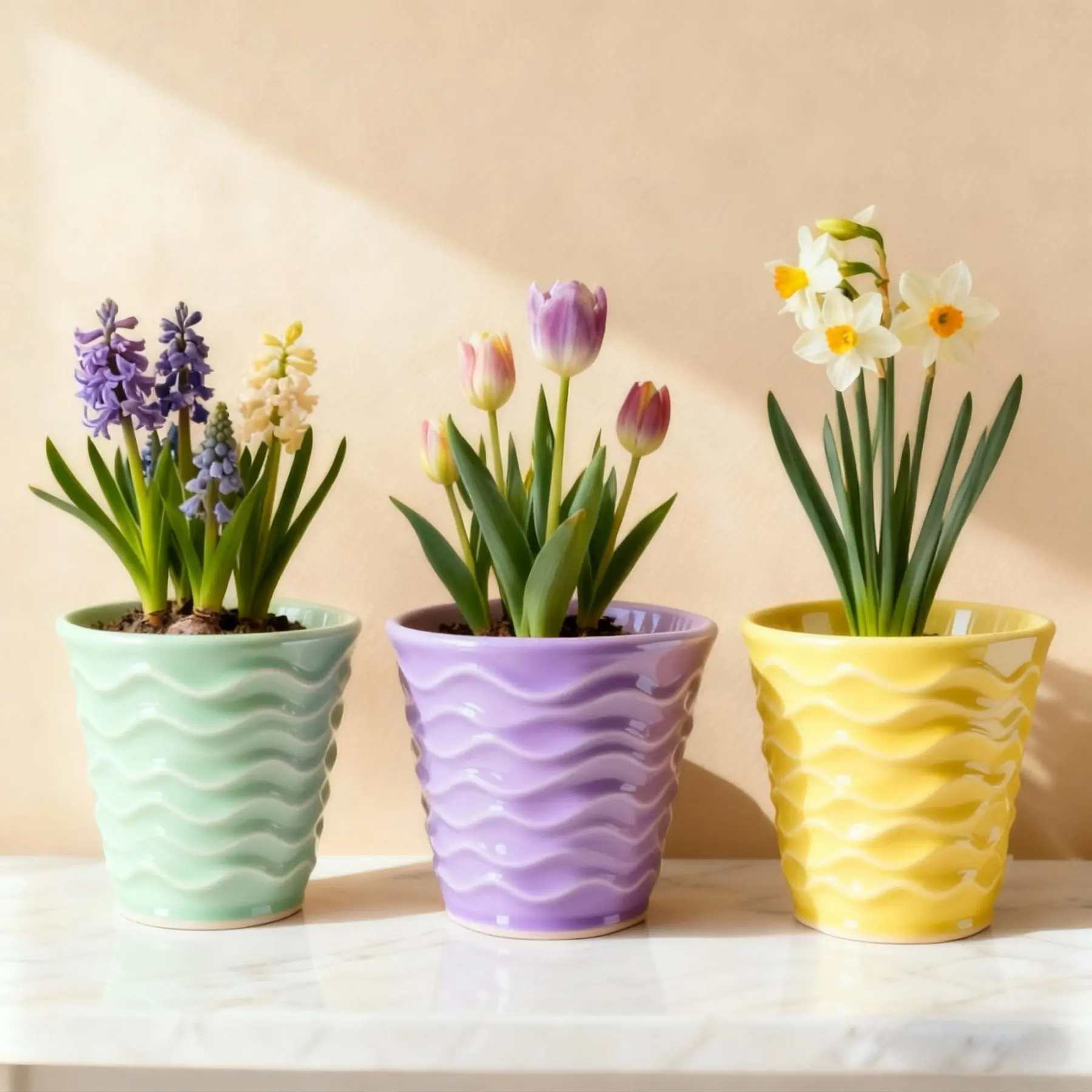
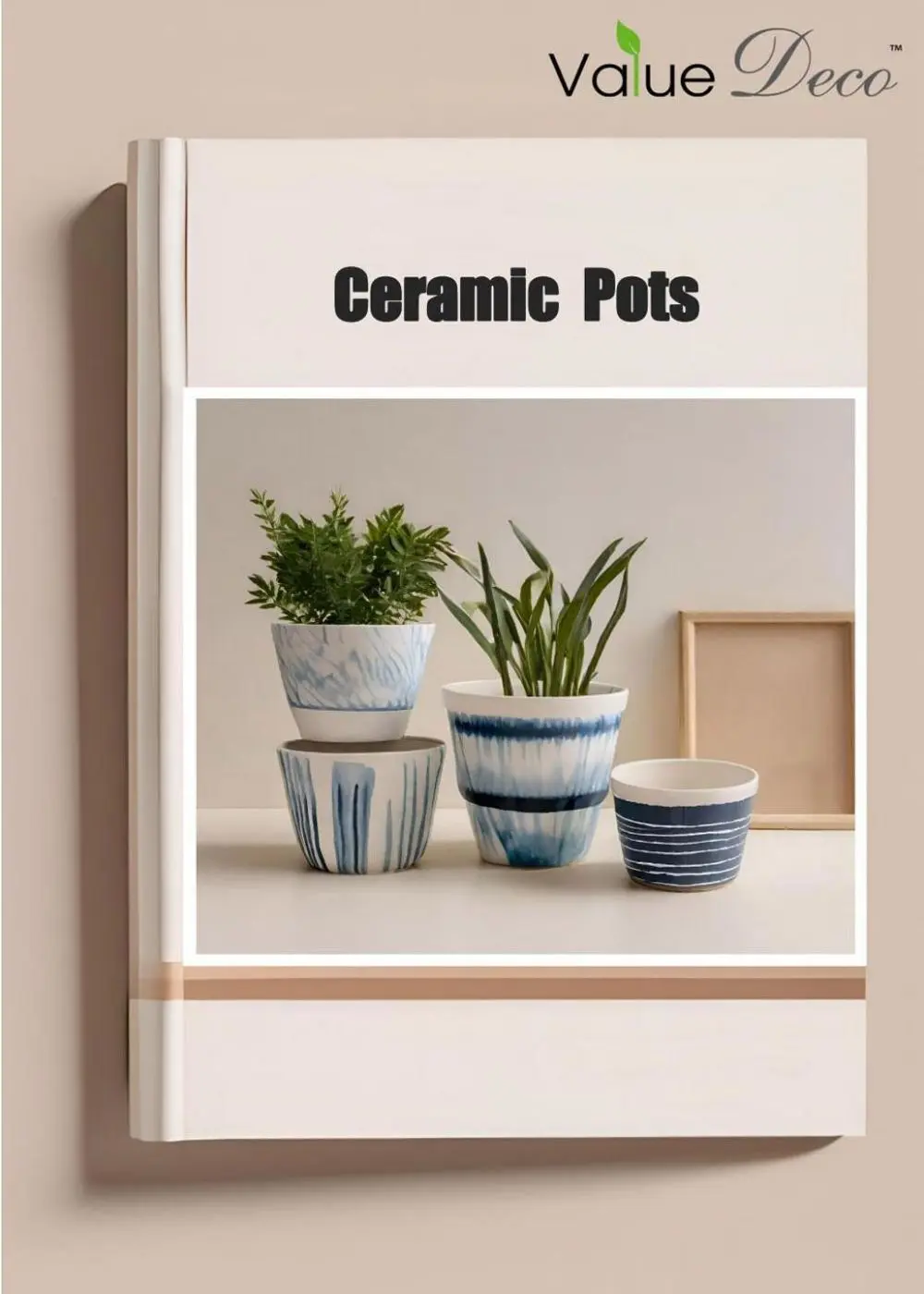
Review our specialized catalogs and discover our latest award-winning textured clay pot and planter designs.
In today's global market, environmental compliance is a key requirement rather than an option. Recognized international certifications, such as BSCI (Business Social Compliance Initiative) and SMETA (Sedex Members Ethical Trade Audit), are vital for verifying ethical and sustainable manufacturing processes. A professional China clay pot factory prioritizes these audits, demonstrating its dedication to fair wages, safe working conditions, and responsible waste management.
Additionally, resource conservation is integrated directly into the manufacturing process. Wastewater treatment units clean and reuse process water, preventing the discharge of suspended clay particles into local waterways. Excess dry clay scraps are collected, processed, and added back into the raw slip mixture. By maintaining these strict environmental standards, modern ceramic factories support international corporate clients in achieving their green building certifications (such as LEED) and meeting internal ESG (Environmental, Social, and Governance) targets.
Find direct answers to common questions about importing clay pots, custom OEM/ODM designs, and logistical execution.
For customized shapes, embossed logos, or specific glaze profiles, the standard MOQ is typically 500 pieces per design. For standard running stock items or catalog models, MOQ can start as low as 100-200 pieces, depending on the item volume.
Our partner factories use high-density vitrified clay fired above 1,200°C. This firing temperature reduces the water absorption rate to below 3% (often under 0.5% for porcelain bodies), preventing ice expansion inside the clay walls and eliminating cracking or spalling during winter.
Yes, all glazes used on our items undergo regular testing for heavy metals. Our collections comply with FDA, California Proposition 65, and European LFGB requirements, ensuring safety for both domestic and commercial environments.
Standard production cycles are completed within 35 to 45 days after receiving deposit confirmation. Ocean transport transit times range from 15 to 25 days to Western Europe and North American west coast ports, and 30 to 40 days to East Coast locations.
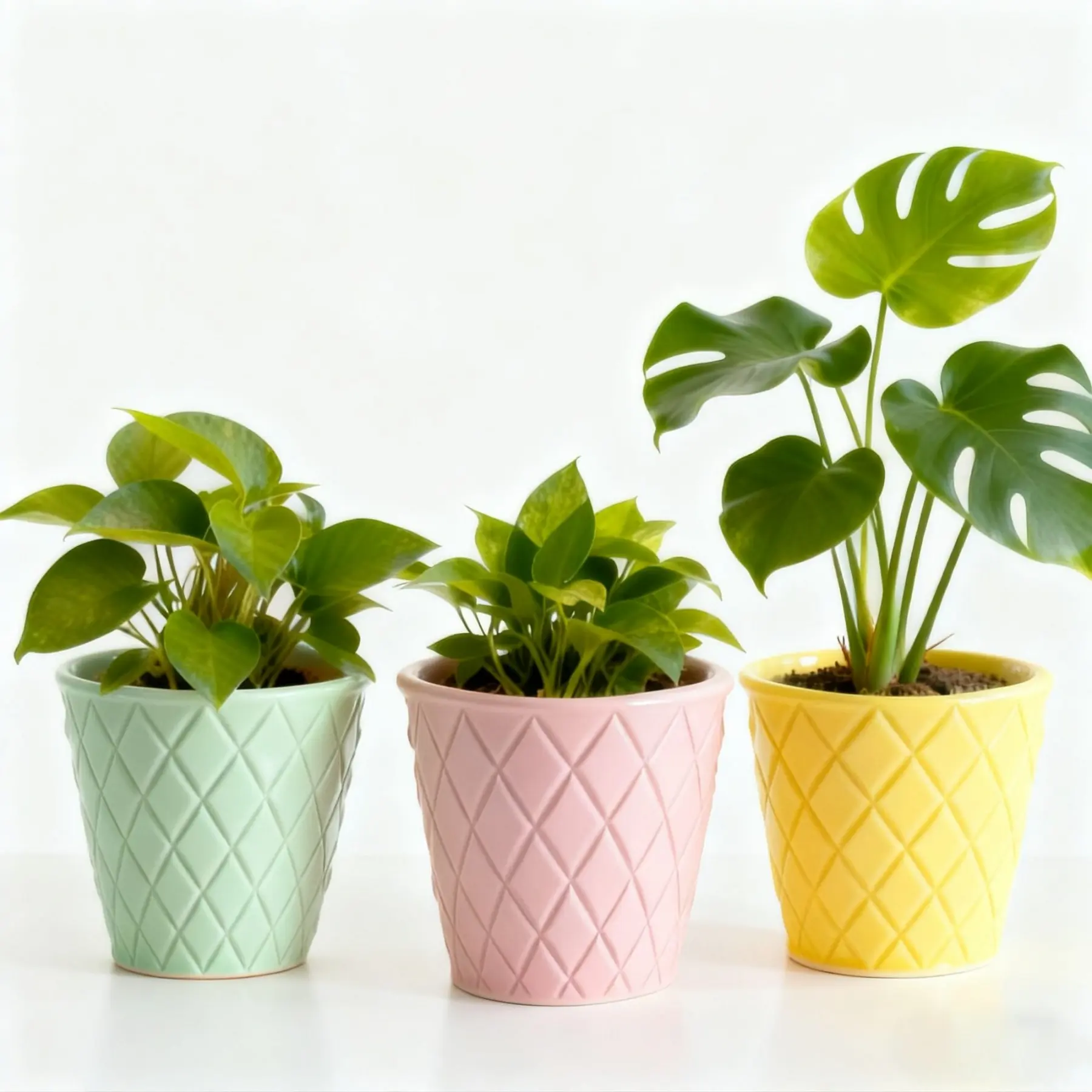
Explore these additional seasonal and functional pottery items to complete your commercial order.