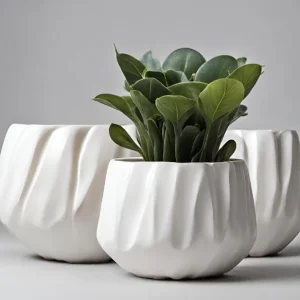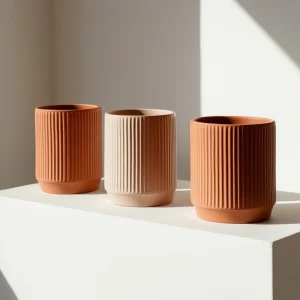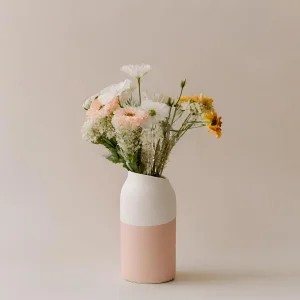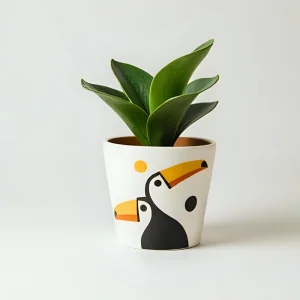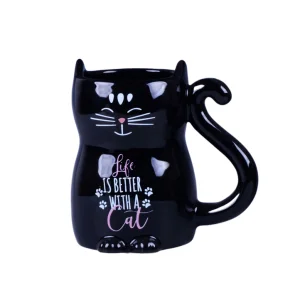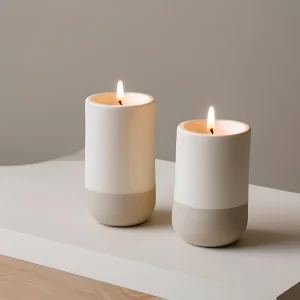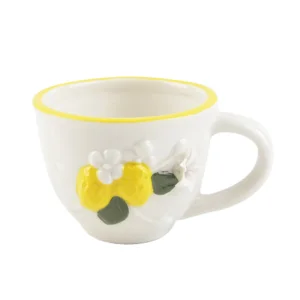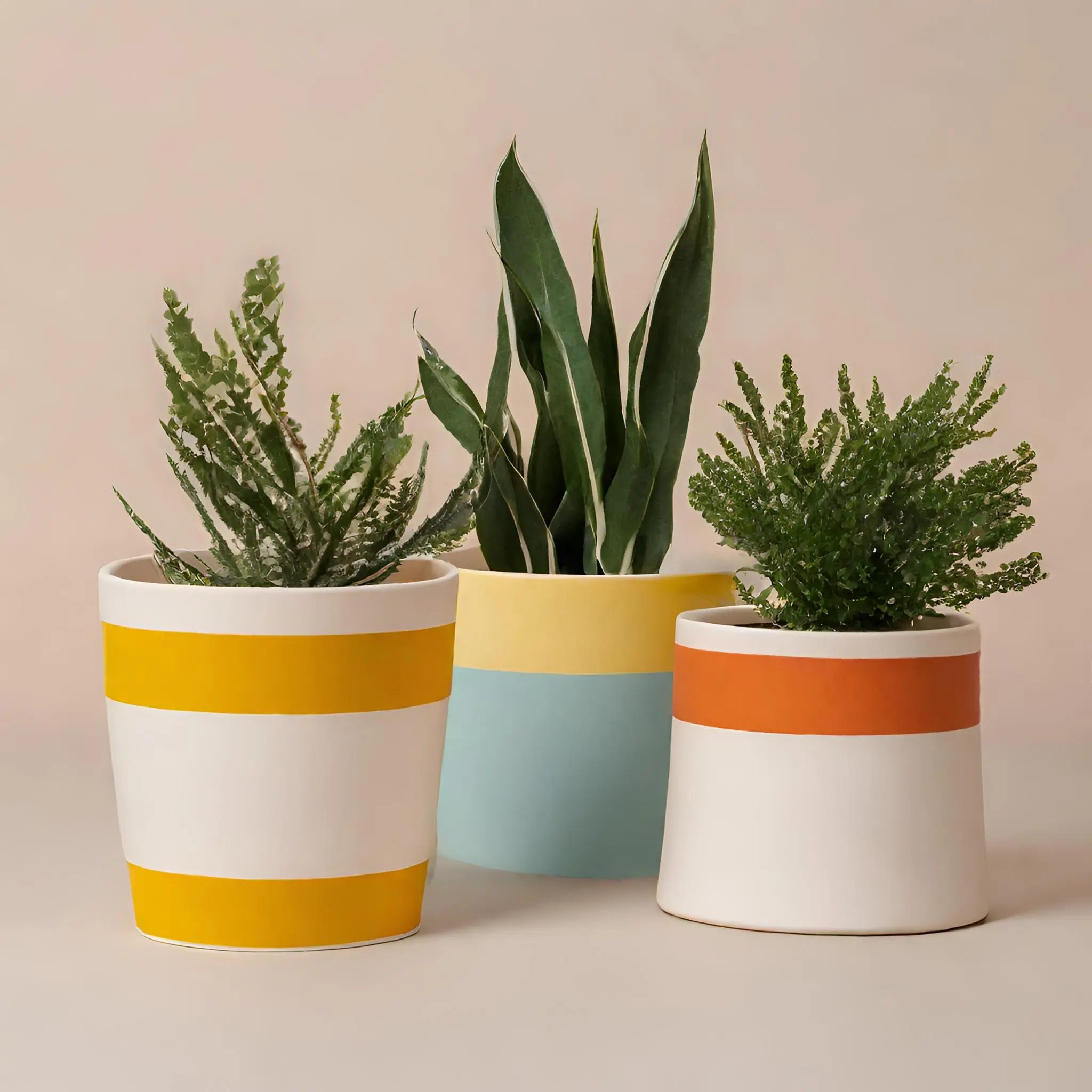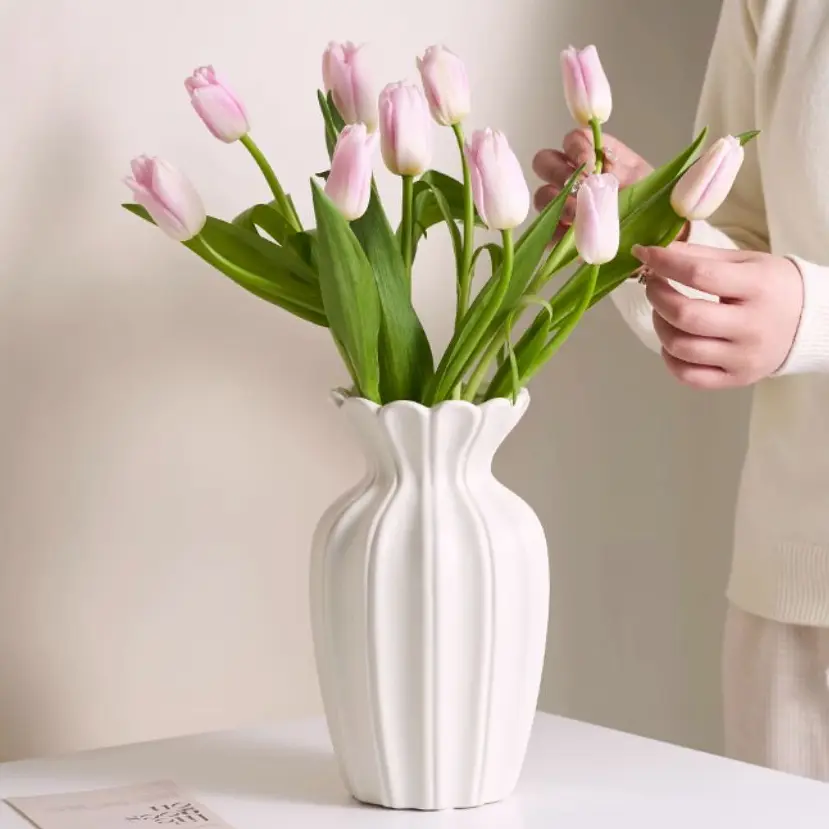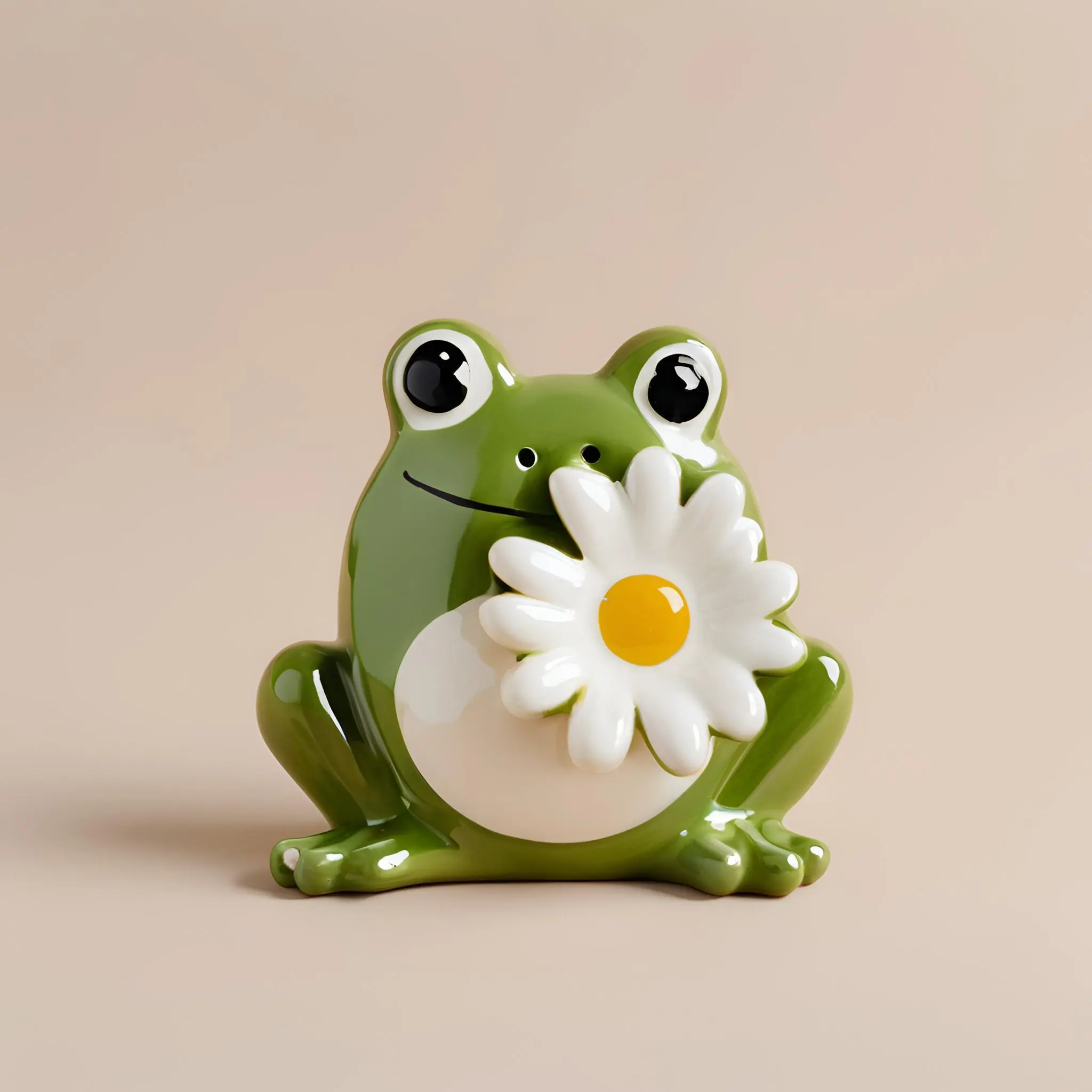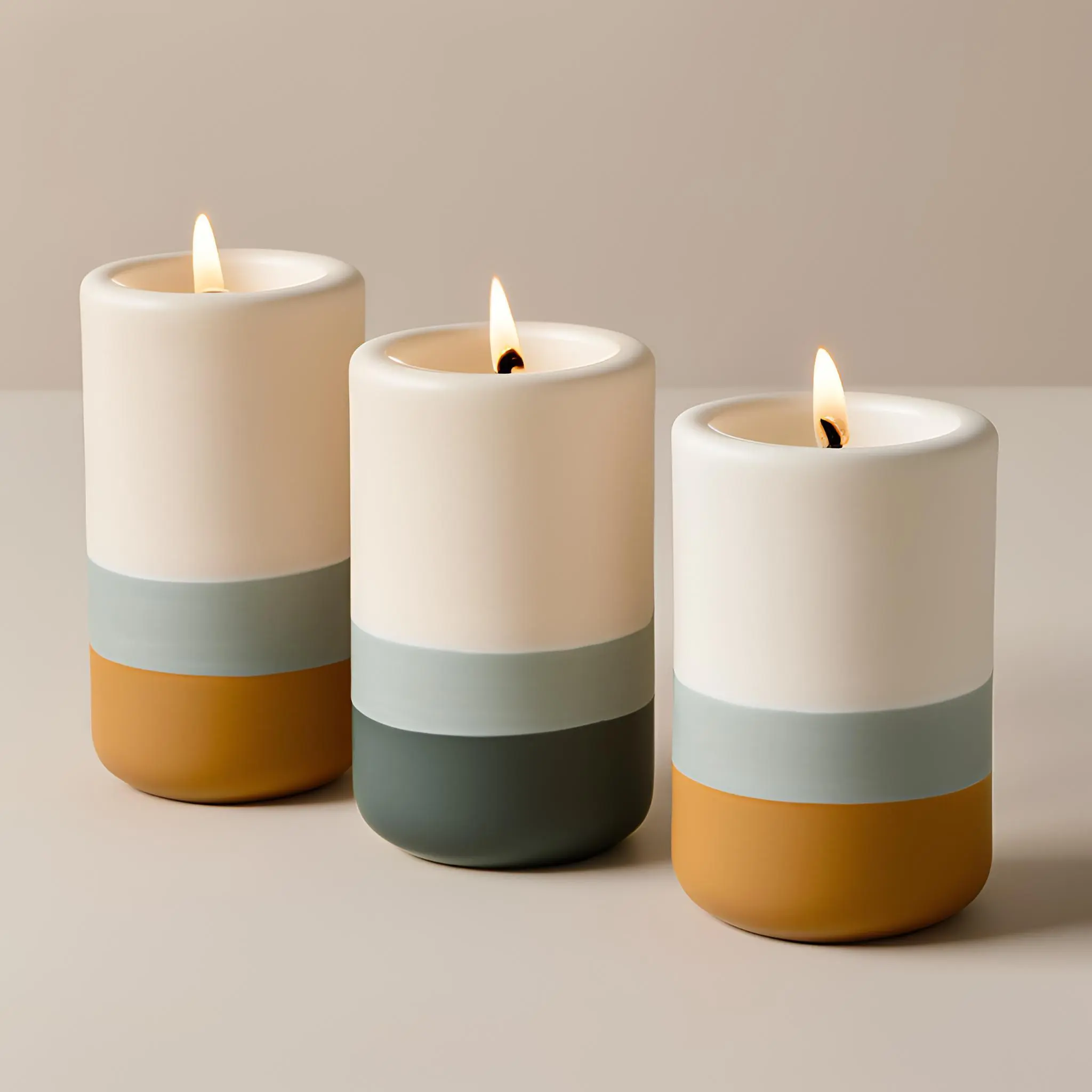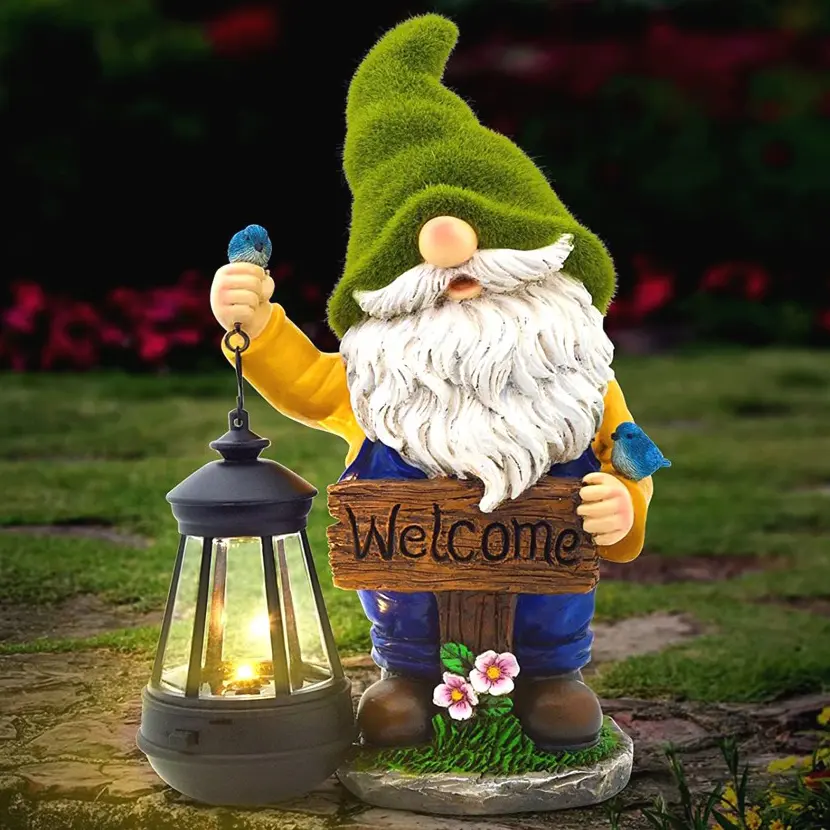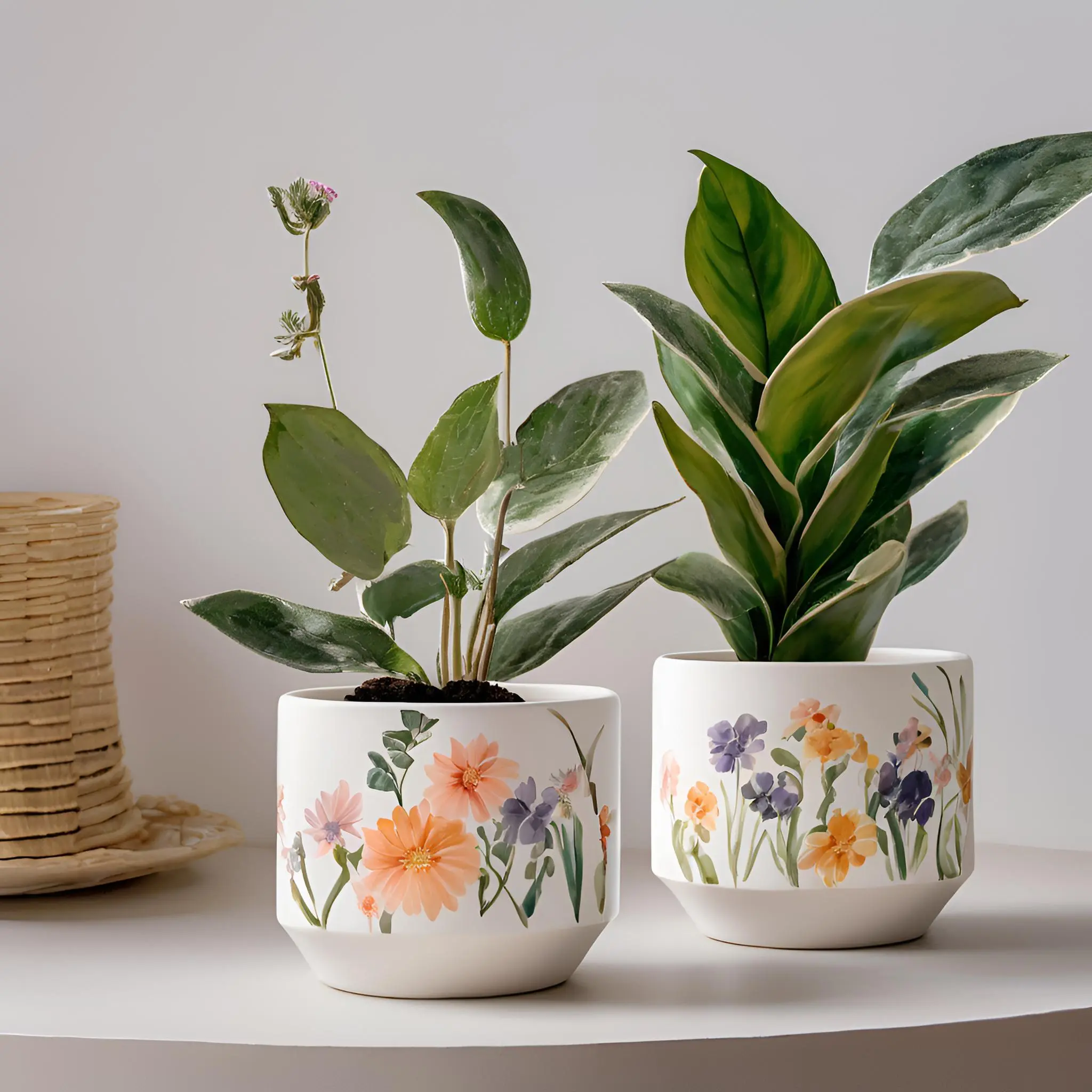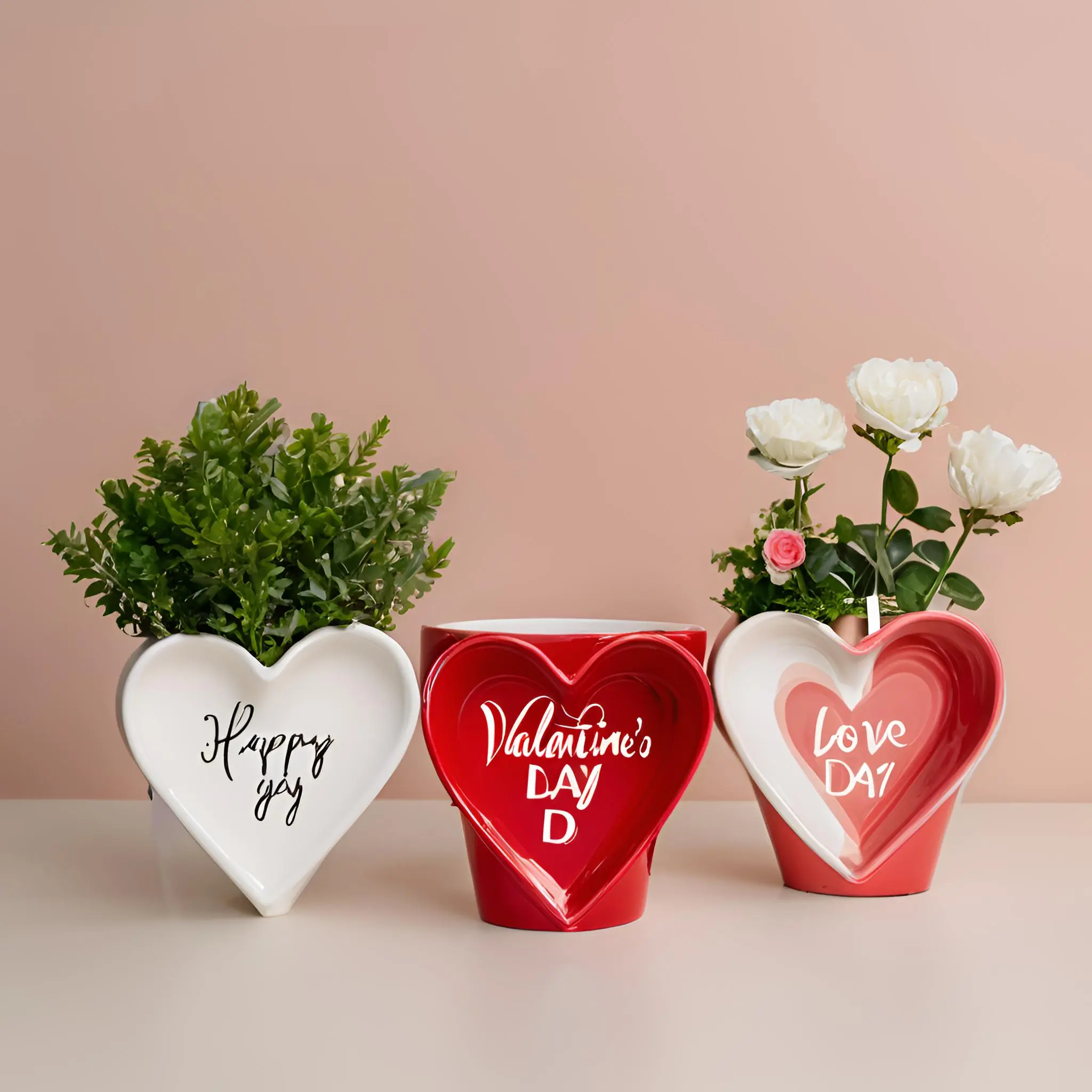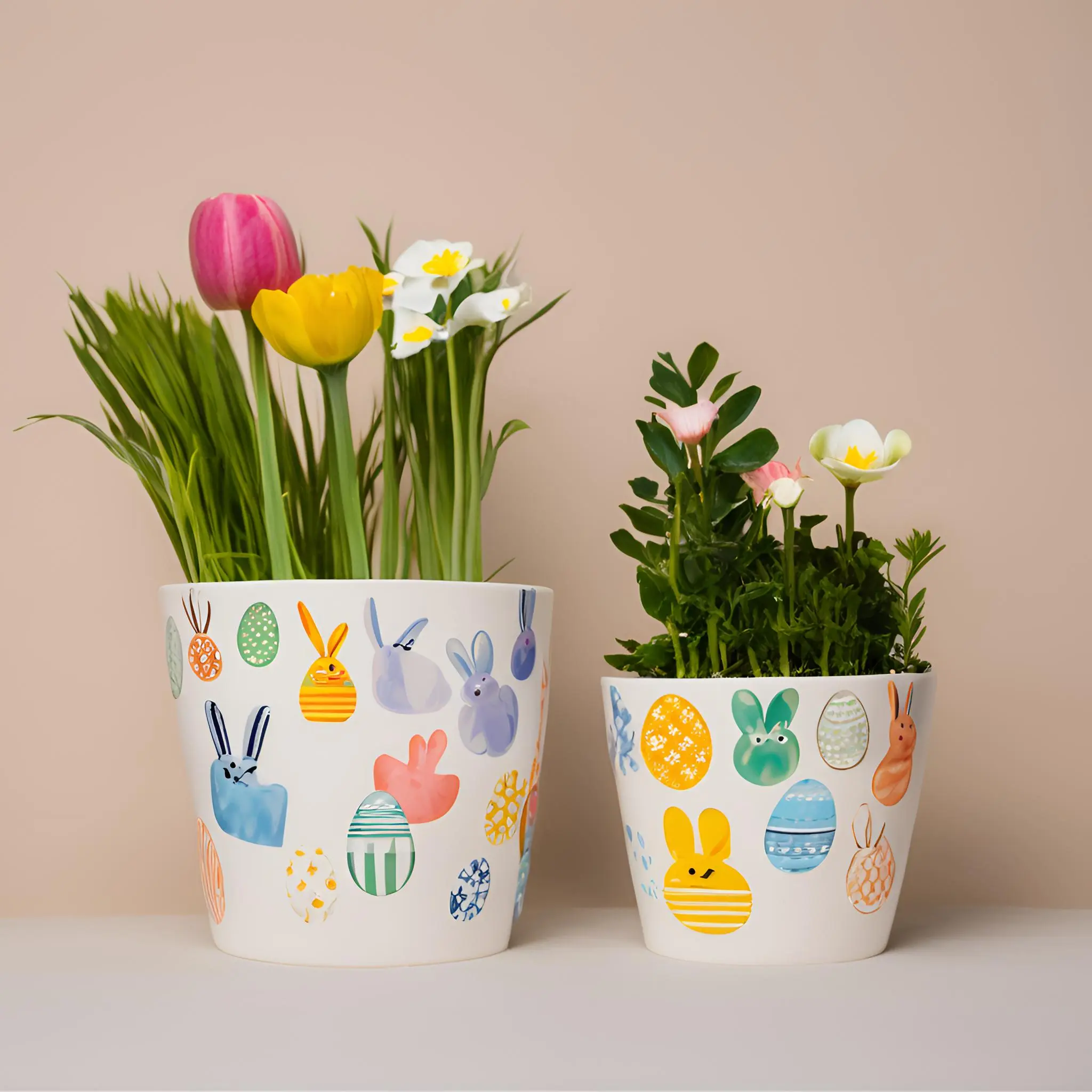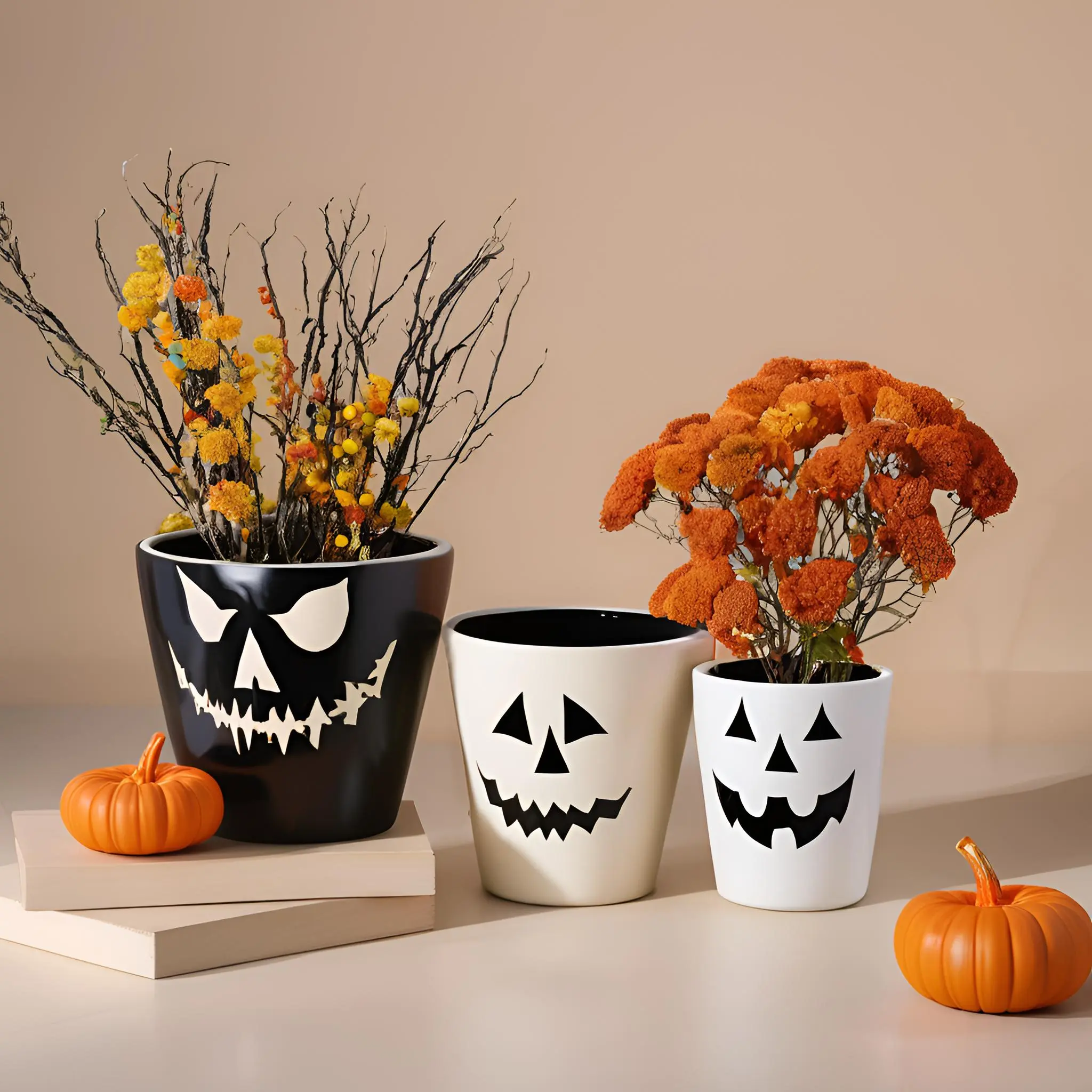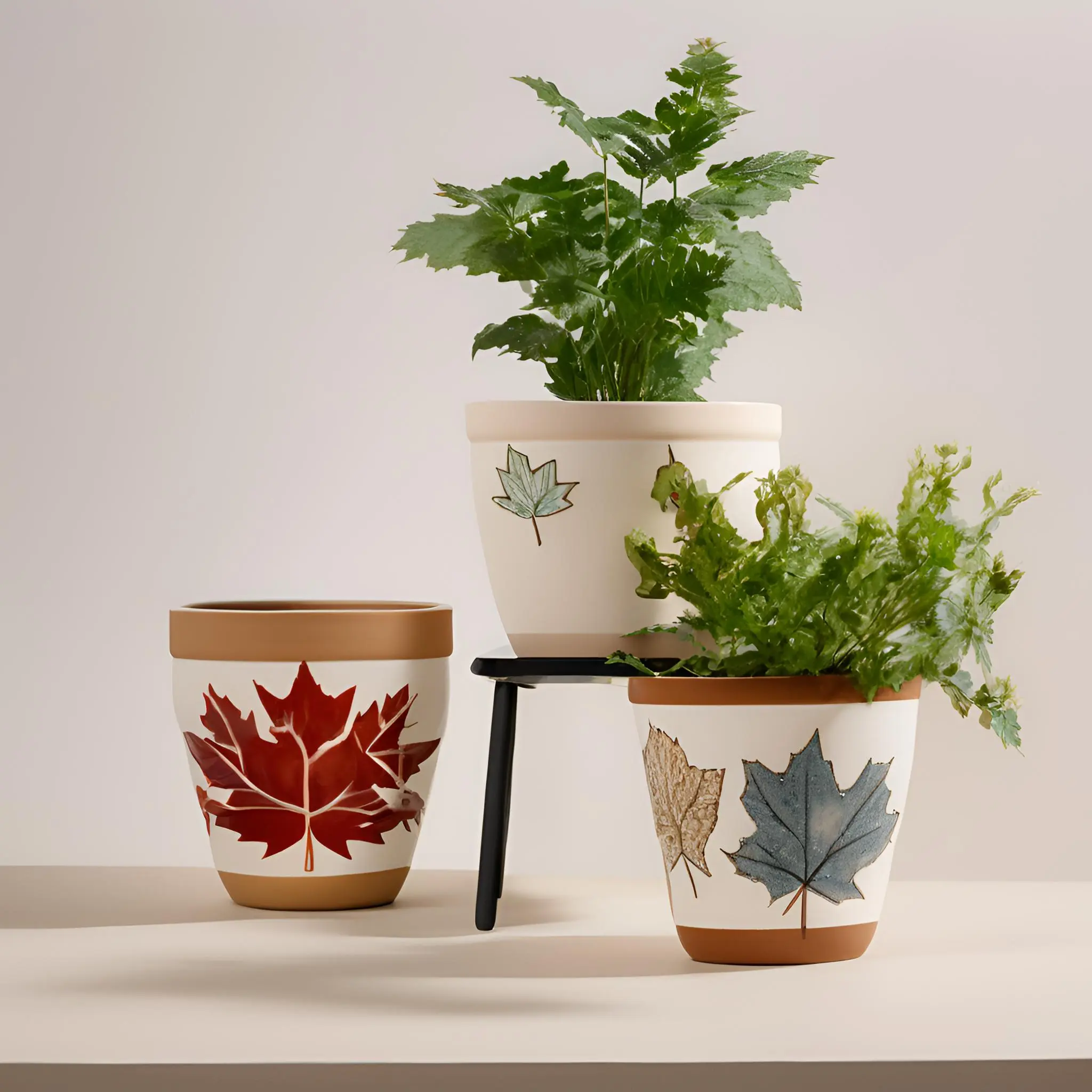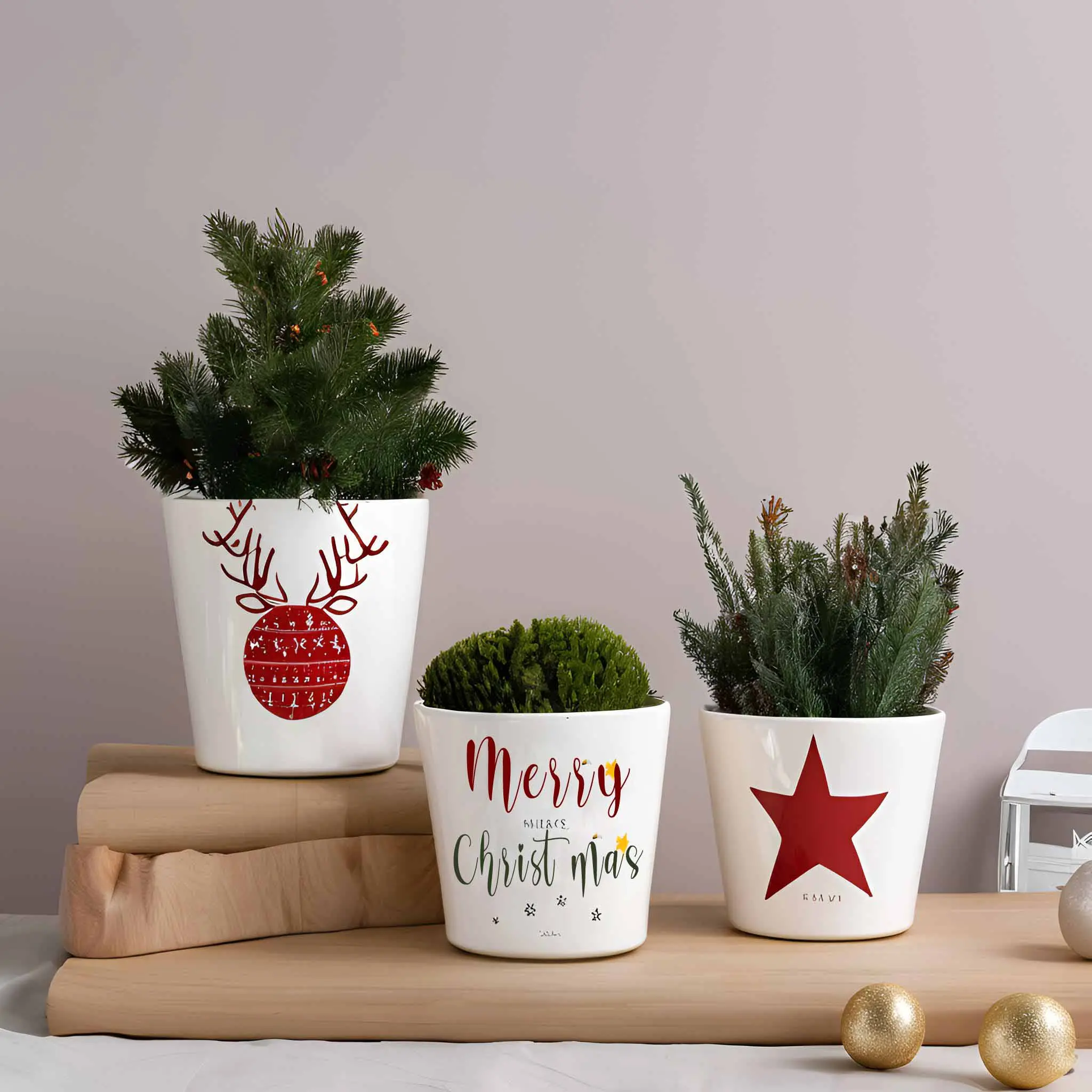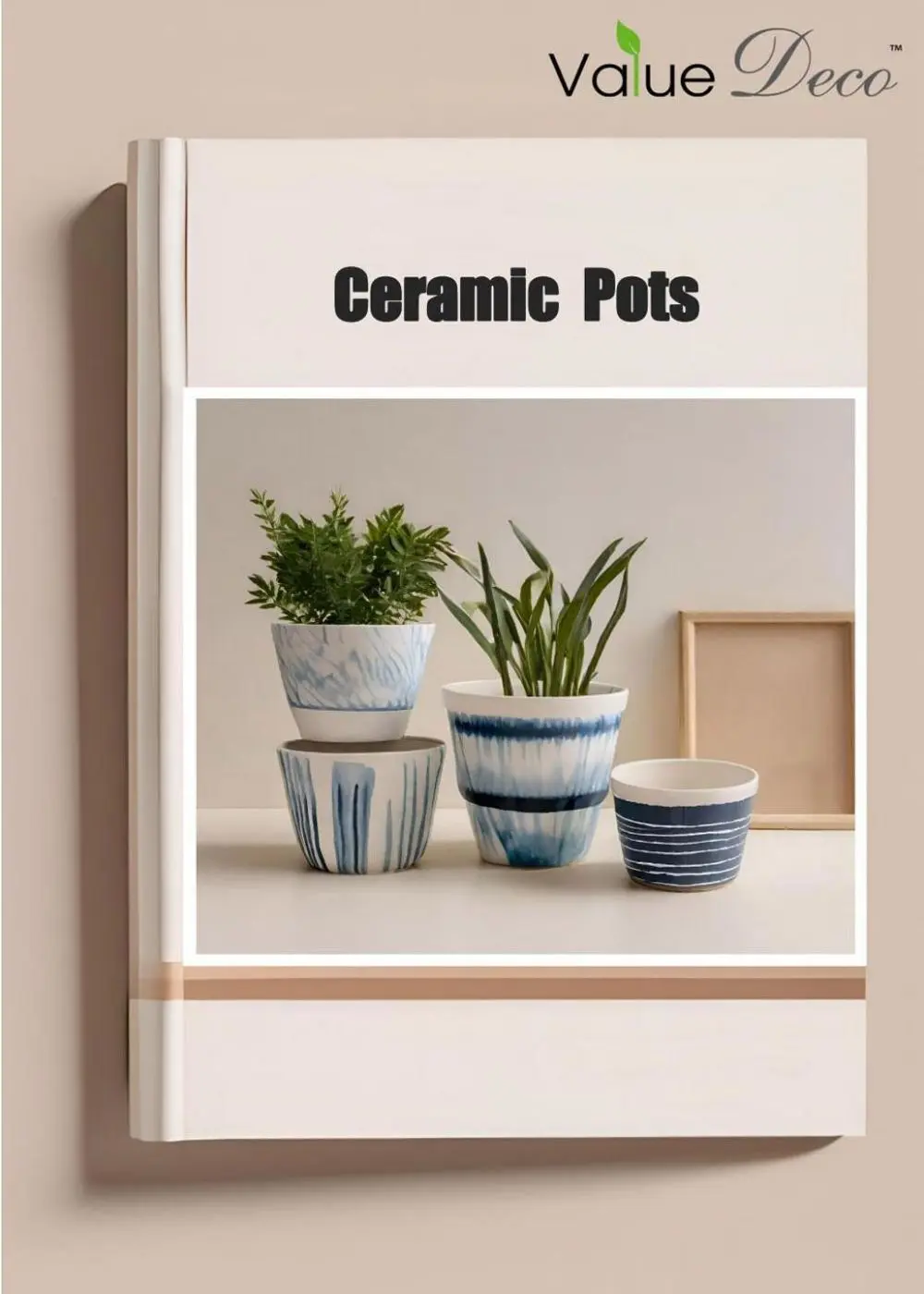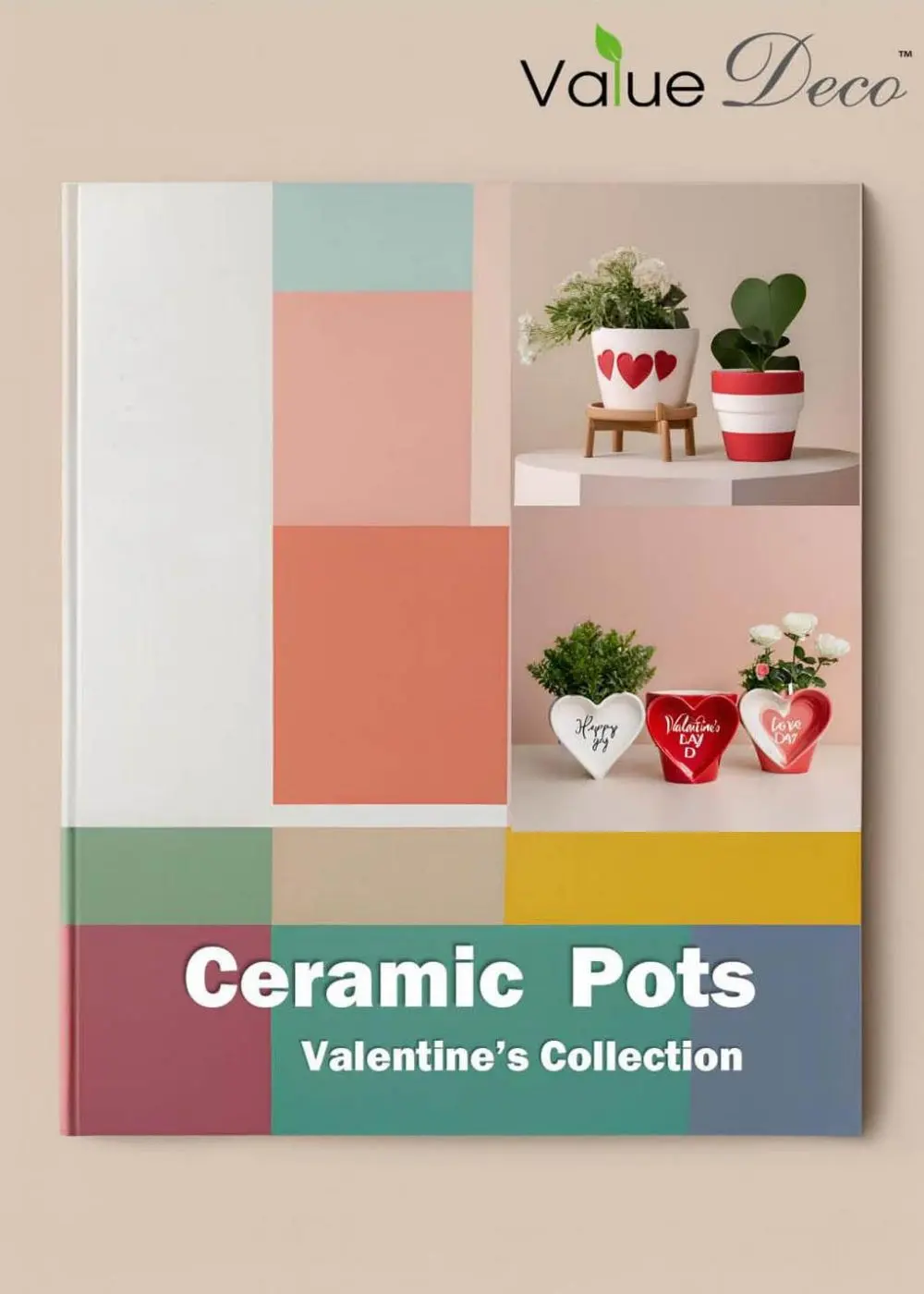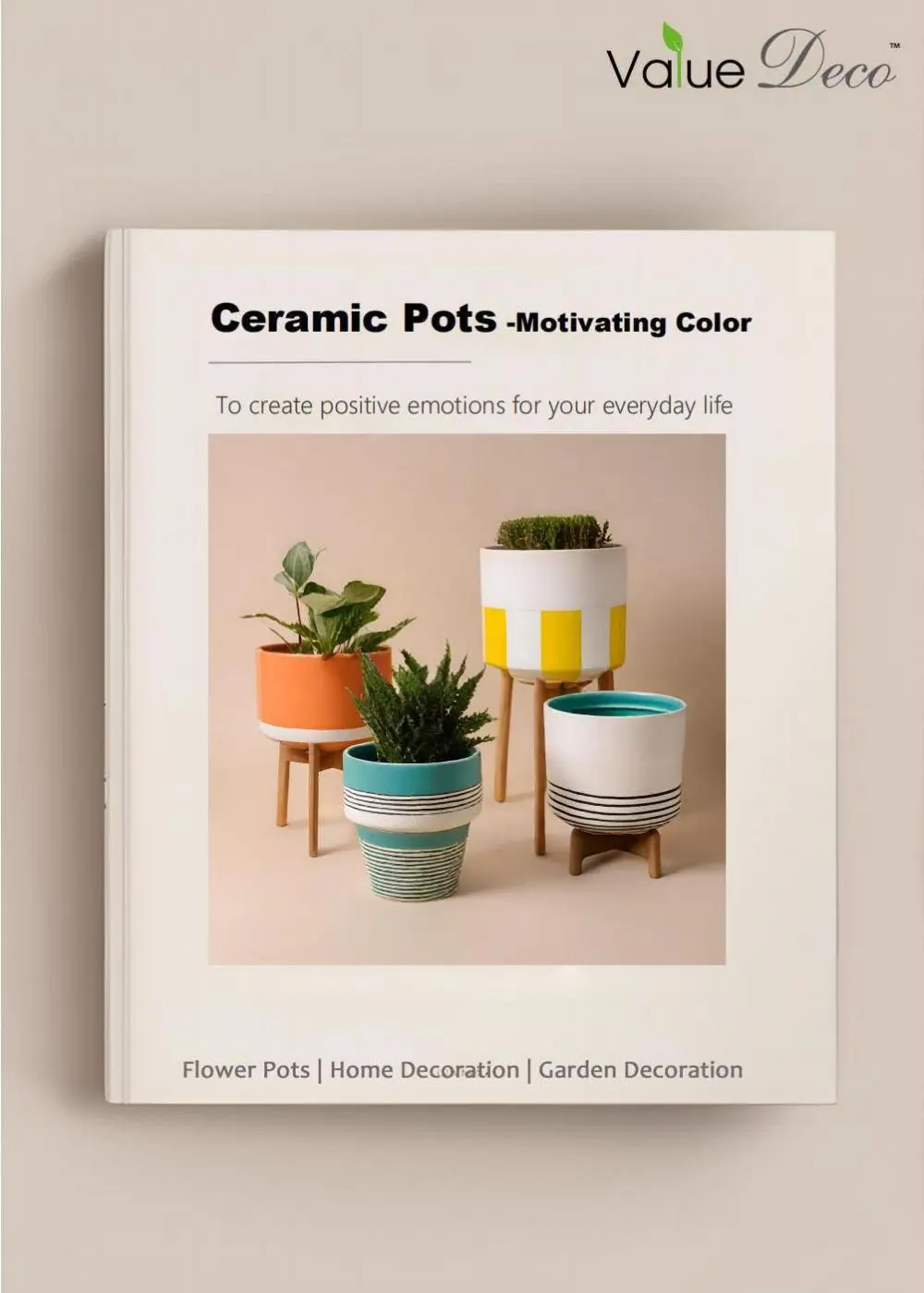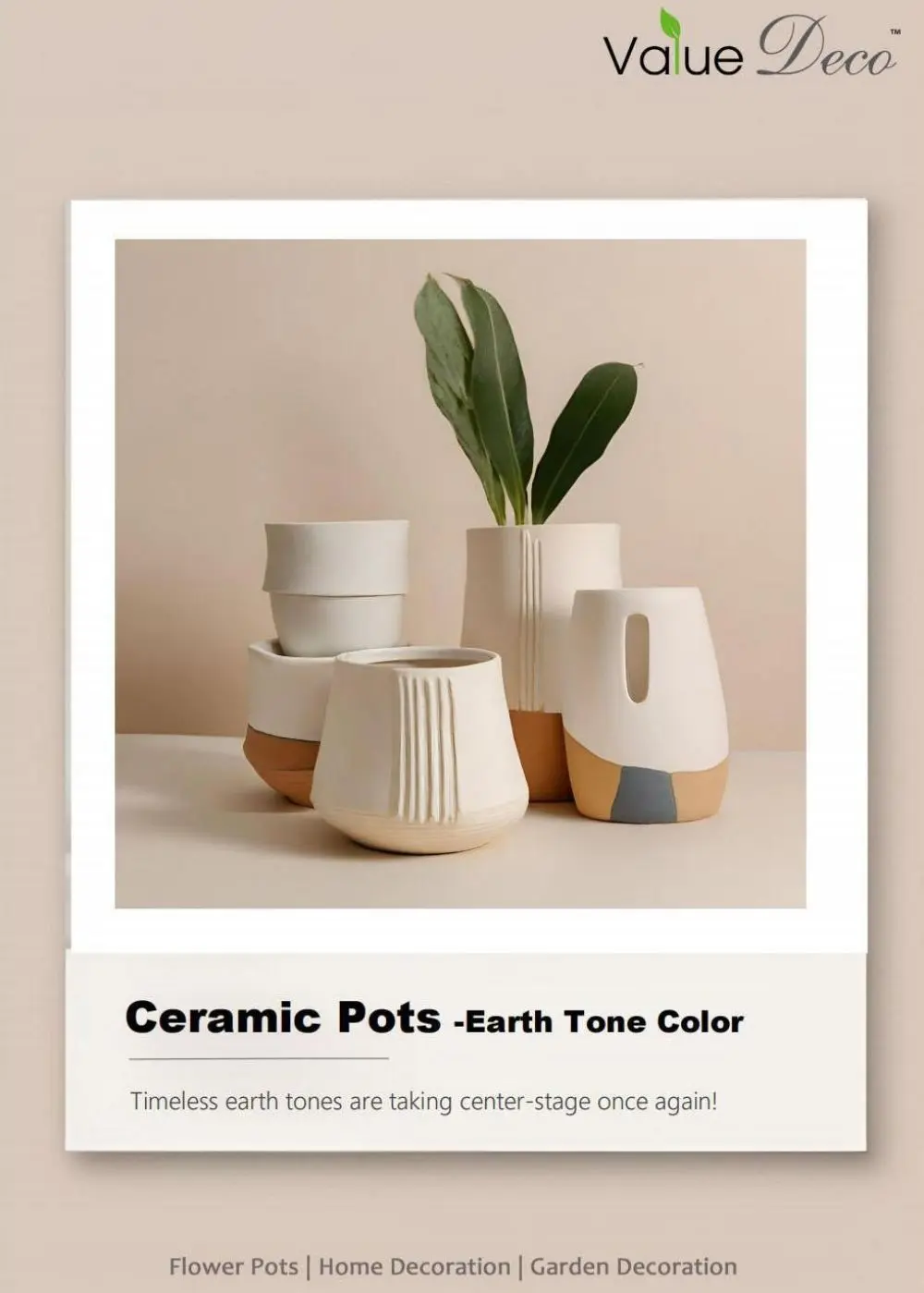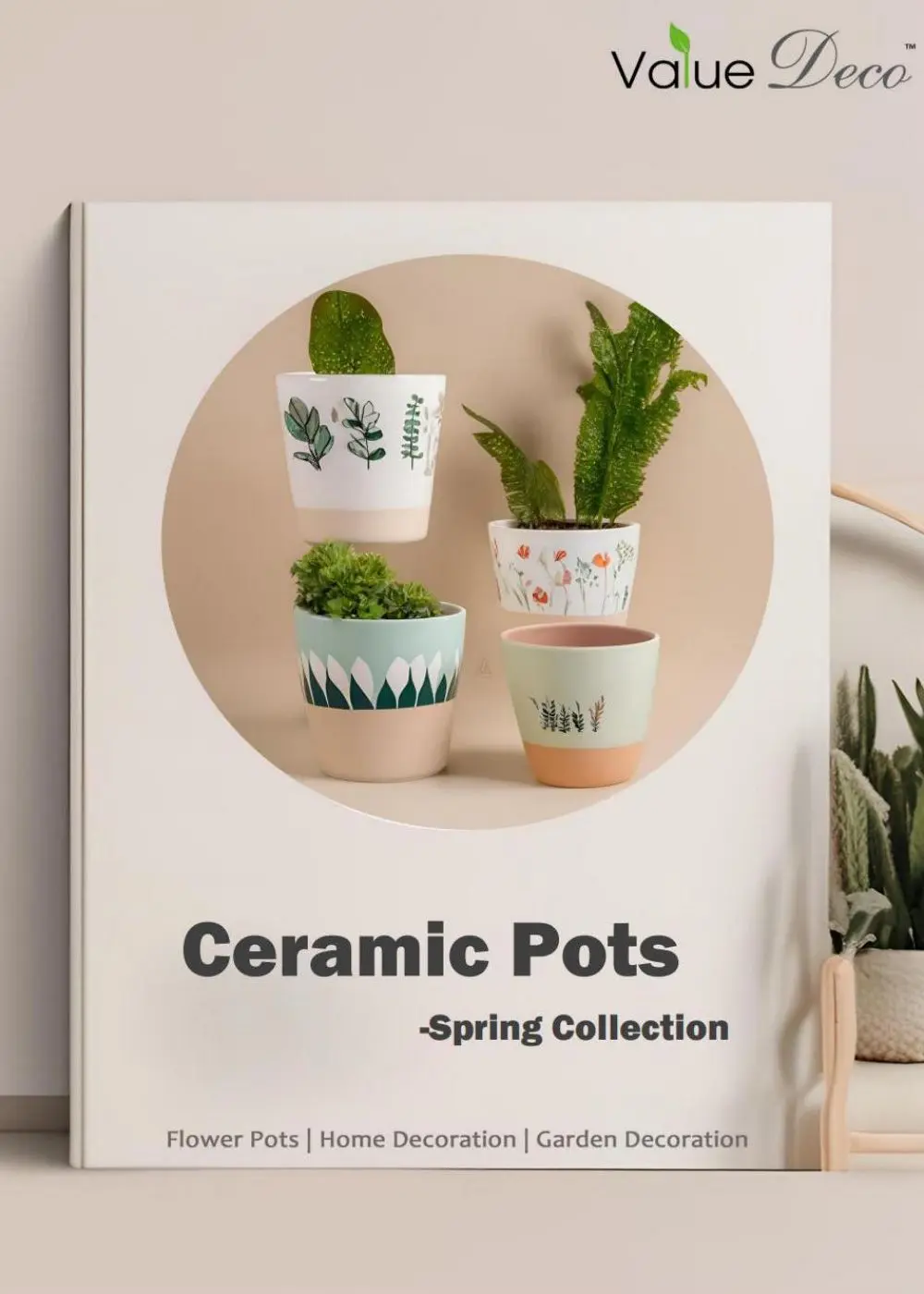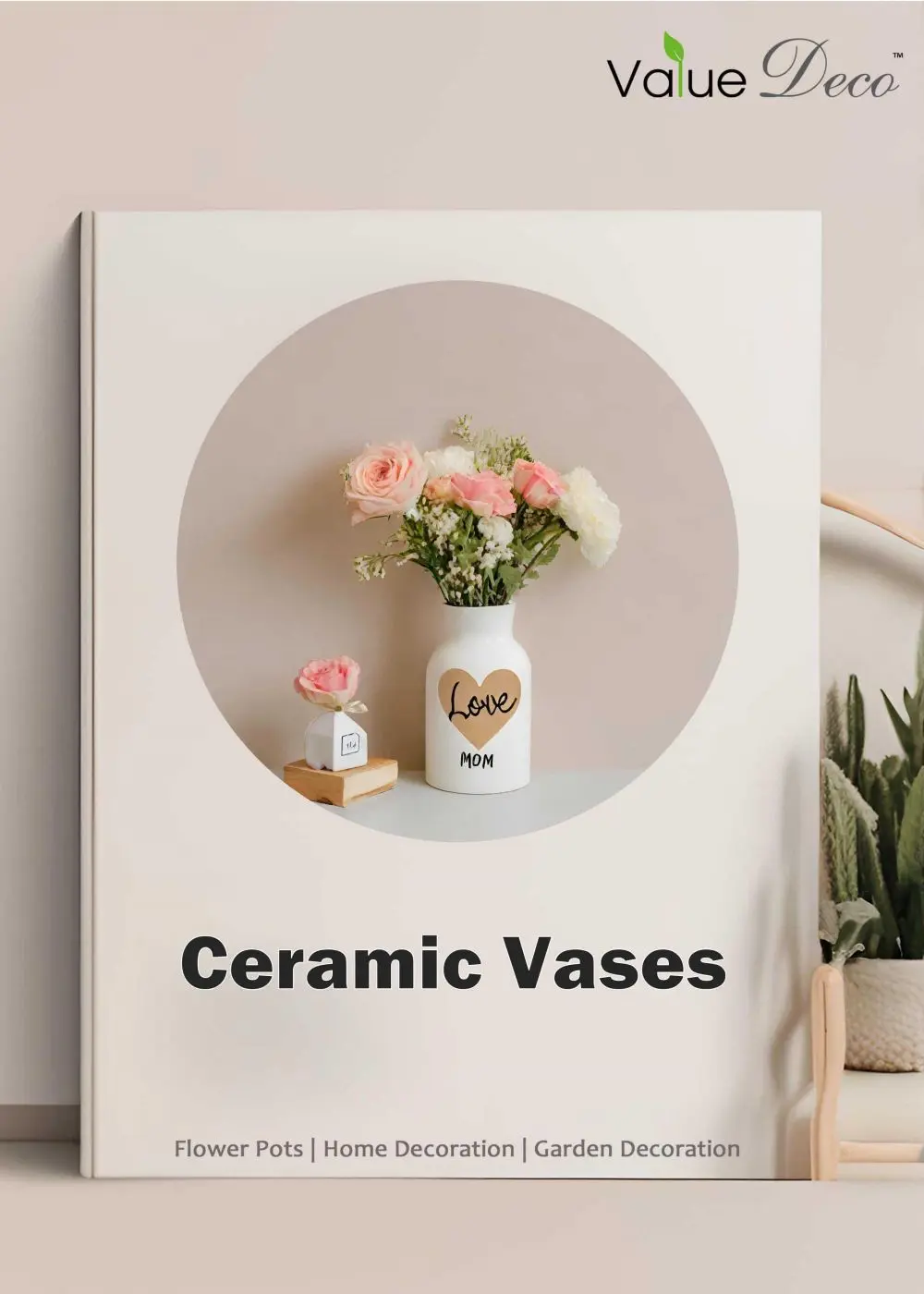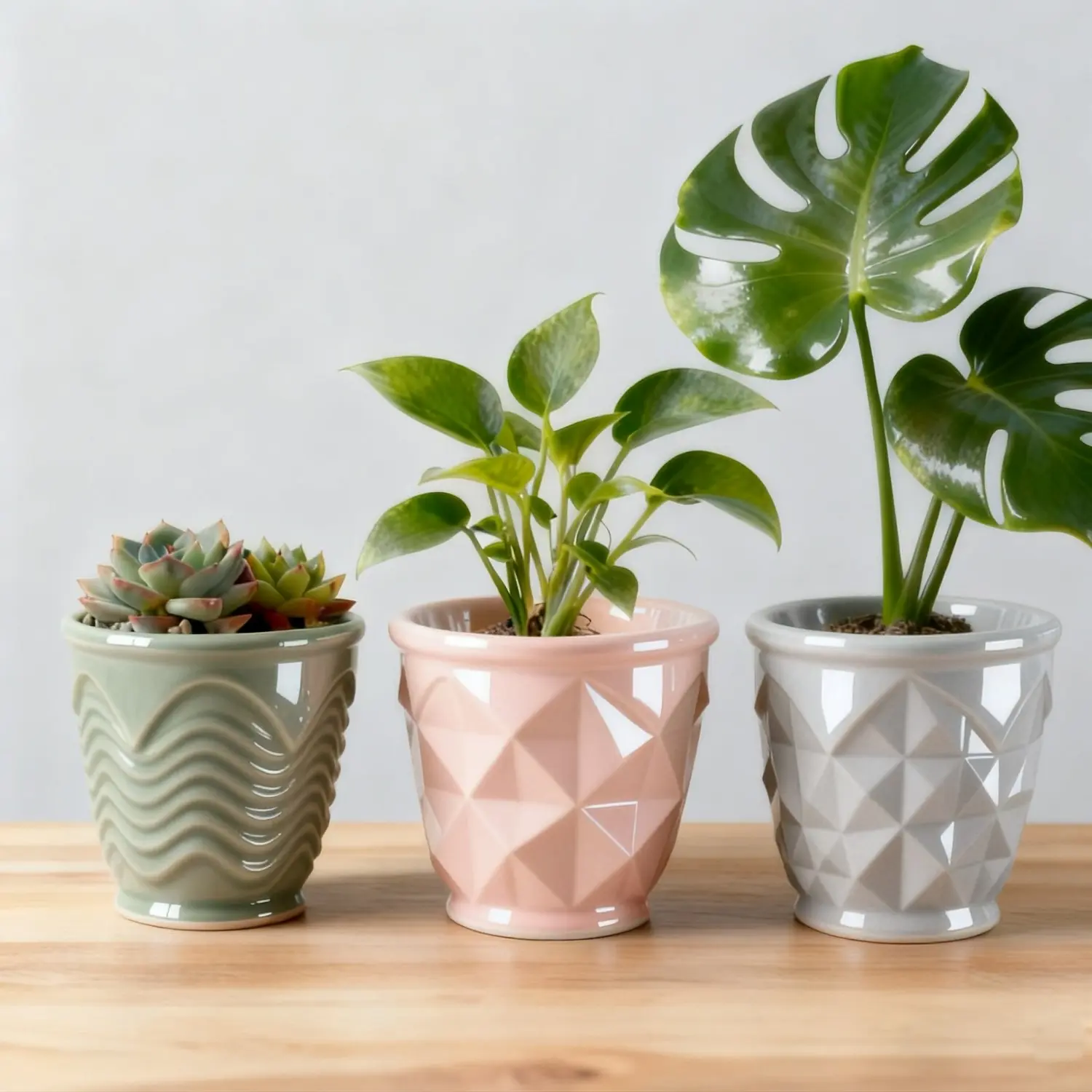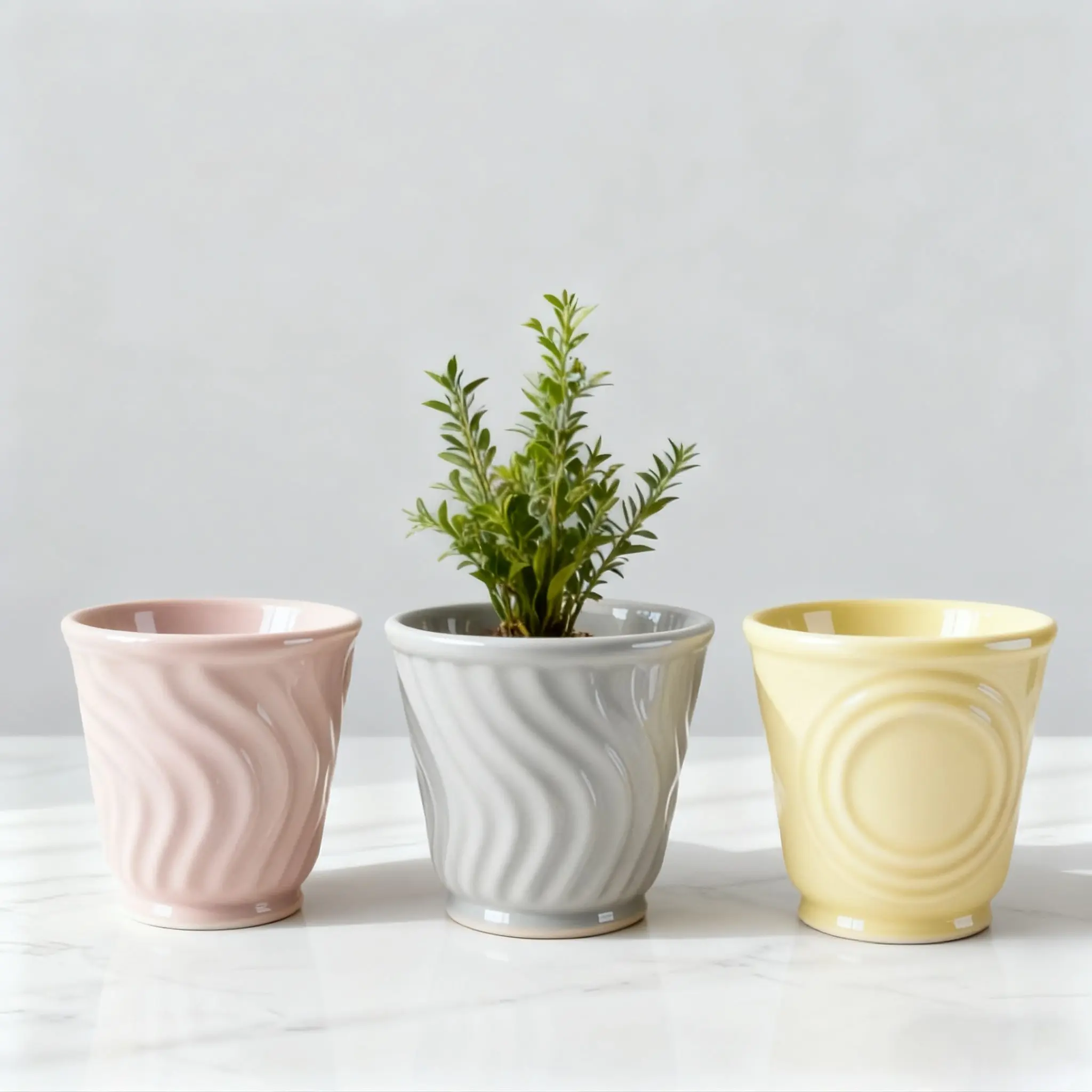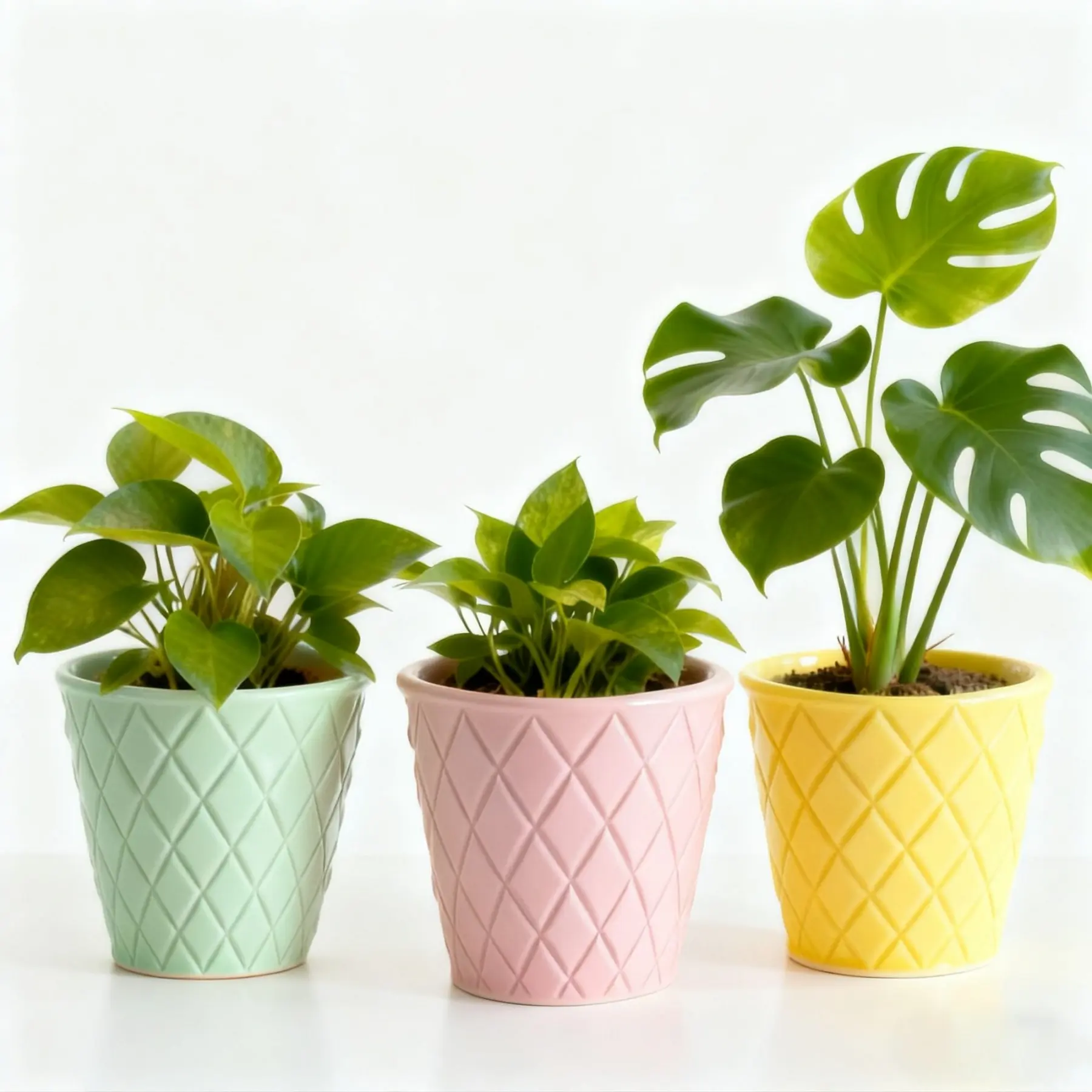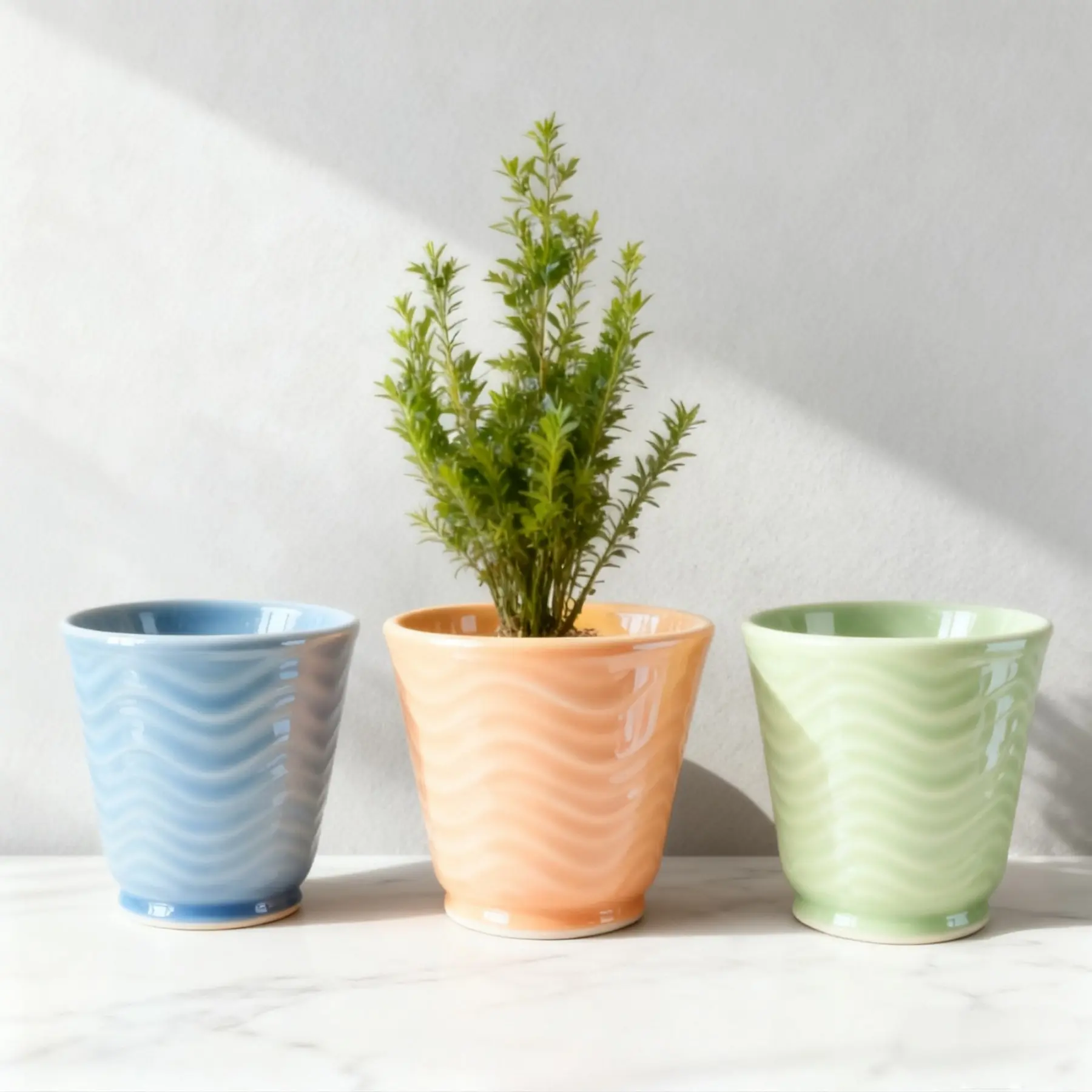
Curated wholesale selection featuring high-durability modern designs from our global factories
Analyzing supply side disruptions, cost optimization vectors, and the rising demand for sustainable horticulture containers.
The global horticulture and garden supply industry is undergoing a structural paradigm shift. As corporate sustainability mandates align with post-pandemic consumer preferences for biophilic urban environments, the commercial demand for wooden planter boxes has expanded exponentially. B2B buyers—ranging from multinational agricultural chains and commercial real estate developers to boutique home decor retailers—are facing a strategic sourcing dilemma. Sourcing cheap wood planters does not merely imply identifying the lowest ticket price; rather, it entails optimizing the Total Cost of Ownership (TCO) through strategic material engineering, streamlined maritime logistics, and high-efficiency factory partnerships.
Historically, timber-based planters were limited to localized artisan workshops due to high bulk shipping weights and vulnerability to rot and moisture damage. Today, automated, large-scale wood-treatment factories in China and Southeast Asia have revolutionized production. Modern wood processing lines utilize state-of-the-art thermal modification and eco-friendly chemical sealers to transform cost-effective, fast-growing softwoods (such as Chinese Fir, Pine, and Paulownia) into long-lasting, weatherproof vessels that rival expensive hardwoods like Cedar and Teak.
For professional B2B buyers, understanding the physiological properties of the timber utilized in large-scale planter manufacturing is vital. Planters operate in high-humidity, high-stress environments. Saturated soil places constant hydrostatic pressure on the container walls, while biological microbes actively attempt to break down the wood fibers. Selecting the wrong grade of "cheap" wood planters leads to early warping, split corners, rot, and high return rates. Below is an engineering overview of the primary wood categories deployed in modern factories.
| Wood Species | Density (kg/m³) | Rot Resistance Index | Cost Tier (FOB China) | Ideal Application Case |
|---|---|---|---|---|
| Chinese Fir (Cunninghamia lanceolata) | 380 - 450 | Medium-High (Natural Oils) | Ultra-Low (Best Economy) | Mass Retail, Flat-pack DIY Garden Beds |
| Scots Pine (Pinus sylvestris) | 500 - 550 | Low (Needs Pressure Treatment) | Low | Heavy-Duty Commercial Projects (Treated) |
| Acacia (Acacia mangium) | 650 - 750 | High (Dense Fibers) | Medium | Boutique Outdoor Furniture & High-end Planters |
| Paulownia Wood | 260 - 300 | Medium (Lightweight) | Low-Medium | Indoor Decorative Planters, Hanging Baskets |
While Fir and Pine represent the baseline for economic production, advanced processing techniques such as thermal modification (carbonization at 180°C to 220°C in an oxygen-deprived chamber) alter the cell structure of softwoods. This process eliminates hemicelluloses (the primary food source for rot-causing fungi), drastically reducing moisture absorption capabilities. Consequently, carbonized Chinese Fir mimics the dimensional stability of Cedar at a fraction of the cost, making it the premier choice for cheap, high-quality wood planter lines.
Industrial scale manufacturing of wood planters requires strict adherence to assembly tolerances. A factory's ability to offer bespoke OEM/ODM options dictates its long-term viability. When importing from wood planter factories, the integration of cross-material features is critical. For instance, combining rustic timber exteriors with removable, food-grade plastic liners or metal reinforcement brackets ensures structural longevity.
The manufacturing process at Value Deco Limited incorporates a rigorous multi-stage inspection framework:
By structuring production in this manner, bulk buyers receive products designed for low damage rates and high satisfaction scores, cementing the seller’s brand equity.
Explore our core decoration categories and dedicated seasonal collections
Navigating timber imports requires absolute clarity on local environmental laws. Sourcing cheap wood planters from unrecognized factories can lead to immediate customs seizures. In the United States, the Lacey Act prohibits the trade of illegally harvested plants and timber products. Similarly, European importers must comply with the European Union Timber Regulation (EUTR). Every single batch of wood manufactured by Value Deco Limited and its production hubs is fully traceable, using FSC-certified raw materials to verify that harvesting practices conform to local reforestation and ecological maintenance requirements.
Additionally, the physical volume occupied by assembled wood planters presents a logistics headache. Flat-pack design is the modern standard to optimize container utilization. A 40-foot High Cube (HC) container can hold up to three times more flat-packed wood planters than pre-assembled ones. Our packaging engineering team uses heavy-duty, double-walled corrugated cardboard with custom internal corner protectors, ensuring that products arrive without scratching or cracking during long ocean transit.
Value Deco Limited is a leading supplier of high-quality ceramic pots based in China. With over 12 years of experience in the decoration industry, we have built a strong reputation for offering a diverse range of Flower Pots, Flower Vases, Candle Holders, Home Decoration, Garden Decoration, and Dinnerware, suitable for various seasons and applications. Our products are designed to meet trending designs, ensuring that they not only serve a functional purpose but also enhance the aesthetic appeal of any space.
Value Deco-Flower Pots Division:
Sub-Website for Flower Pots: www.valuedeco.com
Pride Deco-Home & Garden Décor Division:
Sub-Website for Home Decor, Candle holder, Dinnerware, Garden Decor: www.pridedeco.com
The garden hardware market is evolving past simple rustic boxes. As commercial projects deploy landscape elements that double as urban green spaces, intelligent design must merge with cost control. The technical trajectory of the wood planter industry relies on three fundamental movements:
1. Sub-irrigation & Self-Watering Channels: Planters with integrated double-bottom structural inserts reduce water consumption by 50% and prolong plant root health in urban environments. Sourcing cheap wood planters that accommodate standardized commercial liners simplifies property management operations.
2. Hybrid Wood-Metal Materials: Pure wood planters are susceptible to ground-contact rot. The future standard belongs to elevated powder-coated steel or aluminum frame profiles holding replaceable, carbonized wood panels. This extends service life from 3 to 10+ years.
3. Recycled Organic Composites: As green building certifications like LEED rise, the utilization of reclaimed construction timber or agricultural byproduct wood fibers combined with bio-resins is transforming standard low-cost production channels.
Showcasing our newest production runs with advanced textured surfaces
Based on user intent query data from global sourcing managers, here are critical answers to direct purchasing challenges in the wood and hybrid planter vertical.
Premium vessels, planters, and decorative highlights direct from our manufacturing lines