Verified factory-direct products optimized for low-cost, high-margin international importing.

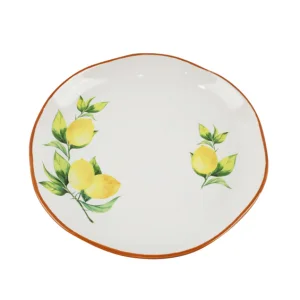

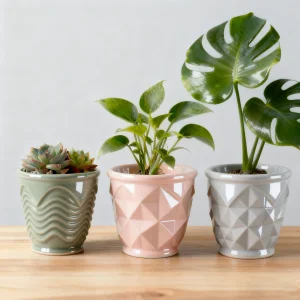
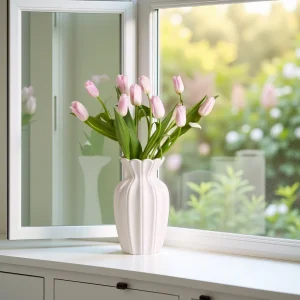
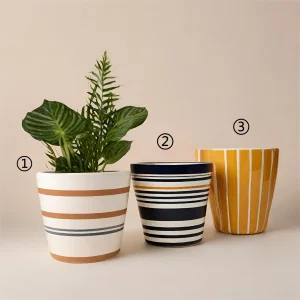
In the globalized consumer goods landscape, the sourcing of seasonal merchandise is heavily reliant on structured economies of scale. Crucial to this matrix is the search query for a cheap Valentine decorations factory or factories, which represents a deeper purchasing intent: the procurement of high-aesthetic, high-volume seasonal inventory at optimized unit economics. This industrial analysis breaks down the commercial dynamics of Valentine's Day decor manufacturing, outlining how major suppliers like Value Deco Limited combine cost-effective production methods with international supply chain compliance.
The production of Valentine’s Day decorations is a highly synchronized manufacturing operation that starts six to nine months prior to retail distribution. The term "cheap" in B2B supply chains does not imply inferior construction; rather, it refers to the minimization of cost-of-goods-sold (COGS) through high raw material utilization, automated kiln firing processes, and concentrated cluster manufacturing.
Chinese manufacturing hubs, particularly in coastal provinces like Fujian (Dehua) and Guangdong (Chaozhou), form the backbone of this industry. These regions benefit from geological abundance of kaolin clay and centralized natural gas networks, which lower the energy costs associated with high-temperature firing. By establishing factories close to packaging and seaport terminals, manufacturers can offer competitive Free on Board (FOB) terms, making these facilities the primary target for global importers.
Information Gain Insight: The true margin of a "cheap" factory lies in its tooling and mold asset depreciation. Leading factories amortize design molds over production runs of 50,000+ units, lowering the individual unit price.
The modern consumer expects sustainable product lines even for seasonal items. Consequently, leading factories are replacing toxic, plastic-heavy items with biodegradable and recyclable alternatives. Ceramics, natural terracotta, and responsibly sourced wood are leading the raw material transition.
To maintain competitiveness, factories must comply with evolving ecological standards. This includes transitioning to heavy metal-free glazes (lead and cadmium-free formulations compliant with California Proposition 65 and EU REACH regulations) and switching to natural gas or electric-powered tunnel kilns. This integration of eco-responsibility within low-cost frameworks ensures that B2B buyers avoid customs delays and consumer backlash.
The regional demand profiles for Valentine's Day inventory show significant differentiation, requiring factories to offer targeted OEM/ODM variations:
To offset rising labor costs, forward-thinking factories are adopting smart manufacturing techniques:
1. Generative AI & 3D Prototyping: Utilizing digital CAD simulation to test stress points before physical slip casting, accelerating the sampling cycle from 21 days to just 72 hours.
2. Automated Spray Glazing: Robotic arms apply precise glazes to ensure uniform thickness and consistent coloring, virtually eliminating glazing defects that cause structural failure during second firing phases.
3. IoT-Monitored Tunnel Kilns: Cloud-connected sensors monitor kiln temperatures across zones, ensuring uniform heat distribution and reducing fuel waste.
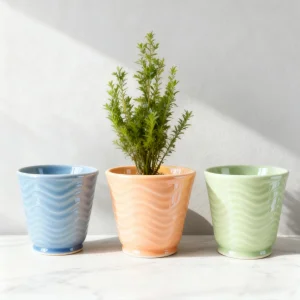
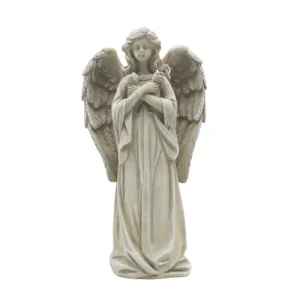
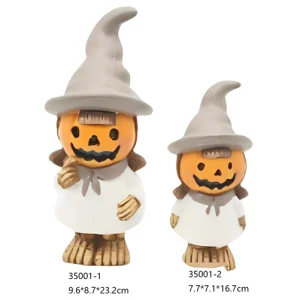
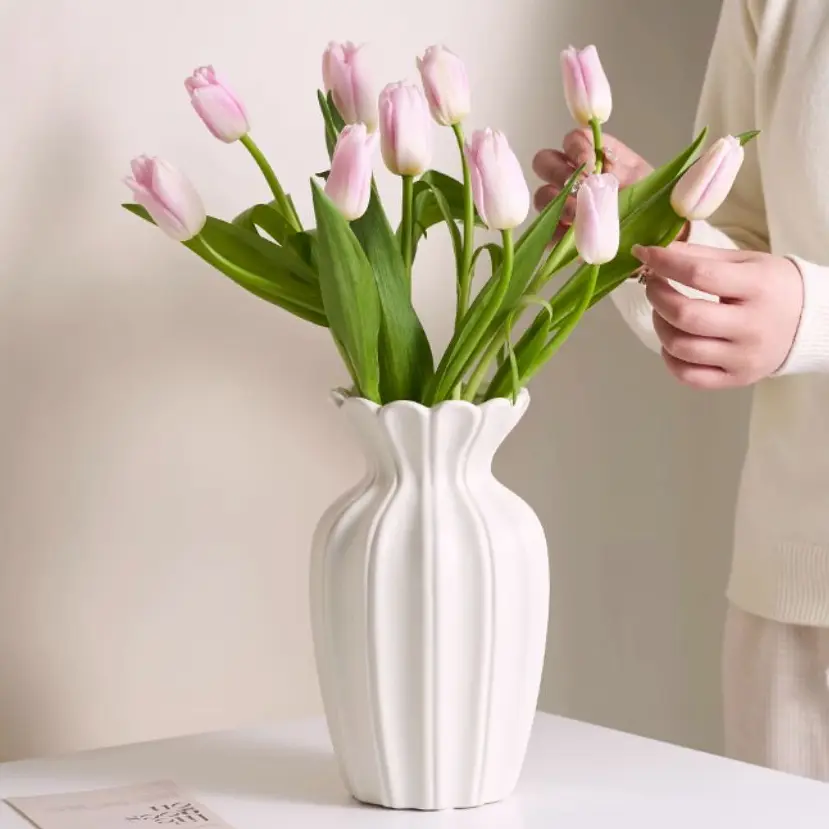
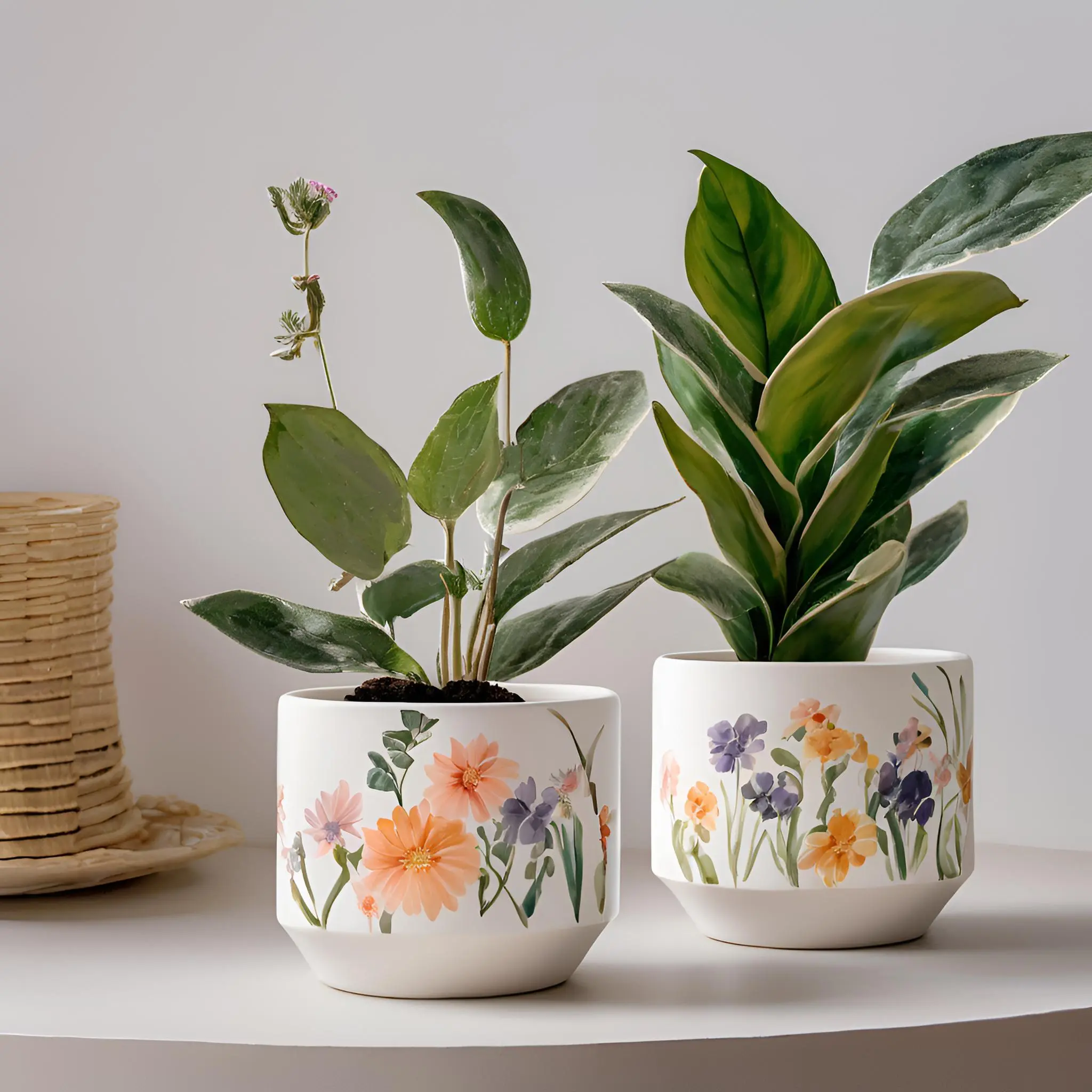
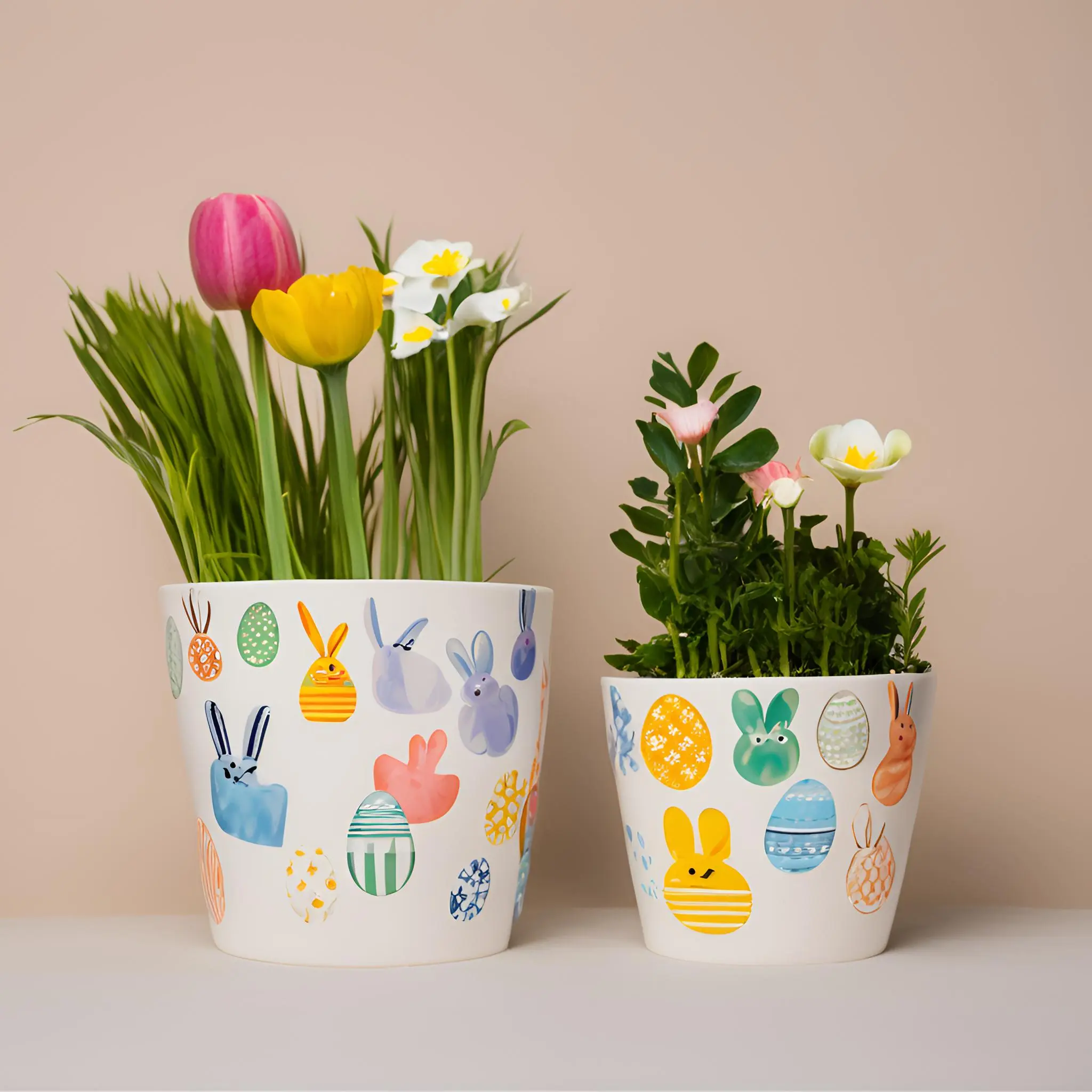
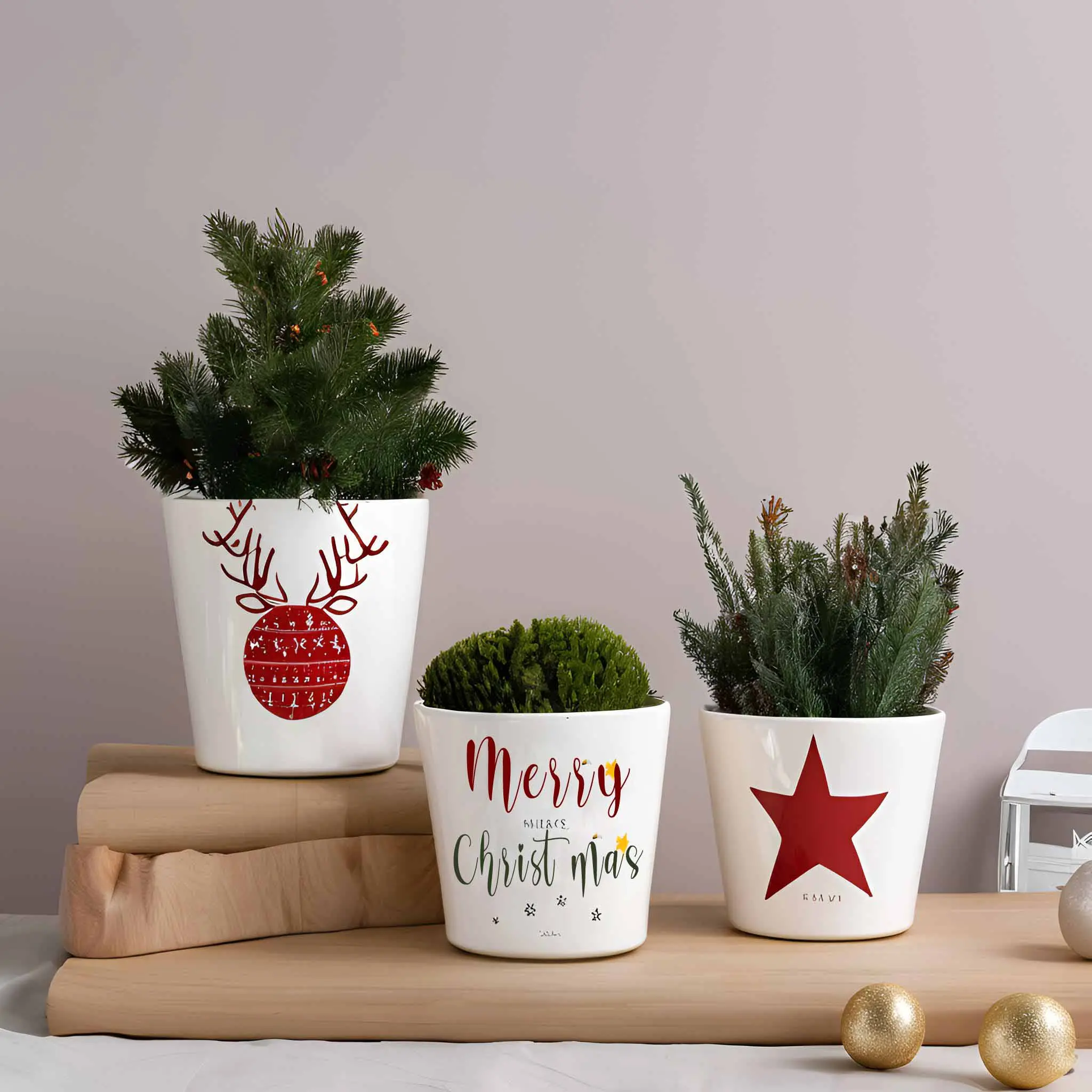
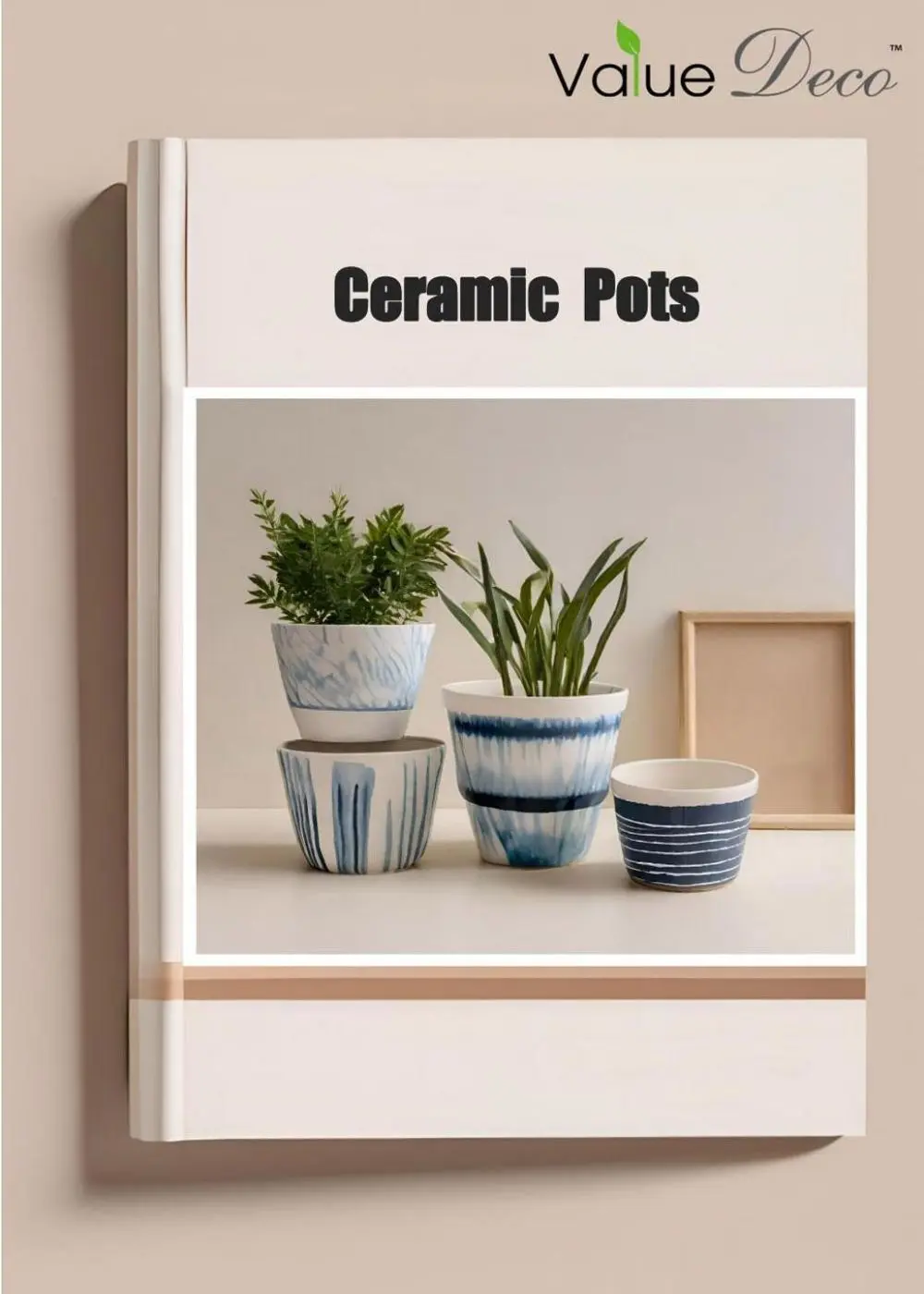
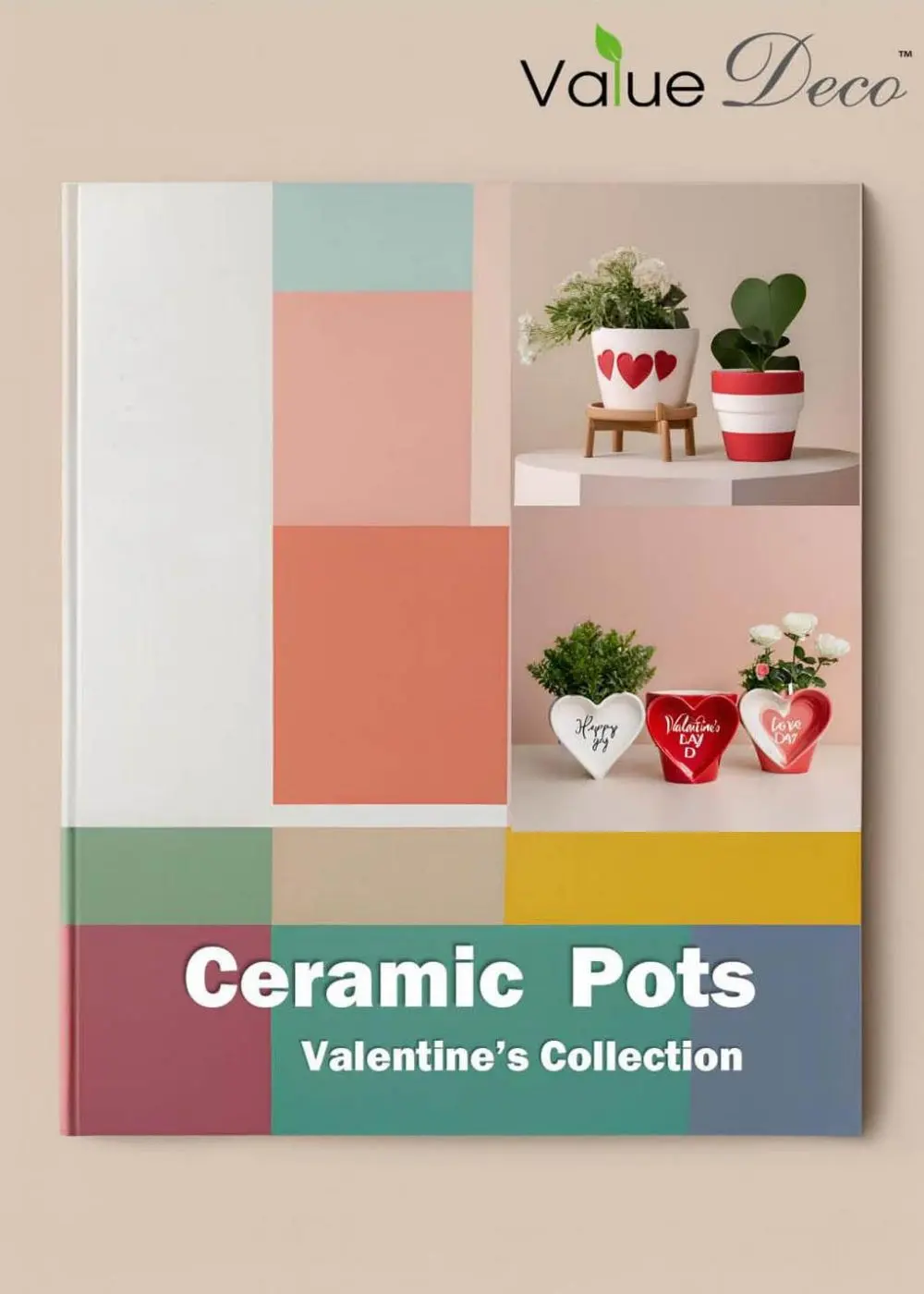
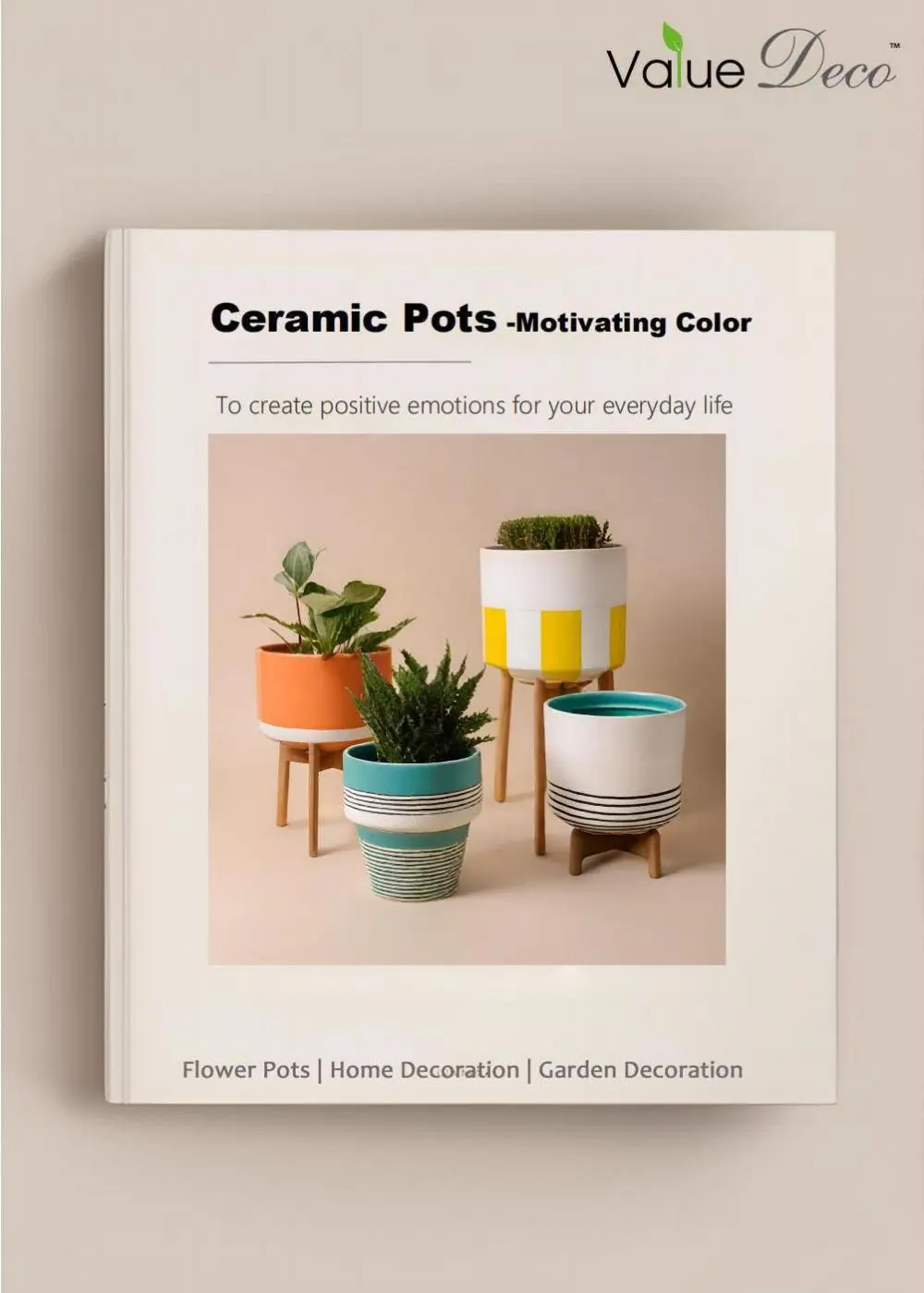
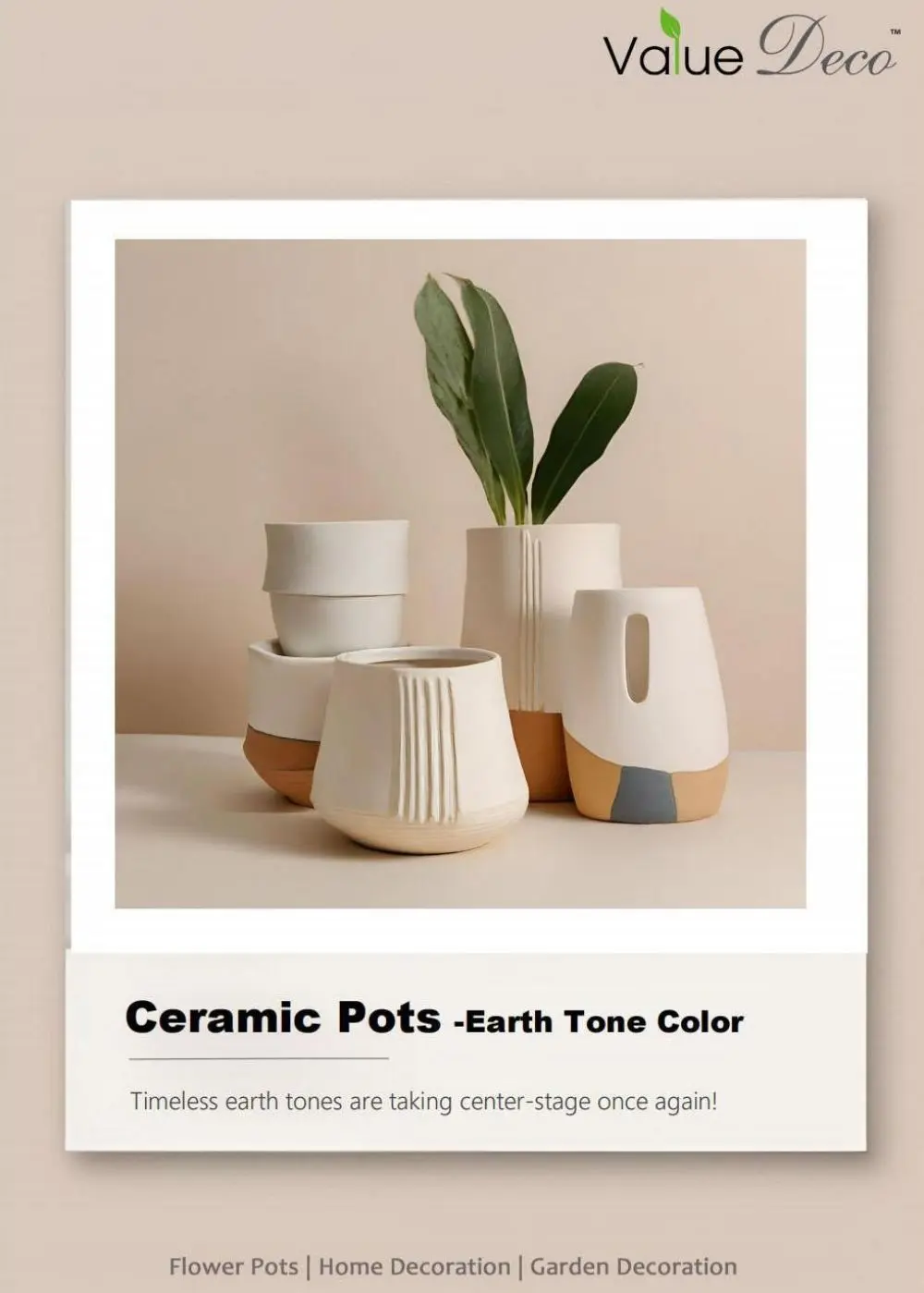
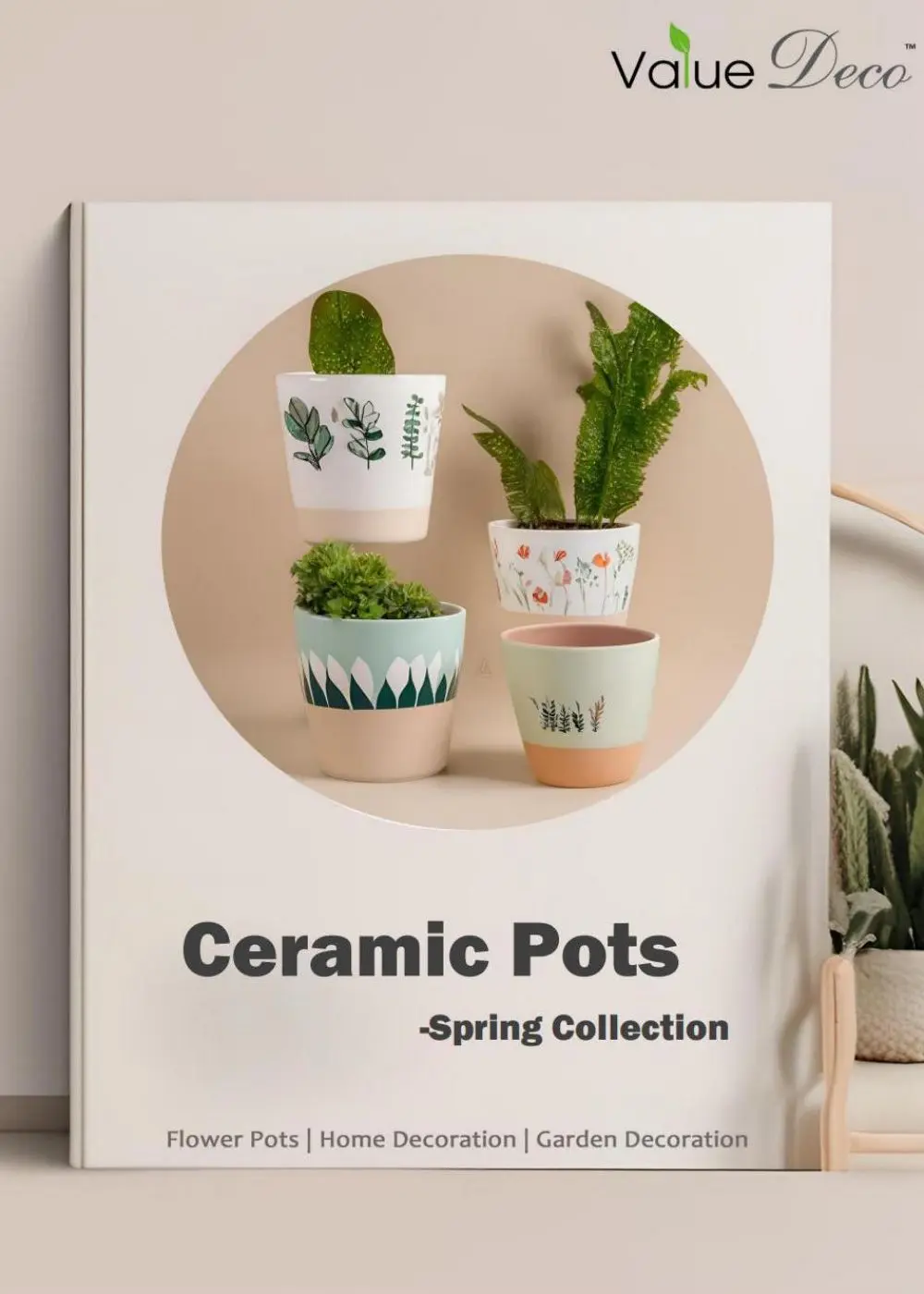
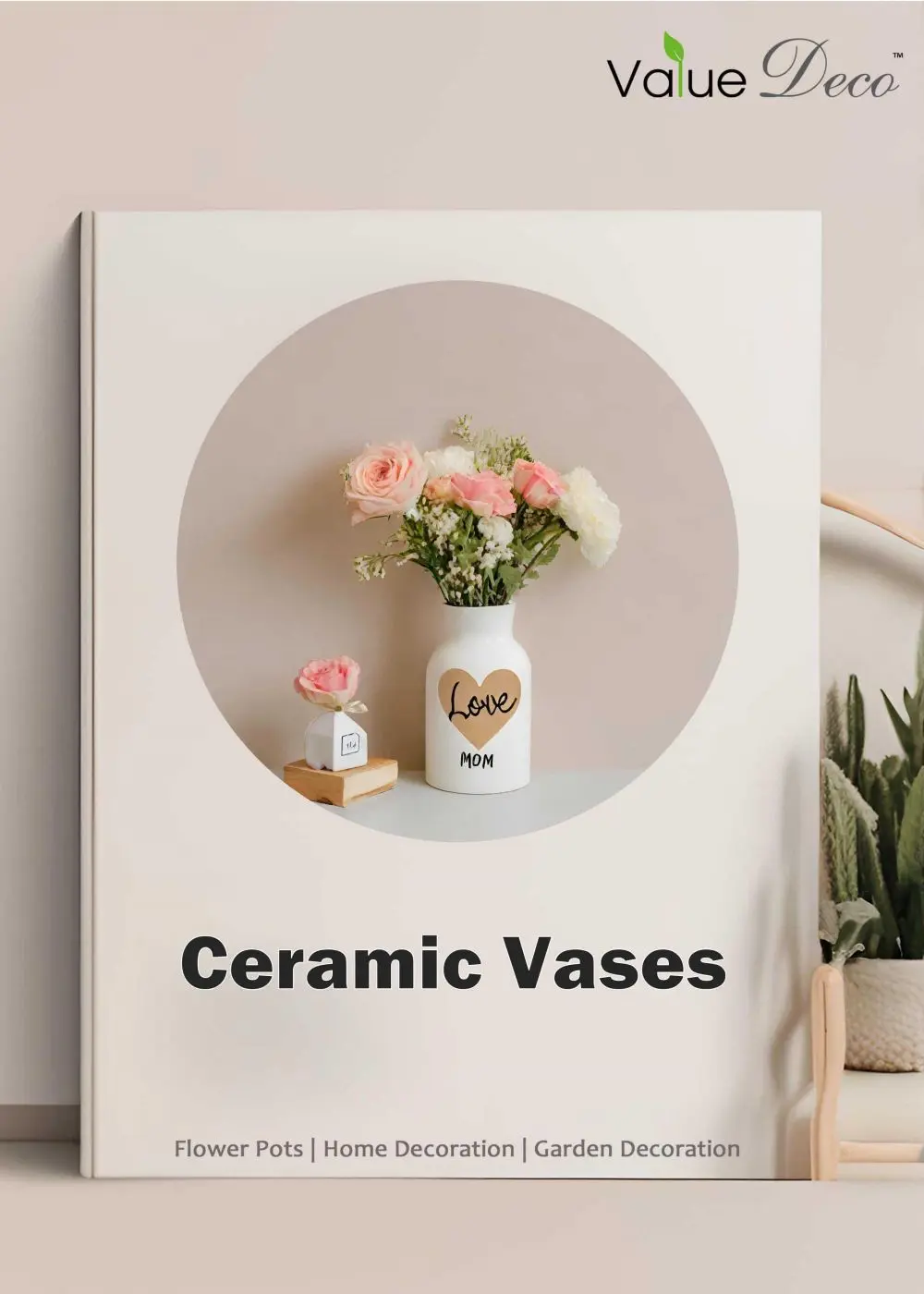
Explore our core production capabilities across specialized divisions:
Managing seasonal spikes requires robust shipping and logistics management. Importers searching for cheap Valentine decorations factories must consider lead times, volumetric weight configurations, and shipping cost calculations.
Value Deco Limited operates specialized divisions to optimize freight efficiency. Our Flower Pots Division (www.valuedeco.com) and Home & Garden Decor Division (www.pridedeco.com) allow importers to consolidate diverse decor, pottery, and dinnerware shipments into single container loads, reducing shipping costs and simplified customs clearances.
Plan your procurement schedule around global seasonal retail waves:
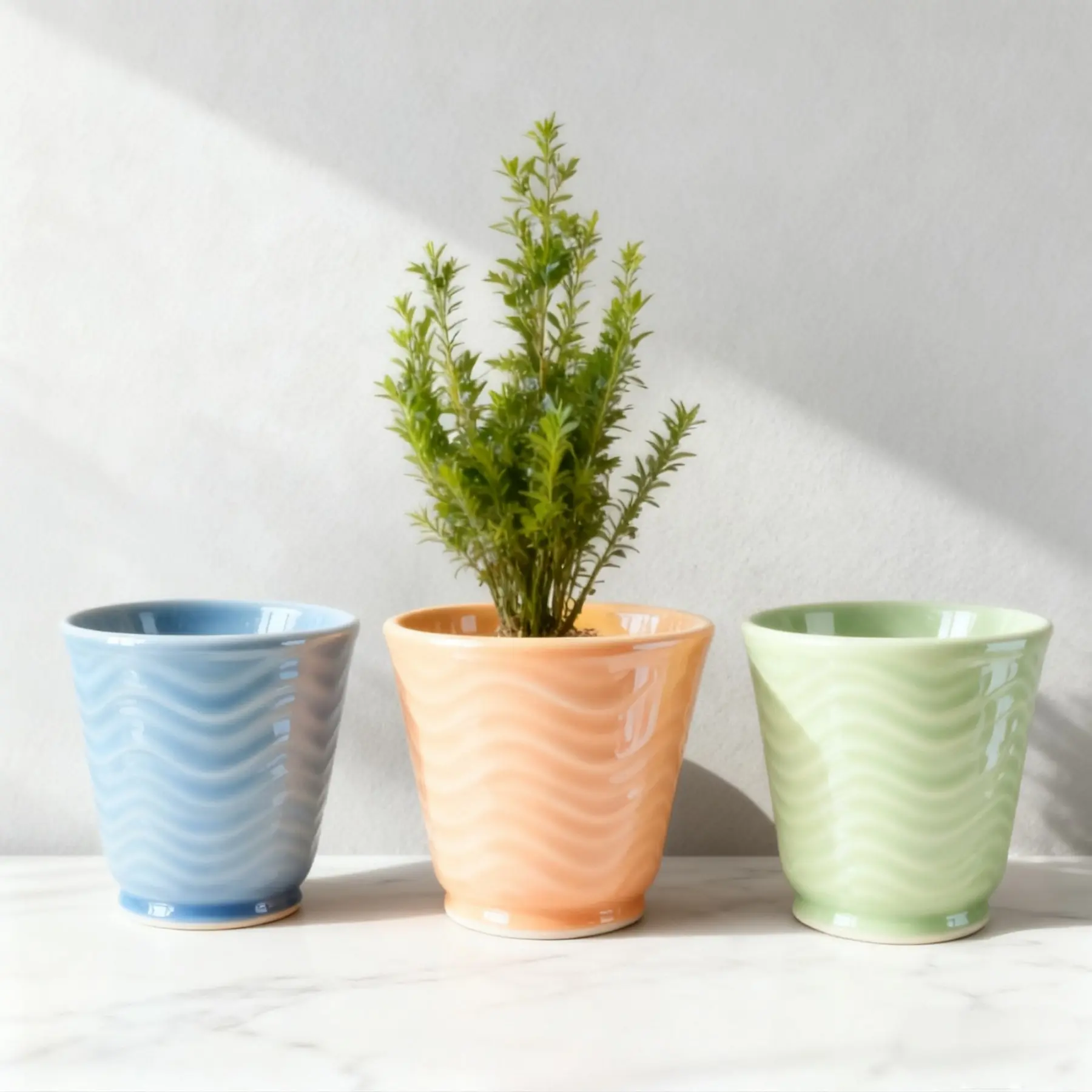
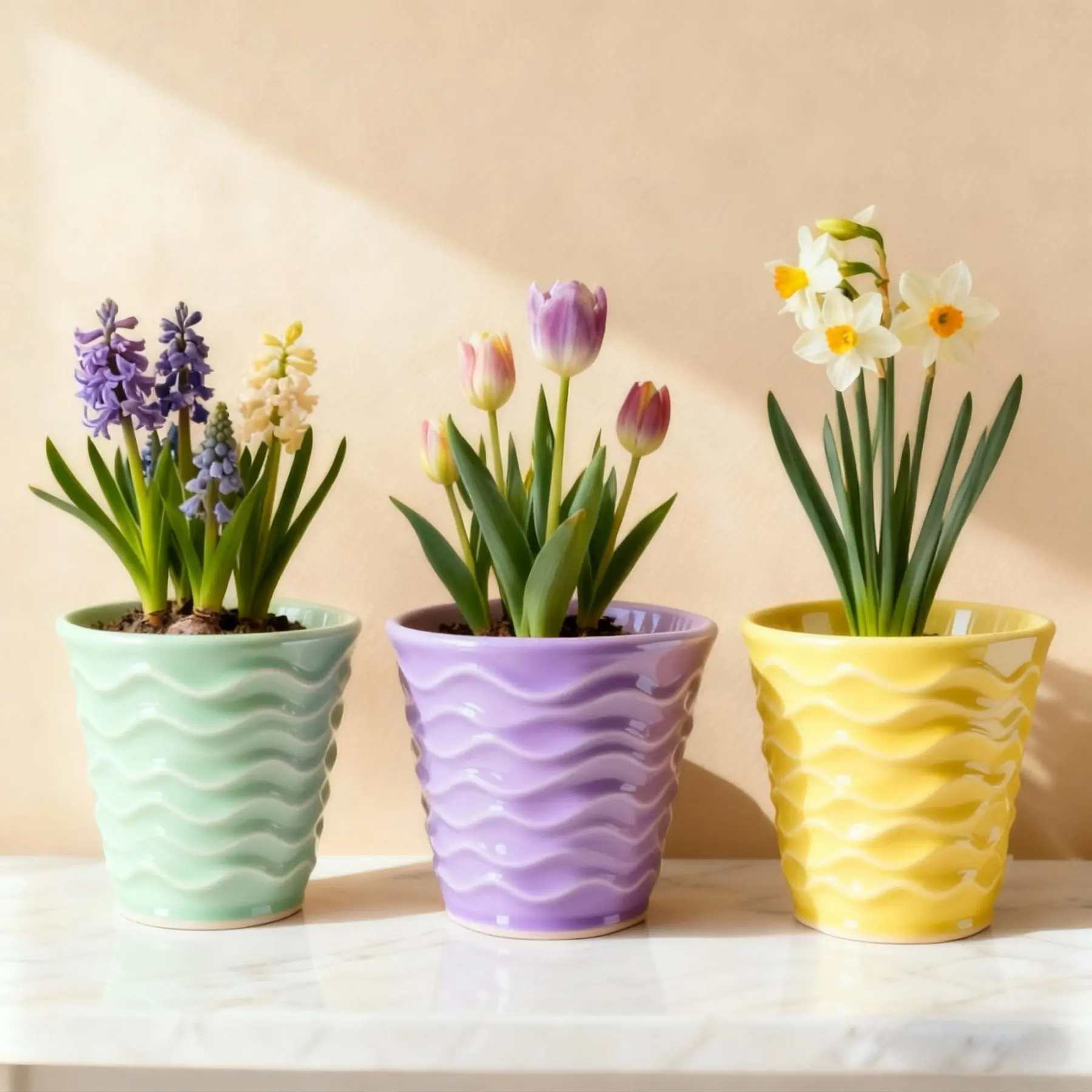
Expand your sourcing catalog with our highly requested seasonal designs and versatile home goods.