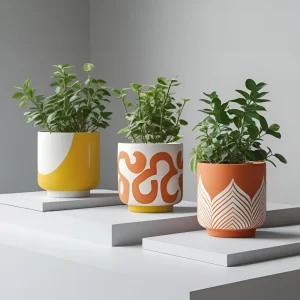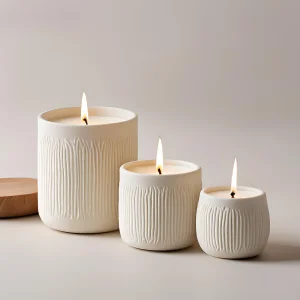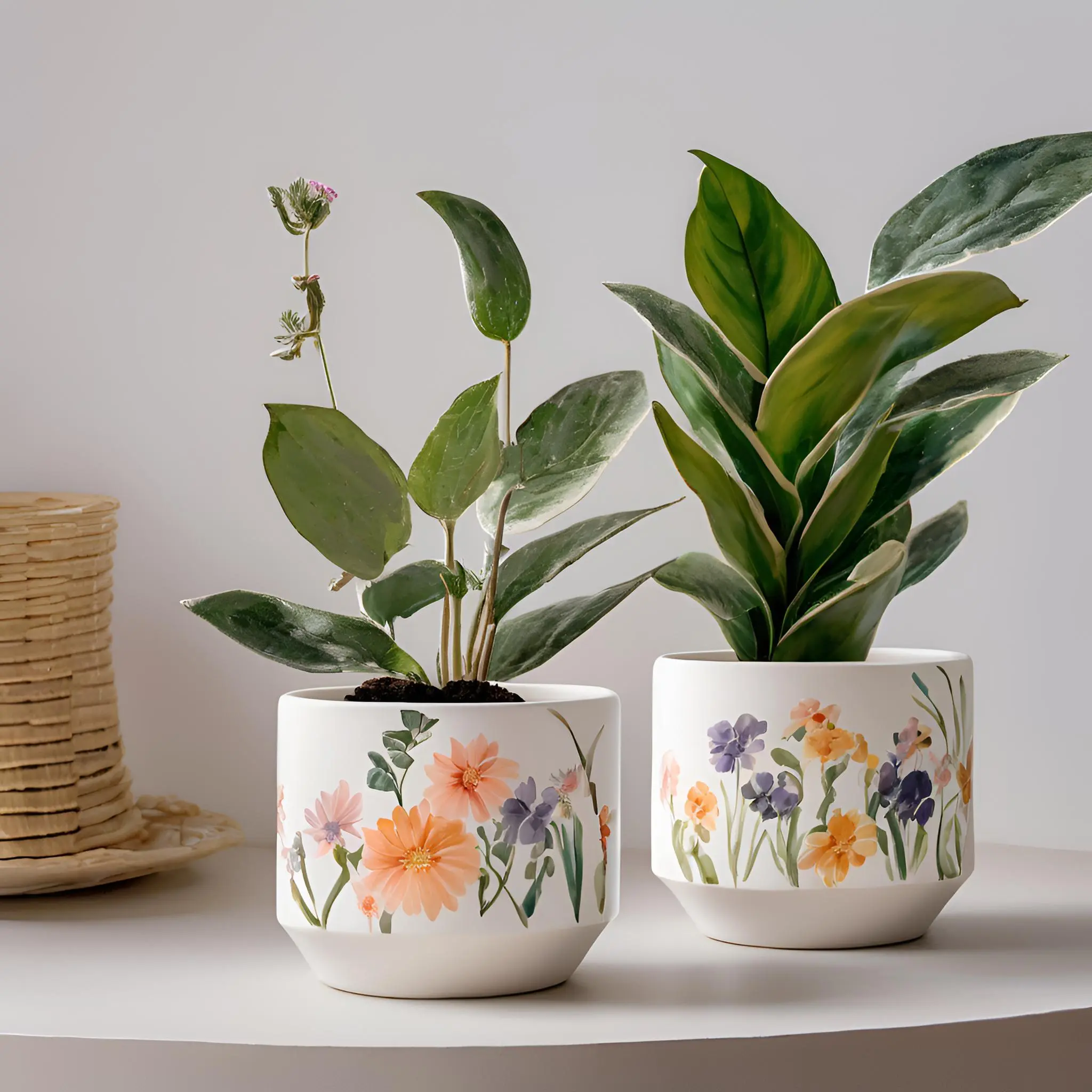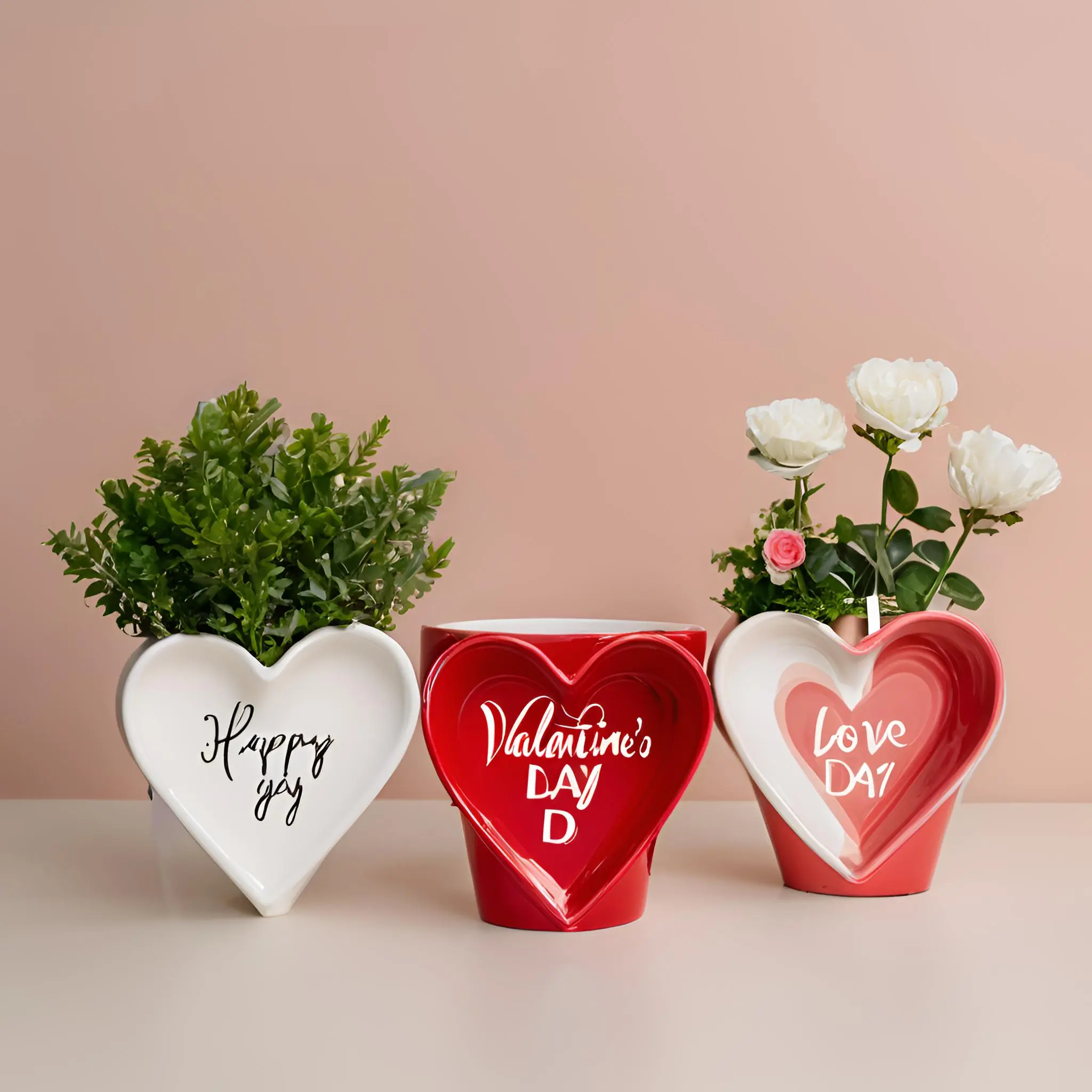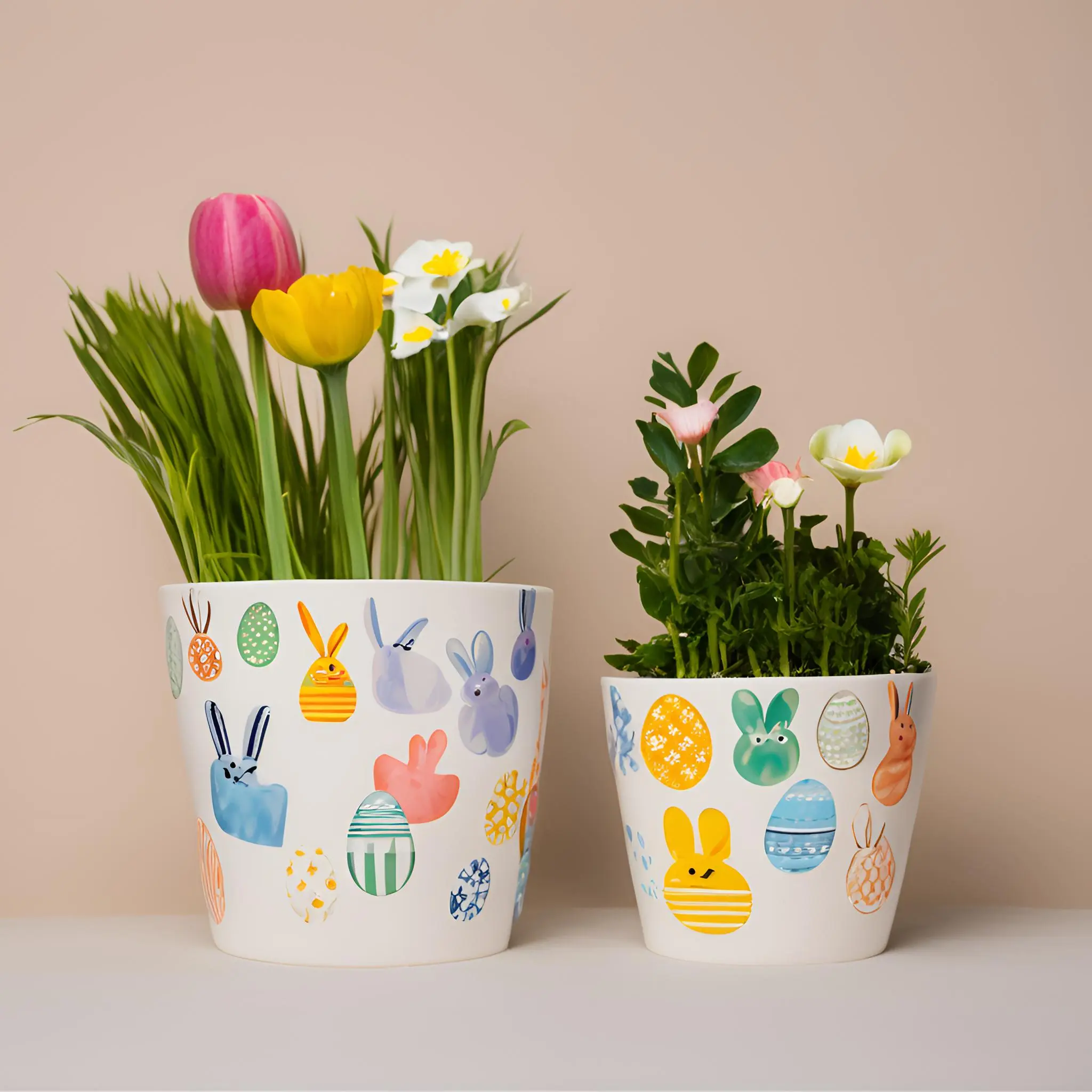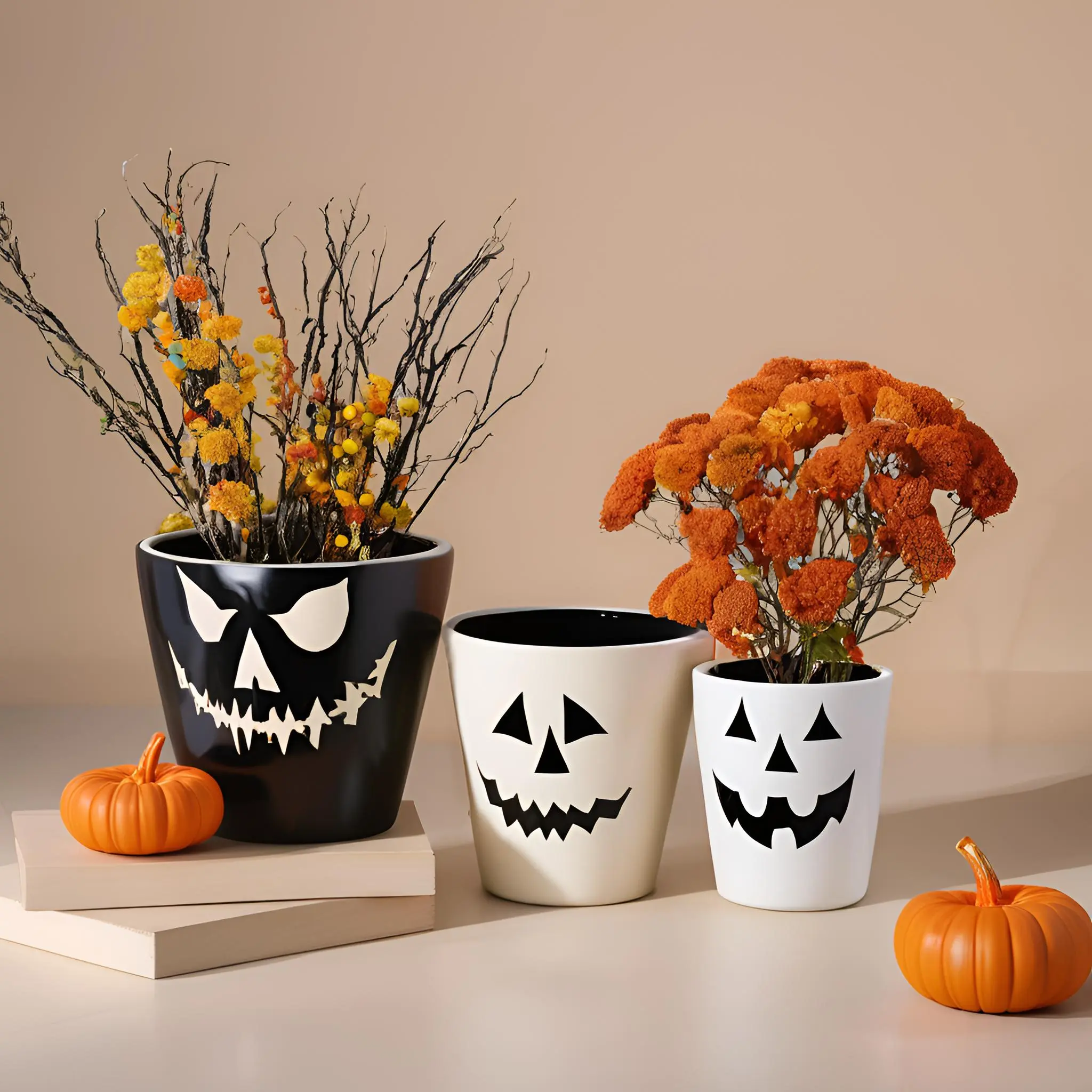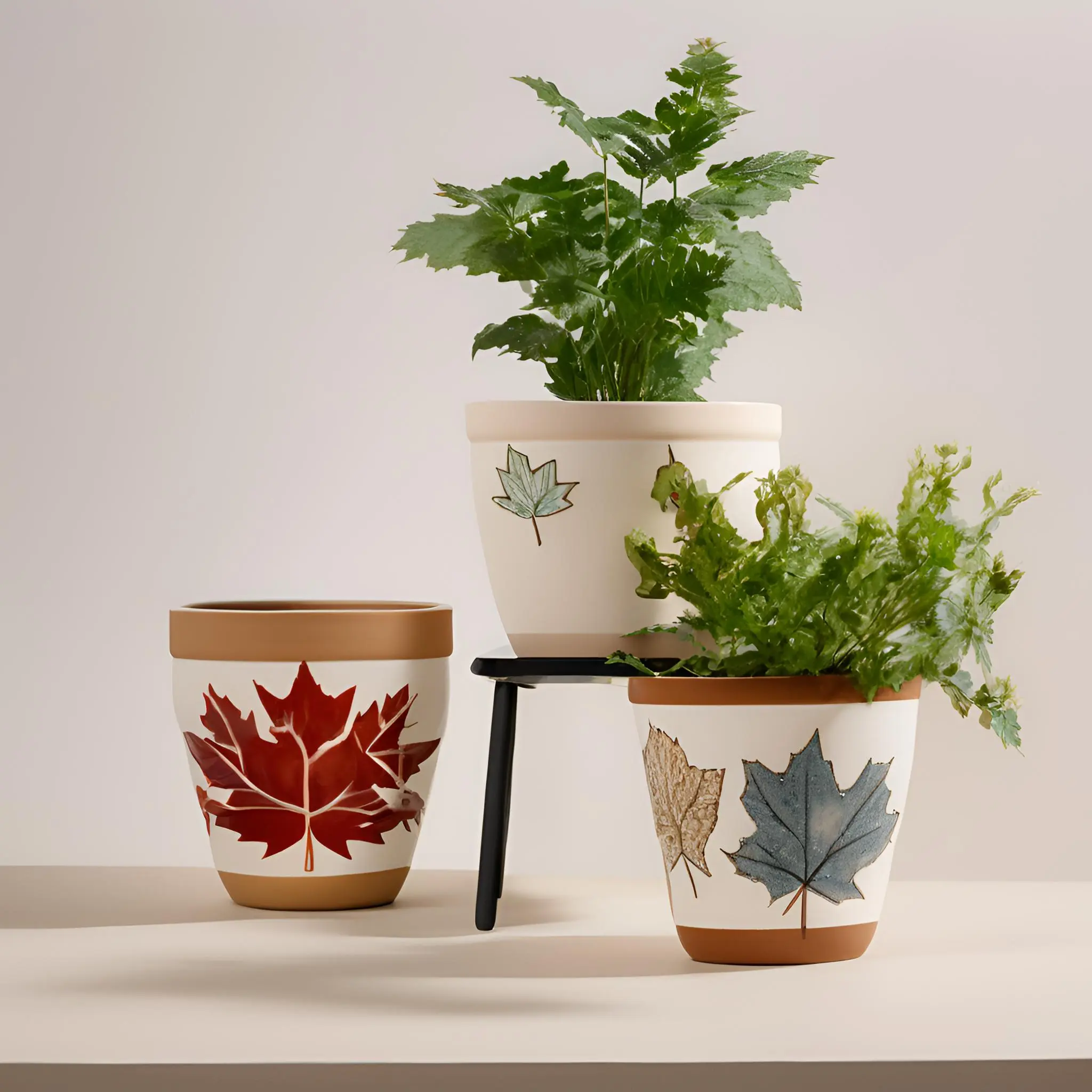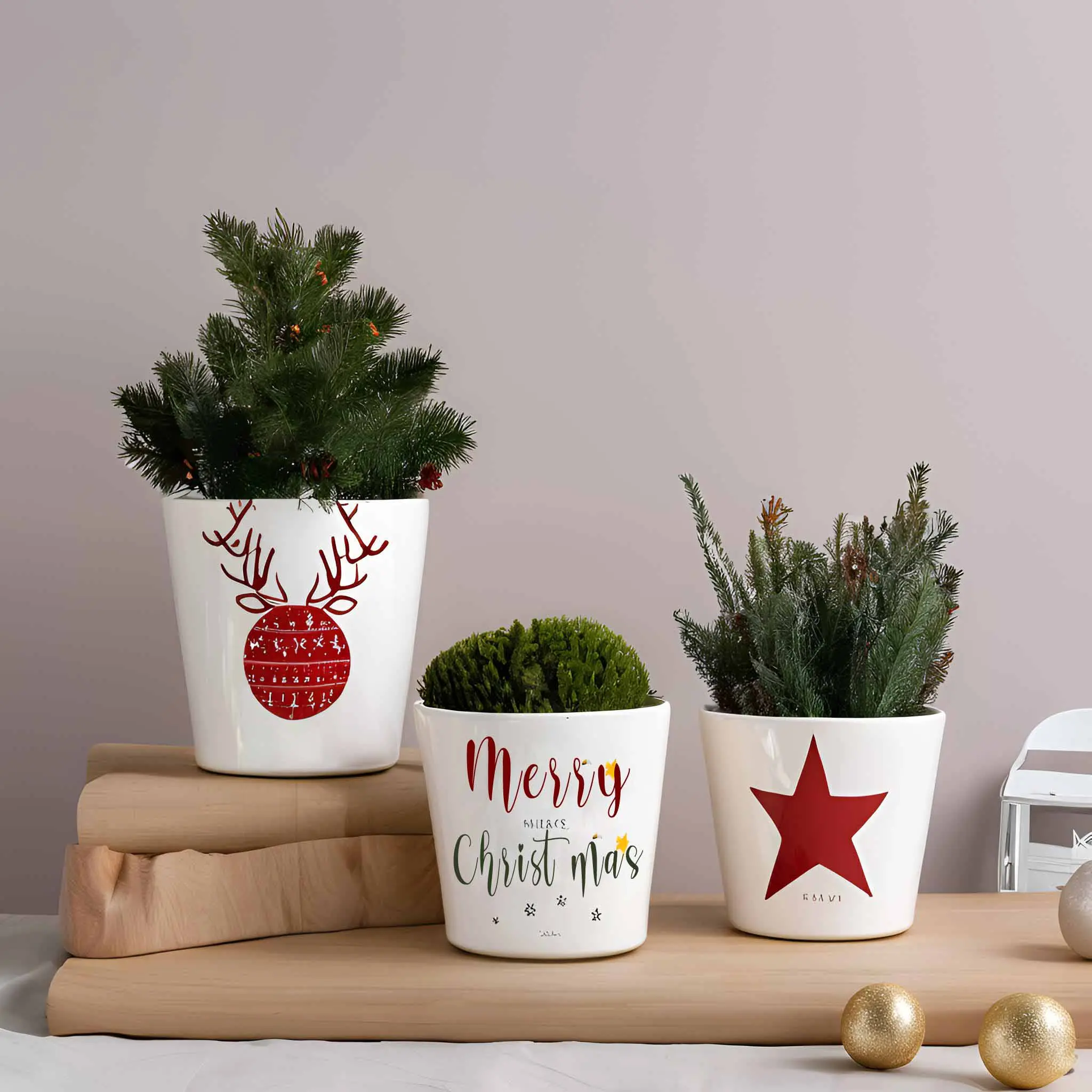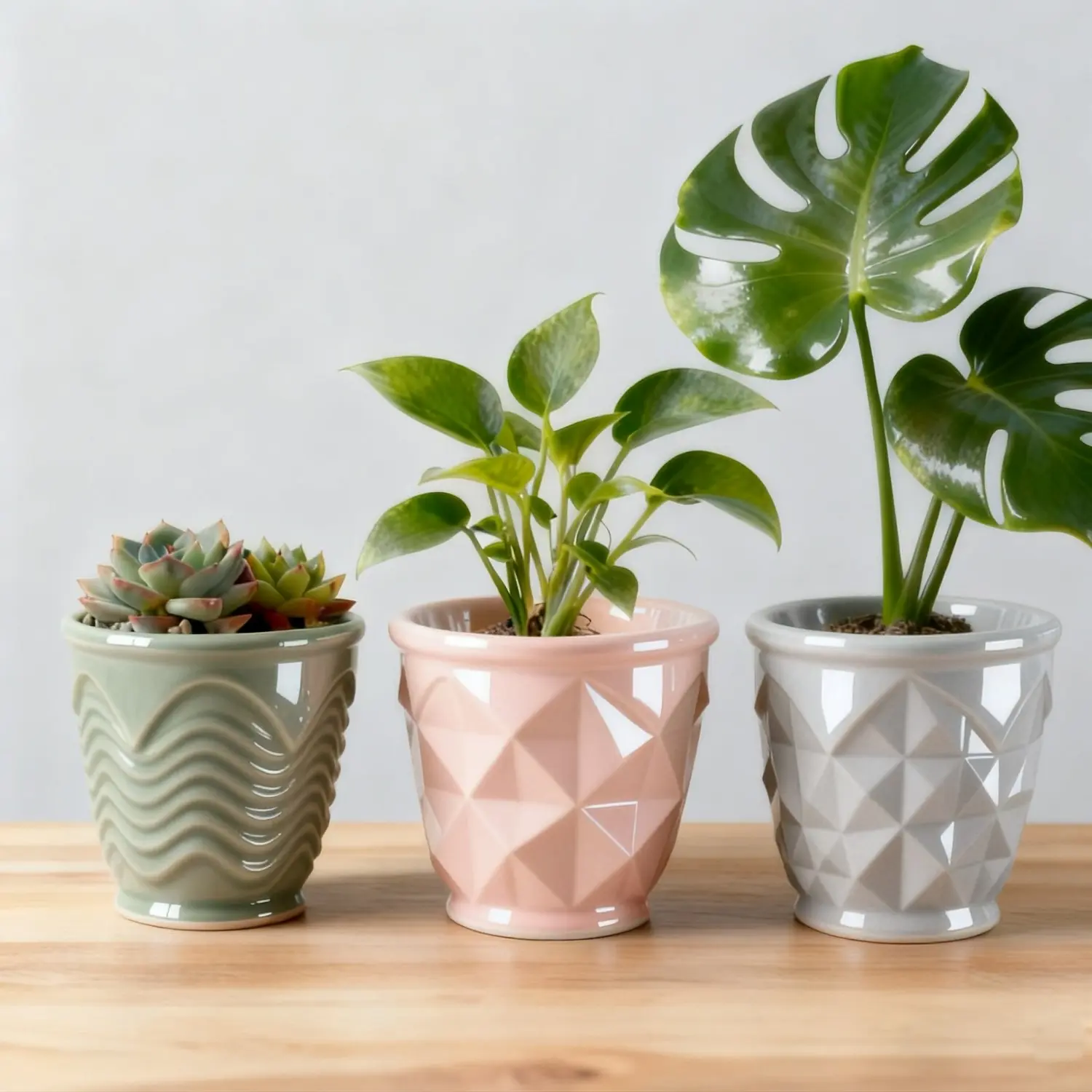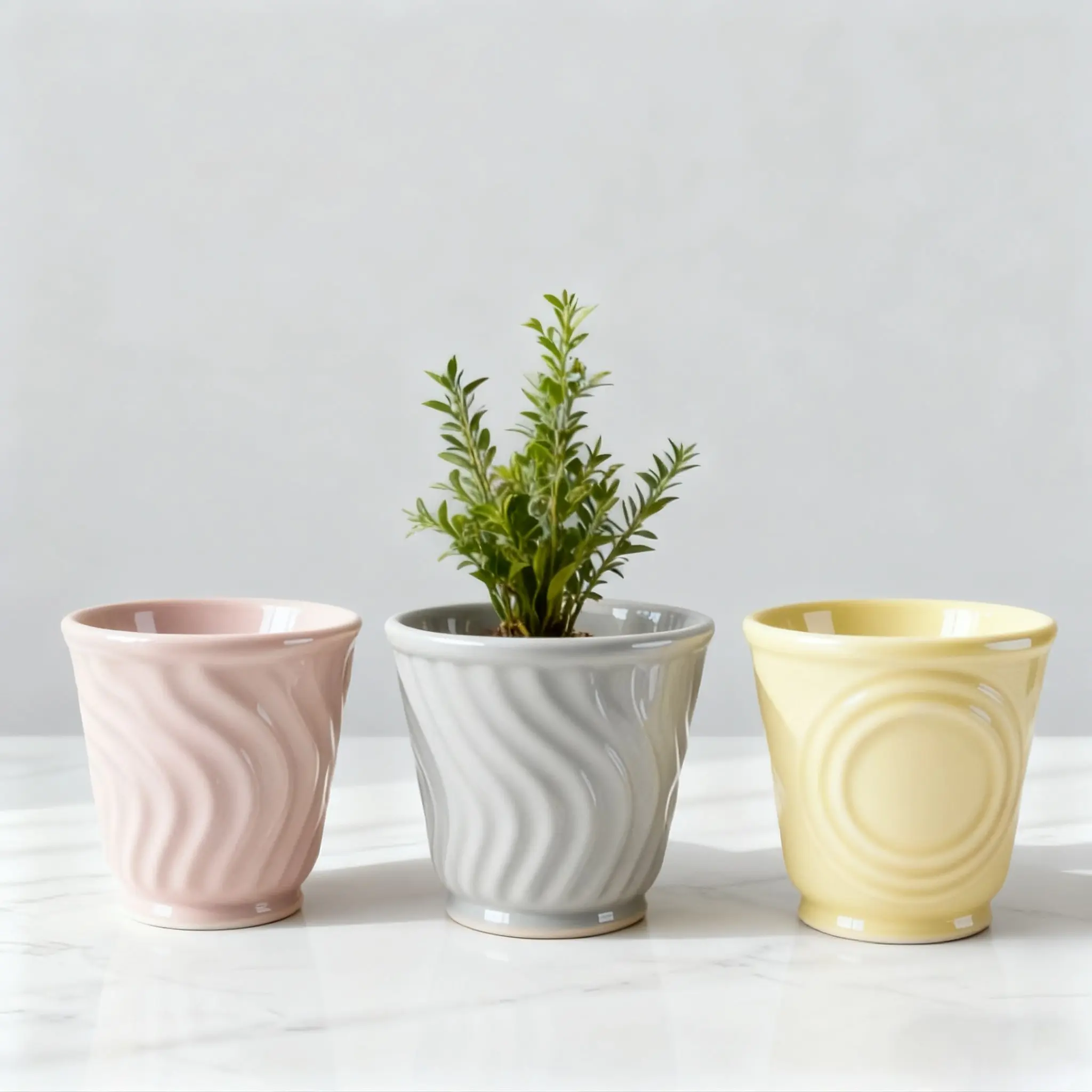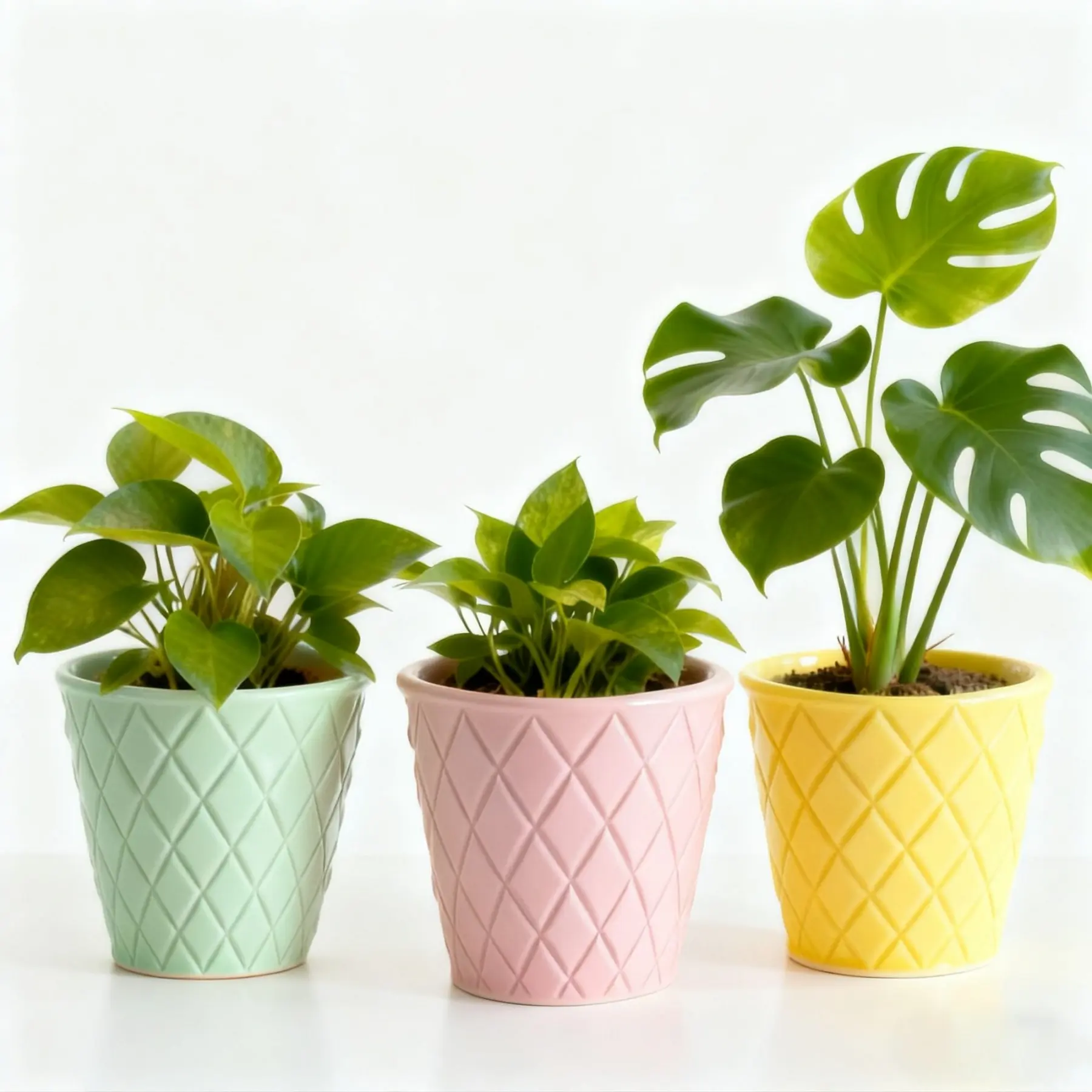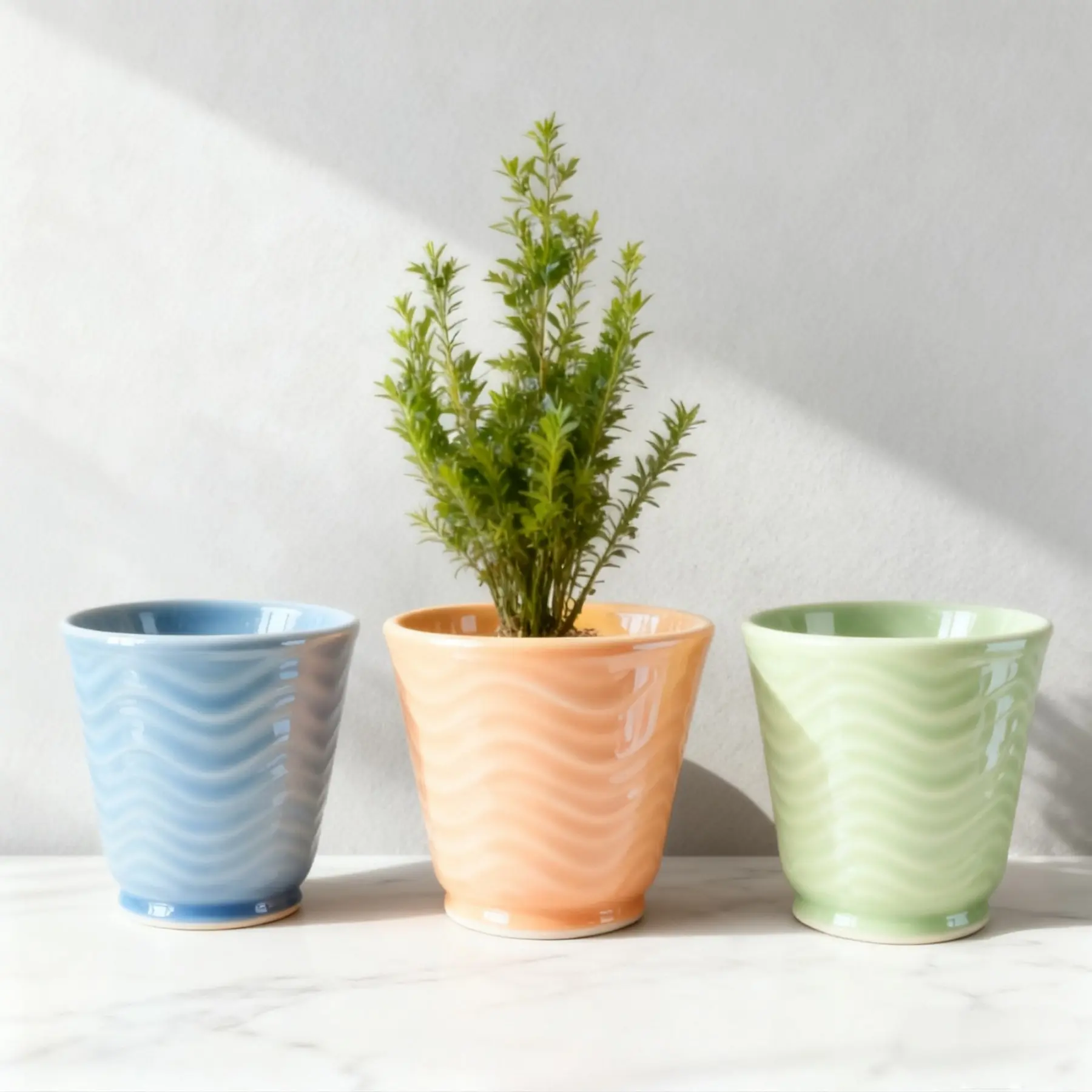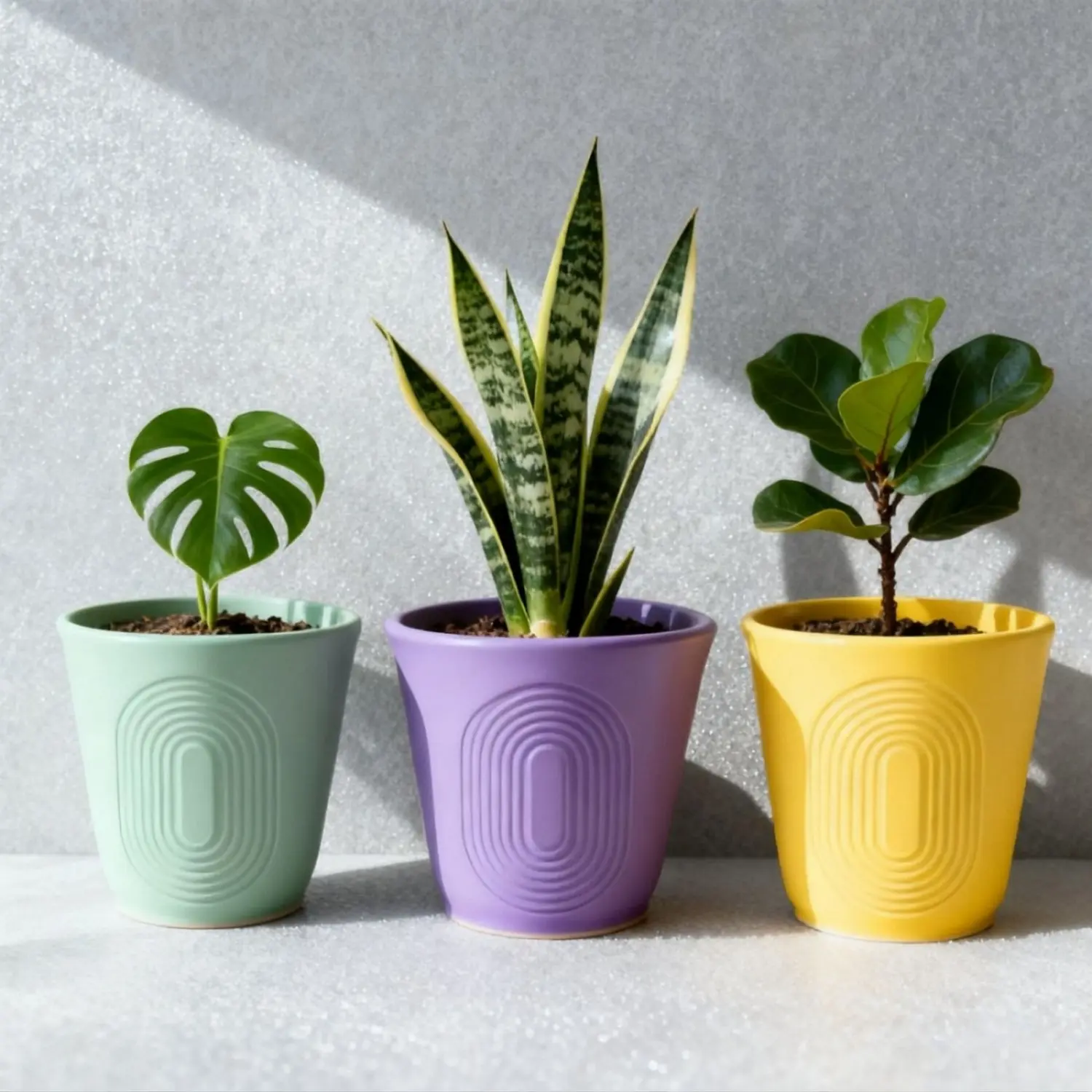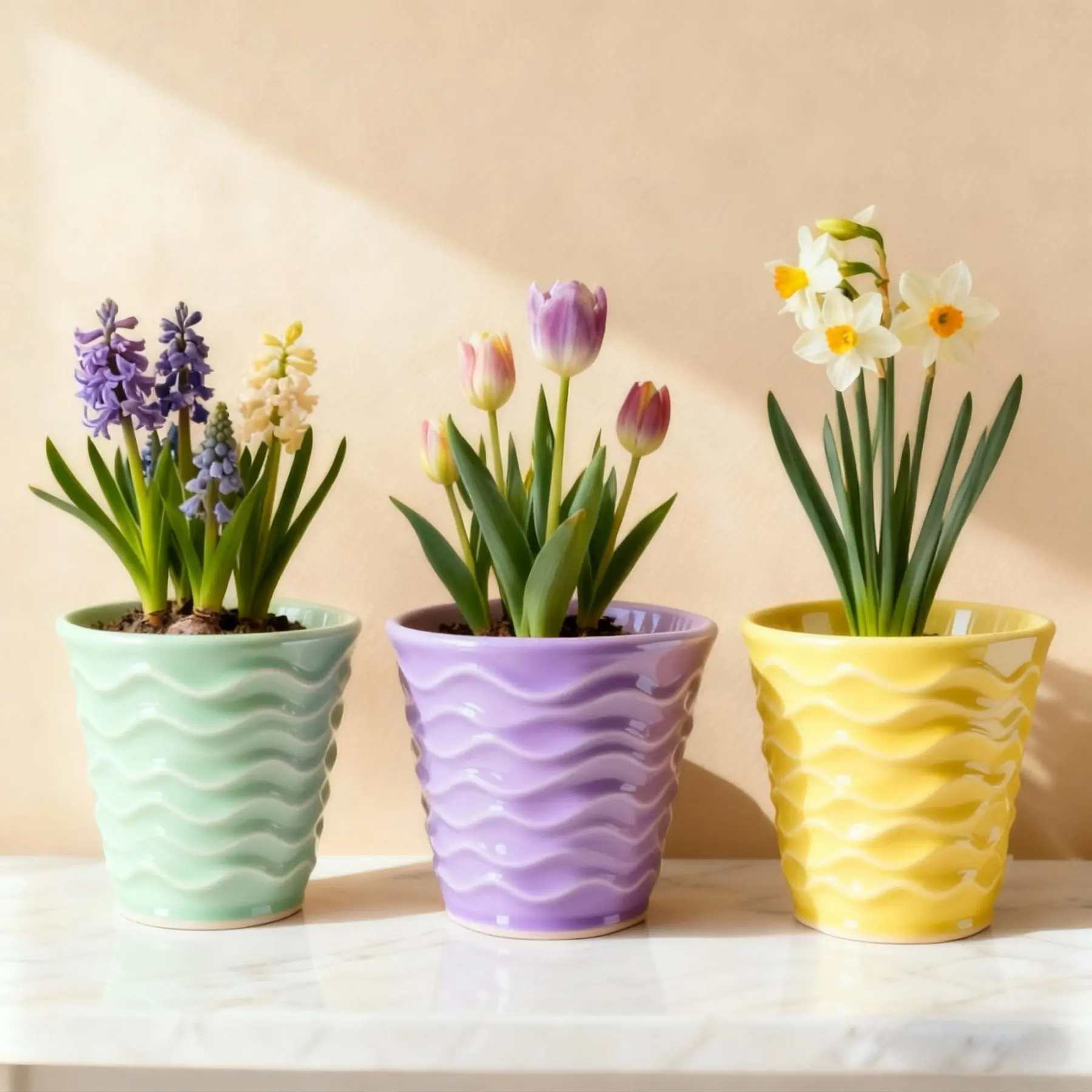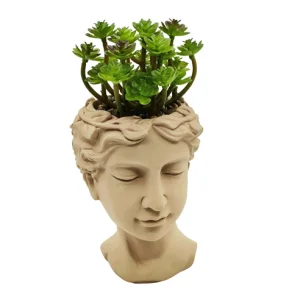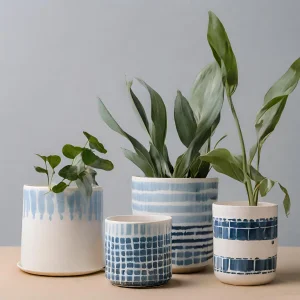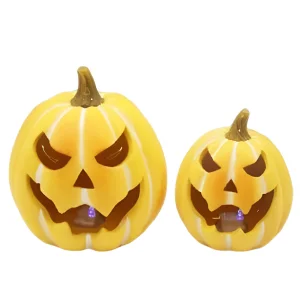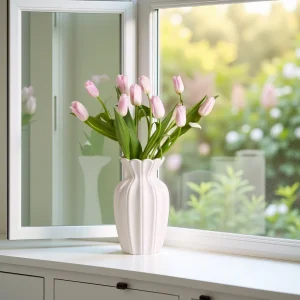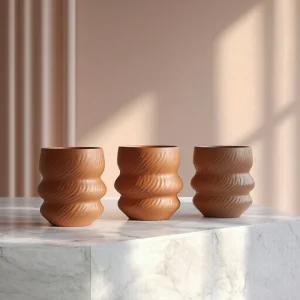
Explore our trending commercial-grade ceramic models engineered to support high-density planting and aesthetic biophilic designs.

In the modern era of urban construction, structural design, and biophilic architectural planning, the demand for high-performance trellis planters has escalated dramatically. Once regarded as mere decorative residential backyard ornaments, these integrated planting systems are now recognized as vital assets in commercial, municipal, and industrial real estate developments. From corporate offices seeking interior green partition solutions to dense municipal hubs leveraging vertical gardens to mitigate the urban heat island effect, trellis planters represent a critical nexus of botany, engineering, and environmental design.
Global supply chains indicate that commercial developers, architectural procurement firms, and horticultural distributors are continuously searching for competitive, reliable, and cheap trellis planter suppliers capable of delivering bulk volumes without compromising architectural durability. The market comprises varied material configurations including heavy-duty metals, polymers, sustainably sourced wood composites, and structural ceramics. Among these, ceramic-based and masonry-integrated planter designs are experiencing the highest growth rates due to their thermal mass retention, resistance to atmospheric degradation, and custom glaze aesthetics.
Information Gain Insights: According to global trade indicators, the industrial demand for modular green walls and vertical planter infrastructure is expanding at a CAGR of 8.2% through 2030. Savvy B2B buyers are moving away from single-sourced luxury products, focusing instead on establishing direct relationships with verified Chinese manufacturing centers to leverage mass production economies of scale.
Trellis structures designed for commercial deployment must accommodate severe stress loads caused by high wind shear, dense root networks, and mechanical impact. Therefore, finding an experienced supplier that understands structural dynamics, drainage optimization, and raw clay/ceramic formulations is vital for mitigating long-term structural failure risks.
Comprehensive design solutions extending from functional horticultural vessels to tailored interior architectural centerpieces.
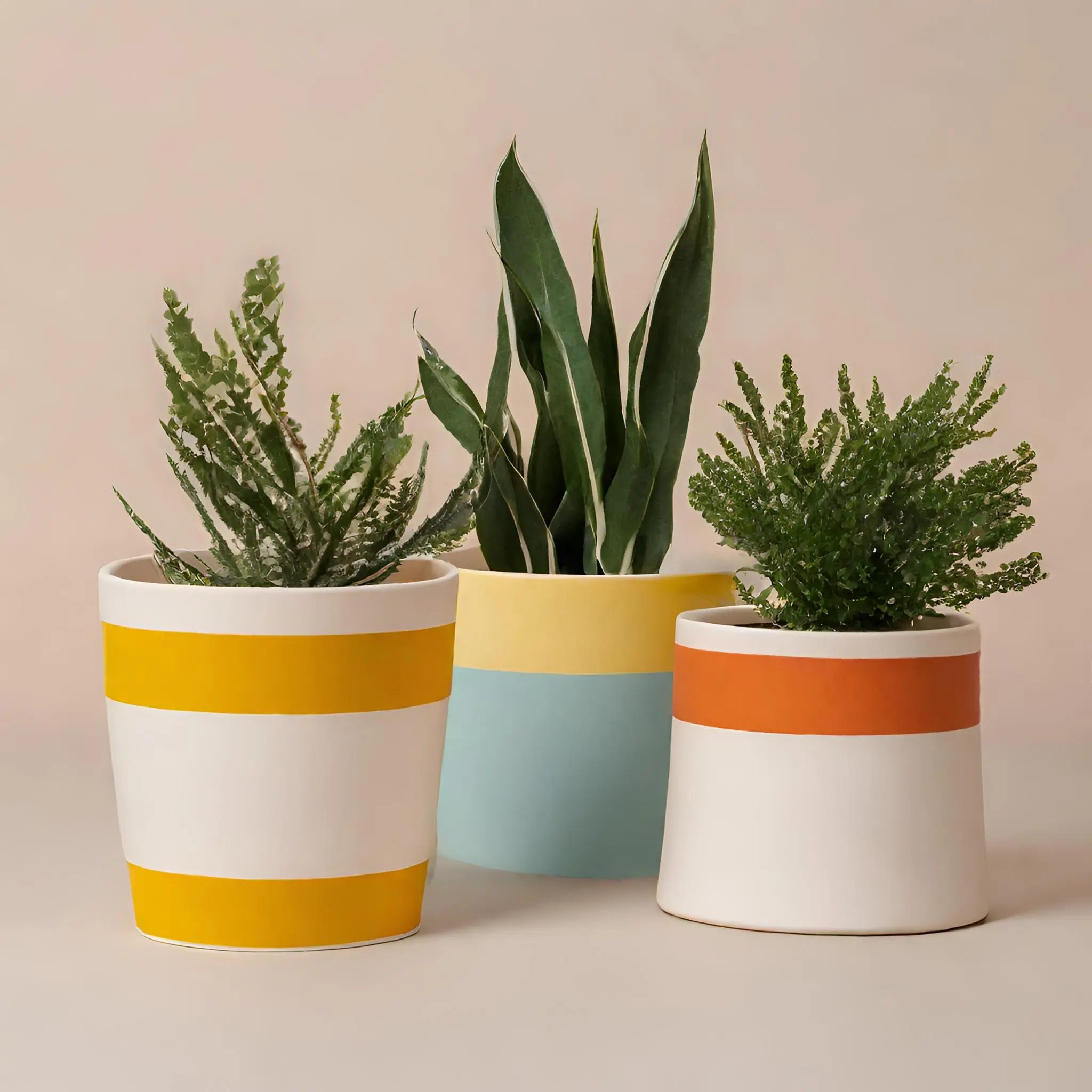
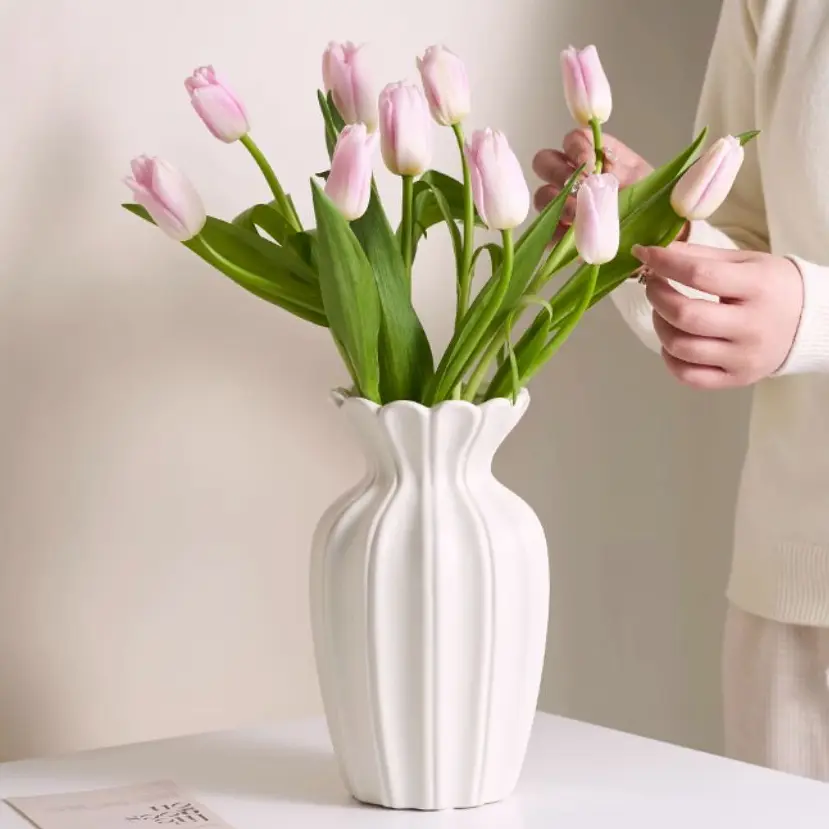


B2B buyers, importing agents, and global retail chains often face the challenge of securing cheap trellis planters and containers without incurring downstream quality-assurance losses. Establishing a direct procurement channel with a specialized China-based factory cluster provides a highly structured resolution to this challenge. Chinese ceramic manufacturing facilities, particularly those located in historically verified industrial zones such as Chaozhou, Dehua, and Yixing, leverage integrated supply chains that maximize resource efficiency and reduce operational waste.
The efficiency of Chinese manufacturing rests on four fundamental industrial pillars:
Factories operate within localized networks where clay preparation plants, organic glaze synthesizers, kiln builders, and packaging mills are co-located. This eliminates long-distance transport costs for heavy raw materials, keeping the initial bill of materials (BOM) lower than competitors in Europe or the Americas.
Modern continuous tunnel kilns and automated shuttle kilns allow for 24/7 firing schedules. This technology drastically lowers fuel consumption per unit and guarantees thermal consistency. In bulk manufacturing, consistent heat distribution is key to avoiding structural micro-fractures in ceramic planters that may eventually crack during outdoor winter freeze-thaw cycles.
Utilizing CAD files and modern 3D plaster CNC carving technology, Chinese production facilities can transition from a blueprint design to physical, high-fidelity sample molds in under 7 days. This allows volume distributors to quickly test custom trellis planter designs, dynamic water-well reservoirs, and decorative relief patterns in local test markets before greenlighting mass production.
Working with cheap trellis planter suppliers in coastal logistics hubs provides rapid access to international shipping routes. Proximity to major ports like Xiamen, Shenzhen, and Ningbo facilitates efficient Less-than-Container Load (LCL) consolidation, optimized customs filing, and sea freight handling, ensuring lower landing costs at destination ports worldwide.
| Material Category | Structural Durability | UV & Heat Resistance | Lead Time (Bulk MOQ) | Custom Design Cost Index |
|---|---|---|---|---|
| High-Fired Ceramic / Stoneware | Excellent (Heavy Frost Resistant) | 100% Stable (No Degradation) | 35 - 45 Days | Competitive (Low tooling cost) |
| Polymers / Recycled Resins | Moderate (Susceptible to fatigue) | Degrades under persistent UV | 30 Days | High (High injection mold cost) |
| Natural Softwoods / WPC | Prone to moisture-rot and split | Requires regular sealing | 40 Days | Moderate (Simple construction) |
| Composite GFRC (Concrete) | Extremely Durable but Heavy | High Thermal Resistance | 50 Days | High (Requires heavy-duty molds) |
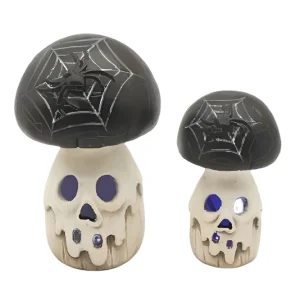
Aligning structural plant support designs with global retail holidays, enhancing consumer appeal through the year.
Selecting the appropriate cheap trellis planter supplier requires a granular understanding of how these horticultural components perform across specific local climates and design challenges. Different markets impose distinct physiological stresses on planter bodies and vertical climbing lattices.
In dense metropolitan centers like Tokyo, London, and New York, residential living areas are highly confined. Here, modular trellis planters function as vertical privacy screens. The planter base must be weighted appropriately using high-fired density clays to resist strong wind currents at higher elevation balconies, while the climbing lattice accommodates light-demanding ivy, jasmine, or clematis.
For restaurants, boutique hotels, and luxury retail storefronts, trellis planters serve as living architectural partitions. They frame outdoor dining spaces, guide foot traffic flow, and filter ambient street noise. In these high-traffic settings, glazed ceramic structures with easy-to-clean profiles are preferred to resist grime and environmental pollutants.
In region-specific deployments like Southern Europe, the Middle East, or parts of Australia, low humidity and high evaporation rates present critical botanical challenges. Double-walled ceramic planter designs and integrated sub-irrigation water reservoirs allow plants to slowly draw moisture via capillary action, reducing irrigation cycles by up to 50%.
Your Integrated One-Stop Sourcing Hub for Specialized Ceramics, Horticultural Architecture, and Holiday Ornament Collections.
With an established 12-year operational history across international design markets, Value Deco Limited stands as a premier supplier of high-quality ceramic pots, planters, and decorative structures based in China. The enterprise is systematically organized into specialized divisions to maximize design innovation and guarantee rigorous quality control:
Value Deco - Flower Pots Division: Operating via www.valuedeco.com, this specialized business unit focuses strictly on engineering advanced ceramic planting pots, modern glazed plant holders, and functional outdoor planting containers designed to satisfy strict commercial specifications.
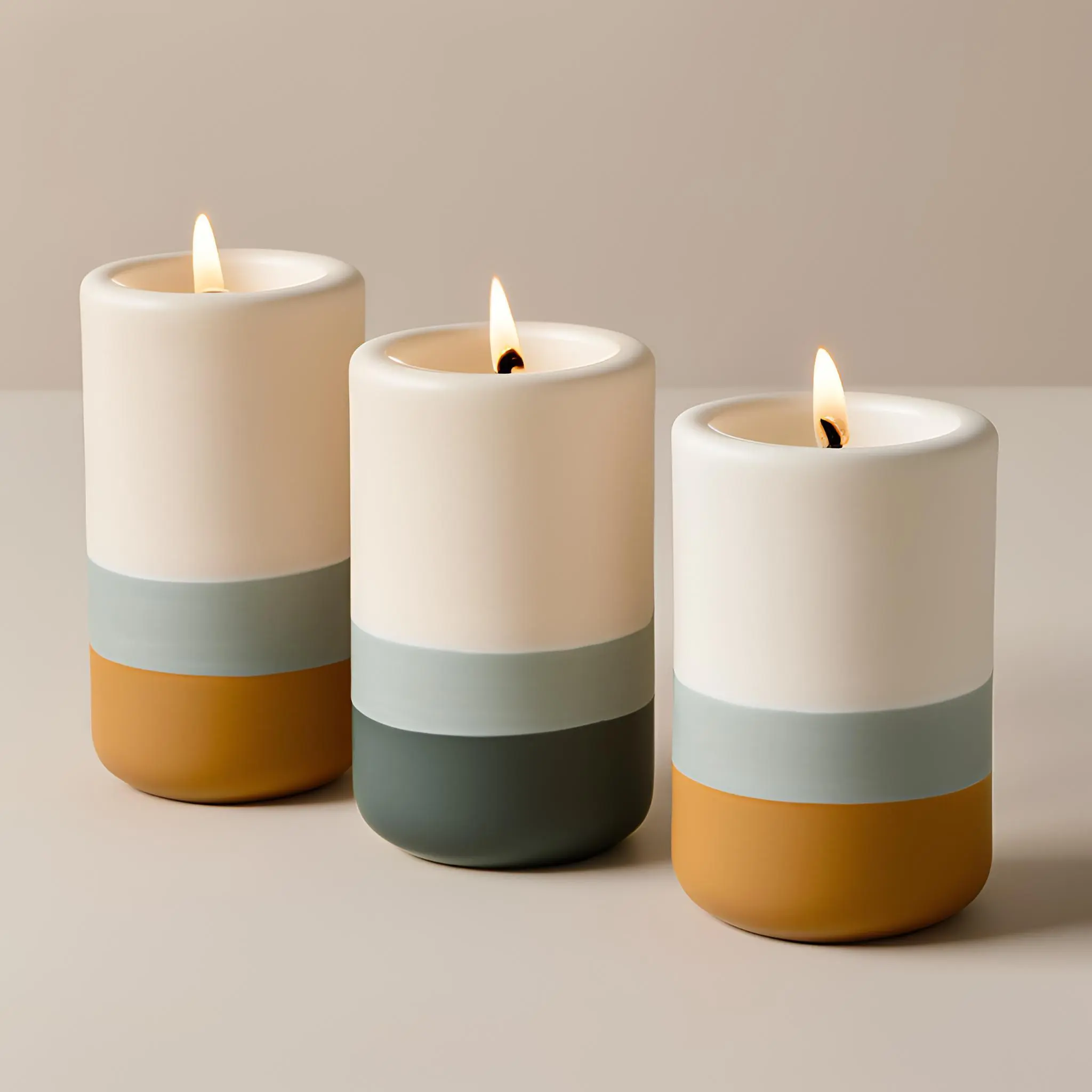
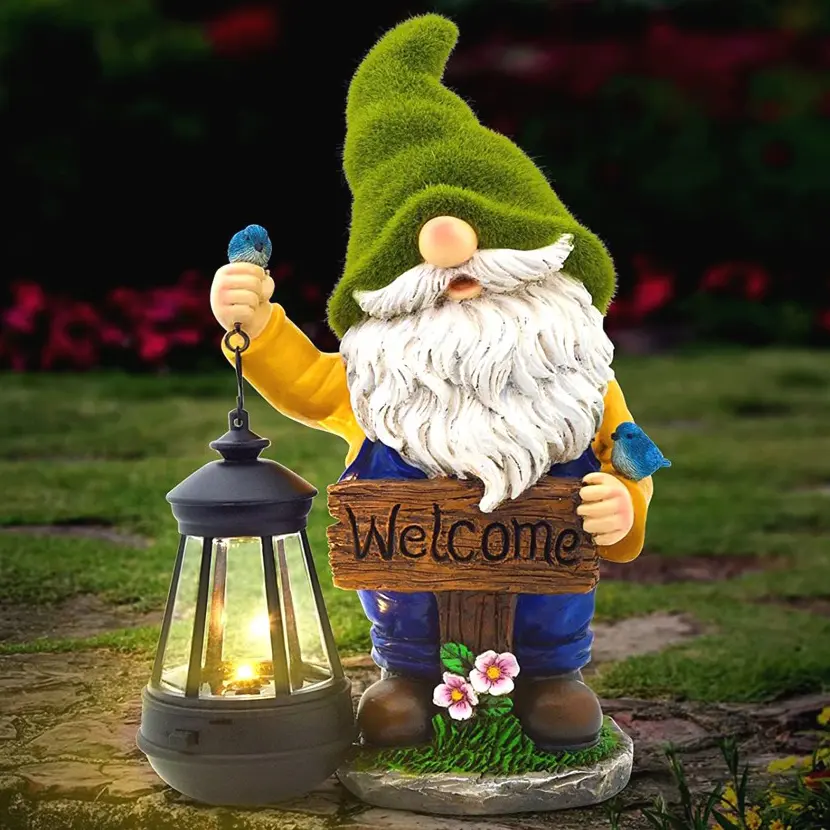
Pride Deco - Home & Garden Decor Division: Operating via www.pridedeco.com, this division handles the production and global distribution of seasonal home accessories, designer vases, candle holders, and holiday decorations, providing importers with a comprehensive catalog for all retail periods.
Examine our digital catalogs presenting diverse textures, firing methods, and dimensional configurations.
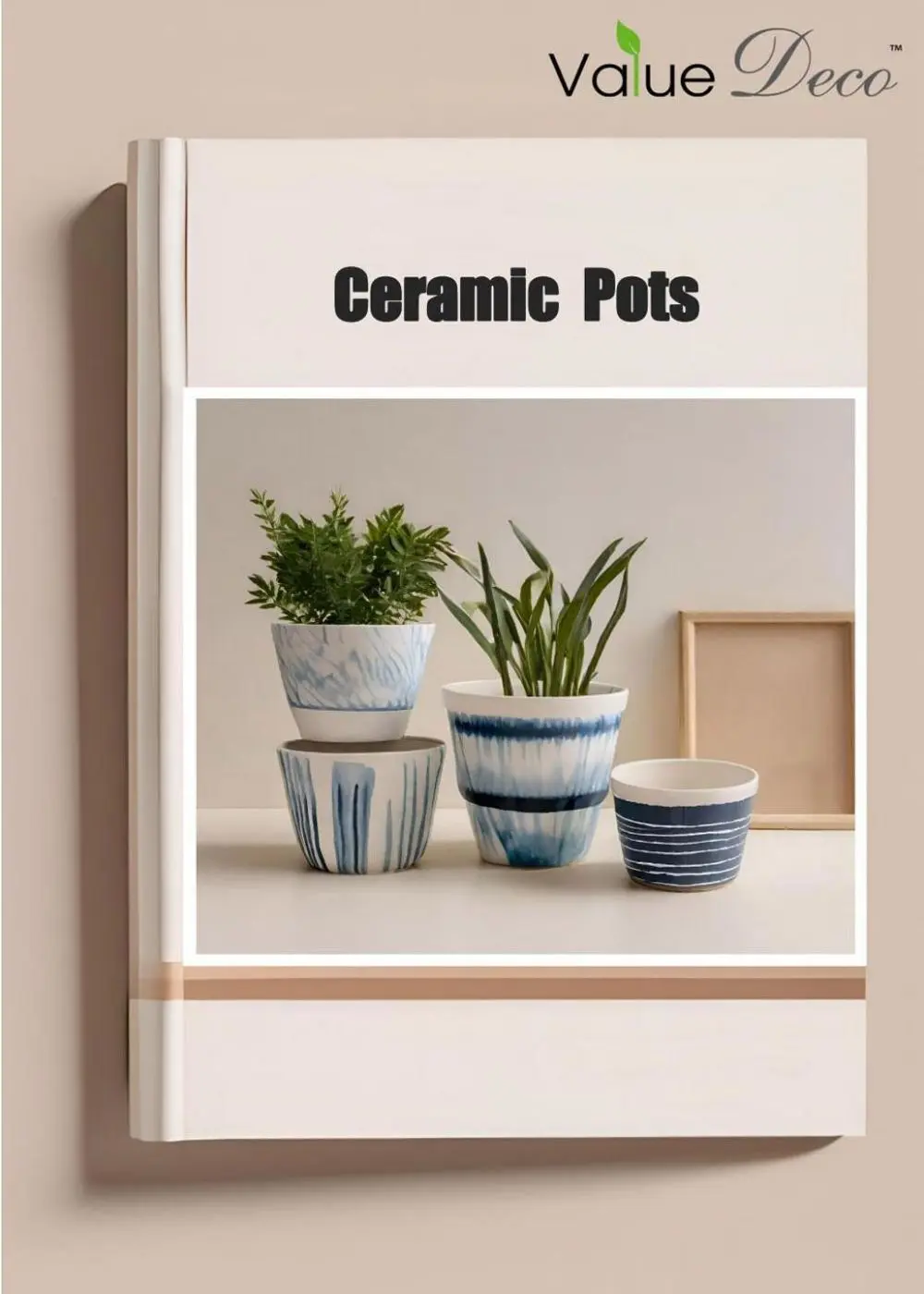
High-fired local clay with robust wall structures for outdoor and indoor gardening.
Download Technical PDF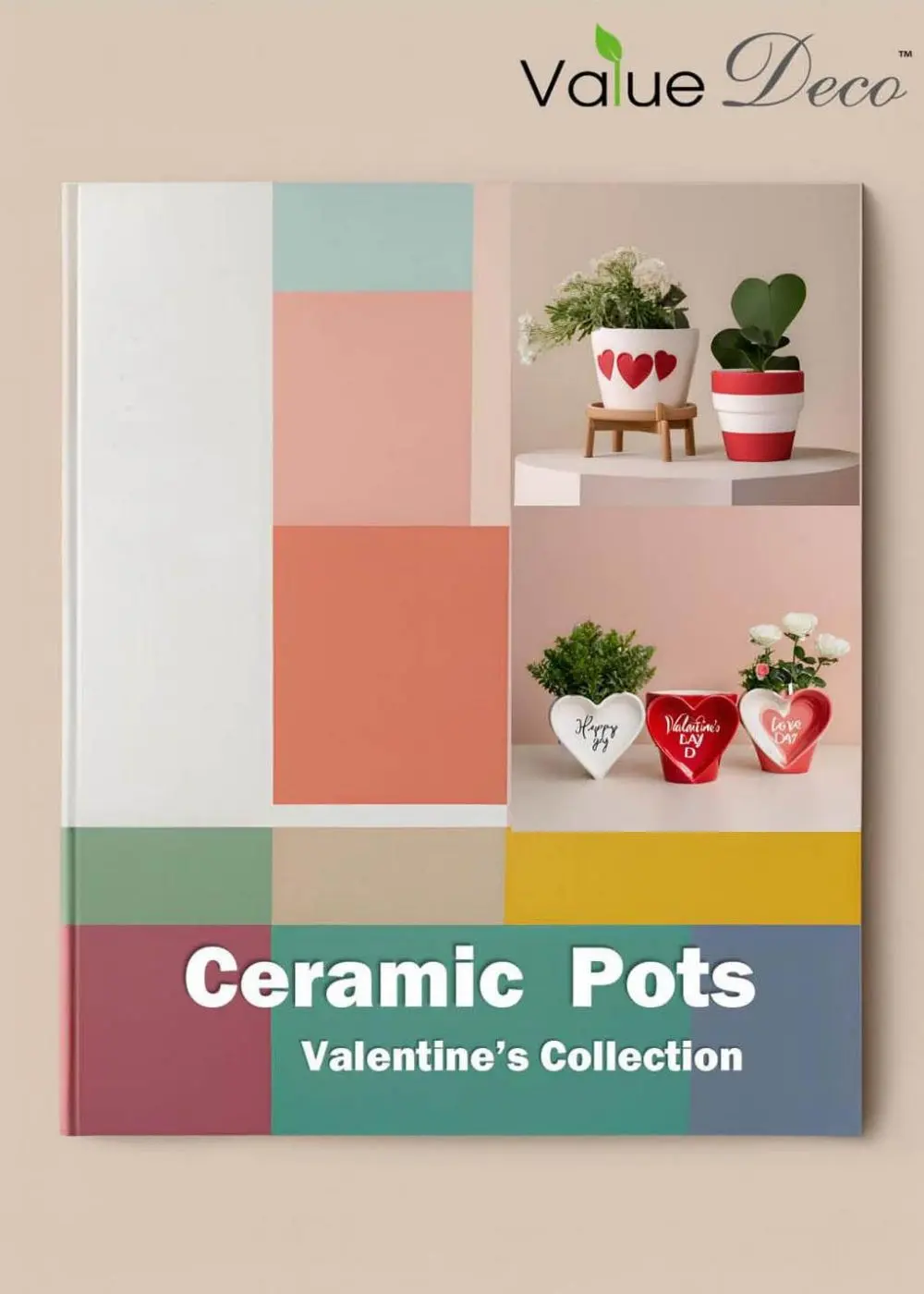
Embossed relief designs utilizing custom romantic color schemes and smooth textures.
Download Technical PDF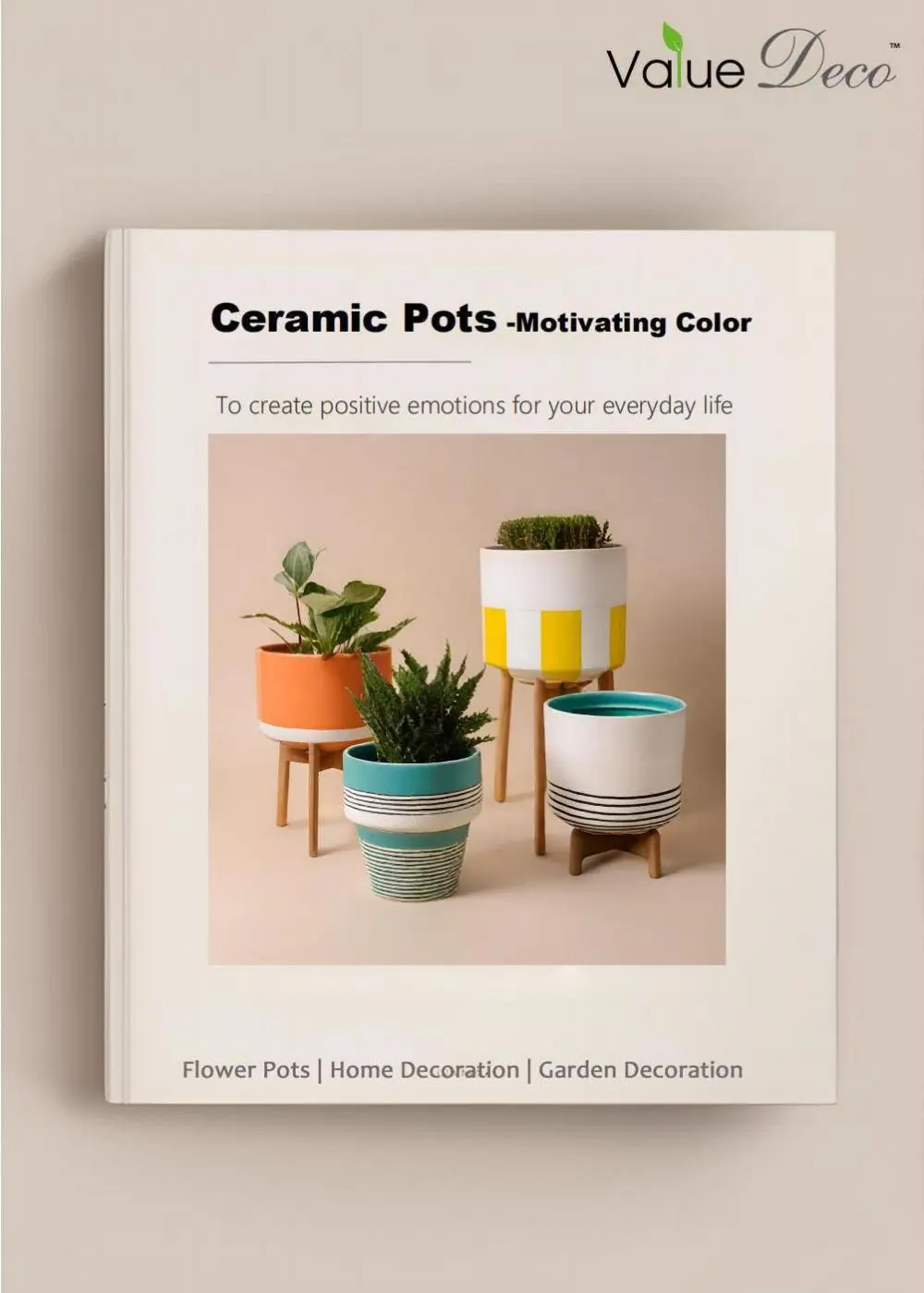
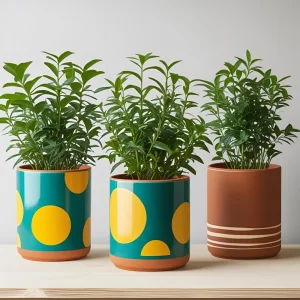
Vivid, high-temperature glazes designed to resist solar fading and surface oxidation.
Download Technical PDF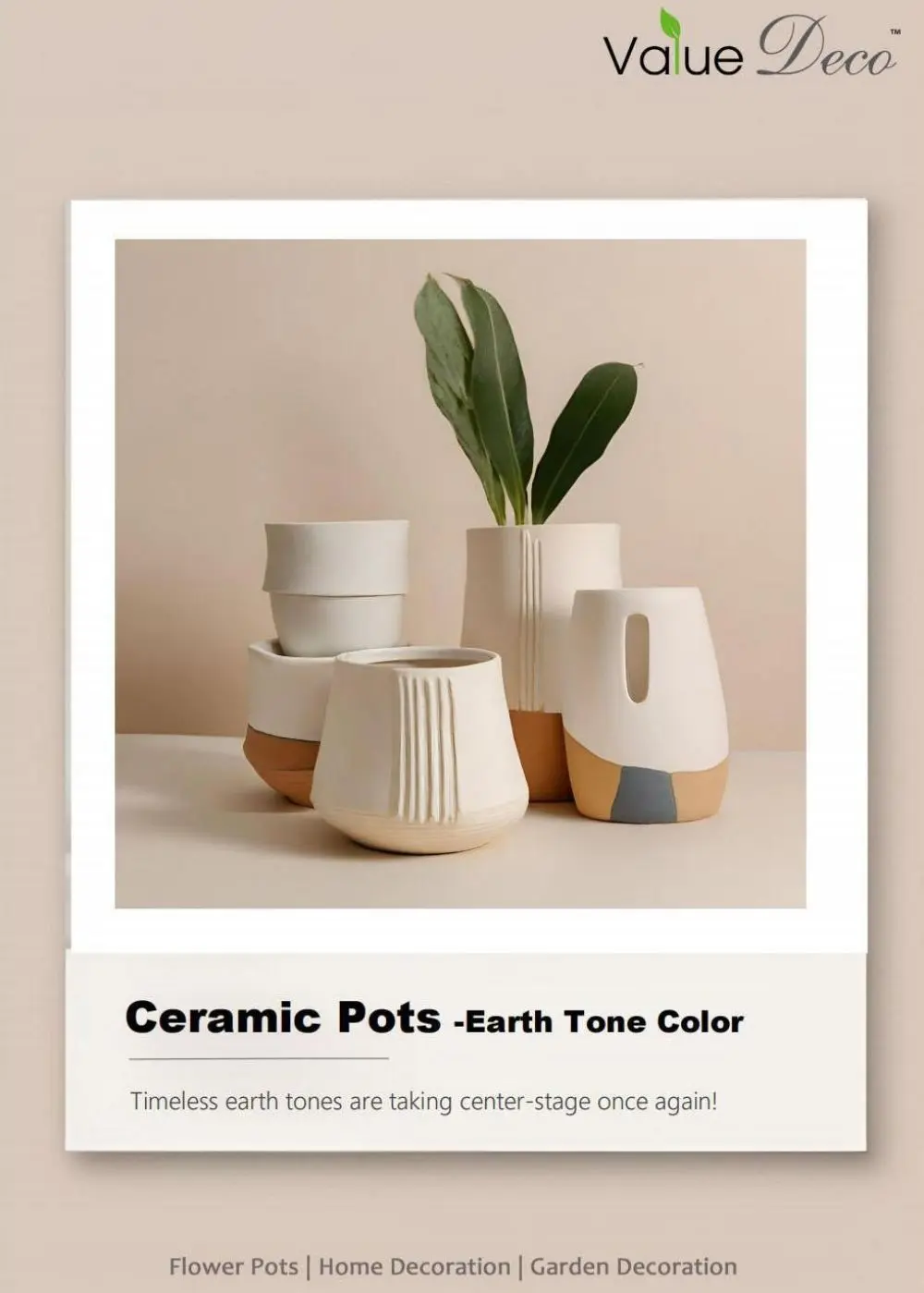
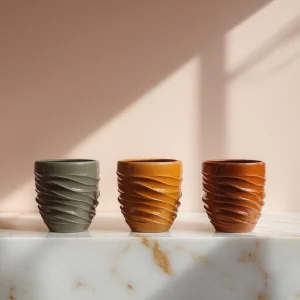
Terracotta finishes, basalt textures, and raw minerals for minimalist biophilic designs.
Download Technical PDF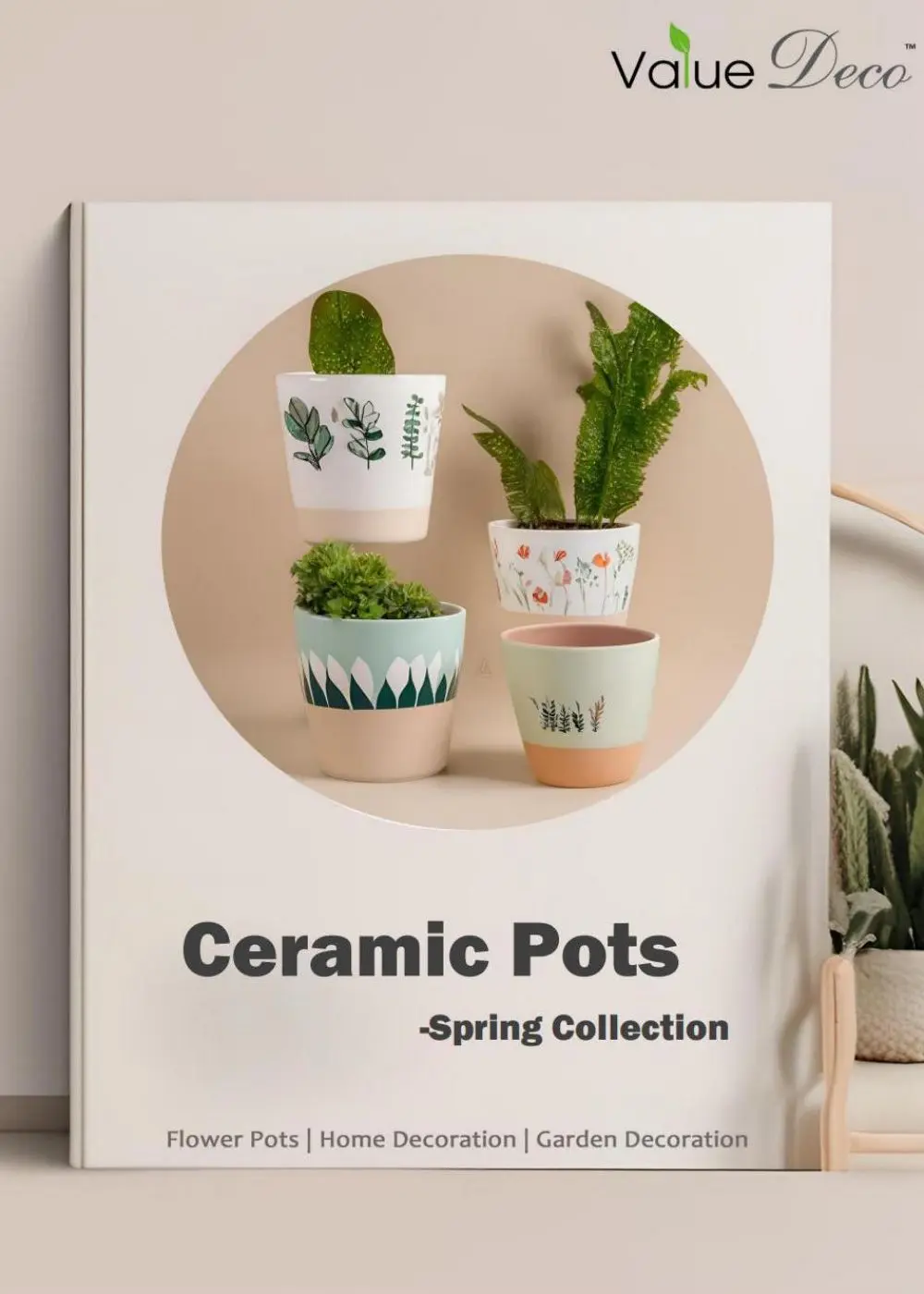
Thin-walled, high-strength clay formulation optimized for seasonal retail distribution.
Download Technical PDF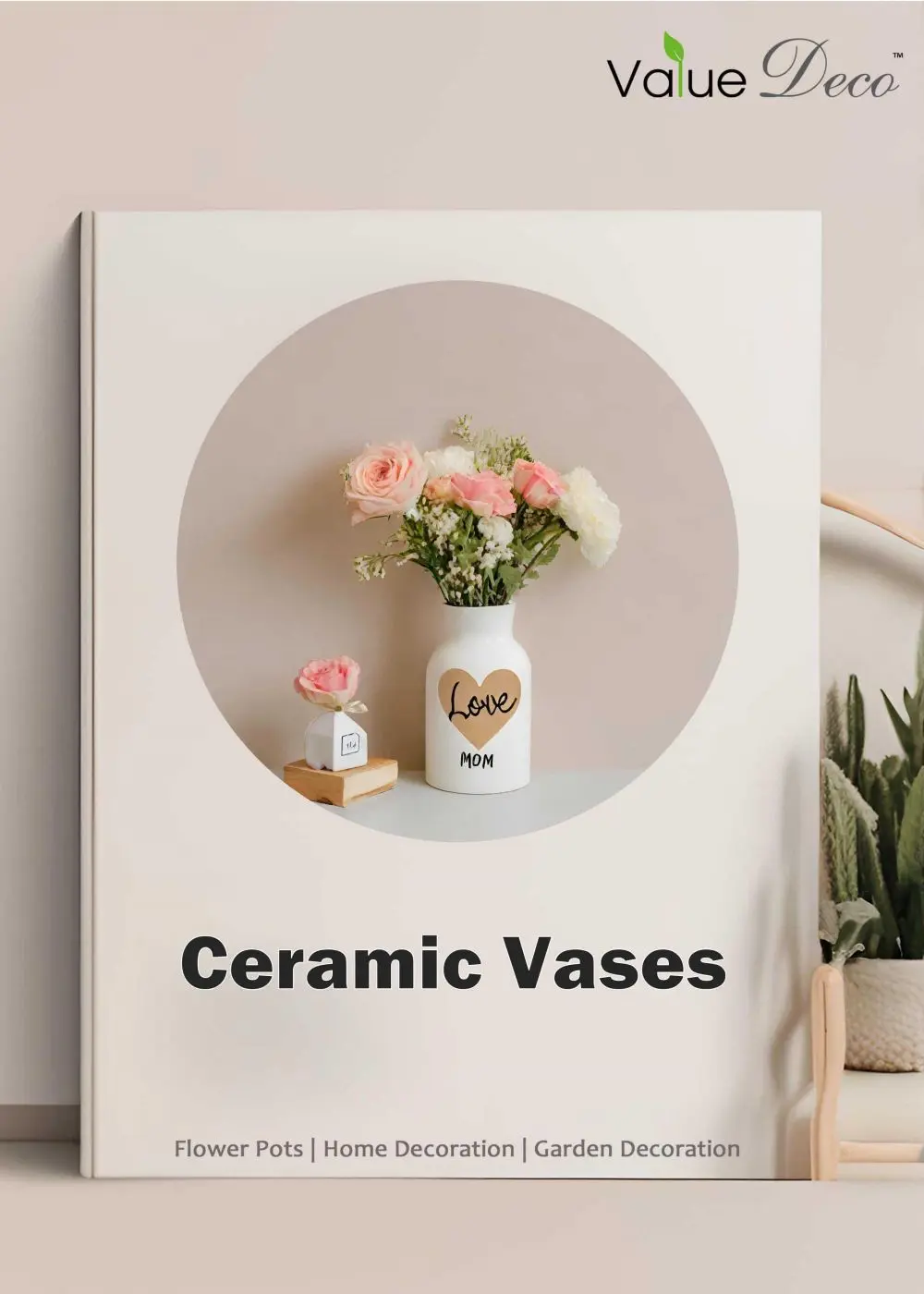
Geometric interior display cases suited for commercial lobbies, luxury hotels, and design events.
Download Technical PDFReviewing our latest architectural collections featuring advanced surface physics and relief geometries.
Addressing critical compliance, engineering, and logistics parameters to simplify overseas sourcing operations.
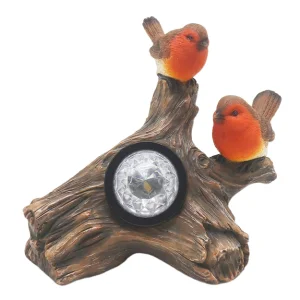
Discover our complementary selection of custom designed planters, solar accents, and seasonal ceramic structures.