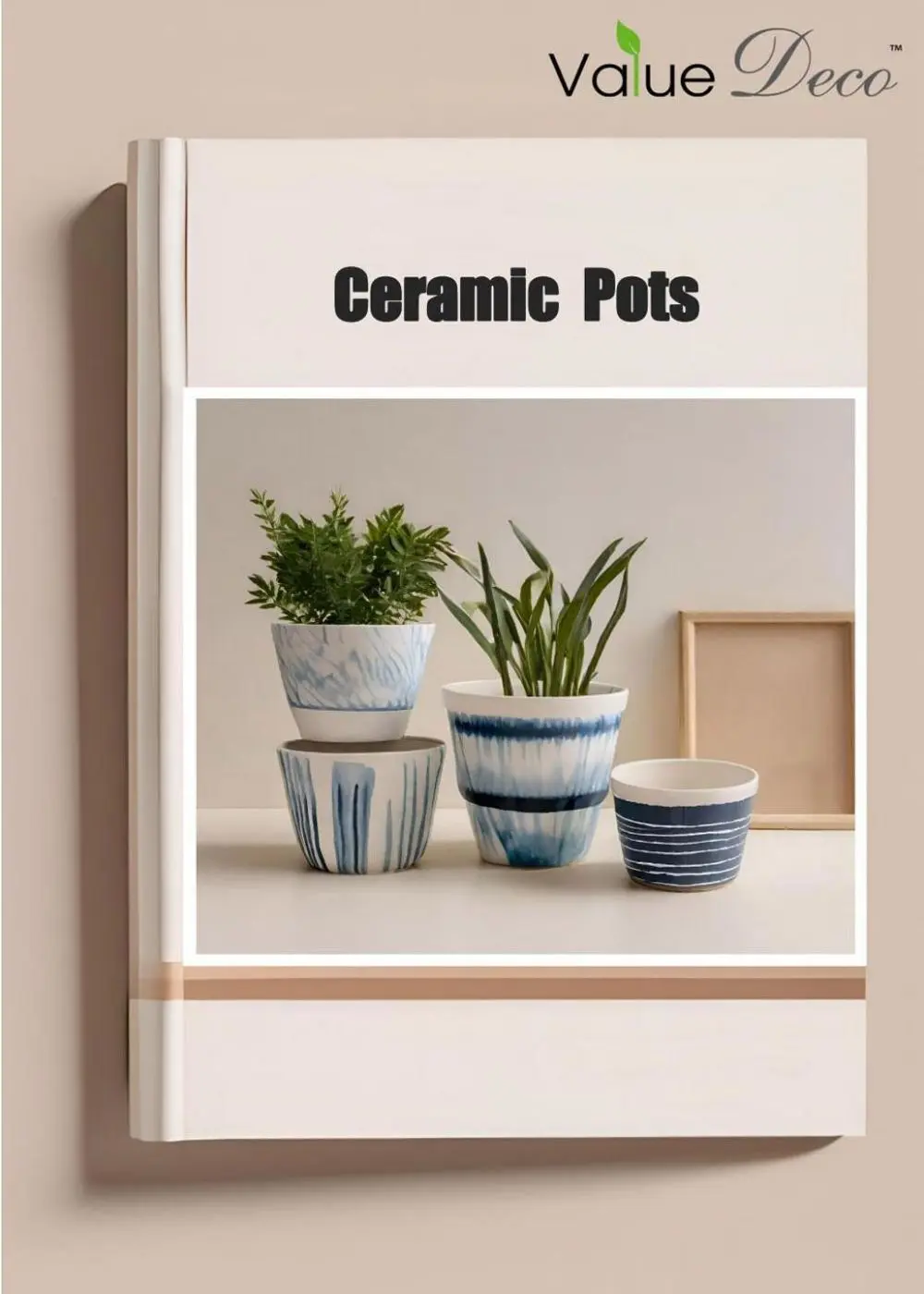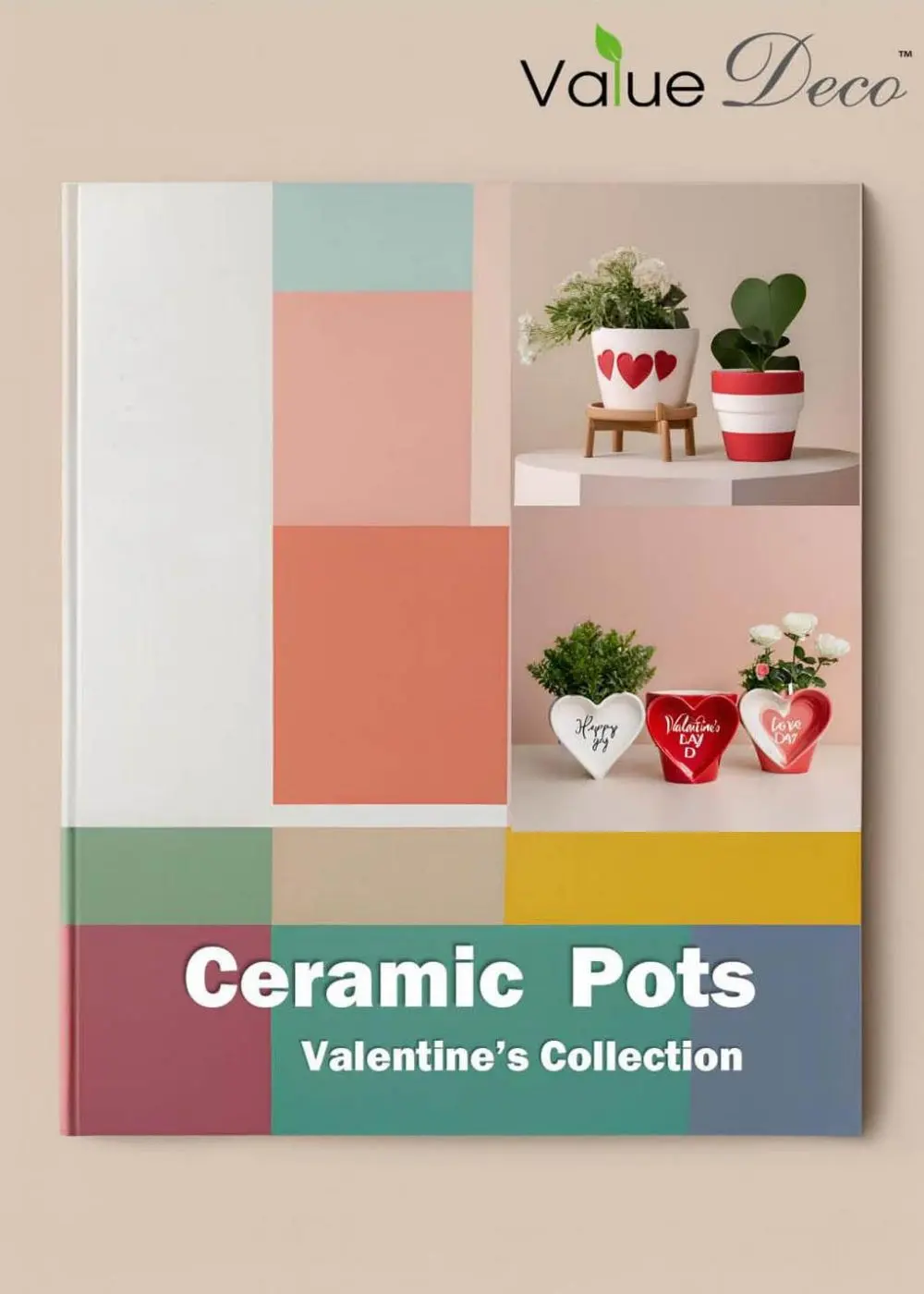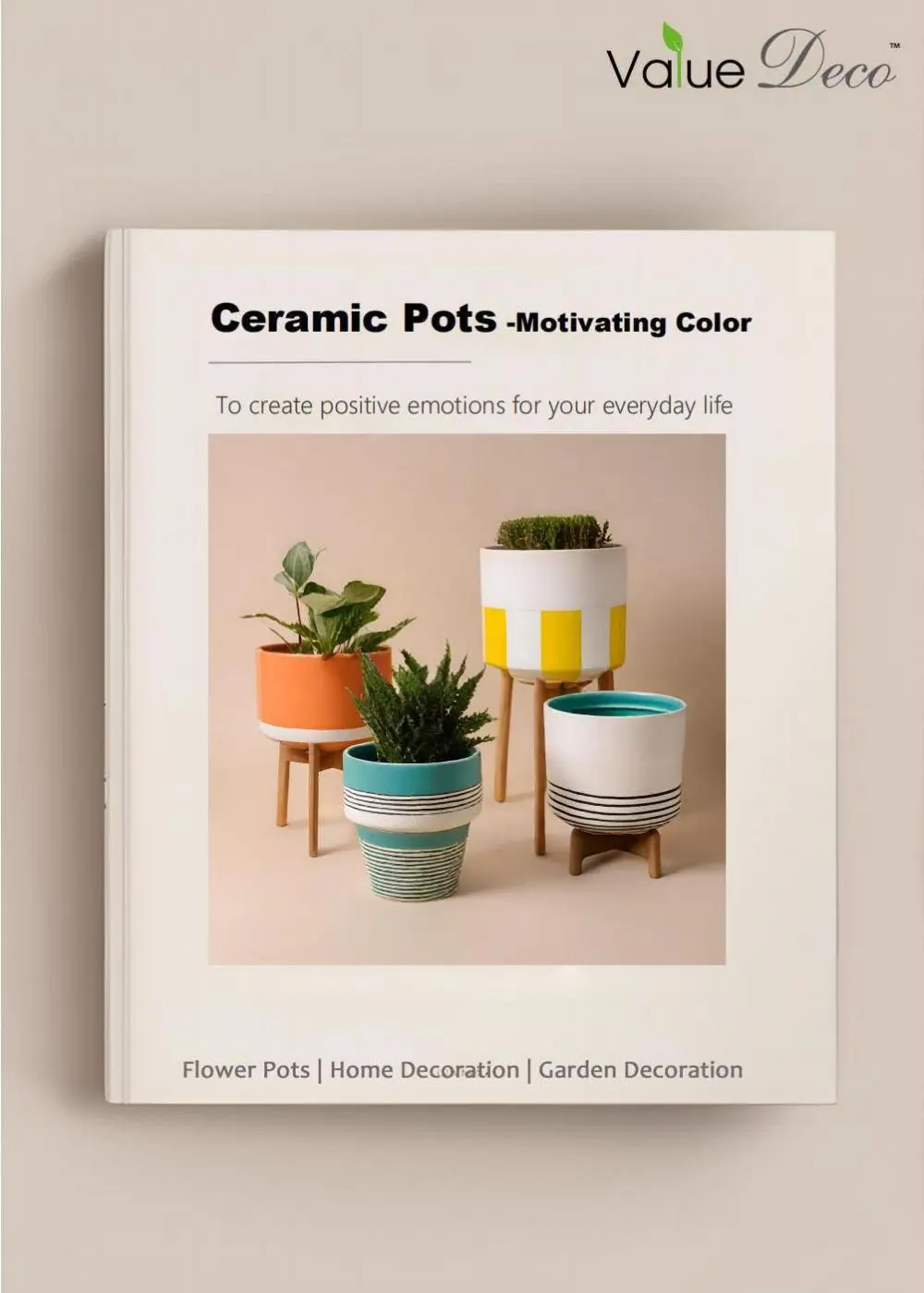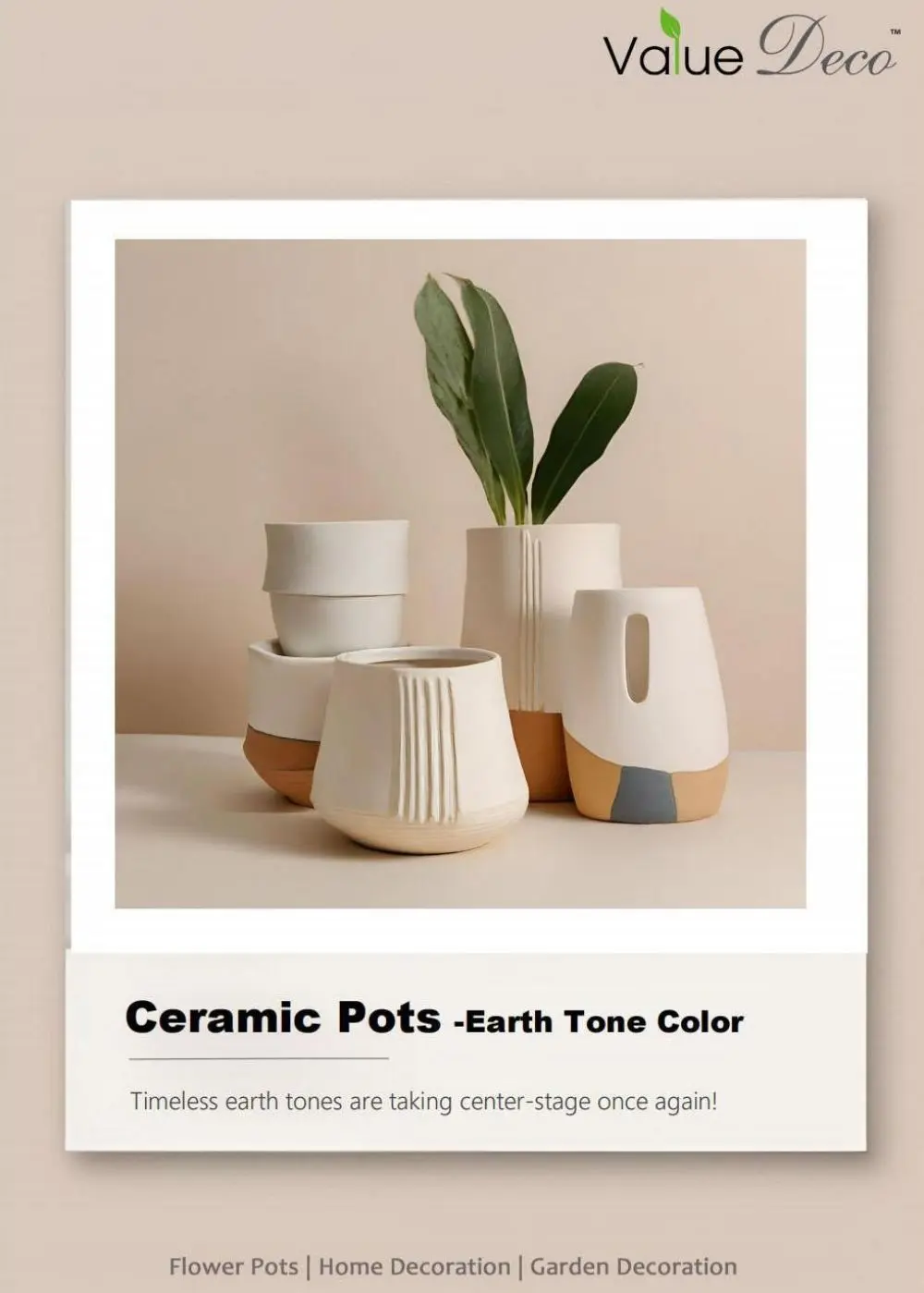


The global market for decorative statues and garden sculptures has transitioned from a traditional craft-based sector into a multi-billion dollar industrial network. Spurred by the rise of localized landscaping, residential exterior designing, and an explosive demand for seasonal home decor, the requirements placed on statue manufacturers have become highly stringent. In North American and European markets, consumers no longer view statues merely as passive ornaments; rather, they serve as focal points of emotional resonance within home environments.
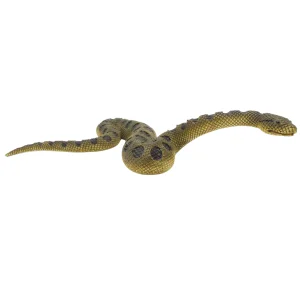
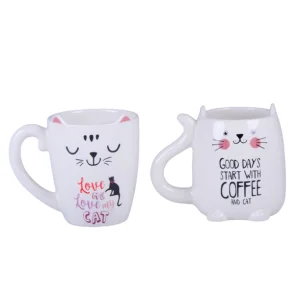
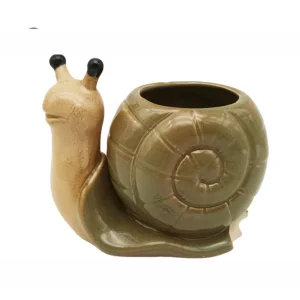
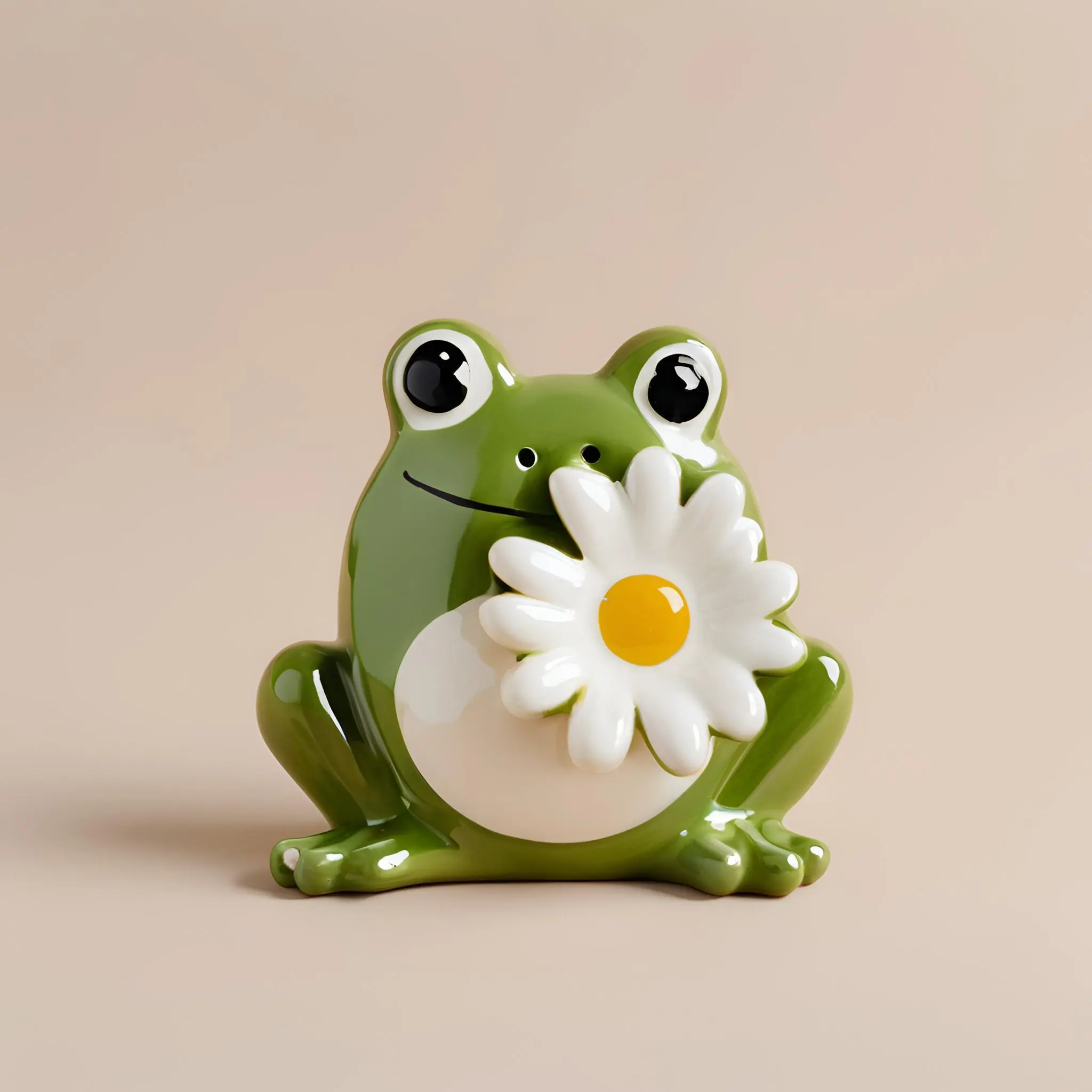
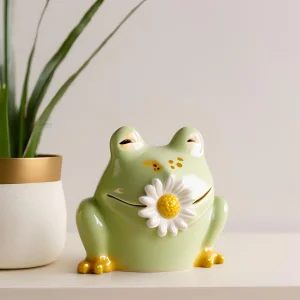
Statue categories span across various raw materials, mainly dominated by polyresin and high-grade ceramics. Resin statues (such as the Outdoor Wildlife Sculpture LGDC6895) are preferred for intricate, hyper-realistic details and high weather durability. On the other hand, ceramic statues (such as the Handcrafted Ceramic Home Decor VDLK1058) remain unparalleled in their eco-friendly properties, exquisite glazing capabilities, and timeless aesthetic value. For wholesale buyers, distributors, and large retail chains, the challenge lies in securing partners that balance volume-scaling with meticulous craftsmanship.
Sourcing commercial decorative items entails addressing core systemic barriers:
When global brands evaluate "cheap" or highly cost-effective manufacturing, the definition of cheap must be scrutinized through an economic and structural lens. In Chinese production clusters (such as Dehua for ceramics and Fujian/Guangdong provinces for polyresin), "cheap" does not correlate to sub-par materials. Instead, it signifies high operational efficiency, supply-chain density, and optimized industrial clustering.
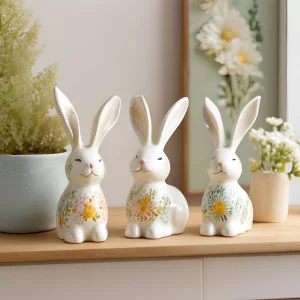
Within Chinese manufacturing corridors, the distance between the raw clay extraction site, the packaging factory, the chemical pigment developer, and the cargo port is frequently less than 50 kilometers. This spatial density drastically reduces internal logistics overhead. Consequently, a complex design like the Daisy Meadow Ceramic Bunny VDLK1566 benefits from local raw-material availability and immediate access to specialty high-durability paints, reducing turnaround cycles from several months to a mere few weeks.
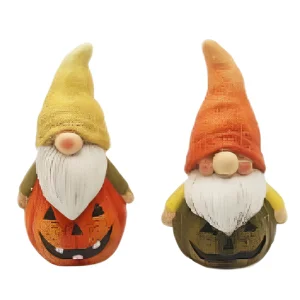
Modern statue fabrication relies on a sophisticated hybrid model. Complex 3D prototyping (utilizing CAD files and rapid stereolithography 3D printers) creates the initial mock-ups with millimeter precision. For volume casting, automated slurry-injection systems (for ceramics) and vacuum-pressure chambers (for resin) eliminate air bubble vulnerabilities. Meanwhile, hand-painted details (evident in the Hand-Painted Ceramic Gnome HDFS8140) are executed by highly skilled ceramic decorators, blending manufacturing speed with the unique character of artisanal pieces.
With over 12 years of industry experience, Value Deco Limited has established itself as an authoritative supplier of high-quality decorative solutions. Operating with dual dedicated divisions, the company satisfies both bulk horticultural needs and complex interior decor specifications. Our production lines seamlessly scale to meet high-volume seasonal spikes while maintaining the precise tolerances expected by global buyers.
Value Deco products are meticulously designed to align with upcoming consumer trends, ensuring high sell-through rates for retailers. From glazed pottery to composite resin figurines, our factories employ strict in-house quality control workflows, guaranteeing that every export carton conforms to international standards.
For high-volume sourcing, a systematic approach is vital. Professional manufacturers adhere to a structured development process to translate market intelligence into shelf-ready decorative assets:
The garden decor and homeware industries are evolving. Major trends driving purchasing behavior include:
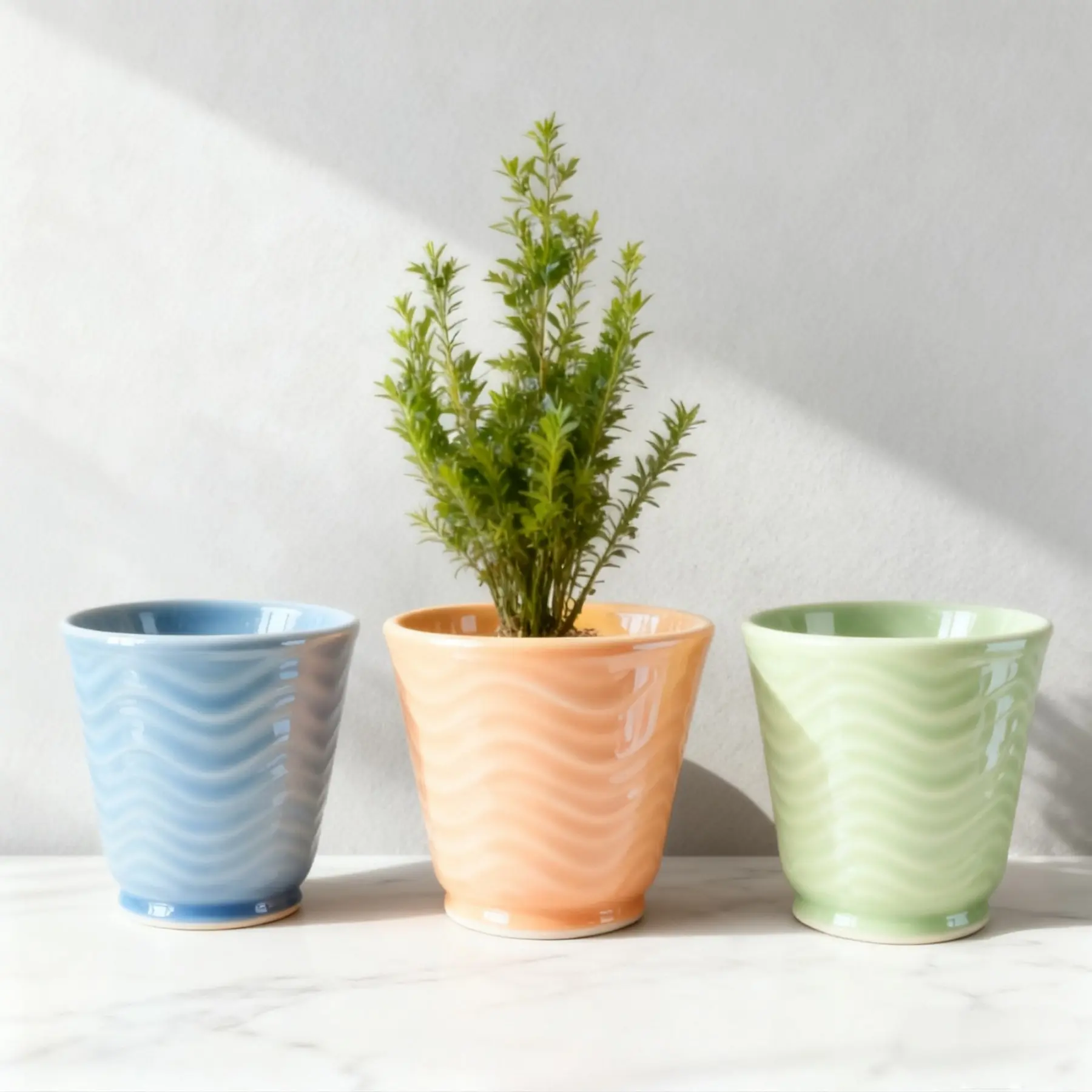
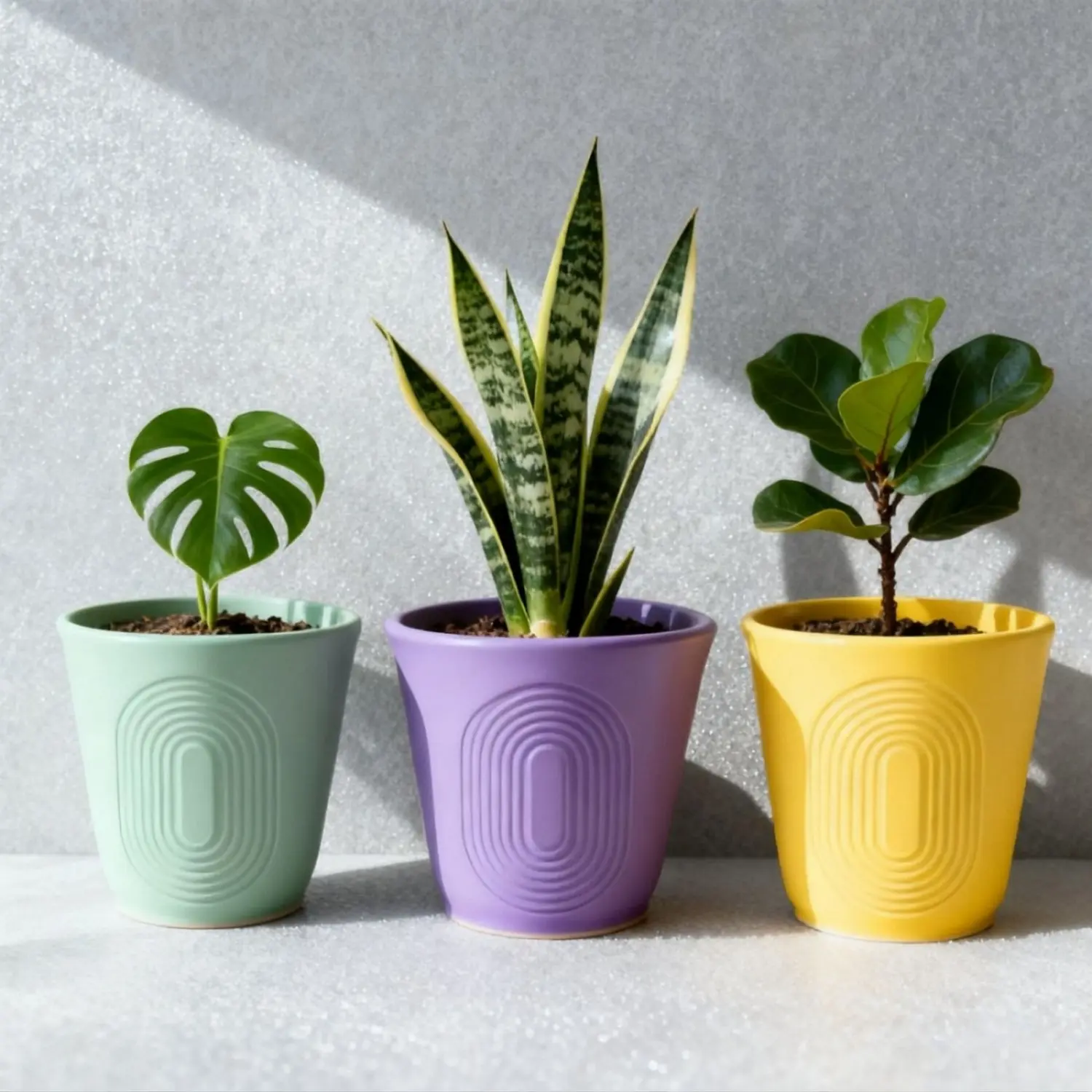
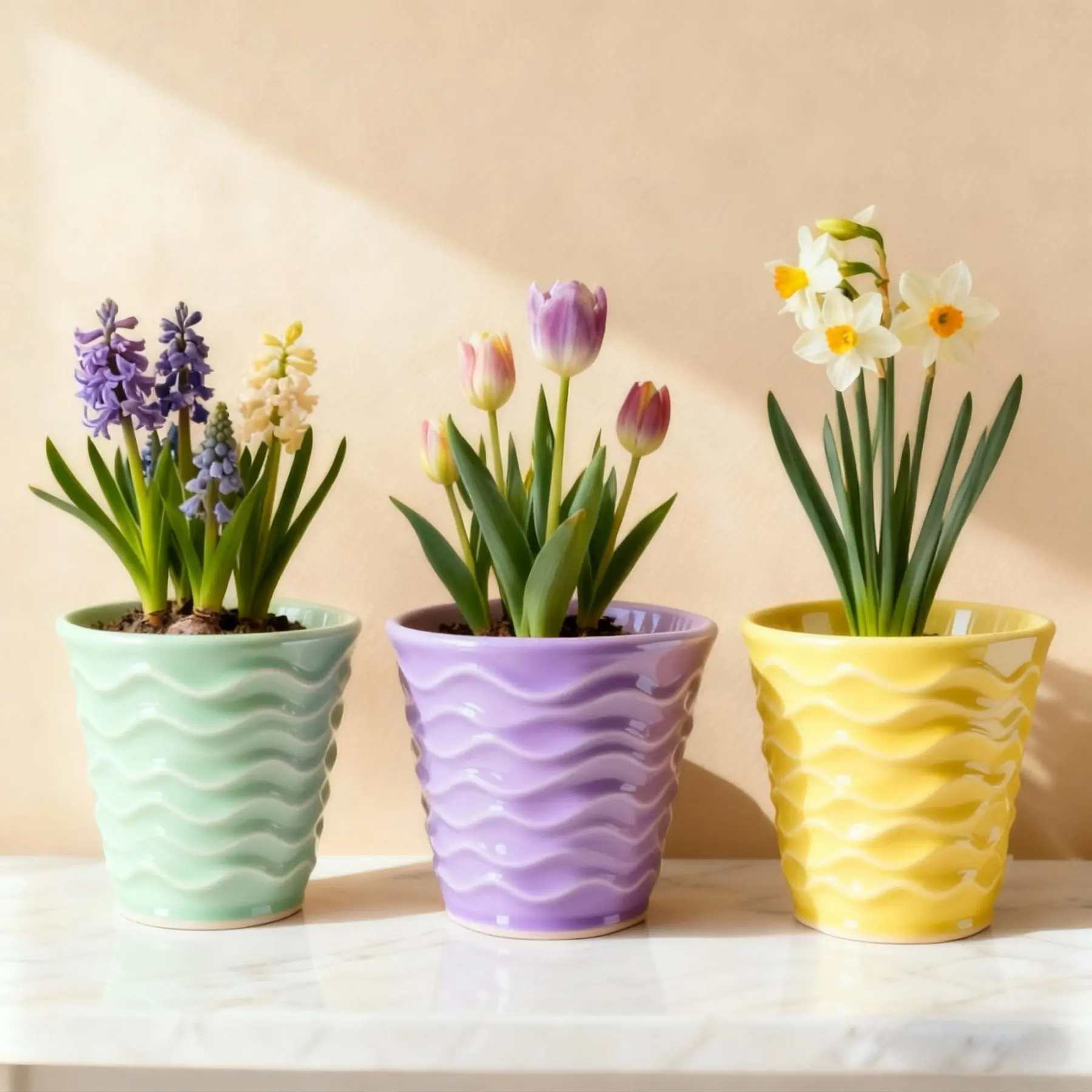
Generally, MOQ varies based on material. For ceramic statues, MOQ usually ranges from 1,000 to 3,000 pieces per style due to the thermal cycle limits of high-efficiency tunnel kilns. For polyresin sculptures, the MOQ is typically lower, ranging from 300 to 500 pieces per design, as silicone molds require less upfront investment than porcelain molds.
We blend high-density stone powder (typically 40-60%) with premium synthetic resin. Additionally, we integrate industry-certified UV stabilizers (benzotriazoles) and use outdoor-rated polyurethane top-coats. This formulation prevents yellowing, paint peeling, and brittleness under intense solar exposure.
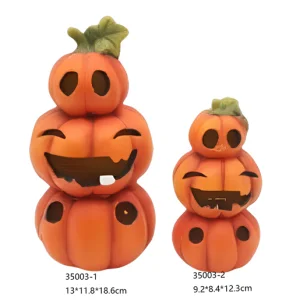
For seasonal products (such as the Two-Layer Pumpkin with Skull HDFS7685), buyers should lock in their designs and finalize molds by February or March. Mass production is carried out through April and May, followed by quality checks and loading in June and July. This timeline ensures cargo reaches destination ports before the autumn distribution peak.
Our manufacturing facilities are regularly audited under BSCI and ISO 9001 frameworks. Every batch of glaze and paint applied to our ceramics and resin items is certified lead-free and cadmium-free, complying with European REACH and California Proposition 65 regulations. Certificates can be provided upon request prior to booking ship containers.
Unit cost is determined by clay weight, structural design complexity (such as relief or hollow-out designs), firing duration, glaze type (e.g., reactive glaze vs. matte finish), and packing requirements. Utilizing standardized packaging layouts and optimizing container utilization rates can substantially lower overall costs.