Explore our highly curated export products engineered for global architectural and seasonal market needs.
In the modern architectural, landscaping, and urban construction industries, the choice of containment systems has transitioned from purely decorative pottery to highly engineered structural components. Over the last decade, rectangular planters have emerged as the absolute gold standard for defining spatial boundaries, managing pedestrian flow, and bringing biophilic elements into hyper-dense metropolitan developments. This whitepaper analyzes the sourcing pipelines, manufacturing parameters, economic variables, and design innovations governing the global rectangular planter market. For purchasing departments, importers, and architectural specifiers, finding a qualified and cheap rectangular planter supplier in China that satisfies rigorous E-E-A-T criteria and international building codes is paramount.
Export & Manufacturing Expertise
Annual Production Output Capacity
Raw Materials Ethically Sourced
Global Distributing Networks
The production of industrial-grade planters relies heavily on access to premium raw materials, highly specialized molding machinery, energy-efficient high-temperature kilns, and reliable logistical connections. China remains the dominant global hub for ceramics, fiberstone, and concrete planters. The country's supply chain clusters, particularly in Fujian and Guangdong provinces, offer unrivaled economies of scale.
By consolidating all aspects of production—from the refinement of local clay deposits to precision automated molding and high-temperature kiln firing—Chinese factories achieve a pricing structure that competitors in North America and Western Europe cannot match. Sourcing directly from an established rectangular planter factory enables volume buyers to bypass broker fees and access complete OEM/ODM options. Additionally, these manufacturers provide structural testing reports (freeze-thaw resilience, load-bearing tests) to ensure durability in demanding outdoor environments.
The commercial planter industry is undergoing a significant transformation driven by material science breakthroughs and a strong emphasis on sustainability. Traditional concrete planters, while strong, present massive logistical challenges due to their weight. Today, modern factories specialize in lighter, stronger materials designed for rooftop decks and indoor partitions:
Architectural requirements for rectangular planters vary significantly based on local climate conditions and building codes. Sourcing strategies must adapt to these regional differences:
North American Markets (USA & Canada): Focus is placed on freeze-thaw resistance (ASTM testing standards) and wind load calculations for rooftop installations. Municipalities also require heavy-duty roadside barriers that act as visual deterrents.
Western European Markets (UK, Germany, France): Prioritize circular economy principles and REACH chemical compliance for all glazes and resins. Natural, earth-tone colors and minimalist geometries dominate high-end architectural landscaping.
Middle East Developments (UAE & Saudi Arabia): Demand high thermal insulation to protect root systems from extreme heat. Integrated drainage systems are crucial to minimize water evaporation in arid climates.
Understanding the manufacturing process is essential for evaluating a factory's quality standards. A standard production run follows five key phases:
Phase 1: Raw Material Refining: High-grade clay is ground and mixed with anti-cracking agents like silica sand and grog. This mixture is filtered to remove impurities that could cause micro-fissures during firing.
Phase 2: Slip Casting & Pressing: The clay slip is poured into custom plaster molds. For oversized rectangular shapes, interior steel reinforcements are used to ensure the walls remain perfectly straight.
Phase 3: Controlled Dehydration: Cast products dry slowly in climate-controlled rooms. Rapid drying can cause warping and structural weaknesses.
Phase 4: Kiln Firing & Glazing: Planters are fired in computer-controlled tunnel kilns. A slow ramp-up to 1200°C fuses the clay and glaze molecules, creating a frost-resistant finish.
Phase 5: Quality Inspection: Technicians inspect each piece for flatness, wall thickness, and micro-cracking using acoustic resonance tests.
Established in China, Value Deco Limited is a premier supplier of high-quality ceramic pots and planters. Leveraging over 12 years of industry experience, we offer an expansive catalog of flower pots, vases, candle holders, home decor, garden ornaments, and dinnerware. Our products blend modern design with industrial performance, ensuring they elevate both residential and commercial spaces.
To serve our global clients more effectively, we operate two specialized divisions:
Value Deco - Flower Pots Division: Accessible via www.valuedeco.com
Pride Deco - Home & Garden Décor Division: Accessible via www.pridedeco.com
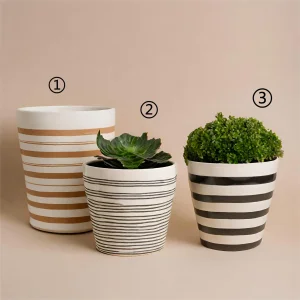
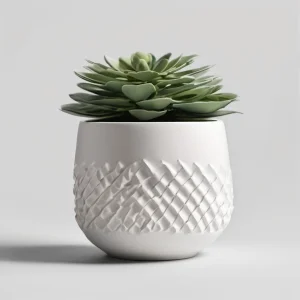
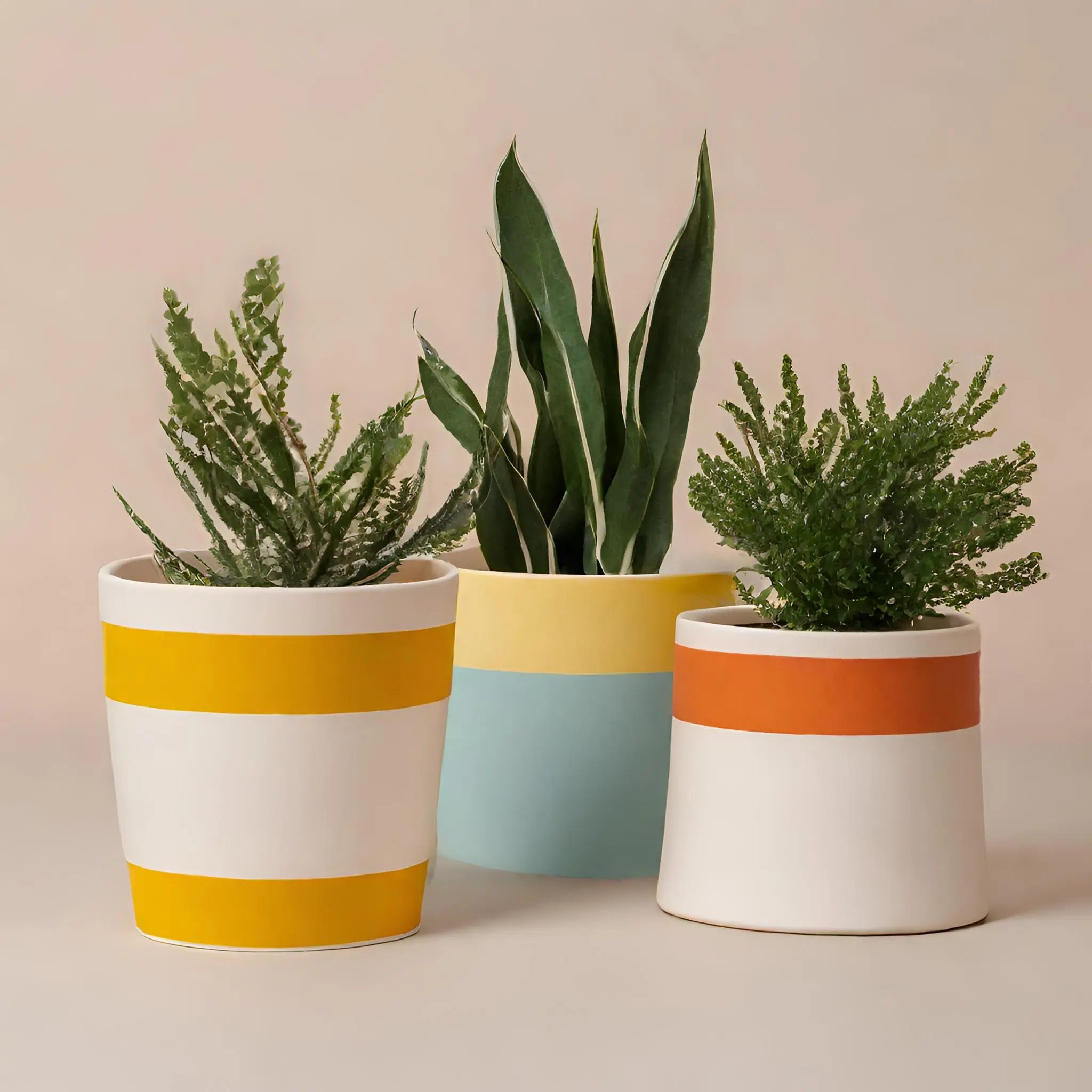
Browse our catalog across primary decorative and agricultural categories
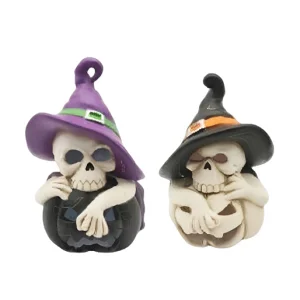
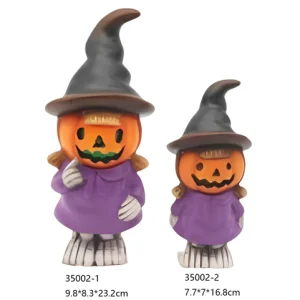
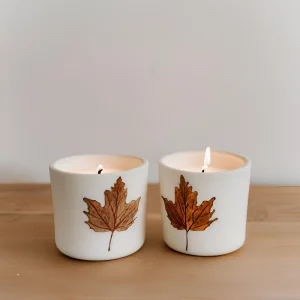
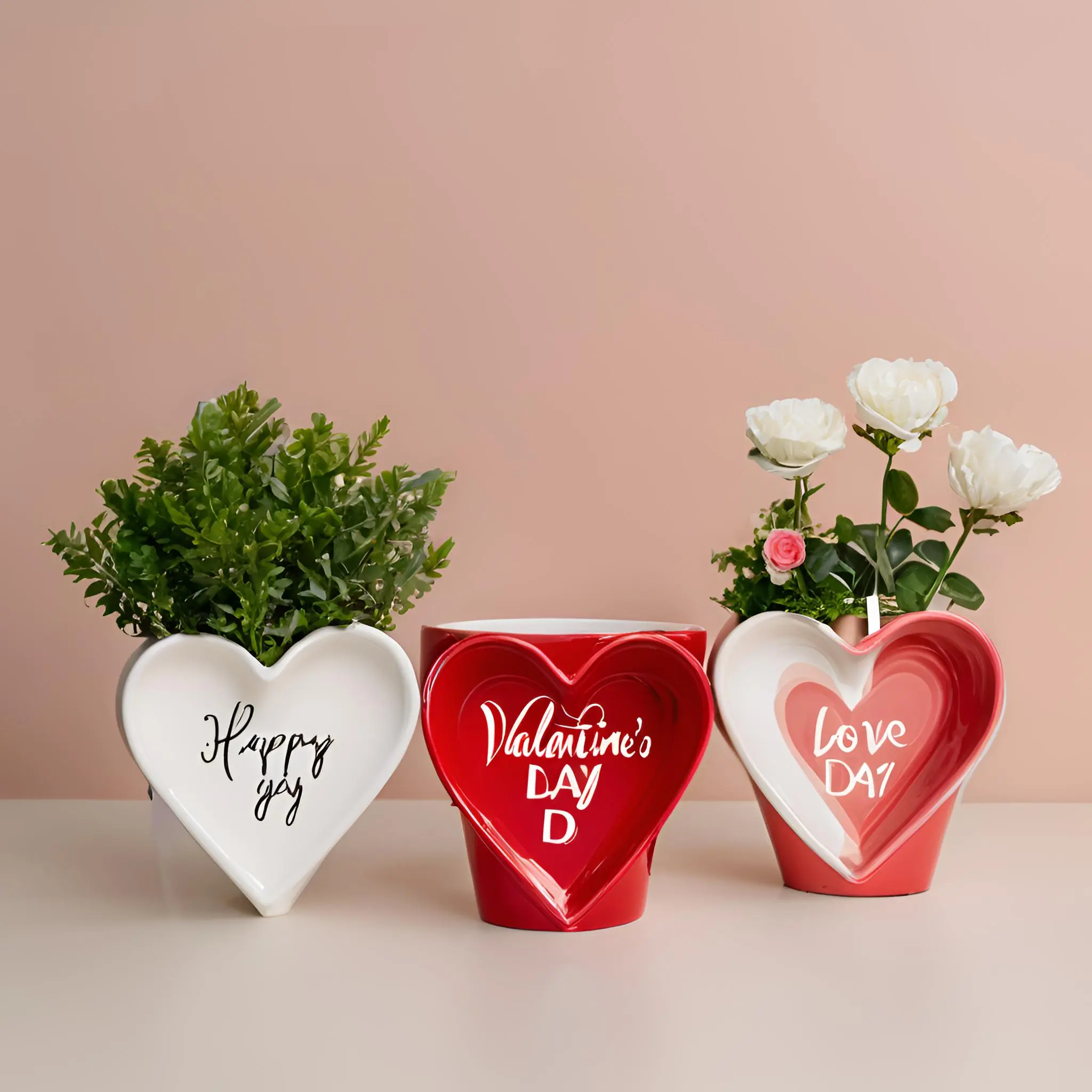
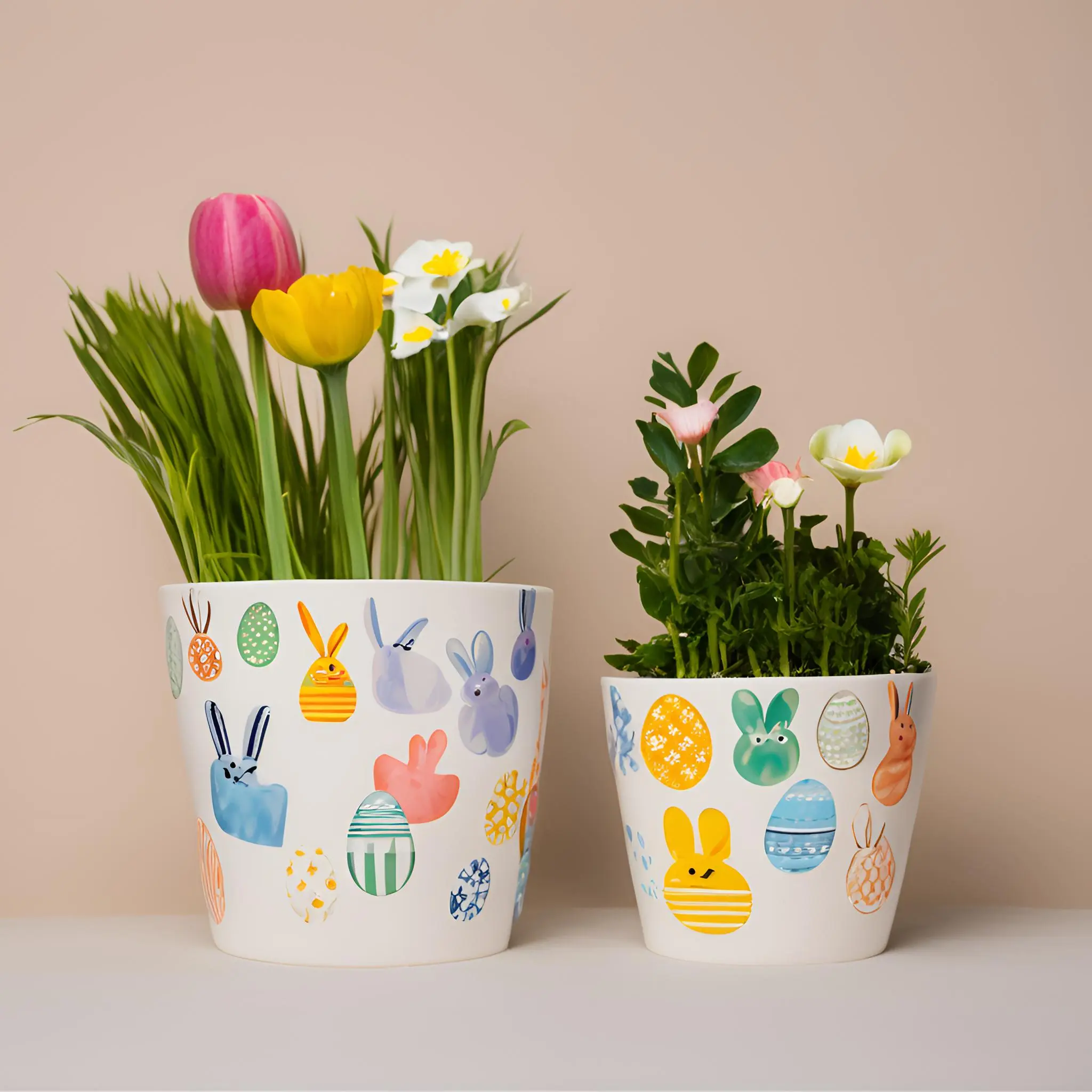
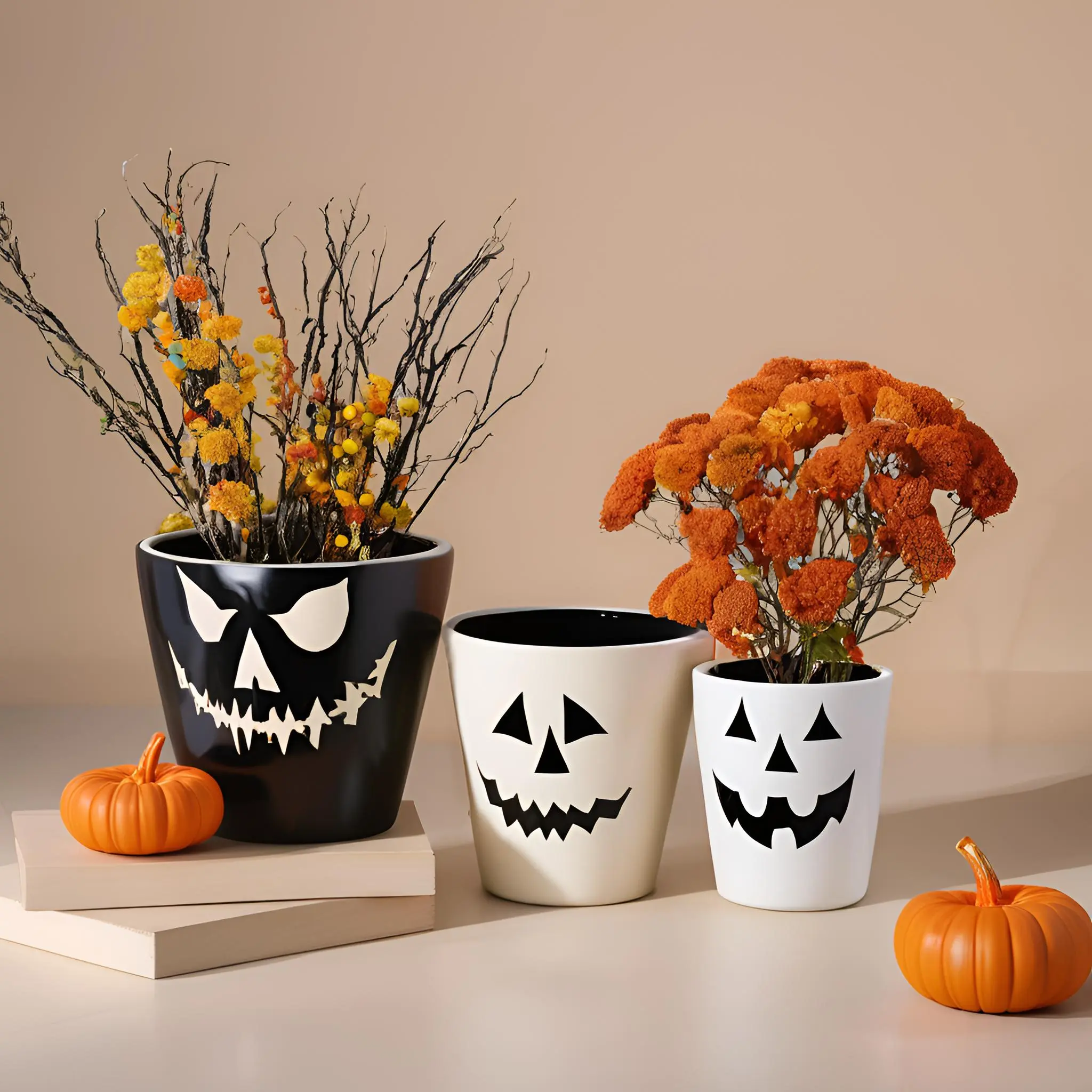
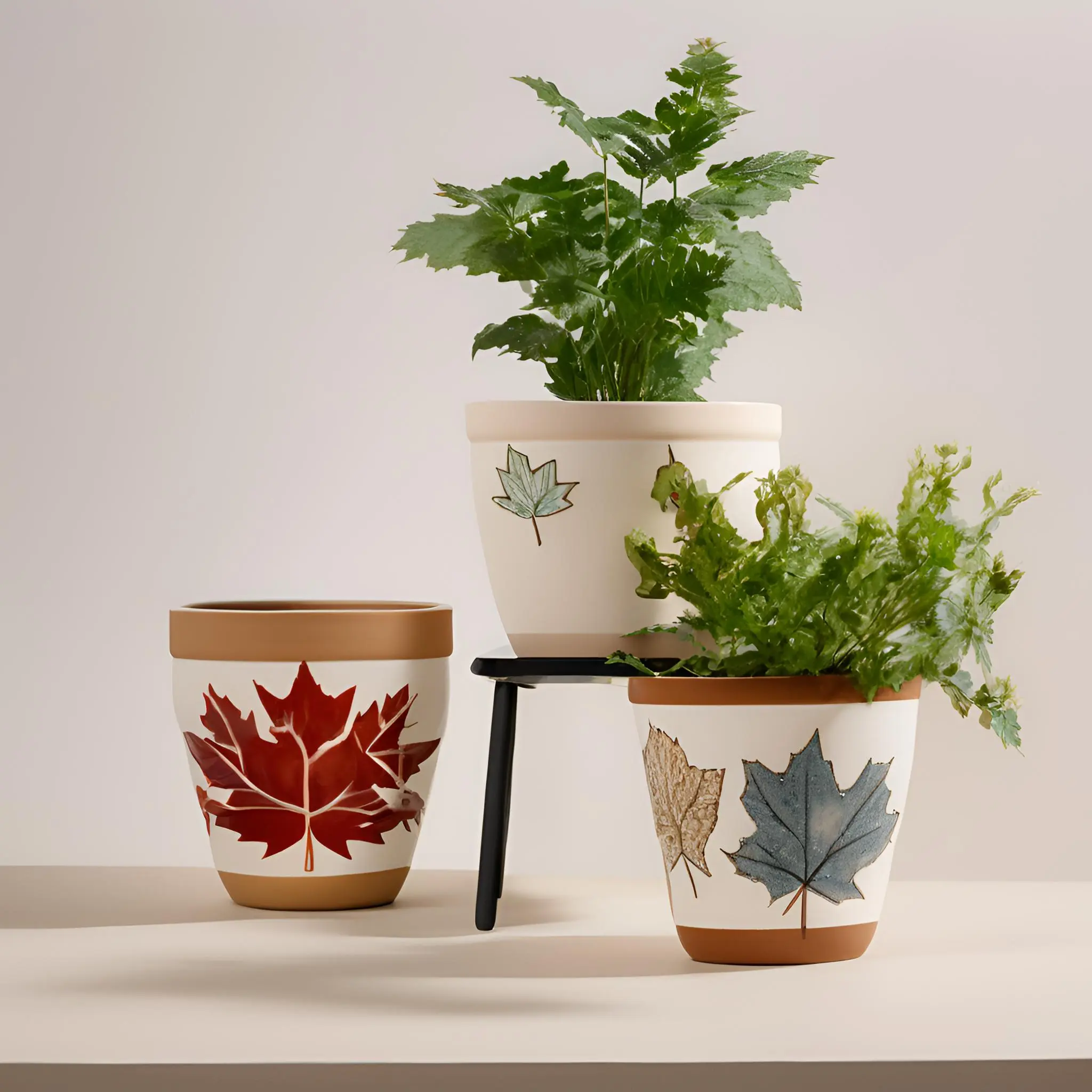
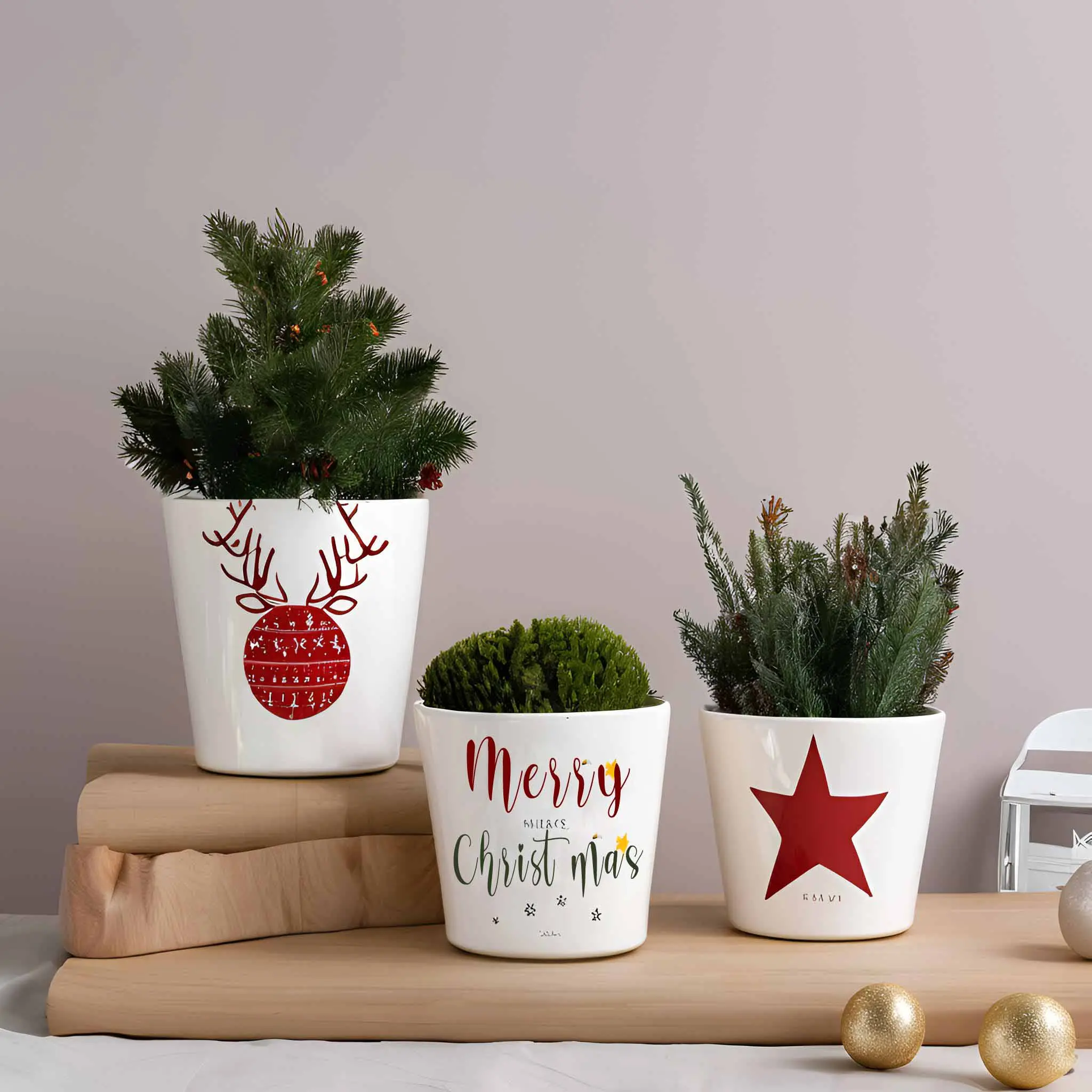
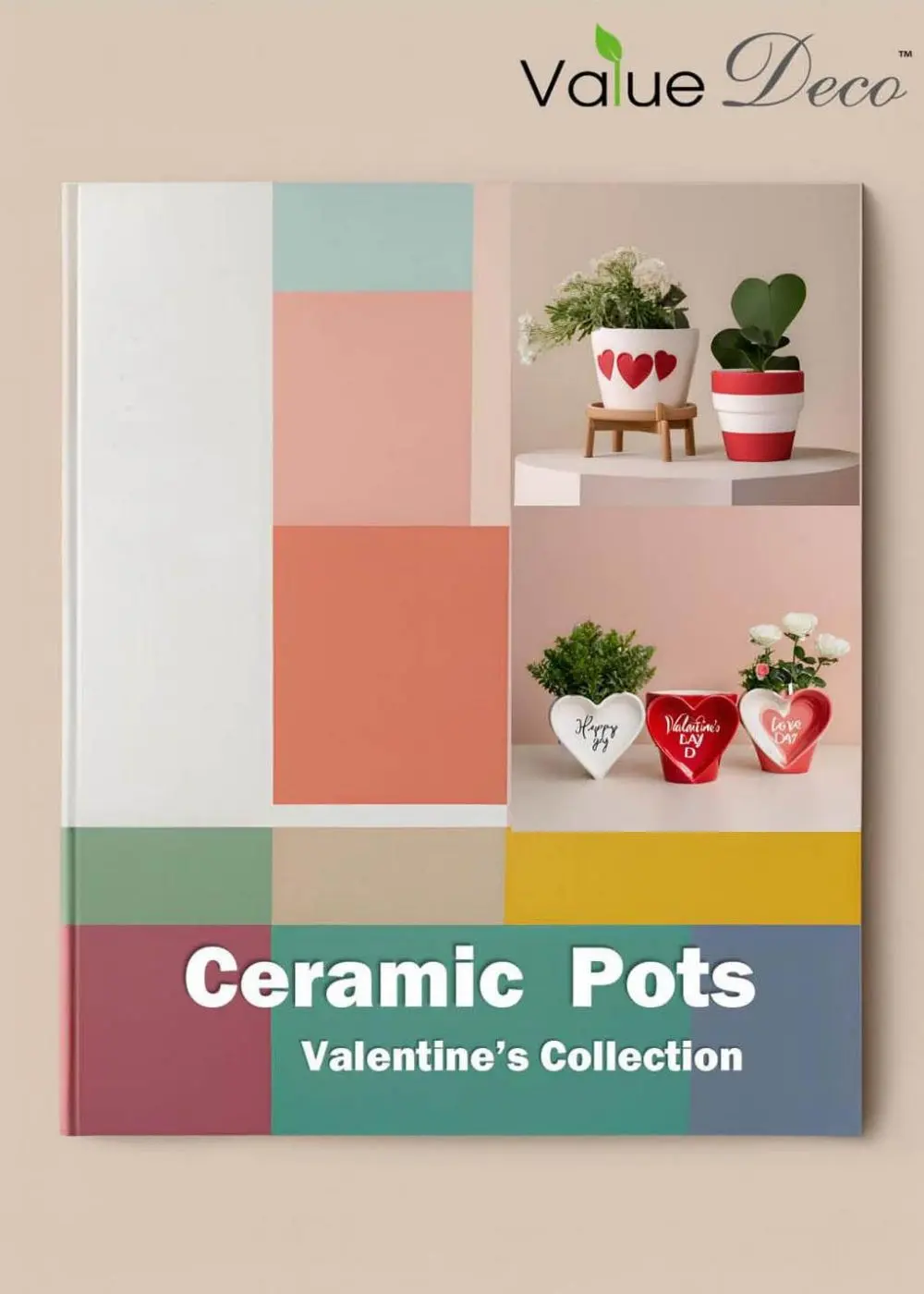
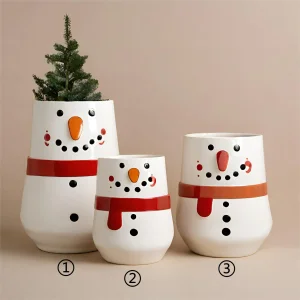
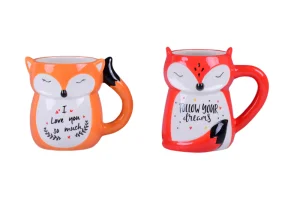
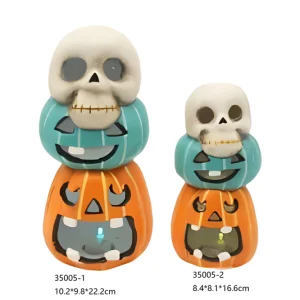
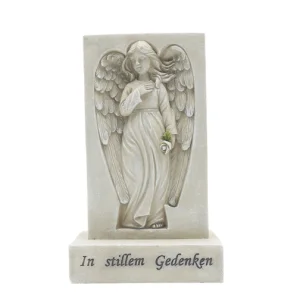
Custom seasonal lines tailored for retailers, florists, and visual merchandisers
For sourcing managers, buying "cheap" planters should never mean compromising on structural integrity. An effective procurement strategy balances manufacturing costs with long-term performance:
Container Load Optimization: Rectangular shapes are highly efficient for transport. Their flat sides allow for tight packing, minimizing wasted space in a shipping container. Experienced factories design their product dimensions so smaller planters nested inside larger ones, dramatically lowering shipping costs per unit.
Factory Auditing Metrics: A reliable manufacturer should hold ISO 9001 and BSCI certifications. Before finalizing an order, verify the factory's kiln capacities and quality control processes to ensure they can meet your delivery timelines.
Custom OEM/ODM Development: A professional supplier will provide 3D CAD drawings and clay prototypes within 7 to 14 days, allowing you to review and adjust dimensions before mass production begins.
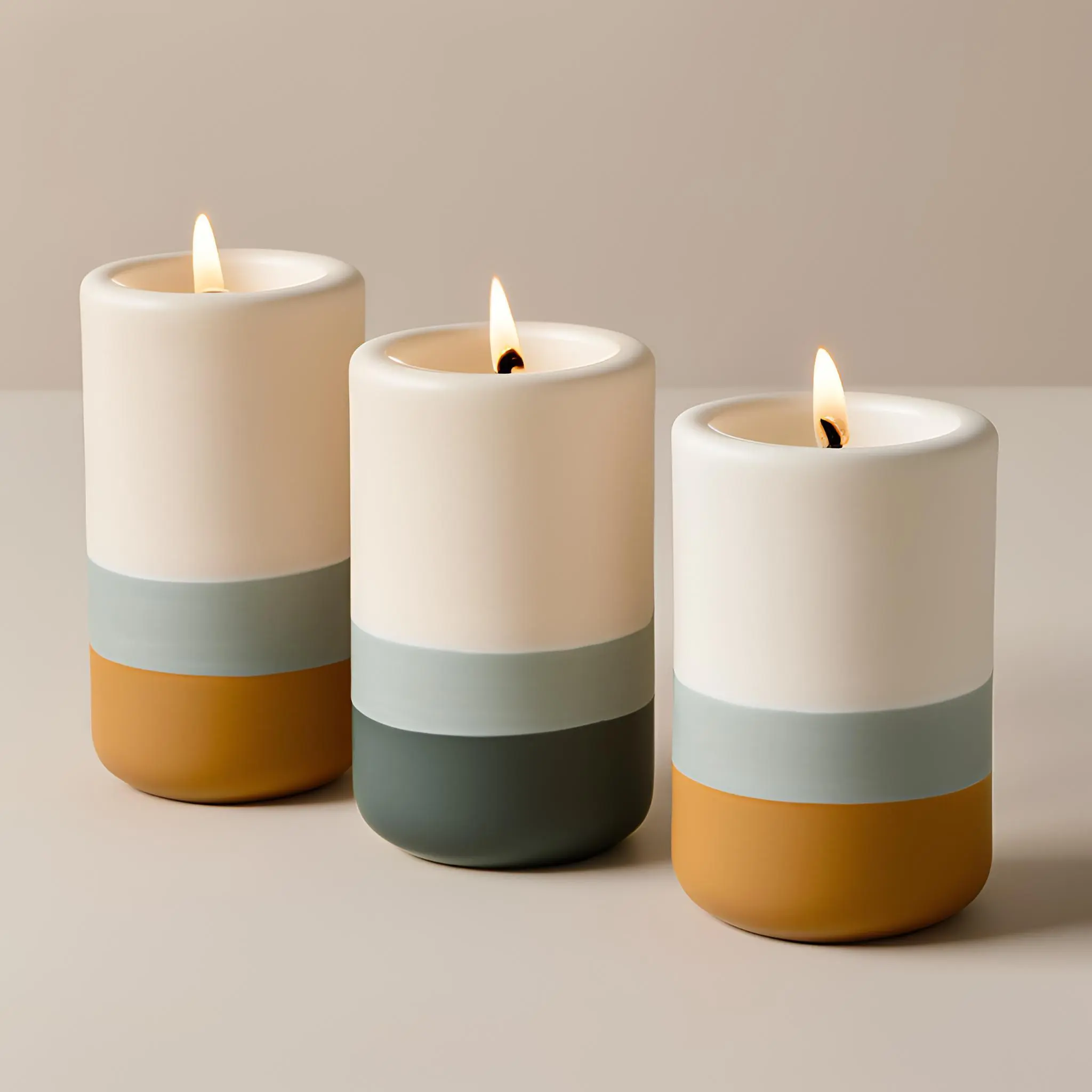
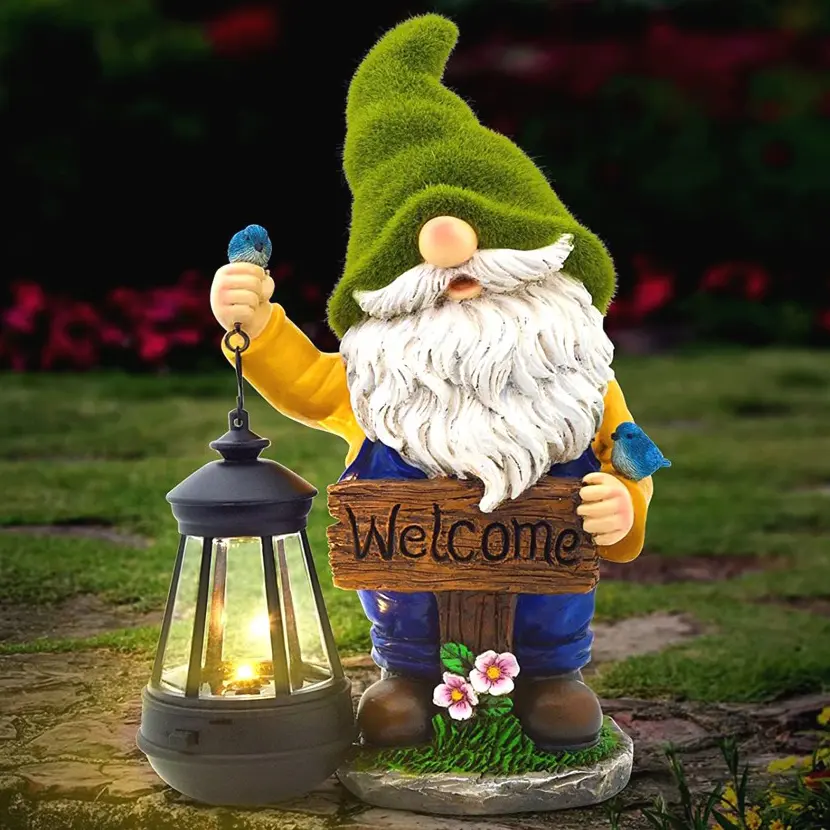
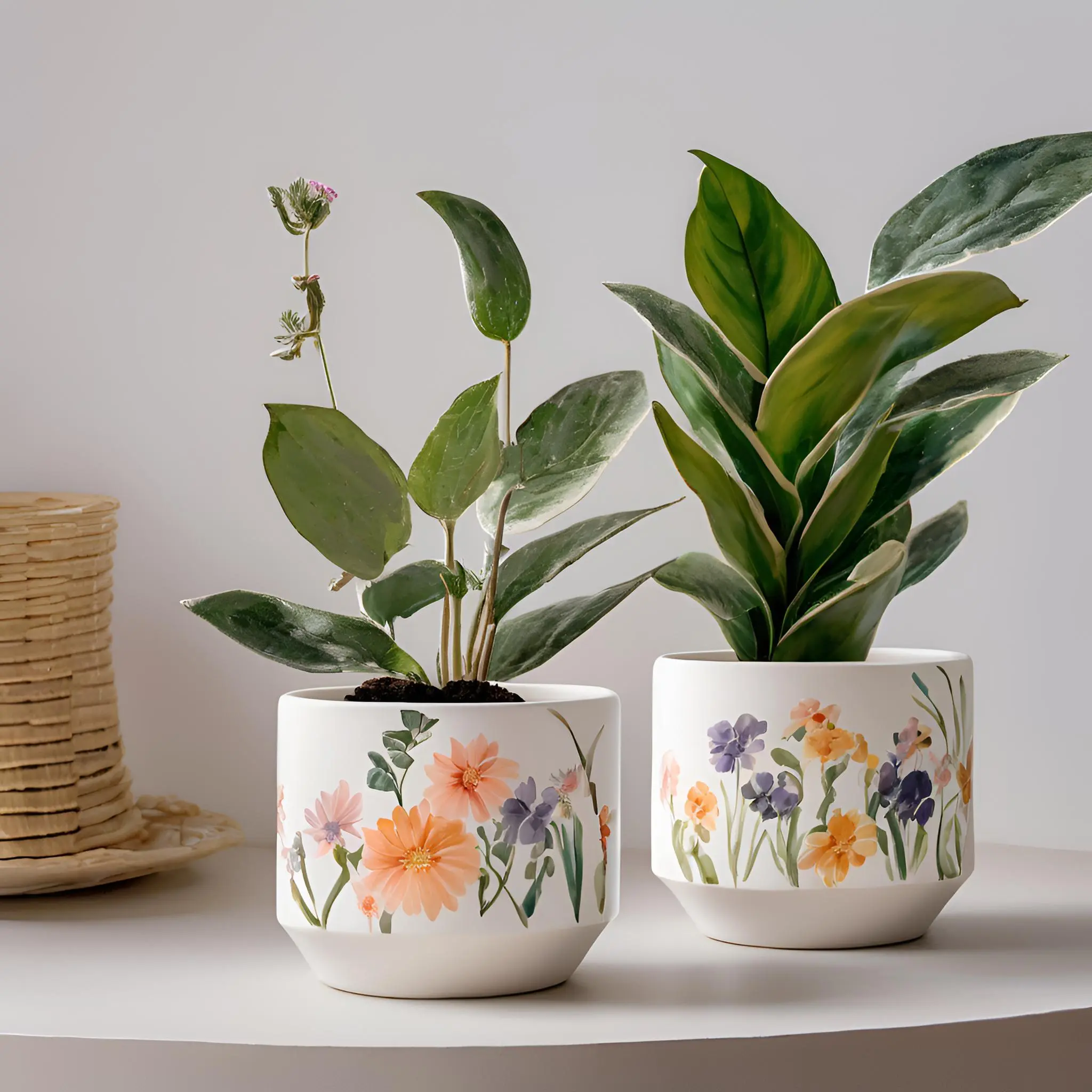
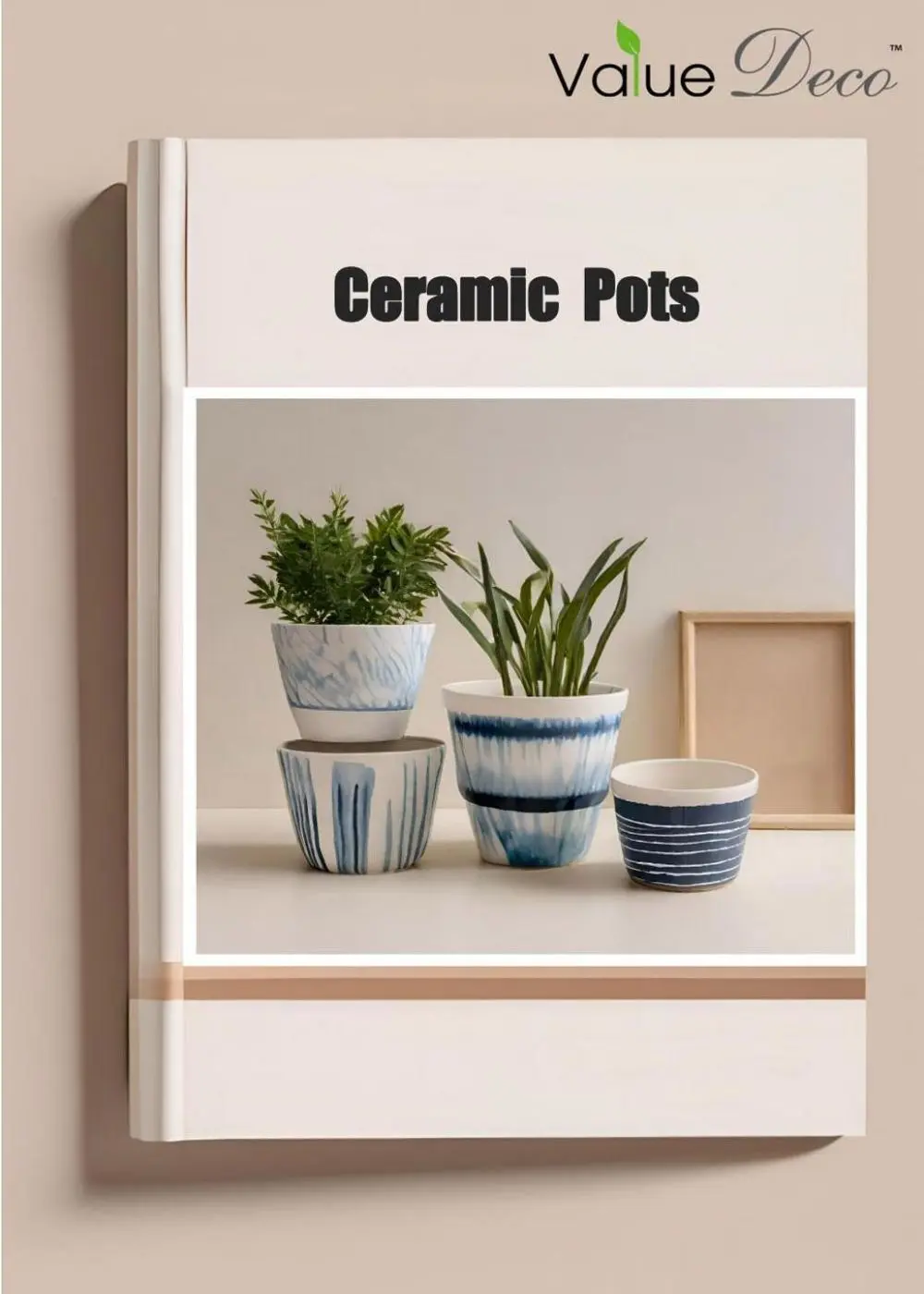
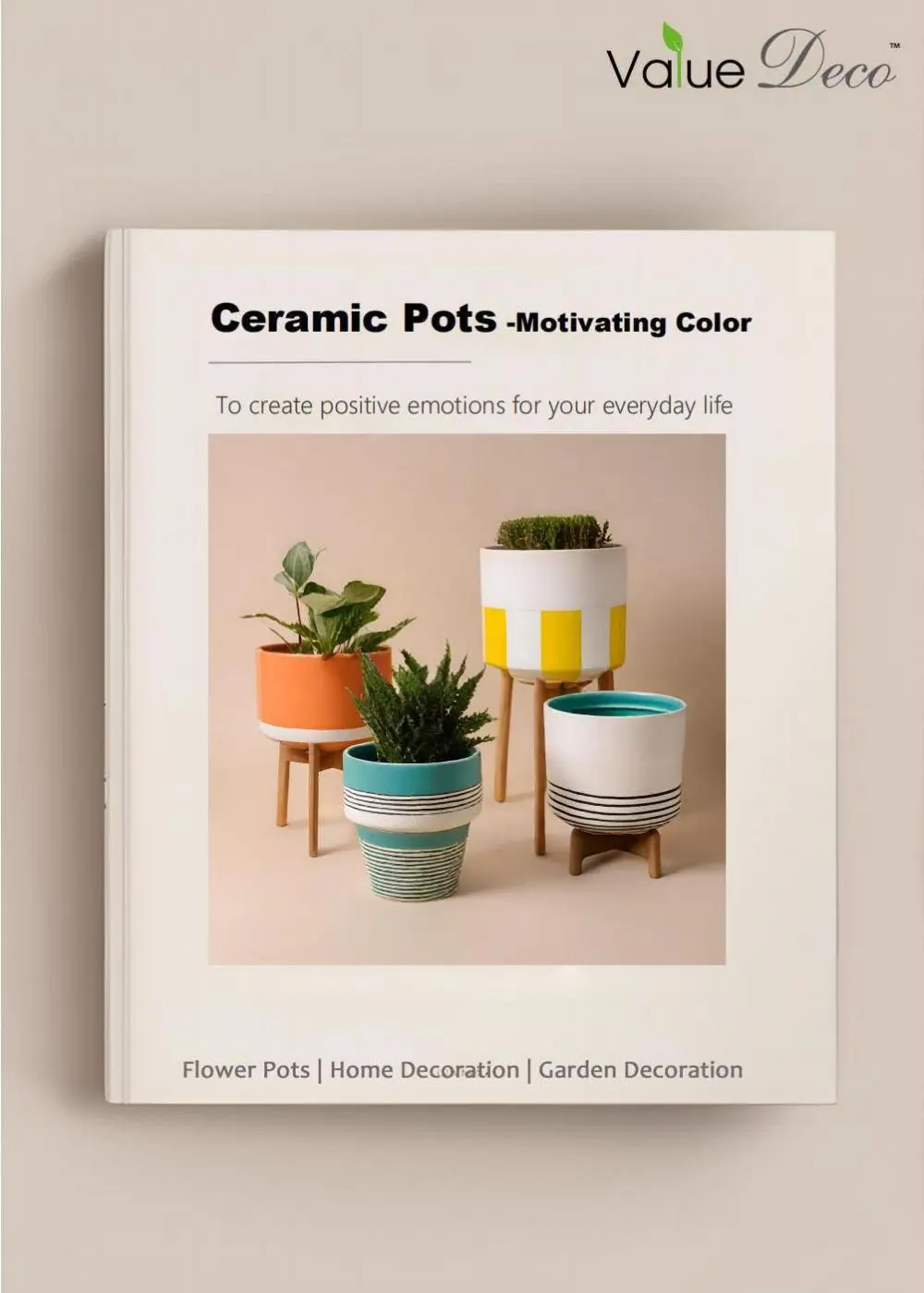
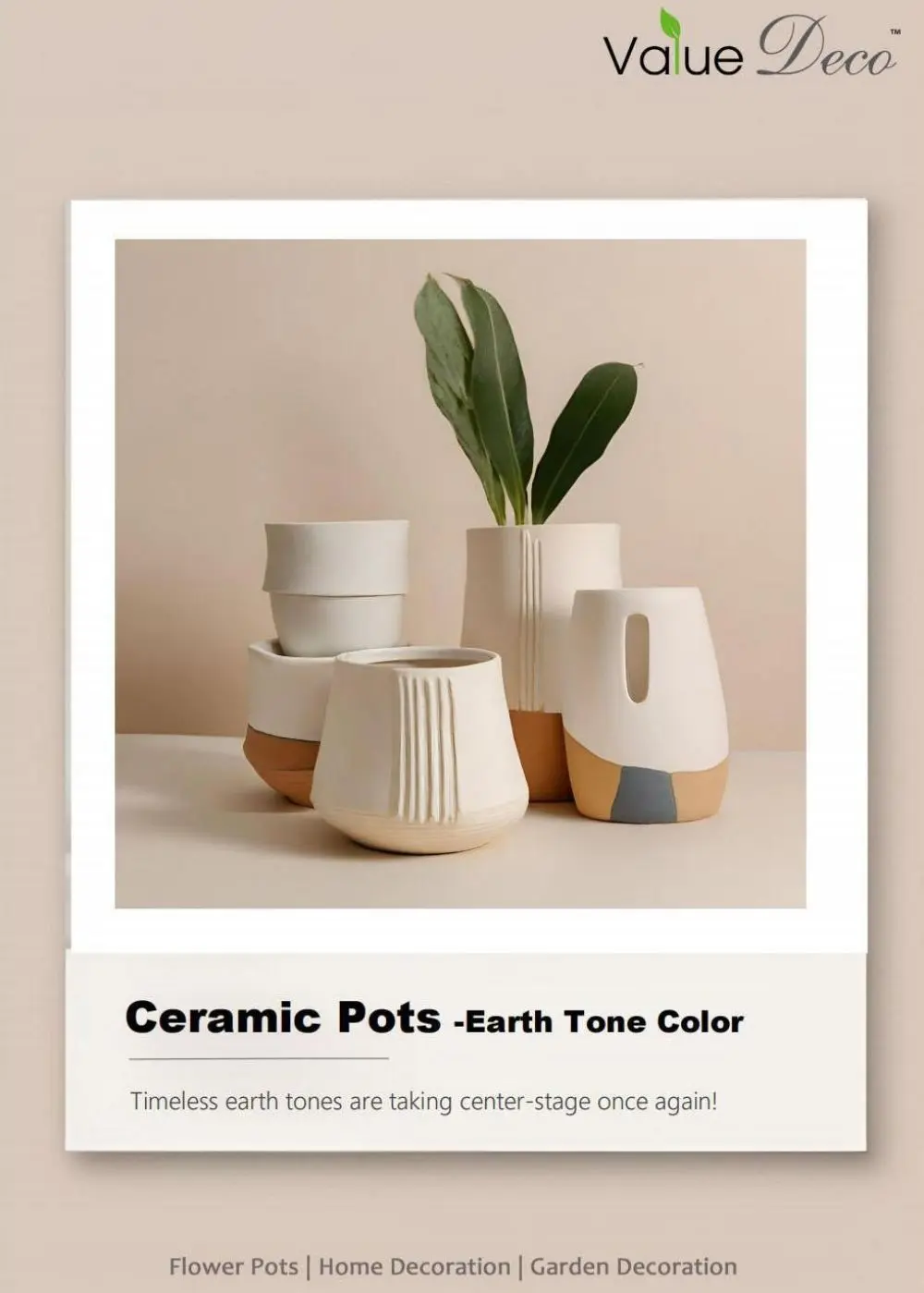
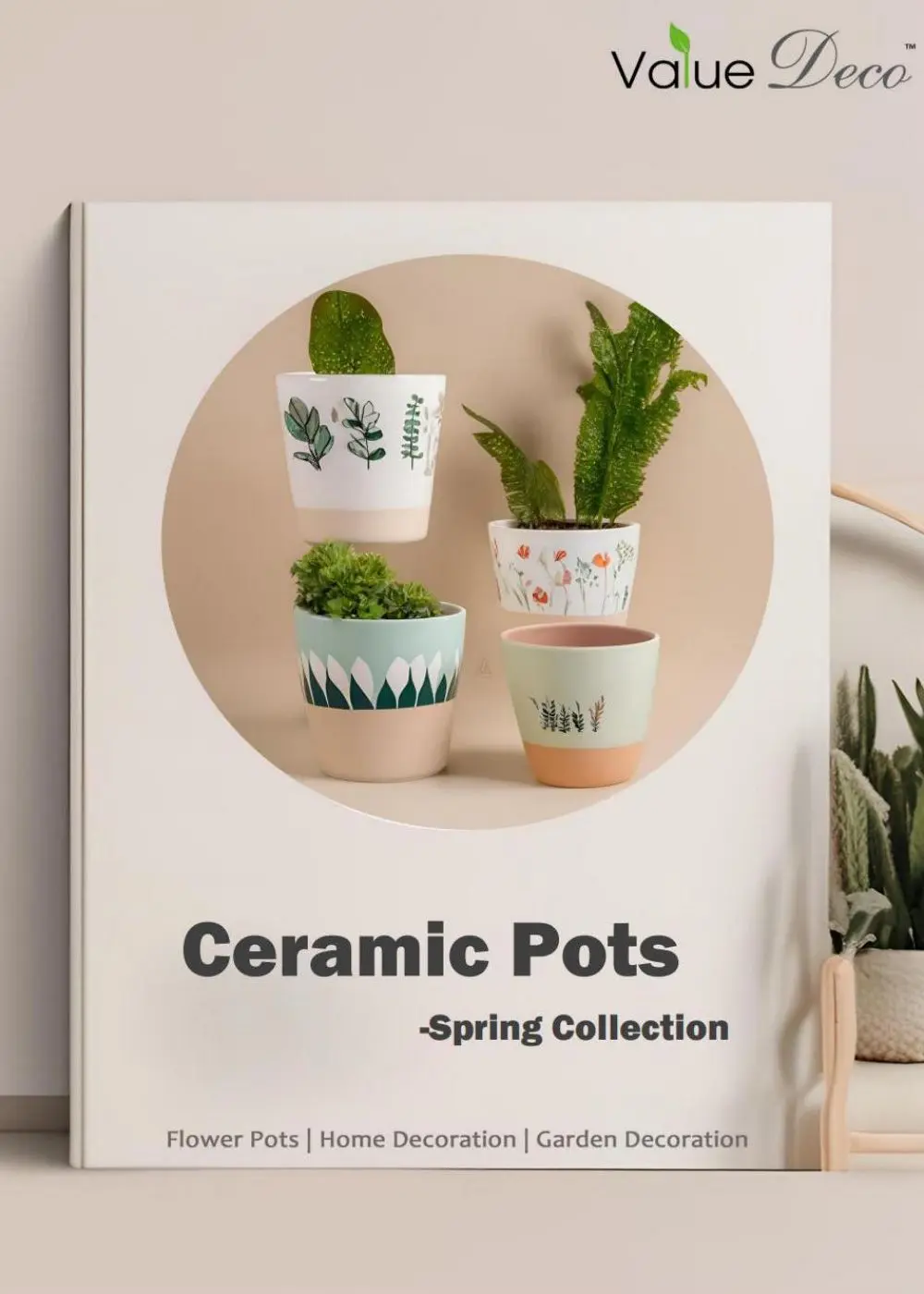
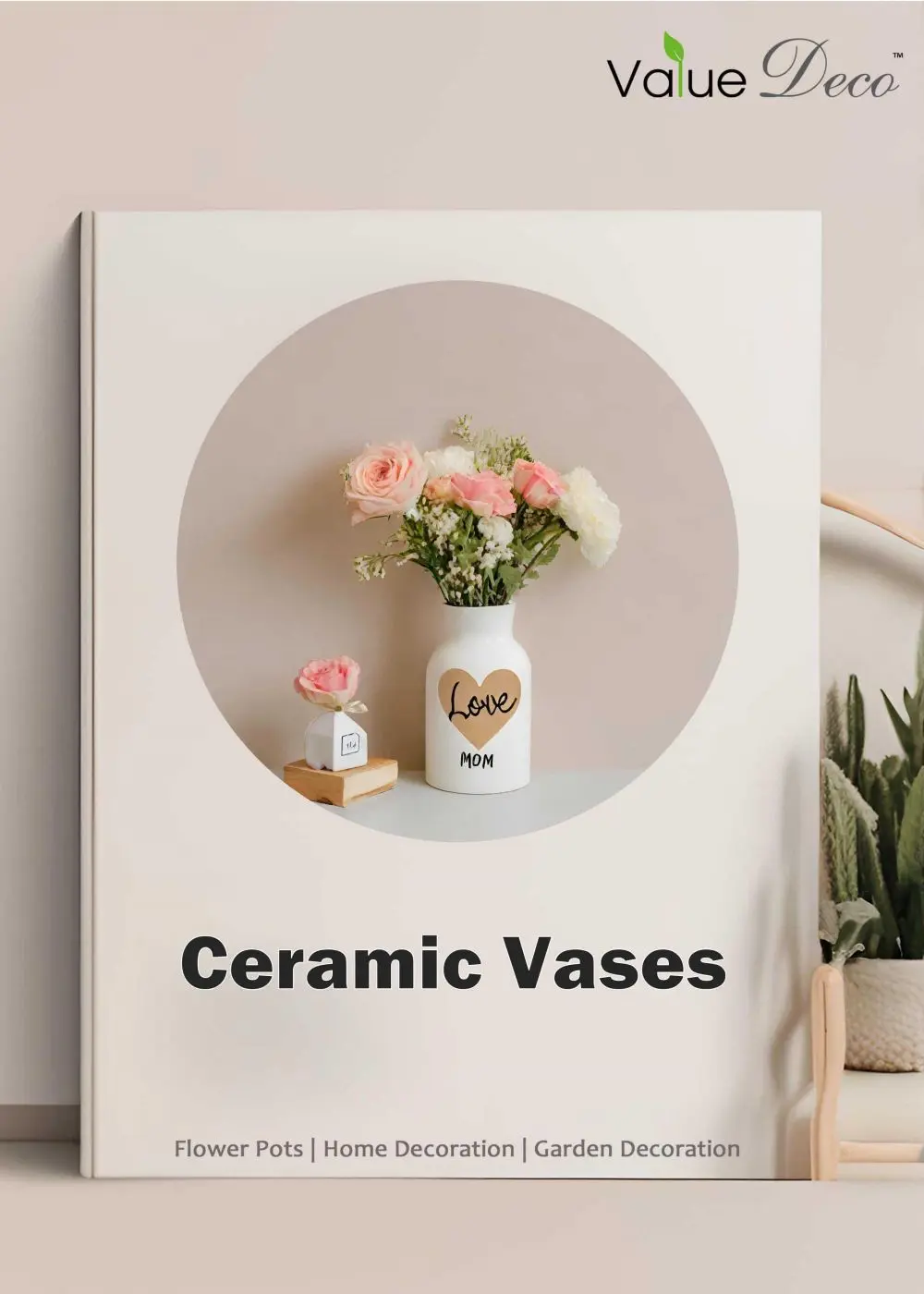
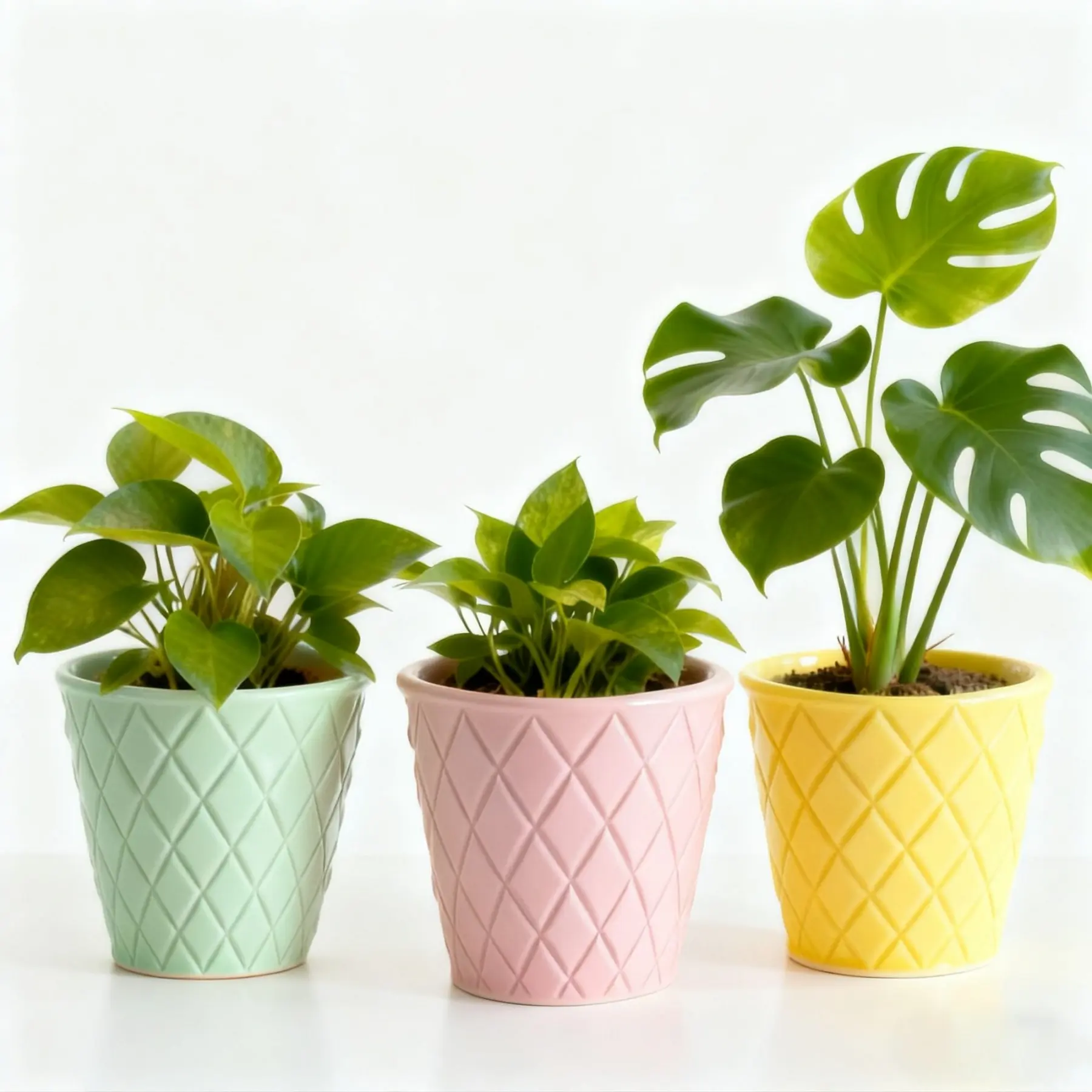
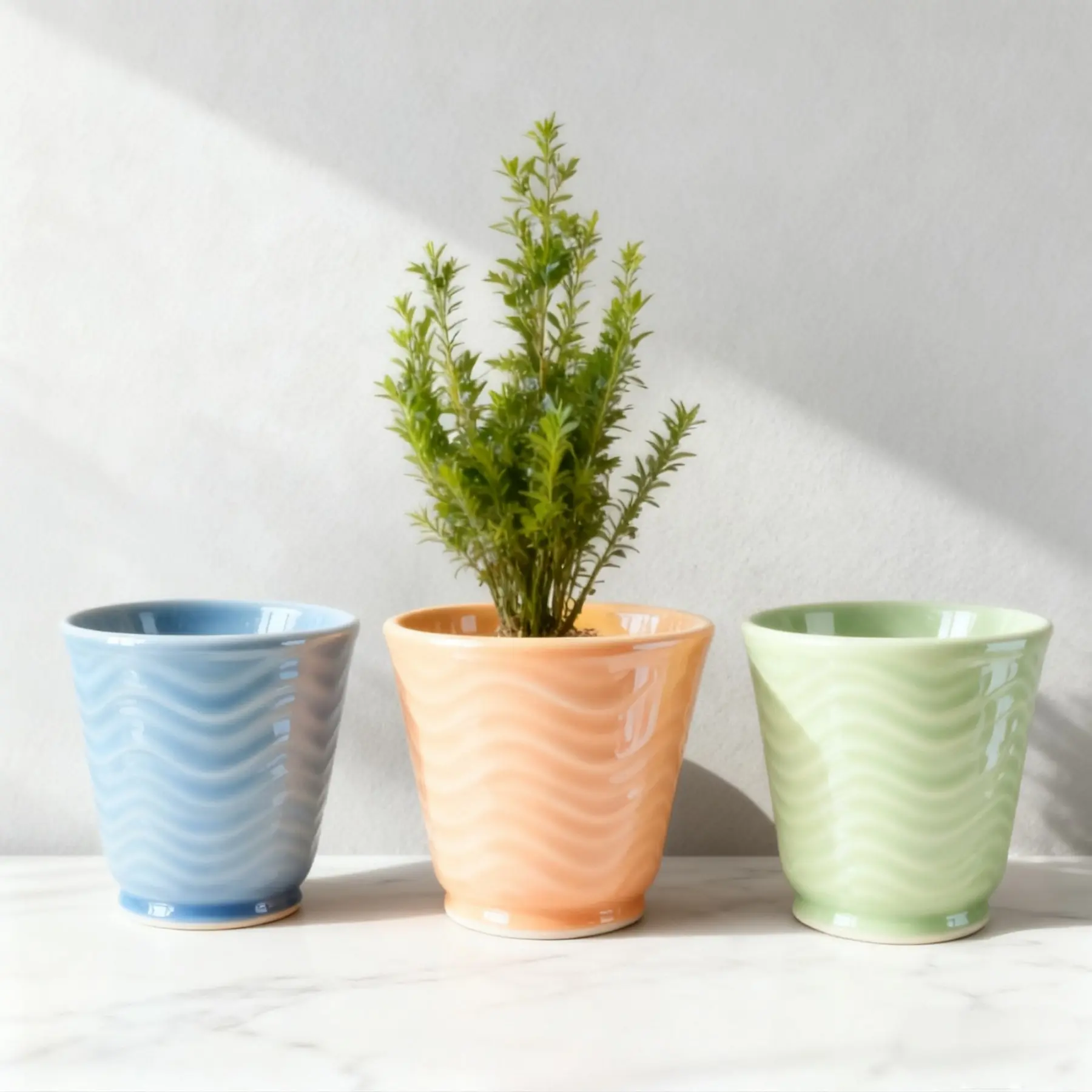
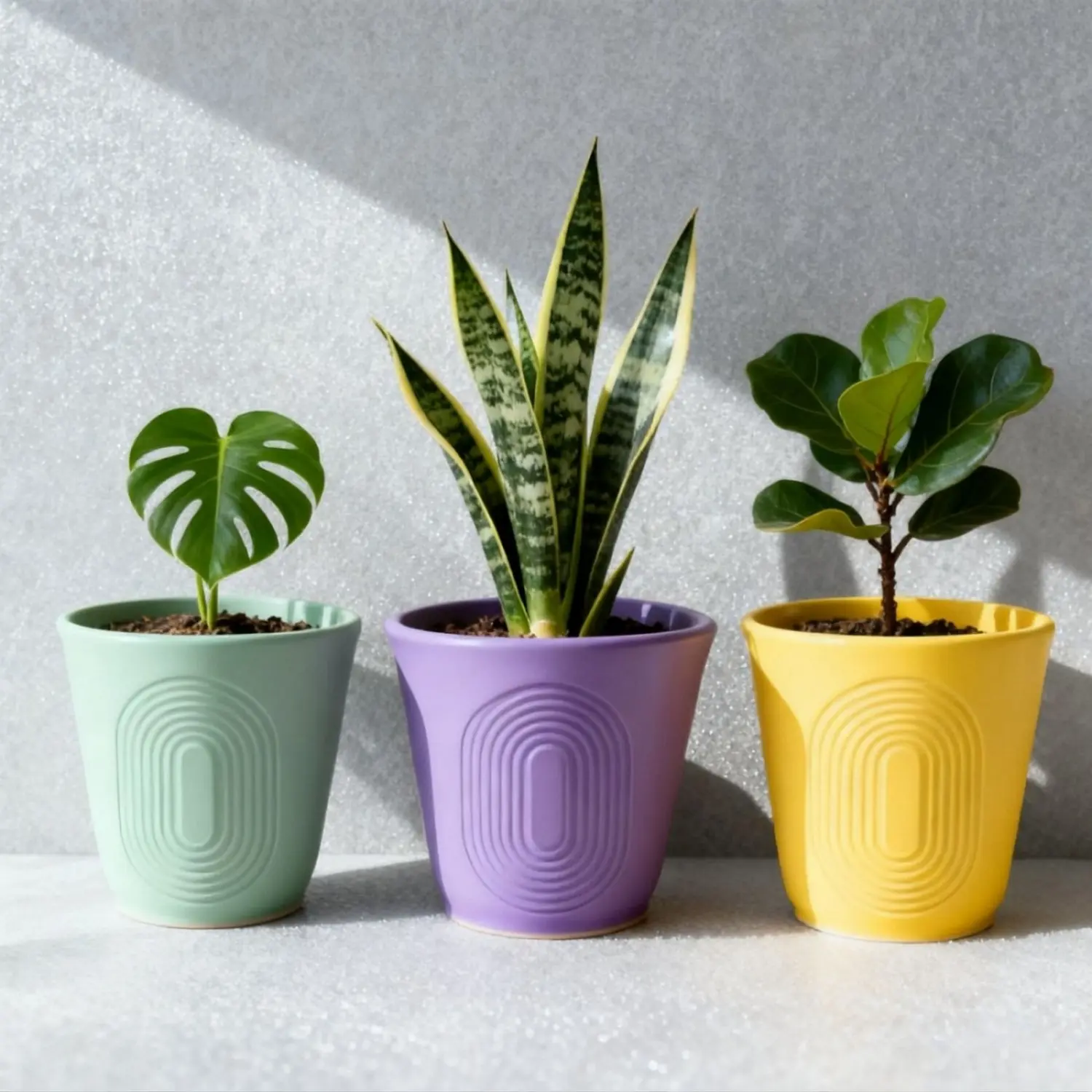
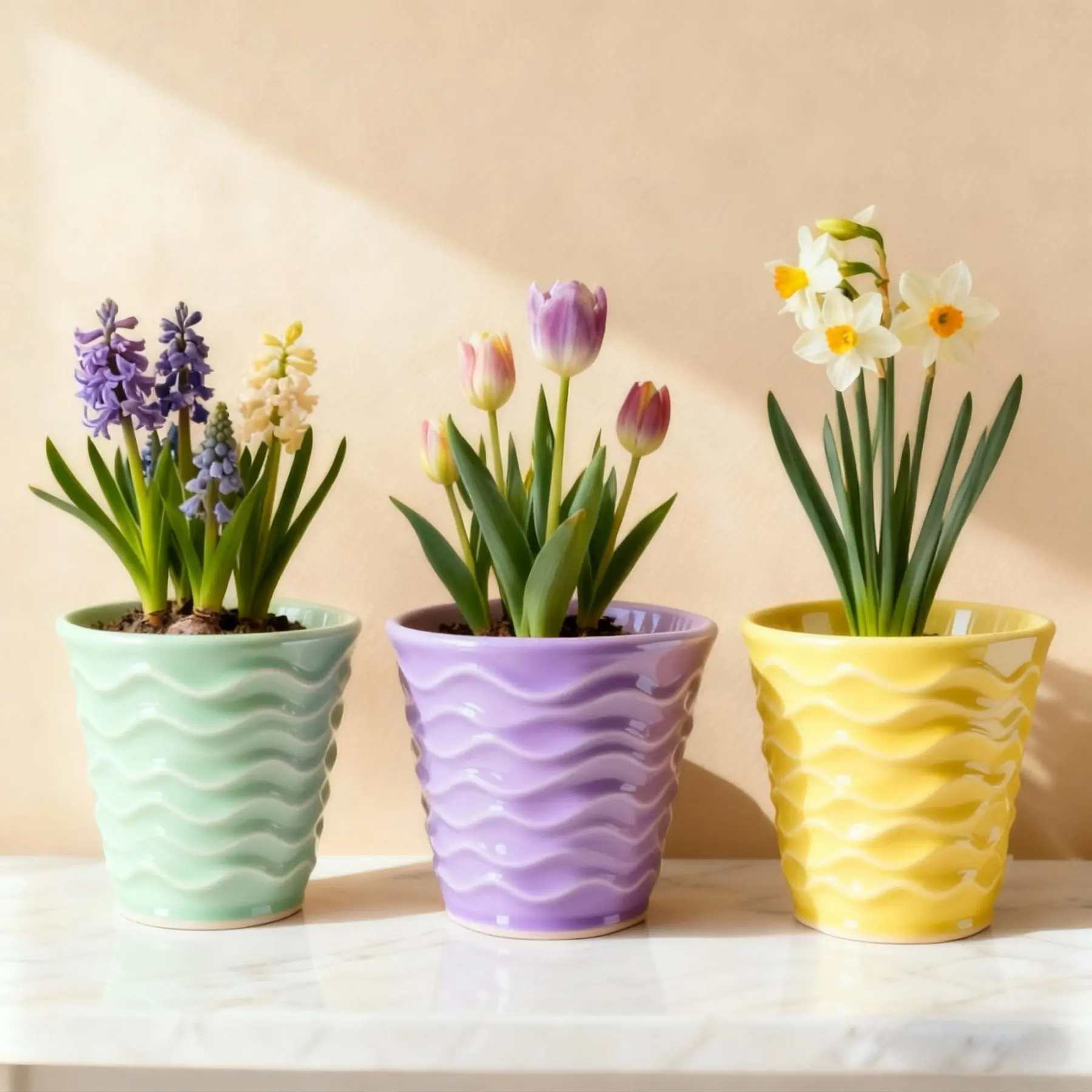
We continuous update our product range to align with global design trends. Sourcing managers can request digital catalogs to browse our latest collections, featuring a variety of textures, glazes, and shapes:
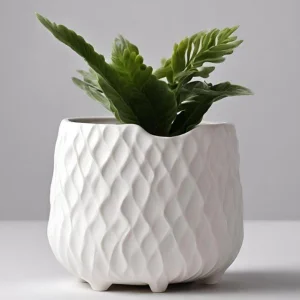
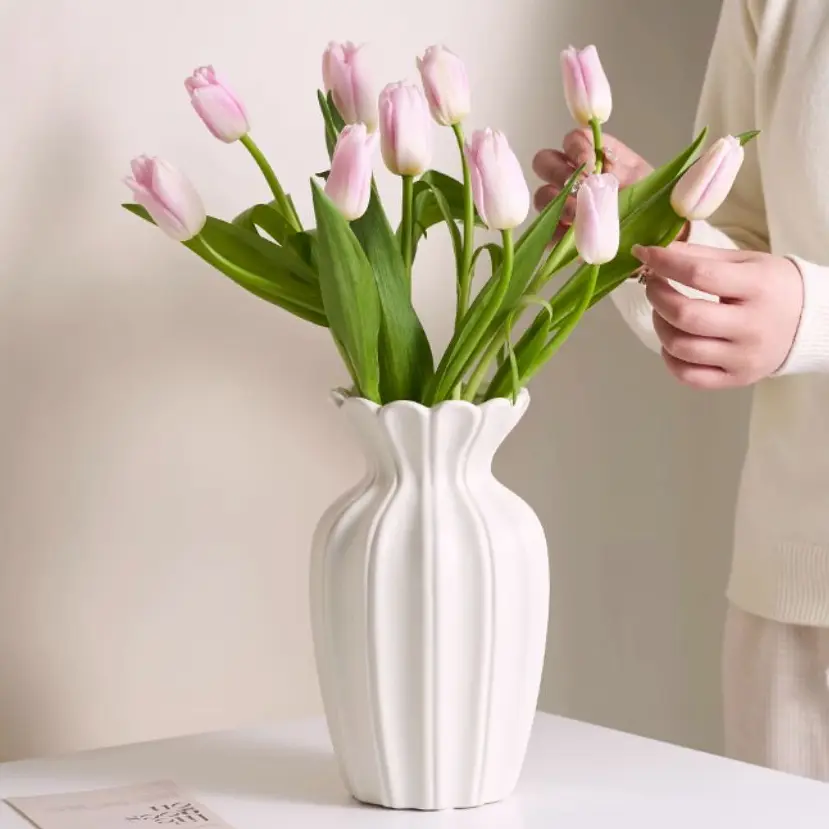
Explore our newest arrivals featuring modern finishes and architectural silhouettes
Expert answers to common technical, manufacturing, and logistical questions from volume buyers.
We maintain strict quality control throughout production. Each batch undergoes firing cycle validation in tunnel kilns, moisture absorption checks, and acoustic resonance testing to verify structural soundness. By locating our factory close to raw material sources and utilizing automated slip casting, we minimize manual handling errors and lower production costs.
Yes. Our planters are fired at temperatures above 1200°C. This vitrification process lowers moisture absorption to less than 1%, preventing the water penetration that causes cracking in freezing temperatures. We also recommend using internal insulation sleeves for outdoor installations in extremely cold regions.
We offer complete customization, including size modifications, custom color matching (RAL/Pantone), embossed brand logos, and integrated drainage solutions. Our design team can deliver CAD drawings within 3 to 5 working days, and physical samples can be completed within 14 days of design approval.
We design our rectangular planters to nest efficiently inside one another. Together with custom pallet packaging and corner guards, this minimizes wasted container volume and significantly reduces per-unit shipping costs.
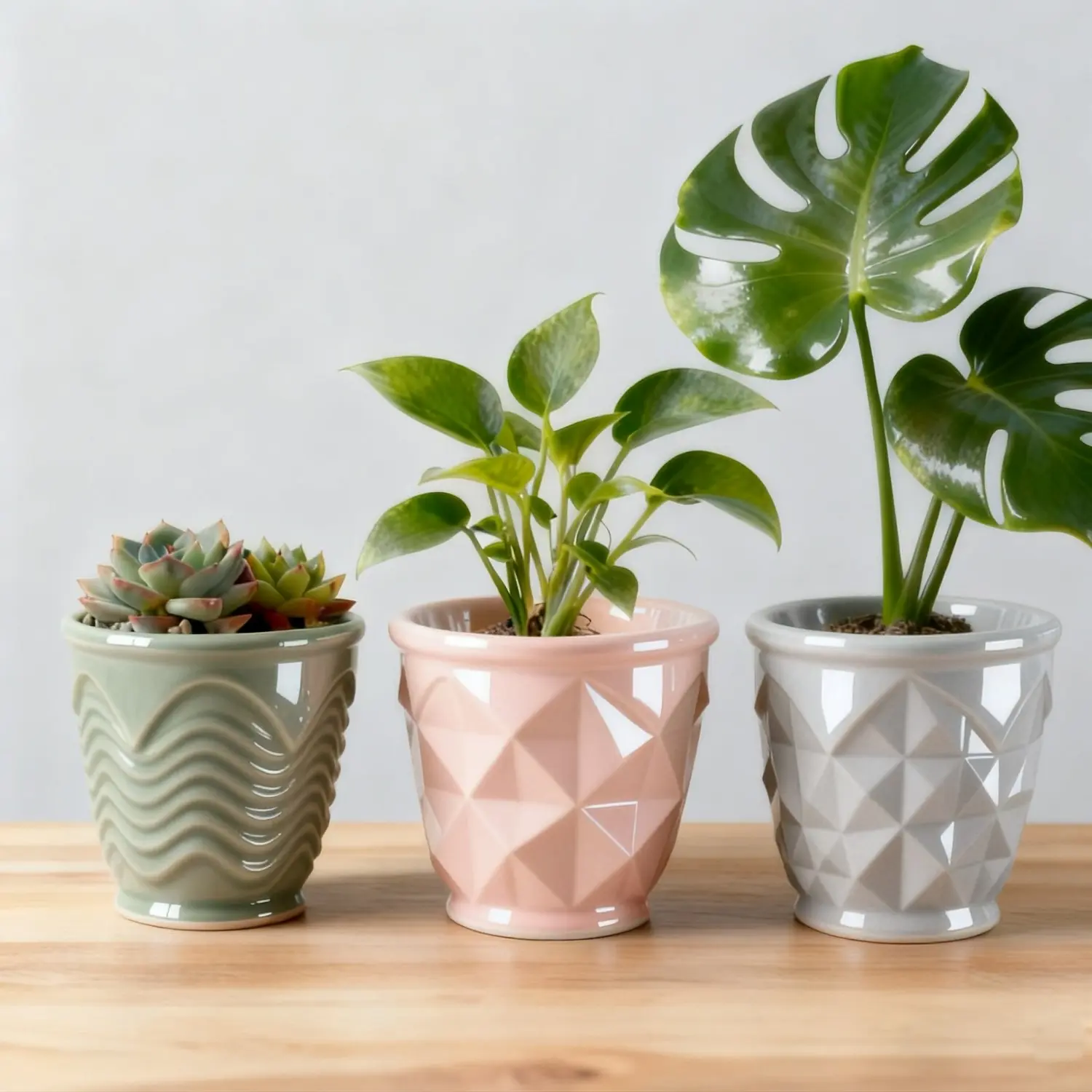
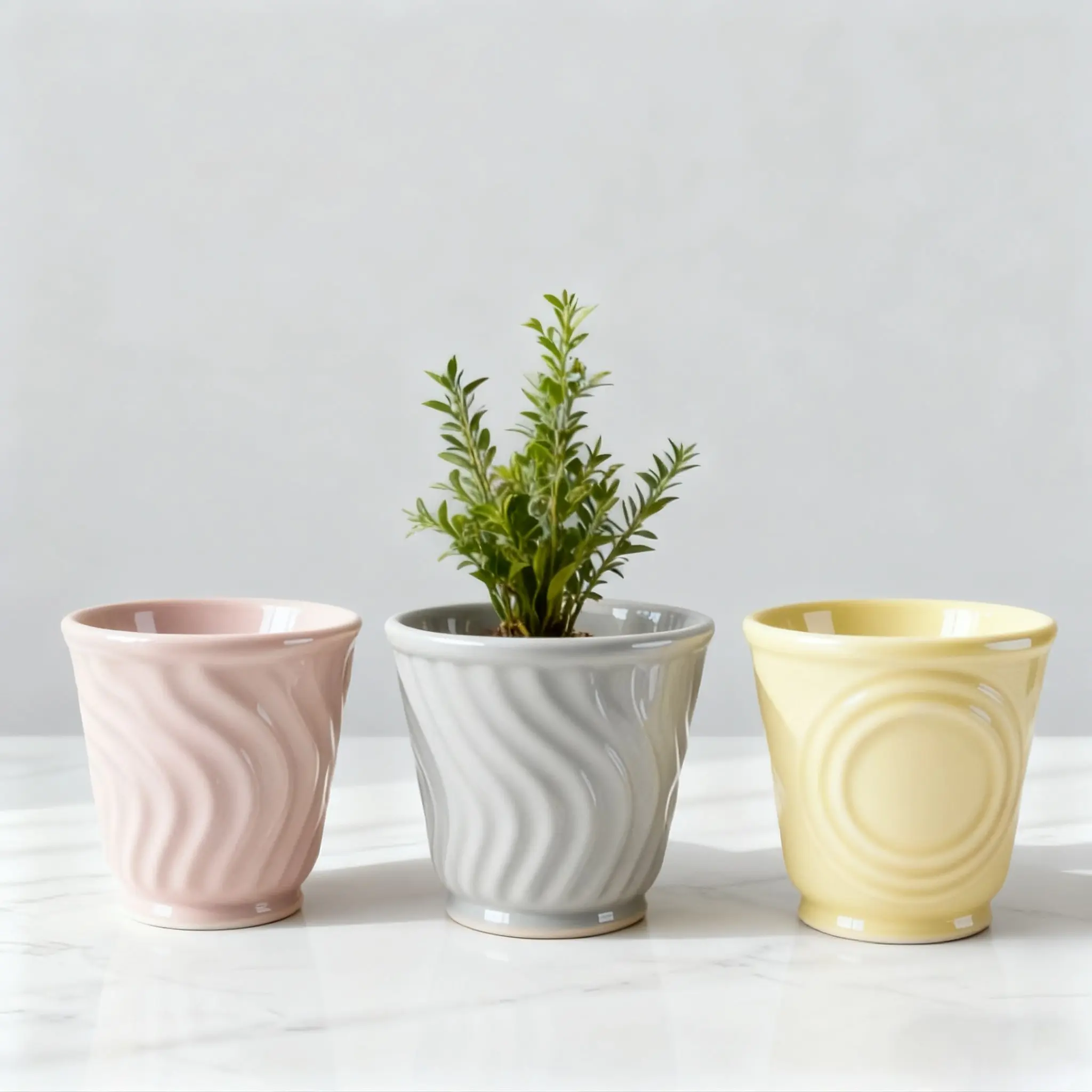
Premium, high-performance designs tailored for global retailers and landscaping projects.