


In contemporary landscape design, the strategic utilization of outdoor garden mirrors has shifted from a novelty luxury to a core design strategy. Landscape architects, B2B distributors, and retail importers are witnessing a surge in global consumer demand. This demand is powered by urban densification, where private garden spaces are increasingly compact, requiring clever design hacks to produce an illusion of space, light, and depth.
However, when B2B buyers search for "Cheap Mirrors For Gardens Supplier & Factories," they are not simply looking for the lowest price tag. Under Google’s Search Quality Evaluation guidelines, the user intent represents a complex balance of cost-efficiency, weatherproofing durability, supply chain resilience, and material safety. A truly optimized procurement strategy addresses the architectural requirements of outdoor reflective elements: withstanding harsh UV rays, torrential rains, sub-zero winter temperatures, and avoiding the risk of shattered glass in public or family-oriented outdoor settings.
China remains the undisputed powerhouse for manufacturing specialized outdoor mirrors and garden decorations. By combining massive industrial clusters in provinces like Zhejiang, Guangdong, and Fujian with highly advanced material sciences, Chinese factories offer an unparalleled cost-to-performance ratio. When importing from premier suppliers, buyers tap into optimized ecosystems that combine raw glass float lines, acrylic polymer extrusion, precision laser cutting, and robust frame structural welding.
The manufacturing capabilities in these clusters allow factories to integrate diverse materials. For example, while standard domestic mirrors deteriorate within months outdoors due to moisture oxidizing the silvering layer, Chinese factories specializing in export-grade garden mirrors utilize advanced multi-layer protective coatings (such as copper-free silver mirrors coated with waterproof epoxy paints) or highly durable acrylic and polycarbonate substrates specifically designed to resist yellowing and degradation.




When sourcing budget-friendly garden mirrors at scale, choosing the correct material chemistry is paramount to avoiding high return rates and customer dissatisfaction. Factories typically offer three core options for mirror substrates:
Acrylic is highly favored for retail distribution and e-commerce due to its shatterproof nature. It is 10 times more impact-resistant than standard glass, making it incredibly safe for domestic gardens with pets and children. From a logistics standpoint, acrylic dramatically reduces shipping damage, lowering overall returns to less than 1%. However, factories must use premium, UV-stabilized PMMA sheets to prevent bowing (the "funhouse mirror" effect) and yellowing. OEM specifications should require a minimum thickness of 3mm to 5mm to guarantee flat reflections.
Traditional float glass offers the clearest reflection and does not warp or bend over time. However, to survive outdoors, it must utilize an eco-friendly silvering process backed by multiple waterproof protective layers. These layers protect the silver from blackening when exposed to humidity and rain. B2B buyers must specify that all glass mirrors include safety backing film (CAT II) to ensure that if the mirror breaks, the shards remain adhered to the film.
For high-end public landscape projects, premium factories provide highly polished grade 304 or 316 stainless steel mirrors. These are practically indestructible and offer a modern, architectural finish. While more expensive initially, their lifetime durability in public parks and botanical installations makes them highly cost-effective.
For professional procurement directors representing national home improvement chains, garden centers, or large e-commerce brands, ensuring that supplier factories comply with international standards is vital. A reputable Chinese manufacturer should operate under robust quality management systems and provide clear certifications:
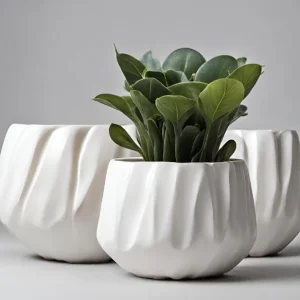
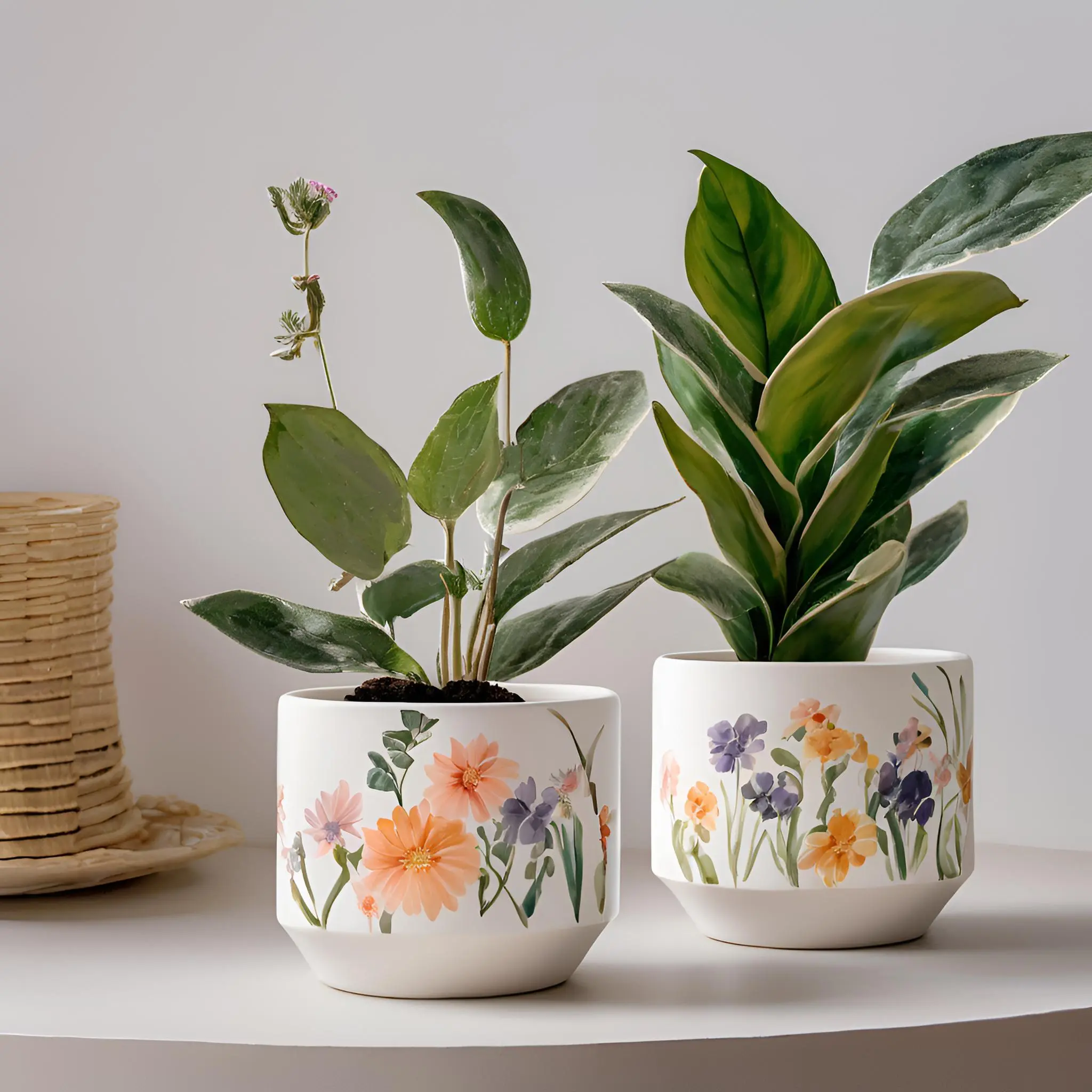
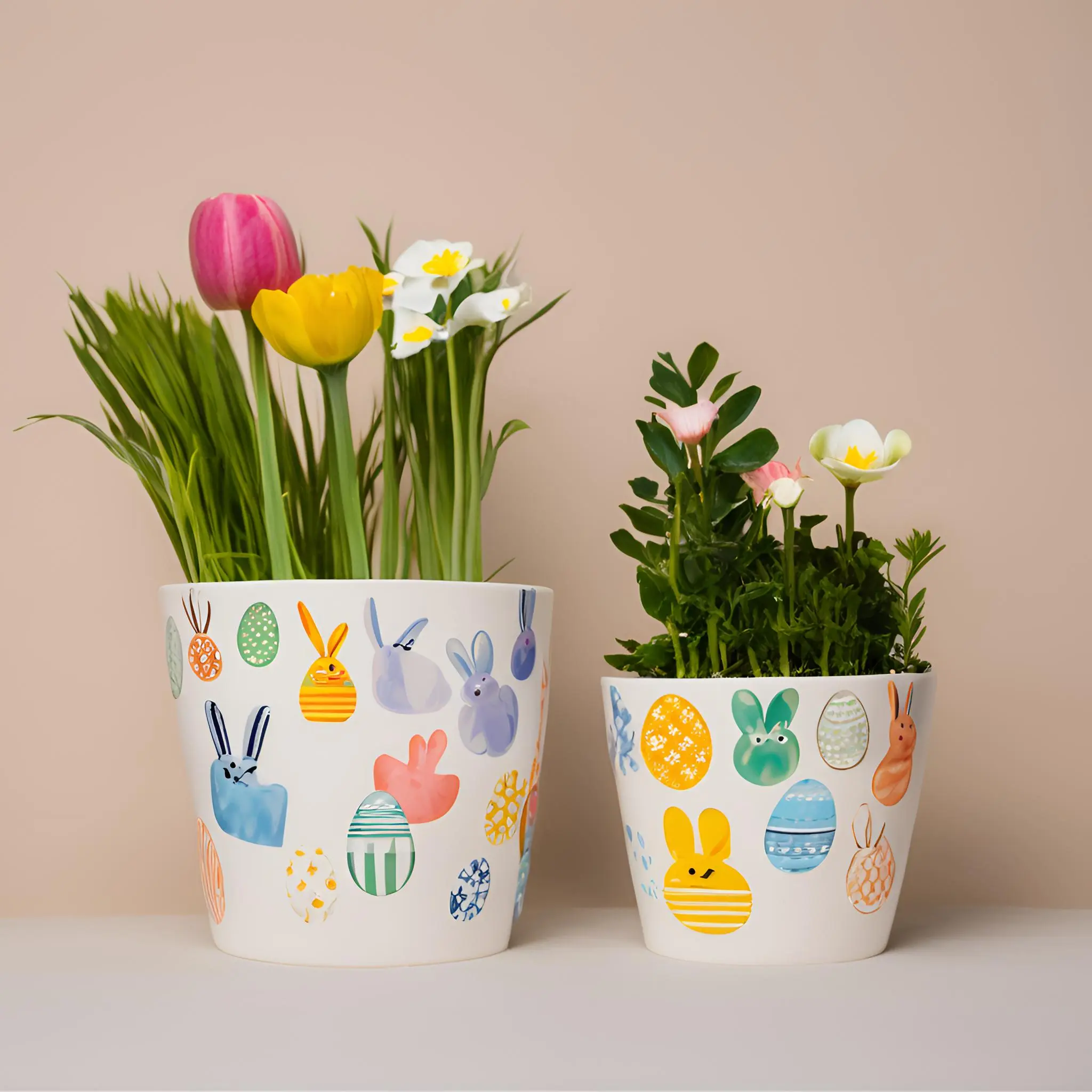
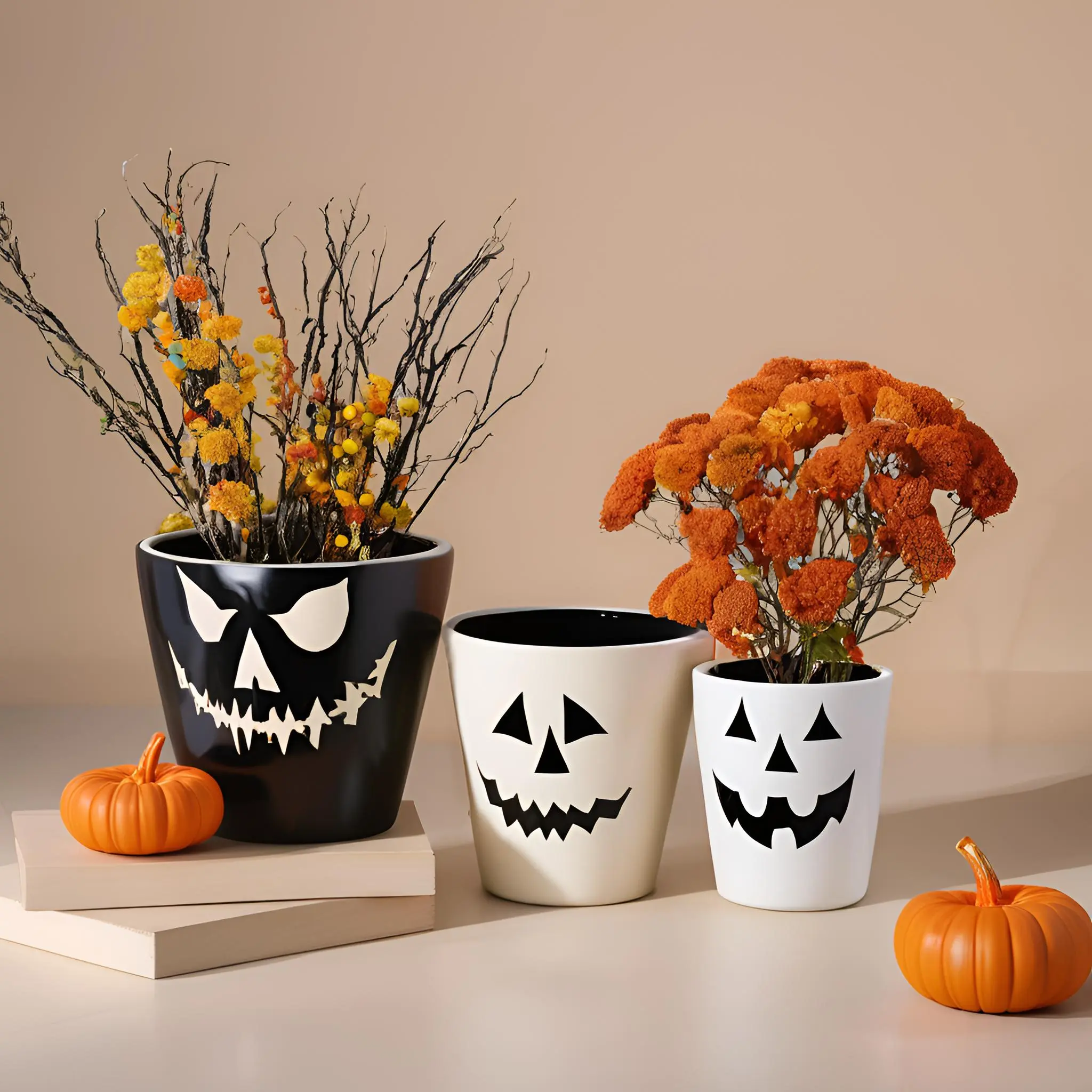
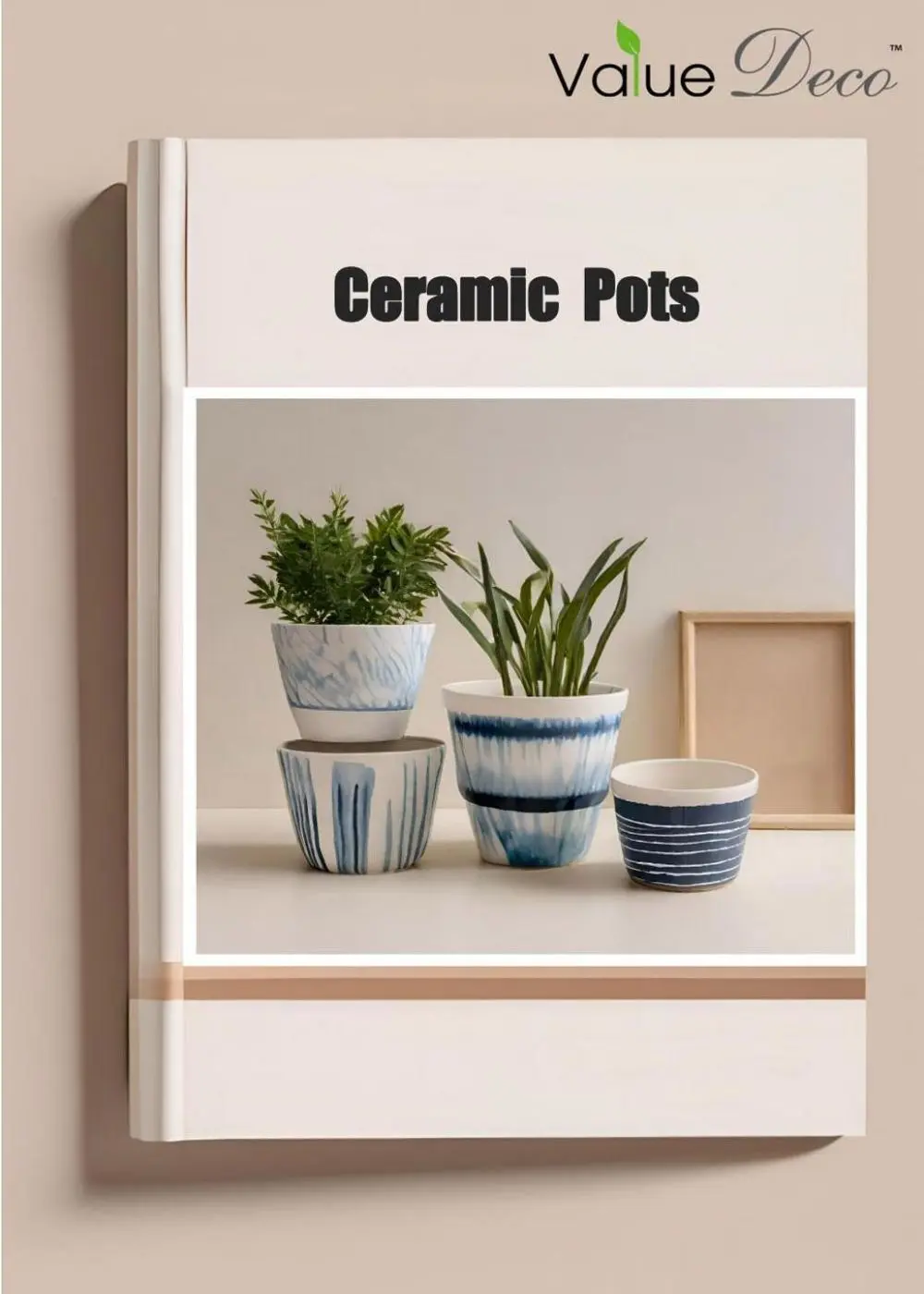
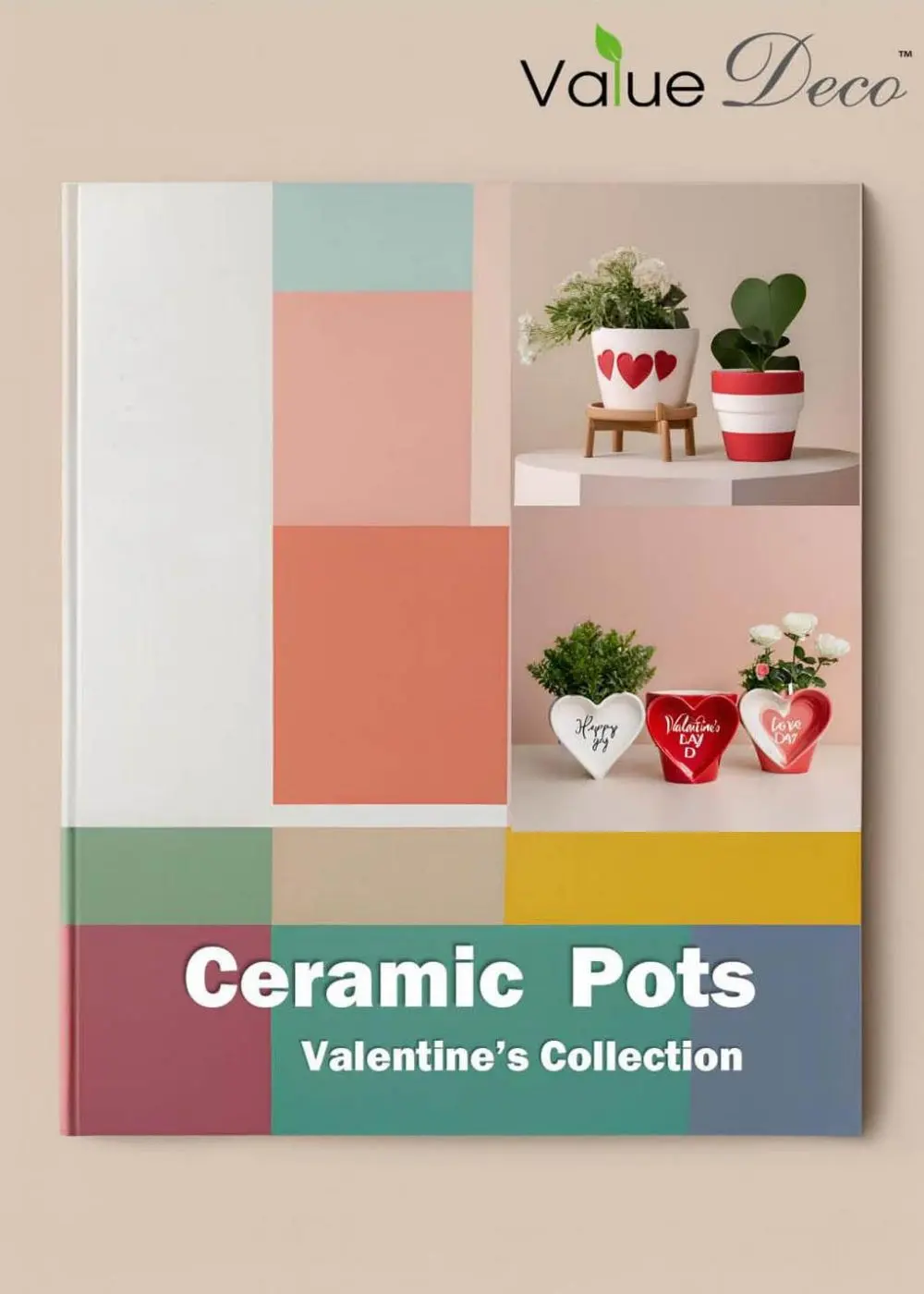
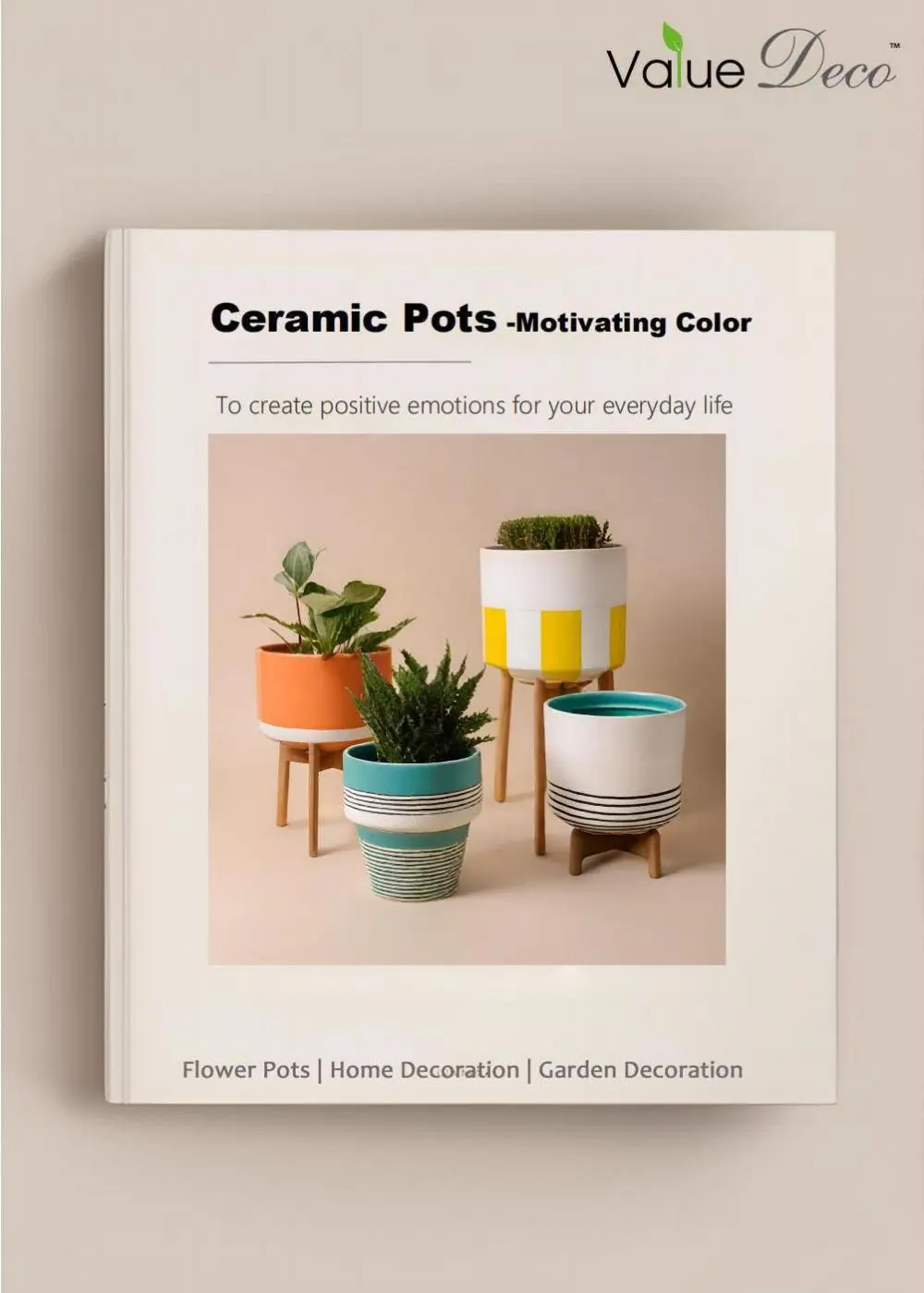
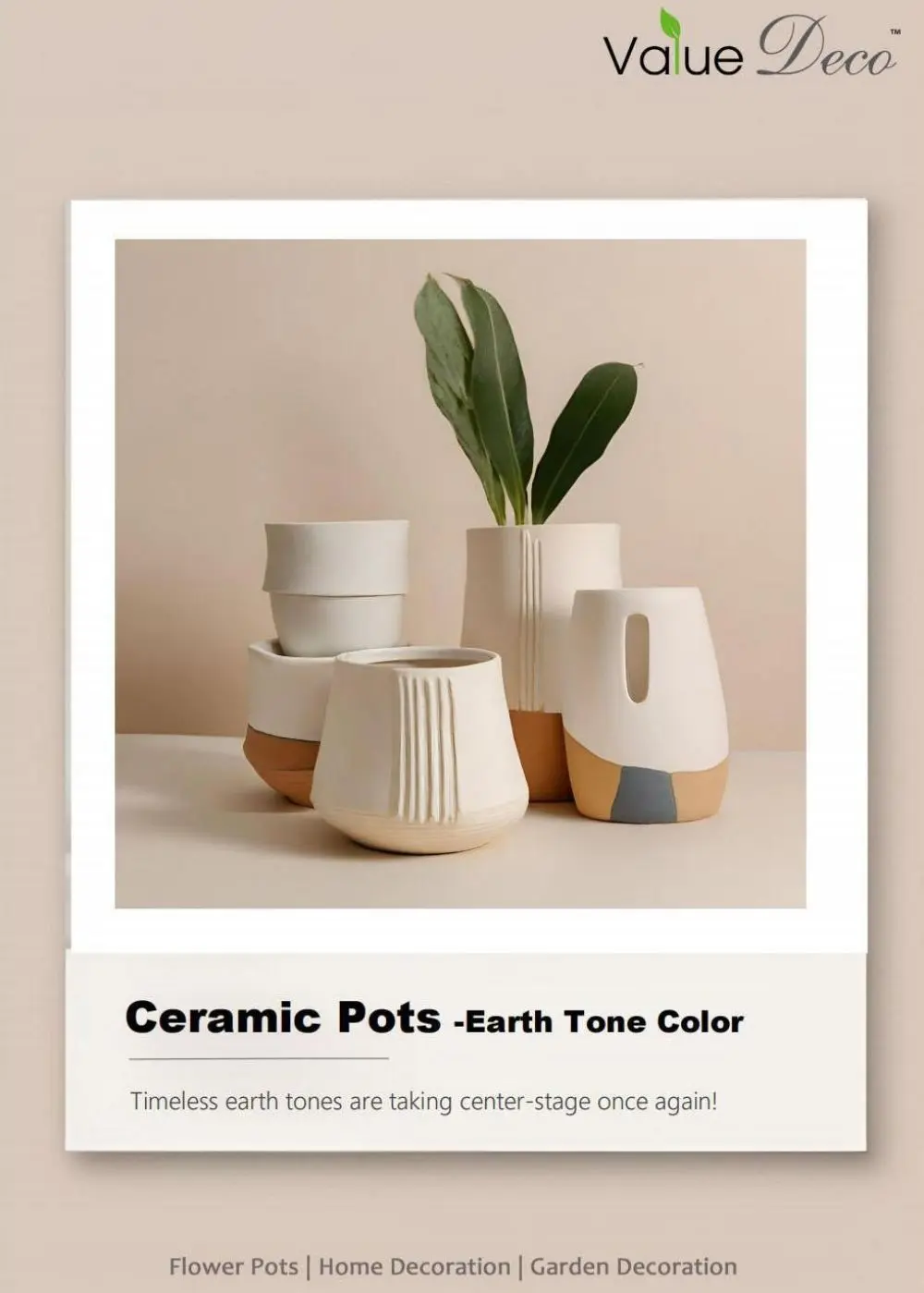
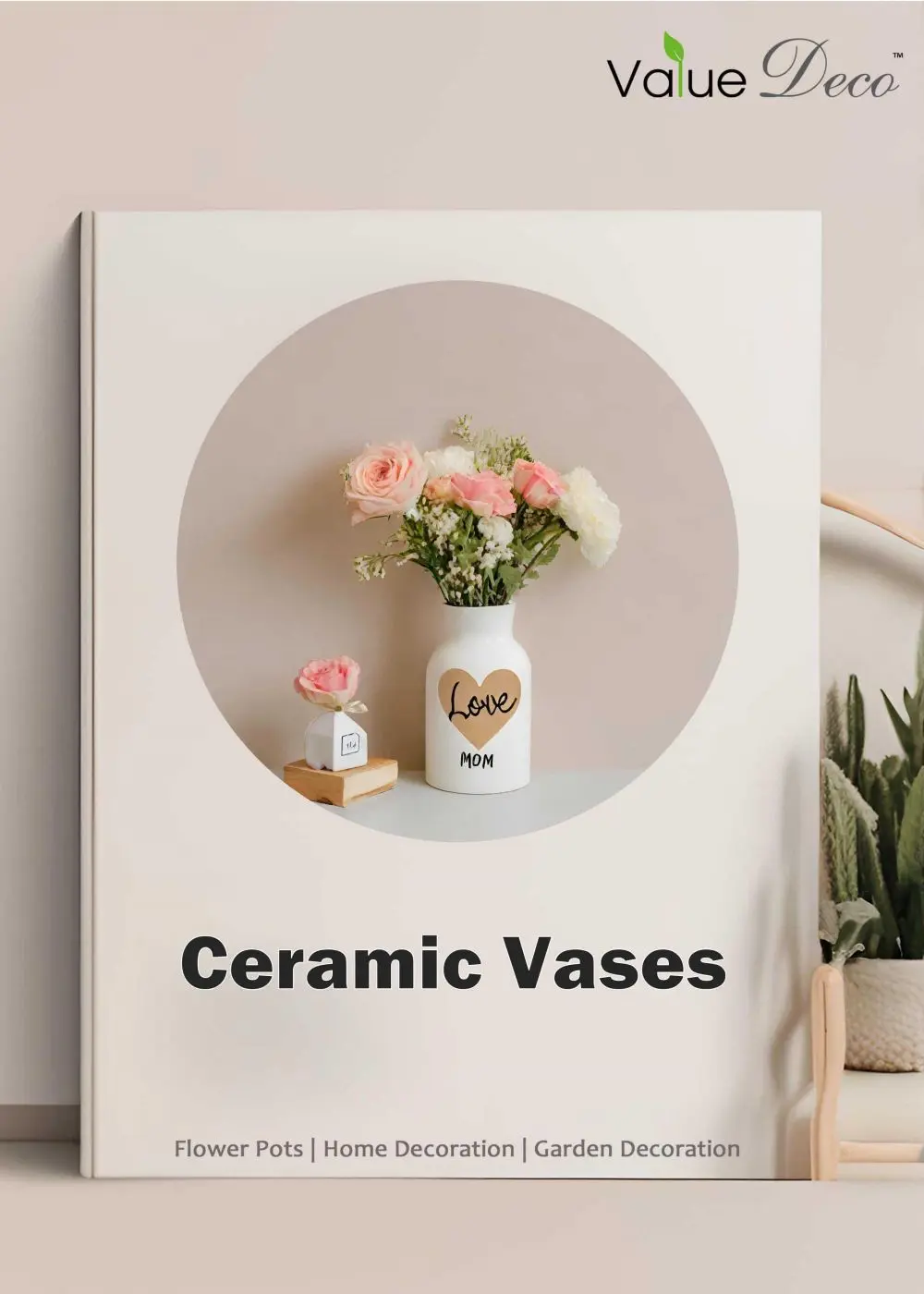
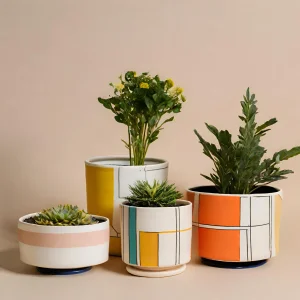
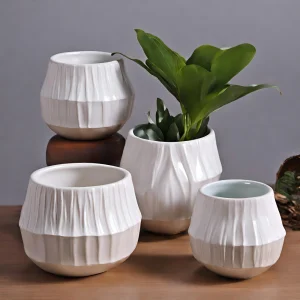
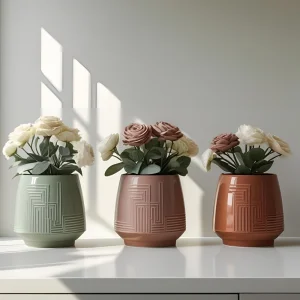
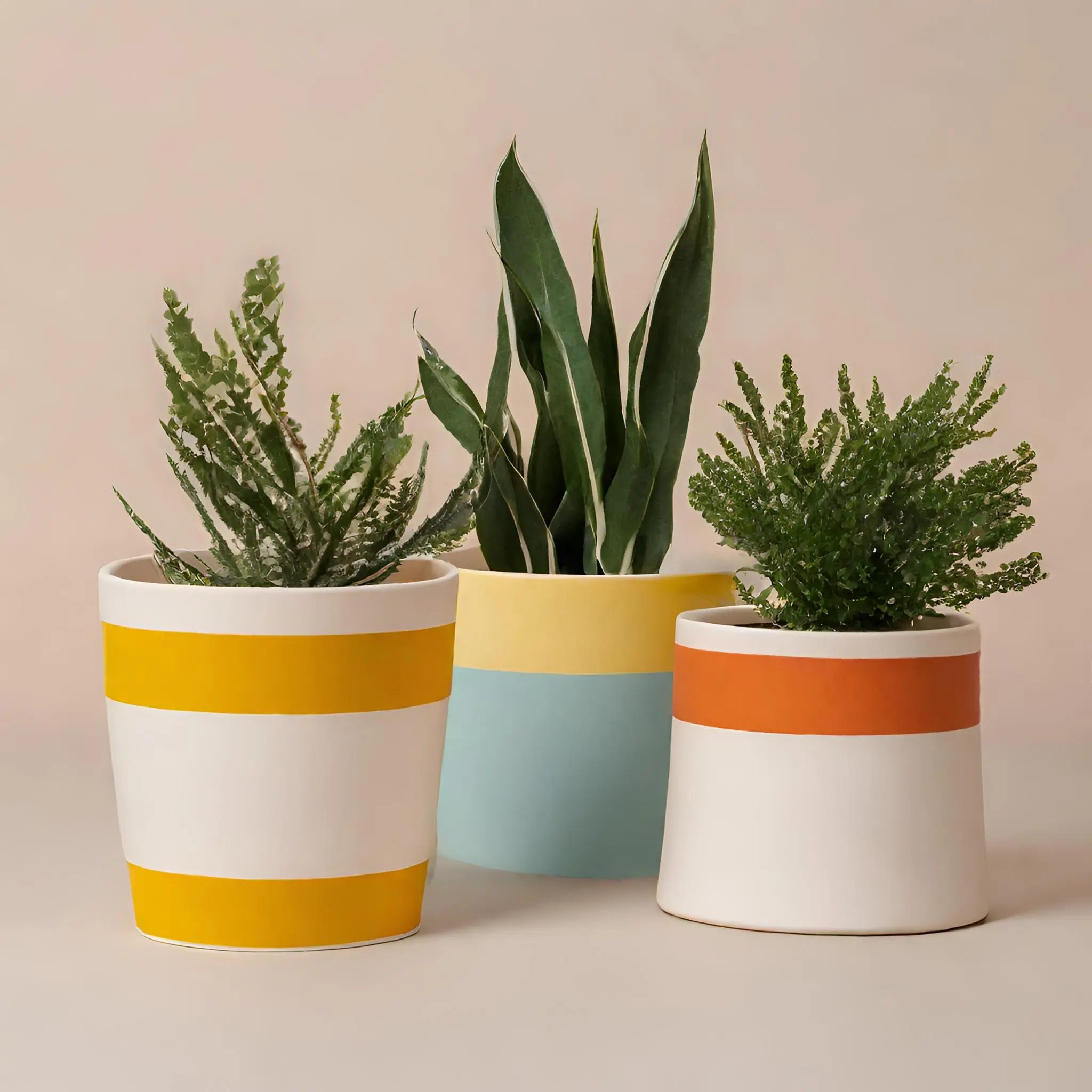
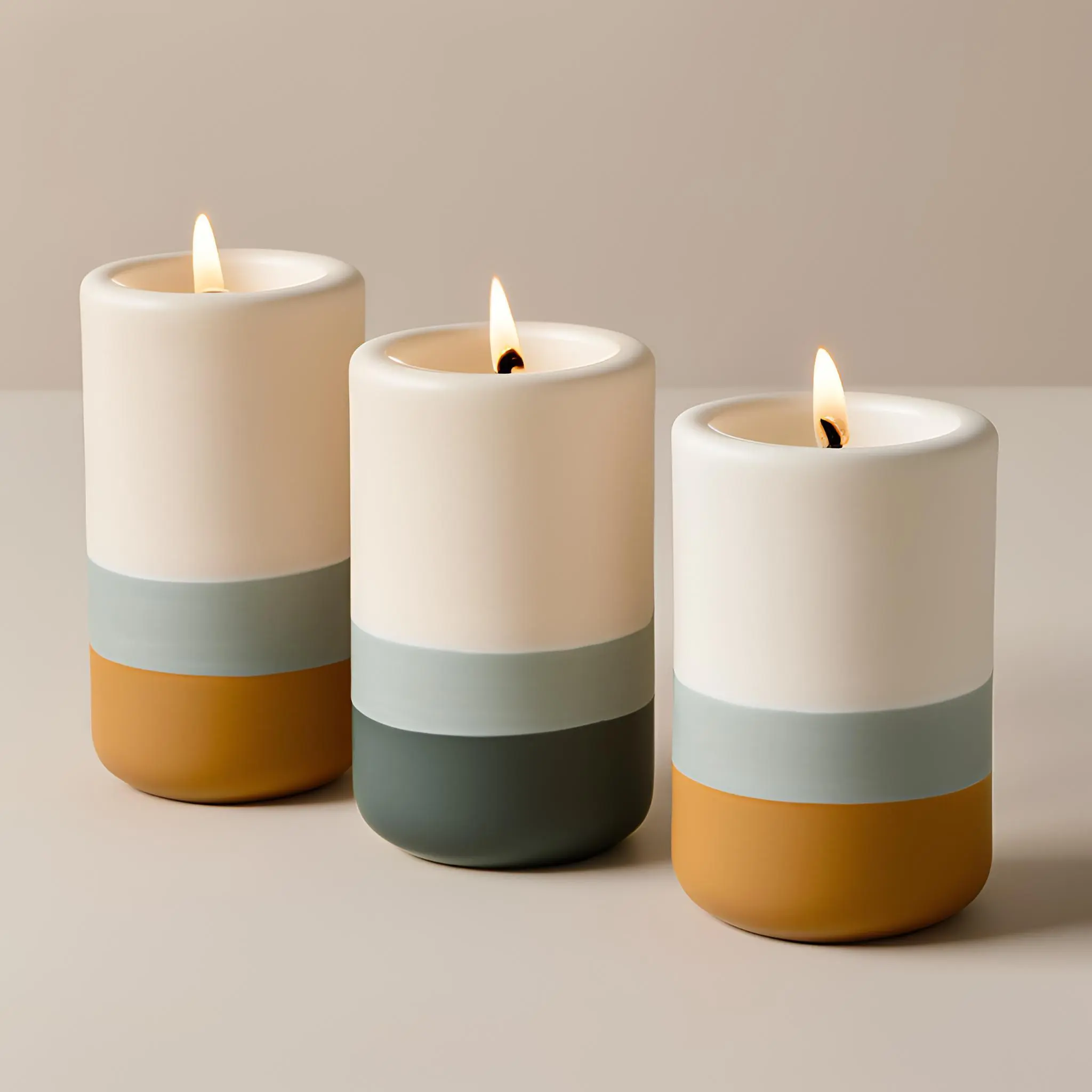
Value Deco Limited is a leading supplier of high-quality ceramic pots based in China. With over 12 years of experience in the decoration industry, we have built a strong reputation for offering a diverse range of Flower Pots, Flower Vases, Candle Holders, Home Decoration, Garden Decoration, and Dinnerware, suitable for various seasons and applications. Our products are designed to meet trending global aesthetics, ensuring that they not only serve a functional purpose but also enhance the visual appeal of any residential or commercial space.
Learn More About Our Capabilities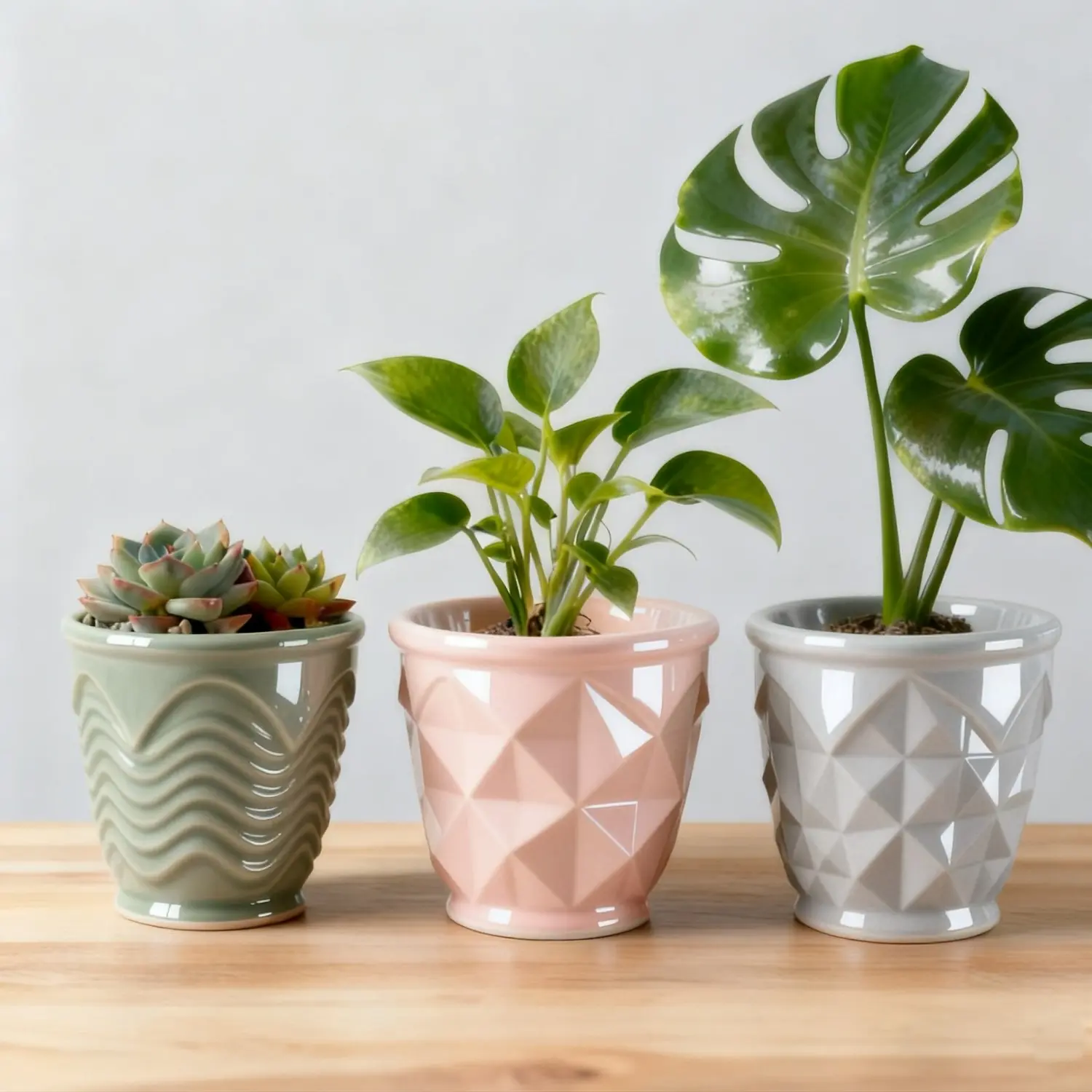
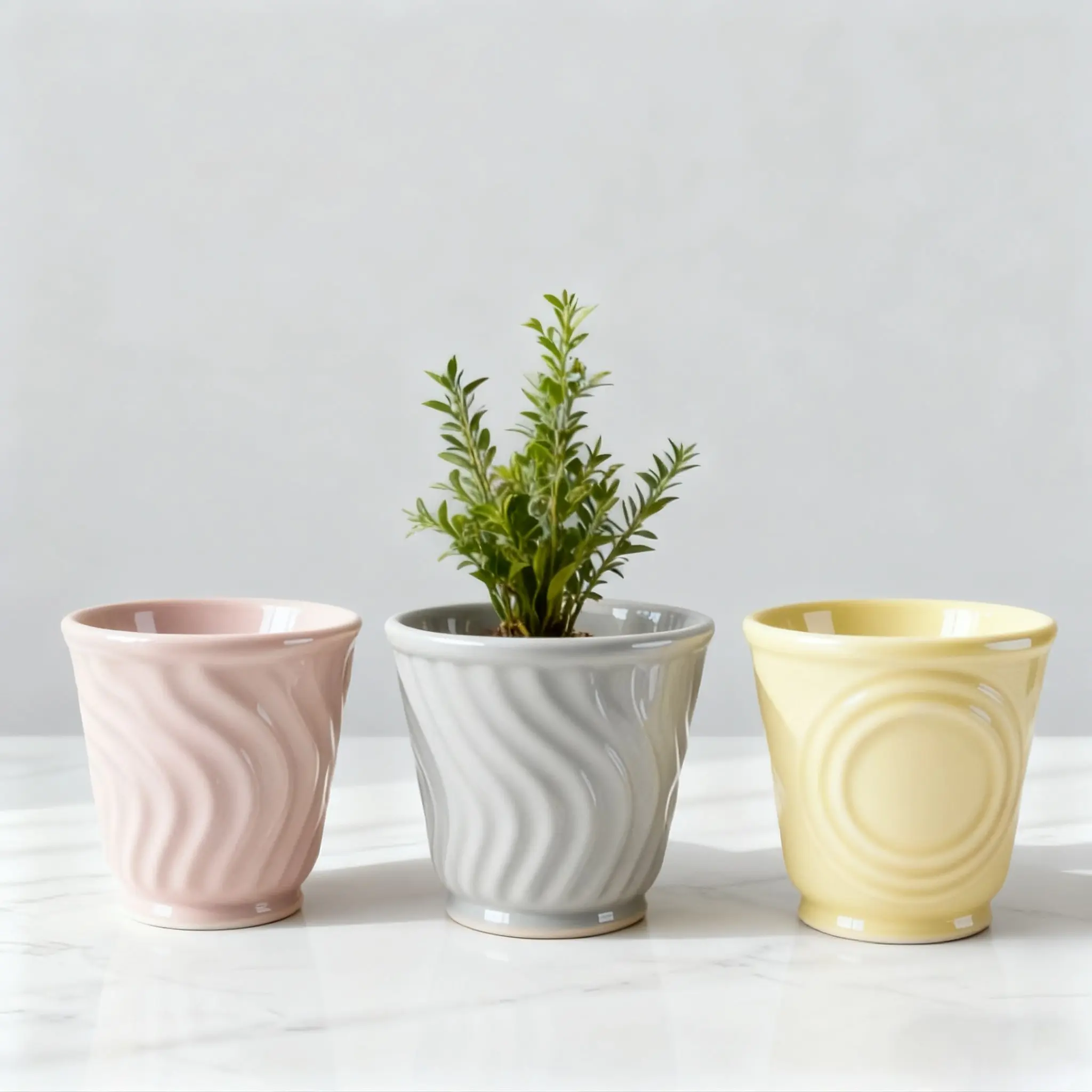
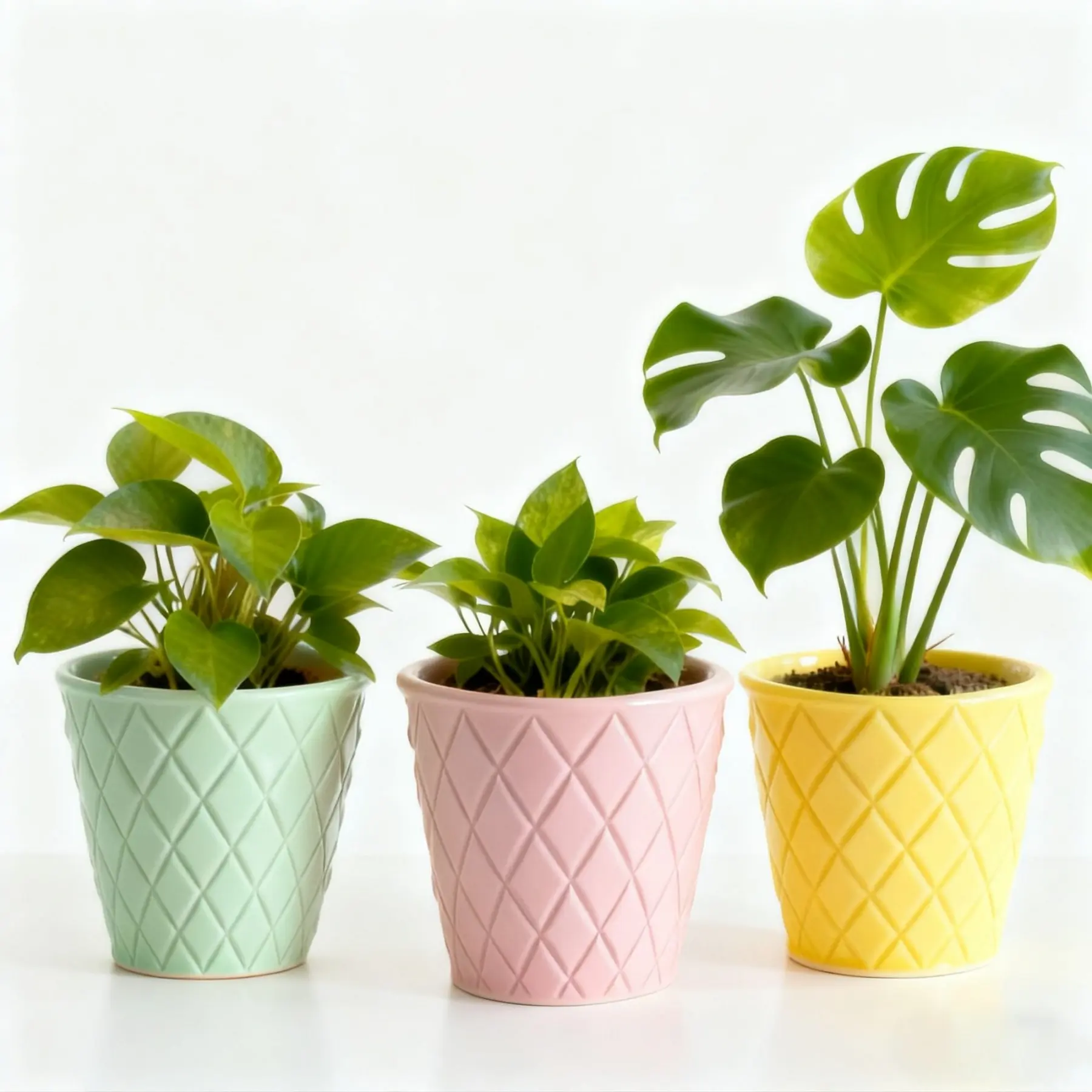
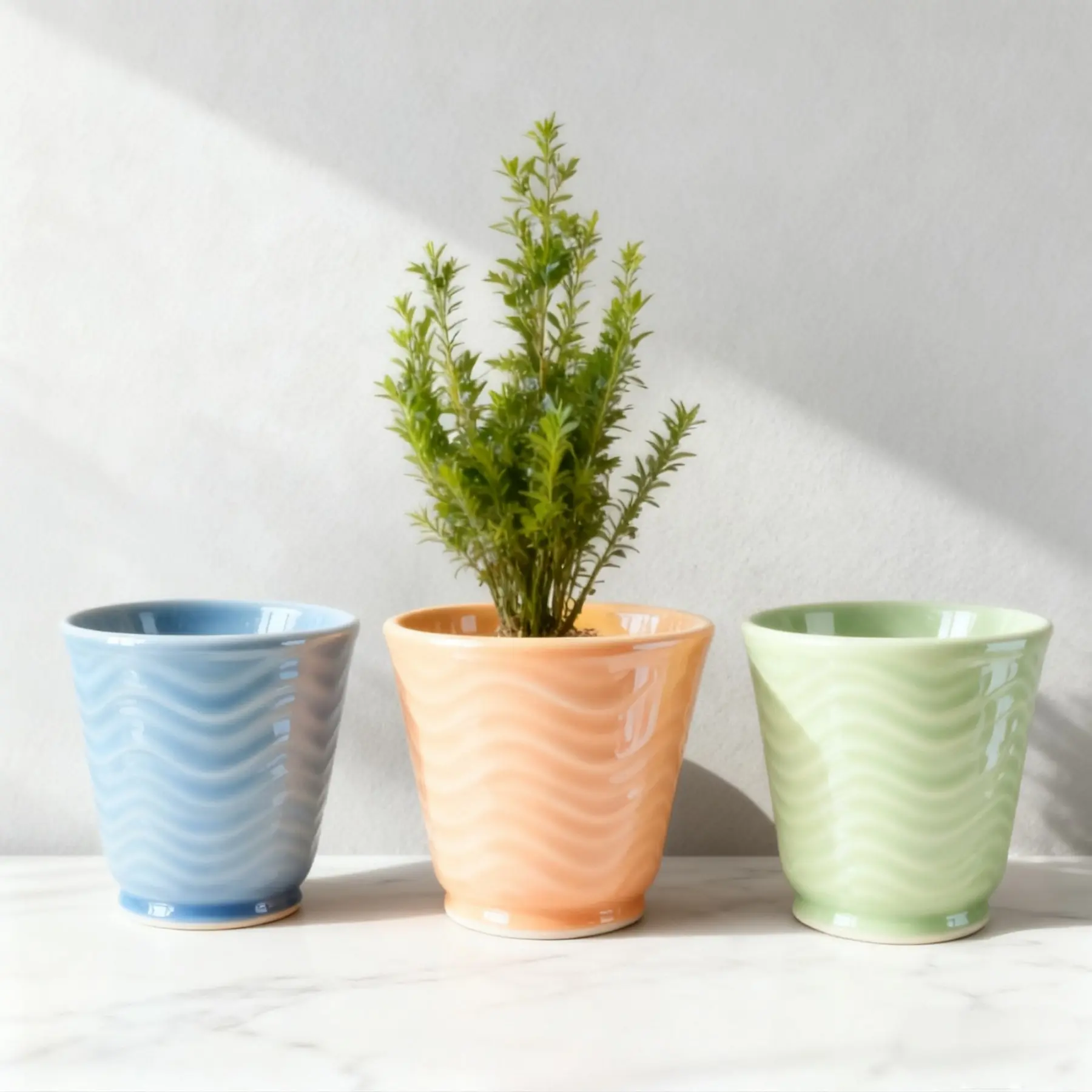
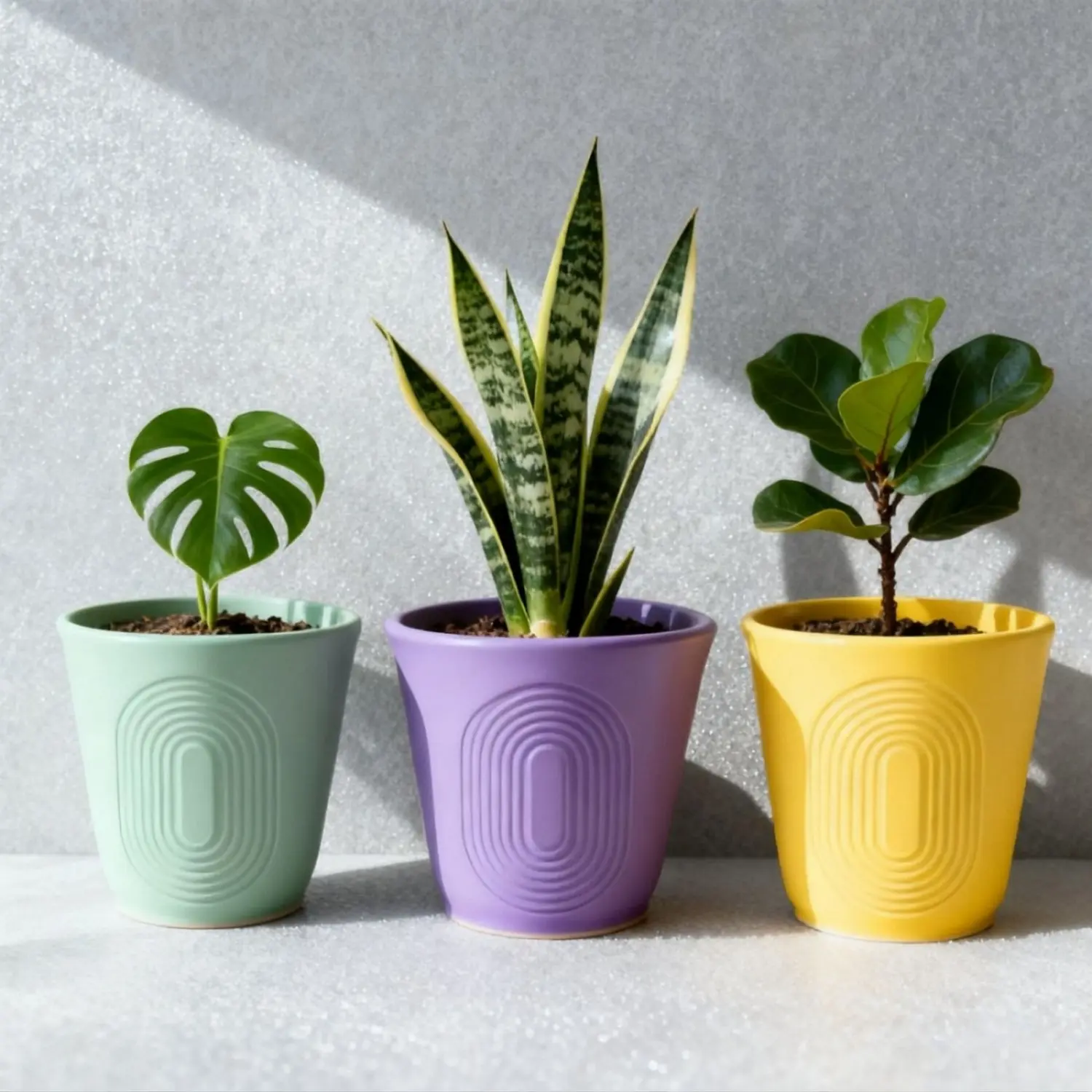
The global garden mirror market is undergoing a major evolution, driven by shifts in home improvement priorities and architectural styles. Modern properties require products that serve multiple functional and aesthetic roles:
As micro-apartments and urban townhouses dominate the housing market, balconies, small courtyards, and narrow side passages are being converted into lush wellness zones. Strategic placement of a window-style garden mirror creates a pseudo-view, effectively doubling the perceived space and reflecting natural ambient light into dark corners. Factories are keeping pace by manufacturing mirrors framed in powder-coated steel that mimic classic window frames, Gothic arches, and minimalist grid designs.
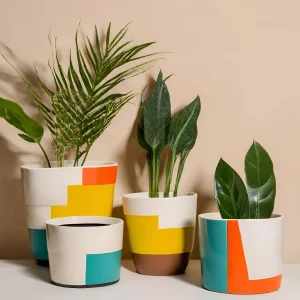
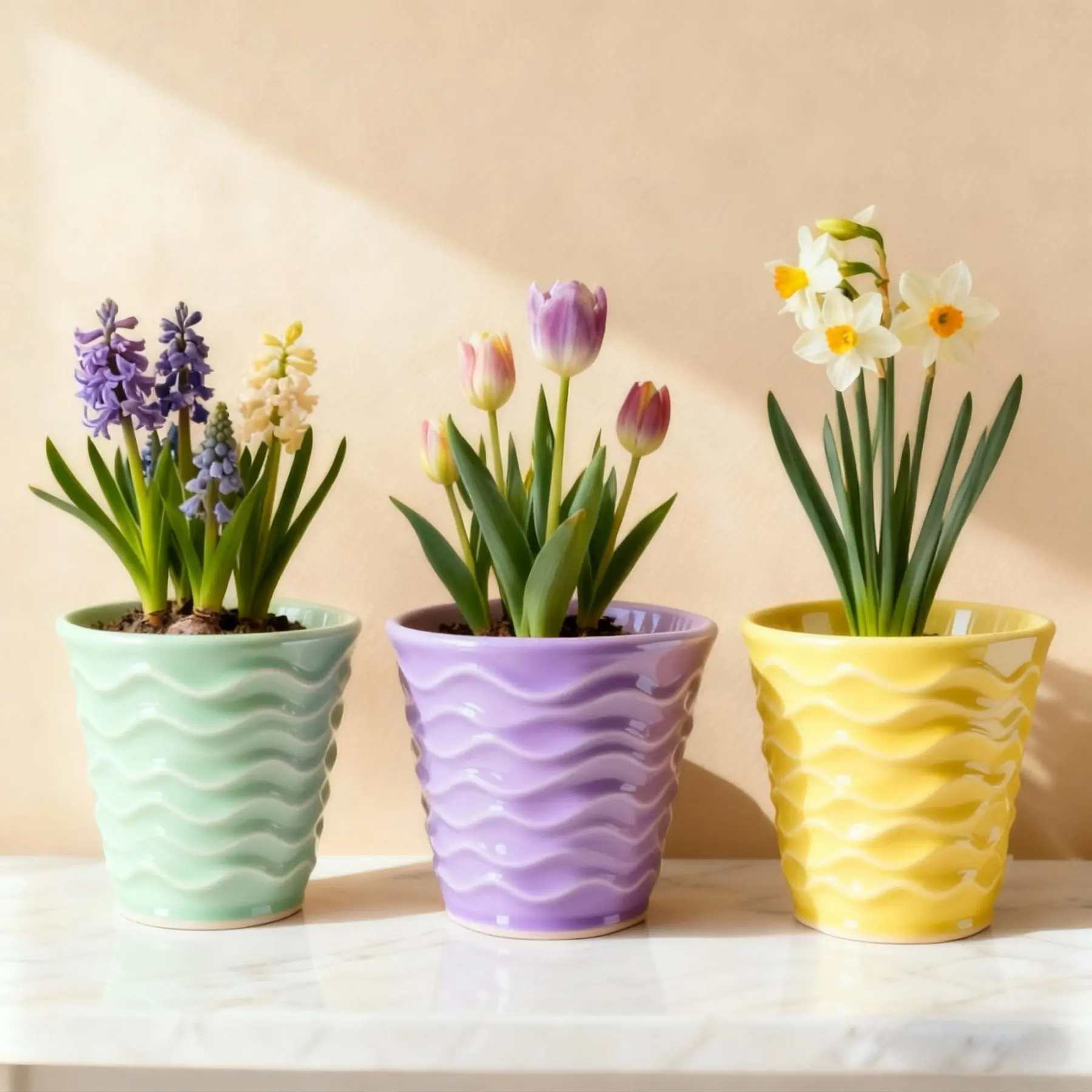
Modern designers use mirrors to double the foliage visibility of hard-to-grow plants. By placing mirrors behind flower beds or potted ivy installations, the visual density of the greenery is multiplied. Our specialized outdoor lines are constructed to integrate seamlessly with standard pots and planters, blending reflectiveness with functional botanical containers.
Shaded north-facing gardens often suffer from a lack of sunlight, hindering plant growth. Strategically angled, high-reflectivity glass mirrors can capture light from sunny zones and funnel it into darker spaces. This ecological utility has made garden mirrors highly popular among urban gardeners seeking to maximize their plant variety.
For B2B importers, transit damage is the single biggest threat to profit margins when handling glass or acrylic mirrors. Direct-to-consumer e-commerce companies must ensure that products survive drop tests carried out by major couriers. Reputable factories must employ advanced packaging procedures to guarantee intact delivery:
For low-cost, high-safety profiles, UV-stabilized PMMA (acrylic) is ideal. It is highly resistant to impact, lightweight, and easy to hang. If high clarity and distortion-free reflection are required, float glass with a copper-free protective backing and waterproof coating is recommended.
Export-grade manufacturers apply multiple protective barrier coatings. This includes lead-free and copper-free silvering, followed by a waterproof protective layer and a final exterior coat of anti-corrosive epoxy paint. This prevents moisture, oxygen, and atmospheric salts from reacting with the reflective silver layer.
Generally, for customized sizes, frame designs, or specific packaging configurations, the standard factory MOQ ranges between 300 to 500 units per design. However, standard items or standard sizes can sometimes be ordered with lower MOQs if combined with a wider container shipment containing flower pots and garden decorations.
Factories utilize ISTA standard test equipment, dropping boxed mirrors from specific heights on multiple corners, edges, and flat faces. Packages are built with interior EPS/EPE foam padding and reinforced edge protectors to ensure zero movement inside the box, minimizing shock transmission to the reflective sheet.
Yes. One-stop sourcing suppliers like Value Deco Limited encourage consolidated shipments. By mixing lightweight, volumetric items like mirrors with heavier products like ceramic pots and dinnerware, you can optimize shipping weight and container volume, drastically reducing per-unit shipping costs.