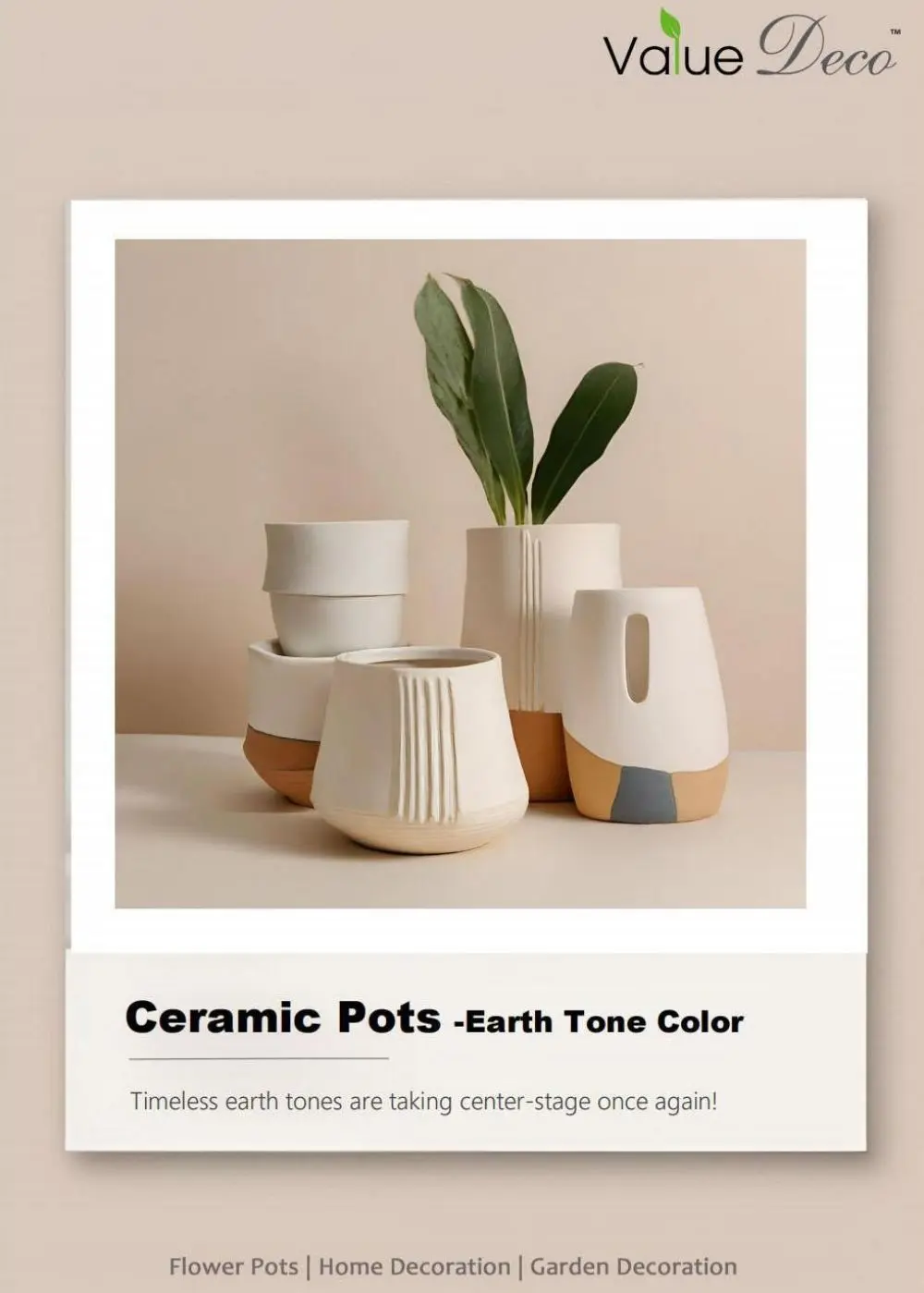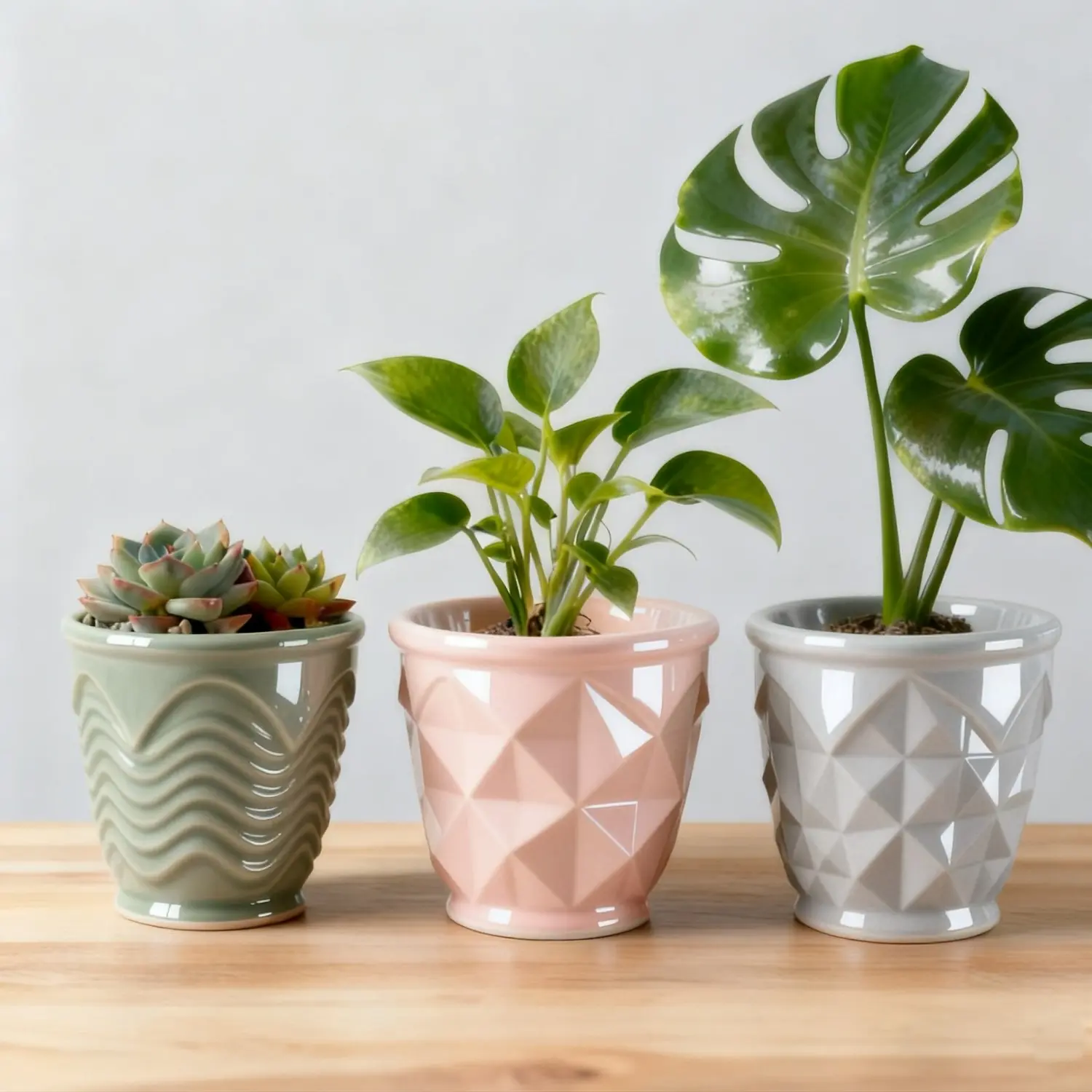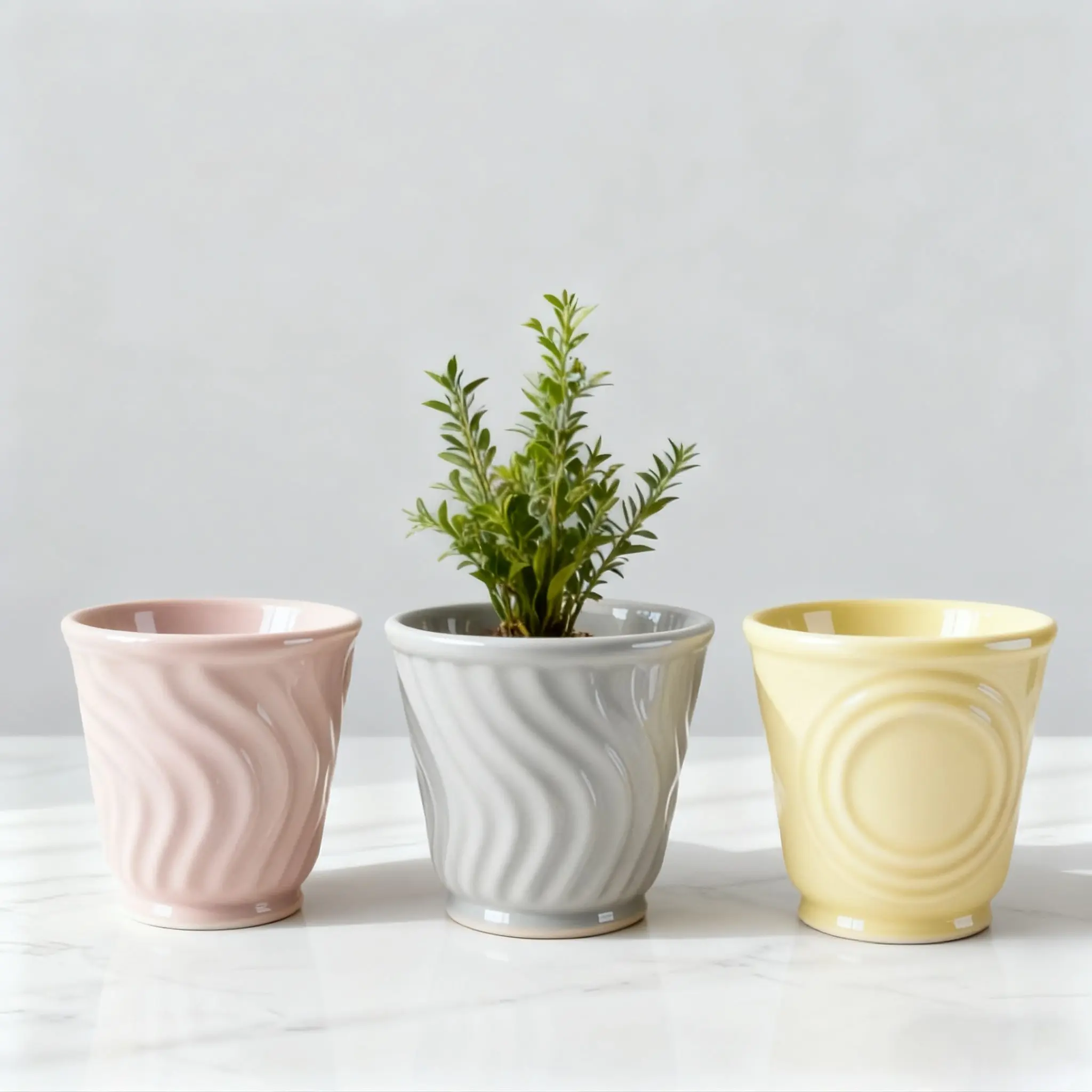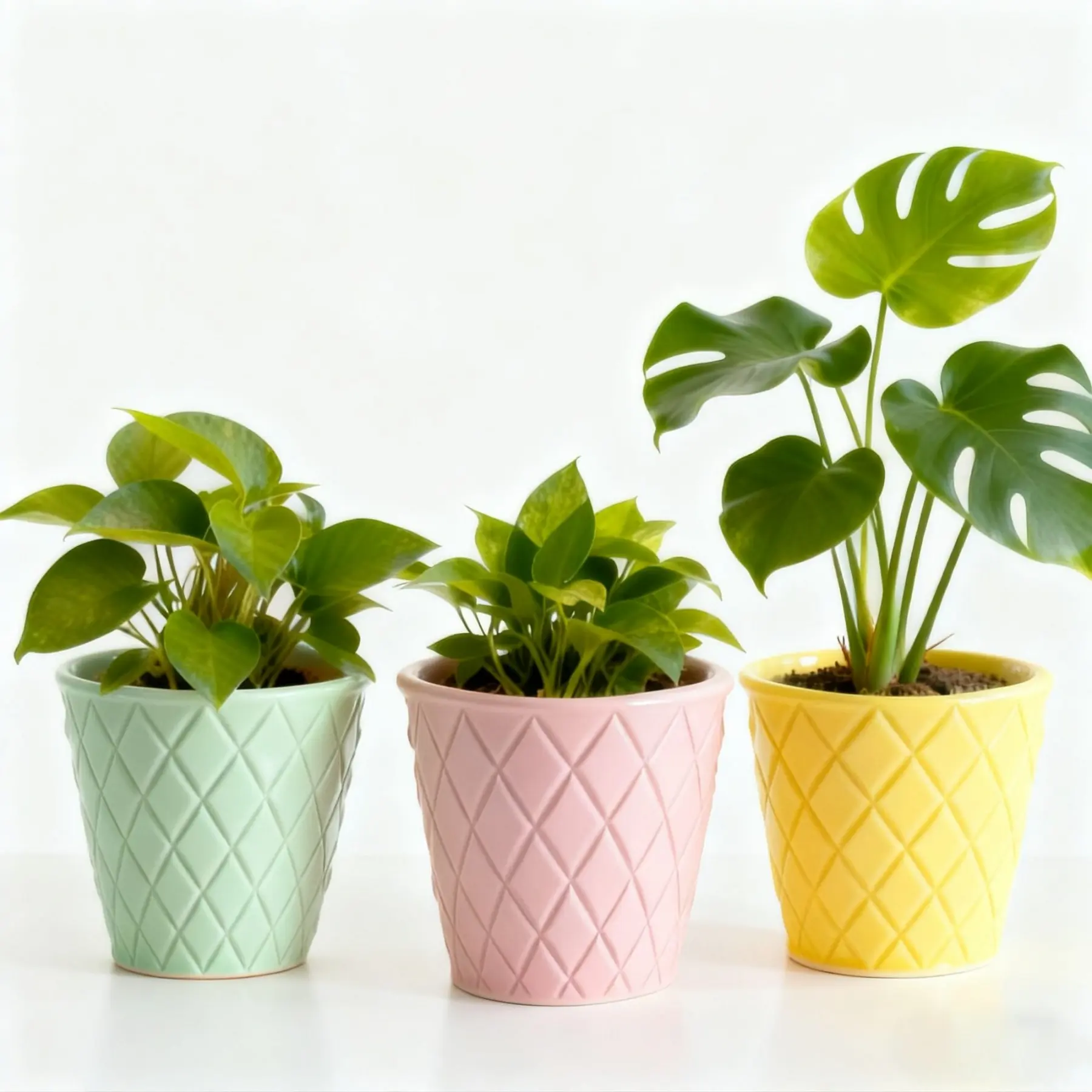
Direct-from-factory interior design and seasonal ceramic components engineered for modern commercial layouts.
In the global commercial design, hospitality, and residential development sectors, the demand for large-format decorative containers continues to experience steady growth. As structural architectural accents, Large Floor Vases serve as defining aesthetic elements in luxury hotels, corporate headquarters, urban gardens, and residential projects. However, securing consistent, high-quality, and cost-effective supply lines is a challenge for B2B buyers, sourcing managers, and wholesale distributors. Finding a reliable Cheap Large Floor Vase Supplier and Factory that maintains design integrity while optimizing production and shipping costs is key to preserving profit margins.
This whitepaper explores the supply-side dynamics of large-format ceramic and resin vases. We examine materials engineering, factory slip-casting and firing technologies, international shipping logistics, and target market adaptations. By prioritizing information gain and user search intent, this document serves as a guide for international supply chain decisions.
The global manufacturing of large floor vases is concentrated in regions with access to raw materials and specialized technical labor. China remains a leading hub, with cities like Chaozhou and Yixing hosting clusters that combine traditional techniques with automated kilns. This integration enables factories to produce large-format ceramic vases at competitive wholesale prices.
The market operates on two primary tracks: high-temperature fired ceramics and advanced polymer resins. Ceramics (stoneware and earthenware) are preferred for indoor and semi-sheltered areas due to their substantial weight, premium finish, and scratch resistance. Polyester resin, fiberglass, and magnesium oxide (MgO) composites dominate outdoor and high-traffic commercial environments. B2B buyers navigate these options by balancing shipping weight, durability, and cost.
Sourcing Dynamic: Large-format pottery requires slow drying and controlled kiln cooling to prevent micro-cracks. Experienced factories utilize automated environmental chambers to manage temperature and humidity before firing, minimizing defect rates.
The term "cheap" in B2B sourcing does not mean low-quality; it refers to cost efficiency achieved through manufacturing scale, local supply chains, and optimized logistics. To lower production costs for large floor vases, leading factories implement several strategies:
The large-format container industry is evolving, driven by changing consumer preferences and strict environmental regulations. Sourcing managers should track several key trends:
Traditional terracotta and stoneware are heavy, which increases shipping and handling costs. Factories are increasingly producing Fiberclay and Fiberstone alternatives. These composites combine fiberglass with clay or stone powder to replicate the appearance of ceramic or concrete at a fraction of the weight, reducing transoceanic shipping fees.
Environmental regulations are prompting factories to phase out lead-based glazes. Modern facilities employ water-soluble, heavy-metal-free mineral glazes. Closed-loop heat recovery systems capture exhaust heat from kilns to dry greenware, reducing fuel consumption by up to 30%.
The time required to bring new products to market has decreased from months to days. Using CAD modeling and CNC routers to carve master molds allows factories to produce custom OEM designs quickly, enabling buyers to respond rapidly to changing retail trends.
To optimize inventory turnover, B2B buyers must align their vase selections with local market demands:
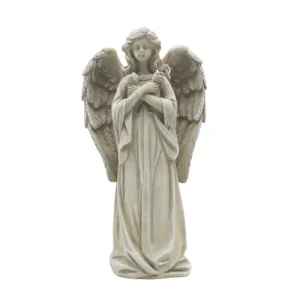
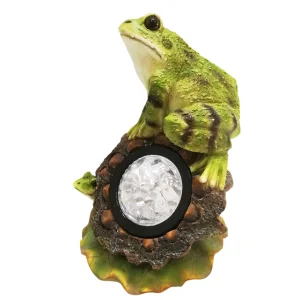
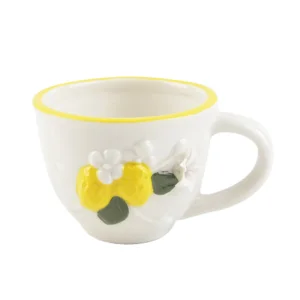
Comprehensive manufacturing lines spanning home decor, garden pottery, dinnerware, and seasonal collections.


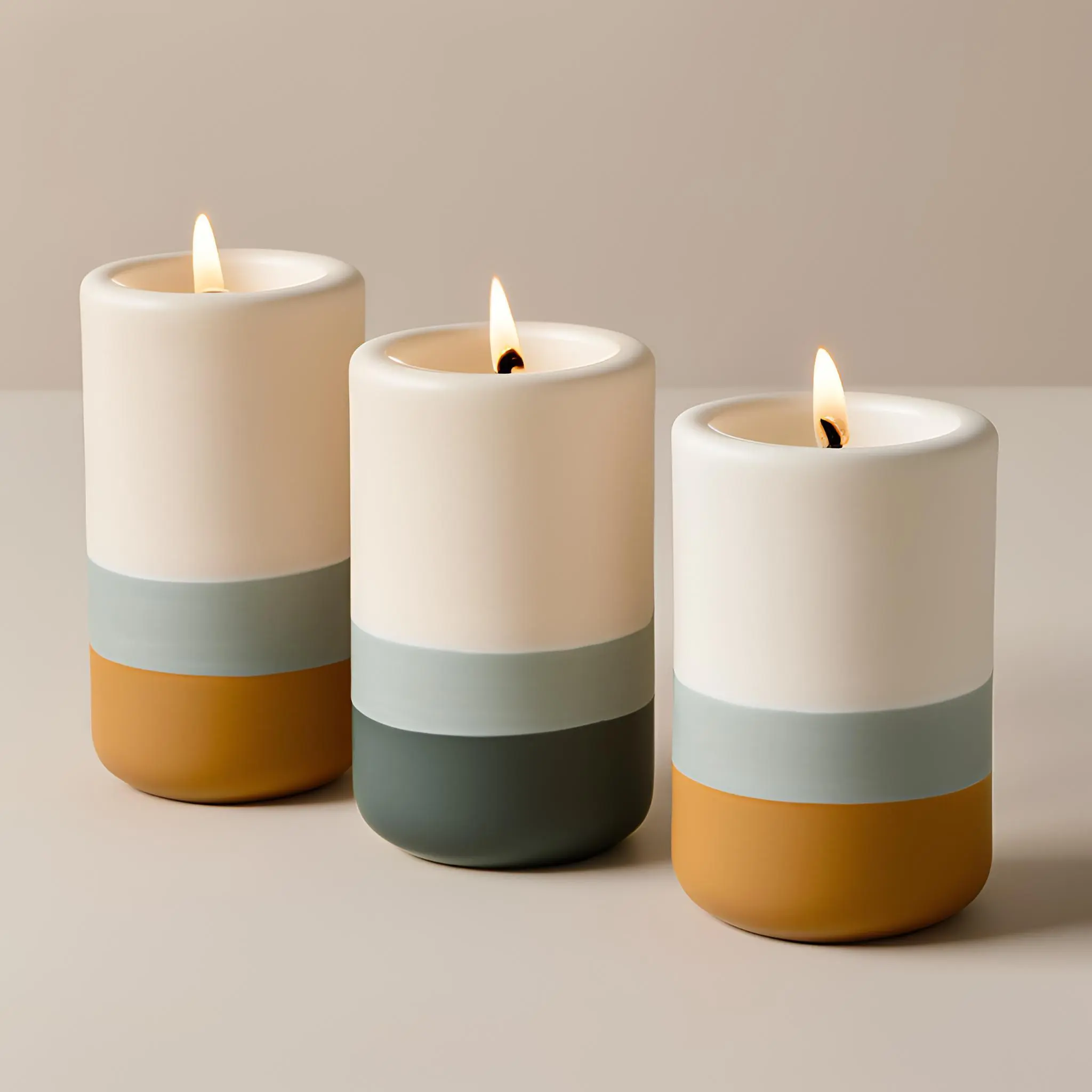

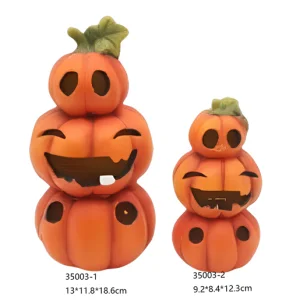
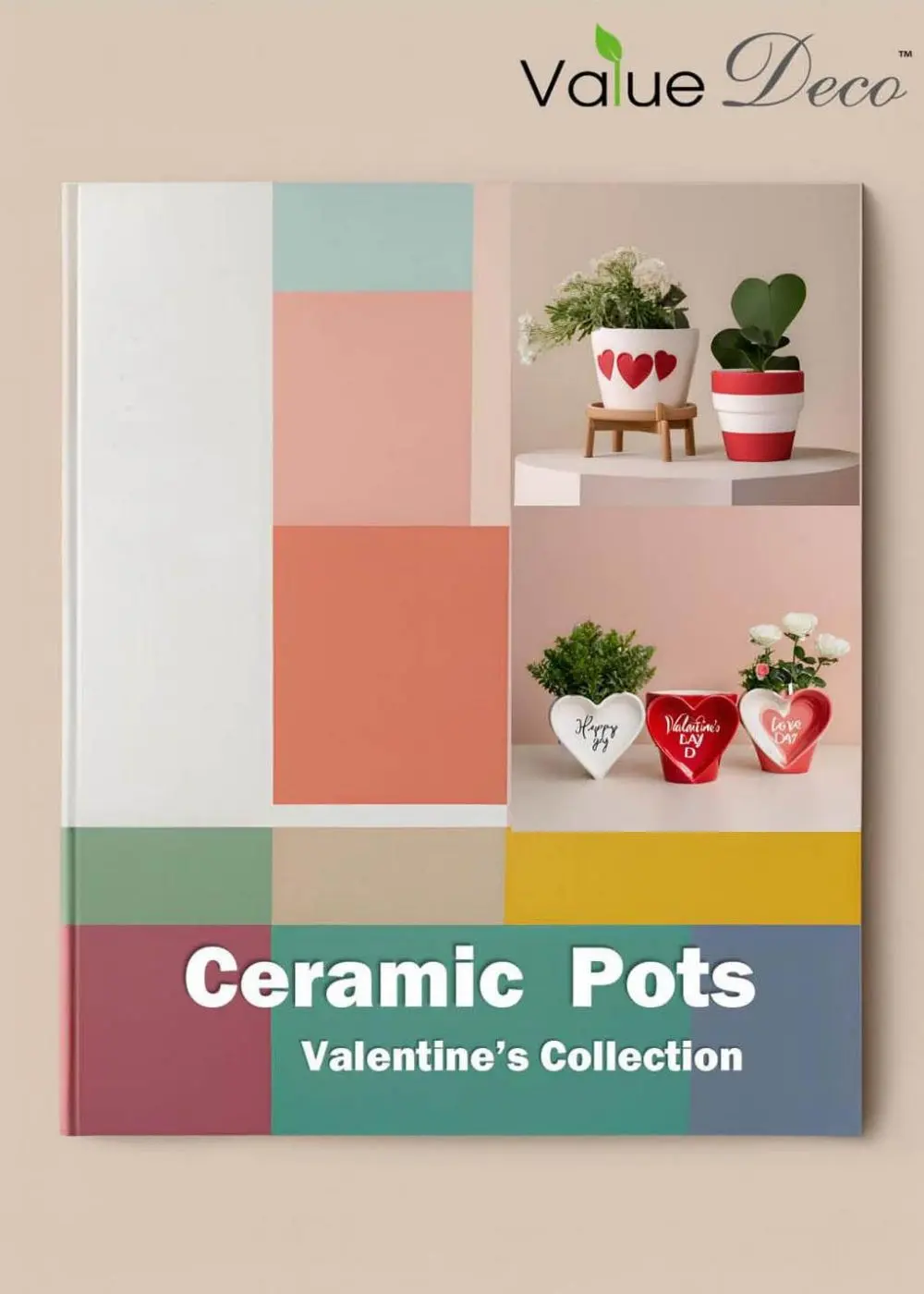
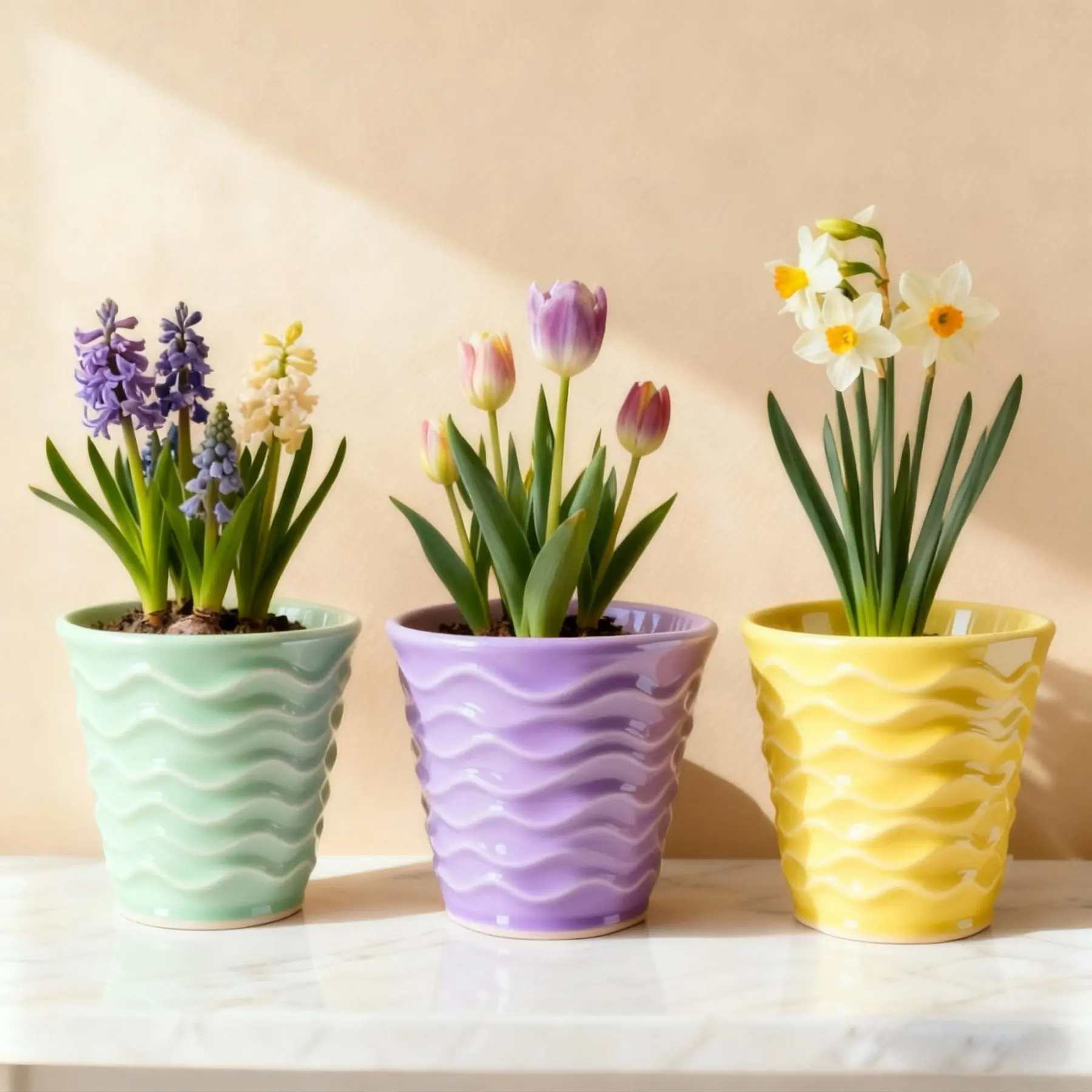
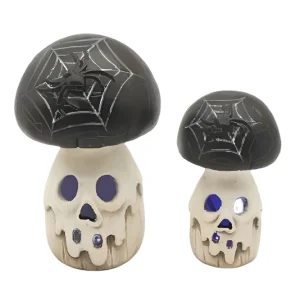
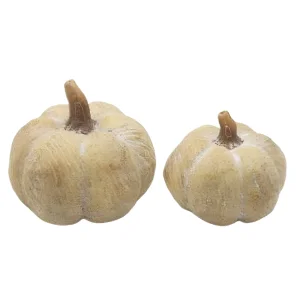
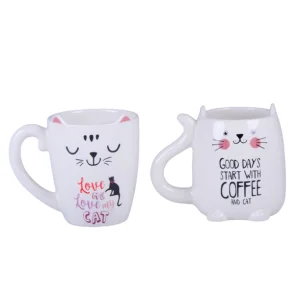
Enhance your seasonal inventory with themed selections, designed and scheduled for timely global delivery.
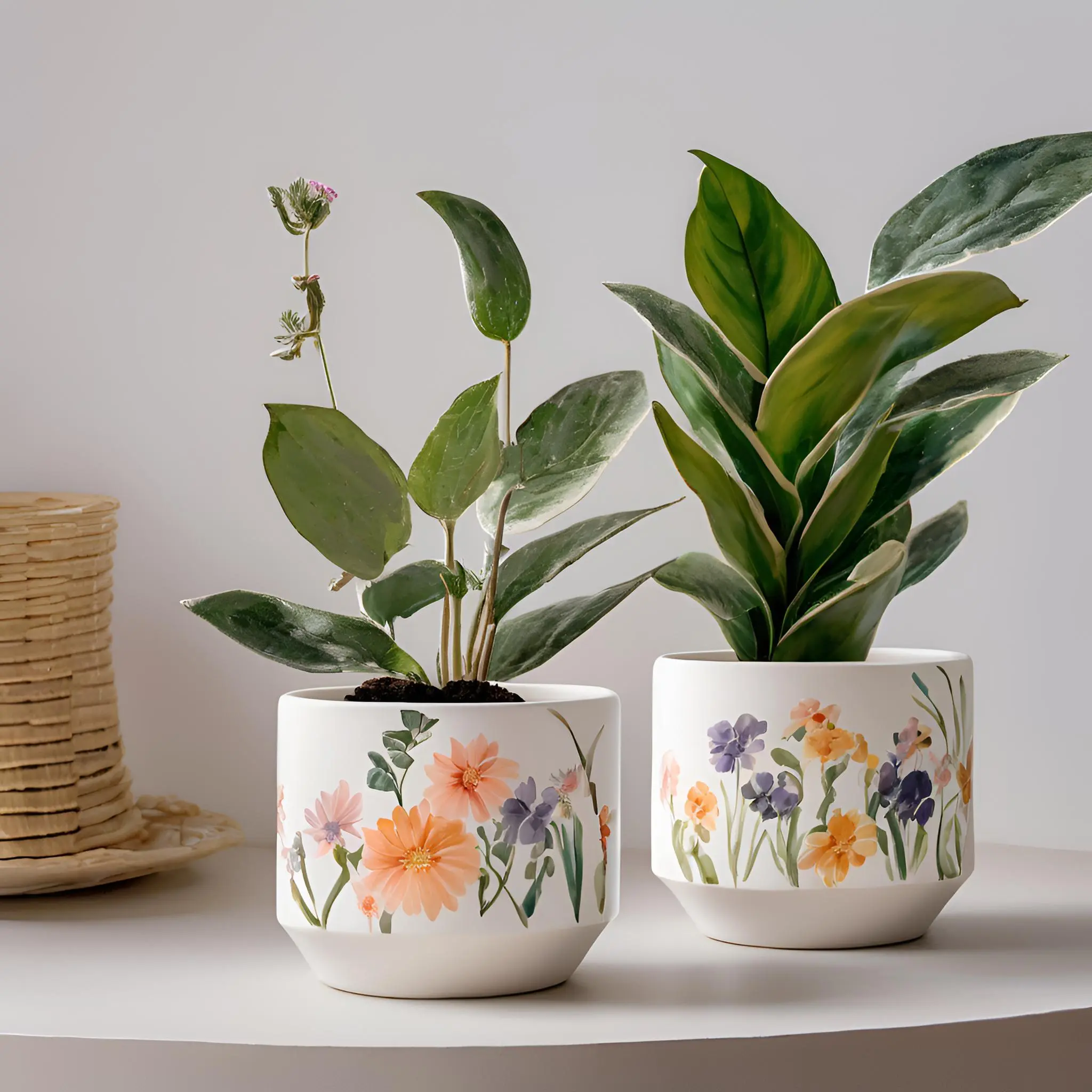
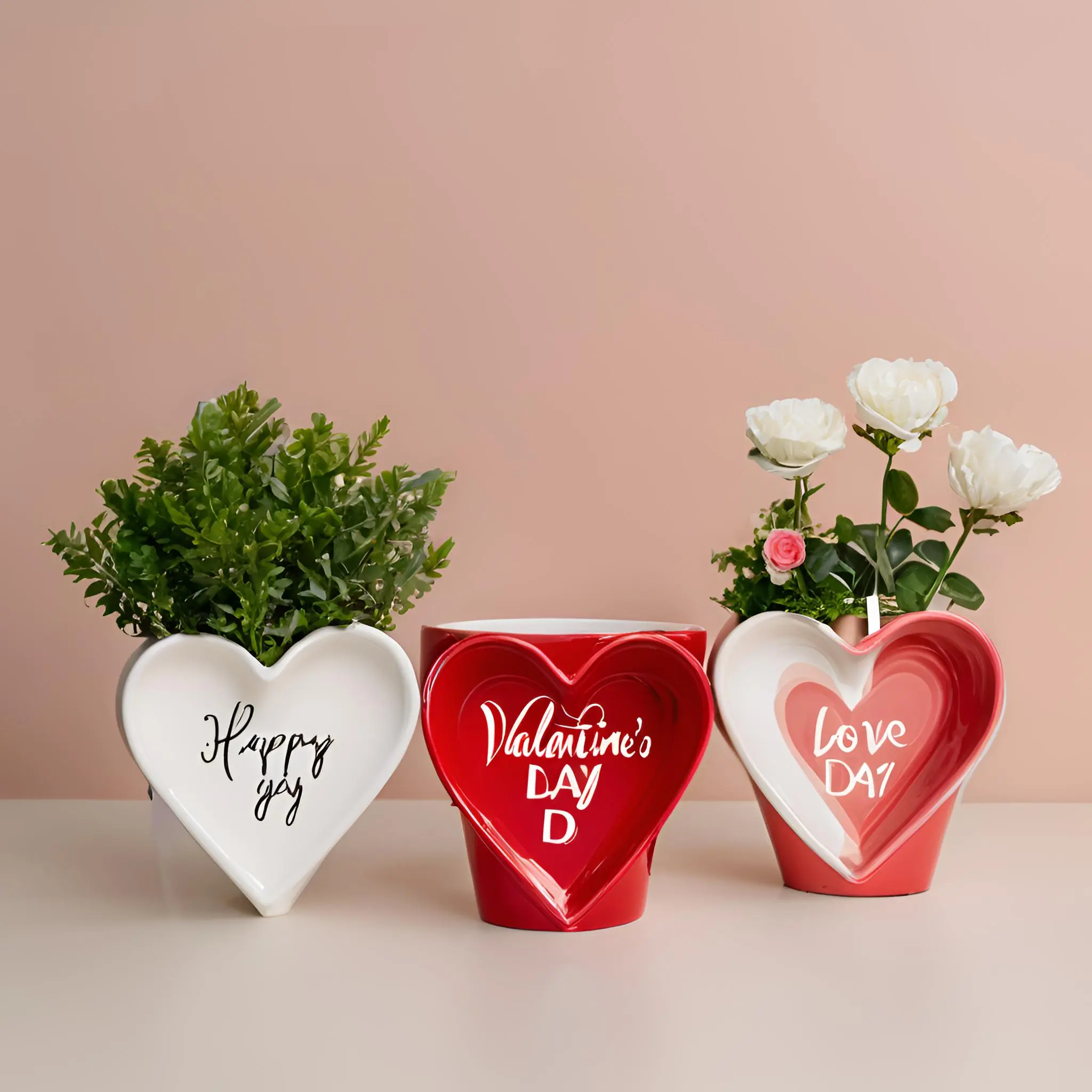
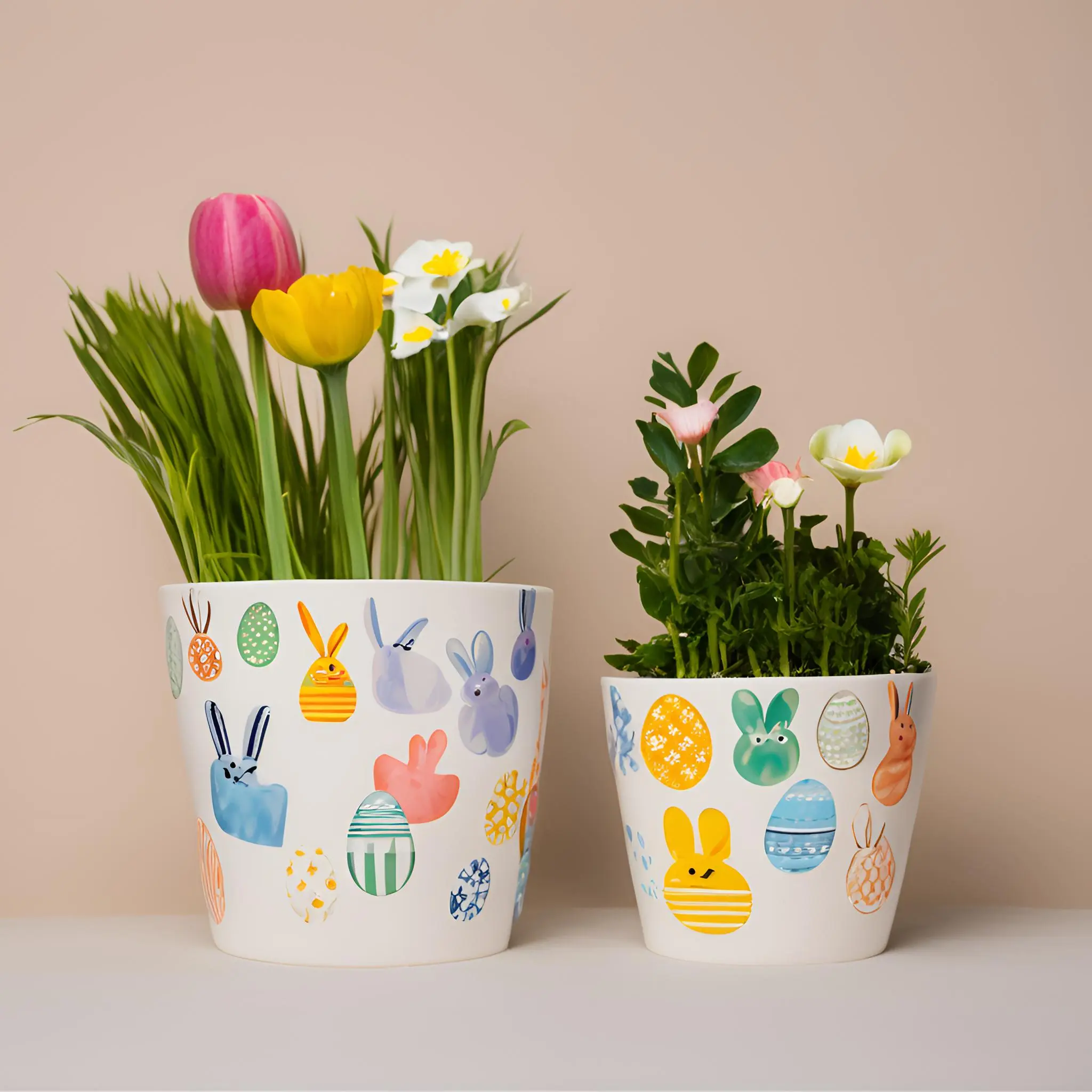
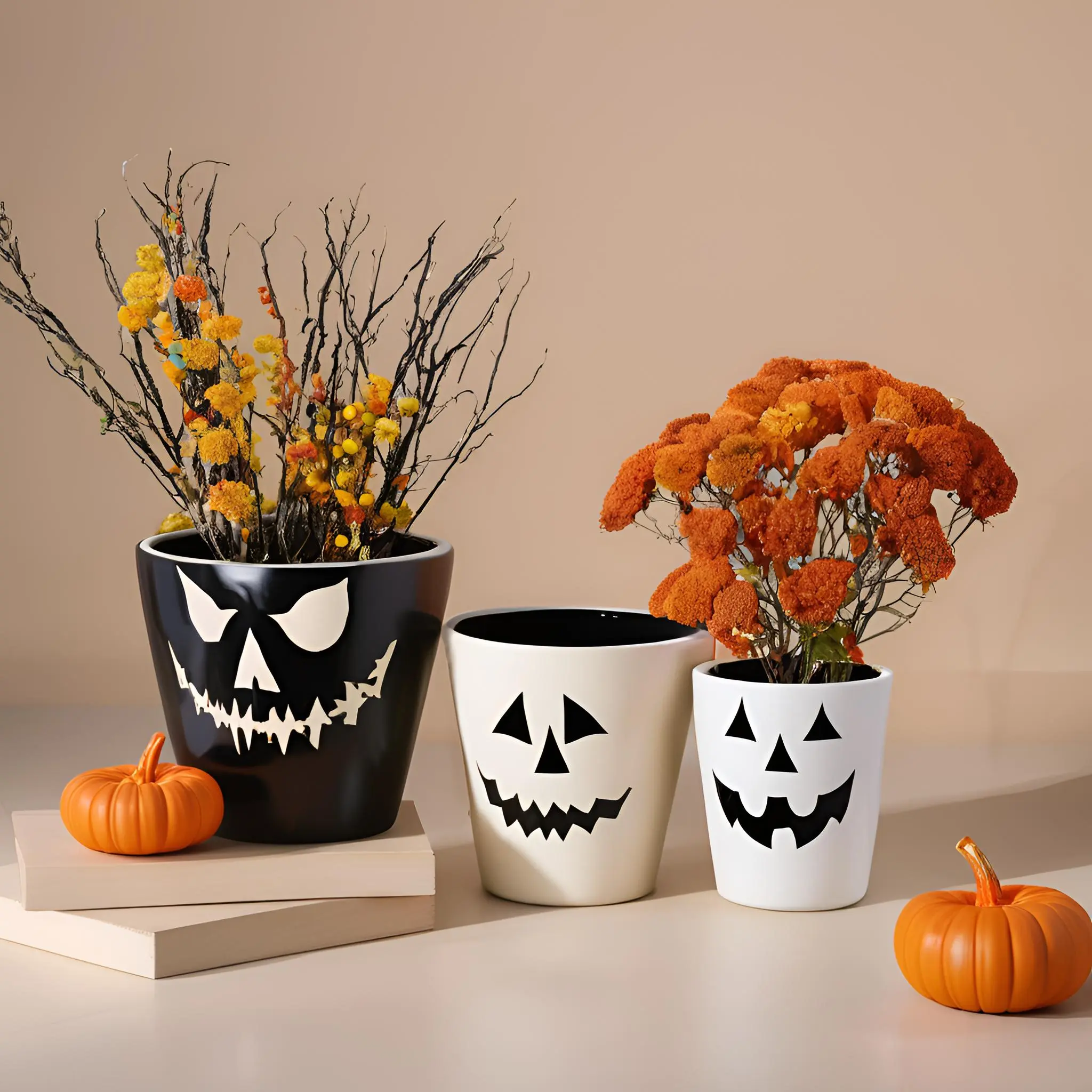
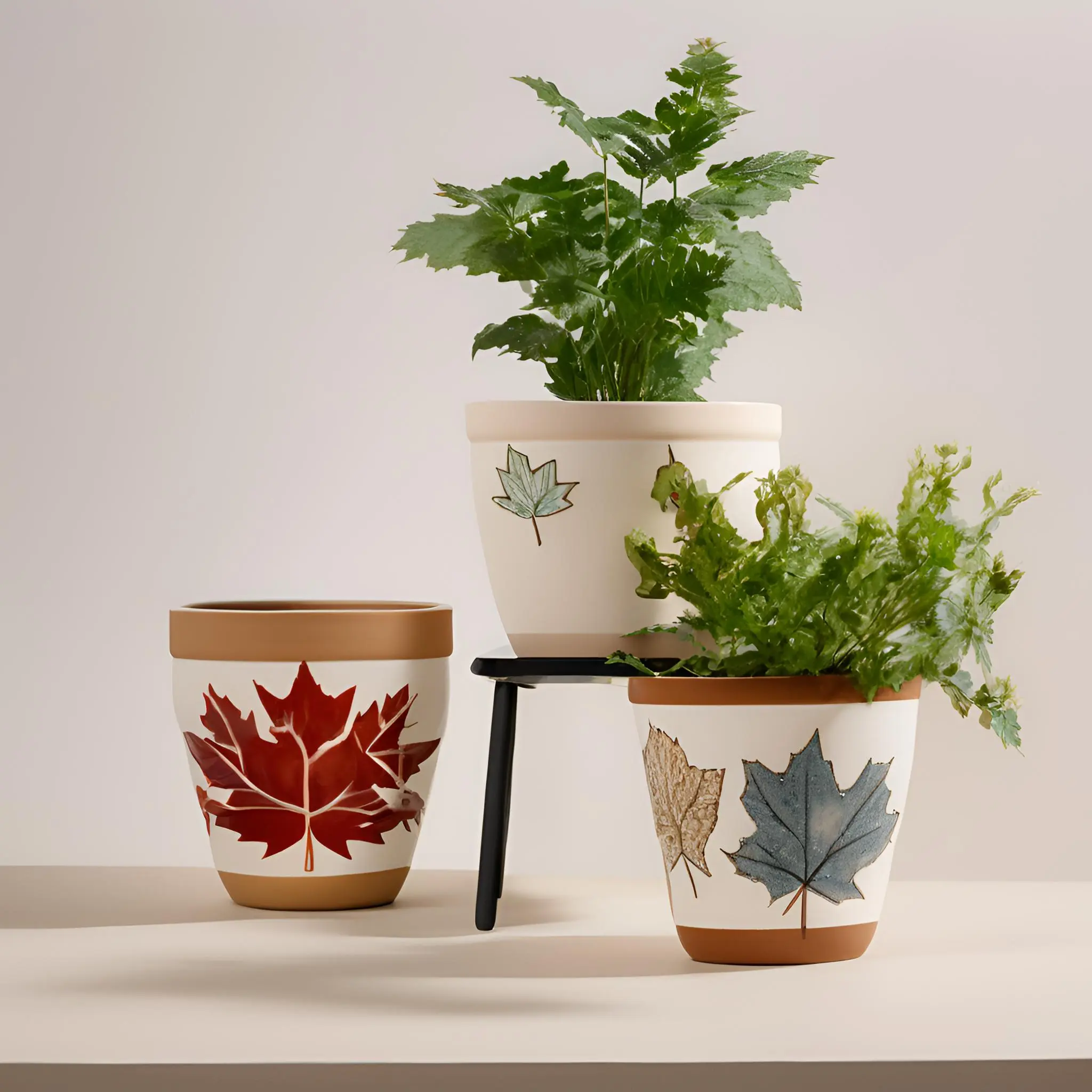
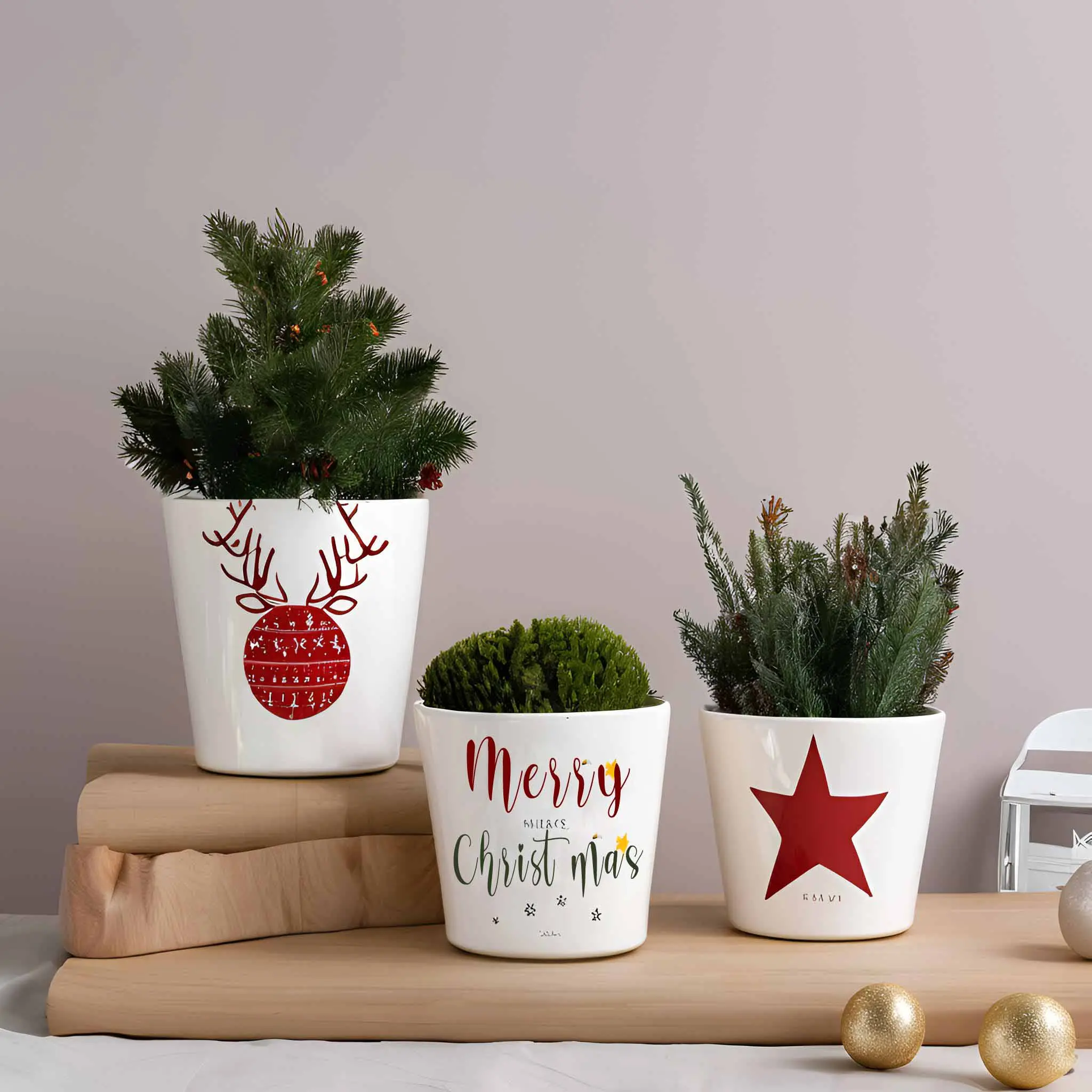
Your One-Stop Purchasing Destination for Decorative Ceramics & Accessories
Value Deco Limited is a China-based manufacturer and supplier of high-quality decorative containers. With over 12 years of experience in the international market, we supply partners with a wide selection of flower pots, vases, candle holders, home decor, garden accessories, and dinnerware. Our products are designed to meet current design trends and rigorous international quality standards.
To improve customer service, we operate through two specialized divisions:
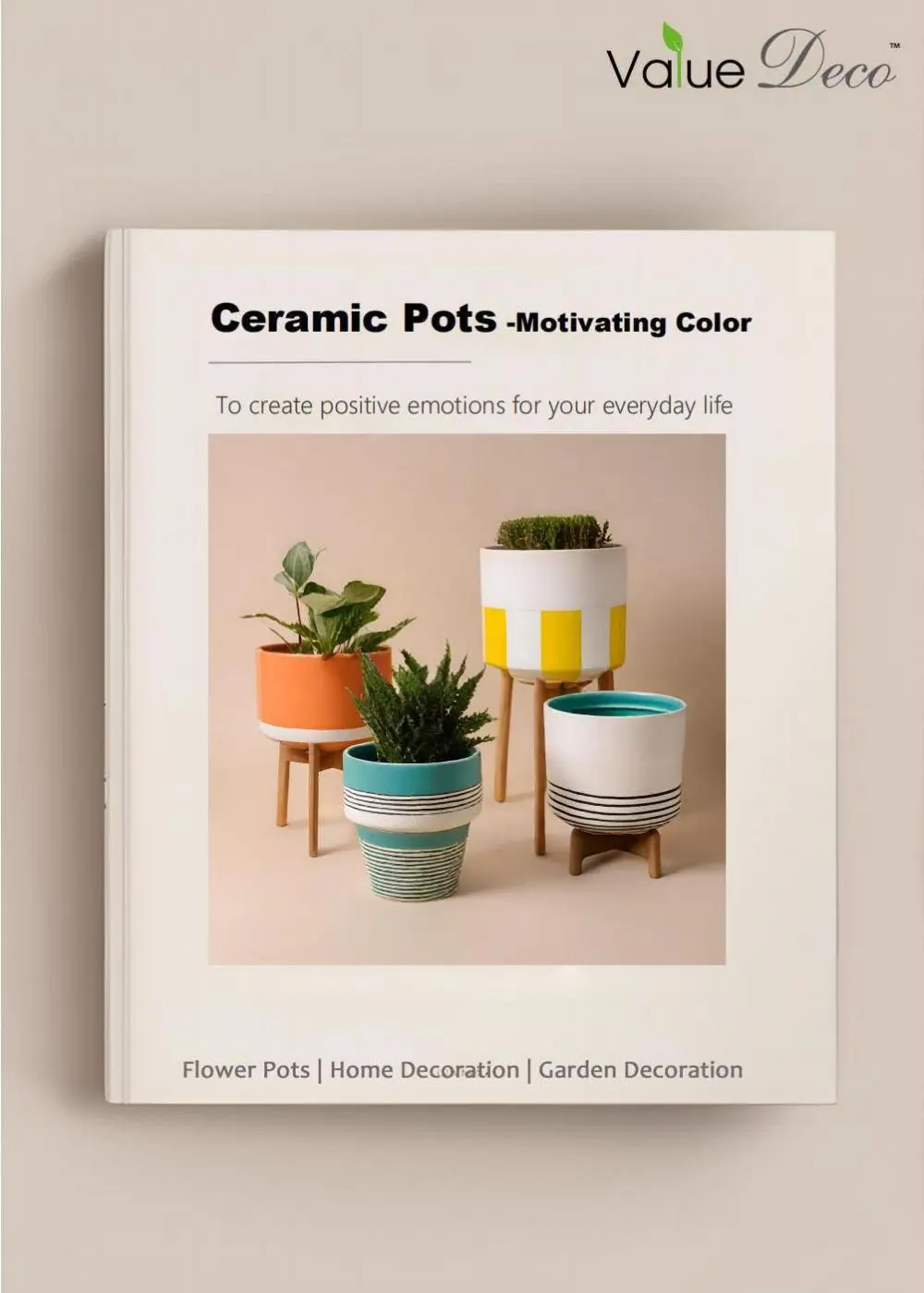
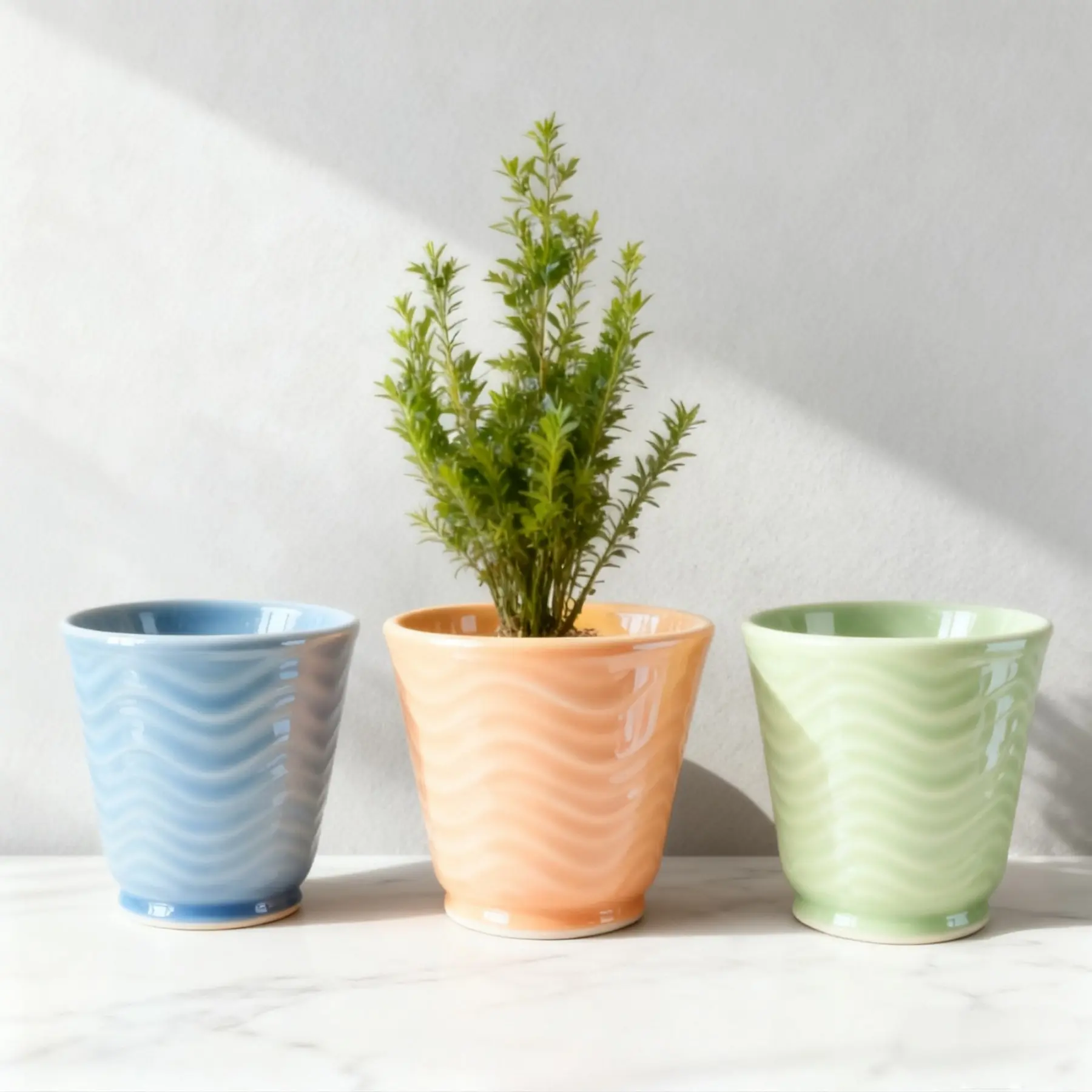
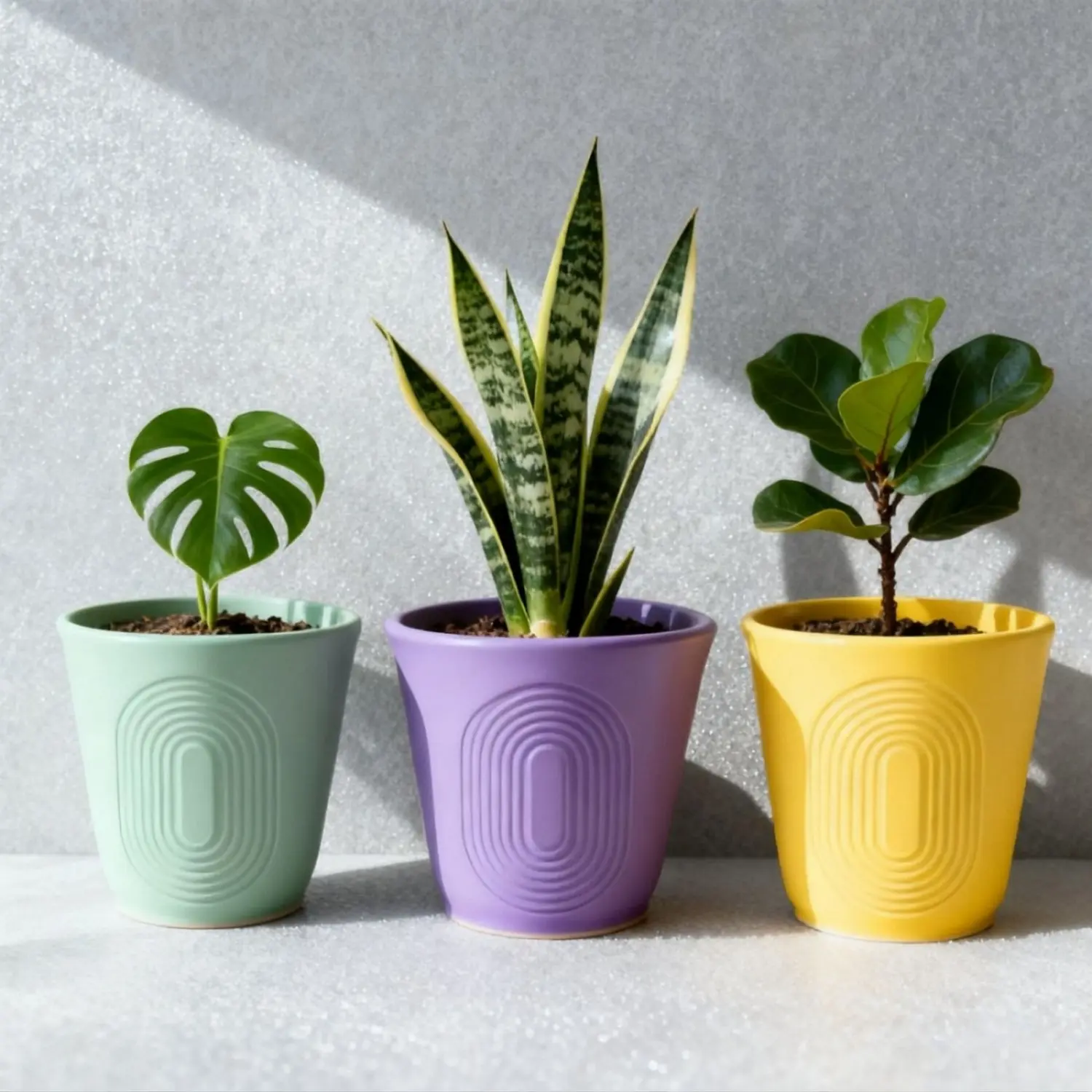
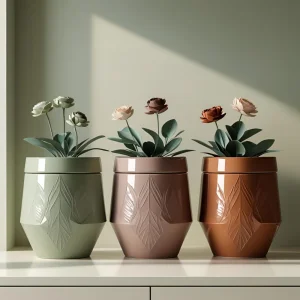
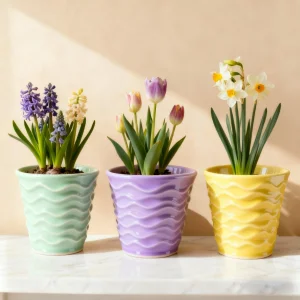
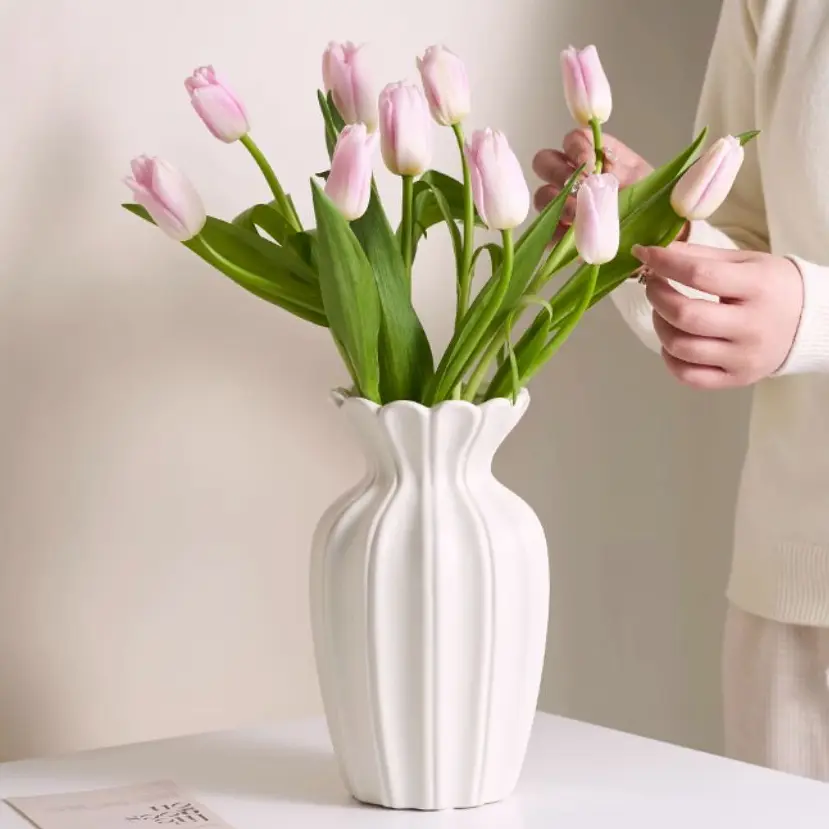
Explore our design team's latest creations, featuring textured surface details and modern pastel glazes.
Producing high-quality large-format floor vases requires strict process control. Because structural defects scale with the size of the piece, factories must manage clay formulation, drying times, and firing temperatures.
Standard clays can shrink by up to 15% during drying and firing, which can cause warping or cracking in large vases. To prevent this, technical ceramic engineers blend chamotte (pre-fired refractory clay) and silica sand into the clay mix. This increases the structural strength of the greenware and reduces shrinkage to under 8%.
Vitrification is the process of melting glass-forming minerals within the clay body to make it non-porous. For large vases, this requires a controlled firing schedule in a shuttle kiln:
| Stage | Temp Range | Process Description |
|---|---|---|
| Dehydration | 20°C - 200°C | Removal of residual water. Rapid heating during this stage can cause steam explosion. |
| Quartz Inversion | 570°C - 580°C | Crystalline silica structure changes, requiring slow, uniform heating to prevent structural cracking. |
| Soaking & Vitrification | 1150°C - 1280°C | Clay particles fuse. High-density clay body formation for structural durability. |
| Controlled Cooling | 1280°C - 100°C | Controlled cooling curve to prevent thermal shock and ensure stable glaze development. |
For composite floor vases, the factory roadmap relies on resin formulation. Integrating UV inhibitors directly into the polyester resin mix prevents yellowing and brittleness from sunlight exposure. Applying an gel-coat finish provides protection against rain, snow, and cleaning chemicals, ensuring the vase is suitable for outdoor commercial use.
Shipping large-format ceramics and composites internationally presents several challenges. Because floor vases are hollow, they take up considerable volume relative to their weight, which can make ocean shipping expensive. To address this, sourcing partners implement packaging and container optimization strategies:
Technical details and purchasing advice from our engineering team.
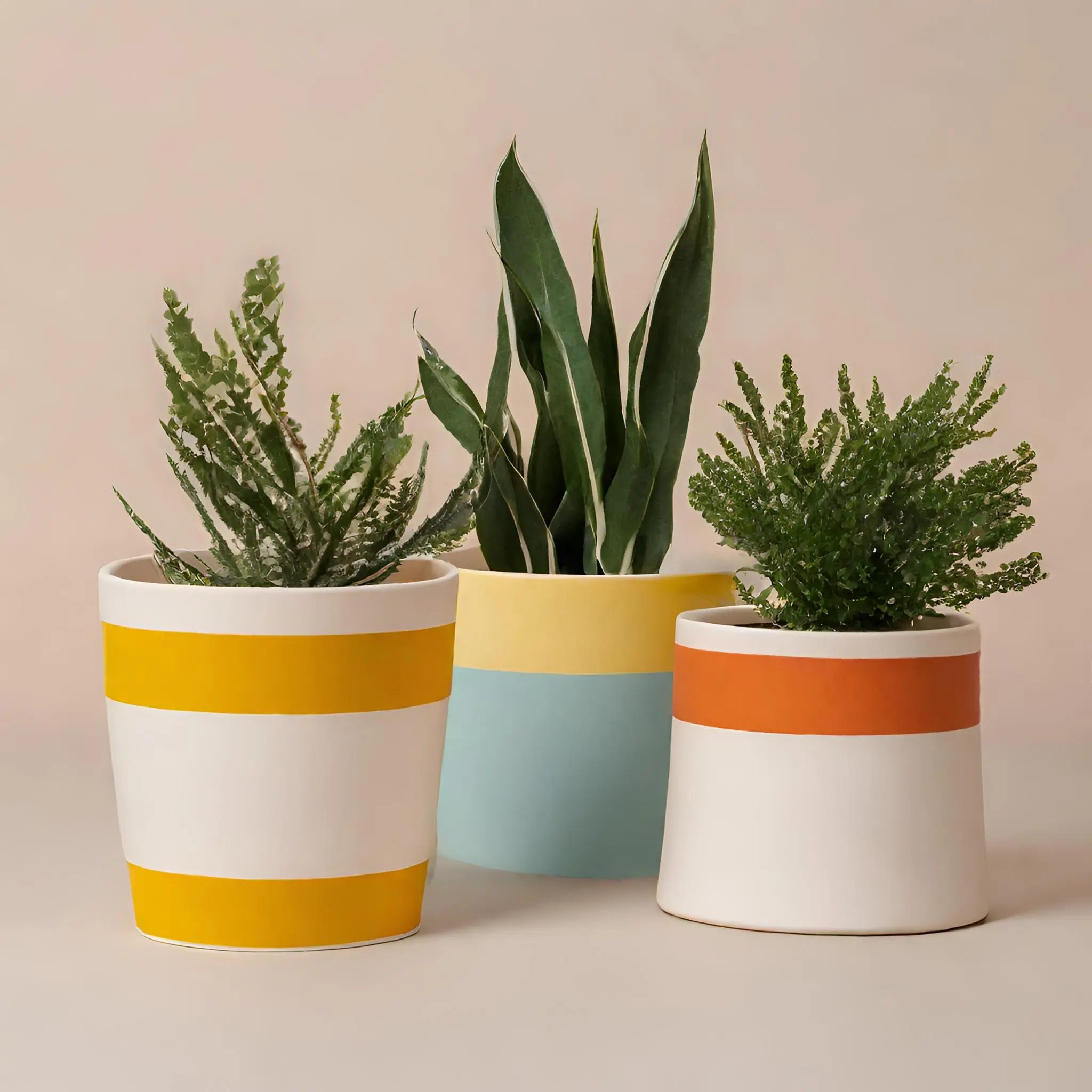
Explore additional seasonal items and custom planter styles from our production facility.