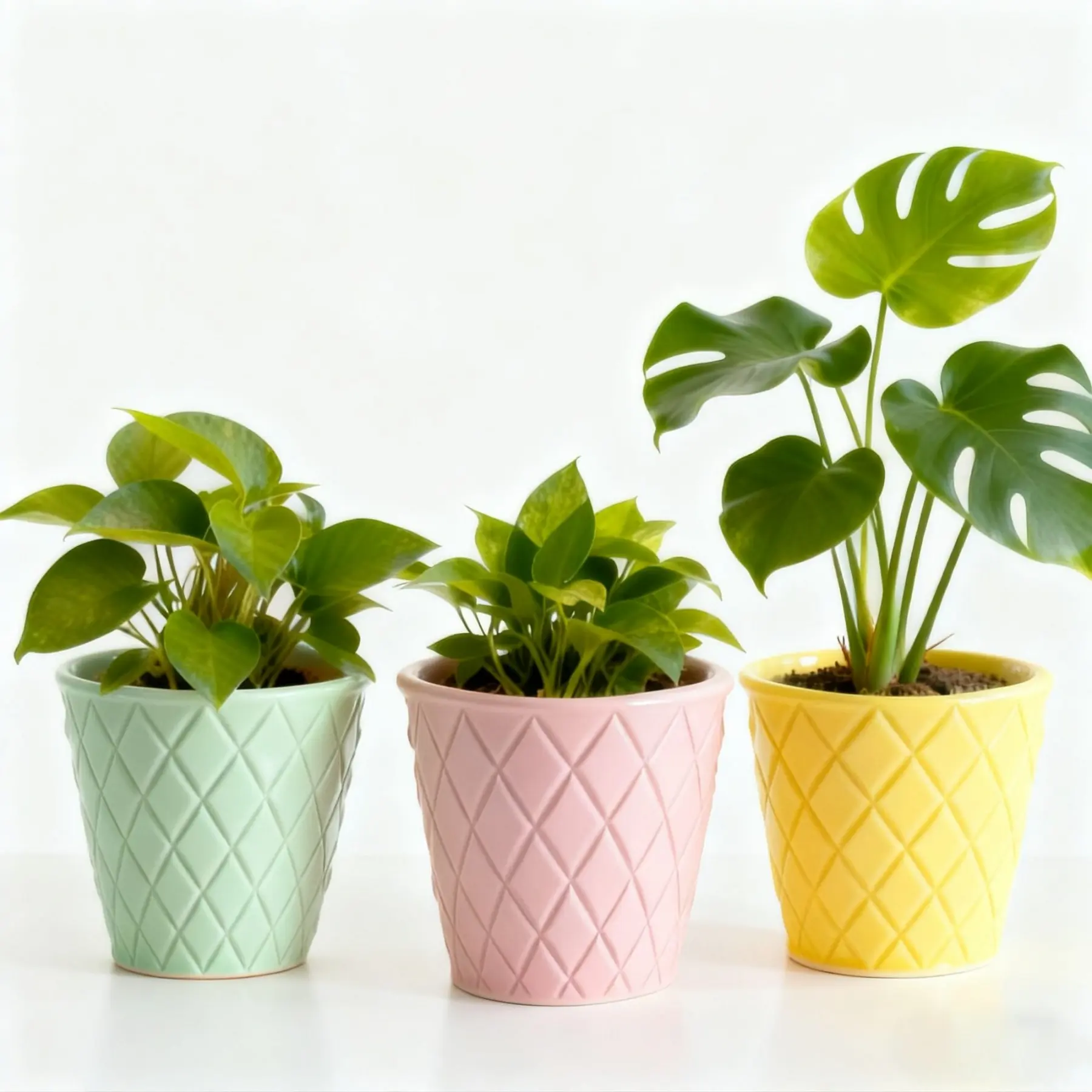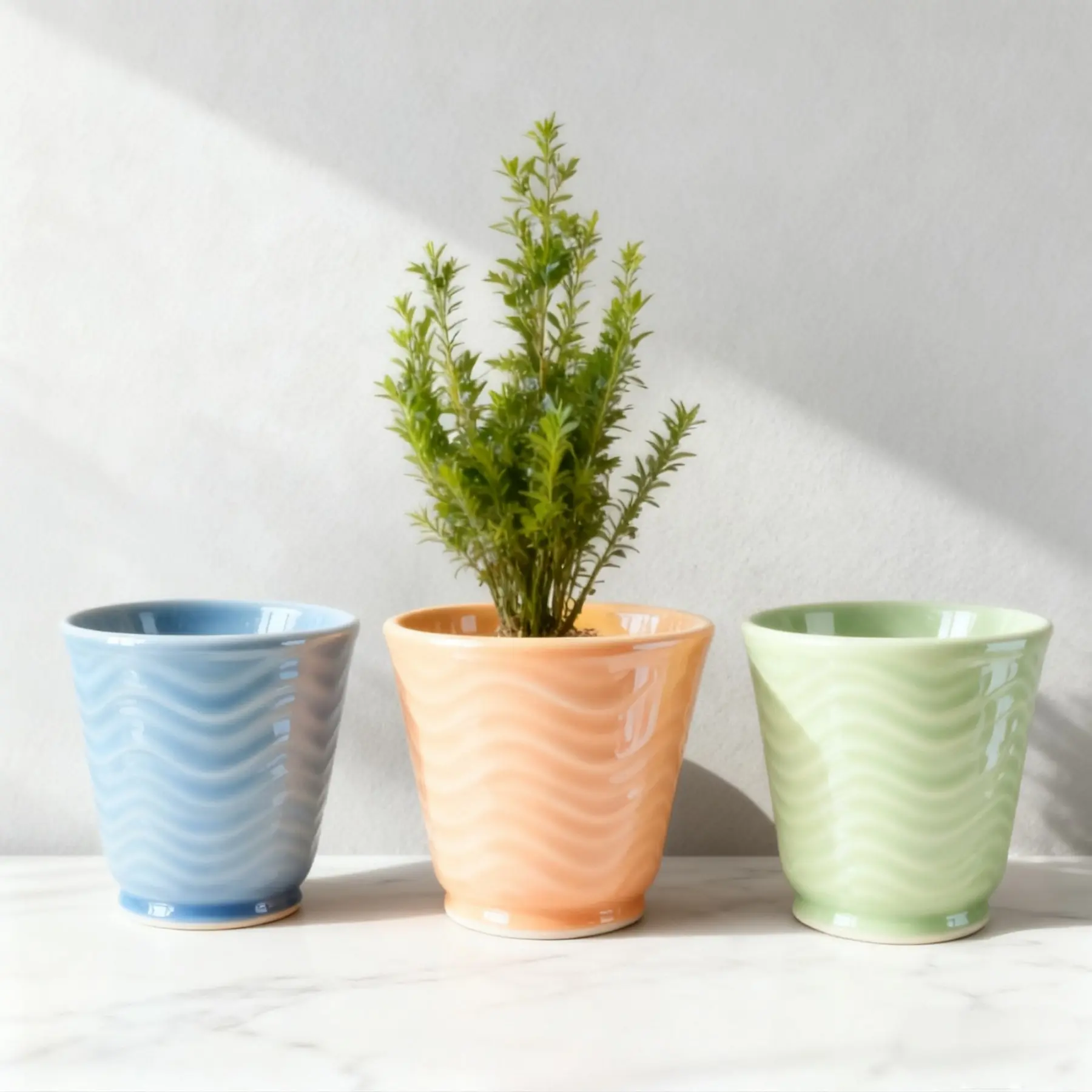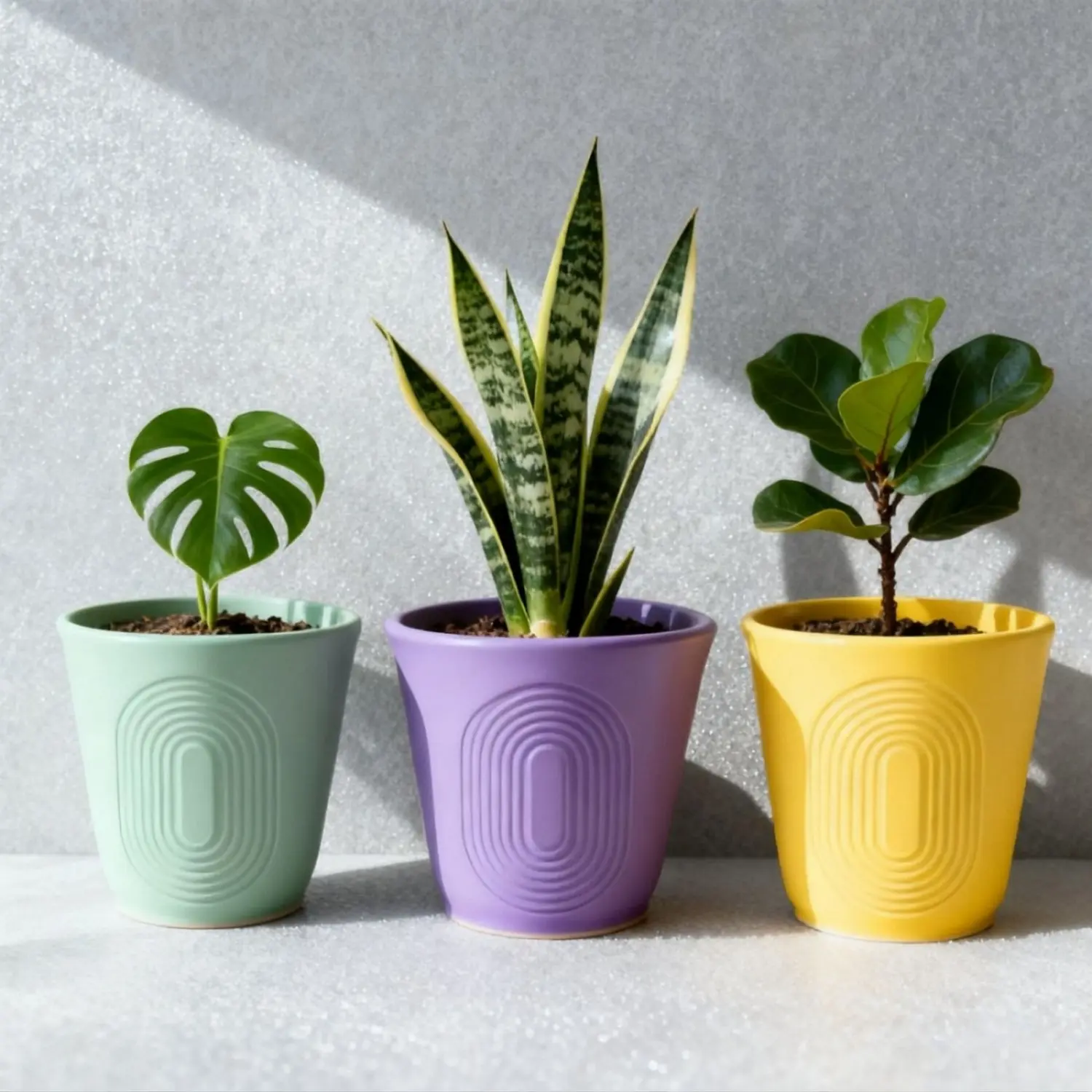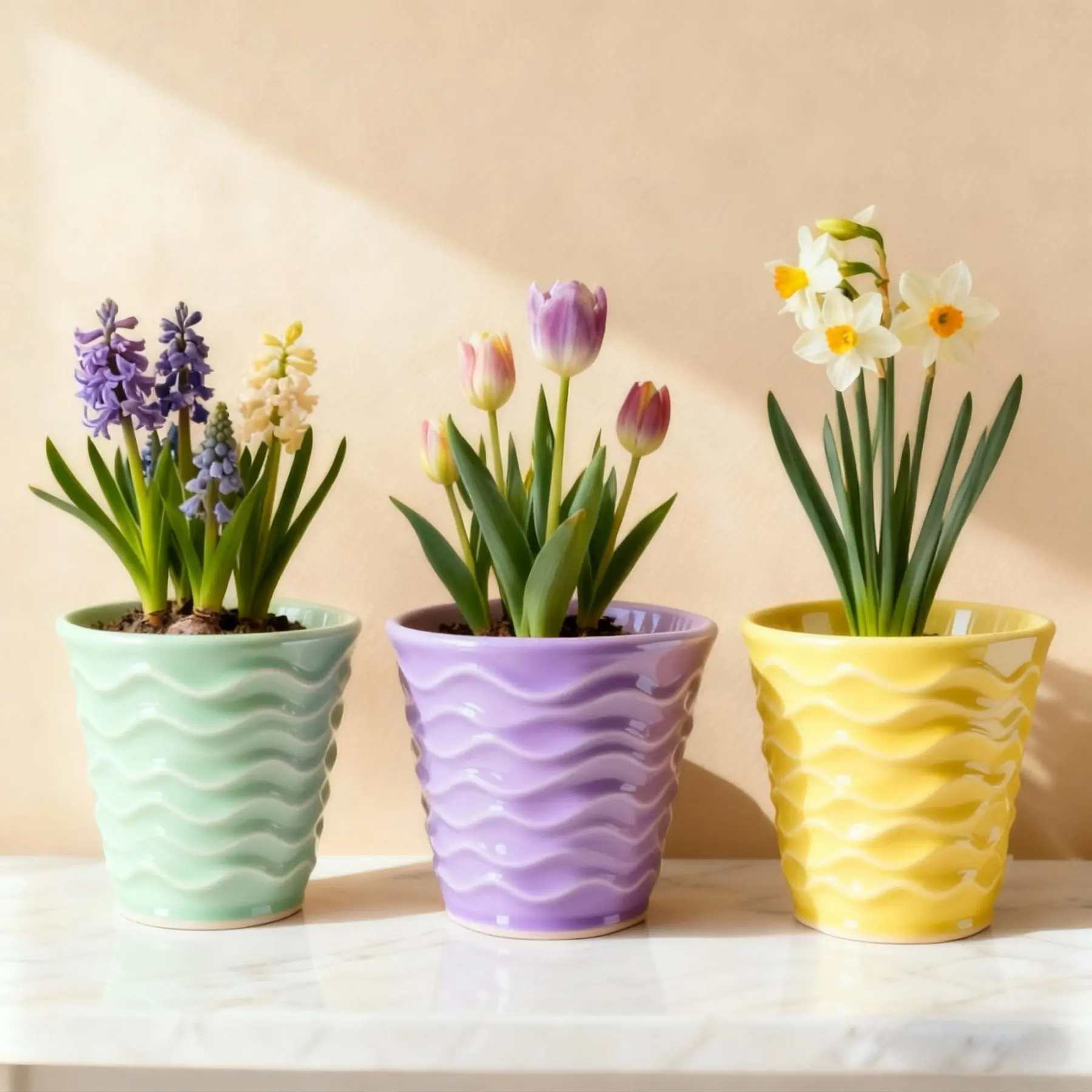
Direct-from-factory catalog segments optimized for global retail margins, high structural vitrification, and compliant export-ready packaging systems.







Empirical evidence of structural shifts within key export zones, illustrating optimization potentials across shipping logistics, raw materials, and processing efficiencies.
The global home decoration manufacturing sector is transitioning through a massive paradigm shift. Sourcing departments are no longer evaluating options based solely on a raw per-unit price list; instead, modern cost efficiency is dictated by systemic value engineering, structural optimization of materials, and automated thermodynamic processes. Within regions like the Fujian and Guangdong provinces of mainland China, manufacturers are leveraging specialized raw-material networks to construct a sustainable ecosystem of cost-effective pots, vases, candle holders, and seasonal accessories.
To conceptualize how a "cheap" home decoration item is fabricated without sacrificing the rigorous quality parameters required by top-tier Western retailers (such as Target, Walmart, or IKEA), one must analyze the raw materials chemistry. Ceramic formulations, predominantly consisting of local kaolin, ball clay, feldspar, and silica, are carefully titrated to optimize sintering temperatures. By reducing the alumina concentration slightly or adding fluxing agents, the vitrification temperature of earthenware can be lowered from 1250°C to approximately 1080°C. This subtle modification directly decreases the energy requirements of natural-gas-fueled tunnel kilns, translating to a substantial 15% reduction in production costs—a saving passed directly down to volume importers.
Simultaneously, resin formulation has evolved. Standard unsaturated polyester resins (UPR) are blended with fine-grain calcium carbonate fillers. This composite configuration achieves dual purposes: it lowers the volumetric resin cost while elevating the density and physical weight of objects like the Cheap Snake-Inspired Resin Statue (LGDC6894). Consequently, the consumer perceives high value due to the weight, while the manufacturer maintains exceptionally lean pricing structures.
Below is a technical breakdown of how material engineering impacts product durability, pricing structures, and overall container load capacities (CBM utilization rates):
| Material Class | Density (g/cm³) | Vitrification Temp | Principal Cost Drivers | Best Practice Application |
|---|---|---|---|---|
| Earthenware / Terracotta | 1.8 - 2.1 | 1000°C - 1150°C | Kiln fuel, manual glazing cycles | Earthy-toned flower pots, rustic dinnerware |
| Stoneware | 2.2 - 2.4 | 1200°C - 1300°C | High purity kaolin, extended firing | Tabletop vases, heavy-duty dinnerware |
| Filled Polyester Resin | 1.5 - 1.8 | N/A (Exothermic Cure) | Monomer prices, mold amortization | Complex figurines, outdoor memorials |
| Formulated Cement | 2.0 - 2.3 | N/A (Hydraulic Set) | Aggregate sorting, curing time | Architectural head planters, geometric pots |
Integrating core ceramic, resin, and composite product lines to fulfill seasonal, residential, and institutional purchasing requirements.
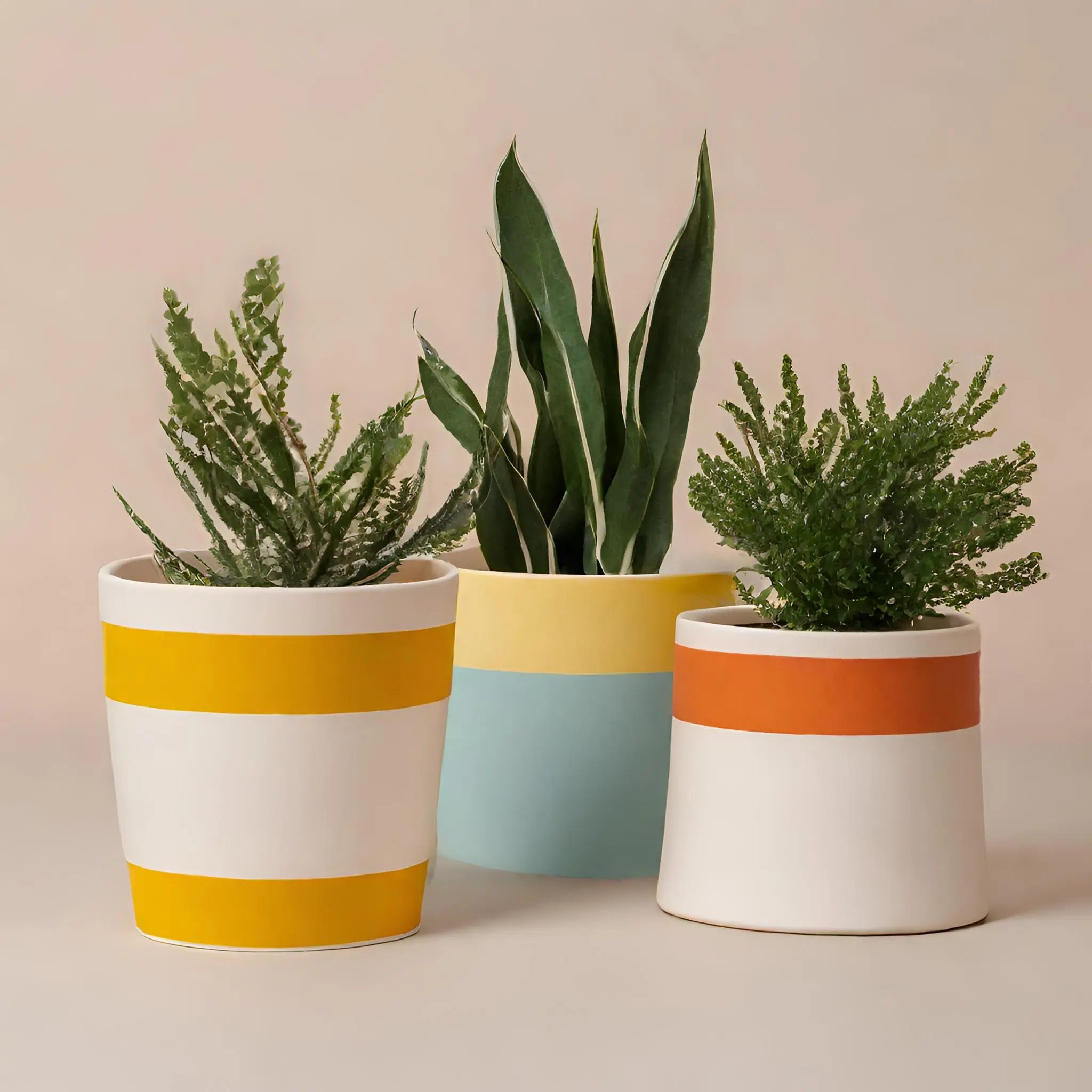





Mitigating demand spikes and raw material inflation by booking seasonal capacity runs up to nine months in advance of market arrival.
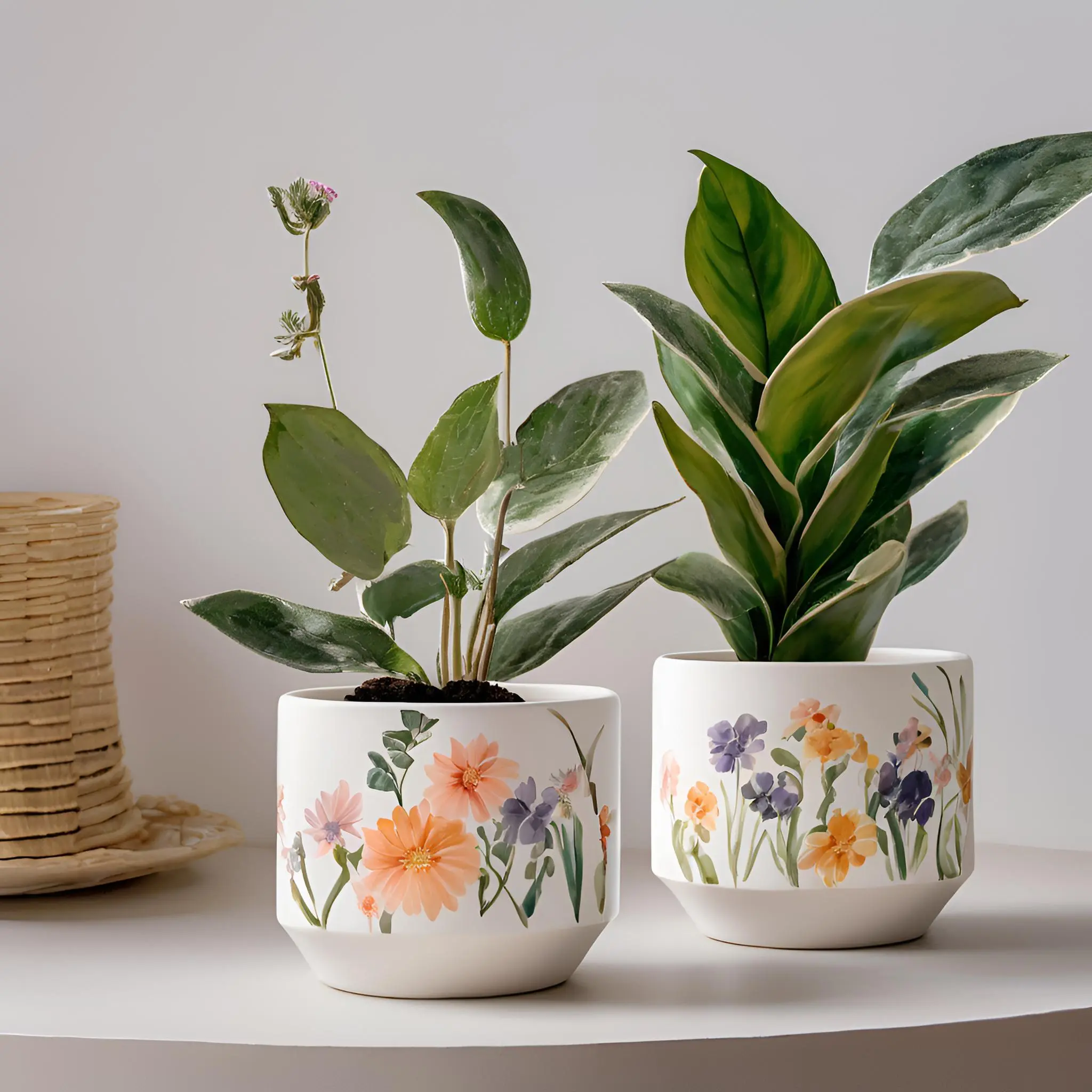

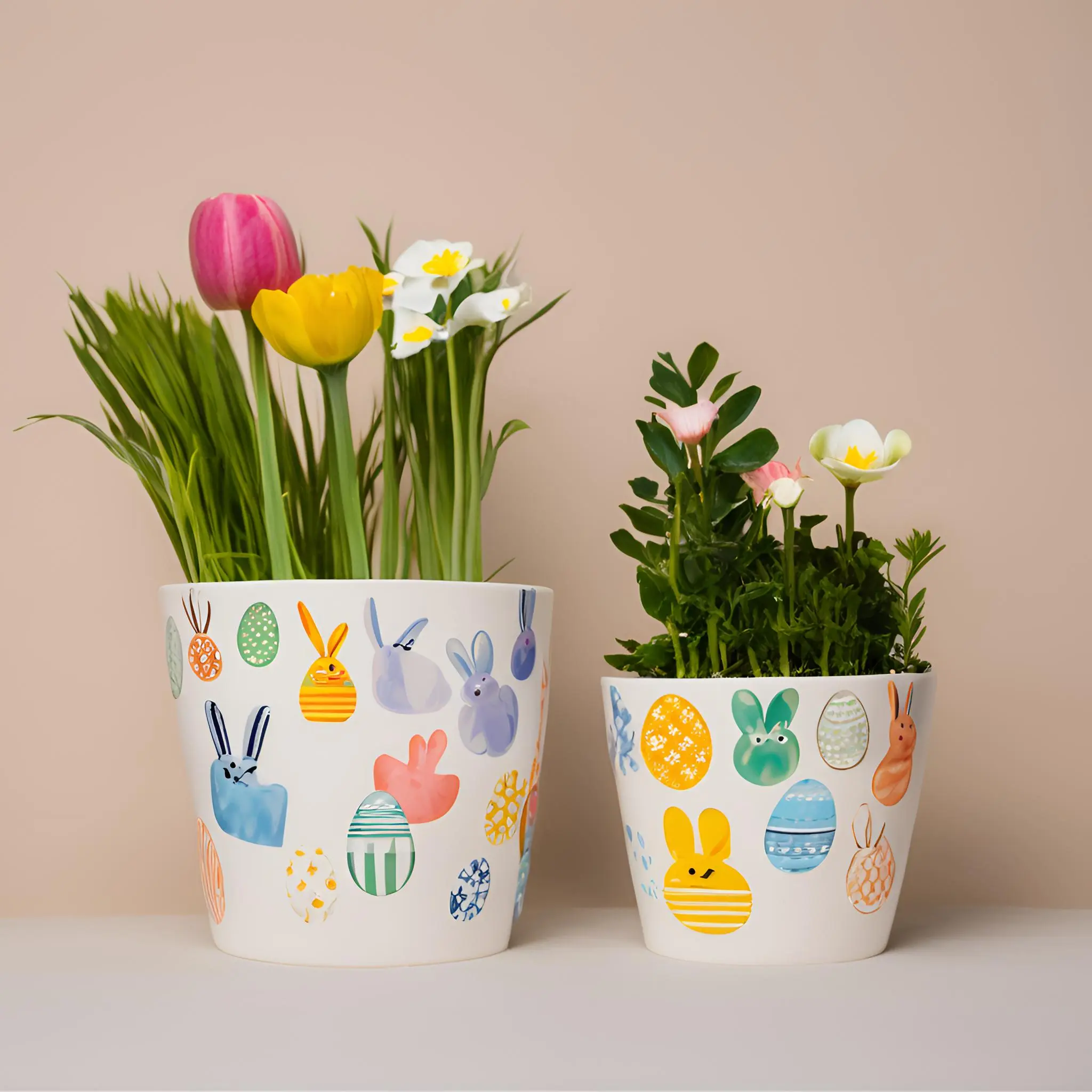


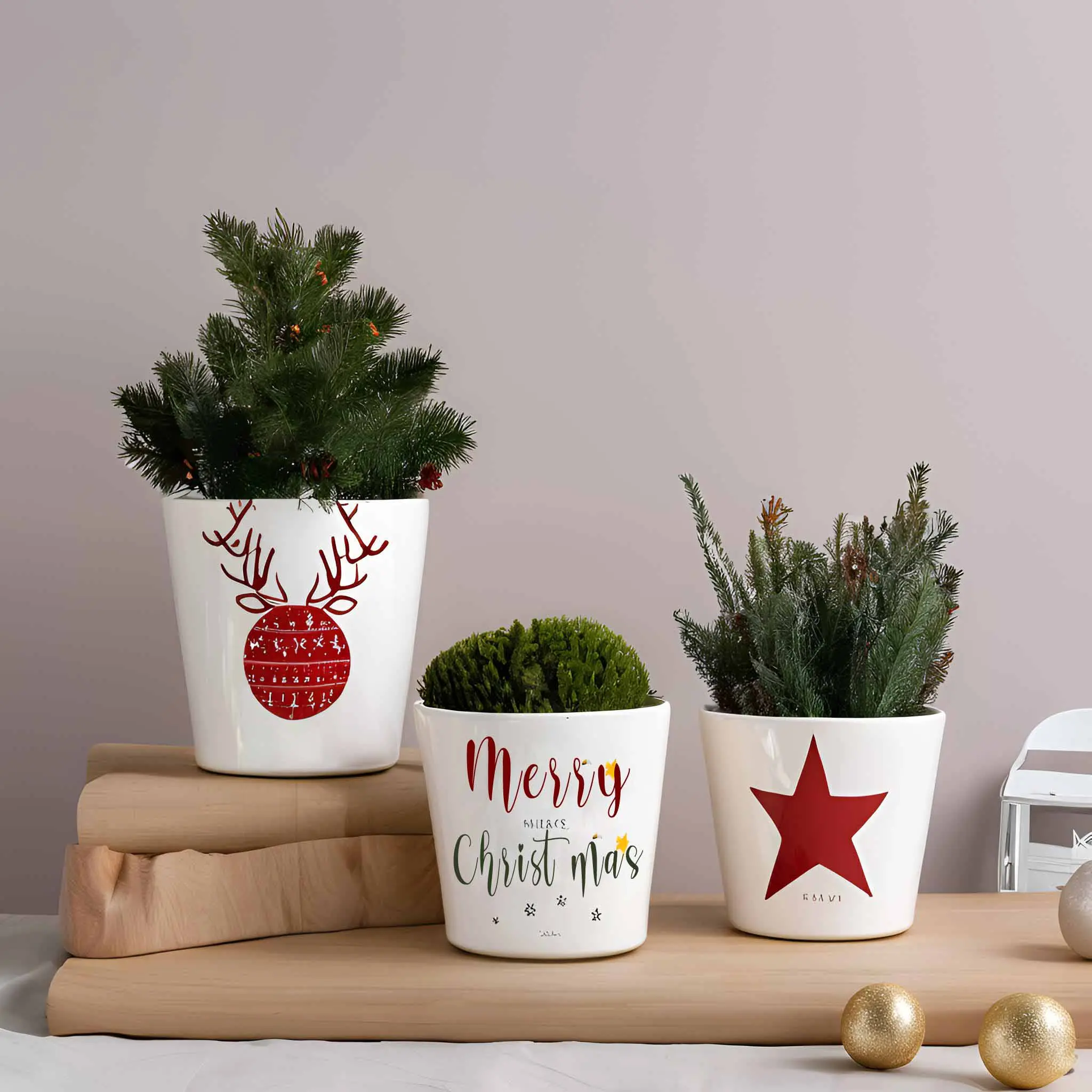
Established over 12 years ago in the heart of China’s most prolific ceramic clustering zone, Value Deco Limited has developed into a preeminent global supplier. We address the complex transactional requirements of wholesalers, retail developers, and high-frequency digital brands. By aligning internal tooling operations, raw-material mills, and digital design teams, we ensure the seamless transition of concepts into container-loaded reality. Our logistics capabilities guarantee optimized container volumes (CBM) to decrease cross-ocean shipping overheads.
Whether handling slip-cast dolomite, high-firing stoneware, composite structural resin, or hand-painted decorative accents, our operational teams execute meticulous quality assurance (QA) checks based on customized AQL standards. This approach secures your inventory against high return rates and keeps your store shelves stocked with trending, durable consumer options.
The home decor manufacturing domain is discarding historical "guesswork" firing cycles in favor of precision industrial physics. The modern factory floor operates under rigorous feedback loops driven by IoT sensors installed along every meter of our 100-meter-long tunnel kilns. Here is how Value Deco Limited shapes the technological landscape to stabilize wholesale pricing while upgrading product quality:
By shifting away from hand-carved plaster molds, we design geometries via parametric software. CNC machines cut master aluminum molds, ensuring dimensional deviation remains under 0.2mm. This increases the speed of production cycles and guarantees perfect lid-to-pot alignments.
The clay slurry (slip) must maintain precise viscosity and thixotropy. Automated slip casting pipelines monitor water content using microwave hydration sensors, mitigating greenware cracking and structural warping before firing.
Utilizing high-speed visual cameras and AI pattern recognition, the thickness of glaze layers (such as the checking pattern on our *Cream-colored Checked Vase VDLK5190*) is evaluated prior to entering the kiln. Over-spray or thin-spots are detected early, reducing post-kiln reject rates to near zero.
During the critical sinter phase, gas-to-oxygen ratios are managed via computerized controls. This balances reduction zones, producing clean white decals, brilliant red glazes, and preventing carbon trap blemishes inside the kiln.
Download our technical material catalogs and season guides to initiate direct container booking programs.
Review our engineering design studio's latest creations, built to balance texture aesthetics with mold-release efficiency.

Navigating global retail logistics requires matching design innovation with operational resilience. Importers are often caught between high design costs in Western markets and unpredictable manufacturing standards in primary production hubs. We resolve this by integrating design engineering with deep supply chain optimization.
High-volume drop-shippers and Amazon FBA operators face high packaging fees if items break during transit. Our products are packaged to withstand the standard 1.5-meter drop test, using ISTA-1A and 3A certified cardboard engineering with form-fitted high-density expandable polystyrene (EPS) inserts. This reduces returns and supports steady retail growth.
For outdoor applications such as municipal landscaping, garden supply chains, and plant nursery programs, standard low-fire terra cotta is vulnerable to frost cracking. We incorporate calcined chamotte and high-melting-point mineral aggregates into our outdoor ceramic bodies. This configuration increases tensile strength under freeze-thaw cycles, offering a product line built to last in challenging climates.
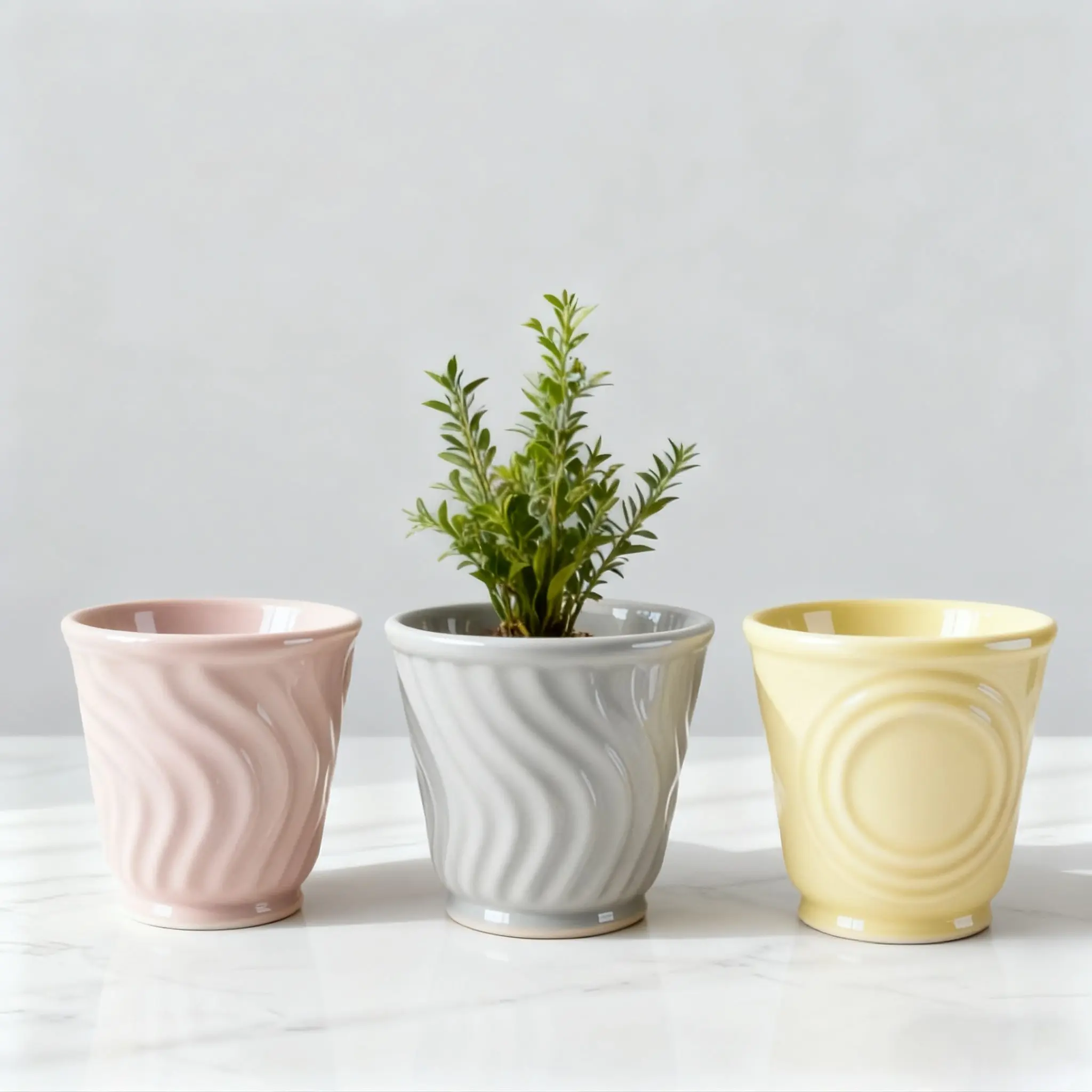
Premium home stores require unique surface finishes to distinguish their collections. Our glaze laboratory continuously refines metallic, reactive, crackle, and matte glaze recipes (such as the finish on the *Matte Cream-colored Checked Ceramic Dining Table Vase VDLK5190*). These specialty formulations are engineered for mass production, delivering high-end design characteristics at cost-effective wholesale rates.
Crucial industrial data covering manufacturing lead times, customization limits, material safety compliance, and shipping protocols.
Wholesale selections for home decoration importers, featuring reliable structural integrity, frost protection, and clean surface finishes.