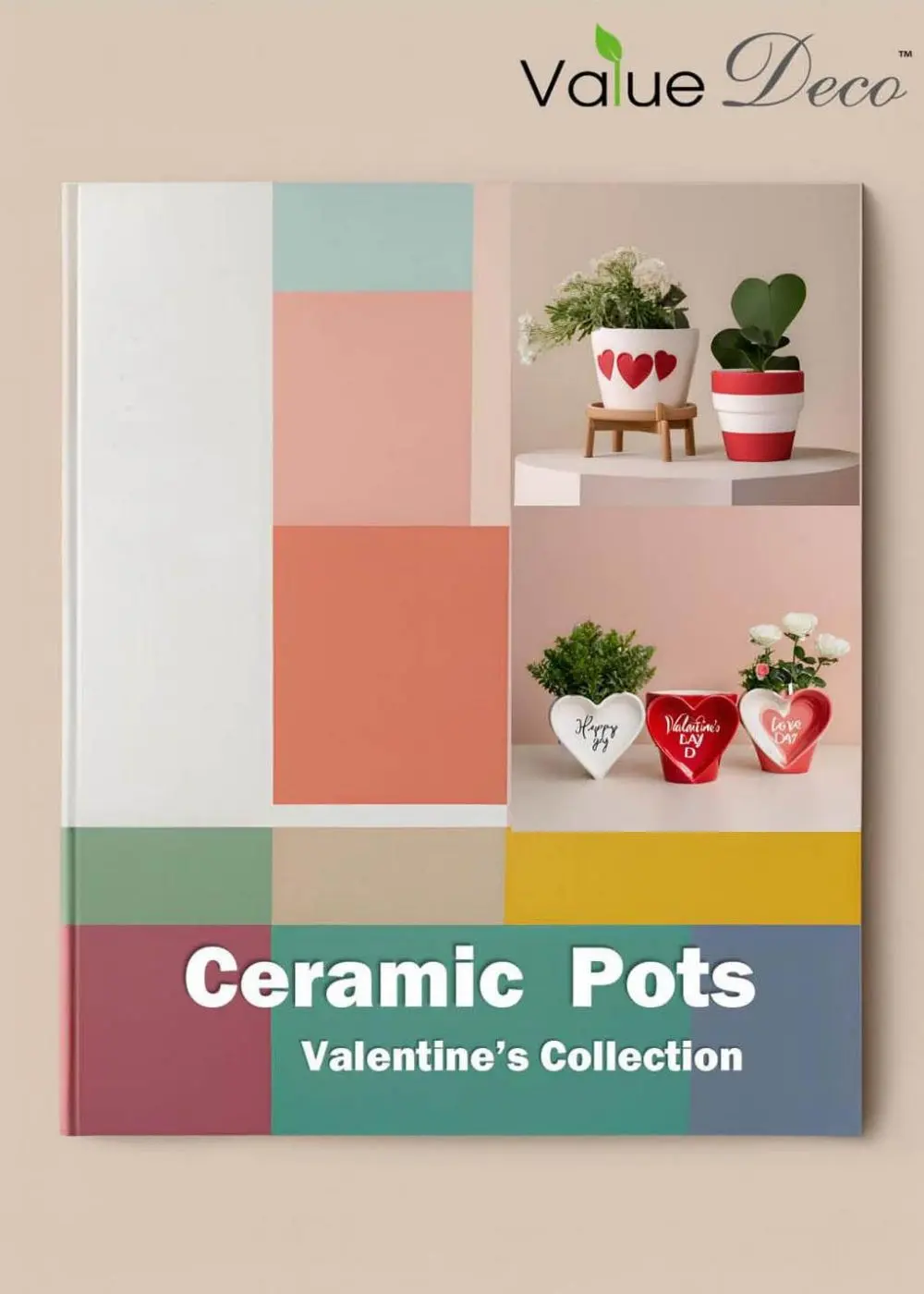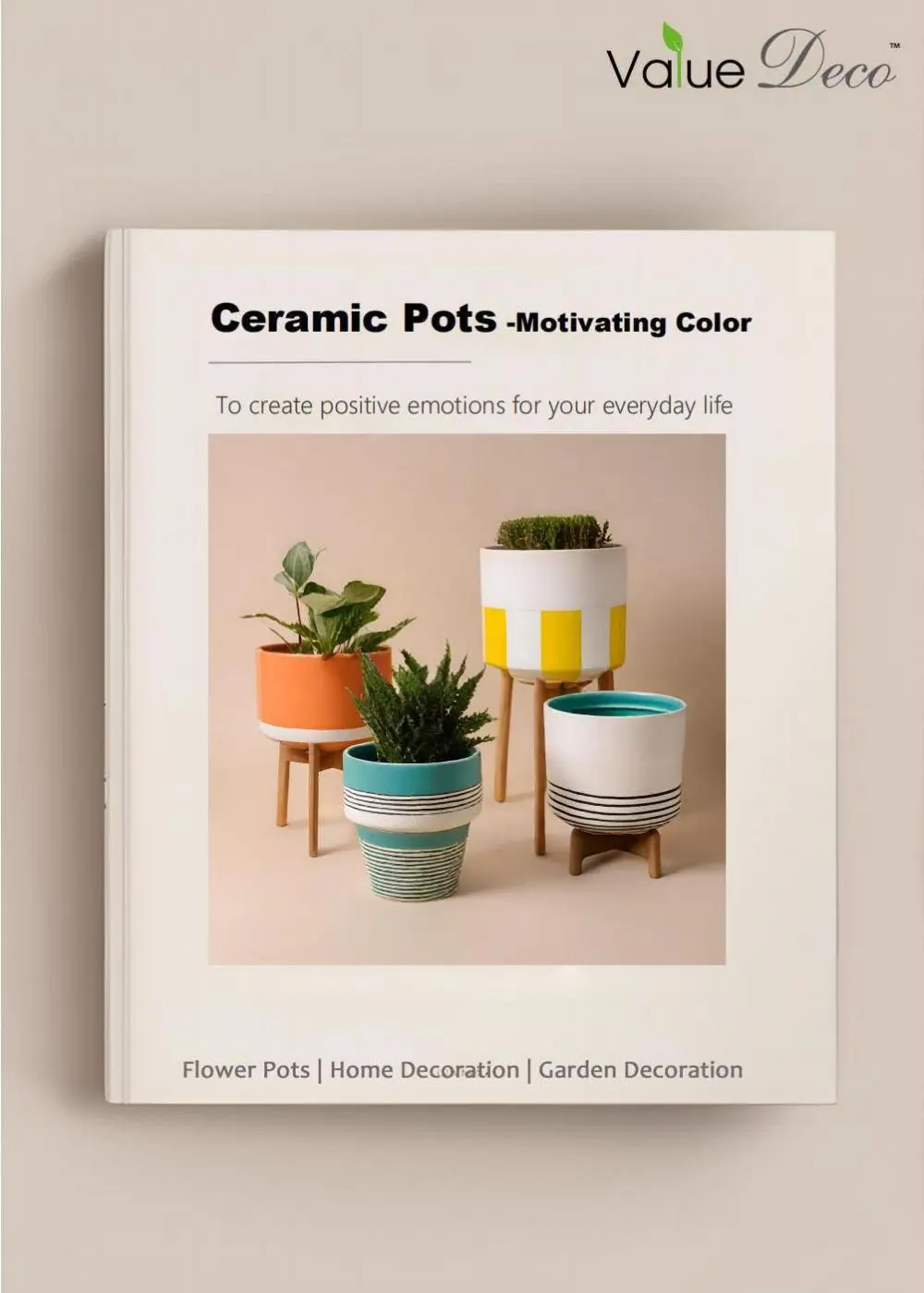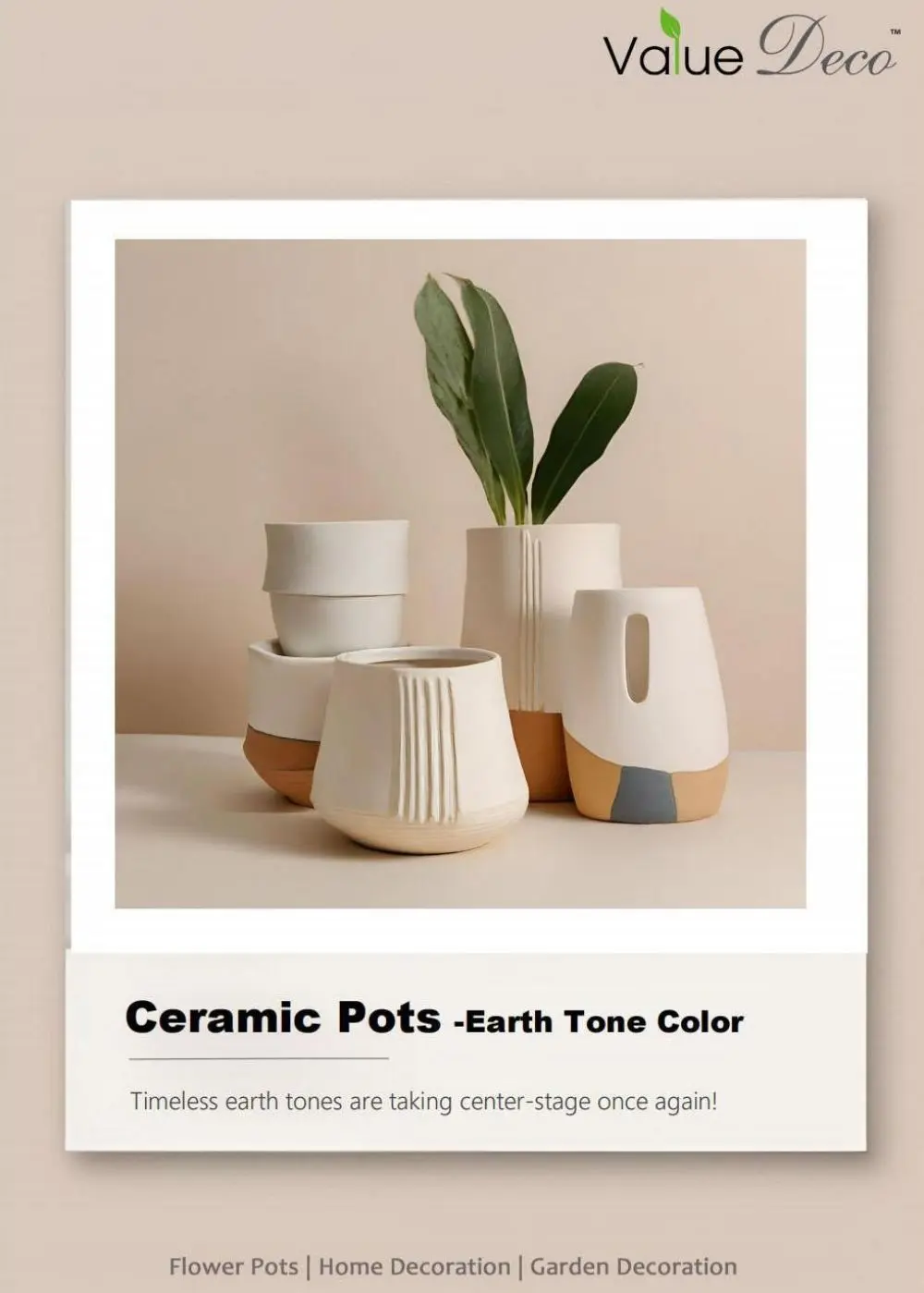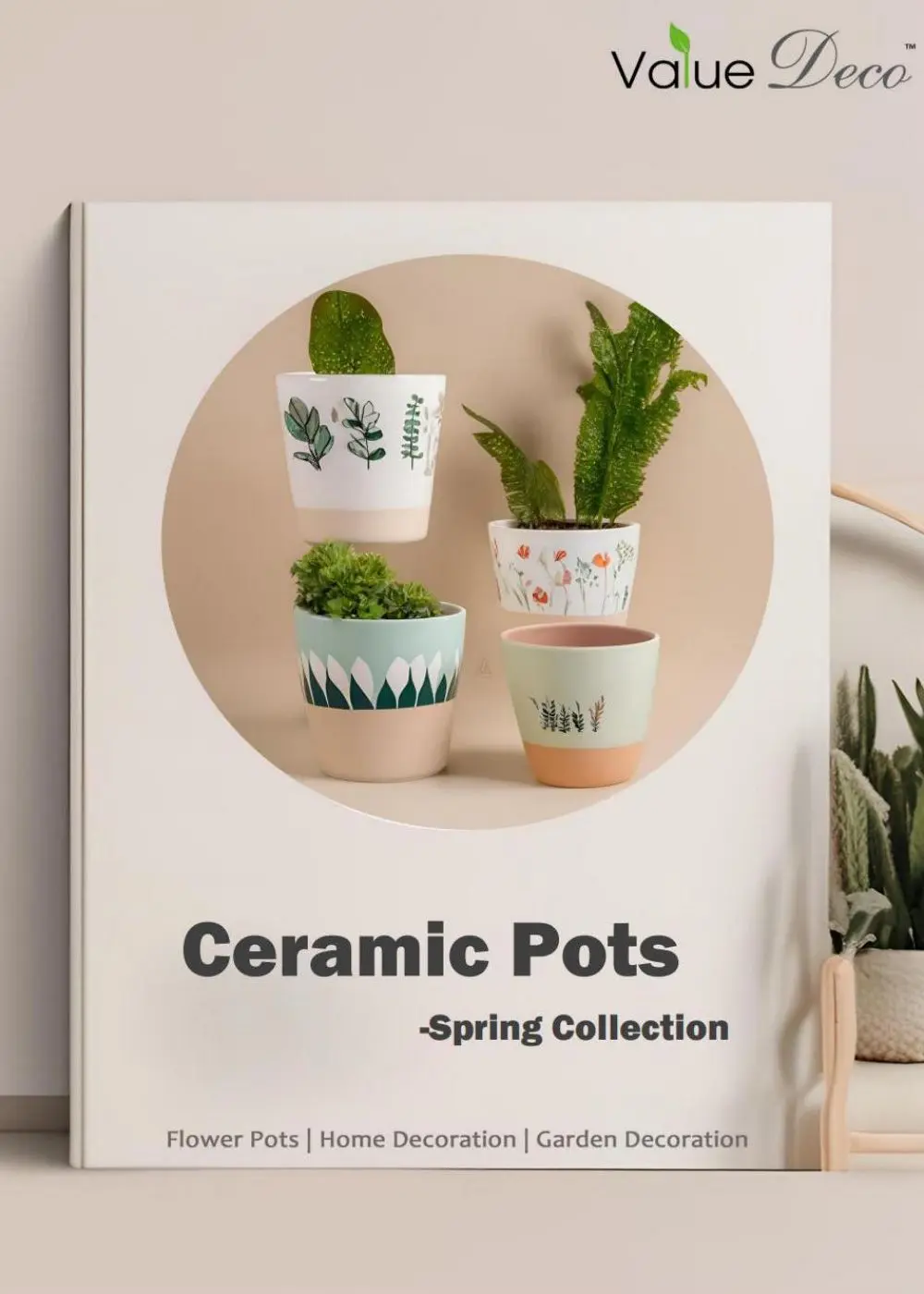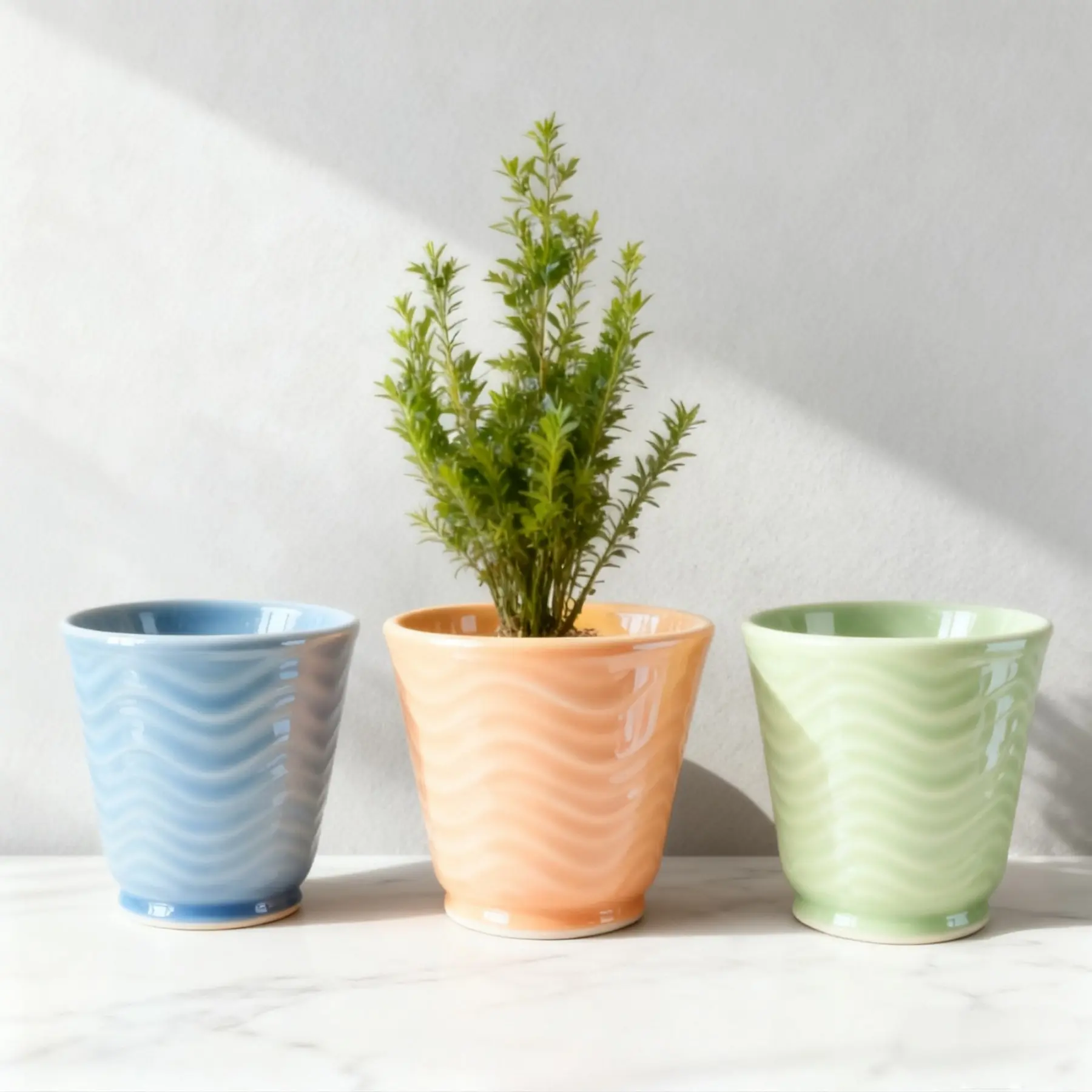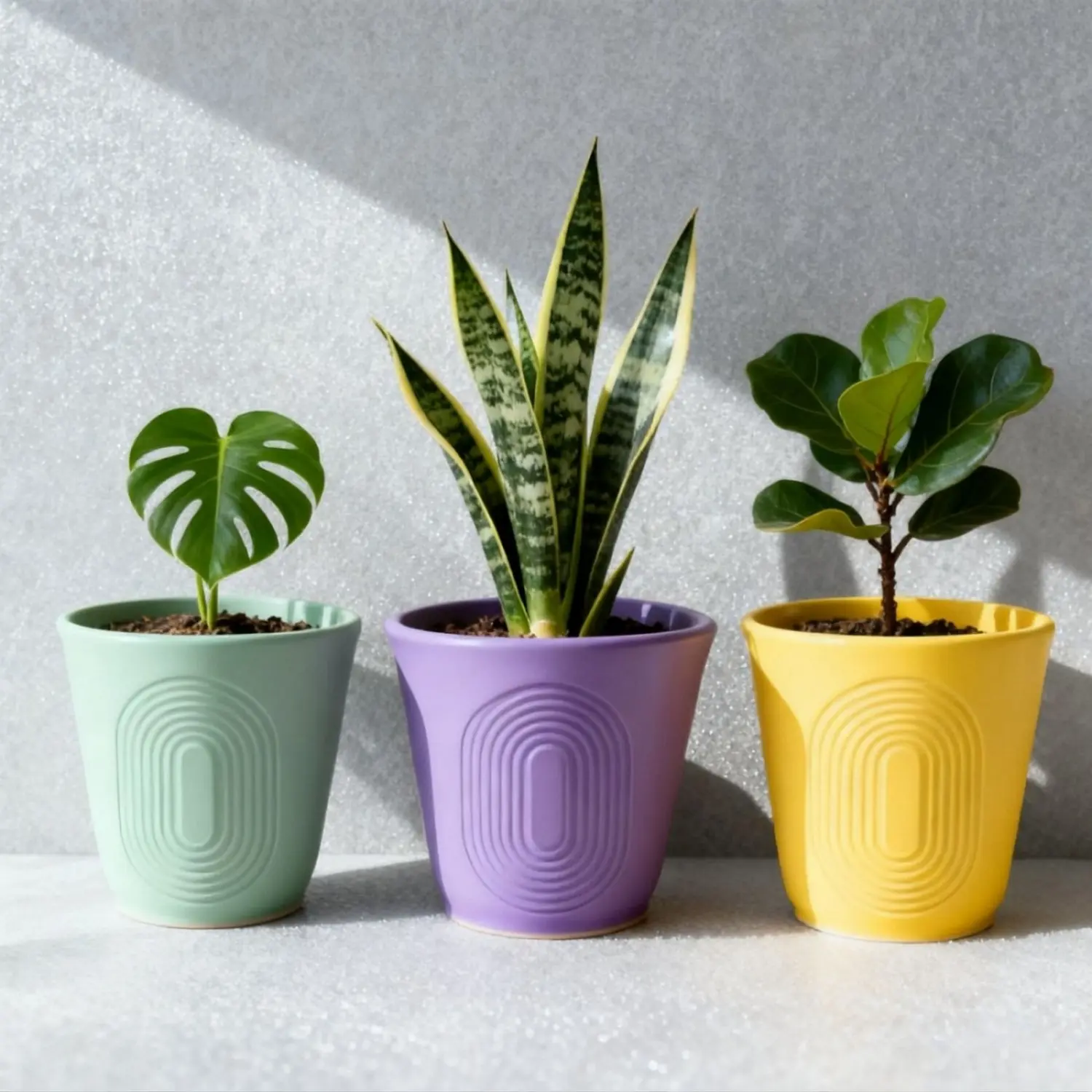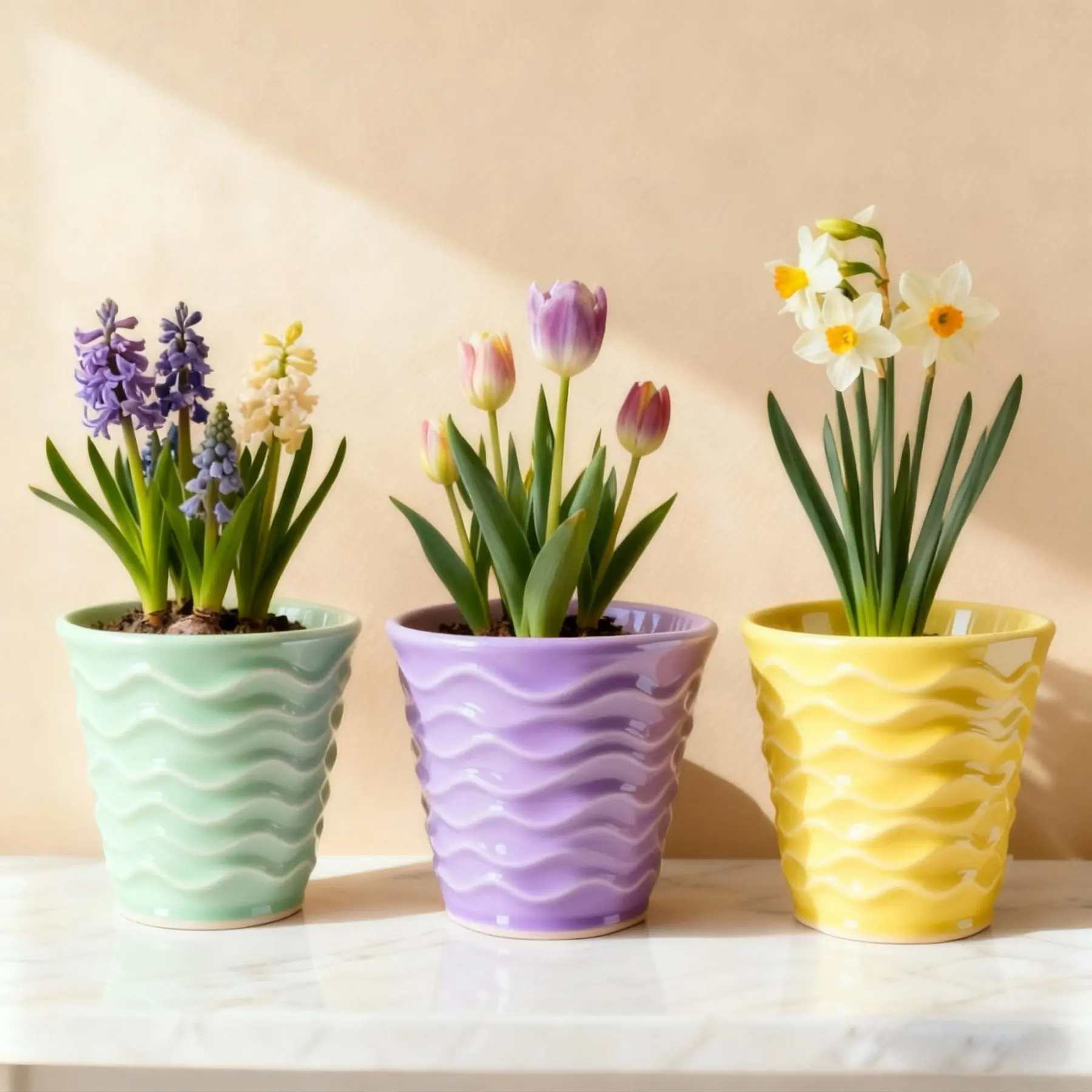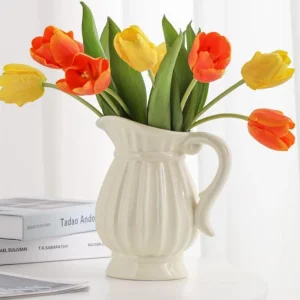
Explore our highly requested commercial planters and decorative vessels engineered for global supply chains.

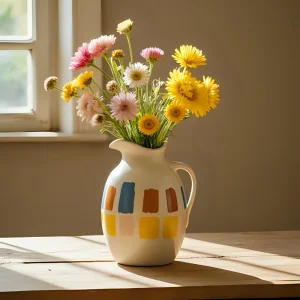
The global horticulture market has undergone a structural pivot. No longer relegated solely to traditional outdoor gardening, the cultivation of aromatic herbs, culinary flora, and compact green plants has shifted dramatically toward indoor spaces, modern residential environments, and urban vertical farms. This green revolution is underpinned by a rising demographic of urban dwellers seeking biophilic integration and natural food sovereignty. Consequently, the commercial demand for specialized herb planters, multi-functional cultivation pots, and aesthetic containers has surged globally.
For volume importers, multinational retail distributors, and commercial growers, sourcing reliable, aesthetically aligned, and cost-efficient planters is a major operational imperative. Traditional planters often suffer from excessive shipping bulk, high fragility rates, and non-compliance with strict environmental mandates. The modern landscape demands ceramic, terracotta, and advanced composite resin structures that balance micro-drainage ventilation with structural durability. Industrial buyers now analyze the porosity, thermal shock resistance, and chemical stability of ceramic glazes to ensure that plants grown within them are safe for consumption, particularly in the case of edible kitchen herbs.
Sourcing premium ceramic planters at scale requires a supply chain that optimizes cost without sacrificing quality. China’s ceramic manufacturing clusters (notably in Dehua and Chaozhou) present an unparalleled logistical and manufacturing framework. These regions combine centuries-old craftsmanship with modern automation, including continuous tunnel kilns, robotic slip-casting machines, and computer-aided design (CAD) modeling software.
The efficiency benefits realized by partnering directly with a leading Chinese exporter like Value Deco Limited include:
SEO Insight & Information Gain: Sourcing "cheap" planters does not imply sacrificing structural integrity. Real cost reductions are achieved through thermal efficiency in modernized kilns, minimal waste metrics, and optimized container nesting designs that maximize container load capacity during sea freight transport.
Understanding how the end-consumer utilizes herb planters enables B2B buyers to select the ideal catalog configurations. Herb cultivation exhibits distinct usage characteristics across residential and commercial sectors:
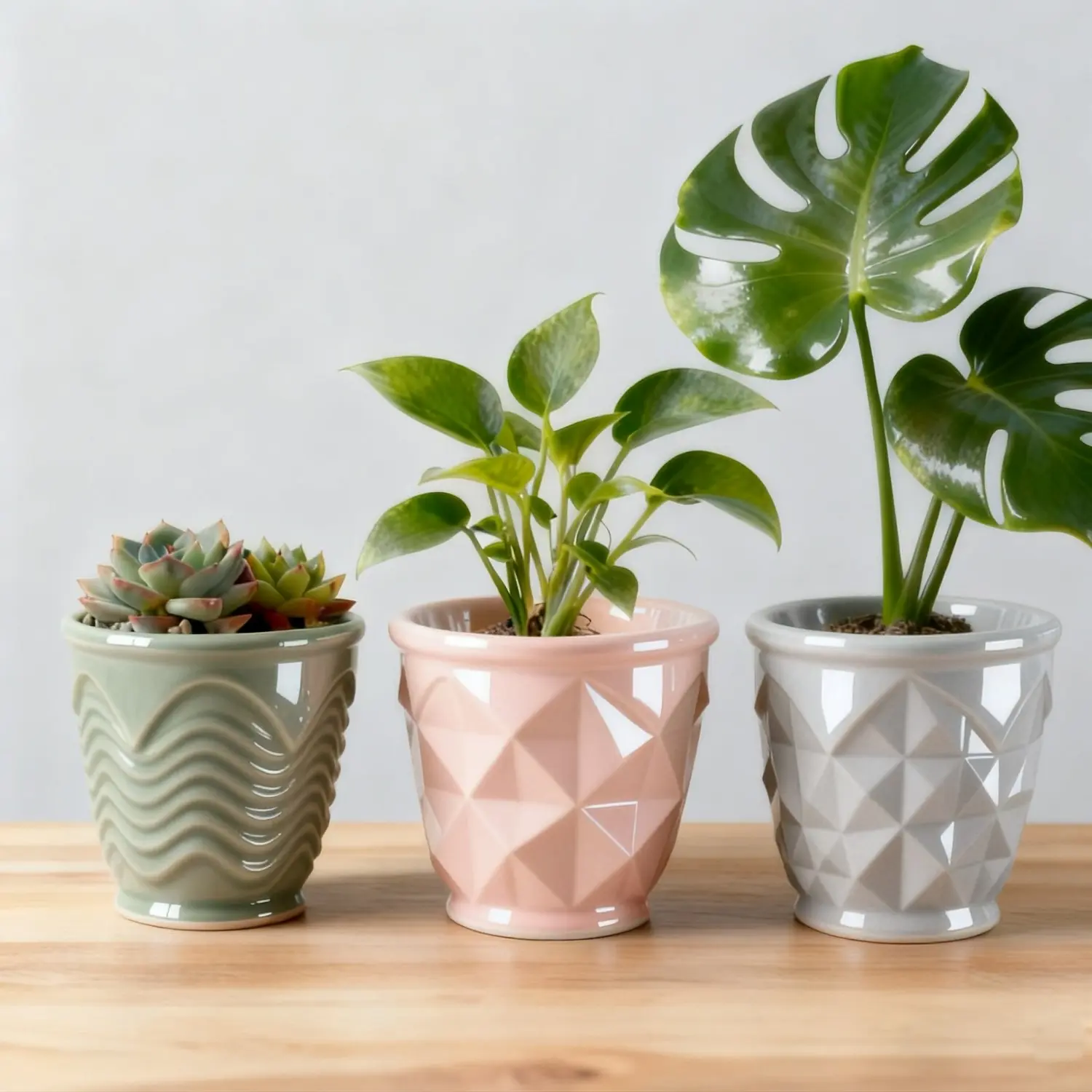
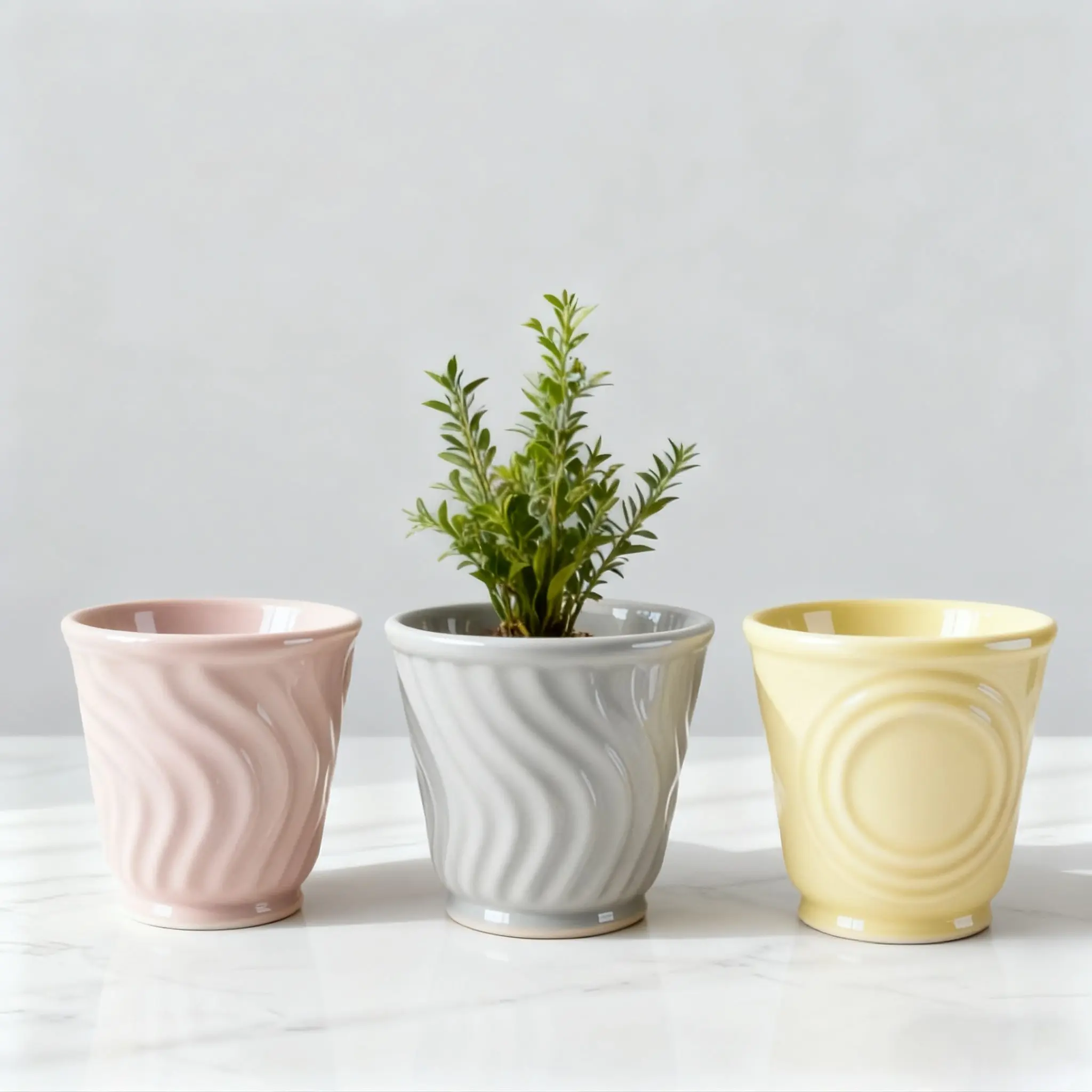
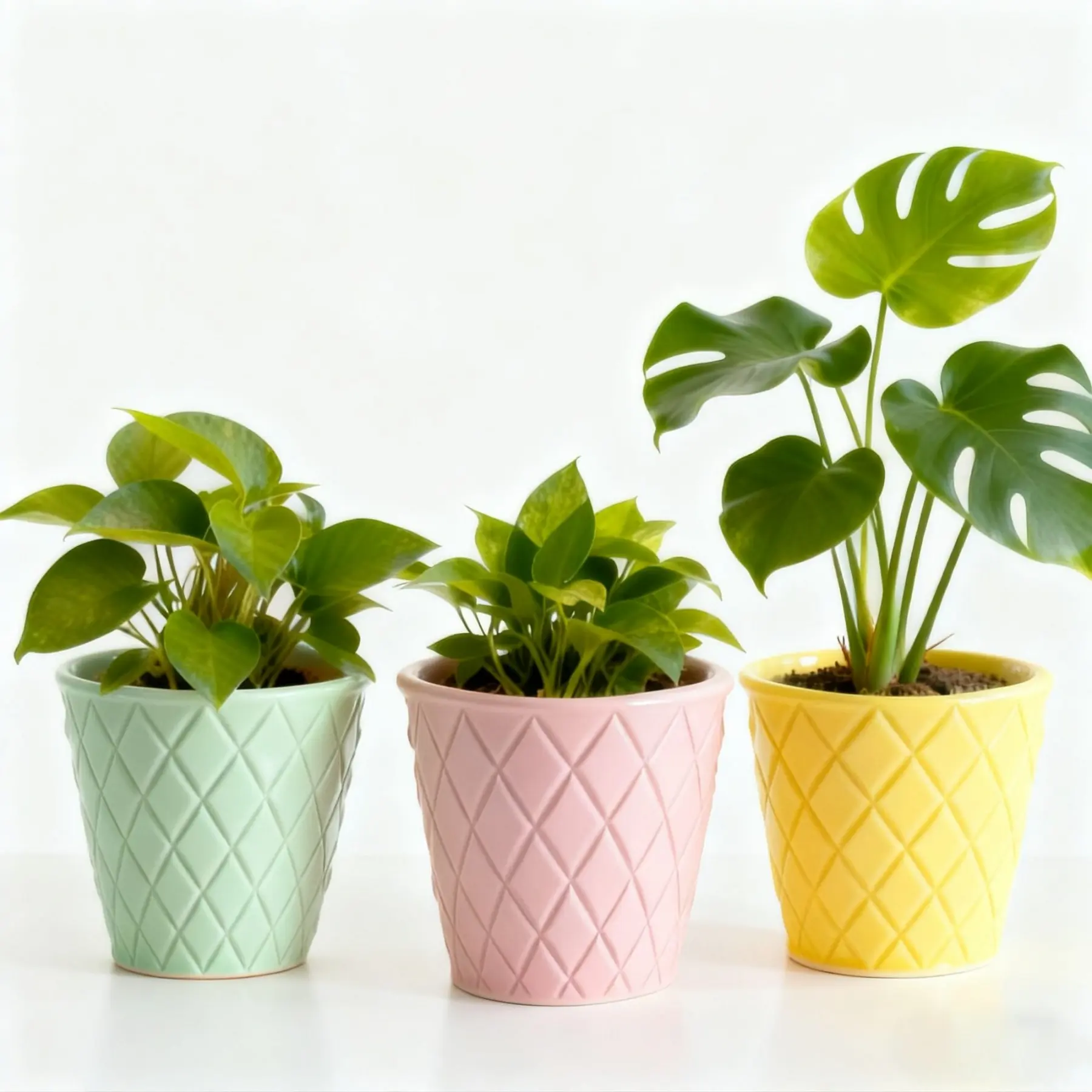
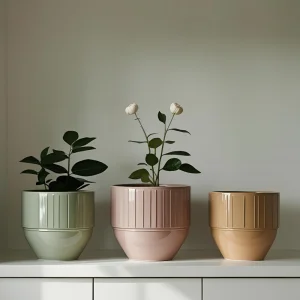
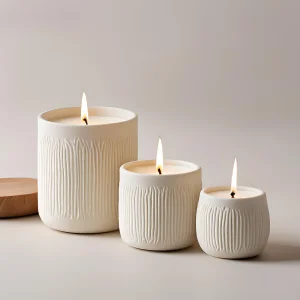
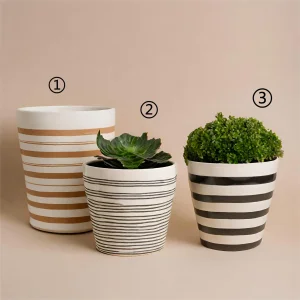
Modern apartments and suburban homes use windowsill planters for culinary herbs such as basil, rosemary, and thyme. These containers must feature highly reliable, non-leaking drainage systems (often incorporating integrated bamboo trays or silicone plugs) to protect household surfaces. Aesthetic textures, such as vertical ribbing or pastel matte glazes, help the planters blend seamlessly with contemporary Scandinavian and minimalist home decor.
Michelin-starred restaurants, hotels, and upscale cocktail lounges require live micro-greens and fresh herbs within arm's reach of chefs and mixologists. Planters deployed in these environments must withstand frequent sanitization, resist thermal shock from commercial dishwasher cycles, and present a premium, chip-resistant exterior. Heavy-duty stoneware and high-density glazed ceramic pots are preferred here due to their scratch resistance and weight stability.
Corporate real estate designers integrate plant systems to improve indoor air quality and employee well-being. Modular herb and succulent pots are designed to fit onto customized office shelving grids or magnetic vertical panels. The planters must be standardized in size to accommodate pre-grown nursery liners directly, avoiding messy repotting processes indoors.
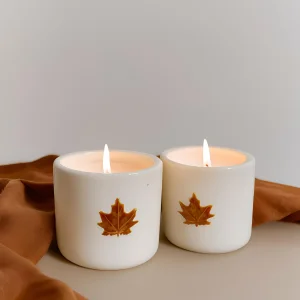
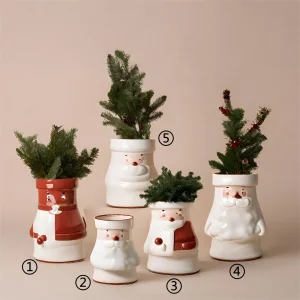
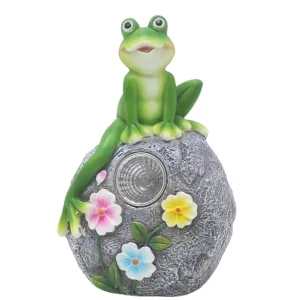
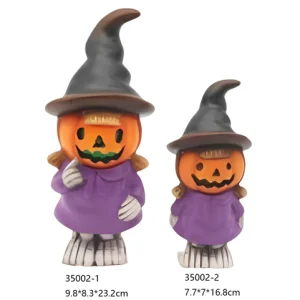
Value Deco Limited offers an extensive array of decoration categories tailored for global importers.
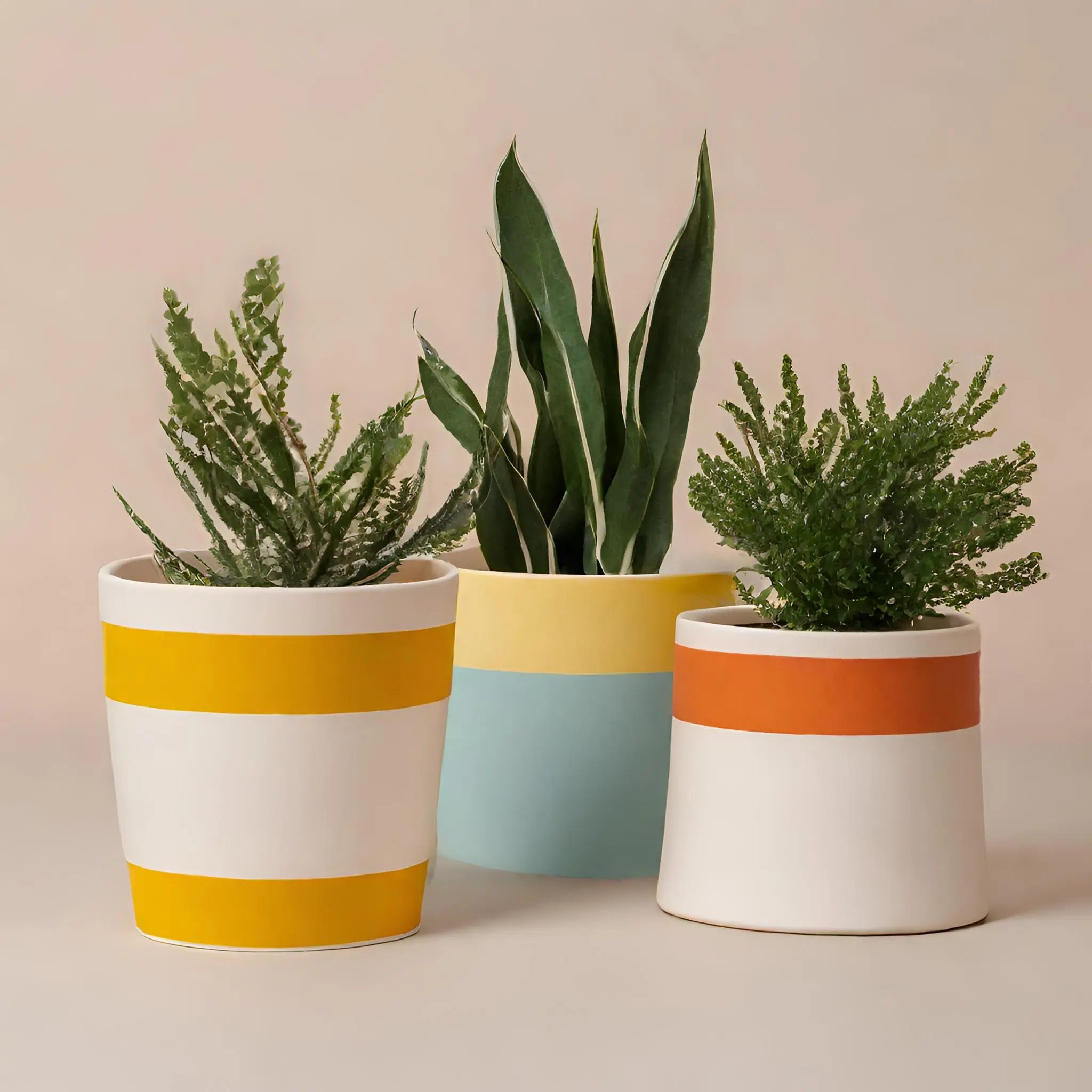
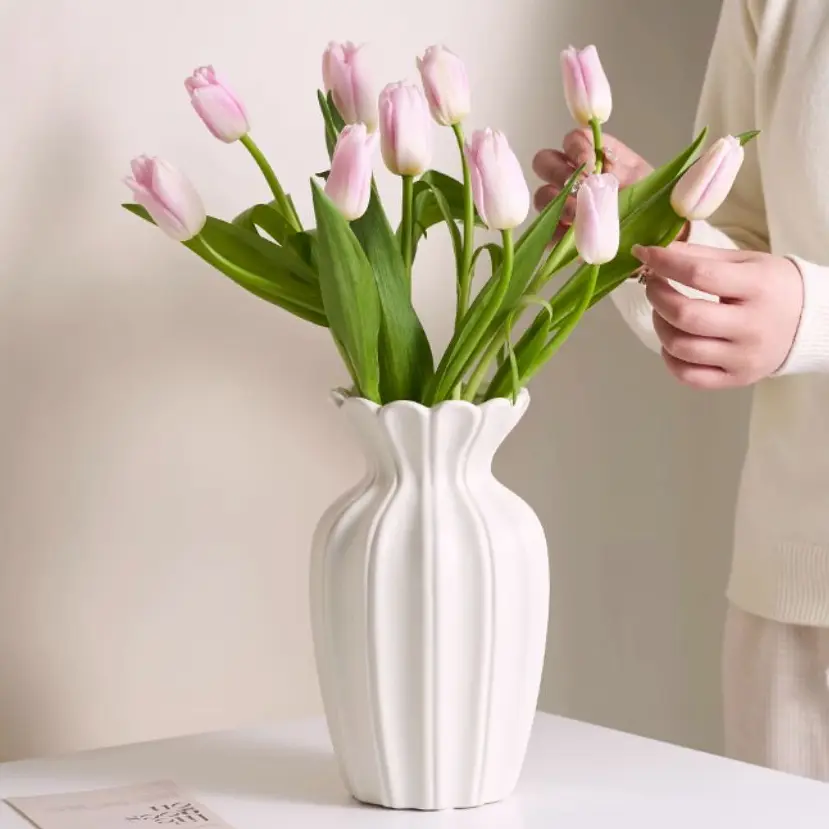
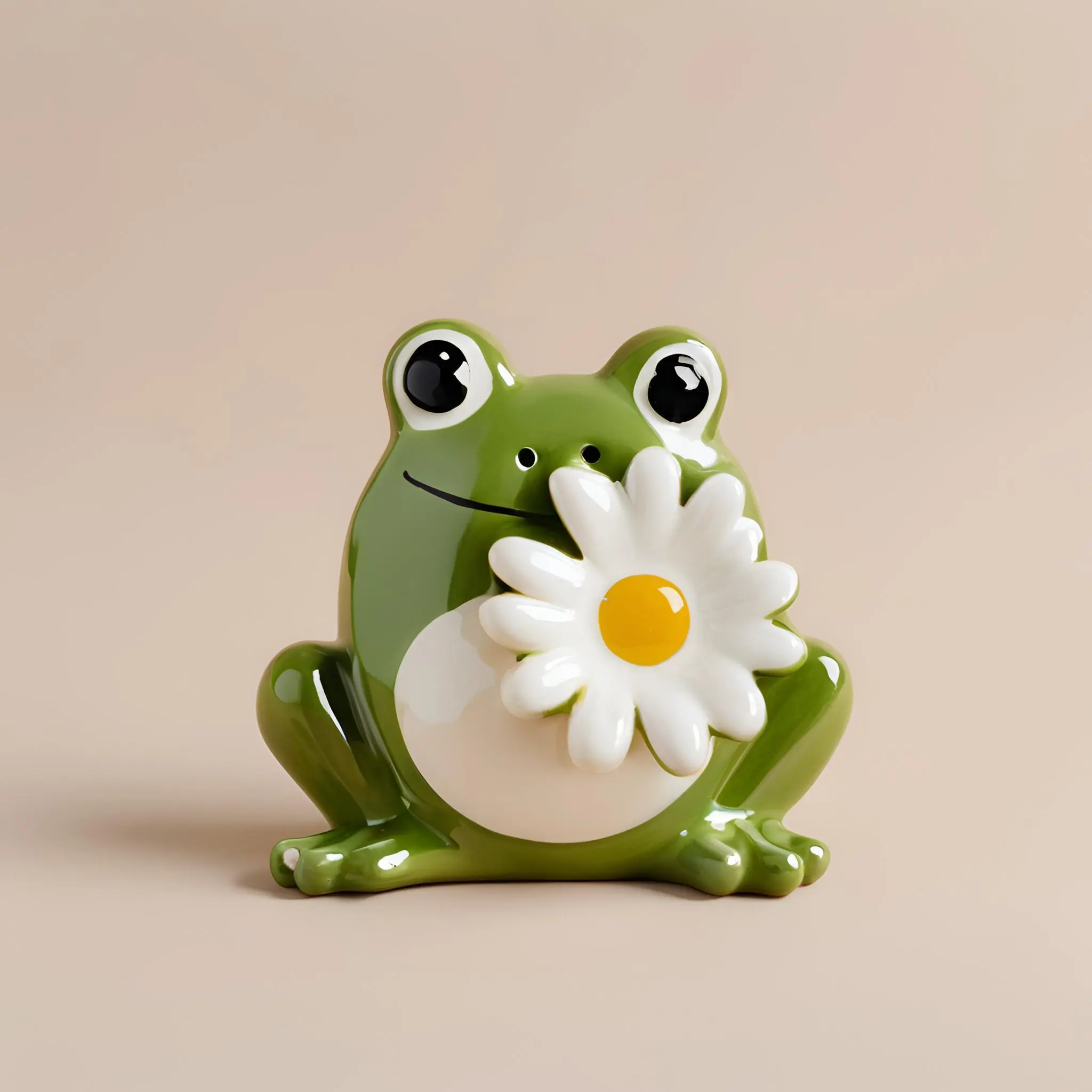

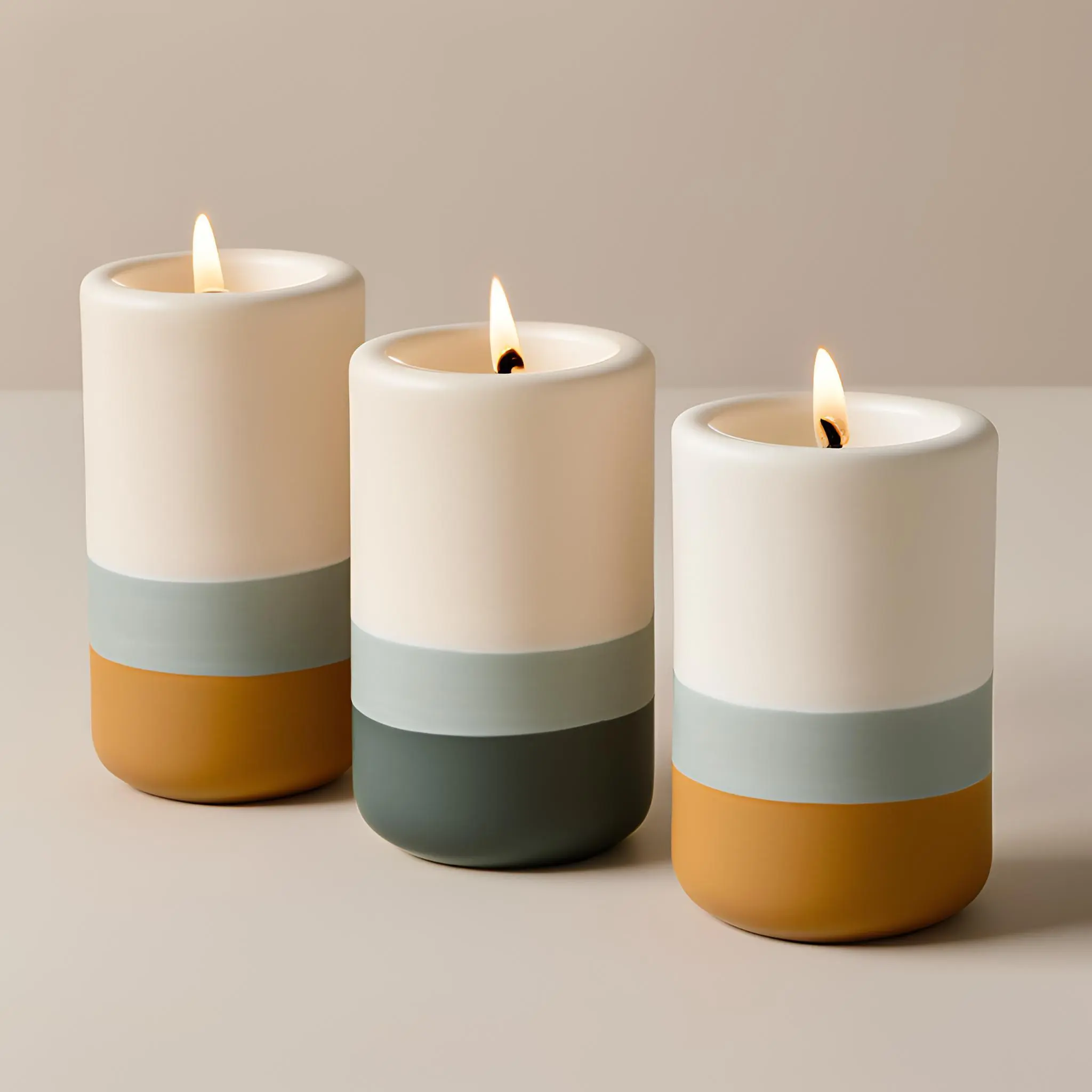
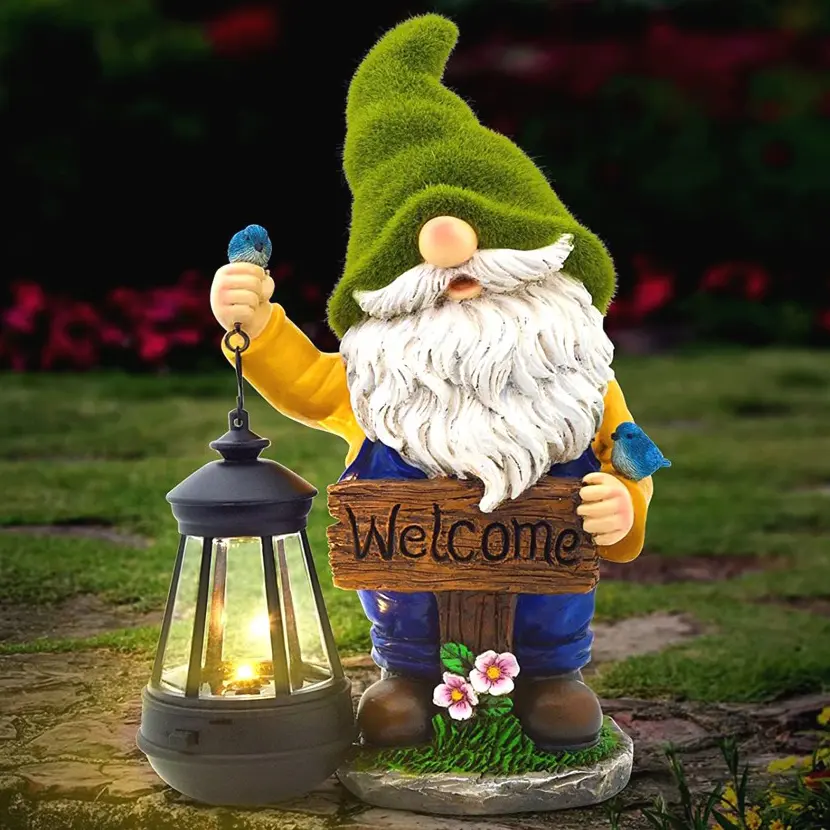
The ceramic and horticultural home decor industry is experiencing rapid development cycle changes. Commercial buyers who align their product procurement portfolios with these global trends can expect higher inventory turns and stronger margins:
Large-scale retail distributors, corporate procurement officers, and major home goods chains must maintain a strict quality assurance checklist when sourcing bulk garden supplies. Key parameters include:
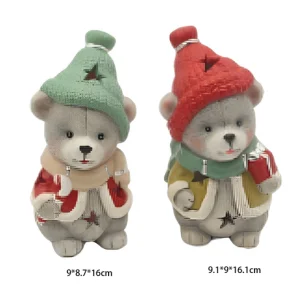
Maximize seasonal sales spikes by stocking theme-specific cultivation vessels and home accessories.
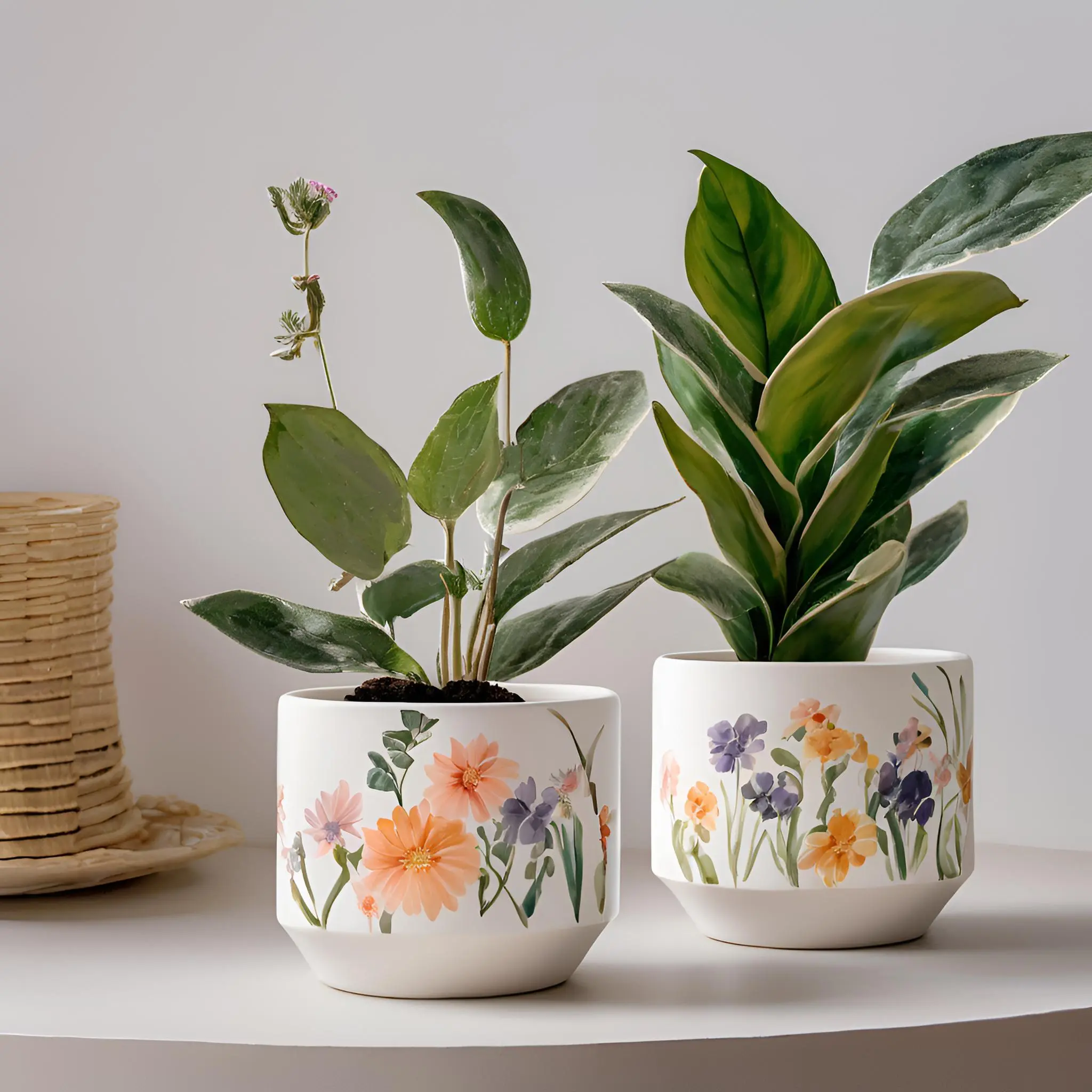
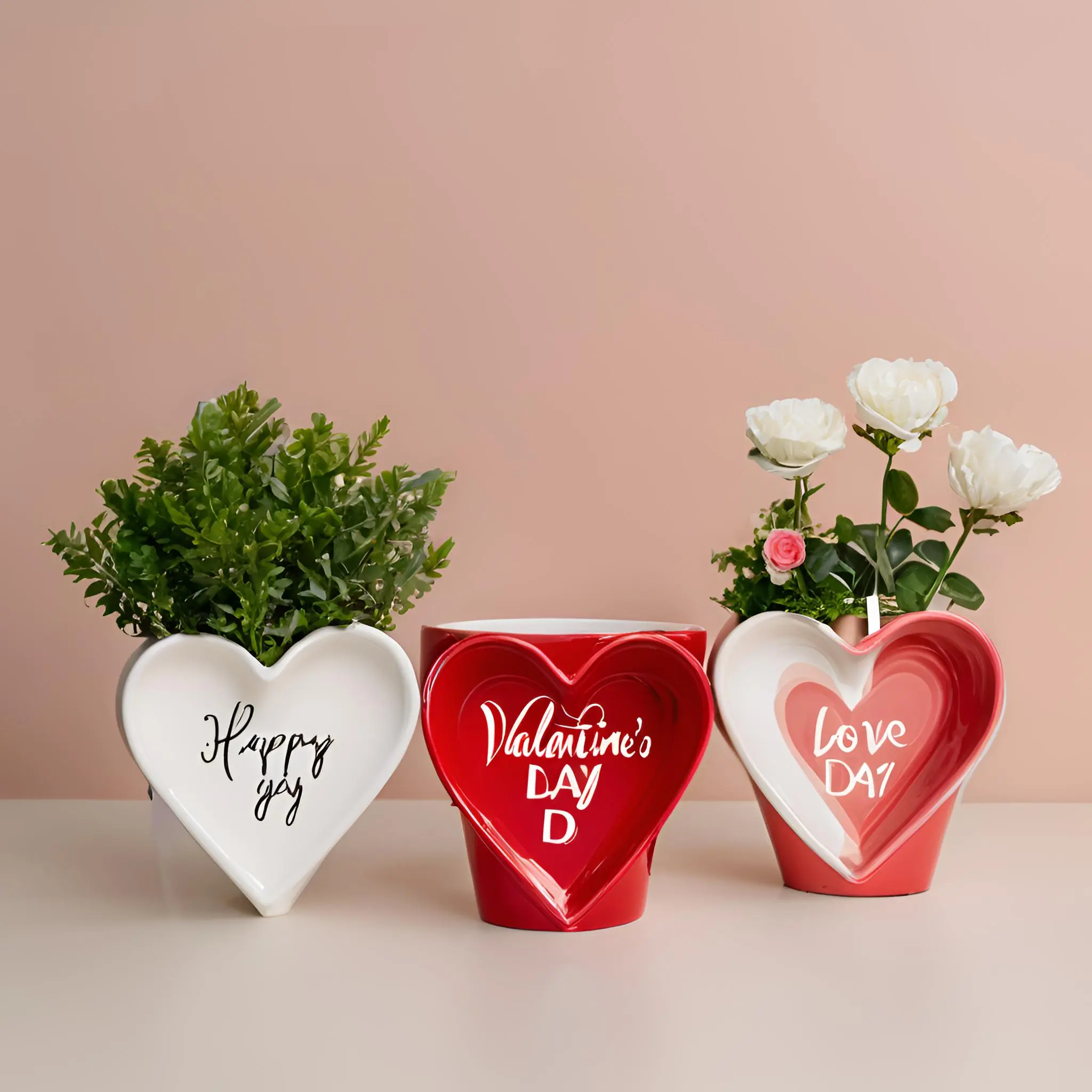
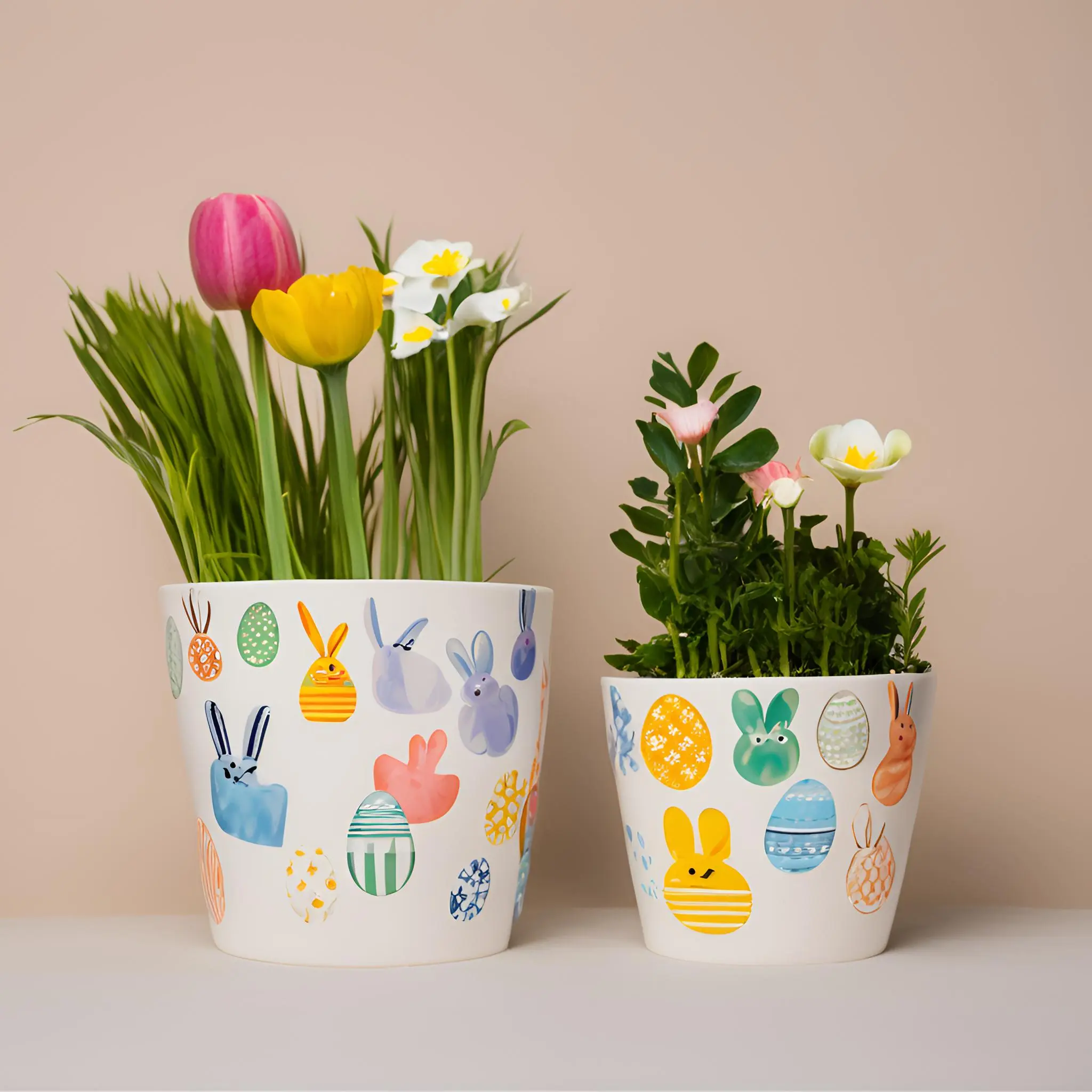
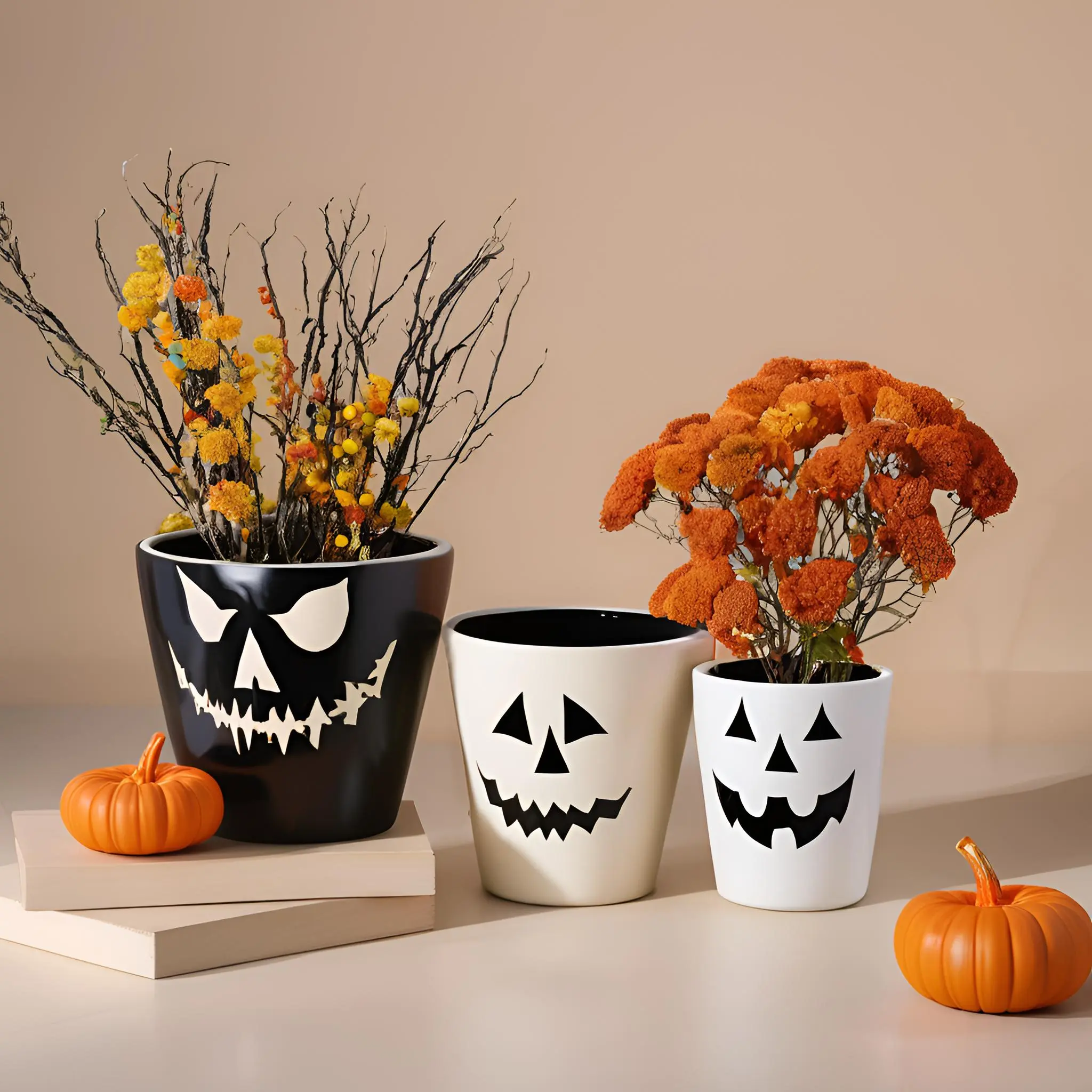
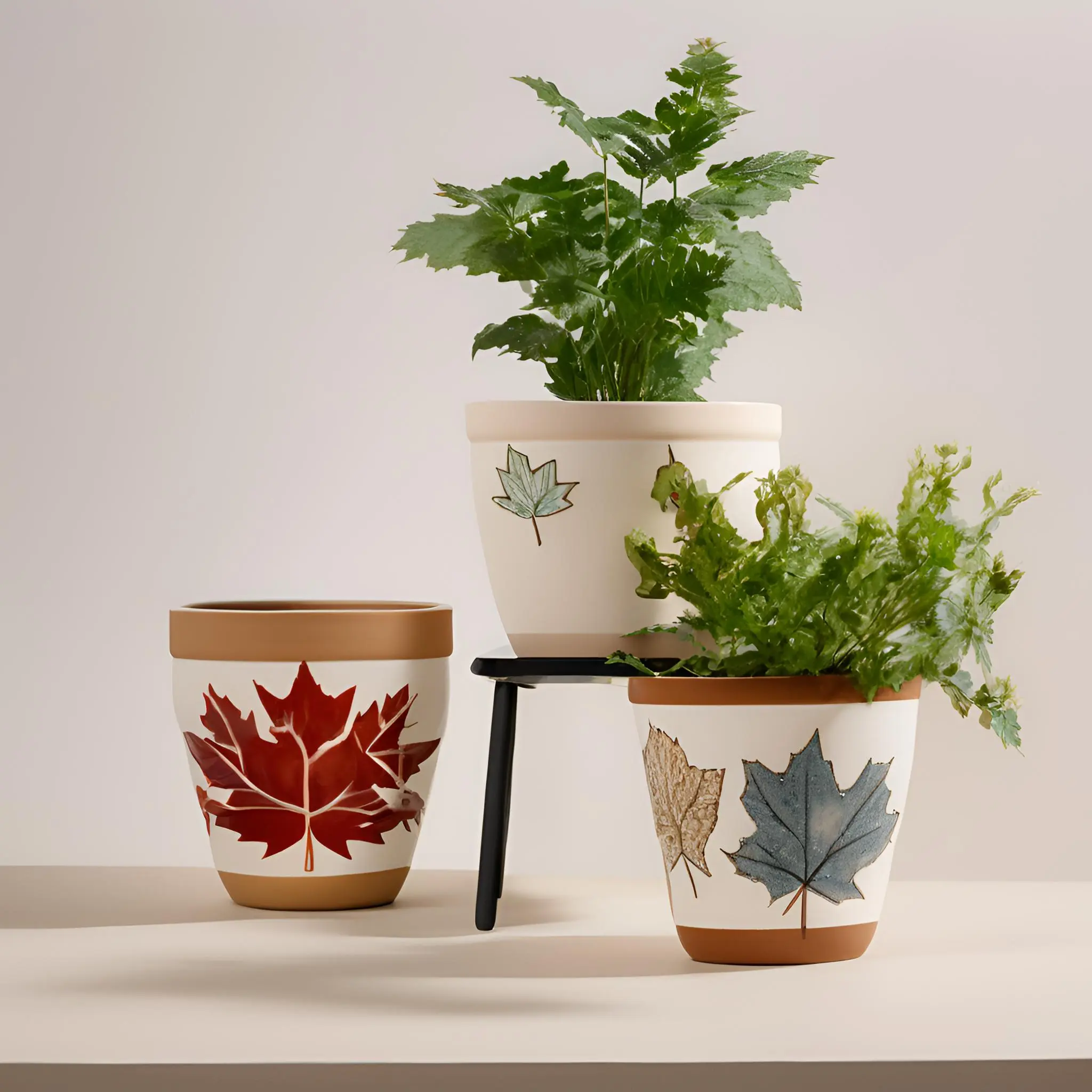
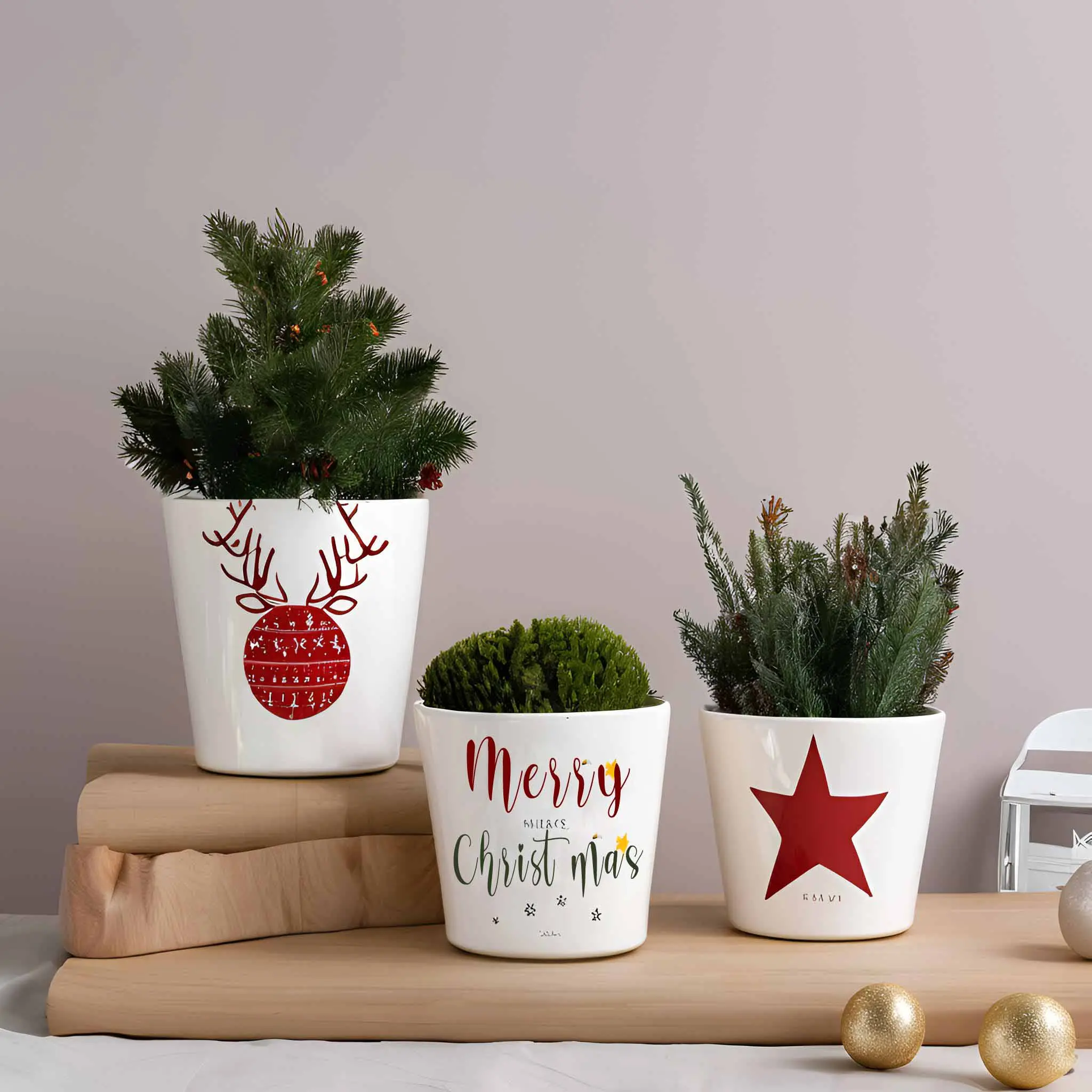
Value Deco Limited is a leading manufacturer and supplier of high-quality ceramic pots based in China. With over 12 years of experience in the decoration industry, we have built a strong global reputation for offering a diverse range of Flower Pots, Flower Vases, Candle Holders, Home Decoration, Garden Decoration, and Dinnerware suitable for various seasons and applications. Our products are designed to align with trending designs, ensuring that they not only serve a functional purpose but also enhance the aesthetic appeal of any retail space.
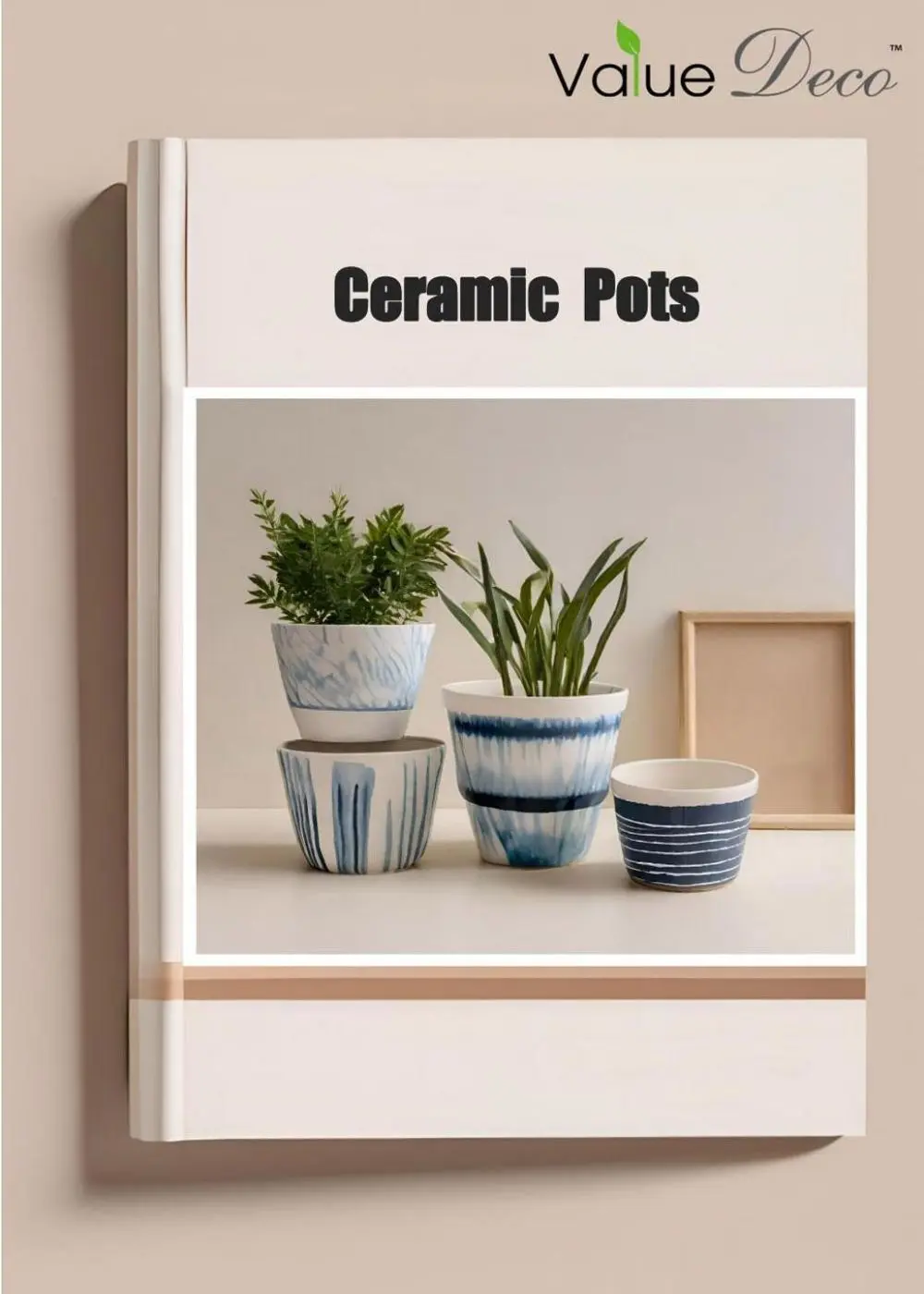
Access our newly released design brochures and selection guides for bulk procurement projects.
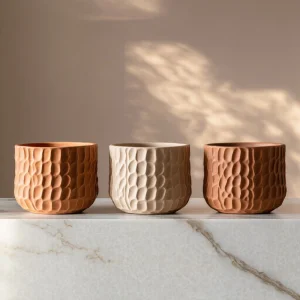
Discover our newest high-texture collections, curated to meet current urban design demands.
Answers to critical logistics, customization, and production inquiries for international procurement specialists.
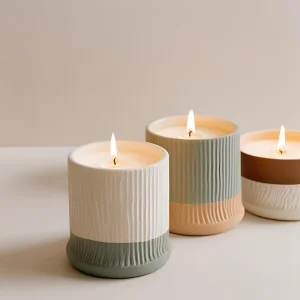
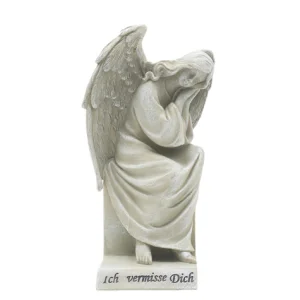
Discover additional highly sought-after ceramic items, candle vessels, and decorative figurines.