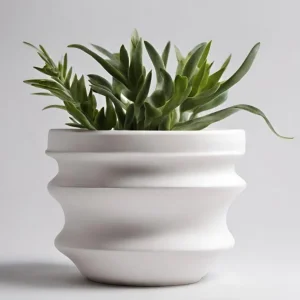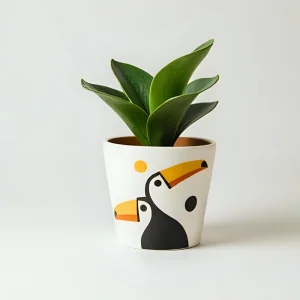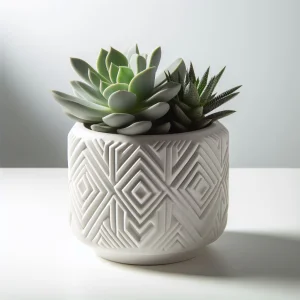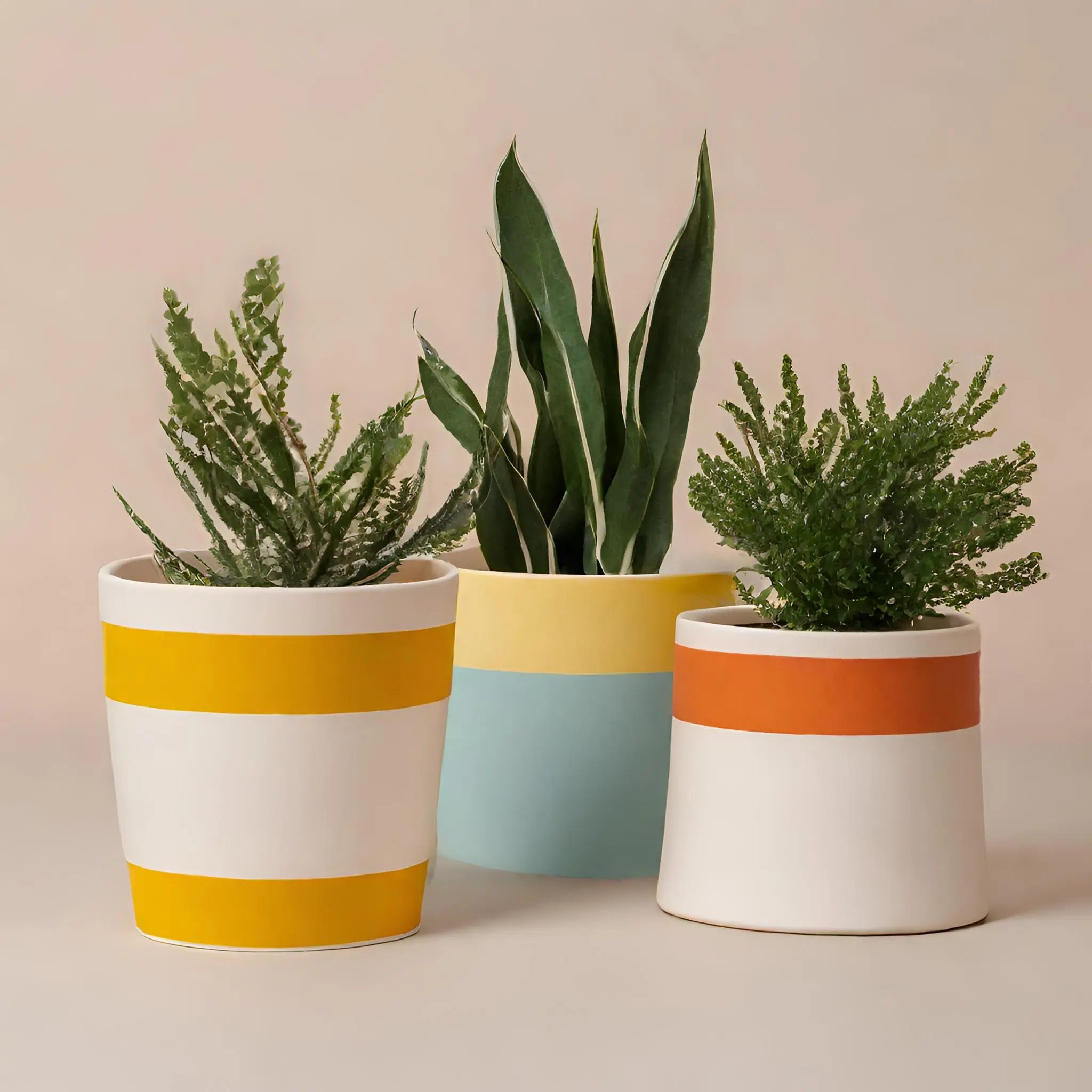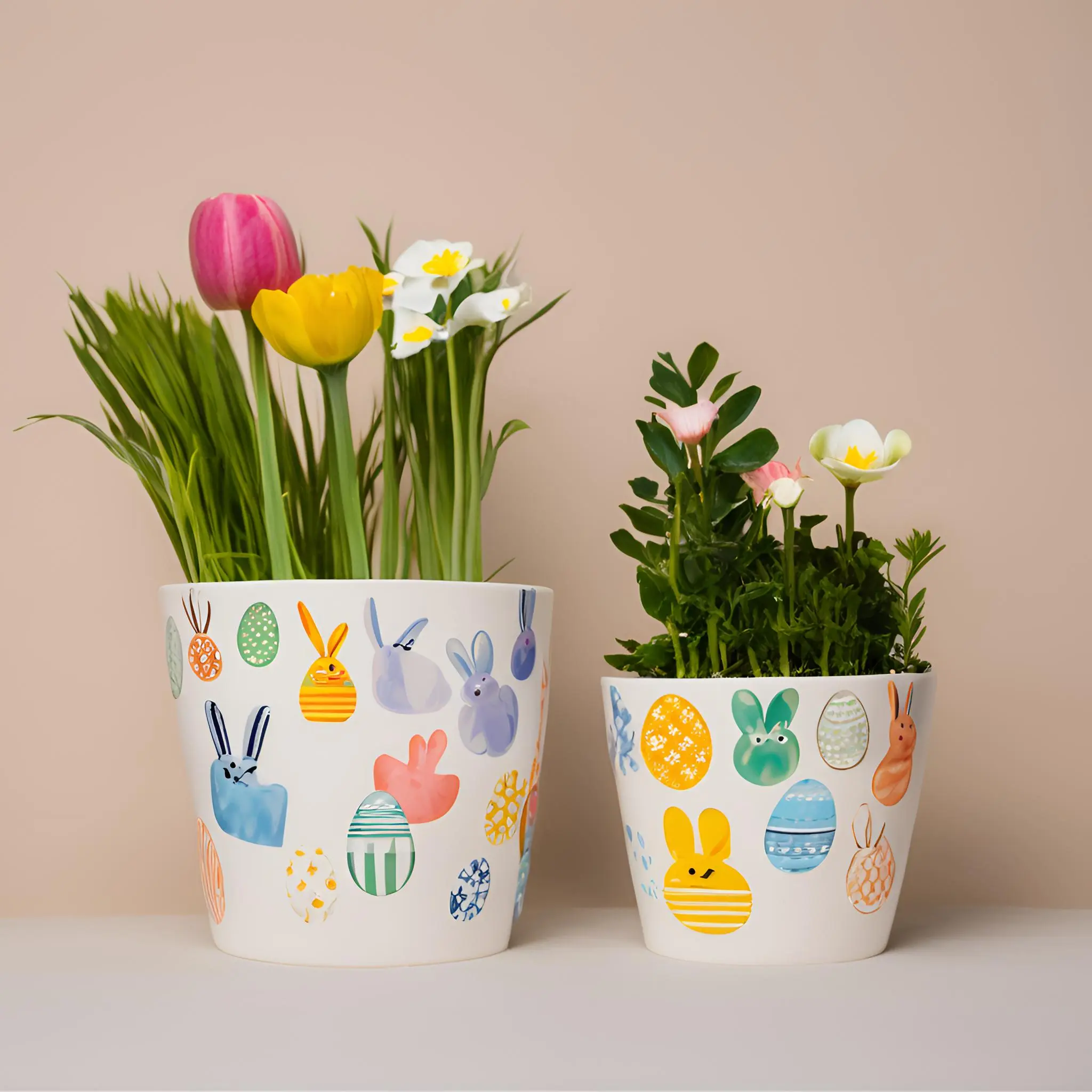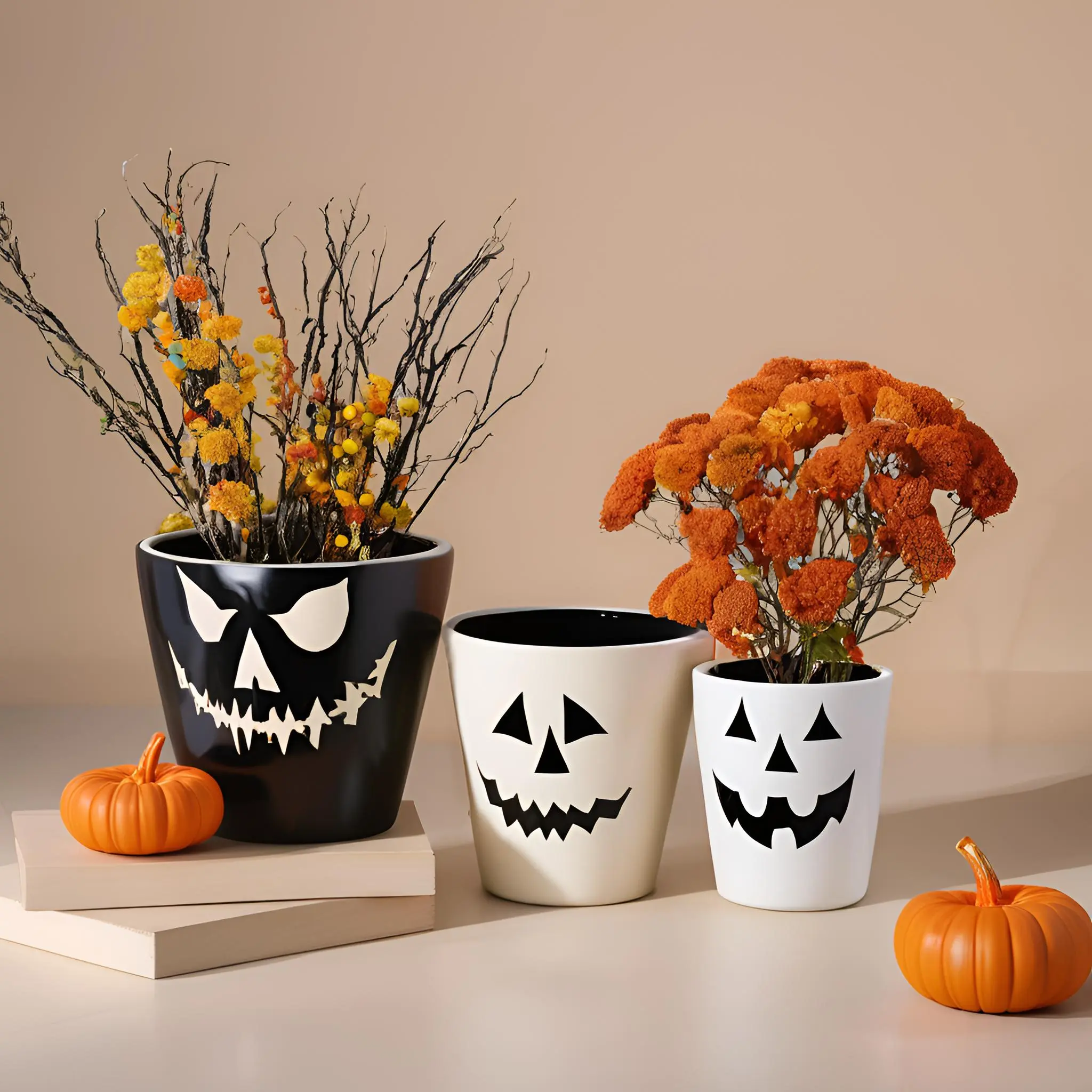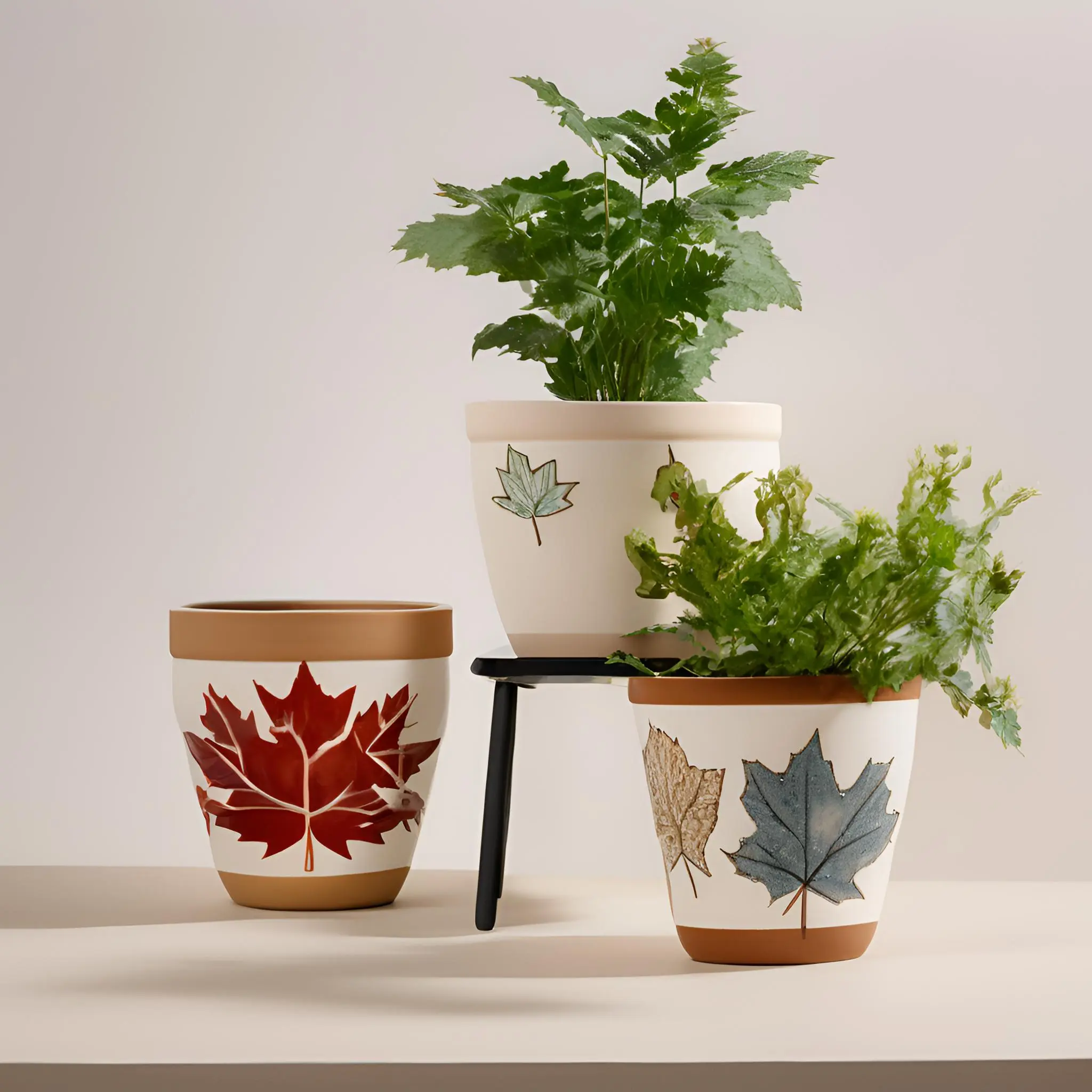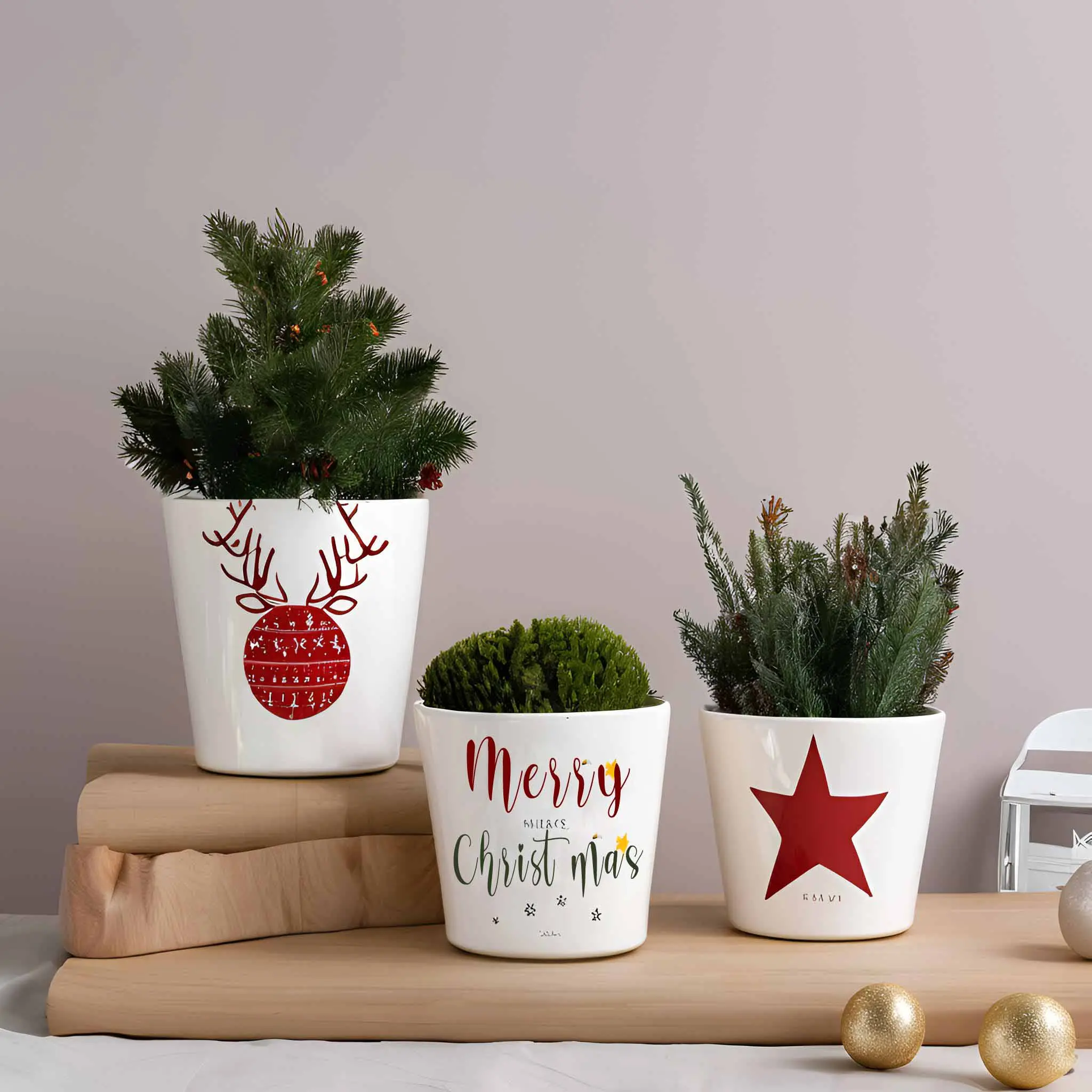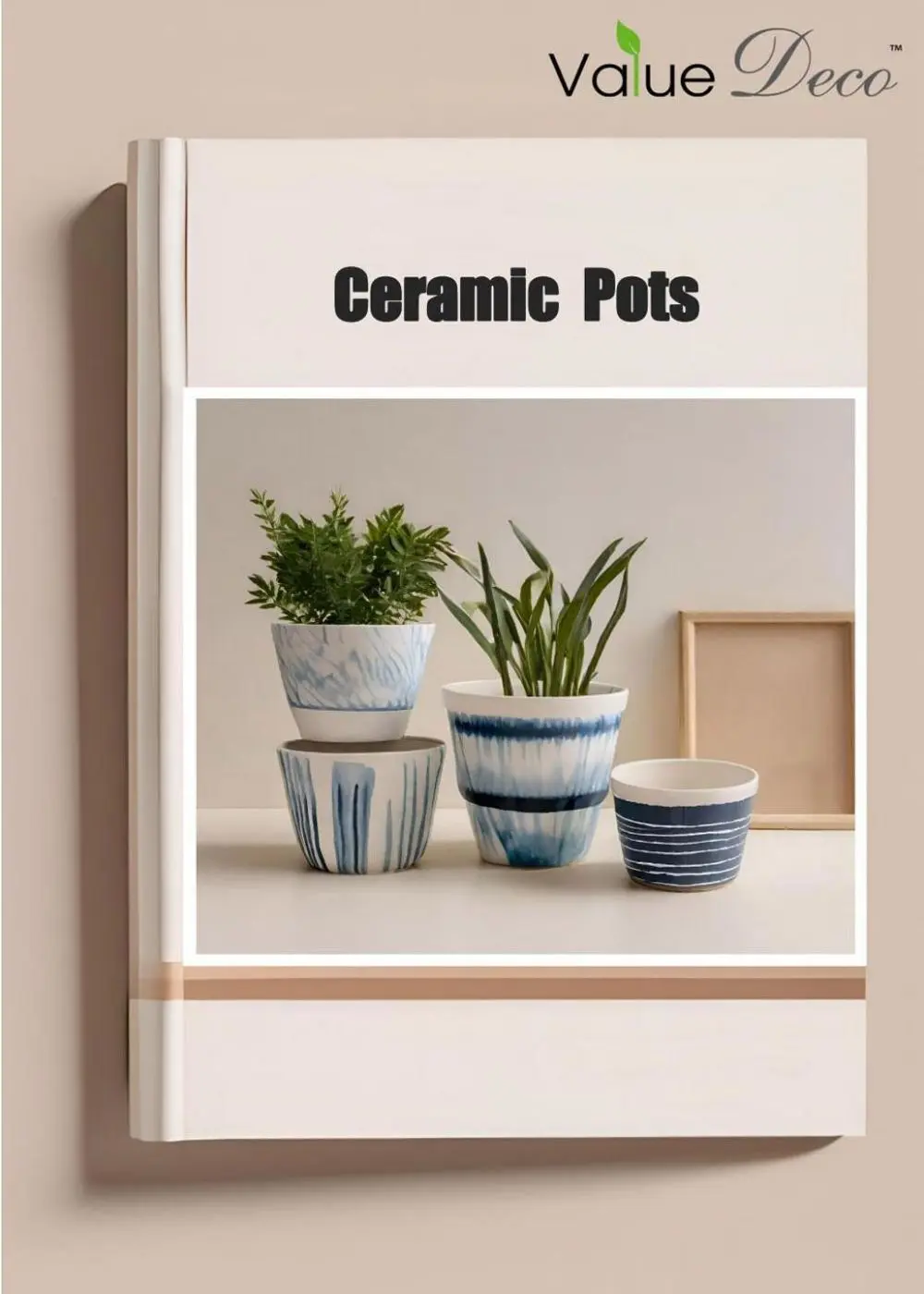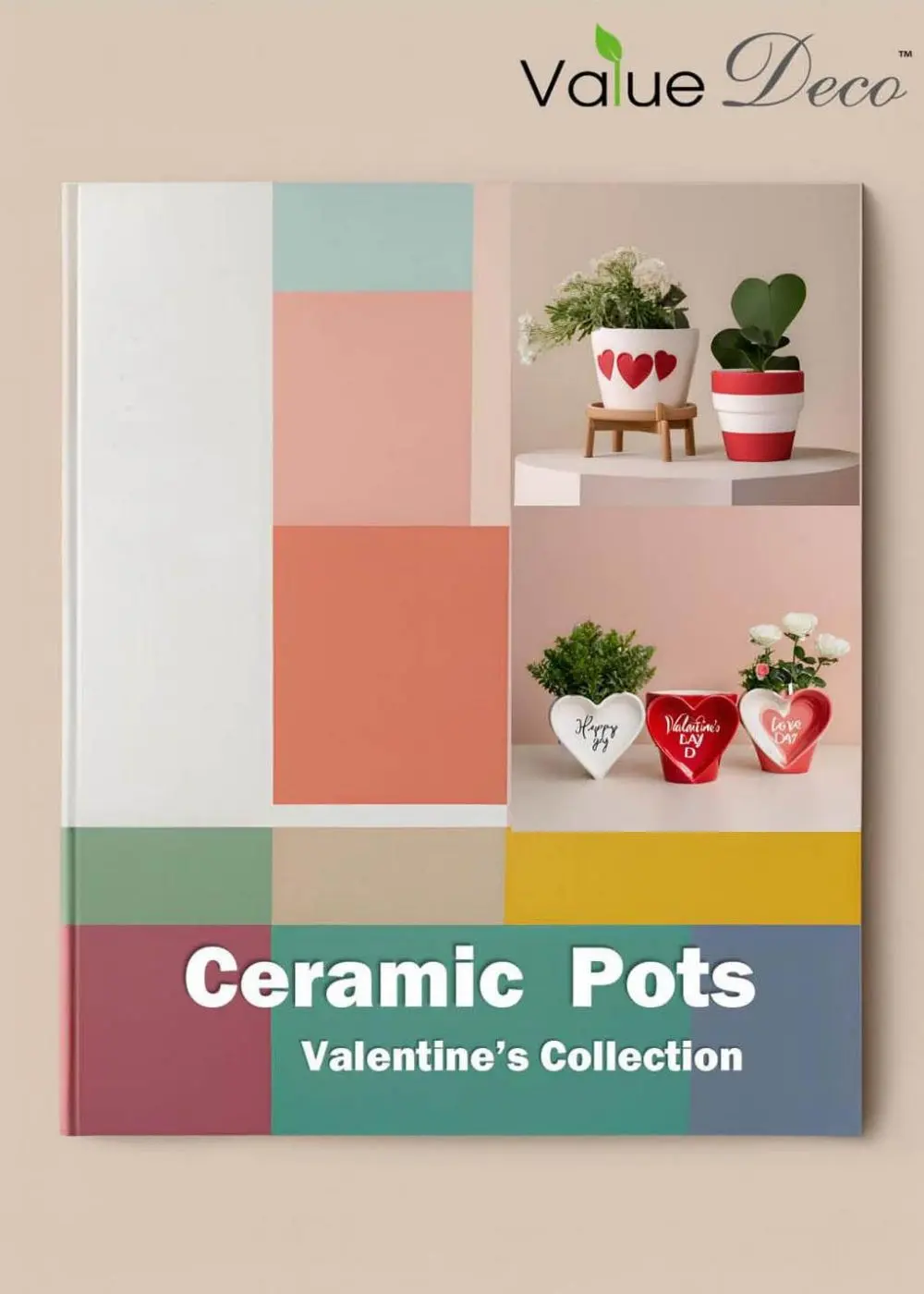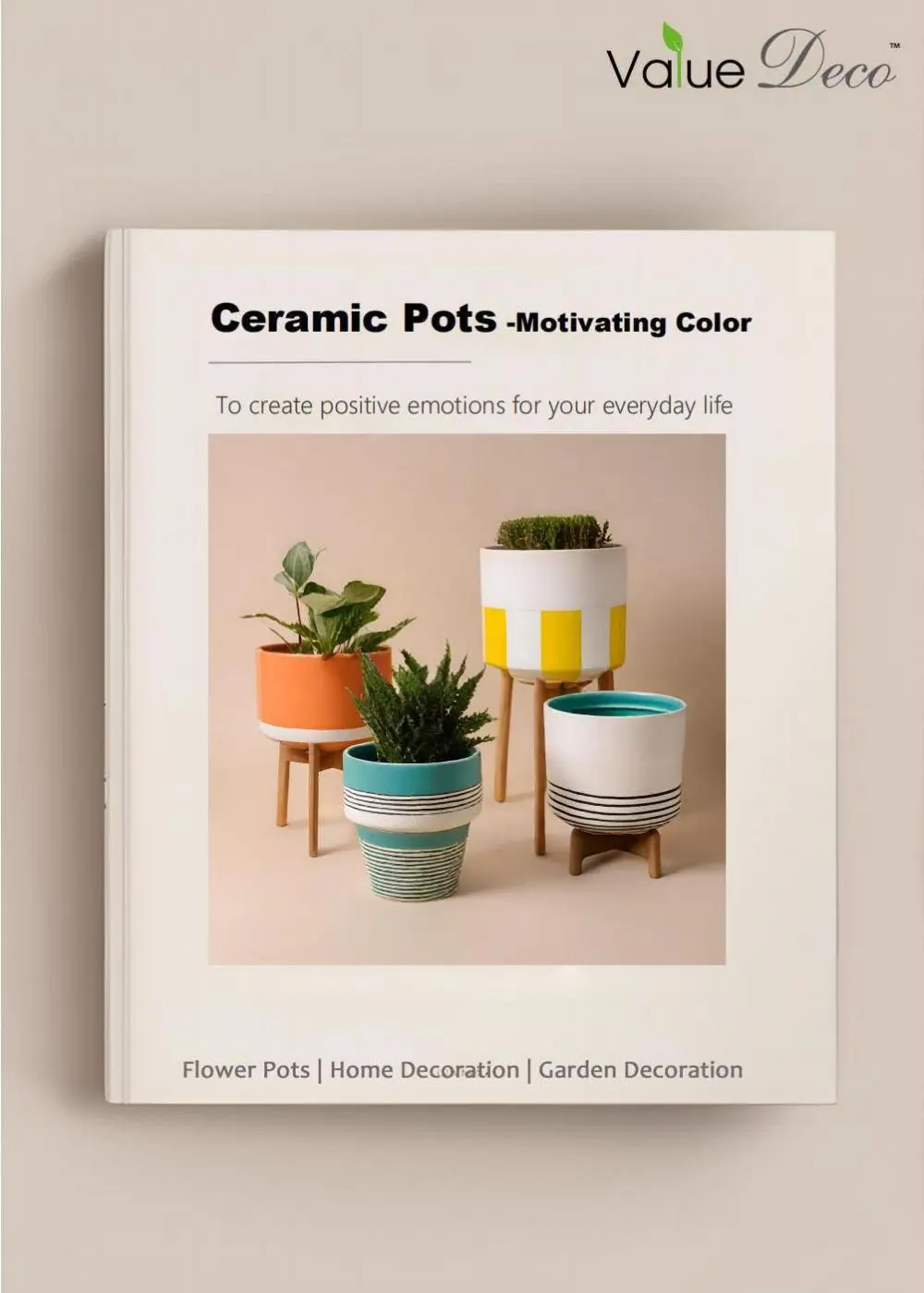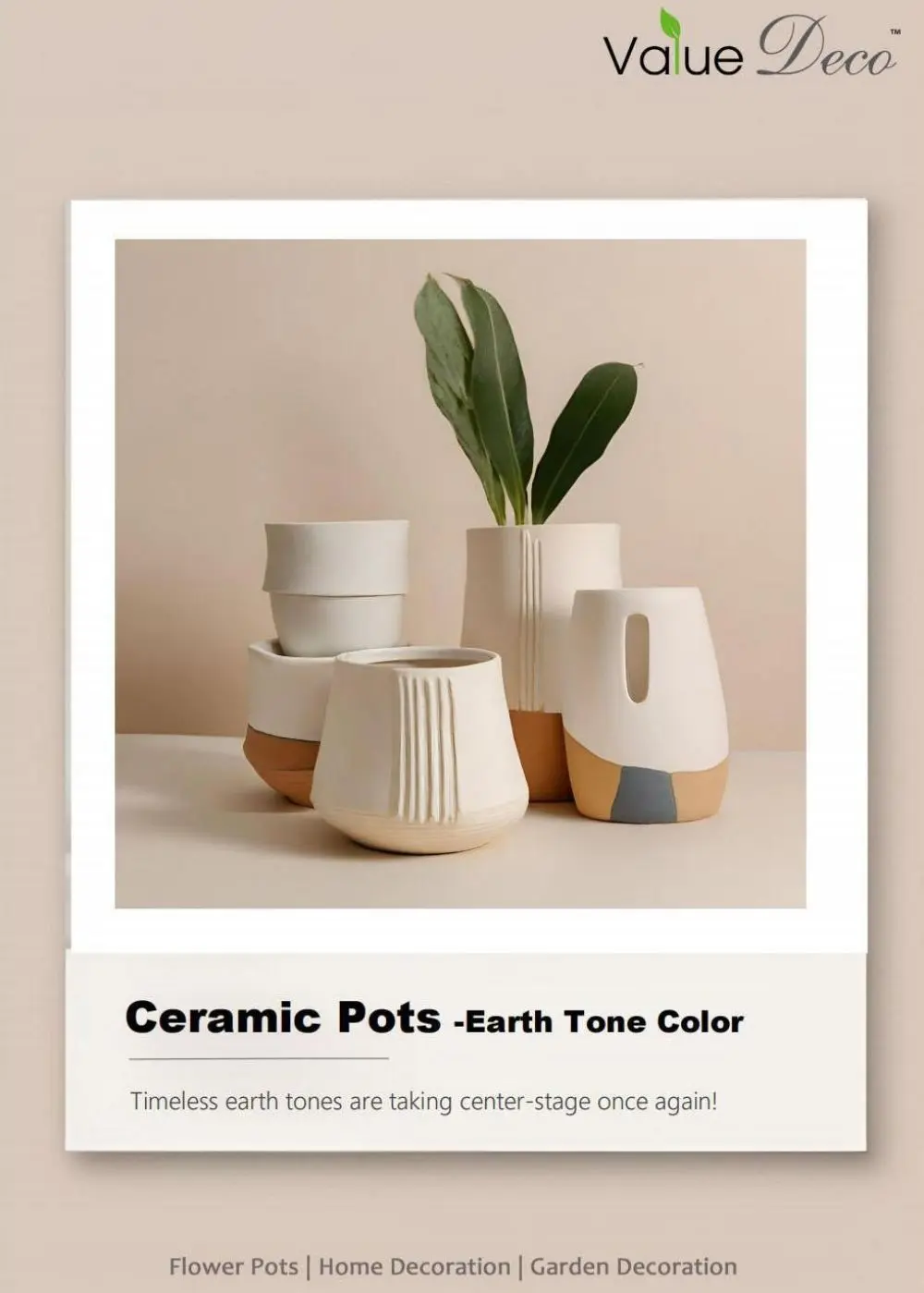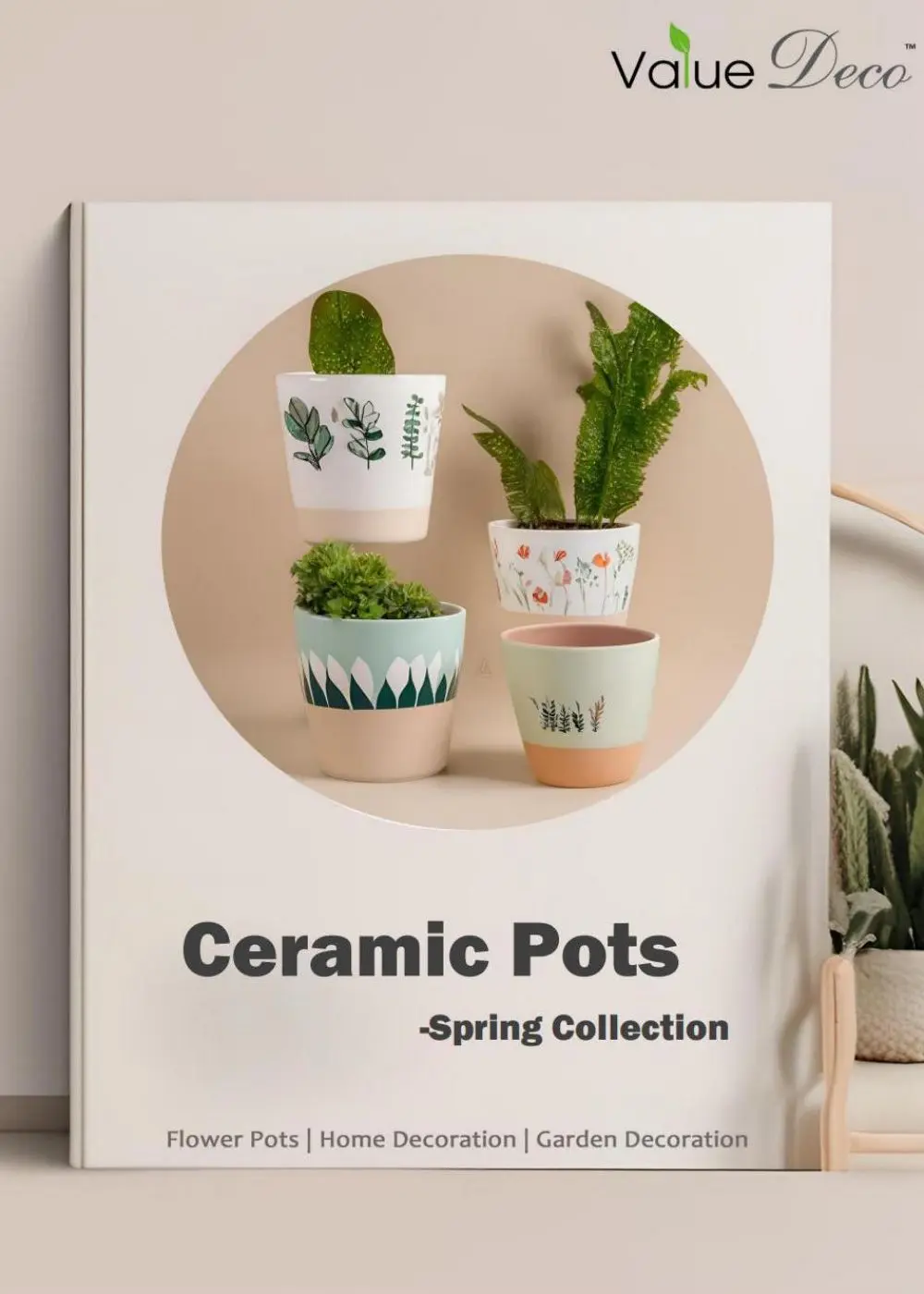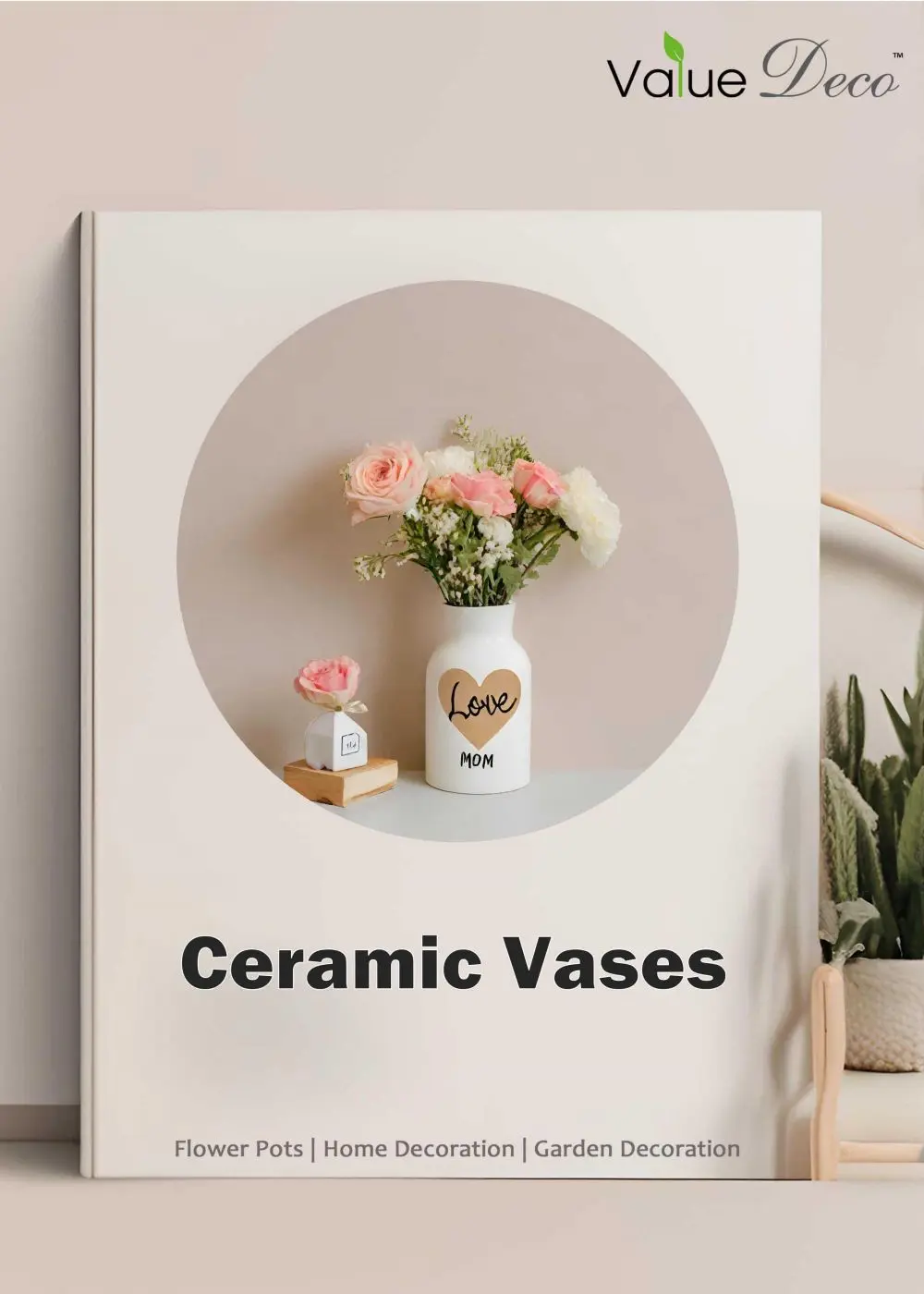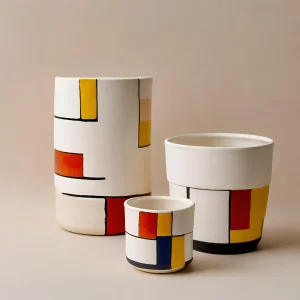
Discover high-durability, volume-optimized ceramic and composite garden decorations engineered for international wholesale distribution.
In the modern home improvement, exterior landscaping, and commercial property development sectors, the demand for cost-efficient garden decorations continues to experience compound annual growth. Enterprise-scale buyers, ranging from European garden center networks to North American retail giants, face structural challenges in maintaining healthy profit margins while ensuring top-tier product durability. Sourcing from experienced garden statues manufacturers and factories is crucial to scaling retail inventories.
Commercial purchasing agents seek high value, aesthetic diversity, and structural resilience. Products must withstand frost, thermal expansion, and intense UV exposure. Global buyers prioritize factories that use advanced ceramic vitrification, modern slip-casting automation, and non-toxic glaze formulations. The goal is to minimize replacement and breakage rates during trans-oceanic logistics while offering consumer-friendly price points.
Addressing structural supply chain vulnerabilities through automation, capacity planning, and raw material optimization.
Traditional concrete and terracotta sculptures suffer high fragmentation risks and freeze-thaw damage. Premium factories leverage stoneware-grade clay compounds fired above 1200°C. This vitrification process seals internal pores, rendering the statue immune to water absorption and subsequent ice expansion cracking.
"Cheap" does not mean poor quality. By implementing semi-automated hydraulic mold casting, factories reduce unit labor costs by up to 35% compared to legacy manual processes. These savings are passed directly to international volume distributors, allowing for competitive pricing.
For global imports, shipping efficiency is key. Leading factories offer custom packaging systems, including drop-tested EPS (expanded polystyrene) molded inserts and five-layer corrugated outer boxes. This reduces in-transit damage rates to less than 0.8%.
Value Deco Limited is an established, high-capacity ceramic and home decor supplier based in the manufacturing heartlands of China. With over 12 years of export experience, we operate specialized divisions designed to meet modern retail trends. Our product lines balance durability, aesthetic appeal, and cost-efficiency.
How our factories achieve superior weatherproofing, structural integrity, and aesthetic precision.
Our raw material formulation begins with local, filtered kaolin clays and silica additives. This mixture balances flexibility during slip casting and strength during high-temperature firing. Automated electromagnetic filters remove trace iron compounds to prevent dark spots on finished pieces.
Statues undergo a two-step firing process. First, a bisque fire at 800°C cures the greenware, followed by a second glaze fire at 1200°C to fuse the glaze layer to the ceramic core. This creates a dense, non-porous finish resistant to frost cracking.
Each production batch is subjected to random thermal shock testing, alternating from freezing temperatures to high heat. Automated inspection systems screen for hairline structural fractures, ensuring that only certified items are cleared for final shipping.
Navigating environmental certifications, safety benchmarks, and customs regulations for seamless product import.
For products intended for food contact, such as fruit bowls or dinnerware, we maintain certified compliance with international regulations. Our formulations undergo independent laboratory screening to verify that lead, cadmium, and other heavy metals remain below detectable limits.
Modern corporate procurement requires strict adherence to environmental and ethical standards. Our manufacturing facilities are periodically audited under BSCI and SMETA guidelines to verify safe labor practices, fair wages, and waste-handling compliance.
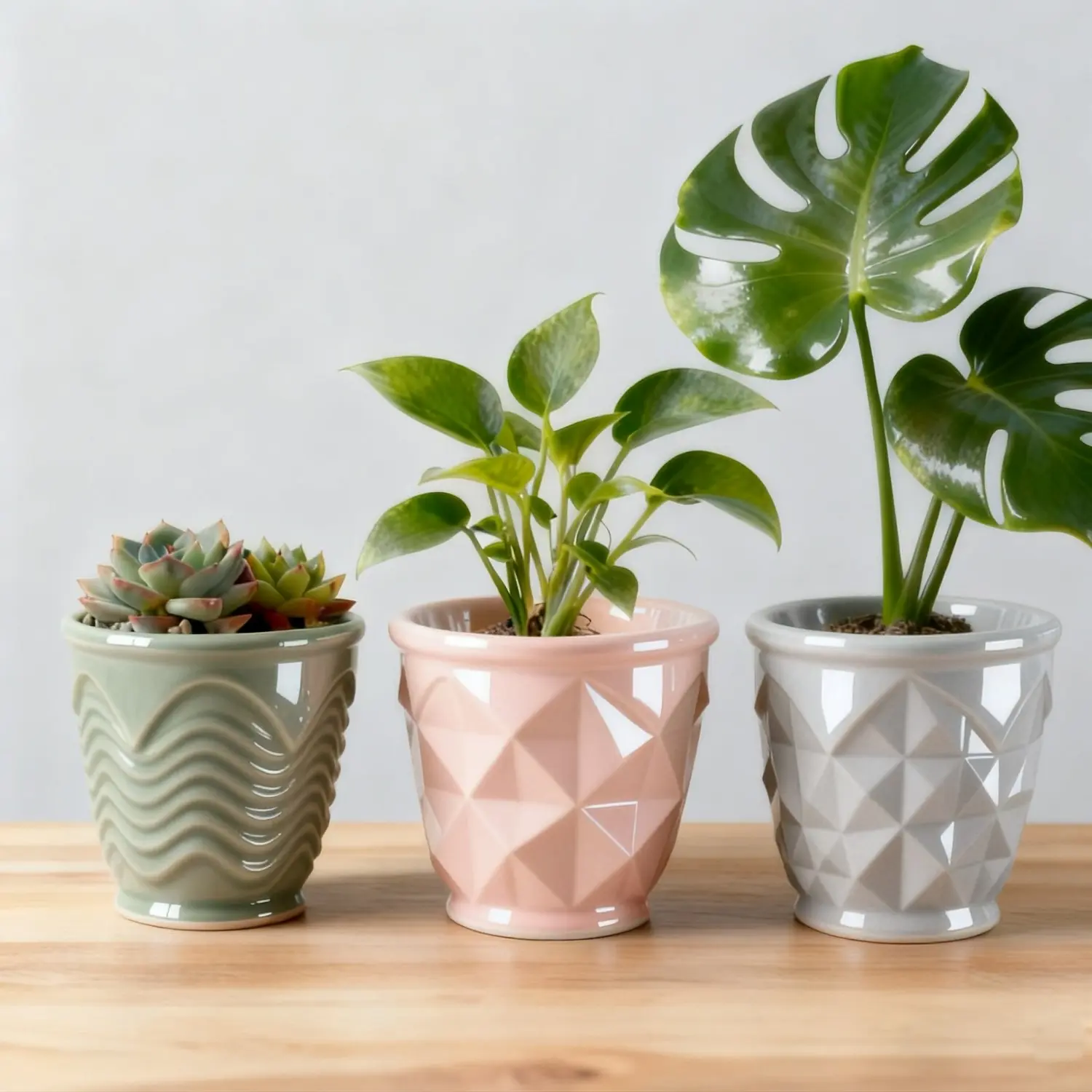
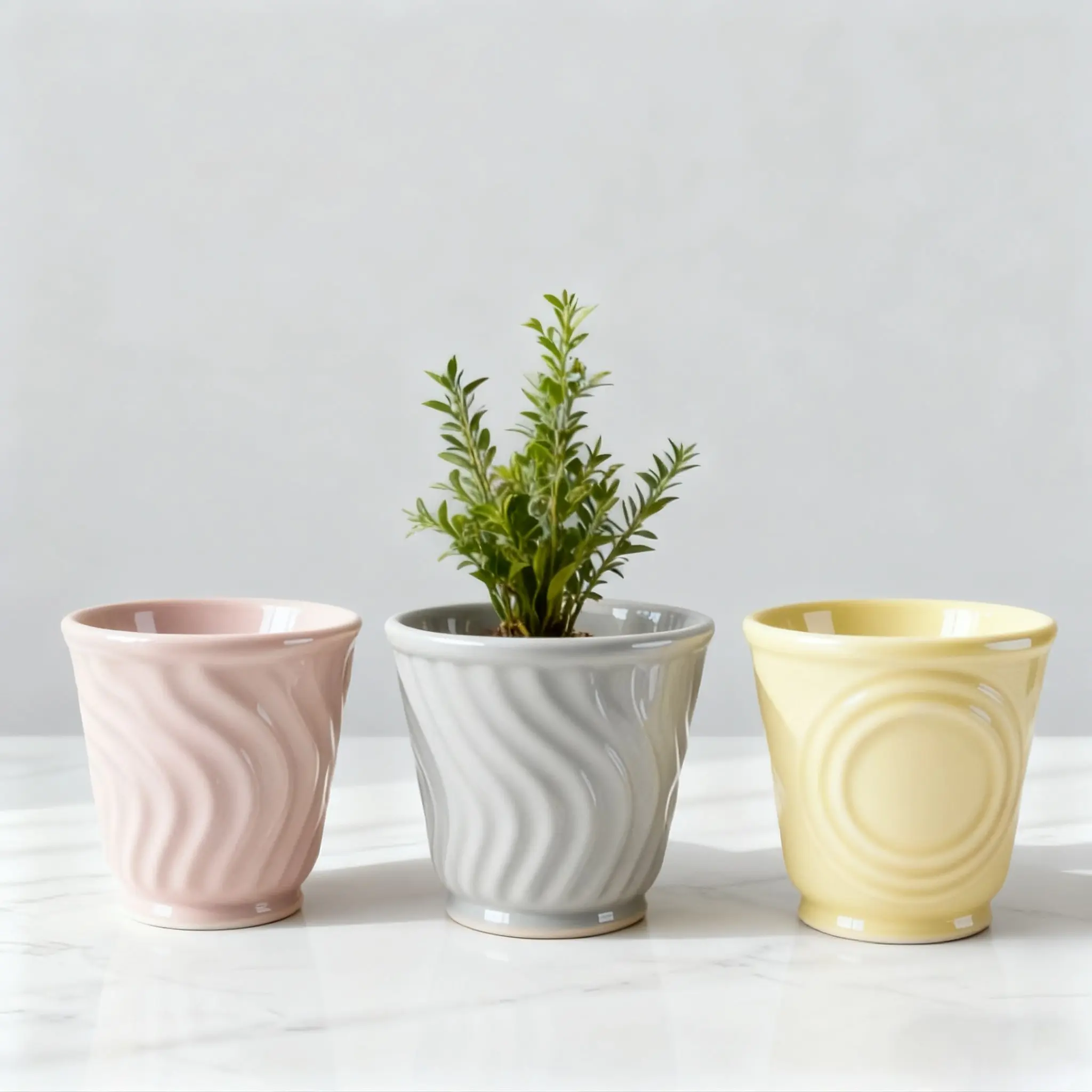
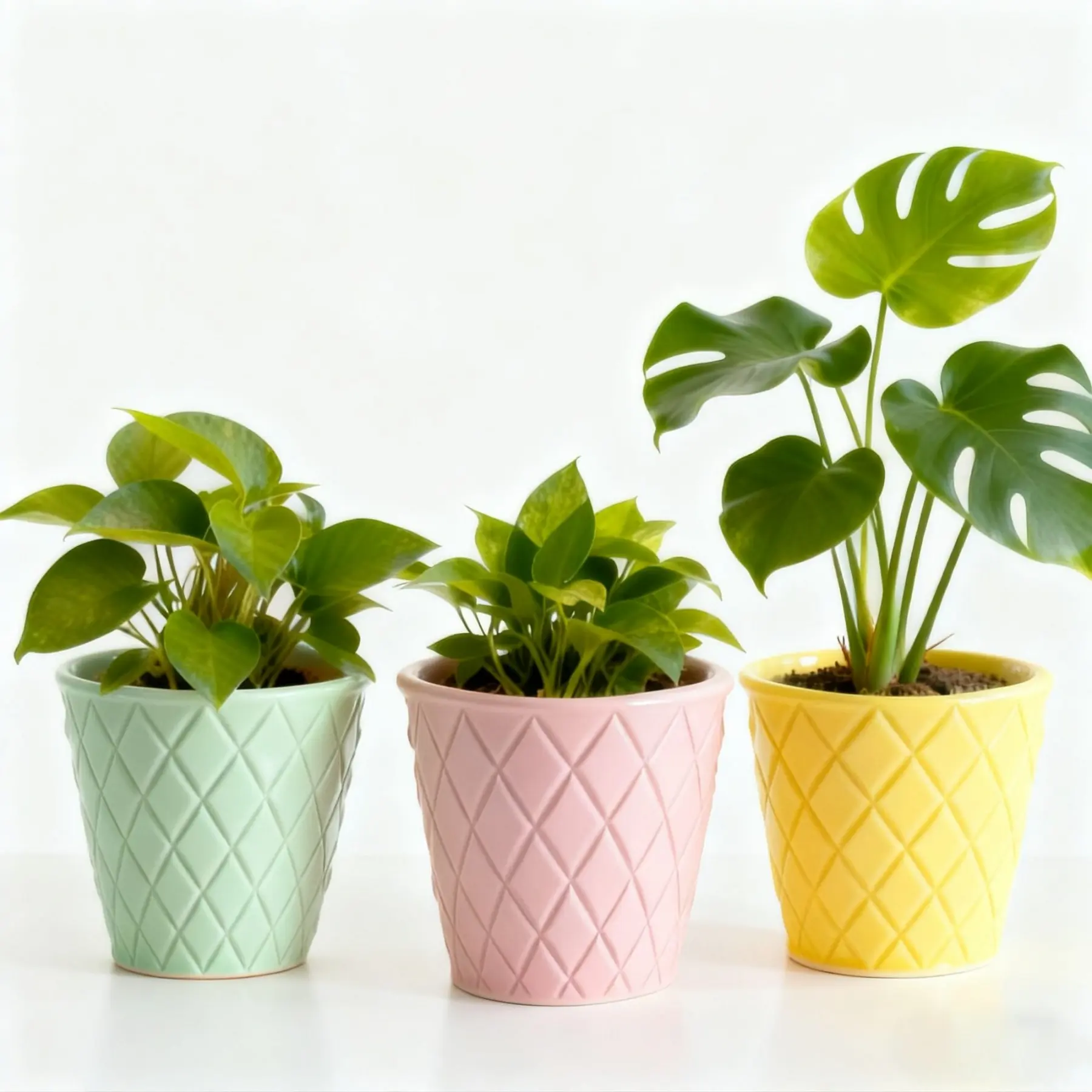
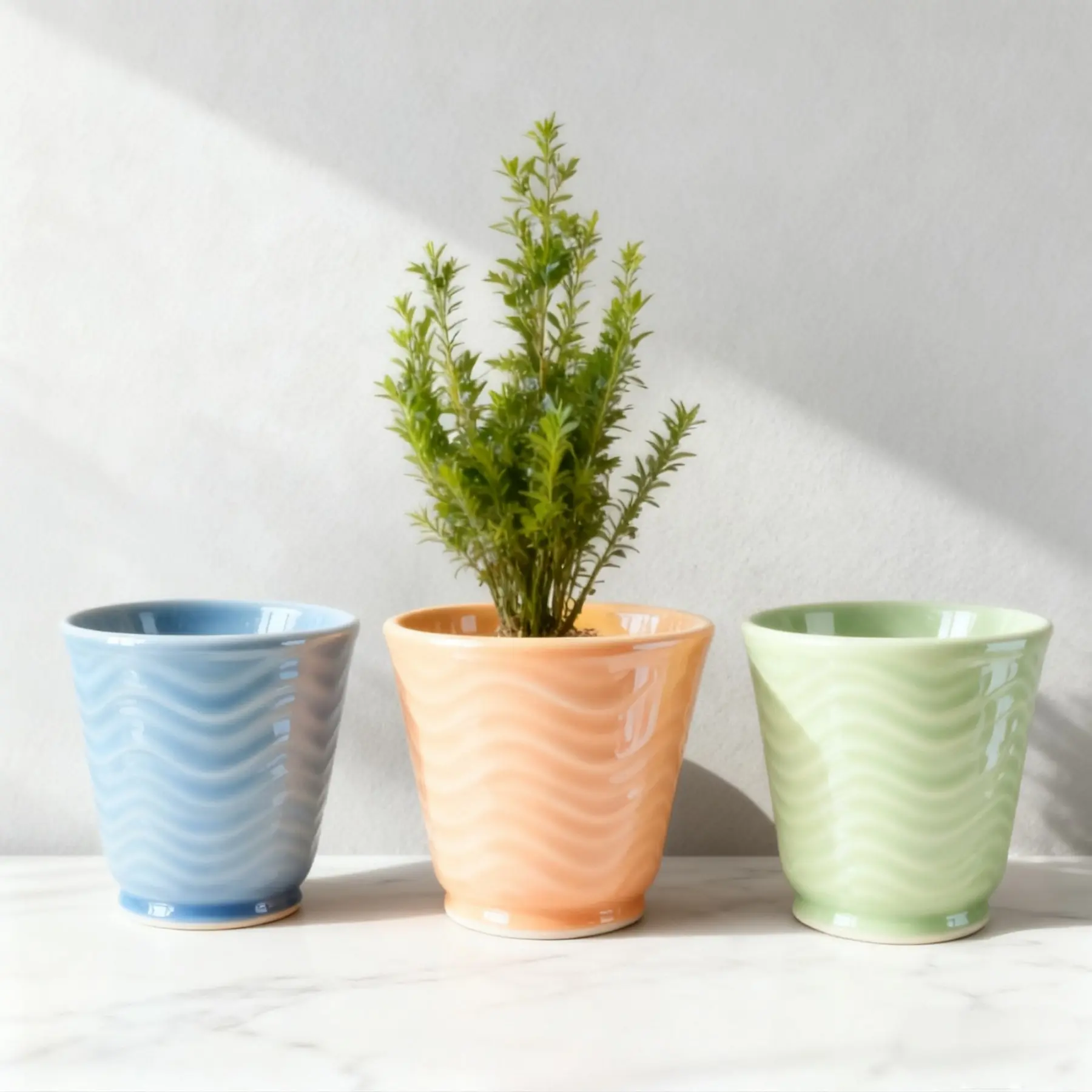
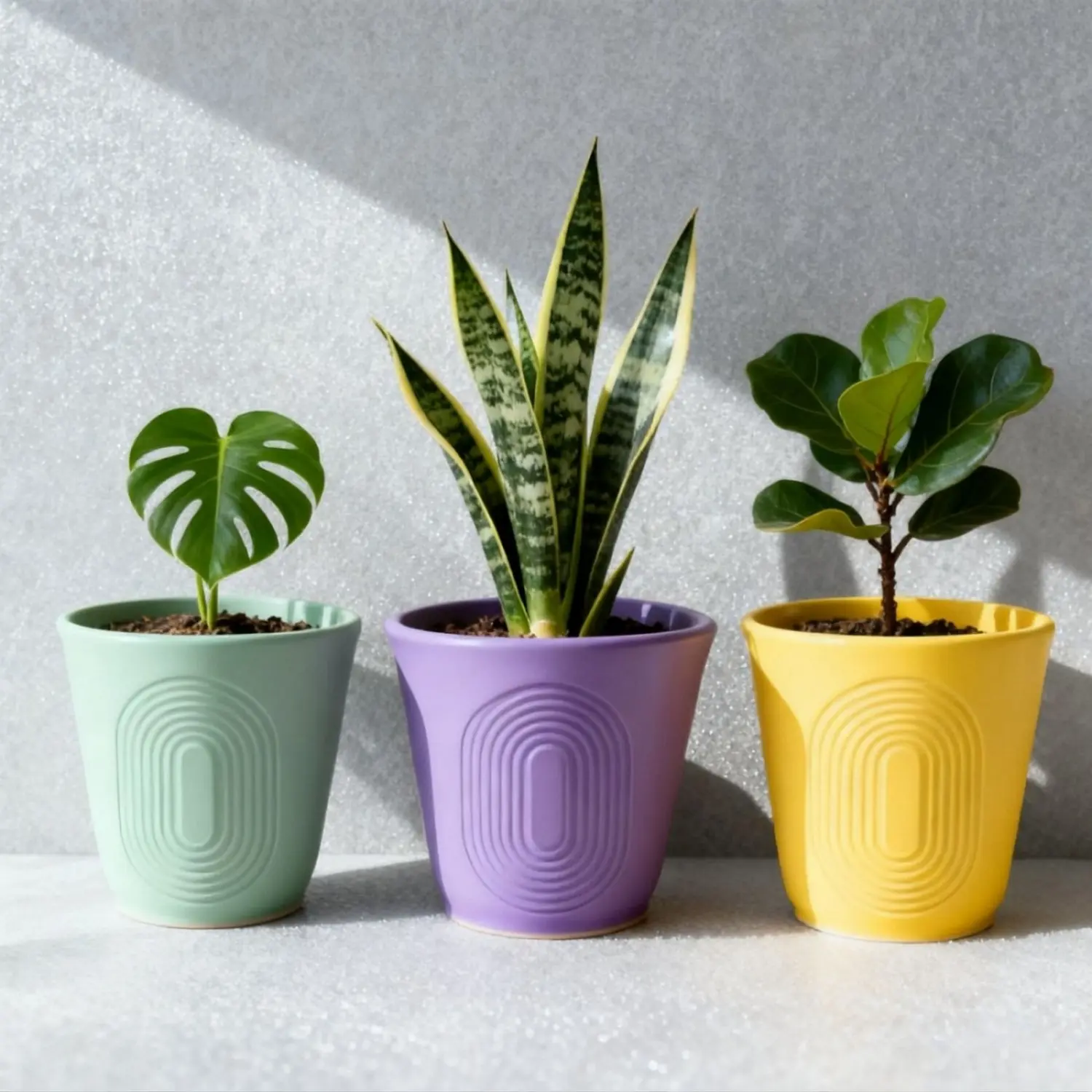
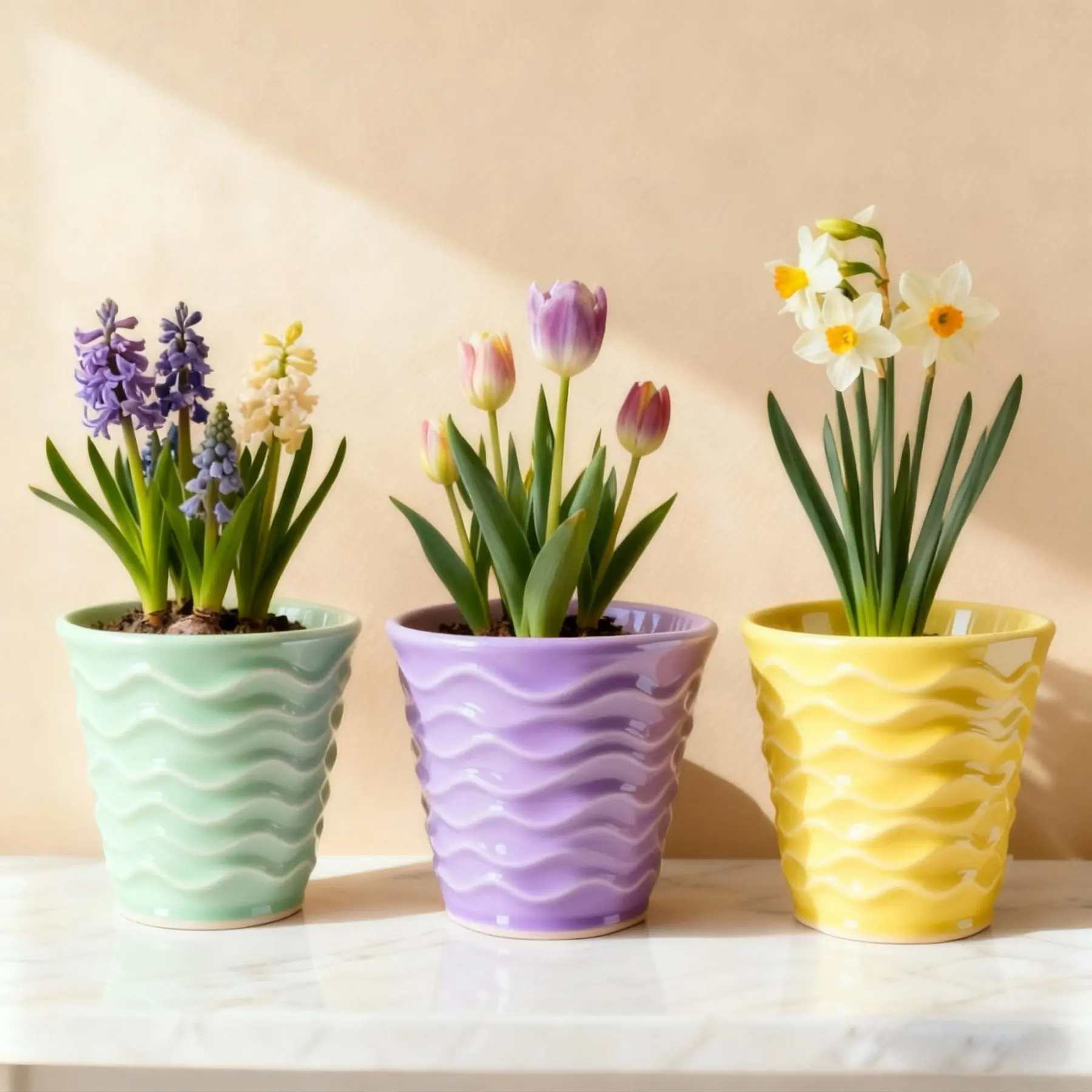
Procurement directors at home-decor retailers face a complex balancing act: selecting garden statues that are affordable to manufacture while meeting consumer expectations for design, finish, and durability. To address these challenges, we must analyze the key drivers of production cost and product lifecycles in industrial ceramics.
The base paste structure determines a garden statue's resistance to cold weather. Standard earthenware, fired at temperatures between 900°C and 1050°C, retains a porous structure. When moisture enters these pores and freezes, the expanding ice causes microscopic fractures that eventually crack the statue.
To prevent this, high-volume B2B manufacturing plants utilize stoneware-grade clay bodies rich in silica and alumina, fired at temperatures exceeding 1200°C. This high heat vitrifies the clay, turning the minerals into a glass-like structure with water absorption rates below 1%. This process makes the finished garden decor frost-resistant and durable.
Kiln energy consumption is one of the largest variables in ceramic manufacturing costs. Modern, energy-efficient factories use continuous tunnel kilns rather than traditional shuttle kilns. Continuous tunnel kilns transport products on a conveyor system through zones of gradually increasing and decreasing heat.
This continuous operation captures and recycles hot air from the cooling zone to preheat incoming greenware, reducing fuel consumption by up to 40%. These production savings help maintain lower wholesale pricing without compromising material standards.
Product damage during transport can quickly offset the savings from low-cost sourcing. High-quality factories address this by integrating packaging design into the product development process. Using 3D CAD modeling, engineers design custom-fit EPS (expanded polystyrene) or eco-friendly molded pulp packaging to cradle the product.
Finished shipping packages are subjected to rigorous drop testing, simulating transit handling. This process reduces international shipping damage rates below 1%, protecting margins for wholesale buyers.
Answers to key technical, logistical, and commercial inquiries for B2B buyers.
Browse additional high-demand seasonal and functional products designed for global wholesale distribution.