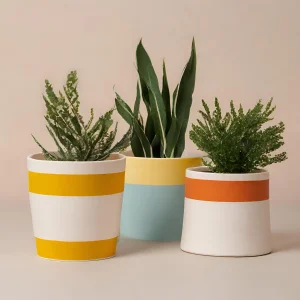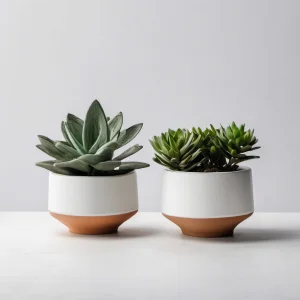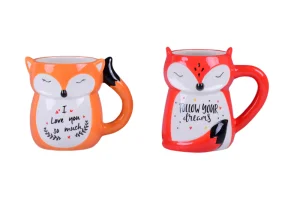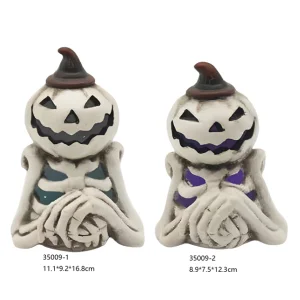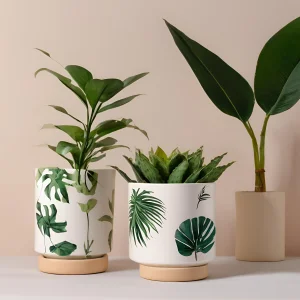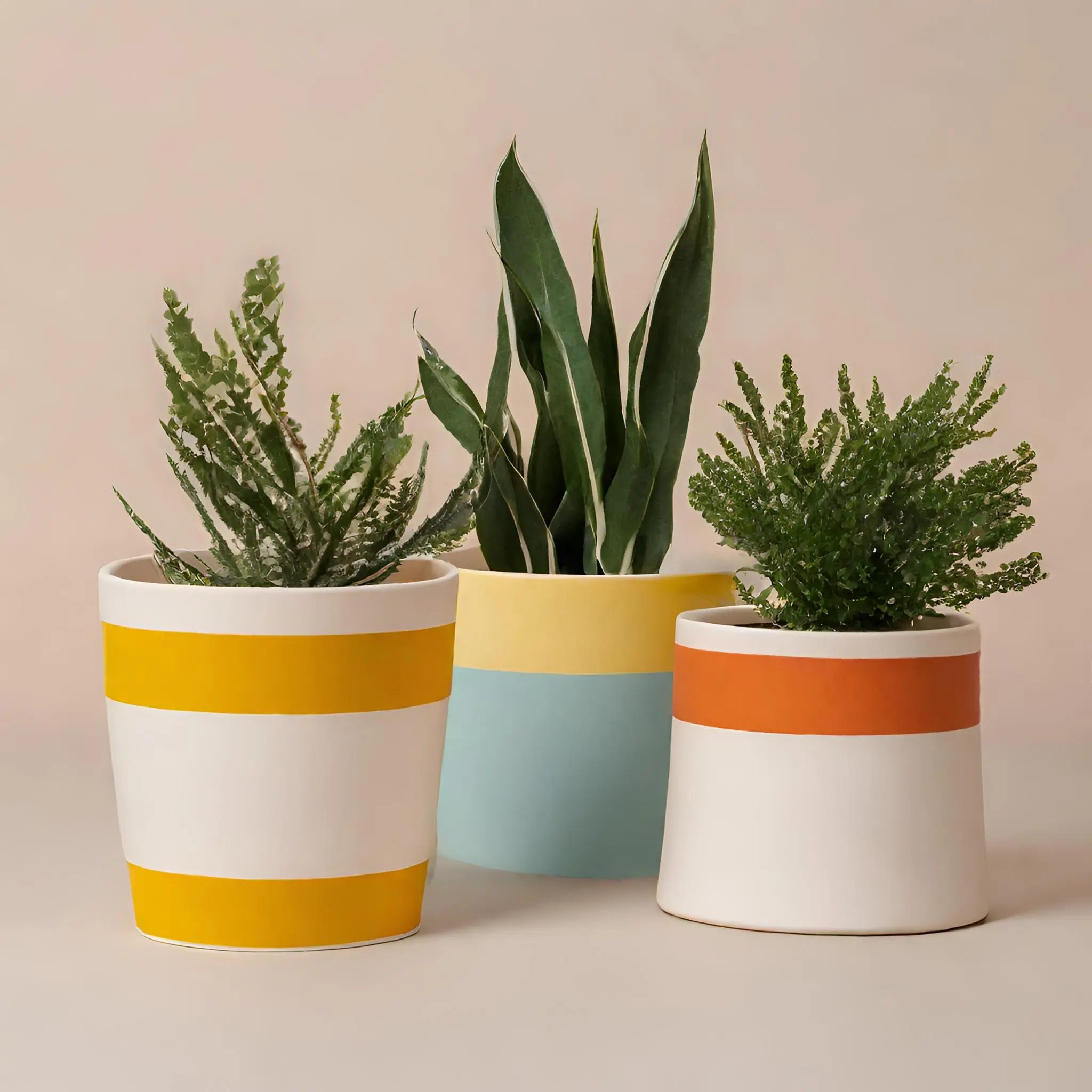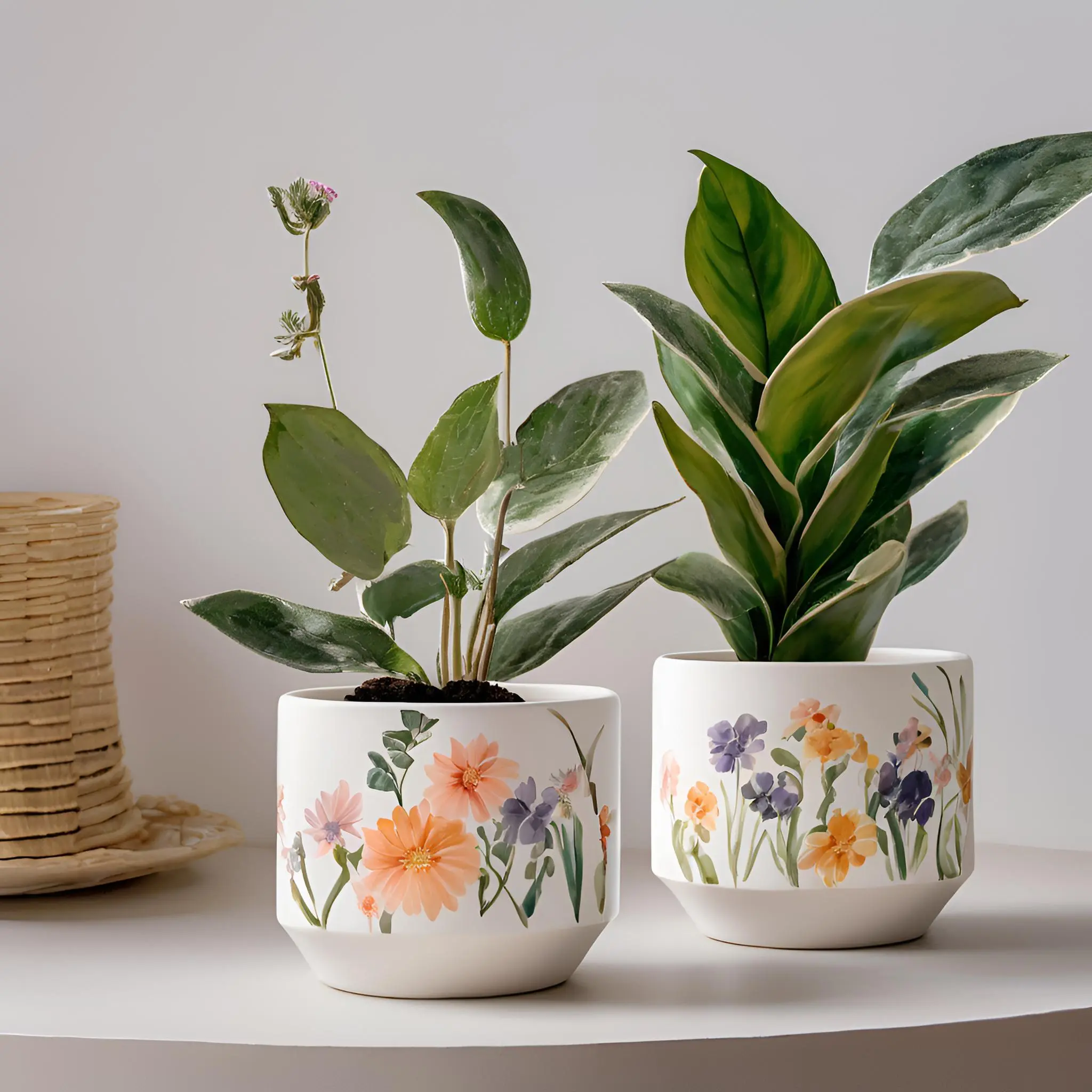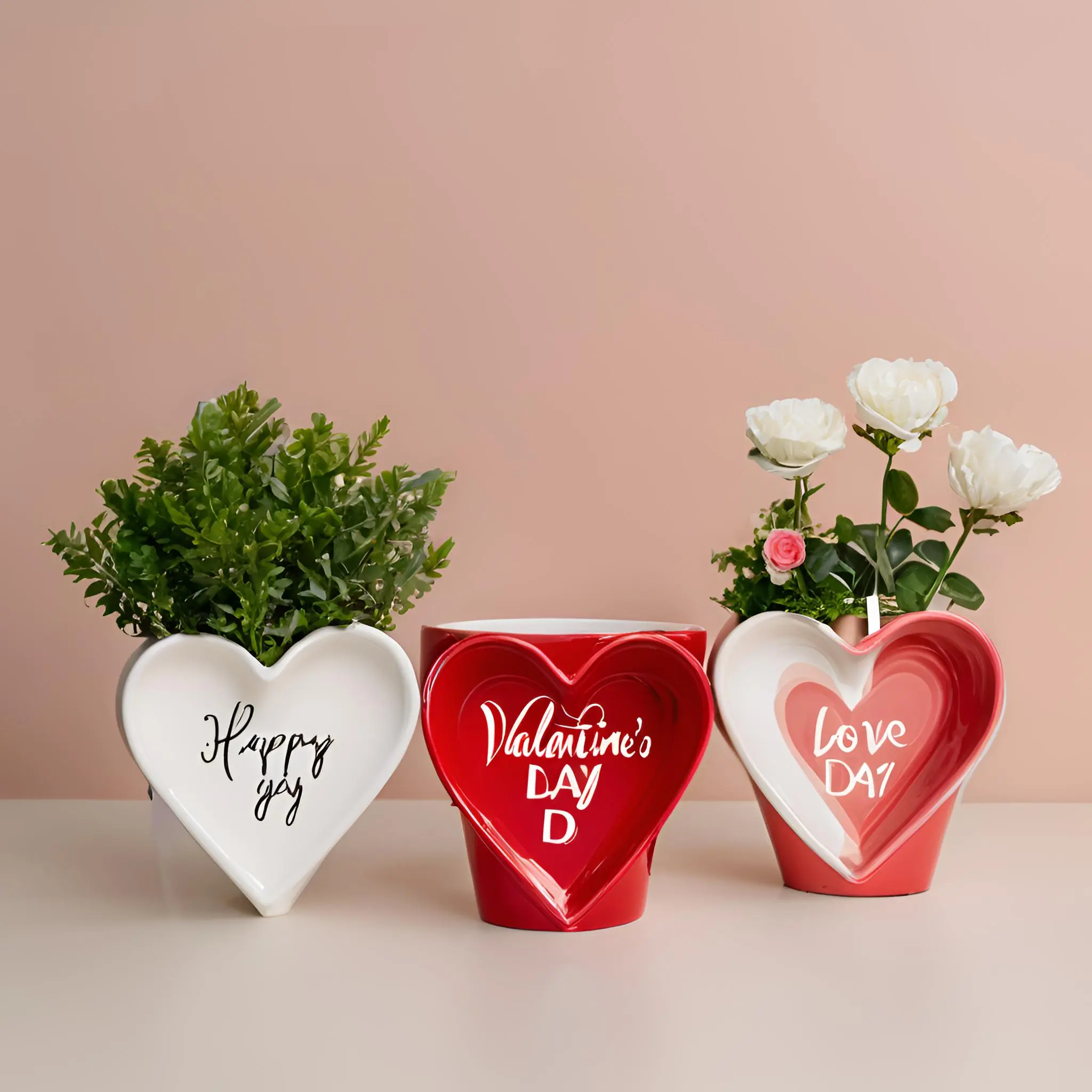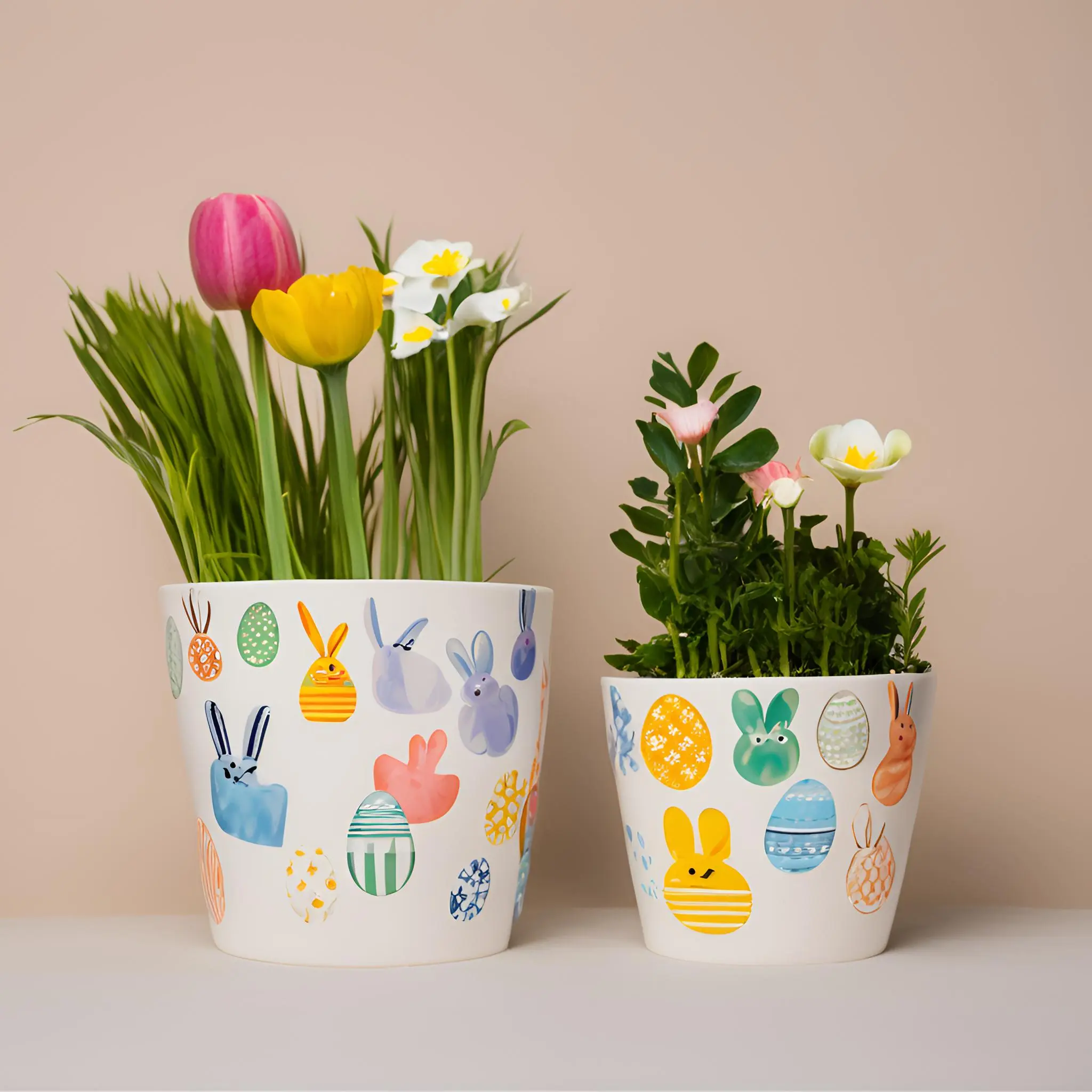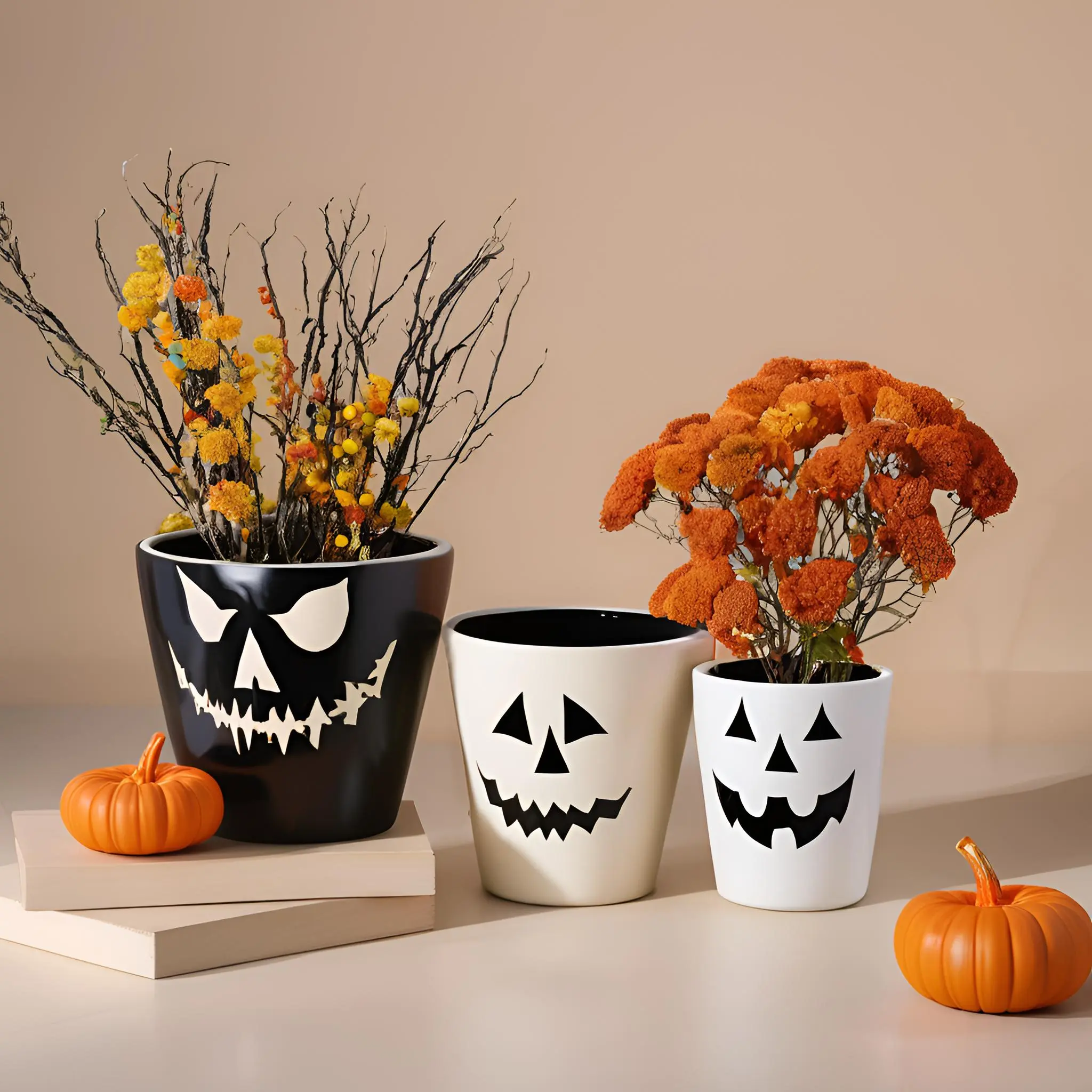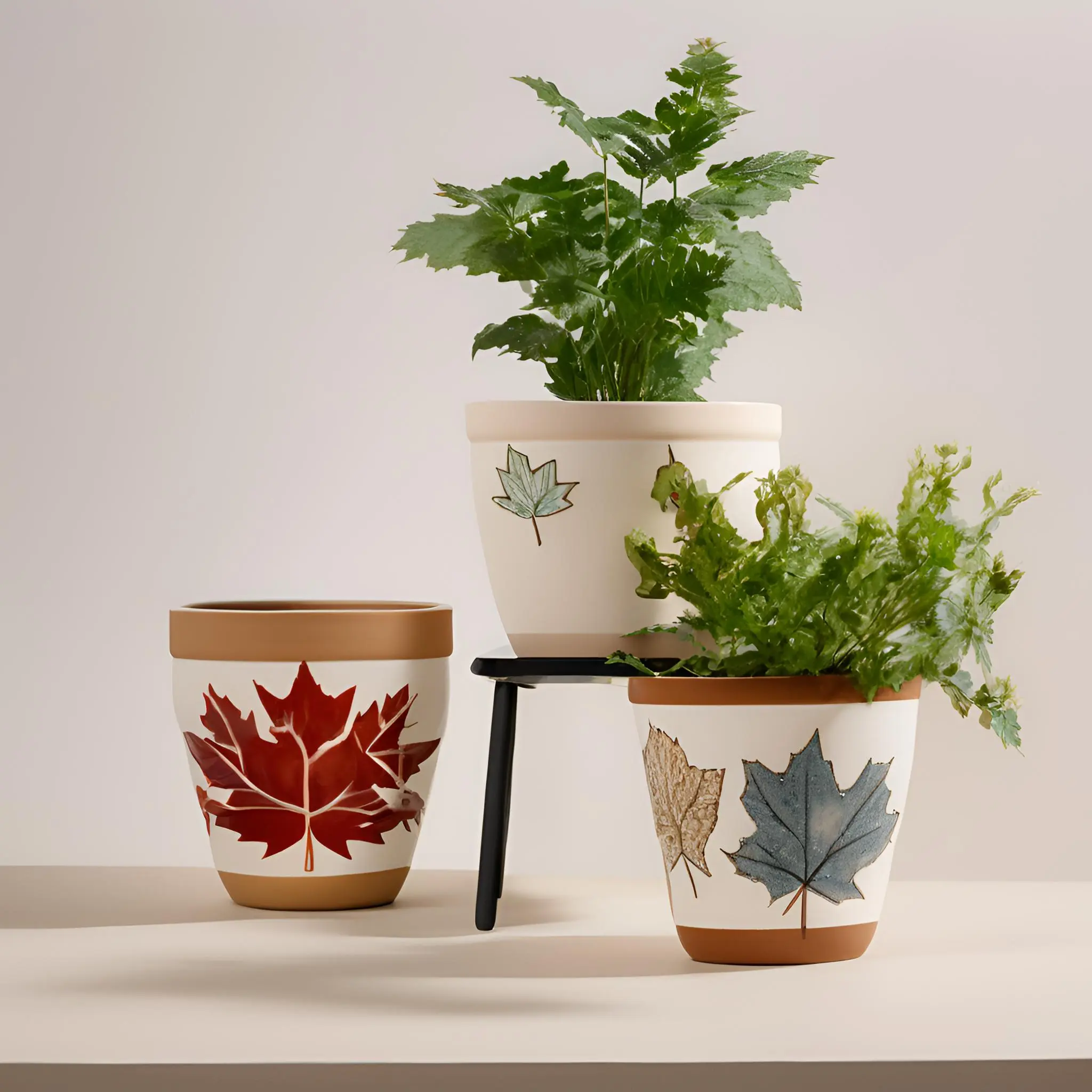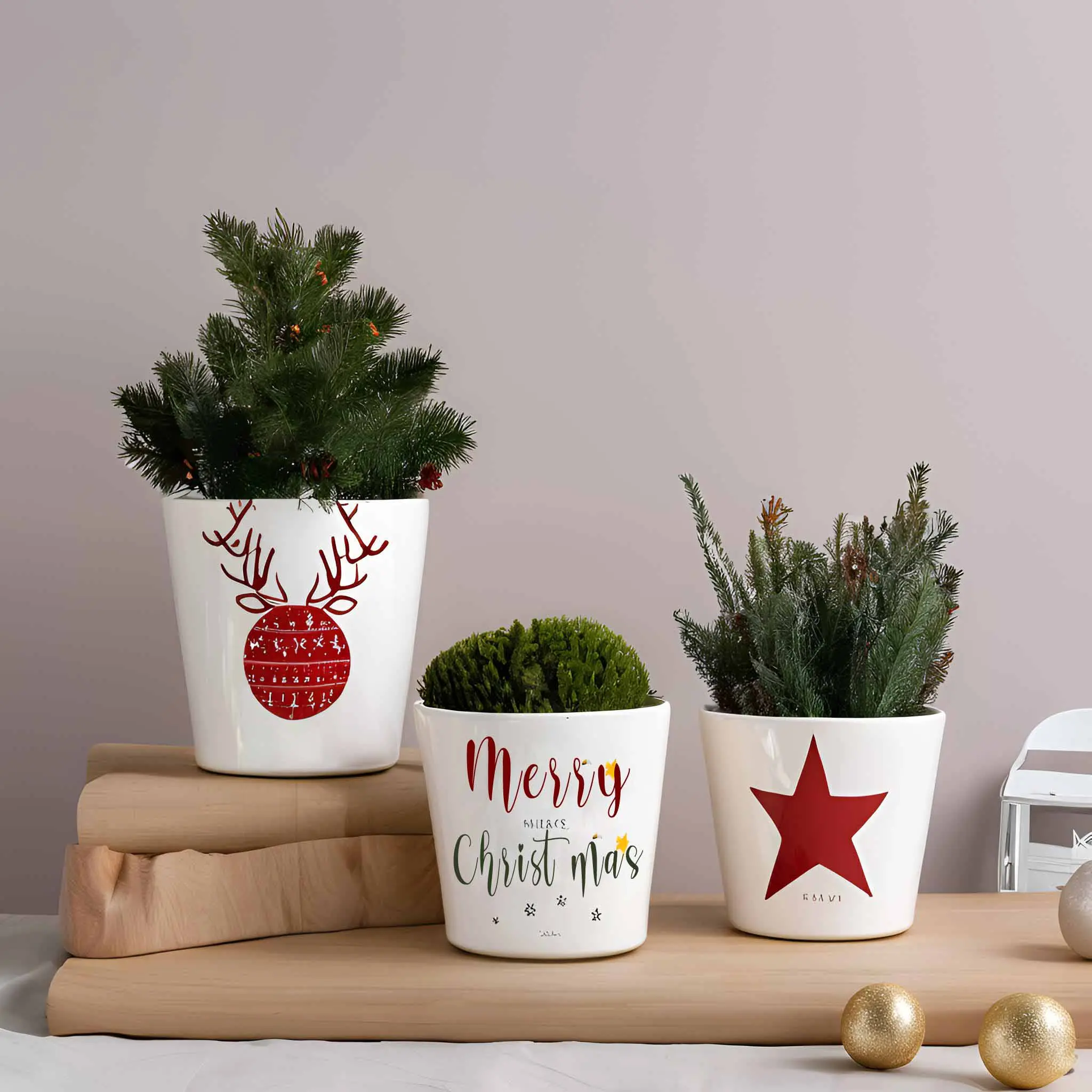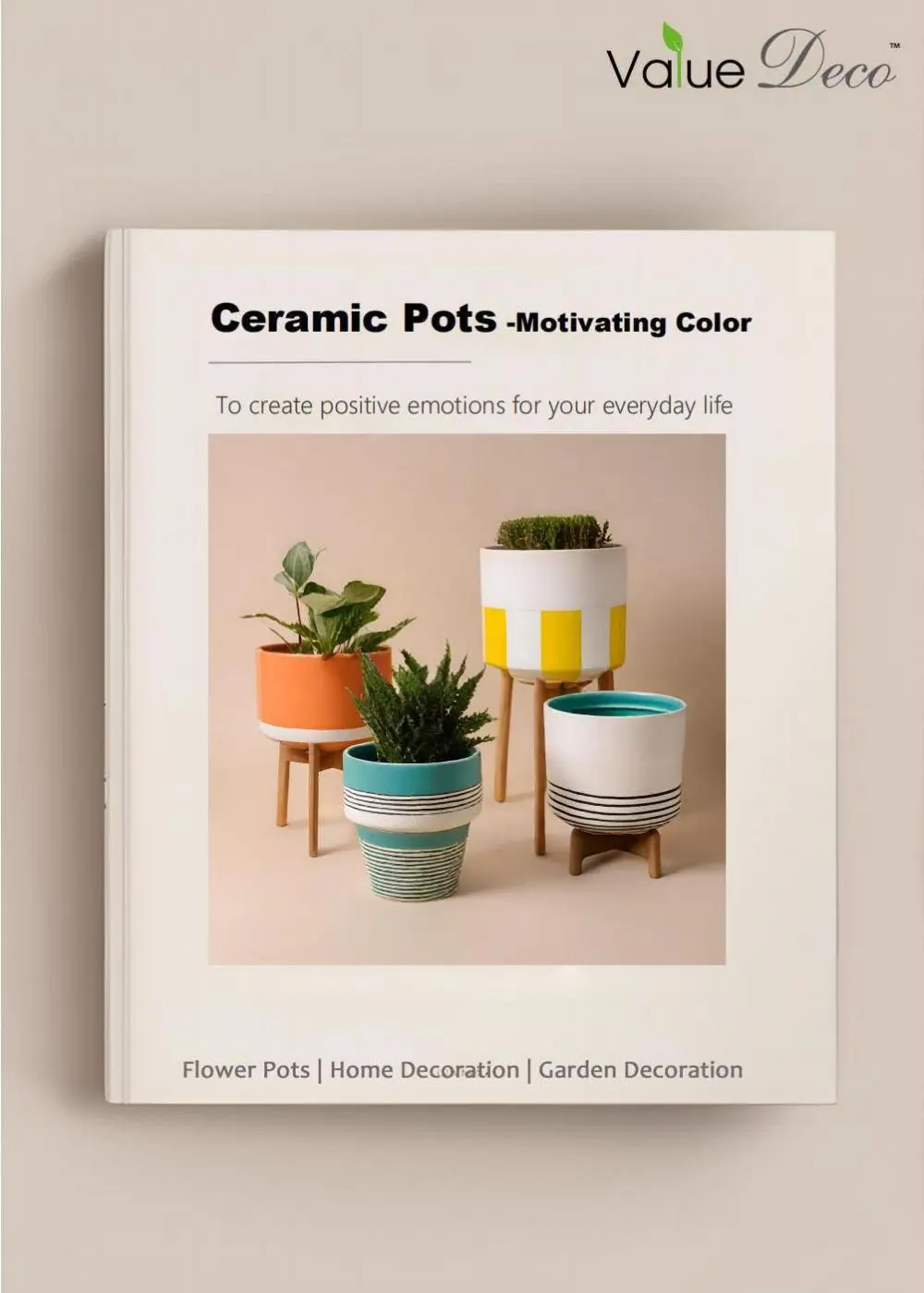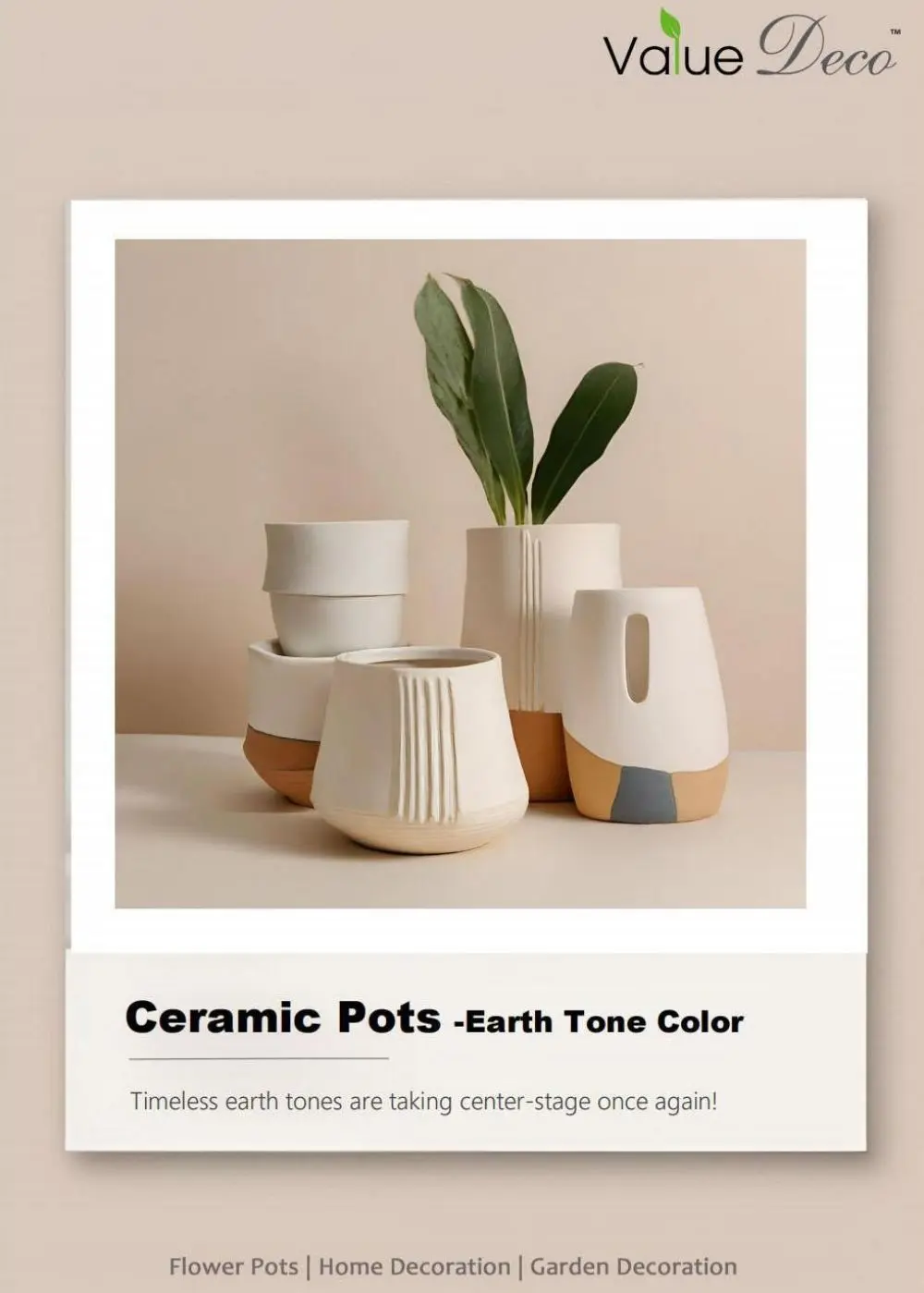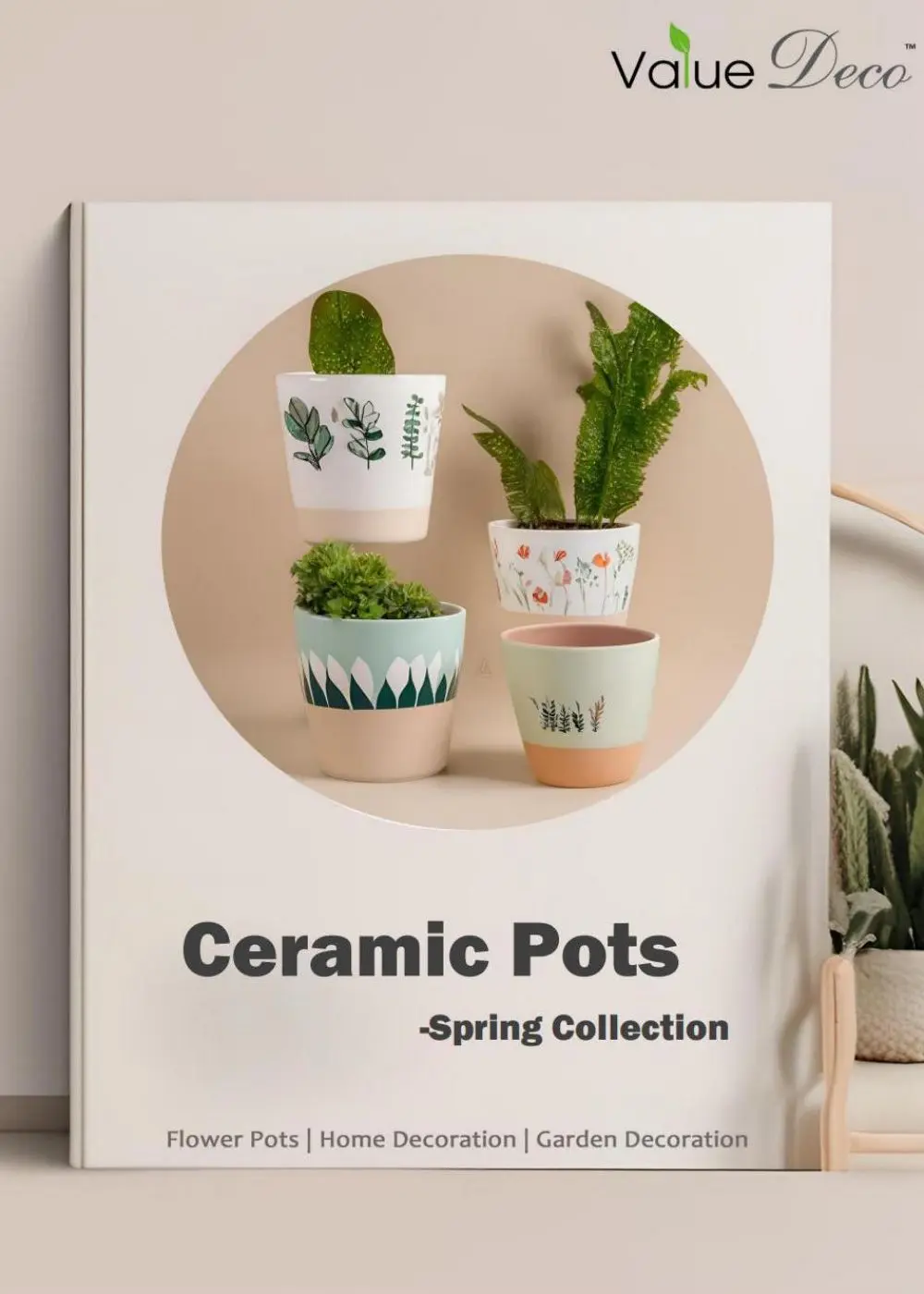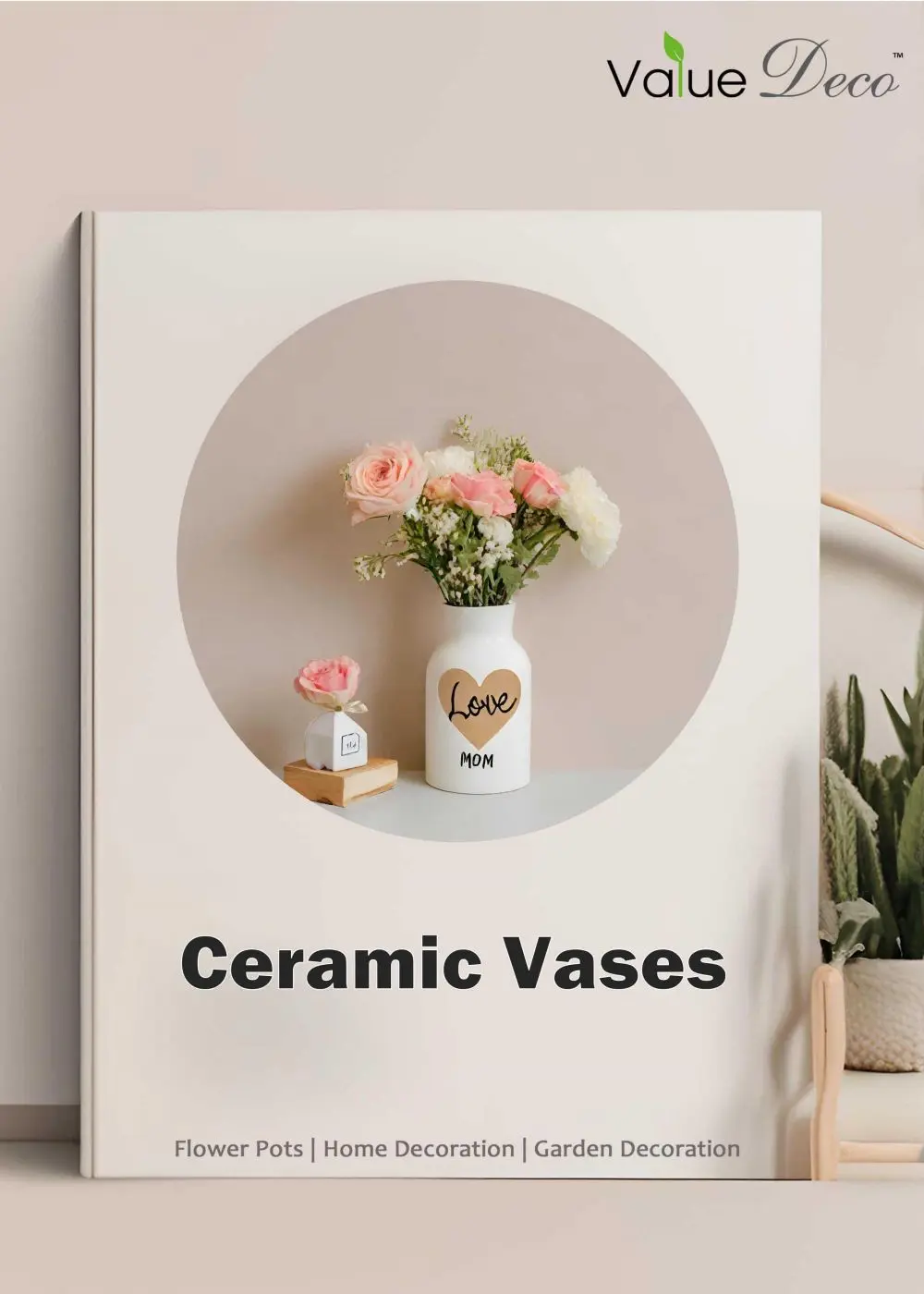
Explore our high-demand commercial selection for indoor retail, seasonal promotions, and bulk landscaping projects.
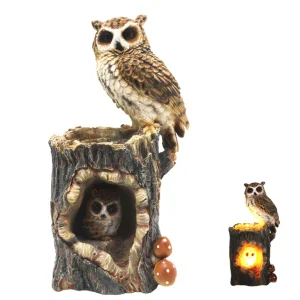
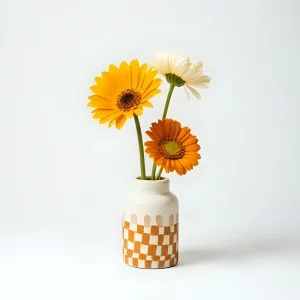
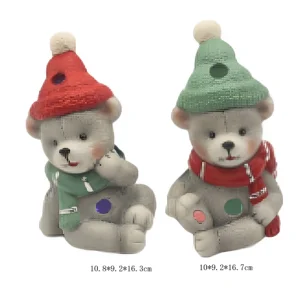
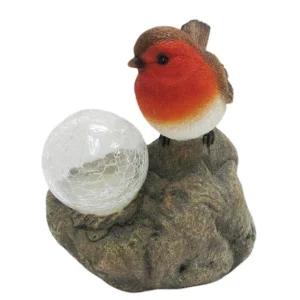
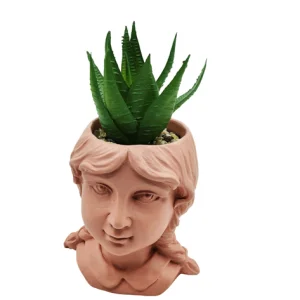
In the highly competitive landscape of global commercial home decor, the sourcing of commercial-grade flowerpots demands a rigorous balance of cost efficiency, aesthetic variability, and structural resilience. High-volume B2B buyers—ranging from large-scale home-improvement chains to boutique plant nurseries, urban landscape architects, and e-commerce giants—encounter multifaceted logistical and engineering bottlenecks. The modern supply chain requires "information gain": a thorough understanding of material properties, heat tolerances, glazing stability, and regulatory compliance that transcends generic sales pitches.
Historically, the procurement of "cheap flowerpots" implied compromising on longevity or design integrity. Today, advanced manufacturing clusters in China are redefining value. By implementing integrated automation, local raw-material sourcing, and scale efficiencies, leading manufacturers produce low-unit-cost ceramic, cement, and terracotta containers that conform to rigorous international quality criteria. In the corporate sector, procurement officers look beyond basic aesthetic traits; they evaluate structural criteria such as thermal expansion coefficients (to prevent frost cracking), glaze adhesion ratings, and packaging drop-test certifications.
For volume supply chains, shipping costs often match or exceed ex-factory prices. Consequently, designing products with nesting structures (stackability) and selecting materials like lightweight dolomite or optimized high-temperature stoneware is crucial. These decisions directly affect container volume, shipping weight, breakage rates, and retail profit margins.
To maintain high yields and low unit costs, factories must utilize systematic quality-assurance and production workflows. The journey of a ceramic planter begins with clay preparation, where moisture content must be maintained within a tight 0.5% tolerance window. Standard molding processes include slip casting for complex or whimsical shapes (such as animal faces and sculptural head planters) and hydraulic pressing for geometric, modern planters.
Firing constitutes the critical step where cheap products are distinguished from high-value, cost-effective ones. High-temperature tunnel kilns operating between 1100°C and 1280°C facilitate optimal vitrification. This chemical conversion process fuses silica particles into a glassy, impermeable matrix. Proper vitrification guarantees that the planter will not absorb water. Moisture absorption within the pottery walls is the primary cause of cracking during freeze-thaw cycles in temperate regions.
Value Deco Limited is an established, specialized manufacturer and supplier of top-tier ceramic containers and garden embellishments based in China. Leveraging over 12 years of export experience, we operate an integrated group structure designed to streamline international B2B sourcing.
Our business model splits into two specialized business units, ensuring focused quality control, design innovation, and technical oversight for each product line:
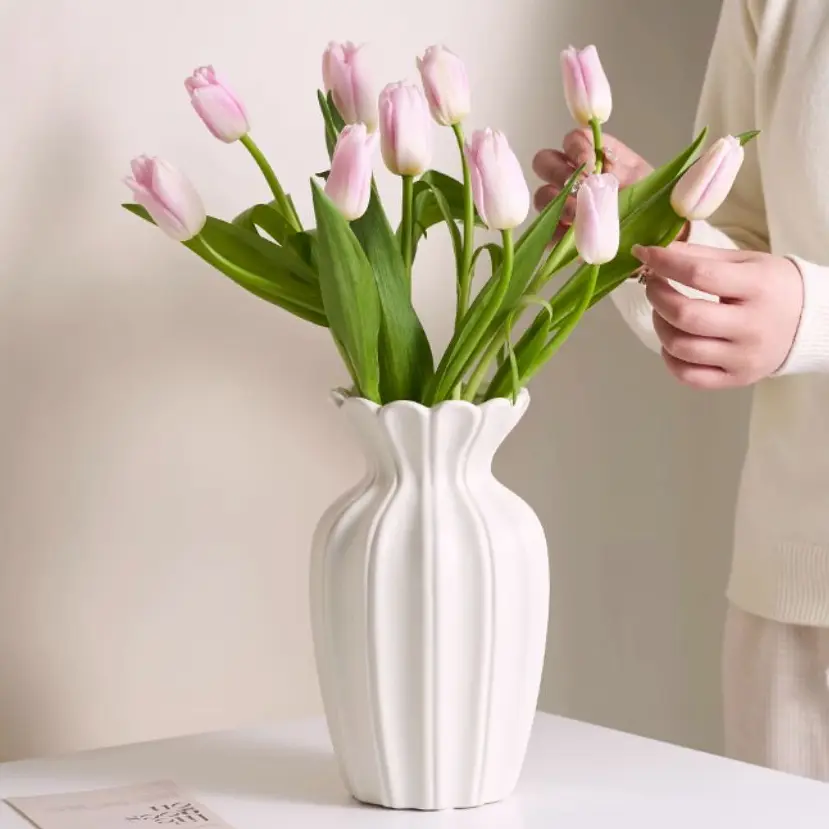
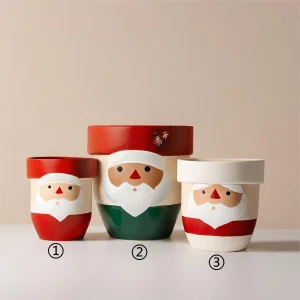
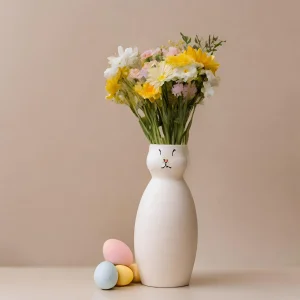
Our structured production lines cover basic household planters, complex structural vases, and seasonal items to match peak retail calendars.
We coordinate with retail timelines by finalizing designs and tooling 6-8 months ahead of seasonal holidays, ensuring timely shelf placement.
The future of cost-effective commercial flowerpot manufacturing lies at the intersection of automation, eco-friendly glaze formulation, and heat-recovery firing systems. Traditionally, ceramic plants required intensive labor for polishing and glazing, leading to consistency errors. Our collaborative factory network has initiated a technology upgrade cycle:
By introducing automated slurry-feeding casting lines, the density of greenware bodies (unfired clay) is kept consistent. This reduces shrinkage variance during drying and firing from 8% down to less than 2%. Compression molding techniques allow for the rapid fabrication of thick-walled outdoor cement and ceramic containers, ensuring reliable wall thickness and physical resilience.
Conforming to international safety protocols (including California Proposition 65 and European REACH standards) requires using lead-free, non-toxic raw glazing materials. Our manufacturing team develops stable reactive glazes using alternative minerals. These mineral glazes produce rich textures, matte check patterns, and vintage gradients without using heavy-metal stabilizers.
Modern tunnel kilns recycle heat energy from the cooling zone back to the preheating chambers. This reduces coal or natural gas consumption by roughly 30% per ton of fired stoneware. These cost savings directly translate to competitive pricing for high-volume B2B customers, providing pricing stability amidst fluctuating energy markets.
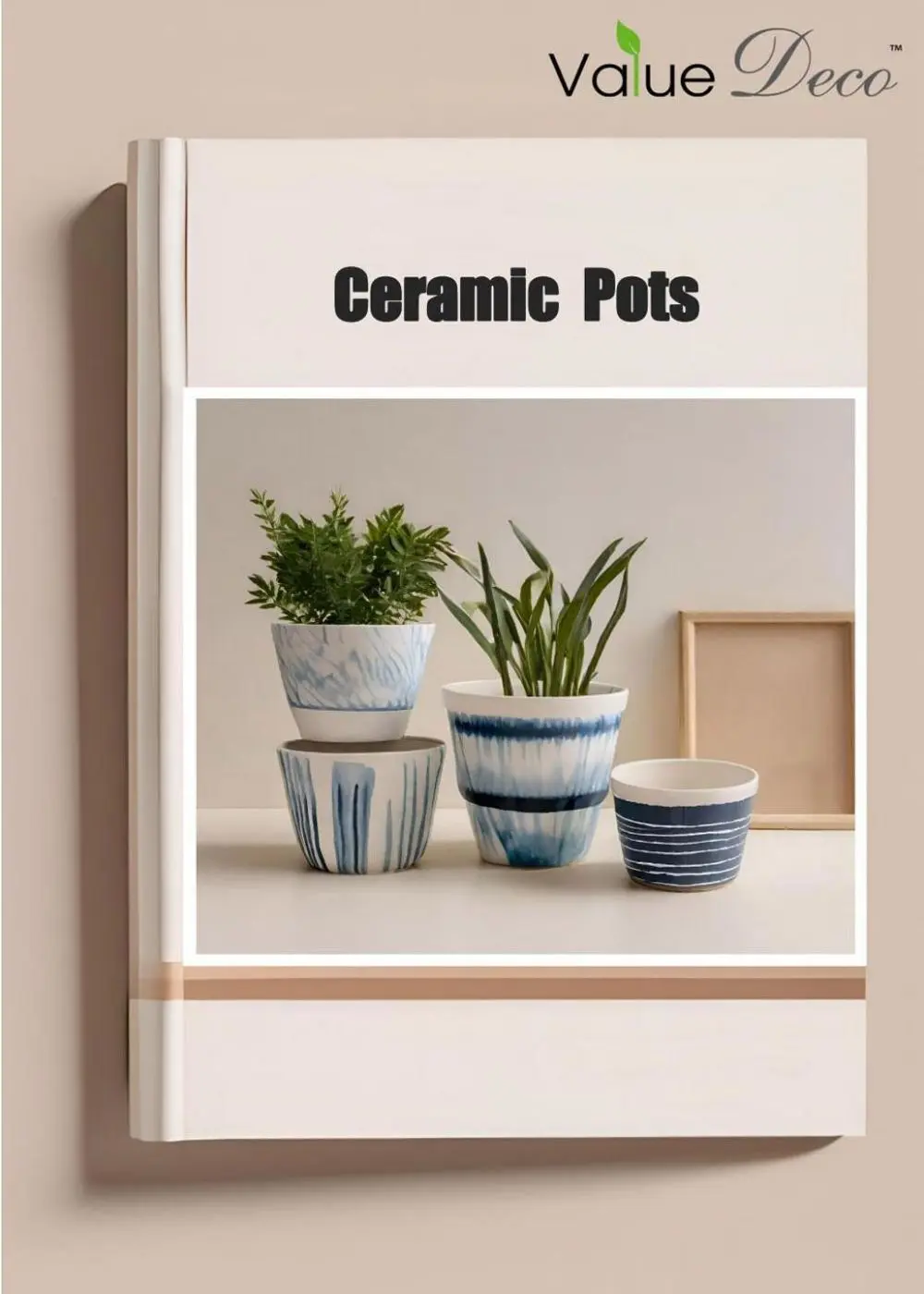
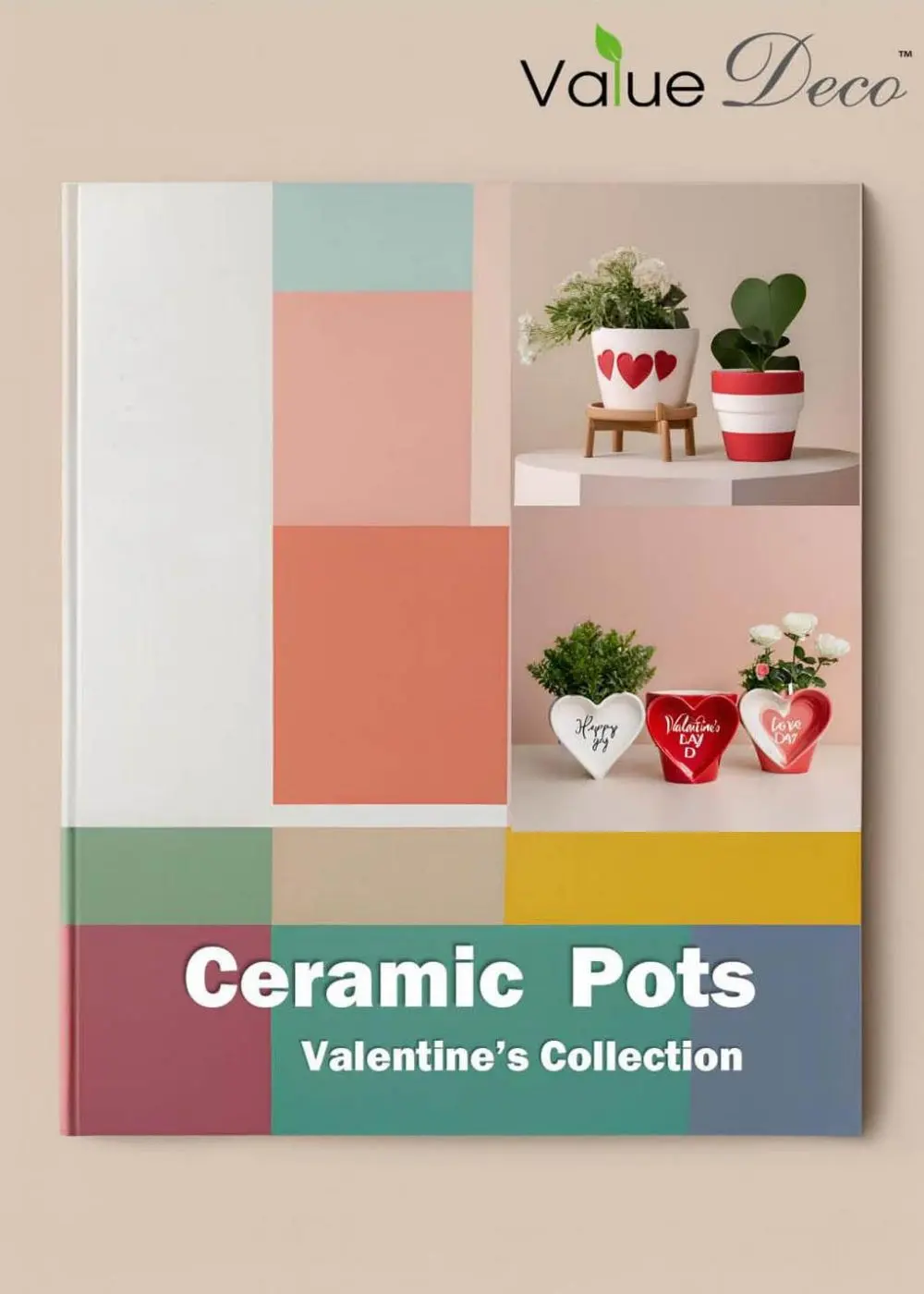
Download our targeted segment catalogs and view the latest design patterns from our development studio.
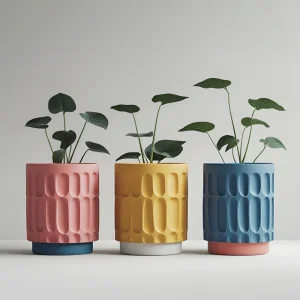
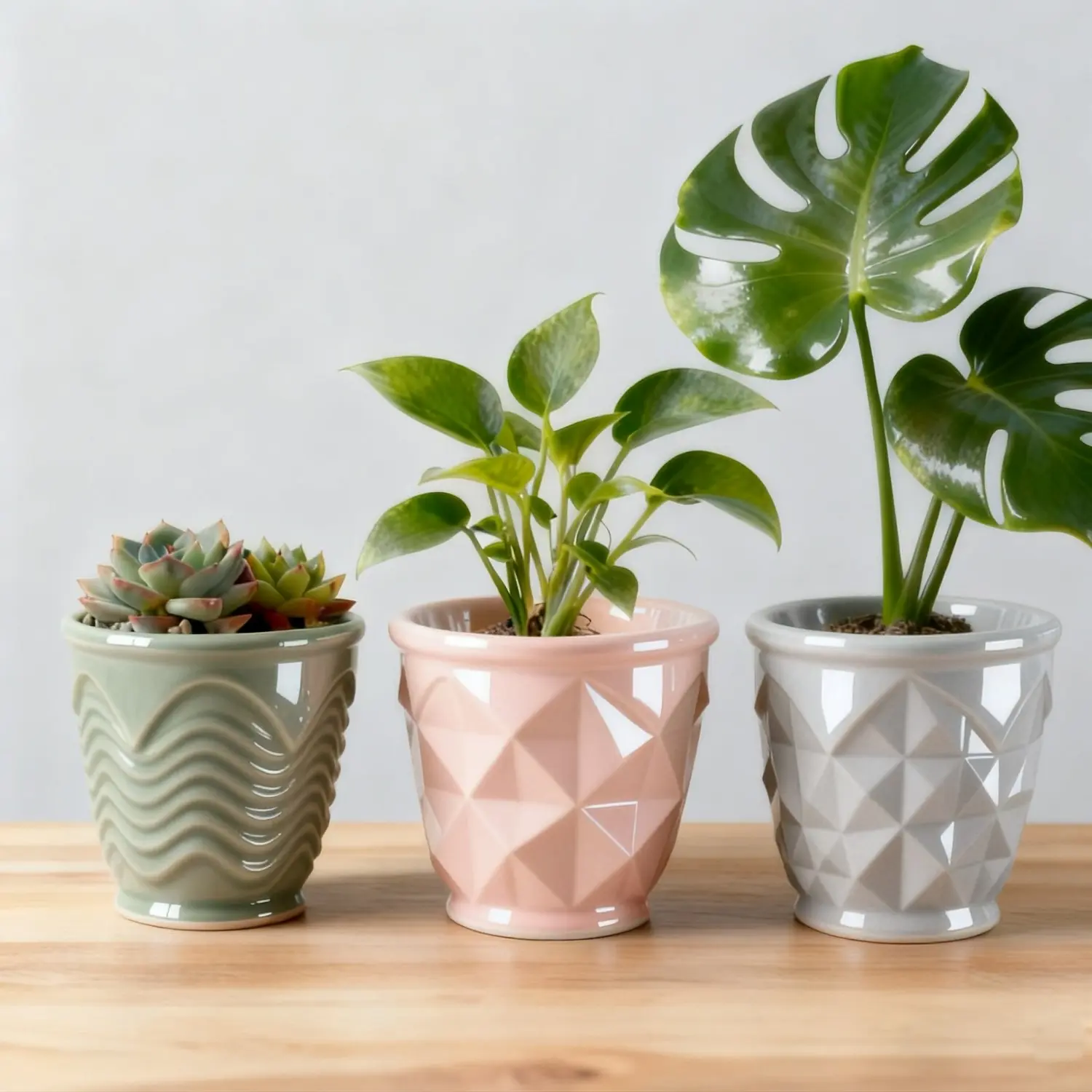
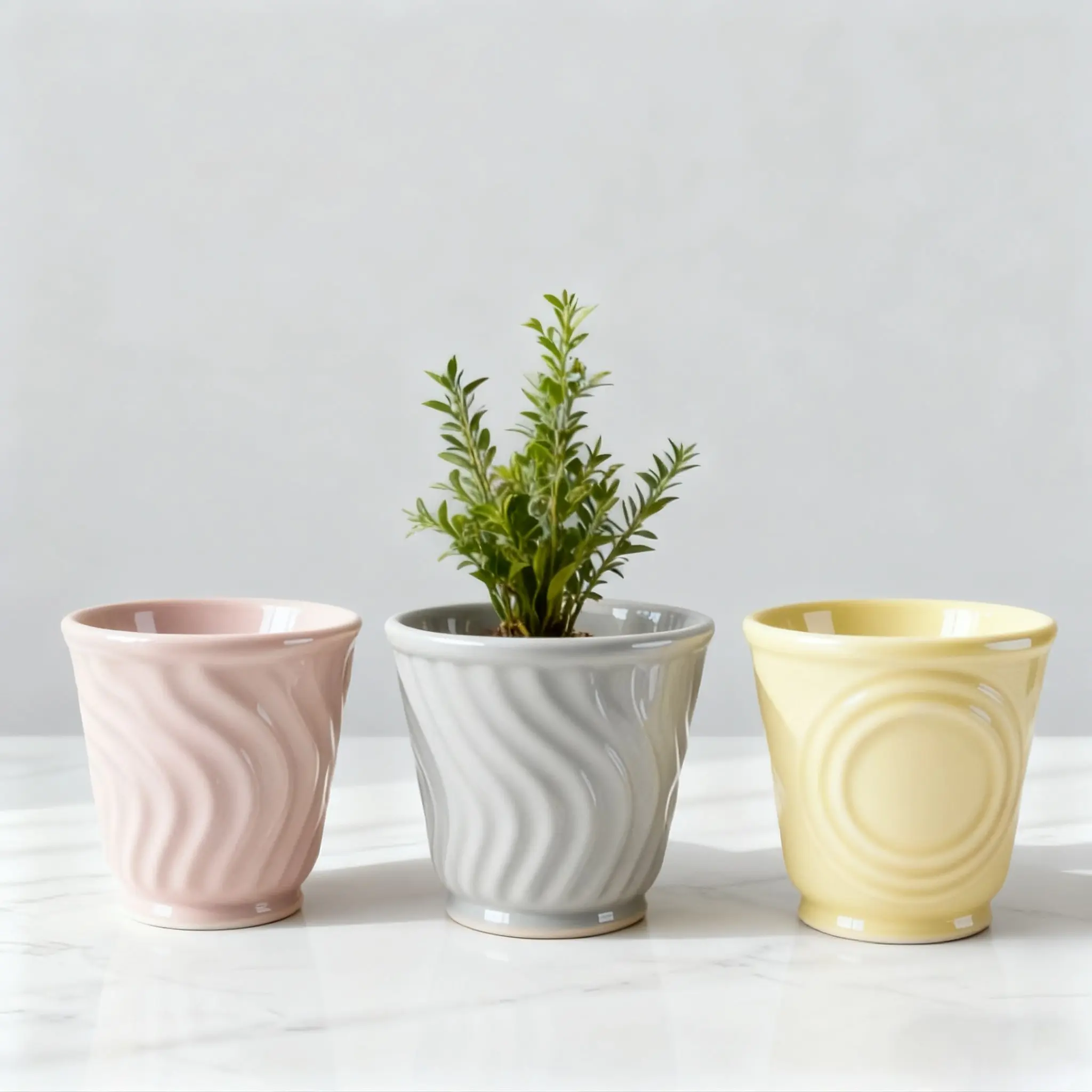
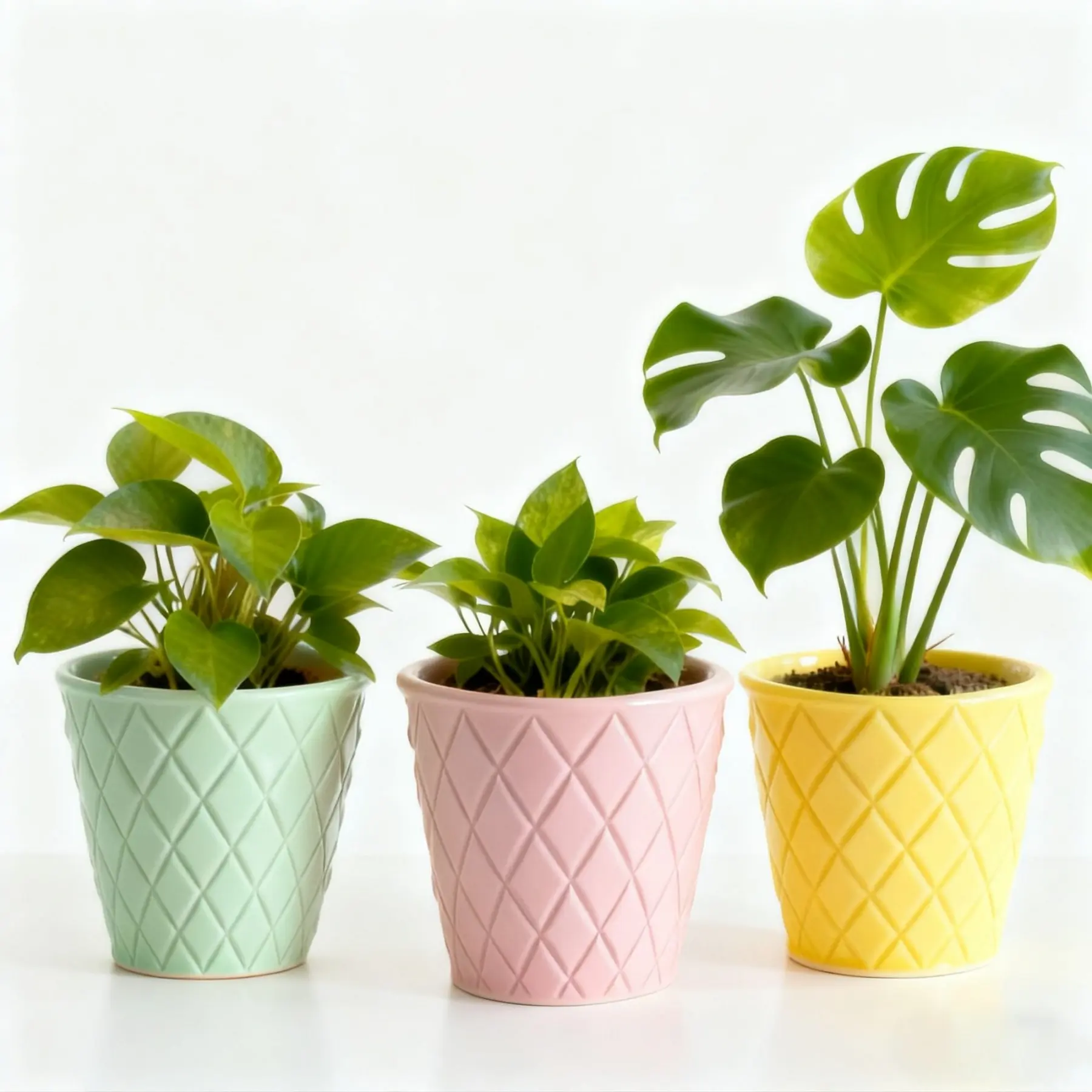
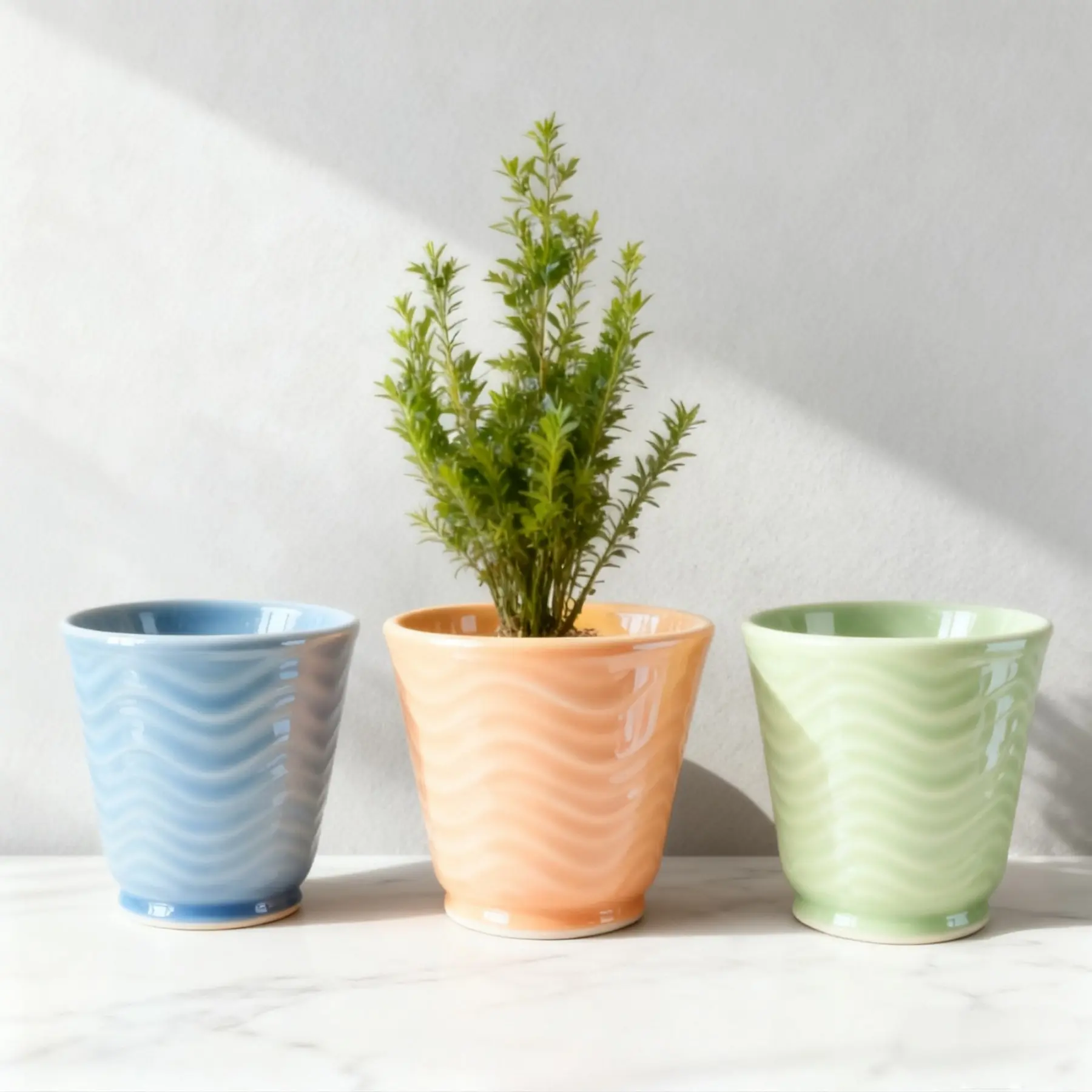
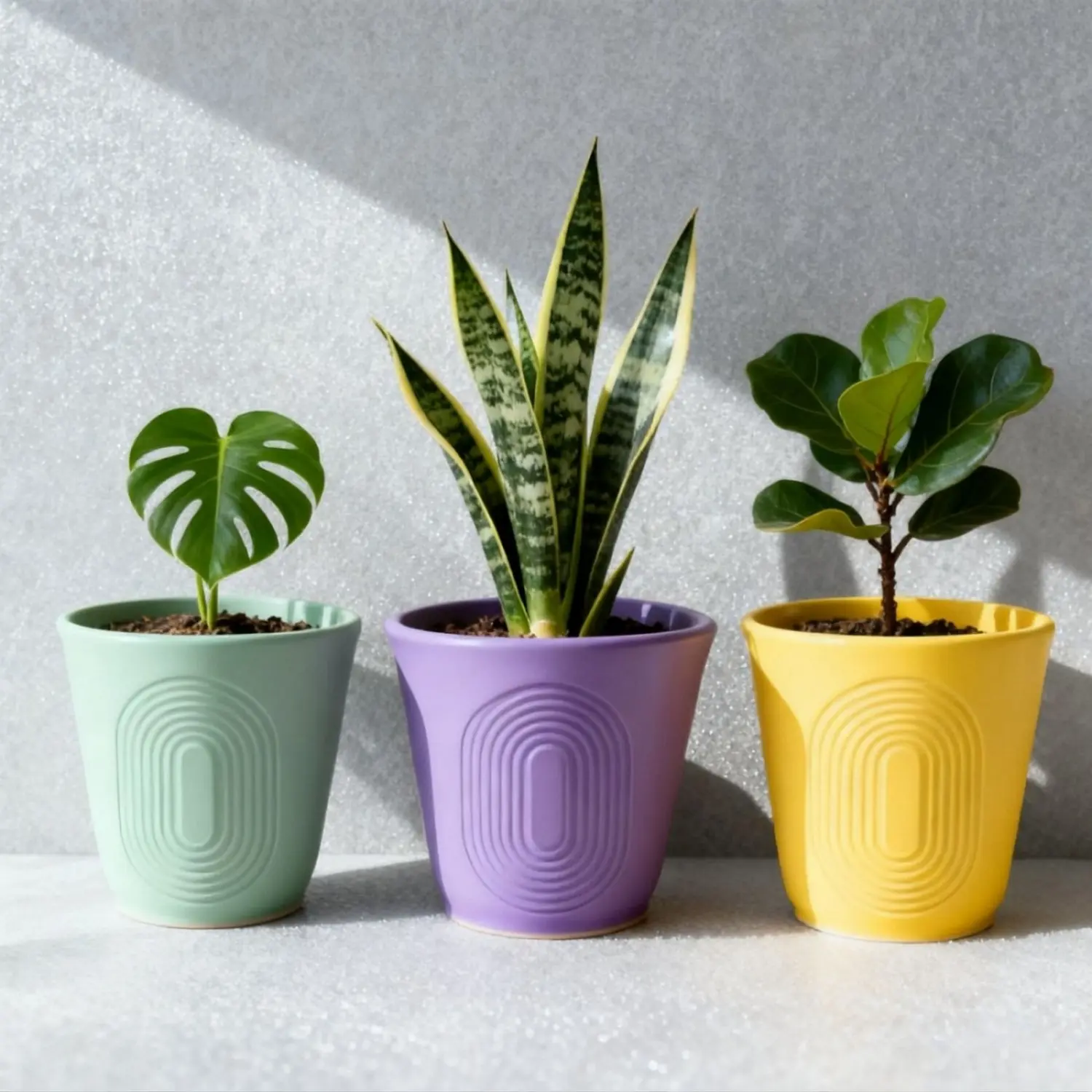
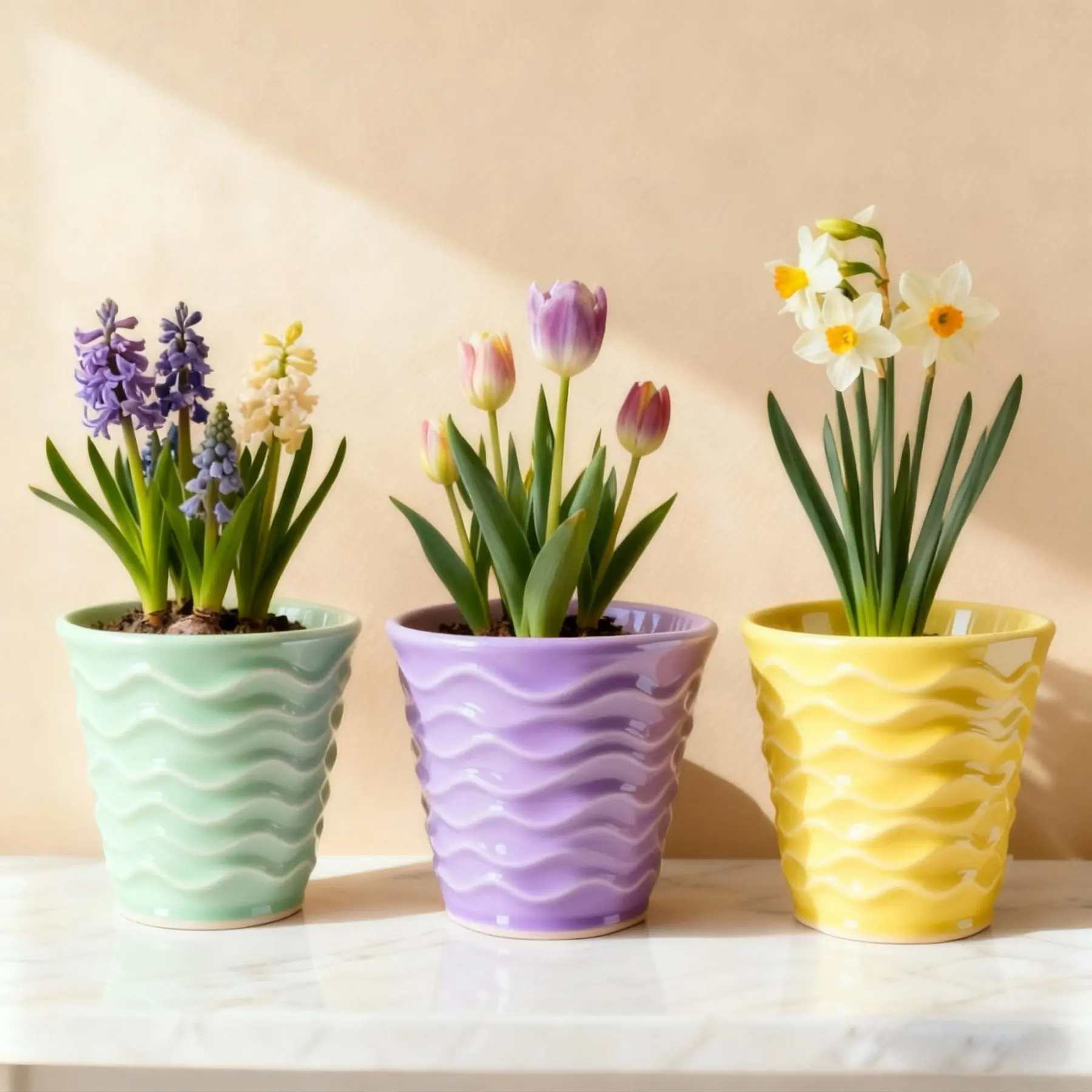
These designs employ advanced wave-embossing, micro-grooving, and gradient spray glazes to ensure shelf-space appeal and consumer demand.
Managing international imports requires strict adherence to global compliance standards. Retailers and B2B distributors risk legal penalties and reputational damage if their imports fail regulatory tests. Value Deco Limited mitigates these risks by implementing a strict quality management system across all our factories.
Enterprise clients, including major European and North American supermarket chains, require proof of fair working conditions. Our factories undergo annual Business Social Compliance Initiative (BSCI) audits. This ensures fair labor compensation, strict safety standards, and environmental responsibility, making our products retail-ready for tier-1 distributors.
Ceramics are vulnerable to breakage during ocean transit and local parcel delivery. To prevent inventory loss, our packaging configurations are optimized for drop-resistance. Our design team creates custom styrofoam, molded pulp, and double-wall corrugated carton boxes that pass ISTA-1A (International Safe Transit Association) testing. This guarantees that your goods survive rough transit handling.
Frequently asked technical and commercial questions from enterprise buyers and wholesale distributors.
For standard production runs, the MOQ varies based on size and material. Typically, smaller ceramic pots (under 10cm diameter) require 1,000 units per style, while medium to larger options require 300 to 500 units. For initial trial runs or mixed container loads, MOQ terms can be adjusted based on item combinations.
Frost damage is caused by water absorbing into porous clay walls, which expands when frozen. We control this by utilizing stoneware clays fired at temperatures exceeding 1200°C. This reduces the final porosity to under 3%, preventing moisture absorption and protecting the pots from cracking in sub-zero winter temperatures.
Yes. All glaze recipes used in our production lines are formulated without lead, cadmium, or other hazardous materials. We conduct regular raw-material tests and work with third-party testing companies (such as SGS or TÜV) to verify safety compliance for international markets.
We provide a range of retail packaging options, including color-printed display boxes, brown mailer cartons with protective corner pieces, and stackable display pallets. We can print barcode labels, product branding, and installation guides directly onto the packaging to facilitate easy shelf stocking.
Under normal production conditions, the lead time is approximately 45 days after receiving deposit payments and design approvals. This timeline can adjust depending on seasonal backlogs (typically during the peak holiday preparation period from May to September) and custom mold-creation times.
High-quality, cost-efficient home accents, seasonal ceramics, and outdoor garden products.