High-quality industrial craftsmanship direct from audited Chinese manufacturing hubs



Industrial positioning, trade patterns, and procurement metrics for global enterprise buyers
The global demand for ceramic drinkware, particularly daily-use coffee mugs, has experienced sustained structural growth driven by the expansion of the global coffee culture, office reopening strategies, and the aggressive rise of promotional merchandise branding. When global brands, supermarket chains, and e-commerce aggregators search for Cheap Coffee Mug Suppliers & Factories, they are not simply searching for the lowest price point. Instead, they are navigating a complex ecosystem of production efficiency, raw material quality, thermal shock resistance, and strict international compliance standards.
Geographically, China remains the epicenter of high-volume ceramic drinkware fabrication. Industrial clusters located in provinces like Fujian (Dehua), Guangdong (Chaozhou), and Hunan (Liling) offer unprecedented vertical integration. From mining kaolin clay to utilizing automated gas tunnel kilns, these regions provide the scale necessary to optimize the unit economics of a standard 11 oz or 15 oz ceramic mug. In recent years, macroeconomic pressures—including fluctuating shipping container rates, evolving tariff frameworks, and carbon neutrality goals—have forced these factories to shift from labor-intensive setups to highly automated smart manufacturing lines.
Understanding raw materials, vitrification phases, and food-safe chemical compliance
Professional buyers must differentiate between the primary ceramic materials used in industrial manufacturing. Each material class dictates a different balance of durability, cost, aesthetics, and thermal capacity:
Fired at 1200°C to 1300°C. Features thick walls, excellent thermal retention, and natural resistance to chipping. Ideal for rugged commercial cafe use and heavy-duty retail.
Fired at lower temperatures (1000°C to 1150°C). Highly porous and requires glazing for water tightness. Typically used for highly detailed novelty shapes where low production cost is vital.
A synthetic composition replicating traditional bone china without using animal ash. Fired at high temperatures to achieve premium translucency, high impact resistance, and lightweight profiles.
| Material Property | Earthenware (Dolomite) | Stoneware | New Bone China | Industrial Porcelain | |
|---|---|---|---|---|---|
| Firing Temperature Range | 1000°C - 1100°C | 1200°C - 1280°C | 1250°C - 1320°C | 1300°C - 1380°C | |
| Water Absorption Rate | > 3.0% (Porous) | < 0.5% (Vitrified) | < 0.1% (Highly Vitrified) | ~ 0% (Fully Vitrified) | |
| Chip Resistance | Low | High | Very High | High | |
| FDA / LFGB Heavy Metals | Requires Strict Glaze Control | Inherently Safe (Lead-Free) | Inherently Safe (Lead-Free) | Inherently Safe (Lead-Free) |
Vitrification & Food Safety: The core indicator of a reliable factory is its ability to guarantee food safety compliance. Cheap mugs from substandard suppliers often use low-temperature lead-bearing glazes to achieve bright colors or save on gas consumption. Reliable factories like Value Deco Limited utilize advanced lead-free and cadmium-free formulations, validated through SGS, Bureau Veritas, or TÜV Rheinland. This ensures compliance with FDA (US Food and Drug Administration) regulations, California Proposition 65, and European LFGB standards.
Diversified ceramic and homeware manufacturing solutions
Decoupling raw material overheads, packaging design, and logistical efficiency
B2B buyers aiming to purchase "cheap" coffee mugs must balance cost reductions with quality retention. Reducing prices should not mean lowering raw material quality. High-efficiency factories manage to optimize unit costs through four primary strategies:
Manual molding is costly and leads to weight discrepancies. Automated jiggering machines ensure a stable production cycle, creating mugs with identical wall thickness and consistent volume, minimizing kiln wastage.
Traditional shuttle kilns operate on a batch process, wasting energy during cooling cycles. Advanced factories utilize continuous tunnel kilns or roller hearth kilns, reducing natural gas consumption per unit by up to 35%.
Packaging design plays a crucial role in shipping costs. Modifying master carton layouts to optimize box strength can prevent breakages, helping to maximize loading capacity for standard 40-foot HQ containers.
Automated glaze electrostatic spray booths ensure even glaze distribution. This minimizes running glazes and thin spots, resulting in a higher first-pass yield and lower overall rejection rates.
Importers must also pay close attention to Anti-Dumping Duties (ADD). For example, the EU imposes strict anti-dumping duties on Chinese ceramic imports. To optimize shipping and tariff costs, experienced suppliers like Value Deco Limited work alongside international customs brokers to identify tariff codes and provide transparent certifications. This helps minimize unexpected import expenses at destination ports.
How distinct commercial sectors structure their import workflows
Understanding how coffee mugs are integrated into local distribution systems helps factories customize their product offerings, packaging, and certifications:
Requires protective, drop-tested packaging (such as ISTA-1A or 3A standards) to survive parcel delivery networks. Mugs are often pre-labeled with FNSKU barcodes at the factory in China to streamline logistics.
Requires high-fidelity decoration capabilities, including thermal transfer and high-fire decal prints. Quick turnaround times and low sample costs are key priorities for this segment.
Requires highly vitrified stoneware designed for restaurant use, capable of withstanding industrial dishwashers, microwave heating, and frequent thermal shocks without glazing cracks.
For instance, buyers in North America focus on California Proposition 65 compliance, while European importers look for LFGB food contact tests. An experienced manufacturer will adjust the glaze formulation at the pre-firing stage depending on the destination market, ensuring compliance right from the start.
Explore our specialized product catalogs for volume ordering
Decarbonization, smart factories, and circular material flows
The global ceramic industry is transitioning toward clean energy and advanced materials. Importers looking to establish long-term partnerships should consider the following production developments:
As EU carbon border taxes (CBAM) phase in, leading factories are moving from natural gas to electric kilns powered by renewable energy. This shift helps reduce the carbon footprint per item.
Reclaiming waste slip, recycled fired grog, and post-consumer ceramic content helps factories reduce raw material consumption. This creates eco-friendly product lines popular with sustainable brands.
Industrial 3D clay extrusion and digital glaze printing allow for fast, cost-effective prototyping. This helps reduce lead times for custom samples from weeks to days.
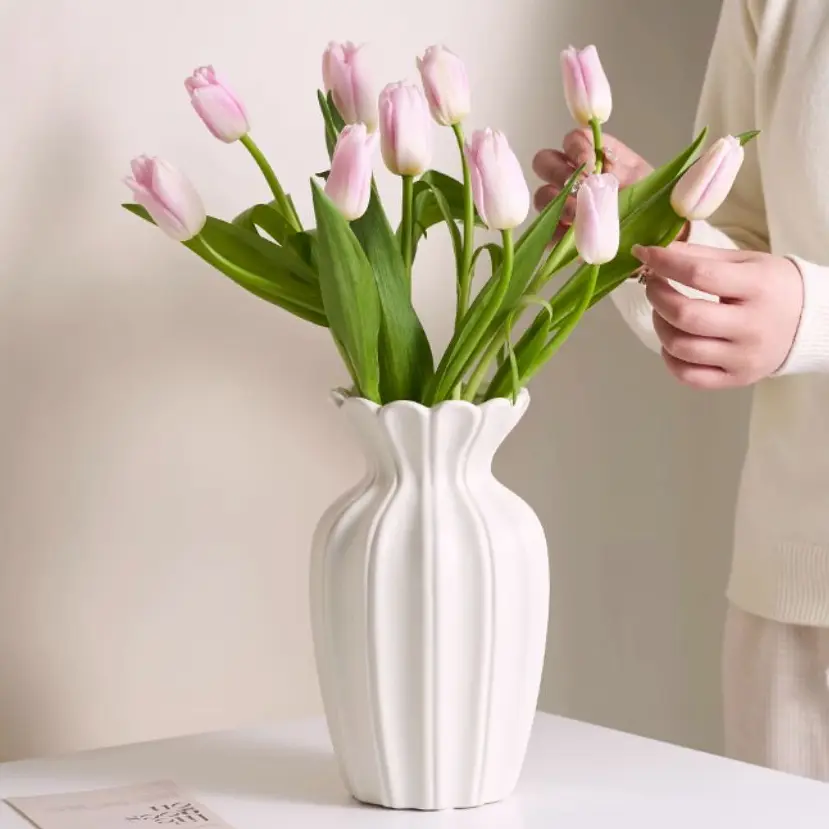
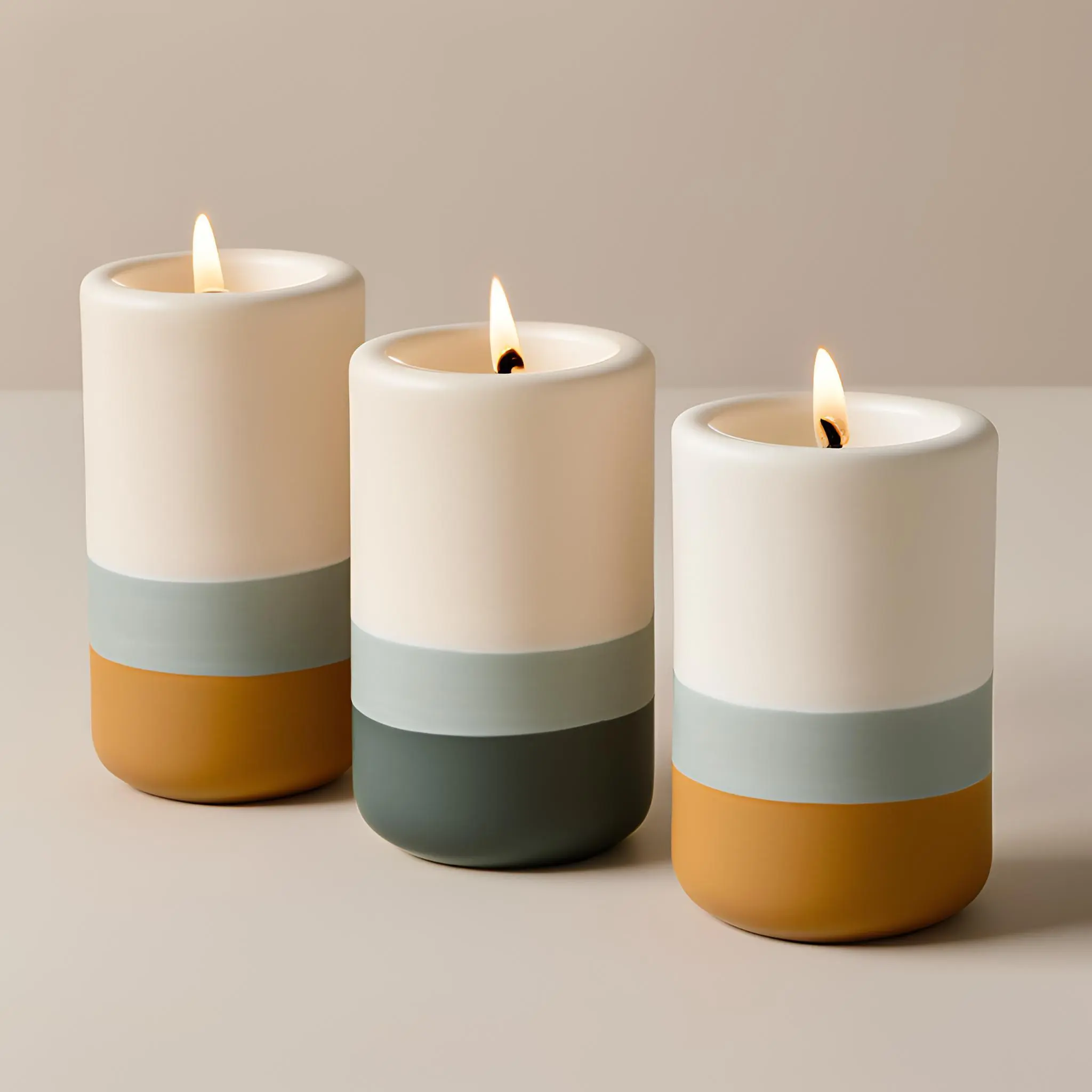
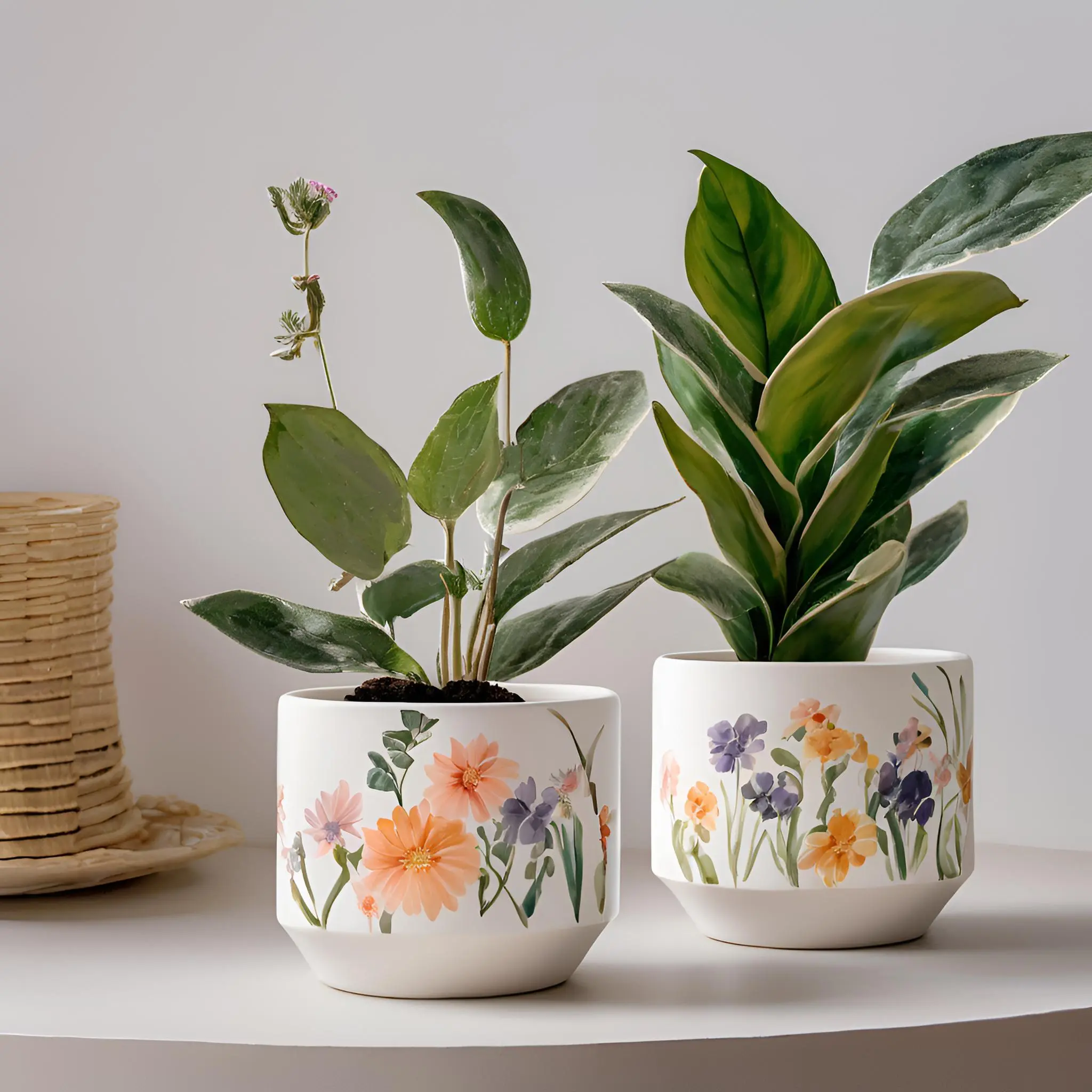
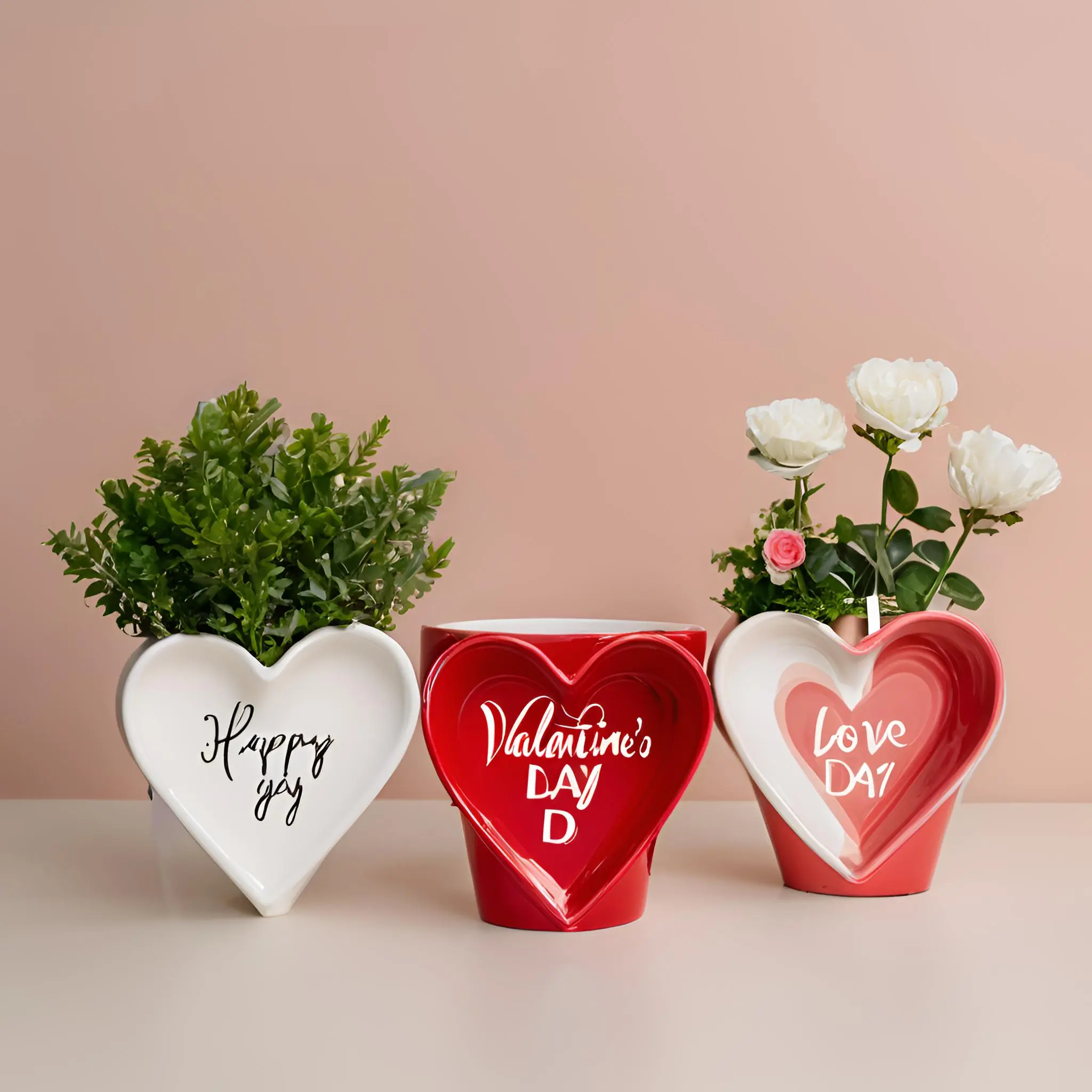
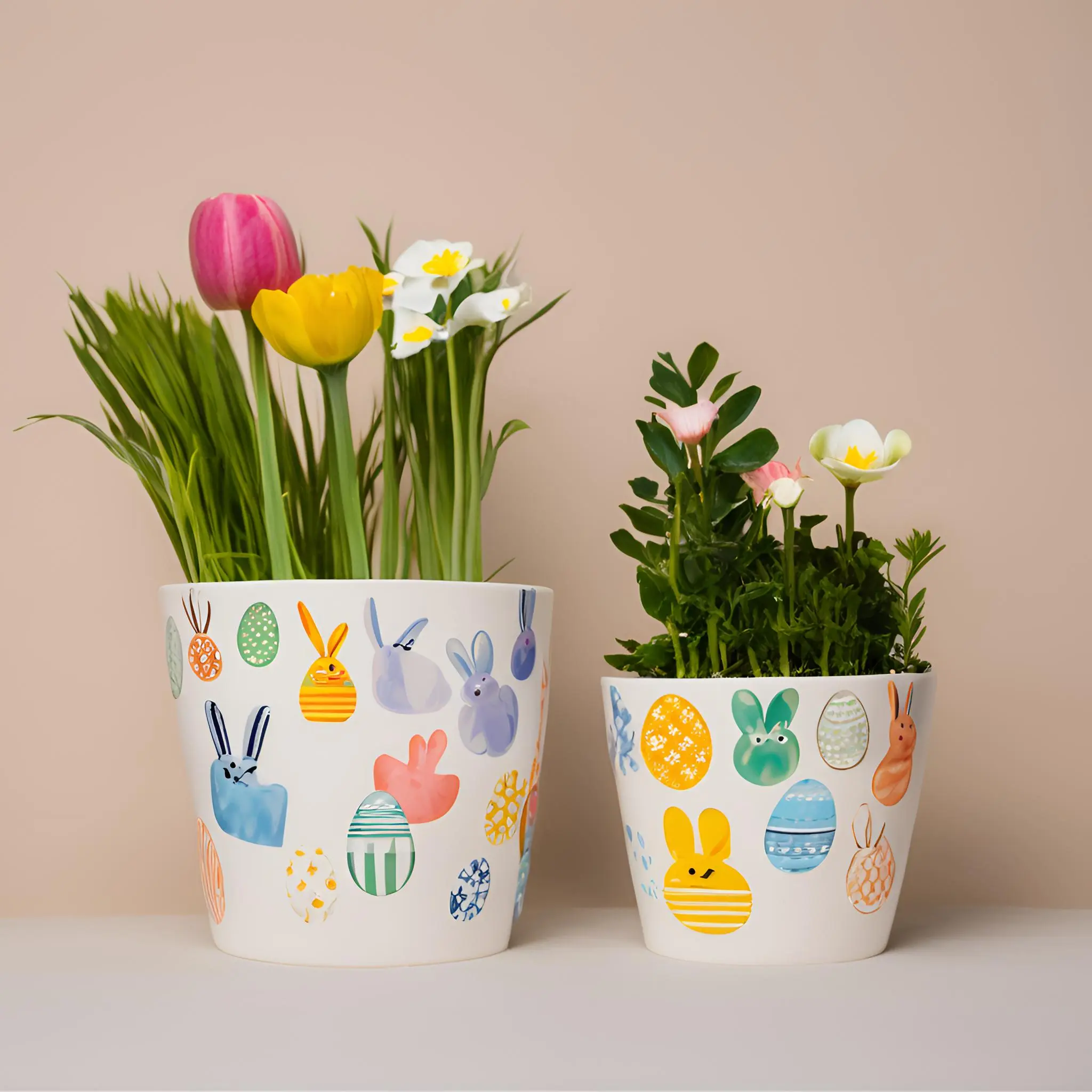
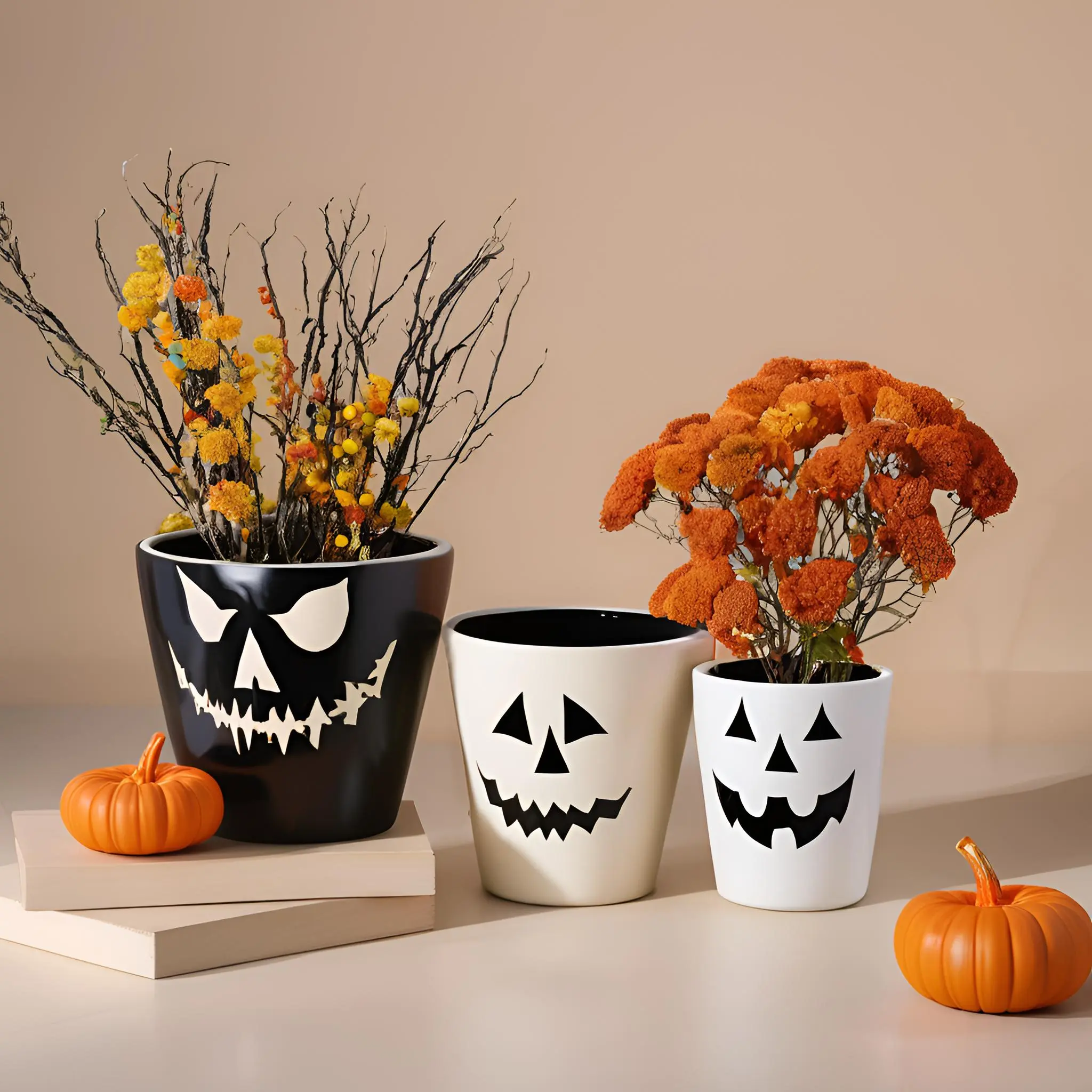
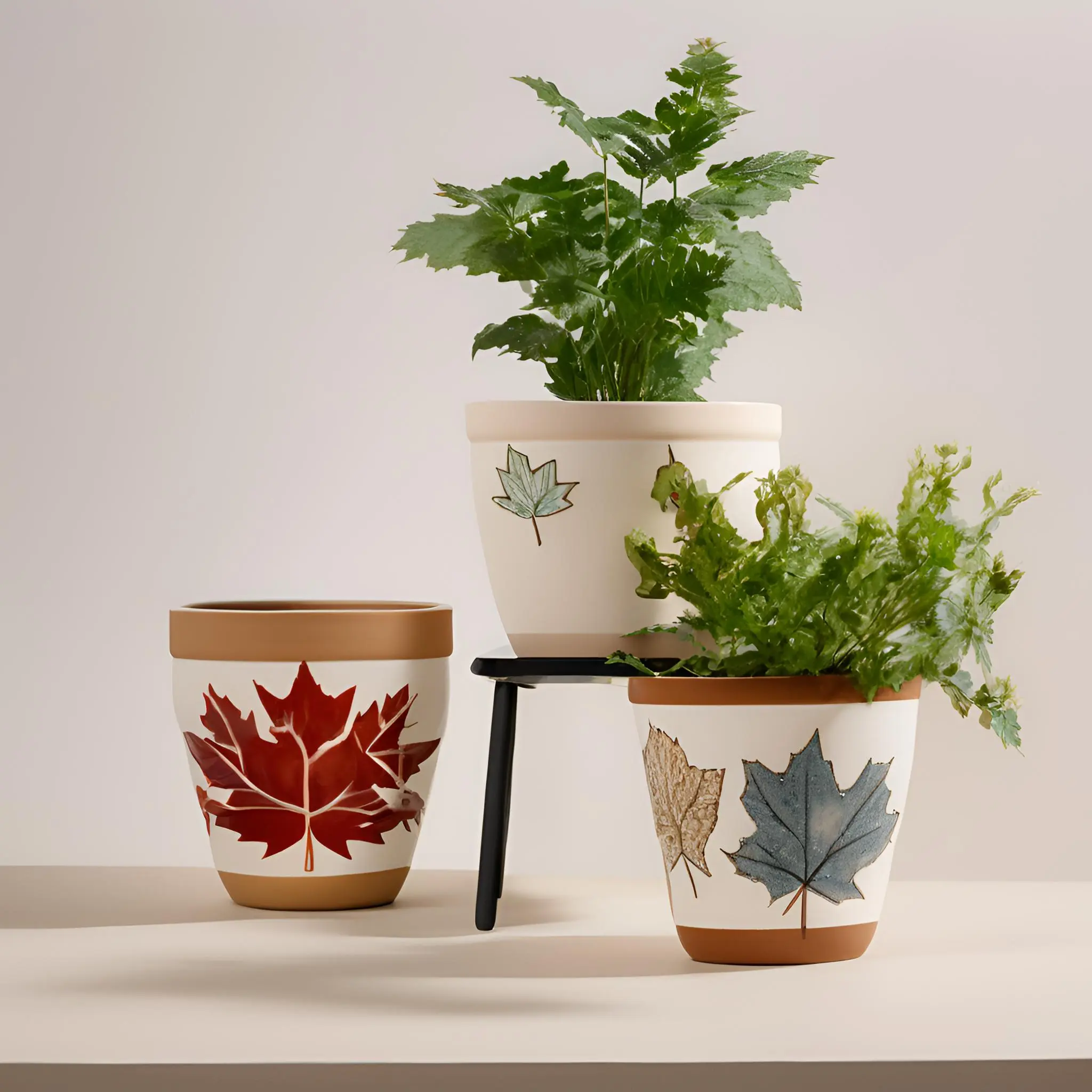
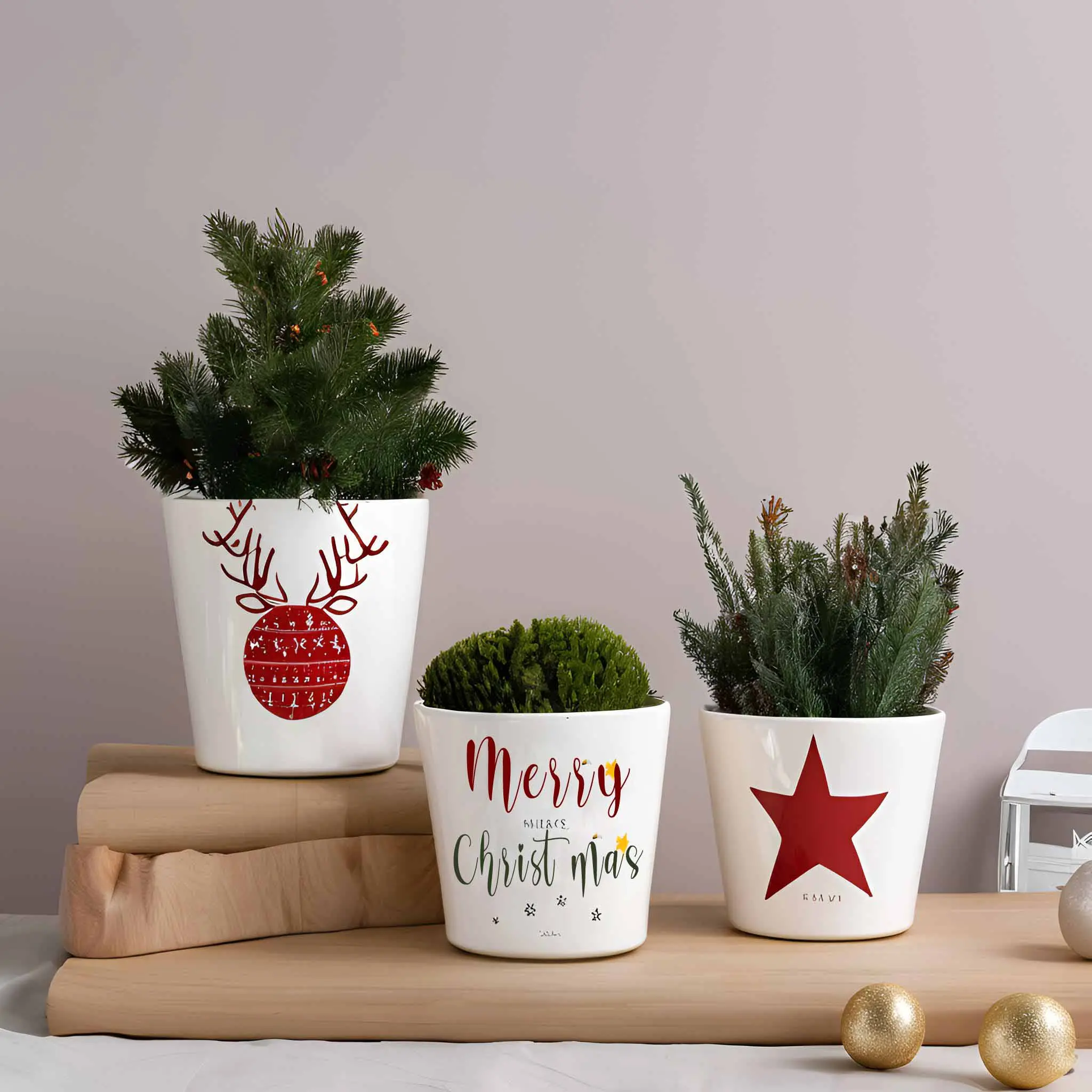
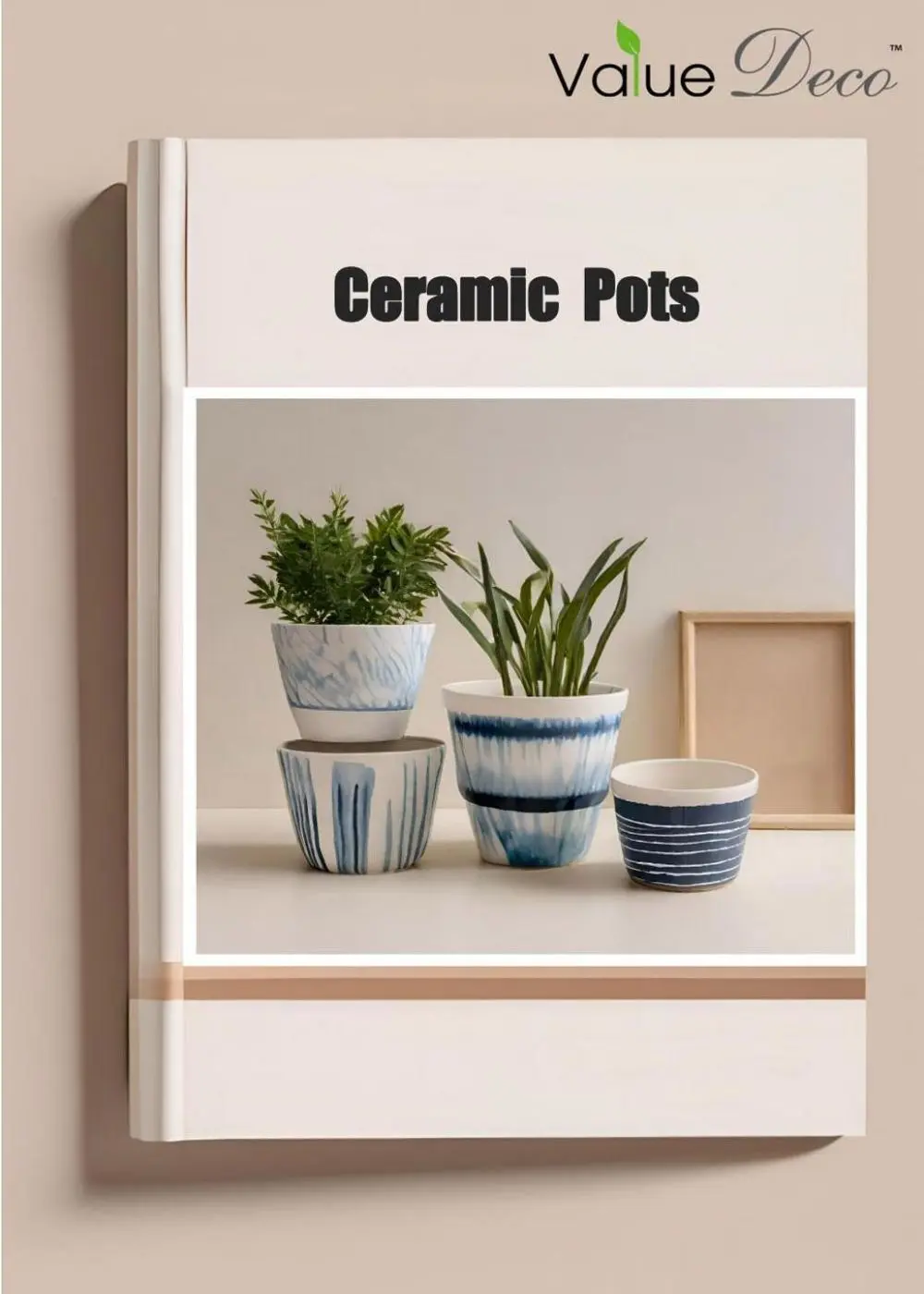
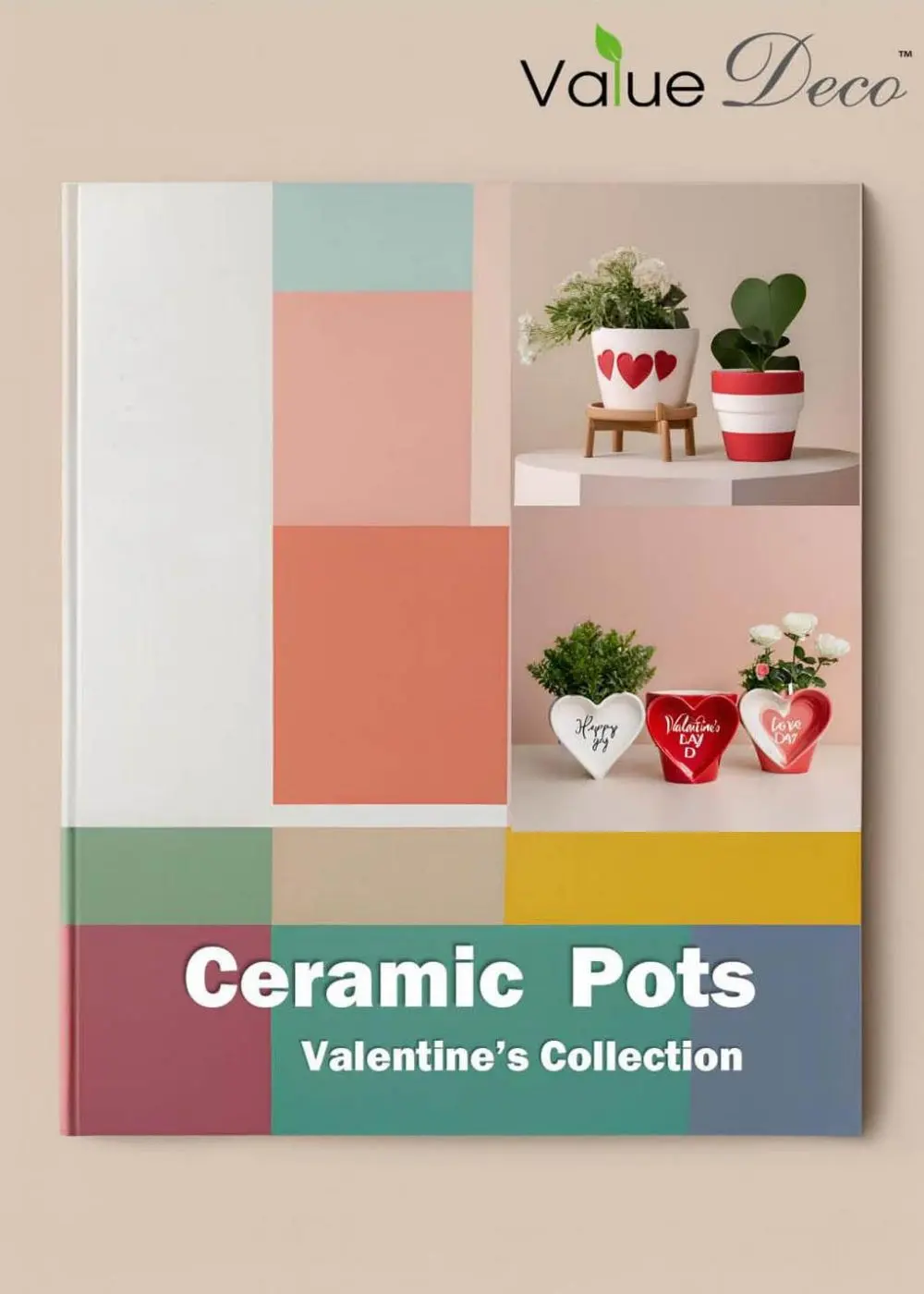
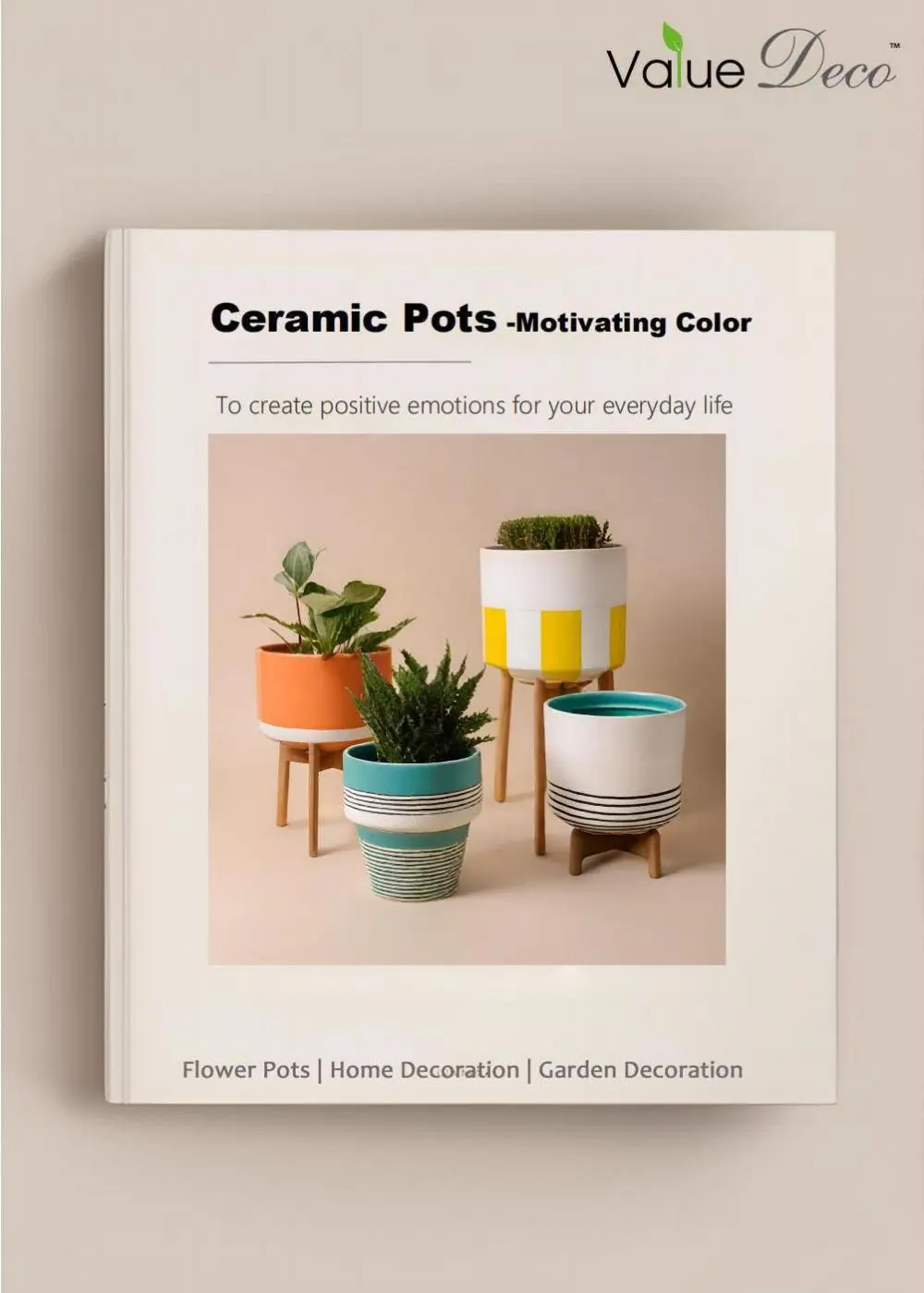
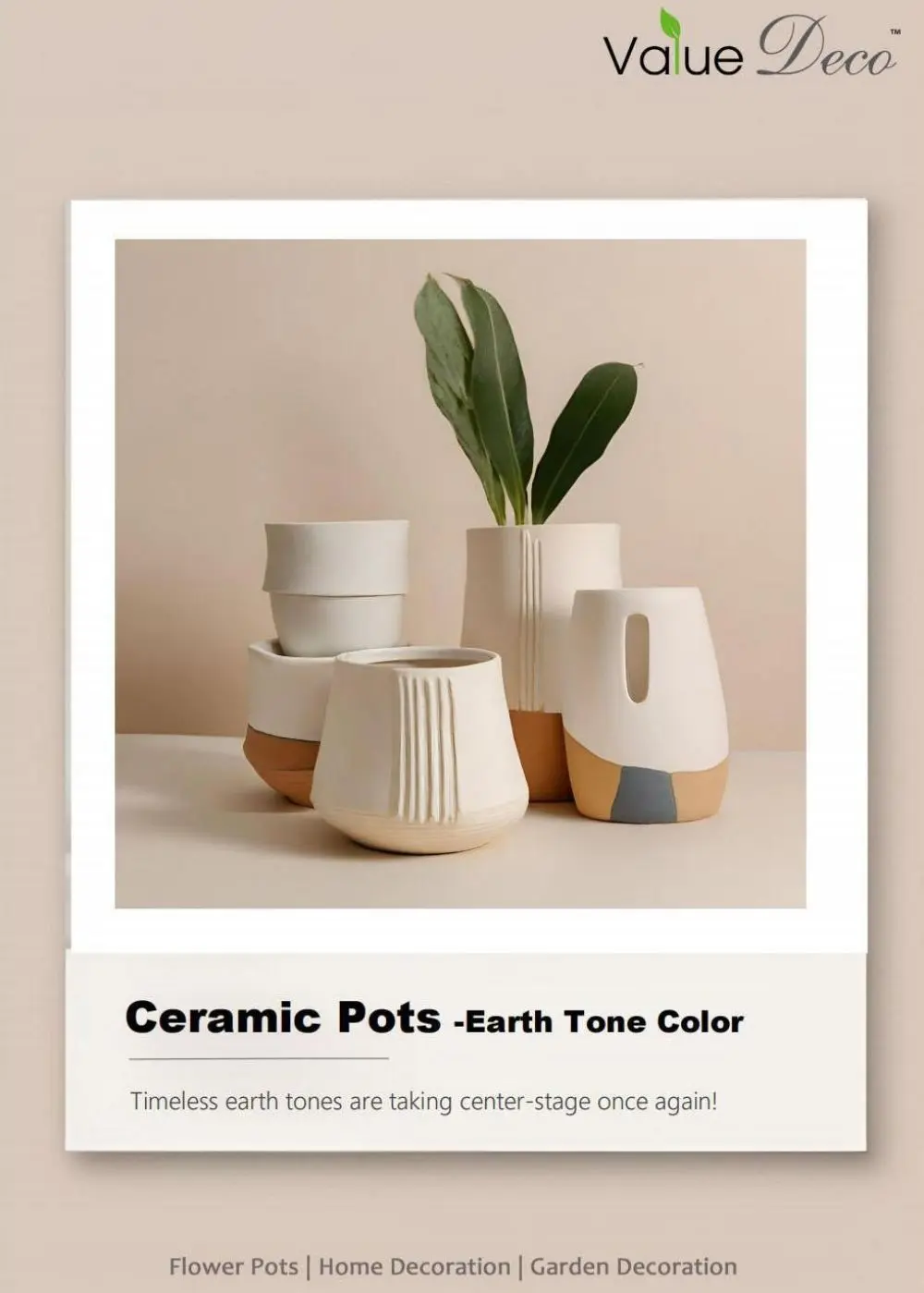
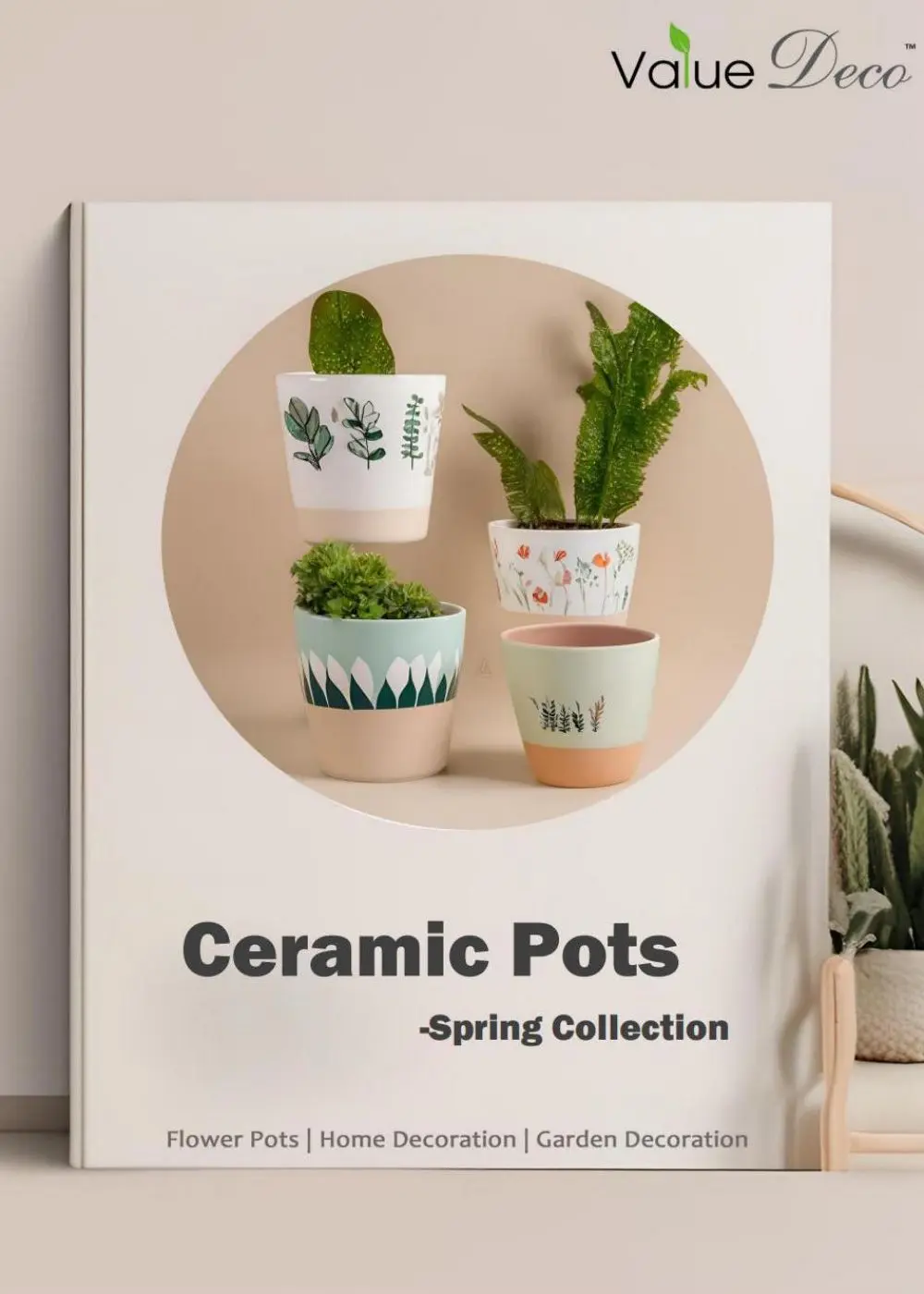
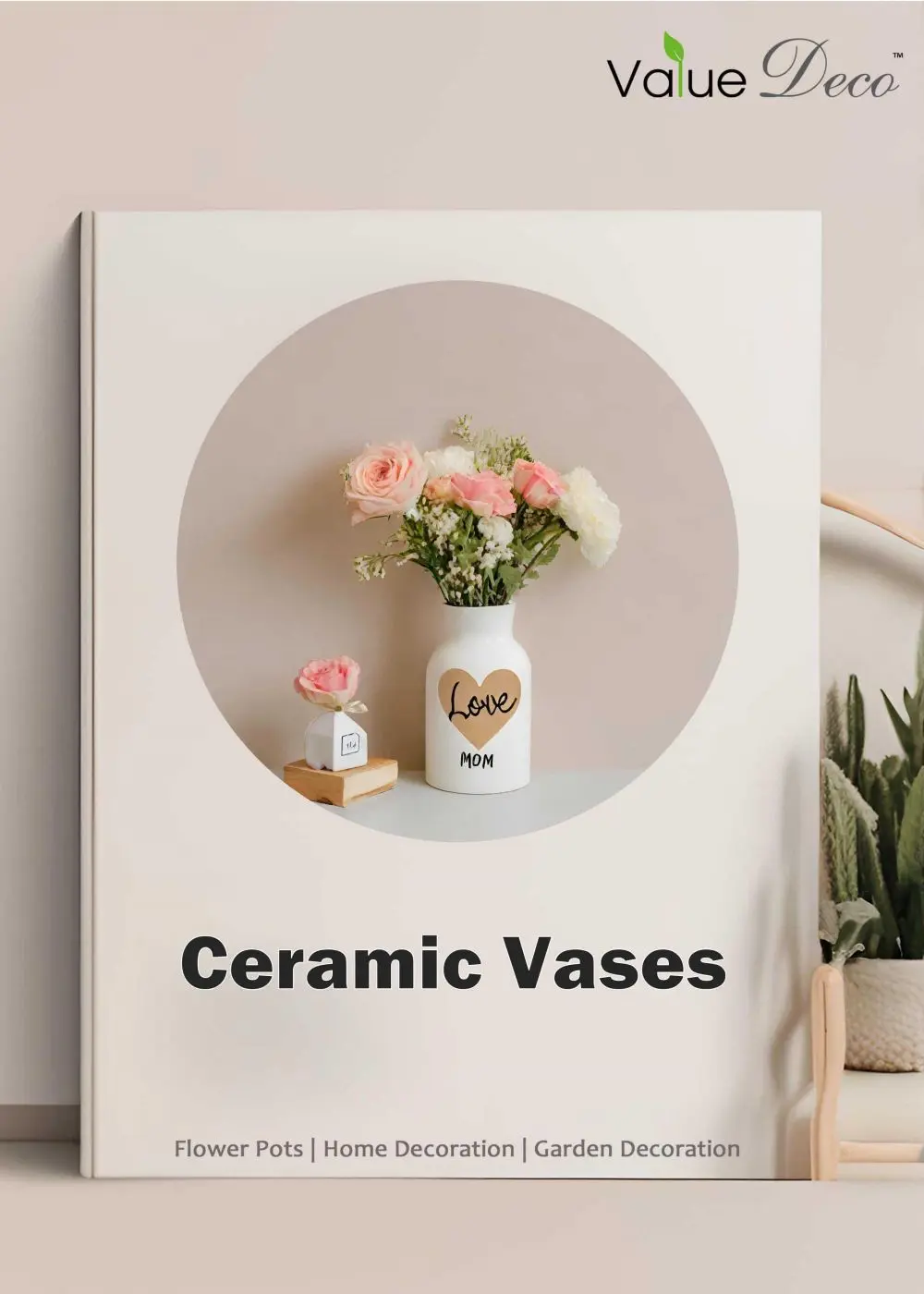
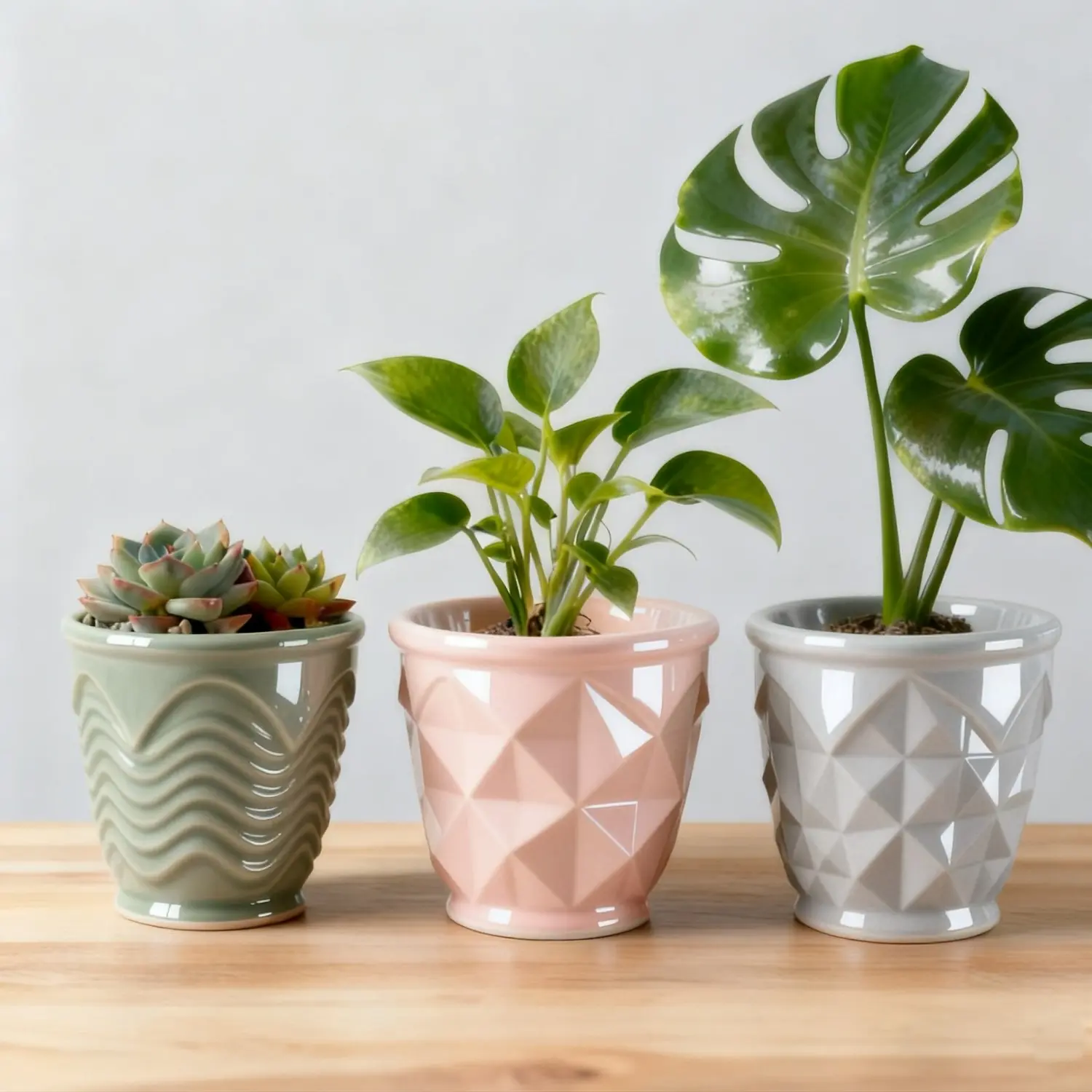
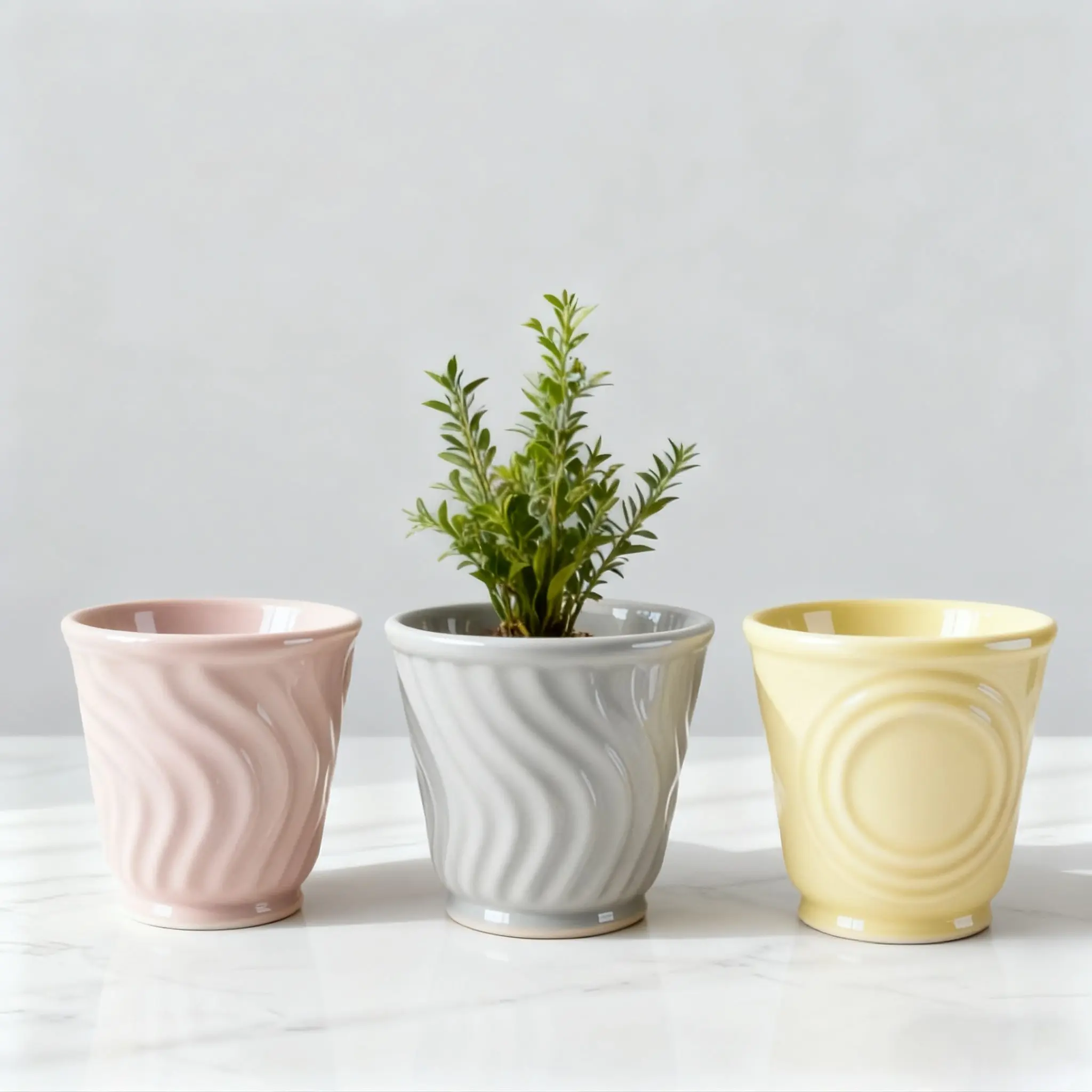
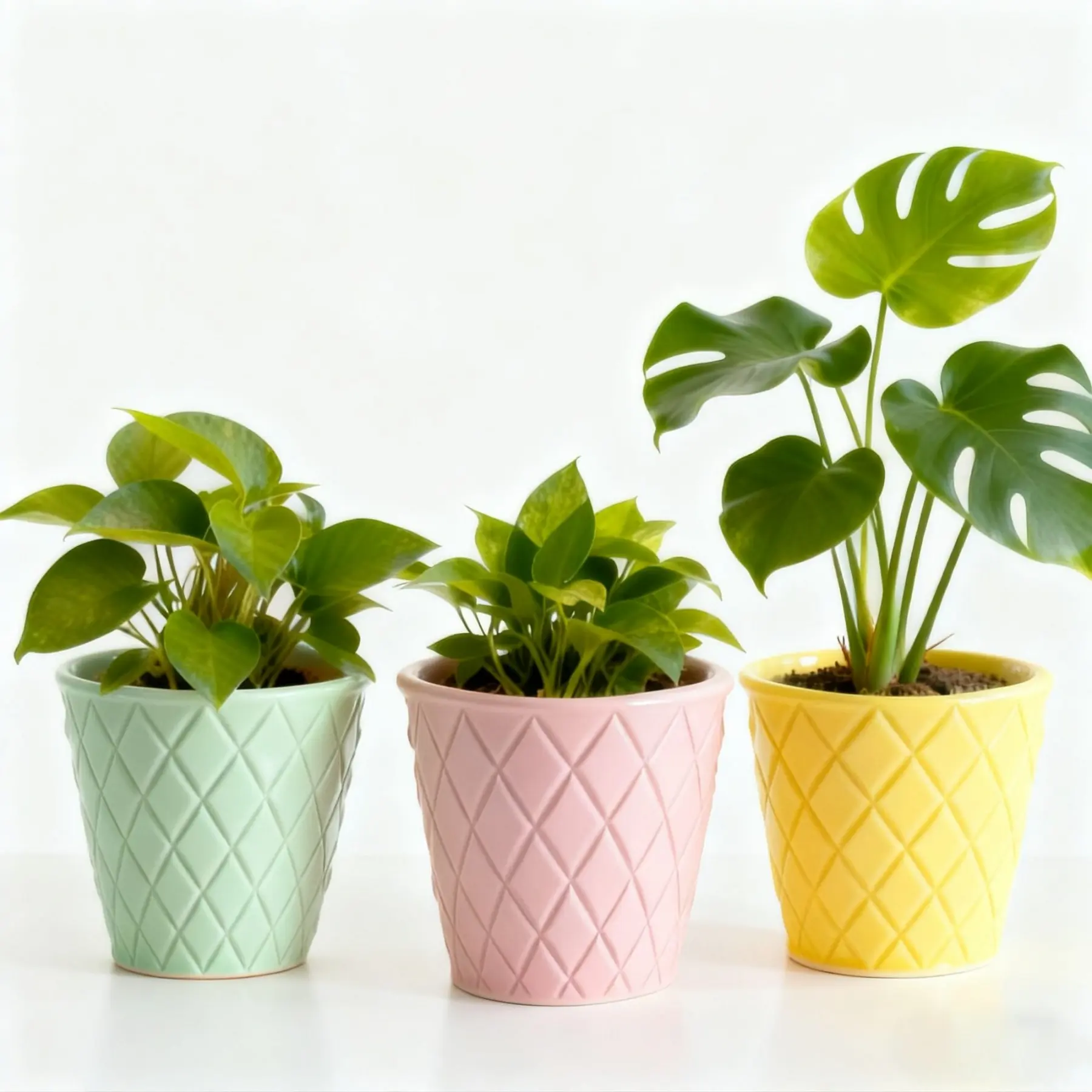
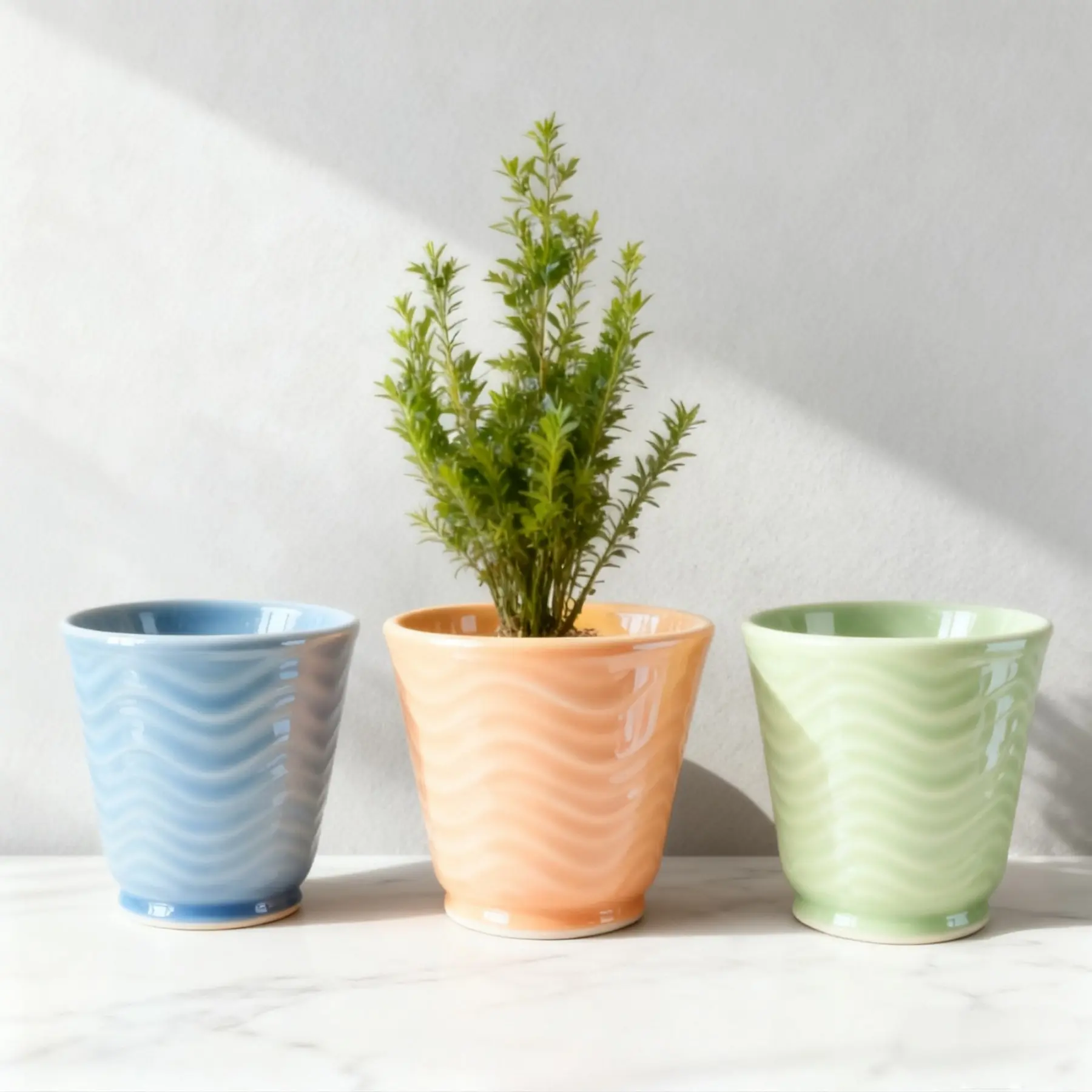
Value Deco Limited is a leading supplier of high-quality ceramic products and home decor based in China. With over 12 years of experience in the decoration industry, we have built a strong reputation for offering a diverse range of Flower Pots, Flower Vases, Candle Holders, Home Decoration, Garden Decoration, and Dinnerware, suitable for various seasons and applications. Our products are designed to align with trending aesthetics, ensuring they are functional while enhancing the visual appeal of any space.
Value Deco - Flower Pots Division:
Sub-Website for Flower Pots: www.valuedeco.com
Pride Deco - Home & Garden Decor Division:
Sub-Website for Home Decor, Candle Holders, Dinnerware, and Garden Decor: www.pridedeco.com
Explore our newest releases designed in-house by our product development team
Technical answers to key sourcing and compliance questions for global buyers
From seasonal tableware to decorative planters and home accents