Global Sourcing Whitepaper: Navigating the Coffee Cup Manufacturing Landscape
Published: October 2024
Author: Sourcing & Supply Chain Editorial Team
Topic: Ceramic Sourcing & Economic Efficiency
In the rapidly evolving food service and retail landscape, sourcing cost-effective, high-quality drinkware is a key operational driver. Whether you are an established coffee shop chain, a promotional product distributor, or an e-commerce brand owner, understanding the complex mechanisms behind cheap coffee cups suppliers and factories can represent the margin difference between business growth and stagnating profits. Today's commercial consumers demand more than just low pricing; they seek a transparent manufacturing process, strict safety compliance, unique aesthetic appeal, and reliable logistics coordination.
12+
Years Industry Experience
100%
Food-Safe Materials
50+
Global Export Markets
24/7
B2B Logistics Support
1. Why Choose Chinese Factories for Cheap Coffee Cups Sourcing?
When procurement professionals target "cheap" sourcing, it is vital to distinguish between cheap quality and cost-effective manufacturing. Chinese ceramic factories, particularly those situated in historic manufacturing clusters such as Dehua (Fujian), Chaozhou (Guangdong), and Liling (Hunan), have optimized their supply chains over decades.
The competitive advantage of Chinese cup factories relies on three main structural columns:
Raw Material Proximity: China's ceramic capitals sit atop vast, premium kaolin clay deposits. Factories can source raw materials locally, drastically eliminating transit costs and ensuring a consistent chemical makeup that limits defect rates during high-temperature firing.
Advanced Kiln Automation: Top-tier Chinese manufacturers have shifted from traditional gas kilns to automated tunnel kilns and electric roller kilns. This integration of smart technology allows continuous firing, precise temperature regulation, and a major drop in energy consumption per unit. The output is a highly uniform product at a fraction of the cost.
Unmatched OEM/ODM Agility: From modeling complex 3D prototypes to developing custom heat-reactive glazes, the manufacturing ecosystem in China allows rapid product development. Brands can transition from a design file to a physical sample in as little as 7 to 10 days.
"True economy in ceramic sourcing isn't found in cutting corners on materials, but in optimizing thermal efficiency, maximizing kiln packing density, and choosing partners with established raw material supply agreements."
2. Current Trends Shaping the Global Drinkware Industry
The global coffee mug and cup industry is transitioning. Sourcing managers must align their inventory plans with key customer preferences to avoid dead stock. Two major trends stand out:
A. The Shift Toward High-Performance Eco-Materials: Consumers are rejecting single-use plastics and looking for reusable ceramic mugs, high-borosilicate glass, and biodegradable composites. Ceramic remains the gold standard because of its thermal retention, lack of chemical leaching, and infinite recyclability.
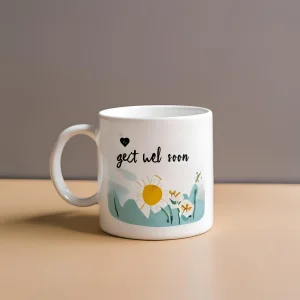
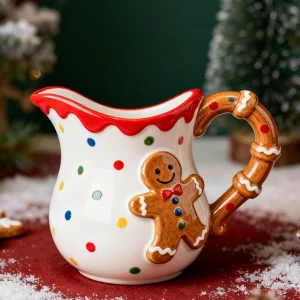
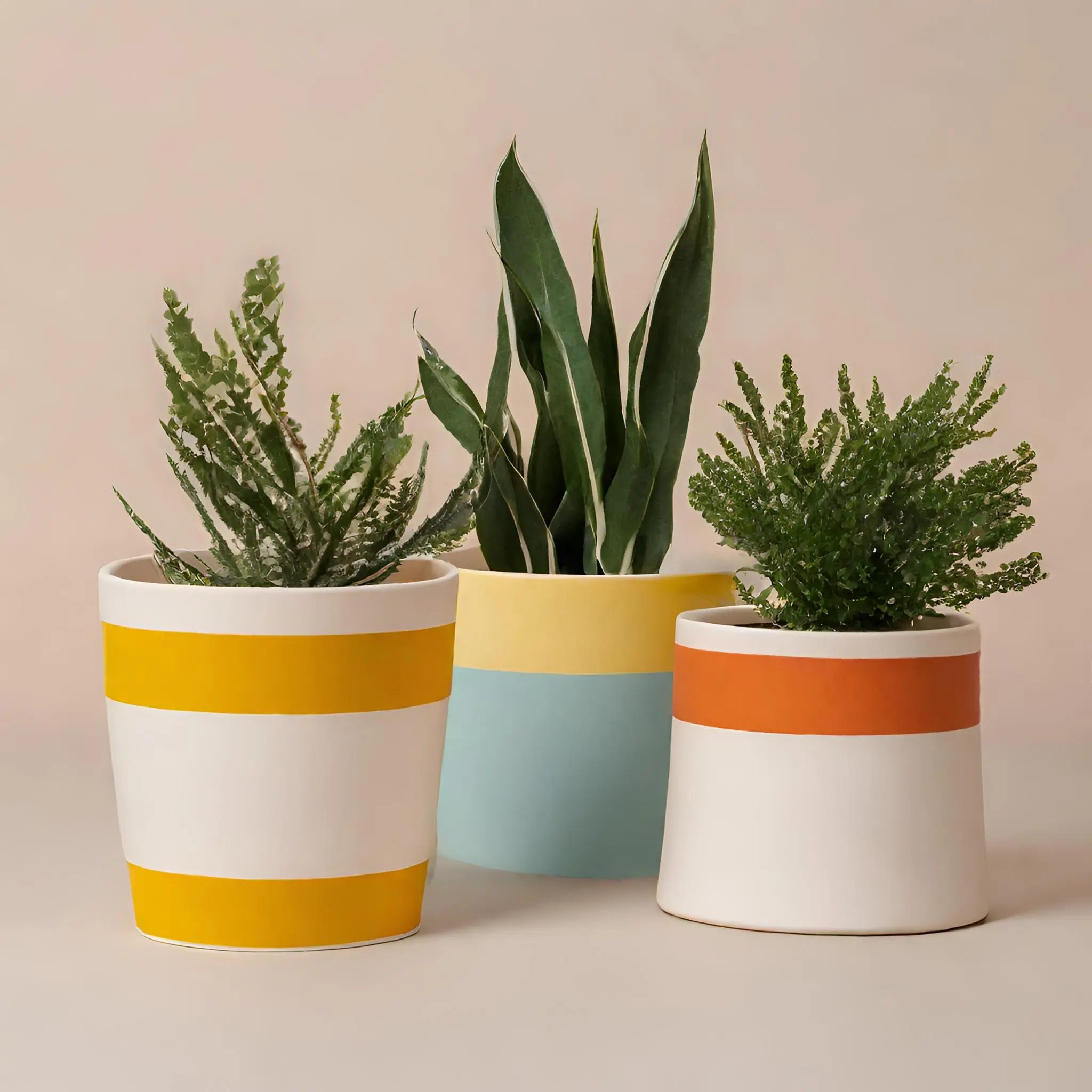
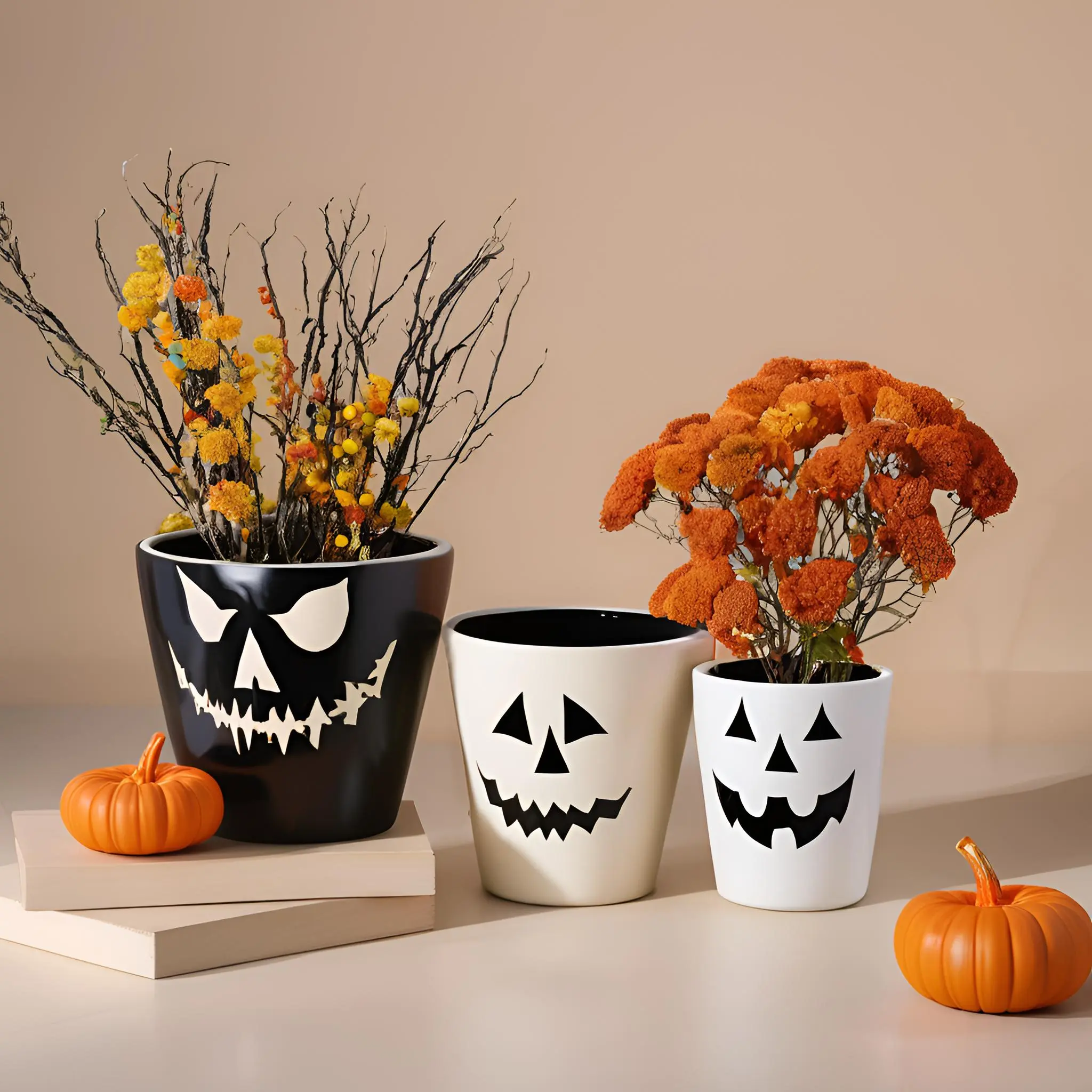
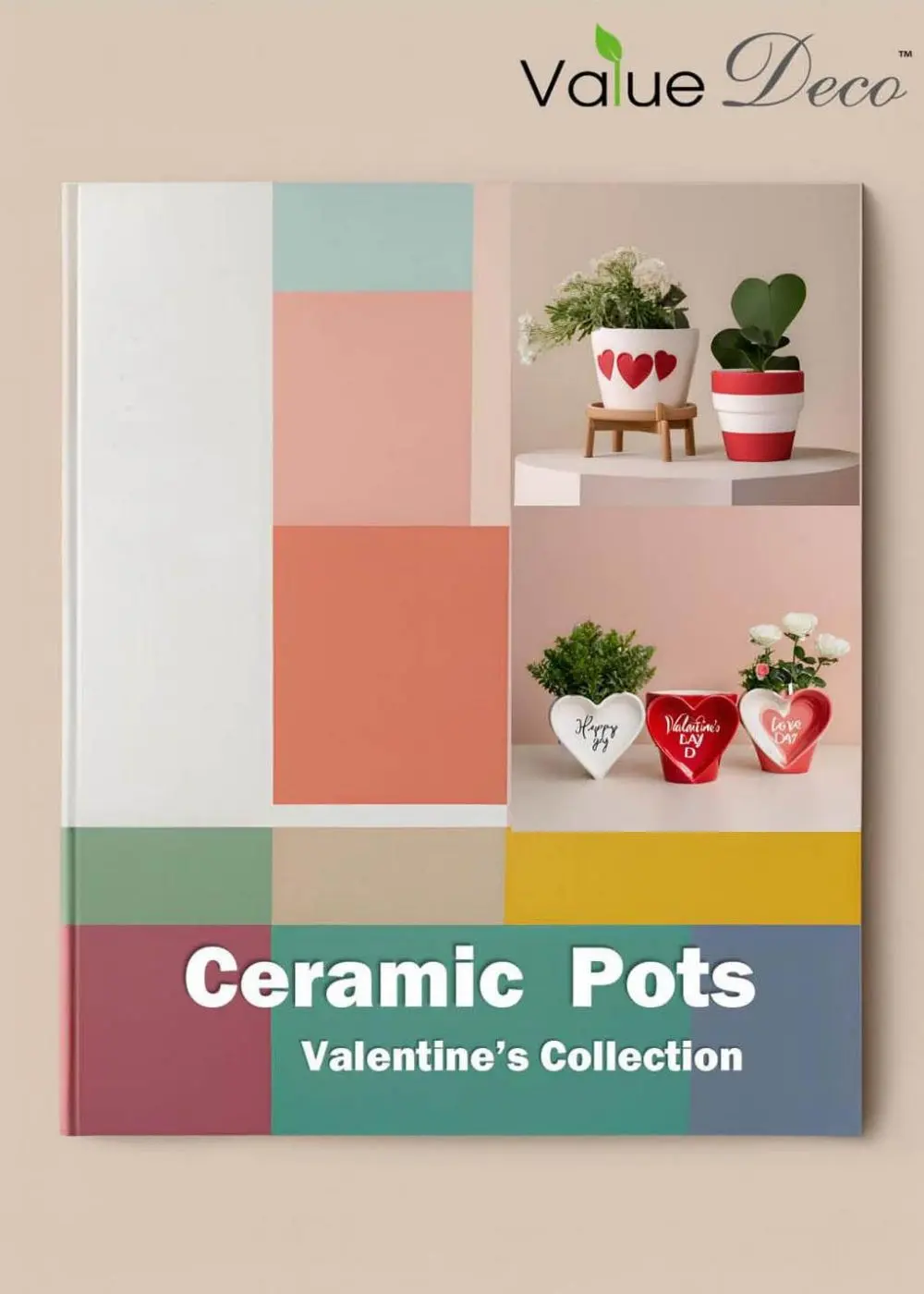
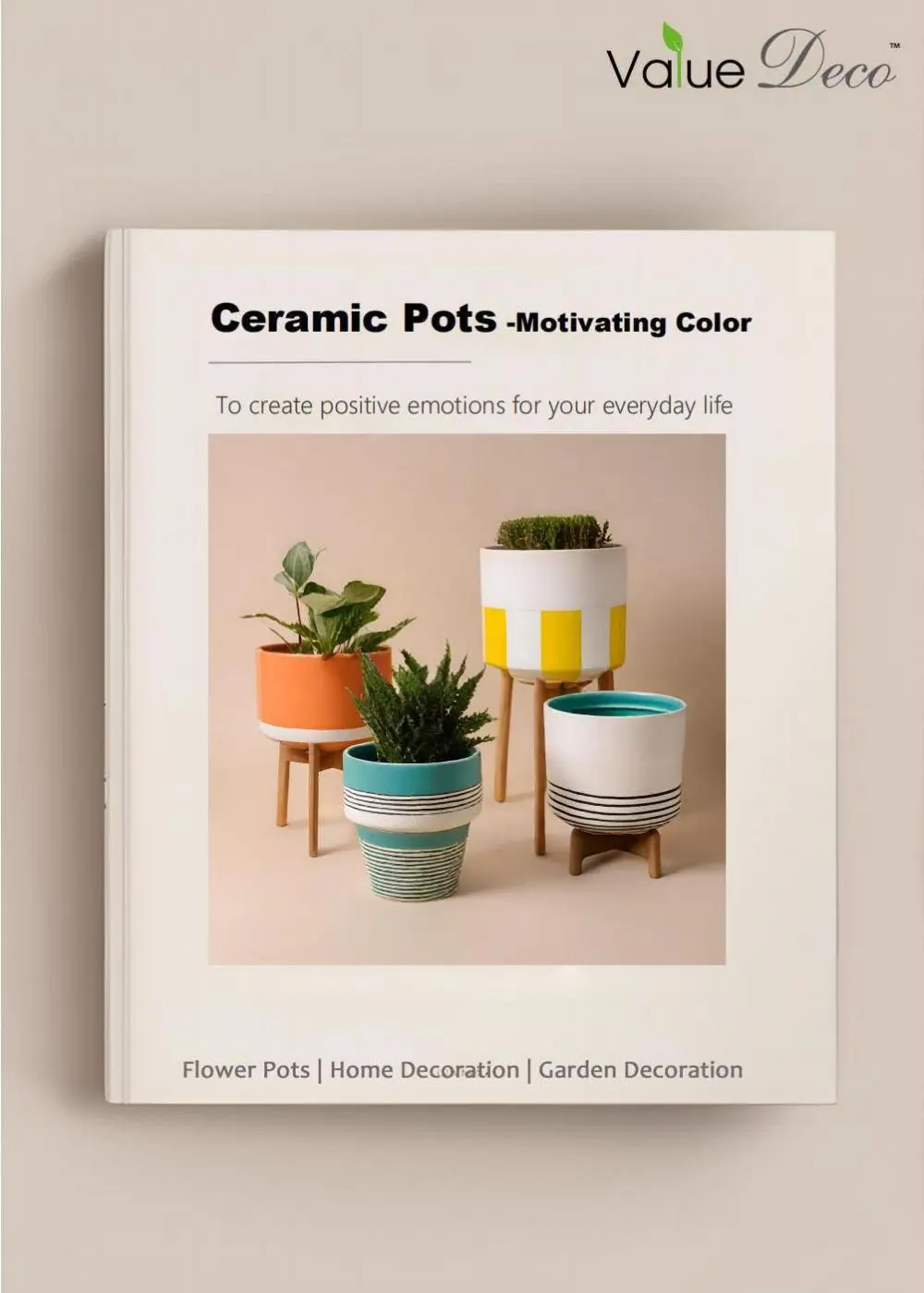
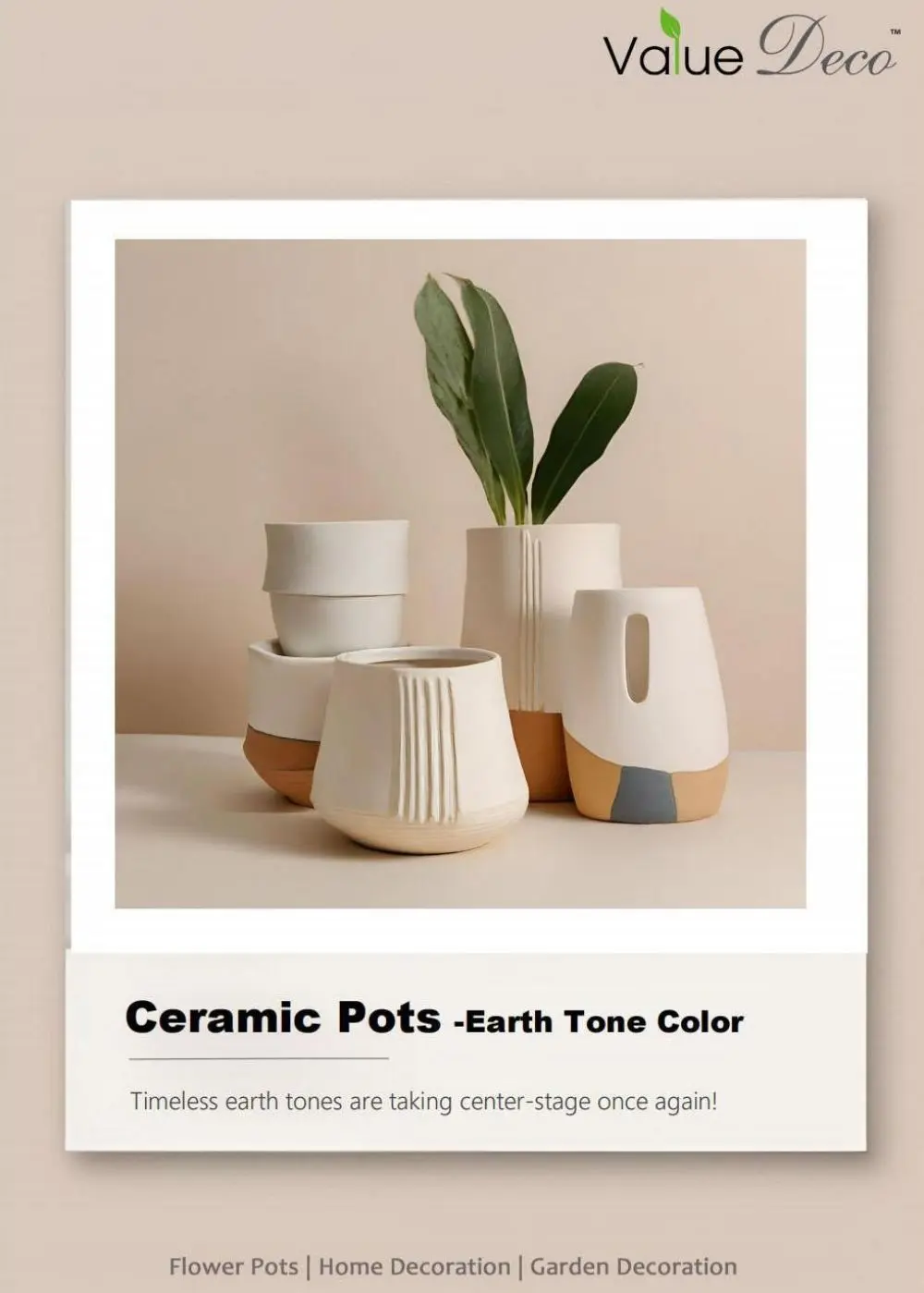
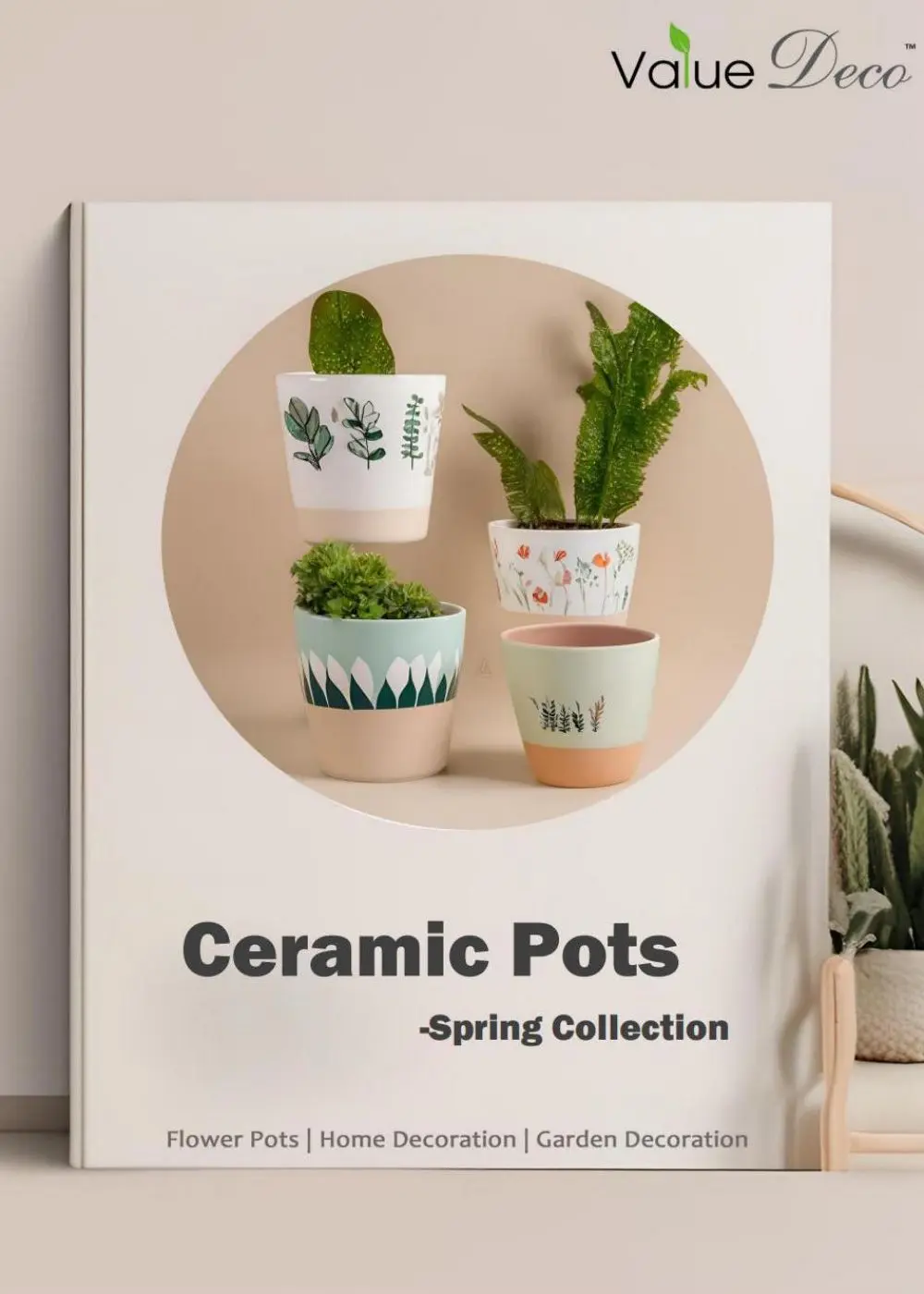
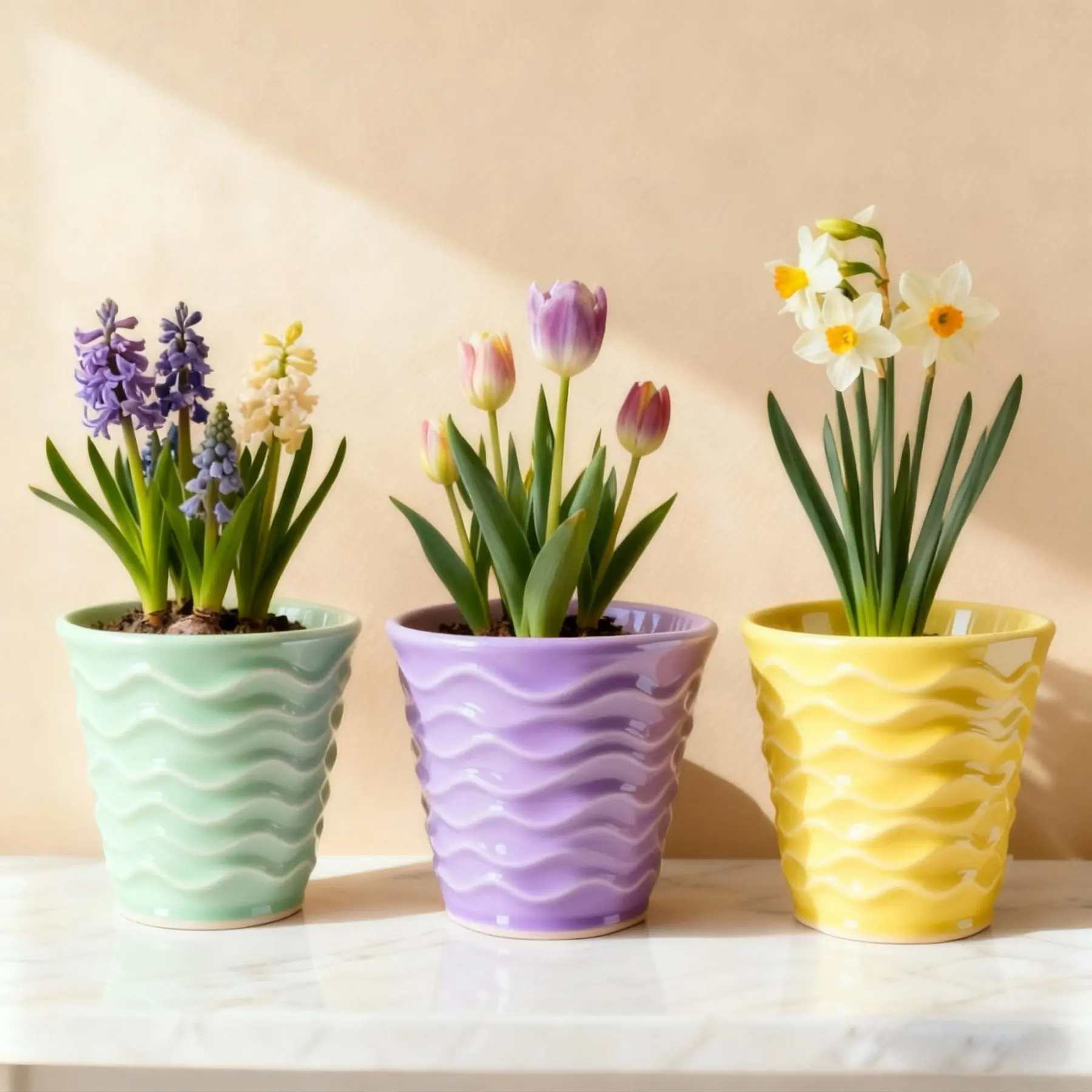
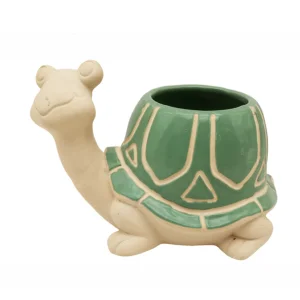
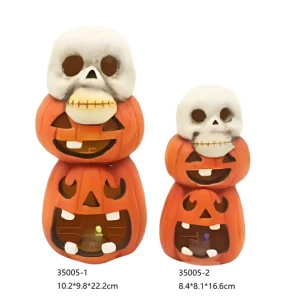
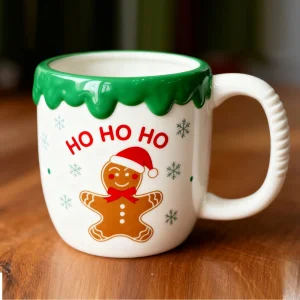
B. Artistic and Novelty Customization: Standard cylindrical white mugs are being replaced by irregular hand-crafted aesthetics, raw earthy textures, color-blocked patterns, and seasonal themes (such as gingerbread holiday mugs, Halloween pumpkin mugs, and pastel spring themes). Offering visual variety allows retail brands to secure higher margins.
3. Regulatory Compliance: Ensuring Food Safety on Bulk Imports
Importing cheap ceramic items can carry legal risks if chemical compliance is ignored. Lead and cadmium are sometimes present in low-grade glazes or heavy underglaze decorations. Top manufacturers guarantee that all food-contact products comply with international standards:
FDA & California Proposition 65 (US): Limits heavy metal leaching to strict parts-per-million (ppm) ratios. Compliance requires rigorous testing of the inner rim and drinking lip surfaces.
LFGB & Regulation (EC) No 1935/2004 (Europe): The European Union imposes highly stringent migration limits on ceramics. Every batch must come with a formal Declaration of Compliance (DoC).
Social Audit Compliance: Major retail groups (like Walmart, Target, or Carrefour) require factories to pass third-party audits such as BSCI, SEDEX (SMETA), or ISO 9001 quality audits.
Coffee cup demands differ greatly depending on the final environment. Recognizing these differences helps narrow down the search for the right manufacturing partner:
Horeca (Hotels, Restaurants, Cafes): Focuses on durability. Cups require reinforced edges, high thermal shock resistance to withstand commercial dishwashers, and stackable structures to optimize counter space.
Corporate Branding & Promotions: Prefers standardized surfaces optimized for pad printing, laser engraving, or sublimation. Fast production lead times and low-cost shipping configurations are key.
Boutique Retail & Gift Shops: Demands premium packaging, custom shapes, embossed detailing, and seasonal glaze techniques.
What is the typical Minimum Order Quantity (MOQ) for factory-direct coffee cups?
For standard models already in production, MOQ can be as low as 1,000 units. For fully customized shapes (requiring new plaster molds) or custom glazes, MOQs typically range from 3,000 to 5,000 units to offset kiln preparation and run costs.
How do factories prevent breakage during international maritime transport?
Professional manufacturers employ export-grade drop-test packaging. This includes individual bubble wrapping, thick 5-ply corrugated dividers, custom polystyrene foam inserts, and heavy-duty wooden pallet wrapping with stretch film to limit movement during container transit.
Can cheap ceramic mugs be safely used in microwaves and dishwashers?
Yes, provided they are fired above 1200°C (stoneware or porcelain) and do not feature metallic decals (such as gold or silver leaf accents). Always clarify your dishwasher and microwave usage requirements during the quoting stage so the factory can use the appropriate glazes.
What is the standard production lead time for bulk ceramic orders?
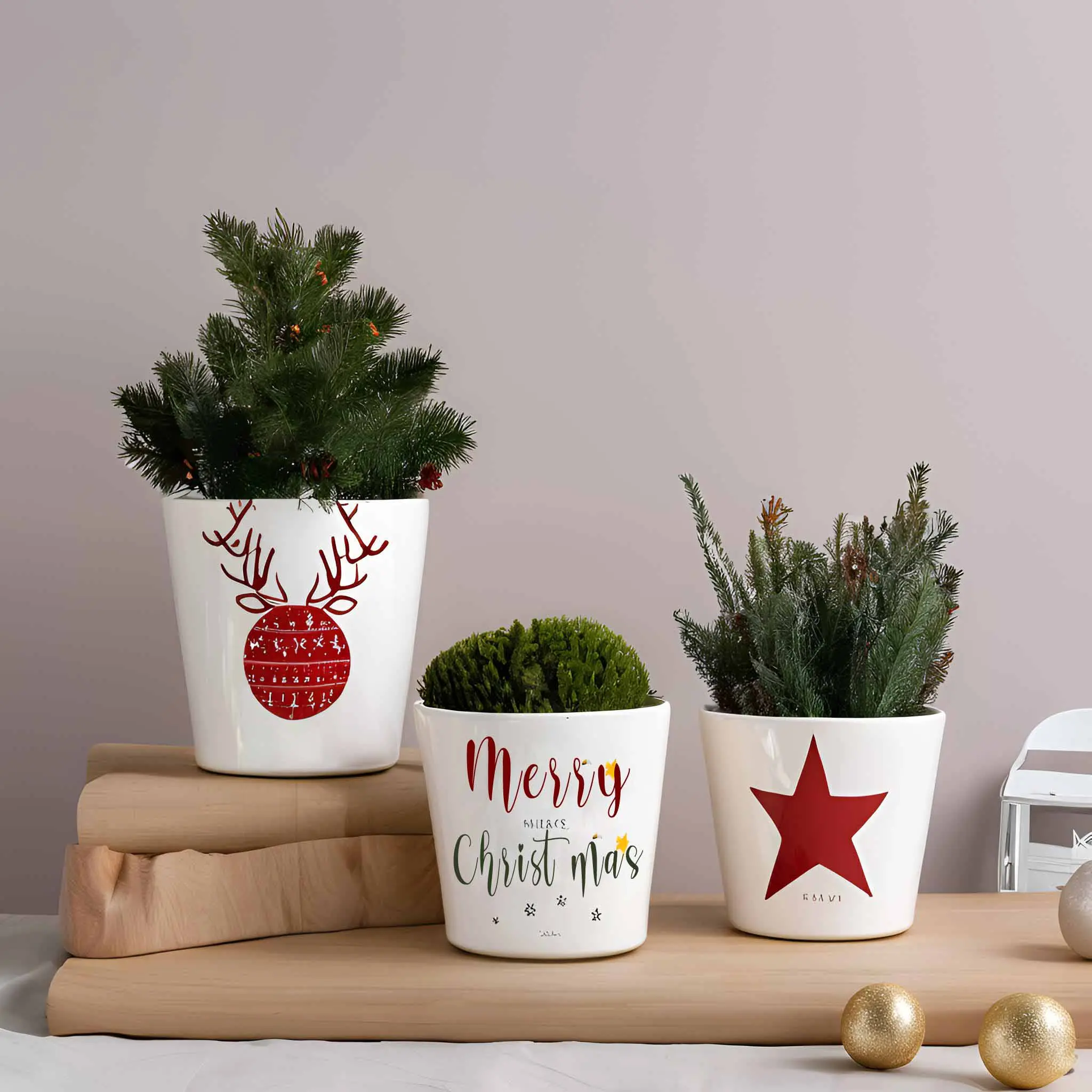
Standard production time is between 35 to 45 days after deposit confirmation and sample approval. Peak season orders (preparing for Christmas and spring shipments) can take up to 60 days. Planning sourcing campaigns 6 months in advance is highly recommended.
Browse Decoration Categories
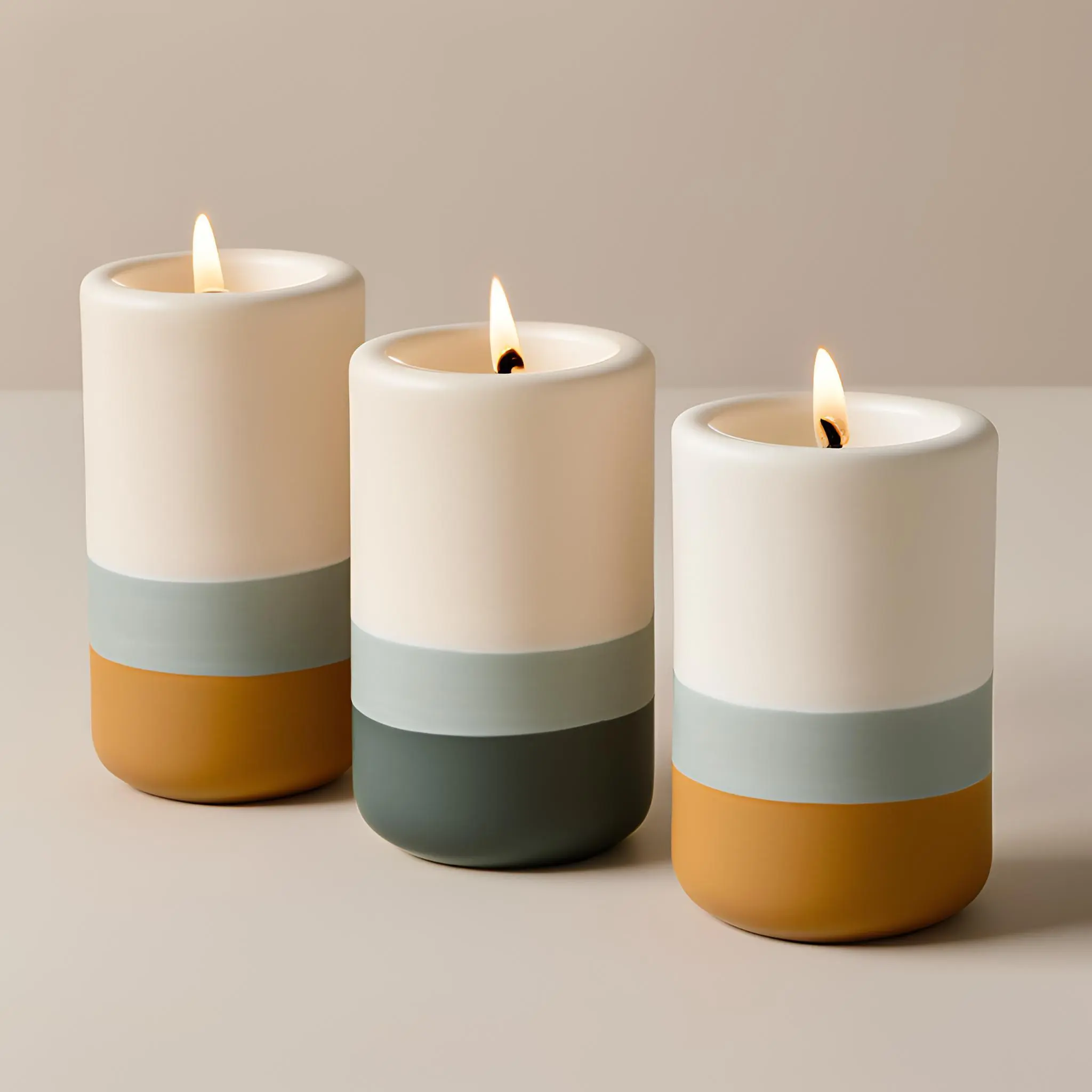
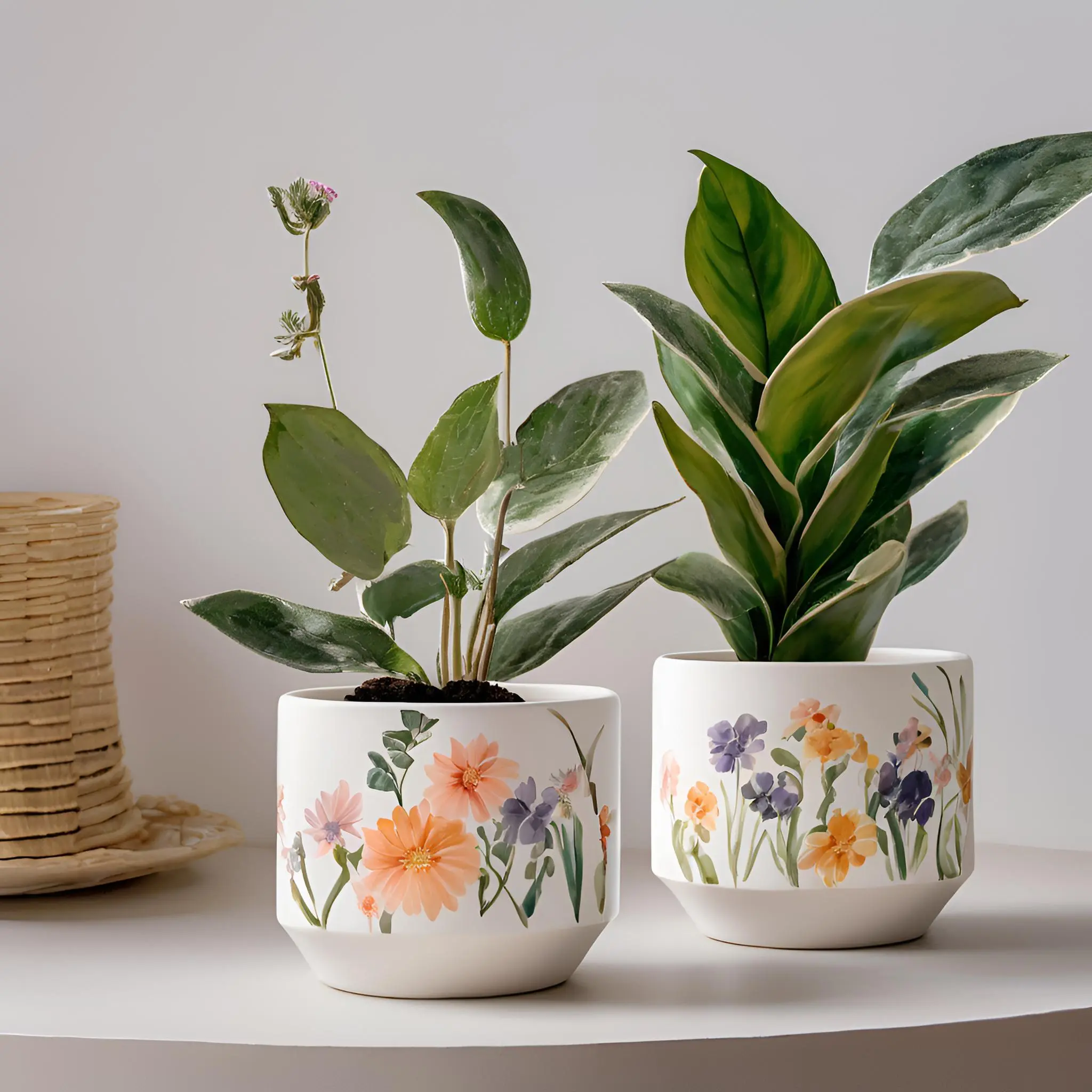
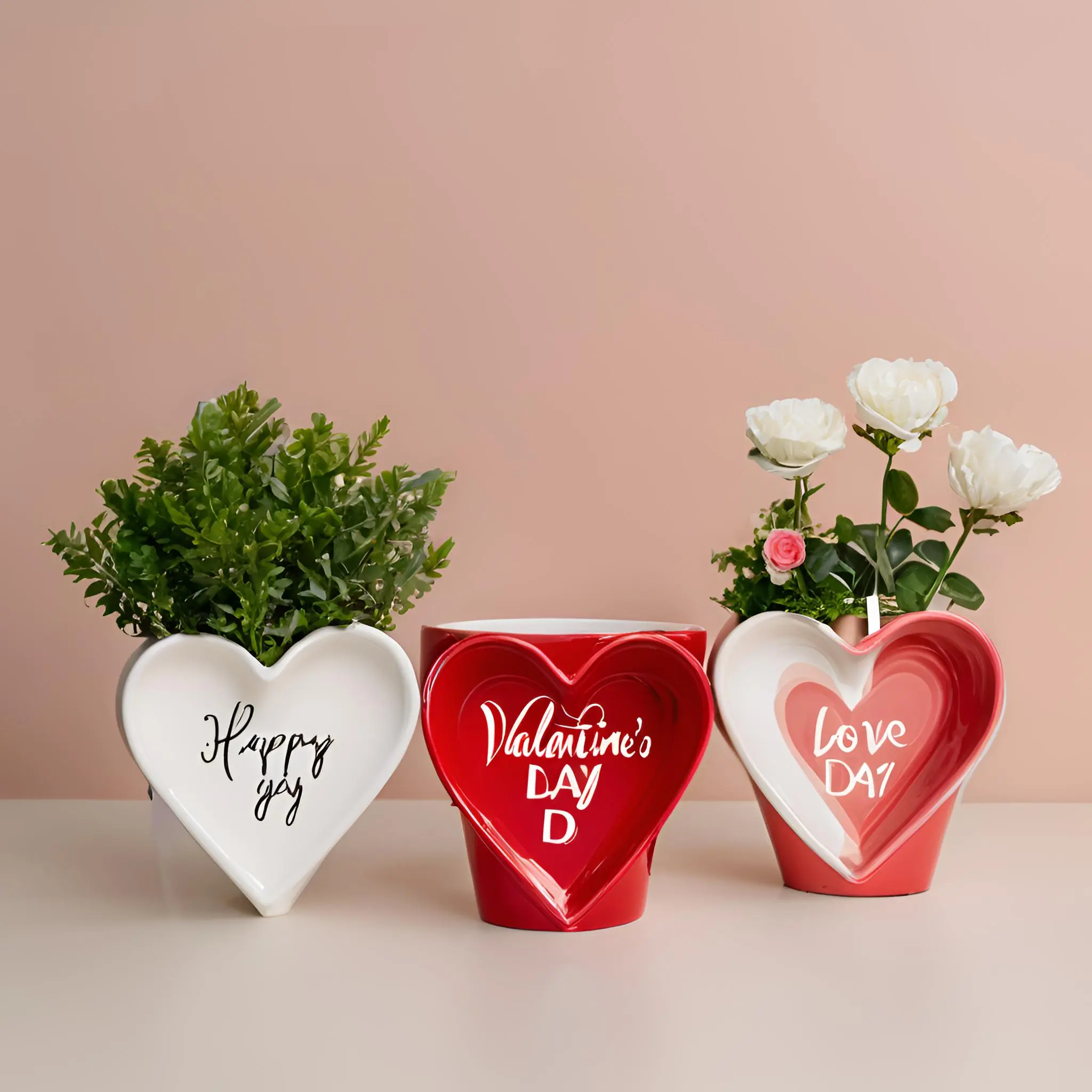
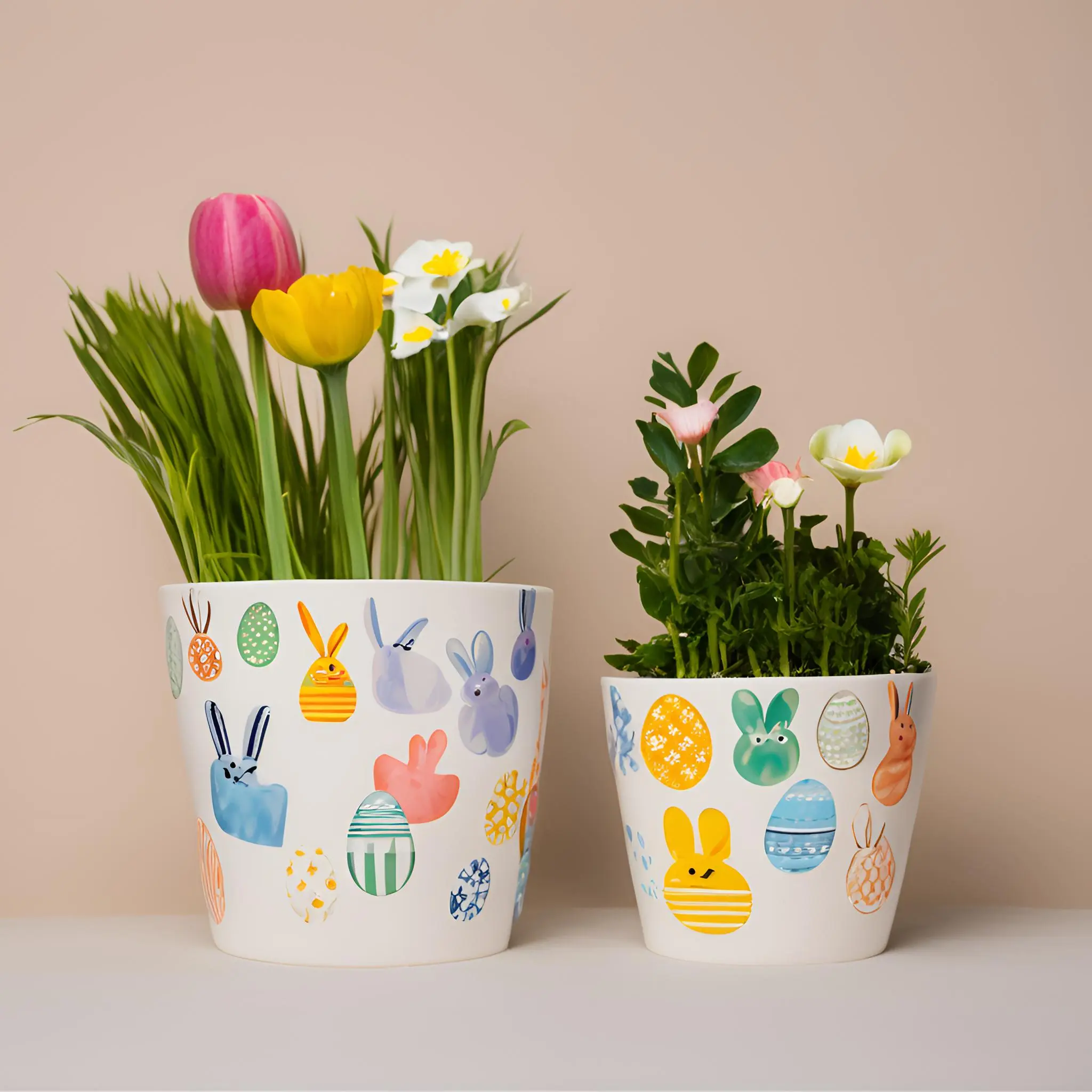
Value Deco offers diverse, design-forward lifestyle products tailored to market demands.
Value Deco Limited is a leading supplier of high-quality ceramic pots based in China. With over 12 years of experience in the decoration industry, we have built a strong reputation for offering a diverse range of Flower Pots, Flower Vases, Candle Holders, Home Decoration, Garden Decoration, and Dinnerware suitable for various seasons and applications. Our products are designed to track trending designs, ensuring that they serve a functional purpose while enhancing the aesthetic appeal of any space.