Direct from fully-audited manufacturing facilities offering structural excellence, custom branding, and compliance documentation.
Analyzing procurement dynamics, high-gain product differentiation strategies, and cost-reduction pathways in high-volume ceramic manufacturing.
Global enterprise buyers must look beyond low unit costs to mitigate the risks associated with structural stress fractures, glaze lead leaching, and shipping breakage rates. Establishing direct factory lines stabilizes margin safety.
The transition from low-firing dolomite to high-temperature stoneware and porcelain ensures superior thermal shock resistance, making ceramic holiday mugs microwave and dishwasher safe—a standard retail requirement.
Navigating the complex seasonal critical path requires production to kick off in Q1/Q2. Reliable suppliers optimize design cycles using fast-prototyping 3D clay printers, slashing lead times by 35%.
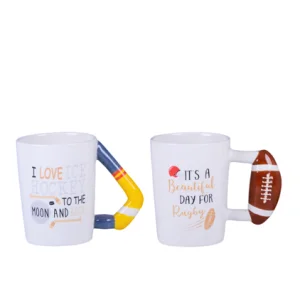
In the highly competitive B2B landscape, offering an undifferentiated, basic ceramic Christmas mug is no longer sufficient to capture high retail margins. Today's consumers demand a tactile and emotional connection, leading to a surge in 3D embossed mugs, reactive glaze finishes, and heat-sensitive color-changing designs. Successful import strategies prioritize products with high aesthetic value and low manufacturing tolerances, balancing raw material costs with sophisticated automated decoration techniques.
By shifting production focus towards high-quality stoneware (fired at temperatures exceeding 1250°C), major factories are able to limit porosity to below 0.5%. This technical improvement prevents water absorption during washing, avoiding localized expansion and structural failure under high thermal stress. Consequently, products withstand repeated commercial cycles, protecting retail brands from return claims and bad reviews.
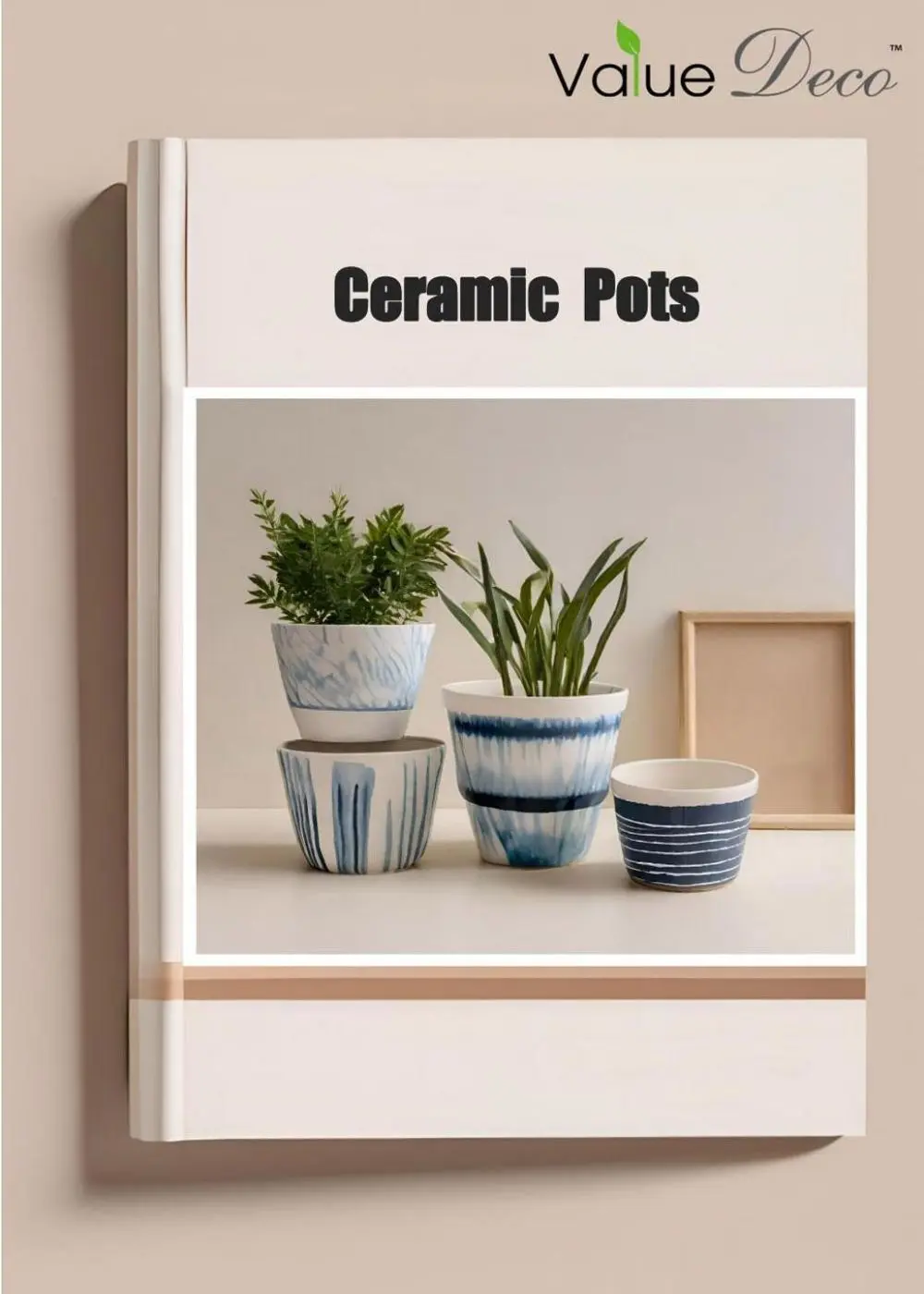
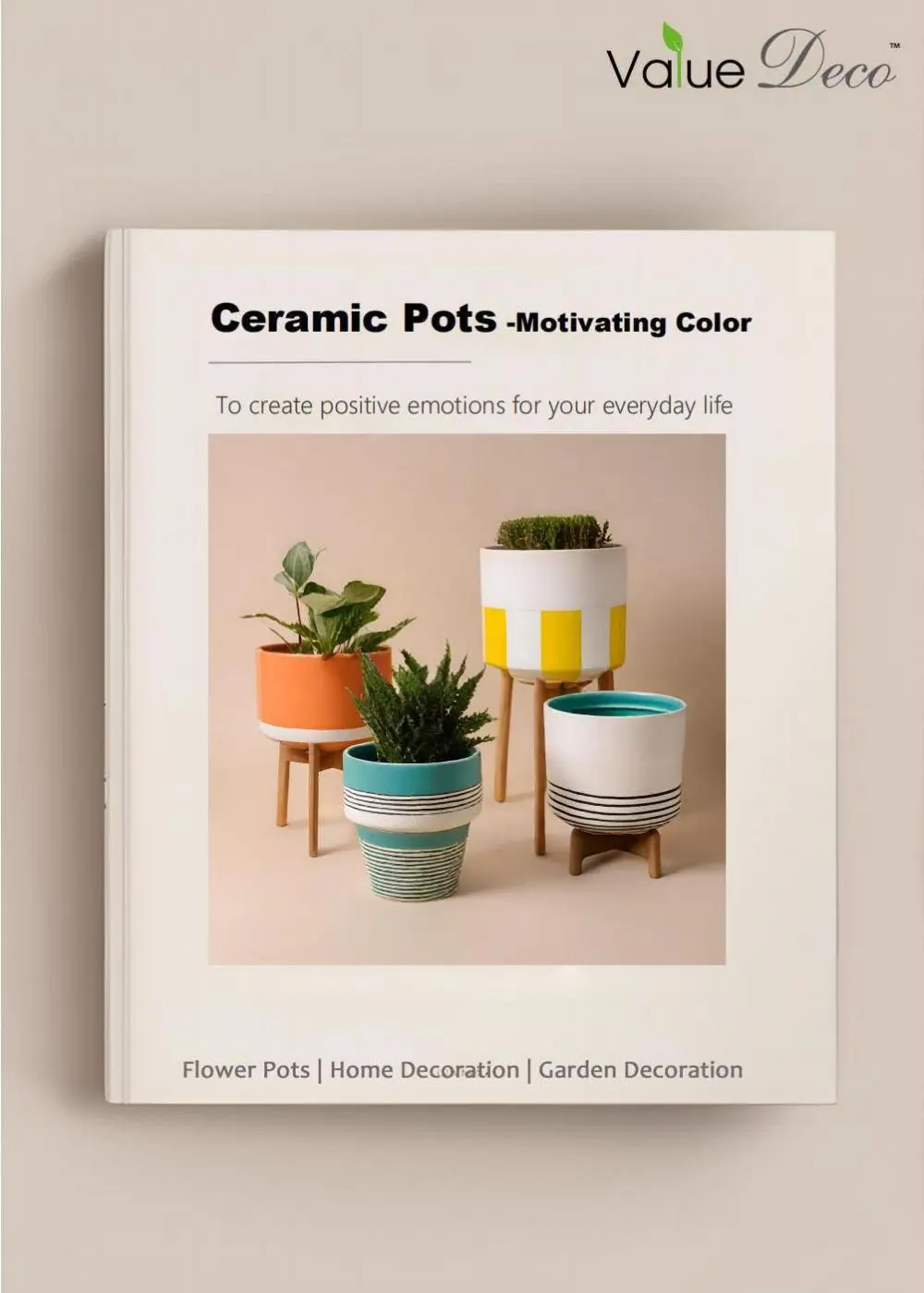
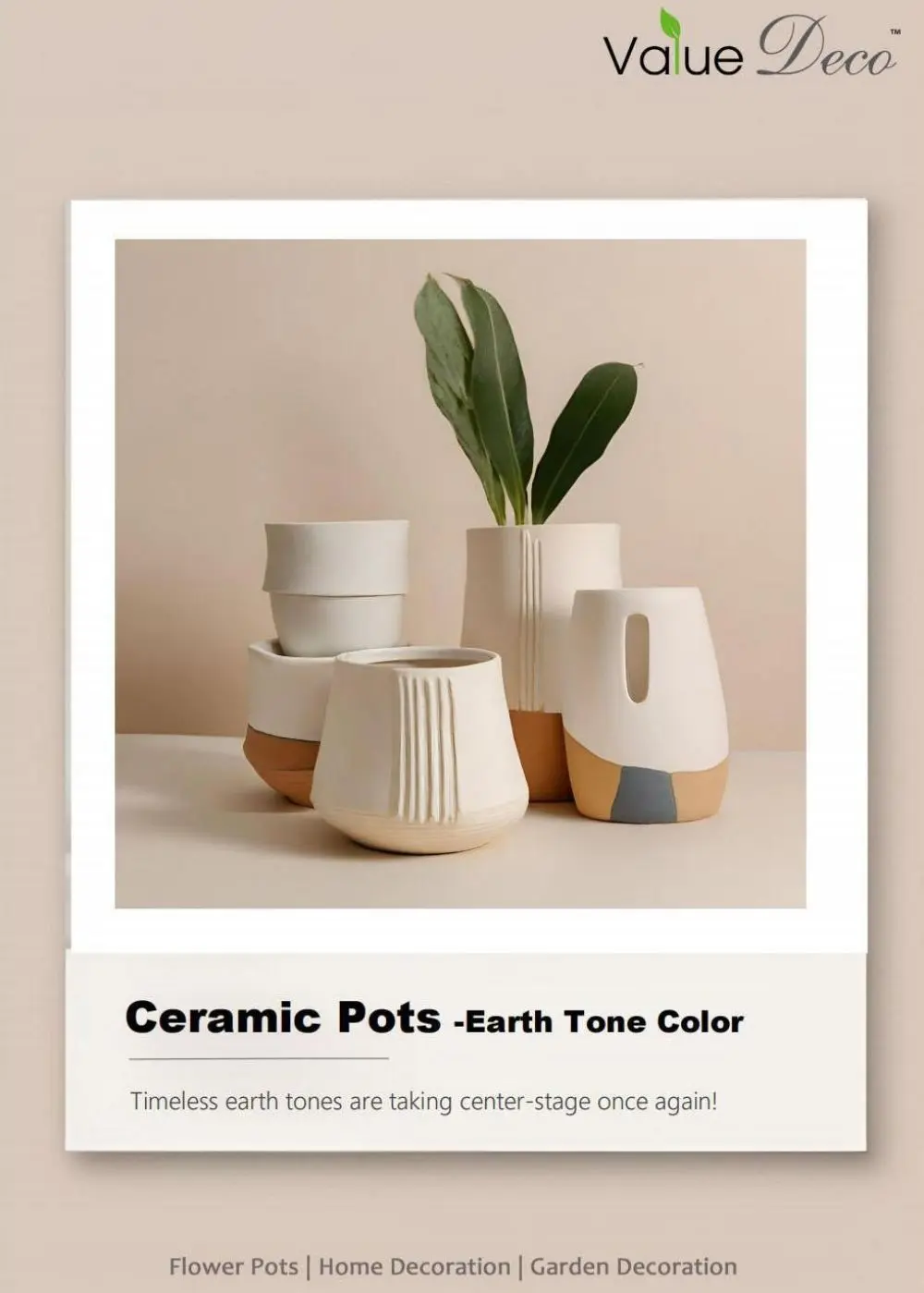
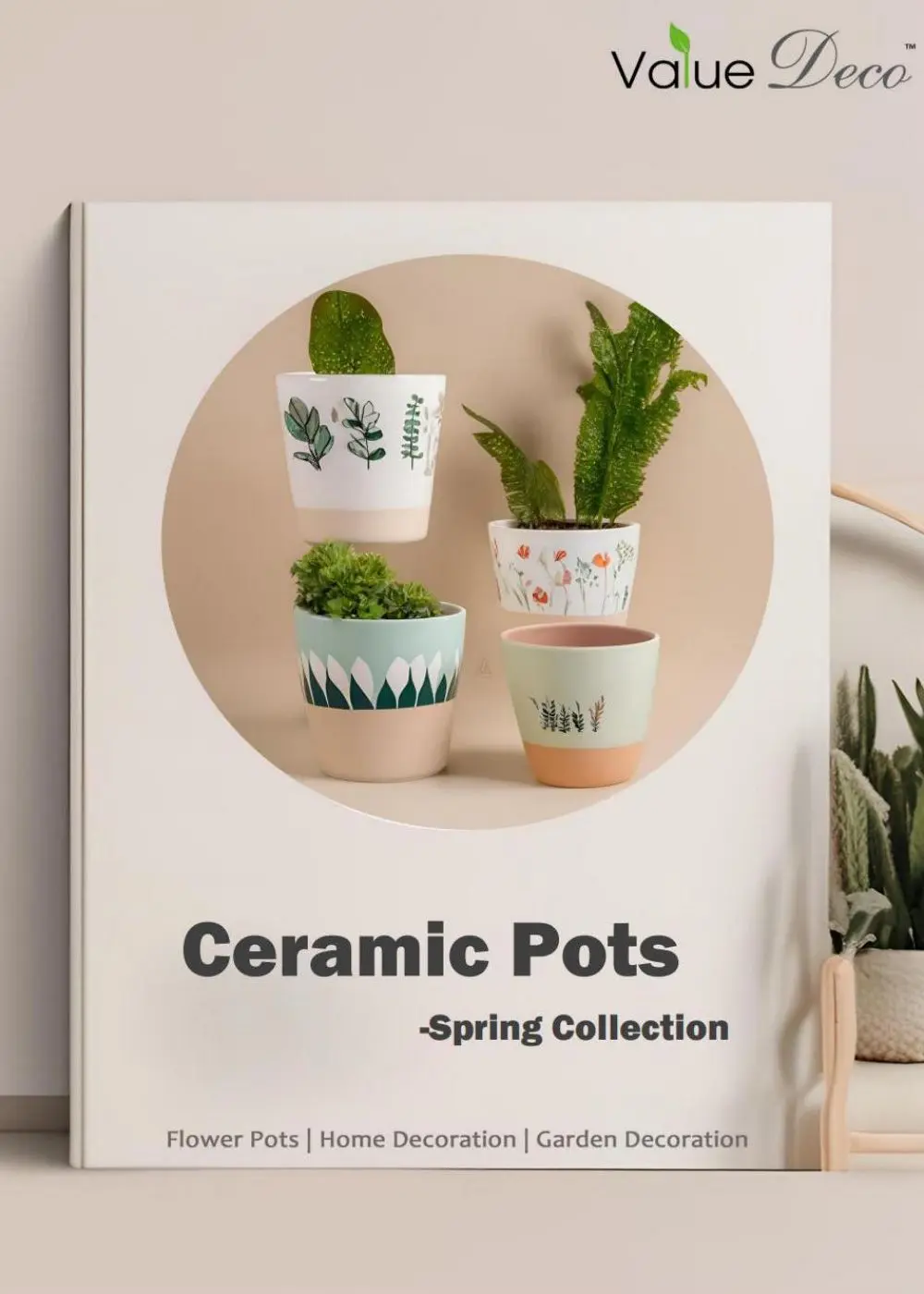
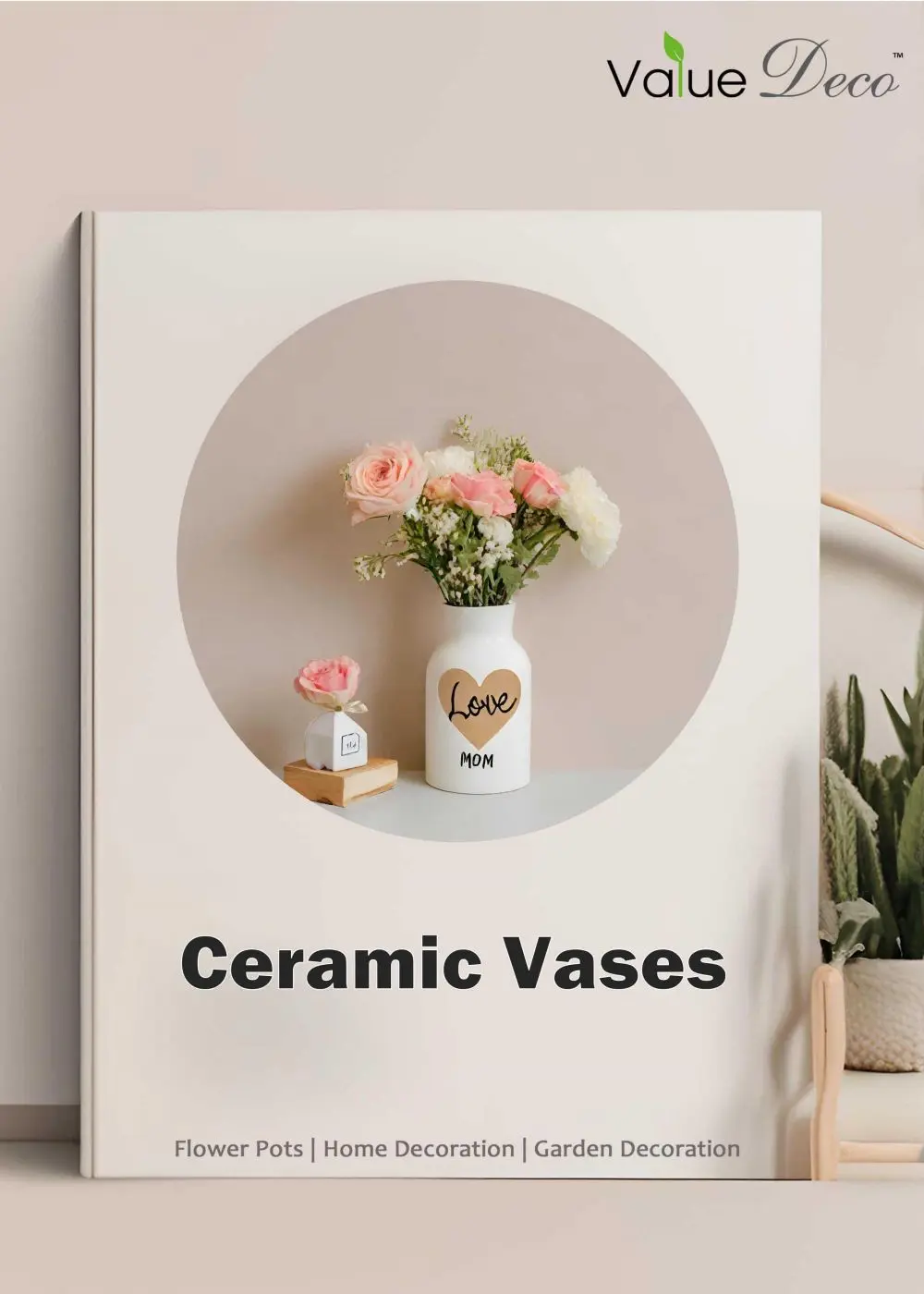
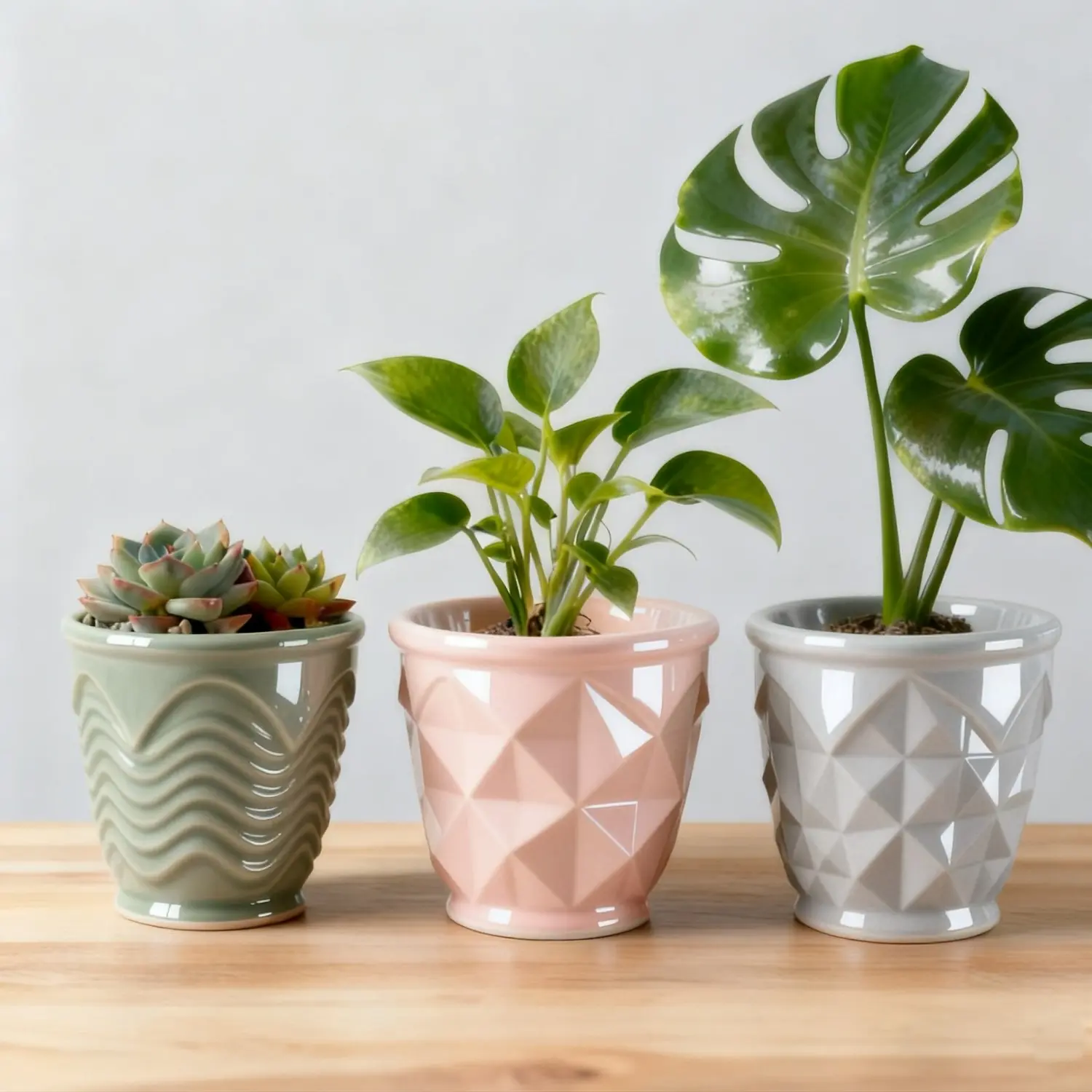
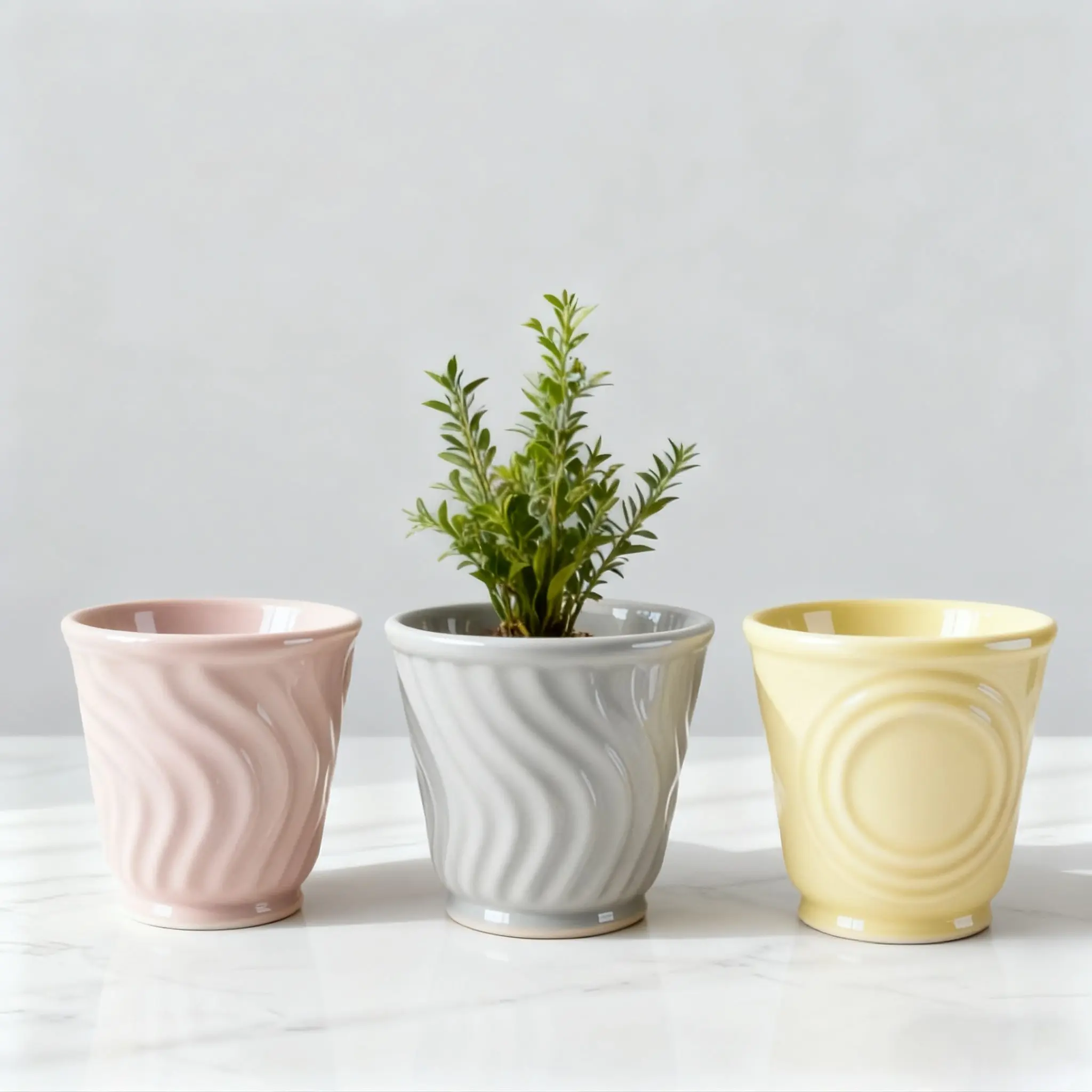
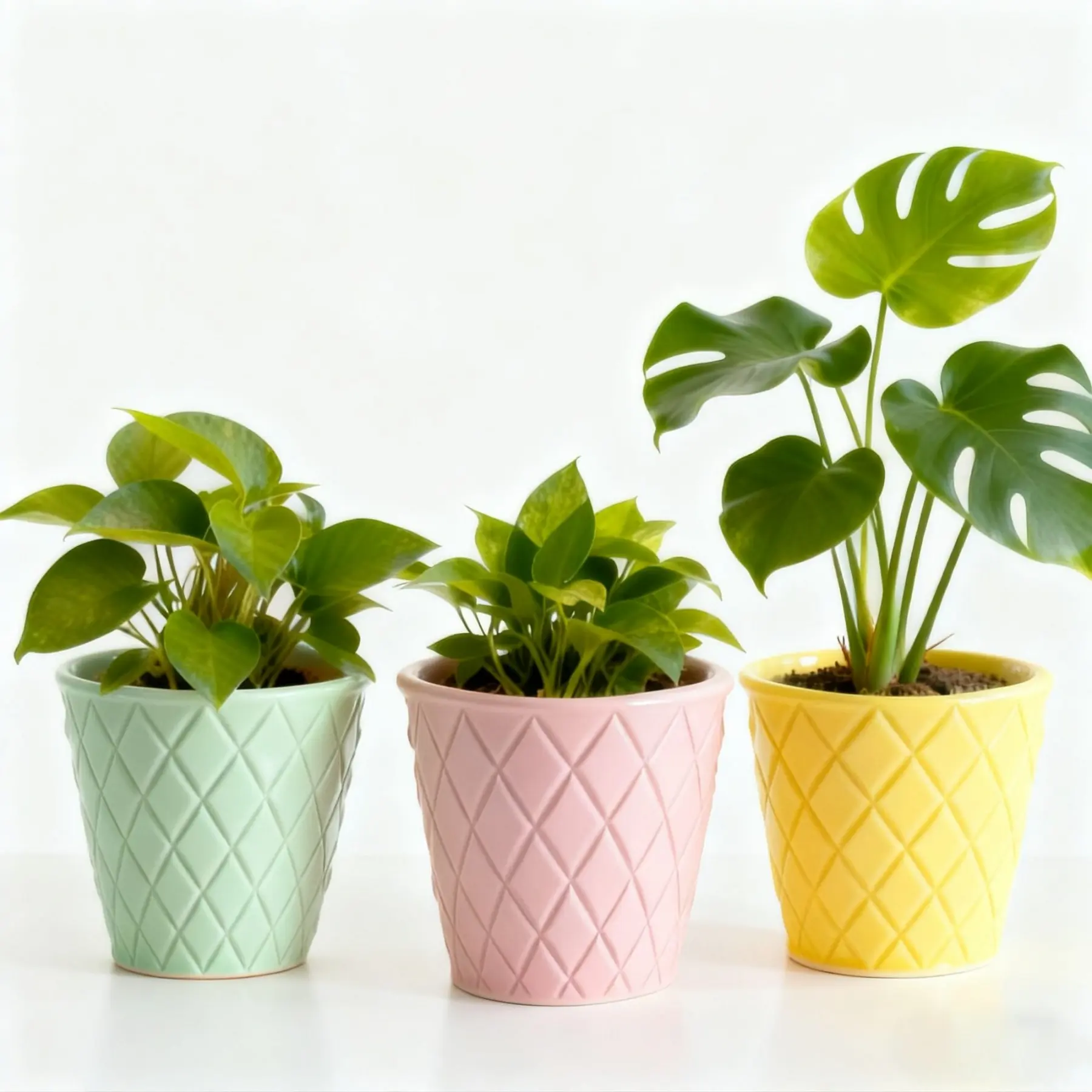
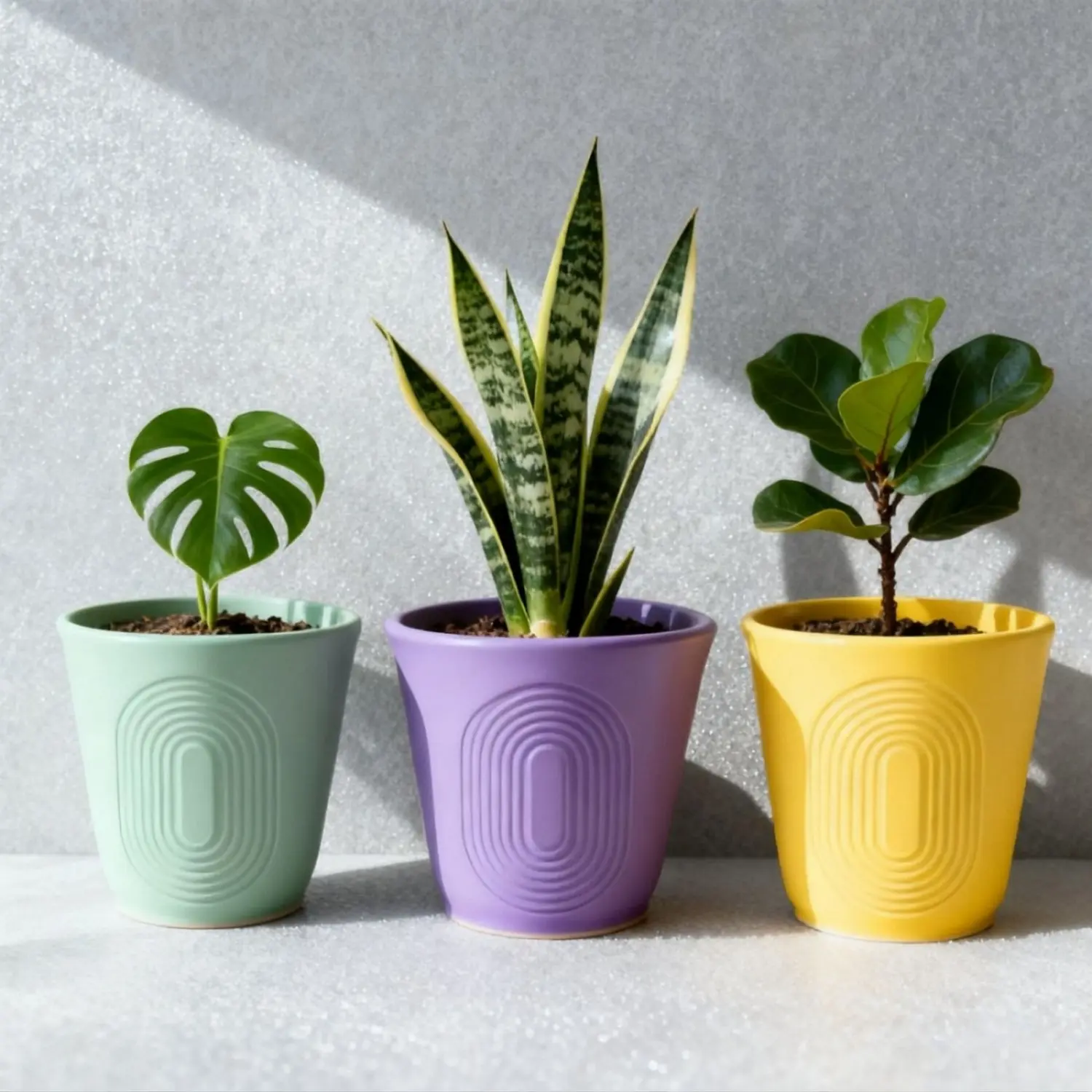
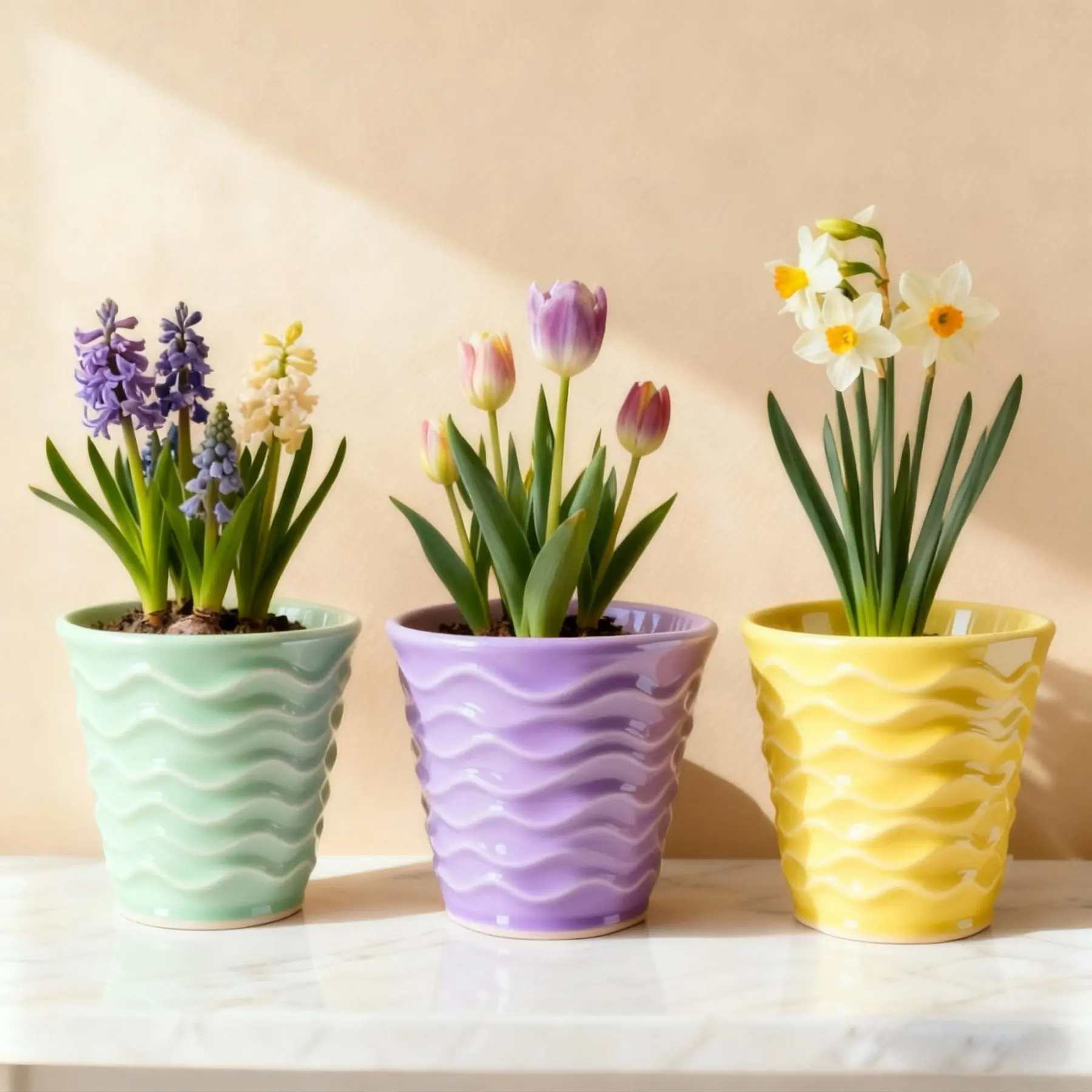
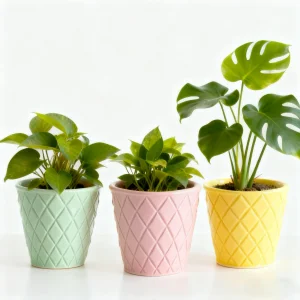
A comprehensive B2B supply portfolio ranging from modern pots and vases to seasonal holiday decor accents.




In B2B ceramic cup manufacturing, structural aesthetics represent only one dimension of product quality. The chemistry of the glaze applied to food-contact surfaces is critical. Cheap factories often utilize lead- and cadmium-rich fluxes to achieve bright, low-temperature glazes at minimal cost. However, importing such goods violates major consumer safety regulations globally, including the US Food and Drug Administration (FDA) guidelines, California Proposition 65, and the European Union's LFGB Framework Regulation (EC) No 1935/2004.
High-tier factories resolve this conflict by employing lead-free fritted glazes. Our partner facilities utilize premium zirconium and zinc-based raw materials, ensuring that glaze formulas are completely inert when exposed to acidic beverages (such as coffee or fruit juices). Regular leachate testing, using inductively coupled plasma mass spectrometry (ICP-MS), verifies compliance with international thresholds, providing importers with comprehensive documentation to streamline customs clearance.
Ceramics are inherently fragile, making shipping a major source of margin erosion. B2B contracts must specify packaging performance standards. Factories utilize ISTA (International Safe Transit Association) 3A drop testing procedures to design robust packaging. Rather than relying on simple, low-density expanded polystyrene (EPS) inserts, premium suppliers utilize high-density, eco-friendly molded pulp or corrugated cardboard buffers. This structural engineering shields the delicate handles of custom ceramic mugs from torsional and impact forces during multi-modal ocean and rail freight transport.
Optimizing seasonal product lifecycles requires structured production scheduling. Align your purchasing cycles with our manufacturing calendar.
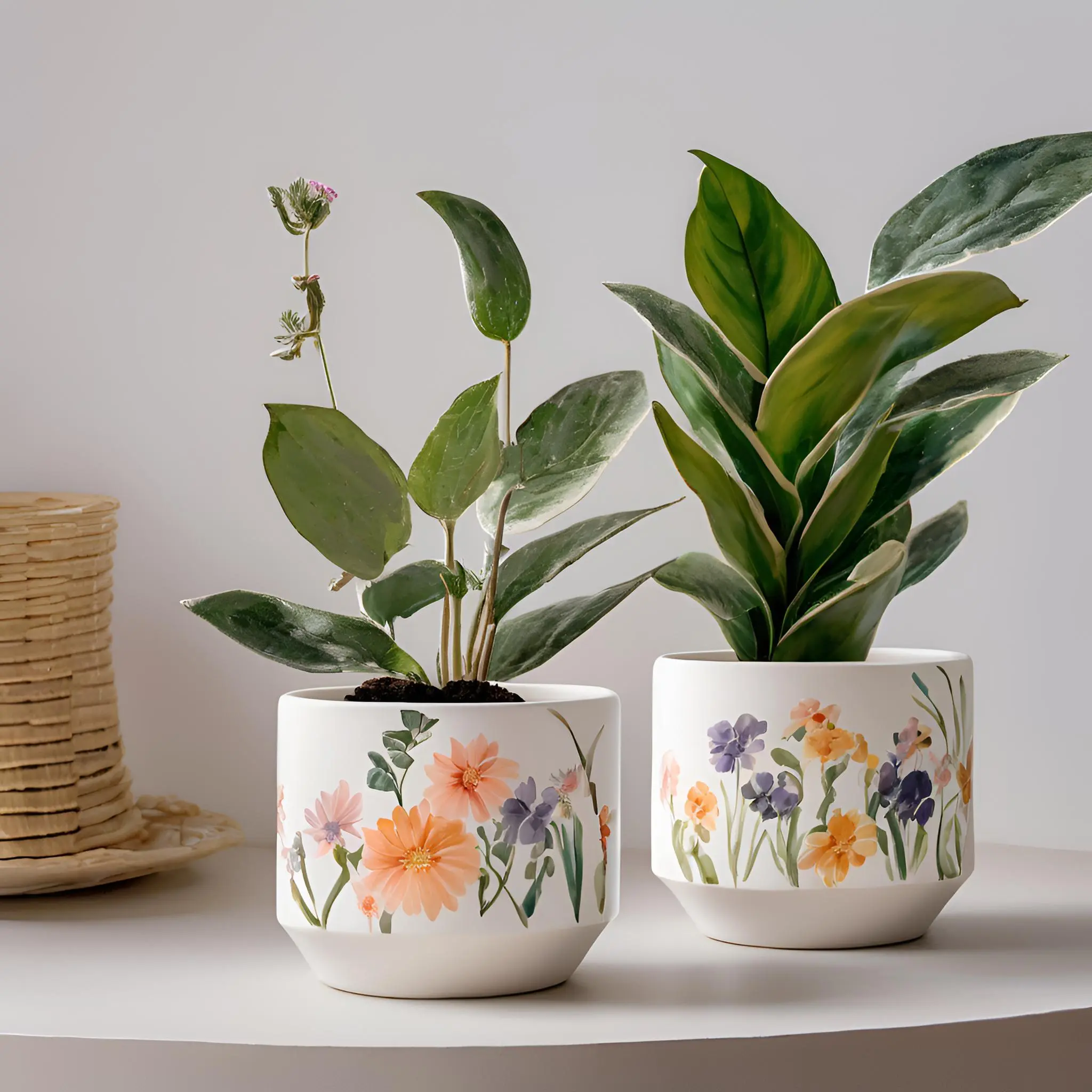
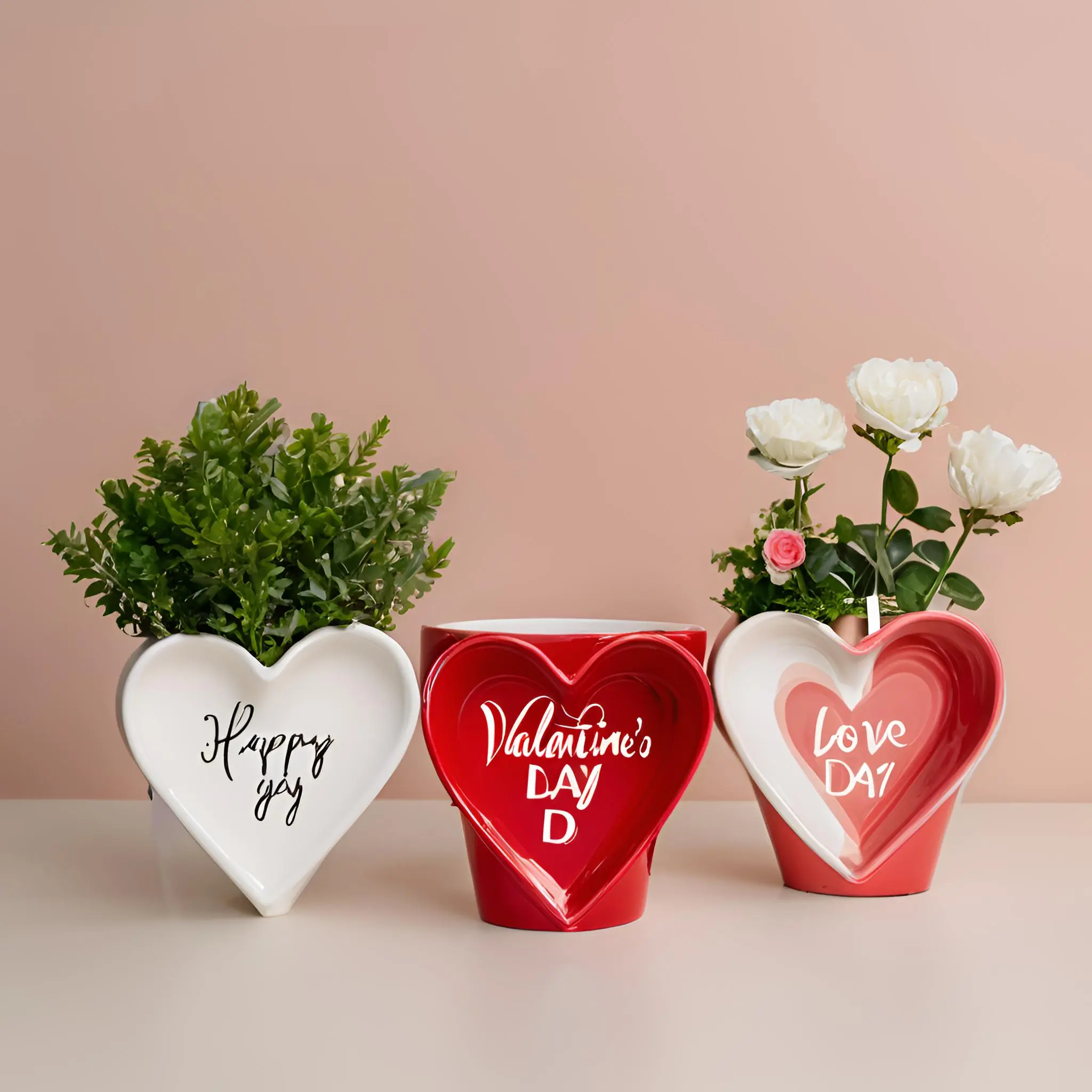
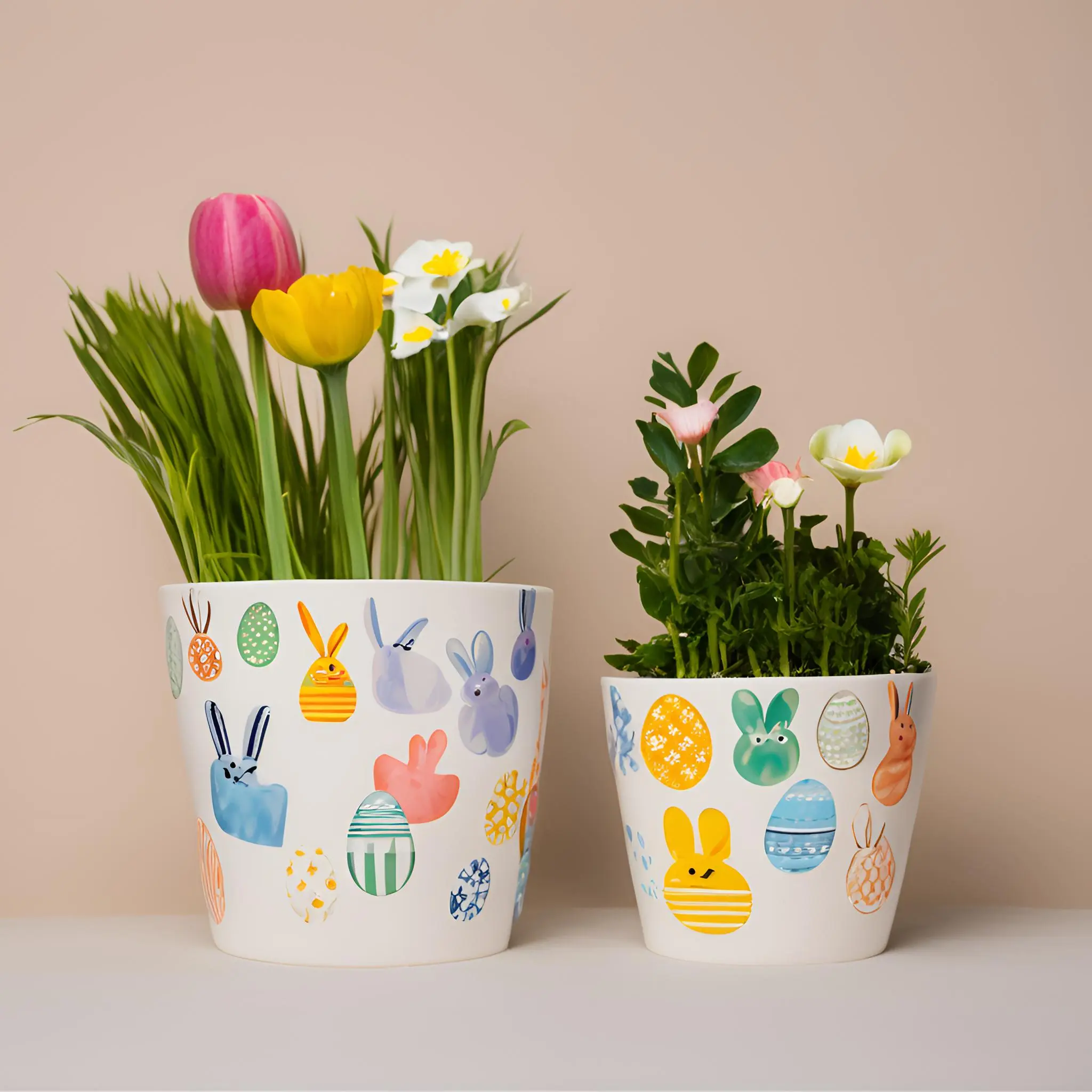
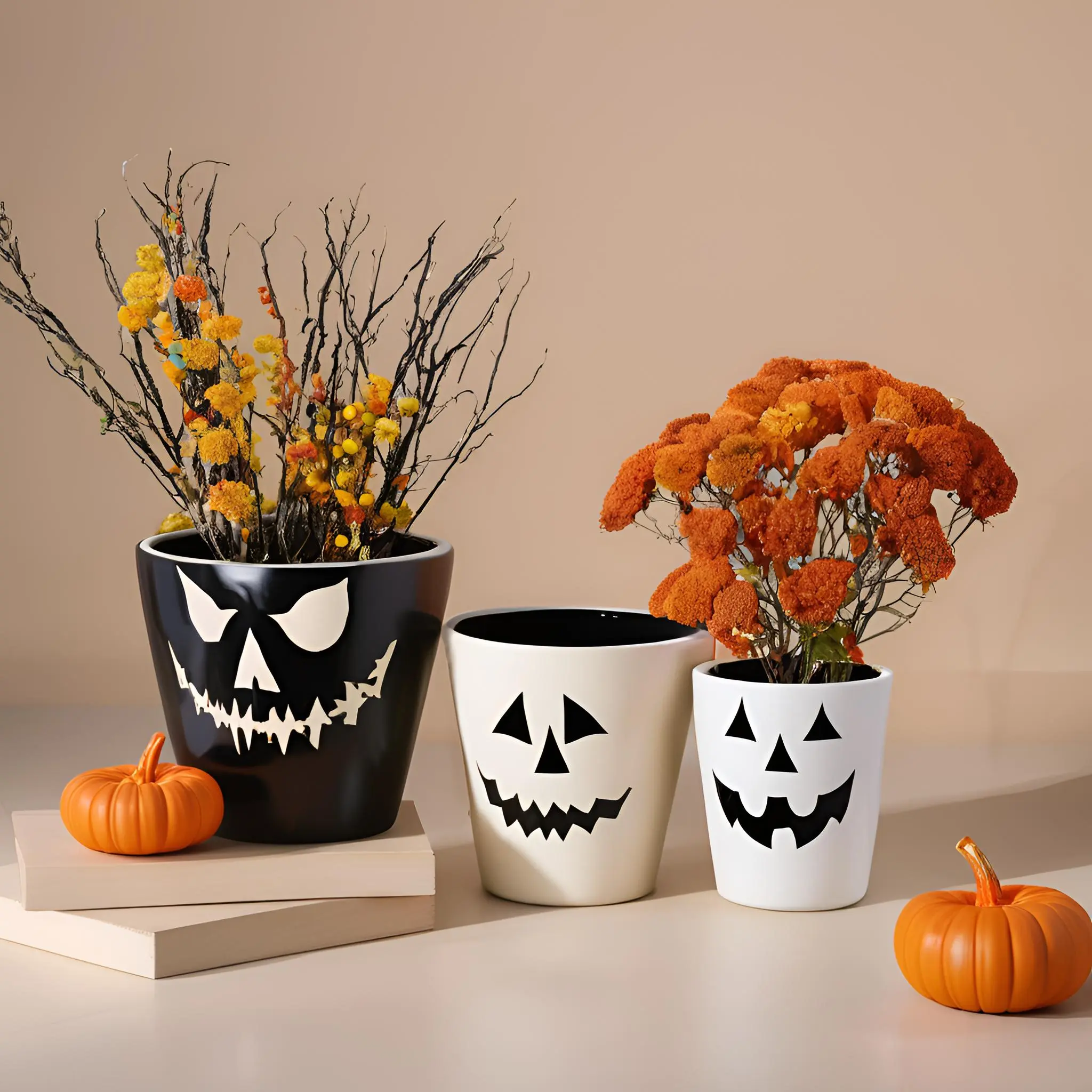
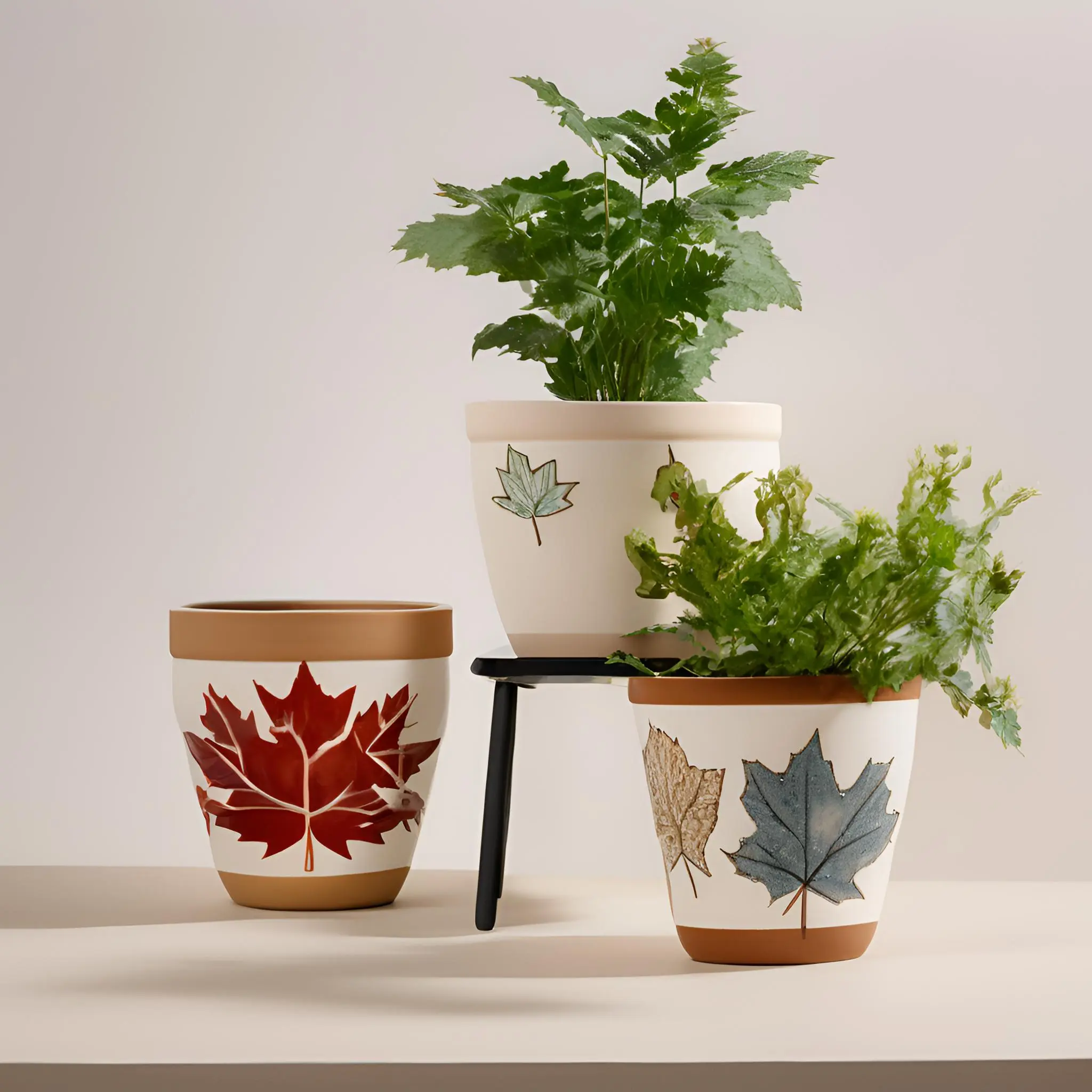
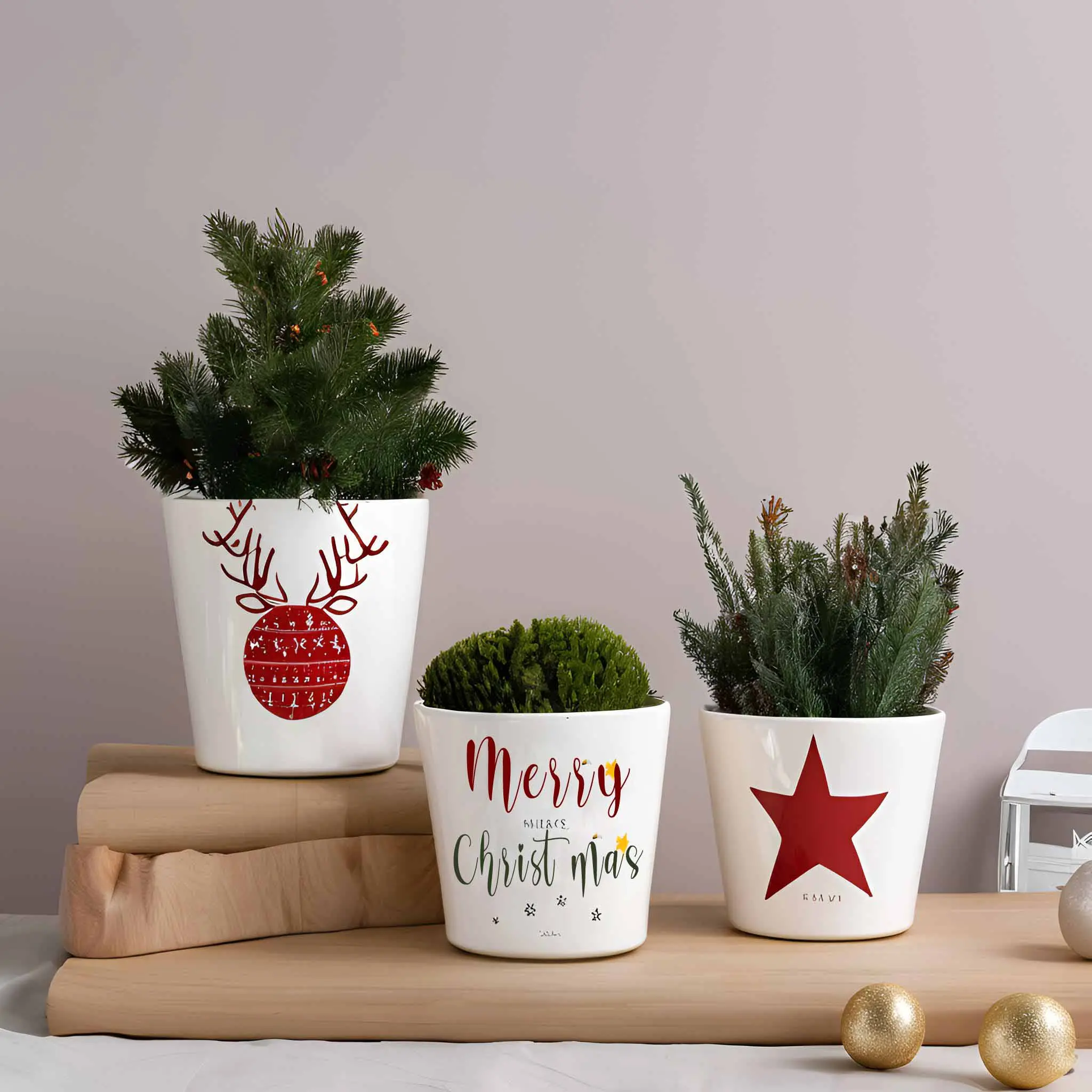
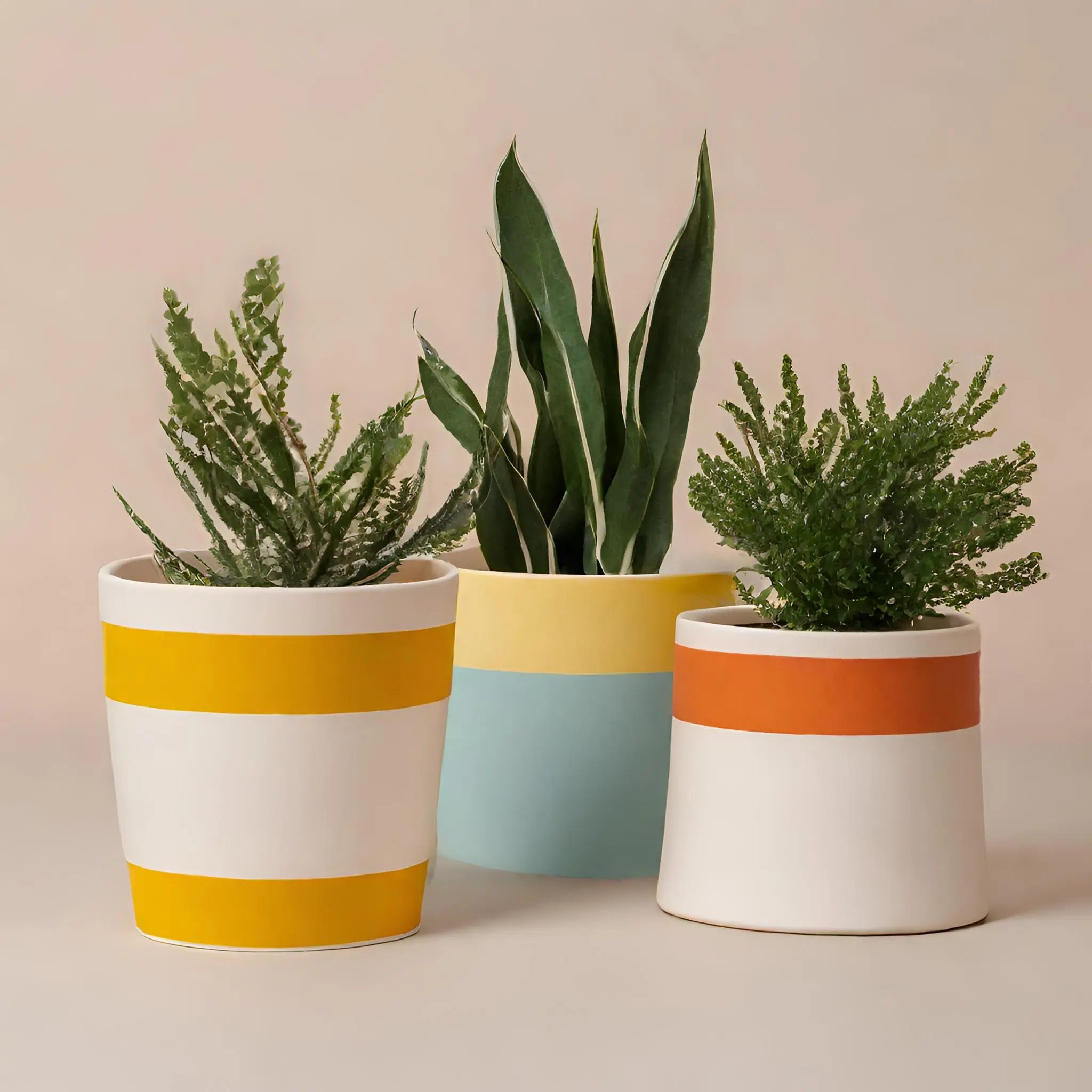
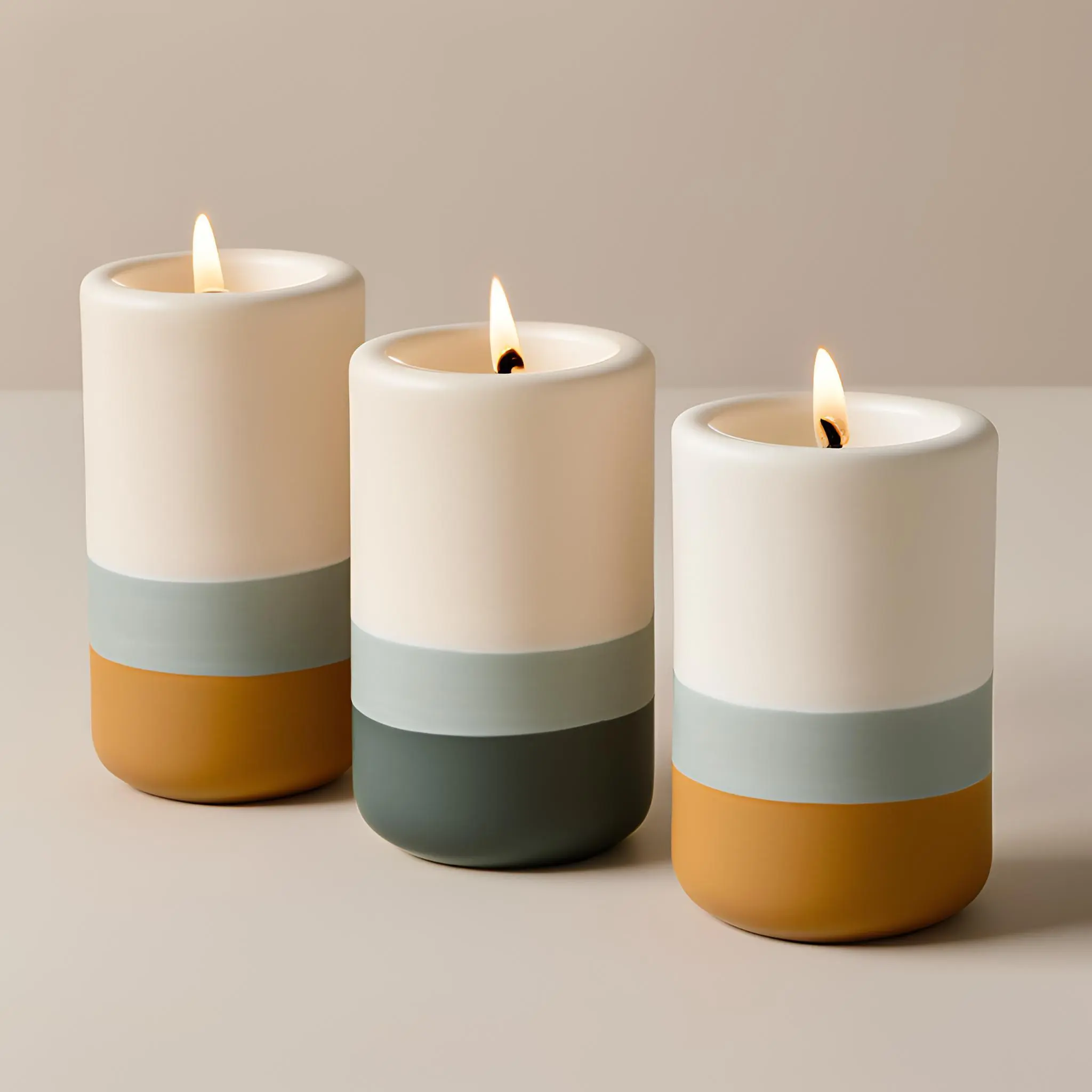
Value Deco Limited is a leading supplier of high-quality ceramic products based in China. With over 12 years of experience in the decoration industry, we have built a strong reputation for offering a diverse range of Flower Pots, Flower Vases, Candle Holders, Home Decoration, Garden Decoration, and Dinnerware. Our product lines are suitable for various seasonal promotions and year-round applications. We design our items to track the latest market trends, ensuring that they not only serve a functional purpose but also enhance the aesthetic appeal of any commercial or residential space.
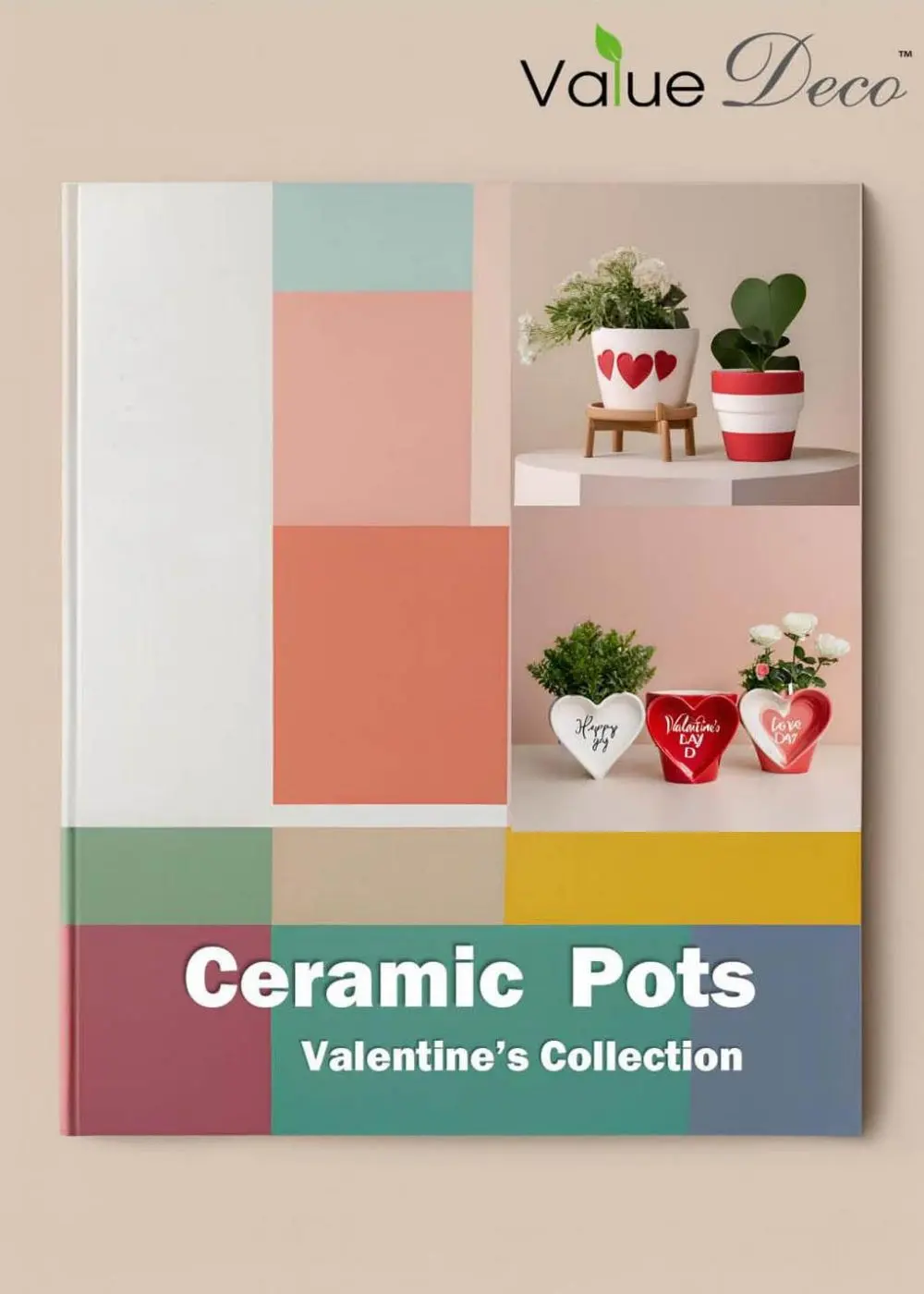
Access our detailed seasonal portfolios and material catalogs to streamline your sourcing decisions.
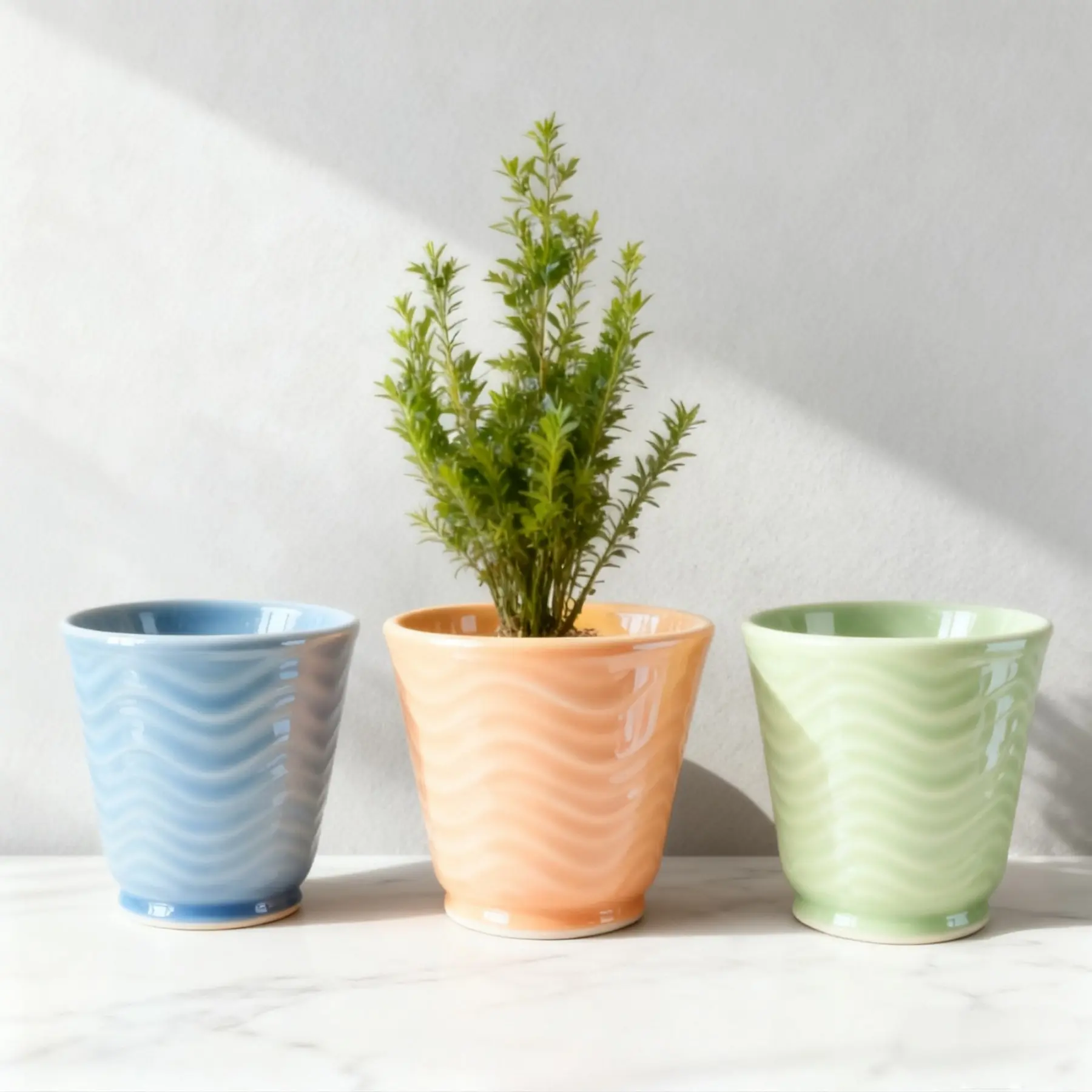
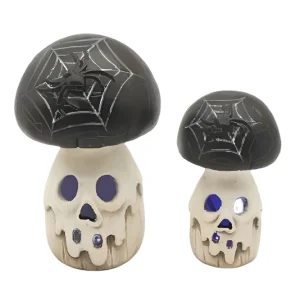
Freshly engineered patterns and textures created by our in-house industrial designers using advanced CAD and prototype modeling.
As international carbon borders (such as the EU's Carbon Border Adjustment Mechanism) take effect, leading Chinese ceramic factories are undergoing energy transitions. The classical coal-fired tunnel kilns have been largely decommissioned, replaced with high-efficiency natural gas kilns or all-electric heating chambers. This shift reduces localized carbon footprints while ensuring tighter control over firing temperatures, minimizing variations in glaze color and shrinkage.
In addition, advanced automation plays a vital role. Implementing robotic spray glazing systems guarantees uniform glaze application, eliminating human error such as thin spots or run-offs. Thinly glazed rims are prone to chipping during standard usage, so uniform application enhances edge durability. Automated optical inspection (AOI) systems, utilizing high-speed industrial cameras and machine learning, inspect ceramic cups post-firing. They automatically flag surface defects like pinholes, micro-cracks, and uneven bases, ensuring only compliant units proceed to packaging.
Sourcing cheap Christmas mugs requires balancing cost control with strict quality standards. To optimize this process, buyers should implement a multi-layered quality control framework: request chemical testing reports early, perform shipping drop tests on initial samples, and conduct social compliance audits (like BSCI or SMETA) at production facilities. This thorough approach minimizes retail product liability and ensures reliable delivery schedules, allowing brands to capitalize on seasonal sales windows.
Direct answers addressing technical queries, customization capabilities, international trade standards, and logistical optimizations.
For custom shapes requiring custom CNC plaster molds, the standard MOQ typically ranges between 3,000 to 5,000 units per design. If sourcing existing open-mold shapes with custom pad-printed or water-decal artwork, MOQs can be reduced to 1,000 units per design, optimizing inventory costs for trial launches.
We achieve compliance by utilizing high-purity, lead-free raw materials and food-safe fritted glazes. Representative units from each production run undergo third-party laboratory extraction testing (via SGS, TÜV, or Intertek). These tests confirm that lead and cadmium levels fall well below the limits specified in ASTM and California Proposition 65 guidelines.
The production cycle spans 35 to 45 days post-sample approval, depending on design complexity and kiln utilization. Ocean transit adds another 25 to 40 days depending on the destination port (US West Coast vs. Europe). Consequently, we advise enterprise buyers to approve final samples by June to guarantee arrival ahead of Q4 shopping seasons.
Dolomite is a low-fire material that offers a cost advantage and allows for vibrant color glazing, but it has high porosity and low chip resistance. Stoneware is fired at higher temperatures (1200°C–1280°C), striking a balance between cost-efficiency, low water absorption, and high impact strength. Porcelain is the premium option, fired at over 1300°C, providing exceptional chip resistance and high density, though at a higher cost.
Yes. We support custom packaging options, including corrugated display boxes, printed CMYK retail tuck boxes, and high-density foam inserts. Our team designs packaging structures to survive transit hazards, validating layouts through ISTA 1A or 3A drop tests to keep retail damage rates below 0.5%.
Explore more specialized ceramic products, seasonal tableware, and creative design concepts from our manufacturing facilities.