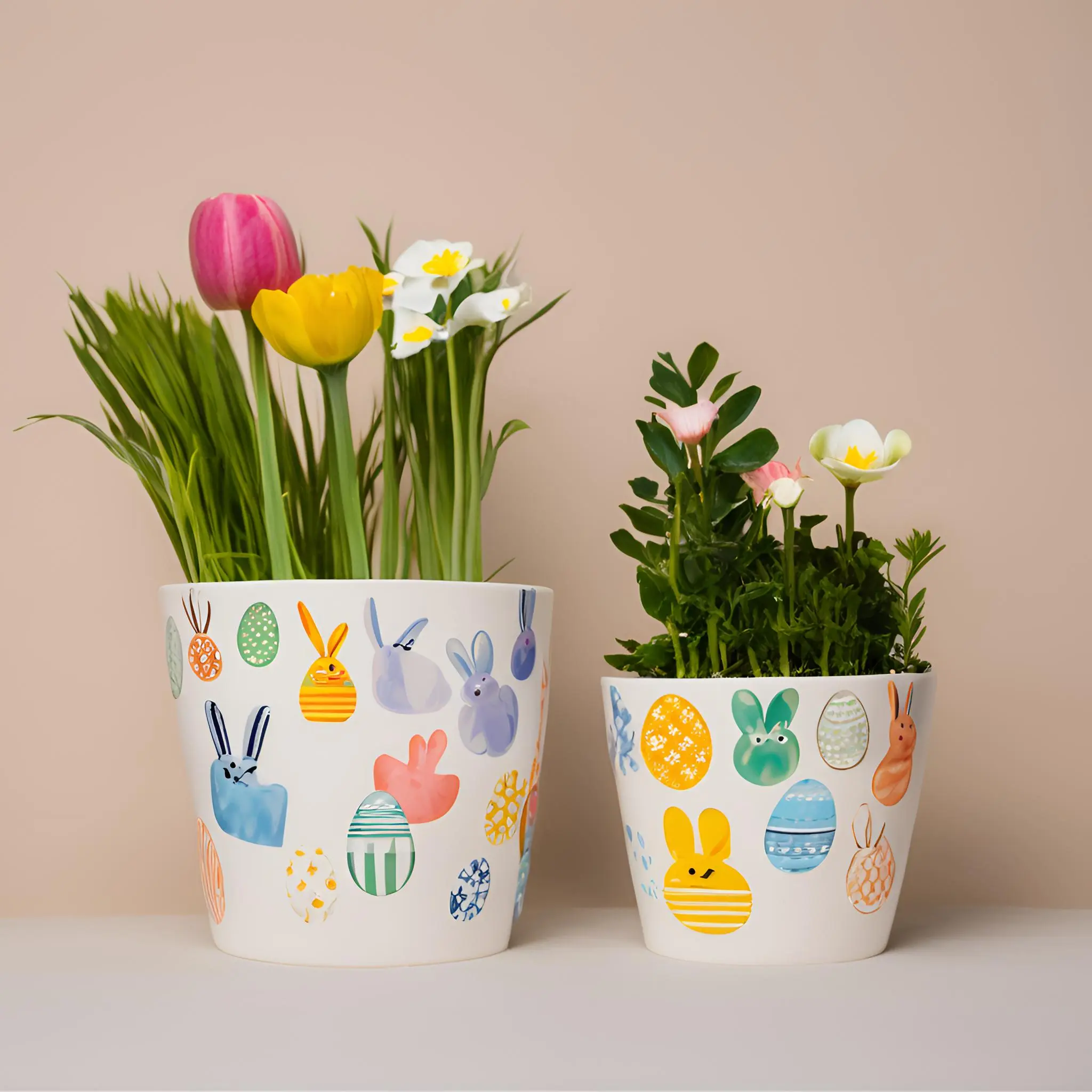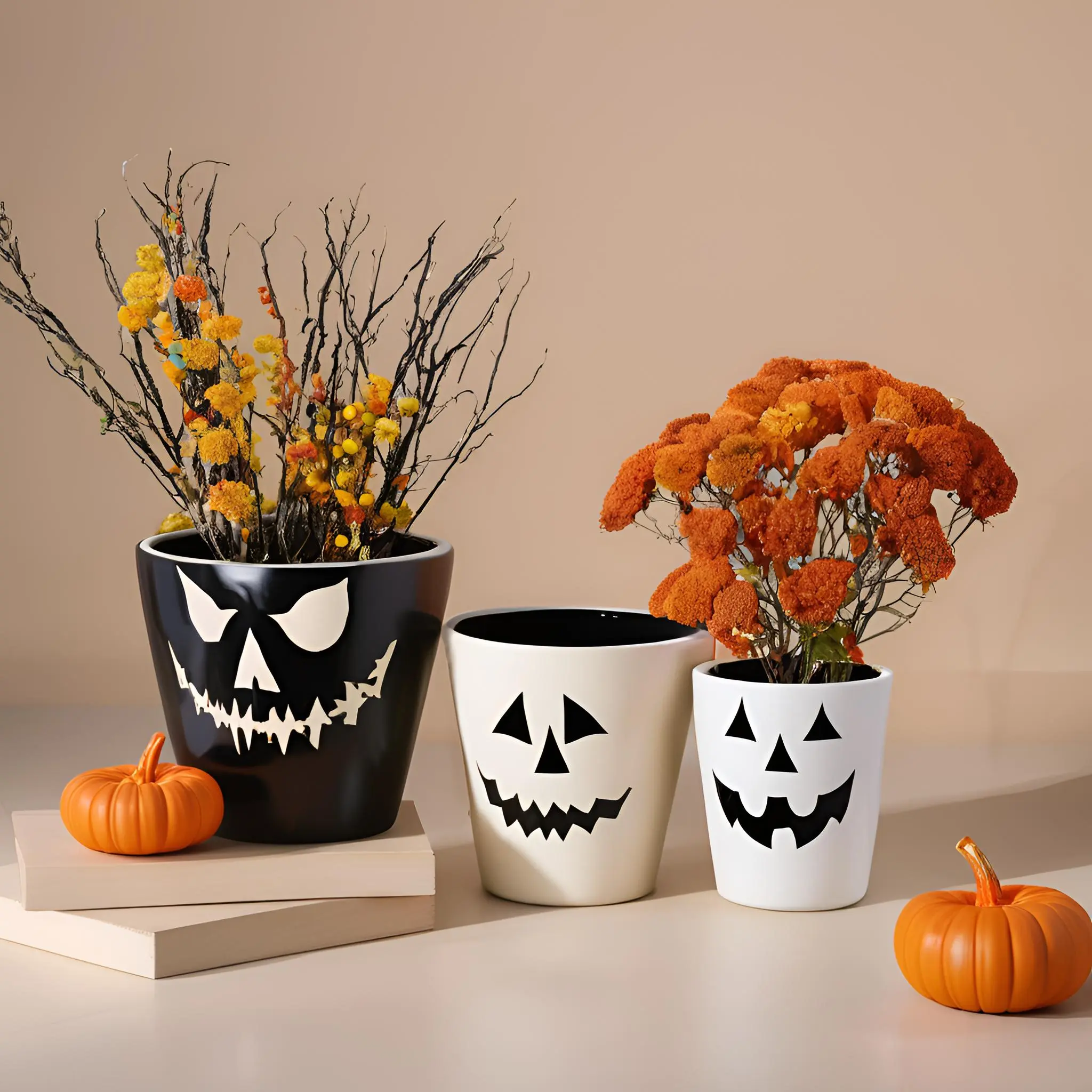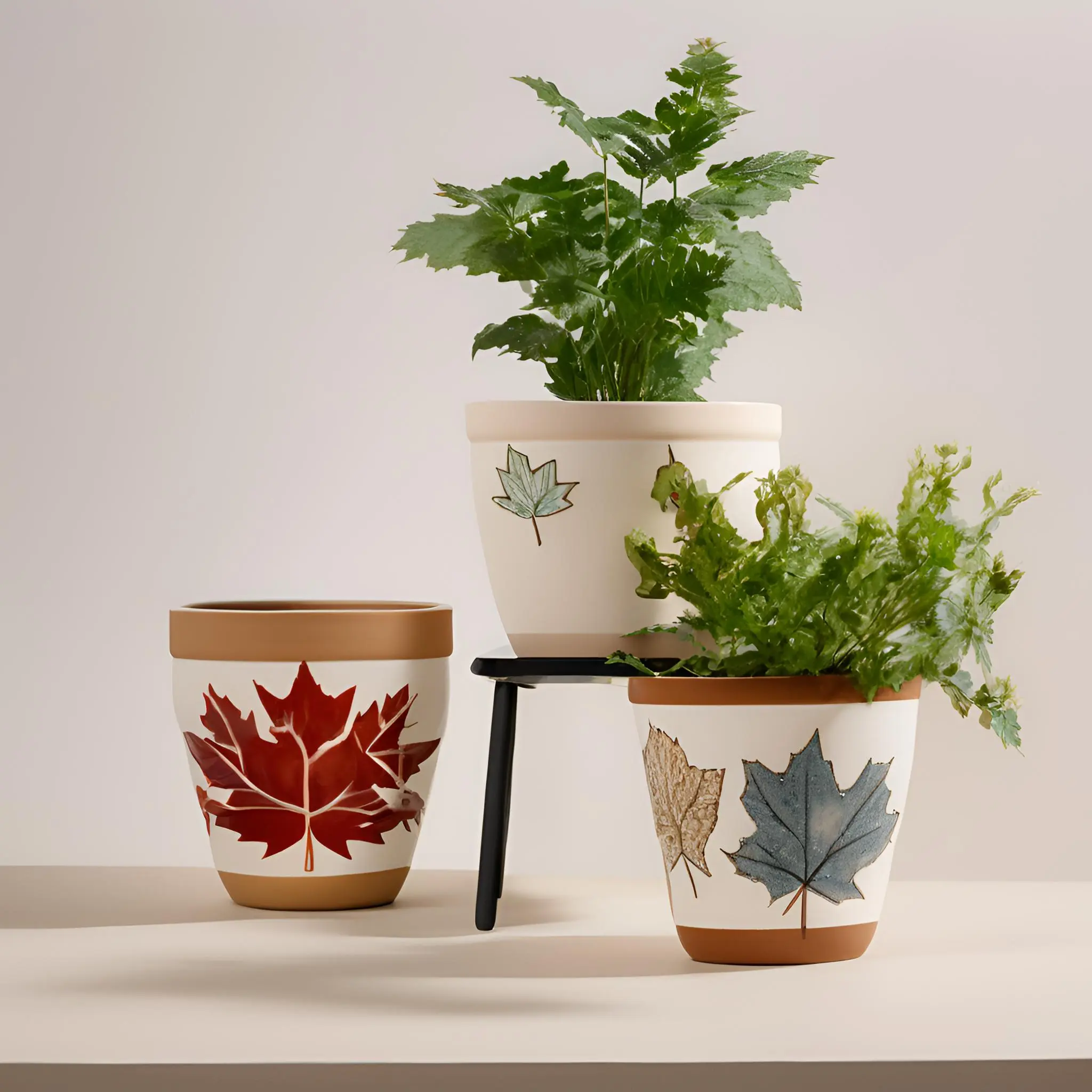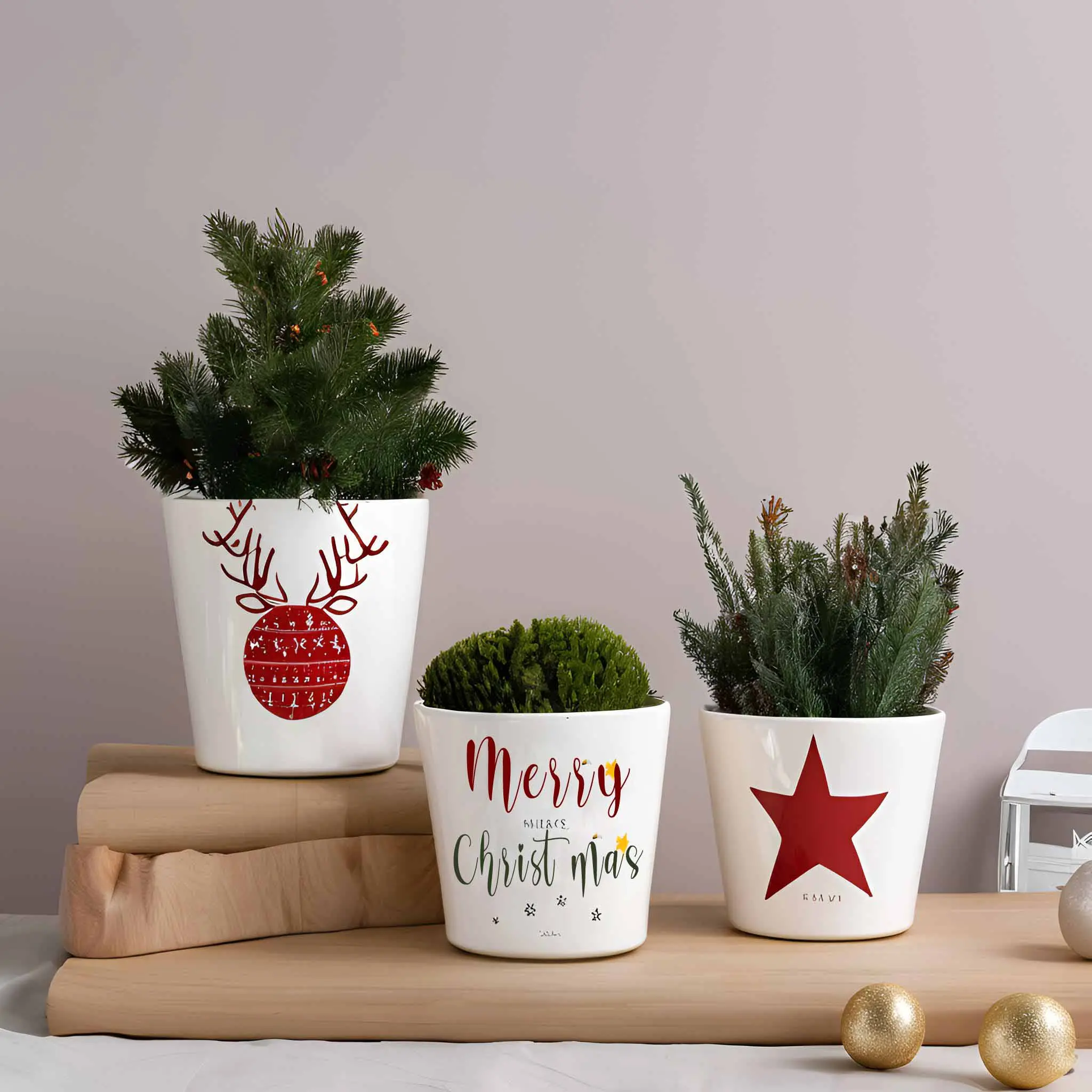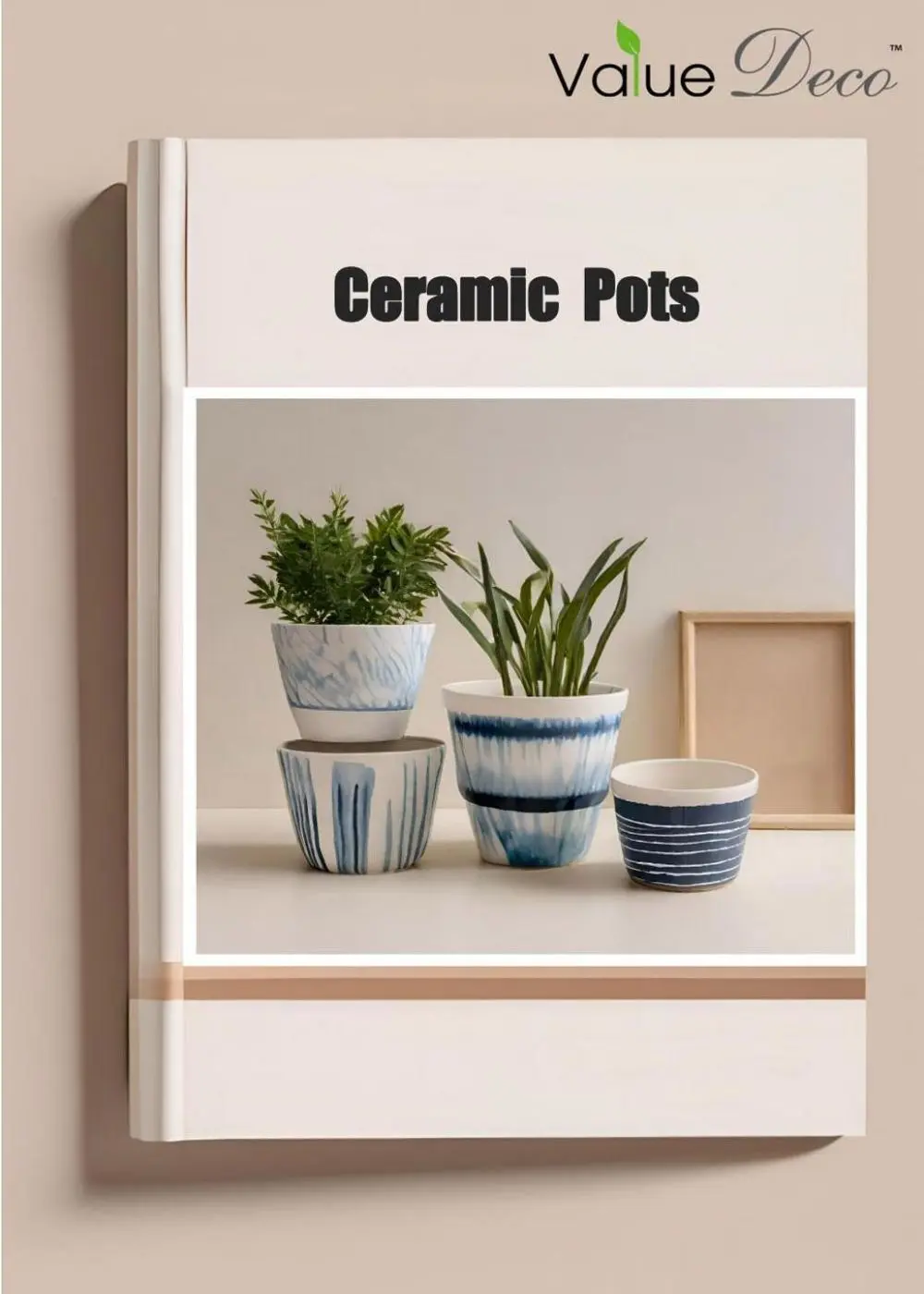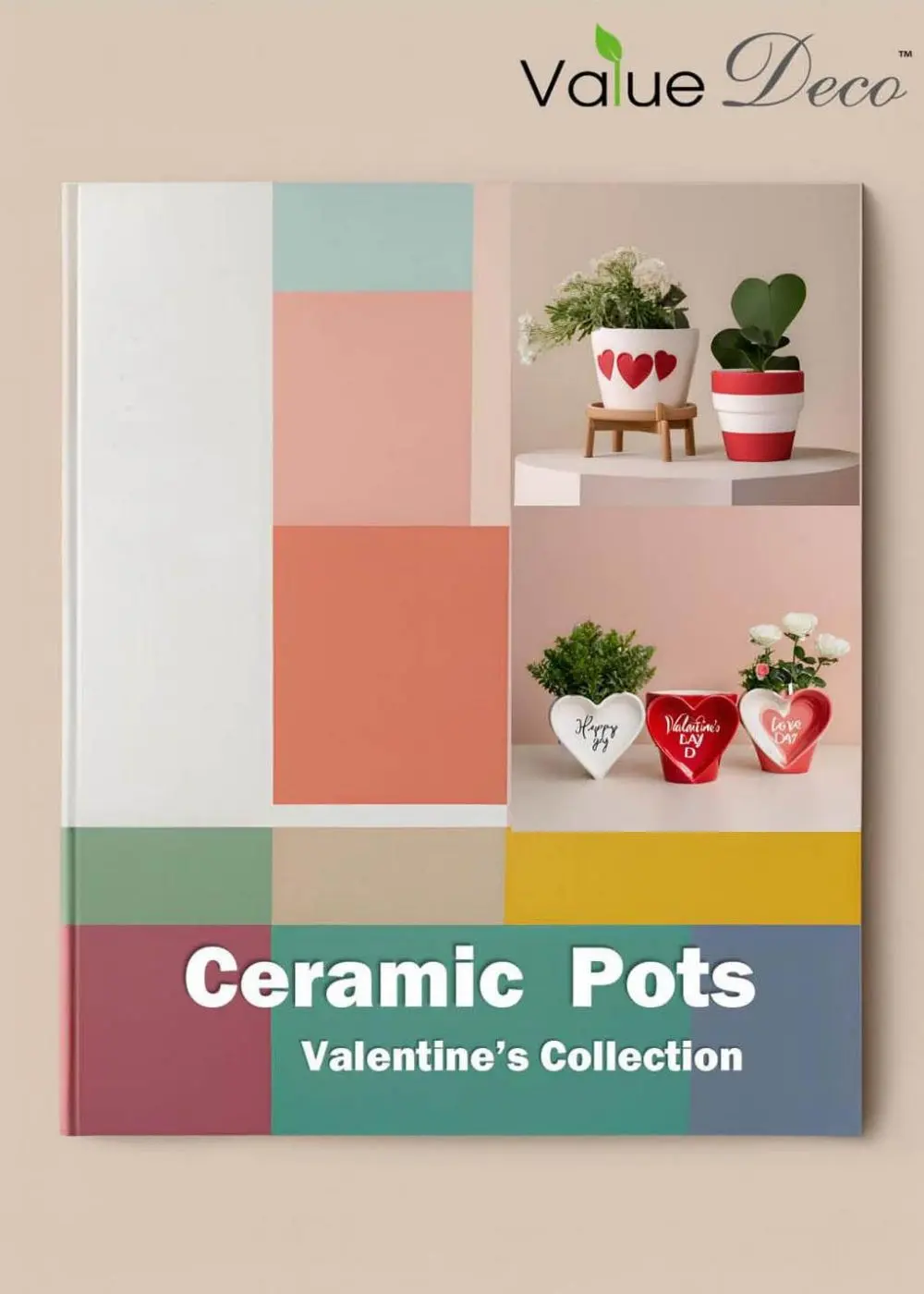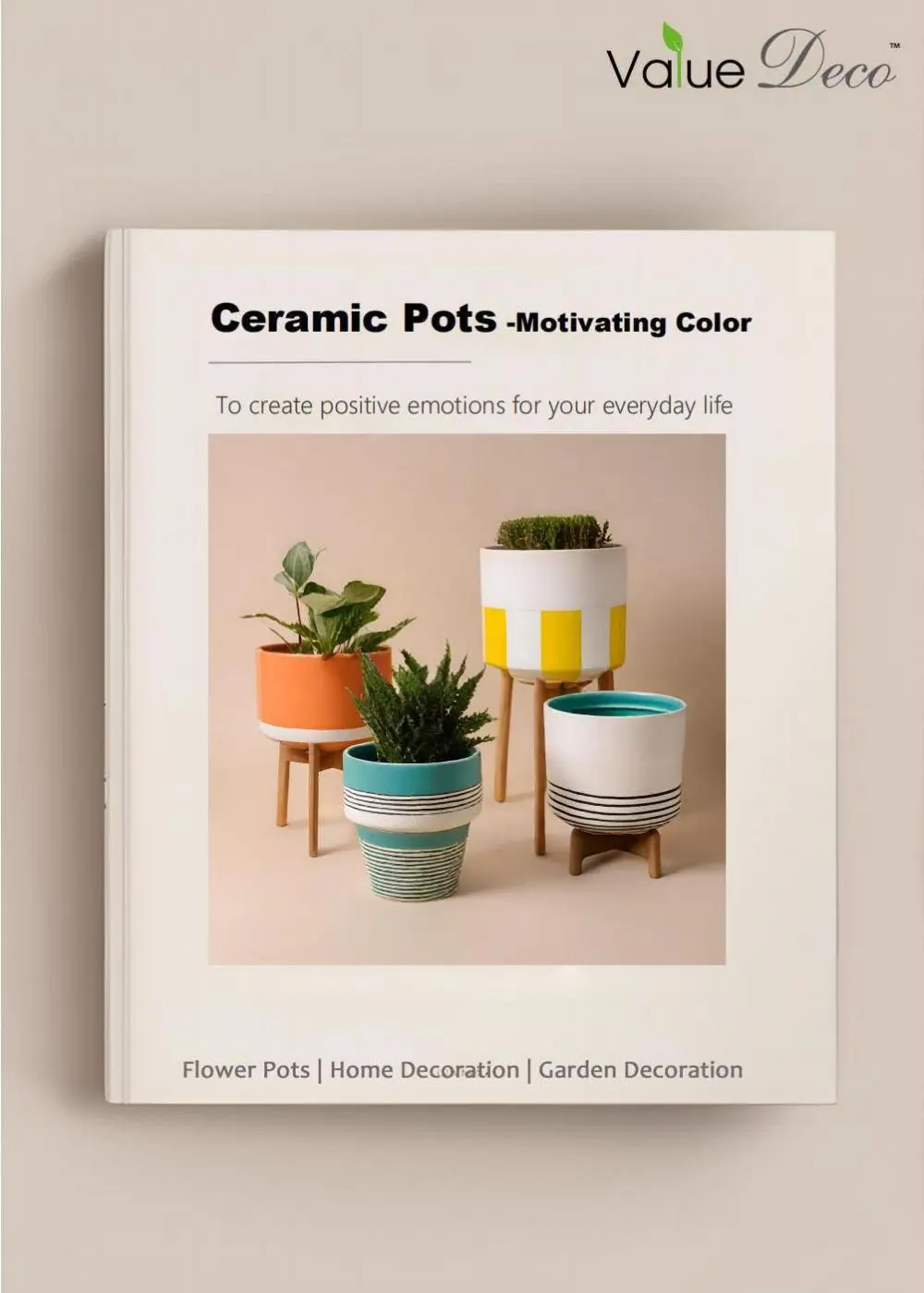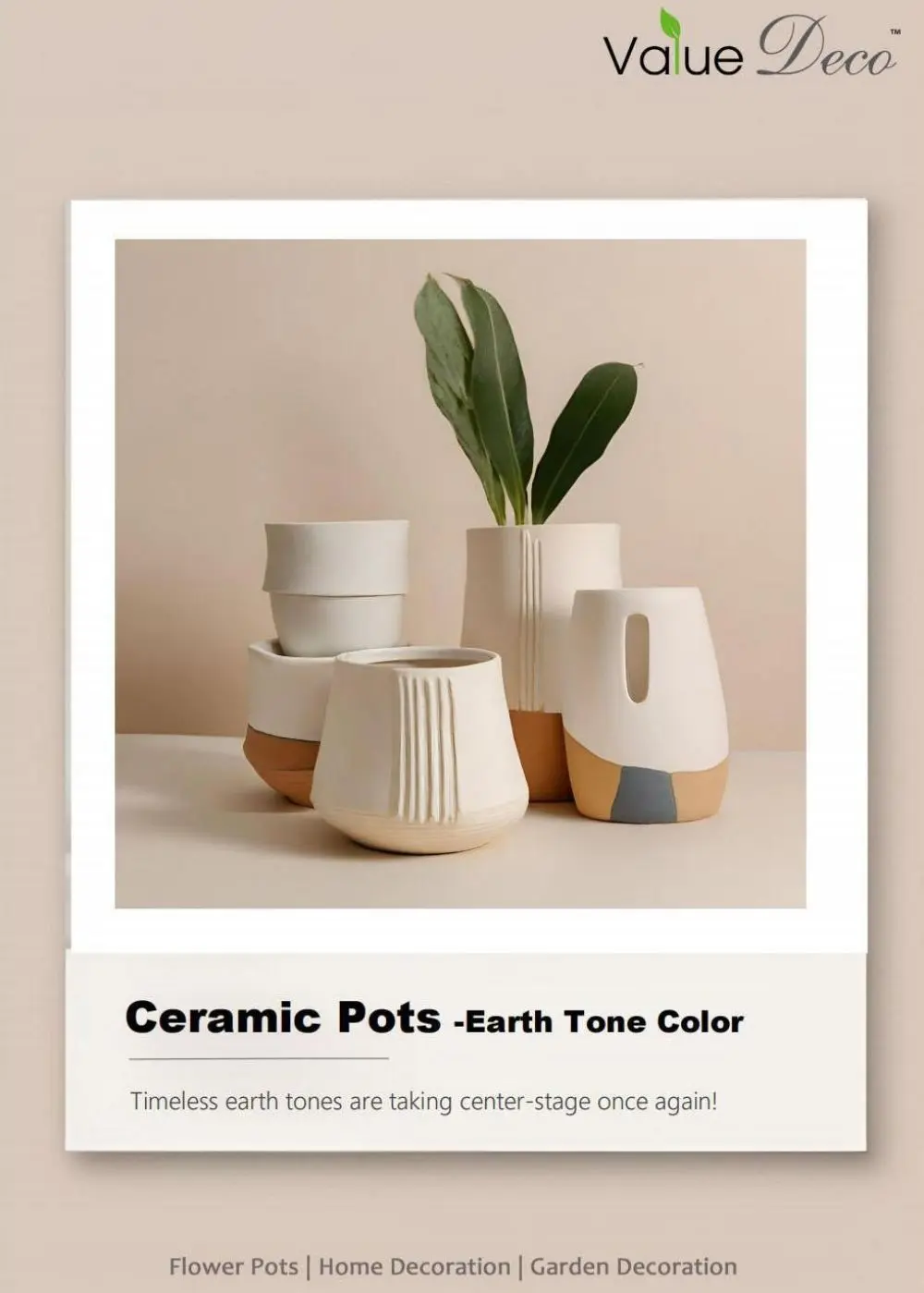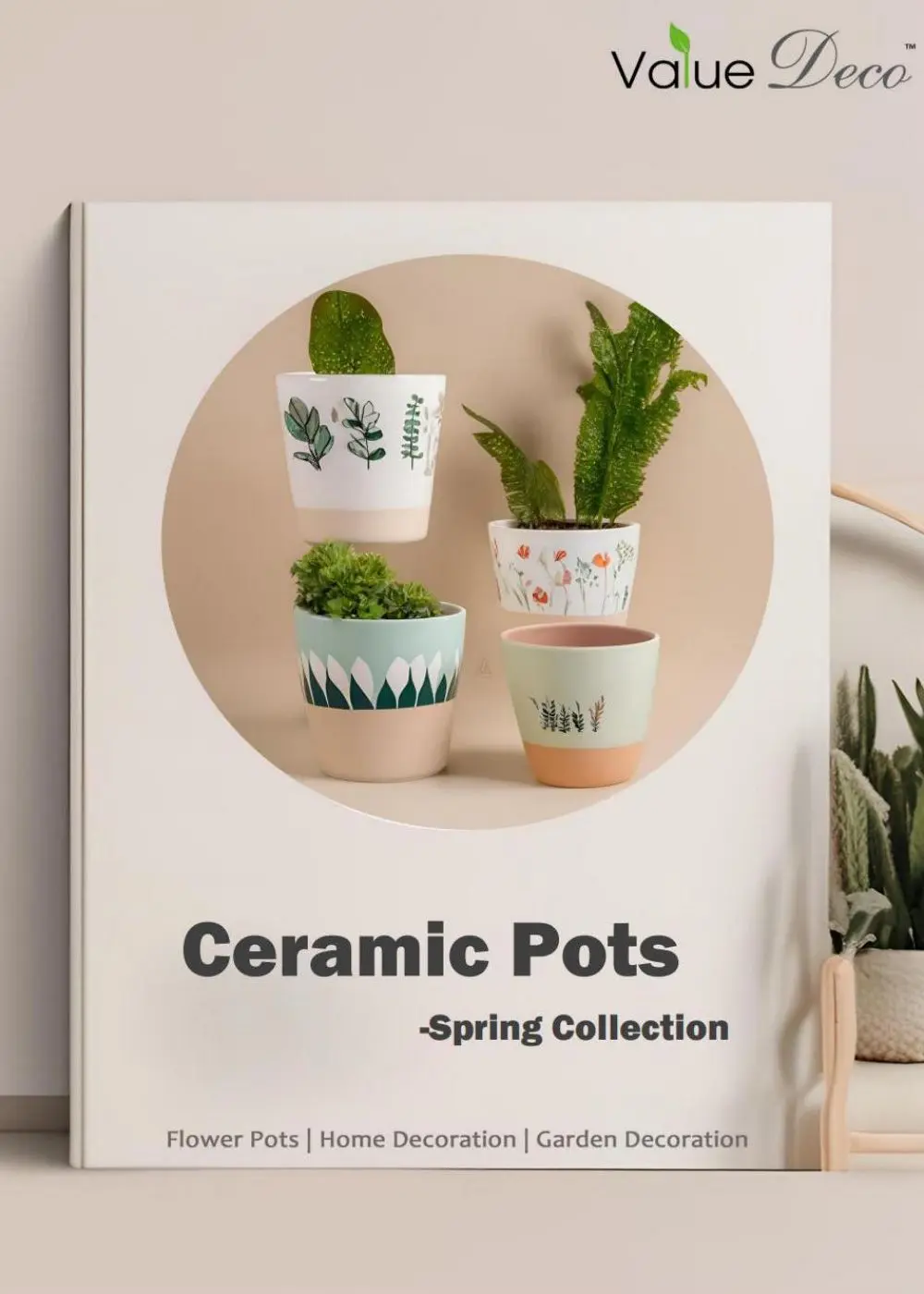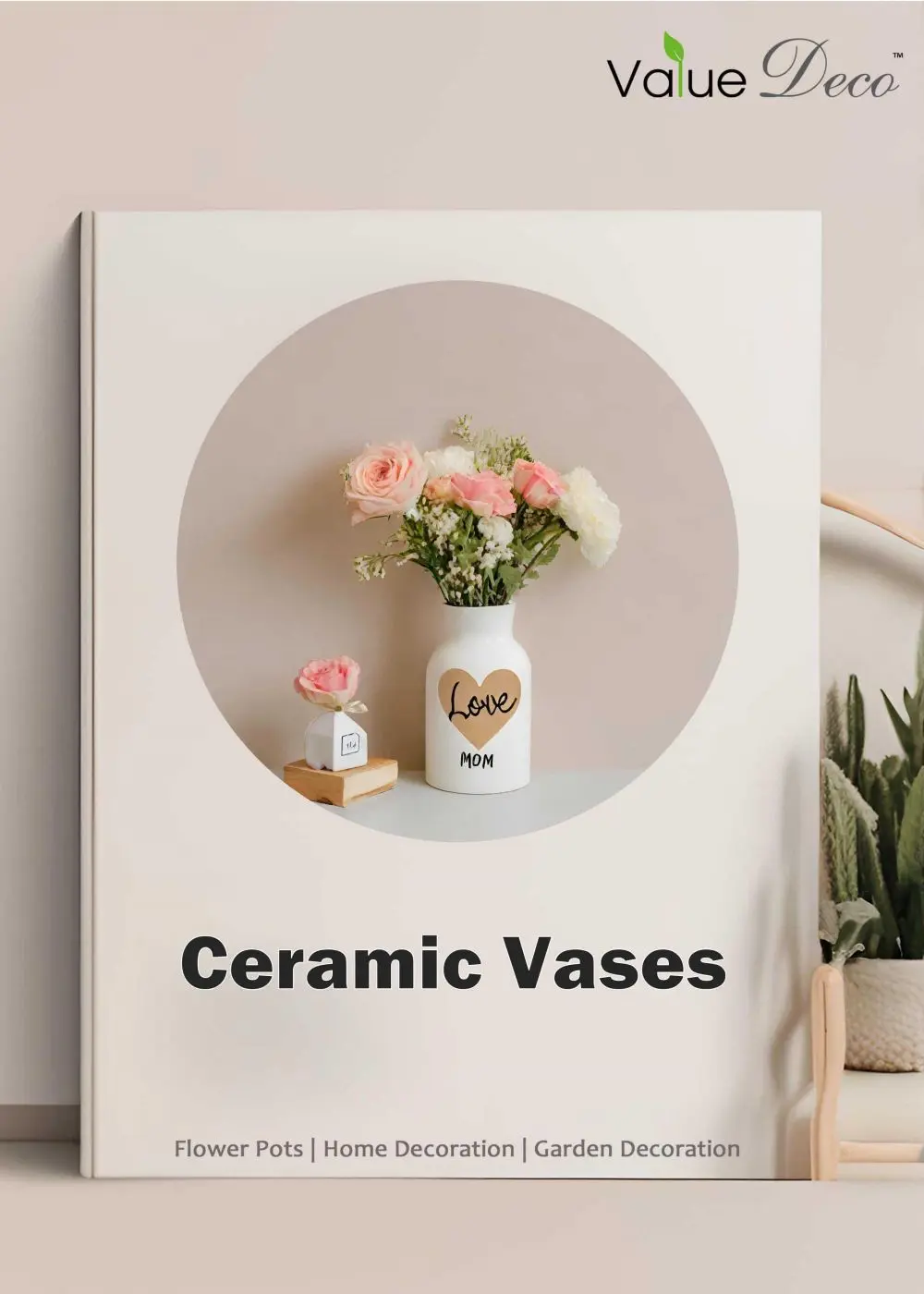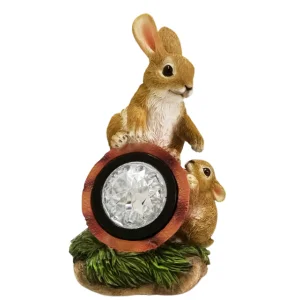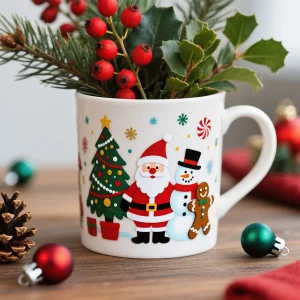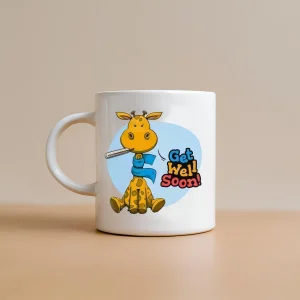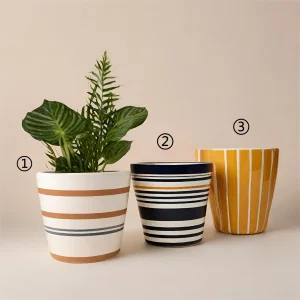
Explore our highly curated seasonal and decorative ceramic catalog engineered for global distribution, compliance, and aesthetic elegance.
A comprehensive review of materials, structural engineering, supply chain dynamics, and market positioning in B2B decoration procurement.
Book ends, historically simple functional objects meant to keep rows of books upright, have evolved into a vital category of modern interior architecture, home staging, and office styling. From a structural perspective, a book end is an engineering solution to gravity and lateral force. As digital media shifts physical books into curated statements of prestige, the demand for high-end, artistic, and decorative book ends has spiked globally.
In corporate headquarters, luxury hotels, and modern residential developments, heavy-duty book ends serve as anchors for branding, sculptural art, and spatial organization. The global market is divided into functional utility segments (typically metal or basic wood for libraries and schools) and high-margin decorative segments (ceramic, concrete, marble, and brass). For bulk importers and wholesale buyers, tapping into a manufacturer that can provide a cost-effective, durable, and highly customizable product is critical.
When procurement managers search for "cheap book ends manufacturers & suppliers", the focus is not merely on low pricing, but on unit-cost optimization without quality deterioration. A poorly engineered cheap book end lacks the weight, slip-resistance, or structural integrity to hold heavy textbooks or large decor volumes. True economic value is created through advanced fabrication methods, optimized material mixtures (such as blending heavy slip ceramics with weighted aggregate cores), and automated glazing lines.
By utilizing advanced industrial hubs in China, suppliers can manufacture book ends at a fraction of the cost seen in local domestic assembly. The integration of mold-casting, high-efficiency tunnel kilns, and centralized raw material supply chains allows factories to produce thousands of high-quality decorative book ends daily, driving down the unit cost to competitive wholesale margins.
Value Deco Limited operates at the absolute peak of modern decorative manufacturing. Through state-of-the-art facilities, we combine traditional craftsmanship with AI-optimized supply chain processes. China's ceramic clusters offer unparalleled advantages:
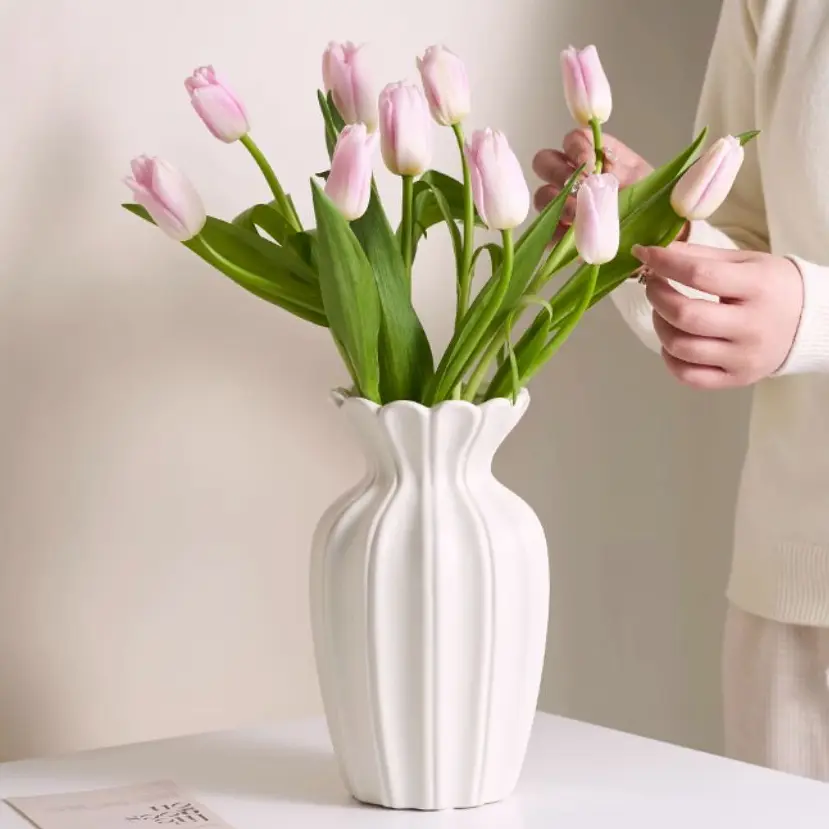
Value Deco Limited is a leading supplier of high-quality ceramic pots, vases, home accessories, and decorative organizers based in China. With over 12 years of experience in the design and export industries, we have built an internationally recognized reputation for offering a diverse range of Flower Pots, Flower Vases, Candle Holders, Home Decoration, Garden Accessories, and Dinnerware, designed for seasonal updates and year-round commercial appeal.
Our operational structure is split into targeted business units to offer expert attention to product lines and supply chain dynamics:
Direct wholesale access to our core production lines designed for global retailers, importers, and e-commerce stores.
Stay ahead of retail calendars with custom collections designed to hit high margins during key shopping seasons.
Select a specialized catalog category to view technical blueprints, dimensions, structural materials, and glaze finishes.
B2B buyers source decorative elements based on precise consumer demographics and functional requirements. For book ends, these use-cases dictate specific weight capacities, anti-scratch finishes, and visual alignments:
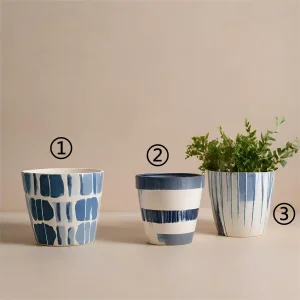
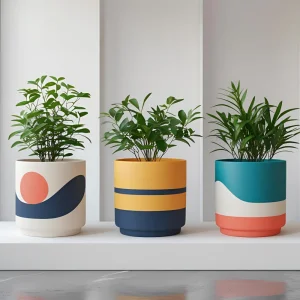
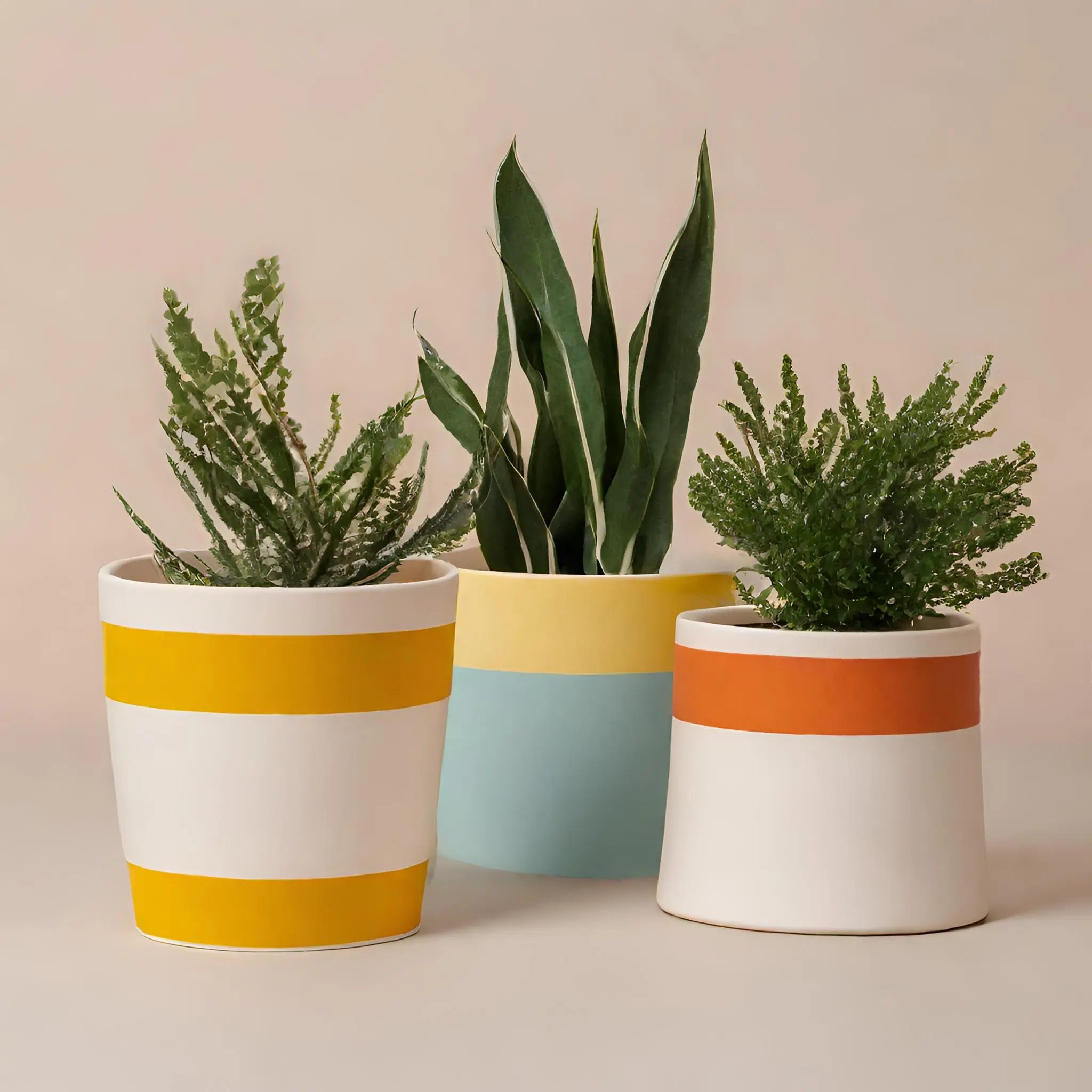
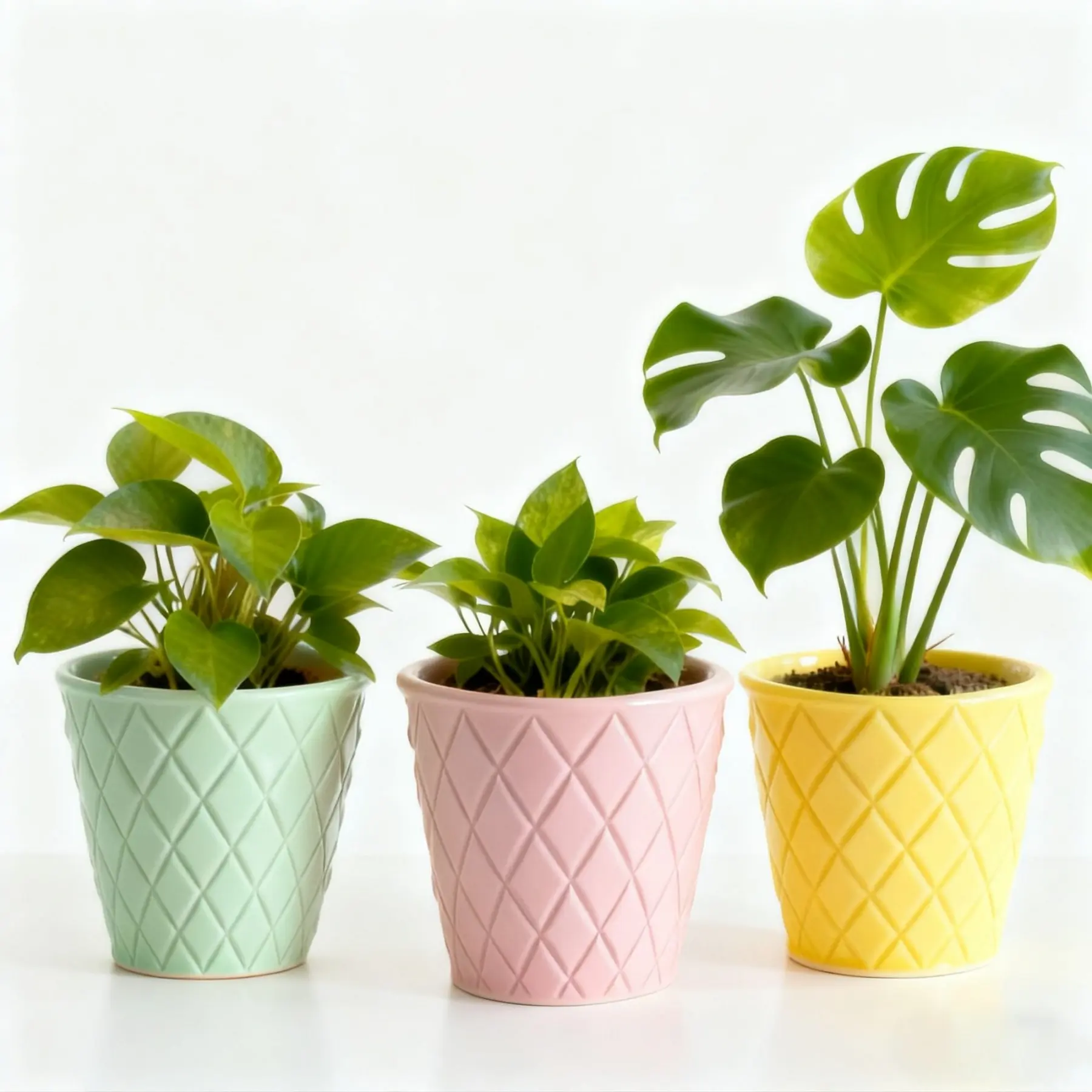
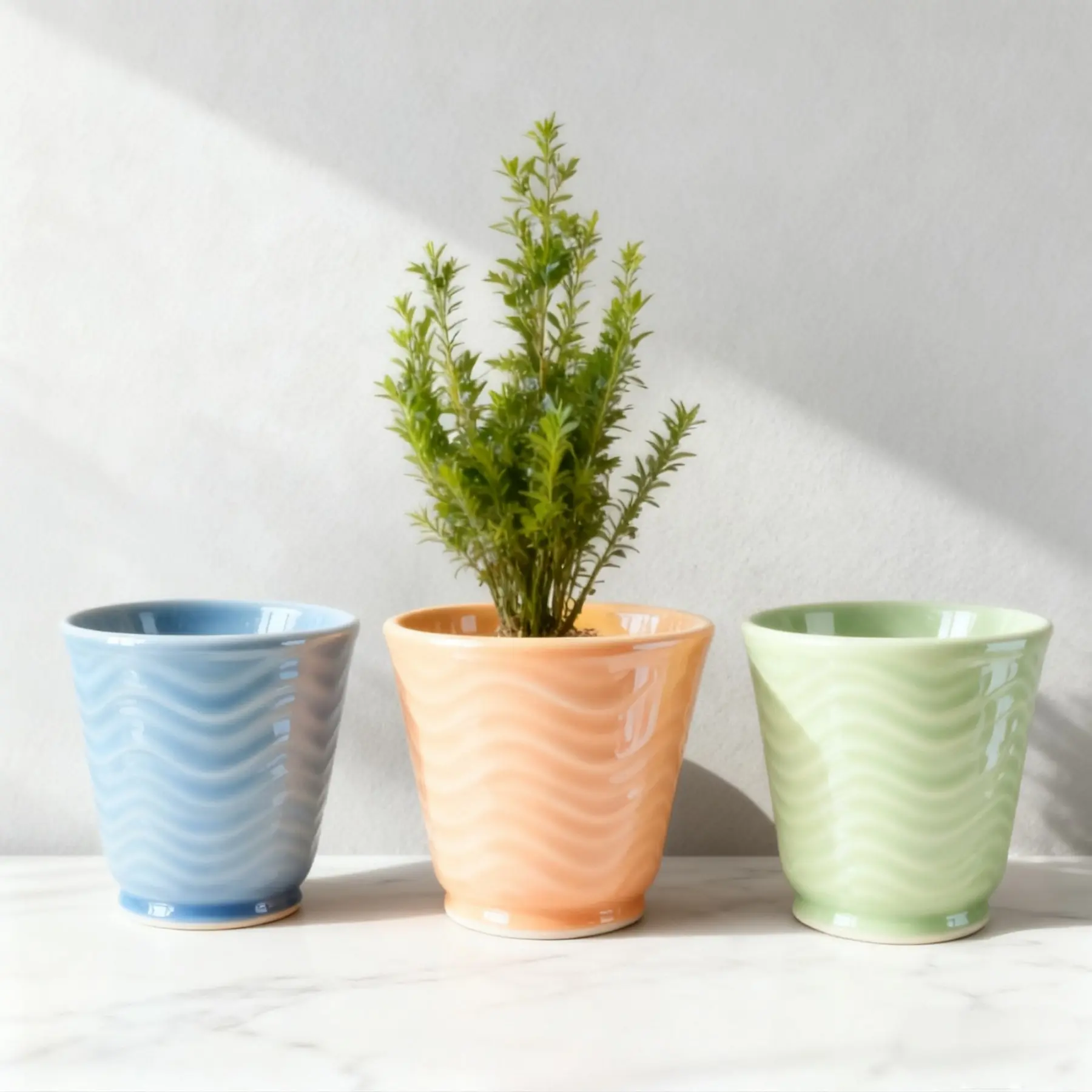
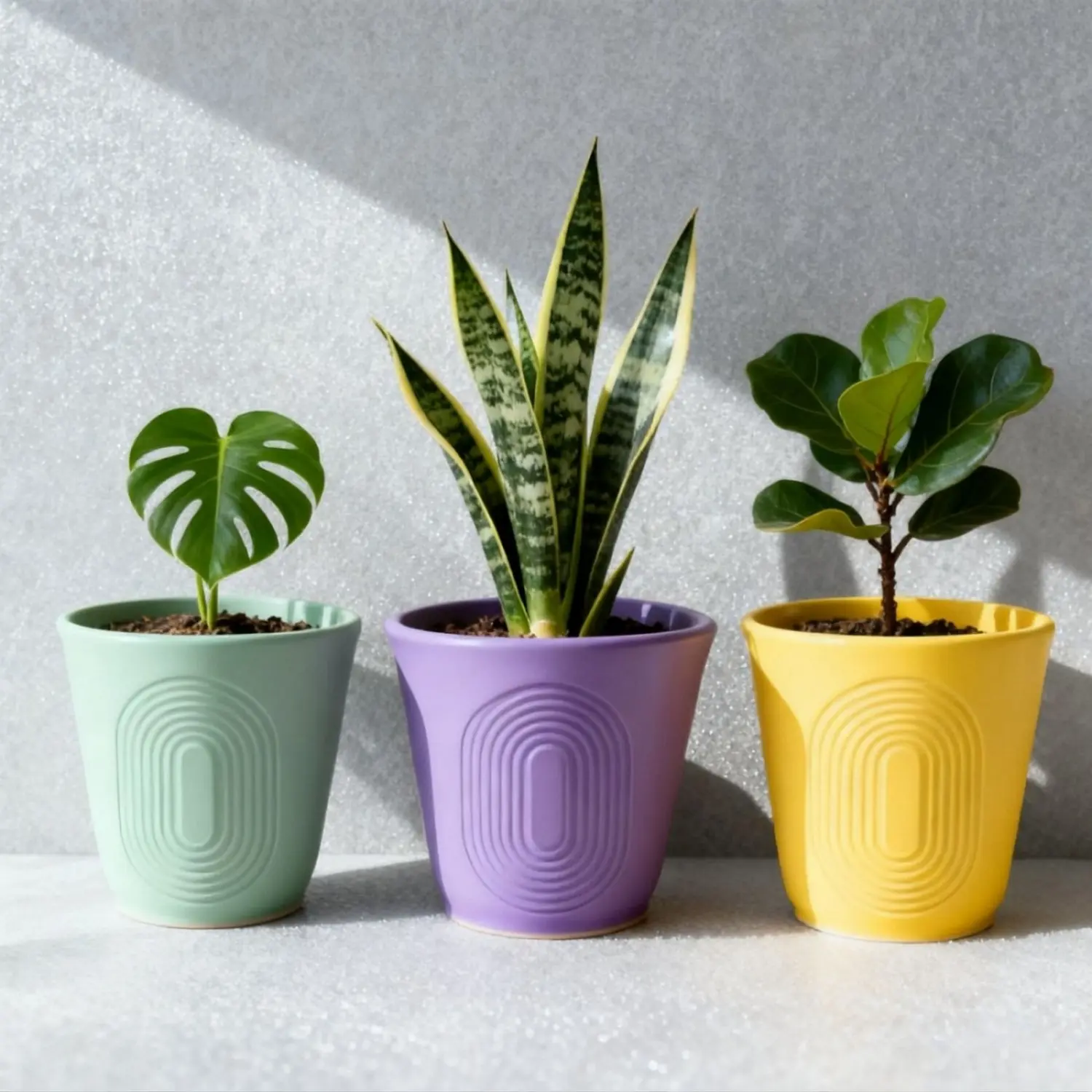
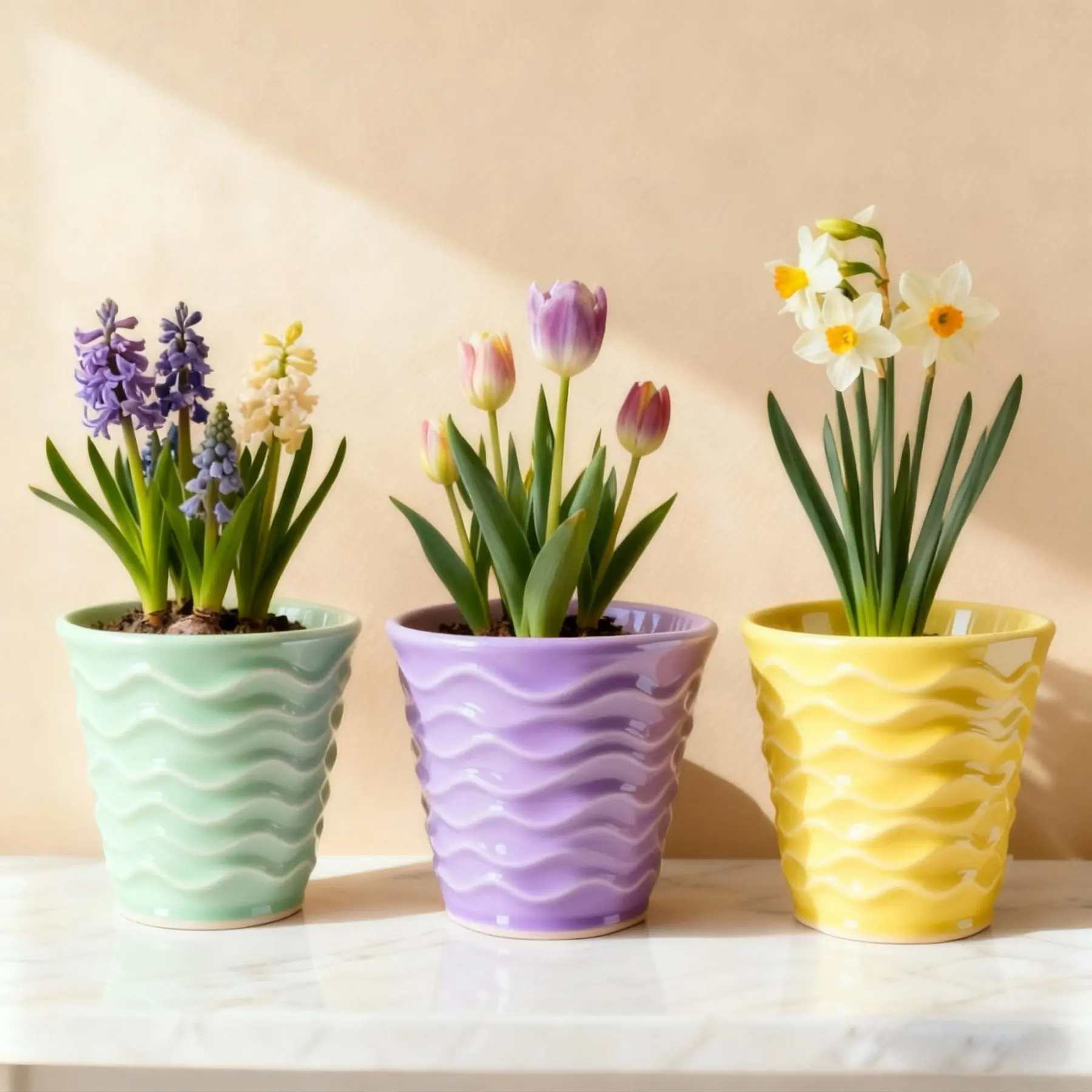
The integration of nature into functional office environments (biophilic design) has led to an emerging product sub-category: Planter Book Ends. These dual-use items act as sturdy heavy-duty anchors for books while holding live or artificial air plants, succulents, or ivy. Utilizing geometric patterns, matte-glazed textures, and integrated drainage pathways, modern manufacturers have bridged the gap between pottery and shelving organization. In retail environments, offering planters alongside decorative book ends captures higher basket values and aligns directly with trending consumer keywords such as *biophilic desk decor* and *green shelf organizers*.
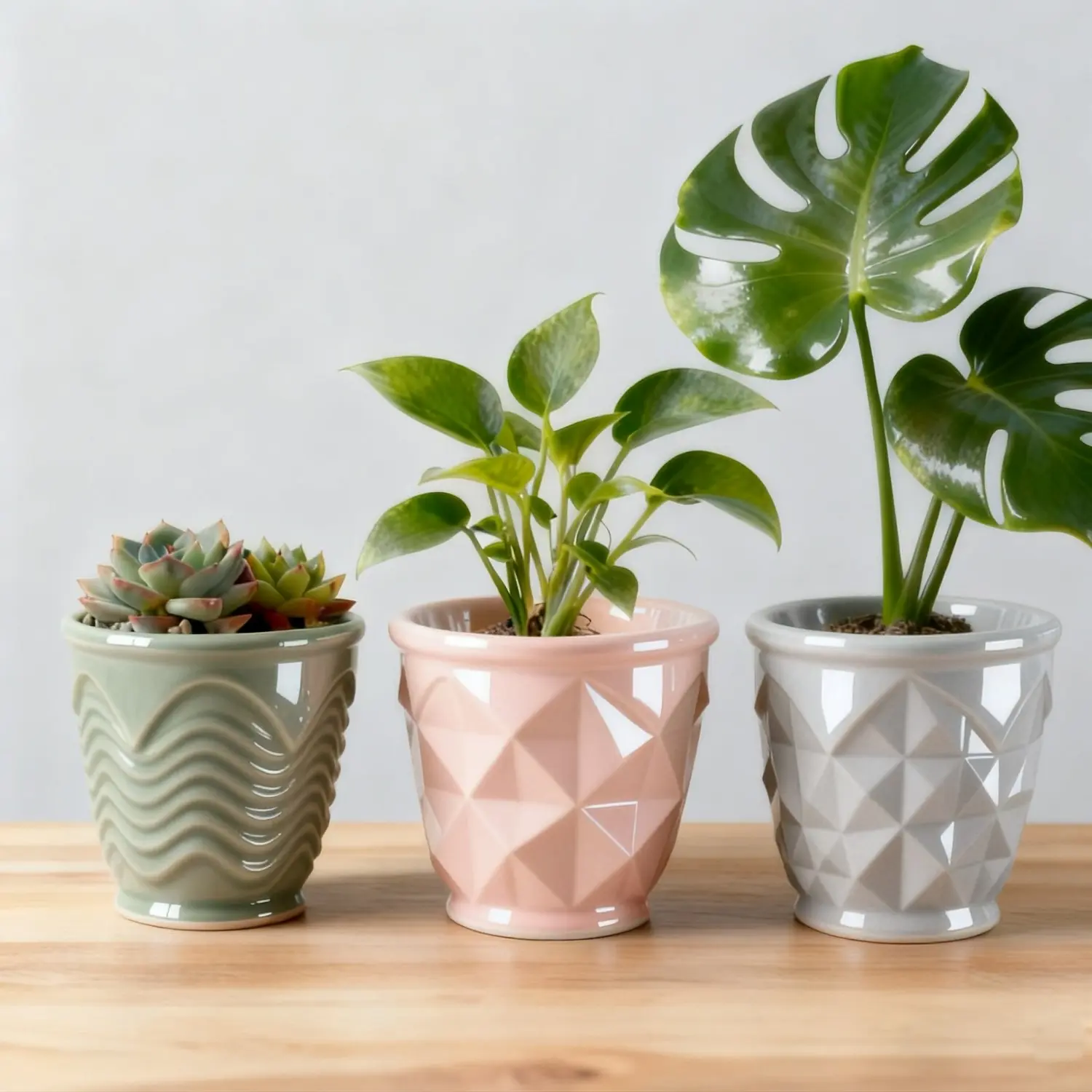
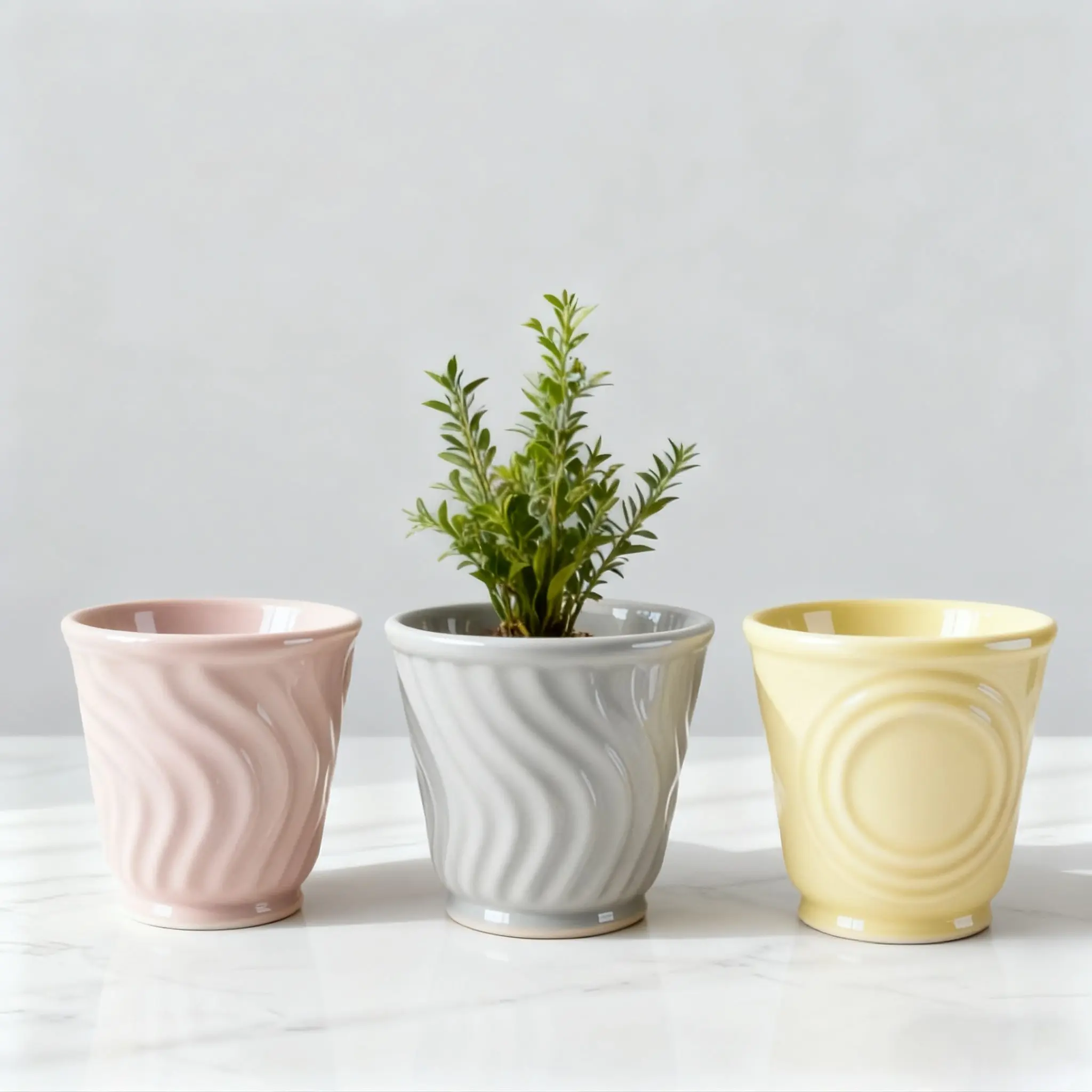
Freshly updated conceptual and technical designs showcasing advanced geometric textures, relief glazing, and minimalist styling.
Direct technical answers from Value Deco's engineering and supply chain management department.
Review the rest of our seasonal catalog, dinnerware items, and custom glazed mug selections.