
What Are the Top 10 Large Indoor Flower Pots?

Time:2026-10-19 Author:Amelia
0%

Large indoor plants are reshaping modern interiors, from compact apartments to bright hotel lobbies. The global indoor plants market was valued at approximately USD 18.6 billion in 2023, according to Grand View Research, with continued growth expected through 2030. That expansion is changing buyer expectations. A pot must now support plant health, room proportion, mobility, and visual balance.

This guide examines the top 10 Flower Pot Large Indoor options for real living spaces. We consider drainage, material weight, opening width, root-room, stability, and cleaning. These details matter beside a velvet sofa or beneath a low window. The Royal Horticultural Society consistently emphasizes that containers need suitable drainage and growing conditions, not decoration alone. Bigger is not always better. An oversized pot can retain excess moisture, while a narrow one may restrict healthy roots.

Plant stylist Hilton Carter has described houseplants as “living art,” a useful reminder that containers frame the plant’s character. Still, style cannot replace horticultural judgment. Ceramic may offer visual warmth, but it can be heavy. Fiberglass is lighter, yet sometimes less tactile. A self-watering design may help busy owners, though it still requires monitoring.

The selections ahead balance expert guidance with practical experience. Some choices are elegant. Others are deliberately simple. A few may not suit every home, and that is worth admitting. Room light, floor strength, pet safety, and watering habits can change the right answer.
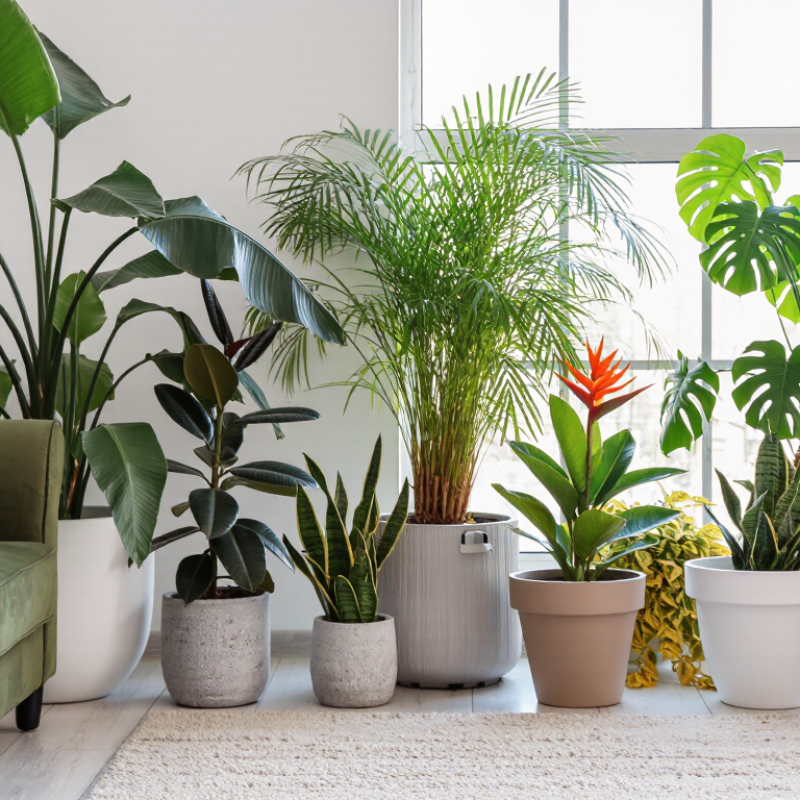
What Are the Top 10 Large Indoor Flower Pots?

What Defines a Large Indoor Flower Pot?

A large indoor flower pot is defined by function, not appearance alone. In practical use, it usually measures about 30 to 50 centimeters wide, although room size and plant variety can change that range. A tall pot may look impressive but still offer little space for roots. Scale matters.

The right pot should support the plant’s mature growth without creating a swampy root environment. A drainage hole, a fitted saucer, and enough internal depth are essential. For many established plants, the container should be only 5 to 10 centimeters wider than the root ball. Excess space can hold moisture too long. That can encourage root problems, especially in rooms with limited sunlight.

Weight also defines a genuinely large indoor pot. Wet soil, a mature plant, and a ceramic or stone container become difficult to move. I have chosen attractive pots that were simply too heavy. That mistake taught me to check the filled weight before buying. Lightweight resin can improve handling, while thick ceramic often provides better stability. Neither option is automatically superior.

When comparing the top ten large indoor flower pots, inspect their proportions, drainage design, material, and floor protection. A wide base suits spreading foliage. A narrow, tall form may suit an upright plant but can tip easily. Measure twice. Also, leave a few centimeters around the pot for watering and cleaning. A large container should create visual balance, not block a doorway or crowd the leaves.

How to Compare the Top 10 Large Indoor Flower Pots

Comparing the top 10 large indoor flower pots requires more than judging their appearance. I compare diameter, height, drainage, weight, and material first. A pot should support the plant without dominating the room. For a tall fiddle-leaf fig, a stable base matters more than decorative texture. For palms, deeper containers can support stronger root growth. I also check whether the drainage hole is practical, not merely attractive.

My experience shows that pot weight changes daily usability. A heavy ceramic pot feels secure, but moving it near a window can become difficult. Lightweight fiber or resin pots are easier to handle, though some feel less stable on smooth floors. I examine the inner liner, rim quality, and surface finish for cracks. My first comparison focused too much on color. That was a mistake. A beautiful pot can still trap water and damage roots.

Tips: Measure the plant’s root ball before comparing the ten options. Leave several centimeters of space for healthy growth. Place a saucer beneath pots with drainage holes. Test stability by gently pressing the rim. Check the pot’s full weight after adding soil and water. Consider sunlight, floor protection, and cleaning access. A pot that matches the room but blocks a walkway is not a practical choice. Some measurements may vary slightly between listings, so verify them before purchasing.

Best Materials for Large Indoor Flower Pots

Large indoor flower pots need materials that balance strength, drainage, weight, and appearance. In my experience, fiberglass is a dependable choice for tall plants because it stays rigid without becoming extremely heavy. It also resists moisture damage near windows or humid rooms. However, thin fiberglass can sound hollow and may show scratches more easily than expected.

Ceramic pots offer excellent stability for plants with broad leaves or heavy upper growth. Their glazed surfaces clean easily, while unglazed clay allows more airflow through the pot walls. Clay can dry soil quickly, though, so it suits careful watering habits. Recycled plastic is lighter and often more affordable, making it practical for apartments. Good-quality plastic should feel firm, not flexible. Metal containers create a sharp, modern look, but they may heat near direct sunlight and need an inner liner.

Concrete provides impressive stability for very large indoor plants, but moving it can become a real problem. I once underestimated that weight and needed help repositioning one pot. Wood adds warmth and works well with natural interiors, yet it requires a waterproof inner container.

Stone is durable and elegant, although its weight limits placement changes. Rotomolded polyethylene handles moisture well and usually resists cracking. Composite materials can imitate stone or ceramic with less weight, but their long-term finish varies.

Regardless of material, choose a pot with a drainage opening and a correctly sized saucer. A beautiful container cannot rescue roots sitting in stagnant water. Measure the plant’s root ball before buying, since oversized pots may hold moisture longer than expected.

Choosing the Right Pot for Different Indoor Plants

What Are the Top 10 Large Indoor Flower Pots?

Choosing the Right Pot for Different Indoor Plants

The best large indoor pots depend on roots, moisture, and plant weight. A practical top ten includes terracotta, glazed ceramic, plastic, fiber, metal-lined, concrete-look, self-watering, raised, wheeled, and double pots. Large plants need stability, but oversized containers can hold wet soil too long. The National Gardening Association’s 2019 survey recorded 33.1 million U.S. households buying houseplants. That demand makes thoughtful container selection increasingly important.

Choose porous terracotta for drought-tolerant plants, such as citrus, aloe, and snake plants. Its surface dries faster, which helps reduce soggy roots. Use glazed ceramic or plastic for tropical plants that prefer steadier moisture. Palms and monsteras often benefit from wide pots with drainage holes and a heavy base. For tall plants, a wheeled pot can protect floors and simplify seasonal movement. The USDA Floriculture Crops 2023 Summary valued U.S. floriculture sales at approximately 6.7 billion dollars, showing the scale of indoor and ornamental plant demand. Still, sales figures do not guarantee healthy roots.

Tips: Match pot diameter to the root ball, usually only 5–10 centimeters wider. Check drainage before buying. I once chose a beautiful, oversized pot and watered too confidently; the plant declined slowly. Measure light, weight, and watering habits together. Perfect styling is less important than breathable soil and visible drainage.

What Are the Top 10 Large Indoor Flower Pots?

Choosing the right pot size helps indoor plants remain stable while preventing excess soil from staying wet. The chart shows a practical recommended pot diameter for ten popular large indoor plants.

Choose a pot approximately 2–5 cm wider than the current root ball, and always use drainage holes. The listed sizes represent common starting ranges for established indoor plants.

Placement, Drainage, and Maintenance Considerations

Large indoor flower pots can transform a room, but their placement matters as much as their appearance. The top ten choices should fit the plant’s mature size, not only its current height. Place heavy pots on stable, level flooring near suitable light. Keep them away from heating vents and cold glass. Leave enough space for leaves to spread and for watering without staining walls or furniture. A small gap around the pot also improves air movement.

Drainage is essential for large containers. Choose a pot with a real drainage hole and use a waterproof saucer underneath. Excess water should escape freely, because constantly wet roots can decay even when the soil surface looks dry. An airy potting mix usually performs better than dense garden soil indoors. Water slowly until a little moisture reaches the saucer, then empty it. Decorative outer containers can hide standing water, so inspect them carefully.

Tips: Check soil moisture two inches below the surface before watering. Rotate the pot every few weeks for balanced growth. Wipe dust from broad leaves with a damp cloth. Inspect stems and soil for pests during weekly care. I once watered a large plant on a fixed schedule, and its roots suffered. Plants rarely follow calendars perfectly. Track light, moisture, and leaf changes instead. Use furniture sliders only when they safely support the pot’s full weight.

What Are the Top 10 Large Indoor Flower Pots? - Placement, Drainage, and Maintenance Considerations

Rank Large Indoor Pot Type Typical Size Range Suitable Indoor Plants Recommended Placement Drainage Requirement Maintenance Considerations
1 Tapered Fiberglass Planter 45–70 cm diameter; 45–80 cm high Fiddle-leaf fig, rubber plant, bird of paradise Bright rooms, entryways, and corners; keep away from heating vents Use a drainage hole and a separate saucer or liner; avoid sealed bases Lightweight and moisture-resistant; wipe dust from the surface and check for trapped water
2 Large Terracotta Pot 35–55 cm diameter; 30–55 cm high Citrus trees, palms, olive trees, drought-tolerant plants Sunny windows and well-ventilated areas; use a stable floor A large bottom hole is essential; elevate the pot slightly for airflow Porous clay dries soil faster and may develop mineral deposits; monitor watering closely
3 Ceramic Cachepot with Inner Grow Pot 40–60 cm diameter; 35–65 cm high Monstera, philodendron, dracaena Living rooms and offices with indirect or filtered light The inner pot must have drainage; empty the cachepot after watering Heavy and stable, but difficult to move; inspect the outer pot for standing water
4 Self-Watering Planter 35–60 cm diameter; 35–70 cm high Peace lily, spider plant, areca palm Workspaces and rooms where regular watering is difficult Use the reservoir and overflow system as directed; do not bypass the drainage design Refill only when the reservoir is low; periodically flush the soil to reduce salt buildup
5 Tall Cylinder Planter 30–45 cm diameter; 60–100 cm high Snake plant, yucca, dracaena Narrow hallways, room dividers, and unused vertical spaces Confirm that the drainage hole is not blocked by the narrow base Tall containers can stay wet at the bottom; use a well-draining mix and avoid overwatering
6 Rectangular Trough Planter 80–150 cm long; 25–45 cm wide; 30–50 cm high Herbs, compact palms, ferns, mixed foliage displays Wide windowsills, conservatories, and open-plan spaces Provide multiple drainage holes distributed along the base Requires even watering; rotate plants or prune them to prevent uneven growth
7 Concrete-Style Planter 40–65 cm diameter; 40–75 cm high Large palms, ficus, schefflera Permanent locations on reinforced, level flooring Use a drainage hole, waterproof tray, and floor protection Very stable but heavy; check floors for moisture marks and move only with assistance
8 Wooden Planter Box with Liner 60–120 cm long; 30–50 cm wide; 35–60 cm high Ferns, palms, grouped tropical plants Bright indoor spaces away from radiators and persistent dampness Use a removable liner with drainage holes and a leak-proof tray Protect wood from prolonged moisture; inspect the liner and joints regularly
9 Metal Planter with Protective Liner 35–60 cm diameter; 40–80 cm high Snake plant, ZZ plant, rubber plant Modern interiors with stable temperatures and indirect light Plants should remain in a draining grow pot inside the metal container Metal can heat or cool quickly; prevent condensation and wipe the surface dry
10 Hanging or Elevated Large Planter 30–50 cm diameter; 25–45 cm deep Trailing philodendron, pothos, spider plant Bright areas with secure ceiling or stand support; keep clear of walkways Use a liner or drip tray; verify that excess water cannot fall onto floors Check hooks, chains, and supports regularly; account for the added weight of wet soil

General sizing note: The listed dimensions are common indoor ranges. Choose a pot approximately 5–10 cm wider than the plant’s current root ball, and ensure the floor, stand, or ceiling support can carry the combined weight of the container, moist soil, and plant.

FAQS

What size is considered a large indoor flower pot?

Most large indoor pots measure about 30 to 50 centimeters wide. A tall pot may still have limited root space. Scale matters.

How much larger should the pot be than the root ball?

Choose a pot only 5 to 10 centimeters wider than the root ball. Excess space can retain moisture and harm roots.

Why are drainage holes important?

Drainage holes prevent water from collecting around the roots. Use a fitted saucer beneath the pot. Healthy roots need air.

Which material works best for large indoor pots?

No material wins in every room. Fiberglass is light and rigid, while ceramic offers stronger stability. Your floor, plant, and moving habits matter.

Is ceramic suitable for large indoor plants?

Ceramic suits plants with broad leaves or heavy upper growth. Glazed surfaces clean easily. Unglazed clay dries soil faster and needs careful watering.

Are lightweight plastic pots reliable?

Good-quality plastic can work well in apartments and small spaces. It is easier to move and usually costs less. Avoid thin, flexible containers.

What should I consider before buying a heavy pot?

Estimate the filled weight, including wet soil and the mature plant. Concrete, stone, and thick ceramic may become difficult to reposition. I underestimated this once.

How can I prevent a large pot from tipping?

Match the pot shape to the plant’s growth. A wide base supports spreading foliage. Tall, narrow pots may tip easily. Check the balance carefully.

Conclusion

Choosing the right Flower Pot Large Indoor begins with understanding what makes a pot truly suitable for spacious interiors. A large indoor flower pot should provide enough room for healthy root growth, remain stable for tall or top-heavy plants, and complement the room without overwhelming it. Comparing the top options involves evaluating size, weight, shape, durability, water management, and ease of cleaning. Materials such as ceramic, fiberglass, metal, plastic, and natural stone each offer different benefits in appearance, insulation, portability, and moisture control.

The best pot also depends on the plant’s needs. Deep-rooted plants require greater depth, while plants with spreading roots may benefit from wider containers. Placement near suitable light, protection for floors, and proper drainage are essential considerations. Pots with drainage holes help prevent waterlogged soil, while inner liners or trays can simplify maintenance. Regularly checking moisture levels, removing excess water, cleaning the container, and rotating the plant can support long-term growth and keep the indoor display attractive.

Amelia

Amelia

Amelia is a seasoned marketing professional with a wealth of expertise in our company’s core offerings. With an unwavering passion for driving growth and innovation, she plays a pivotal role in shaping our marketing strategies and enhancing brand visibility. A key aspect of her responsibilities......