Choosing the right garden planters can be a transformative experience for any gardening enthusiast. According to horticulture expert Dr. Emily Foster, "The right planter can make or break your garden's success." With an array of styles and materials available, selecting the best garden planters tailored to your needs is essential.
Consider size, material, and drainage when making your decision. Planters come in various sizes, from small pots for herbs to large containers for shrubs. Materials range from traditional clay to modern fiberglass. Each option has its benefits and drawbacks. For example, while clay pots are aesthetically pleasing, they can dry out quickly.
Reflect on your gardening goals and environment. Will your planters receive full sun or partial shade? Are you looking to grow vegetables or ornamental plants? Understanding your garden's unique requirements will help you choose wisely. Remember, not every planter will suit every task. Taking time to consider these factors can lead to a thriving garden.
Understanding Different Types of Garden Planters Available in the Market
When exploring garden planters, it's essential to understand the variety available. Traditional pots, raised beds, and wall planters each offer unique advantages. For instance, data from the National Gardening Association reveals that raised beds can improve soil drainage and temperature. They often yield 10-20% more produce than traditional row planting.
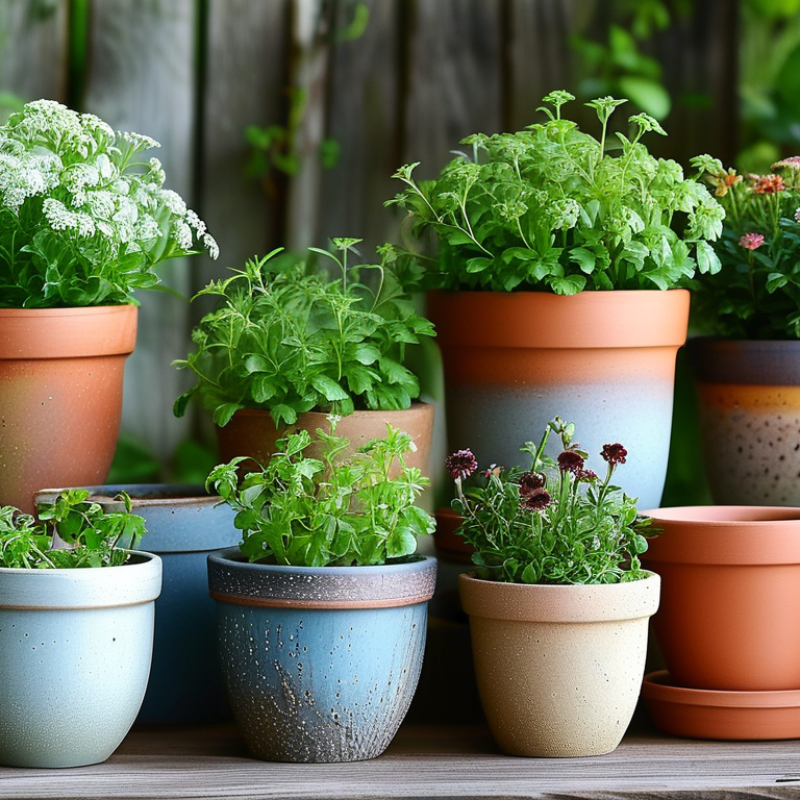
Container gardening, including pots and window boxes, is also becoming popular. A 2022 report highlights that 45% of urban gardeners prefer container planters due to limited space. These containers come in various materials, including ceramic, plastic, and metal. While ceramic is aesthetically pleasing, it can be heavy and fragile, which may not suit every gardener's needs.
Reflecting on your gardening style is crucial when choosing a planter type. Some people may choose stylish options that may not be the most functional. Practicality should often come first, especially for new gardeners. If you're unsure, consider starting with lightweight plastic containers. They are easy to handle and available in multiple sizes. This flexibility allows for experimentation with different plants.
Assessing Your Garden's Space and Environment for Optimal Planning
When choosing the right garden planters, understanding your garden's space and environment is crucial. A study by the American Horticultural Society indicates that 55% of gardeners achieve better growth with planters suited to their local climate. It’s important to assess sunlight exposure, wind patterns, and humidity levels in your area. For example, if your garden receives full sun, opt for planters that allow for excellent drainage to prevent root rot.
Consider the physical space available as well. A report from the National Gardening Association shows that 38% of urban gardeners utilize vertical planters or wall gardens to maximize limited space. Think about the height and width of your planters to ensure they fit well in your garden layout. Avoid overcrowding; plants need their space to thrive. A common mistake is choosing planters that are too small, which limits root growth and can lead to unhealthy plants.
Lastly, don't overlook the materials used for planters. Options like wood, ceramic, and plastic each have different insulation properties, affecting plant health. It's essential to consider how these materials will interact with weather conditions. A 2022 survey found that gardeners often regret not selecting more durable materials. Taking the time to assess your environment and space will lead to more successful gardening outcomes.
Selecting the Right Material for Durability and Plant Health
When selecting garden planters, focusing on the right material is key. Different materials offer varying advantages for plant health and durability.
Wooden planters, for instance, create a rustic look and provide good insulation. However, they may rot over time. You might need to replace them frequently.
On the other hand, plastic planters are lightweight and affordable. They resist weather changes but may not provide sufficient breathability for roots.
Metal containers can be durable but can heat up quickly in the sun, impacting soil temperature. Choose wisely to balance aesthetics and plant health.
Consider the environment where your planters will reside. For instance, if it's exceptionally rainy, drainage becomes crucial.
Some materials retain more moisture than others. It could cause root rot. Evaluating your local climate can guide you towards the best material choice.
Don't forget about the size, too; it’s essential to match your plants' root systems to their containers. Reflecting on these details can lead to better gardening experiences.
Determining the Ideal Size and Depth for Your Plant Needs
When choosing garden planters, size and depth are crucial factors. The right planter must accommodate the plant's root system. Each plant has specific needs based on its growth habits, whether it’s deep-rooted vegetables or shallow-rooted flowers. For instance, tomatoes thrive in deeper containers, while herbs can do well in shallower ones.
Consider the space available in your garden or patio. A small area may limit your options and require you to select compact planters. However, choosing the wrong size can lead to issues. For example, if a planter is too small, plants may suffer from stunted growth. It's also vital to consider drainage; deep planters need proper holes to prevent waterlogging.
Reflecting on your gardening goals helps too. Are you growing for beauty or for produce? This influences the size and depth you will need. Remember, taller planters may look good, but without proper care, they could become unmanageable. Regularly checking on your plants and their environment will lead to better choices in the future. Evaluating your choices ensures your garden flourishes over time.
Budgeting for Your Garden Planters: Costs and Value Considerations
When budgeting for garden planters, consider both initial costs and long-term value. The price range can differ widely based on materials, size, and design. For example, plastic planters are often cheaper than ceramic ones. However, ceramic offers durability and aesthetic appeal, potentially saving you money in the long run.
Think about the types of plants you’ll grow. Some require larger space for roots. Smaller, cheaper planters can limit your options. Investing in a few high-quality pieces may yield better results. They can enhance plant health and aesthetics, making your garden a beautiful space.
It’s crucial to research and compare options. Look for reviews and recommendations from experienced gardeners. Not every expensive item ensures quality. Sometimes, the cheaper option might suit your needs just as well. Reflect on your own gardening experience. What worked and what didn't? Use that knowledge to make informed choices that align with your budget and gardening goals.
Conclusion
Choosing the right garden planters is essential for creating a thriving garden space. Start by understanding the various types of garden planters available, as they come in diverse styles and materials to suit different planting needs. Evaluate your garden's space and environment to determine the best placement for your planters, ensuring optimal sunlight and drainage conditions.
Next, consider the material of your garden planters; options range from wood to plastic, each offering unique benefits for durability and plant health. Additionally, it's important to select the appropriate size and depth for your plants, as this can significantly affect their growth. Lastly, budgeting is crucial; assess the costs associated with different garden planters to find the best value for your investment. By following these guidelines, you can make informed decisions that enhance your gardening experience.